Best Badminton Coach in Malaysia: Using Video Feedback Without Publicly Posting Children
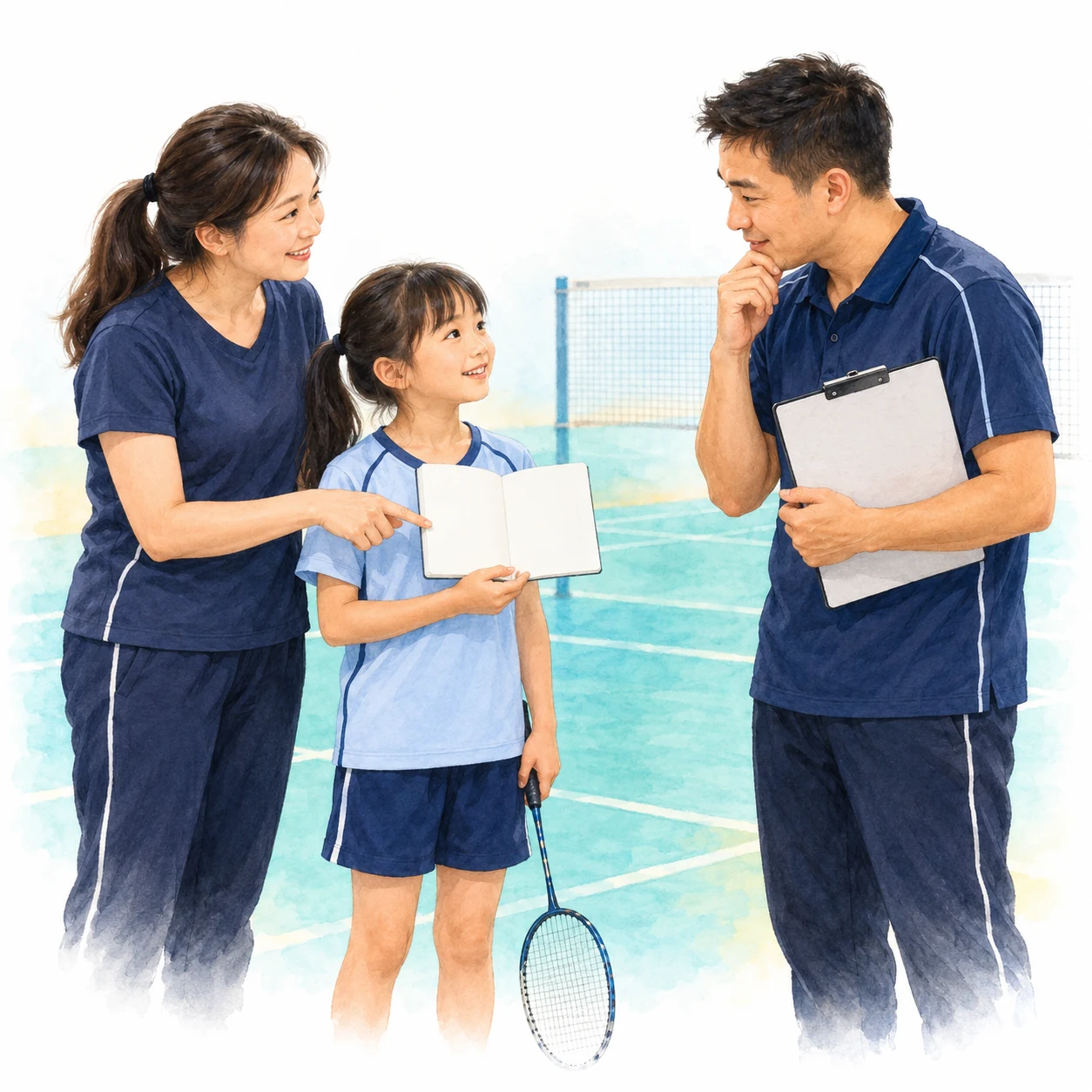
Video feedback is most useful when a short recording answers a specific learning question. Agree what the coach wants to observe, who may appear and how the recording will be handled before filming. Publicly posting a child is not required to make a teaching conversation useful. Families searching for the best badminton coach in Malaysia may encounter many impressive training clips. Those clips do not establish whether a recording will help their own child understand the next task. This guide discusses a private learning approach for badminton training enquiries in Kuala Lumpur, including ST Badminton Academy. It does not announce the academy’s recording policy or offer legal advice. Confirm actual arrangements with the provider. Images are AI-generated educational illustrations with generic people, not photographs of Eric Chuar or real students.
Start with the learning question
What should the recording help the coach understand?
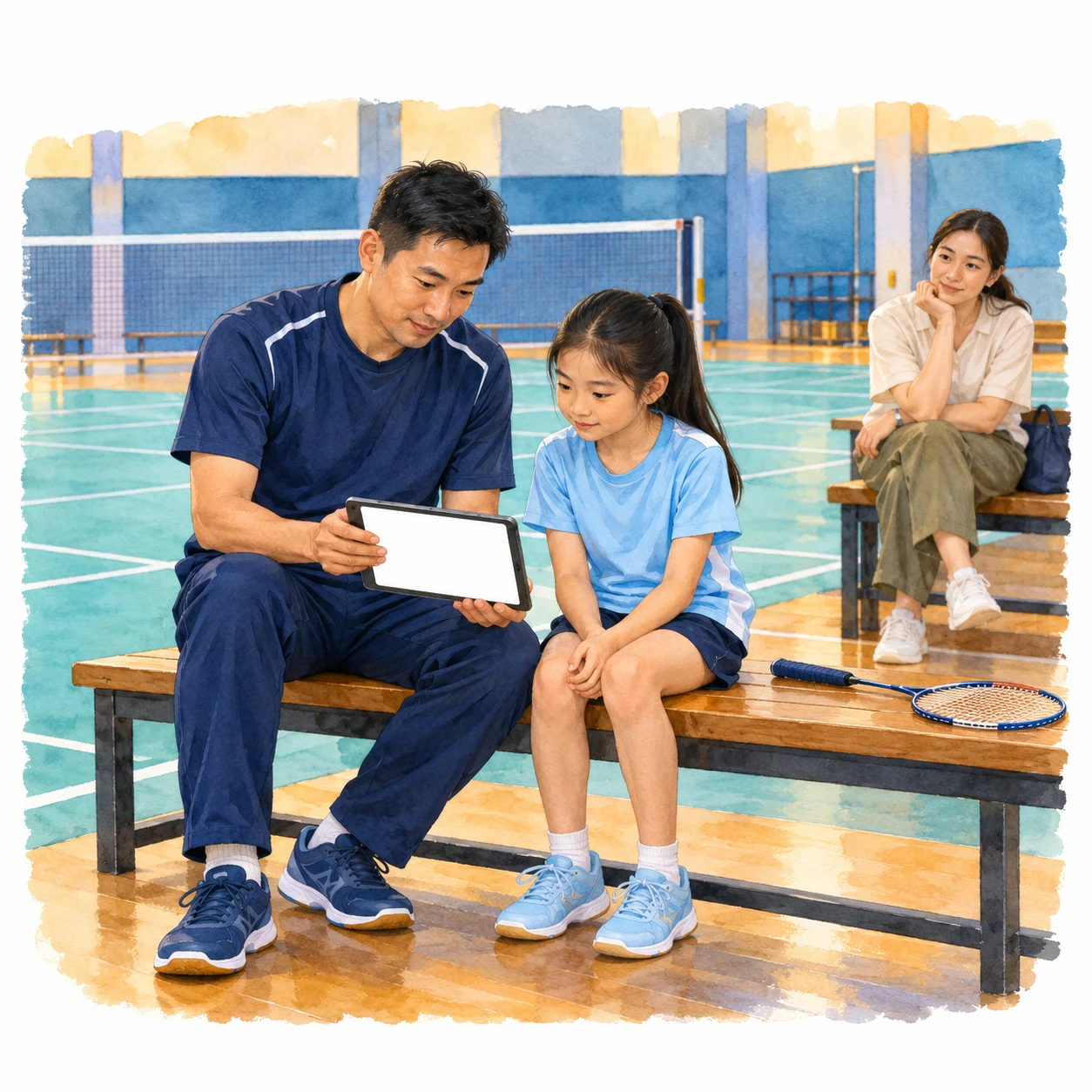
Choose the question before choosing the camera angle. A recording might help discuss whether the learner understood the activity, recognised the agreed cue or needed a different explanation. These are possible teaching purposes, not diagnoses that a parent should make alone. Ask the responsible coach whether recording is useful for the actual task. A short description and another suitable observation may already provide enough information. The purpose should determine whether a video is needed, rather than filming every session because a phone is available.
Keep the question narrow enough to discuss. ‘Show everything wrong with my child’s badminton’ is less useful than asking about one familiar activity and a point that remains unclear. A recording should not become a permanent judgement of ability or an audition for approval. Identify what happened before the attempt, what instruction was given and what support was available. This context helps the coach interpret the clip. Without it, even a clear image can encourage conclusions about movement that the recorded situation does not justify.
Agree recording arrangements
Who should know before the phone is used?
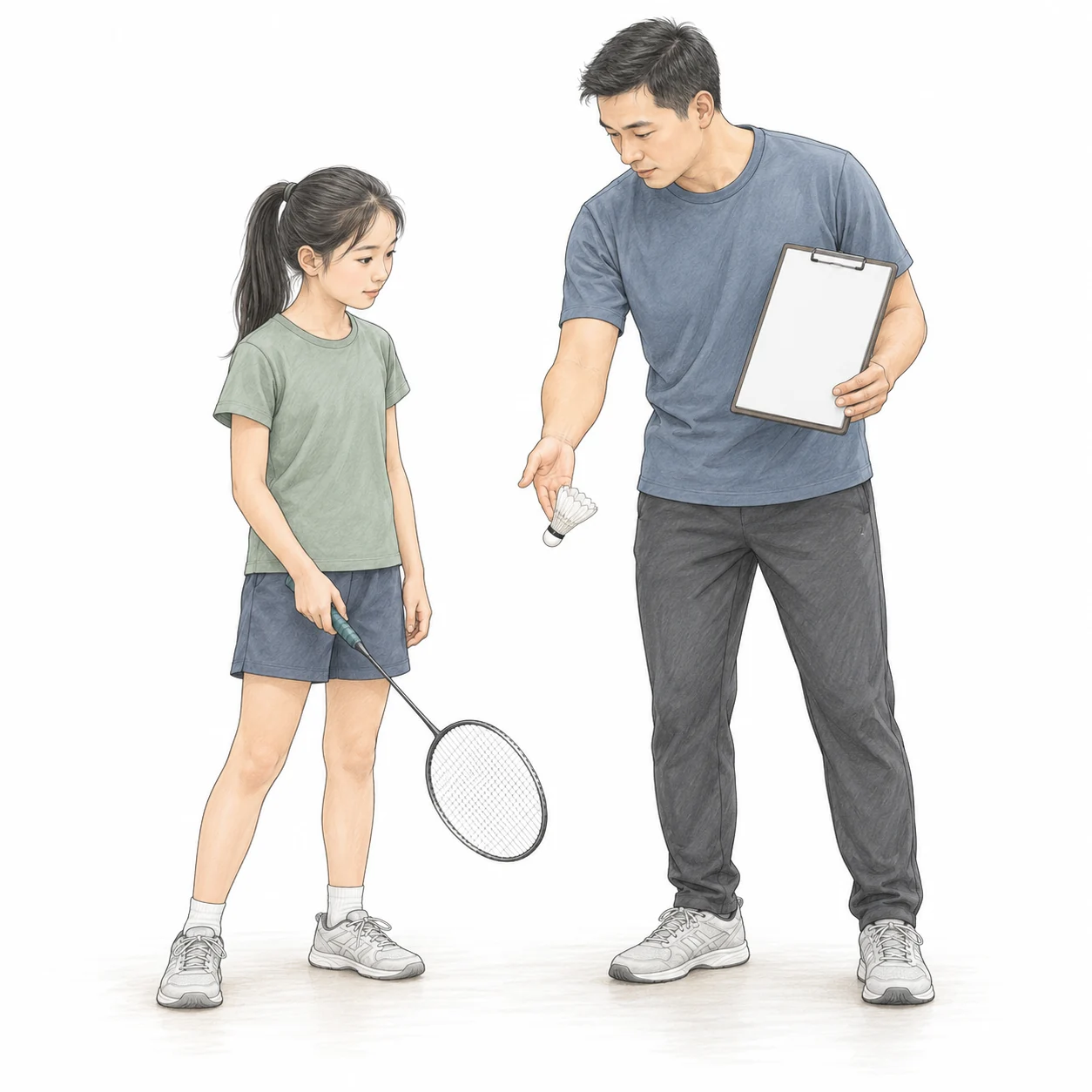
Ask the provider about the current recording arrangement and speak with the responsible coach before filming. Discuss the learning purpose and the child’s understanding of what is happening. Do not assume a lesson fee includes permission to record everybody nearby. If other learners, families or staff could appear, ask how the scene should be managed. This article does not state a legal permission rule for every situation. It encourages a clear agreement suited to the actual programme before the family begins a recording.
Let the child know the clip is being used to answer a learning question rather than to collect mistakes. Listen if the learner is uncomfortable and discuss another suitable way to observe the task. Avoid promising that a recording will stay private when its handling has not been agreed. Explain only the arrangements that are actually confirmed. The adults should manage those questions; the child should not have to negotiate with other families or protect personal information while concentrating on an activity.
Record only the useful task
How can the clip remain focused and proportionate?
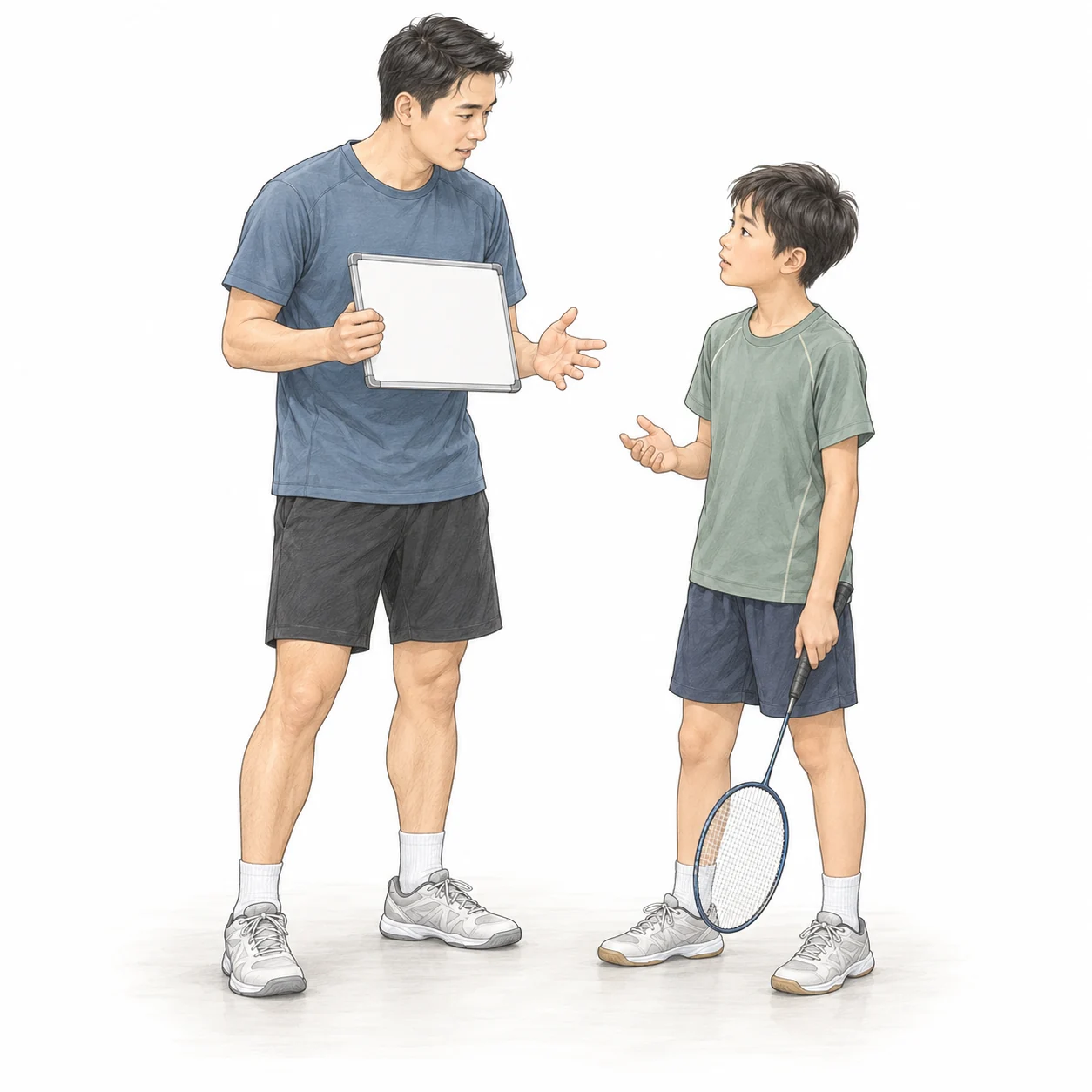
If recording is agreed, ask what task and moment would provide relevant information. A short, suitable example can be more useful than a long collection of unconnected attempts. Do not interpret this as a fixed duration rule or a recommended camera setup for every stroke. The responsible coach can explain what needs to be visible and which recording position is appropriate. The family’s role is to support that agreed purpose without disrupting teaching, stepping into play or capturing unnecessary details about other learners.
Keep the camera outside the playing activity as directed. Filming should not create a new obstacle or make the child perform toward a phone instead of the task. Avoid staging a dramatic extra attempt solely for a more attractive clip. If the useful information cannot be captured within the permitted arrangement, discuss another observation method. A recording is a tool for a teaching question, not a reason to change a normal lesson into a content shoot. The task and the learner’s understanding should remain the focus.

Watch with context
What should be discussed before interpreting the movement?
Begin the review by naming the activity, cue and assistance rather than immediately listing technical faults. A camera may show the result while missing the instruction or conditions that preceded it. Ask the coach what the clip can reasonably help assess and what remains uncertain. A missed shuttle does not identify its cause by itself. Likewise, one apparently successful attempt may have depended on reminders that are not audible in the video. These limits matter when deciding what should be tried next.
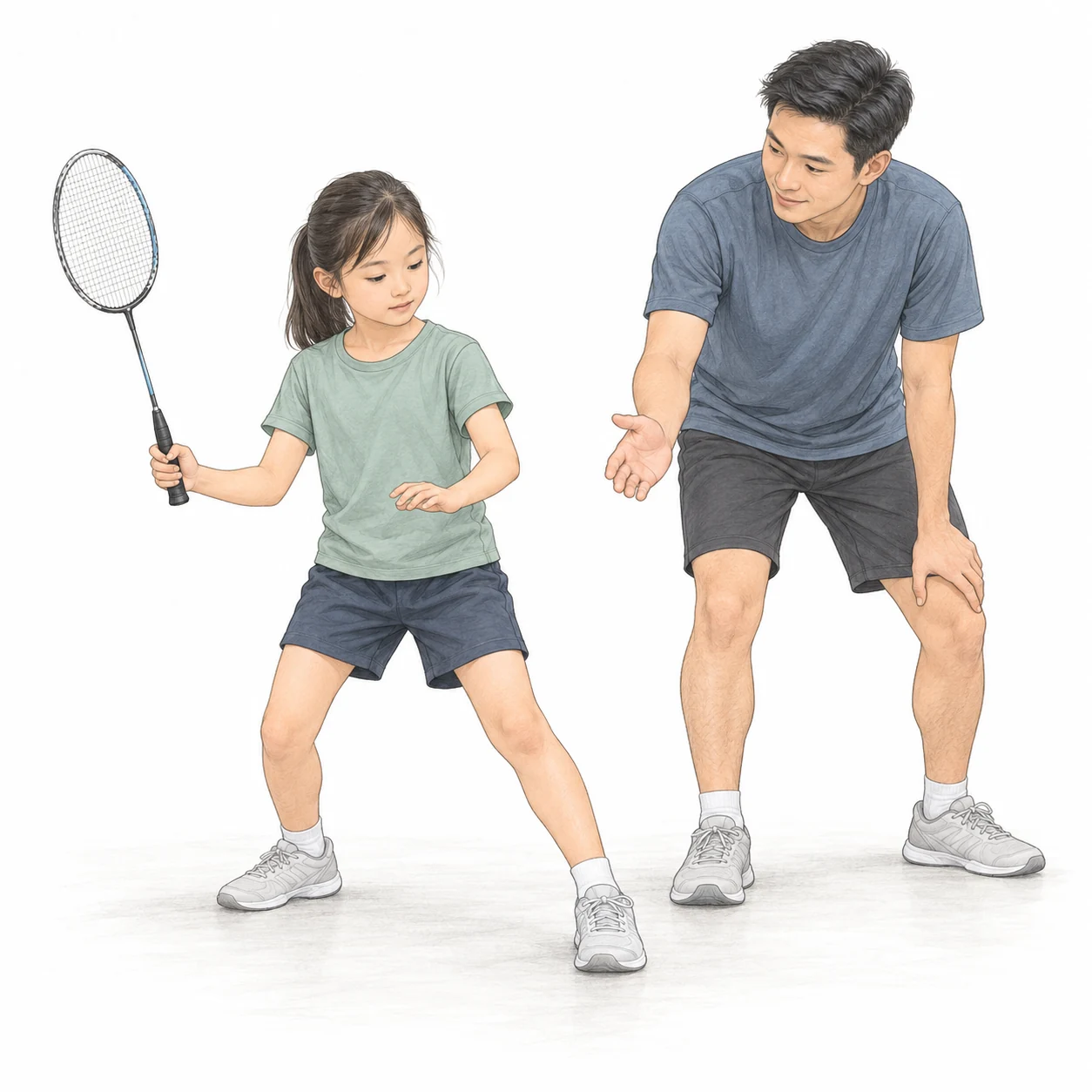
Invite the learner into an appropriate explanation instead of playing mistakes repeatedly for an audience. The child may be able to say which part was unclear or identify the cue they were trying to use. The coach can then connect that response to a manageable next task. Avoid treating slow-motion viewing as a substitute for responsible assessment. Seeing more frames does not automatically provide the missing teaching context. A useful review reaches a clearer instruction or question, rather than only a longer list of observations.
Keep feedback separate from promotion
Does a learning clip need to become a social post?
No. A recording agreed for feedback and a recording used for public promotion serve different purposes. Discuss any proposed public use separately rather than treating an initial teaching agreement as unlimited permission to publish. Families can ask how an academy distinguishes those uses and what current choices are available. This is a practical communication question, not a declaration of the provider’s existing policy. An educational article or illustration can explain a teaching idea without displaying a real child’s private learning attempt.
Do not publish another learner’s mistakes to show that your own child has improved. A side-by-side comparison can create a public judgement unrelated to the original teaching question. Keep the discussion focused on this child’s task, support and next attempt. The coach’s own demonstration or a generic teaching illustration may be a suitable alternative when the aim is to explain an idea to a wider audience. Confirm what is appropriate rather than assume that every person appearing on a badminton court has agreed to become promotional content.
Be careful with identifying context as well as the visible face. Names spoken in a clip, information on a screen or an unnecessary account of family routines can add details that the learning question does not need. Ask how to avoid including them within the actual recording arrangement. Do not present a generic checklist as a guarantee that a video is anonymous. The sensible approach is to record less, share only for the agreed purpose and clarify the handling of the actual file with the responsible provider.
Clarify file handling
What should the family ask about access and later use?
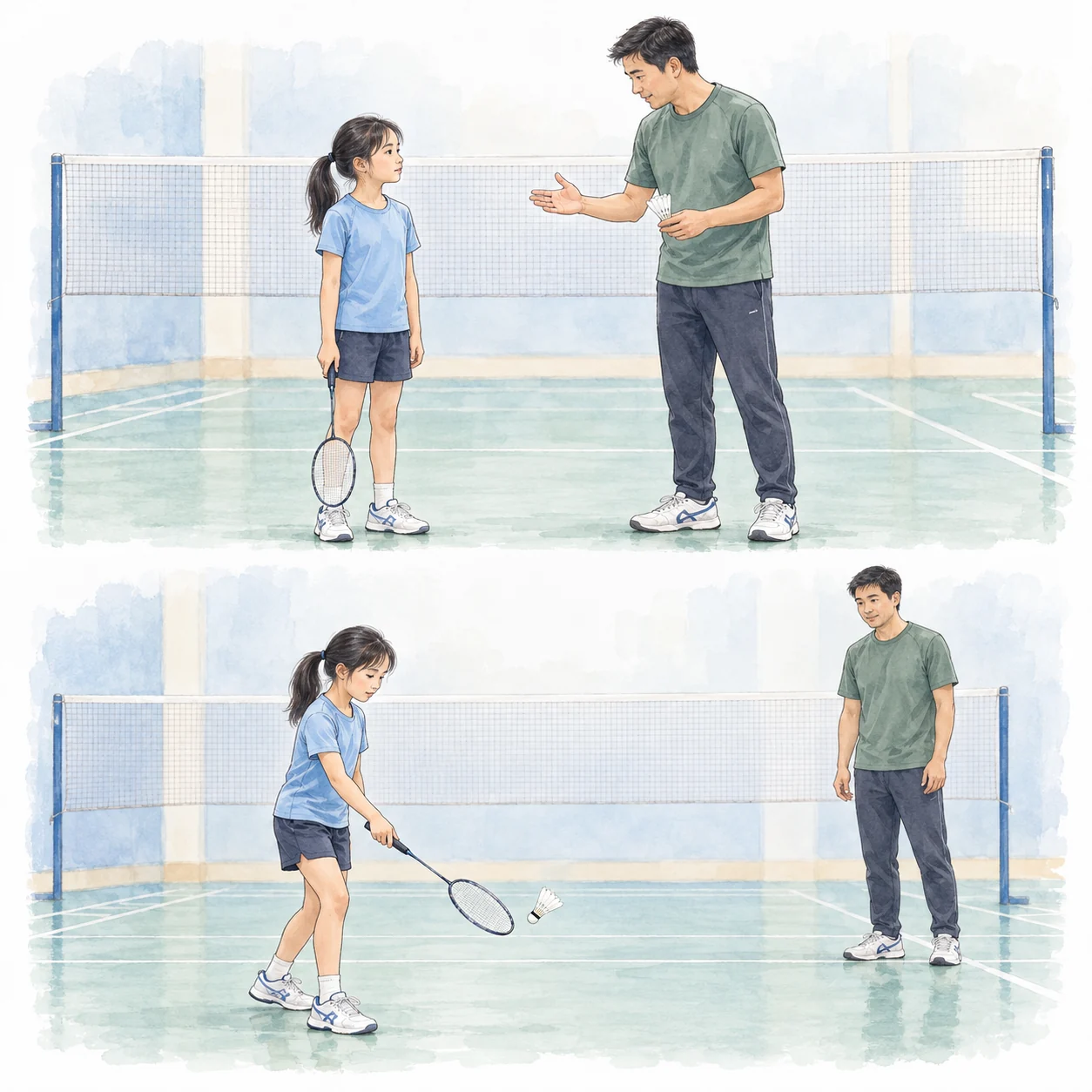
Before sharing, ask who needs the recording for the teaching conversation and which channel the provider actually uses. Do not upload a private learning clip into a public comment thread merely because it is convenient. Clarify how access, storage and later removal are handled under the current arrangement. This article does not establish a retention deadline or security guarantee. The provider’s real answer should inform whether the family is comfortable proceeding, and an alternative description may be appropriate if the arrangement is unclear.
After the review, keep the next learning question more prominent than the file itself. Ask whether the recording still serves a purpose and what happens to it under the agreed handling. A family does not need an indefinite archive of every mistake to maintain continuity. The useful takeaway may be one clarified cue and an appropriate future check. If a new purpose is proposed later, discuss it as a new use rather than assume it was included from the beginning. Clear expectations help adults avoid confusion while the learner focuses on practice.
Judge the teaching value
What does careful video feedback reveal about a badminton coach?
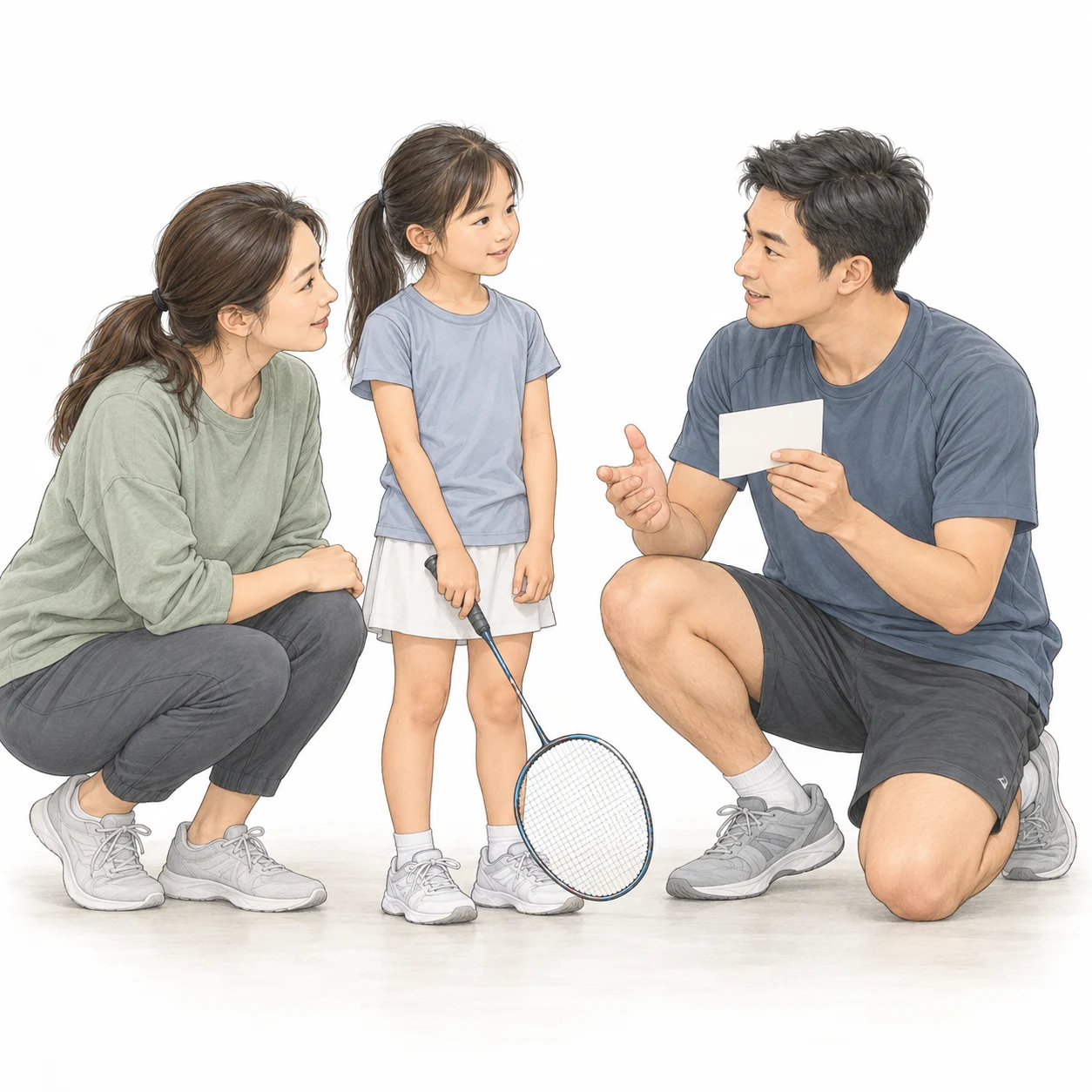
When comparing badminton coaching in Malaysia, look at how a recording connects to an explanation and a next task. Is there a clear purpose? Does the coach acknowledge what the clip cannot show? Can the child understand the feedback without being publicly compared? These questions offer useful evidence of a teaching approach. A large collection of social videos does not answer them automatically. Playing history and qualifications can provide background, while the relevant lesson is how that experience is used to help this learner understand the actual activity.
Families considering a badminton class for kids at ST Badminton Academy can ask whether a specific learning question would benefit from a short recording and what arrangements apply. Describe the activity and the uncertainty before sending a file. Ask about current communication channels and the difference between feedback and public content. The application begins an enquiry; it does not establish recording permission or reserve a place. A helpful conversation may conclude that a simple description or direct observation is enough, with no need to make a child’s learning public.
Private badminton video feedback: parent questions
A useful recording has an agreed teaching purpose and handling arrangement. These answers help organise questions without announcing STBA’s policy or claiming legal requirements.
Do I need to record my child to receive useful badminton feedback?
Not necessarily. A description and a suitable observation may already answer the question. Ask the responsible coach whether a recording would add relevant information about the actual task. Choose the purpose first rather than film every session. Video is one possible tool, not proof that a lesson is thorough.
What should a feedback recording focus on?
One teaching question connected to a familiar activity, cue and amount of assistance. A broad request to identify everything wrong may encourage conclusions beyond the clip. Ask what the coach needs to observe and keep the starting context available. The recording should support a manageable next task rather than label the learner.
Can I assume it is acceptable to film everyone in the lesson?
No assumption should replace a discussion with the provider. Confirm the current arrangement, the purpose and how other people appearing would be handled. This guide does not state a legal rule for every situation. If the permitted arrangement cannot support the recording, ask about another way to observe the learning question.
Should I explain the recording to my child?
Explain the confirmed purpose in language the child can understand. The clip should help discuss a task, not collect mistakes for public judgement. Listen to discomfort and ask about another suitable method if needed. Adults should manage recording arrangements rather than make the learner negotiate with other families during practice.
Does slow-motion footage identify the cause of a missed shuttle?
Not by itself. The task, instruction, support and circumstances still matter. Ask what the coach can reasonably interpret from the recording and what remains uncertain. More frames do not supply missing context automatically. A useful review connects an observation to a clearer cue or an appropriate next question.
Must a teaching recording be posted publicly?
No. Feedback and promotion are different purposes. Discuss any proposed public use separately and confirm the provider’s current choices. A coach’s demonstration or a generic educational illustration may explain an idea without showing a real learner’s attempt. Do not treat agreement to a feedback recording as unlimited permission to publish.
Is comparing children’s mistakes in a post useful feedback?
The learning conversation should focus on the actual child’s task and support. Publishing another learner’s mistakes can create a public comparison unrelated to that purpose. Ask how the same educational idea can be explained without displaying private attempts. A next cue and relevant check are more useful than a public ranking of children.
What should I ask before sharing the file?
Ask who needs it, which channel is appropriate and how access, storage and later removal are handled. Do not assume a public comment thread is a private feedback channel. Confirm the actual arrangement before sending. If it remains unclear, a factual description or direct observation may be a suitable alternative.
How can I enquire with STBA about video feedback?
Describe the activity and the specific question first. Ask whether a recording is useful and what current arrangements apply before sending one. Confirm the relevant communication channel and distinguish teaching use from promotion. An application starts the enquiry; it does not establish recording permission, a class place or a guaranteed outcome.
Educational illustrations: observation, explanation and private review
Four questions before sharing a teaching clip
Name the learning question and ask whether a recording is useful. Confirm the provider’s actual arrangement, including who may appear and how the file will be handled. Keep the clip focused on the agreed task and review it with its instruction and assistance in view. Public use is a separate discussion. The desired result is a clearer next learning action, not an unnecessary archive or a promotional performance by the child.
| Situation | Adds confusion | Supports learning Compare the purpose |
|---|---|---|
| Reason to film | Record everything without a teaching question | Ask whether one actual question needs a clip |
| Recording arrangement | Assume everyone nearby may be included | Confirm purpose and the provider’s arrangement |
| Interpretation | Diagnose technique from one result alone | Review the task, cue and assistance |
| Child’s role | Collect mistakes for an audience | Explain the agreed purpose and listen to concerns |
| Public use | Treat feedback agreement as unlimited publication | Discuss promotion as a separate purpose |
| File handling | Use a public comment thread for private feedback | Confirm who needs access and the actual channel |
Ask about a focused badminton feedback question
Looking for badminton coaching in Malaysia that explains a learner’s next task? Tell ST Badminton Academy what activity your child attempted and what remains unclear. Ask whether a recording would be useful and what current handling arrangement applies in the relevant programme. Start with the question rather than upload a private clip publicly. The application opens an enquiry; recording arrangements, suitability and available places still need confirmation.