Best Holiday Camp in KL: Connecting Camp Learning to a Weekly Class
To connect badminton camp learning to a weekly class, bring a factual task description, a cue the child understands and a question that still needs help. Ask the regular coach how that information fits the next suitable activity. A camp recap provides context, while the receiving teacher still needs room to observe. Families searching for the best holiday camp in KL may hope that a school-break experience supports ongoing badminton training. The useful connection is what the learner can understand and discuss afterwards, rather than treating a short event as a permanent replacement for regular teaching. This guide supports enquiries about ST Badminton Academy in Kuala Lumpur. Images are AI-generated educational illustrations of generic people, not photographs of Eric Chuar or actual students.

Bring the actual learning thread
What information from camp is useful for the next coach?
Keep the account focused on what was taught and what the learner understood. Name the task, a familiar cue and the assistance used where it matters. A hypothetical child might remember a simple target activity and a short cue but remain unsure how it relates to another situation. That is useful starting information without proving complete mastery. The receiving coach can ask about the task and choose an appropriate observation. A list of every exercise name may be less helpful if its purposes are missing.
Keep a remaining question in the account too. It helps the regular teacher understand what needs clarification instead of assuming the camp settled all foundations. Avoid a broad statement that the child learned everything or that the event taught nothing. Both can hide relevant information. The family can share an ordinary explanation and the child’s own wording at a suitable time. The purpose is to make the next teaching discussion clearer, not to require a large report before the learner is allowed to continue.

Separate a cue from a permanent instruction
Must the regular coach use exactly the same wording?
A familiar cue can support recognition without becoming a rule for every future activity. Ask how it relates to the current task. The regular coach may keep the wording, simplify it or choose another explanation after observing the learner. A useful transfer leaves space for that decision. Do not make the child responsible for defending the camp teacher’s words or judging which adult is correct. The learner needs a clear direction for the activity being taught now.
Use a specific question rather than a competing sideline instruction. A parent might say, ‘The child remembers this cue from a target activity; how does it connect to today’s task?’ That hypothetical example invites explanation. It does not demand the regular teacher copy every camp exercise. Different wording may describe a similar purpose, or the activities may focus on different details. Clarify the actual relationship before deciding there is a contradiction. The family can respect both teachers while asking what the learner should attempt next.

Allow a suitable observation
What should the weekly coach check after camp?
Ask what the next activity is intended to help reveal. The coach might consider whether the learner recognises the cue, understands the task or needs another starting demonstration. These are possible teaching questions, not universal technical tests. The receiving teacher should assess the actual situation instead of rely only on a camp comment or a parent’s recollection. The child does not need an advanced performance to prove the event was worthwhile before a useful next task can be chosen.
Keep the setting and assistance visible. An attempt in camp may have involved reminders or a different starting activity from the weekly class. That context matters when interpreting what carries forward. Do not treat a first difficult turn after returning as proof that the learner lost everything, or one successful shot as proof that every question is settled. A suitable observation gives information for teaching. The family can ask how that information connects to the next explanation and practice opportunity.

Keep one next action clear
How can the learner use camp information without being overloaded?
Agree the cue for the current activity with the responsible coach. The child should not be asked to combine every remembered camp correction with every weekly instruction during one attempt. Some background details can inform the teacher’s plan without all becoming immediate directions. Ask which point matters now and which questions can be discussed later. A manageable next action keeps the transfer useful rather than turn the learner’s memory into a technical debate between adults.
Parents can support the transition by preserving accurate context and using the agreed communication route. Avoid repeatedly reminding the child that camp must have produced visible improvement by this session. That pressure can make the return feel like an examination of the family’s investment. The relevant question is whether the task and feedback make the next step clearer. The coach can explain a priority without proving every possible outcome from the school-break event immediately.

Discuss different learning purposes
What if camp and the weekly class seem to focus on different things?
Ask each responsible provider about the actual purpose before judging the difference. A short event may introduce a topic, while ongoing teaching may be observing another detail. This guide does not state the purpose of a particular camp or class in advance. The family needs an explanation tied to the arrangements it is considering. Different headings or exercises do not automatically mean incompatible teaching, but the learner should be able to understand how the current activity begins.
Bring a factual example where the connection is unclear. Explain what the child was asked to try and which cue they remember. Let the receiving teacher consider that information and clarify the present task. Do not place a general promotional promise above the coach’s actual observation of the learner. A camp can offer a meaningful introduction without settling every next decision. The weekly class can build a suitable activity without pretending every earlier detail must be ignored.
If a genuine difference in teaching judgement remains, arrange a respectful adult conversation about the observation and next task. The child should not carry competing directions between teachers during practice. Ask what the learner should use now and which point needs a later review. Experience and credentials can provide context for both adults, while the relevant explanation still matters. The goal is continuity in the child’s understanding, not a public contest about which programme has the more impressive title.
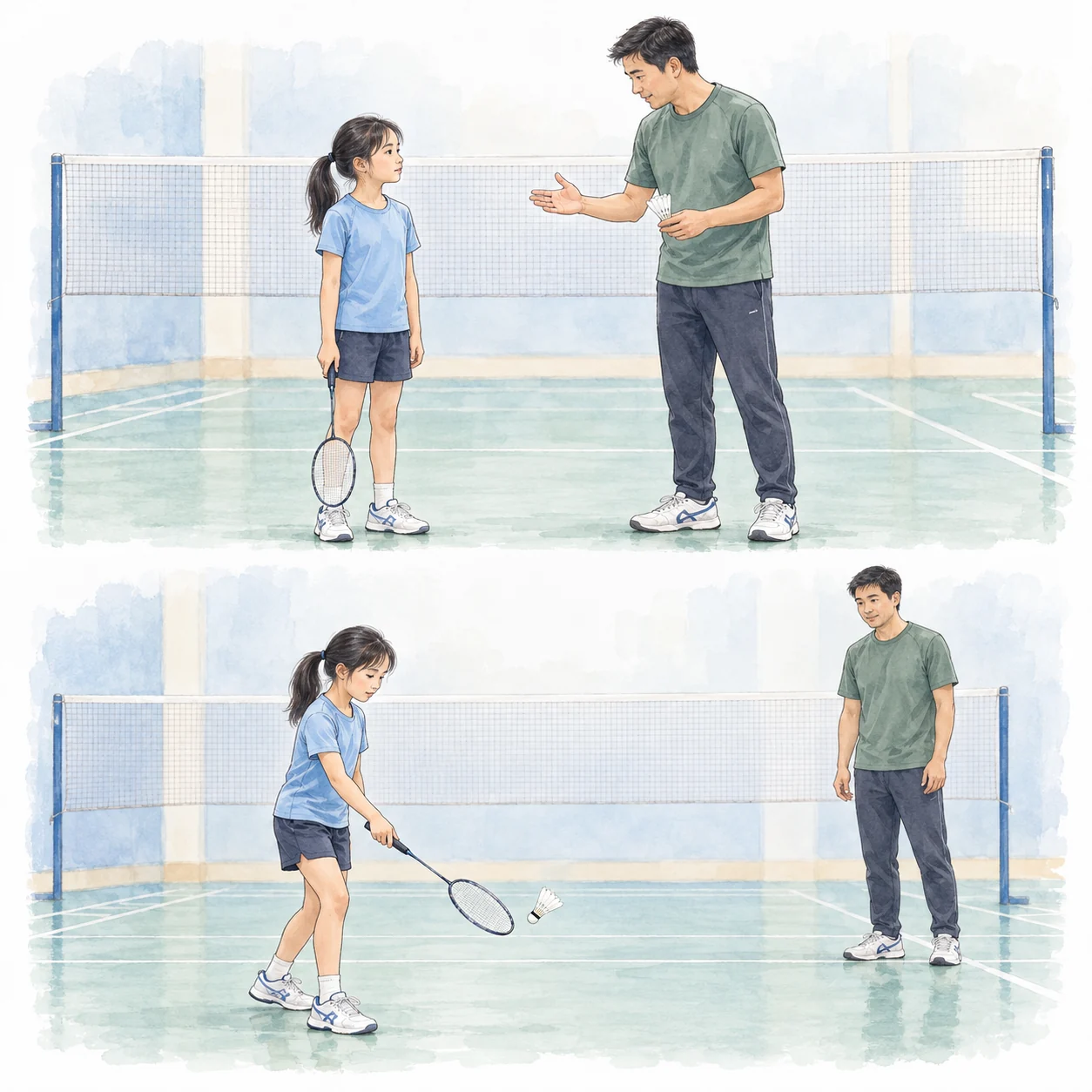
Review a realistic continuation
How can the family tell whether the connection is useful?
Review the actual task after appropriate opportunities in the weekly arrangement. Ask what is clearer, what assistance remains useful and which question the coach wants to observe next. Keep this related to what was taught rather than an invented deadline after camp. A learner may remember a cue without yet applying it consistently in every situation. The provider can explain which observation is relevant. The family should not infer a guaranteed rate of progress from the number of camp days attended.
Consider practical continuity as well. Confirm the weekly class’s actual availability, attendance conditions and suitability for the family. A good learning question cannot create a schedule the provider does not offer. Keep that enquiry separate from the technical discussion. If the child continues with another coach, accurate camp information can still be useful context, but arrangements and teaching decisions require their own confirmation. The family can plan the next step with real opportunities in view rather than assume a short event automatically provides an ongoing place.

Choose camp with the next conversation in mind
How does this help compare the best holiday camp in KL?
Ask what learning information the family can discuss afterwards and how it relates to a next suitable activity. Compare the answer with the event’s actual scope. Credentials, group photographs and attractive demonstrations can provide background without explaining continuity on their own. A former national player may guide that connection thoughtfully; the title alone is not the learner’s next plan. A useful camp description helps the child understand what was attempted and what question remains, while allowing the next responsible coach to observe.
An ST Badminton Academy enquiry can mention the child’s current weekly experience and the learning question you hope a holiday activity will support. Ask about current Kuala Lumpur camp details and any relevant ongoing class arrangement separately. The application begins a discussion, not a combined reservation or guaranteed progression. Bringing a clear task and cue forward can make the next conversation more useful. It does not require claiming every foundation was completed during the break or forcing future teachers to reproduce the camp unchanged.
Connecting badminton camp learning to a weekly class
Useful information can follow the learner without becoming a fixed instruction for every teacher. Keep the task, support and current next question clear.
What should we bring from camp into the next class?
A factual task description, a cue the child understands and a point that still needs help. Include assistance where relevant. This gives the regular coach context for an appropriate observation. A long exercise list alone may not explain what was understood, and a recap does not prove all foundations are complete.
Must the regular coach use the camp’s exact cue?
Not necessarily. Ask how the familiar wording relates to the current activity. The teacher may keep, simplify or change it after observing the learner. The child should have a clear cue for the present task and should not settle adult disagreements. Treat earlier information as context rather than a permanent instruction.
What can the receiving coach observe?
The teacher chooses a suitable question for the actual activity, such as whether the learner understands the purpose or recognises the cue. These are examples, not a universal test. The child does not need an advanced performance to prove the camp was valuable. The observation should inform a manageable next task.
Does a difficult first weekly lesson mean camp learning was lost?
No conclusion follows from one attempt alone. Consider the task, setting and assistance. A different activity may raise a new question, while a familiar cue may still need clarification. Ask how the observation informs the next teaching response rather than label the entire transfer successful or failed from one shot.
Should the child use every camp correction at once?
Ask which cue belongs to the current activity. Background details can inform the coach’s plan without all becoming simultaneous instructions. The learner needs a manageable next action. Keep broader questions for a suitable discussion rather than require the child to combine competing directions during one attempt.
What if the two programmes seem to have different goals?
Confirm their actual purposes and bring a factual example of the unclear connection. Different activities may focus on different details without being incompatible. The receiving teacher should explain the present task. If a genuine judgement difference remains, adults can discuss it respectfully without making the child carry an argument.
How should the continuation be reviewed?
Connect the review to the task actually taught and appropriate practice opportunities. Ask what is clearer and which question remains, keeping support visible. Do not invent a progress deadline after camp. A remembered cue is useful context without establishing guaranteed transfer into every future playing situation.
Does a camp place automatically include a weekly class place?
Confirm ongoing arrangements separately with the provider. Current availability, attendance conditions and suitability require an actual answer. A meaningful learning recap cannot create a schedule or place that has not been offered. Treat the next class as its own enquiry rather than assume automatic admission.
How can I enquire with STBA about camp and regular training?
Share the child’s existing experience and the question you hope the holiday activity will support. Ask about current Kuala Lumpur camp details and relevant weekly arrangements separately. An application begins a conversation; it does not reserve both programmes or guarantee progression. Keep the task and practical conditions clear.
Educational illustrations: a cue carried into the next learning conversation
Four steps from camp to the next class
Retain the task, familiar cue and remaining question from camp. Present that information as context and ask how it relates to the weekly activity. Let the receiving coach choose a suitable observation and clarify one next action. Review the learning connection after appropriate opportunities, keeping assistance and practical attendance arrangements visible. The aim is understandable continuity, not a guarantee of progression or a demand that every future teacher copy the camp unchanged.
| Situation | Adds confusion | Supports continuity Compare the next class |
|---|---|---|
| Camp information | Claim all learning is complete or nothing was gained | Describe the task, cue and remaining question |
| Familiar wording | Require every future teacher to copy it unchanged | Ask how it relates to the current activity |
| Receiving teacher | Replace observation with a promotional promise | Allow a suitable check of the actual learner |
| Next attempt | Combine every remembered correction at once | Clarify one current working cue |
| Different purpose | Make the child settle an adult disagreement | Discuss the actual task respectfully |
| Ongoing place | Assume camp admission reserves weekly training | Confirm the separate practical arrangement |
Discuss camp learning and a suitable weekly class in KL
Tell ST Badminton Academy about your child’s existing badminton experience and the question you want a holiday activity to support. Ask about current Kuala Lumpur camp details and ongoing class arrangements as separate enquiries. Bring a factual task description or familiar cue where useful. The application starts a conversation; availability and suitability need confirmation. A clear learning thread can help the next coach observe and explain a suitable task.