Best Badminton Coach in Malaysia: Questions to Ask About Substitute Sessions
A substitute badminton coach is easier to discuss when the family knows how the current learning task will be carried forward. Ask what information the replacement teacher receives, what the child should recognise and how useful observations reach the next session. A different adult does not automatically mean a worse lesson. Parents searching for the best badminton coach in Malaysia may reasonably care about continuity as well as the usual teacher’s experience. This article offers questions to ask if a provider proposes a substitute arrangement. It does not announce ST Badminton Academy’s staffing, absence, refund or replacement policy. Confirm the current arrangement directly with the academy in Kuala Lumpur. Images are AI-generated educational illustrations of generic people, not photographs of Eric Chuar or actual students.

Confirm the actual arrangement
What does the provider mean by a substitute session?
Begin with the practical facts. Ask who is responsible for explaining the proposed arrangement and what the family needs to know before attending. Is the session continuing the current learning task, offering another suitable activity or being rearranged? These possibilities should not be treated as interchangeable. The answer needs to come from the provider, not from a parent’s assumption about how another academy operates. Clarifying the actual proposal helps the family consider both the teaching purpose and the practical commitment without turning a routine question into speculation about staffing.
Ask about relevant conditions using plain language. If the family needs to know about notification, fees or alternatives, request the current policy rather than infer it from this educational guide. A conversation about continuity is separate from agreeing to a scheduling change. Do not announce that a replacement must always be available or that every absence creates a right to a particular alternative. Once the practical facts are clear, the learning question becomes easier to discuss: what will this session help the child understand or practise?

Carry the current goal
What information helps the substitute understand the starting point?
A useful learning handover explains the current activity, the cue the learner recognises and the question still being considered. It should distinguish what has been observed from what someone assumes is permanently learned. For example, a child may have practised a simple activity with regular reminders but still need help starting it independently. That is a hypothetical teaching situation, not an assessment of a particular student. Passing on the task and support gives the substitute a more meaningful starting point than a list of exercise names or an unexplained label.
Ask how the provider communicates relevant learning information between responsible teachers. The family does not need access to other children’s records or private staff discussions. It needs enough explanation to understand whether the lesson can begin coherently. A parent can offer a short factual example if invited, but should not become the sole courier for the academy’s teaching plan. Keep the request proportionate: how does the substitute know what the child has been working on, and what might need checking before the next task is chosen?

Help the child recognise the task
What should remain familiar when the teacher changes?
Familiarity can concern the goal, cue or way of beginning an activity, rather than an identical lesson in every detail. Ask what the child can expect to recognise. A substitute may need to demonstrate the task differently or observe the learner before deciding how much support is useful. Continuity should allow that responsible teaching judgement. The purpose is to keep a recognisable learning direction, not to require a new adult to reproduce every sentence and exercise regardless of what happens in front of them.
Prepare the child with accurate information instead of predictions about the substitute’s personality. You can explain that another responsible teacher may lead the session and that the child can ask which cue to use. Avoid saying the new coach will certainly be easier, stricter or more entertaining. Those descriptions can create expectations unrelated to learning. If the child has a specific concern, share it at a suitable time. The next task should be explained clearly enough that the learner can start without having to compare the two adults.

Leave room for observation
Can a substitute adjust the activity without losing continuity?
Yes, a useful handover still leaves room to observe the actual learner. The child’s understanding, the available task and the support needed may require a different starting activity. Ask how the substitute connects that decision to the existing goal. A suitable adjustment should have a reason that the family can understand. It does not have to look identical to the previous session to serve the same learning thread. Equally, a completely unrelated set of activities should not be described as continuity merely because the child is holding a badminton racket.
Look for a link between the explanation and the attempt that follows. Does the learner know what the activity is for? Can a question receive a clearer cue or demonstration? A substitute’s playing reputation does not answer these questions on its own. A highly experienced player may teach with care, but the relevant evidence is the response to this student and task. Parents can respect the substitute’s judgement while asking how the proposed activity relates to the starting information. This is a teaching conversation, not a demand to supervise the coach.

Keep adult directions clear
What if the substitute uses different words?
Different wording can describe a similar purpose, or it can reflect a different observation. Ask which applies before deciding that the teachers disagree. A useful question is, ‘The child recognises this earlier cue; how does it relate to today’s activity?’ The substitute can then explain what the learner should attempt now. Do not ask the child to remember and apply several competing adult directions during one attempt. The immediate lesson needs a clear working cue, while a wider technical discussion can happen at an appropriate time.
Parents should avoid passing a judgement from one teacher to the other as if it were a final instruction. Describe the original task and what was actually said. If the child remains confused, identify the point where the meanings stopped connecting. This helps the responsible adults consider whether clearer wording, another demonstration or a revised starting activity is needed. It also protects the child from becoming the messenger in an adult debate. A learning handover should reduce the burden of interpretation on the learner rather than add another argument to manage.
Continuity does not require hiding every difference. If the substitute deliberately changes a cue, ask what observation prompted that choice and what information should return to the usual coach. A brief explanation can prevent a new instruction being mistaken for a permanent replacement of the whole learning plan. Do not demand that the substitute diagnose every future need during a short session. The useful aim is to record a relevant teaching decision with enough context for the next responsible teacher to understand it.
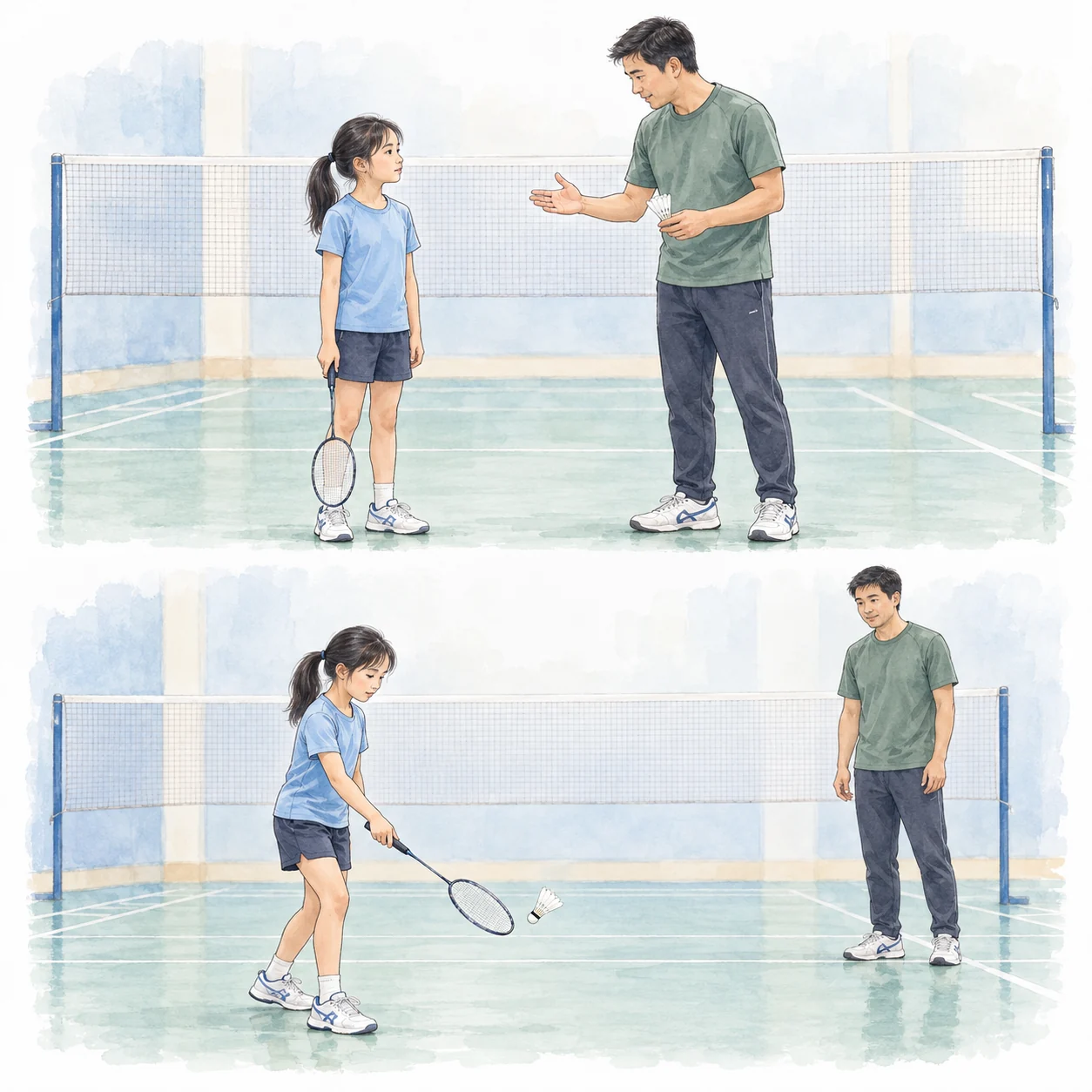
Return useful observations
What should be communicated after the substitute session?
A helpful recap names the task practised, the cue used and a relevant observation from the learner’s attempts. It can also identify an unresolved question. A statement such as ‘everything went well’ may be reassuring without explaining what should happen next. Ask how the provider passes useful information back to the usual teacher. This need not become a lengthy report for the family. The practical question is whether the next session can recognise what was attempted and what still needs explanation.
Keep results in their context. An activity completed with assistance is not the same evidence as the learner choosing and starting it without reminders. One difficult attempt under unfamiliar circumstances should not become a fixed label about ability. Ask which detail is worth revisiting and when an appropriate opportunity will arise. The family can offer the child’s specific question if it remains unanswered, while leaving technical assessment with the responsible teachers. A coherent return handover helps the usual coach make the next decision without forcing the child to repeat a performance for adults.

Judge continuity fairly
How does this help families compare badminton coaching in Malaysia?
When comparing a badminton academy, ask how a proposed replacement arrangement keeps the learner’s goal understandable. Consider the practical explanation, the handover, the first task and the return information together. Neither an unchanged exercise list nor a famous substitute alone proves good continuity. The learner should have an appropriate opportunity to understand what is being taught and ask for help. Confirm observation and communication arrangements rather than entering the teaching area uninvited or expecting private records. These questions provide relevant evidence without judging a whole programme from one unusual day.
If ST Badminton Academy proposes an arrangement for your family, ask about the current facts and the information needed to discuss your child’s learning thread. Explain the learner’s experience and a specific concern, such as recognising the current cue. Do not assume that the website promises a substitute, a particular teacher or an alternative session. A clear enquiry can separate learning continuity from practical policy questions. The application starts a discussion of suitability and actual arrangements; it does not itself confirm a class place, staffing decision or guaranteed outcome.
Substitute badminton sessions: useful parent questions
The questions below help assess learning continuity when a substitute is proposed. Current staffing and scheduling conditions must be confirmed with the relevant provider.
Does a substitute coach automatically make a badminton lesson worse?
No. A different adult can teach a useful session when the starting information, task and feedback are clear. Ask how the current learning goal will be carried forward and what the child should recognise. Judge the actual teaching connection rather than assume quality from whether the usual coach is present.
What should I confirm before a replacement session?
Confirm what is being proposed, who explains it and what current conditions apply. Ask whether the session continues the learning task or uses another suitable arrangement. Questions about notice, fees or alternatives require the provider’s actual policy. This guide does not establish a universal staffing or rescheduling promise.
What belongs in a useful handover to the substitute?
The current activity, a familiar cue, the support used and an unresolved learning question can provide a clear starting point. Separate observations from assumptions about permanent learning. A list of exercise names alone may not explain what the child understood. Ask how the provider passes relevant information between responsible teachers.
Must a substitute copy the previous lesson exactly?
Not necessarily. The teacher may need to observe the child and choose a suitable starting task or demonstration. Ask how the decision connects to the current goal. Continuity means a recognisable learning direction with relevant teaching judgement; it does not require identical words and activities regardless of the learner’s response.
What if the substitute gives a different cue?
Ask how the new wording relates to the familiar activity before deciding there is a disagreement. The child should know which cue to use now. If the adjustment reflects a new observation, ask what should be communicated back to the usual teacher. Do not make the learner settle competing adult instructions.
Should parents carry the whole teaching plan between coaches?
Parents can provide relevant context, but should not assume responsibility for the provider’s staff handover. Ask how the academy communicates learning information. Offer a short factual example where useful, without requesting other children’s records or private staff discussions. The family needs a clear explanation of its child’s learning connection.
What is a useful recap after the substitute session?
Name the activity practised, the cue used and what the attempts helped reveal. Keep assistance and context visible. An unresolved question can guide the usual coach’s next observation. Ask how relevant information returns to that teacher, rather than interpret a general positive comment as proof that every skill is complete.
Can one difficult substitute lesson prove the programme is unsuitable?
One session provides information, but its task and circumstances matter. Discuss a specific concern and the response it received. Look at the practical arrangement, handover and next learning opportunity together. Avoid judging all teaching from one shot or setting an invented rapid-improvement deadline for a replacement teacher.
What should I ask STBA about a proposed substitute arrangement?
Ask about the actual proposal and how your child’s current task would be explained. Share experience and one specific continuity concern. Confirm staffing and practical conditions directly. An application begins the conversation; it does not guarantee a substitute, a particular coach, a class place or any learning result.
Educational illustrations: a recognisable learning thread
Four questions around a substitute session
Confirm the actual proposal before making assumptions about staffing or alternatives. Ask how the current task reaches the replacement teacher, what the child should recognise and what useful information returns afterwards. Allow the substitute to observe and explain a suitable next attempt. This keeps continuity focused on learning while leaving practical conditions with the provider and technical judgement with the responsible coach.
| Situation | Adds confusion | Supports continuity Compare the learning thread |
|---|---|---|
| Practical proposal | Assume staffing or replacement conditions | Confirm the current arrangement directly |
| Handover | Pass only exercise names or broad labels | Describe the task, cue, assistance and question |
| Familiarity | Demand identical activities in every circumstance | Keep a recognisable goal and allow observation |
| Different cue | Make the child choose which adult is right | Ask how wording connects to today’s task |
| Return information | Treat ‘went well’ as a complete learning record | Share a relevant observation with its context |
| Programme choice | Judge everything from one difficult shot | Consider the proposal, handover and teaching response |
Discuss the learning thread in a proposed class arrangement
Considering badminton coaching in Malaysia and wondering how a changed teacher would affect the next task? Tell ST Badminton Academy about your child’s experience, current cue and the continuity question you need answered. Ask about actual arrangements in Kuala Lumpur rather than assume a staffing or replacement policy. The application starts an enquiry. Suitability, availability and practical conditions require confirmation, and no substitute arrangement by itself guarantees a learning outcome.