Eric Chuar: The Work Behind Becoming the Best Coach I Can Be
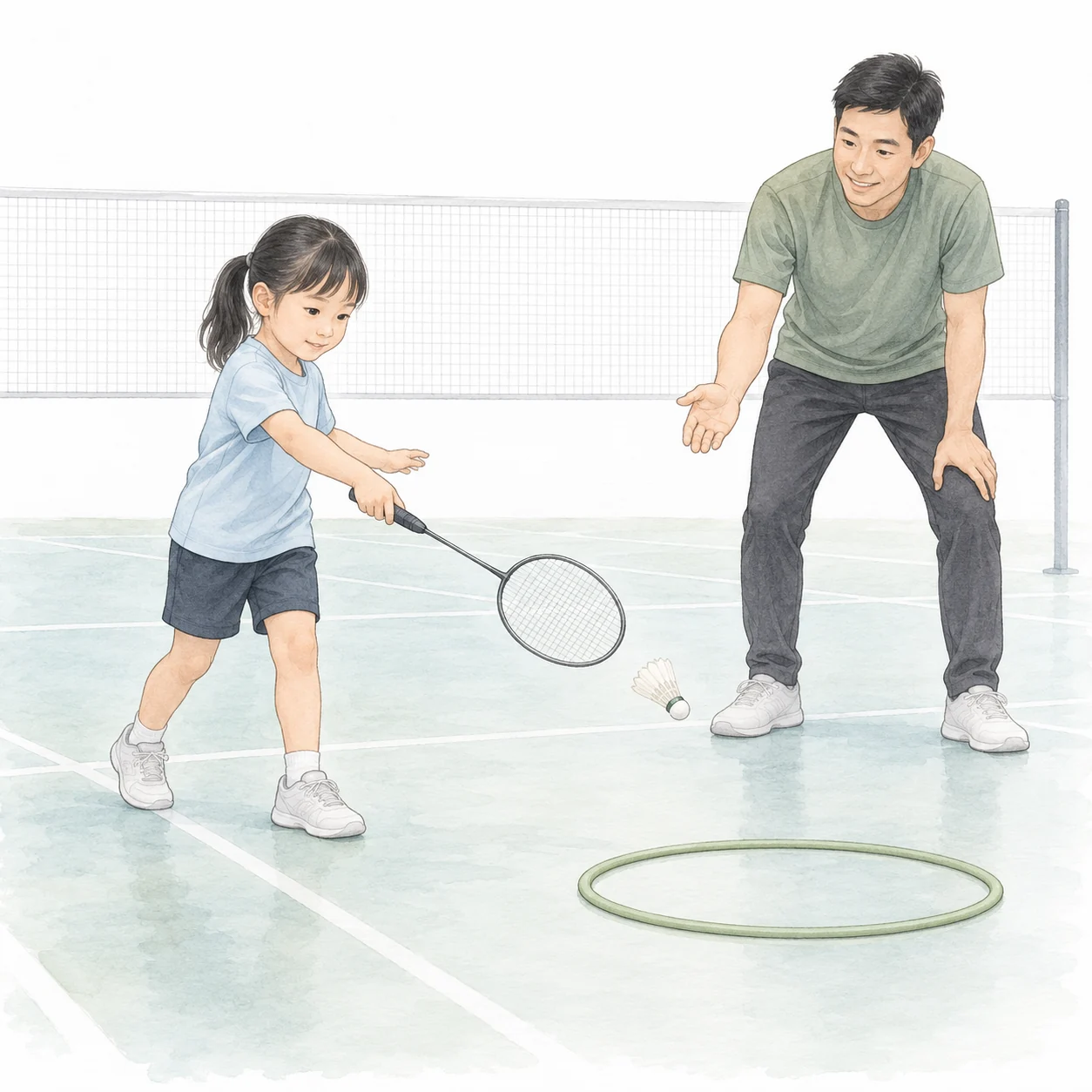
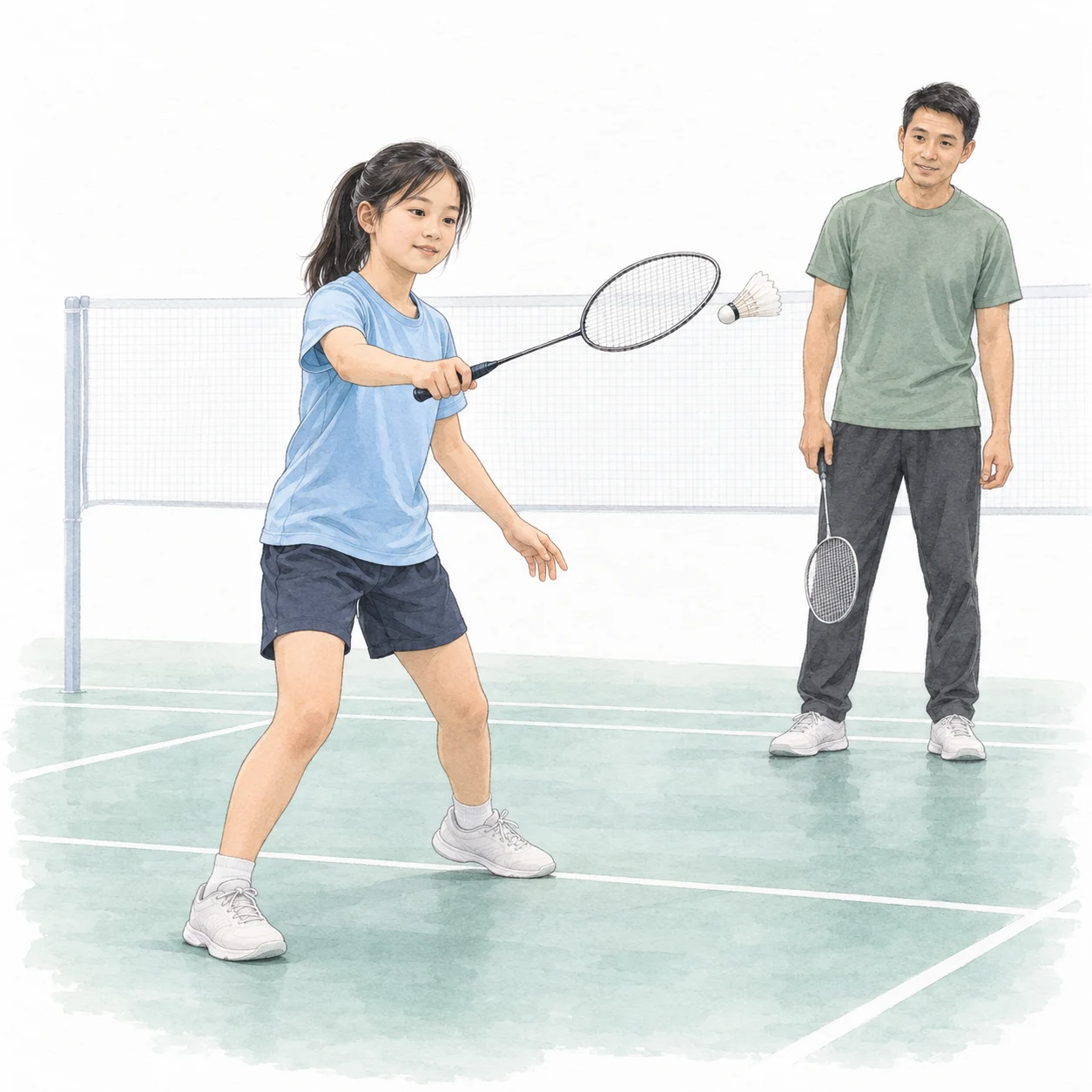
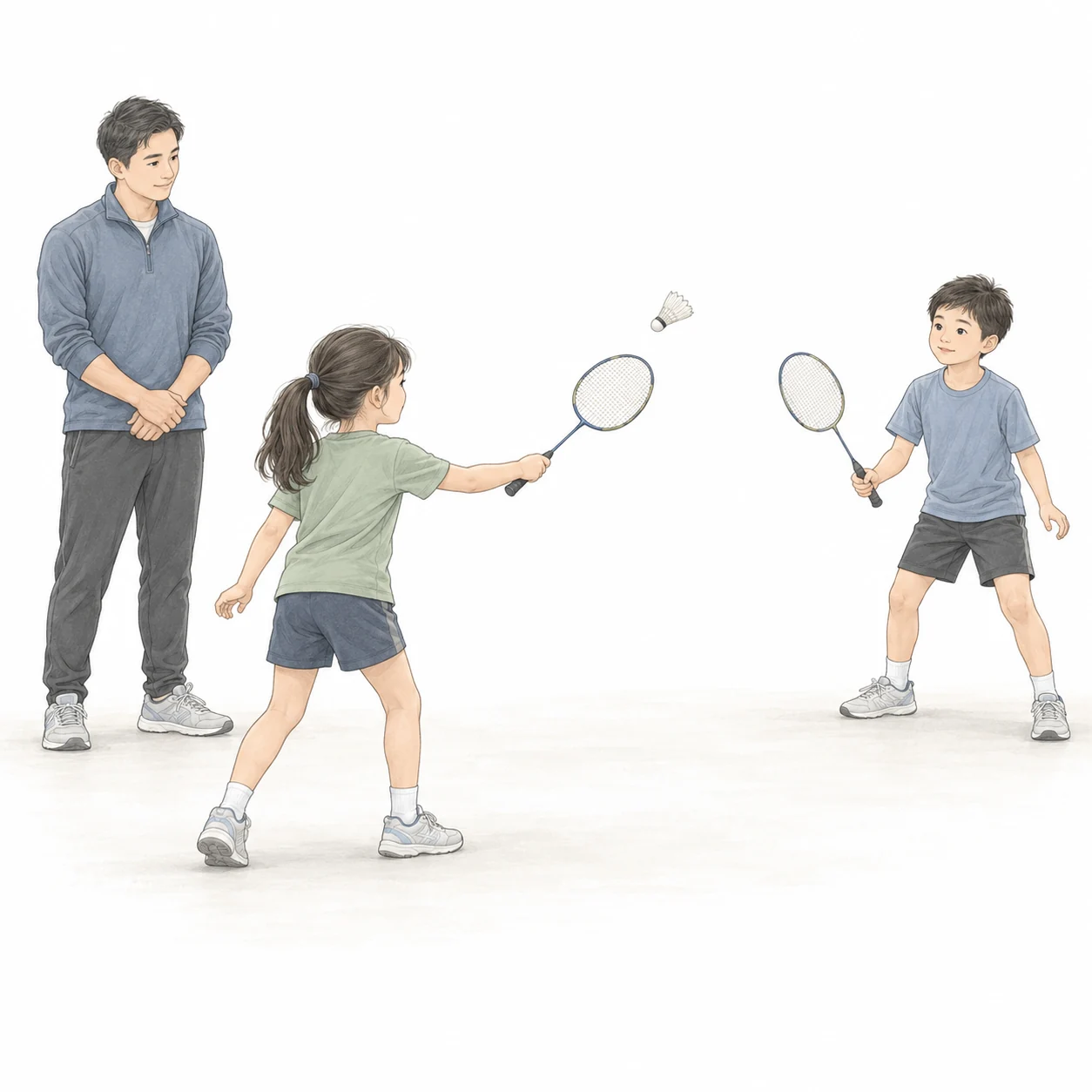
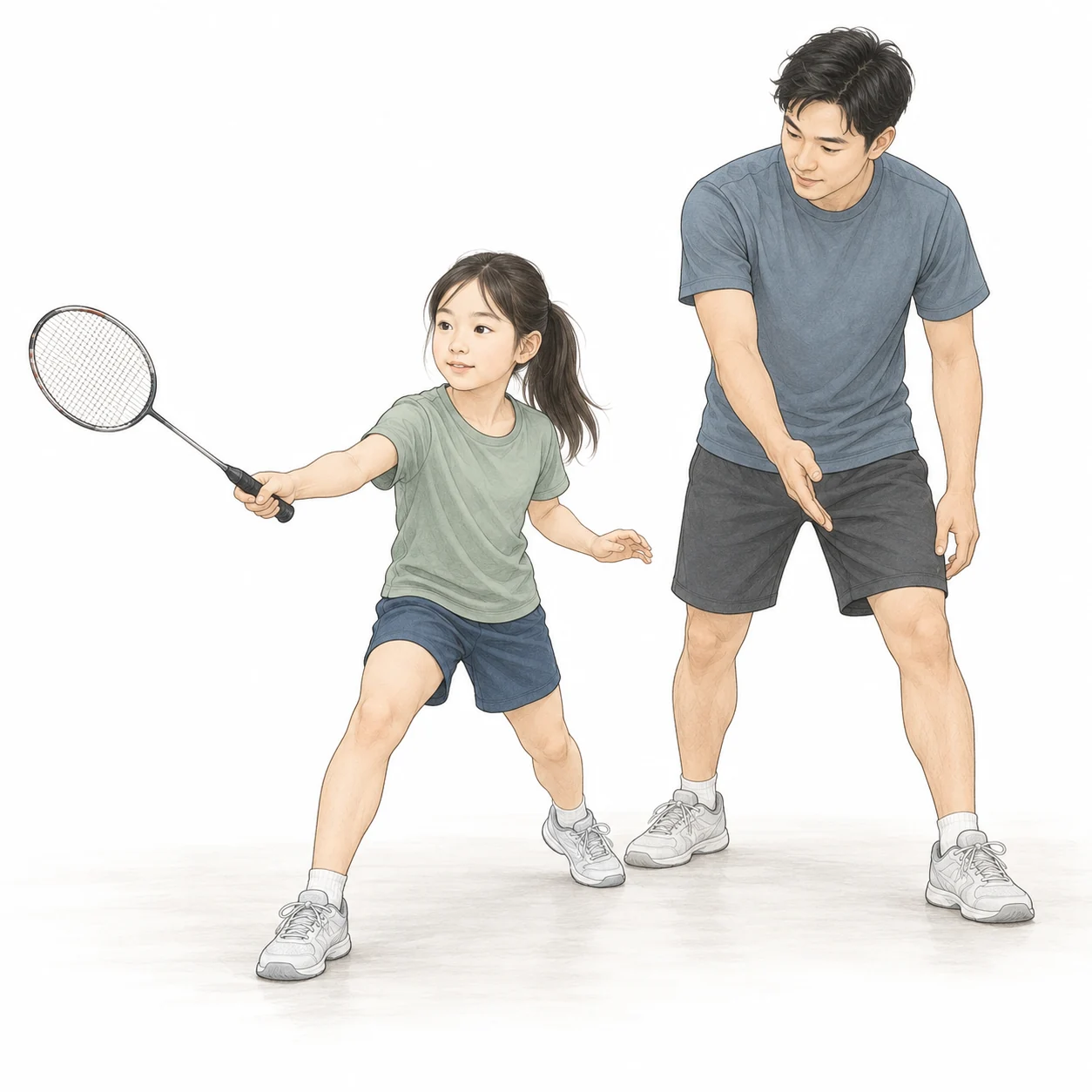
I want to become the best coach I can be for each student. My ambition to become the world’s best coach expresses a personal goal, and I want that ambition to lead to better teaching decisions. I am Eric Chuar. Teaching is hard, and when a child finally understands, I feel satisfied. That feeling has meaning when understanding becomes something the learner can explain and try. For parents and adult learners searching for the best badminton coach in Kuala Lumpur, Malaysia, this guide sets out the work I believe coaching should involve. The images are AI-generated teaching illustrations, not photographs of ST Badminton Academy lessons. Any learning examples are hypothetical; they do not represent named students or promised results.
Give ambition a practical meaning
Let the goal improve the next teaching decision
Wanting to be the best is easy to say. I want the phrase to make me ask a more demanding question: what explanation or task would help this learner understand the next action? An ambition becomes useful when it directs attention towards the person being taught. It should not require the student to prove that the coach deserves a title, nor make the parent accept a claim without observing the teaching. I can turn that question into a specific choice about the next cue or demonstration, rather than leave the ambition disconnected from the lesson.
I see playing knowledge as valuable, but teaching also asks for observation, explanation, adjustment and review. The same demonstration will not automatically be clear to every beginner or adult learner. I want to notice where an instruction stops being usable and find a clearer way forward. That is how I interpret my goal: as a reason to keep examining my own teaching, rather than as evidence of a measured global position. Reviewing my own explanation includes considering whether I assumed knowledge that the learner had not yet been given a chance to understand.
Respect the difficult part
Patient teaching requires thinking, not just repetition
Teaching can be hard because a movement that looks familiar to a coach is still unfamiliar to the learner. The student may not recognise the starting position, the direction or the purpose of the action. Simply demonstrating again at full speed may repeat the same misunderstanding. I believe the difficult work is identifying which part needs a different explanation, then keeping that point manageable enough to practise. For instance, separating preparation from contact can make the question more precise: is the starting action understood before another shuttle is added?
Patience should be active. It can mean changing the viewing angle, reducing the task, using a clearer cue or checking the learner’s own explanation. It does not mean allowing an unclear action to continue indefinitely without feedback. Nor should the effort become a performance of how exhausted the coach is. I want the work to serve understanding. The learner’s next useful attempt matters more than how dramatic the instruction looks. A calm adjustment can still be demanding work, because it requires deciding what matters now and what can wait until the learner is ready.
Look before correcting
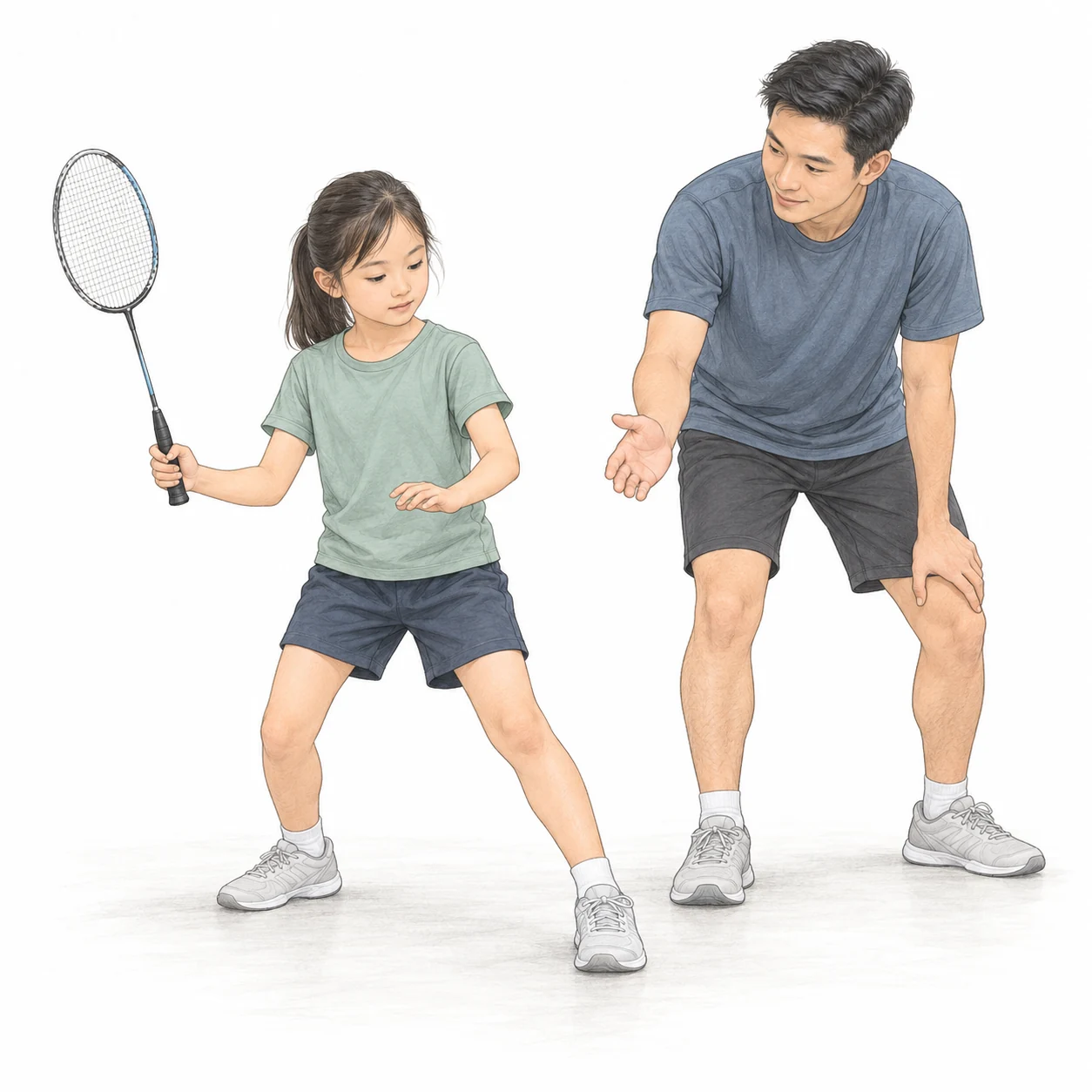
Identify the task before judging the person
A missed shuttle tells me an attempt was unsuccessful, but it does not by itself explain why. A learner may have started late, misunderstood the feed or forgotten the preparation. Those are possible task observations, not conclusions about attitude or talent. I want to choose a correction from what can be seen and clarified. Giving every available instruction at once can make a beginner less certain about what to change. I would also consider whether the task and feed made the intended action possible before interpreting the missed attempt as a technique problem.
For a hypothetical example, a child practising a controlled net contact might need to show the racket preparation before receiving another feed. That task can make one point visible without claiming anything about a real student’s progress. Adults deserve the same care. Experience in social games does not mean every foundation is understood, and an unfamiliar movement should be explained respectfully rather than treated as something the learner ought already to know. The example is useful because it identifies a teaching decision; its value does not depend on inventing a successful student story to support it.

Make understanding usable
Connect a clear explanation with the next attempt
The moment a child understands is satisfying to me, but I want to examine what that means. Can the child explain the point in simple words, show the starting position and try it in the current exercise? Repeating a technical phrase is not the whole aim. A clear explanation needs a connection to an action the learner can actually attempt under conditions suited to their present ability. I can ask the learner to connect the cue with the practice purpose, so their explanation goes beyond naming the movement or repeating my words.
I do not expect understanding and execution to become complete at the same moment. A student may know the idea and still need a predictable feed or a reminder. That support can be described honestly. The next practice should help connect the idea with the movement, then check again. Parents can ask what is independent and what still needs help, without treating either a single success or a single miss as a final verdict. Keeping the conditions clear helps distinguish what the learner understands now from what still needs practice when the exercise becomes less predictable.

Myths and practical answers
Hard work should not become a promise of greatness
The wish to become the world’s best coach is an aspiration. I want parents to evaluate the teaching work described here rather than interpret that wish as a verified ranking. An ambitious phrase cannot replace a clear lesson purpose, useful feedback or a suitable task. My goal is meaningful when it encourages responsibility for the explanation and continuing attention to how each learner is responding. An aspiration should leave room for questions about fit: the parent can ask how an explanation relates to the child’s current understanding.
A coach working hard also cannot guarantee a child’s medals, a fixed improvement speed or a particular competitive future. Learning involves the task, the student’s present understanding and continuing opportunities to practise. I can describe the teaching values I want to uphold without claiming control over every outcome. Recognising uncertainty is compatible with serious effort; it helps keep the learning conversation accurate. A realistic discussion can recognise effort while naming unfinished learning, so appreciation does not require an exaggerated statement about the student’s future.
Finally, more shuttles or louder correction do not automatically mean better instruction. A smaller task with a clear purpose may teach more than a difficult exercise the learner does not understand. Effort should include choosing the right challenge and noticing whether it helped. I want satisfaction to come from a useful connection between explanation and learning, not from declaring success before that connection has been checked. A quieter task can still involve careful attention, because the coach needs to watch the relevant action rather than only count successful contacts.
Keep the next step clear
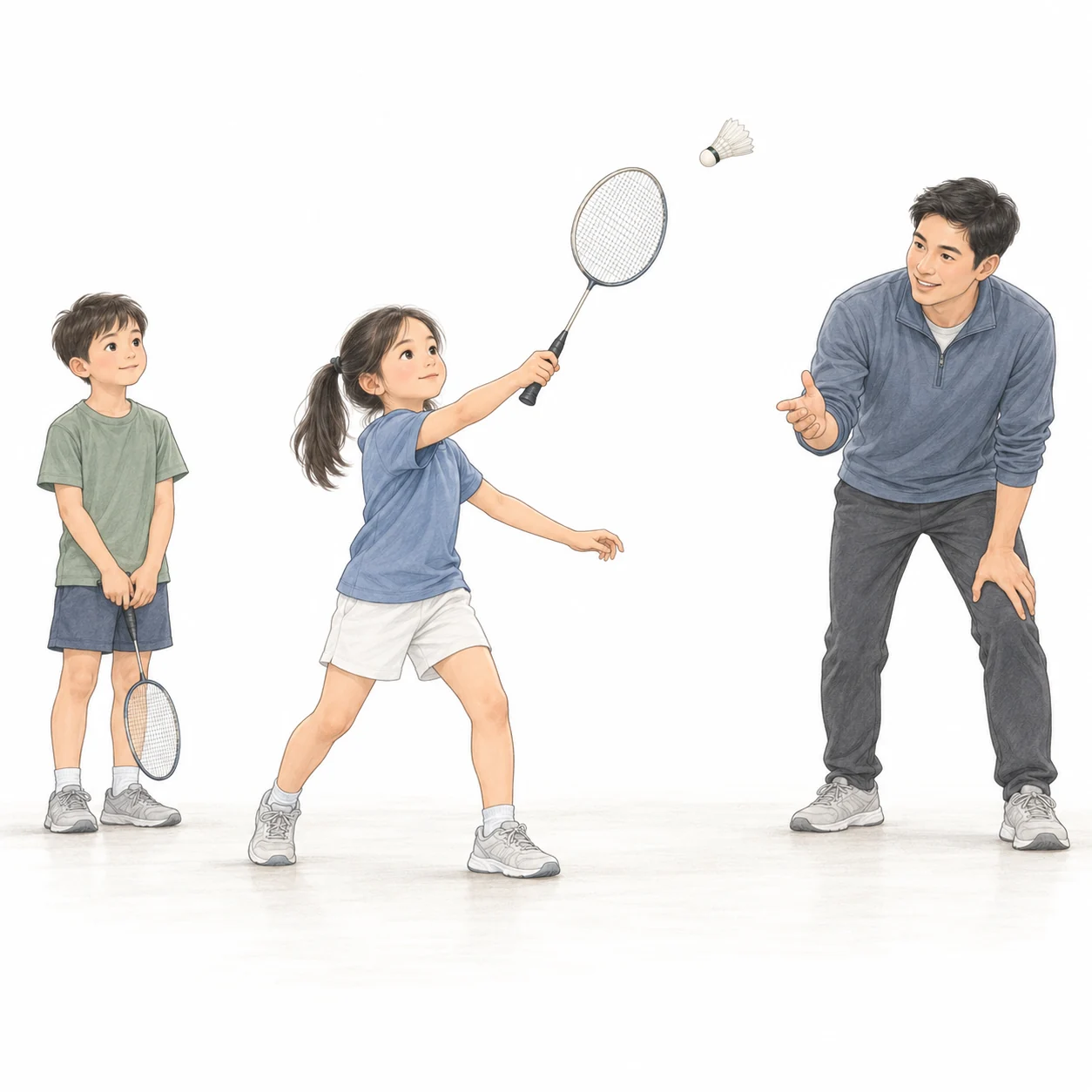
Use feedback to guide practice and review
Feedback should give the learner something usable on another attempt. A brief cue can identify a priority without turning the lesson into a list of faults. After the student tries, the coach needs to observe what changed and decide whether to clarify, repeat or adjust the task. These are teaching principles, not a promise that every student will follow an identical programme or progress on the same timetable. Before adding another cue, I want to consider whether the learner has had an opportunity to use the first one and understand its purpose.
I want practice to keep a connection with its purpose. If preparation is the focus, the exercise should allow that preparation to be attempted and observed. When the current action is understood, an appropriate movement or choice may be added. If it remains unclear, another demonstration or simpler feed may be useful. The next decision should follow the learner’s response, with patient feedback and another opportunity to use the point. A review can also reveal that the instruction needs clarification; that finding should inform the next task rather than be hidden behind general praise.

Share responsibility respectfully
Invite clear questions from parents and adult learners
Parents can support learning by asking what the child is practising and which cue is currently useful. Adult learners can describe what feels unclear instead of being expected to pretend they understand. I value those questions because they make the teaching problem more specific. Home practice, if discussed, should follow the current guidance and take place in suitable space. Adding unrelated methods can make the next explanation harder to follow. A specific question about direction or timing is easier to discuss than a broad claim that the learner simply cannot do badminton.
For anyone considering a badminton academy or a badminton class for kids in KL, my teaching ambition should be considered alongside the learner’s actual needs. ST Badminton Academy is in Setapak, Kuala Lumpur. Begin an enquiry through the online application with experience, goals and relevant questions. Discuss the appropriate next step through that process. A personal statement about coaching effort does not itself confirm availability, a trial, credentials or future results. The enquiry can include what the learner already understands and what remains confusing, helping the conversation focus on useful teaching questions from the start.
Questions about my badminton coaching ambition
These answers explain the values in this guide. They describe a personal teaching ambition and practical observations, not a global ranking or a guaranteed outcome.
Does “world’s best coach” describe a verified ranking?
Here it expresses my personal ambition. I want that goal to encourage better explanation, observation and review. Parents and learners should consider the teaching itself and their own needs.
What do I mean when I say teaching is hard?
Making a familiar action understandable to another person requires thought. The difficult work can involve finding the unclear point, changing the explanation and choosing a task the learner can try.
What is satisfying when a child finally understands?
For me, it is the connection between explanation and the learner’s understanding. The next question is whether the child can show or try the point, with any remaining support described honestly.
Does effort guarantee a child’s competition results?
No. Serious teaching effort does not establish a guaranteed medal, improvement speed or future ranking. Discuss learning goals and current observations without treating ambition as control over every outcome.
Is repeating the same instruction always patient teaching?
Patience can also mean changing the angle, language or difficulty and checking understanding. Repeating an explanation that remains unclear may not give the learner a more useful next attempt.
Can adult learners use these principles too?
Yes. Adults also need clear purposes, relevant demonstrations and feedback they can apply. Experience in recreational games does not automatically mean every foundation is understood.
What if a learner understands the idea but still misses?
Separate the idea from its execution. Observe the task and support needed, then select a suitable next attempt. One miss does not explain every cause or define the learner’s ability.
How can a parent support the current lesson?
Ask what is being practised and which cue is useful. Clarify any recommended home activity with the coach, use suitable space and report specific confusion rather than introduce a separate method.
How should I begin an enquiry with ST Badminton Academy?
Submit the online application with the learner’s experience, goals and relevant questions. Review the intake rules and training contact information. The enquiry does not itself confirm a place, trial or result.
Teaching illustrations: patient work behind understanding
Observe, explain, practise and recheck
Turn ambition into a teaching sequence that responds to what the learner understands.
| Teaching choice | Less useful approach | More useful approach Ambition expressed through actions |
|---|---|---|
| Ambition | Use a title as proof of teaching quality. | Use the goal to examine the next teaching decision. |
| Patience | Repeat an unclear cue without checking. | Adjust the explanation and review understanding. |
| Mistakes | Infer talent or attitude from one miss. | Observe the task before selecting a correction. |
| Understanding | Accept repeated words as complete mastery. | Connect the idea with a suitable practical attempt. |
| Practice | Add difficulty to make the lesson look advanced. | Choose challenge from the learner’s current response. |
| Expectations | Turn effort into a promise of medals. | Describe goals and support without guaranteeing results. |
Begin with the online application
If you are considering ST Badminton Academy in Setapak, Kuala Lumpur, Malaysia, start with the website’s online application. Describe the learner’s badminton experience, goals and any question about explanations, practice or progress. Those details provide a useful starting point for discussing suitable training. Read the intake application rules and use the training contact information for further questions. My ambition to teach well is a statement of values; the enquiry process is where the learner’s practical needs can be discussed. Submitting an application does not guarantee a place, a trial, a timetable or a competitive outcome.