Two Badminton Coaches Give My Child Different Instructions
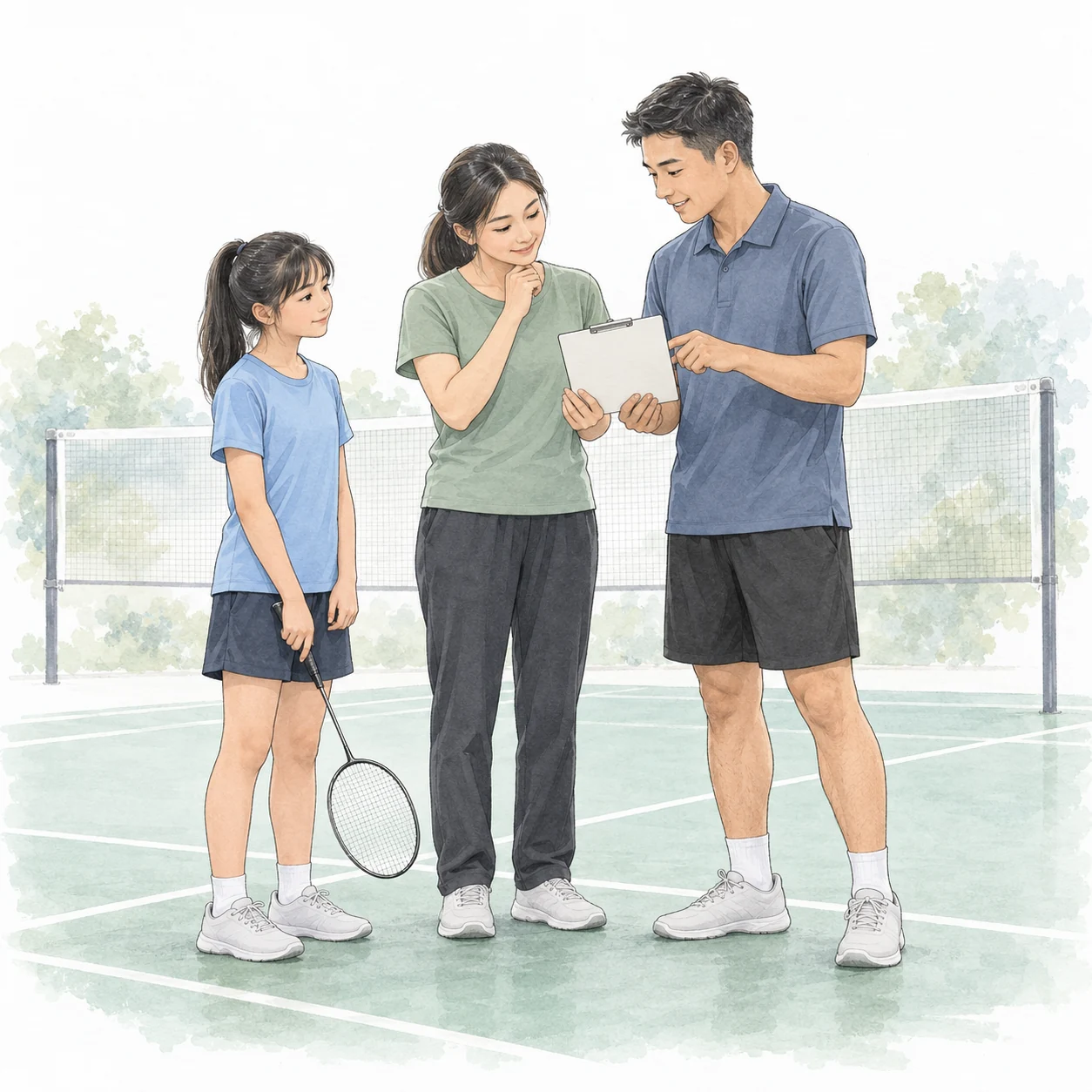
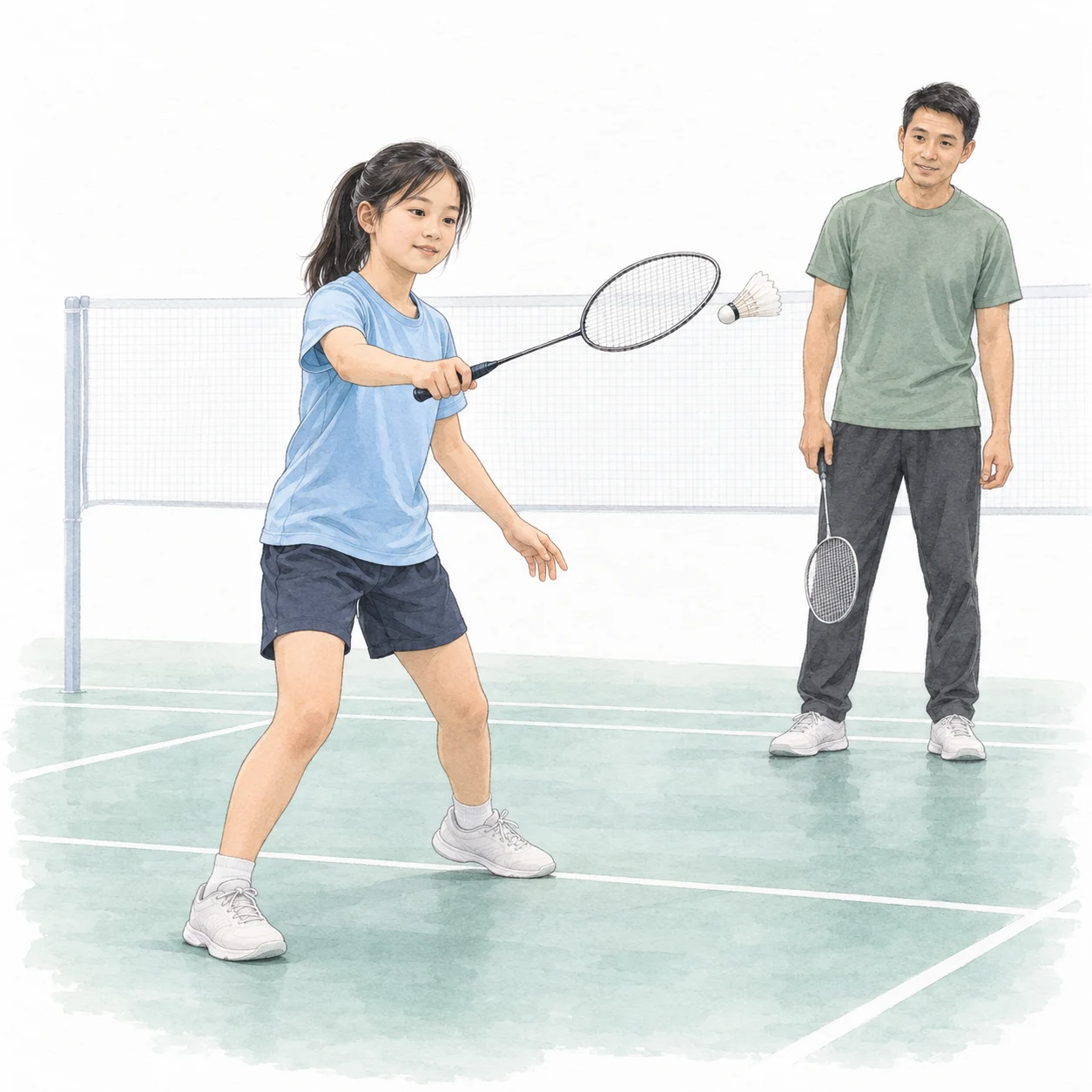
One coach says to change the swing. Another says to keep it. Your child now pauses before hitting because they do not know which instruction will earn a correction. Parents often get caught in the middle, especially after changing classes or adding private lessons alongside a group.
Discuss your child’s training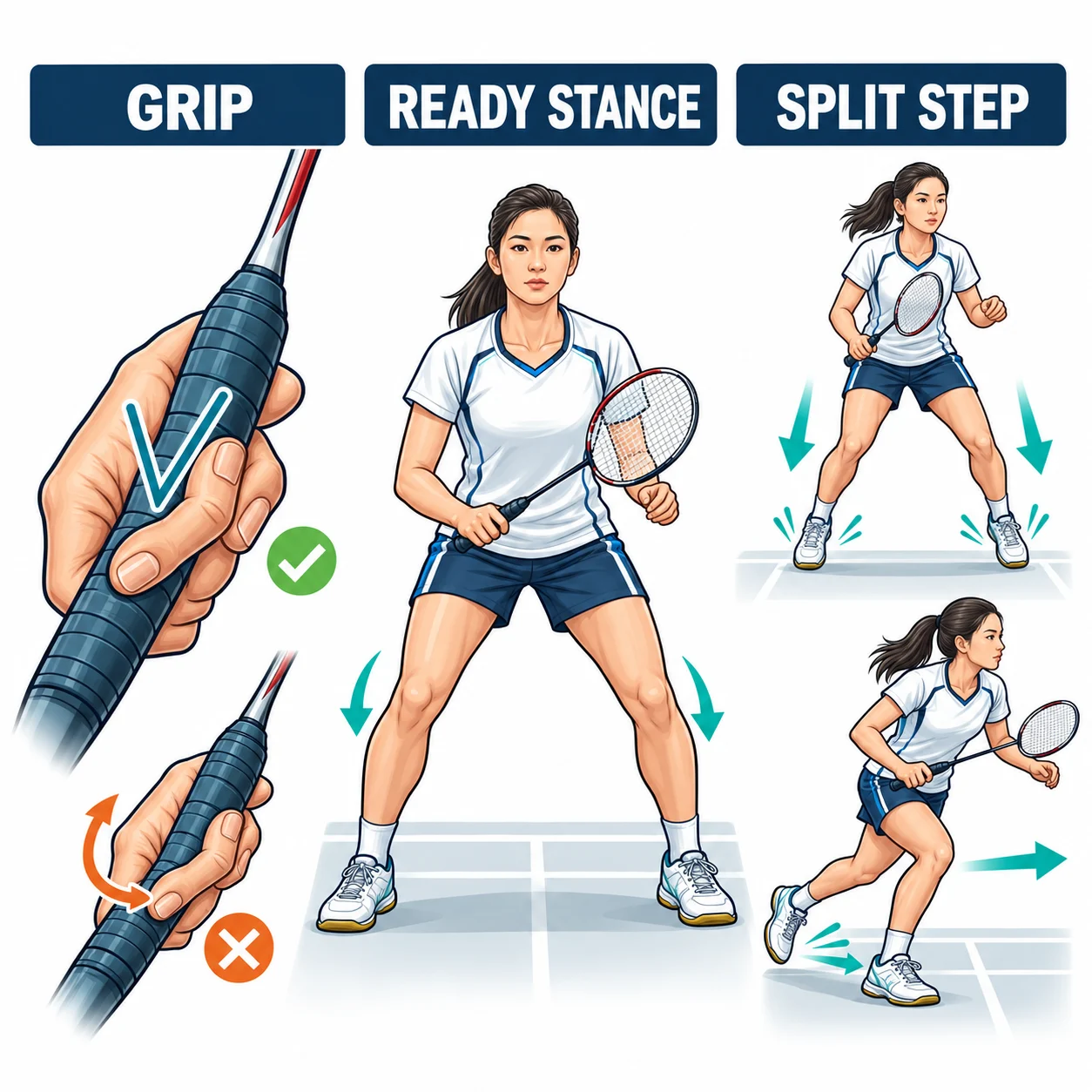
First check whether the instructions describe the same task
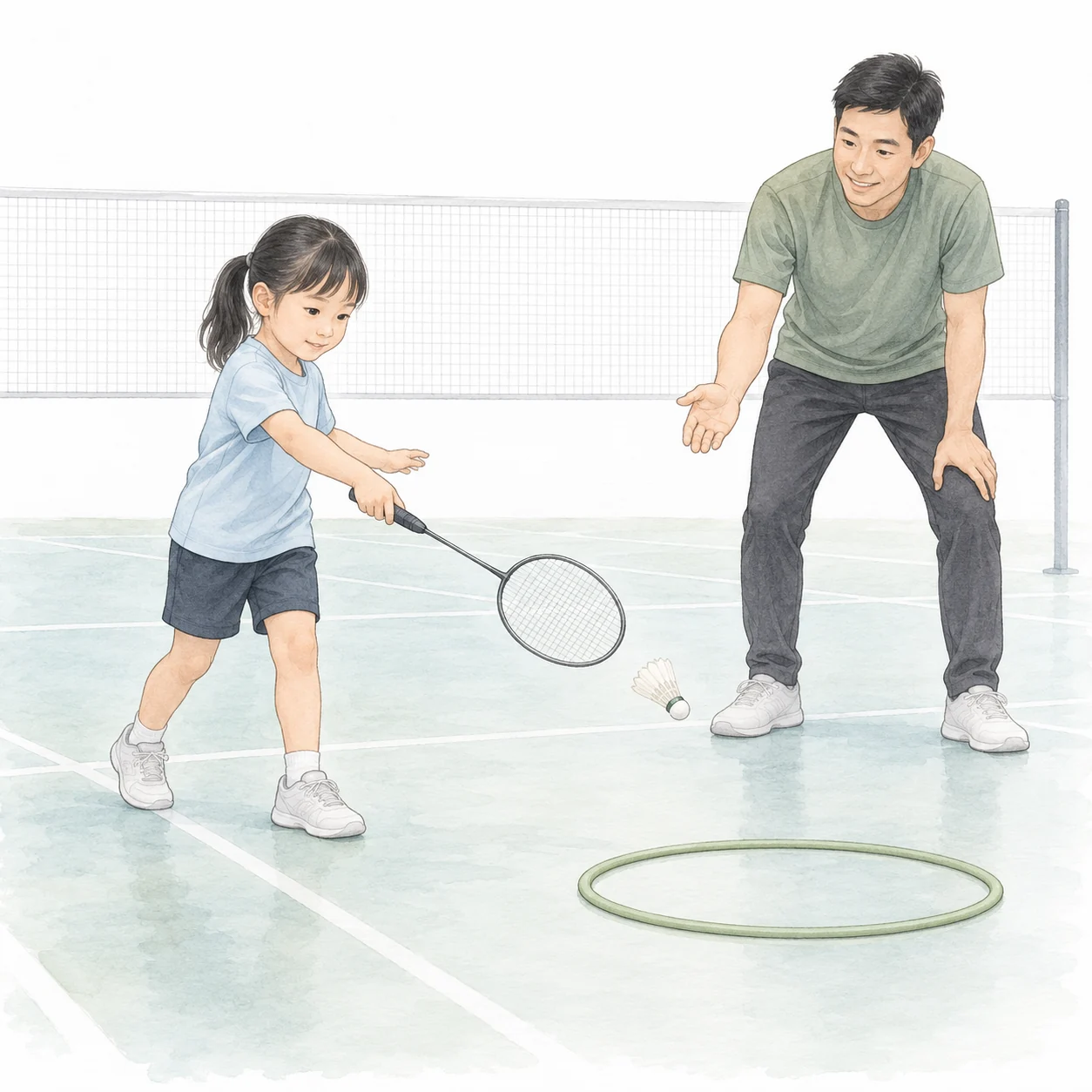
Write down what each coach actually said and when. Was it an overhead shot, a net task, a recovery movement or a drill without a shuttle? Advice that sounds contradictory may refer to different situations.
Also separate a temporary learning cue from a permanent technical rule. A coach might exaggerate a movement to help a child notice it during an easy exercise. Ask when that cue applies and when the task moves on. Do not assume a short phrase explains the whole technique.
Ask the adults to clarify the difference
Try: “In the other lesson, they were asked to do this for this shot. What are we trying to change here, and is the instruction serving a different purpose?” Explain calmly rather than asking one coach to criticise the other.
A demonstration of the same task can make the difference easier to discuss. Ask which part should remain stable and which adjustment the child is practising. If the explanations still differ, the parents and coaches need to agree on an approach; the child should not carry that argument.
A simple checklist for your next conversation
| What sounds like a conflict | What to clarify |
|---|---|
| Different cues in a group and private lesson | Are both coaches working on the same shot and purpose? |
| A slow exercise looks unlike match technique | Is this a temporary teaching cue, and when does it change? |
| The child hesitates before every shot | Which single instruction applies to this task today? |
| Parents use a video to settle the argument | Does the video show the same situation, and has the coach explained its relevance? |
Make the current practice priority unmistakable
For the agreed task, the child needs to know which cue to try, how to recognise it and what the coach will check next. A notebook with the shot, cue and purpose is more useful than a list of every correction received that week.
If two coaches are working with the child, discuss whether their roles can be coordinated. Perhaps one session addresses a defined foundation task while the group lets the child apply it. That arrangement only helps if the coaches understand what is being practised.
Do not add a third version from the car or the internet
A parent may try to settle the issue by finding a famous player’s video. But the clip may show another shot situation, speed or purpose. Adding it as the deciding rule can make the child’s task even less clear.
At home, use the agreed cue only if the coach has asked for that practice. If your child says “the other coach told me something else”, record the question and clarify it with the adults. Do not demand an immediate answer from the child.
When it may be time to change the arrangement
Multiple lessons are not automatically better if the child is receiving uncoordinated instructions. Review whether each session has a clear role, whether the child’s task makes sense and whether the coaches can explain the difference respectfully.
If coordination cannot be established, it may be more practical to simplify the arrangement for a period agreed with the coach. Decide from the clarity and suitability of the training, not from which adult sounds more confident. Keep useful records when making a handover.
Questions parents ask
Does different advice mean one coach is wrong?
Not automatically. First compare the task, purpose and stage of the practice. Some differences need a direct technical discussion.
Can my child train with two coaches?
It can be workable when the roles and practice priorities are clear. If the instructions cannot be coordinated, review whether the arrangement is helping.
Should my child decide which advice is better?
Adults should take responsibility for resolving the training plan. Ask the child what they understand without making them judge the coaches.
What should we keep in a training notebook?
The task, the current cue, its purpose and the question that needs clarification. A long list of disconnected corrections is harder to use.
A practical next step
Before adding another lesson, clarify the current instruction and the purpose of each session. Bring those details when discussing a suitable badminton training plan with STBA.
Compare badminton training options and children’s private badminton training. Confirm the suitable group, venue, times and fees directly before enrolling.
For the wider picture, read the slow-progress review, the guide to changing established habits, or return to badminton learning problems.