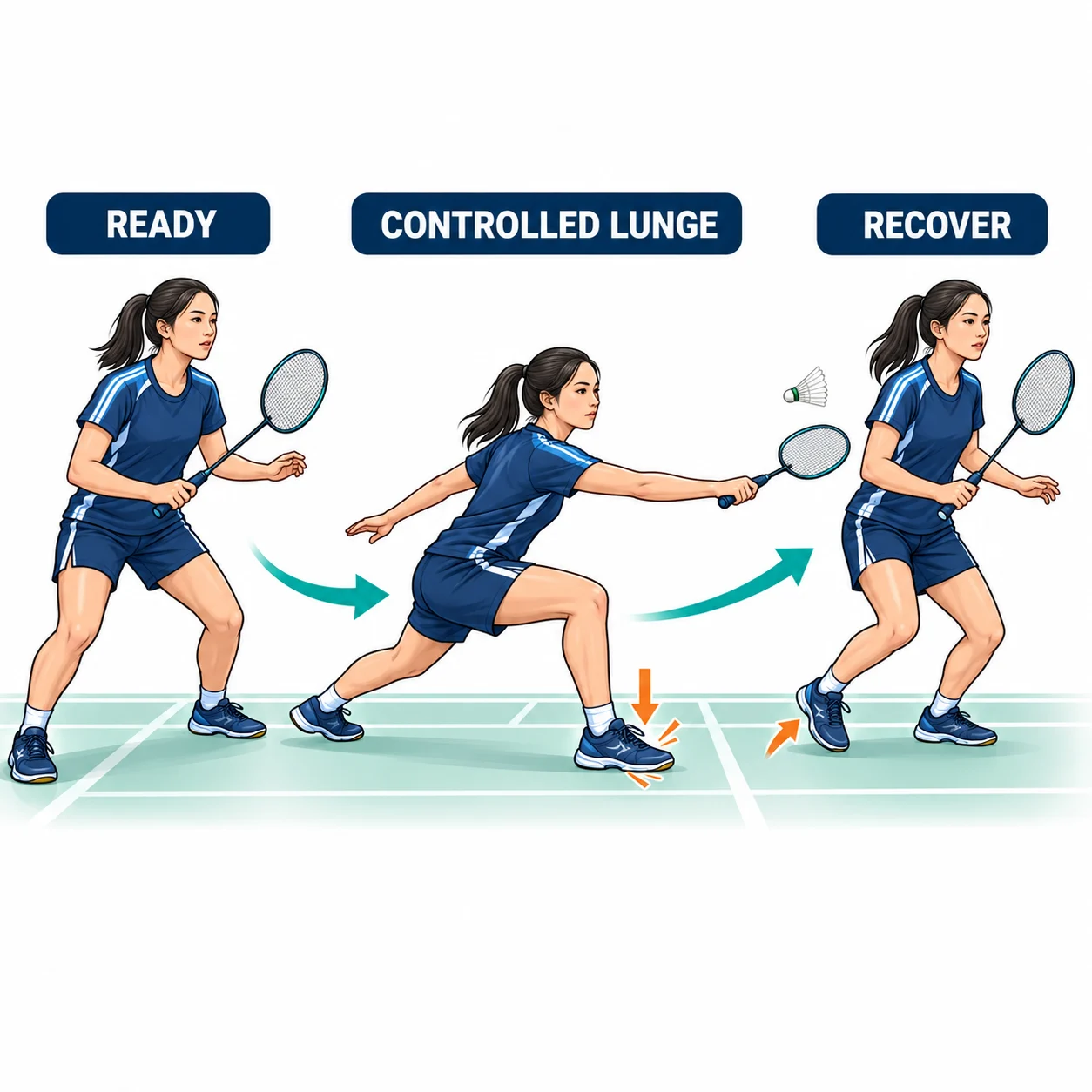
My Child Chases the Shuttle but Never Gets Ready for the Next Shot
Your child runs for every shuttle and looks exhausted at the end of a rally. Yet the next shot catches them again. From the side, it is easy to say they need to be faster. Before adding more running, ask where the movement sequence is breaking down.
Discuss your child’s training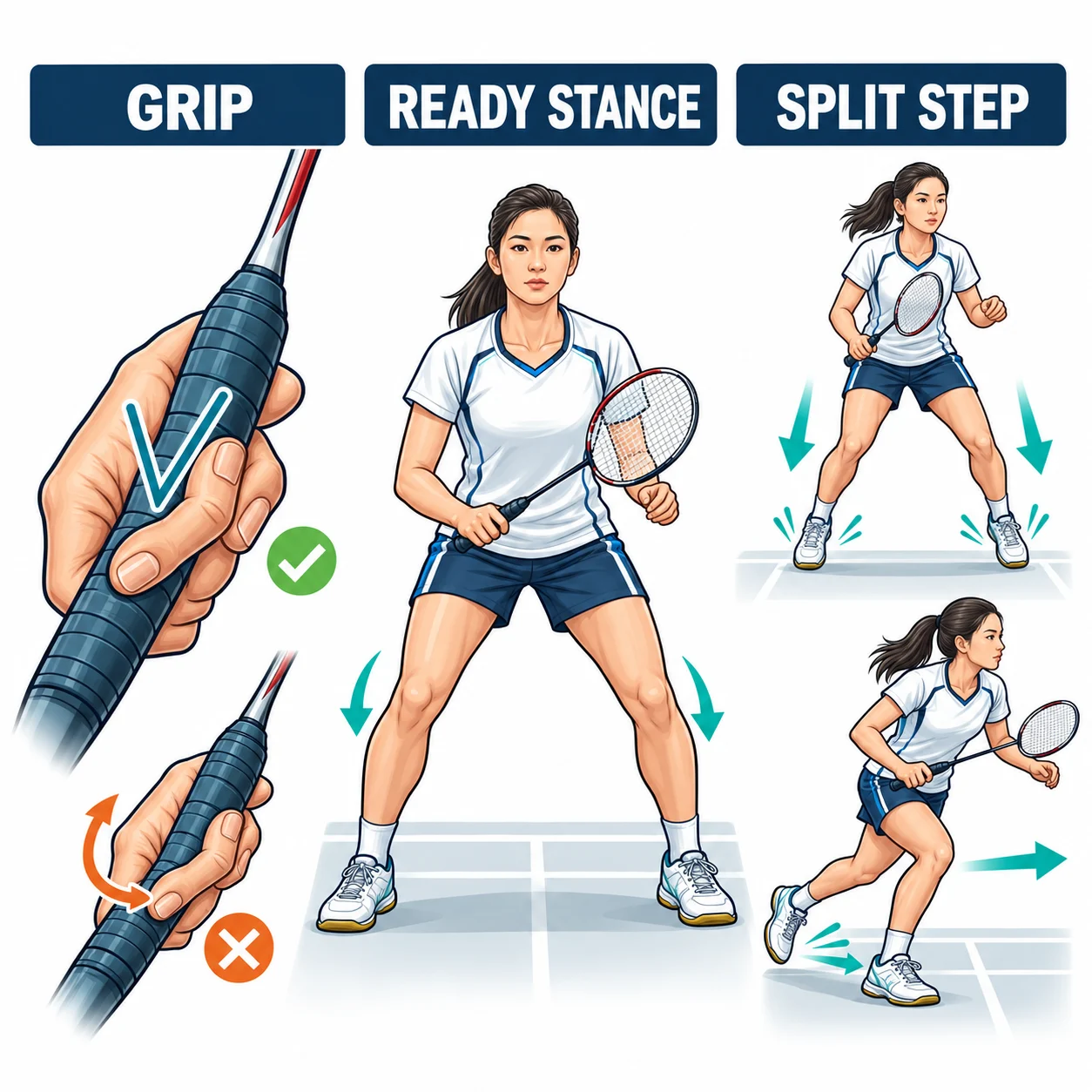
The problem may begin before the chase
Watch what happens after your child’s previous shot. Do they stay where they hit it, admire the shuttle, or begin preparing for what comes next? A late chase can be the visible end of a problem that started earlier.
The first movement, approach to contact and recovery are useful parts for a coach to assess separately. Do not choose a footwork pattern from the stands and demand that your child copy it. The right task depends on the shot, court position and next situation.
A fixed feed can hide what happens in a rally
A child may move comfortably to one corner when they know where every shuttle will go. In a rally, they must respond to the opponent and what happened on the previous shot. Success in the predictable exercise is valuable, but it does not answer every movement question.
Ask how the coach progresses from the known task to a small amount of uncertainty. That might mean a limited choice of feeds or a short rally with a specific purpose. It should still be simple enough for the coach to see the action they are assessing.
A simple checklist for your next conversation
| What you see | A more specific review question |
|---|---|
| The child stays still after hitting | What should happen between this shot and the next one? |
| They reach the corner but cannot continue | Can you assess balance and recovery from this contact? |
| Fixed feeds work, rallies do not | How will the task add a small amount of uncertainty? |
| Parents keep shouting “faster” | What single cue is the coach asking the child to use? |
Ask which part needs attention first
Instead of requesting “better footwork”, try: “They reach one shuttle, but then stand still and rush for the next one. Can you assess what happens between those shots?” This gives the coach a situation to inspect.
The answer should lead to a practice priority. If preparation is the issue, more laps do not by themselves explain the timing. If balance at contact is the issue, ask how the task helps the child finish in a position from which they can continue.
Keep the review comparable
Agree on a short task the coach can repeat at a suitable pace. Notice whether the child needs fewer reminders, finishes the movement more comfortably or is better prepared for the next feed. Record what the task actually asks for.
A different opponent, faster feeds or a much larger practice area change the demands. Avoid comparing two clips as if they were the same test when one is far harder. Also ask your child which instruction they remember; several shouted directions can obscure the priority.
Do not make home practice a race
If the coach recommends movement practice away from lessons, ask for a demonstrated task and a suitable clear space. Do not turn every session into a speed challenge or add a pattern your child has not learned.
For families managing school, traffic and several activities, a realistic routine matters. Bring those limits to the discussion. The decision may be to simplify the task in the current class, adjust the group, or arrange more focused foundation training after assessment.
Questions parents ask
Is the problem always poor fitness?
No conclusion should be drawn from chasing alone. Ask the coach to assess the sequence and the demands of the rally.
Should my child run more laps?
Discuss why that activity is being proposed. It is not a substitute for explaining the preparation or recovery problem you are observing.
Can we practise a famous player’s footwork video?
Use the task your coach has demonstrated for your child’s level. A video may show a different situation, speed or physical demand.
What is a useful sign of progress?
In the same agreed task, look for the movement the coach is working on, with fewer prompts or better preparation for the next shot. Match scores alone do not isolate it.
A practical next step
Describe two consecutive shots to the coach, not just the one your child missed. Ask for a movement assessment and a foundation task that fits their current level.
Compare badminton training options and children’s private badminton training. Confirm the suitable group, venue, times and fees directly before enrolling.
For the wider picture, read the slow-progress review, the guide to changing established habits, or return to badminton learning problems.