Chinese Taipei Men’s Singles Badminton Star
Cheng Ju-Sheng

Chinese Taipei
Player Event: Men’s singles
From Chinese Taipei · Born: 14 December 2006 · Left-handed
Playing Style: Left-handed all-court player who builds rallies with patience and placement, controls the net with a soft touch and strikes steeply from the back court when the opening comes
Known For: Two gold medals at the 2024 World School Games in Bahrain, a first senior final in Hanoi, and beating former world No. 2 Anthony Sinisuka Ginting on his way to a career-high world No. 92
Journey: National youth champion 2024 · ISF Gymnasiade double gold 2024 · First senior final 2026 · World No. 92
Understanding Cheng Ju-Sheng (Chinese Taipei Badminton Rising Star)
Cheng Ju-Sheng is a Chinese Taipei men’s singles badminton player who stands at world No. 110 in the BWF rankings (Week 43, 20 October 2026) with 17,650 points. What makes his story unusual is the route: Cheng is a product of the school sport system who won two gold medals at the World School Games before he held any senior ranking at all, entered the world rankings at No. 586 in November 2024, and inside two years had climbed to a career-high No. 92 — along the way beating one of the most decorated players of his era. At 19, the left-hander is one of the fastest-rising teenagers in the game.
Early Life and the Kaohsiung School Pathway
Cheng Ju-Sheng was born on 14 December 2006. He was educated in Kaohsiung, in southern Taiwan, where he attended Kaohsiung Municipal Kaohsiung Senior High School, and he is now a first-year student at the University of Taipei. He is a natural left-hander — a smaller group in elite badminton, and one that creates awkward angles for opponents raised on right-handed patterns. Like many Taiwanese internationals he also plays for a corporate team in the domestic structure, the system that funds so much of Chinese Taipei’s badminton strength, even while his studies continue.
A National Youth Title at Seventeen
Chinese Taipei’s school sport system is a genuine production line. The National Middle School Athletic Games bring together the best school players in the country, and school teams train with a seriousness that surprises visitors. Cheng came through that pathway rather than a private academy: school training halls, school team-mates and national school competitions as the proving ground. It is a route that demands discipline, because the school day does not bend around badminton — training happens around lessons, not instead of them.
Double Gold at the World School Games in Bahrain
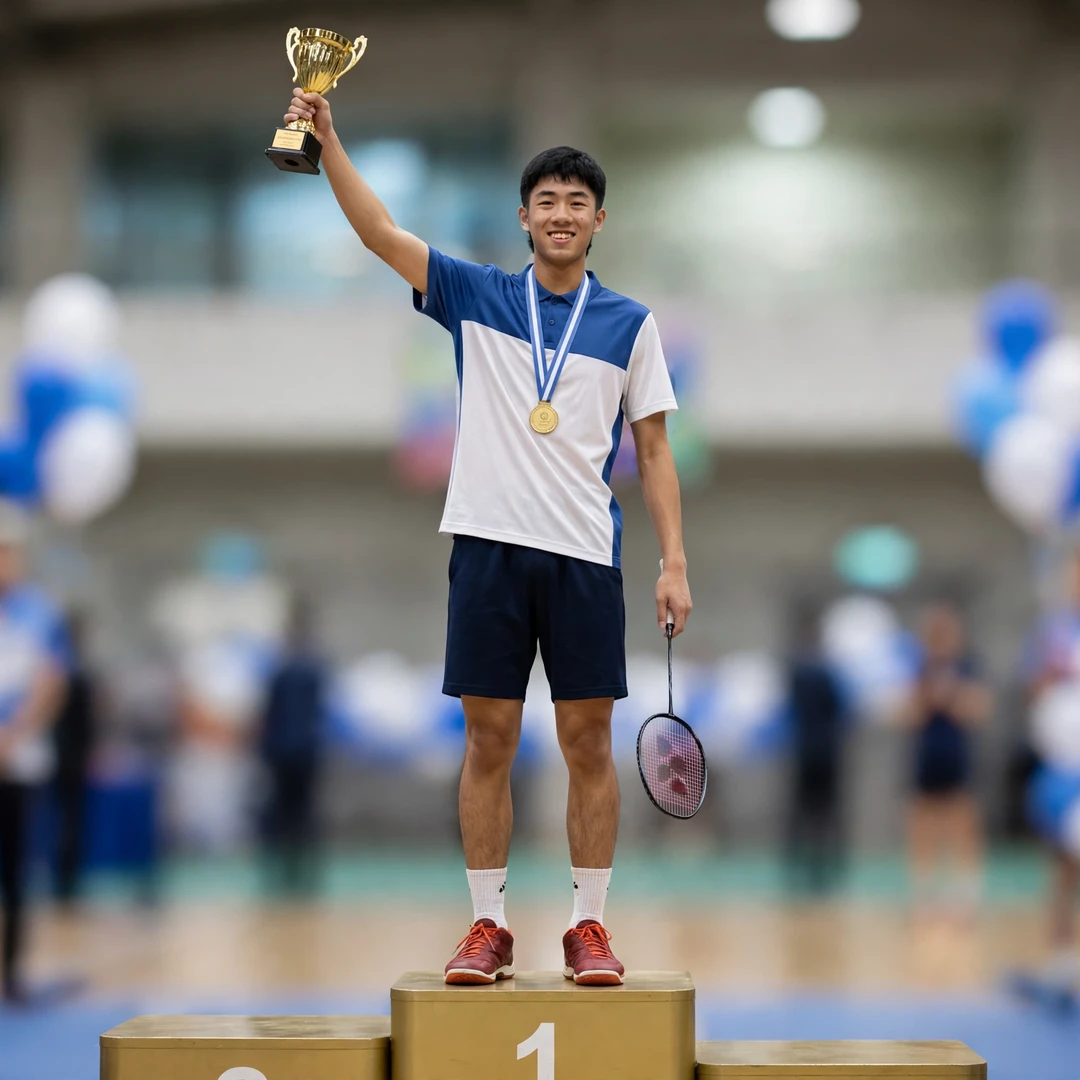
His first national breakthrough came in July 2024, when the 17-year-old won the men’s singles title at the National Youth Badminton Championships. Winning a national youth title in Chinese Taipei is no small claim: the domestic field is deep, the early rounds are full of players with international junior experience, and every opponent knows the school system inside out. The title marked Cheng out as the leading schoolboy of his year and opened the door to wearing the Chinese Taipei colours abroad.
A School Team Gold and a First World Ranking
In October 2024 came the result that introduced him to the world. At the ISF Gymnasiade — the World School Games — in Manama, Bahrain, Cheng won the men’s singles gold medal, and then added a second gold in the mixed team event, where Chinese Taipei beat China 75-68 in the relay-format final. Two gold medals at a world school championship, at 17, put him in rare company — and gave him his first experience of winning finals on foreign soil, under a flag, with a team depending on him.
Career Milestone #1
Senior Beginnings and a Home Super 100
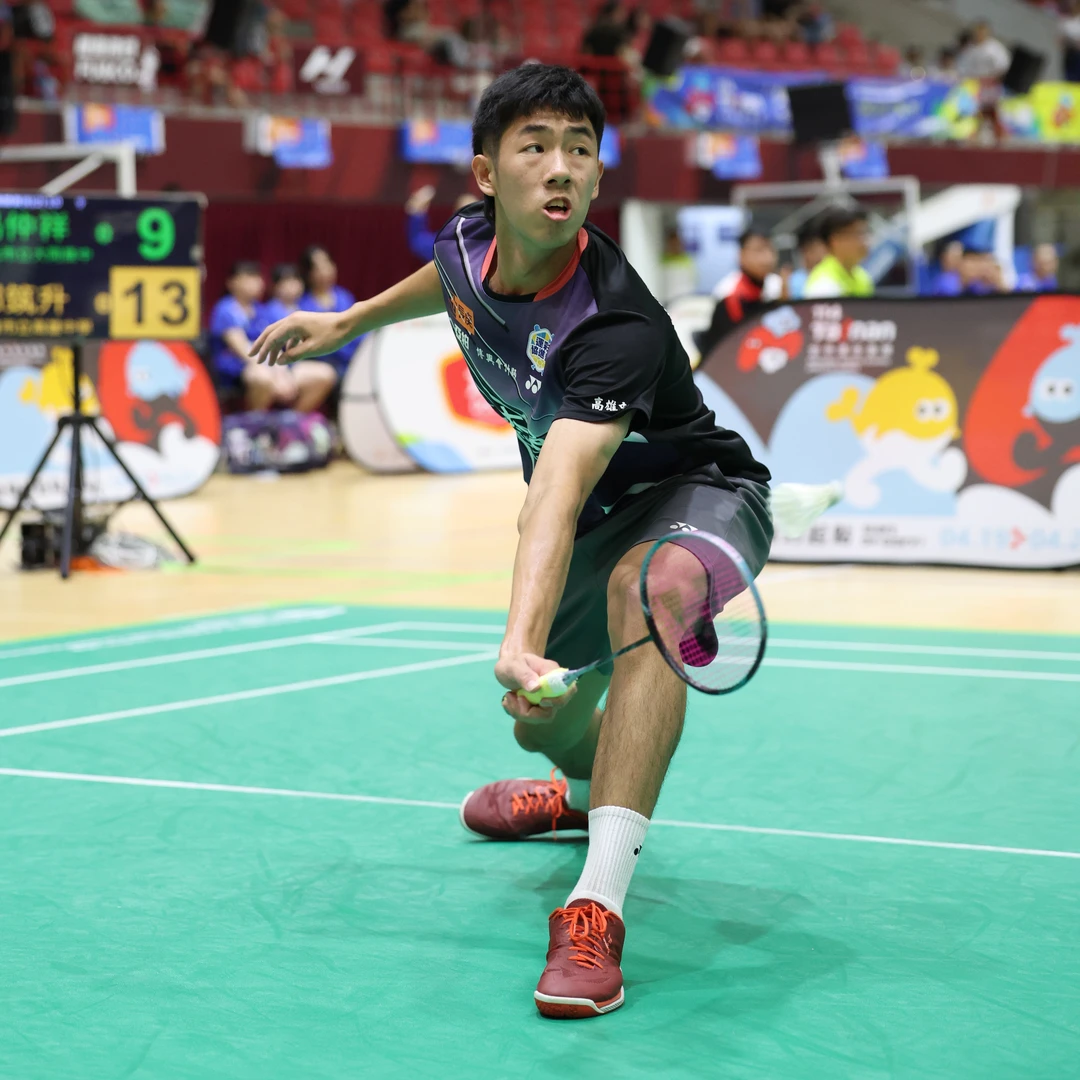
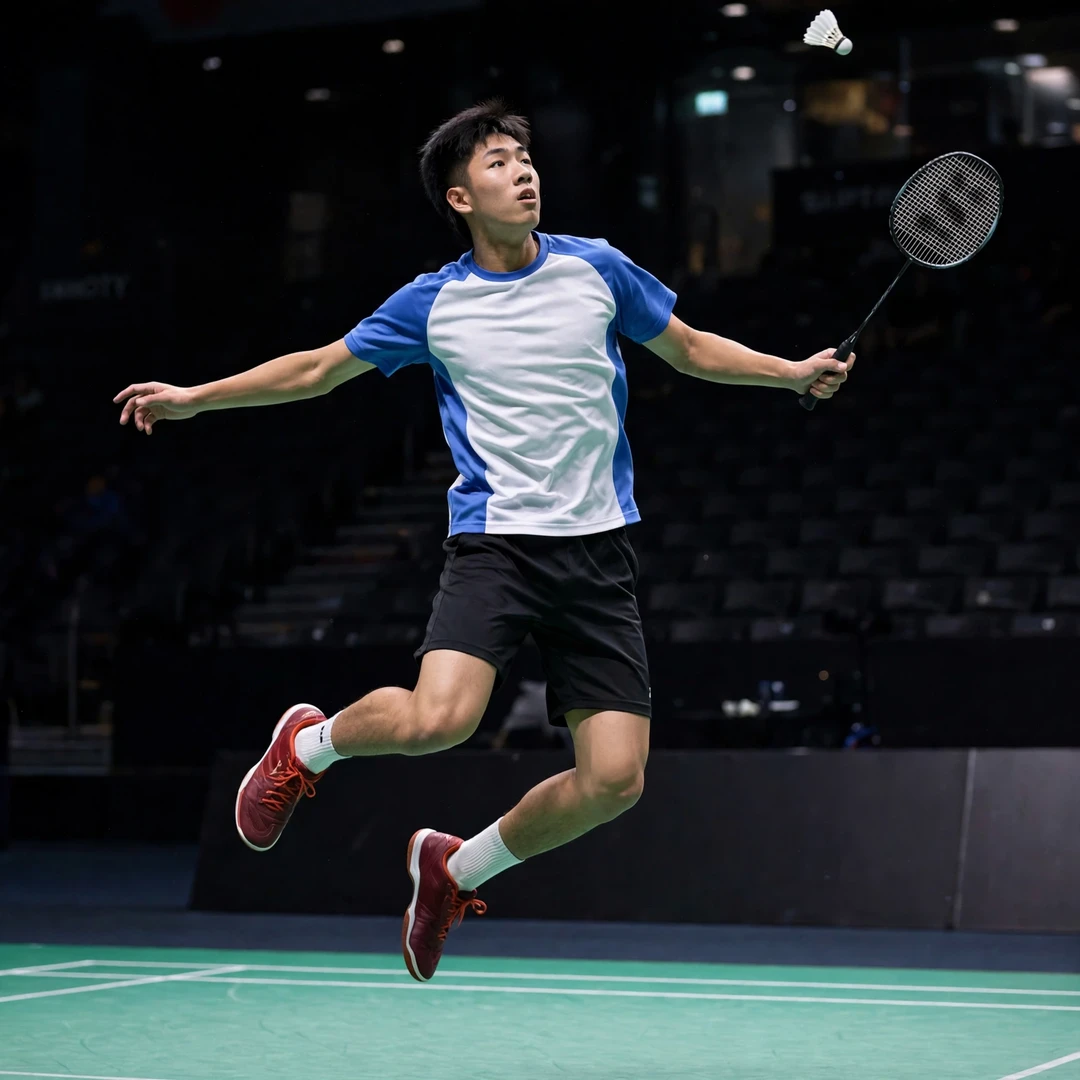
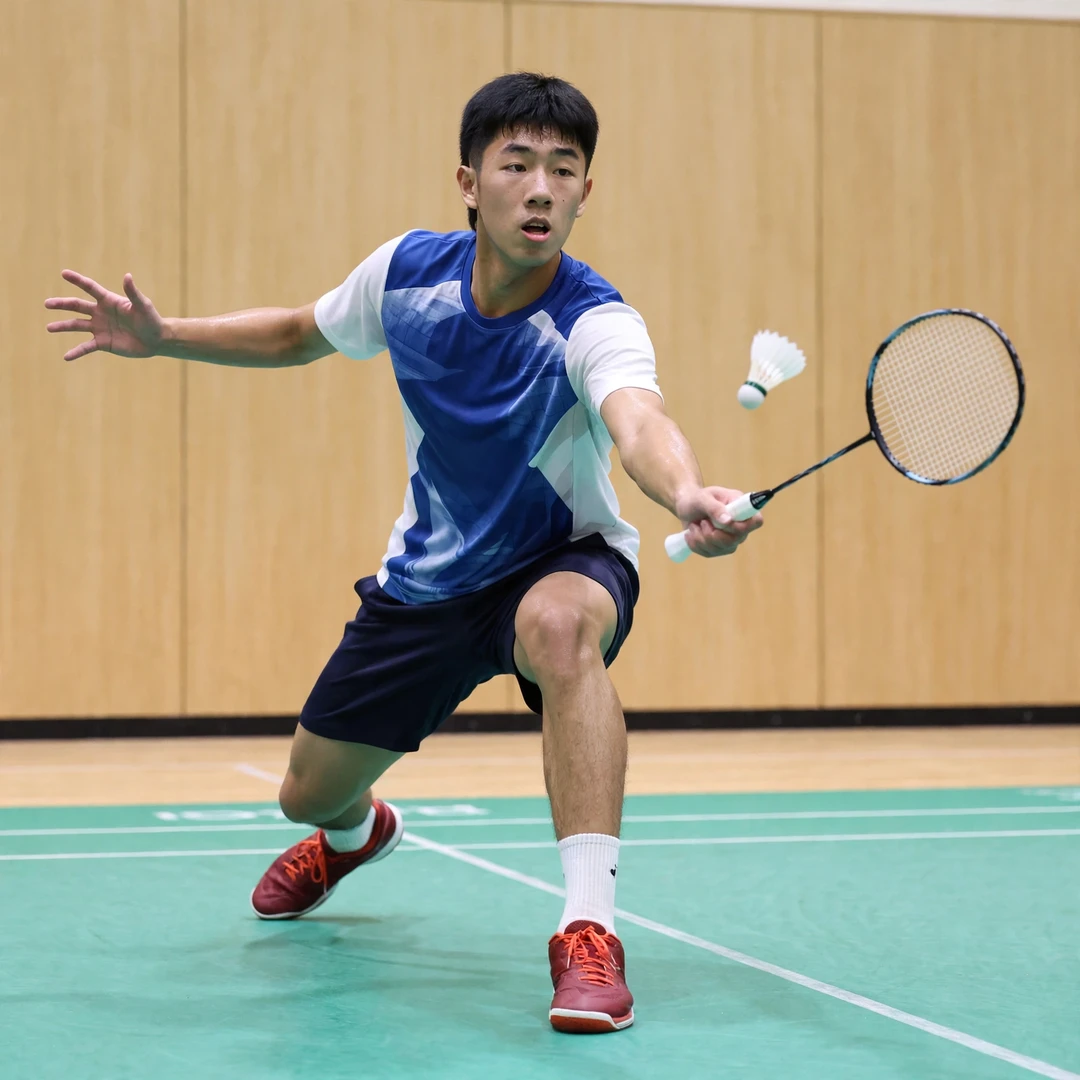
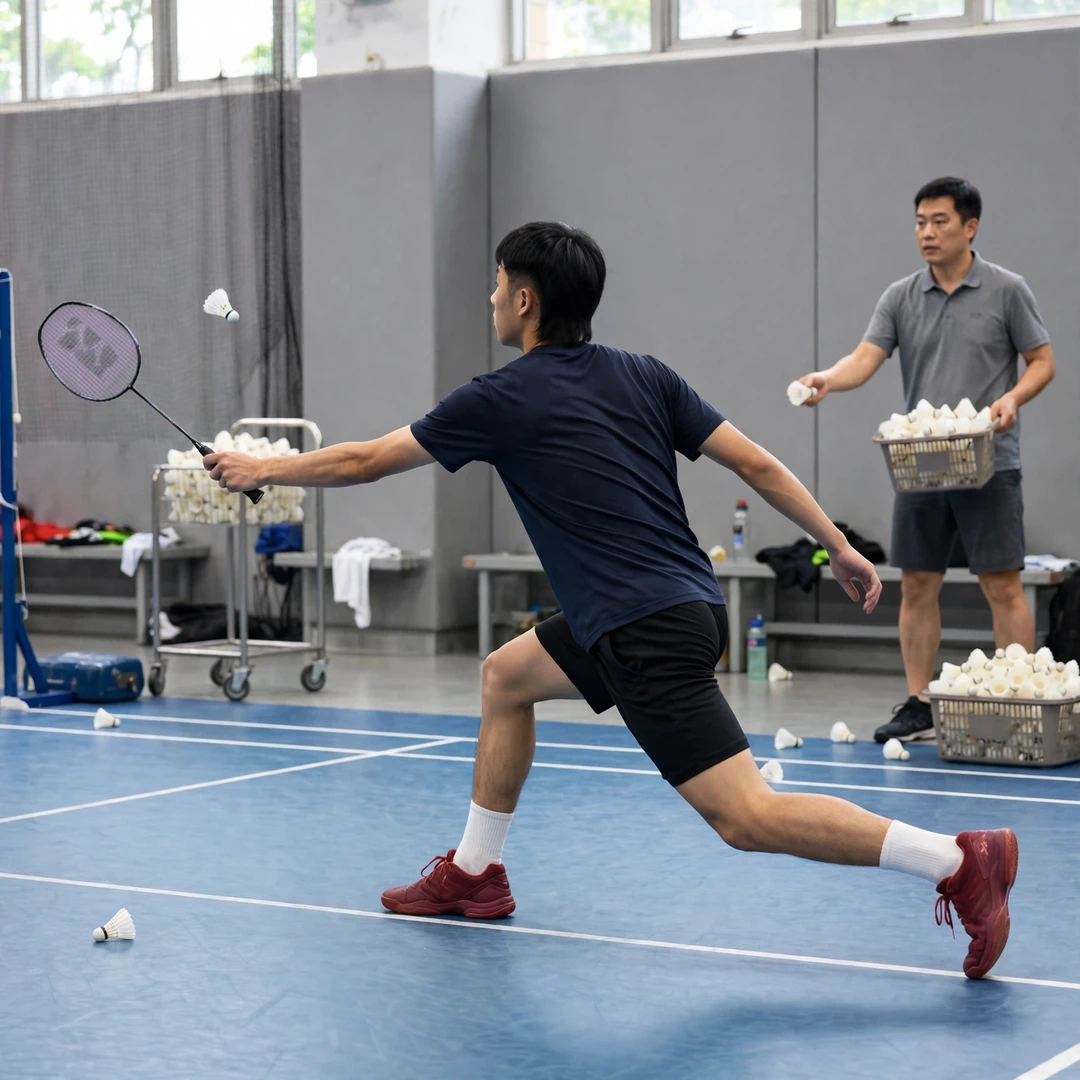
The school honours kept coming. In April 2025, at the National Middle School Athletic Games in Tainan, Cheng helped Kaohsiung Senior High School win the boys’ team gold medal, playing second singles — the photographs of him lunging at the net and driving from the back court in that event are among the few published images of his school career. A few months earlier, on 26 November 2024, he had quietly entered the BWF world rankings for the first time, at No. 586: the starting line of his senior climb.
His first taste of senior tour badminton came at home. At the Kaohsiung Masters, a Super 100 event in his school city in September 2025, Cheng won his opening match against Shih Kuan-Chih in straight games, then pushed Kuo Kuan Lin all the way in the round of 32 — winning the first game before falling 21-16, 19-21, 20-22. By the end of 2025 he had climbed to around No. 236 in the world, and in January 2026 he won the national ranking tournament’s Division B singles title, earning promotion to Division A, the top domestic tier.
Career Milestone #2
The Hanoi Breakthrough: A First Senior Final
The breakthrough arrived in March 2026 in Hanoi. At the Vietnam International Challenge, Cheng strung together six wins to reach his first senior international final — a run that carried him through a full week of senior draws in a foreign hall. The title went to Indonesia’s Richie Duta Richardo, who won the final 21-13, 21-14, but a first senior final at 19 was the result Cheng’s whole school career had been pointing towards. He had arrived on the senior circuit.
What a first final teaches cannot be coached in a training hall: the waiting, the ceremony, the opponent who has been there before. Cheng’s response to Hanoi tells its own story — he did not protect his ranking points or pick soft events. He went straight back onto the International Challenge circuit, the level where the world’s next wave fights for the points that open Super 100 doors, and treated every week as another examination. Finals, he had learned, are reached by players who keep entering.
The grind produced steady progress. In May 2026 he contested the Baoji China Masters, losing in the round of 64 to Japan’s Koo Takahashi 17-21, 16-21, and in June he reached the round of 16 at the Phuket International Challenge with three wins. July brought a step up: at the Northern Marianas Open in Saipan, an International Challenge event, Cheng reached the semi-finals — his best senior result since Hanoi — followed by a round of 16 at the Saipan International the next week. The ranking moved with him: No. 121 on 21 July 2026, his first time inside the top 150, and No. 117 a week later.
Career Milestone #3
Saipan Semi-Final and the Long Summer Grind
August kept the momentum honest. At the Singapore International Challenge he reached the round of 16 with three wins, and at the Pontianak International Challenge in Indonesia he made the quarter-finals before meeting Richardo for the third time in 2026 — the Hanoi champion again too strong, 15-21, 13-21. Losing three times to the same rising opponent in one season is its own education: Cheng’s team now has a file full of rallies showing exactly where the Indonesian’s game hurts him, and exactly what must improve.
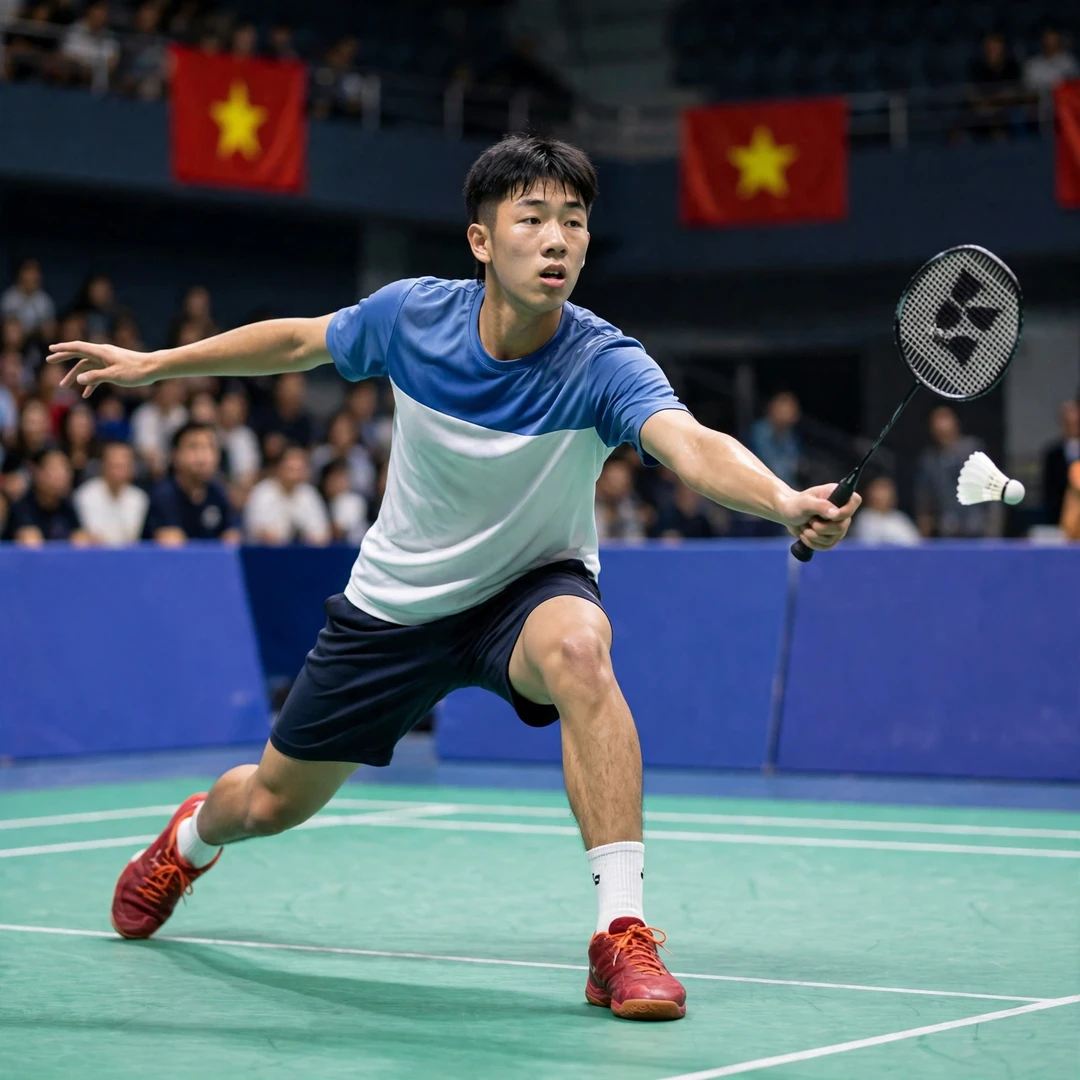
Then came the week that changed his profile. At the Pontianak Indonesia Masters, a Super 100 event in September 2026, Cheng first beat home favourite Christian Adinata 21-13, 11-2 when injury ended their match — and then produced the finest win of his young career, defeating Anthony Sinisuka Ginting, the former world No. 2 and one of Indonesia’s most loved players, 21-15, 21-17 in straight games. His run ended against Malaysia’s Kok Jing Hong, 21-15, 11-21, 9-21 — but the rankings told the story: on 15 September 2026 Cheng stood at world No. 92, his career-high.
October brought the reality check every riser meets. At the Malaysia Super 100 he lost his opening match in the round of 64 to Korea’s Kim Hae Deun in three games, and at the Kudus Indonesia Masters he fell at the same stage to Malaysia’s Ming Hong Lim, again in three. Not all of the points from his huge September could be defended, and the Week 43 rankings of 20 October 2026 place him at No. 110 with 17,650 points — still 476 places above where he started, and with the Ginting win on his record for good.
Career Milestone #4
Beating Ginting: A Career-High World No. 92
Cheng’s calendar is itself a lesson. Twelve BWF events in 2026 — International Challenges and Super 100 tournaments across Vietnam, China, Thailand, Singapore, Indonesia, Malaysia and the Pacific islands of Saipan — with qualifying rounds, three-game marathons and long journeys between them. That volume is how a ranking is built at this level, but it only works if it is managed: recovery between events, honest conversations with coaches about fatigue, and the discipline to peak for the tournaments that matter most.
He does all of it alongside a degree. Cheng is a first-year student at the University of Taipei, fitting lectures and examinations around a professional travel schedule that would test a full-time player. Young players and parents often ask whether study and elite sport can coexist; his 2026 season is the evidence. It requires planning, understanding teachers and ruthless time management — but the school pathway that made him also taught him exactly those habits, years before he needed them on tour.
Playing Style
The Left-Handed All-Court Game: The Cheng Ju-Sheng Style
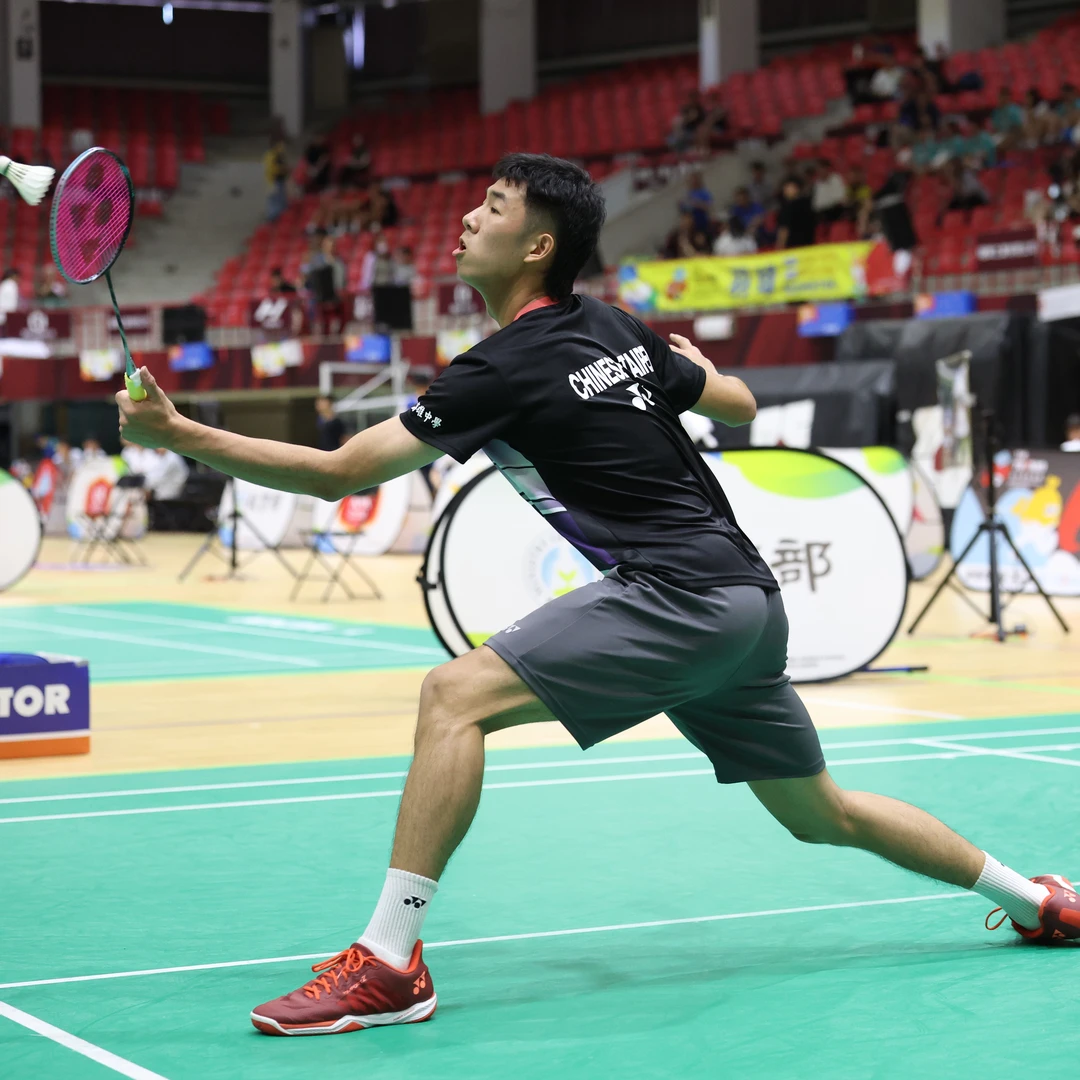
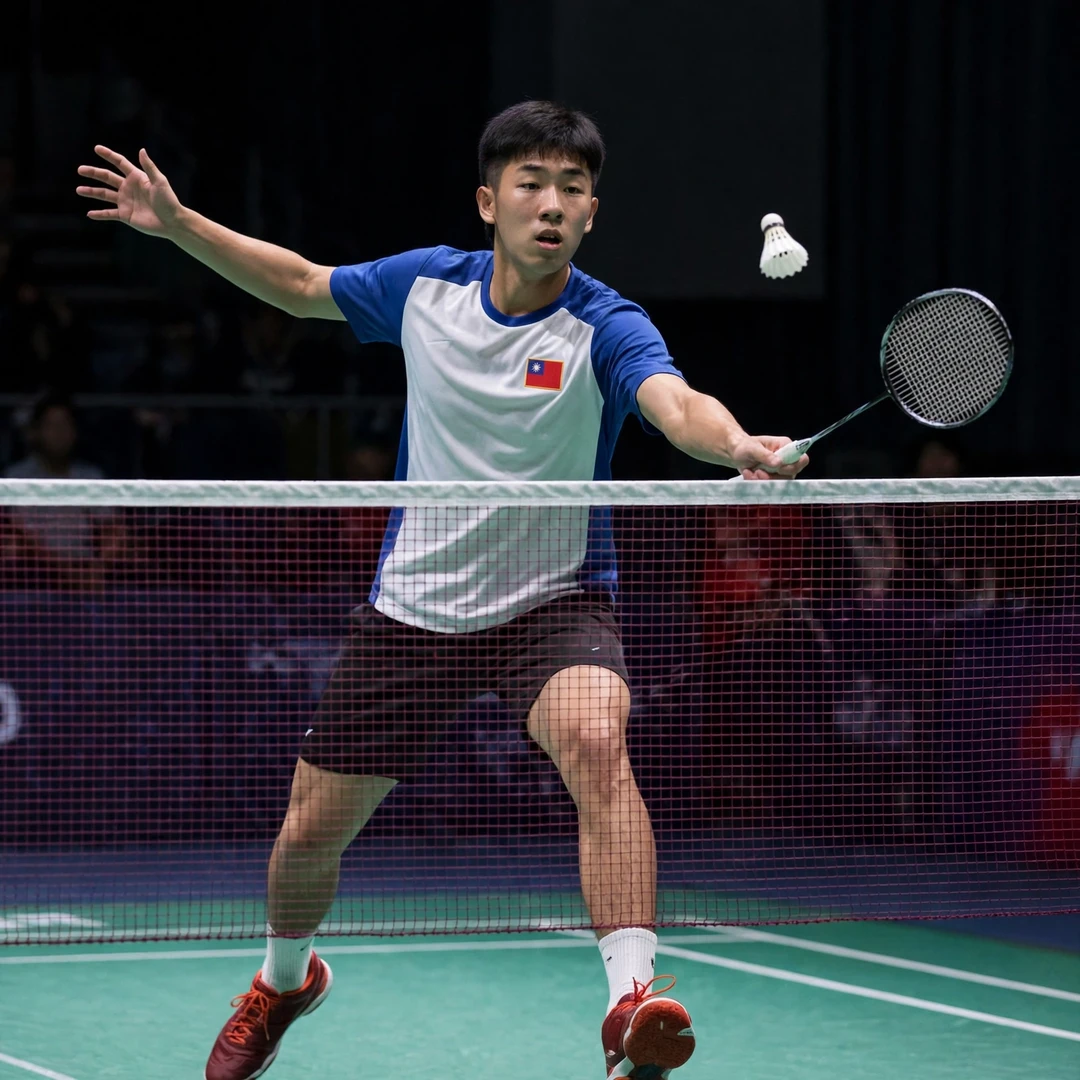
Cheng plays the modern all-court game through a left-hander’s geometry. Left-handers force right-handed opponents to re-learn their patterns: the cross-court shot that is safe against most players runs into his forehand strength, and his around-the-head coverage protects angles that would expose a right-hander. He builds rallies patiently — tight net play with a soft touch, high clears that buy recovery time, and sudden steep attacks when a lift falls short. It is placement before power, and it travels well to every hall on the circuit.
His composure has been visible since his school days. In Bahrain he won an individual final and then went again in a team final in the same week. In Hanoi he kept winning rounds on the way to a first senior final. Against Ginting — a superstar playing in front of his own Indonesian crowd — the 19-year-old played the match point by point, closing it out in straight games without the occasion swallowing him. Coaches call this reset ability: play the next rally, not the last one. Cheng already does it like a player ten years older.
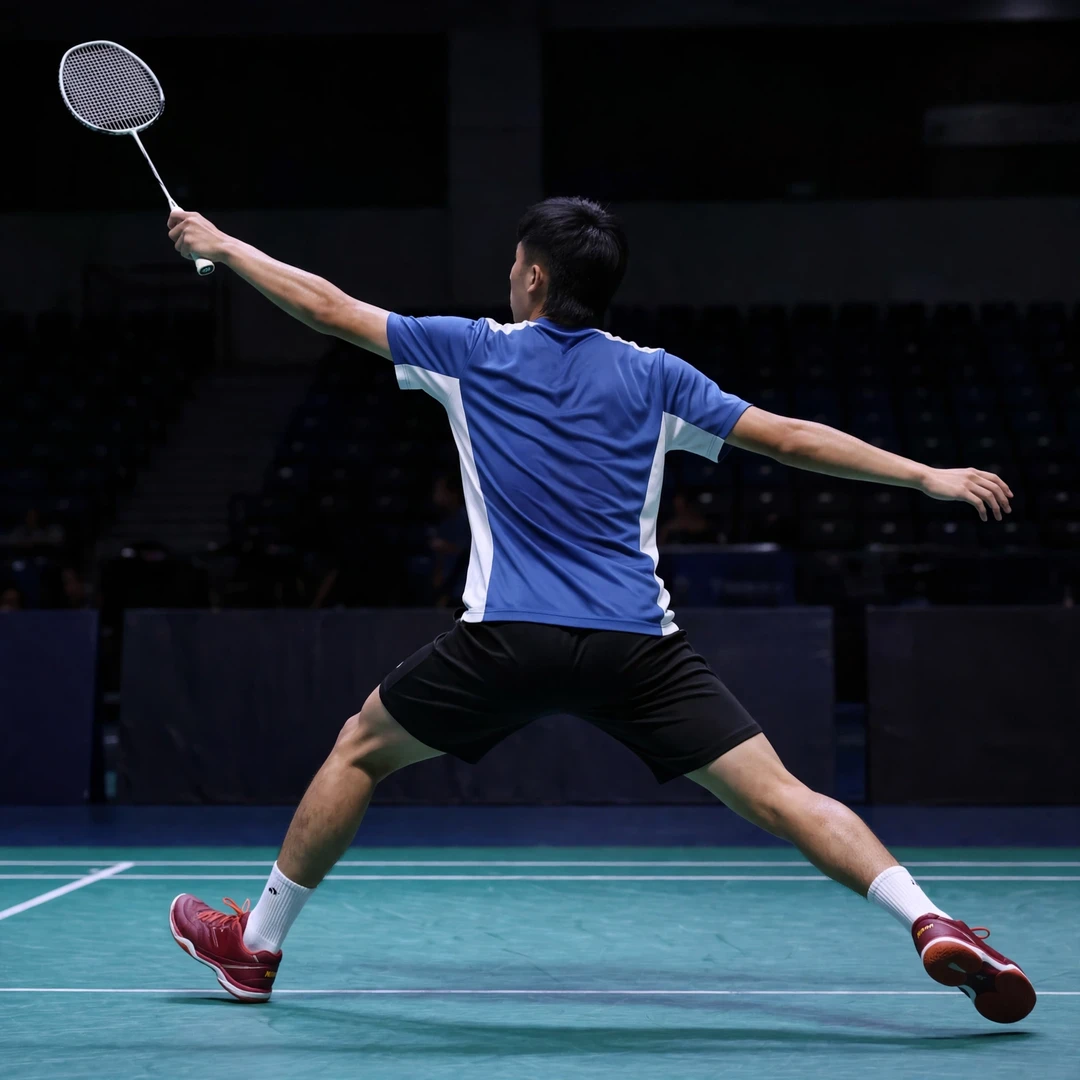
Young players studying Cheng should watch his feet before his racket. His split-step is timed to the opponent’s stroke, his lunge recovery brings him back to base without wasted steps, and his defence turns would-be winners into neutral rallies instead of desperate lifts. Notice as well how rarely he donates free points in the first four shots of a rally: his serves, returns and net replies are rehearsed to a standard that lets the longer game — where his patience wins — actually happen. None of that needs rare talent; it needs thousands of honest repetitions.
Mental Strength
Patience, Belief and the School Pathway
Cheng is proof of what the school route can produce. He did not come through a famous private academy or a junior world medal; he came through a municipal senior high school in Kaohsiung, national school tournaments and a world school games, carrying a student timetable the whole way. When he entered the rankings at No. 586, nothing about his pathway promised No. 92 inside two years — except the habits it had built: discipline, patience, and turning up prepared, week after week.
His response to defeats is becoming a pattern worth copying. Lose a first senior final in Hanoi? Reach a semi-final in Saipan four months later. Lose to Richardo for a third time in Pontianak? Return to the same city weeks later and beat Ginting. Slide back from No. 92 in the autumn? The season still holds events to answer with. For young players the lesson is not that losing does not hurt — it is that a loss, studied honestly, is a scouting report for the next tournament, and Cheng keeps cashing his in.
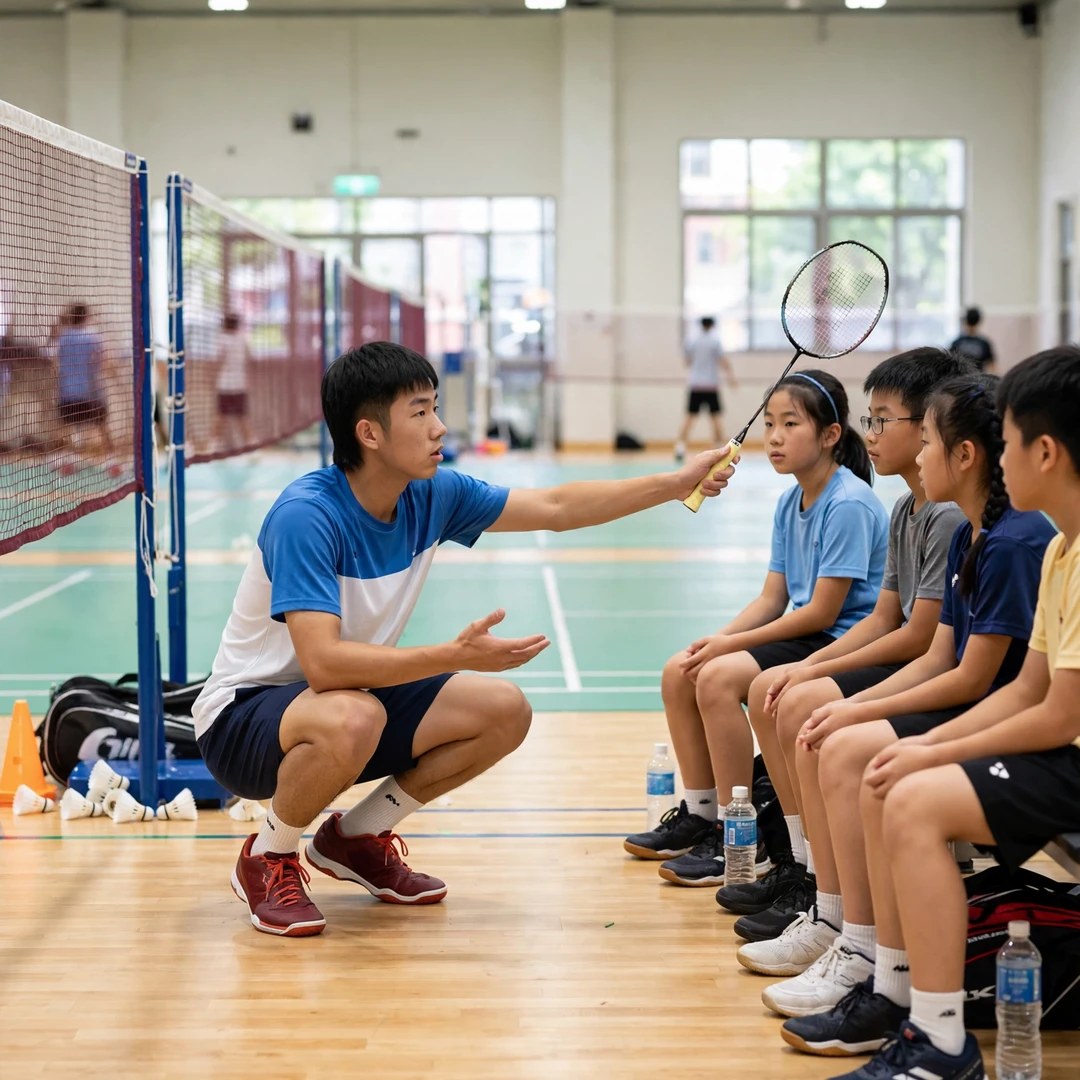
Practical lessons from his journey include taking the school and university pathway seriously instead of treating education as a distraction, entering the tournaments you can reach rather than waiting to feel ready, building a game that does not leak errors before chasing spectacular winners, and measuring progress across a season rather than a single weekend. None of these lessons requires fame or money; they require patience, honesty and a training plan — exactly the foundations a good academy provides.
Learning Reference
ST Badminton Academy Connection
ST Badminton Academy has no official partnership or endorsement from Cheng Ju-Sheng. He is not connected with our academy, and this profile is published purely as an educational case study for parents and junior players who want to understand how a school-pathway player climbs from world No. 586 to the edge of the top 100.
Many of our students from Malaysia and visiting learners from Singapore study his matches to understand the power of the school pathway: how a student-athlete won two gold medals at the World School Games, reached a senior final in Hanoi while at university, and beat a former world No. 2 in Indonesia. His straight-games win over Ginting is required viewing in our discussions of left-handers, composure and what preparation makes possible.
We encourage our students to observe his footwork, his left-handed rally construction and his calm resets after losing big points — and to notice that his rise was built in school halls in Kaohsiung, World School Games courts in Bahrain and International Challenge arenas across Asia, not under television lights. The top 100 is not inherited; it is accumulated, one school day, one training session and one round at a time.
FAQs: Cheng Ju-Sheng Chinese Taipei Badminton Player
Here are answers to common questions about Cheng Ju-Sheng’s career, achievements and what young players in Malaysia can learn from the Chinese Taipei left-hander’s climb.
Who is Cheng Ju-Sheng and which country does he represent in badminton?
Cheng Ju-Sheng is a Chinese Taipei professional badminton player competing in men’s singles. Born on 14 December 2006, he came through Kaohsiung’s school sport system, won two gold medals at the 2024 World School Games, and by October 2026 had reached a career-high world No. 92 with his first senior international final already played.
What are Cheng Ju-Sheng’s biggest badminton achievements?
Cheng’s major achievements are his two gold medals at the ISF Gymnasiade 2024 in Bahrain — men’s singles and mixed team — the National Youth Championships singles title in 2024, a runner-up finish at the Vietnam International Challenge 2026, a straight-games win over former world No. 2 Anthony Sinisuka Ginting, and a career-high BWF world ranking of No. 92, reached in September 2026.
What is Cheng Ju-Sheng’s playing style?
Cheng plays a left-handed, all-court game built on rally construction and control: tight net play to earn lifts, accurate clears and drops to move opponents, patient defence that turns pressure into neutral rallies, and steep attacks when the opening comes. His left-handed angles make familiar patterns uncomfortable for right-handed opponents, and he wins with placement and patience first, power second.
How did Cheng Ju-Sheng perform at the World School Games in Bahrain?
Cheng won two gold medals at the ISF Gymnasiade — the World School Games — in Manama, Bahrain, in October 2024. He took the men’s singles title, then helped Chinese Taipei win the mixed team gold, beating China 75-68 in the relay-format final. He was 17 years old, and the double made him one of the standout badminton players of the entire Games.
How can my child learn from Cheng Ju-Sheng’s training approach?
Young players can study Cheng’s approach by copying the habits behind his rise: take school training seriously, build rally tolerance and defence before highlight-reel smashes, and keep entering tournaments at the level you can reach. At ST Badminton Academy we use his win over Ginting as a video lesson in composure and left-handed rally construction, then train the same patterns in multi-shuttle and rally-building drills.
Did Cheng Ju-Sheng win any junior titles?
Yes. Cheng won the men’s singles title at the National Youth Badminton Championships in July 2024, at the age of 17, and followed it with two gold medals at the ISF Gymnasiade World School Games in Bahrain three months later — the men’s singles title and the mixed team title with Chinese Taipei.
What are Cheng Ju-Sheng’s best senior tournament results?
Cheng’s best senior results are his runner-up finish at the Vietnam International Challenge in Hanoi in 2026, his semi-final at the Northern Marianas Open in Saipan, a round of 16 at the Pontianak Indonesia Masters Super 100 — where he beat Anthony Sinisuka Ginting 21-15, 21-17 — a quarter-final at the Pontianak International Challenge, and round-of-16 finishes in Phuket, Singapore and Saipan.
What playing style should young players learn from Cheng Ju-Sheng?
Young players should study Cheng’s complete game rather than one spectacular shot: the footwork that gets him to the shuttle early, the tight spinning net play, the patience to build a rally, and the left-handed angles that change where a rally can be won from. His game is built from trainable skills, which is why coaches love teaching from it.
Does ST Badminton Academy have any connection with Cheng Ju-Sheng?
No, Cheng Ju-Sheng is not a student, coach or ambassador of ST Badminton Academy. He represents Chinese Taipei and developed through its school and university system. However, coaches at our academy in Kuala Lumpur regularly use his matches as teaching material, because his climb from No. 586 to No. 92 shows what structured school coaching, competitive volume and patience can achieve.
Cheng Ju-Sheng Career Highlights
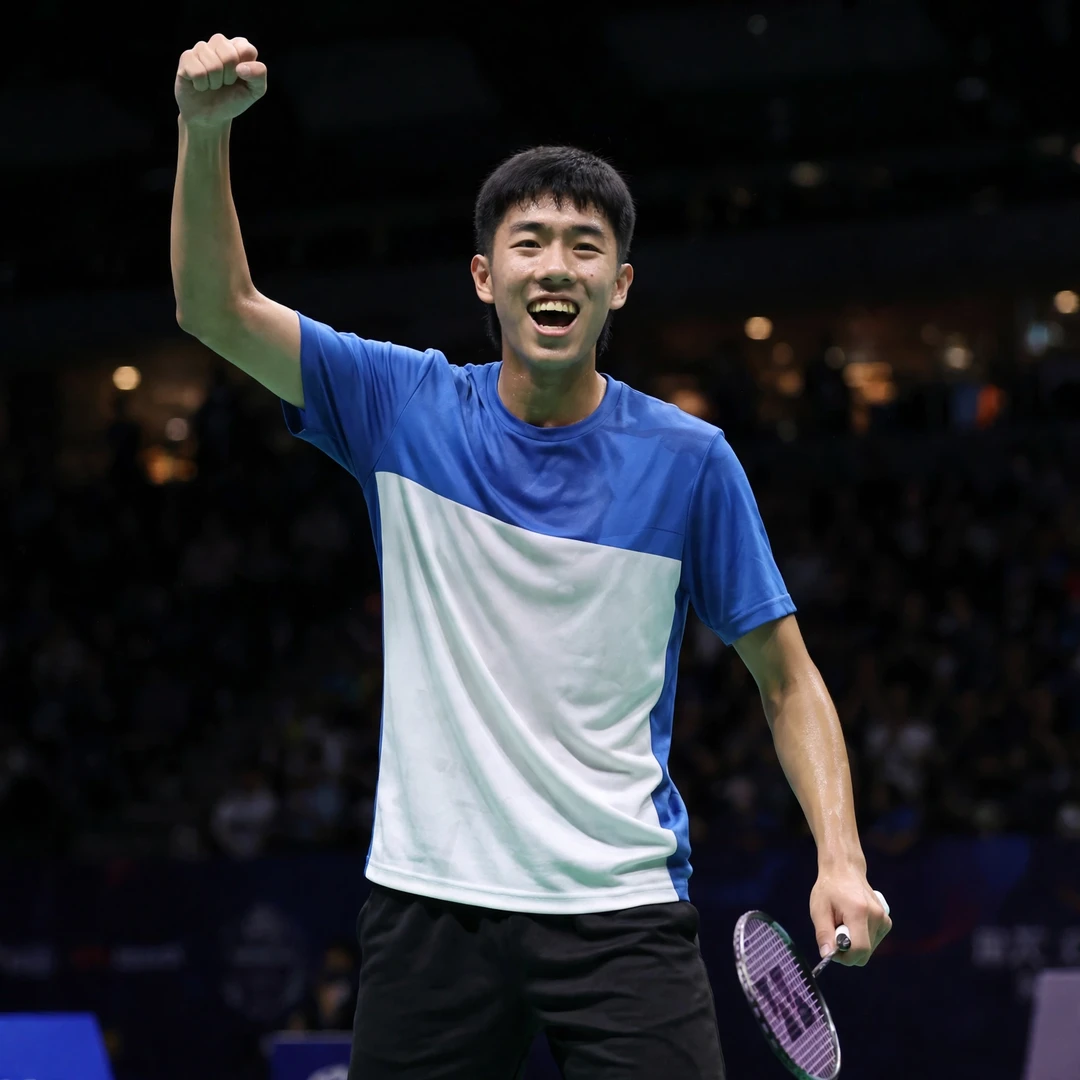
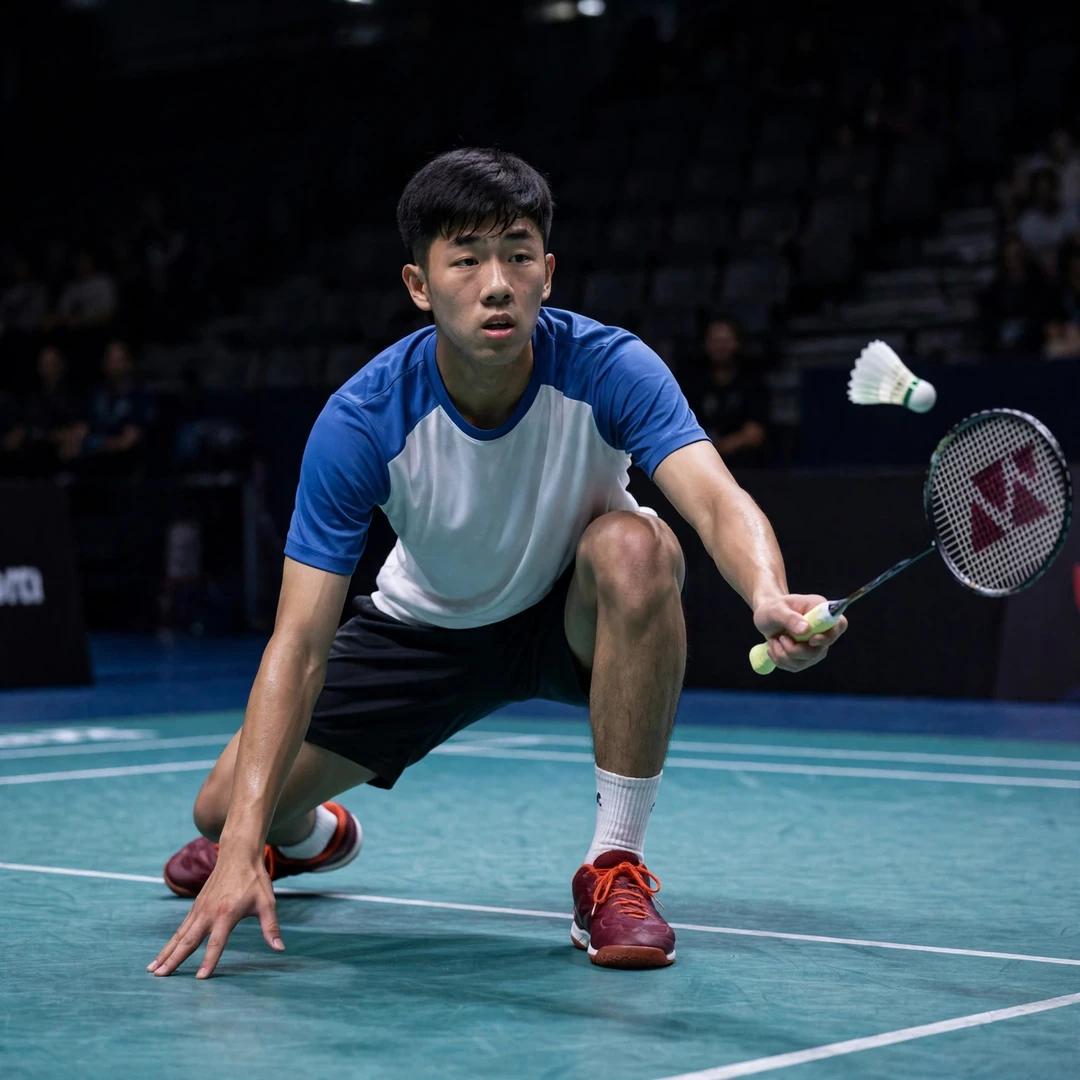
Career Statistics and Rankings
Cheng Ju-Sheng, born on 14 December 2006 and representing Chinese Taipei, has produced one of the most distinctive climbs in the modern game: national youth champion, double World School Games gold medallist, a senior finalist in Hanoi, the teenager who beat Ginting, and a career-high world No. 92 by the age of 19.
| Development Area | Common Misconception | What Cheng Ju-Sheng's Career Shows REALITY |
|---|---|---|
| Junior Foundation | Talent alone decides who becomes a champion. | Cheng came through Kaohsiung's school system and won two gold medals at the World School Games in Bahrain before he held any senior ranking — a structured school base came first. |
| Playing Style Priority | Kids should copy the flashiest attacking shots. | Cheng built a complete left-handed game first; his steep attacks are the finishing touch on reliable footwork, defence and net play. |
| Fitness Importance | Juniors can out-train everyone without rest. | Cheng balances first-year university studies in Taipei with twelve BWF events in 2026 — his rise came from smarter scheduling around his education, not more hours. |
| Mental Approach | Top players never get nervous or upset. | Cheng lost his first senior final in Hanoi, then answered with a semi-final in Saipan and a career-high ranking weeks later — mental skills are trained, not inherited. |
| Attacking Training | Smashing harder is always the answer. | His 2026 Pontianak win over Anthony Sinisuka Ginting (21-15, 21-17) and his World School Games double gold came from controlled rally placement, not raw power. |
| National Milestones | Only world titles matter. | Cheng's two Gymnasiade golds (2024) and his 2024 national youth title made him a school-sport star in Chinese Taipei — school milestones build a career step by step. |
| Career Timeline | Champions peak once and fade fast. | From a first ranking of No. 586 in November 2024 to world No. 92 in September 2026, Cheng proves sustained development through the school pathway beats a short peak. |
Study Cheng Ju-Sheng's Work Ethic and Professional Approach
This profile explains who Cheng Ju-Sheng is, his major achievements, and what developing players can learn from his journey. Whether you are a parent in Kuala Lumpur, Cheras or anywhere in Malaysia wondering how a schoolboy becomes a world top-100 player, Cheng's story carries the answer: with the right coaching, patience and enough tournaments, the climb is possible — book a trial class with ST Badminton Academy on WhatsApp at +60 17-684 2136 and let your child begin a development journey built to last.