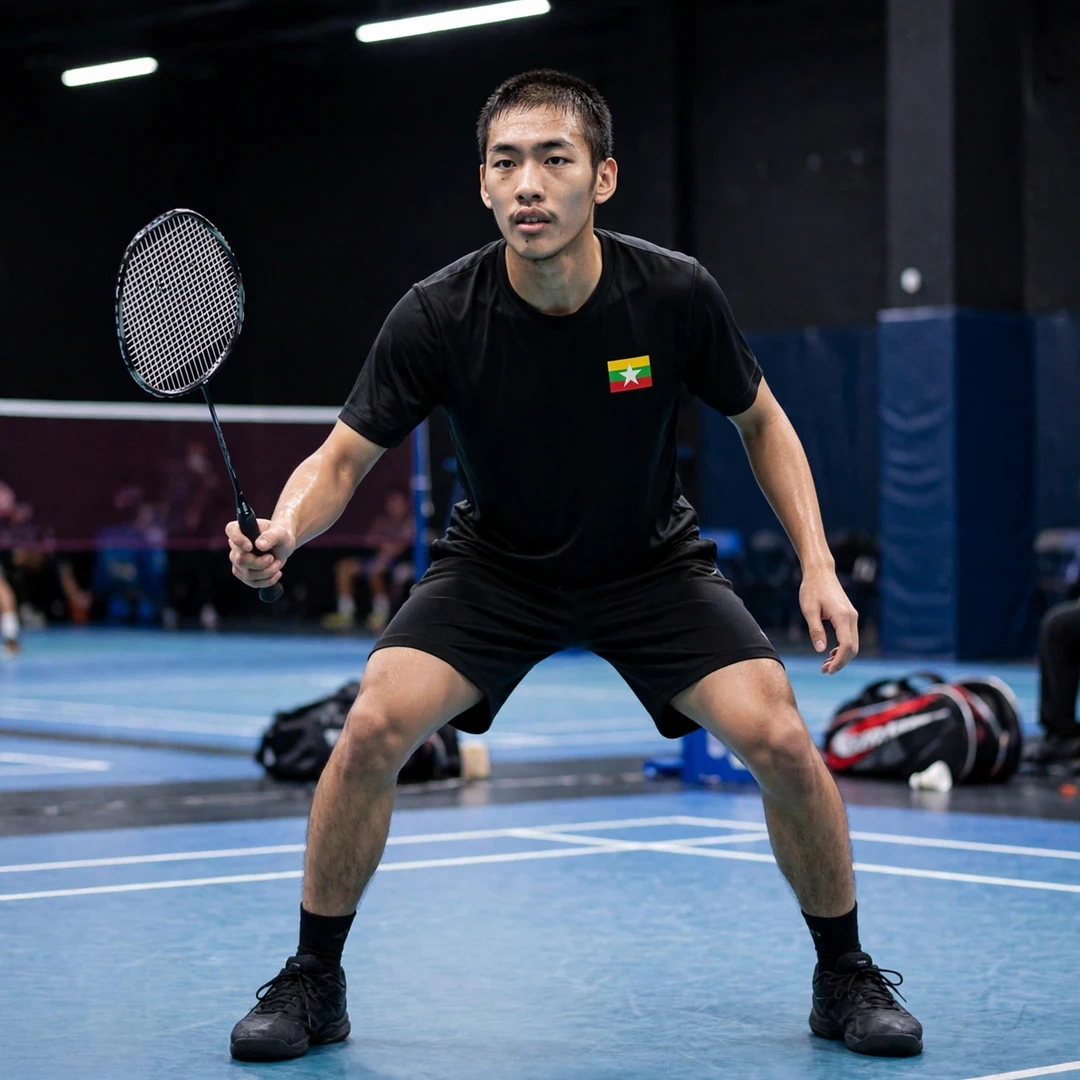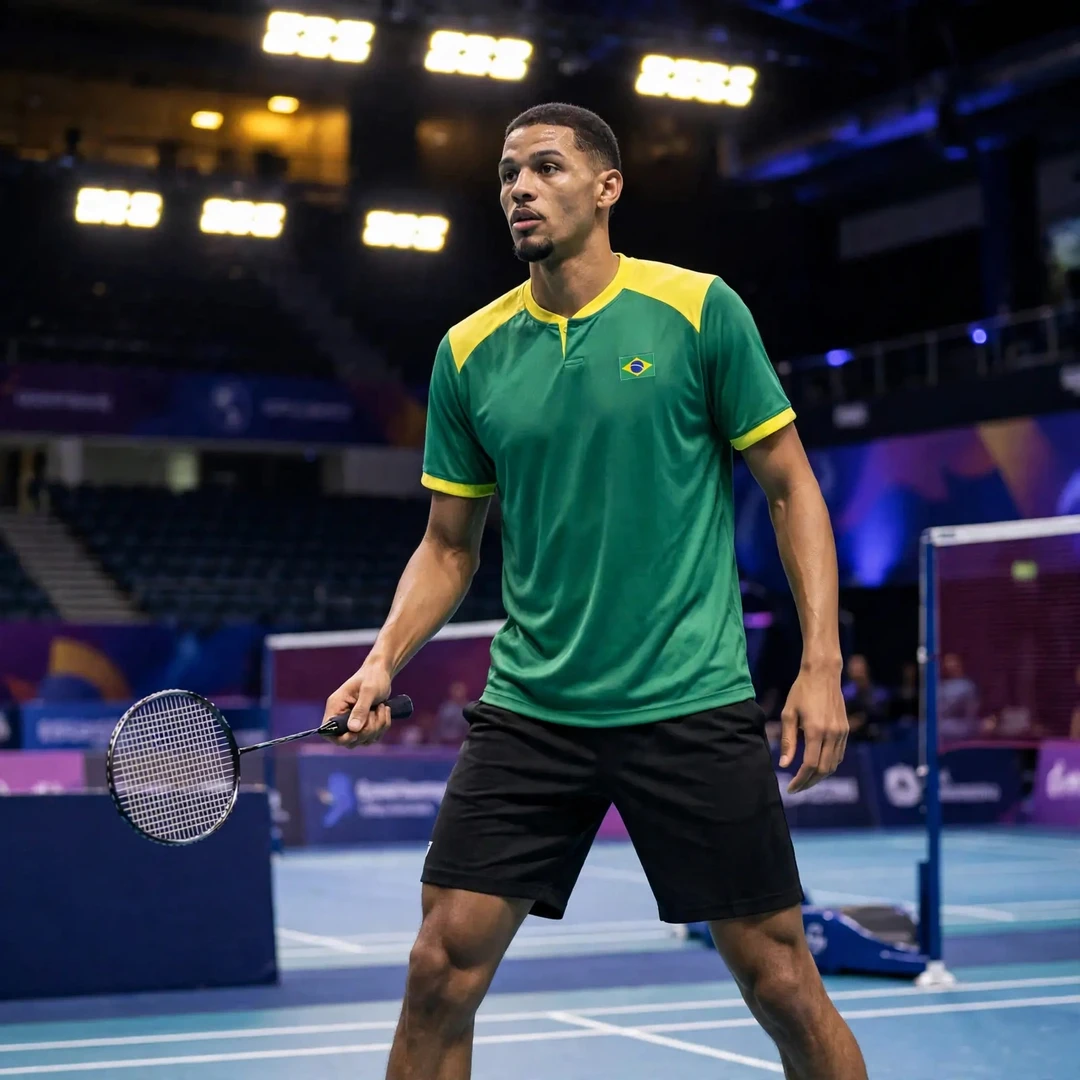
Brazilian Men’s Singles Badminton Star
Deivid Silva

Brazil
Player Event: Men’s singles
Deivid Silva · Brazil men’s singles · Right-handed · Born 15 June 2003
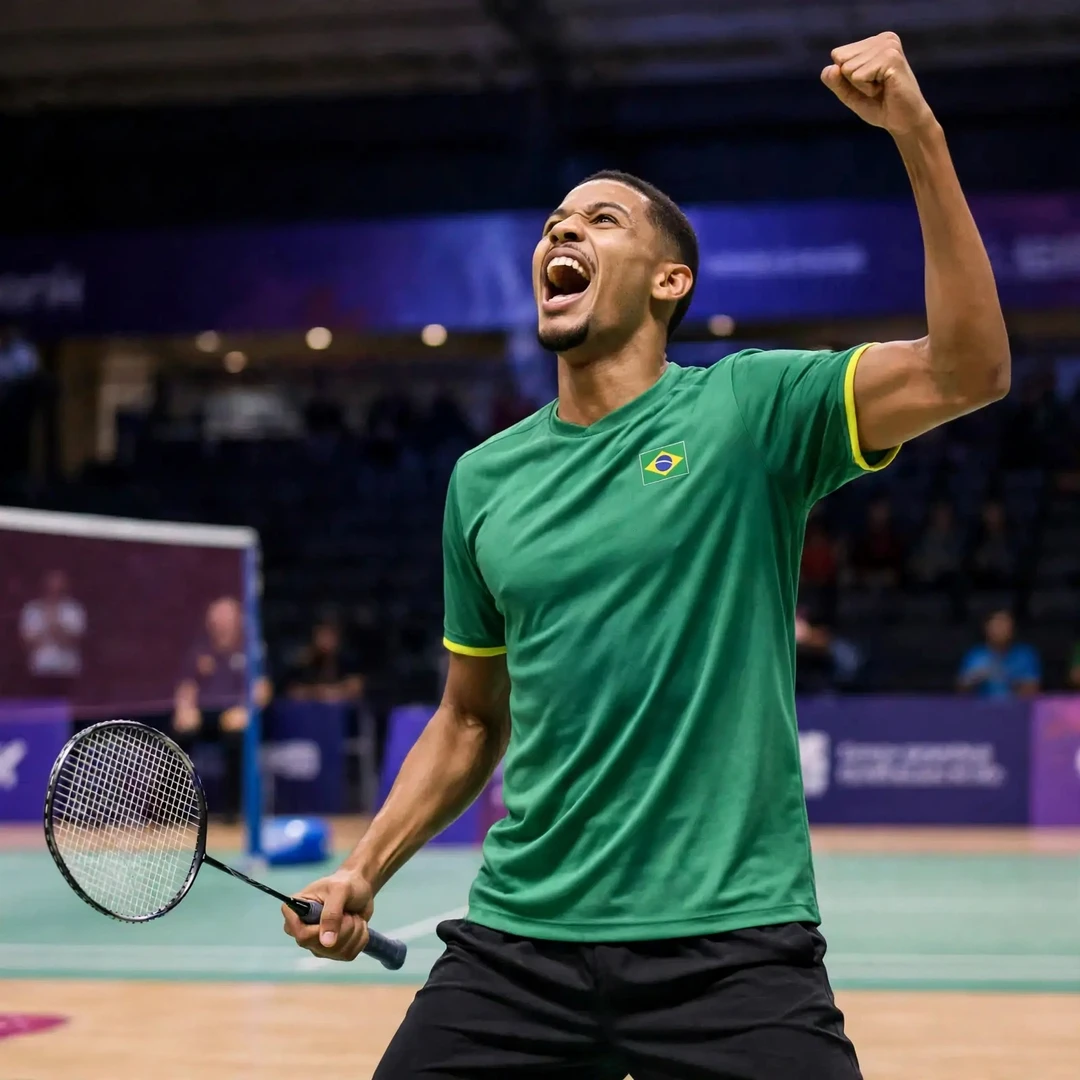
Deivid Silva is a Brazilian men’s singles badminton player and right-hander who, at 2.02 metres, is one of the tallest players on the international circuit. A product of Rio de Janeiro’s Miratus community project and the twin brother of fellow Brazilian international Davi Silva, he won the men’s singles silver medal at the 2025 Junior Pan American Games, struck gold with Brazil at the inaugural AirBadminton World Cup, and reached his first BWF International Challenge final in October 2026.
Understanding Deivid Silva (Brazil Badminton Player)
Some players are produced by national academies. Deivid Silva was produced by a community project, a twin brother, and time. In the BWF World Ranking for Week 43 of 2026 (20 October 2026) he stands at world No. 126 with 15,323 points from 10 tournaments — one place below the career-high No. 125 he set the previous week, after four seasons spent ranked in the 300s. The climb is not finished: at 23, with a 2.02-metre frame that modern singles increasingly rewards, Silva is Brazil’s next name pushing toward the top 100, chasing compatriot Donnians Oliveira, who sits at world No. 106.
A Twin from the Miratus Project
Deivid Silva was born on 15 June 2003, and he did not arrive alone. His twin brother Davi shares his birthday and his sport: both brothers play international badminton for Brazil, and both came through the same unlikely production line — Miratus, a community badminton project in Rio de Janeiro. Where most of the world’s top 150 were spotted early by federations, the Silva twins were built by a social project that put rackets into the hands of children in one of Rio’s toughest neighbourhoods.
The Miratus Project in Rio de Janeiro
Miratus is the community and social badminton project based in the Chacrinha community in Rio de Janeiro, run by Sebastião Dias de Oliveira. Its alumni list is out of all proportion to its budget: Ygor Coelho, Brazil’s best-known men’s singles player of the past decade; Jonathan Matias; Donnians Oliveira; and the Silva twins. The project’s method is simple to describe and hard to copy — free access, daily training, and a court culture where older internationals spar with beginners. Deivid and Davi are listed together as a Miratus pair in the Brazilian federation’s own ranking documents, a reminder that their first badminton home was a project, not an academy.
Growing Up with a Twin: Davi Silva
Growing up with an identical twin who plays your sport is a strange gift: a permanent sparring partner, a permanent comparison, and a doubles partner who needs no introduction. The brothers played men’s doubles together in their first senior seasons — at home events and at the Santo Domingo Open in 2022 — before specialising: Davi towards doubles and mixed doubles, where he became one of Brazil’s leading players alongside Sânia Lima, and Deivid towards singles. They still share a surname on Brazil’s squad lists and a birthday on every entry form.
Two Metres Tall: A Giant’s Junior Years
The other fact of Deivid’s junior years is his height. At 2.02 metres — a figure reported by Brazilian Olympic coverage — he is taller than almost every player he will ever face. Height in singles is a trade: reach and steep angles at the front and in attack, against the low defensive positions and fast direction changes that long levers make expensive. His junior development was about learning to spend the advantages without paying full price for the costs, a puzzle that would take several senior seasons to solve.
Career Milestone #1
First Senior Steps on the Pan Am Circuit
Silva’s senior career began on the Pan American circuit in 2022, aged 19. The early record is a map of the region’s workhorse events: a quarter-final at the Perú International Series, a last-32 at the Peru Challenge, matches won at his home Brazil International Series, and a trip to the Santo Domingo Open, where he also played doubles with Davi. None of it made headlines; all of it built the base of ranking points and match craft that the later climb stands on.
In May 2023 he added a first team title, winning the Men’s Triples at the AirBadminton Pan American qualifier in Kingston, Jamaica, with Matheus Voigt and Isak Batalha — Brazil went unbeaten through the group and beat Venezuela in the final. Back in conventional badminton, 2024 brought another Perú International Series quarter-final, mixed doubles outings with Sâmia Lima, and a world ranking that lived in the 300s: No. 339 on the 2023 Worlds qualification list and No. 382 in the January 2024 national squad rankings. The talent was visible; the breakthrough was not yet.
Career Milestone #2
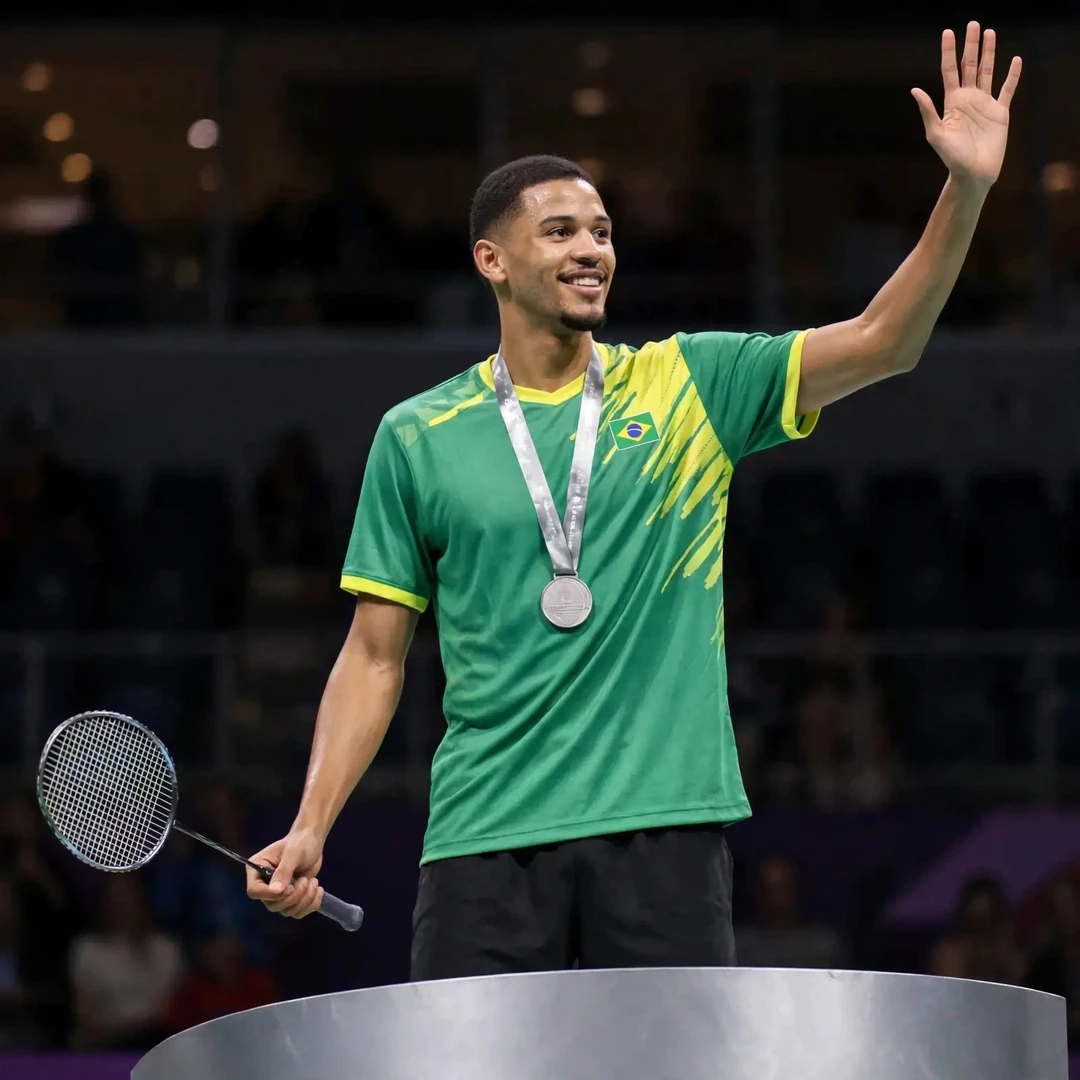
Silver in Asunción: The Junior Pan Am Games 2025
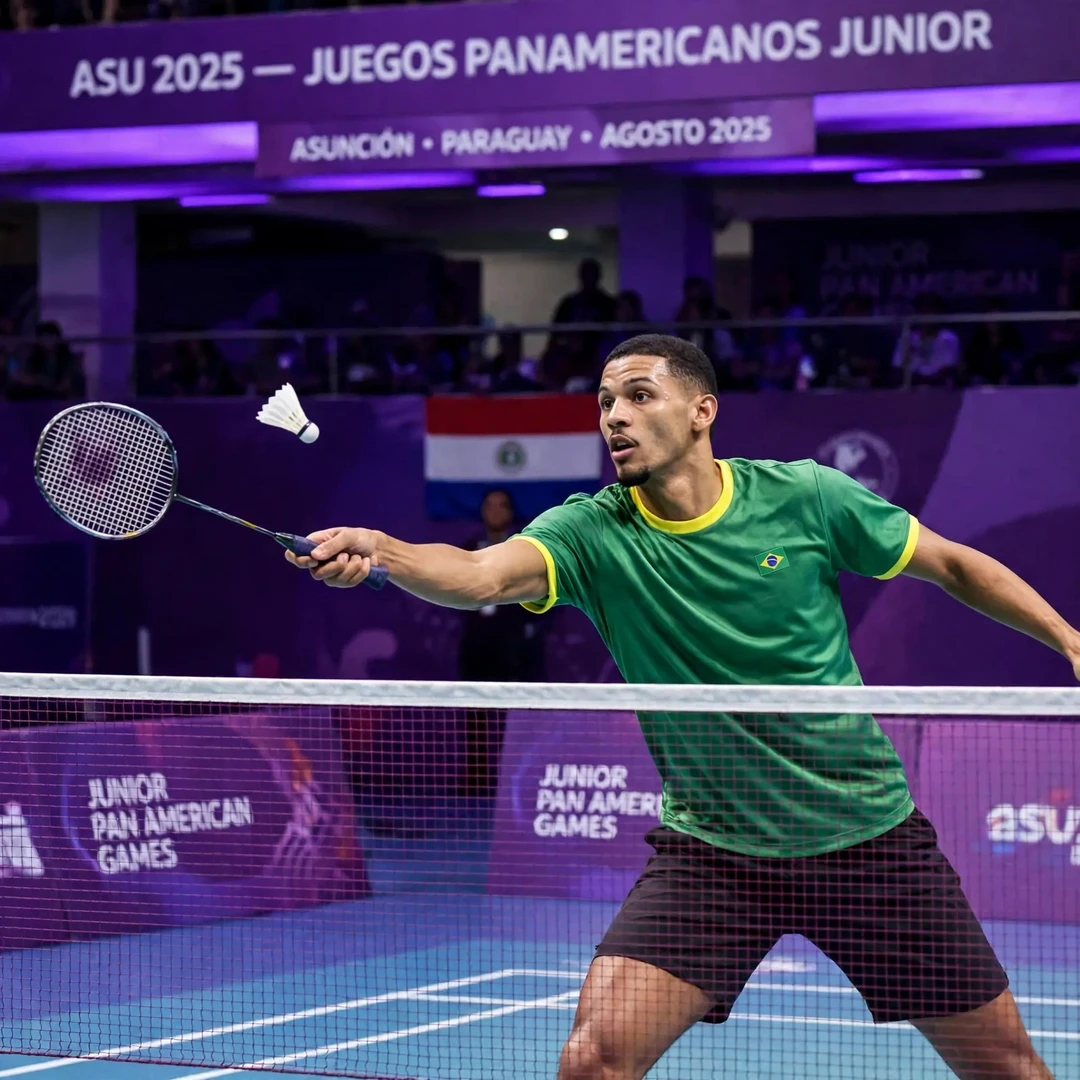
Everything changed in Asunción in August 2025. At the Junior Pan American Games — his first Pan Am Games of any kind — Silva marched through the men’s singles draw: Venezuela’s Renzo Torres was beaten 21–6, 21–3, Jamaica’s McBean 21–14, 21–10, and his quarter-final was recovered from a game down, 19–21, 21–15, 21–9. His reaction, recorded by Badminton Pan America, was pure disbelief: ‘These are my first Pan Am Games, and securing a medal is inexplicable.’
The semi-final was won in straight games, 21–15, 21–12, and only Canada’s Victor Lai — one of the outstanding young players in the Americas — stopped him in the final, 6–21, 21–23, the second game a single rally from a decider. A silver medal at a multi-sport Games is a different currency from circuit points: it put a 22-year-old community-project player from Rio onto a podium in front of the entire continent, and it announced that Brazil’s next men’s singles contender had arrived.
The medal was not a one-week spike. At home, Silva won the opening stage of the Brazilian National Circuit in Curitiba, beating the country’s established names in their own backyard. On the autumn swing he reached the semi-finals of the El Salvador International and the quarter-finals of the Guatemala International Series — deep runs at exactly the grade of event where ranking points are honestly earned. The player who had lived in the 300s was starting to look mispriced.
Career Milestone #3
World Champions in Sharjah: The AirBadminton World Cup
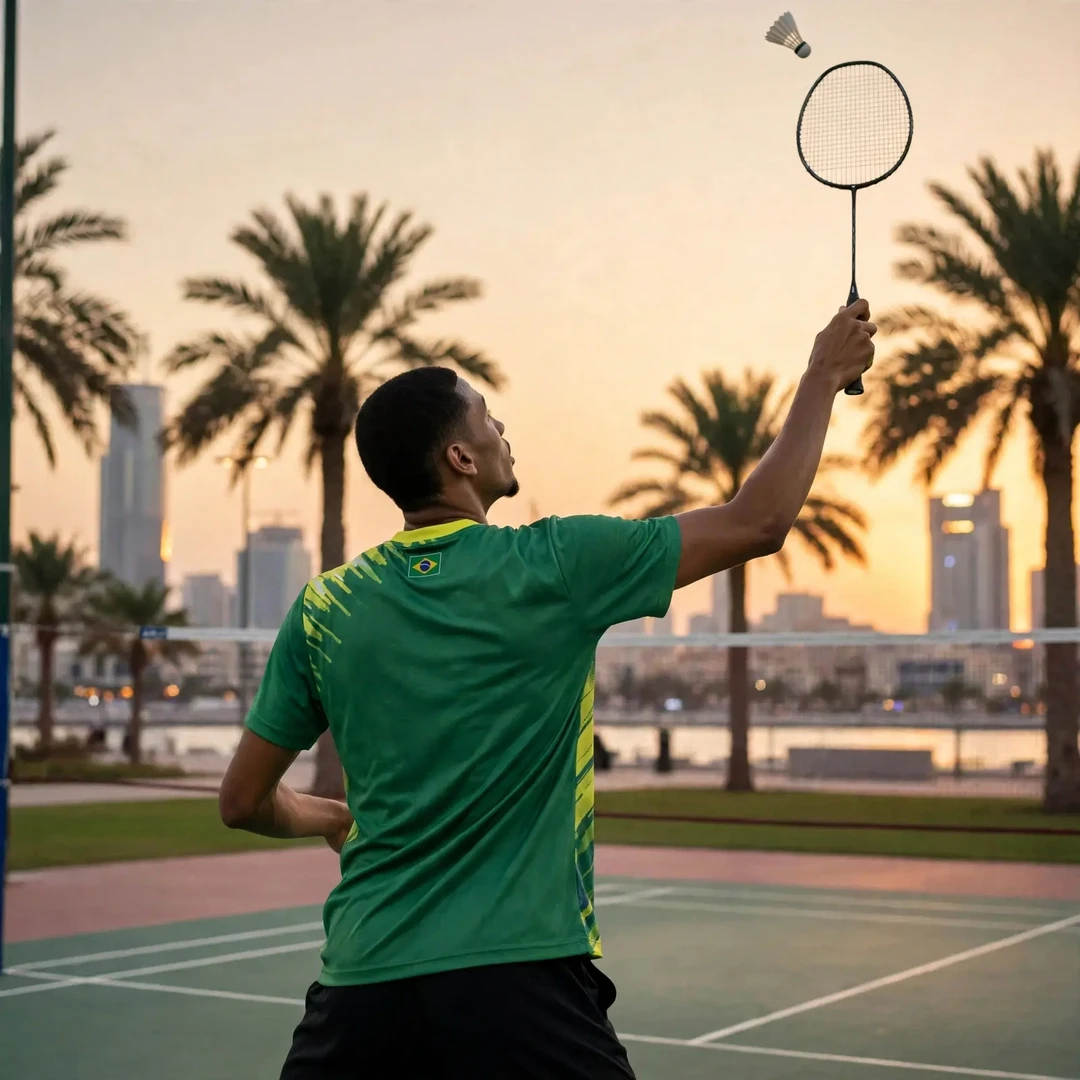
In December 2025 came a world title. The first AirBadminton World Cup was held outdoors in Sharjah, with twelve continental-qualified countries, and Brazil’s men’s trio — Izak Batalha, Deivid Silva and Matheus Voigt — won it. They swept China 3–0 in the quarter-finals, came from behind to beat Egypt 3–1 in the semi-finals, and defeated Hong Kong 3–0 in the final, taking the games 9–4, 9–7, 9–7. Brazil’s first AirBadminton world crown had a 2.02-metre singles player at its heart.
AirBadminton is not a gimmick for a player built like Silva. Played outdoors, in wind, with triples formats that compress the court, it rewards exactly his assets: reach that closes the net, a smash that falls steeply even into a breeze, and the adaptability that comes from an education in three disciplines. The BWF’s own profile photograph of Silva comes from Sharjah — the world federation’s cameras finding the tall Brazilian at the moment his career changed gear.
The 2026 season was built methodically. It opened with the Pan Am Men’s & Women’s Cup in Guatemala City, where his team singles record read two wins from two. March brought a qualifying campaign at the Portugal International — one win banked before Italy’s Simone Piccinin stopped him 13–21, 12–21 — then a home Brazil International Challenge in São Paulo, where he reached the last 16 in singles, the quarter-finals in men’s doubles and the last 16 in mixed doubles. April’s Pan Am Individual Championships in Lima added another singles last-16, and May’s Mexican International Challenge in Aguascalientes a last-32: useful points, no fireworks.
Career Milestone #4
The 2026 Climb: A First International Challenge Final
The fireworks came in the autumn. At the Guatemala International Challenge (29 September–4 October 2026) Silva reached the singles quarter-finals and, with Jonathan Matias, the men’s doubles semi-finals. A week later in Brookshire, Texas, he produced the best week of his career: four straight wins carried him to the final of the Arise International Challenge — his first final at that grade — where Indonesia’s Muhammad Reza Al Fajri took the title. When the points landed, his ranking jumped 37 places in a week, from No. 162 to a career-high No. 125.
In the Week 43 ranking (20 October 2026) Silva stands at world No. 126 with 15,323 points from 10 tournaments, a single place below that career high. The context matters: this is a player who was ranked in the 300s in 2024 and about No. 350 at the start of 2026. The next target is written into Brazil’s own depth chart — Donnians Oliveira, the Miratus senior, holds world No. 106 — and beyond it the top 100, a line his trajectory now points at.
Playing Style
The Two-Metre Wall: Deivid Silva’s Style
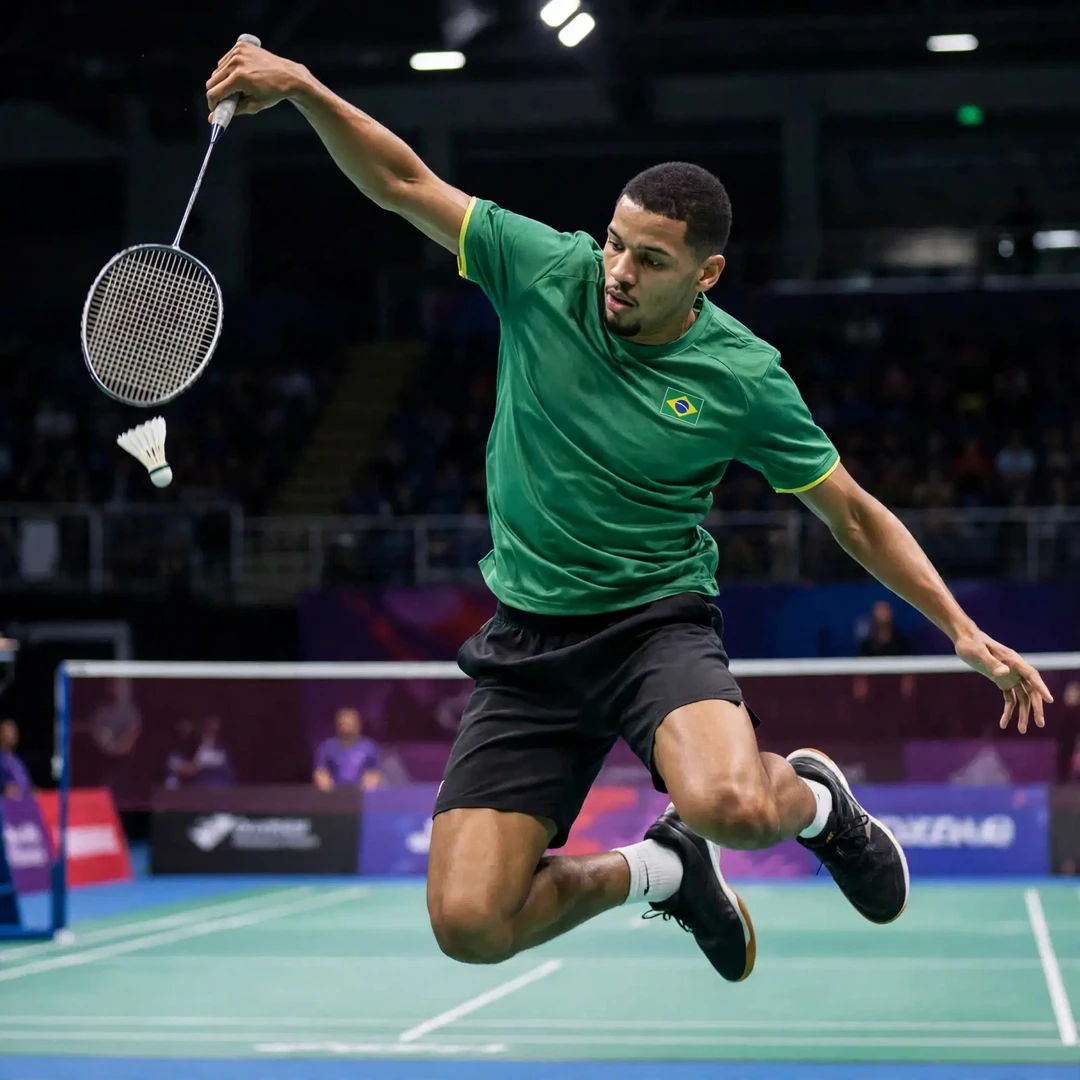
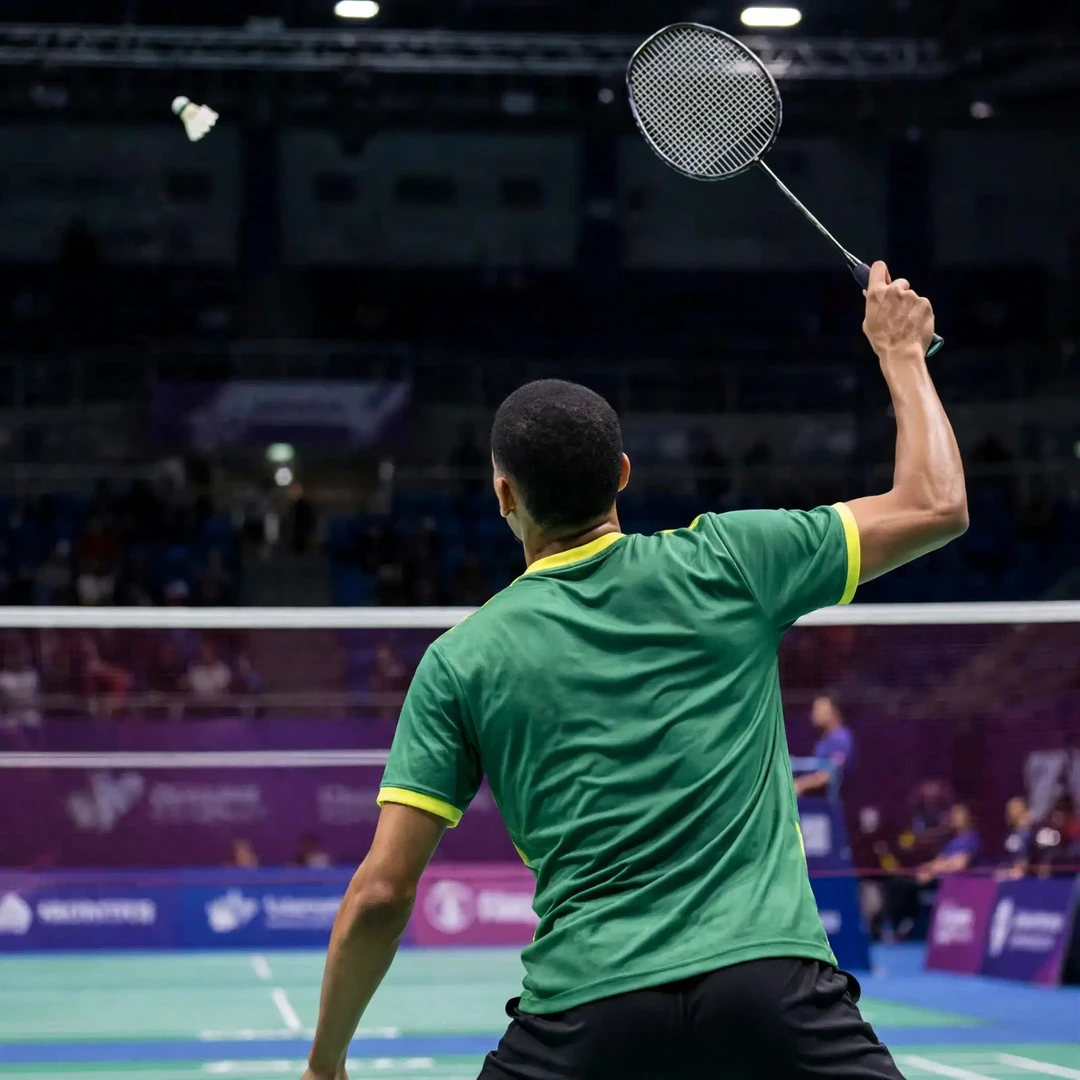
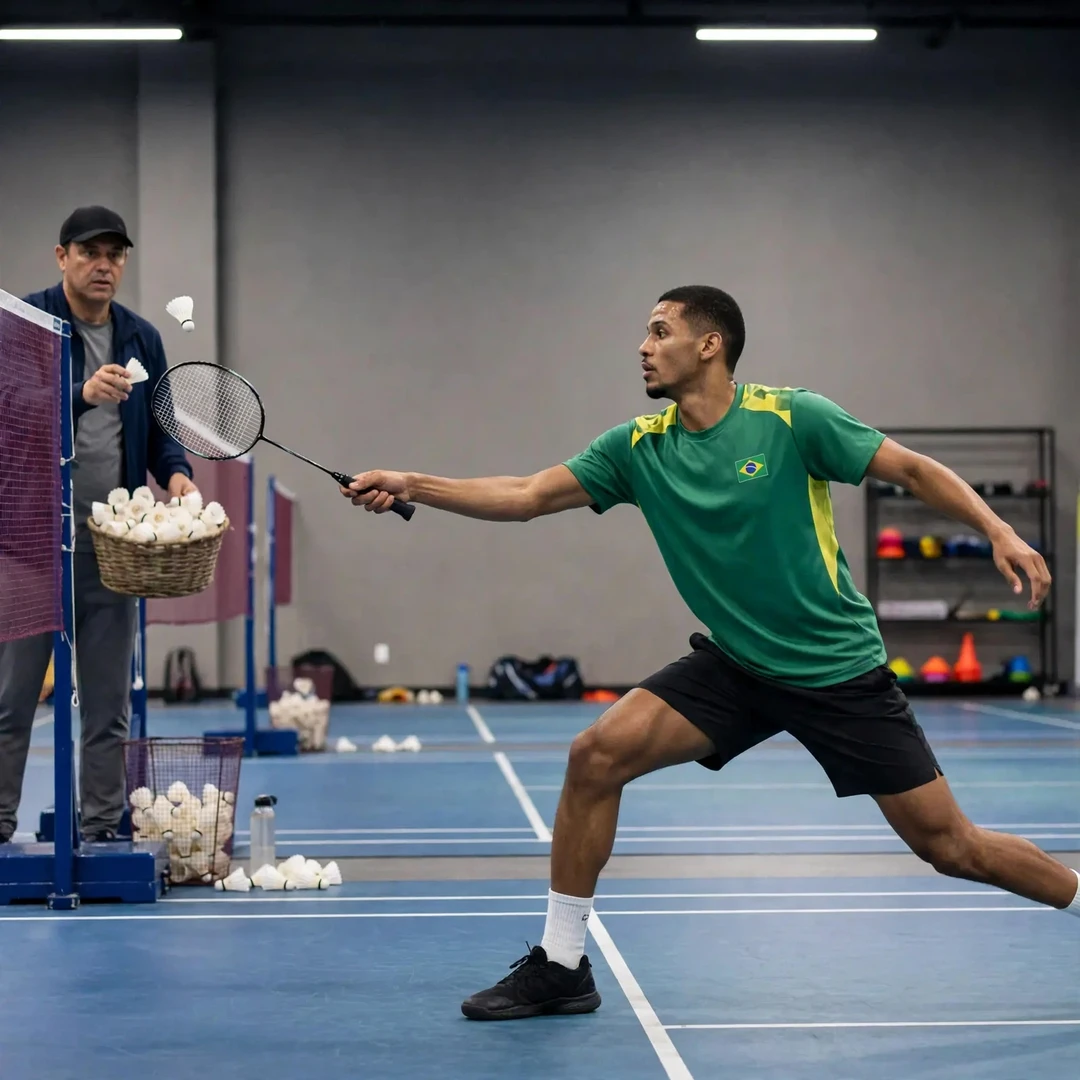
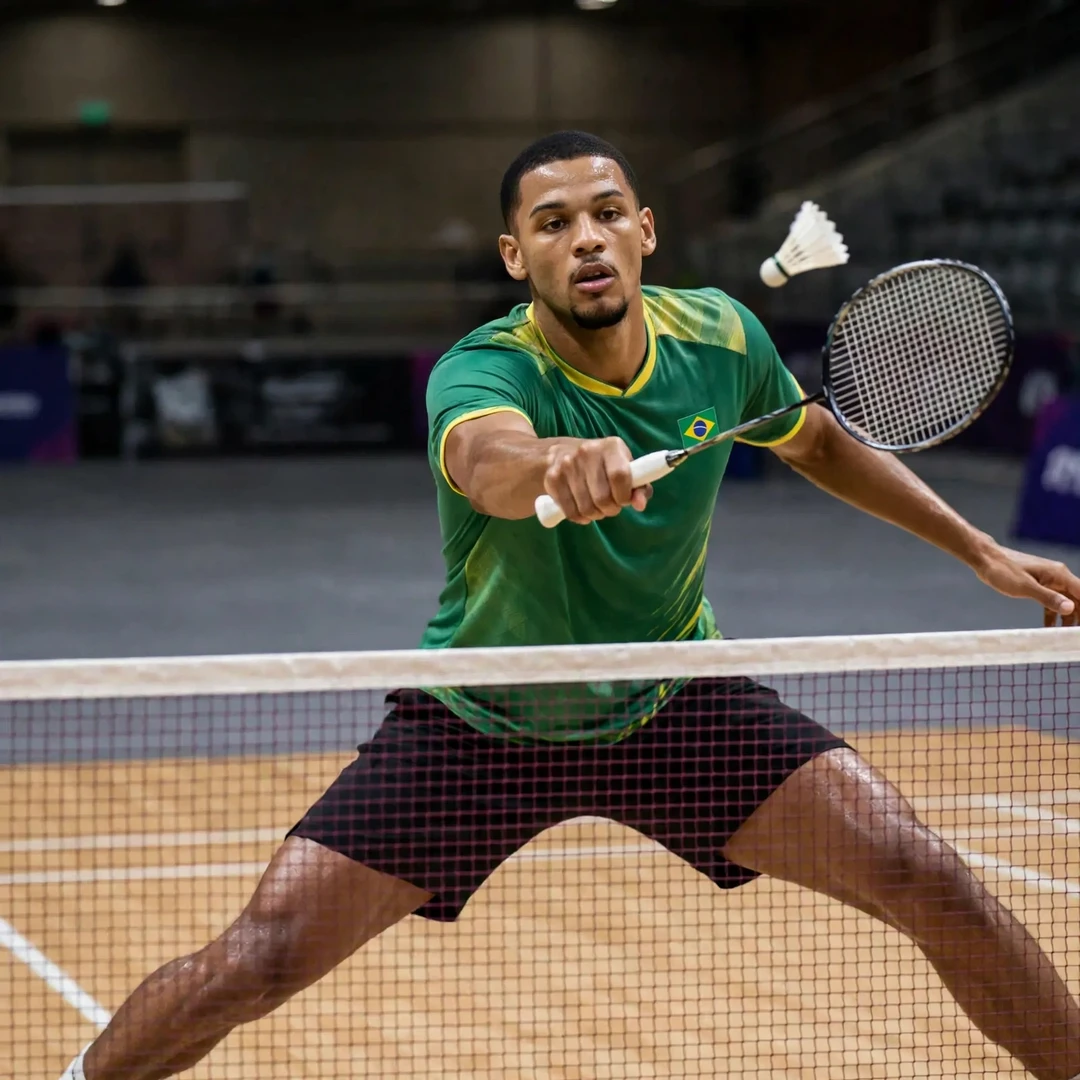
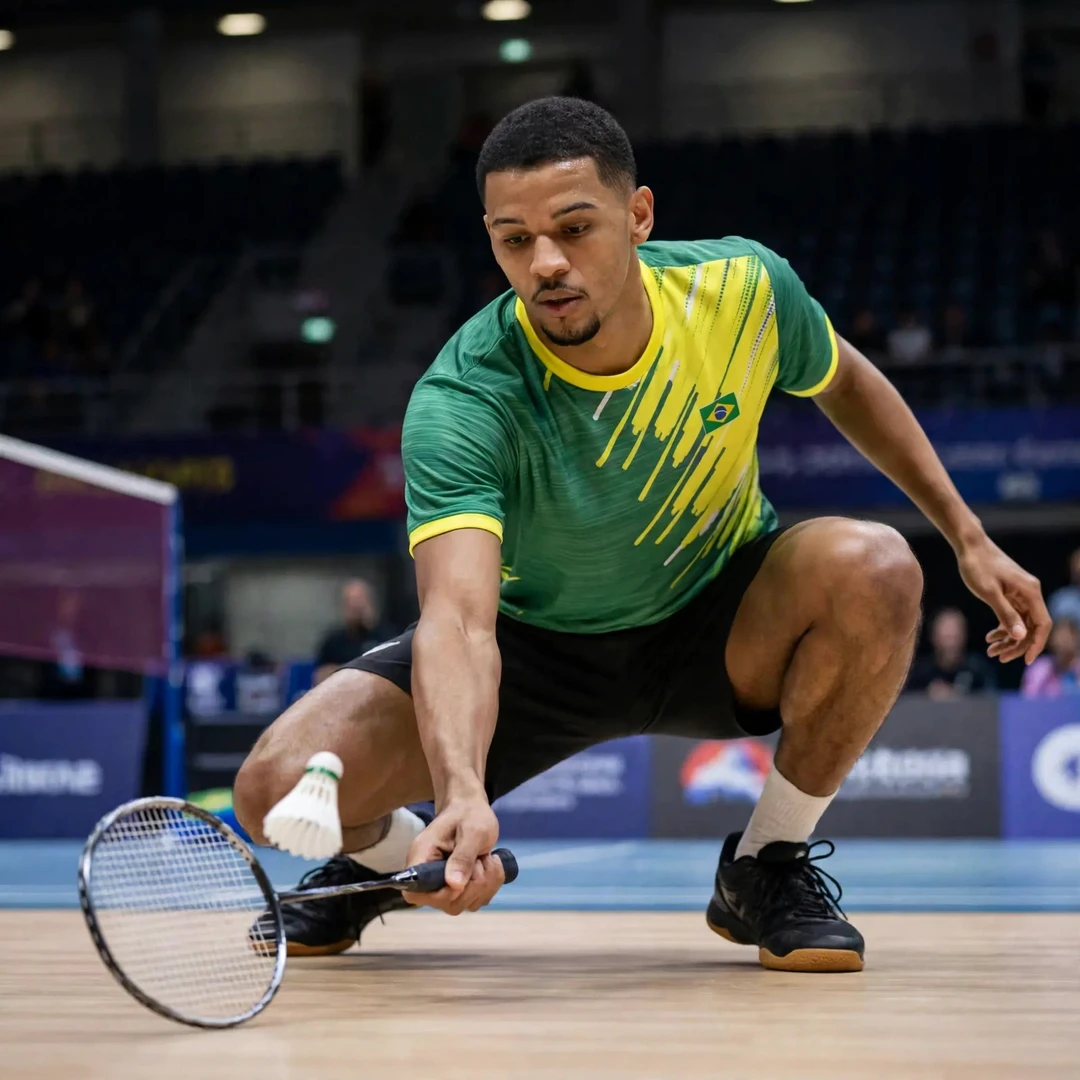
Silva’s game is built on the geometry of being 2.02 metres tall. From that height, his clears and lifts travel on flatter, faster trajectories; his smash leaves the racket above most players’ reach and falls at angles that make defensive lifts a gamble; and at the net his reach turns half-chances into kills — a net shot played against him must be perfect, because anything loose is intercepted early and buried. Coaches call it playing downhill: every rally starts with the court tilted slightly in his favour.
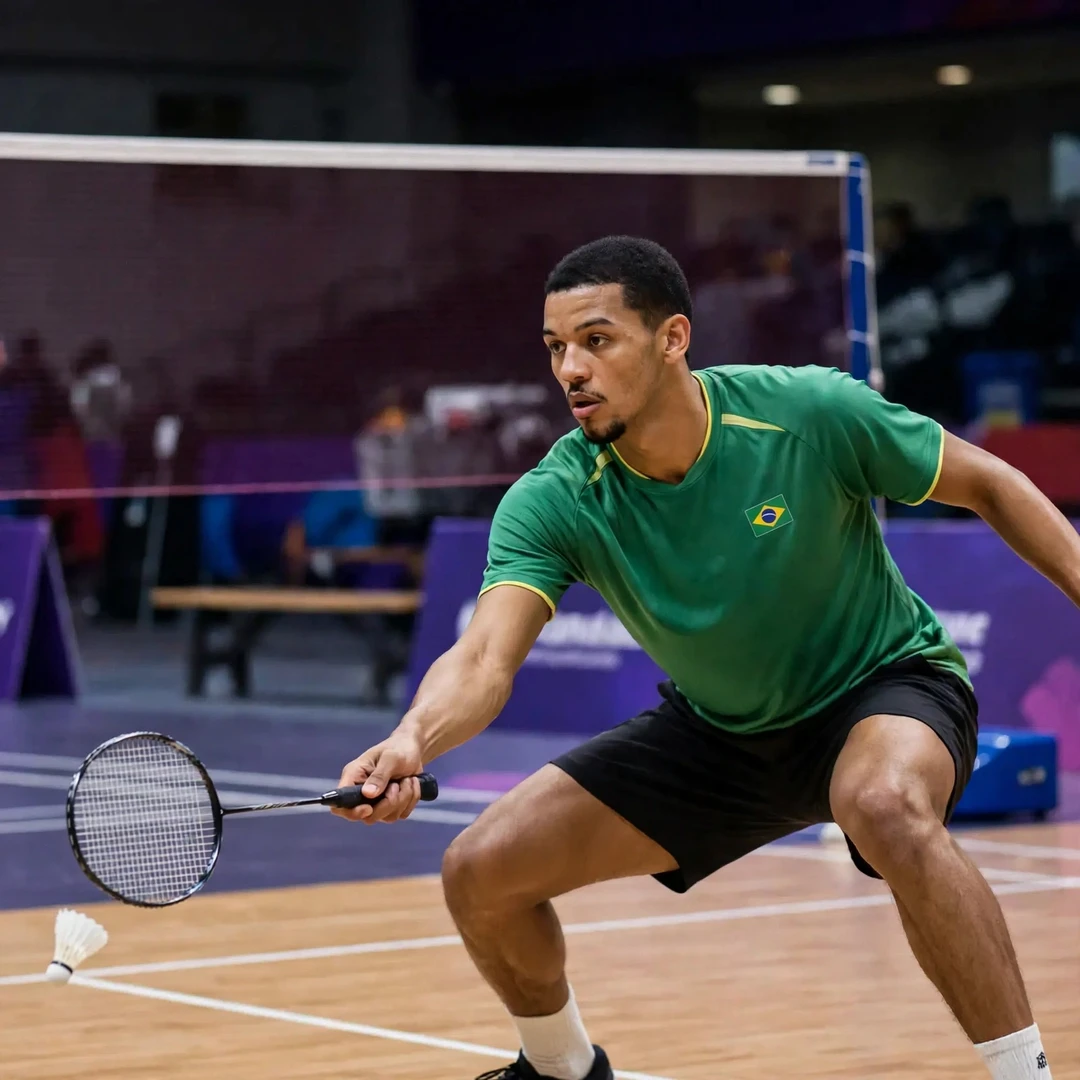
He is a right-hander, and the honest analysis includes the trade his height demands. Two-metre levers are slower to fold into the low defensive crouch, and sharp direction changes cost more steps; his development years were spent narrowing that tax — a lower centre of gravity in defence, earlier anticipation to buy time, and a backhand side drilled until it stopped being a target. The 2026 results are the receipt: quarter-finals and finals are not reached by tall players who can only attack.
The third strand is versatility. Silva has played senior internationals in all three disciplines — singles, men’s doubles with his twin and later partners, and mixed doubles with Sâmia Lima — and won a world title in a fourth format, AirBadminton triples. That breadth shows in his singles: doubles-bred reflexes at the net, mixed-bred touch in the front court, and a calmness in team events — two wins from two at the 2026 Pan Am Cup — that pure singles specialists often lack.
Mental Strength
Height, Patience and a Twin Rivalry
For young players, the usable lesson is sequencing of a different kind. Silva did not specialise early or chase a single format; he collected skills in every discipline, took his ranking medicine in the 300s for four seasons, and let three different breakthroughs — a Games medal, a world team title, an International Challenge final — arrive in the order his development earned them. Growth looks slow from outside. From inside, it is compounding.
The long view of Deivid Silva is a study in assets used patiently. A community project gave him a court; a twin gave him a mirror; a 2.02-metre frame gave him problems and weapons in equal measure. At 23 he holds a Junior Pan Am silver, an AirBadminton World Cup gold and a career-high of world No. 125, with the steepest improvement of his career arriving in the last eighteen months. Brazil has produced world-class singles players before, but rarely one who changes the shape of the court simply by standing on it.
Three habits from Silva’s career transfer directly to a junior’s training week. First, turn your physical profile into a system: if you are tall, drill the low defence and the change of direction until they stop costing you rallies — his backhand-side work is the model. Second, play every discipline while you are young: his doubles and mixed years built the net reflexes and touch his singles now spends. Third, collect deep runs at your own grade before chasing glamour: quarter-finals in Guatemala and Lima and a semi-final in El Salvador paid for the Texas final. Four of his matches repay study: the Asunción 2025 final against Victor Lai for competing with the continent’s best junior, the Guatemala International Series quarter-final run of 2025 for closing matches at Series level, the 2026 Arise International Challenge final against Muhammad Reza Al Fajri for his first taste of an International Challenge Sunday, and the April 2026 national semi-final against Jonathan Matias — won 13–21, 21–17, 21–18 — for beating a senior compatriot the hard way.
Learning Reference
Deivid Silva and ST Badminton Academy
ST Badminton Academy has no official partnership or endorsement from Deivid Silva. This profile is an independent editorial study in the academy’s professional player series, published so that students and parents can learn from real careers at every level of the professional game — including the community-project road travelled by Brazil’s tallest contender.
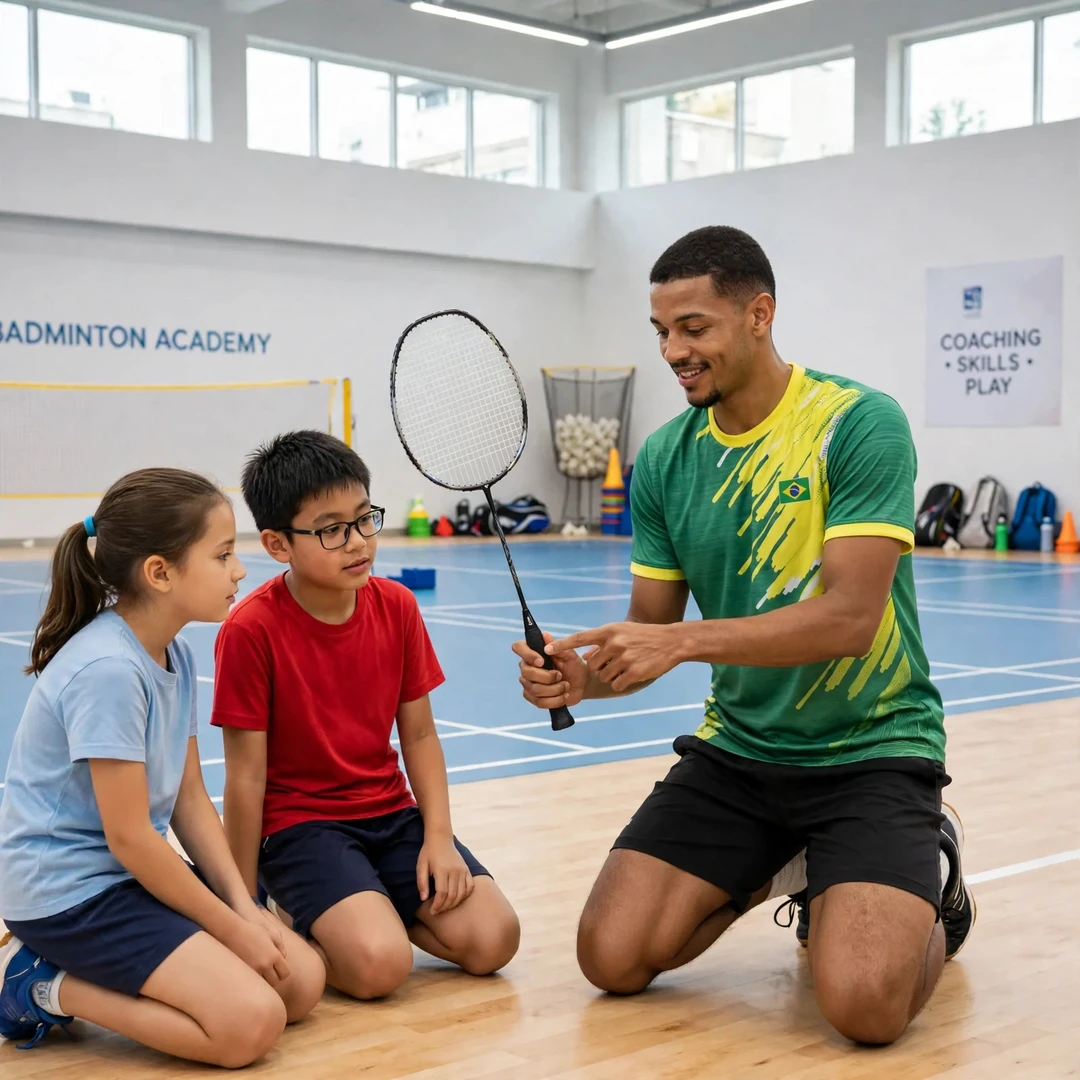
Many of our students in Malaysia and Singapore study his matches for one specific skill: how a tall player makes the front court his own. His interception at the net and the steepness of his smash are extreme examples of a principle every junior can use — take the shuttle early, and the court becomes smaller for your opponent.
We encourage our students to observe his reach at the net, his patience while ranked in the 300s, and the way four seasons of ordinary results became one extraordinary year, then to bring one habit — not ten — into their own training week. That is how the Miratus project built him: one court, one habit, one season at a time.
Frequently Asked Questions
Quick answers about Deivid Silva’s ranking, his Junior Pan Am silver and AirBadminton world title, his twin brother Davi, his 2.02-metre frame and his right-handed game.
Who Is Deivid Silva and Which Country Does He Represent?
Deivid Silva (born 15 June 2003) is a Brazilian men’s singles badminton player from the Miratus community project in Rio de Janeiro, and the twin brother of fellow international Davi Silva. In the Week 43 world ranking (20 October 2026) he is world No. 126 with 15,323 points, one place below his career-high No. 125.
What Are Deivid Silva’s Biggest Achievements?
Three headline achievements: the men’s singles silver medal at the 2025 Junior Pan American Games in Asunción, gold with Brazil at the inaugural AirBadminton World Cup in Sharjah in December 2025, and his first BWF International Challenge final at the Arise International Challenge in Texas in October 2026. He also won the opening stage of the Brazilian National Circuit in Curitiba and reached a career-high world ranking of No. 125.
What Is Deivid Silva’s Playing Style?
He is a right-handed player whose game is built on his 2.02-metre height: flat, fast clears, a steep smash, and exceptional reach and interception at the net. Years of doubles and mixed doubles have added quick hands and touch in the front court, while deliberate work on his low defence and backhand side has narrowed the usual costs of being so tall.
How Did Deivid Silva Win Silver at the Junior Pan American Games 2025?
He beat Venezuela’s Renzo Torres 21–6, 21–3 and Jamaica’s McBean 21–14, 21–10, recovered from a game down to win his quarter-final 19–21, 21–15, 21–9, and won his semi-final 21–15, 21–12. In the final he lost to Canada’s Victor Lai 6–21, 21–23 — the second game one rally from forcing a decider — and took the silver medal.
What Can a Child Learn from Deivid Silva’s Journey?
That world-class players can come from a community project, not only from academies. He was given a court and coaching by Miratus in Rio, trained alongside his twin for years, stayed patient through four seasons ranked in the 300s, and broke through at 22. The lesson for a child: your starting point matters far less than the habits you keep.
What Did Deivid Silva Win as a Junior?
His biggest junior honour is the men’s singles silver medal at the 2025 Junior Pan American Games in Asunción, where he lost the final to Canada’s Victor Lai in two games, the second 21–23. Later the same year he added a senior team honour — gold with Brazil at the first AirBadminton World Cup in Sharjah — and won the opening stage of the Brazilian National Circuit in Curitiba.
What Are Deivid Silva’s Best Results in 2026?
The headline is his first International Challenge final, at the Arise International Challenge in Brookshire, Texas (7–11 October 2026), where he won four matches before losing the final to Muhammad Reza Al Fajri — a run that lifted him from No. 162 to a career-high No. 125. Around it sit a Guatemala International Challenge singles quarter-final and men’s doubles semi-final with Jonathan Matias, a home last-16 at the Brazil International Challenge and a last-16 at the Pan Am Individual Championships in Lima.
Why Is Deivid Silva’s Style Useful for Young Players to Study?
Because his weapons are teachable principles, not just gifts. Taking the shuttle early at the net, using your reach instead of chasing the shuttle, building a defence that survives your weaknesses, and collecting skills from doubles and mixed while young — any junior can drill these, whatever their height.
How Is Deivid Silva Connected to ST Badminton Academy?
There is no formal connection: this is an independent editorial profile in ST Badminton Academy’s professional player series, which studies the world’s top 150 men’s singles players so students and parents can learn from real careers. Silva’s road — community project, twin brother, four seasons in the 300s, then a medal, a world title and a career-high in eighteen months — makes him one of the series’ most encouraging examples.
Deivid Silva Career Highlights
Career Statistics and Rankings
Deivid Silva's story is still being written, and its shape is unusual: a twin from a Rio community project, standing 2.02 metres tall, who spent four years in the ranking's third hundred and then, in eighteen months, won a Pan American Games medal, a world title and a place in an International Challenge final. The top 100 is the next page. On the evidence of 2025 and 2026, he intends to turn it.
| Development Area | Common Misconception | What Deivid Silva's Career Shows REALITY |
|---|---|---|
| Junior Foundation | Talent alone decides who becomes a champion. | Silva started in a community hall in Rio de Janeiro, not a national academy — the Miratus project in the Chacrinha community gave him coaching, kit and a court, and the base came first. |
| Playing Style Priority | Kids should copy the flashiest attacking shots. | Silva built a complete game first; at 2.02 m his steep smashes are the finishing touch on reach, defence and net play that shorter opponents cannot rush. |
| Fitness Importance | Juniors can out-train everyone without rest. | Silva spent four seasons ranked in the 300s, then rebuilt his 2026 campaign around the Pan Am circuit — his career-high No. 125 came from stacking quarter-finals and one big final, not one lucky week. |
| Mental Approach | Top players never get nervous or upset. | Silva grew up training and travelling with his identical twin Davi, a built-in sparring partner and rival, and treats medals as shared work — mental skills are trained, not inherited. |
| Attacking Training | Smashing harder is always the answer. | His 2026 Arise International Challenge run — four wins to a first final at that grade — and his Junior Pan Am silver came from using his height at the net and in defence, not raw power alone. |
| National Milestones | Only world titles matter. | Silva's Junior Pan Am Games silver in 2025 and his AirBadminton World Cup gold with Brazil made him a name at home — continental milestones build a career step by step. |
| Career Timeline | Champions peak once and fade fast. | From the 300s of the world ranking in 2024 to world No. 125 in October 2026, Silva proves sustained development beats a short peak. |
Learning from a Slow, Tall Climb
ST Badminton Academy in Malaysia and Singapore helps children build the same foundations Deivid Silva's career stands on: footwork, net skills, rally discipline and patient, grade-by-grade development. WhatsApp +60 17-684 2136 to ask about junior training and trial classes.