Azerbaijani Men’s Singles Badminton Star
Dicky Dwi Pangestu
Azerbaijan
Player Event: Men’s singles
Born: 8 May 2004 · Right-handed · Azerbaijani international, born in Indonesia · Botswana International singles and men’s doubles champion 2024 · Career-high world No. 107
Playing Style: A complete all-court game built on rally patience, doubles-honed speed at the net and a right-handed attacking game that stays dangerous in third games — the game of a singles player who also wins doubles titles.
Known For: Winning singles AND men’s doubles titles at the same Botswana International in November 2024; reaching the Uganda International Challenge final in 2025; and pushing Anders Antonsen to 19 and 17 at the 2026 World Championships.
Teams: Azerbaijan national team · Former Indonesian junior system
Understanding Dicky Dwi Pangestu (Azerbaijan Badminton Player)
Dicky Dwi Pangestu is an Azerbaijani professional badminton player whose career has already crossed more borders than most players manage in a lifetime. Born in Indonesia on 8 May 2004 and developed in the deepest badminton system on earth, he switched his sporting future to Azerbaijan as a teenager — and in the BWF Week 43 world rankings, published on 20 October 2026, the right-hander stands at world No. 124 with 15,693 points collected across 13 tournaments. His breakthrough came on the African circuit in late 2024, when he won the men’s singles AND the men’s doubles at the same Botswana International, and his best documented ranking — a career-high world No. 107 in the spring of 2025 — followed a run to the Uganda International Challenge final. Since then he has played two World Championships for Azerbaijan, a European Mixed Team Championships on home soil in Baku, and a home quarter-final at the Azerbaijan International 2026. This is the story of an Indonesian-born player building a career, result by result, under a new flag.
From Indonesia to Azerbaijan: A Junior on Two Continents
Pangestu’s story begins where so many badminton stories begin: in Indonesia, the country that has produced more champions than any other. He was developed in the Indonesian junior system, in an era when that system’s conveyor belt of talent ran deeper than its places in the national squad. Azerbaijan, meanwhile, was building a national team with ambition — and with a group of Indonesian-born players at its heart. Pangestu became part of that group, alongside Ade Resky Dwicahyo in men’s singles, Keisha Fatimah Azzahra in women’s singles and Era Maftuha in the doubles events: four players who learned the game in Indonesia and now carry Azerbaijani colours around the world circuit. It is one of the most distinctive team-building projects in modern badminton, and Pangestu is its youngest men’s singles piece.
Learning the Game in Indonesia
What the Indonesian system gives a young player is volume and variety: endless sparring against every style, coaching that treats footwork and defence as foundations rather than extras, and an internal standard so high that simply surviving junior selection is an achievement. Pangestu’s game carries those fingerprints today — the all-court coverage, the comfort in long rallies, the easy movement between singles and doubles that Indonesian juniors are famous for. Players who come through that system and then move abroad take the education with them; the question is always whether the move brings enough matches, enough responsibility and enough belief to turn grounding into results. For Pangestu, the answers would come on courts in Africa and Europe over the next three seasons.
A New Flag: Azerbaijan Colours by 2023
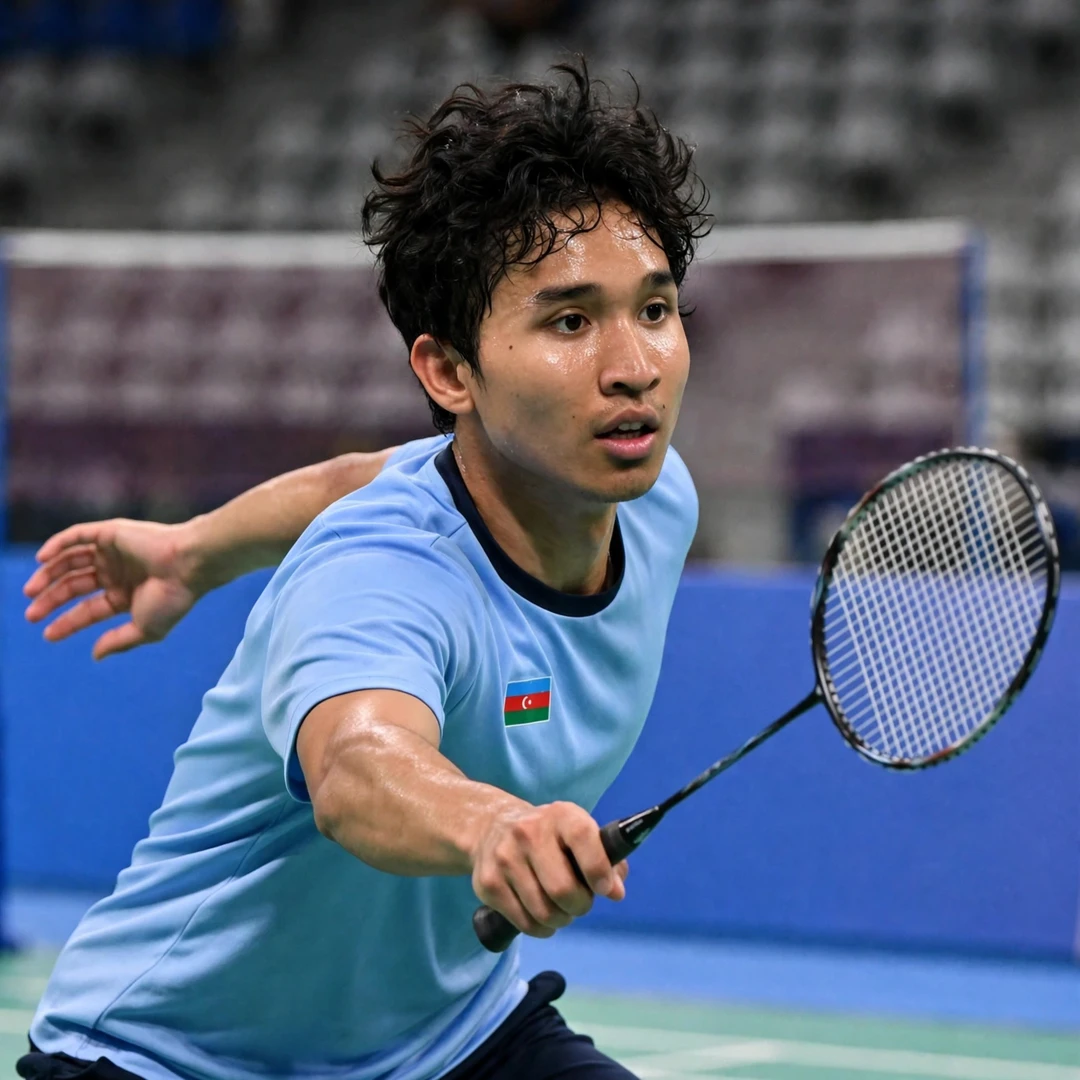
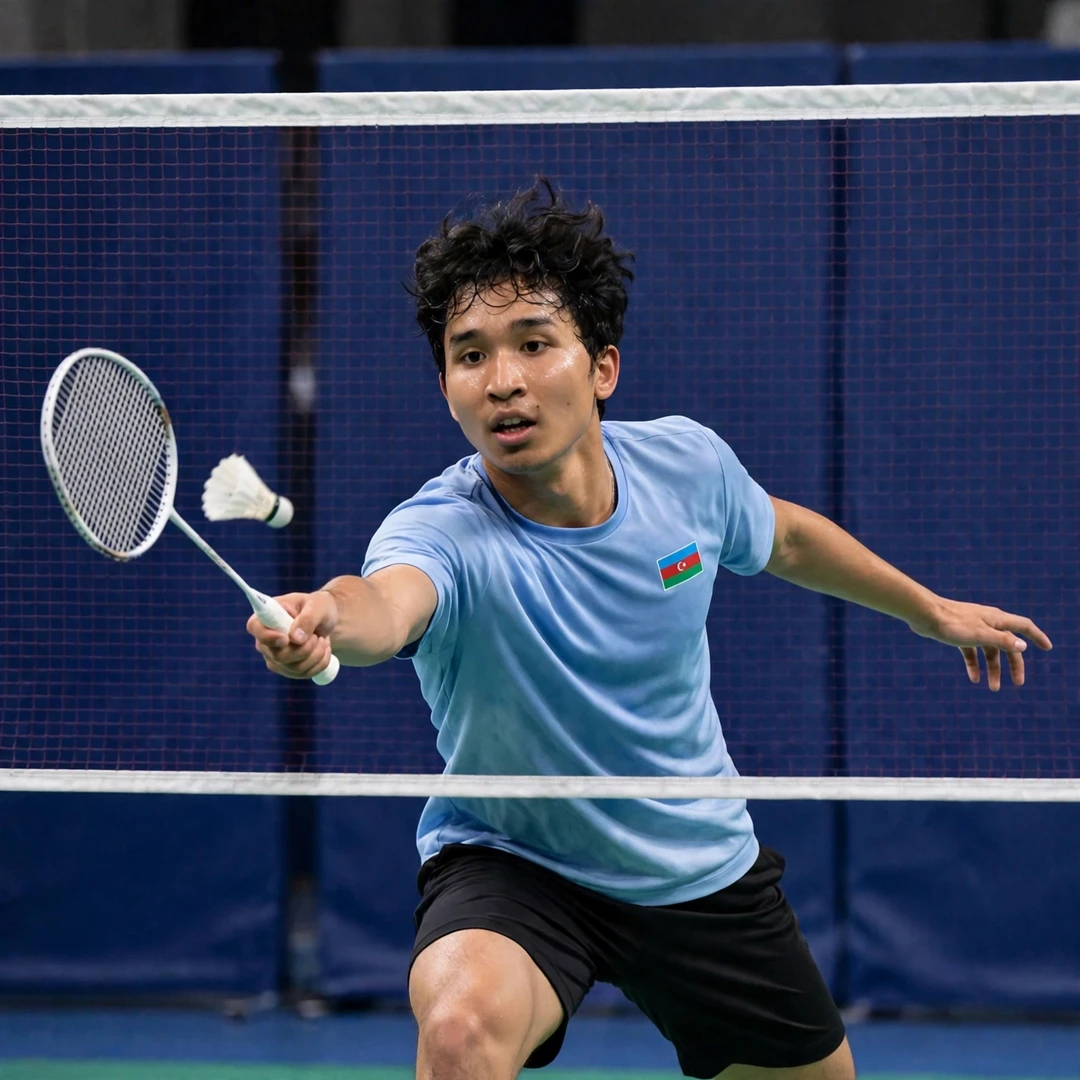
The record books bracket his switch rather than date it. What is certain is that by the start of 2023 he was competing for Azerbaijan: in the world rankings of 31 January 2023 he already appears in the mixed doubles list, at No. 427, alongside Keisha Fatimah Azzahra — the same week his new teammate Ade Resky Dwicahyo was settling into the Azerbaijani singles squad. By June 2023 he was photographed in Azerbaijan’s light-blue team shirt at the Nantes International Challenge in France, and the BWF’s player profile carries that Baku-bound youngster as its image. Moving federations as a teenager means new coaches, new teammates and a new place in a new pecking order; under head coach Morteza Validarvi, Azerbaijan’s Indonesian-born core was being built to compete at European team championships and World Championships — and Pangestu, still only eighteen, was part of the plan from the beginning.
Botswana 2024: Two Titles in One Weekend
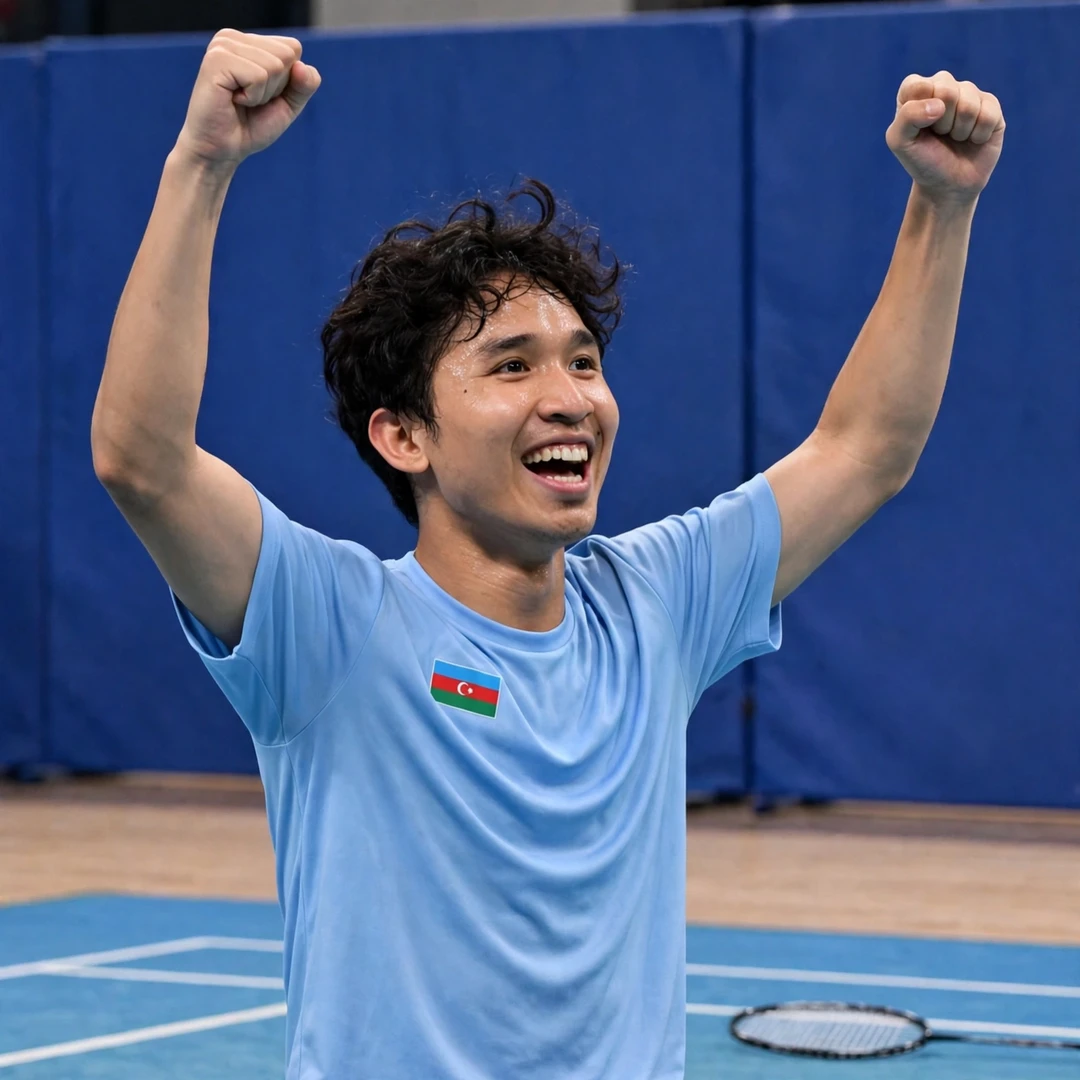
The breakthrough arrived in Africa in November 2024, and it arrived twice in the same weekend. At the Botswana International, Pangestu won the men’s singles title — the first senior international singles crown of his career — and then, in the same tournament, won the men’s doubles title alongside Agil Gabilov, beating Matthew Abela and Maxim Grinblat 21–8, 21–15 in the final. A singles-and-doubles double at one international event is a rare feat at any level: it demands winning two draws, in two disciplines, on the same legs, in the same hall. A week earlier he had stood on the second step of the podium at the Zambia International, losing the singles final to Kazakhstan’s Dmitriy Panarin 11–21, 17–21, and a month before that he and Gabilov had taken a men’s doubles bronze at the Uganda International Series. The autumn of 2024 turned a promising squad player into a title winner.
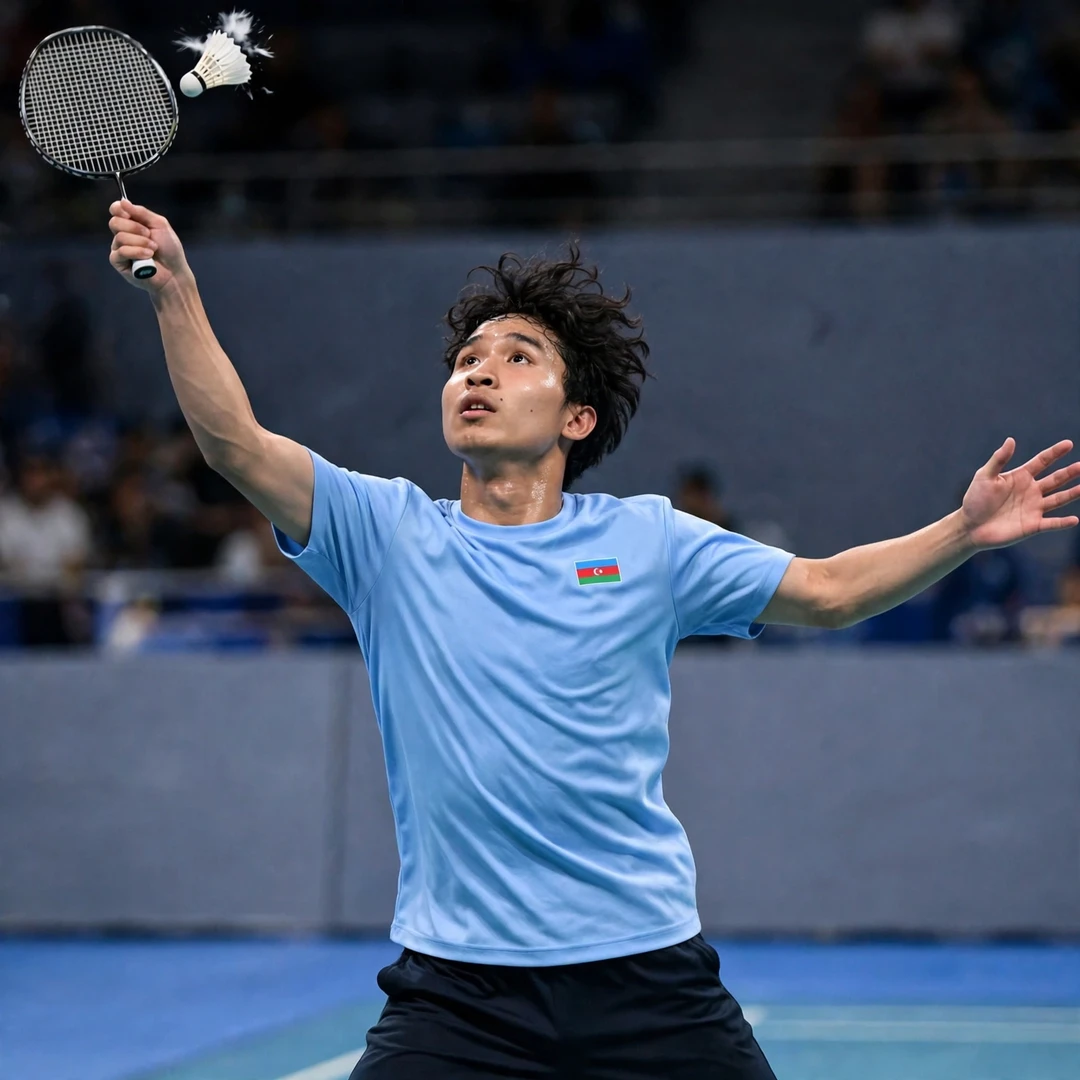
Career Milestone #1
The African Circuit: A Zambia Silver and a Kampala Final
The African swing of late 2024 was the making of his ranking. The Botswana title and Zambia final were the headline results, but the pattern around them matters just as much: semi-finalist at the Latvia International, quarter-finalist at the Türkiye International Challenge, last-sixteen finishes at the Dutch Open and the Kampala International — a young player collecting results on three continents in a single season, in singles and doubles alike. Satellite-circuit badminton rewards exactly that durability: players who can stay on the road, play qualifying on Tuesday and finals on Sunday, and keep their level when the halls are small and the draws are long. Pangestu’s 2024 ledger is the record of a player learning that trade quickly.
The biggest final of his career so far came in Kampala in February 2025, at the Uganda International Challenge in the Lugogo Indoor Arena. Pangestu played his way through the draw to the men’s singles final, where India’s Manraj Singh — a contemporary on the same circuit ladder — waited. The final became a classic of the level: Singh took the first game 21–10, Pangestu levelled 21–17, and the decider went to 21–18 before Singh closed a match that ran for just over an hour. A Challenge title slipped away, but a runner-up finish at that level brought the biggest single haul of ranking points of his career — and it pushed him towards the top hundred.
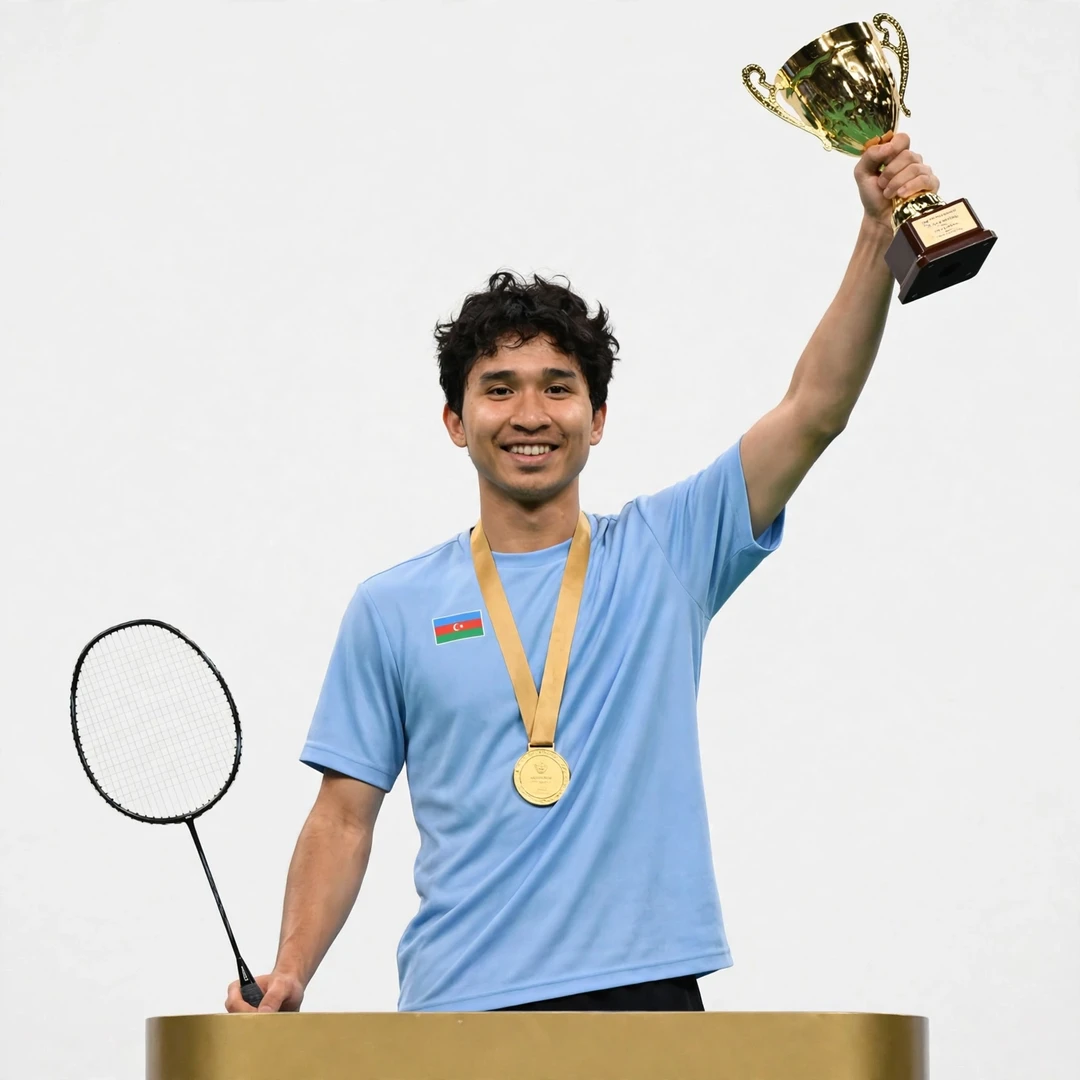
Career Milestone #2
Baku 2025: A European Team Championships on Home Soil
The points told the story in the spring of 2025. In the BWF world rankings published on 29 April 2025 — the list used for World Championships qualification — Pangestu stood at world No. 107 with 16,810 points, the highest documented ranking of his career, built from ten counting results headed by the Uganda final, the Türkiye quarter-final, the Zambia final and the Botswana title. The same list showed his doubles rise: No. 88 in the world in men’s doubles with Agil Gabilov. Around the peak, the work continued — a Swedish Open quarter-final, round-of-16 finishes at the Iran Fajr International Challenge and the Iceland International, and a first European Championships campaign. At twenty, Pangestu had become a player the whole satellite circuit knew.
In February 2025 the European Mixed Team Championships came to Baku — and for Azerbaijan’s Indonesian-born squad, it was a home championship. Pangestu’s week showed his value to the team in both doubles disciplines. In the mixed doubles he partnered Keisha Fatimah Azzahra against Spain’s Rubén García and Lucía Rodríguez, pushing the Spanish pair through two tight games before falling 18–21, 18–21. In the men’s doubles he teamed with Ade Resky Dwicahyo to beat García and Rodrigo Sanjurjo 21–9, 21–14, a straight-games win over European opposition in front of a home crowd; against Denmark’s might, he and Gabilov faced Kim Astrup and Mads Vestergaard, the kind of world-class pairing a young doubles player learns from at close range. Team championships ask players to be ready in any discipline, in any session — and Pangestu, at twenty, was already his team’s utility piece.
That team role kept growing. At the European Championships in 2025 he carried Azerbaijan’s singles colours into the main draw, and in December 2025 he was back in team action in the European Men’s Team Championships qualification in Portugal, winning his singles against Croatia’s Ivan Kosor 21–9, 21–8 as Azerbaijan swept the tie 5–0. A second European Championships campaign followed in 2026, this time reaching the round of 32 — one win deeper than the year before. For a small federation, players like Pangestu are the programme: young enough to build around, versatile enough to fill three events, and experienced enough, already, to win ties.
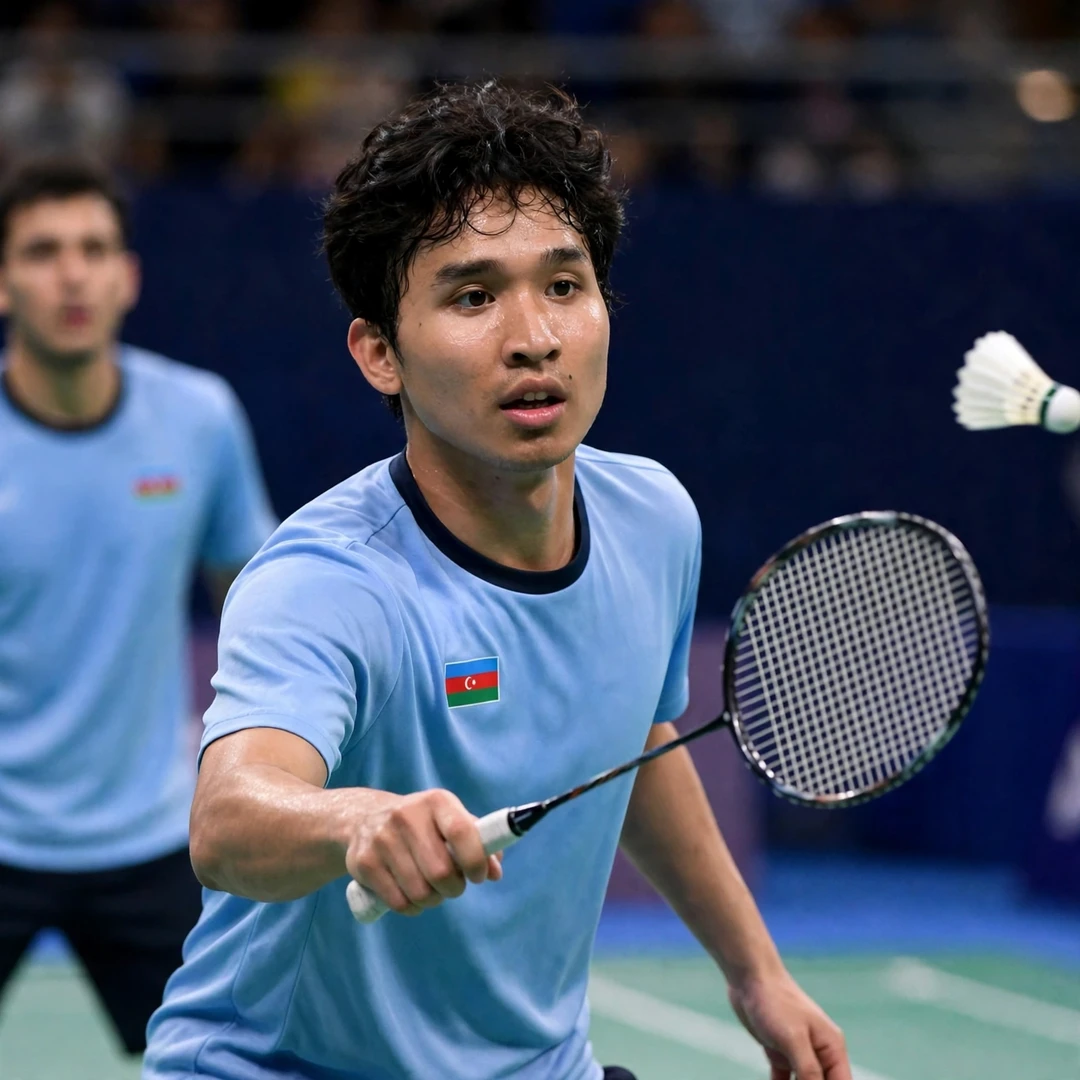
Career Milestone #3
Paris and New Delhi: Two World Championships Campaigns
The World Championships stage arrived in Paris in August 2025. Pangestu was part of Azerbaijan’s squad at the sport’s biggest event, playing men’s singles and men’s doubles with Agil Gabilov; like his teammates, he exited in the early rounds — the doubles pair falling to Singapore’s Eng Keat Wesley Koh and Japan’s Junsuke Kubo — but a first World Championships at twenty-one is a milestone that changes a player’s sense of where he belongs. The Xinhua report of Azerbaijan’s campaign listed him by name among the team’s singles representatives: the Indonesian-born youngster from the federation’s long-term project, on the draw sheet of the World Championships.
His second World Championships, in New Delhi in August 2026, brought the toughest draw of his life — and a performance to be proud of. In the first round Pangestu faced Anders Antonsen, Denmark’s former world No. 2 and one of the most complete players of the era. There was no collapse and no blowout: Pangestu pushed the Dane through two tight games before falling 19–21, 17–21, the kind of scoreline that tells a 22-year-old exactly how close the level is, and what it costs to reach it. Two World Championships campaigns by the age of twenty-two, in singles and doubles, is experience most players in his ranking band simply do not have.
The home crowd got its moment in February 2026, at the Azerbaijan International in Baku. Pangestu opened his singles campaign by beating India’s Pranay Shettigar 21–14, 21–9, then produced the comeback of his season: against Ukraine’s Daniil Dubovenko he lost the first game 12–21, levelled 21–11, and took the decider 22–20 to reach the quarter-finals of his home International Challenge. There the run ended against Malaysia’s Cheam June Wei, but only just — 21–23, 16–21, two games that could have turned on a handful of rallies. A home quarter-final, a comeback win and a two-point defeat to a former top-30 player: the week showed how far the project player of 2023 had come.
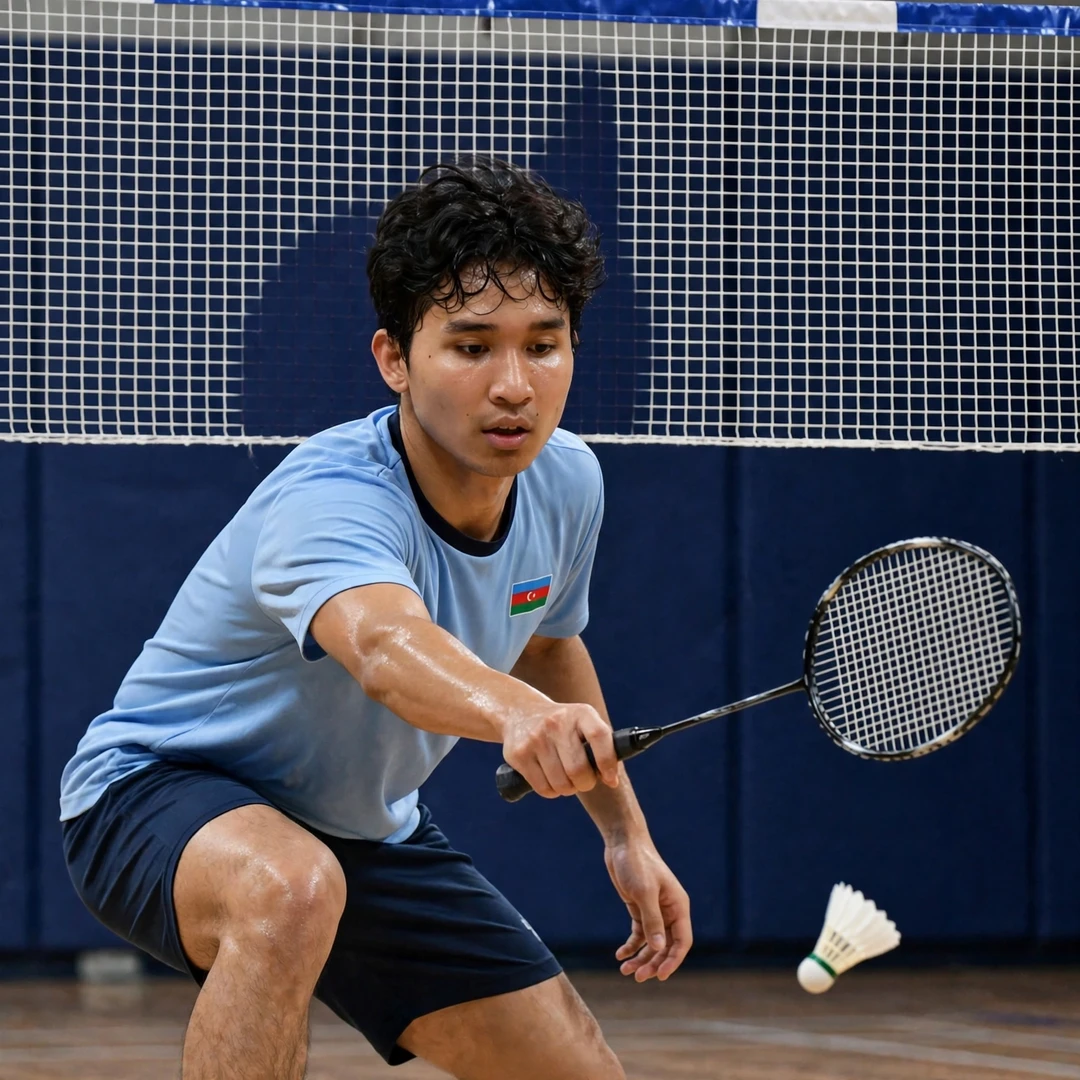
Career Milestone #4
Azerbaijan International 2026: A Home Quarter-Final in Baku
The 2026 season around the Baku run shows a player operating at a higher level week after week. At the Dutch Open he reached the round of 16, beating Alexander Ringbaek before losing to Su Li Yang; at the Türkiye International Challenge he beat Anil Ulac Atan 21–10, 21–7 and took the first game off Ditlev Jaeger Holm before the Dane turned the match around. There was a round-of-16 finish at the Malaysia International Challenge, and qualifying campaigns at the Thailand Open, a Super 500, and the Macau Open, a Super 300 — the weeks where a No. 124 tests himself against the World Tour’s door. Add the Polish and Luxembourg Opens, and the picture is consistent: a full, ambitious calendar, played mostly at Challenge level and above.
The numbers, then: world No. 124 in the Week 43 rankings of 20 October 2026, 15,693 points from 13 tournaments, a week after standing at No. 116 — movement that reflects points cycling through a small, hard calendar rather than any collapse in level. Set against the career arc, the standing is a platform, not a verdict: a career-high of No. 107 already banked, senior titles in singles and doubles, finals on two continents, two World Championships played, and a home quarter-final in Baku. At twenty-two, with his federation’s whole project built around players of his profile, Pangestu’s next hundred ranking places are there to be chased — and his career so far suggests he will chase them the same way: everywhere, in every discipline, one tournament at a time.
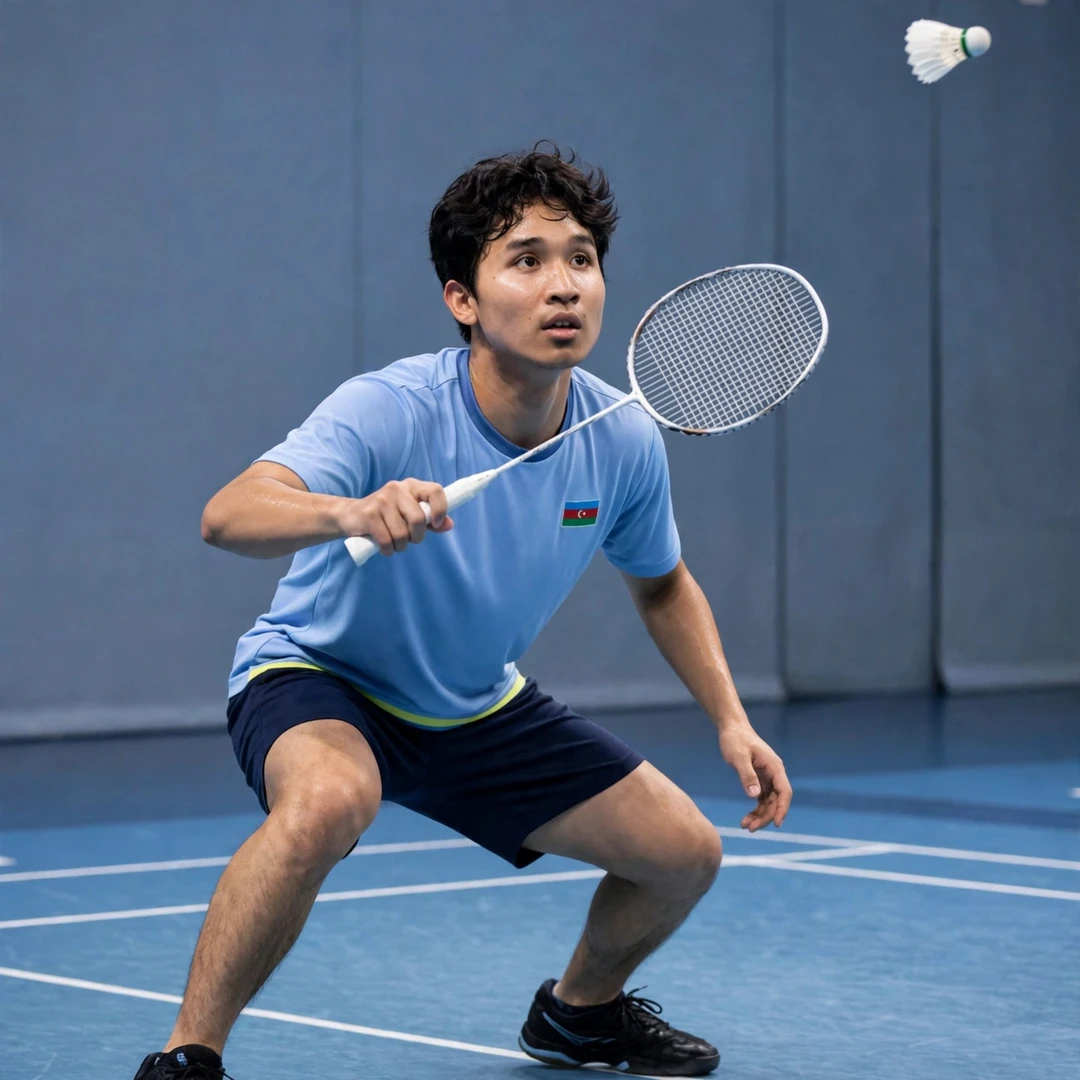
Playing Style
The Complete All-Court Competitor
Pangestu’s game begins with completeness. He is a senior international champion in singles and men’s doubles, a mixed doubles player trusted at a European Team Championships, and a World Championships entrant in two disciplines — and those doubles skills are visible all over his singles: fast hands in the front court, a flat driving mid-court game, defensive blocks that turn defence into counter-attack, and an ease at the net that pure singles specialists often lack. Around that sits the equipment of the Indonesian school that raised him: disciplined footwork, patient rally construction, and a right-handed attacking game that can finish rallies from the rear court when the opening comes. There is no single spectacular weapon for opponents to defuse; instead they face a player with no obvious phase of the rally to attack.
The second strand is three-game nerve, and the record speaks first. In the Uganda Challenge final he lost the first game 10–21 and still took Manraj Singh to 18–21 in a decider. In Baku he lost a first game 12–21 to Dubovenko and won the decider 22–20. Against Holm in Türkiye he struck first and made a top-100 Dane work for three games to escape him; against Antonsen at the World Championships, with the biggest name of his career across the net, he held 19 and 17. Players who fold after a lost game — or freeze before a famous one — do not build records like that. Pangestu’s resilience is becoming his signature: the longer a match runs, the more comfortable he looks.
Versatility is the third strand, and it is structural, not decorative. His Botswana double — singles and doubles titles at the same event — is the extreme case of a pattern that runs through his whole career: a men’s doubles world ranking of No. 88 alongside his singles peak, mixed doubles duty at a home European Team Championships, team-tie singles wins in European qualification. Coaches call this being a complete player; federations call it being useful. For a developing player it is also insurance: every discipline trains a different part of the game, and Pangestu’s net speed, defensive reflexes and rally patience each come from a different event he still plays.

Mental Strength
Three-Game Nerve and a Game That Travels
For developing players, the transferable lesson is that a career can be built from opportunity rather than birthplace. Pangestu took the best junior education in the world, in Indonesia, and then took the opportunity Azerbaijan offered — matches, responsibility, team championships, World Championships — and turned it into titles and a top-110 ranking. The lesson generalises: choose the environment that gives you court time and trust, keep every discipline in your programme while you are young, and measure yourself by trajectory rather than by the flag or the club crest on your shirt. His profile is a study plan for any ambitious junior outside the traditional pathways: build every skill, travel for your results, and let the record speak.
Consider the arc whole. An Indonesian junior with more ambition than opportunity. A new flag at eighteen, a first senior title at twenty, two titles in one weekend, a Challenge final and a career-high No. 107 at twenty. Home team championships in Baku, two World Championships, a home quarter-final, and a first-round date with a former world No. 2 that ended 19 and 17. Most profiles in this series tell the story of one system producing one player; Pangestu’s tells of a player produced by two systems — Indonesia’s depth and Azerbaijan’s opportunity — who took the best of both. In an era when federations build projects around imported talent, his career is the evidence that the model works when the player works.
The practical lessons travel well. Keep doubles in your game: his Botswana double and his No. 88 doubles ranking grew out of the same training weeks as his singles. Treat a change of environment as information, not failure: his move to Azerbaijan gave him the matches that made him. Learn to lose first games well: his biggest results — the Uganda final, the Dubovenko comeback — came in matches where the first game went against him. And build the durability to play long calendars: thirteen tournaments on his ranking ledger, across Africa, Europe and Asia, is what a satellite-circuit career actually looks like from the inside.
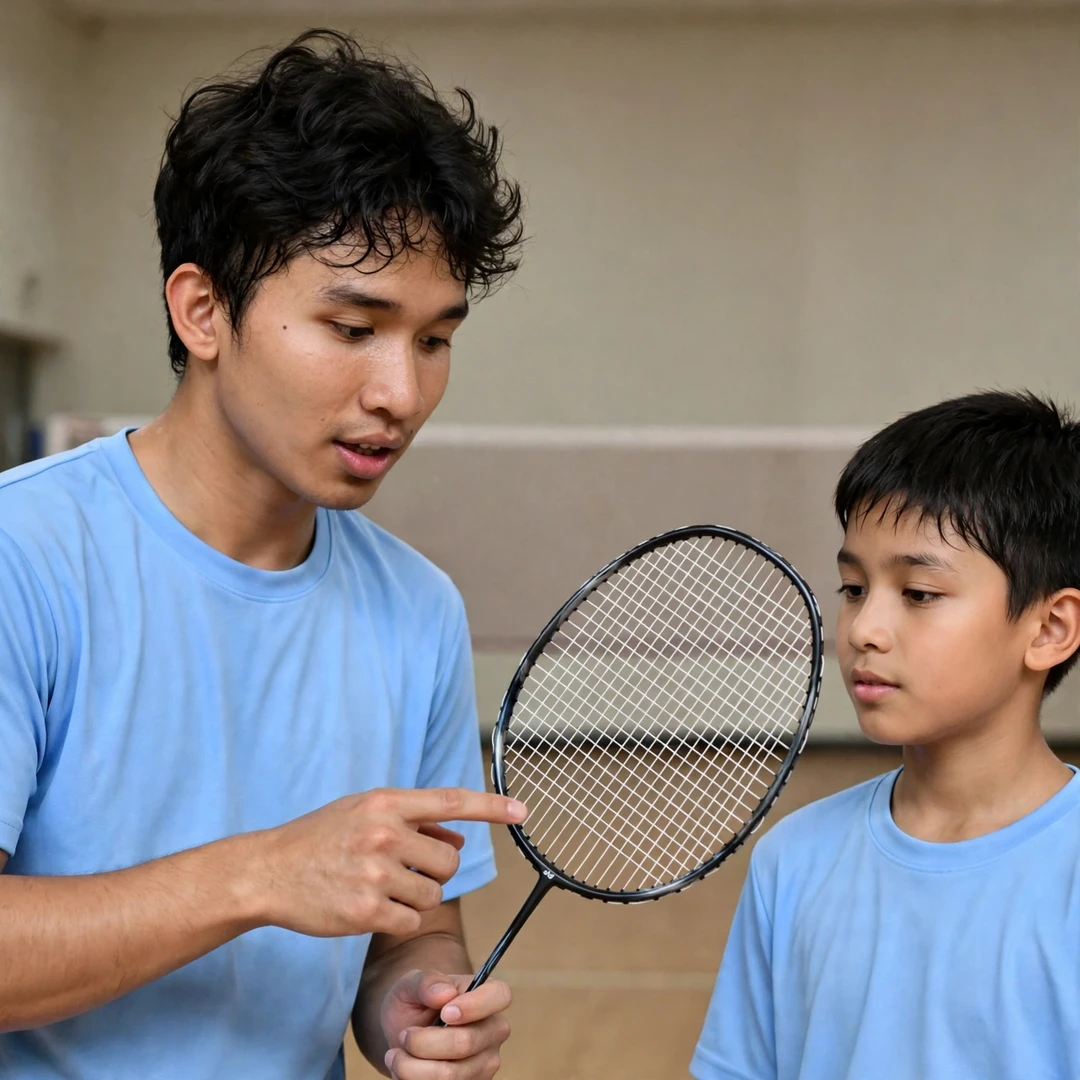
Learning Reference
ST Badminton Academy Connection
ST Badminton Academy is not affiliated with Dicky Dwi Pangestu and does not represent him or the Azerbaijan Badminton Federation. We publish this profile because his career — an Indonesian education, an Azerbaijani opportunity, titles in two disciplines and a top-110 peak — teaches lessons our students in Malaysia can use: that versatility compounds, that opportunity is a skill to be taken, and that a player who keeps turning up on the circuit eventually turns up in finals. All results, rankings and biographical details are drawn from BWF, Badminton Europe, federation and news records available at the time of writing.
Four matches teach most of what this profile describes. Start with the Uganda International Challenge final of February 2025 against Manraj Singh — 10–21, 21–17, 18–21 in just over an hour: a masterclass in recovering from a lost first game on a big occasion. Then the Botswana International men’s doubles final of November 2024, won 21–8, 21–15 with Agil Gabilov — the second half of his same-weekend double. The Azerbaijan International 2026 comeback against Daniil Dubovenko, 12–21, 21–11, 22–20, shows his decider nerve in front of a home crowd. Finally, the 2026 World Championships first round against Anders Antonsen, 19–21, 17–21: how a world No. 124 measures himself against the elite. Between them: recovery, versatility, nerve and ambition.
Some players are the product of a place. Dicky Dwi Pangestu is the product of two places — Indonesia, which taught him the game, and Azerbaijan, which gave him the stage. At twenty-two he stands at world No. 124 with a career-high of No. 107 behind him, senior titles in singles and doubles, finals on two continents and two World Championships in his diary. For a young player wondering whether an unusual path — the move abroad, the small federation, the long way round — can possibly lead anywhere, his career is the answer currently travelling the world circuit in a light-blue shirt: it can, if you keep winning weekends like Botswana.
FAQs: Dicky Dwi Pangestu Azerbaijan Badminton Player
Here are answers to common questions about Dicky Dwi Pangestu’s career, his move from Indonesia to Azerbaijan, and what young players in Malaysia can learn from the right-hander who won two titles in one weekend.
Who is Dicky Dwi Pangestu and which country does he represent in badminton?
Dicky Dwi Pangestu is a professional badminton player who represents Azerbaijan in the BWF world rankings — he stands at world No. 124 in the Week 43 list published on 20 October 2026, with 15,693 points. He was born in Indonesia on 8 May 2004, plays right-handed, and was developed in the Indonesian junior system before switching to Azerbaijan as a teenager; he was already competing in Azerbaijani colours by 2023, alongside fellow Indonesian-born teammates Ade Resky Dwicahyo and Keisha Fatimah Azzahra.
What are Dicky Dwi Pangestu’s biggest badminton achievements?
His biggest achievements are the two titles he won at a single event — the Botswana International of November 2024, where he took the men’s singles crown and the men’s doubles title with Agil Gabilov in the same weekend. He was runner-up at the Zambia International 2024 and at the Uganda International Challenge 2025, reached a career-high world No. 107 in April 2025 (and No. 88 in men’s doubles), and has played two World Championships, in Paris in 2025 and New Delhi in 2026.
What is Dicky Dwi Pangestu’s playing style?
Pangestu plays a complete all-court game shaped by the Indonesian school and sharpened by doubles: fast hands and confidence at the net, a flat driving mid-court game, patient rally construction, solid defence that turns into counter-attack, and a right-handed rear-court attack. His signature quality is resilience — his biggest results, the Uganda final and his Baku comeback against Daniil Dubovenko, both came in matches where he lost the first game.
How did Dicky Dwi Pangestu win two titles at the Botswana International 2024?
He won both draws at the Botswana International in November 2024. In singles he came through the draw to take his first senior international singles title; in men’s doubles he partnered Agil Gabilov, and the pair beat Matthew Abela and Maxim Grinblat 21–8, 21–15 in the final. Winning two titles at one event, in two disciplines, on the same weekend is a rare feat — and it followed a men’s doubles bronze with Gabilov at the Uganda International Series the previous month.
How can my child learn from Dicky Dwi Pangestu’s training approach?
Two parts of his approach transfer directly. In training: versatility — he kept singles, men’s doubles and mixed doubles in his programme, and the skills cross over, from net speed to defensive reflexes. In competition: recovery — his record in matches where he loses the first game is a teaching example of resetting between games. At ST Badminton Academy we use his 22–20 decider against Daniil Dubovenko in Baku as an example of how deciding games are closed: point by point, without panic.
How many senior international titles has Dicky Dwi Pangestu won?
Two senior international titles — and both came at the same event. Pangestu won the men’s singles and the men’s doubles (with Agil Gabilov) at the Botswana International in November 2024. He has also reached two further senior finals, finishing runner-up in singles at the Zambia International 2024 and the Uganda International Challenge 2025, and he won a men’s doubles bronze medal at the Uganda International Series 2024.
What are Dicky Dwi Pangestu’s best results in 2026?
His 2026 season is his most complete yet: a home quarter-final at the Azerbaijan International in Baku, built on a 22–20 deciding-game comeback against Daniil Dubovenko; a second World Championships campaign in New Delhi, where he pushed Anders Antonsen to 19–21, 17–21 in the first round; a round-of-32 finish at the European Championships; round-of-16 finishes at the Dutch Open, the Türkiye International Challenge and the Malaysia International Challenge; and qualifying appearances at the Super 500 Thailand Open and the Super 300 Macau Open. He reached No. 116 in the Week 42 rankings and stands at No. 124 in Week 43.
What playing style should young players learn from Dicky Dwi Pangestu?
Learn the complete game first, and learn to lose a game without losing the match. Pangestu’s career was built across every discipline — singles, men’s doubles and mixed doubles all fed each other — and his biggest results came through resilience: a Challenge final reached after a 10–21 first game, a home quarter-final won 22–20 in the third. Young players who build all the skills, and the patience to use them, are copying the exact foundation of his game.
Does ST Badminton Academy have any connection with Dicky Dwi Pangestu?
No. Pangestu represents Azerbaijan, competes on the BWF circuit from Baku, and has no connection with our academy. ST Badminton Academy is an independent academy in Kuala Lumpur, Malaysia, and we feature international players like Pangestu in these profiles purely as study material for our students and readers.
Dicky Dwi Pangestu Career Highlights
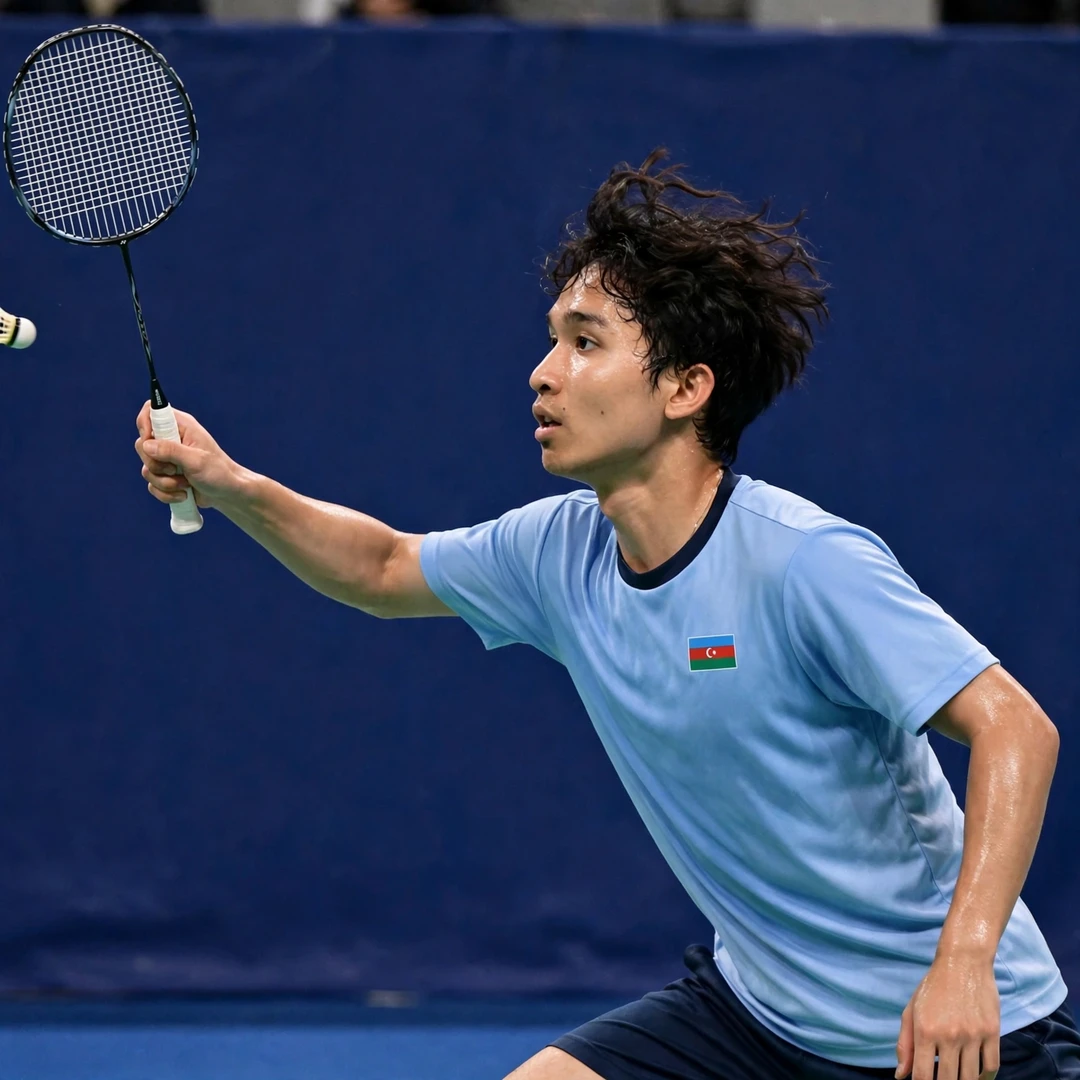

Career Statistics and Rankings
Dicky Dwi Pangestu's rise is a lesson in what opportunity does to a well-taught player: an Indonesian junior education, an Azerbaijani flag at eighteen, a first senior title at twenty — two of them in a single weekend in Botswana — a Challenge final and a career-high world No. 107 at twenty, and home heroics in Baku at twenty-two. Singles titles, doubles titles, team championships and World Championships: one constant runs through all of it. He keeps turning up, in every discipline, on every continent the circuit visits — and the results keep following.
| Development Area | Common Misconception | What Dicky Dwi Pangestu's Career Shows REALITY |
|---|---|---|
| Junior Foundation | Talent alone decides who becomes a champion. | Pangestu was developed in Indonesia, the deepest junior system in world badminton, before taking his game to Azerbaijan — a structured junior base came first. |
| Playing Style Priority | Kids should copy the flashiest attacking shots. | Pangestu built a complete game first; his senior singles results sit on doubles-honed net speed, defence and rally craft gathered across all three disciplines. |
| Fitness Importance | Juniors can out-train everyone without rest. | Pangestu rebuilt his ranking on the world satellite circuit after changing federations — his rise to a career-high world No. 107 came from smarter scheduling, not more hours. |
| Mental Approach | Top players never get nervous or upset. | Pangestu lost the Uganda International Challenge final in a third game in 2025 and answered with a home quarter-final in Baku a year later — mental skills are trained, not inherited. |
| Attacking Training | Smashing harder is always the answer. | His Botswana International double in November 2024 — singles and men's doubles titles at the same event — came from rally control and placement, not raw power. |
| National Milestones | Only world titles matter. | Botswana gold, Zambia silver and a Uganda Challenge final made Pangestu's name across three continents in four months — continental milestones build a career step by step. |
| Career Timeline | Champions peak once and fade fast. | From Indonesian junior courts to Azerbaijan's world No. 124 in 2026, with a No. 107 peak already banked, Pangestu proves sustained development beats a short peak. |
Study Dicky Dwi Pangestu's Resilience and Professional Approach
This profile explains who Dicky Dwi Pangestu is — but for a parent in Kuala Lumpur, Cheras or anywhere in Malaysia wondering what a complete junior game and a resilient temperament can grow into, his story carries the answer in full: two senior titles in one weekend, a world No. 107 peak, and a 22–20 decider won in front of his home crowd. Book a trial class with ST Badminton Academy on WhatsApp at +60 17-684 2136 and let your child begin building the fundamentals — net skills, defence, footwork and deciding-game composure — that carried an Indonesian-born junior to titles under a new flag.