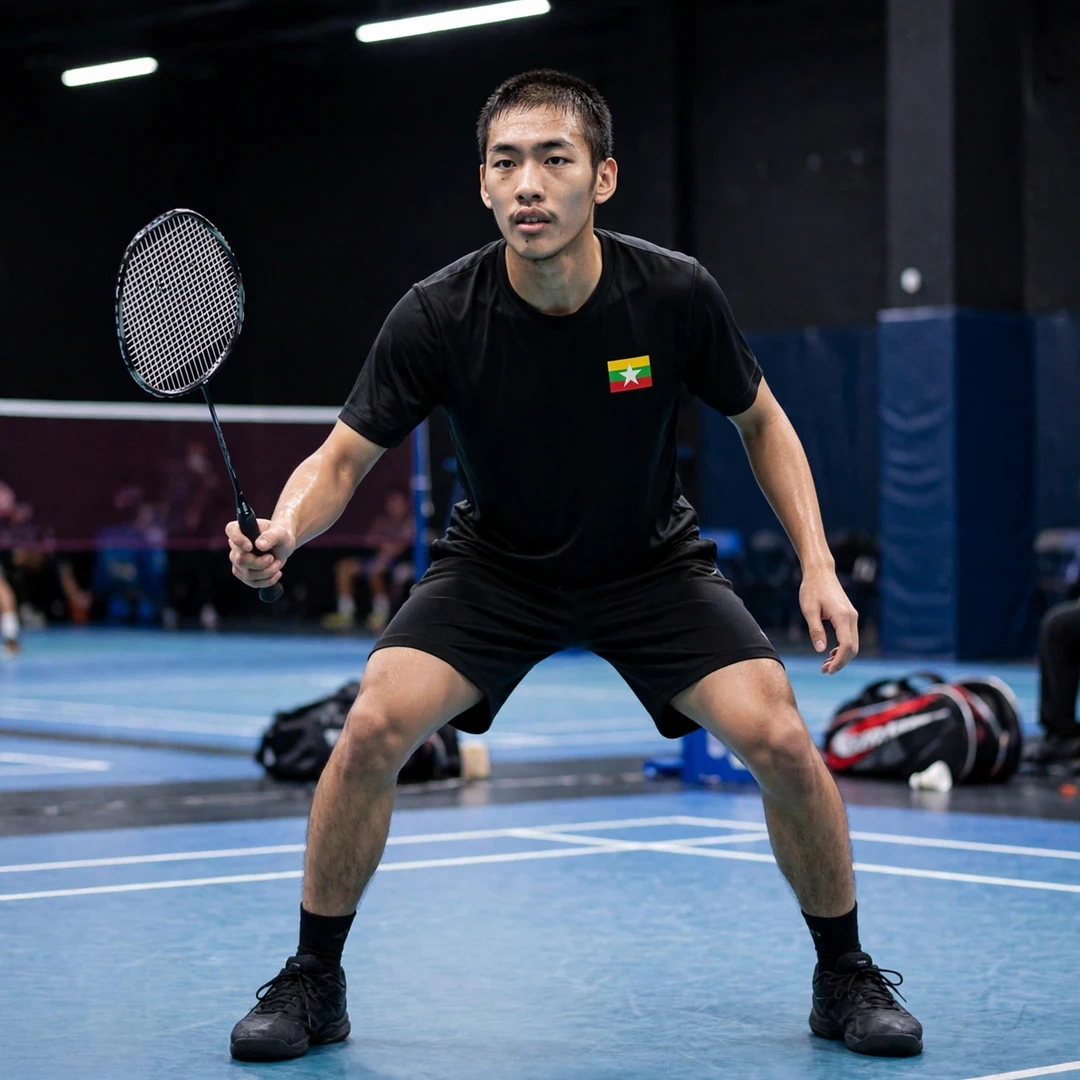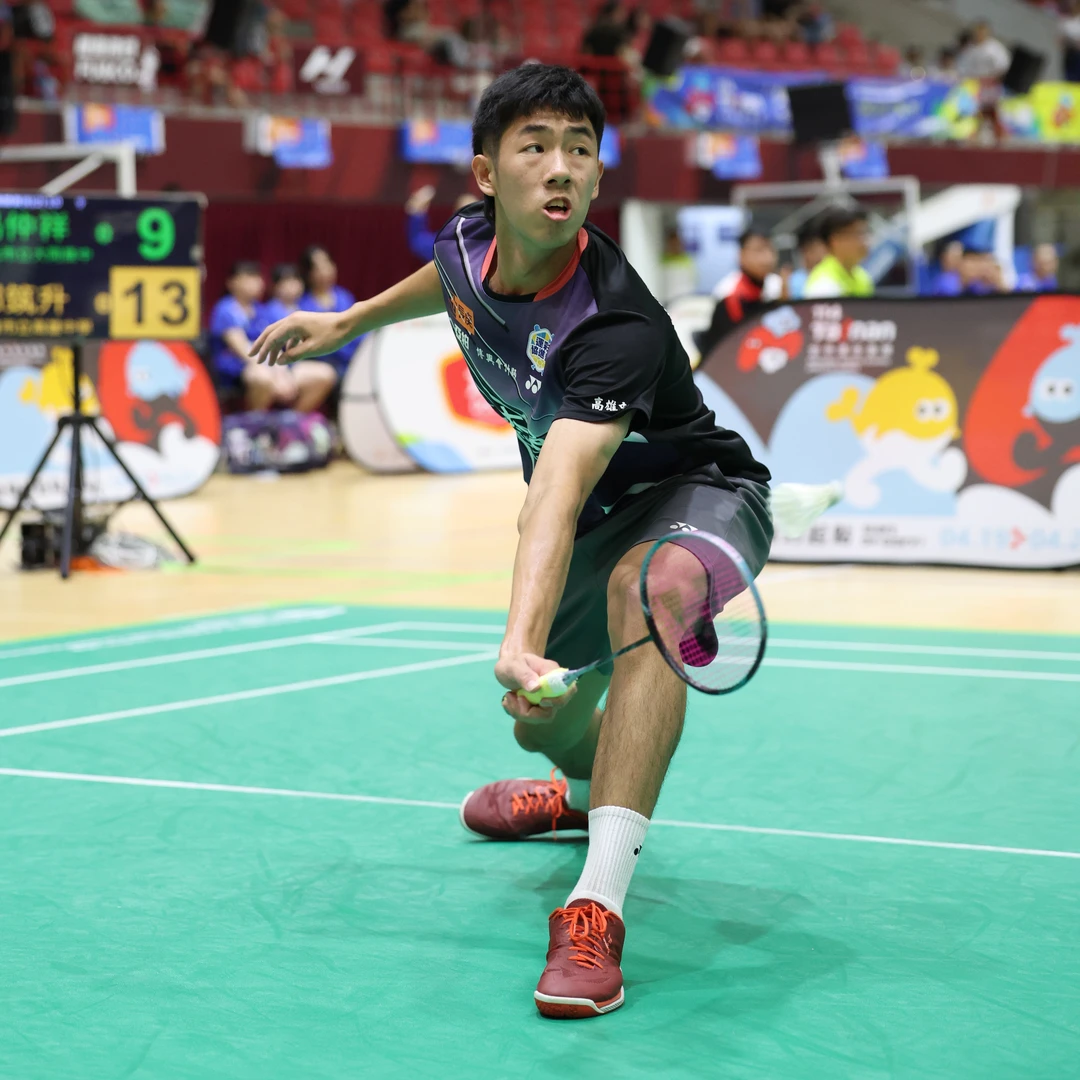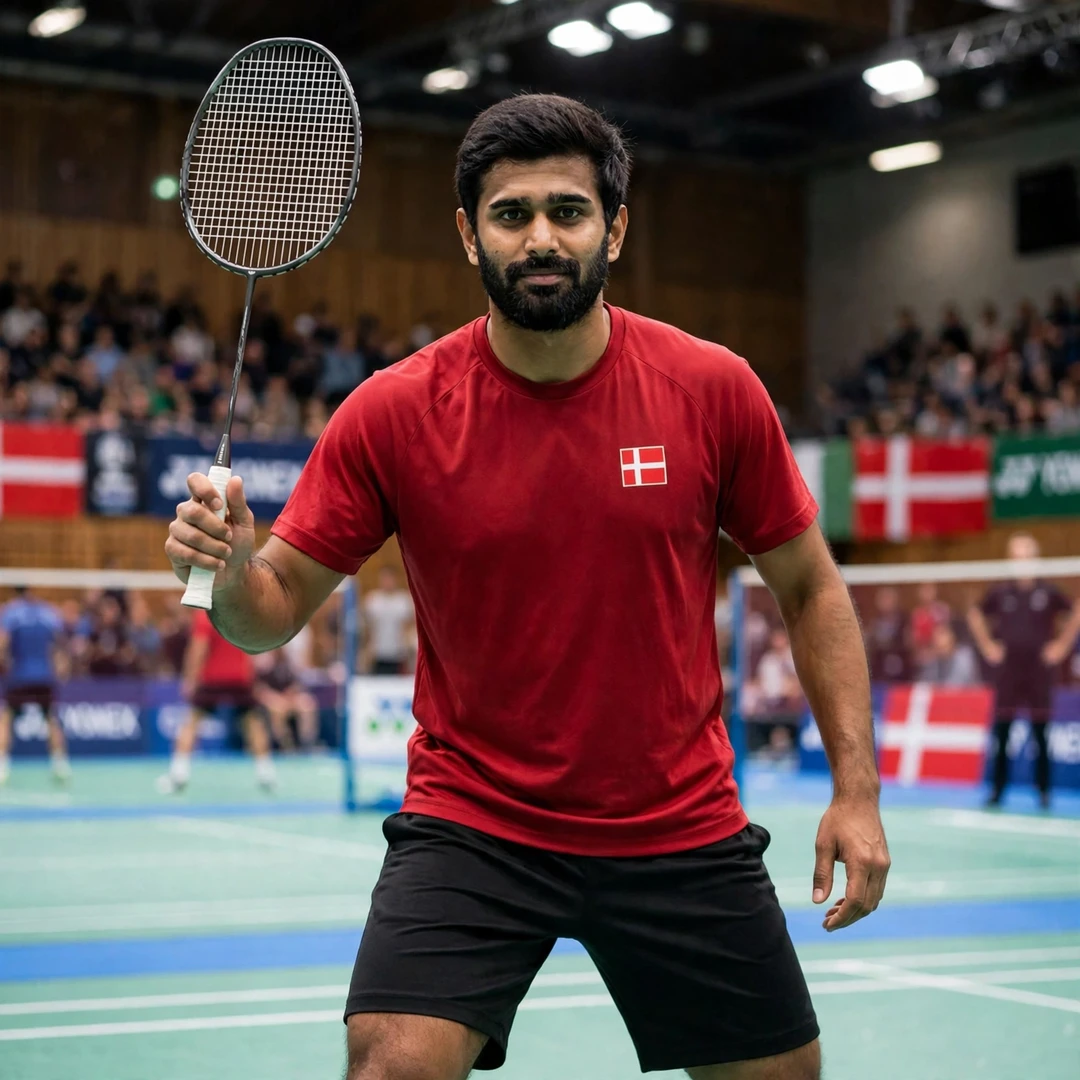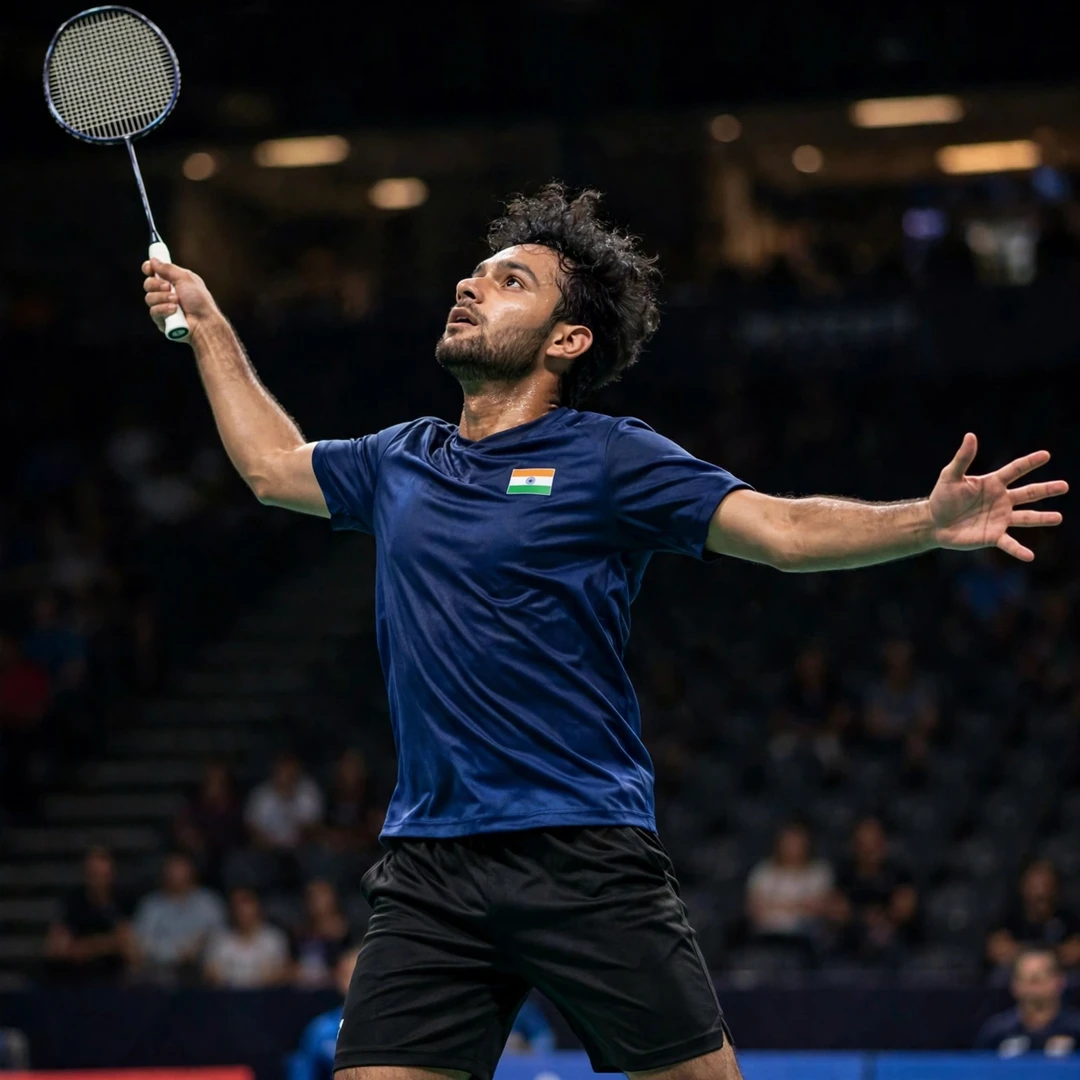
Indian Men’s Singles Badminton Star
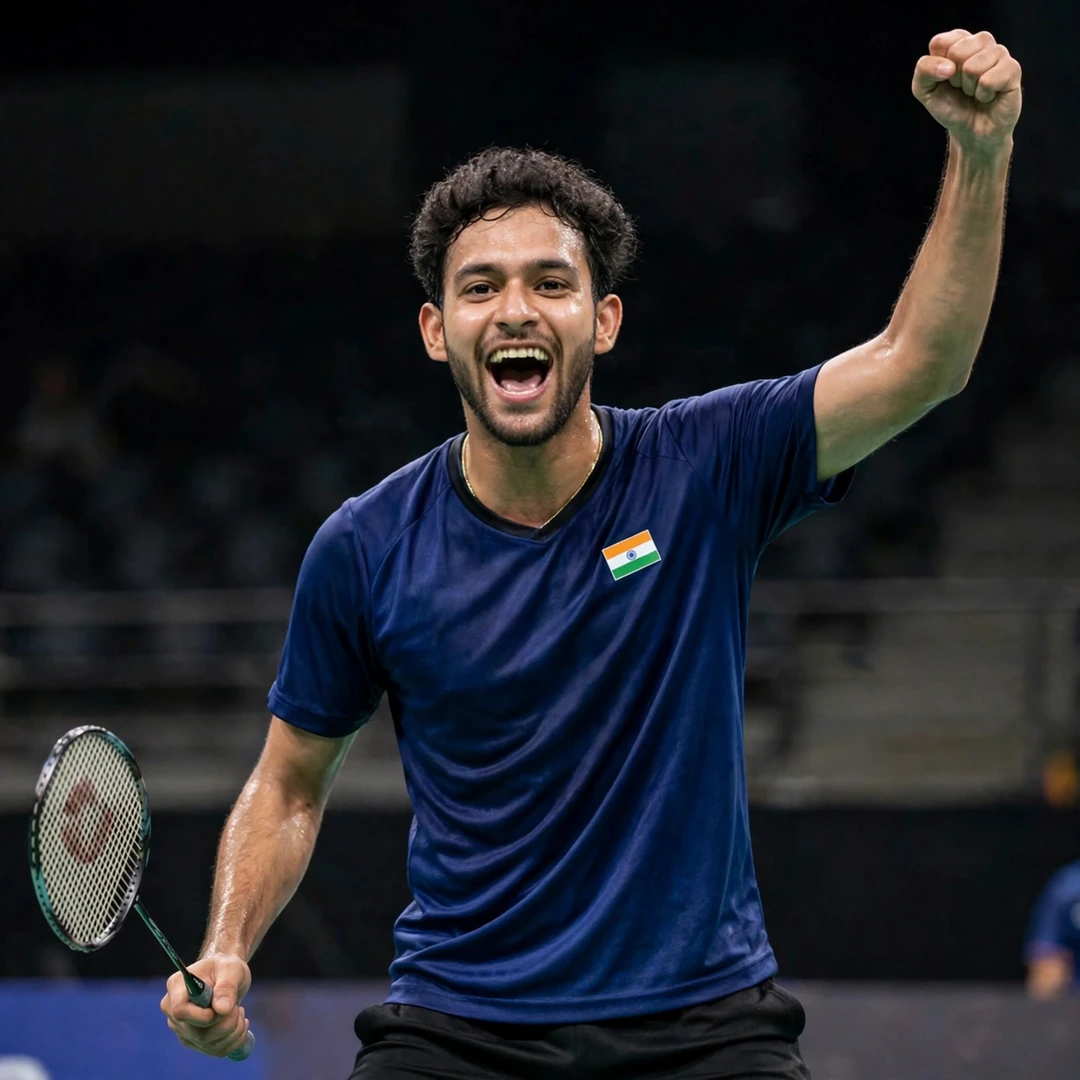
Manraj Singh

India
Player Event: Men’s singles
From Faridabad, Haryana, India · Born: 5 August 2005 · Right-handed
Playing Style: Right-handed all-out attacker who uses his height, incessant pressure and sharp net play to finish rallies on his own terms
Known For: Four senior international titles in five months — Kampala, Bahrain, Iran and Uganda — a career-high world No. 56, and beating H. S. Prannoy at the Syed Modi India International 2025
Coach: Sagar Chopra (Prakash Padukone Badminton Academy, Bengaluru)
Understanding Manraj Singh (Indian Badminton Star)
Manraj Singh is an Indian men’s singles badminton player who stands at world No. 114 in the BWF rankings for Week 43 (20 October 2026) with 16,470 points. His rise is one of the fastest in this section of the rankings: advised to play only junior badminton until he turned eighteen, he was first ranked in August 2023 at No. 844, won four senior international titles in five months across 2024 and 2025, reached a career-high world No. 56 in September 2025, and announced himself to a home crowd by beating H. S. Prannoy at the Syed Modi India International. A points-expiry slide in 2026 has sent him back out of the top 100 — and his rebuild is already under way.
Early Life in Faridabad and a Family Start in Badminton
Manraj Singh was born on 5 August 2005 in Faridabad, Haryana, a satellite city of Delhi with no great badminton tradition of its own. He came to the sport the way many Indian children do — not through an academy trial, but by tagging along. He started accompanying his father and elder brother to the local badminton courts, watched, joined in, and somewhere in those family sessions a pastime became an obsession. The youngest player on a neighbourhood court learns quickly or stops coming; Manraj kept coming, and the range of strokes and the appetite for attack that senior coaches now praise were first visible in those informal games.
The Prakash Padukone Academy: Training Under Sagar Chopra
His first structured coaching came locally in Faridabad, under Anshul Mehta and Ashok Mehta. It was there that the most consequential decision of his young career was taken: at junior level, his coaches advised him to focus only on junior badminton and develop his game — not to mix junior and senior competition the way many Indian prospects do. While rivals were collecting early senior ranking points and early senior defeats, Manraj was kept in his age group, building technique, footwork and physical maturity away from the spotlight. It is the reason his senior record looks so short, and the reason that, when he finally arrived, he arrived ready.
Senior Badminton Only After Eighteen: A Late Start by Design
The next step was the move ambitious Indian juniors dream about: Bengaluru, and the Prakash Padukone Badminton Academy, the institution founded by India’s first All England champion. From around 2023 Manraj trained there under coach Sagar Chopra. He has described what the move gave him plainly: a great learning opportunity and, just as important, a hall full of strong sparring partners — senior internationals whose pace teaches lessons no drill can. Two years in that environment turned a Faridabad prospect with local coaching into a player prepared for the professional circuit’s physical and tactical demands.
From No. 844 to World No. 56 in Two Years
Because of the junior-only plan, his senior career began almost on his eighteenth birthday. Manraj was first listed in the BWF world rankings on 22 August 2023 — seventeen days after turning eighteen — at No. 844. There was no long junior résumé to protect and no hype to live up to; there was simply a ranking number and a very long ladder. By the end of 2023 he had already climbed to No. 304. The late start meant every senior season would have to count double, and from the beginning he played like a man in a hurry — attacking, taking the shuttle early, and treating every small tournament as a points opportunity.
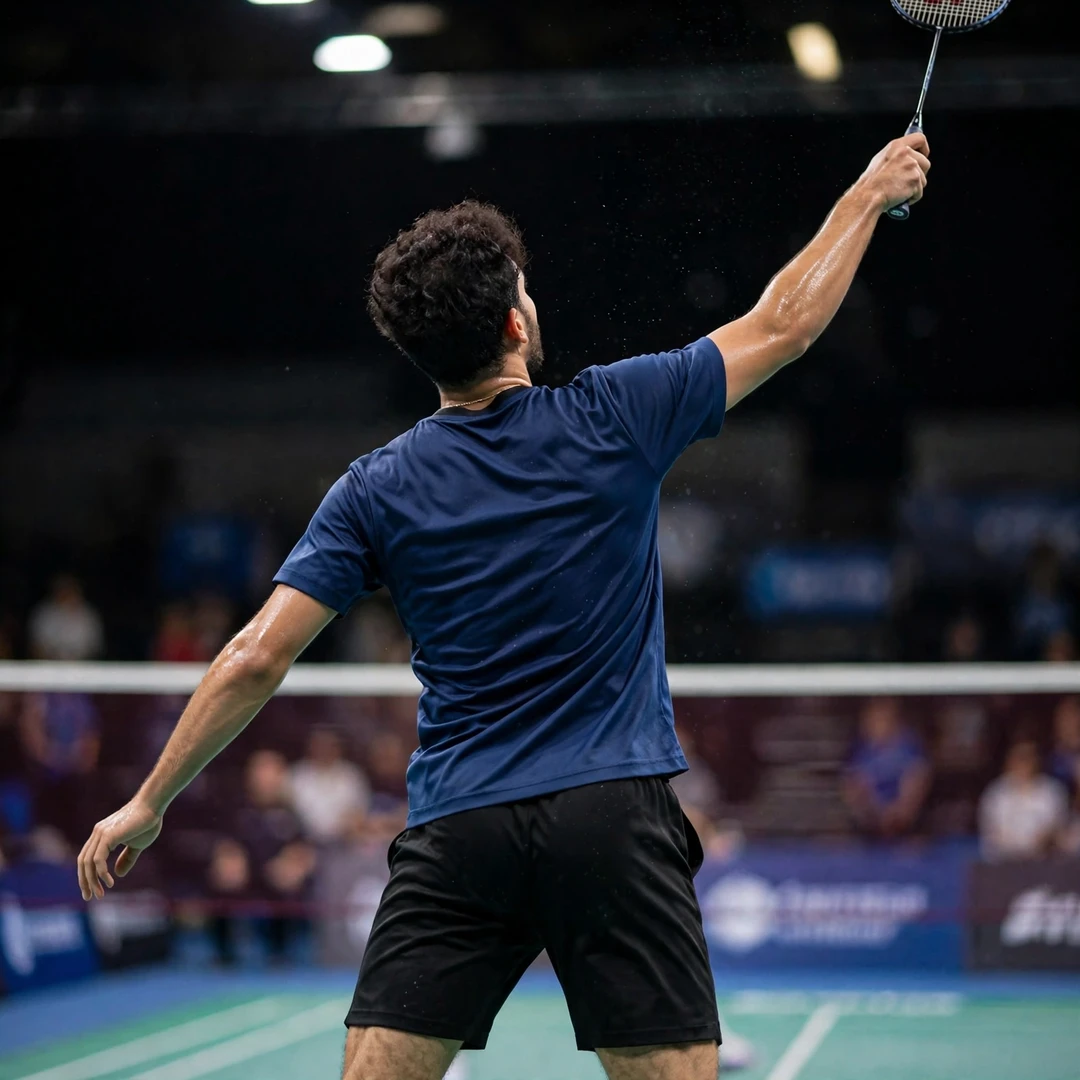
Career Milestone #1
Four Senior Titles in Five Months
The climb steepened through 2024. Week by week he worked through the feeder circuit, and by the end of the year he stood at No. 123 — a rise of more than 700 places in sixteen months. The season also brought his first taste of Super 100 main draws at home: round-of-16 finishes at the Guwahati Masters and the Odisha Masters in December 2024, events two levels above the circuit he had been winning on. Those weeks mattered beyond their points: they showed him the rally speed and physicality of the World Tour’s second tier while he was still a teenager, and showed the tour a new name worth noting.
The titles began in East Africa in the autumn of 2024. In September he won the Kampala International in Uganda — his first senior international title, at nineteen years old. The following week, at the Uganda International Series, he went back to the same city and reached the final again, finishing runner-up. Winning one week and nearly winning the next, in a foreign hall far from home, announced the pattern of his career: this was a player who converted deep runs into podiums. A first title also changed the arithmetic of his ranking — suddenly the top 200, then the top 150, became realistic arithmetic rather than ambition.
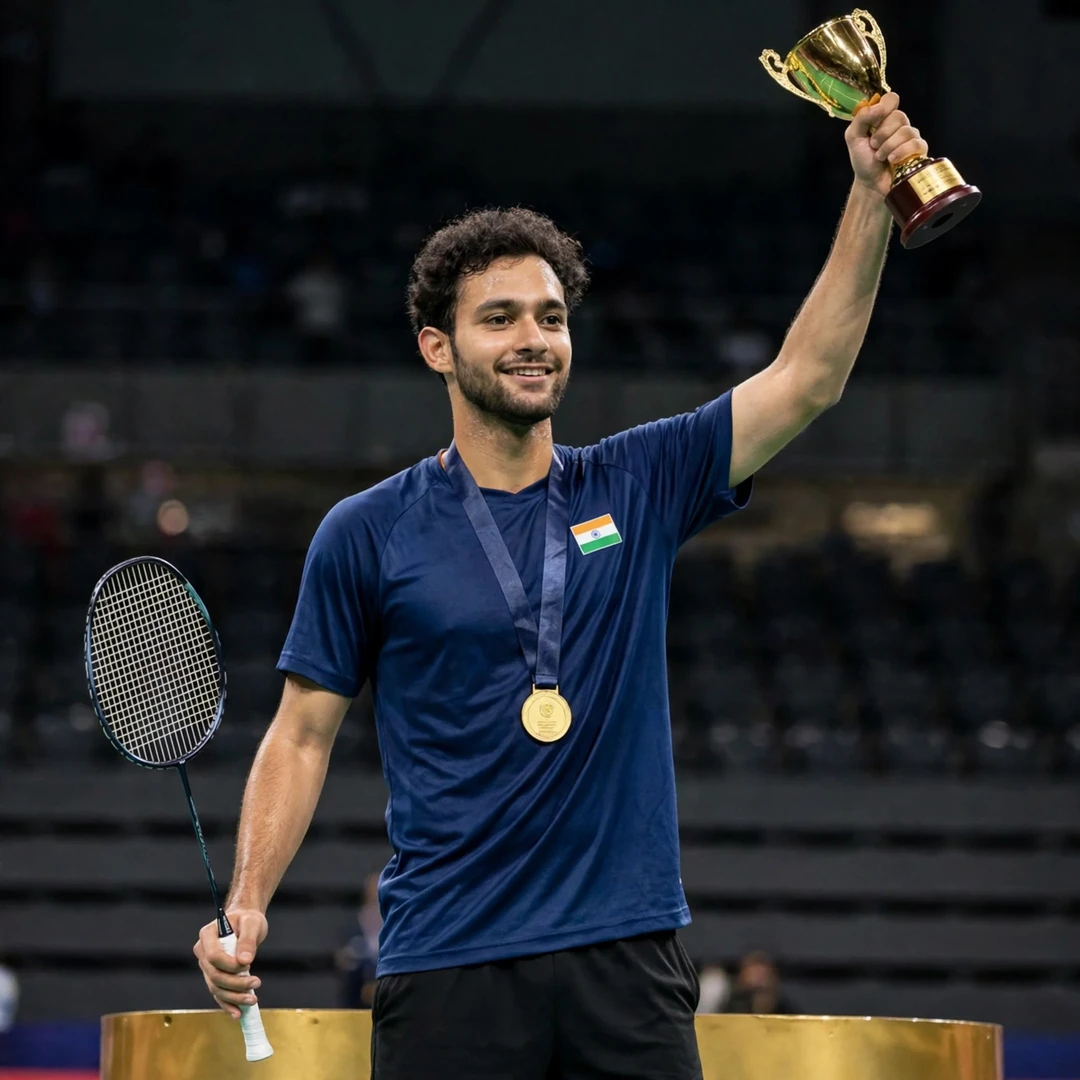
Career Milestone #2
Career-High World No. 56 in September 2025
The streak rolled on through the winter. In November 2024 he won the Bahrain International Series II title in Manama, stepping up a level from his Kampala win. Then, in the first week of February 2025, he won the 33rd Iran Fajr International Challenge — a bigger prize again, worth 4,000 ranking points, and his first title at International Challenge level. In five months he had won at three ascending levels of the BWF’s feeder system: Future Series, International Series, International Challenge. Coaches call that mastering your level before stepping up; Manraj was doing it almost in real time, and the ranking was about to show it.
The biggest of the four titles came three weeks after Iran, back in Kampala. At the Uganda International Challenge 2025 (19 to 23 February), the seventh-seeded Manraj reached the final and faced Azerbaijan’s Dicky Dwi Pangestu. He took the first game 21-10, lost the second 17-21, and closed out an hour-long final 21-18 in the third. Ranked No. 106 in the world that week, he told reporters he was very happy to become champion in Uganda and accumulate more world ranking points — an understatement, because the 4,000 points lifted him into the world’s top 100 for the first time: No. 75 on 25 February 2025, days after the final.
Through the middle of 2025 the points kept accumulating at bigger events. He reached the quarter-finals of the Malaysia International Challenge in Ipoh in August, the semi-finals of the Lagos International Classics in Nigeria — another 2,800 points — and the round of 16 at the Al Ain Masters, a Super 100. On 2 September 2025 the ranking reached its summit: world No. 56, his career high, twenty-five months after he had first appeared at No. 844. He ended 2025 at No. 66, inside the seeding range for Super 300 events and with direct entries into tournaments that, a year earlier, he could only have watched.
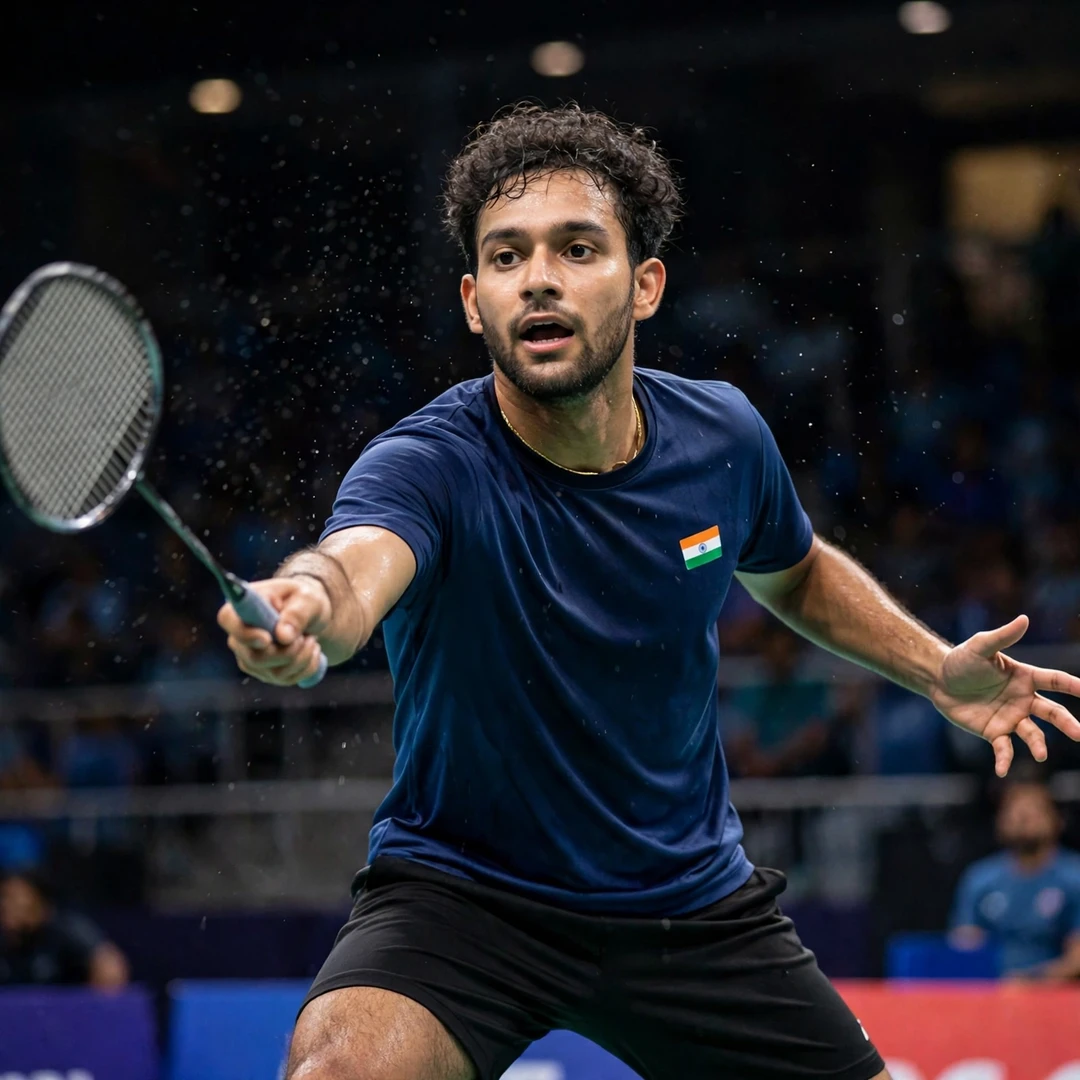
Career Milestone #3
The Night He Beat H. S. Prannoy in Lucknow
Then came the week Indian badminton talked about. At the Syed Modi India International 2025, a Super 300 in Lucknow in late November, Manraj first beat the former World Junior No. 1 S. Sankar Muthusamy Subramanian 21-13, 14-21, 21-17. In the second round he faced third seed H. S. Prannoy — the 2023 World Championships bronze medallist, a decade his senior — and beat him 21-15, 21-18, attacking incessantly, using his height and refusing to let the senior man control the rallies. His run ended in the quarter-finals against compatriot Mithun Manjunath, 18-21, 13-21, but the point was made. Afterwards, the 20-year-old was almost tongue-tied: he said he had been happy simply to play Prannoy, and that winning felt even better.
Around that famous week, 2025 also delivered the World Tour’s reality check. The Syed Modi was only his third Super 300 event, all of them that year, and at that level the early rounds are unforgiving: first-round exits at events including the Taipei Open, the Indonesia Masters and the season-ending Guwahati and Odisha Masters, a round-of-32 finish at the Macau Open and early defeats at the Malaysia Super 100 fill his 2025 record. That is not failure — it is the standard gap between the feeder circuit he had mastered and the tour he was entering, where a player ranked in the sixties meets top-20 opposition in the second round. Each of those weeks was tuition, and his team treated them that way.
The 2026 slide, when it came, was mostly arithmetic. BWF rankings run on a rolling 52-week window, and in February 2026 the two 4,000-point titles from Iran and Uganda expired together. His 2026 results — competitive but thinner, a run of round-of-16 finishes — did not replace those points, so the number fell: out of the top 100 and down to No. 114 by Week 43. Nothing about the slide was mysterious, and nothing about it required panic. A ranking built on a concentrated burst of titles must be rebuilt the same way it was built — week by week, in the halls where the points are.
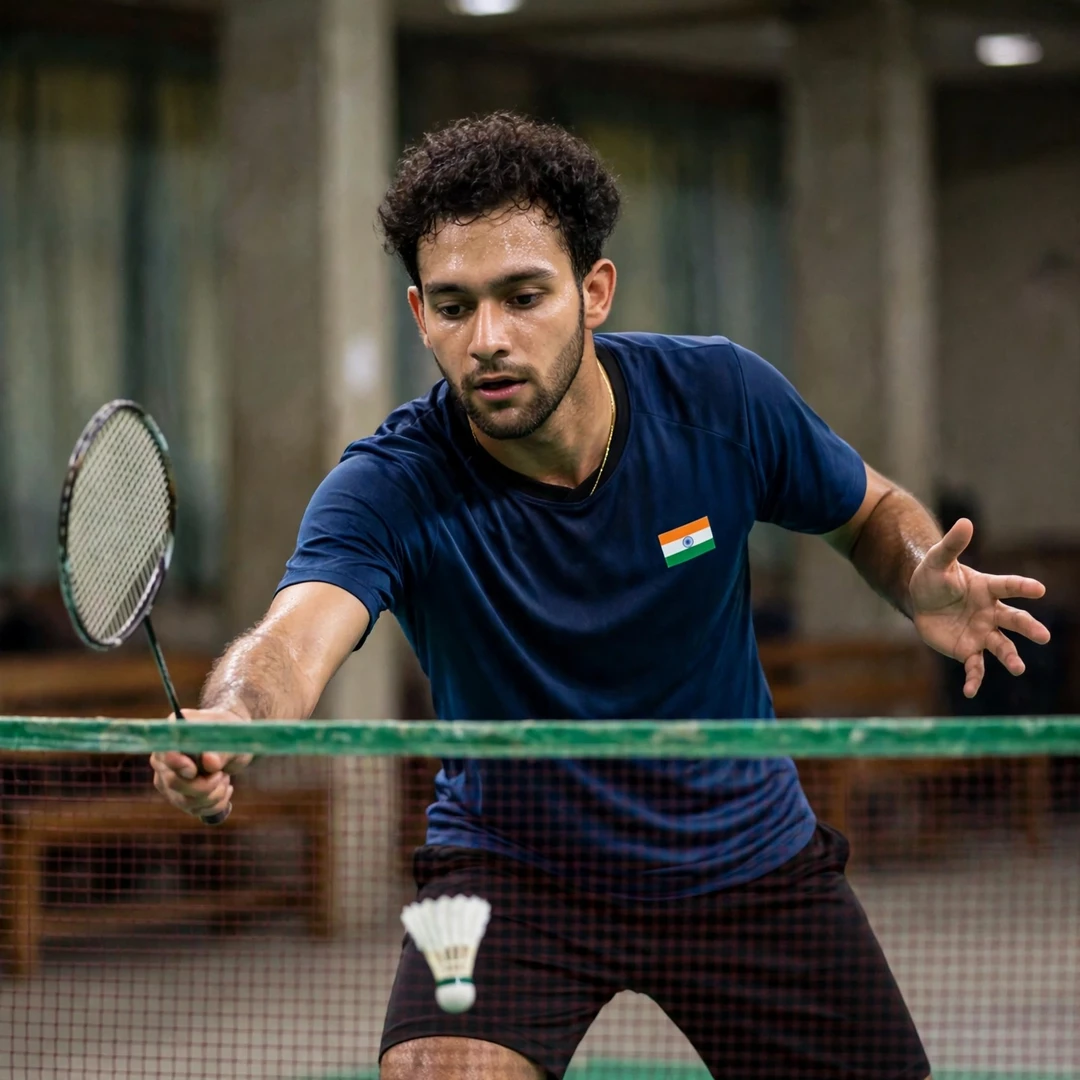
Career Milestone #4
The 2026 Reset: Rebuilding After the Points Slide
The rebuilding has visibly begun. At the Baoji China Masters in May 2026 he beat Japan’s Toma Noda in straight games before losing a three-game round-of-16 match to Minoru Koga. In Sydney he won an Australian Open qualifying match 21-6, 21-15 against Ephraim Stephen Sam before Eogene Ewe stopped him. In Vietnam he beat Phuc Thinh Phan in straight games before losing to Jia Heng Jason Teh. And in Manila in late July, at the Philippine International Challenge, the second-seeded Manraj reached the semi-finals — sweeping Malaysia’s Darrel Sen Xian Chew 21-11, 21-9 along the way — his deepest international run of 2026 and a sign the curve is bending back up.
What comes next is clear in his own words. A B.Com student at Chandigarh University, Manraj said during the Syed Modi week that his immediate target is more Super 300 and Super 500 tournaments — entries his ranking had begun to unlock — for international exposure and ranking points before aiming higher. He would love a chance at the Asian Games. And the long-term target is stated without embarrassment: his idol has always been Lee Chong Wei, whose game he hopes one day to play like, and the ultimate ambition is to become world No. 1. From No. 844 to No. 56 in two years, he has earned the right to say it out loud.
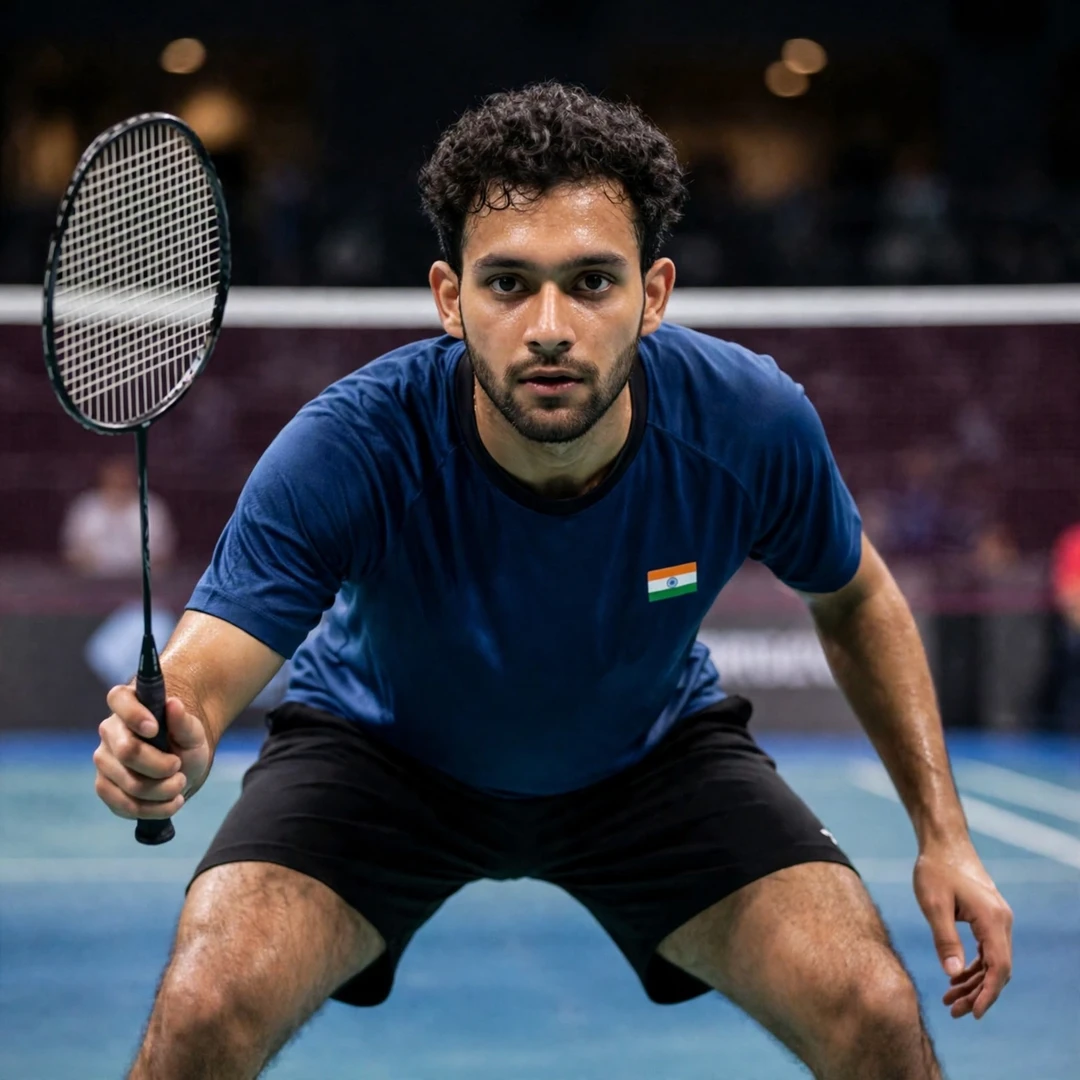
Playing Style
The All-Out Attacking Style: Height, Pressure and Net Hunger
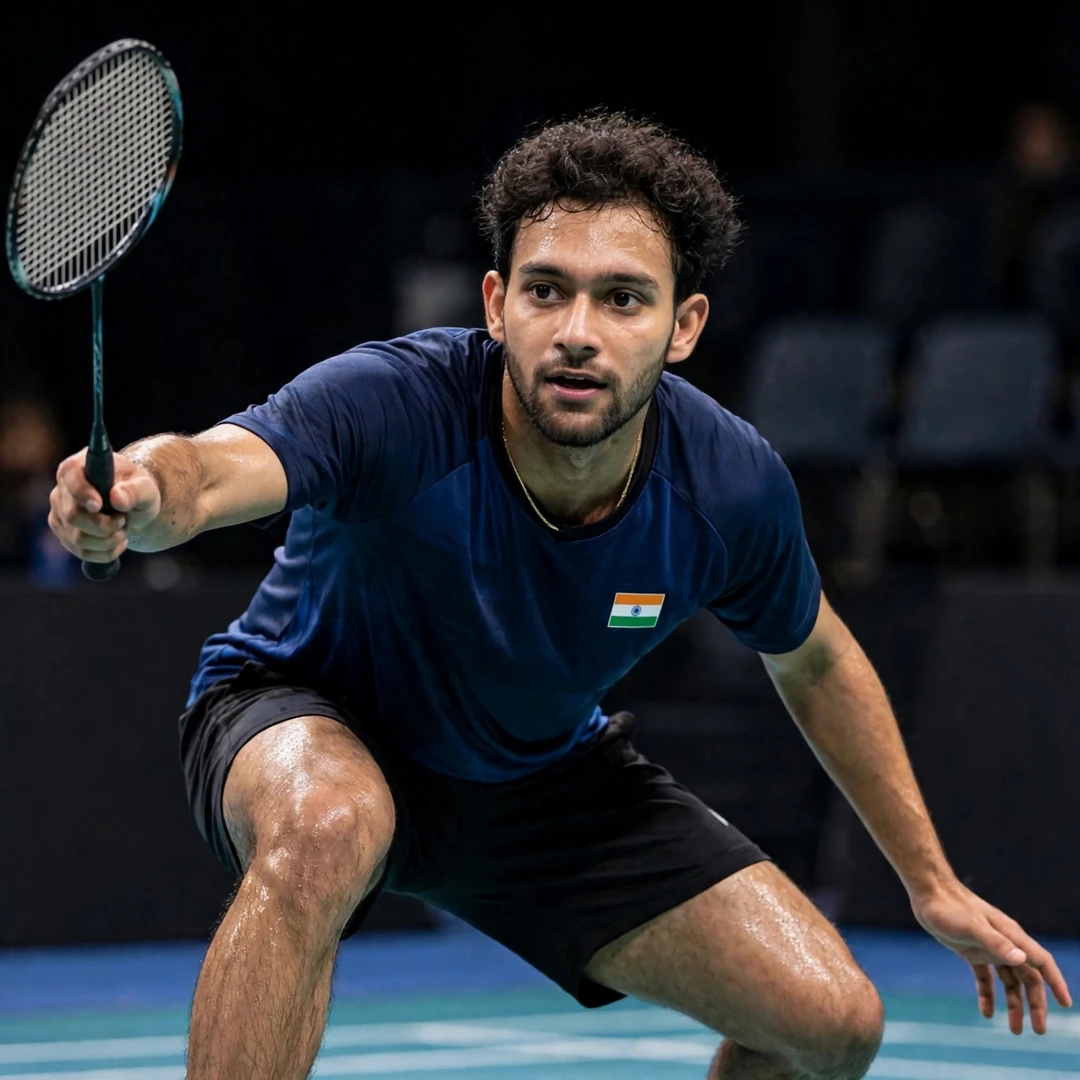
Manraj’s game begins with attack — not as a last resort but as a first principle. Reporters who watched the Prannoy win described a player incessant in attack, relying on his height to hit steep, early interceptions and pushing his senior opponent backwards without pause. Tall for a singles player and still filling out physically, he takes the shuttle high and early, drives flat through the middle to deny opponents time, and treats any short lift as an invitation. Where patient retrievers wait for errors, Manraj manufactures the opening himself — which is why his matches so often swing on his error count rather than his opponent’s.
The surprise in his game, for those who expect a pure smasher, is how much of his attacking is built at the net. Against Prannoy he said it himself: knowing the Indian No. 1’s attacking strength, he tried to keep the initiative and played a lot more on the net to win points. Tight spinning net shots force the lift; the lift feeds the smash. Add a genuinely wide range of strokes — deceptive holds in the front court, cross-court drops played late, a backhand corner that no longer offers opponents a safe target — and the attack becomes a system rather than a gamble. It is a young version of the game his idol Lee Chong Wei perfected: speed first, then the kill.
His remaining lessons are the ones written in his defeats. Experienced defenders — Minoru Koga in Baoji, Joakim Oldorff in Baku, Mithun Manjunath in Lucknow — have beaten him by absorbing the first wave and making him hit one more shot, then one more. The mature Manraj will need the rally patience to attack in two and three waves without forcing the third, and the defensive reliability to survive being attacked himself. Those are precisely the skills his late, deliberate junior development was supposed to build, and his coaches’ long game suggests they are coming — the attack was always the easy part for him; the structure around it is what the next seasons are for.
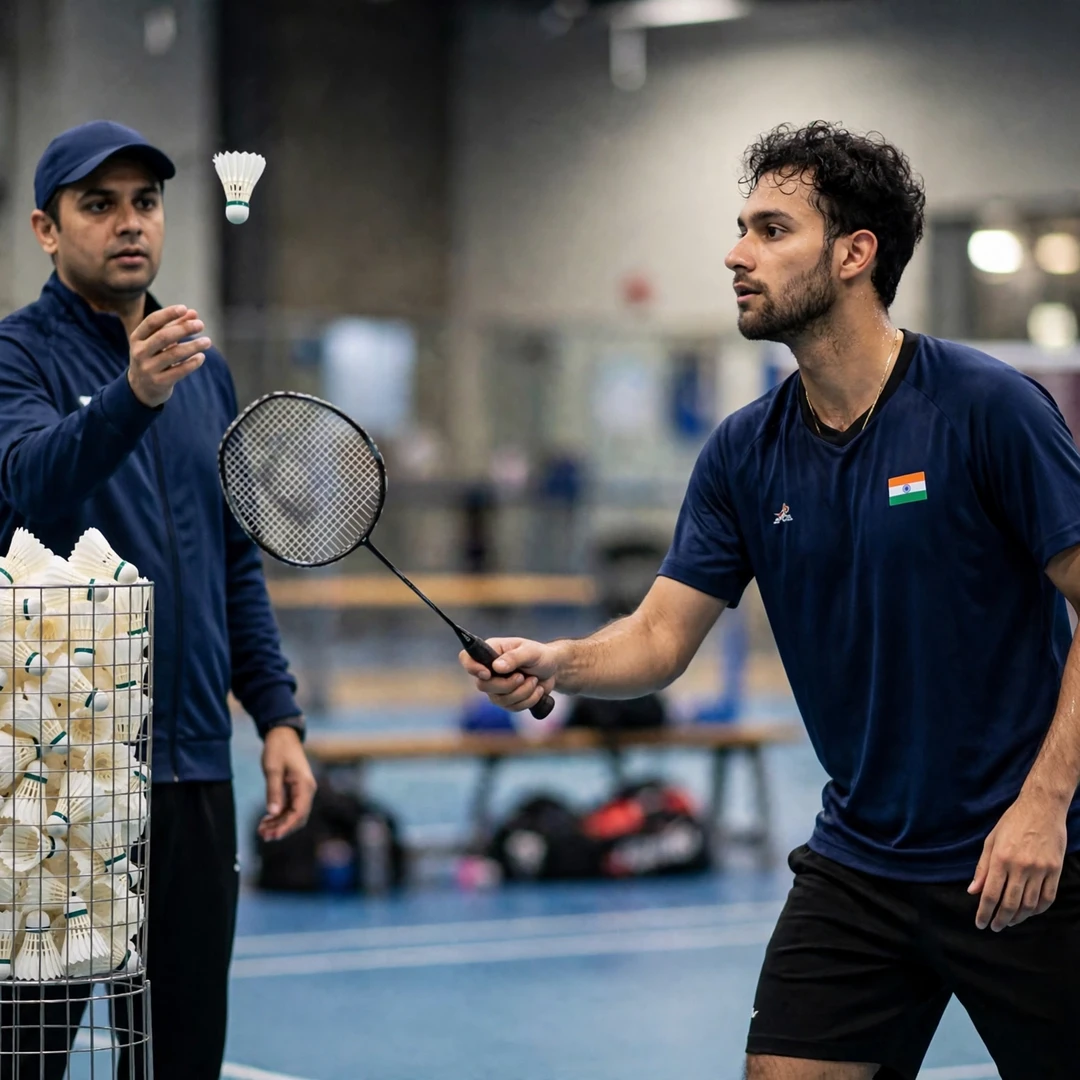
Mental Strength
Attack With Patience: Lessons From a Late Bloomer
Young players studying Manraj should start with the timeline, because it contradicts the sport’s rush. He played no senior badminton before eighteen — none — on professional advice, while peers were already ranked. Two years later he was world No. 56 with four senior titles. Development done in the right order does not look slow in the end; it looks sudden. The junior who is kept back to master technique, footwork and physical readiness is not losing ground — he is storing it, and Manraj’s compressed senior rise is what stored development looks like when it is finally spent.
His manner carries the same lesson. The reporters in Lucknow found a stark contrast: relentless on court, tongue-tied off it — a young man from a Faridabad neighbourhood court, still relishing the experience of simply sharing a court with players he grew up watching. There is no manufactured persona and no excuses after defeats; there is gratitude to his family, his local coaches and his academy, and a set of targets he can recite without hesitation. Feet on the ground, eyes on the world, as one headline put it: that combination — humility about the present, certainty about the destination — is a competitive skill in itself.
Practical lessons from his journey include mastering each circuit level before stepping up, as he did from Future Series to International Series to International Challenge titles in five months; treating ranking points as a calendar to be planned, because titles expire after 52 weeks whether you plan or not; building net skills that manufacture your attacks instead of waiting for them; keeping one stable coaching base for years; and measuring yourself against your own last season rather than the prodigy on the next court. None of this requires talent scouts or television cameras — it requires sequence, patience and structure.

Learning Reference
ST Badminton Academy Connection
ST Badminton Academy has no official partnership or endorsement from Manraj Singh. He is not connected with our academy, and this profile is published purely as an educational case study for parents and junior players who want to understand how a player from Faridabad went from unranked to world No. 56 in two years — and what he is doing to climb back.
Many of our students from Malaysia and visiting learners from Singapore study his matches to understand attacking structure: how net control earns the smash, how height and reach can be turned into constant pressure, and how the Syed Modi win over H. S. Prannoy was constructed shot by shot. His Kampala finals — won a week apart in tournament level and again at Challenge level five months later — are used in our discussions of how to master one level of competition before chasing the next.
We encourage our students to observe his front-court hunger, his willingness to attack decisively once the rally is built, and his refusal to be discouraged by a ranking slide he understands better than anyone — and to notice that his rise ran through local courts in Faridabad and an academy hall in Bengaluru, through small titles in Kampala, Manama and Iran, not through a single televised breakthrough. Sometimes a career is built one level at a time, very fast, by a player who was never in a hurry until it mattered.
FAQs: Manraj Singh Indian Badminton Player
Here are answers to common questions about Manraj Singh’s career, achievements and what young players in Malaysia can learn from the Faridabad player’s rise from No. 844 to the world’s top 60.
Who is Manraj Singh and which country does he represent in badminton?
Manraj Singh is an Indian professional badminton player competing in men’s singles. Born on 5 August 2005 in Faridabad, Haryana, he started the game on local courts alongside his father and elder brother, was coached locally by Anshul Mehta and Ashok Mehta, and now trains at the Prakash Padukone Badminton Academy in Bengaluru under Sagar Chopra. He reached a career-high BWF world ranking of No. 56 in September 2025 and stands at No. 114 in the Week 43 rankings of 20 October 2026 with 16,470 points.
What are Manraj Singh’s biggest badminton achievements?
Manraj’s biggest achievements are his four senior international singles titles won in five months — the Kampala International 2024, the Bahrain International Series II 2024, the Iran Fajr International Challenge 2025 and the Uganda International Challenge 2025 — together with his career-high world ranking of No. 56 and his quarter-final at the Syed Modi India International 2025, where he beat H. S. Prannoy. Add a Lagos International Classics semi-final, a Malaysia International Challenge quarter-final and a Philippine International Challenge semi-final, and it is a remarkable record for a player who played no senior badminton before August 2023.
What is Manraj Singh’s playing style?
Manraj is a right-handed, all-out attacking player. He uses his height to take the shuttle early and hit steeply, keeps opponents under incessant pressure with flat drives, and — the key to his system — plays heavily at the net to force the lifts his smash feeds on. His coaches built a wide range of strokes underneath the attack during his junior years, and he models his ambitions on his idol, Lee Chong Wei: speed, control of the front court, then the decisive kill.
How did Manraj Singh reach his career-high ranking of No. 56?
Manraj reached world No. 56 on 2 September 2025, on points accumulated in layers: the twin International Challenge titles in Iran and Uganda (4,000 points each), the Bahrain and Kampala titles beneath them, a Lagos International Classics semi-final (2,800 points) and a Malaysia International Challenge quarter-final (2,200). The ranking was the summit of a climb that began at No. 844 in August 2023 — he entered the top 100 at No. 75 in February 2025, days after the Uganda title, and kept climbing all summer.
How can my child learn from Manraj Singh’s training approach?
Young players can study Manraj’s approach by copying its sequence: junior development completed properly before senior competition, a stable academy base over years, and attacking skills built on top of footwork and net control rather than instead of them. At ST Badminton Academy we use his Syed Modi win over H. S. Prannoy as a video lesson in how net play manufactures smashes, then train the same patterns in front-court and rally-building drills — attack as a system, not a mood.
Did Manraj Singh win any junior titles?
Manraj’s junior years were deliberately kept low-profile: on his coaches’ advice he played only junior badminton and did not chase senior events or junior international titles before turning eighteen, so his trophy record begins entirely at senior level — the Kampala International title at nineteen was his breakthrough. His story shows junior titles are not the only path: a complete junior development, finished patiently, can convert directly into senior titles within eighteen months of starting.
What are Manraj Singh’s best senior international results?
Manraj’s best senior results are his four titles — Kampala International 2024, Bahrain International Series II 2024, Iran Fajr International Challenge 2025 and Uganda International Challenge 2025, where he beat Dicky Dwi Pangestu 21-10, 17-21, 21-18 in the final — plus a Uganda International Series runner-up finish in 2024, a Lagos semi-final and Malaysia International Challenge quarter-final in 2025, a semi-final at the Philippine International Challenge 2026, and his Super 300 quarter-final at the Syed Modi 2025, where he beat S. Sankar Muthusamy Subramanian and H. S. Prannoy in consecutive rounds.
What playing style should young players learn from Manraj Singh?
Young players should study Manraj’s controlled aggression: the net skills that earn the attacking chance, the discipline to keep the pressure on for three games rather than three rallies, and the patience to master one level of competition before stepping up. Just as important is the mindset — a player who started senior badminton at eighteen, reached No. 56 by twenty, and responded to a points slide by going back to work in the same halls that built him.
Does ST Badminton Academy have any connection with Manraj Singh?
No, Manraj Singh is not a student, coach or ambassador of ST Badminton Academy. He represents India and developed through local coaching in Faridabad and the Prakash Padukone Badminton Academy in Bengaluru. However, coaches at our academy in Kuala Lumpur regularly use his matches as teaching material, because his rise — junior patience, four titles in five months, a win over a World Championships medallist — shows what sequenced development and structured attack can achieve.
Manraj Singh Career Highlights
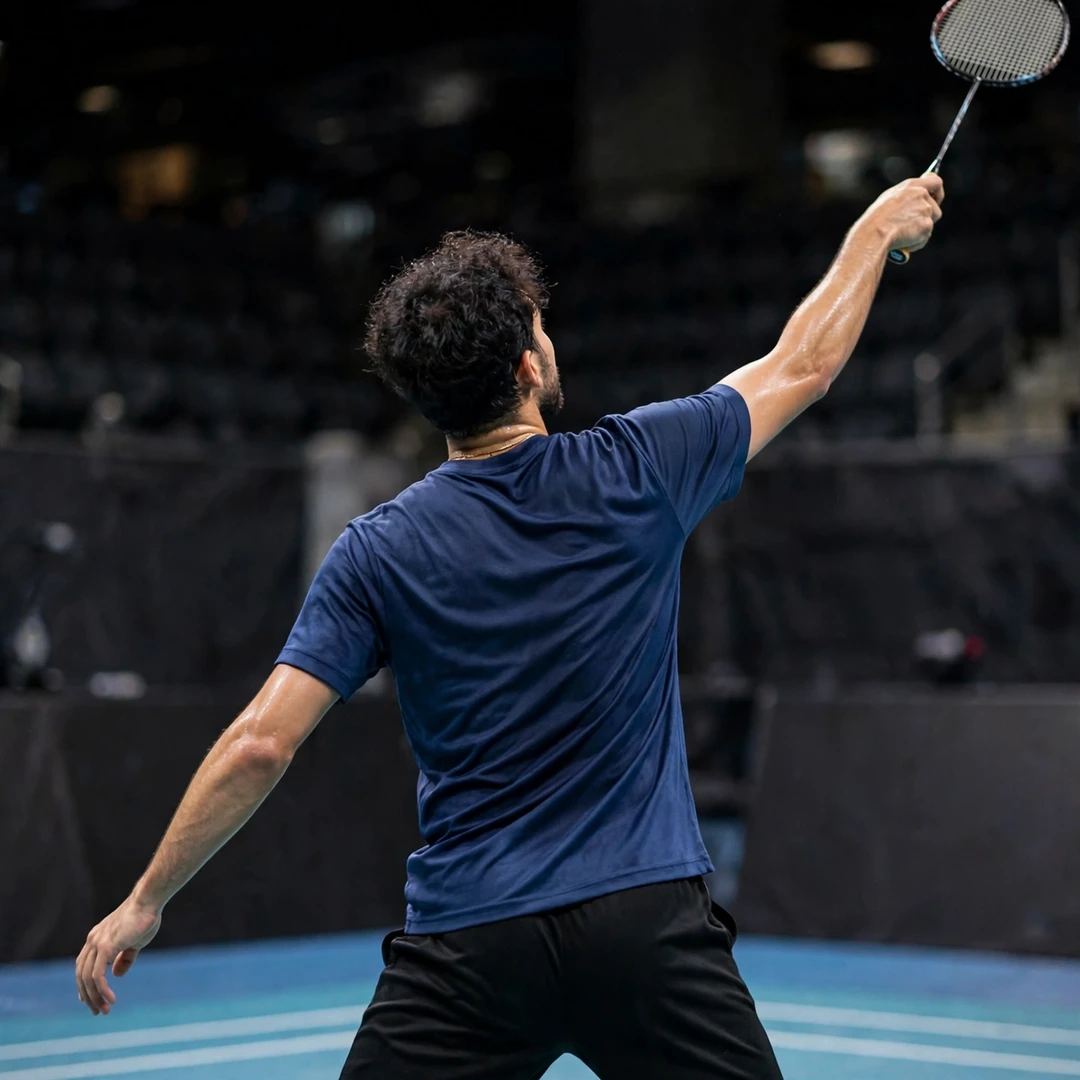
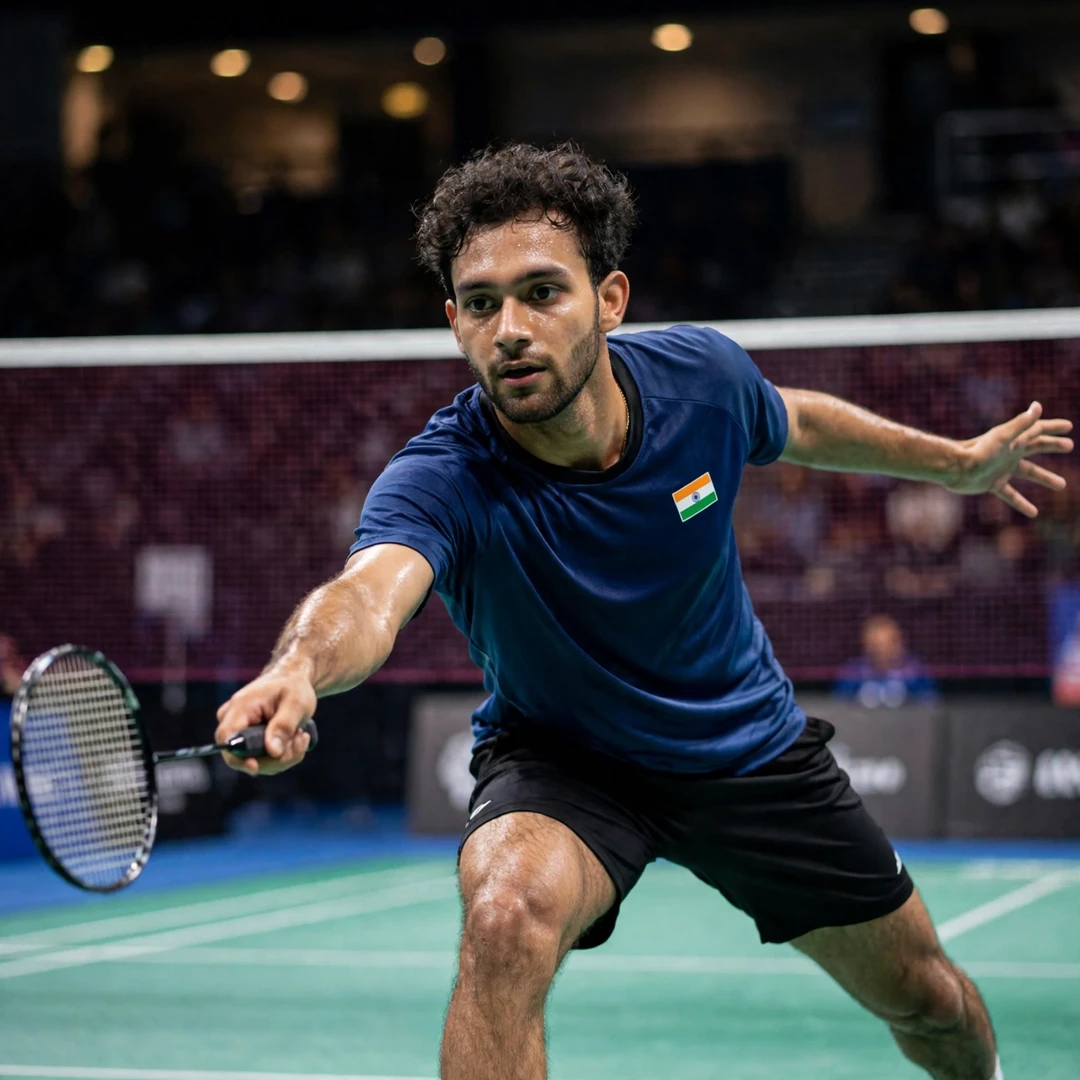
Career Statistics and Rankings
Manraj Singh, born 5 August 2005 in Faridabad, India, has compressed a decade of development into three senior seasons: a first world ranking of No. 844 in August 2023, four senior international titles in five months, a career-high world ranking of No. 56 in September 2025, a famous straight-games win over H. S. Prannoy — and, at world No. 114 in October 2026, a rebuild already under way after his title points expired.
| Development Area | Common Misconception | What Manraj Singh's Career Shows REALITY |
|---|---|---|
| Junior Foundation | Talent alone decides who becomes a champion. | Manraj played only junior badminton until he turned eighteen, on his coaches' advice — first ranked No. 844 in August 2023, he reached world No. 56 two years later: a structured junior base came first. |
| Playing Style Priority | Kids should copy the flashiest attacking shots. | Manraj built a complete game first; his all-out attack became far more dangerous once footwork, net control and rally patience were built underneath it. |
| Fitness Importance | Juniors can out-train everyone without rest. | Manraj's ranking fell from No. 66 to No. 114 in 2026 because his 2025 title points expired after 52 weeks — he answered with a Manila semi-final, rebuilding through planning, not panic. |
| Mental Approach | Top players never get nervous or upset. | Manraj is a quiet, tongue-tied young man off court who becomes relentless on it, and he keeps returning after heavy defeats — mental skills are trained, not inherited. |
| Attacking Training | Smashing harder is always the answer. | His 21-15, 21-18 win over H. S. Prannoy at the 2025 Syed Modi International came from incessant, controlled pressure and extra net play, not raw power. |
| National Milestones | Only world titles matter. | Manraj's four senior titles — Kampala, Bahrain, Iran and Uganda between September 2024 and February 2025 — built his career one circuit level at a time; milestones build a career step by step. |
| Career Timeline | Champions peak once and fade fast. | From a first world ranking of No. 844 in 2023 to a career-high No. 56 and a Super 300 quarter-final in 2025, Manraj proves sustained development beats a short peak. |
Study Manraj Singh's Work Ethic and Professional Approach
This profile explains who Manraj Singh is, his major achievements, and what developing players can learn from his journey. Whether you are a parent in Kuala Lumpur, Cheras or anywhere in Malaysia wondering whether your child has started too late, Manraj's story carries the answer: he played no senior badminton until eighteen and was world No. 56 by twenty — book a trial class with ST Badminton Academy on WhatsApp at +60 17-684 2136 and let your child begin a development journey built in the right order.