Best Badminton Class in KL: Learning When Rackets and Experience Differ
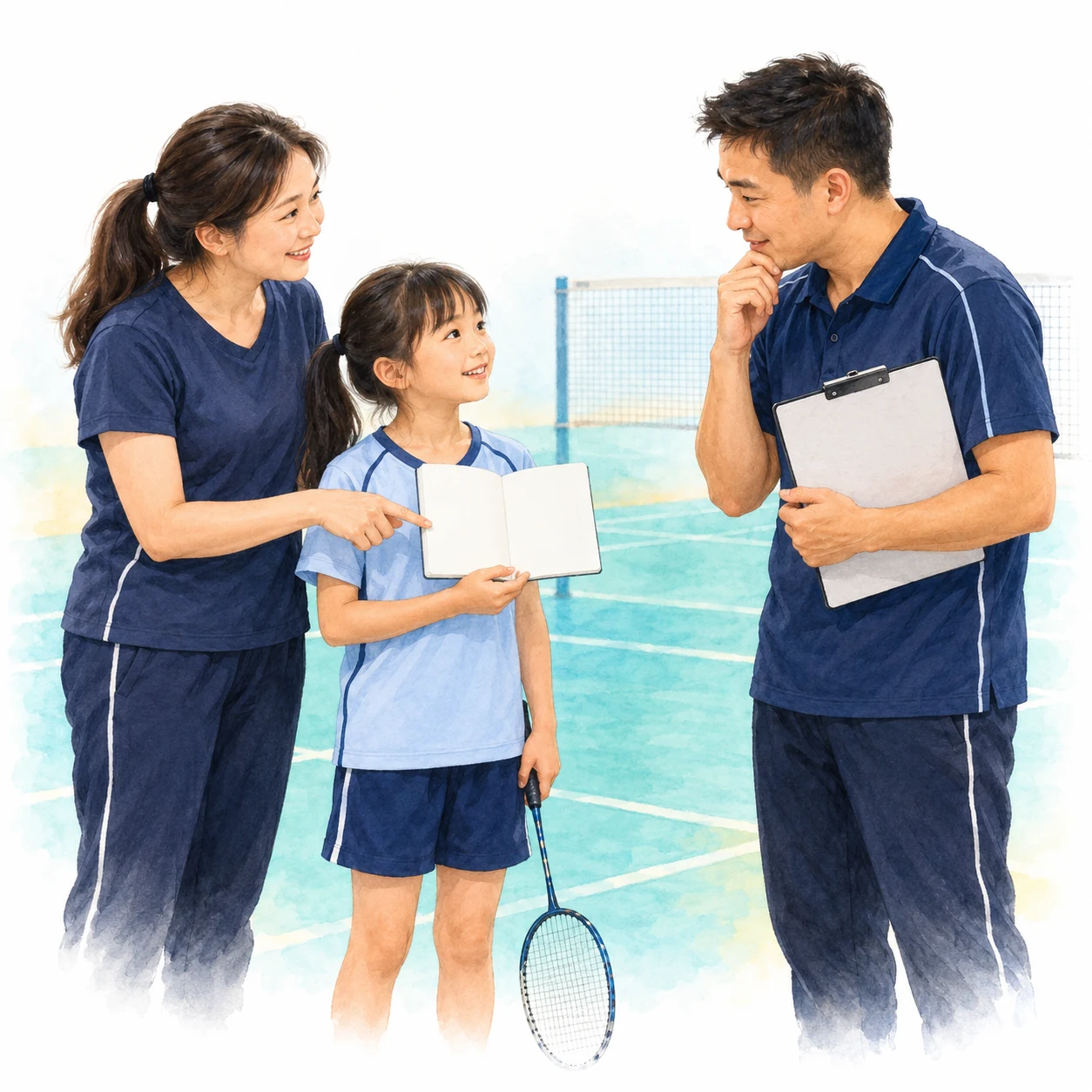
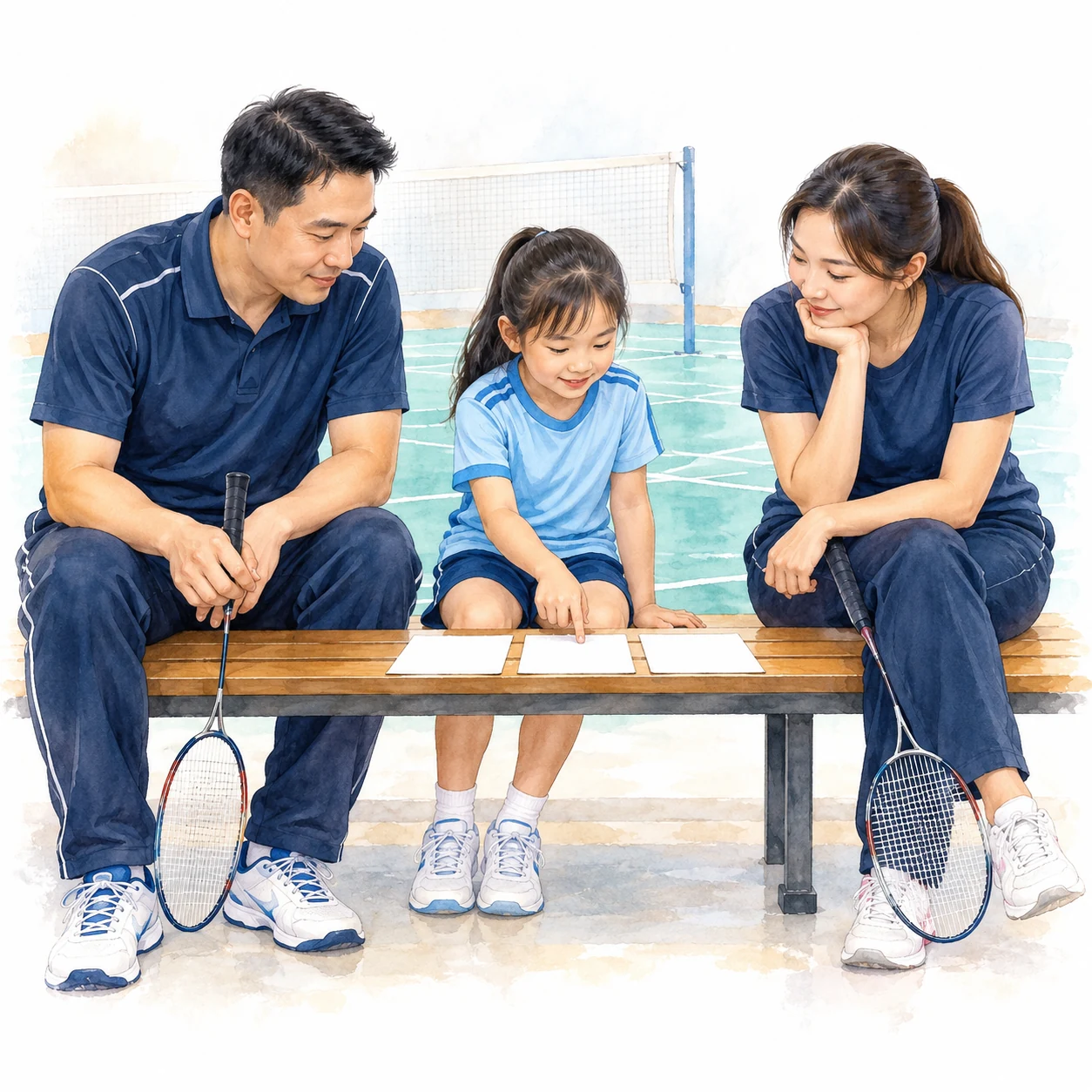
Different rackets and playing experience do not tell you, by themselves, what a child needs to learn next. Start with the activity, the learner’s understanding and the coach’s observation. Ask about equipment suitability separately from a judgement about the child’s ability. Families searching for the best badminton class in KL may notice another student’s newer racket or smoother-looking attempt and wonder whether their own child needs the same setup. That comparison can skip the actual teaching question. This guide explains what parents can ask when considering a badminton class for kids at ST Badminton Academy in Kuala Lumpur. It does not prescribe a racket, string tension or purchase. Images are AI-generated educational illustrations with generic people, not photographs of Eric Chuar or actual students.
Start with the activity
What is each learner being asked to understand?
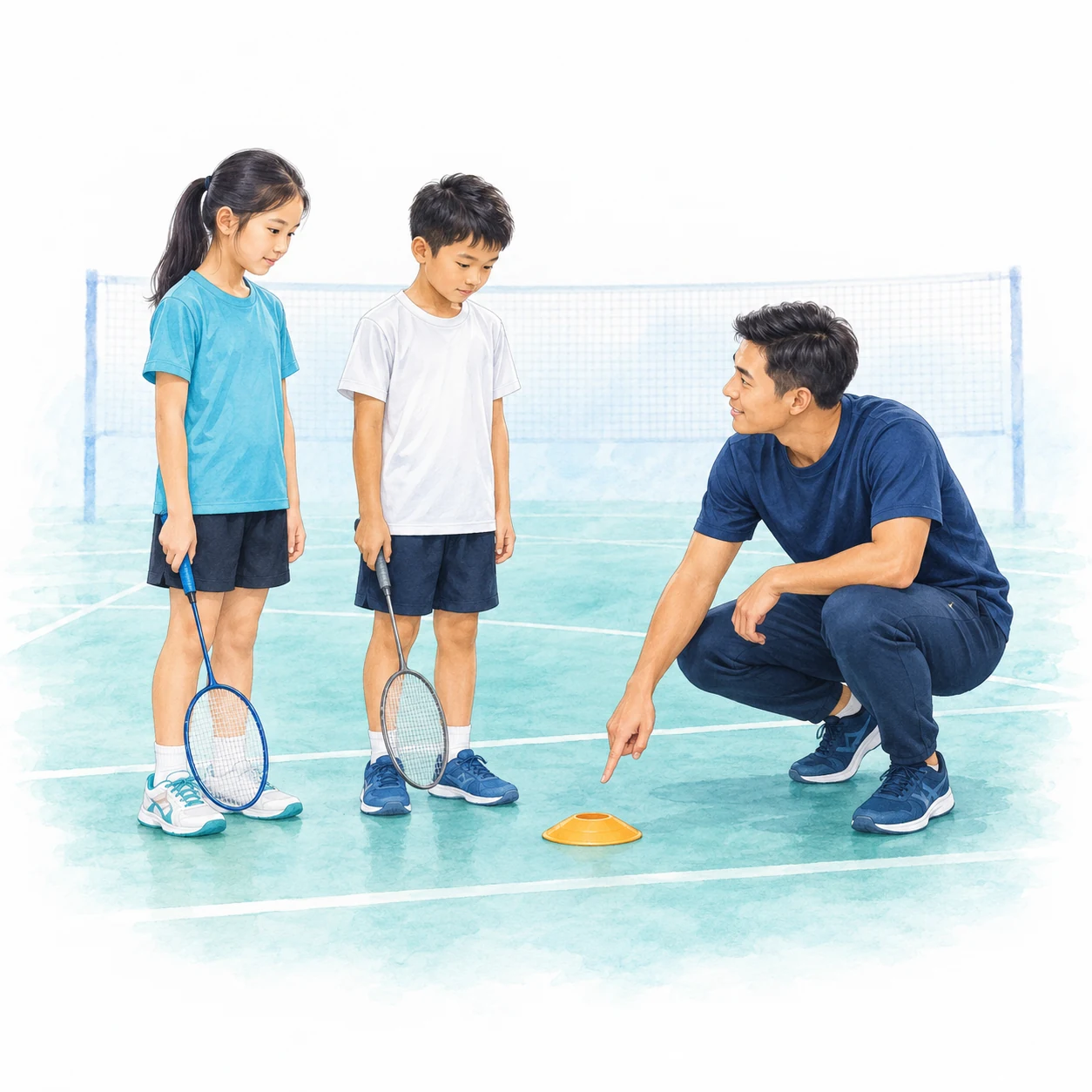
Before comparing equipment, ask what the current activity is intended to teach. Two children standing near each other may be receiving different cues or different amounts of assistance. One may be learning how to begin the task, while another is practising a choice within an already familiar activity. Those are possible examples, not statements about a particular class. A visible difference in performance should be discussed with that context. The useful question is whether each learner has a task they can understand and a relevant next action.
A parent may see a missed shuttle and immediately look at the racket. The responsible coach needs to consider the activity and the learner before deciding what deserves attention. Describe what happened and ask which observation is useful. Do not assume a technical cause from the result alone or turn every unsuccessful attempt into a shopping problem. A clear explanation can distinguish an equipment question from an instruction the child has not understood. Both may be worth discussing, but they should not be collapsed into one automatic answer.
Understand the starting experience
How does previous practice affect what you see?
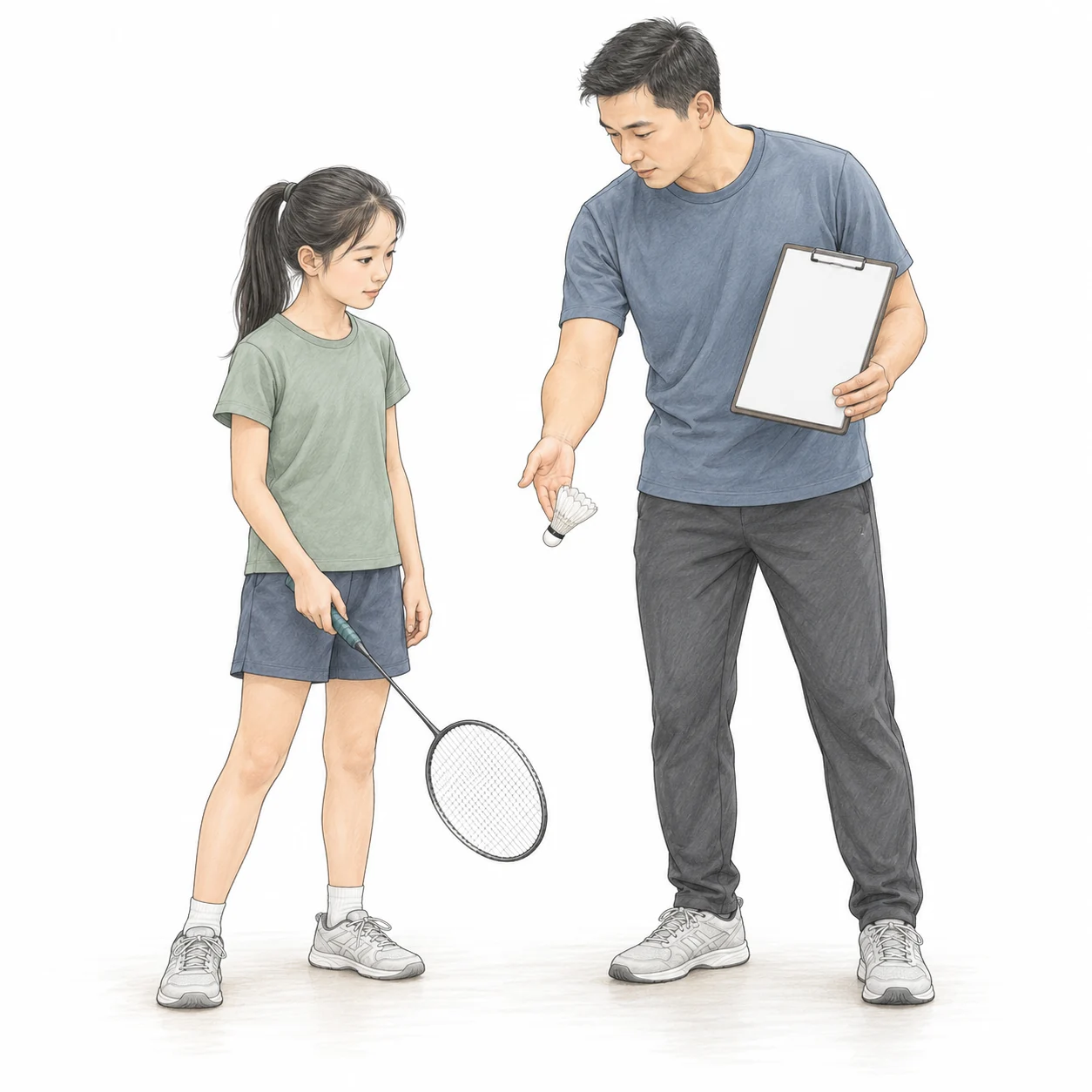
Ask about your child’s actual experience rather than compare only age or size. A learner who has attended more sessions may recognise a familiar activity more quickly. Another child may have played informally but still be learning the purpose of a structured task. Neither background establishes every next step. Explain what the child has tried and what seems clear or uncertain. This helps the coach assess a starting point without relying on a broad label such as ‘advanced’ or ‘complete beginner’ as a full teaching plan.
Keep experience information factual. ‘Has played with family and has not attended a regular class’ tells the coach more than a promise that the child can already do all basic shots. Equally, saying that the learner knows nothing can hide useful familiarity. The teacher can check the activity and choose a suitable starting task. When observing classmates, remember that their history may be different and is not yours to inspect. The family’s enquiry should focus on its own child’s learning needs, not requests for another student’s private assessment.
Ask about suitability
What equipment question should go to the coach?
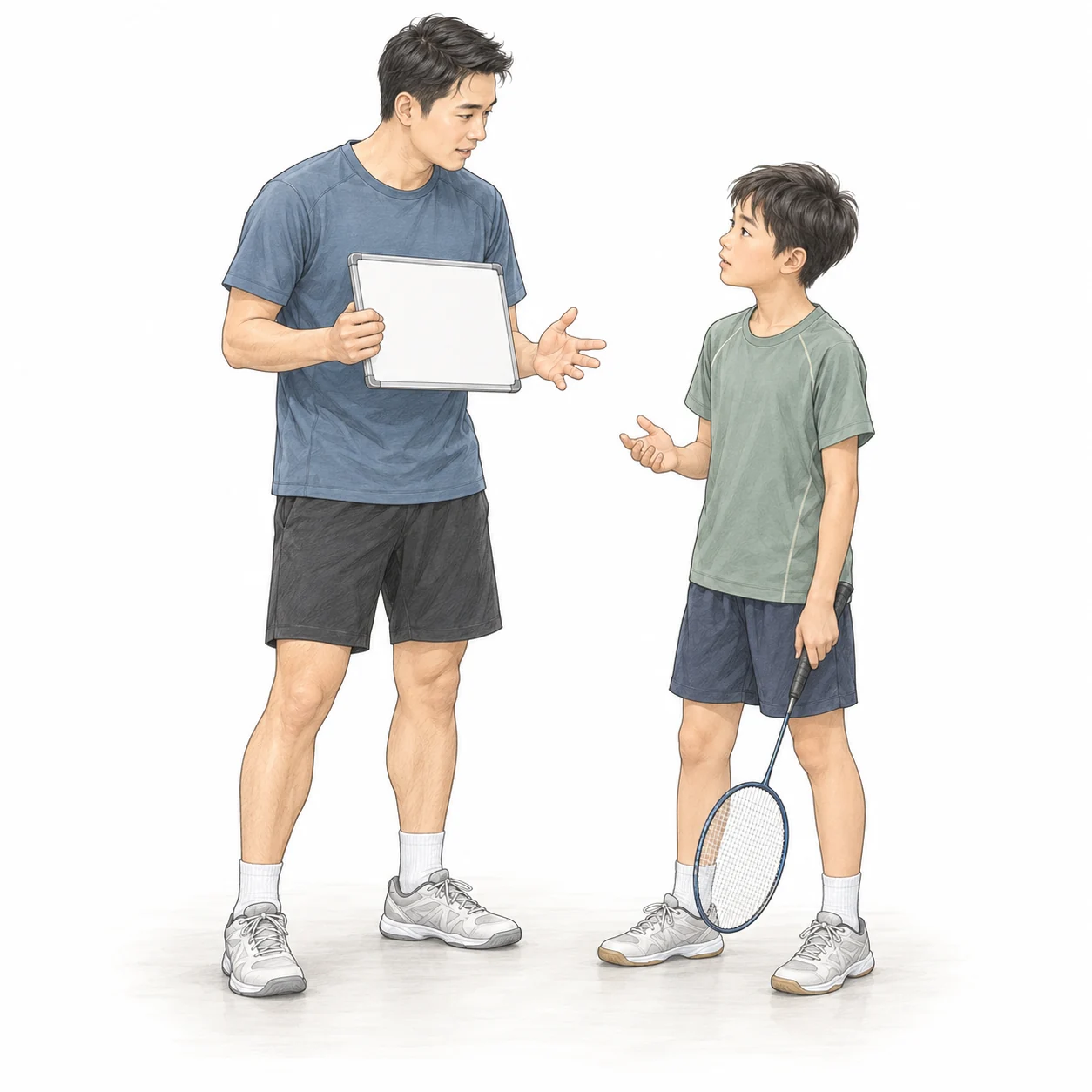
If you are uncertain whether the child’s current racket is appropriate for the planned activity, bring that question directly. Let the coach see the actual equipment and learner rather than prescribe a change from a photograph or another child’s setup. Ask what needs checking and why. This guide gives no universal specification, brand recommendation or string tension. A useful answer relates the equipment question to the learner and task. The family should understand the reason for a proposed change before treating a purchase as part of the learning solution.
Also distinguish suitability from preference. Another student may use a racket because of a personal choice, earlier purchase or different experience. Its appearance does not establish what your child needs. Ask whether the present equipment can be assessed before buying something else and what information the provider needs. Confirm current class requirements directly. Do not assume an academy provides loan rackets, includes equipment in fees or requires a particular model because an illustration shows one. The actual arrangement, rather than a visual example, should guide practical preparation.

Compare learning rather than possessions
What should parents notice instead of the newest racket?
Look for a link between explanation, attempt and feedback. Does the child know the activity’s purpose? Is the cue manageable? Does the next response help clarify something relevant? These observations address teaching quality more directly than the equipment’s appearance. A learner can still need explanation while holding an expensive-looking racket, and a simple-looking setup does not establish poor instruction. Parents can ask how an equipment concern relates to the task without allowing possessions to become the measure of a child’s place in the group.
Help the child describe a practical difficulty instead of comparing ownership. ‘I do not understand what I should try with this activity’ gives the coach a teaching question. ‘My racket is not like my friend’s’ may identify a concern, but it does not settle its relevance. Listen and ask what makes the difference important to the child. The coach can then consider the actual task and equipment. Avoid responding with an immediate promise to buy the same item before the question has been understood.
Keep tasks appropriate
Can students with different experience practise meaningfully together?
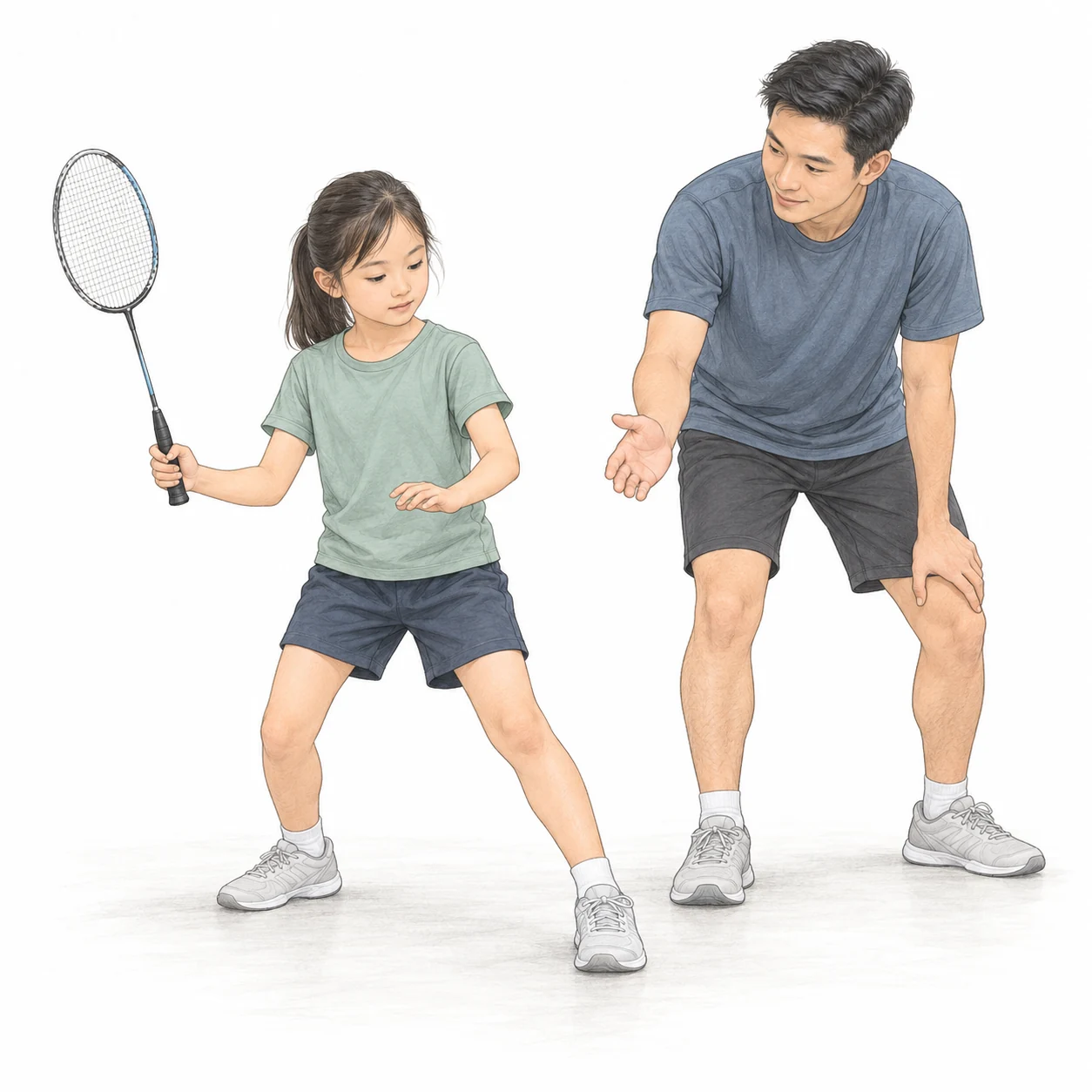
Ask how the provider makes the activity understandable for learners with different starting points. The answer might concern the cue, task difficulty, assistance or how turns are organised. These are questions about the actual teaching arrangement, not a claim that every class uses a particular grouping system. A meaningful activity should have a relevant purpose for the learner. Identical-looking attempts are not automatically equal learning opportunities if one child understands the task and another is only copying without explanation.
Parents can enquire about the starting observation and how the next task is chosen. A class title or age range alone may not tell you how experience is considered. Give a factual account of your child’s previous practice and ask what current arrangement is suitable. Do not request a guarantee that all classmates will have identical equipment or ability. Learning differences can be discussed through teaching choices without turning the group into a ranking. The family needs clarity about its learner’s task and support, not control over everyone else’s possessions.
If an activity seems too unfamiliar or too easy, describe what you noticed and ask how it relates to the goal. More difficult-looking movement does not automatically mean more relevant learning. The coach may be checking a detail that is not obvious to a spectator. A clear explanation should connect the chosen activity to the learner’s current need. Parents can respect that judgement and still ask for an understandable reason. Keep the discussion about the actual task rather than infer suitability from one comparison with a friend.
Review a proposed change
What should follow an equipment adjustment or a different task?
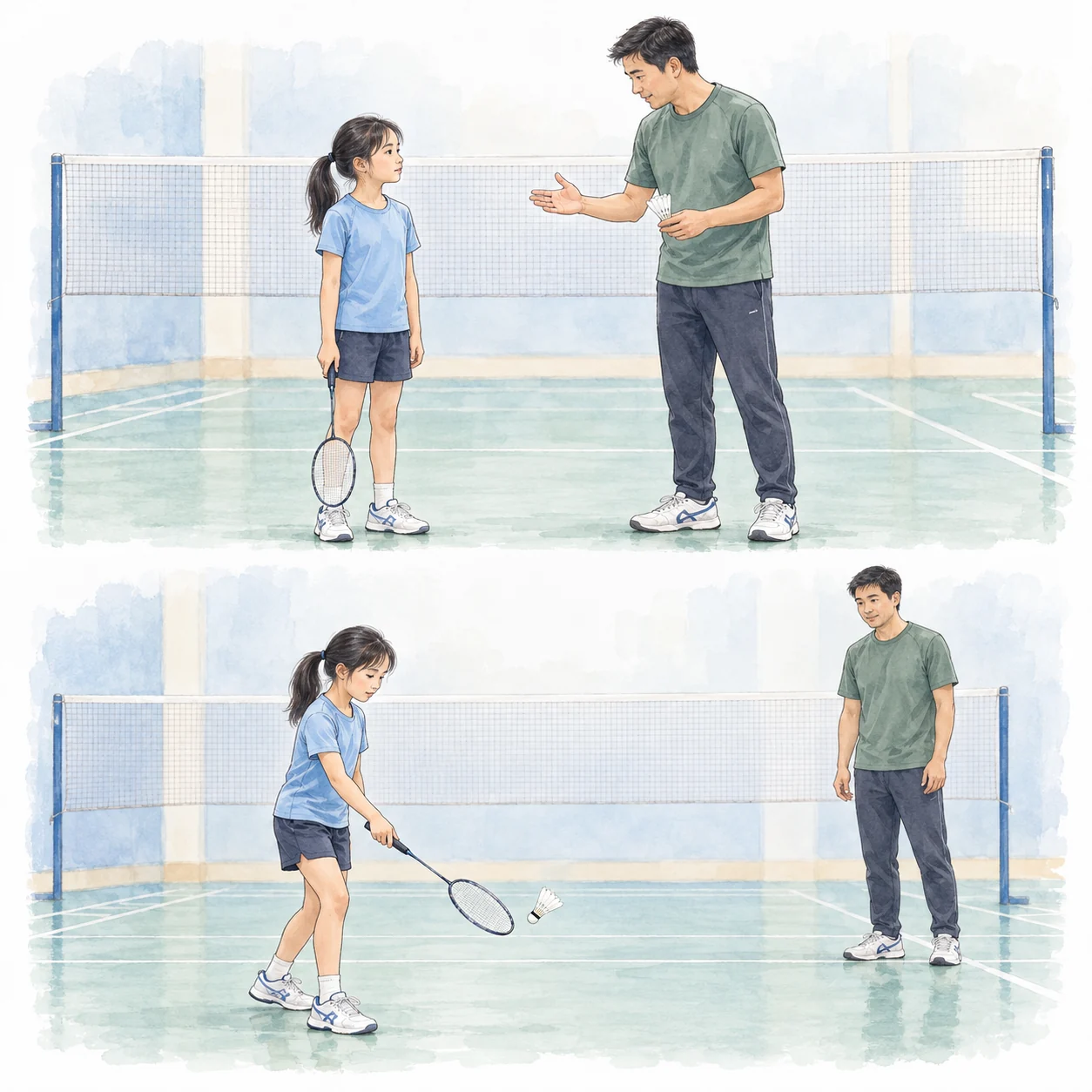
If the coach suggests an equipment change, ask what it is intended to help and how that question will be reviewed. The answer should not be reduced to a promise that a new purchase automatically improves results. Keep the activity and instruction visible after the change. A different racket may prompt a practical observation, but the learner still needs a clear task and suitable feedback. The family can discuss what seems clearer and what remains difficult without attributing every later success or mistake to the item alone.
If the main response is a revised cue or starting activity, review that teaching choice too. Ask whether the child can understand the purpose and attempt the task with appropriate support. Do not use one improved shot as proof that the equipment question never mattered, or one mistake as proof that a more costly setup is necessary. The coach’s observation, the actual equipment and the learner’s understanding should remain connected. A useful review helps choose the next action rather than search for a single explanation that must account for every result.
Choose using relevant evidence
How does this help you find a suitable badminton class in KL?
When comparing badminton academies, ask how they discuss a learner’s experience and equipment concerns before proposing a task. Listen for an explanation tied to the actual child rather than a universal promise based on possessions. Playing background and qualifications may provide context for a coach, while the teaching response still matters. A former national player may assess and explain carefully; a playing title alone does not show how a particular beginner will be supported. Observe how the question becomes a clear starting activity and a relevant check.
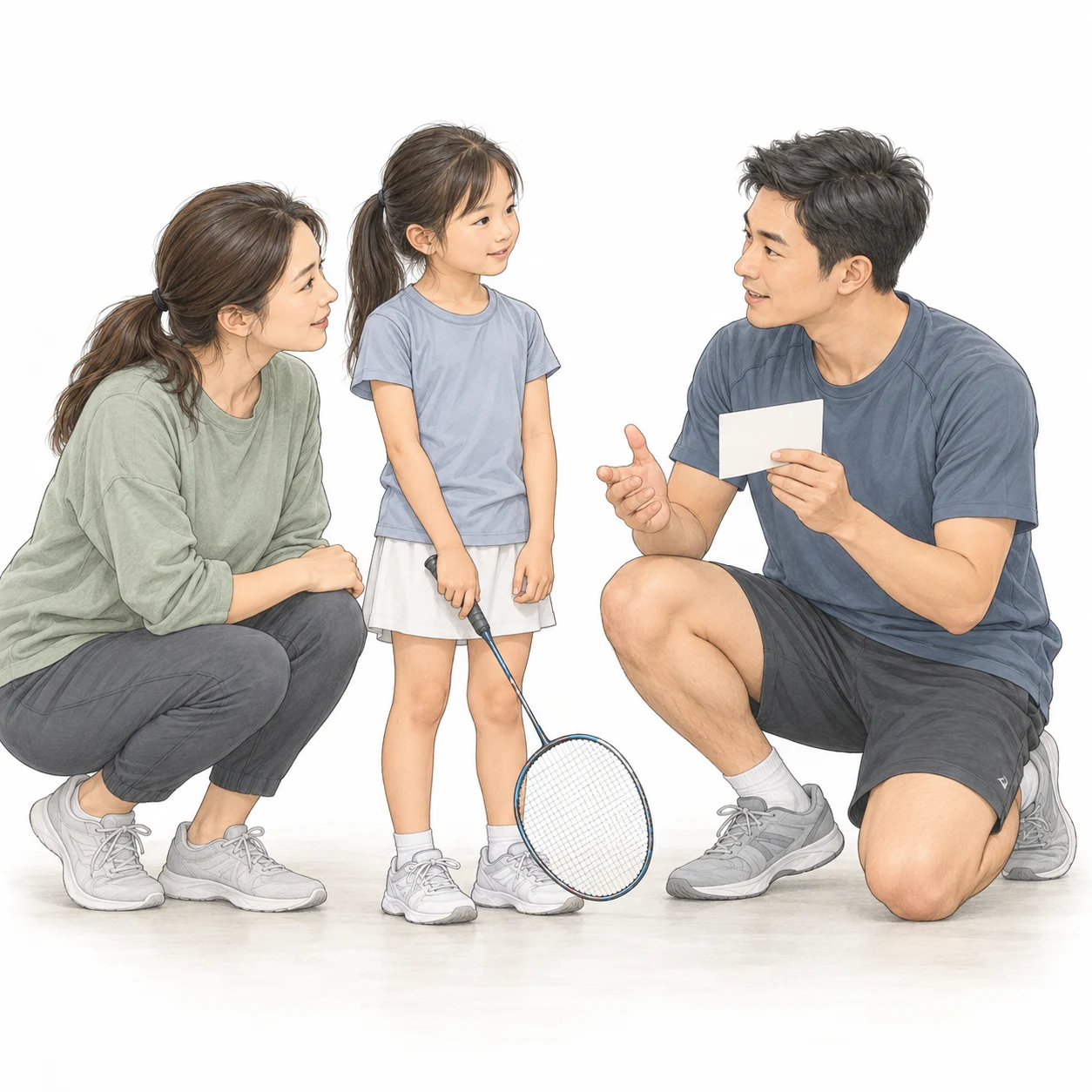
An ST Badminton Academy enquiry can state what your child has previously tried and describe the equipment question without choosing a solution in advance. Ask what information is useful for discussing a suitable class in Kuala Lumpur and what current preparation requirements apply. The application starts that conversation; equipment provision, availability and suitability require confirmation. You do not need to copy a classmate’s purchase to ask a useful question. Understanding the learner’s task and the reason for a proposed change gives the family a more practical basis for deciding what to do next.
Different rackets and experience in badminton class
The task and the learner provide context for an equipment question. These answers guide a discussion with a coach rather than recommend a purchase or technical specification.
Does a classmate’s newer racket show what my child needs?
No conclusion follows from appearance alone. The classmate’s experience, preferences and task may differ. Ask the coach to consider your child’s actual equipment and learning activity. Understand the reason for any proposed change before treating a purchase as the solution. Possessions should not become a measure of ability or teaching quality.
Does a missed shuttle prove the racket is unsuitable?
Not by itself. The task, instruction and learner’s understanding matter when interpreting the attempt. Describe the result and ask what the responsible coach observed. An equipment question may be relevant, but a single outcome does not identify the cause or justify a particular purchase without assessment.
What previous experience should I describe in an enquiry?
State what the child has actually tried, such as informal family play or earlier classes, and mention a task that remains unclear. Avoid claiming all basics are complete or that no useful familiarity exists. The coach can use factual information to discuss a starting observation and suitable teaching arrangement.
Should beginners copy the setup of an experienced student?
Ask about the learner and task before copying equipment. Another student’s setup may reflect a different history or preference. This article gives no brand, tension or specification recommendation. A useful conversation explains what needs checking in the child’s current equipment and why a change may or may not be relevant.
What can I observe apart from equipment?
Notice whether the explanation, attempt and feedback connect. Does the child understand the activity and know a manageable next action? Ask how a practical equipment concern relates to that task. These teaching observations can provide more relevant evidence than judging a class by the appearance or price of its rackets.
Can children with different experience join the same activity?
Ask how the actual programme considers starting points, cues, assistance and difficulty. The provider’s answer matters; this guide does not guarantee a grouping method. Identical-looking activities are not automatically identical learning opportunities. Explain your child’s experience and enquire about a task and arrangement that make sense for that learner.
Does STBA provide equipment or require a particular racket?
Confirm current preparation requirements directly with the academy. An educational illustration does not establish equipment provision, included fees or a model requirement. Bring the practical question and ask what information is needed about the learner and current setup. Use the actual response when deciding how to prepare.
How should an equipment change be reviewed?
Ask what question the change is intended to help and keep the activity and instruction visible afterwards. Discuss what is clearer and what remains difficult. Do not attribute every result to the new item or promise automatic improvement. A useful review connects equipment, teaching purpose and the coach’s actual observation.
What should I send in an STBA class enquiry?
Describe the learner’s previous experience and the specific equipment or task concern. Ask about current Kuala Lumpur class arrangements and preparation information. You do not need a diagnosis or purchase decision first. An application begins discussion; availability, equipment arrangements and suitability still require confirmation.
Educational illustrations: tasks, equipment questions and learning support
Four questions when equipment and experience differ
Identify the activity and describe the child’s previous practice factually. Ask the responsible coach whether the actual equipment raises a relevant question, then clarify the reason for any proposed change. Review the task and support rather than compare possessions or assume one result establishes a cause. Confirm the programme’s current preparation arrangements directly so the family can make a practical decision based on the learner’s needs.
| Situation | Adds confusion | Supports learning Compare the evidence |
|---|---|---|
| Starting point | Assume identical experience from age | Describe what the learner has actually tried |
| Missed shuttle | Treat one result as a purchase diagnosis | Ask about the task and actual observation |
| Classmate’s racket | Copy the appearance without assessment | Discuss the child’s current setup and need |
| Class activity | Judge learning only by identical-looking attempts | Ask how purpose and support fit the learner |
| Preparation | Infer equipment provision from an illustration | Confirm current programme requirements |
| Proposed change | Promise every result will improve automatically | Explain the reason and review relevant evidence |
Discuss your child’s starting point for a badminton class in KL
Tell ST Badminton Academy about the learner’s previous practice, current equipment and the question you want clarified. Ask what information helps discuss a suitable badminton class in Kuala Lumpur and what current preparation requirements apply. The application opens the conversation. Confirm availability and practical arrangements directly, and understand the teaching reason before choosing an equipment change or copying another student’s setup.