Best Badminton Class in KL: A Useful Parent Note That Does Not Become Homework
A useful parent note is short, factual and connected to one learning question. Record the task the child attempted, what was actually observed and the point you want clarified. Do not turn the note into a daily scorecard or a second homework programme. Families searching for the best badminton class in KL often want to understand progress without adding pressure after school. A small note can support a conversation with the coach, but the value comes from its meaning rather than its length. This guide explains a light approach for badminton class for kids enquiries at ST Badminton Academy in Kuala Lumpur. Confirm the provider’s actual communication route. Images are AI-generated teaching illustrations of generic people, not photographs of Eric Chuar or real students.

Choose the purpose
What question should the note help answer?
Begin with the reason you want to write. You may need to remember a cue the child found unclear or describe an activity before the next conversation with the coach. That is different from documenting every result to prove whether training is worthwhile. Choose one question that connects to what the learner was actually taught. A note with a clear purpose can be brief. Without that purpose, a growing record may add information while leaving the family no closer to understanding the next task.
Ask whether a note would be useful for the relevant programme and when it can be discussed. The coach may prefer a short description at an agreed time or information through an existing channel. Do not introduce a compulsory reporting system for the family or assume staff will assess a daily diary. A parent’s note is optional support for communication, not an automatic part of the academy’s teaching process. The actual arrangement should explain how a relevant question can receive attention without interrupting supervision.

Describe the task
What belongs in the first line?
Name the activity in ordinary words and retain the purpose you understood. For example, a hypothetical note might say that the child tried sending a gently hit shuttle toward an agreed area while using one cue. This is a description, not a technical diagnosis or proof of a level. Include the date if it helps identify the session. A phrase such as ‘bad at badminton again’ provides far less useful information because it turns one situation into a broad label.
Do not worry about writing the most sophisticated terminology. If a technical word is unclear, record that uncertainty as a question rather than guess. The coach can explain the intended activity. A clear account of what the child was asked to try is more useful than a polished report containing assumptions. Keep the learner’s own wording available where it matters, without pretending that a parent’s memory reproduces every sentence exactly. The note should make the conversation easier to begin, not give an appearance of expert assessment.
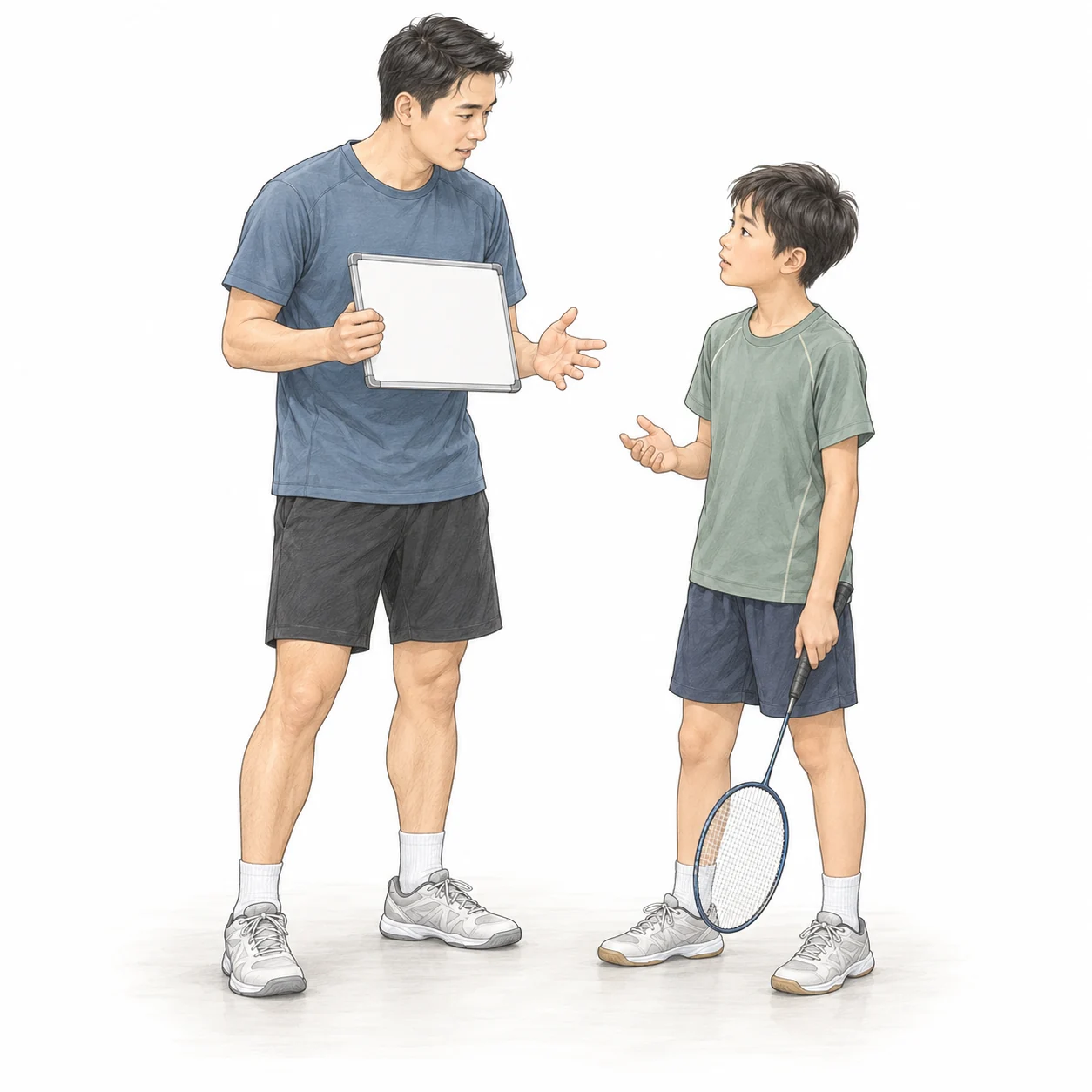
Keep observation separate from interpretation
How can one factual detail improve the conversation?
Write what happened before explaining what you think it means. ‘The child asked for the starting action to be shown again’ is an observation. ‘The child has no concentration’ is an interpretation that the event does not establish by itself. Keep those categories separate. A factual detail can help the coach understand the learning question without requiring a fixed conclusion about the child. The teacher can consider the task, cue and support before choosing a response.
Also note assistance if it is relevant. An activity attempted with repeated reminders gives different information from the same activity started without them. This is not a reason to value only independent attempts or withdraw help abruptly. It is a way to preserve the context of what you observed. Ask the coach which detail matters for the current task. The family does not need to count every reminder or every shuttle. One useful example can be enough to avoid an overly broad claim about success or difficulty.

Include the child’s question
Can the learner contribute without being interviewed after every class?
Offer a small opening for the child to describe what was clearer or what they would like to ask. Do not require a complete account after every lesson. A learner may want time to rest or may not yet have words for the uncertain part. Keep participation proportionate and respect the difference between a relaxed conversation and a test. If the child offers a useful question, record the meaning simply. The family can discuss it at the agreed opportunity instead of expecting an immediate explanation from the learner.
A child’s comment is useful context, not automatically a complete description of the whole session. Listen carefully without making the learner responsible for evaluating the coach. ‘I did not know which cue to use’ invites a different conversation from ‘tell me if this teacher is the best’. Parents can support a specific question while avoiding adult judgements placed on the child. The note should help explain a learning need, not become a vote on whether the family should approve of every lesson.
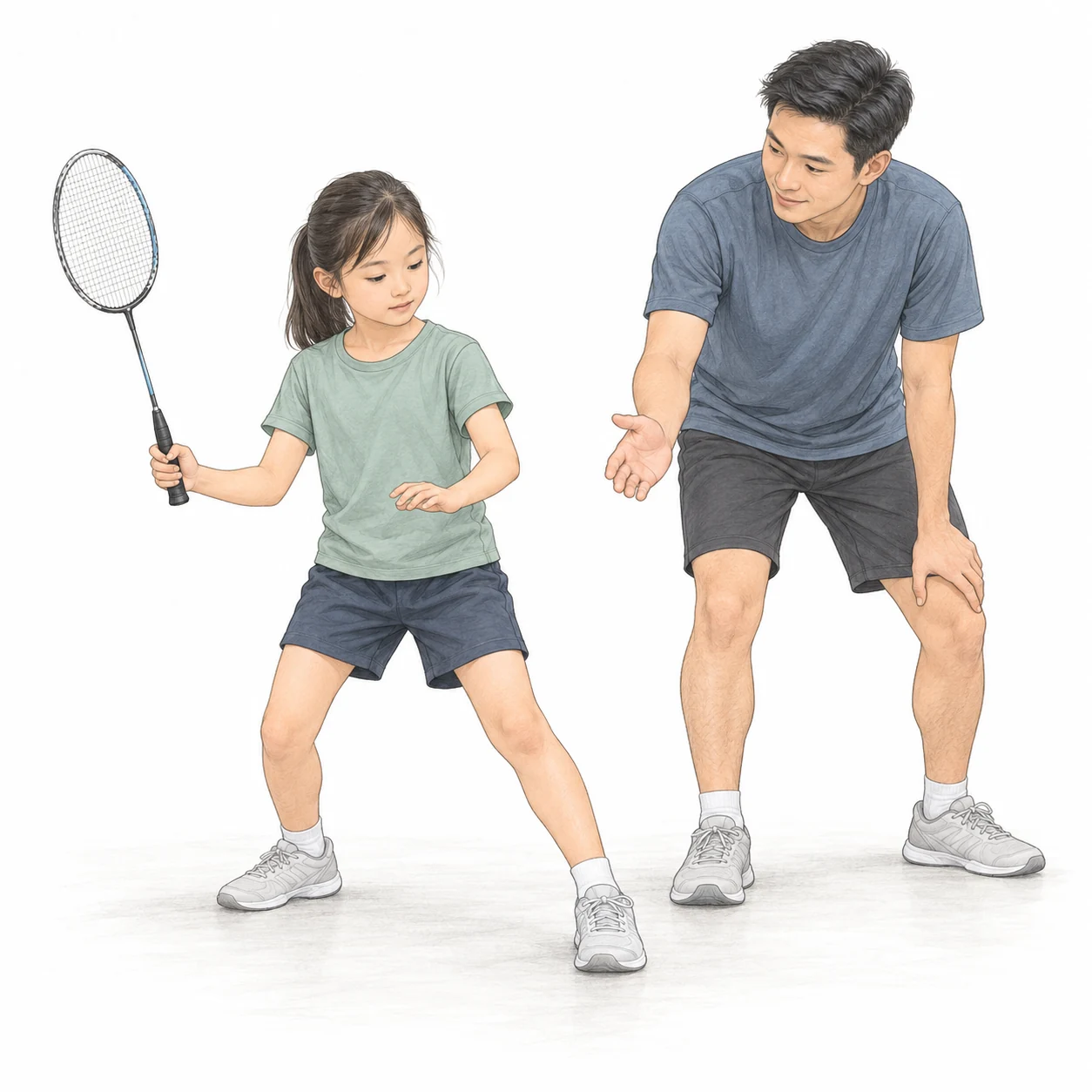
Keep it light
What should stay out of an optional parent note?
Avoid a running ranking of children, a record of classmates’ errors or an invented deadline for improvement. Those details can distract from the actual learning question. Another learner’s attempts may have a different purpose or amount of support, and their private progress is not part of your family’s note. Focus on the task your child attempted. The family should not have to produce a large document before asking a reasonable question about instruction.
Do not turn the note into an automatic homework assignment. Writing down a cue does not authorise the parent to create a new drill or require extra repetitions at home. If a suitable optional activity is suggested by the coach, clarify its purpose separately. A communication note can remain a communication note. It should not make the child feel that every lesson continues as another assessment after returning home. The useful outcome is a clearer next conversation, with effort kept proportionate to that purpose.
Be selective about personal information too. Include what is relevant to explaining the learner’s question and the session context. A full account of the family’s routines or private conversations may be unnecessary. Use the provider’s actual communication channel rather than post learning details in a public comment thread. This is a practical approach to sharing a focused enquiry, not a claim about a particular records policy. Ask where the relevant question should go if the route is unclear.
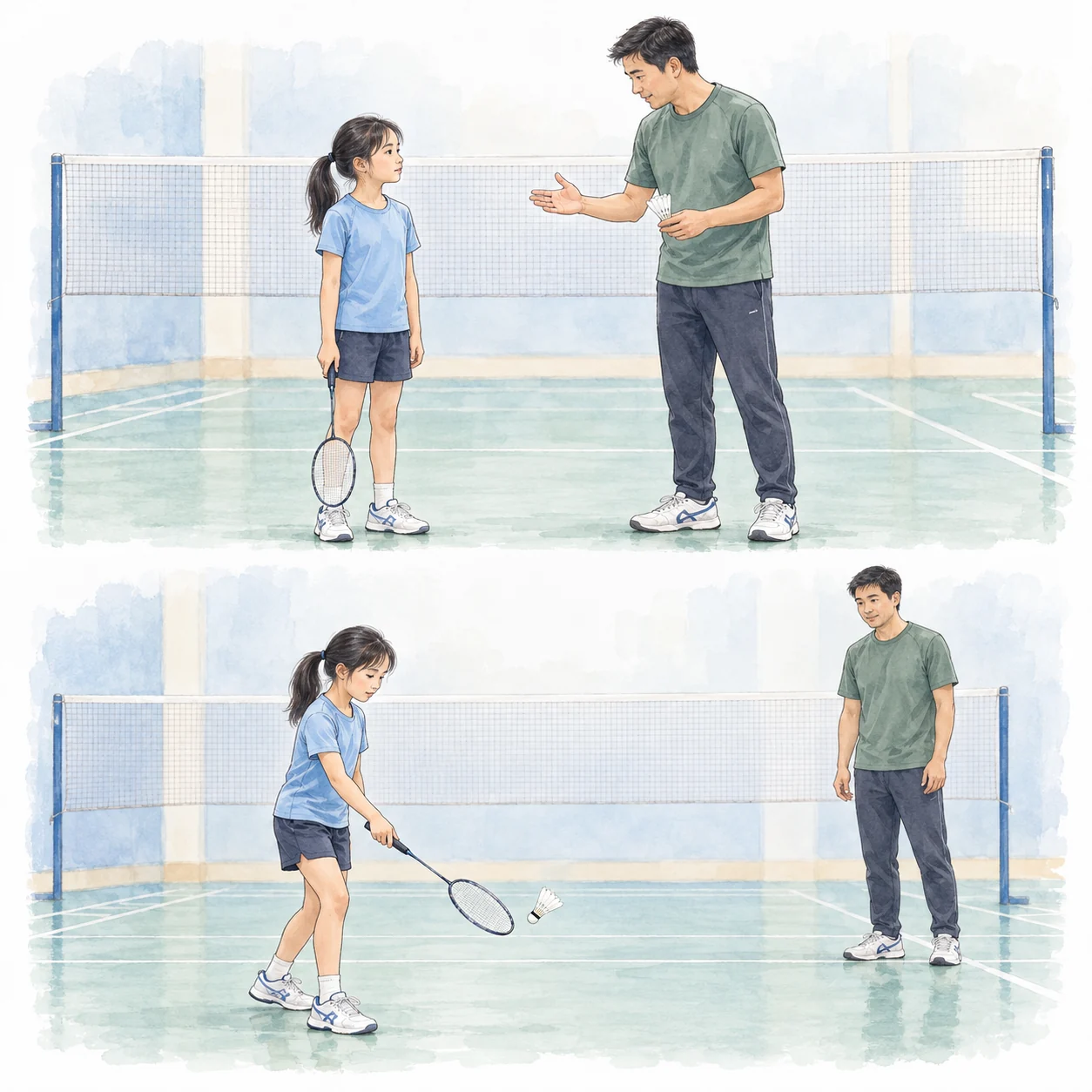
Use the note with the coach
How can a short record lead to a useful answer?
Bring the note as a starting question rather than a judgement the coach must accept. You might say, ‘This is what we understood about the activity; which part should we clarify?’ The teacher can correct a misunderstanding, explain the intended cue or identify a detail worth observing next. This makes room for professional assessment without erasing the family’s concern. A useful response should connect to the actual learner and task rather than only reassure the parent in general terms.
Keep the answer connected to the next opportunity. What should the child recognise? Which cue will be used? What information would help review the question later? The coach chooses a suitable task and check; the parent need not turn the answer into a personal monitoring system. Record a short clarification if it helps remember the discussion, then allow practice to continue through the agreed arrangement. The value of the note is whether it improved understanding, not whether the notebook now contains more pages.
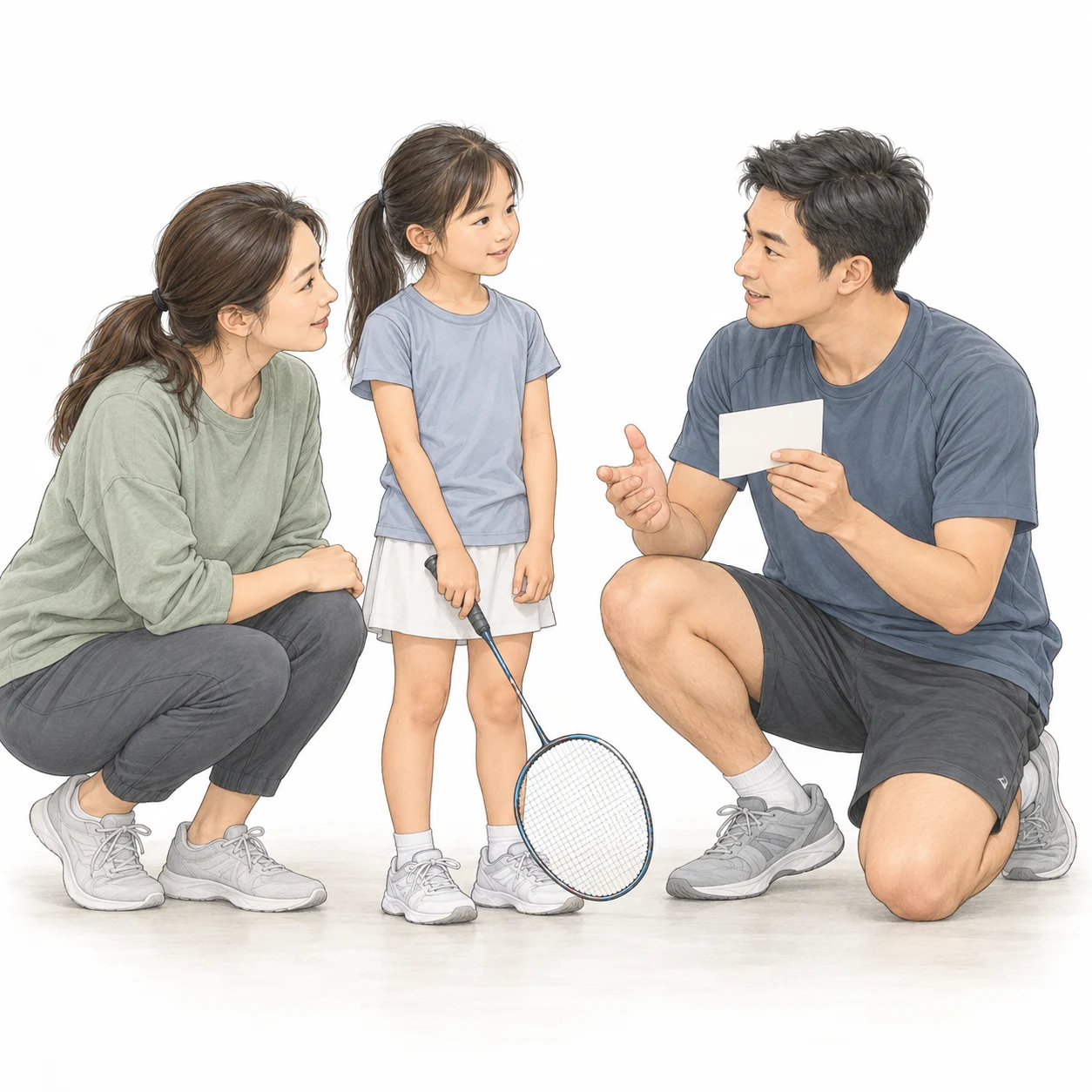
Review the usefulness
Does the note support the family, or add pressure?
Occasionally ask whether the note still serves its purpose. Does it make a specific question easier to discuss, or has it become a record the family feels obliged to maintain? If there is no useful question, there may be no reason to write that day. A child’s learning should not be reduced to the completeness of a parent’s diary. The provider’s actual feedback arrangement matters more than a new record created without agreement. Keep what helps the conversation and reconsider what adds workload without meaning.
When comparing badminton training in KL, ask how parents can discuss a factual example of a learning concern. Notice whether the response makes the task and next action clearer. Playing credentials and promotional stories provide background, while this communication offers relevant teaching evidence. An ST Badminton Academy enquiry can include a brief task description, one observation and a question. Ask about current class arrangements and the suitable channel for discussion. An application begins an enquiry; it does not confirm a place, a daily reporting service or a guaranteed learning result.
Light parent notes for badminton learning
A note is useful when it helps explain a real question. The format can remain simple and optional; the provider’s actual communication arrangement comes first.
Must parents keep a diary after every badminton class?
This guide does not make a diary compulsory. Ask whether a short note would help the actual communication arrangement. If there is no relevant question, writing may add unnecessary work. The purpose is a clearer conversation about the learner’s task, not proving commitment through the completeness of a daily record.
What are the most useful parts of a short note?
The activity, one factual observation and a question you want clarified. Include the session context or assistance where it matters. Use ordinary words and identify any technical term you did not understand. A short meaningful example can be more useful than a long list of results without the purpose of the task.
How do I separate observation from a label?
Describe what happened before deciding what it means. Asking for a starting demonstration is an observation; saying the child has no concentration is a broader conclusion. Let the responsible coach consider the task and support. This keeps the note useful for teaching rather than turning one event into a fixed judgement.
Should my child answer questions after every lesson?
Offer a proportionate opportunity to say what is clearer or uncertain without requiring a complete interview. The child may need rest or time to find words. Record a useful question when it arises, but do not make the learner responsible for evaluating the teacher. A relaxed conversation can remain separate from a test.
Should I count every successful shot?
A count alone may not explain the learning purpose or the assistance used. Ask the coach which observation is relevant. One example connected to the task can help clarify the question without a scorecard. Do not treat every successful outcome as permanent learning or every miss as proof of a broad problem.
Can the note become a home practice plan?
Clarify any suitable optional activity separately with the responsible coach. Recording a cue does not by itself justify inventing drills or extra repetitions. The note can simply support communication. Keep the workload proportionate and avoid turning the child’s evening into another assessment because something was written in a notebook.
Should I include other children’s mistakes for comparison?
Keep the note focused on your child’s task and question. Classmates may have different purposes, experience or support, and their private progress is not part of your family’s record. Public comparison can distract from the useful enquiry. A factual example about the actual learner gives the coach a clearer starting point.
How should I use the note when speaking to the coach?
Present it as context and an open question. Ask whether your understanding of the activity is correct and what the learner should try next. Allow the coach to clarify or correct the interpretation. Use the agreed time and channel rather than interrupt supervision or expect staff to assess a daily diary.
What can I include in an STBA enquiry?
A brief activity description, one relevant observation and a specific question. Ask about current Kuala Lumpur class arrangements and how parent discussions are handled. The application begins an enquiry; it does not confirm admission, a daily report service or a learning outcome. Keep the information focused on what helps understand the starting point.
Teaching illustrations: a short note and a clearer conversation
Four parts of a light learning note
Name the task in ordinary language, preserve one factual observation and record the question that remains unclear. Use the provider’s agreed opportunity to discuss it. Keep interpretation separate from what happened and include support only where it is relevant. The note should make communication easier without creating compulsory homework, a ranking of children or a daily record that the family feels obliged to maintain.
| Situation | Adds pressure | Supports communication Compare the purpose |
|---|---|---|
| Reason to write | Record every lesson to prove value | Remember one real question |
| First line | Use broad labels about ability | Describe the actual activity |
| Observation | Treat interpretation as established fact | Keep what happened separate from a conclusion |
| Child’s contribution | Require a complete interview after every class | Allow a proportionate specific question |
| Home use | Turn every cue into automatic homework | Discuss suitable optional activity separately |
| Review | Judge usefulness by the notebook’s length | Ask whether the conversation became clearer |
Discuss a badminton learning question without a long diary
Tell ST Badminton Academy what your child attempted, what you actually noticed and which point you want clarified. Ask about a suitable badminton class in Kuala Lumpur and the current route for discussing a parent’s question. A short relevant example can begin the conversation. The application opens an enquiry; suitability and available arrangements need confirmation. Keep the note useful to the learning question rather than turn it into another homework programme.