Best Badminton Class in KL: Keeping a Learning Thread After a Missed Session
After missing a badminton session, a child needs a clear way back into the current learning task. Ask what the class is working on, which familiar cue still helps and what the coach needs to observe before choosing the next attempt. Trying to repeat every missed activity at home is not automatically useful. Families searching for the best badminton class in KL often balance school, transport and changing commitments. An occasional absence raises both practical scheduling questions and a teaching question about rejoining. This guide focuses on the learning connection for a badminton class for kids at ST Badminton Academy in Kuala Lumpur or another provider. Confirm current attendance and scheduling arrangements directly. Images are AI-generated teaching illustrations with generic people, not photographs of Eric Chuar or real students.

Separate the two questions
What needs arranging, and what needs teaching?
Tell the provider about an absence through the actual communication route it uses. Ask what information is needed and what current scheduling conditions apply. Then discuss how the child can rejoin the learning activity. These are related but separate questions. A different attendance arrangement does not by itself explain which task the learner should try next. Equally, a useful learning recap does not establish a makeup entitlement or a replacement date. Keeping the two discussions clear makes it easier for the family to get the right answer from the responsible person.
Describe the practical difficulty without making the child feel that one missed session has ruined all progress. The family may have a school commitment or another reason it needs to communicate. Share what is relevant for arranging attendance; a detailed personal account is not always necessary. For the teaching discussion, explain when the learner last attended and which task they remember. That factual starting point helps the coach consider the next opportunity. It is more useful than promising that the child will catch up instantly or assuming every previously taught activity has been forgotten.
Reconnect to the current task
What has the group been learning while the child was away?
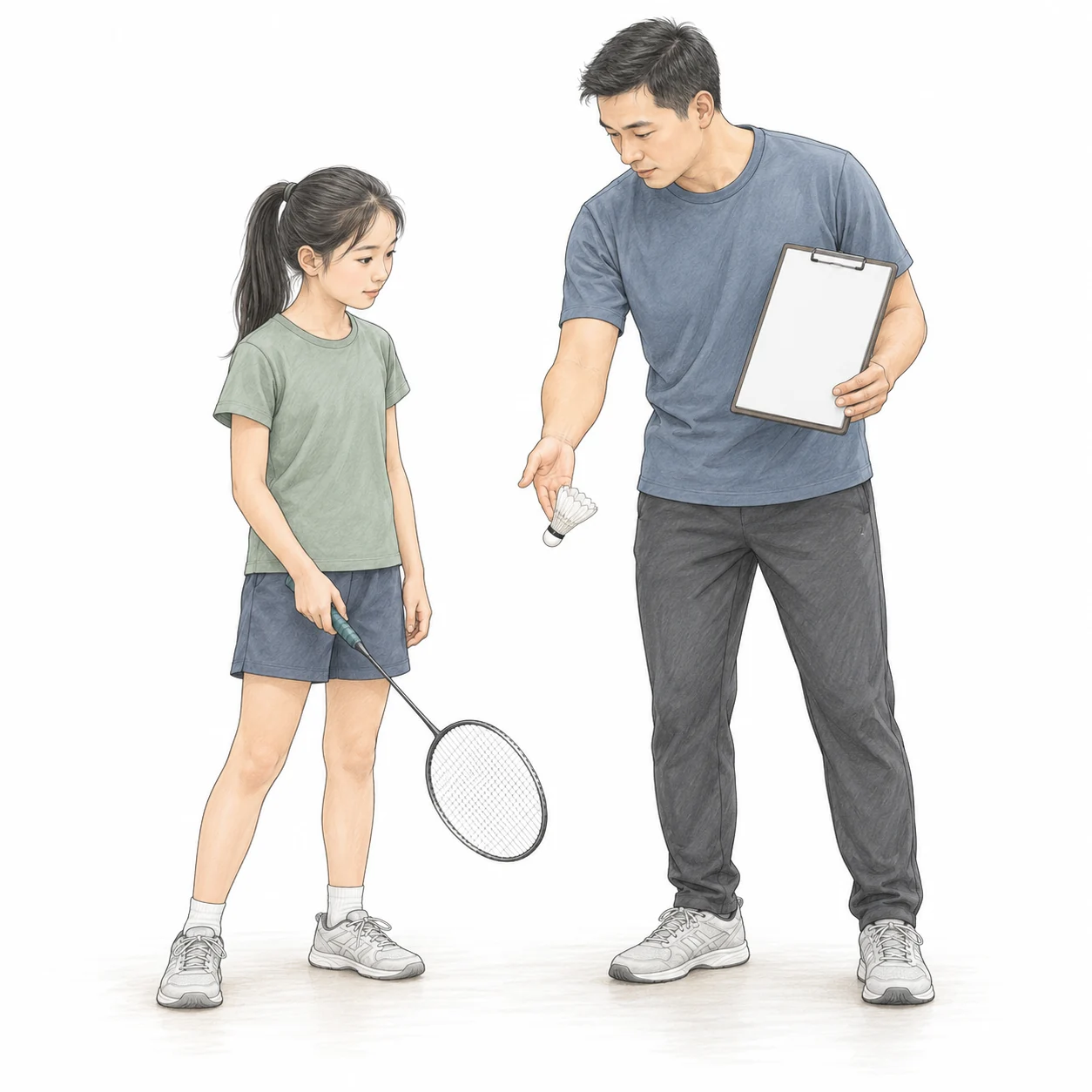
Ask for the current learning direction, not a complete transcript of every minute missed. The coach might explain the purpose of an activity and the cue the returning learner should recognise. A list of exercise names can leave the child unsure what those activities were meant to teach. The family needs enough information to understand the starting task and any point the coach wants to check. This respects the provider’s responsibility for planning while giving the learner a clear way to return.
Do not assume the group has followed a simple ladder where one missed lesson permanently blocks the next. Actual tasks and progress vary. Ask how the returning child’s understanding will be considered in the relevant activity. The coach may keep a familiar starting action, simplify a task or explain a new detail before the turn. Those are possible teaching choices, not a promise about a particular programme. The useful connection is between what the child knows, what the group is currently doing and what the responsible teacher observes.
Use what is still familiar
Which earlier cue can help the child begin?
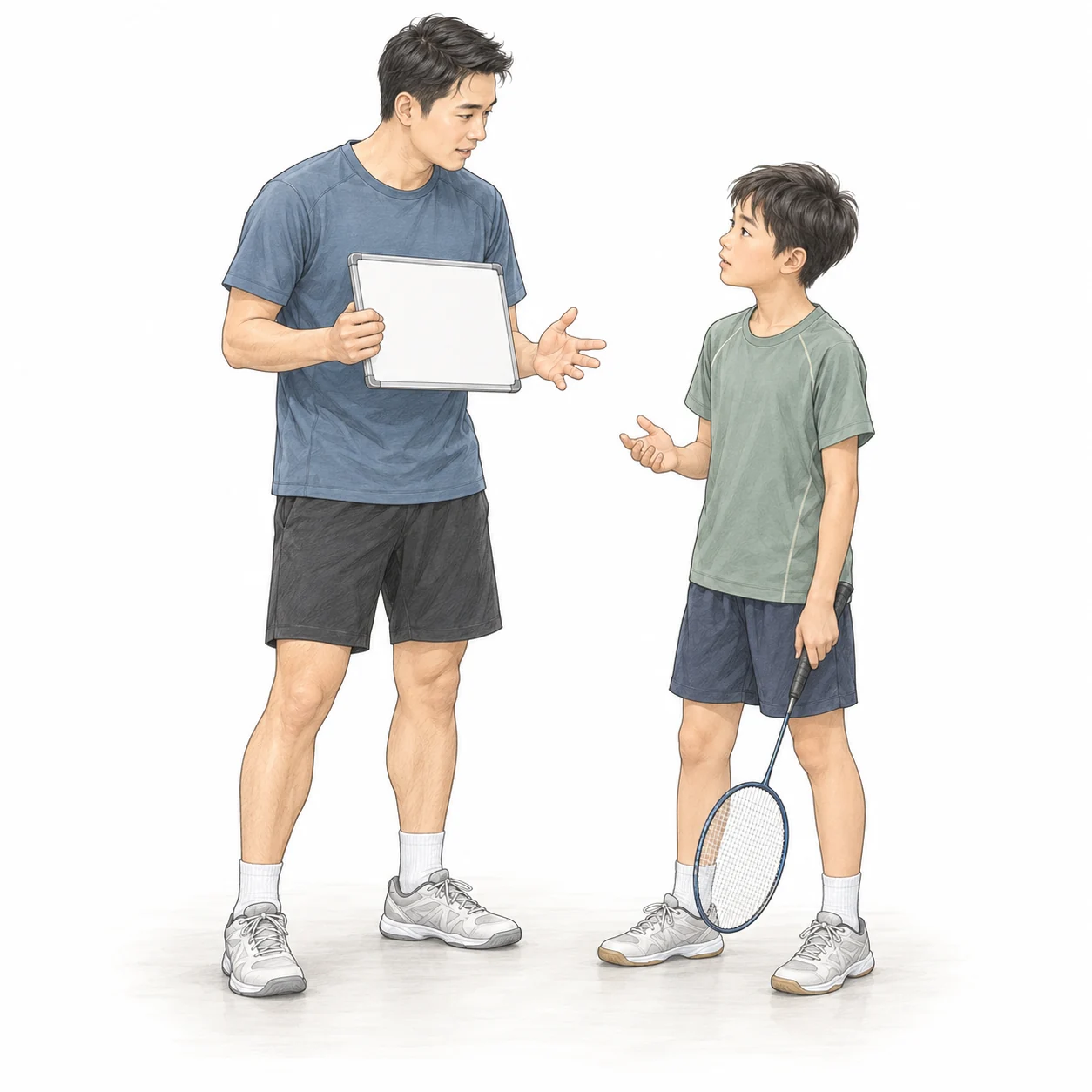
Invite the child to describe one task they remember without testing every badminton word or movement. A familiar cue may offer a useful starting point even if the child is uncertain about a new activity. Share that information with the coach where appropriate. The learner does not need to claim complete mastery to bring something useful back. The teacher can check how the remembered cue fits the current task and explain any difference. This keeps the return grounded in actual understanding rather than a general judgement that the child is behind.
A parent’s reminder should not compete with the lesson. If the family remembers an earlier instruction, ask how it relates to the activity now rather than calling it out during every attempt. The coach can choose the working cue for this session. The child should not have to decide whether the parent’s memory or the current instruction is more authoritative. A short, clarified direction helps the learner start. Other questions about the missed content can be handled at the agreed time instead of being added to the first returning turn.

Let the coach observe
Does the returning child need to prove everything immediately?
No. A suitable observation can help the coach understand the learner’s starting point without turning the return into a public examination. Ask what the activity is meant to reveal and what support will be available. The child might need to hear the explanation again or begin with a more manageable task. This is information for teaching, not evidence that an absence has permanently changed ability. The coach should be able to connect the starting activity to the current goal in language the learner can understand.
Give the returning student room to settle into the actual instructions. Do not compare their first attempt with a classmate who attended the previous session and received a different amount of practice. That comparison hides relevant context. Notice whether the task is explained, whether the child can ask a question and whether feedback points to a usable next action. One attractive rally does not establish that the learning connection is complete, and one missed shuttle does not establish that it has failed. The observation should answer the particular question being taught.
Avoid an unnecessary catch-up workload
Should parents recreate all the missed exercises at home?
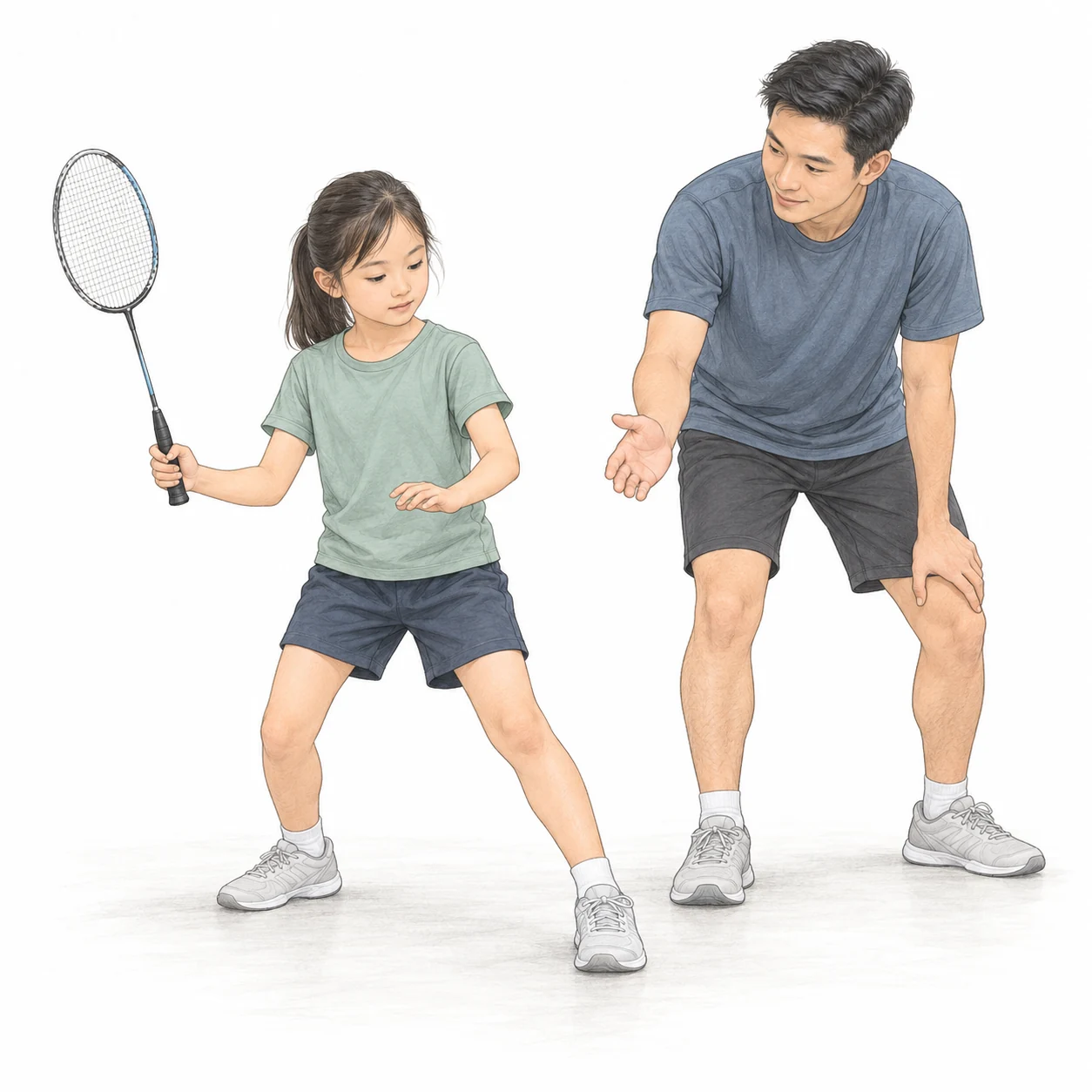
Ask the coach before arranging extra practice. A family may not know the activity’s purpose, suitable starting difficulty or instructions that were used. Recreating an exercise from a second-hand description can introduce another task instead of reconnecting to the original one. If a home activity is suggested, clarify what it is for and what the child should understand. Do not treat this article as a programme of unsupervised badminton drills. A useful return does not require an automatic workload that compensates for every minute absent.
A light conversation can be enough preparation: what does the child remember, what seems unclear and what would they like to ask? Keep the discussion proportionate. The child should not spend the evening before returning defending every earlier result. Parents can help organise one clear question and the practical attendance information. That support is different from becoming another technical coach at home. The responsible teacher can decide what observation and task are appropriate when the learner returns to the actual class environment.
If a suitable optional activity has been explained, use the confirmed purpose and avoid adding a competition with siblings or classmates. More attempts are not automatically more relevant learning. The family should know what the activity is intended to clarify and when to discuss a remaining uncertainty. If the instruction is unclear, ask for explanation rather than invent another drill. The goal is to make the next class easier to understand, not to prove that the family has repaid a missed lesson through extra effort.
Review a useful return
What should be checked after the child has rejoined?
Ask about the next learning question after the child has had an appropriate opportunity to participate. A useful review may concern whether the starting cue is understood, whether the learner recognises the activity’s purpose or which detail still needs explaining. Keep the amount of support in view. A task completed after repeated reminders may show participation without settling independent understanding. The teacher chooses the relevant observation, and the family can bring one specific example. Avoid measuring the return only by how many shuttles were hit successfully.
Repeated absences can also make the practical arrangement worth discussing. Ask how the actual schedule fits the family’s commitments and what current options exist. Do not assume a flexible replacement system or announce one based on a translated website page. The learning discussion should stay honest about the opportunities the child actually receives. A workable routine supports continuity, but no article can promise that a particular schedule will be available. Separate a question about future attendance from a judgement about the child’s motivation or the coach’s reputation.
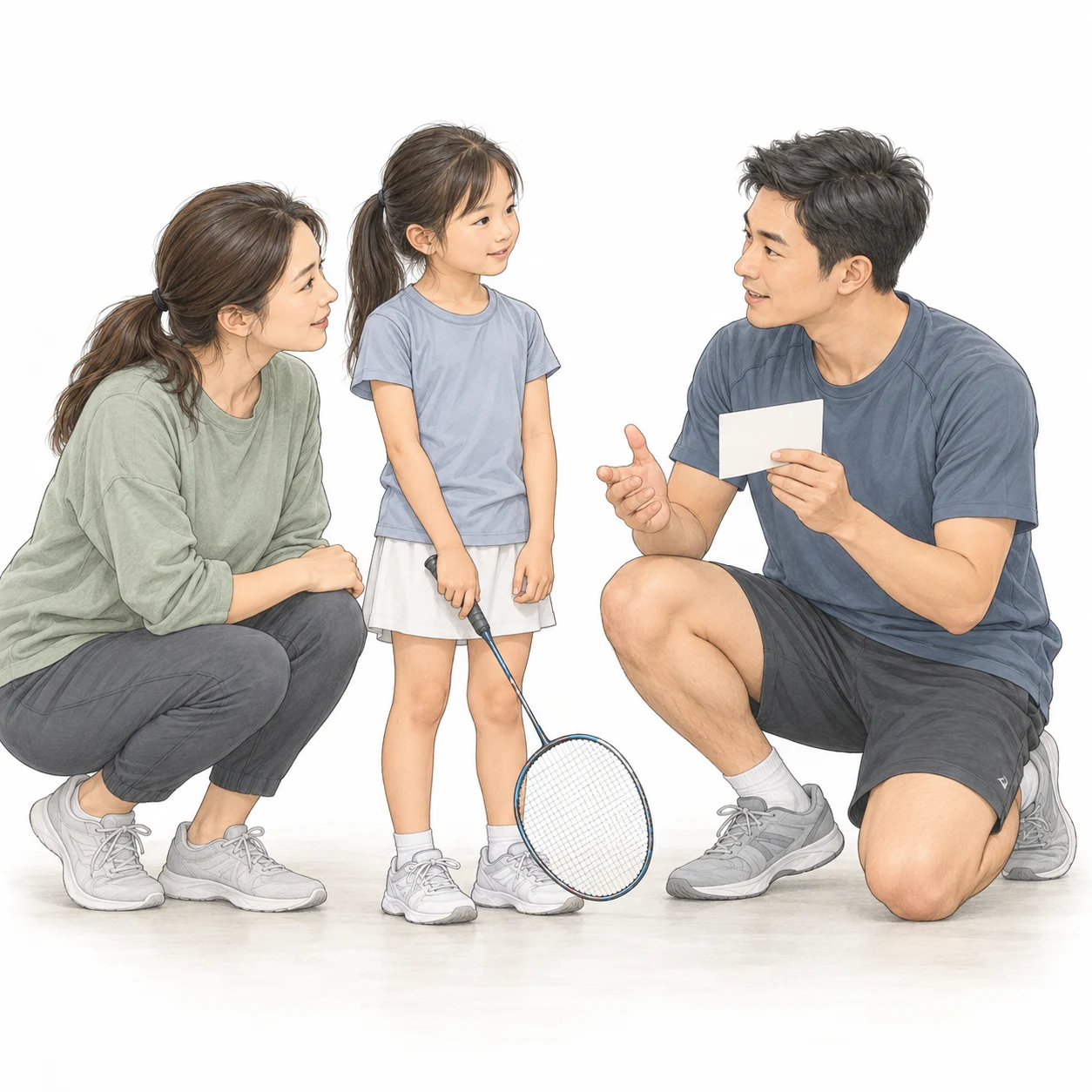
Choose a workable class
What does this reveal when looking for the best badminton class in KL?
When comparing badminton training, ask how a child returns after an absence within the provider’s actual arrangements. Look for a clear current task, a suitable check of understanding and a next action that connects to feedback. Consider practical attendance conditions alongside these teaching responses. A promotional claim about fast improvement does not answer how learning continuity is handled. Nor does an expensive-looking drill establish that the returning child knows its purpose. Useful questions focus on the learner’s real starting point and the programme the family can actually attend.
An ST Badminton Academy enquiry can include the child’s experience, attendance needs and a specific question about rejoining a learning task. Ask about current badminton class arrangements in Kuala Lumpur and how the relevant starting information would be discussed. Avoid assuming a makeup place, drop-in option or fixed catch-up timeline. The application begins a conversation; suitability and availability require confirmation. A clear plan for the next task is more useful than a promise to recover every missed activity immediately, and a realistic family routine matters alongside the teaching approach.
Returning after a missed badminton class
A useful return connects the current task to what the learner understands. Practical attendance conditions require the provider’s current answer; these questions help with the learning discussion.
Does missing one class mean my child has lost all progress?
No such conclusion follows from one absence. Ask what the child remembers and what the coach needs to observe in the current task. A familiar cue can provide a starting point without proving every skill is complete. The return should be guided by actual understanding and appropriate support rather than a fixed label.
What should I tell the provider about an absence?
Use the provider’s actual communication route and ask what information is needed. For the learning discussion, mention the last attended session and a task the child remembers. Separate practical scheduling questions from how the learner will rejoin. Do not assume this guide establishes a makeup entitlement or a particular replacement date.
Should I request every exercise the class did?
The current learning purpose and a useful starting cue may be more helpful than a long exercise list. Ask what the returning child should recognise and what needs checking. The coach can connect the learner’s starting point to the present activity. A transcript alone does not explain what the child understood.
Must my child take a special test before returning?
Ask about the actual arrangement. A suitable observation may help the coach choose a task, but this article does not require a special test. The child should understand what the activity is for and what support is available. The purpose is a useful starting point, not a public performance proving every earlier skill.
Can I repeat an old cue from the sidelines?
Ask how the familiar cue relates to today’s activity rather than adding a competing instruction during attempts. The coach can clarify the working direction for the session. The learner should not have to settle which adult’s wording to follow. Use the agreed communication opportunity for questions about missed content.
Should we do extra drills at home to catch up?
Ask the responsible coach before recreating activities. Their purpose, starting difficulty and instructions may be missing from a second-hand account. If an optional home activity is explained, keep to its intended question. A short conversation about a remembered task may be more useful than inventing a workload for every minute absent.
What is a useful review after returning?
Connect the review to the task taught and the support used. Ask what is clearer and what still needs explanation after an appropriate opportunity. A success count alone does not reveal all understanding. Bring one factual example rather than demand an immediate performance that proves every missed lesson has been recovered.
What if the family often cannot attend the current schedule?
Discuss practical suitability with the provider using current facts. Ask about actual arrangements and conditions rather than assume flexibility. Repeated absence should not automatically become a label about motivation. The learning opportunities and the family’s workable routine need to be considered together when choosing an arrangement.
How should I enquire with STBA about returning to class?
Share the learner’s experience, attendance needs and one question about the current task. Ask about actual Kuala Lumpur class arrangements and suitable starting information. An application begins that discussion; it does not confirm a makeup place, drop-in session or rapid catch-up result. Use the response to assess a workable learning plan.
Teaching illustrations: reconnecting to the current task
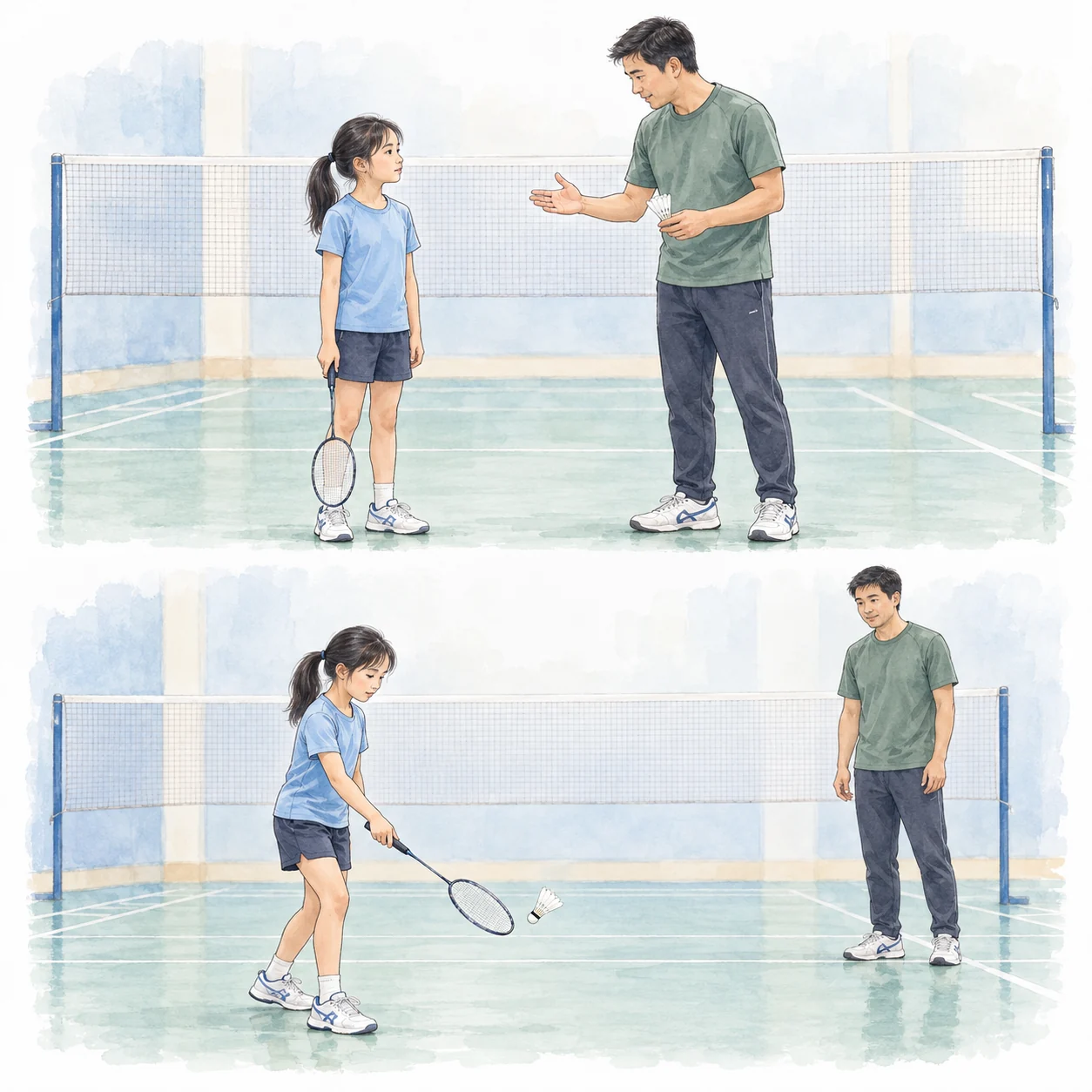
Four steps after a missed badminton session
Confirm the attendance arrangement through the provider’s actual communication route. Ask for the current learning purpose, bring one familiar cue as context and let the coach observe a suitable starting task. Review what is clearer after an appropriate opportunity to participate. Keep scheduling conditions separate from teaching decisions and avoid turning the return into extra unsupervised drills or a public test of everything the child previously learned.
| Situation | Adds confusion | Supports continuity Compare the return |
|---|---|---|
| Attendance | Assume a replacement policy without checking | Confirm the provider’s current arrangement |
| Missed content | Collect exercise names without their purpose | Ask for the current task and useful cue |
| Starting point | Label all learning lost after one absence | Observe actual understanding with suitable support |
| Parent reminder | Add a competing cue during every attempt | Ask how the familiar instruction relates now |
| Home preparation | Recreate every drill from second-hand descriptions | Discuss suitable preparation with the coach |
| Return review | Demand instant recovery of every missed activity | Review what is clearer and the next learning question |
Ask about reconnecting your child to badminton class in KL
Tell ST Badminton Academy about your child’s experience, attendance needs and the task they last remember. Ask what current class arrangements in Kuala Lumpur could suit the family and what information helps discuss the next learning step. The application starts an enquiry. Confirm availability and practical conditions directly, and use a clear current task to guide the return rather than assume a makeup place or an immediate catch-up result.