Best Badminton Coach in KL: A Parent’s Lesson-Observation Checklist
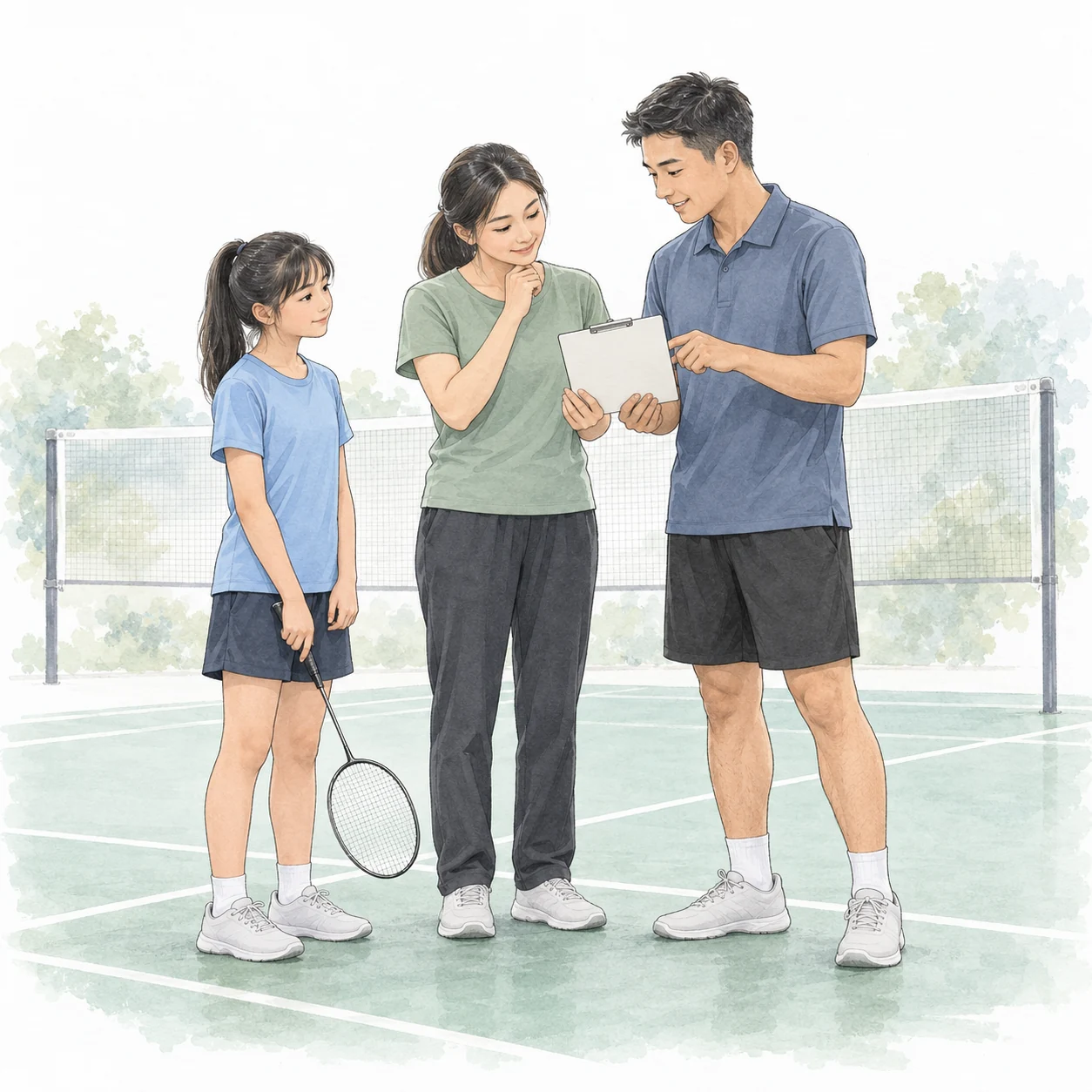
Searching for the Best Badminton Coach in KL can leave a parent with attractive photographs and broad promises, but little evidence about a lesson. A useful observation follows what happens to one learning task: how it is explained, what the child attempts, what the coach notices and what changes next. This guide offers a practical record for a permitted class observation, rather than another ranking or general academy profile. It does not assume that every provider allows visitors, and a single visit cannot establish every aspect of teaching. Families considering a badminton class for kids in Setapak, Kuala Lumpur can use these questions without interrupting instruction. Images are AI-generated teaching illustrations, not photographs of actual STBA lessons or students.
Prepare a neutral record
Agree how to observe, then separate facts from questions
Before attending, ask whether observation is permitted and where a parent should stay. Do not assume that a search result or application gives permission to enter the teaching area. Follow the coach’s arrangement and keep questions for a suitable time. You do not need to photograph children or record other families to assess a task. Prepare three simple headings: what I saw, what remains unclear and what I will ask. This keeps a brief visit focused on teaching events and prevents a first impression from becoming an unsupported claim about a coach or learner.
Record concrete actions rather than labels. For a hypothetical observation, write that the coach named a target, the child attempted the task, then received a cue and tried again. If the reason for a pause was not explained to you, note that it is unknown; do not immediately call it wasted time. Similarly, a quiet child is not proof of poor interest, and a loud class is not proof of effective teaching. Separate the event from your interpretation. The record is a starting point for conversation, not a scorecard to publish about individual children or a declaration of the best coach.

Checklist 1
Follow the goal from explanation to the learner’s response
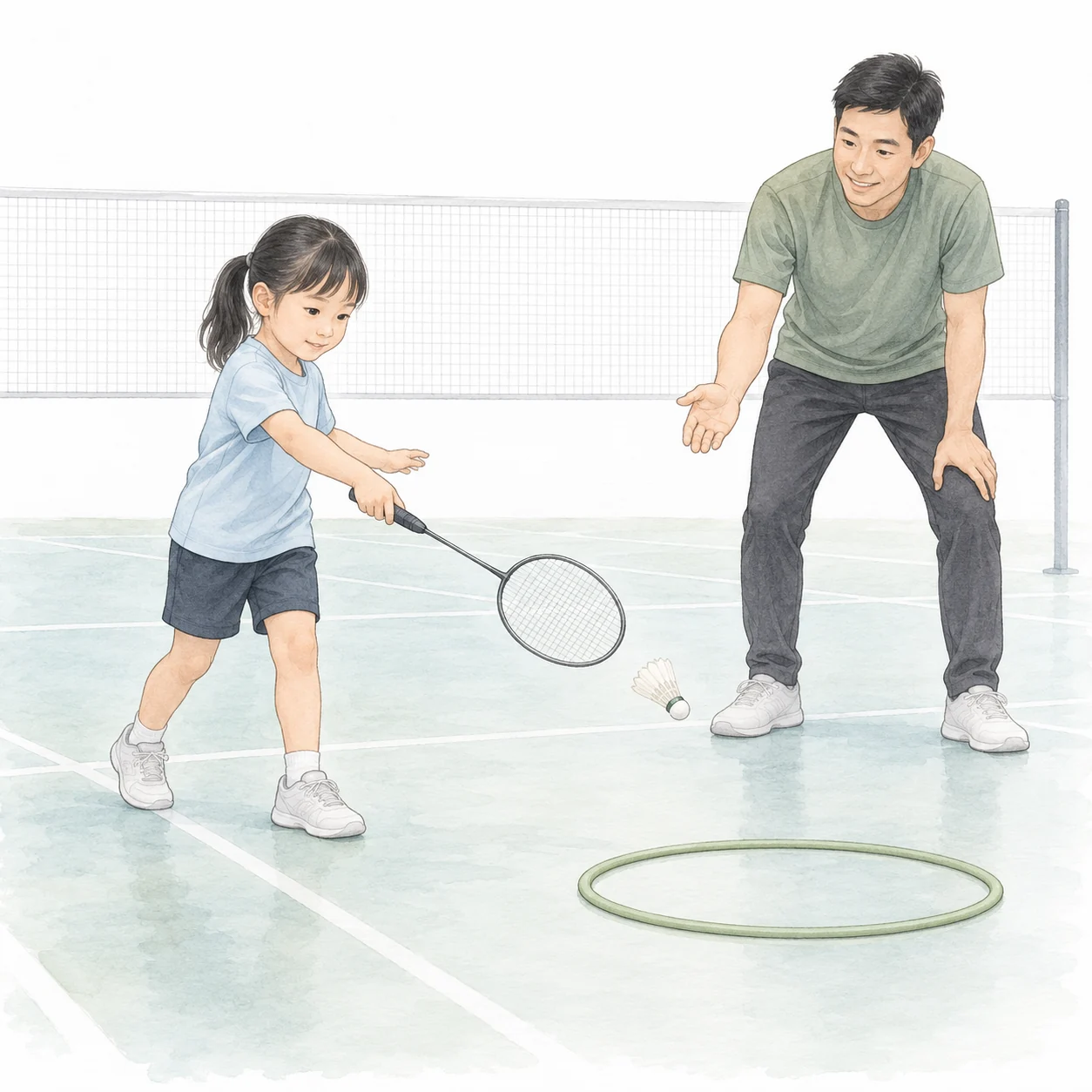
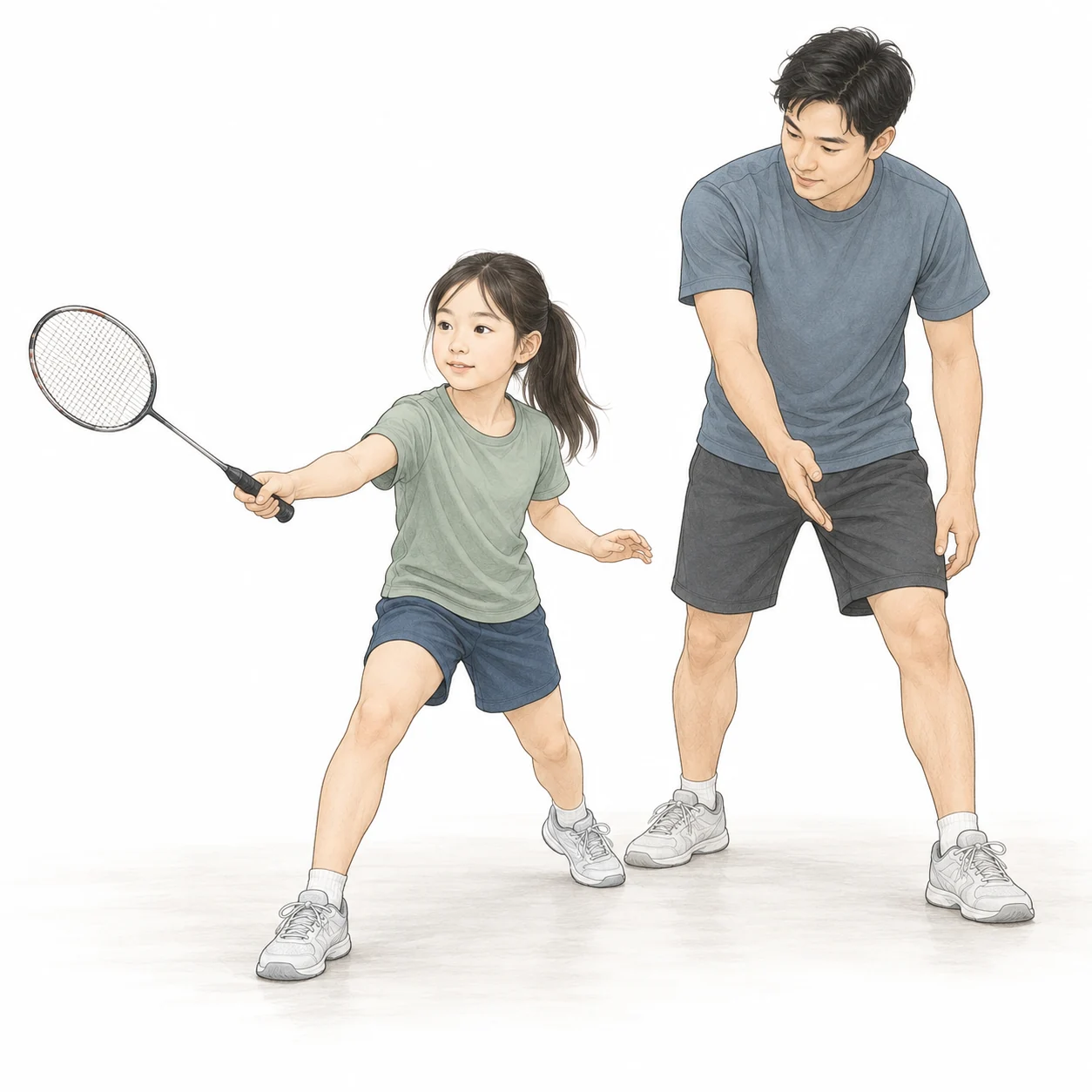
Listen for the purpose of the activity. Does the coach name something the learner can try, rather than simply tell everyone to hit more shuttles? A task might use a coach-selected contact detail or landing area, depending on the learner. Record the actual instruction you hear in your own words, without inventing a technique the coach did not choose. Then look at what the child does with it. The link between explanation and attempt is more useful evidence than the parent’s opinion of how impressive the demonstration looked. If you could not hear the instruction, mark it as unknown.
Observe whether understanding is checked in a way the child can use. The coach might ask the learner to show the task, identify the target or explain one cue simply. A nod alone leaves more uncertainty. Do not interrupt to test your child, and do not assume unfamiliar terminology means the explanation failed. The learner may be practising something already introduced. Ask afterwards what the goal was and how the coach checked it. In your record, distinguish a check you actually observed from one the coach later describes. Both can inform the enquiry, but they are different kinds of information.
Checklist 2
Notice opportunities to practise the stated task
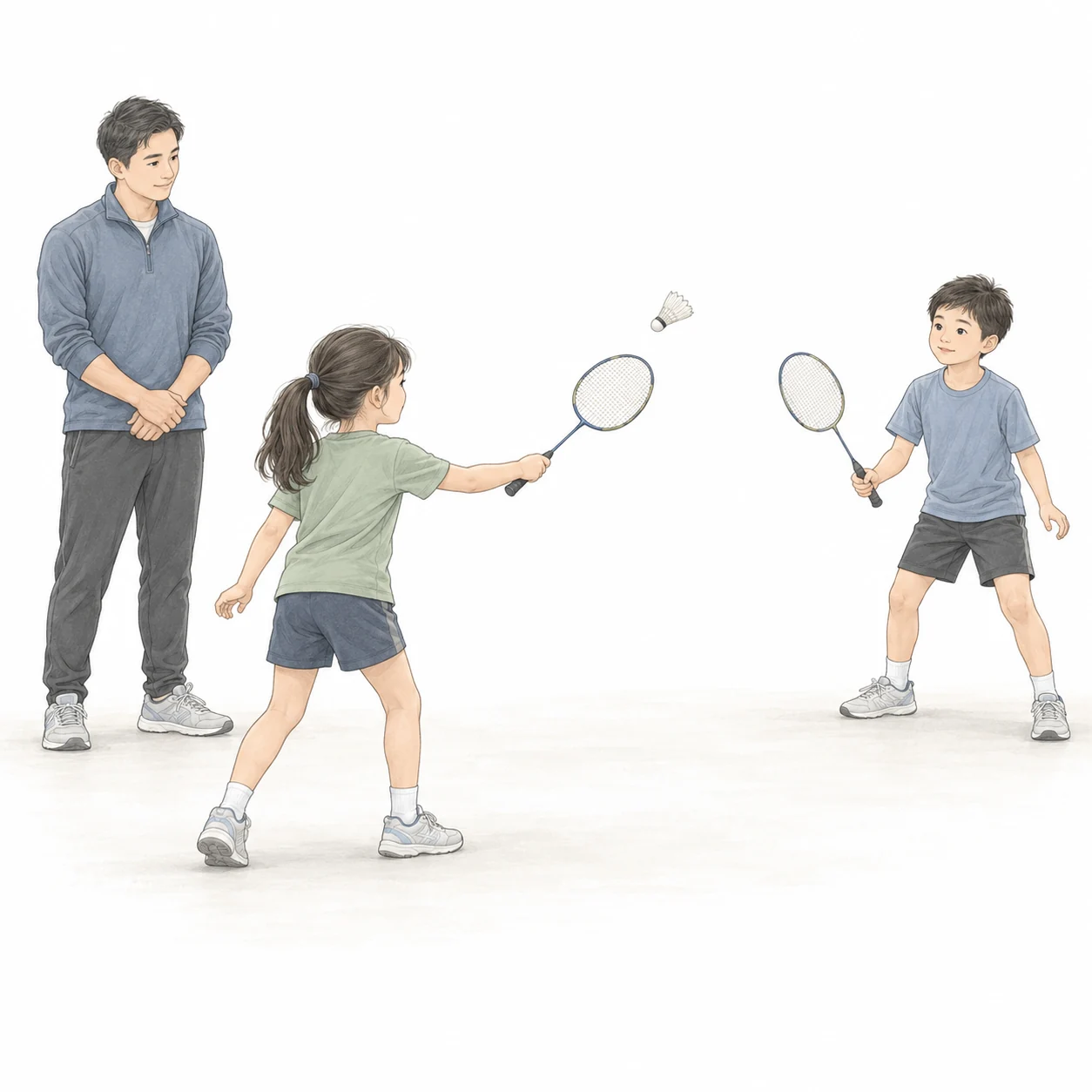
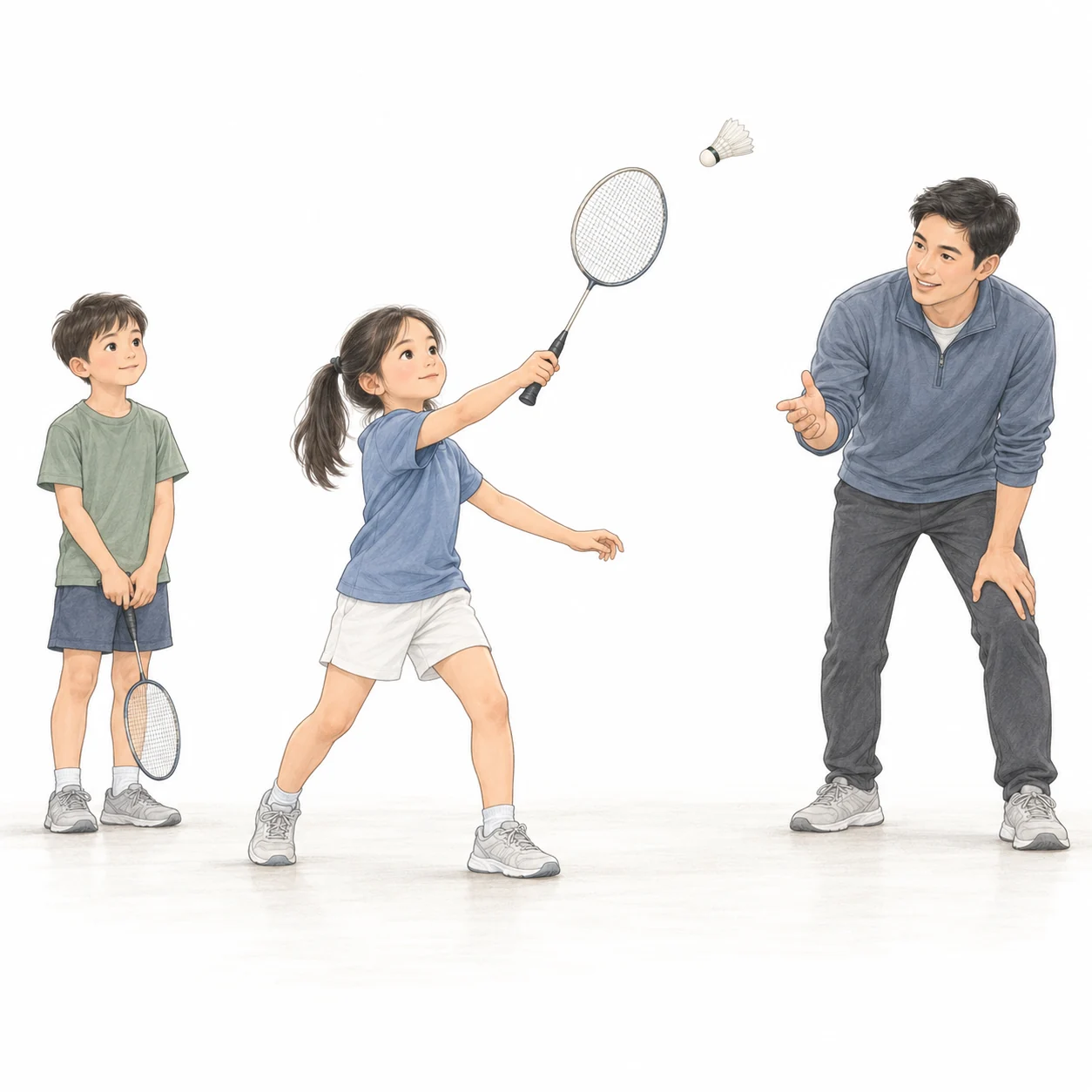
Watch whether each learner has meaningful opportunities to try the selected goal. Total lesson length alone does not tell you how the task is practised. A short demonstration, preparation or explanation may be useful; repeated long waits without a role deserve a question. Under the coach’s organisation, a partner may observe one agreed detail or prepare for the next turn. Those roles should complement the child’s own attempts. Avoid inventing an ideal group ratio or queue limit from one visit. Instead, describe how turns and roles relate to the activity you actually saw.
More movement is not automatically more learning. Rapid feeding may leave little time to use a cue, while a considered pause can help clarify it. Likewise, a learner who is waiting may or may not have an observation task you did not hear. Record the sequence before judging: an explanation, turns, pauses and any assigned role. In a hypothetical note, a parent could write that two children alternated, with the waiting learner asked to watch the chosen landing area. That is a description of an example, not a claim about STBA’s current class size or routine.
Checklist 3
Trace one feedback loop instead of counting corrections
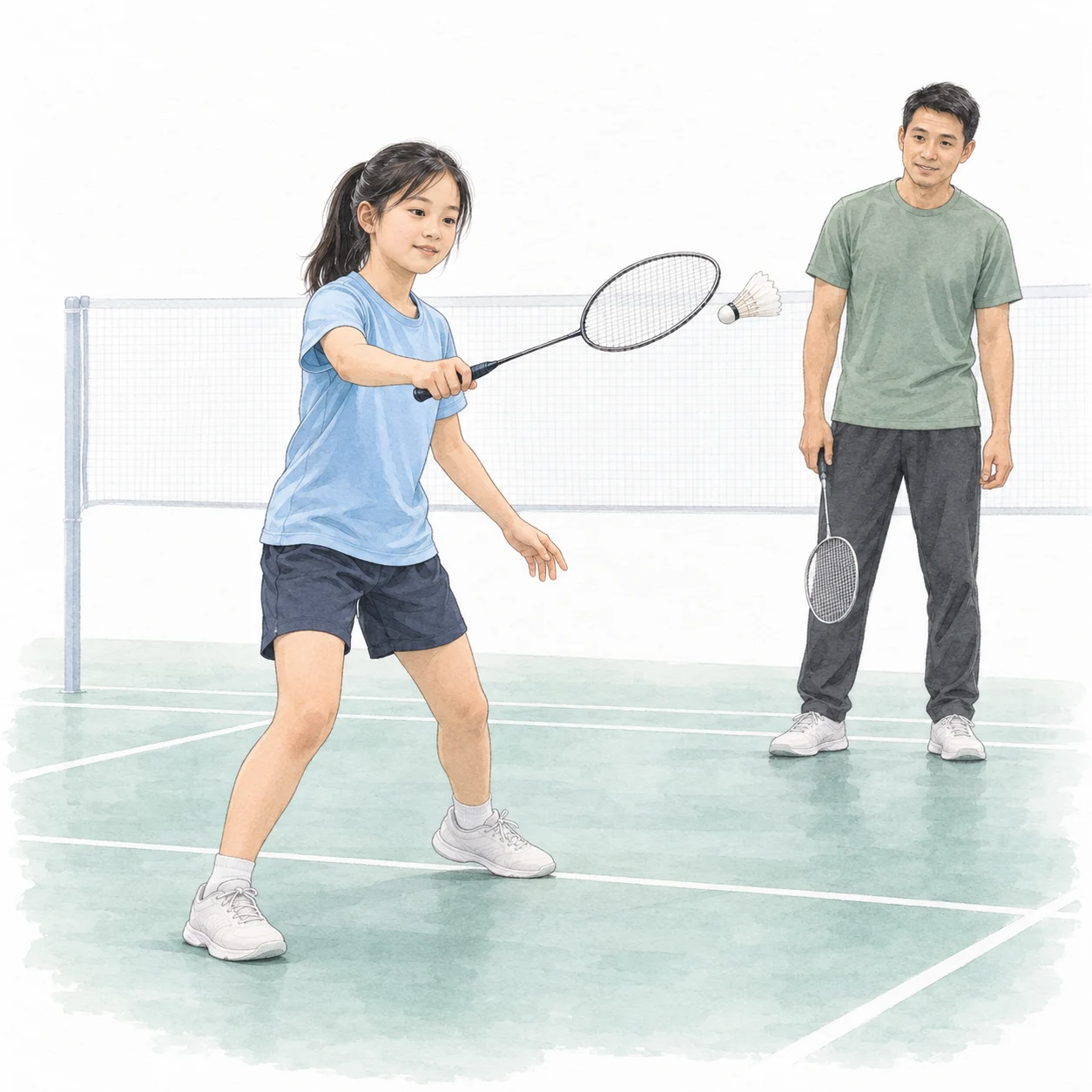
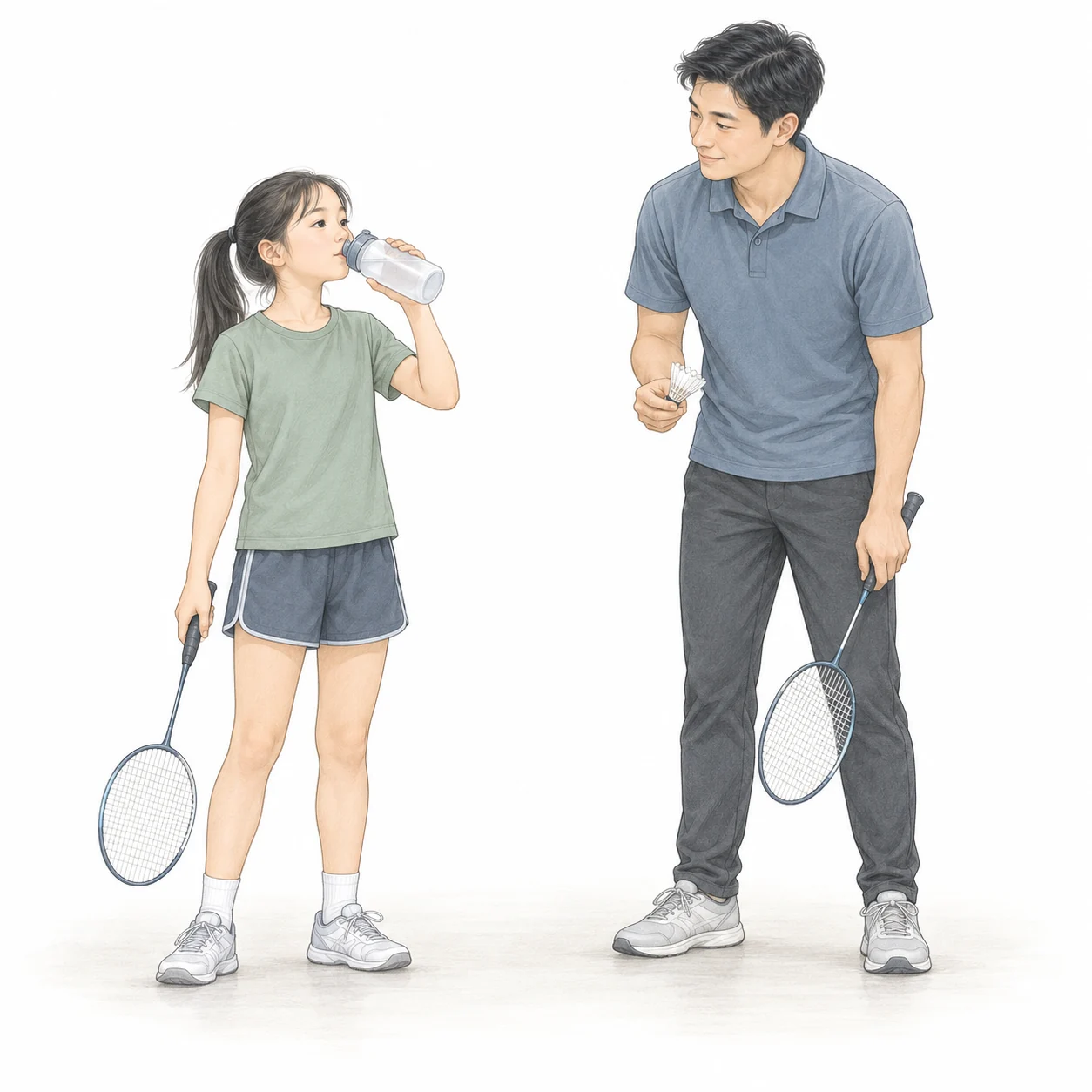
Choose one short teaching sequence to follow: task, attempt, observation, feedback and another attempt. What information does the coach give after seeing the child try? Does it relate to the stated goal and offer something manageable to test? A general call to concentrate may need more context; several corrections at once may be hard for that learner to use. Do not decide from the wording alone if you missed the earlier explanation. Note what was said or shown and what happened next. The question is whether feedback has a practical connection to the learner’s next effort.
Then observe whether the coach checks the response. The next attempt may show a changed action, a need for another explanation or a reason to adapt the task. There is no guarantee of instant success, and a missed shot does not prove that the feedback was useless. Ask what the coach was looking for, rather than require a visible winner from every sequence. This approach gives parents a specific conversation about badminton training. It also prevents the number of shouted instructions, praise statements or completed shuttles from being treated as a substitute for usable guidance.
Myth vs reality
Three observation shortcuts to avoid
Myth: the loudest or busiest class must have the best badminton coach. Reality: activity level alone does not reveal the teaching purpose. A quieter demonstration can be clear, and an energetic drill can be unclear. Ask what the learner was trying and how it was checked. Your record should connect actions to the goal, rather than rank the lesson through noise, speed or appearance. Do not draw conclusions about a child’s attitude simply because their response is less expressive than another learner’s.
Myth: the lesson with the most different drills proves the best programme. Reality: a familiar activity can be useful when the learner is testing a selected detail. Variation can also be useful when it changes the question appropriately. The issue is why an activity was retained or changed. Record the purpose and the opportunity to apply a cue, not just a list of exercises. One visit may show part of a longer teaching sequence, so ask what came before and what will be reviewed next.
Myth: one successful shot or one permitted observation settles the search for the Best Badminton Coach in KL. Reality: a visit provides a limited sample. You may not see every explanation, learner or stage of the programme. A successful attempt is encouraging but does not establish future outcomes or an objective ranking. Combine what you observed with the coach’s explanation of learner fit and the practical arrangements you can confirm. Keep unknowns visible instead of filling them with assumptions about quality, fees, availability or promised improvement.

Ask after teaching
Turn the record into two specific questions
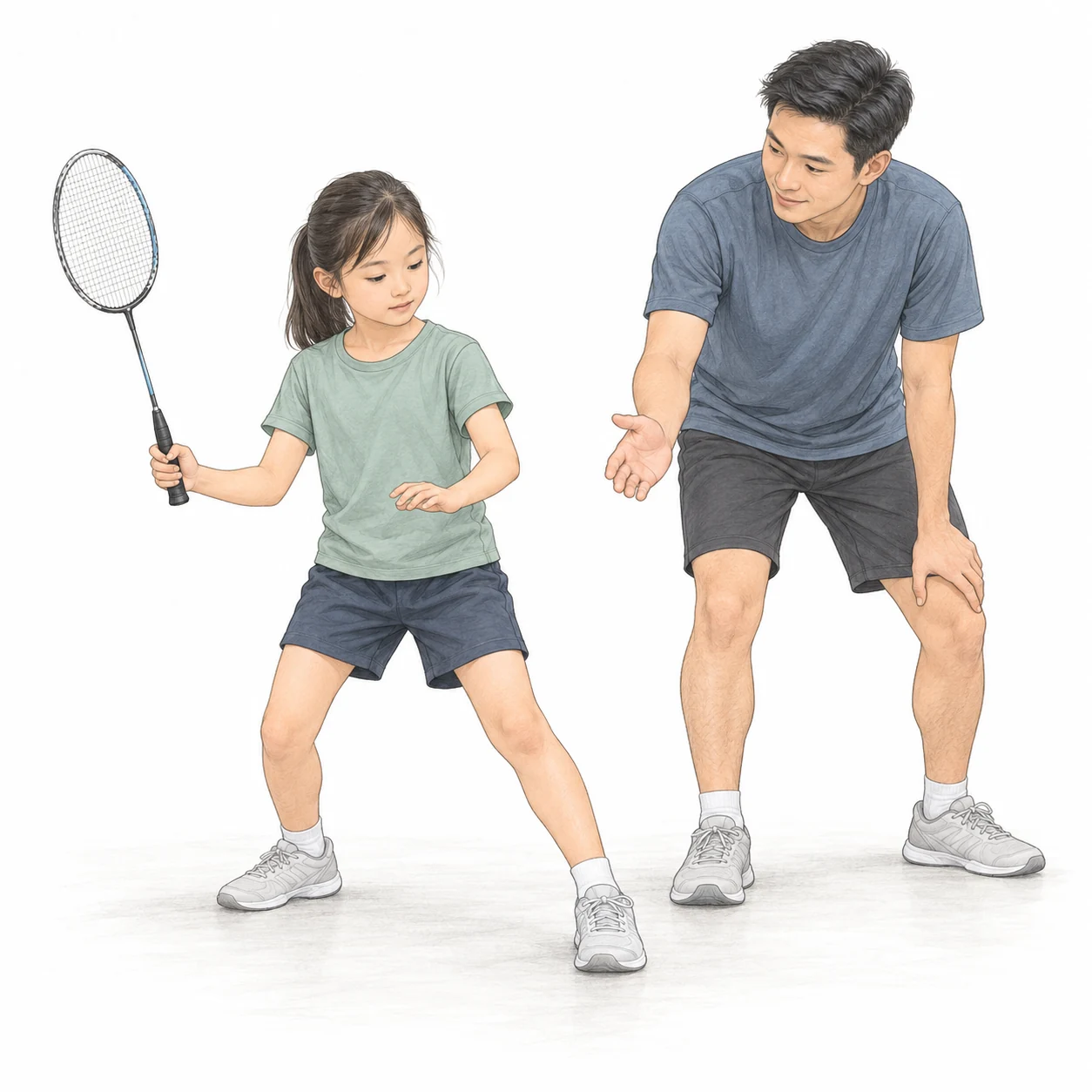
Choose a suitable time and ask about one observed sequence. For example, in a hypothetical conversation: the child practised a net shot and received one cue; what was the goal and what would you check on the next attempt? Follow with a learner-fit question: if the child cannot use that cue yet, what would you change? These questions let the coach explain observation, progression and adaptation without demanding a sales promise. Keep the conversation concise and avoid questioning the coach while another learner needs attention. If time is limited, use the provider’s stated enquiry process.
Listen for an explanation that connects the task with the learner, rather than a slogan alone. The coach may clarify something you did not hear, or describe a previous lesson that shaped the choice. Add that as an explanation to your record, separate from the events you witnessed. If a point remains unclear, ask one follow-up rather than invent an answer. You do not need to demand agreement with your technical opinion. A useful discussion should make the intended task and next review understandable, while acknowledging what a single observation cannot establish. There is no need to turn the conversation into a public judgement.
Review fit and the next step
Use observed teaching evidence for an informed enquiry
Before comparing a badminton academy, review your three headings. Which teaching events were visible, which questions were answered and which matters still require confirmation? Look for a coherent connection between goal, attempts, feedback and review. Consider the child’s experience and learning question alongside that record. This article is a practical observation tool; it does not repeat a broad coach biography or declare a universal winner. If further permitted observations are possible, use the same questions consistently. Do not assume that all learners need identical tasks or that a provider must arrange a visit to be considered.
For ST Badminton Academy Malaysia in Setapak, Kuala Lumpur, begin with the website’s online application and read the intake application rules. Provide the requested details and a concise, relevant learning question if there is an appropriate place in the form. The application does not itself confirm a class, visit, trial or available space. Suitability and arrangements need confirmation from STBA. Keep the search for the Best Badminton Coach in KL connected to evidence you can discuss: a clear task, appropriate attempts, useful feedback and an understandable next step. No observation checklist can promise enjoyment or a particular result.
Questions about observing a badminton lesson in KL
Use these answers to prepare a respectful, specific enquiry. Observation is subject to permission and supplies a limited view of teaching.
Can I arrive to watch a class without asking?
Do not assume observation is allowed. Ask the provider about permission and where to stay, and follow their instructions. An application or website photograph does not confirm a visit. Keep questions for a suitable time and avoid interrupting teaching or recording other children as part of your assessment.
What should I write down during a permitted observation?
Use three headings: what you saw, what is unclear and what you will ask. Describe a task, attempt, cue and response in neutral language. Mark an explanation you could not hear as unknown. Avoid labelling the coach or learner from a single moment.
Does a quiet child mean the lesson is unsuitable?
Not necessarily. A quiet response can have many explanations, and the parent may not have heard the task. Look at whether the learner understands and can attempt it. Ask the coach about the observed situation rather than infer the child’s interest or attitude from expression alone.
How do I assess waiting between turns?
Check whether the pause has a purpose and whether a suitable partner role was assigned. Also look at opportunities for the child’s own practice. Repeated waits without a task deserve a question, but there is no universal queue length or group number established by this guide.
Must useful feedback produce an immediately successful shot?
No. A next attempt can reveal understanding, remaining uncertainty or a reason to change the task. Ask what the coach was checking. Immediate success is not the only information, and one missed attempt does not establish that the feedback was ineffective.
What if I do not understand the technical explanation?
Ask the coach to explain the learning goal and selected cue in accessible language at an appropriate time. You need not prescribe a technique yourself. Note what you did not hear or understand, and separate the later explanation from events you personally observed.
Can one visit identify the best badminton coach in KL?
It provides a sample of teaching, not a universal ranking or a prediction of future results. Use consistent questions about the task and learner fit. Combine observation with confirmed arrangements and the coach’s explanation, while keeping remaining unknowns visible.
Should I compare coaches by the number of different drills?
That number alone does not reveal purpose. A familiar task may test a specific detail, while a change may be useful for another teaching question. Ask why the activity was chosen and how the learner uses it. Consider that the lesson may continue earlier work.
How do I begin a training enquiry with STBA?
Start with the online application and read the intake application rules before submitting. Supply the requested learner information and describe a relevant concern accurately. STBA needs to confirm suitability and arrangements. Do not assume a visit, trial, class time, fee or available place from this guide.
Teaching illustrations: what a neutral observation can record
Four steps from a visit to a useful teaching question
These are steps for recording and discussing evidence, not performance measures or a promise that an observation will be available.
| Observation area | Less useful shortcut | More useful approach NEUTRAL EVIDENCE |
|---|---|---|
| Permission | Assume the website confirms a visit | Ask if observation is allowed and follow the arrangement |
| Task purpose | Judge only an impressive demonstration | Connect the explanation with what the learner tries |
| Participation | Use movement or lesson length alone | Record purposeful attempts, pauses and assigned roles |
| Feedback | Count corrections without following a response | Trace one cue to another attempt and its review |
| Unknown information | Fill an unheard explanation with an assumption | Mark it unknown and ask at a suitable time |
| Decision | Declare a universal winner from one visit | Review the sample, learner fit and confirmed arrangements |
Ask about badminton training in Setapak, Kuala Lumpur
For ST Badminton Academy Malaysia, start with the online application and read the intake application rules. Provide the requested learner details and a relevant question about the task or teaching approach. STBA needs to confirm suitability and arrangements; the guide does not promise a visit, trial, fee, class time or available place.