National-Player Experience and the Best Badminton Coach: Five Teaching Skills to Observe
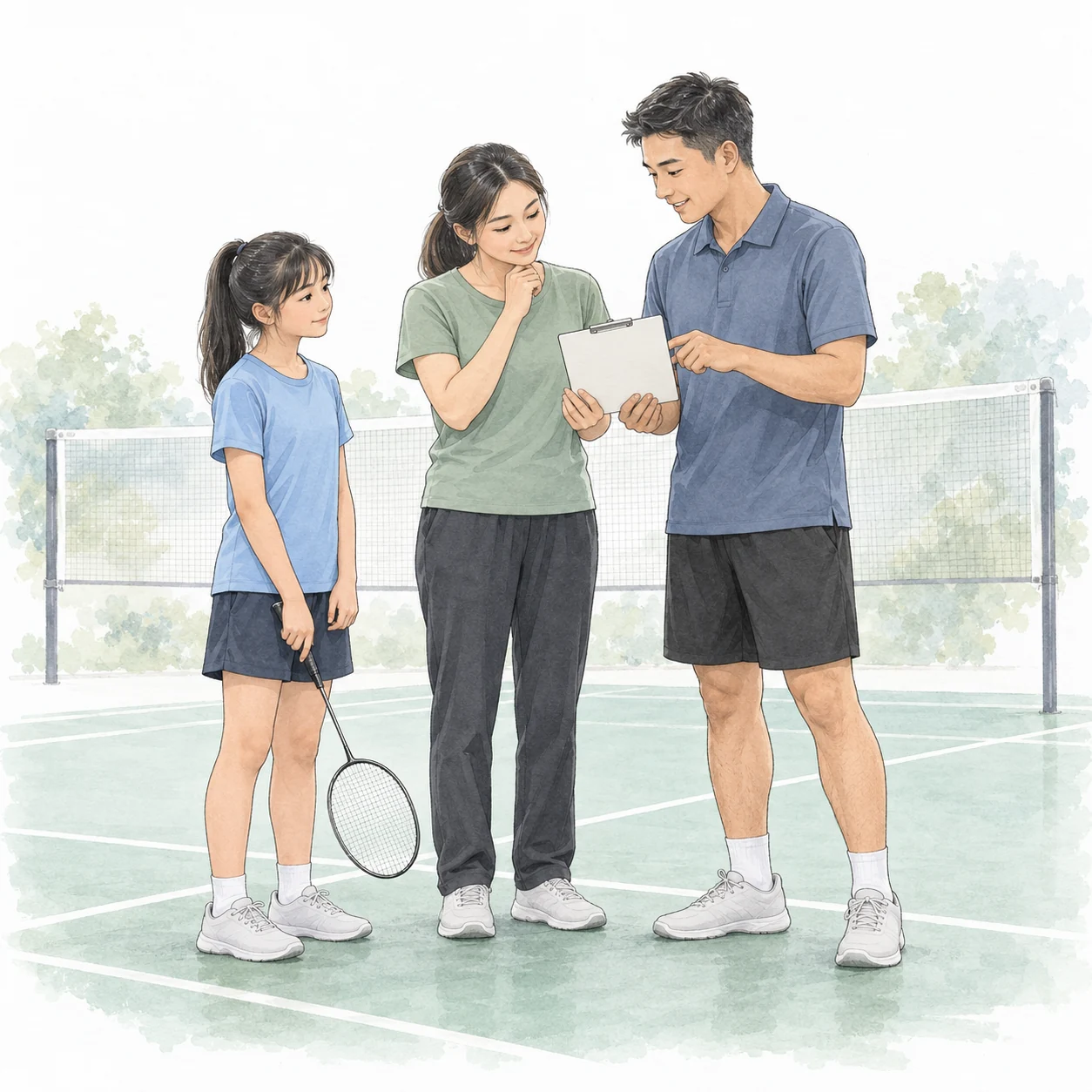
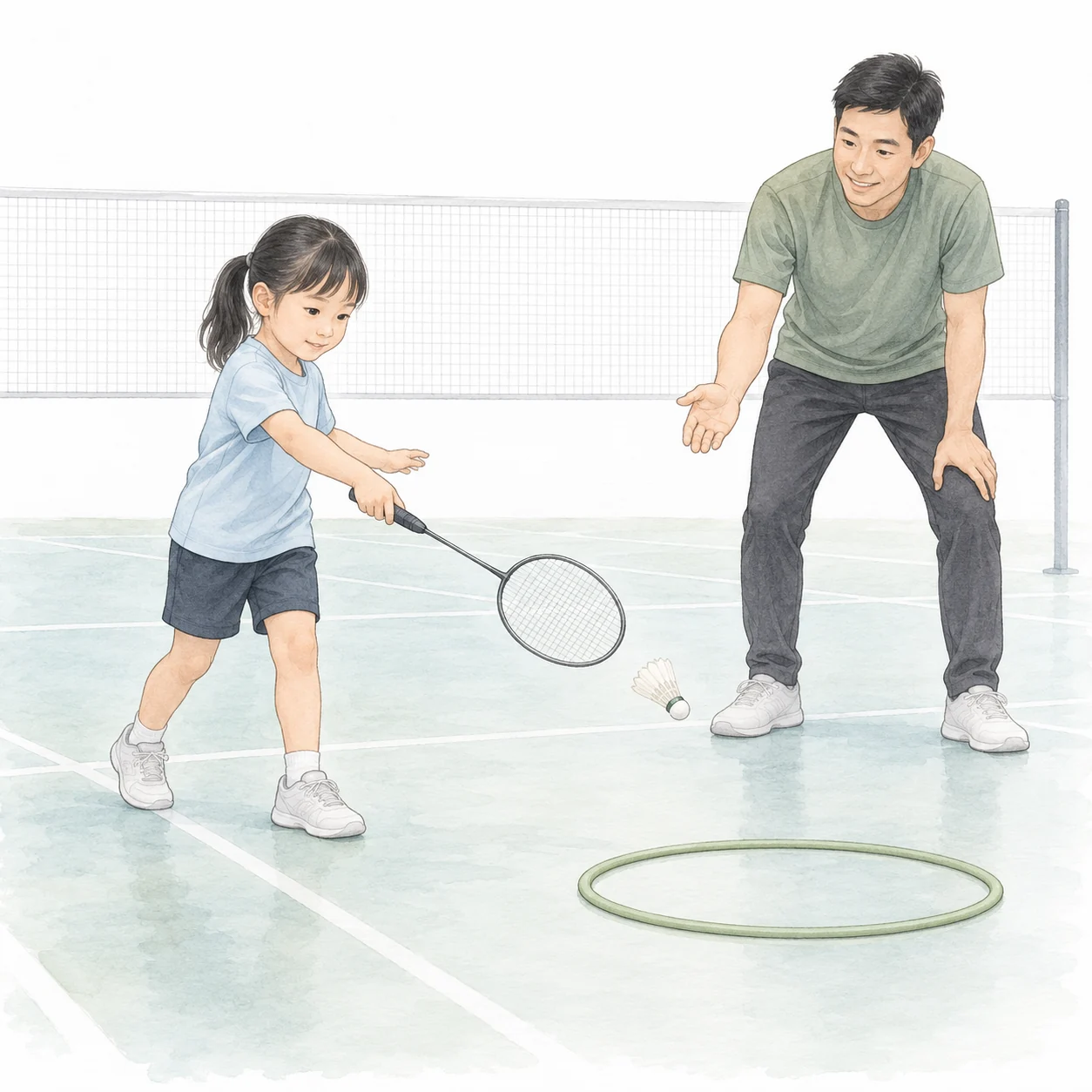
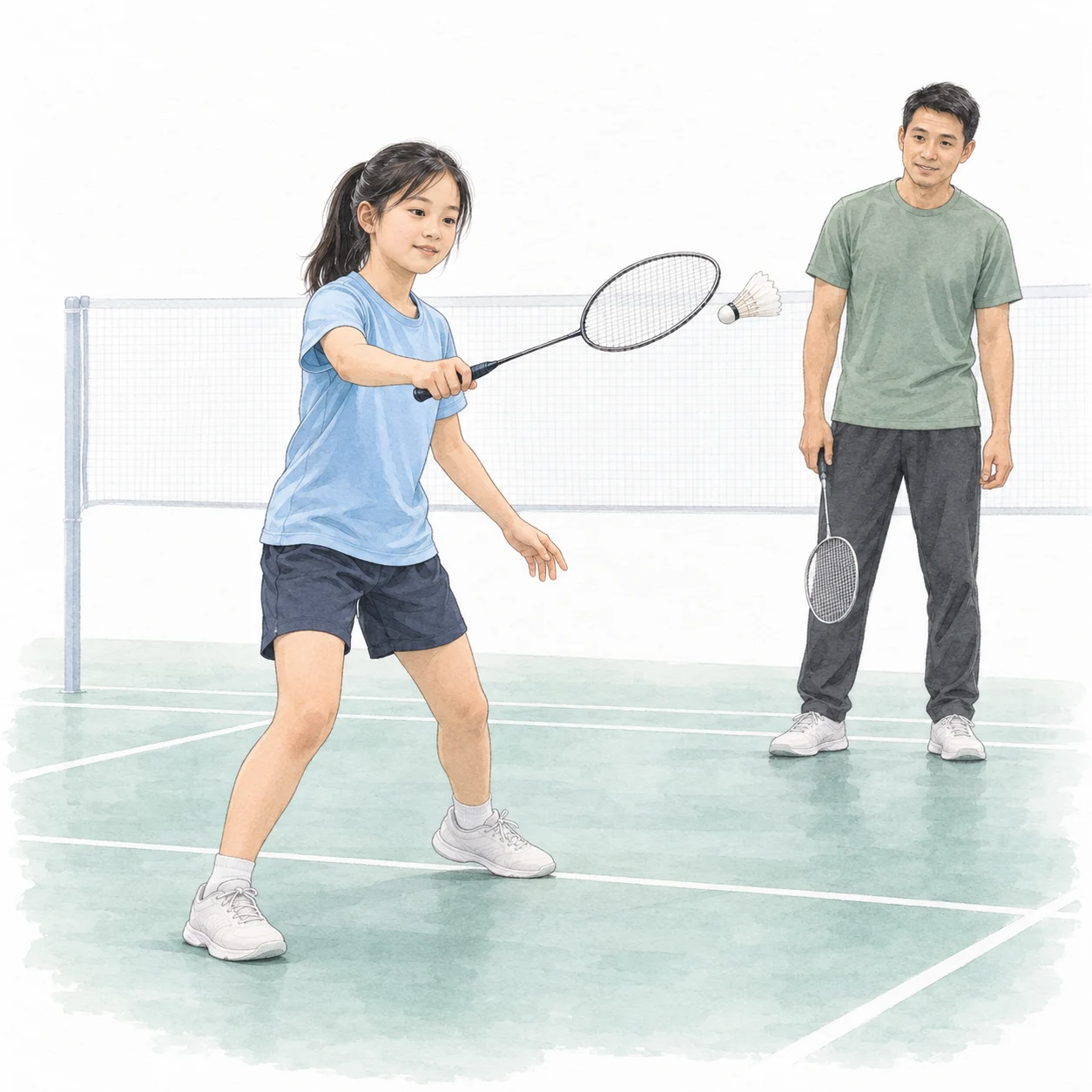
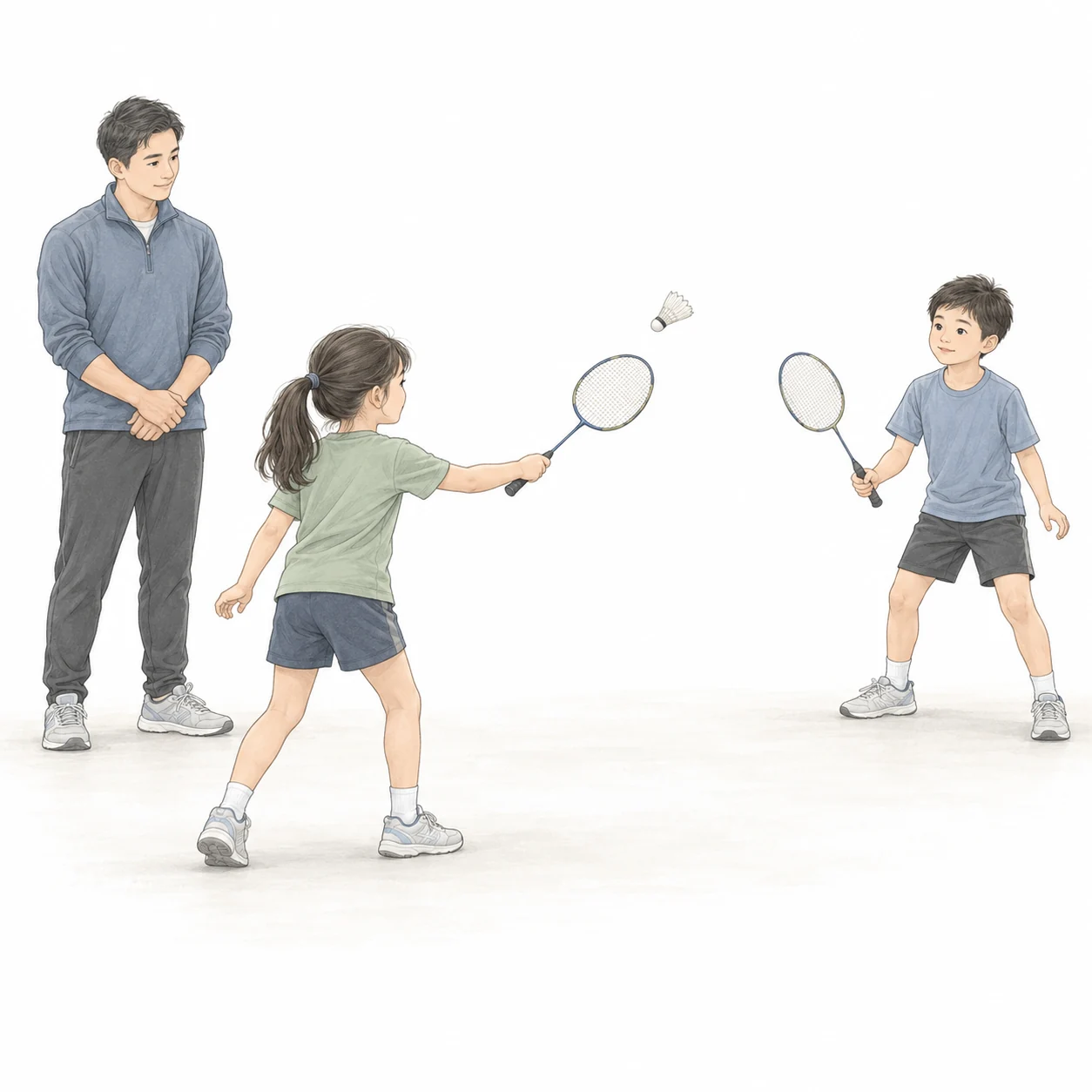
A national player’s experience can bring valuable knowledge of badminton, competition and shot choices. When a family searches for the Best Badminton Coach, the next question is how that knowledge becomes something their child can learn. Producing a skilled shot and teaching a beginner to understand a manageable task are related abilities, but one does not establish the other. This guide follows a hypothetical beginner lesson to make five teaching skills visible: observation, demonstration, communication, adaptation and feedback. It does not rank players or coaches, and the examples are not reports of actual students. For families considering badminton training in Setapak, Kuala Lumpur, these questions can support a more informed enquiry. Images are AI-generated teaching illustrations, not photographs of STBA lessons.
Respect experience
Ask how playing knowledge will serve this learner
Competition experience can help a coach recognise situations, explain tactical options and understand what a demanding rally requires. A family does not need to dismiss that background to ask about teaching. Instead, connect the experience to the learner’s current question. A beginner who cannot yet make controlled contact needs a task they can attempt; a more experienced learner may need to understand a choice within a rally. Ask how the coach selects the starting point. A powerful demonstration can show what is possible, while the lesson still needs a bridge between that example and the child’s present ability.
Consider a hypothetical child learning a simple serve. The coach may be able to deliver many advanced variations, but the immediate teaching question is whether the child understands the current task and can try it. The parent should not choose a correction merely because an impressive variation looked attractive. Ask what the learner is working on first and why. This respects the coach’s expertise while making its use concrete. The same question is fair for a national player, an experienced club player or another qualified teacher: what will this particular learner do with the knowledge today?

Teaching skill 1
Observe the attempt before choosing the correction
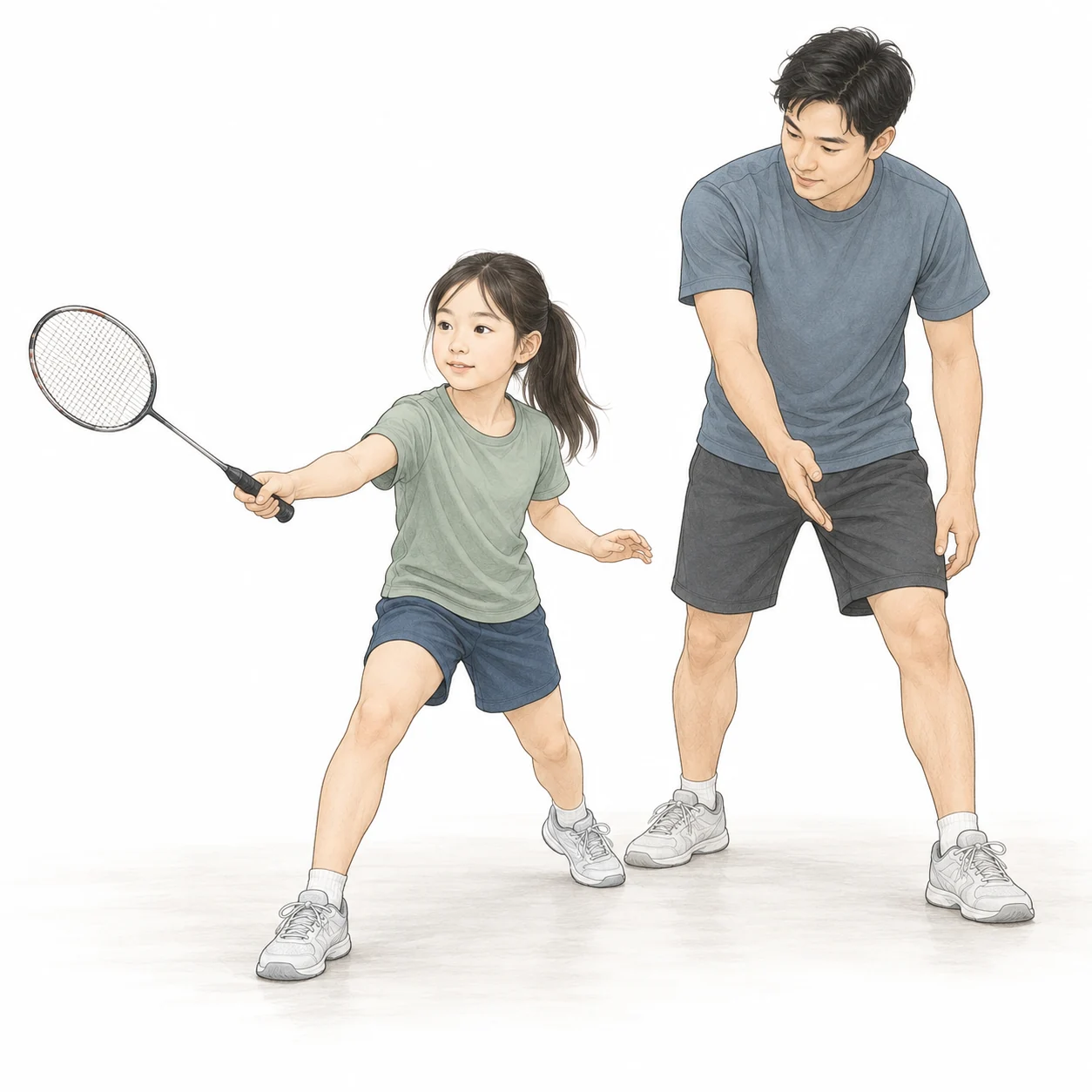
Useful observation begins with what the learner actually does. In the hypothetical serve lesson, the child may miss contact, look uncertain about where to begin or misunderstand the target. Those observations do not all call for the same response. A coach can watch the attempt, ask a short question and choose a priority based on what is seen. Parents can look for that link rather than count how many corrections are spoken. An instruction sounds more purposeful when the coach can explain which observed difficulty it addresses, without judging the child’s character from one unsuccessful attempt.
Observation should also distinguish a technical question from a task-understanding question. If the child cannot explain where the shuttle is meant to go, another instruction about the swing may not resolve the uncertainty. The coach might clarify the aim before changing the action. That does not mean technique is unimportant; it means the next step should match the problem being considered. Ask what the coach noticed and what they want to check next. A parent’s note can describe the event neutrally, such as the child asking where to aim, rather than claiming to diagnose a technical fault.
Teaching skill 2
Demonstrate a detail the learner can recognise
A demonstration can be impressive and still leave a beginner unsure what to notice. Look for a clear viewing position, a stated focus and an opportunity to see the relevant detail. In the hypothetical lesson, the coach might demonstrate the selected contact feature more slowly or show a simpler version of the task. The learner should know which part to watch, rather than try to absorb every movement at once. These are examples of teaching choices, not a prescribed technique for every child. The coach decides how to present the skill for the actual learner and setting.
After the demonstration, the child needs a chance to connect it with an attempt. Ask what the coach expects the learner to try first. Copying the whole action at full speed may be too much for the current task, while isolating one detail can make the purpose clearer. A different angle or another explanation may be appropriate if the first view was confusing. The criterion is whether the example becomes usable, not whether the coach’s own shot looks less skilled when simplified. Teaching sometimes makes expert knowledge more visible by reducing the amount a beginner must process.
Teaching skill 3
Check understanding instead of relying on agreement
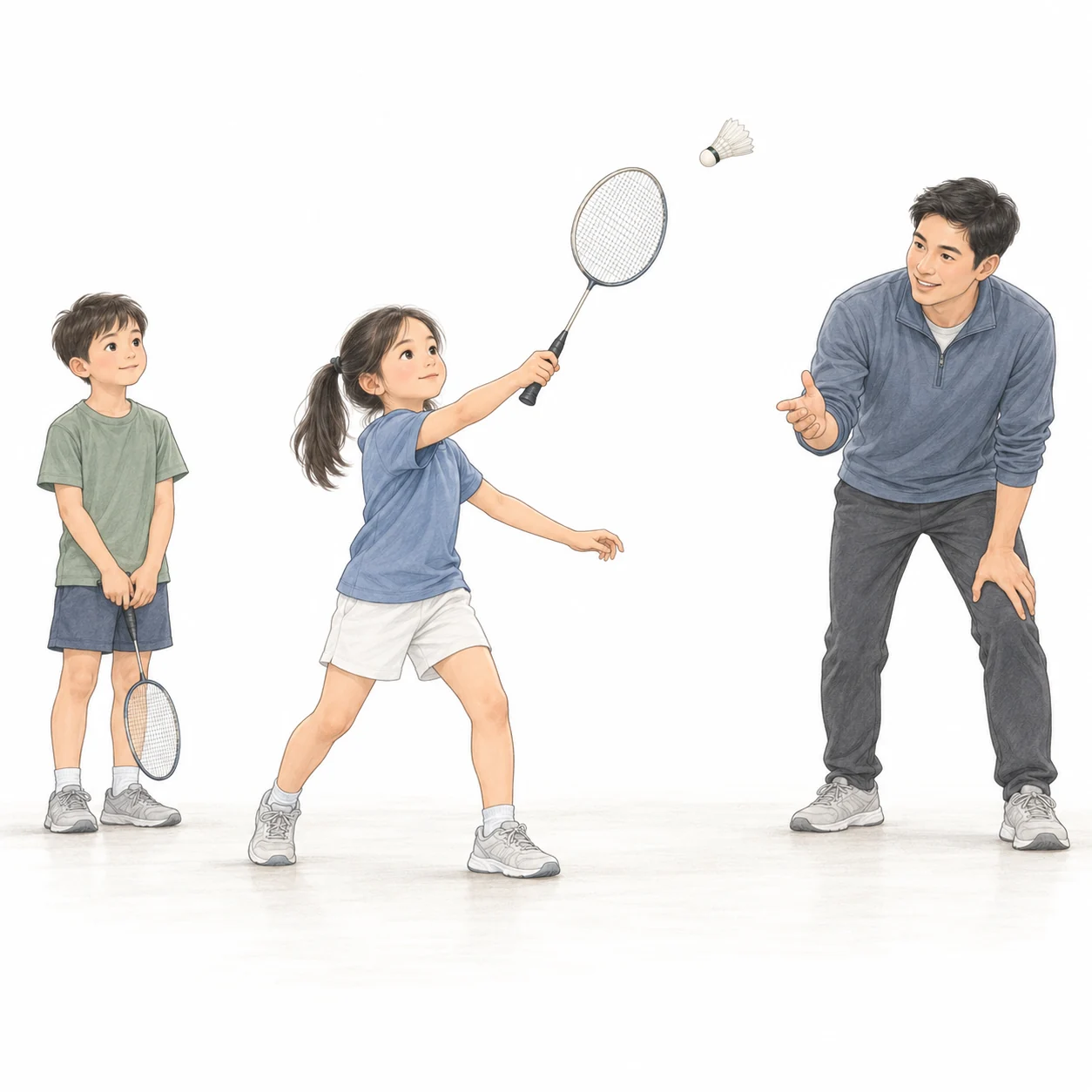
A child may nod after an explanation without knowing what to do next. A useful check invites a simple response: show the starting position, describe the target or say which detail the coach asked them to notice. The response need not use technical vocabulary. In our hypothetical serve lesson, an ordinary explanation of the next task may reveal more than repeating the coach’s exact words. Parents should not turn this into a test of the child’s memory. Look for a conversation that helps the coach decide whether to repeat, simplify or move on.
Communication also includes listening. If the child says the instruction is unclear, the coach can find out which part is confusing and explain it differently. Speaking louder or repeating several cues may not answer that question. A parent can support the agreed message by asking what the coach selected, rather than adding a second lesson from the sideline. For a badminton class for kids, useful language is language the learner can act on. This is one reason to examine teaching behaviour alongside a coach’s background: the child must be able to use the explanation, not merely admire the expertise behind it.

Myth vs reality
Three shortcuts that cannot settle a teaching decision
Myth: a national-player background automatically identifies the Best Badminton Coach for every child. Reality: that experience is relevant, but the family still needs to understand learner fit and teaching delivery. A national player may also be an excellent teacher; the point is to observe how the knowledge is shared. Do not replace one assumption with the opposite claim that strong players cannot teach. Ask the same practical questions about task selection, explanation and feedback for any coach you are considering.
Myth: the most spectacular demonstration proves the best beginner lesson. Reality: a demonstration becomes useful when the learner understands what to notice and gets a suitable opportunity to try. Advanced skill can enrich a lesson, but it need not be the beginner’s first task. The parent can ask how the coach connects the demonstration with the next attempt. This evaluates the teaching bridge without criticising the value of high-level playing knowledge or expecting every learner to perform the advanced version.
Myth: a certificate, reputation or one successful attempt removes the need to review teaching. Reality: background information and qualifications can inform a decision, while actual lesson delivery still matters. One attempt does not show how consistently the learner understands the task, and a page cannot guarantee future results. Ask how the coach checks the selected goal and what would change if the current approach is not suitable. Avoid turning a positive impression into an objective world ranking or a promise of improvement.

Teaching skills 4 and 5
Adapt the task, then connect feedback to another attempt
A coach can change the conditions while preserving the learning goal. In the hypothetical serve lesson, this could mean adjusting the target or simplifying the starting task after observing the learner. The aim is to create a meaningful attempt at the selected detail, not to make practice difficult for appearance’s sake. Later variation can test the same skill with a clearer choice. Parents should ask what remains the focus and why the conditions changed. Returning to a simpler task may be a useful teaching step, rather than evidence that the child is failing or that the coach lacks expertise.
Feedback needs a connection to what happens next. A general request to concentrate gives less direction than a specific coach-selected cue that the child can try. Look for the sequence: an attempt, an observation, a manageable adjustment and another attempt. Ask what the coach will check in that next effort. A short explanation without an opportunity to use it leaves the parent with less evidence about learning. Equally, many repeated shots without a clear response may not reveal understanding. Useful badminton training links the practice to information about the learner, rather than promising a fixed number of successes.
Make an informed enquiry
Use the five skills to ask better questions about training
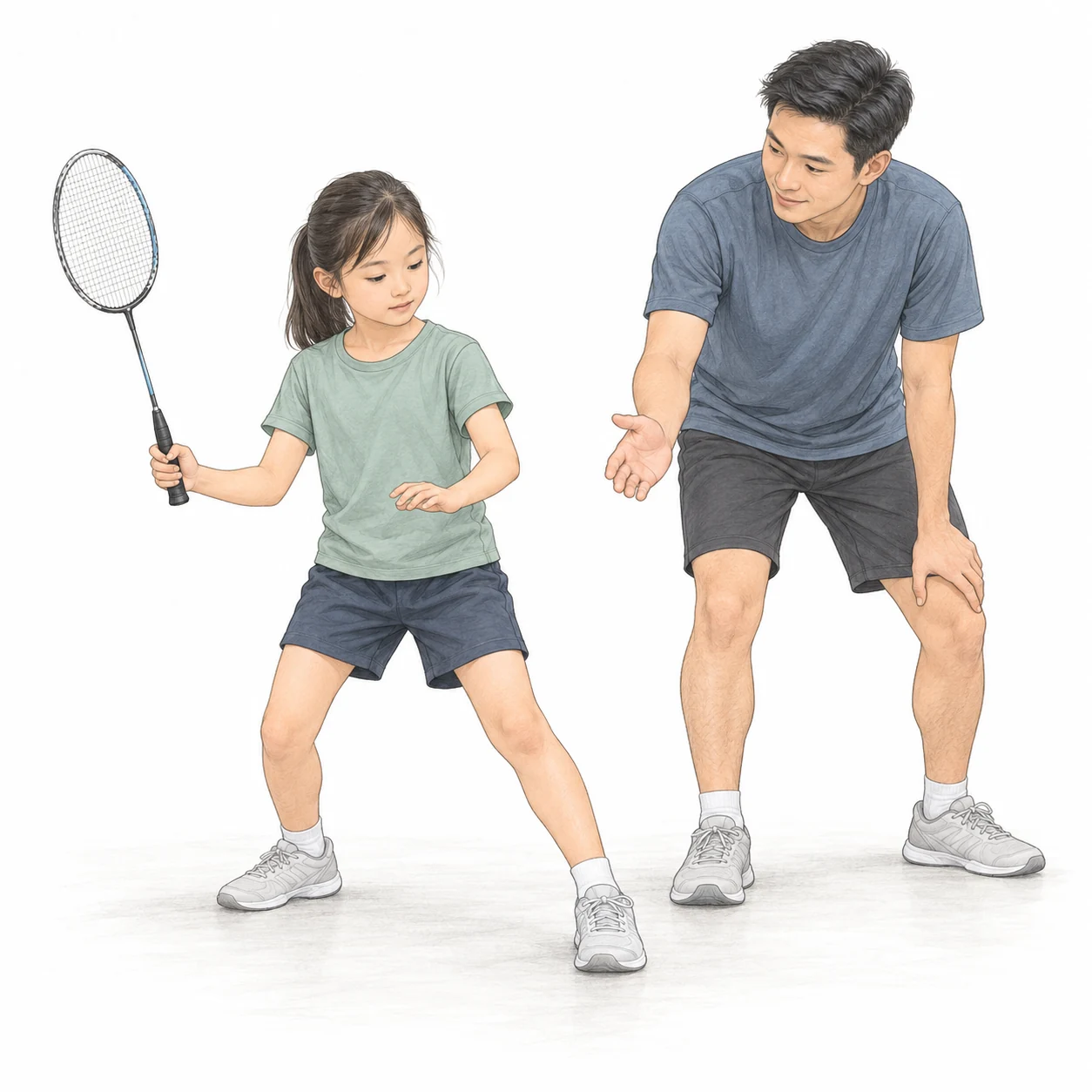
For a badminton academy enquiry, bring questions about observation, demonstration, communication, adaptation and feedback. You might ask how a beginner’s starting point is chosen, how the learner checks the task and what happens when a cue is not understood. Describe the child’s experience honestly, including what they have tried and what remains unclear. Avoid comparing providers through invented weaknesses or assuming that a title answers every learning need. The phrase Best Badminton Coach is useful as a search starting point; a considered decision needs evidence about how teaching will fit the learner.
For ST Badminton Academy Malaysia in Setapak, Kuala Lumpur, the first step is the website’s online application. Provide the requested learner information and read the intake application rules before submitting. If the form allows an appropriate note, state a concrete learning question rather than request a guaranteed result. Suitability and arrangements require confirmation from STBA; no particular class, trial, time or available place is promised here. The purpose of this guide is to make the teaching conversation more specific. Respect a coach’s experience and ask how it will become an understandable task, a useful attempt and a reviewed next step.
Questions about playing experience and teaching ability
These answers help families examine how knowledge is taught. They do not judge an individual coach from a title or compare unverified student outcomes.
Does this guide say national players cannot coach?
No. National-player experience can be valuable, and a former or current player may teach very well. The guide asks families to observe how expertise becomes a suitable lesson. Respect the playing background and examine explanation, adaptation and feedback as additional teaching abilities.
Why is an impressive shot not enough evidence?
It shows what the coach can perform, but not necessarily what the learner understands or can attempt. Ask which detail the child should notice, how the demonstration is simplified if needed and what the child tries afterwards. These questions examine the connection between demonstration and learning.
What should a coach observe before correcting?
The learner’s actual attempt and understanding of the task provide a starting point. Missing contact and not knowing the target are different observations. Ask what the coach noticed and why the selected cue addresses it. A parent should describe events rather than diagnose faults from the sideline.
How can a beginner show understanding without technical terms?
They can describe the aim in ordinary language or show the next task under the coach’s direction. Exact vocabulary is not the only evidence. The response helps the coach decide whether the explanation is usable. It should support teaching, rather than become a separate parental memory test.
Is a simpler task a sign of poor coaching?
Not automatically. A simpler condition can make a selected detail easier to notice and attempt. Ask why the change was made and how the coach will check it. The quality question is whether the adaptation serves the learner’s task, not whether it appears advanced.
What does usable feedback look like?
It relates to the attempt and gives the learner a manageable action or cue for the next one. The child then needs an opportunity to try it. Ask what will be observed next, rather than expecting a promise that one correction immediately solves the skill.
Should a parent verify a coach’s qualifications?
It is reasonable to ask about relevant background and qualifications, while keeping their scope clear. Do not infer an award or current status from vague wording. Qualifications are one part of the enquiry; observe delivery and learner fit without treating any credential as a guarantee of results.
Can this checklist identify a world’s best coach?
No. It supplies learner-focused teaching questions, not a global ranking method. A coach’s suitability depends on the learning task and setting. No world ranking for Eric or any other coach is established here, and no comparison of independently verified outcomes is presented.
How should we begin an enquiry with STBA?
Submit the website’s online application first after reading the intake application rules. Provide the information requested about the learner and describe the relevant question accurately. STBA needs to confirm suitability and arrangements. The guide does not promise a trial, schedule, fee or available place.
Teaching illustrations: turning playing knowledge into a learner’s task
Four steps from experience to usable teaching evidence
Use these steps to discuss how knowledge is taught. They describe a review process, not performance statistics or a guaranteed improvement timeline.
| Teaching question | Less useful shortcut | More useful enquiry OBSERVABLE TEACHING |
|---|---|---|
| Playing experience | Assume a title establishes fit for every learner | Ask how experience informs this learner’s starting task |
| Observation | Count corrections without knowing their purpose | Ask which observed difficulty the selected cue addresses |
| Demonstration | Judge only the coach’s most spectacular shot | Check the detail to watch and the learner’s next attempt |
| Communication | Treat a nod as complete understanding | Invite a simple explanation or demonstration of the task |
| Adaptation | Judge quality only by advanced difficulty | Ask why conditions changed and what goal remains |
| Feedback | Expect a promised result from one instruction | Look for a usable cue, another attempt and a review |
Ask about foundation-focused badminton training in Setapak
For ST Badminton Academy Malaysia, begin with the website’s online application and read the intake application rules. Describe the learner’s experience and the task you want to understand. STBA needs to confirm suitability and arrangements; no class, trial, time, fee or available place is guaranteed by this guide.