Choosing Badminton Training Around School Travel and Kuala Lumpur Traffic
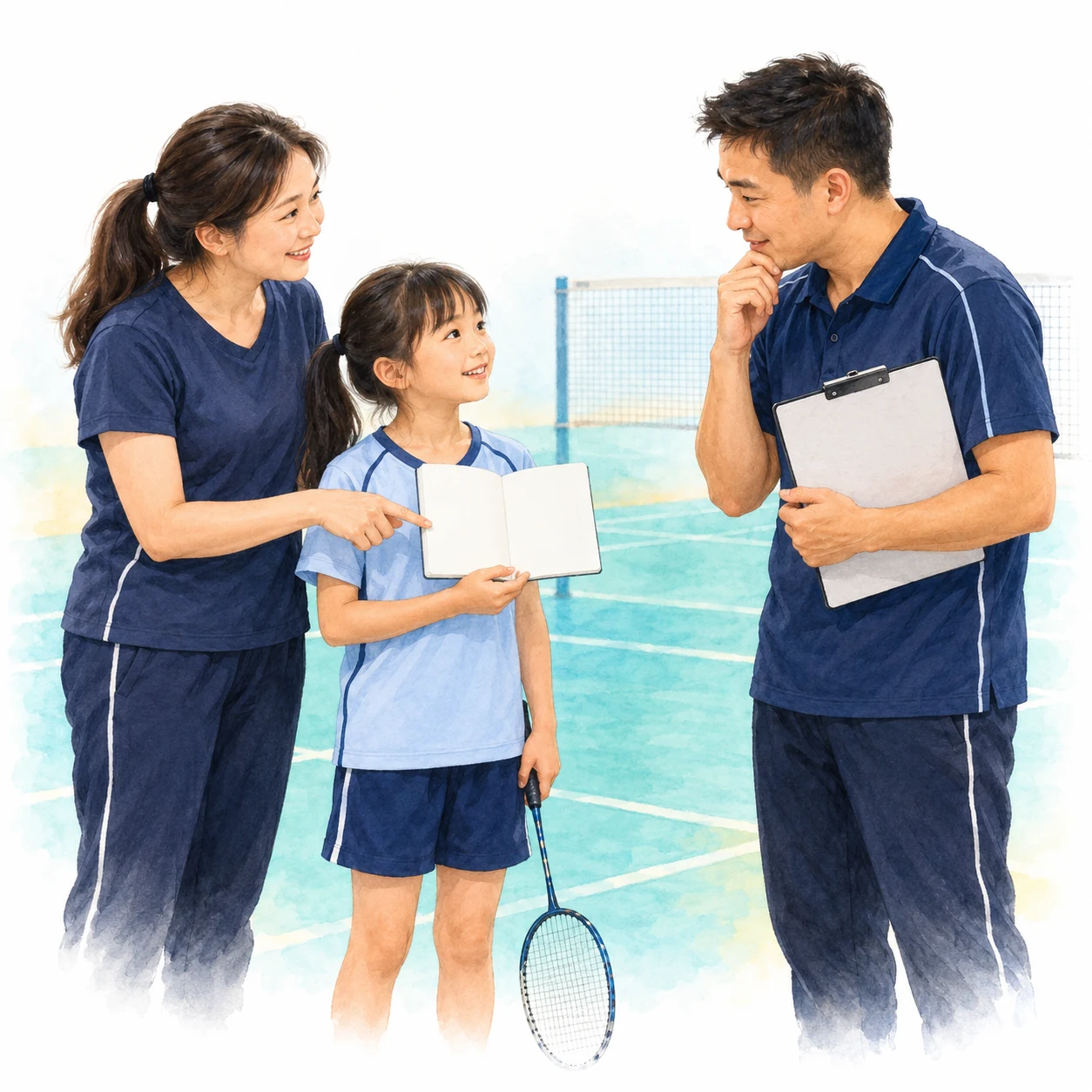
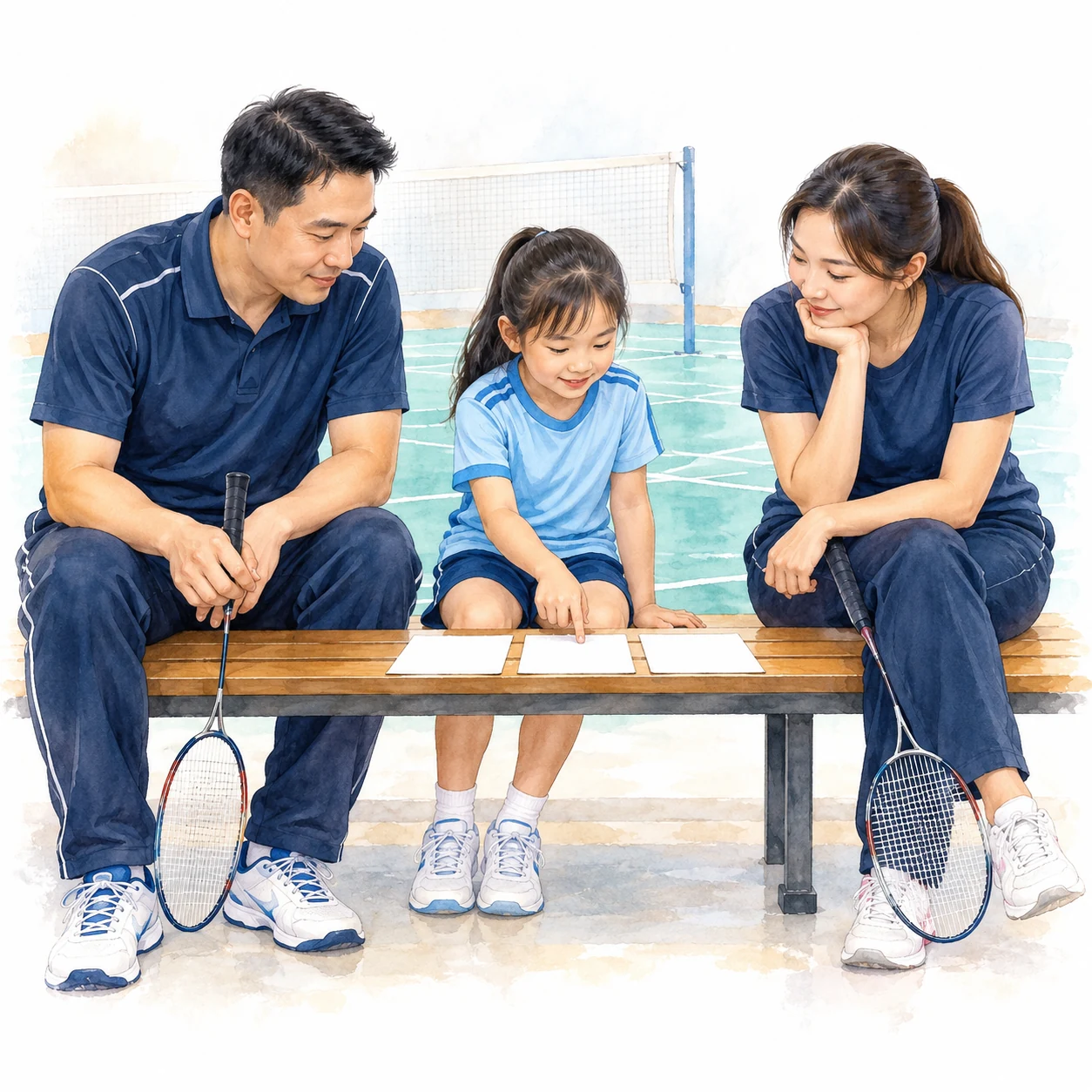
A badminton class for kids becomes part of an ordinary school week, not an isolated hour on a court. Parents have to connect school dismissal, food, transport, changing clothes, the lesson itself and the journey home. A promising badminton academy can still be difficult to attend consistently if that whole sequence leaves a child hurried or a parent unable to manage other responsibilities. The nearest coach is not automatically the best teacher, and travelling farther to a famous coach does not automatically improve the lesson. This guide helps families in Kuala Lumpur, including those considering travel around Setapak, compare the actual teaching with a practical routine. Journey conditions vary; ask for the real venue, proposed day, session time and current availability before deciding. The educational illustrations on this page are AI-generated examples, not photographs of Eric Chuar or actual students.

THE WHOLE SCHOOL DAY
Compare the complete journey, not the map pin
Start with the place your child will actually leave from on the proposed training day. That may be school rather than home, and the person collecting the child may also need to collect a sibling or finish work. Write down the sequence in plain language: collection, a suitable opportunity to eat, travel, arrival, changing, training and return. This is more useful than comparing a school and a badminton court as two dots on a map. It reveals which arrangements depend on everything going perfectly and which leave room for an ordinary delay.
When a badminton coach offers a possible session, check what that proposal means for the whole household before treating it as a commitment. Ask where the class actually meets and how arrival and collection work. Clarify whether the details you have seen online still describe the proposed session. A location page, a map result or an old timetable is not confirmation of an available place. Keep the discussion specific to your child’s current school routine, rather than a general claim that any nearby badminton training will fit.

CHECK THE REAL ROUTE
Observe travel on the day you would attend
A journey you make on a quiet weekend may not represent the trip after school on your intended training day. If practical, observe the route under conditions that resemble the proposed routine, including the actual departure point and likely collection sequence. Treat the observation as useful information, not a promise that future trips will take the same time. Kuala Lumpur traffic, weather and arrangements can change. The important question is whether your family can make a reasonable plan without needing an exact, unchanging journey time.
Include the parts that a navigation estimate may not explain: reaching the pickup point, entering the venue, finding the correct court, getting changed and handing the child over appropriately. Ask about those practical details directly instead of guessing. Leave a sensible buffer for your family’s circumstances, without using a fixed number as a rule for every parent. A workable routine gives the child a chance to arrive ready to listen. It also gives the adult a clear plan for collection, rather than relying on the lesson finishing and the return journey aligning perfectly.
NEARBY AND SUITABLE
Convenience matters alongside teaching quality
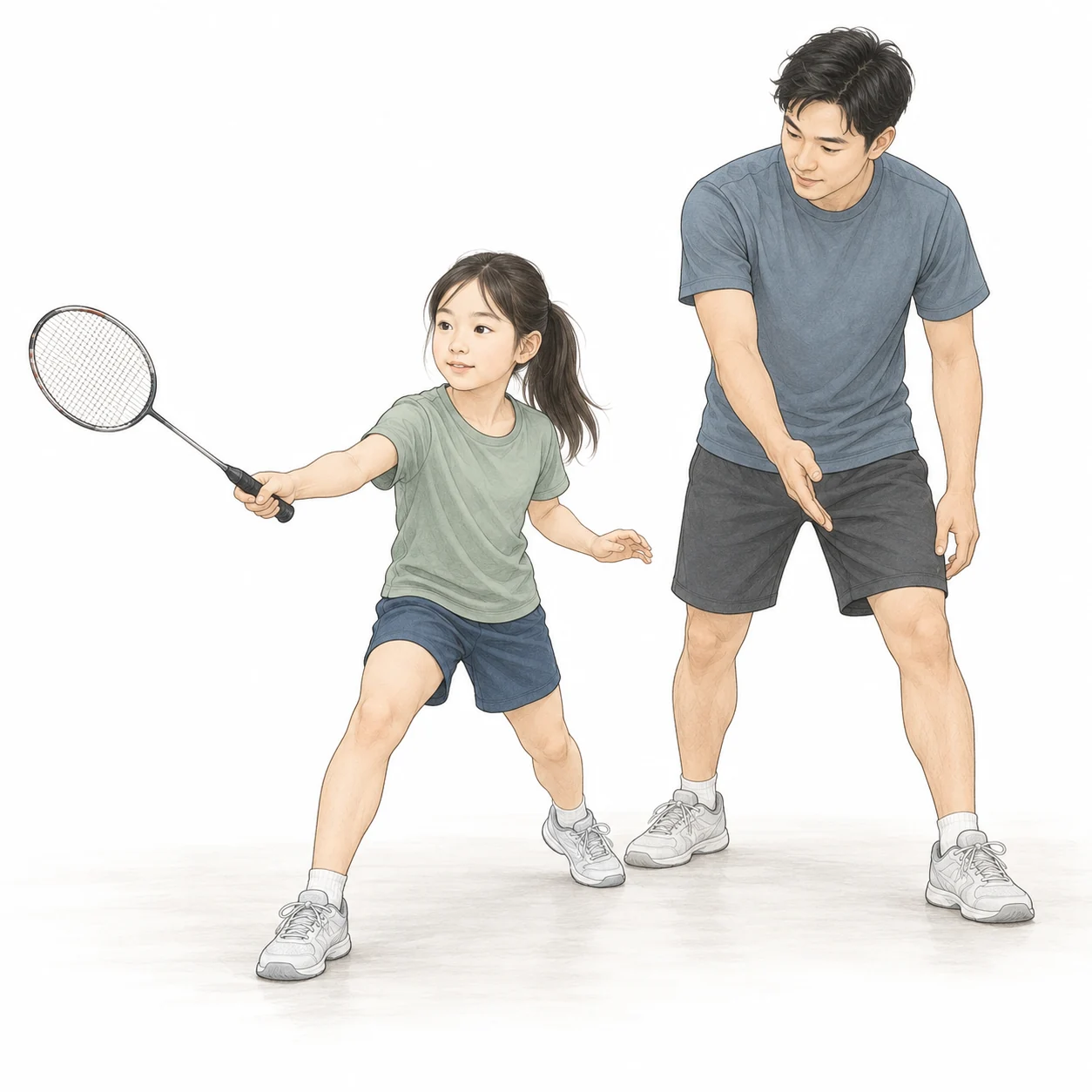
A nearby badminton academy deserves consideration because a simpler trip can make attendance easier to organise. It still needs to provide suitable coaching. Observe whether explanations are clear, the task matches the child’s level and the coach notices what the child is doing. Ask how beginners are introduced to grip, movement and simple rallies, and how the teacher responds when a child is confused. A short journey cannot replace those teaching qualities. Equally, a modest-looking venue or a less famous name should not be dismissed if the actual learning experience is appropriate.
A more distant option may be worth considering when there is a concrete teaching reason, but reputation alone is not that reason. A coach’s playing achievements can offer relevant experience without answering every question about teaching children. Compare what happens during the lesson: the explanation, practice opportunities, feedback and the child’s understanding. Then place that evidence beside the travel burden. Choosing badminton training is a balance of observed instruction and a routine your family can maintain, rather than a contest to choose either the shortest journey or the most impressive biography.
READY TO LEARN
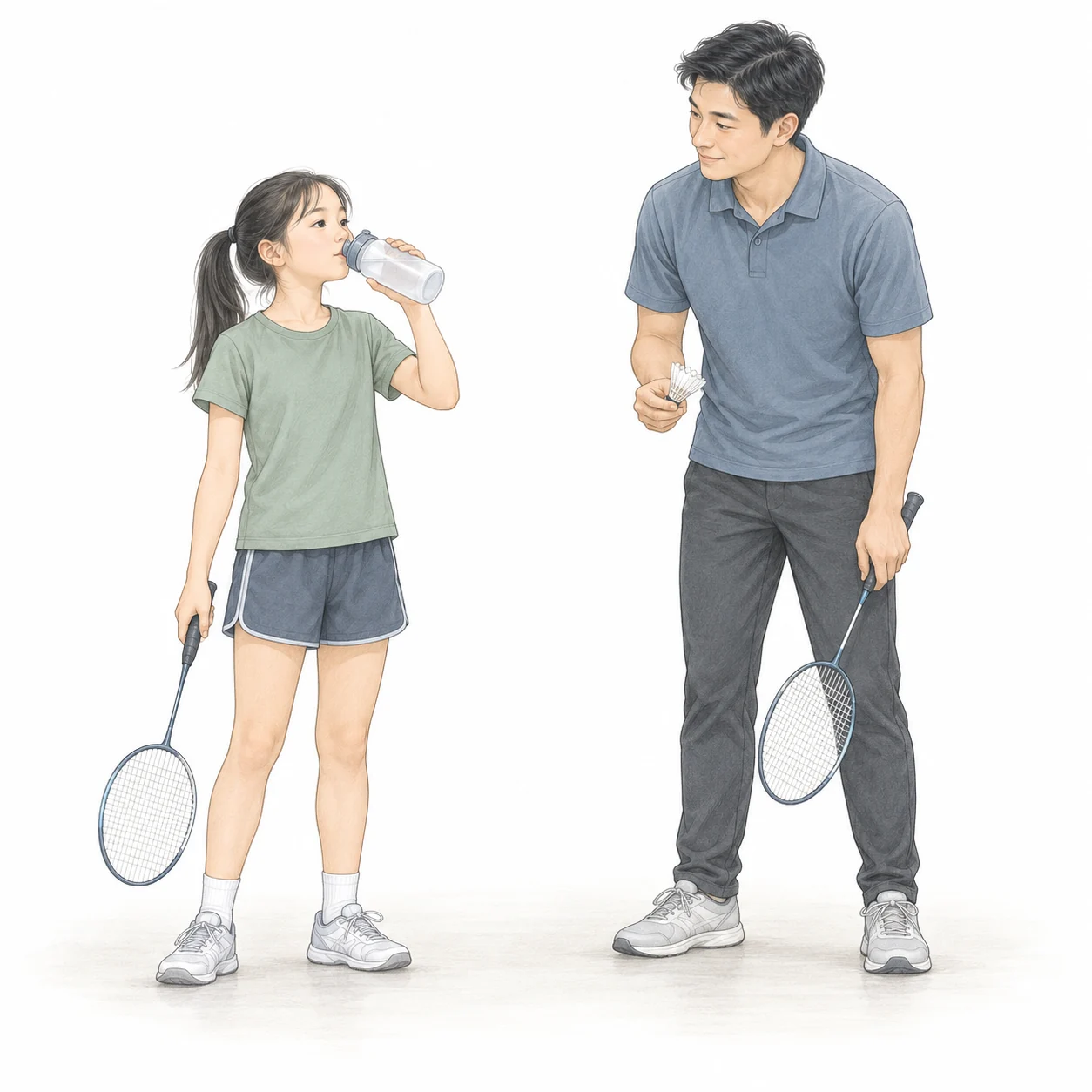
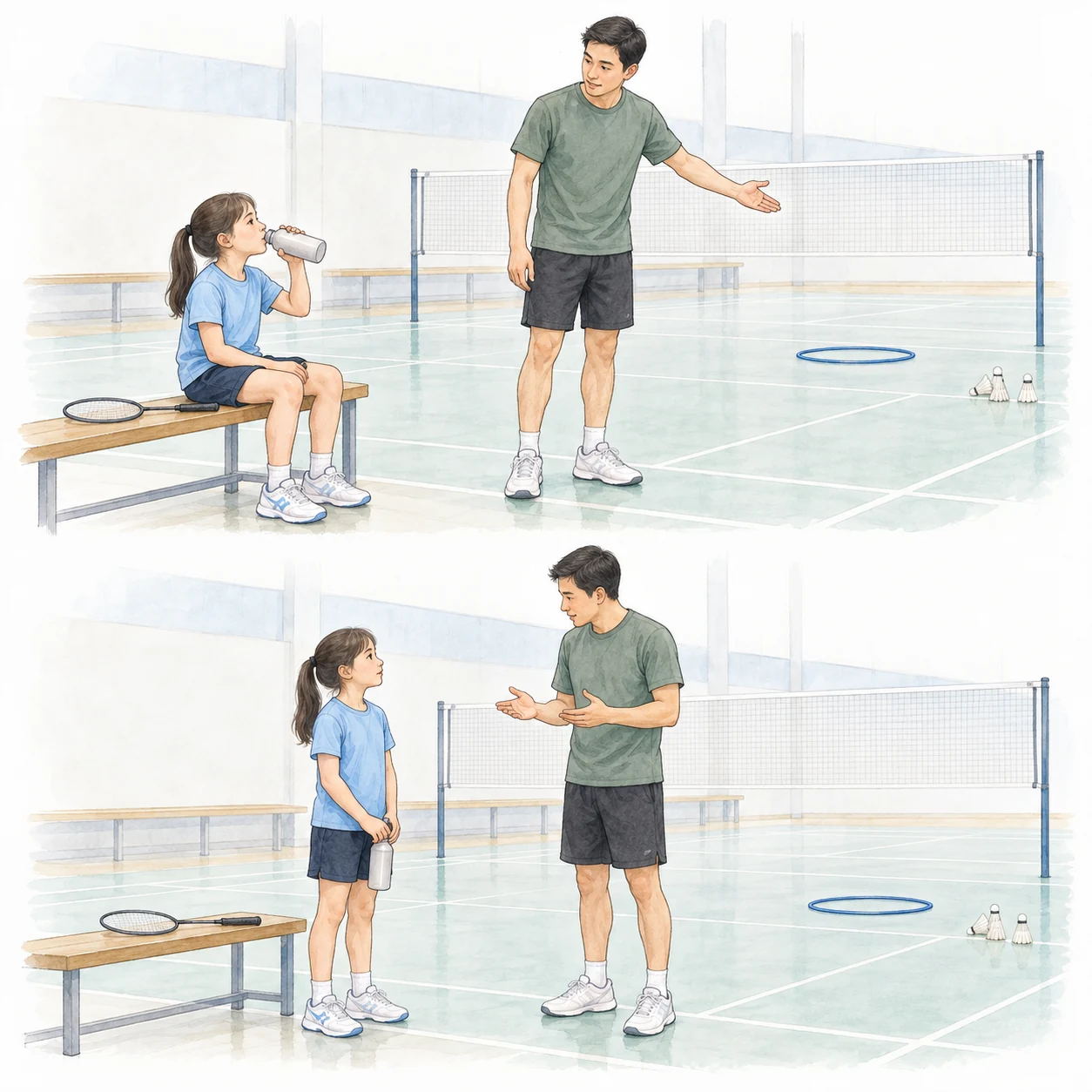
Notice the child at arrival and after the lesson
Ask your child about the sequence of the day, not just whether the class was fun. Was there an opportunity to eat and change comfortably? Did arriving feel rushed? Could the child explain the task, or was attention still on the journey? These questions are observations, not a diagnosis or a test the child must pass. School days differ, and one difficult afternoon does not prove a class is unsuitable. Look for patterns in the family’s actual experience while keeping the child’s ordinary responsibilities and need for a manageable routine in view.
The return journey matters too. A class that appears convenient on the way there may be difficult when you include collection, food, unfinished schoolwork and getting home. Discuss the practical strain with the coach using specific facts, such as difficulty arriving ready or a repeated conflict with another commitment. Avoid blaming the child for logistics an adult arranged. A good discussion may clarify the available options, but do not assume that a different session or place is available until the academy confirms it. Any adjustment should remain realistic for the whole household.
A ROUTINE THAT CAN CONTINUE
Plan consistency without filling every spare moment
Consistency means giving the child a reasonable opportunity to return to learning; it does not mean attending at any cost. Before committing, look at the week as a whole. Include school demands, other family responsibilities and existing activities. Ask which arrangement can be repeated without turning every training day into a negotiation. There is no single timetable that suits all children. A badminton class for kids should be considered within your family’s actual circumstances, and a manageable routine does not guarantee a particular sporting result or speed of progress.
Agree on a simple plan for unexpected changes. Who will inform the coach if collection or travel becomes difficult? What should you do if you cannot arrive as proposed? Ask the academy about its current attendance arrangements rather than assuming a make-up lesson, credit or alternative class is included. Clear communication helps the coach know what to expect and helps parents avoid promising their child an option that has not been confirmed. The point is a reliable conversation between adults, not a complicated system the child must manage alone.
Keep any practice between classes proportionate and connected to what the coach has actually taught. A parent does not need to add an elaborate home session to compensate for every difficult commute. Ask for a simple explanation of what the child is learning and whether any suitable, safe reminder is useful outside the court. If the week is already crowded, discuss that honestly. Protecting an achievable routine is often a better planning choice than adding activities merely because a family feels it must catch up. Do not introduce unfamiliar technical drills without appropriate guidance.
ASK BEFORE YOU APPLY
Use concrete questions to compare your options
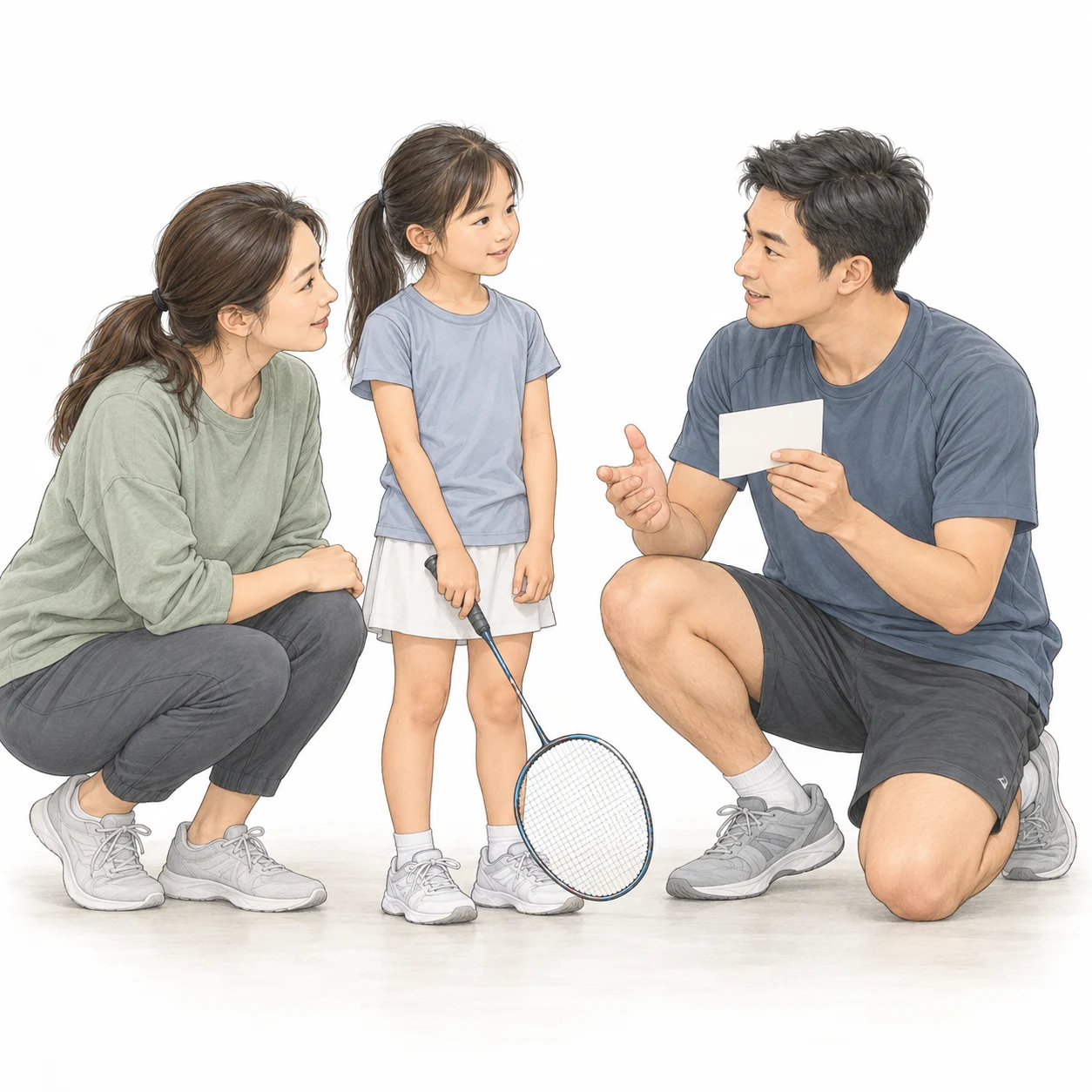
A useful enquiry combines the child’s learning needs with the family’s practical limits. Explain the child’s general experience, the school-day starting point and the days you are considering. Ask for the actual venue and the proposed time, how the group is arranged, and whether the session is appropriate for that child. You can also ask how the coach describes progress and communicates with parents. These questions do not require an academy to promise results. They make it easier to judge whether the teaching and the proposed routine are a sensible match.
Confirm practical information before applying or committing, particularly if you are comparing options around Kuala Lumpur or Setapak. Ask about current availability, arrival and collection arrangements, and any applicable attendance conditions. Keep a brief written summary so that two options are compared on the same facts. Avoid inserting assumed prices, travel times or class sizes into the comparison. If a detail is not confirmed, mark it as a question. An application is the start of checking suitability and arrangements; it should not be presented to your child as an automatically secured place.
REVIEW THE FIT
Revisit the routine when school circumstances change
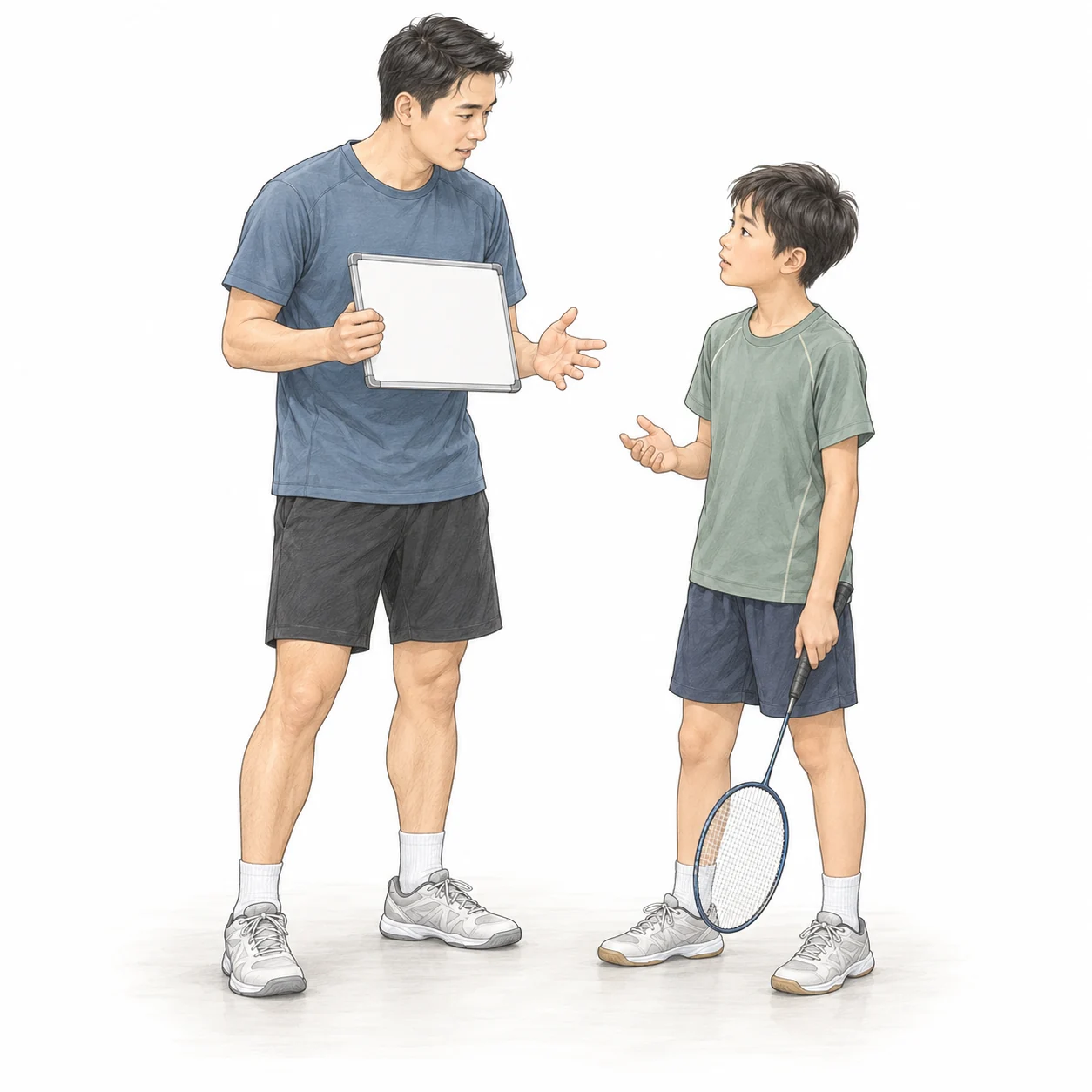
A reasonable choice today may need another conversation when school hours, family transport or other commitments change. Review the arrangement by looking at the same evidence you used at the start: actual teaching, the child’s understanding and the full journey. Ask what is working before focusing on what is difficult. If the child can describe a learning task and the family can attend without repeatedly rushing, those are useful observations. They do not establish that one coach is objectively the best in KL or that future progress is guaranteed.
If the routine becomes difficult, speak with the coach before making assumptions about why the child appears less engaged. Travel strain and unclear teaching are different questions, and both deserve a specific conversation. A nearer option may solve a transport problem without automatically solving a learning problem; a stronger explanation may help learning without changing the commute. Choose the next step using what you can actually verify. The aim is a suitable badminton training arrangement that respects the child’s school week and gives the family a clear, repeatable way to participate.
Questions parents ask before choosing a school-day class
These answers support a practical conversation with a badminton coach. Confirm the proposed venue, schedule, suitability and availability directly; this page does not state a current timetable, travel estimate or guaranteed place.
Should I choose the closest badminton coach?
Proximity is useful when it makes the family routine simpler, but it is not the only criterion. Look at how the coach explains tasks, responds to confusion and arranges suitable practice. Compare those observations with the real journey. The closest option can be a good fit when both teaching and logistics work for your child.
Is a famous coach worth a longer journey?
Possibly, if the actual instruction provides a relevant benefit for your child and the full routine remains manageable. Fame or playing achievements alone cannot confirm that benefit. Observe teaching, ask about the child’s needs and compare practical arrangements. Do not assume travelling farther automatically creates better badminton training.
How can I check the journey without an exact travel estimate?
Consider the route from the actual school-day departure point on the proposed day, if practical. Include pickup, venue entry, changing and the return journey. Conditions vary, so an observation is information for planning rather than a guaranteed duration. Ask practical venue questions and allow a buffer suitable for your own circumstances.
What should I tell the academy in my enquiry?
Describe the child’s general experience and the school-day arrangement you are considering. Ask about the actual venue, proposed session, group suitability, current availability and handover. Share relevant logistical limits clearly. You can ask how feedback works without requesting promises about ranking, competition results or a fixed speed of improvement.
What if my child is repeatedly rushed before training?
Review the sequence with your child and identify where the pressure occurs. Discuss specific circumstances with the coach, rather than treating the child as the problem. Ask what arrangements are actually available and check the return journey too. One difficult afternoon is different from a routine that repeatedly cannot be managed.
Can I assume another session is available if school hours change?
No. Ask the academy about current options before planning around them. A timetable seen earlier or another family’s arrangement does not confirm your child’s place in a different session. Clarify any applicable attendance arrangements as well. Present possible changes as questions until the coach or academy confirms the details.
Do I need extra home drills to compensate for travel?
Do not add unfamiliar drills merely because the commute is demanding. Ask the coach what the child is learning and whether a simple, suitable reminder is useful away from the court. Keep it manageable and safe. An overloaded family week is a planning issue to discuss, not a reason to invent a demanding home programme.
How do I compare two badminton academies fairly?
Use the same questions for both: teaching clarity, suitability for the child, practice opportunities, feedback and the complete travel routine. Record confirmed information and leave unknown details as questions. Avoid relying only on distance, reputation or promotional claims. A fair comparison recognises the strengths and practical limits of each actual option.
Does applying mean my child has a confirmed class place?
An application opens a conversation about suitability and arrangements. Confirm the venue, proposed day and time, availability and any relevant conditions before committing. Avoid telling the child a place is secured merely because a form was submitted. The purpose is to find a workable teaching arrangement, with the details understood by both family and academy.
A visual guide to teaching and family planning
Four steps before choosing a class
Bring teaching and travel into one decision. Use confirmed details rather than a generic “near me” result, a famous name or a journey estimate taken from a different day.
| Decision | An incomplete shortcut | A practical comparison Teaching + travel |
|---|---|---|
| Starting point | Measure only the trip from home | Use the actual school-day departure point |
| Nearby option | Assume the nearest teacher is best | Check clear teaching as well as convenience |
| Famous coach | Expect reputation to justify any commute | Observe a relevant teaching benefit |
| Journey plan | Treat one map estimate as a promise | Consider changing conditions and the full sequence |
| Attendance | Assume an alternative session is included | Ask about current arrangements and availability |
| Application | Tell the child a place is already secured | Confirm suitability and details before committing |
Find a workable badminton training arrangement
Share your child’s experience and the school-day routine you are considering. Ask ST Badminton Academy to confirm the proposed venue, session details and current availability, then discuss whether the teaching arrangement suits your child and family. Applying begins that conversation; it does not guarantee a place or a particular result.