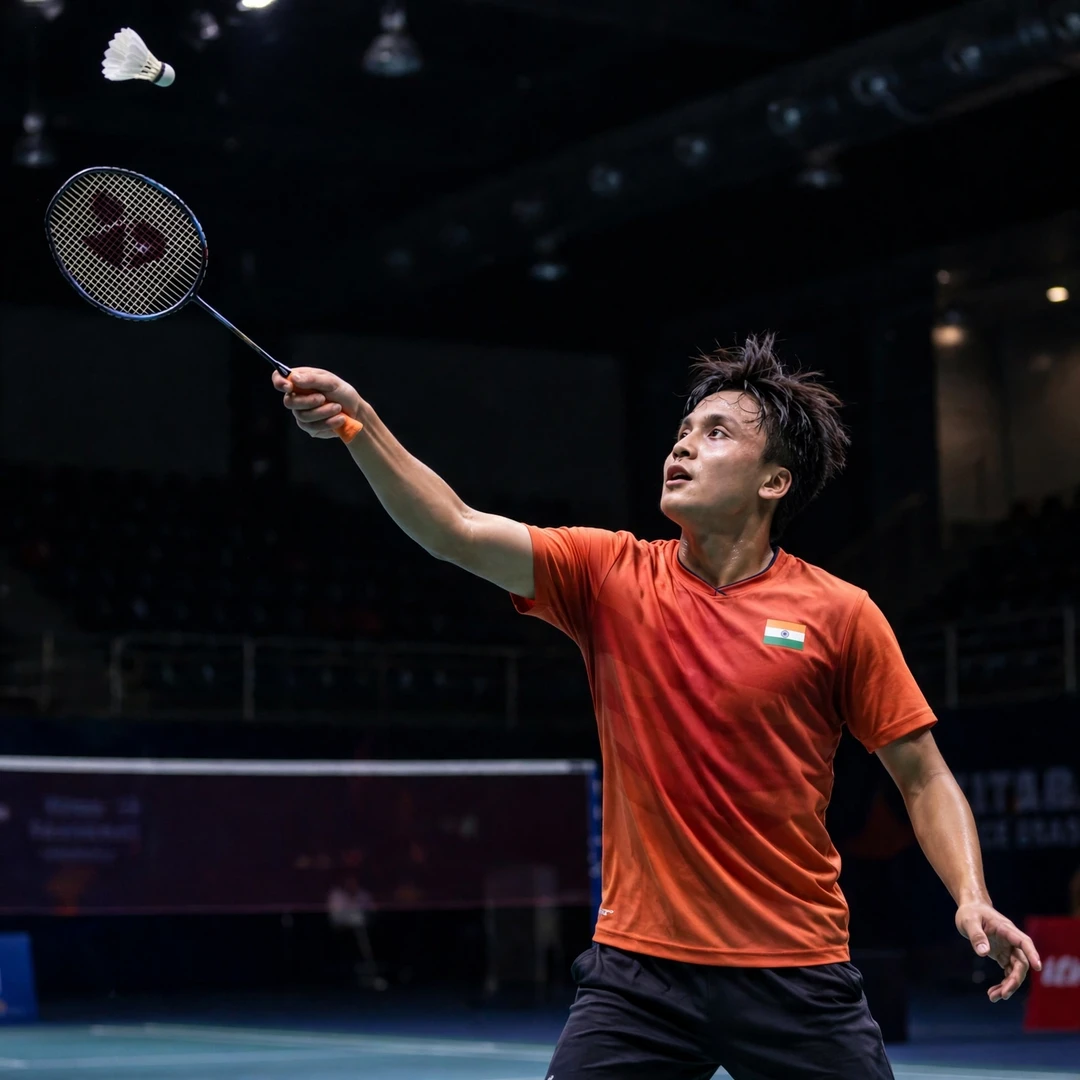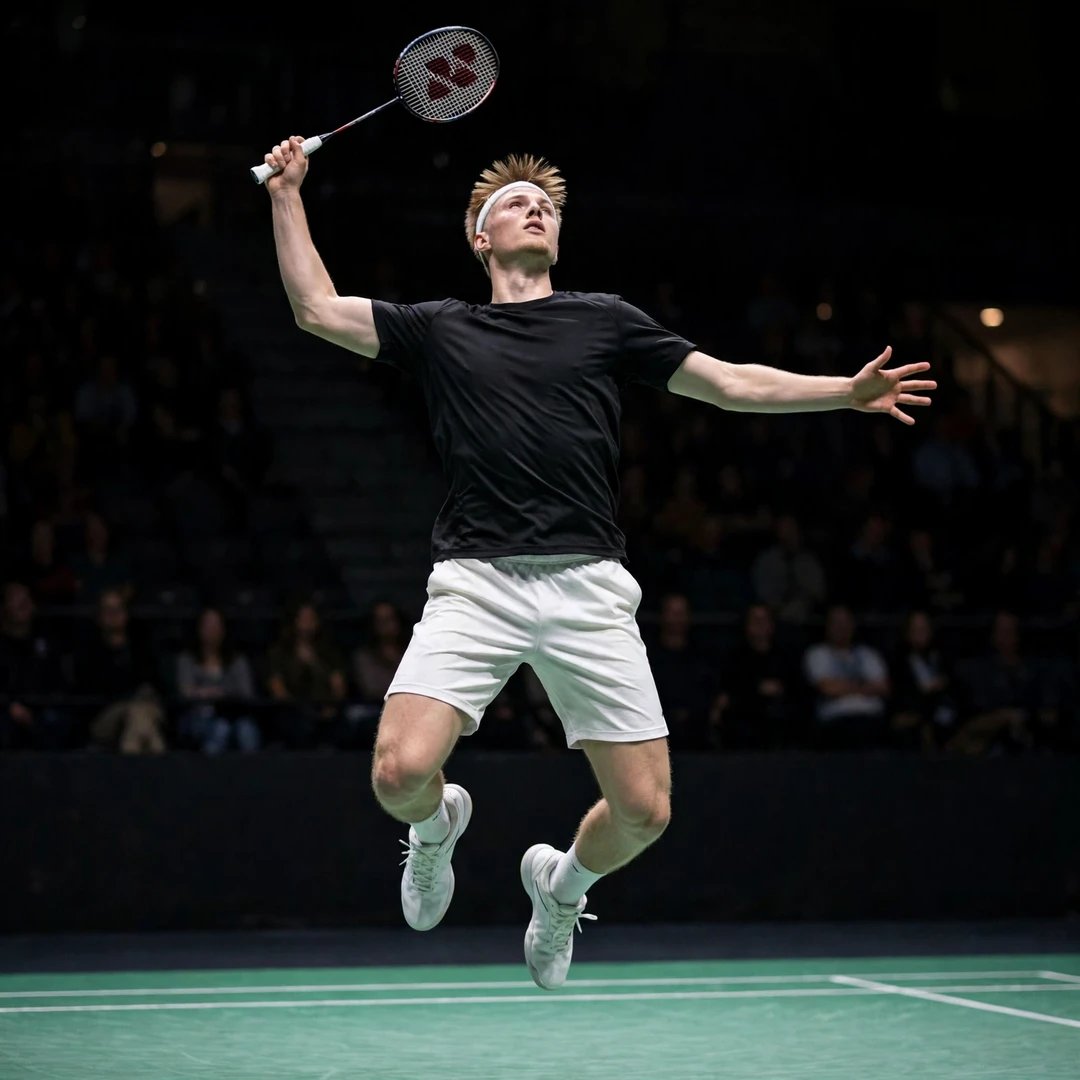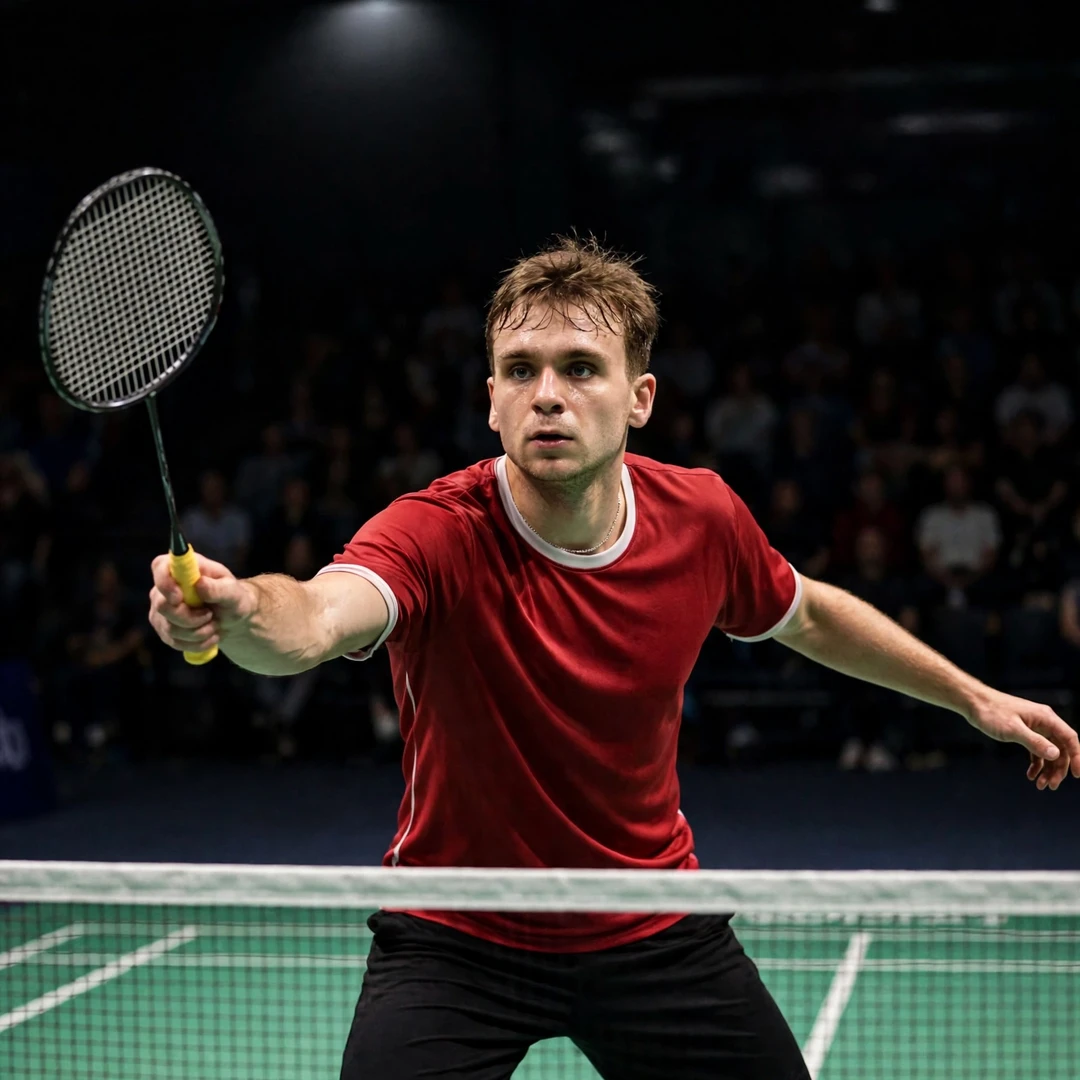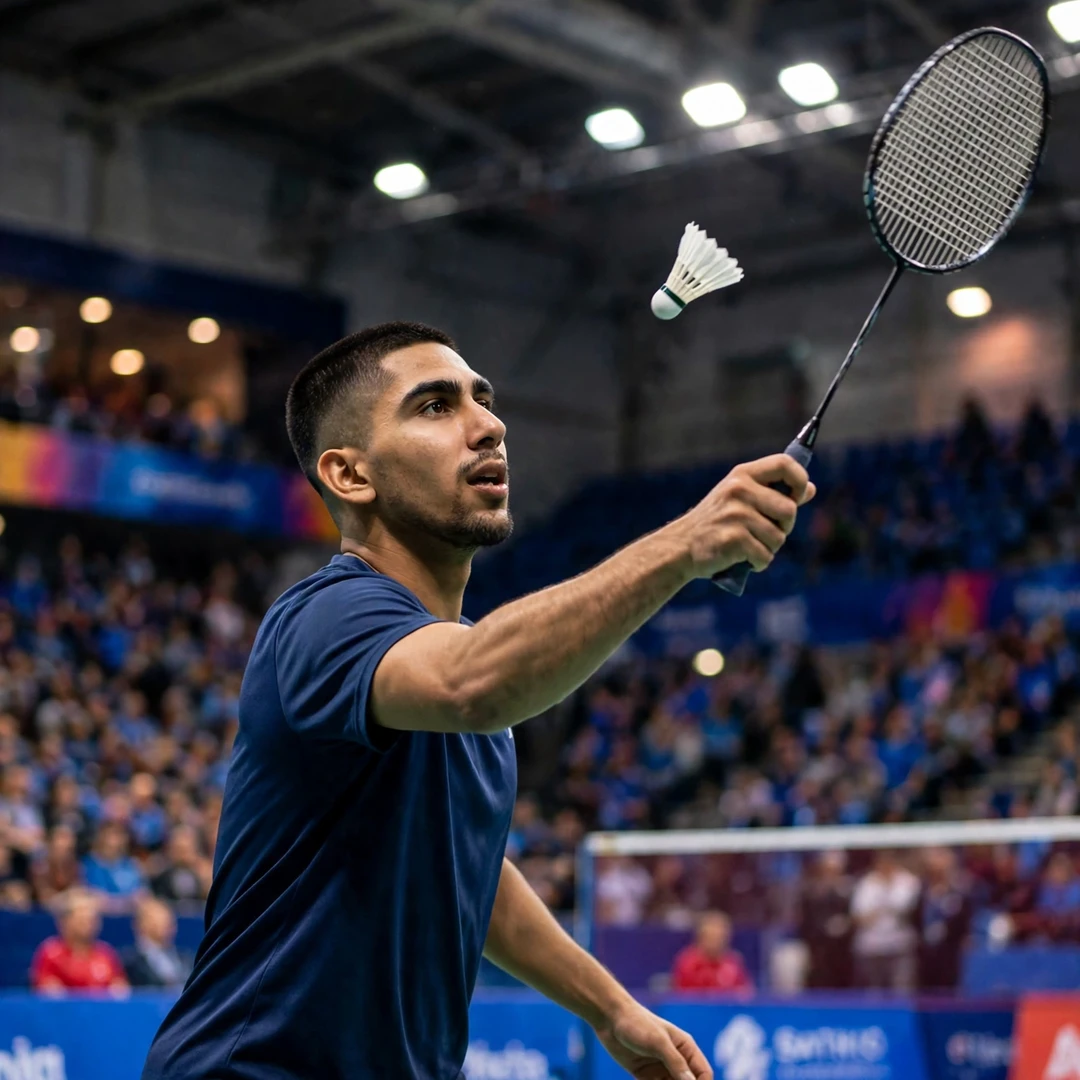
Indian Men’s Singles Badminton Star
Shashwat Dalal

India
Player Event: Men’s singles
From Haryana, India · Born: 1 November 2002 · Right-handed
Playing Style: Right-handed all-court rally player who builds points patiently, defends stubbornly and wins with placement rather than raw power
Known For: Winning the 2025 European Universities men’s singles title in Madrid for the University of Nottingham, then reaching two senior BWF finals in five weeks in the autumn of 2026
Journey: Malik Badminton Academy, Sonipat · Delhi Technological University · University of Nottingham · European Universities champion 2025 · BWF world No. 111
Understanding Shashwat Dalal (Indian Badminton Star)
Shashwat Dalal is an Indian men’s singles badminton player who stands at world No. 111 in the BWF rankings for Week 43 (20 October 2026) with 17,410 points — and one week earlier, on 13 October 2026, he reached his career-high ranking of world No. 109. His story is not the usual prodigy story. Dalal is a computer science graduate who won a European Universities title while studying for a business master’s degree in England, then strung together the best autumn of his career in 2026: two senior international finals in five weeks, in Senegal and the Dominican Republic, on a climb that has carried him from world No. 1,956 to the edge of the top 100.
Early Life in Haryana and the Road to the World Tour
Shashwat Dalal was born on 1 November 2002 and comes from Haryana, the northern Indian state listed against his name in Badminton Association of India records. Haryana is famous in Indian sport for producing wrestlers, boxers and hockey players — athletes raised on hard work rather than hype — and Dalal’s career fits that mould. There were no junior headlines and no early sponsorship rush; his badminton education came the slow way, through India’s demanding domestic circuit and long hours in training halls far from the television cameras.
Training in Sonipat and University Badminton in Delhi
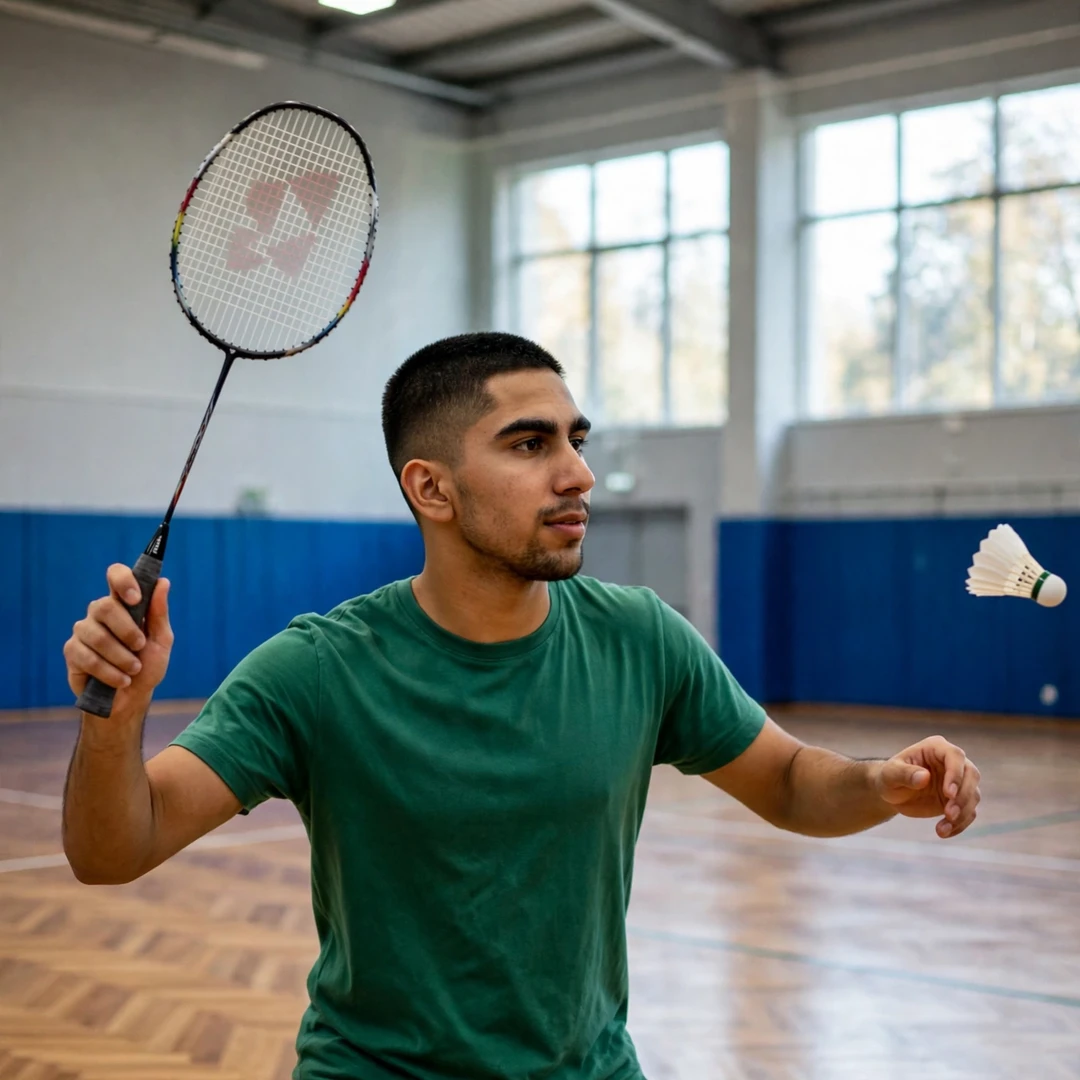
His training base in India has been Malik Badminton Academy in Sonipat, Haryana, where his own training videos show the multi-shuttle feeding sessions and footwork drills that built his rallying game. He also played university badminton for Delhi Technological University (DTU), representing DTU at inter-university level and reaching the final of the Udghosh ’22 sports festival at IIT Kanpur. For a young Indian player outside the biggest academies, the combination of a serious training hall and university competition was his pathway — results, not reputation, had to open every door.
A Computer Science Graduate Who Kept Climbing
His first steps on the senior circuit came while he was still a DTU student. Dalal entered the BWF world rankings on 26 October 2021, days before his nineteenth birthday, at No. 1,956, and spent his first senior seasons on India’s domestic and continental circuit — events such as the Maharashtra International Challenge in 2022, where he faced Harsheel Dani, taught him the pace and physicality of senior badminton. There were no wildcards into big draws and no shortcuts: just ranking points gathered a few at a time, in halls where every opponent was older and most were more experienced.
European Universities Champion: Madrid 2025
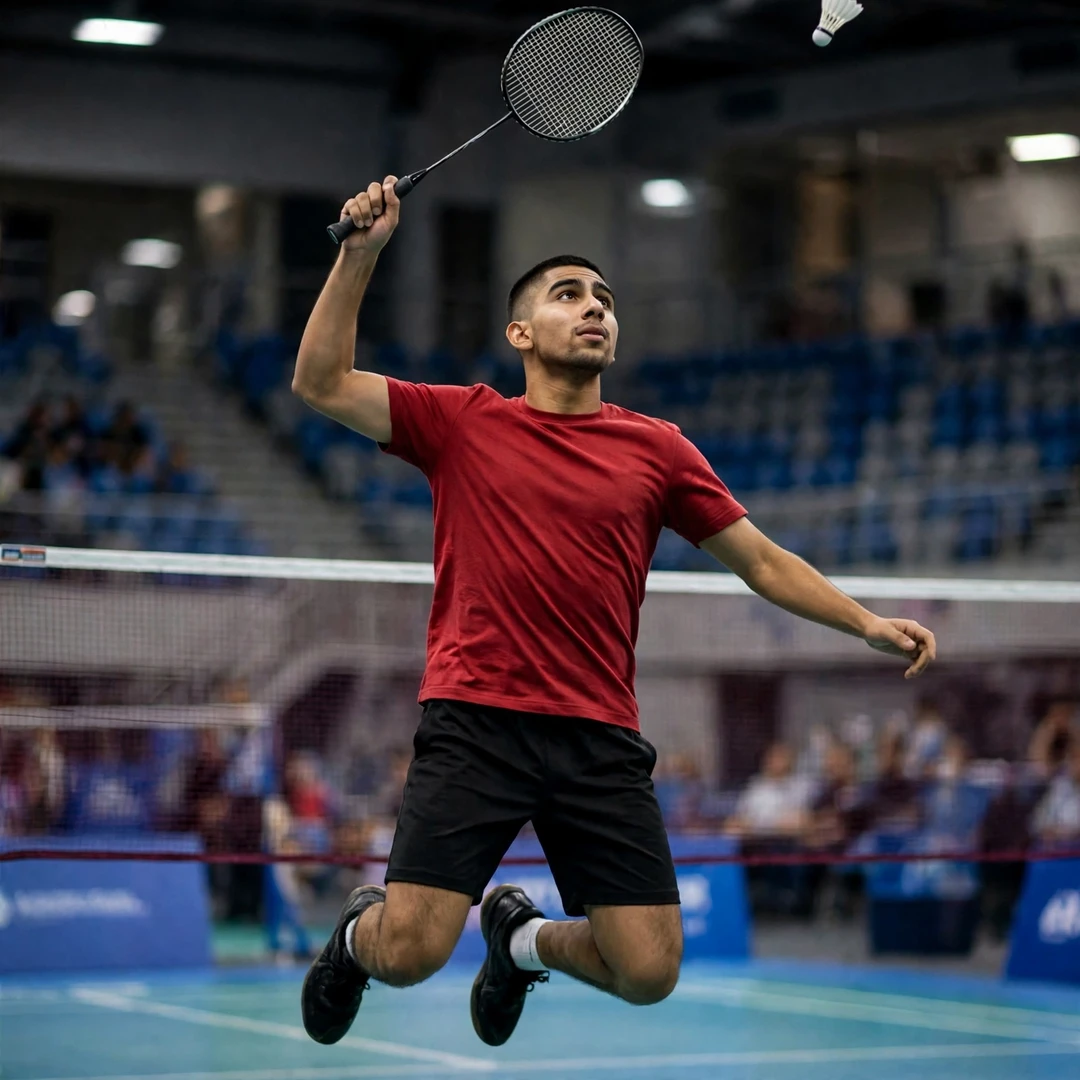
Dalal is a student of the game in the literal sense. He graduated in computer science — his education before Nottingham ran from 2020 to 2024, the DTU years — and then crossed the world for a master’s degree at the University of Nottingham in 2024–2025, writing his business-management dissertation on a business plan for a shuttlecock-recycling start-up. Few players on the BWF circuit have tried to solve badminton’s feather-waste problem in a dissertation while also trying to break the world top 100; Dalal was doing both in the same academic year.
Career Milestone #1
The Long Climb: From No. 1,956 to the Top 120
The sporting peak of that year came in Madrid, and it began with a team medal. The European Universities Championships ran from 22 to 28 June 2025 in the Spanish capital, and Dalal was part of a ten-player University of Nottingham squad. Nottingham dropped only one match in a group containing the University of Innsbruck, the University of Bonn and the Swiss Federal Institute of Technology in Zurich, then lost a highly competitive team semi-final to the University of Strasbourg to take bronze — a medal that was also the University of Nottingham’s 50th in European university (EUSA) competition history. For a player who had spent years chasing individual ranking points alone, standing on a team podium came first.
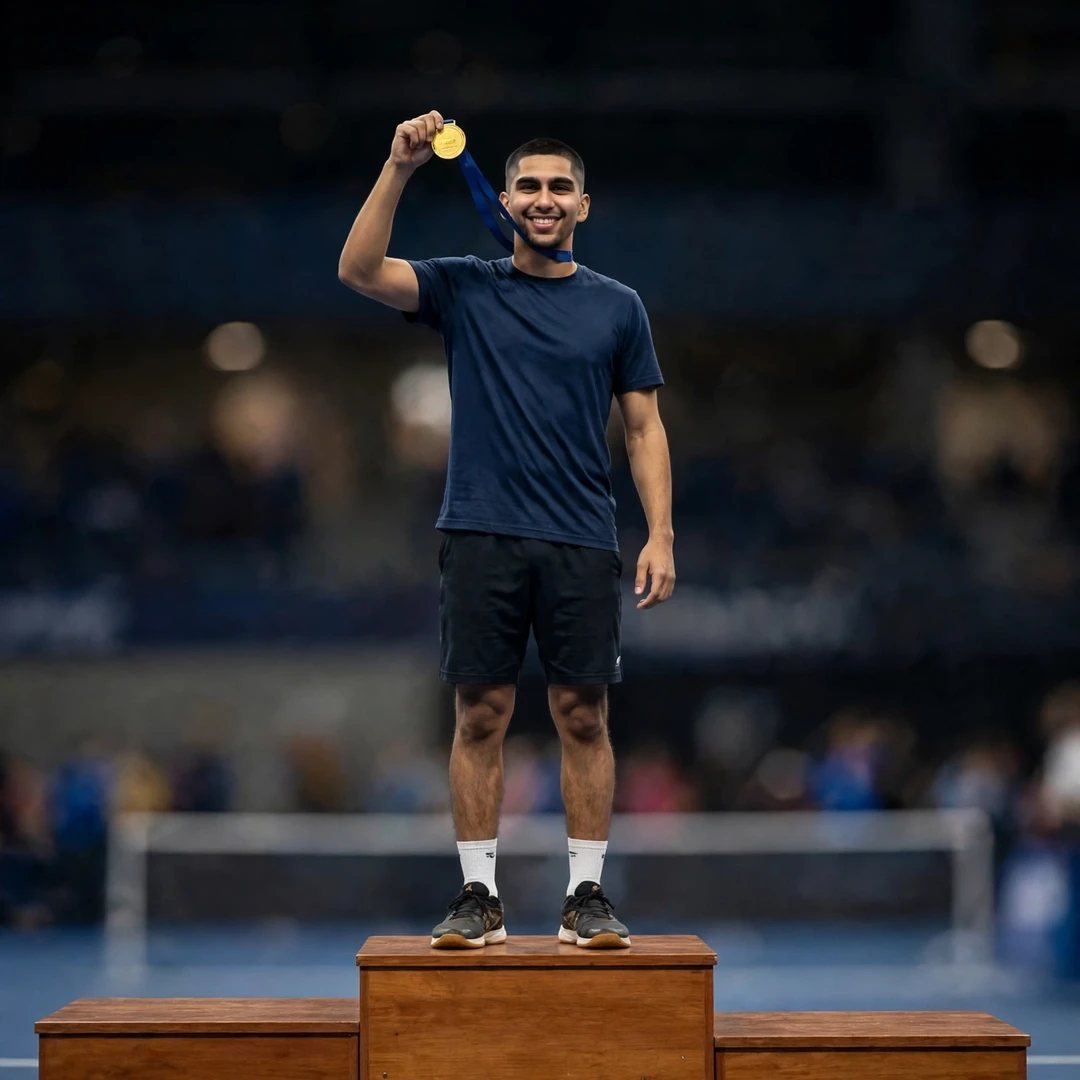
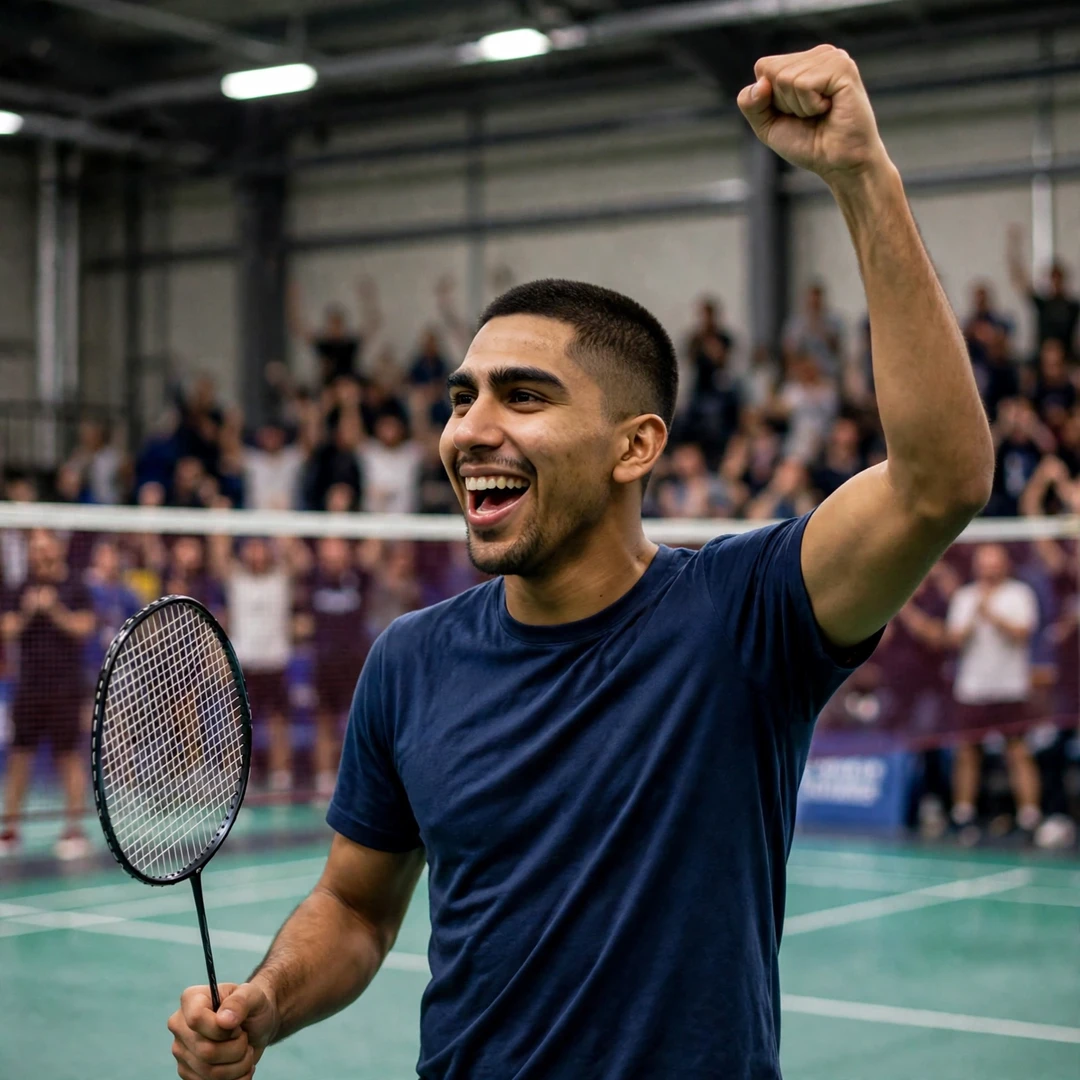
Then came the individual title. In the men’s singles, Dalal won the gold medal, beating Jean Bernard Alex Bongout of the University of Strasbourg 21-16, 21-13 in the final — a measure of revenge against the university that had beaten Nottingham in the team event. He was one of three Nottingham badminton players to leave Madrid as a European champion, and a British Universities (BUCS) silver medal from his Nottingham season completed a student trophy cabinet most full-time professionals would envy. The EUSA championship magazine records the week plainly: in the singles competition, Shashwat Dalal and Zhou Meng of the University of Nottingham won the gold medals.
Career Milestone #2
The African Swing: Where Ranking Points Are Earned
None of this happened quickly. After that first ranking of No. 1,956, the ladder was climbed one rung at a time: into the top 1,000 in September 2022, the top 500 in February 2023, the top 300 that September and the top 200 in October 2023. His year-end rankings tell the same steady story: No. 542 in 2022, No. 202 in 2023, No. 156 in 2024 and No. 139 in 2025. In March 2025 he broke into the top 150, and by August 2025 he was inside the top 120 — progress measured in years of small tournaments, not one lucky week.
His education in the senior game included some hard lessons on big stages. In June 2024 he travelled to Sydney for the Australian Open, a Super 500 event, and lost in qualifying to his compatriot Abhishek Yeligar 14-21, 5-21 — the BadmintonPhoto portrait from that week still serves as his official BWF profile photo. At home, he faced India’s former world No. 1 H. S. Prannoy at the Syed Modi India International in Lucknow, and tested himself at the Odisha Open in December 2023 against Russia’s Daniil Dubovenko. On the African circuit he faced Japan’s Akira Hanada at the Ghana International in Accra in 2025. Every one of those defeats was data: this is the level, this is the gap, now go and close it.
The closing of the gap became visible in 2026, and Africa was where it happened. Dalal’s 2026 season opened with a quarter-final at the Uganda International Challenge in Kampala in February, and his late-summer African swing brought another quarter-final at the Lagos International Classics in Nigeria and a quarter-final at the Cameroon International in Yaoundé in early September. For players ranked outside the top 100, these continental events are where rankings are built — long flights, small halls, no prize-money glamour, just points that have to be earned match by match. Dalal kept collecting them.
Career Milestone #3
Senegal Silver: Top Seed, Beaten in Three Games
In Senegal the collection turned into a final. At the Senegal International in Thiès, played from 17 to 20 September 2026, Dalal arrived as the top seed — a new experience for a player who had spent five years as the hunter — and justified it, beating Saudi Arabia’s Mahd Shaikh in straight games on his way to the final. There he met Iran’s Ali Hayati and lost a three-game title match, leaving with silver. His ranking jumped from No. 138 at the start of September to No. 115 by 22 September: a first senior final changes how a player sees himself, and how the draw sees him.
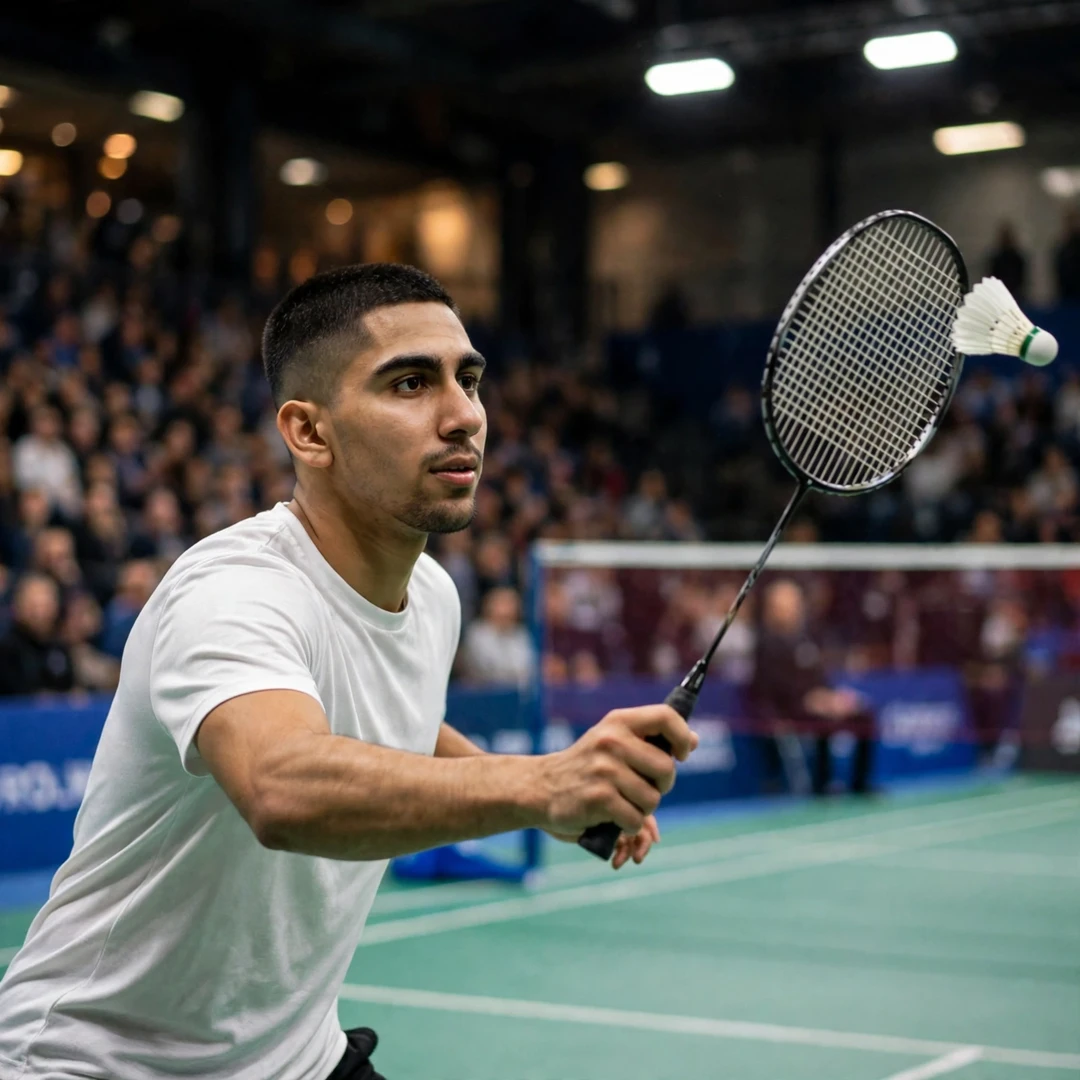
Five weeks later he did it again, on another continent. At the XV Santo Domingo Open in the Dominican Republic (14–18 October 2026), a Future Series event, Dalal beat Peru’s Adriano Viale in the semi-finals before losing the title match to Germany’s Matthias Kicklitz. Two senior finals in five weeks across two continents — and between them, further stops in Guatemala and the United States on a Pan-American leg that also carried him to the Peru International in Lima the following week. The autumn run lifted him to his career-high world No. 109 on 13 October 2026 and to No. 111 in the Week 43 rankings, with 17,410 points earned across 20 counted tournaments.
Dalal’s 2026 calendar deserves study by any young player who thinks a ranking is built at home. Between February and October he played in Azerbaijan, Uganda, Portugal, Poland, Austria, Luxembourg, Denmark, France, Italy, Nigeria, Cameroon, Senegal, Guatemala, the United States, the Dominican Republic and Peru — sixteen countries in one season, most of them at International Challenge, International Series and Future Series level. That volume builds match toughness, but it demands honest management of travel, rest and recovery. The professionals who last are the ones who plan their seasons, not just their matches.
Career Milestone #4
Santo Domingo: A Second Senior Final in Five Weeks
Balancing that calendar with a life off court is part of the same story. After his Nottingham master’s, Dalal’s profile lists a business consultant role with Hartmann Young alongside his playing career — the modern professional outside the top 50 rarely survives on prize money alone, and at Future Series and International Series level the cheques are small. Planning sixteen countries of travel around work and training is not a distraction from his badminton; it is the structure that makes the badminton possible.
What comes next is clear in outline, if not in detail. At world No. 111 with a career high of No. 109, Dalal’s next targets are the ones every player in his ranking bracket chases: a first senior international title to turn two finals into a trophy, a place inside the world’s top 100, and regular places in World Tour main draws rather than qualifying rounds. His 2026 season continues in South America, and the ranking mathematics are in his favour — the autumn gave him the two best results of his career, and the sense that finals are now an expectation, not a surprise.
Playing Style
The All-Court Rallying Style: Patience, Defence and Angles
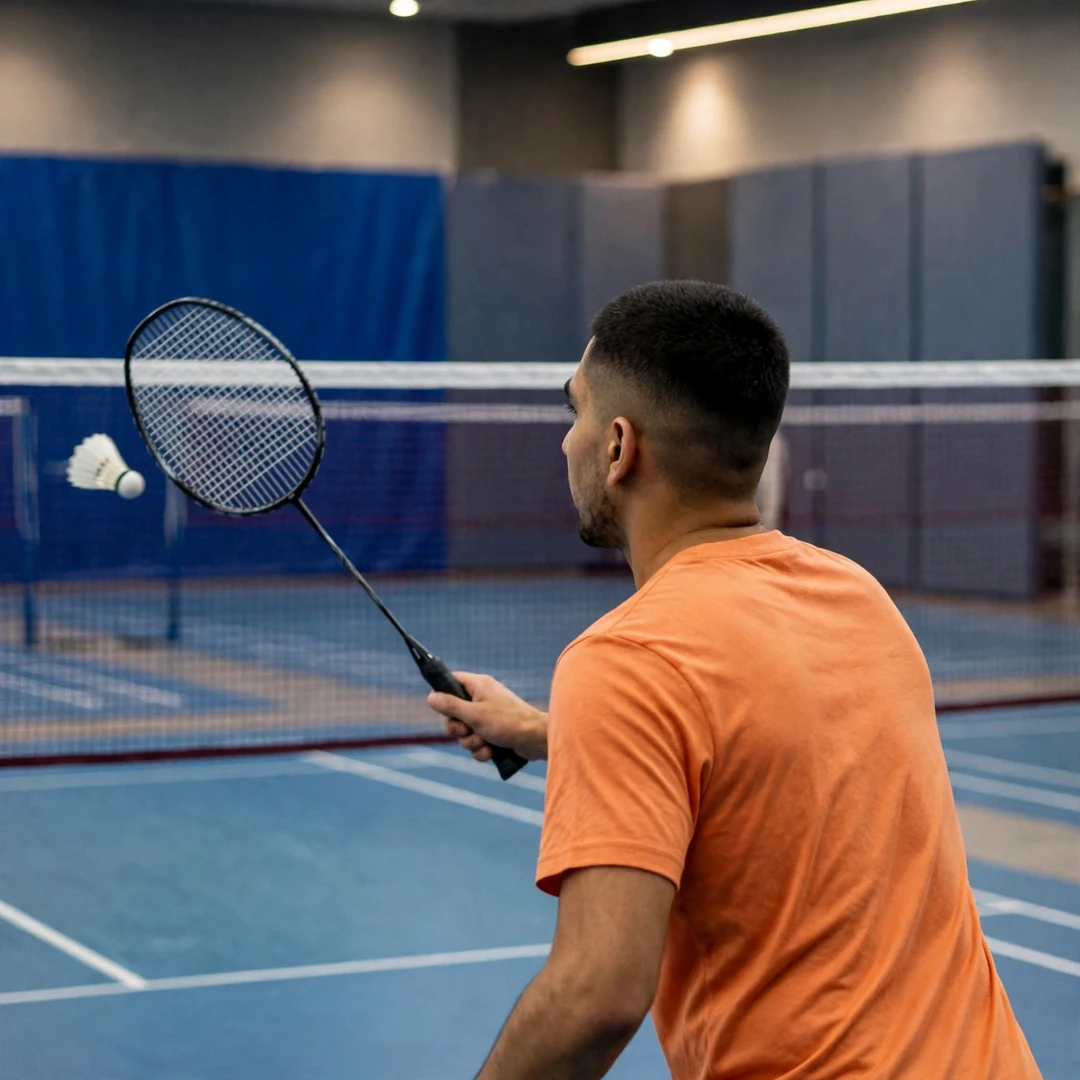
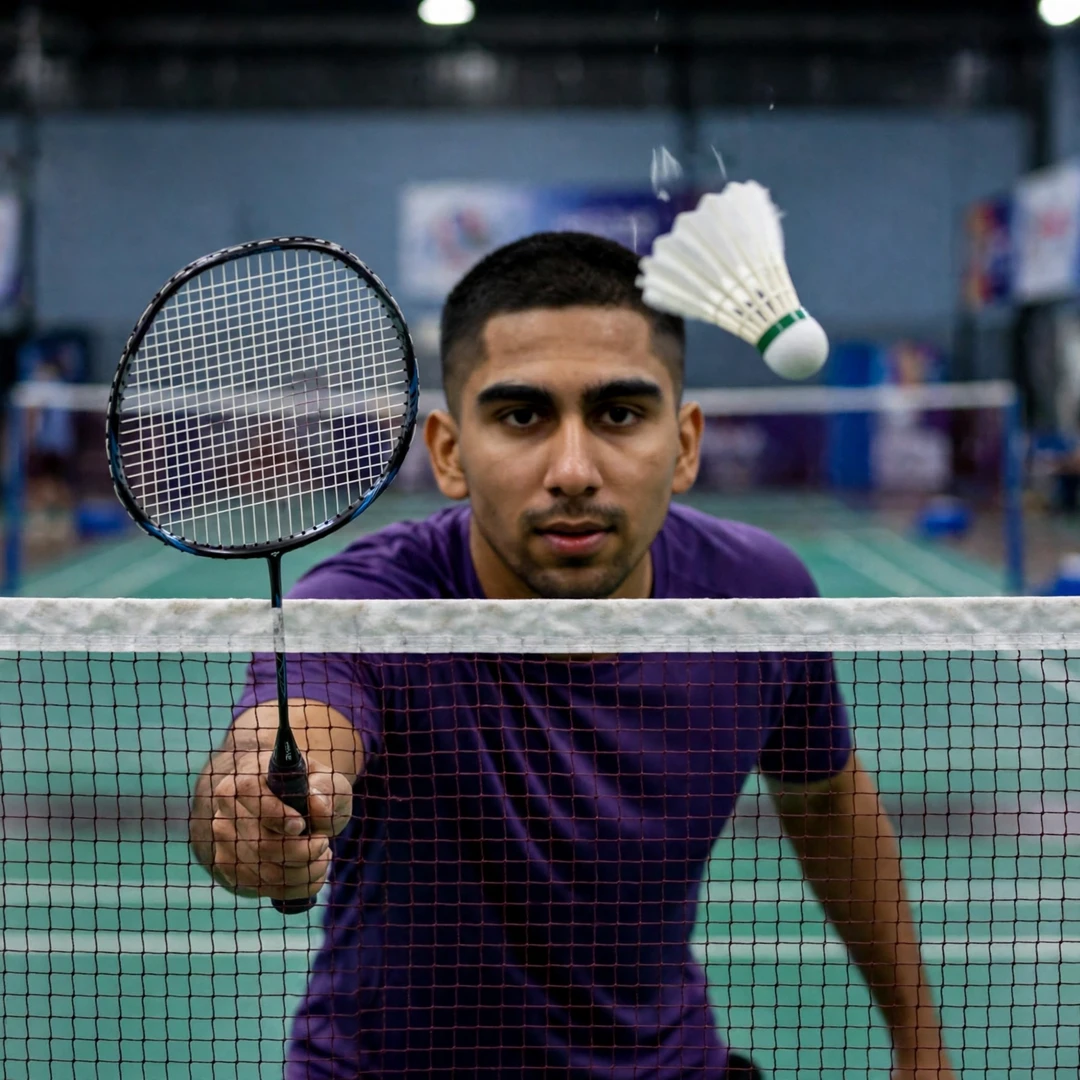
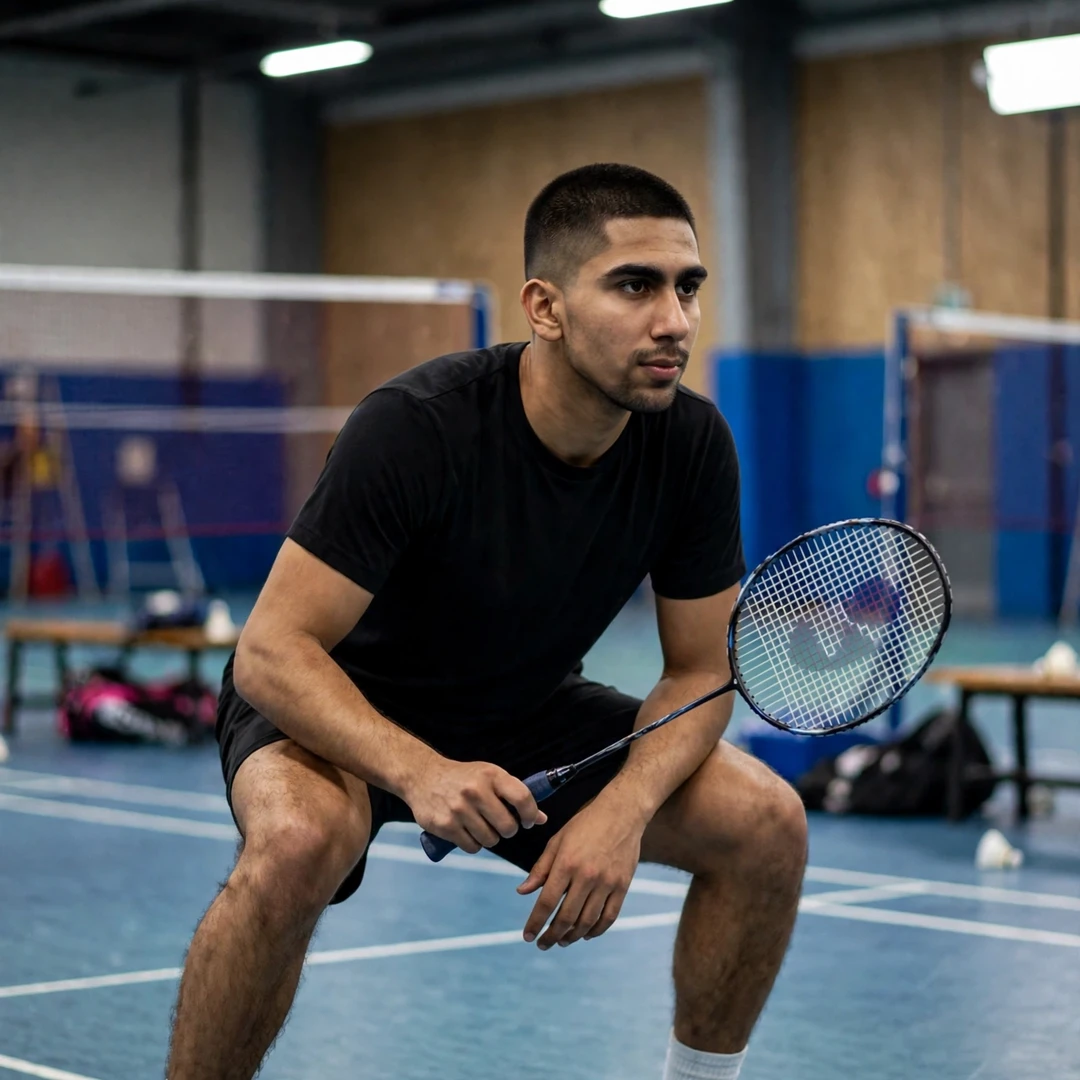
Dalal plays a patient, all-court rallying style — and it is a gift for academy case studies because none of it depends on being the tallest or the most powerful player on court. Right-handed, he wins by constructing rallies: a solid defensive crouch that turns defence into neutral exchanges, accurate clears and lifts that pin opponents to the back tramlines, tight net shots that force lifts, and the discipline to wait for a real opening before attacking. Watch his matches and the pattern repeats — long rallies, few cheap errors, and pressure applied a few percent at a time until the other player’s patience breaks first.
His superpower is composure. A player who has spent five years entering tournaments ranked in the hundreds learns to treat every match the same way: the top seed in Senegal, a qualifier in Sydney, a final in Santo Domingo — the process does not change with the occasion. Coaches call this emotional evenness, and it cannot be faked; it is trained in years of practice matches and small-hall tournaments where nobody is watching and the only reward for staying calm is another round next week.
Young players studying Dalal should watch how rarely he gives away free points. His clears reach the back line, his defence stays low and balanced, and his shot selection is conservative in the best sense — he chooses the shot he can make ten times out of ten, not the one that might make a highlight clip once. When the attack does come, it is placed rather than blasted: into the body, at the tramlines, behind a wrong-footed opponent. It is a style any junior can begin copying today, because its foundations are footwork patterns, shot quality and patience, not rare physical gifts.
Mental Strength
Patience, Belief and the Two-Degree Mindset
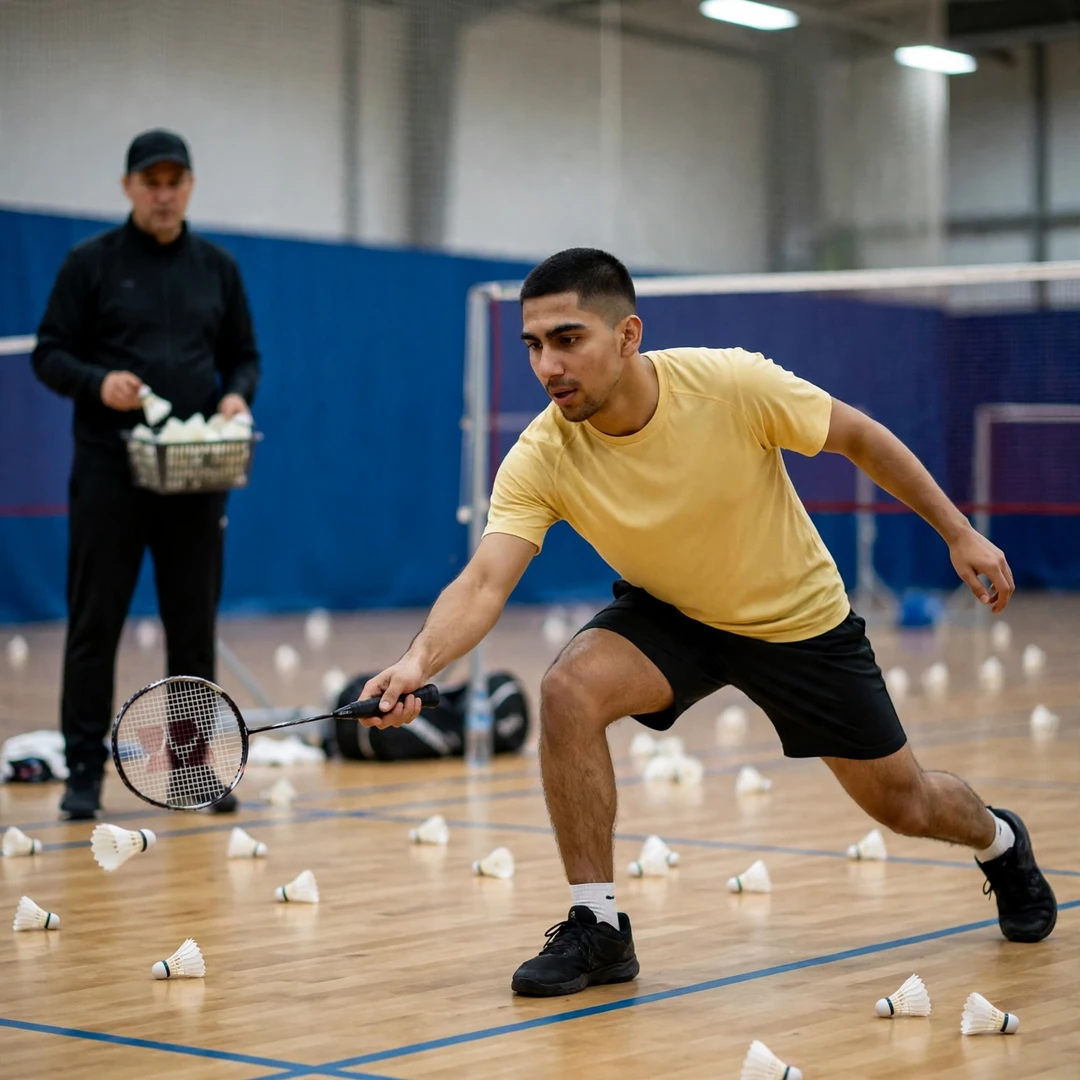
Dalal demonstrates what belief looks like when it is combined with education. Most players ranked near him have trained full-time since childhood; he fitted a computer science degree, a business master’s and the beginnings of a consulting career around the same climb. His two degrees are not a distraction from his badminton — they are part of the same mindset: break a big problem into small, solvable pieces, whether that problem is a dissertation on recycling shuttlecocks or a ranking that starts at No. 1,956.
His response to defeats is already a trademark. Beaten 5-21 in a game in Sydney qualifying in 2024, he came back to reach a career high two years later. Beaten in the Senegal final in September 2026, he reached another final five weeks later in Santo Domingo. For young players, the pattern matters more than any single result: a loss, studied honestly, is information — and Dalal keeps proving that the next tournament is a new chance to use it.
Practical lessons from his journey include entering the tournaments you can reach instead of waiting to feel ready, building a game that does not leak errors before chasing spectacular winners, treating fitness and rally tolerance as weapons, keeping education alive alongside sport so the mind stays fresh, and using every defeat as a scouting report for the rematch. None of these lessons requires fame or money; they require patience, honesty and a training plan.
Learning Reference
ST Badminton Academy Connection
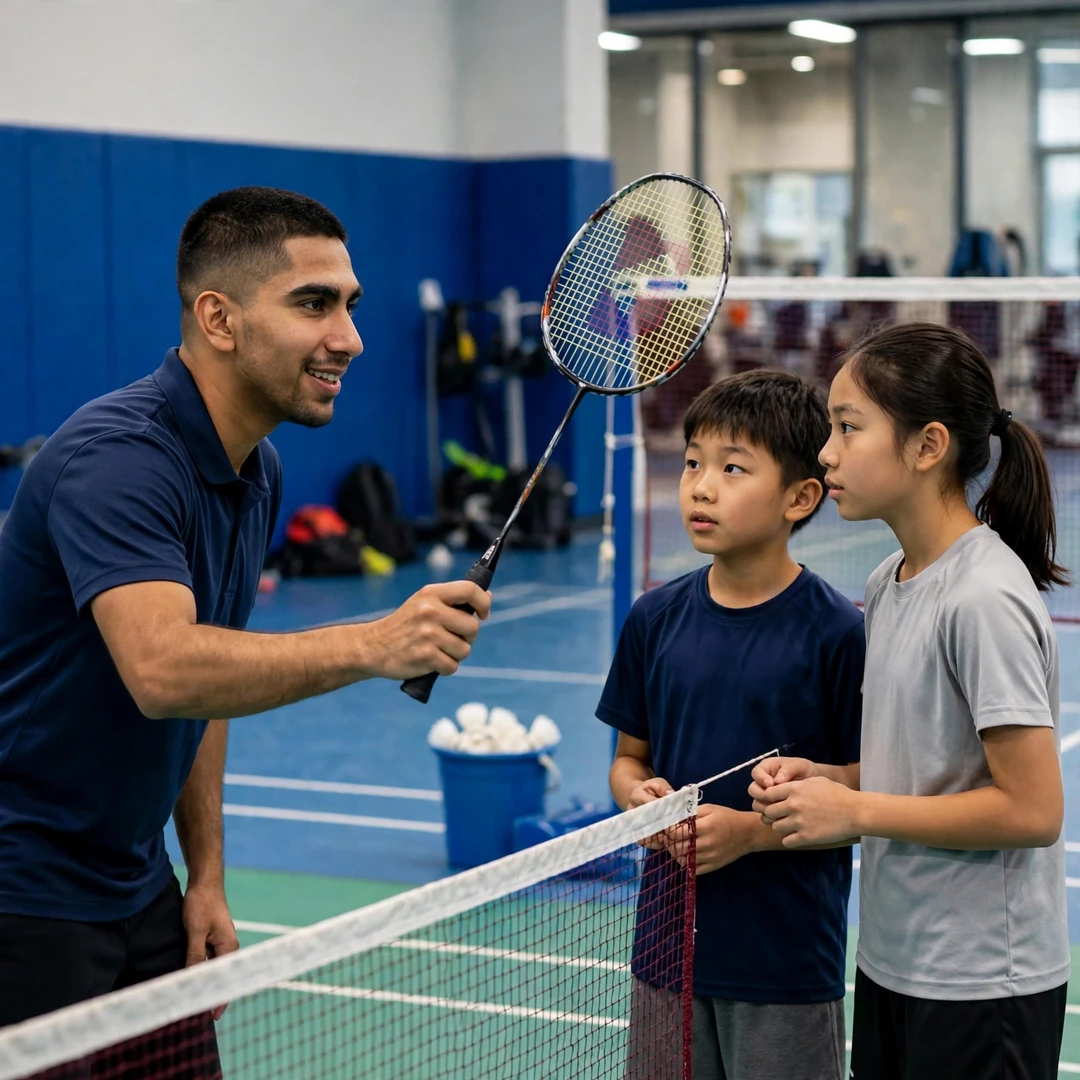
ST Badminton Academy has no official partnership or endorsement from Shashwat Dalal. He is not connected with our academy, and this profile is published purely as an educational case study for parents and junior players who want to understand how a player can climb from No. 1,956 to the edge of the top 100 while earning two university degrees.
Many of our students from Malaysia and visiting learners from Singapore study his matches to understand the power of patience: how a rallying game with almost no free errors won a European Universities title, how the top seed’s burden in Senegal was handled week after week, and how a student-athlete from Haryana reached two senior finals in five weeks. His Madrid gold medal run is required viewing in our discussions of players who develop outside the traditional academy system.
We encourage our students to observe his rally construction, his low defensive crouch and his calm between rallies — and to notice that his rise ran through training halls in Sonipat, university courts in Delhi and Nottingham, and small tournament halls in Thiès and Yaoundé, not under television lights. Champions are not only discovered at twelve years old; sometimes they are built one semester and one small tournament at a time.
FAQs: Shashwat Dalal Indian Badminton Player
Here are answers to common questions about Shashwat Dalal’s career, achievements and what young players in Malaysia can learn from the Indian student-athlete’s rise into the world’s top 120.
Who is Shashwat Dalal and which country does he represent in badminton?
Shashwat Dalal is an Indian professional badminton player competing in men’s singles. Born on 1 November 2002 and from the state of Haryana, he trained at Malik Badminton Academy in Sonipat, represented Delhi Technological University, and then the University of Nottingham in England, where he won the European Universities men’s singles title in 2025. In October 2026 he reached his career-high BWF world ranking of No. 109 and stands at No. 111 in the Week 43 rankings.
What are Shashwat Dalal’s biggest badminton achievements?
Dalal’s major achievements are the men’s singles gold medal at the European Universities Championships in Madrid in 2025 — beating Jean Bernard Alex Bongout 21-16, 21-13 in the final — plus a team bronze at the same championships and a British Universities (BUCS) silver medal with Nottingham. On the senior BWF circuit he was runner-up at the Senegal International and the Santo Domingo Open in 2026, and reached his career-high world ranking of No. 109 on 13 October 2026.
What is Shashwat Dalal’s playing style?
Dalal plays a patient, right-handed all-court rallying game based on solid defence, accurate clears, tight net play and careful shot selection. He does not rush to finish rallies; instead he extends them, moves opponents around the court, and attacks with placement when the opening is real. His style is built from trainable skills — footwork, shot quality and composure — rather than unusual size or power.
How did Shashwat Dalal win the European Universities title?
Dalal won the title at the European Universities Championships in Madrid, Spain, from 22 to 28 June 2025, representing the University of Nottingham during his master’s degree year. After helping Nottingham to team bronze — the squad lost its semi-final to the University of Strasbourg — he beat Strasbourg’s Jean Bernard Alex Bongout 21-16, 21-13 in the men’s singles final to take gold, one of three European badminton titles won by Nottingham players that week.
How can my child learn from Shashwat Dalal’s training approach?
Young players can study Dalal’s approach by copying the habits behind his rise: multi-shuttle and footwork sessions like those filmed at his Sonipat training base, defence and rally-tolerance drills before highlight-reel smashes, and a written note after every defeat on what it taught you. At ST Badminton Academy we use his Madrid final and his Senegal and Santo Domingo runs as video lessons in tempo control and patience, then train the same patterns in rally-building drills.
Did Shashwat Dalal win any junior titles?
No junior international titles are recorded for Dalal — and that is part of what makes his story useful. He entered the world rankings only in October 2021, at No. 1,956, and developed through India’s domestic circuit and university badminton instead: representing Delhi Technological University, then winning the European Universities title with Nottingham in 2025. His first major titles were university and senior titles, proof that a later start, handled with patience and competitive volume, does not close the door to the world’s top 120.
What are Shashwat Dalal’s best World Tour results?
Dalal’s best results on the BWF’s senior stages so far are his two international finals in 2026 — runner-up at the Senegal International and at the Santo Domingo Open — alongside quarter-finals at the Uganda and Cameroon International Challenges and the Lagos International Classics. On the World Tour itself he has played Super 500 qualifying at the Australian Open 2024 in Sydney and faced H. S. Prannoy at the Syed Modi India International (Super 300) in Lucknow — experience against the elite that his 2026 autumn run was built on.
What playing style should young players learn from Shashwat Dalal?
Young players should study Dalal’s complete game rather than one spectacular shot: the patient rally construction that wears opponents down, the low and balanced defensive crouch, the tight spinning net play, and above all the mindset that treats a small tournament in Africa or the Caribbean with the same seriousness as a final. His game is built from trainable skills, which is why coaches love teaching from it.
Does ST Badminton Academy have any connection with Shashwat Dalal?
No, Shashwat Dalal is not a student, coach or ambassador of ST Badminton Academy. He represents India and developed through Malik Badminton Academy in Sonipat, Delhi Technological University and the University of Nottingham. However, coaches at our academy in Kuala Lumpur regularly use his matches as teaching material, because his rise from world No. 1,956 to the top 120 — alongside two university degrees — shows what structured coaching, patience and competitive volume can achieve.
Shashwat Dalal Career Highlights
Career Statistics and Rankings
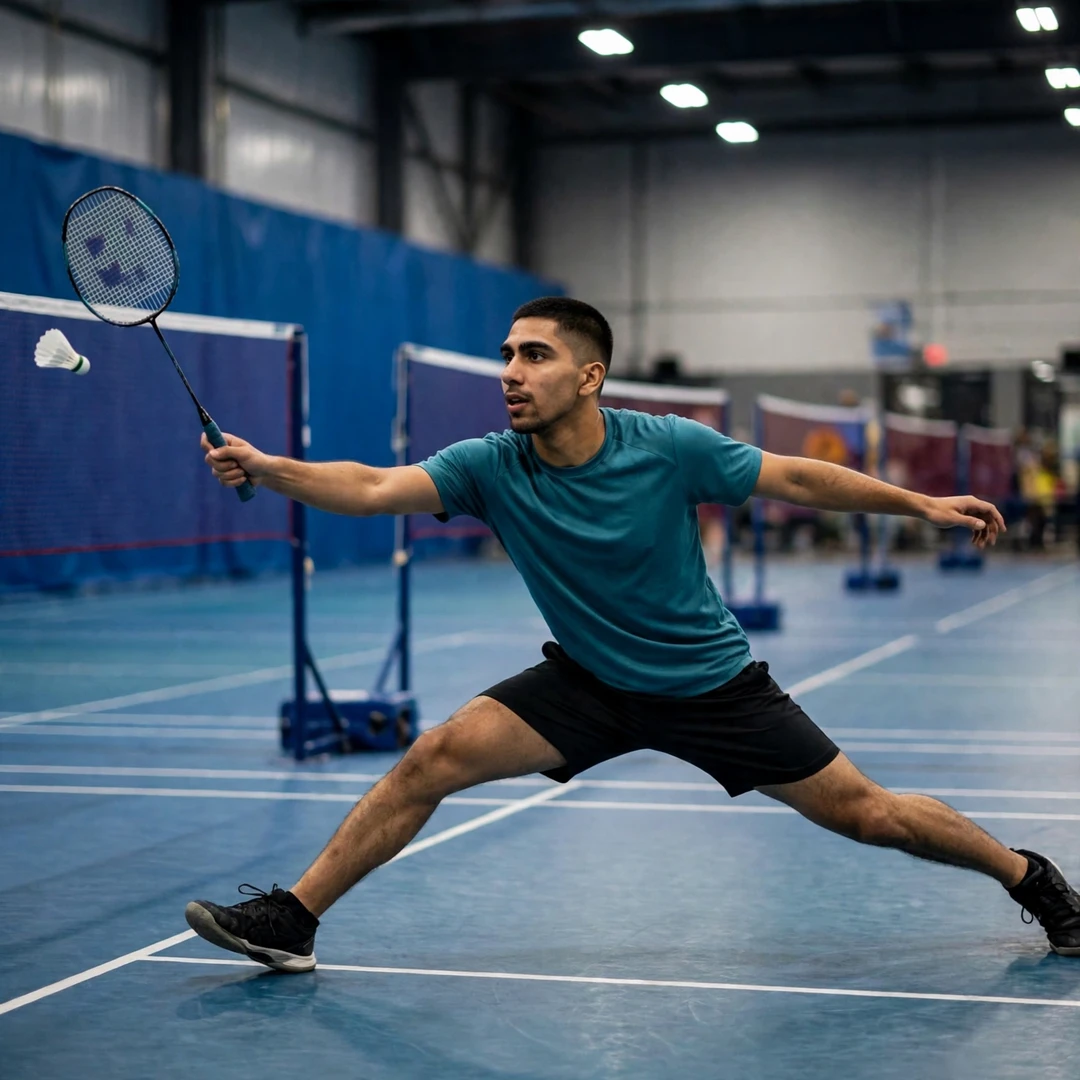
Shashwat Dalal, born 1 November 2002 in India, has built one of the steadiest climbs in modern badminton: a first world ranking of No. 1,956 in October 2021, the top 200 by October 2023, a European Universities gold medal in Madrid in 2025, two senior international finals in five weeks in the autumn of 2026, and a career-high world ranking of No. 109 — all while completing a computer science degree and a business master's.
| Development Area | Common Misconception | What Shashwat Dalal's Career Shows REALITY |
|---|---|---|
| Junior Foundation | Talent alone decides who becomes a champion. | Dalal's base was built in Haryana and at university — training at Malik Badminton Academy in Sonipat, representing Delhi Technological University, then winning a European Universities title while studying at the University of Nottingham. |
| Playing Style Priority | Kids should copy the flashiest attacking shots. | Dalal built a complete rallying game first; his results are the finishing touch on reliable footwork, defence and net play drilled over years of small tournaments. |
| Fitness Importance | Juniors can out-train everyone without rest. | Dalal played in sixteen countries in the 2026 season alone — managing travel, recovery and a job alongside the tour is what keeps a rising player progressing, not just more hours. |
| Mental Approach | Top players never get nervous or upset. | Dalal lost two senior finals in five weeks in 2026 and responded by reaching his career-high ranking of world No. 109 — mental skills are trained, not inherited. |
| Attacking Training | Smashing harder is always the answer. | His European Universities title in Madrid, won 21-16, 21-13 over Jean Bernard Alex Bongout, came from controlled rally placement, not raw power. |
| National Milestones | Only world titles matter. | Dalal's European Universities gold and team bronze in 2025, plus a British Universities silver with Nottingham, were his continental milestones — university sport built his career step by step. |
| Career Timeline | Champions peak once and fade fast. | From a first ranking of No. 1,956 in October 2021 to a career-high No. 109 five years later, Dalal proves sustained development beats a short peak. |
Study Shashwat Dalal's Work Ethic and Professional Approach
This profile explains who Shashwat Dalal is, his major achievements, and what developing players can learn from his journey. Whether you are a parent in Kuala Lumpur, Cheras or anywhere in Malaysia wondering whether serious badminton can fit alongside serious study, Dalal's story carries the answer: with the right coaching, patience and enough tournaments, both can be done — book a trial class with ST Badminton Academy on WhatsApp at +60 17-684 2136 and let your child begin a development journey built to last.