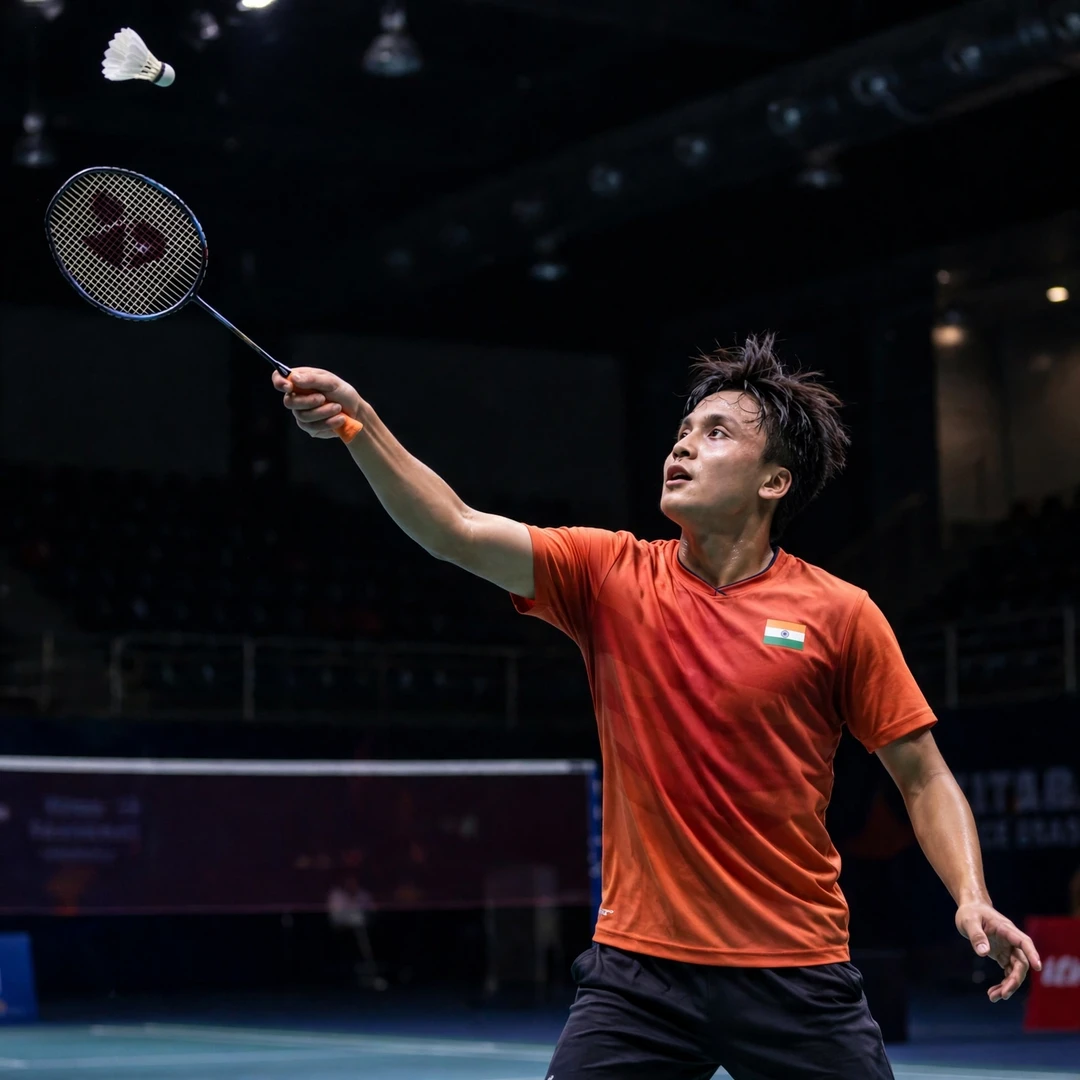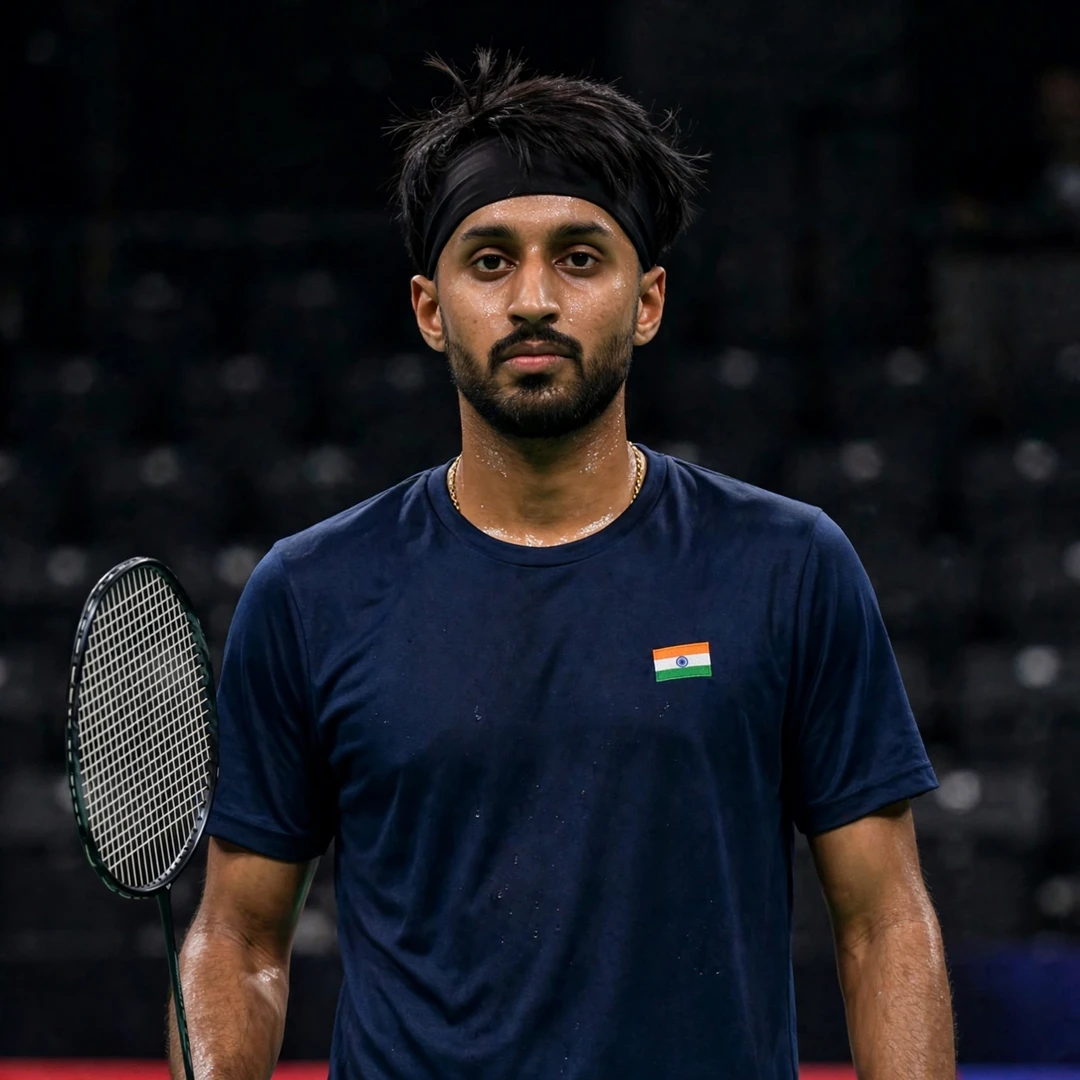
Indian Men’s Singles Badminton Star
Alap Mishra

India
Player Event: Men’s singles
From Ujjain, Madhya Pradesh, India · Born: 28 May 2000 · Right-handed
Playing Style: Right-handed natural attacker who has added patience, defensive discipline and rally control to his game
Known For: Reaching four senior international semi-finals — Sydney 2024, Cameroon 2025, Telangana 2025 and the Philippine International Challenge 2026 — and a career-high world ranking of No. 88
Journey: Shalakha Badminton Hall, Ujjain · Prakash Padukone Badminton Academy, Bengaluru · Junior National finalist 2018 · BWF world No. 112
Understanding Alap Mishra (Indian Badminton Star)
Alap Mishra is an Indian men’s singles badminton player who stands at world No. 112 in the BWF rankings for Week 43 (20 October 2026) with 17,180 points. His career is one of the longest climbs in this section of the rankings: he was first ranked in December 2016 at No. 1,581 as a sixteen-year-old, spent the better part of a decade working between roughly No. 100 and No. 140, and only in August 2026 — at the age of 26 — reached his career-high ranking of world No. 88. Four senior international semi-finals, the most recent at the Philippine International Challenge in 2026, mark a player who has refused to stop improving.
Early Life in Ujjain and the Junior Years
Alap Mishra was born on 28 May 2000 in Ujjain, Madhya Pradesh, a temple city better known for the Kumbh Mela than for badminton. Both of his parents are doctors, and the expected path was medicine — but Mishra chose badminton instead. He started the game the way so many Indian players do, accompanying his father to the neighbourhood courts, and the hobby quickly became a calling. For a doctor couple’s son in Ujjain to choose the uncertainty of professional sport over a medical seat took conviction from the whole family, and that conviction has powered a ten-year professional journey.
From Ujjain to the Prakash Padukone Academy
His first real coaching came at Shalakha Badminton Hall in Ujjain under coach Prashant Sirsat, and the results arrived early. At the Junior National Championships in Udupi in 2016 he won the under-17 singles bronze medal — his first national-level medal. Junior badminton in India is brutally deep, with state champions in every early round, so a national bronze at sixteen marked him as a prospect worth watching, even in a system that produces world-class juniors every single season.
A Junior National Finalist in Lucknow
The junior results kept coming as he moved through the under-19 ranks. At the Chennai All India Junior Ranking Tournament in August 2017 he took the under-19 doubles silver medal alongside Sanjay Thakur. A few months later, at the Smt. Krishna Khaitan Memorial junior tournament, the tenth-seeded Mishra beat top seed Jaswanth D to reach the under-19 singles quarter-finals, and by then he had already appeared in the BWF senior world rankings — No. 1,581 in December 2016, the first small print of a very long climb. He also tested himself at the Syed Modi International as a junior, taking a first-round exit against senior opposition as tuition.
The Decade-Long Climb: From No. 1,581 to No. 112
His junior peak came at the Junior National Championships in Lucknow in 2018, played at the Babu Banarasi Das Academy. Seeded second, Mishra fought through a 63-minute semi-final against BM Rahul Bharadwaj, winning 21-19, 9-21, 21-19 to reach the boys’ singles final — a match that showed both his attacking gifts and the defensive habits he was still learning to control. That same season he had lost a Tirupur junior quarter-final to top seed Kiran George 17-21, 12-21, a reminder of the standard India’s best juniors set. A Junior National final at eighteen placed him firmly among India’s coming generation.
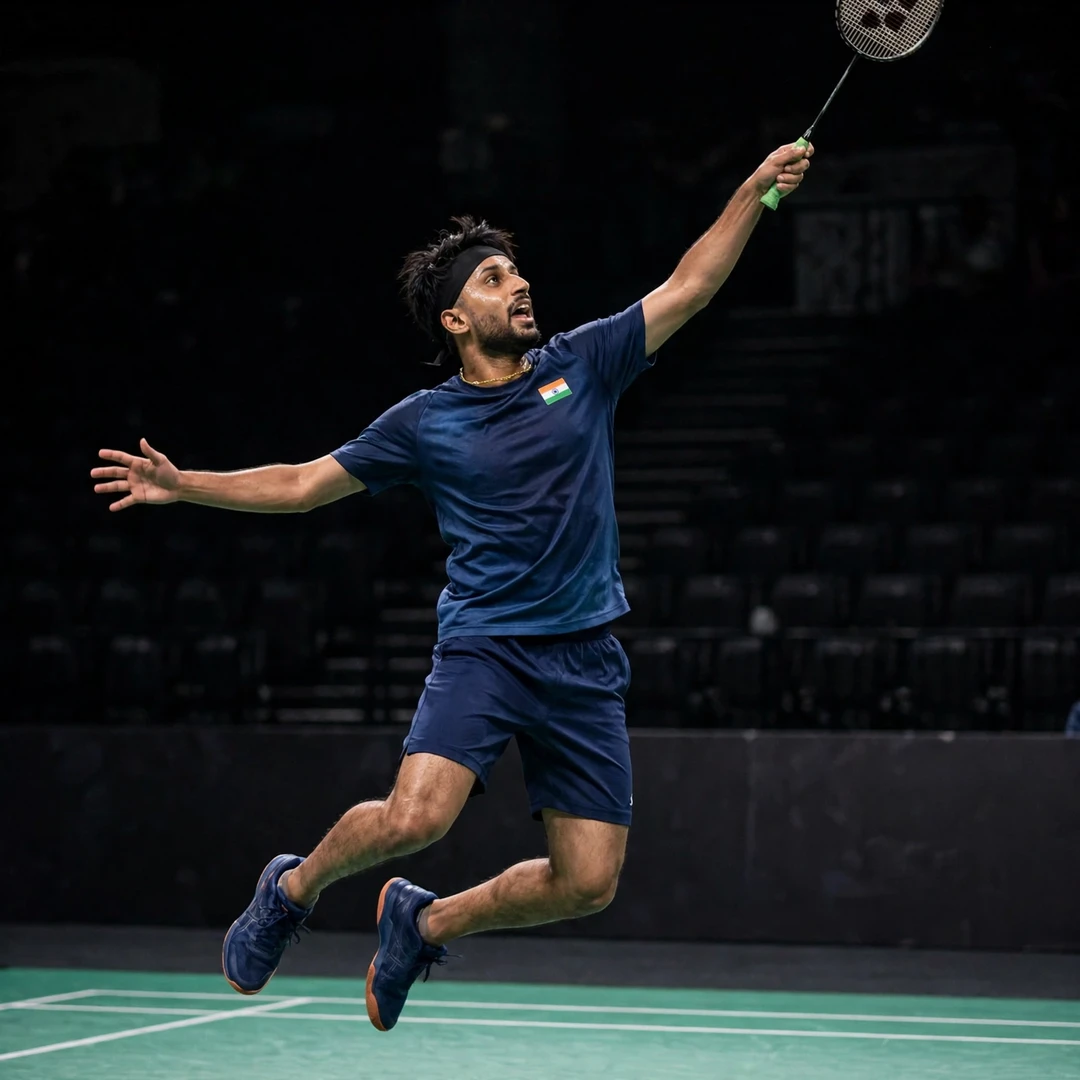
Career Milestone #1
Semi-Finals in Sydney and Cameroon
The next step was a move every ambitious Indian junior understands: Bengaluru, and the Prakash Padukone Badminton Academy. Founded by India’s first All England champion, the academy is where generations of Indian internationals have been polished, and by late 2018 Mishra was training there — leaving Ujjain for a full-time professional environment of morning sessions, strength work and sparring against players already on the senior circuit. The move turned a talented junior into a working professional; it also began the hardest part of his story, the years where progress is measured in a handful of ranking places at a time.
Those plateau years are written plainly in his ranking history. Year-end positions of No. 646 in 2017, No. 440 in 2018 and No. 136 in 2019 show the junior-to-senior jump happening on schedule — then the line flattens: around No. 120 to No. 136 through 2021, 2022 and 2023, No. 105 at the end of 2024 and No. 96 at the end of 2025. For six years Mishra lived in the sport’s most crowded neighbourhood, the band between No. 100 and No. 140, where hundreds of full-time professionals fight for the same qualifying places and a single good week can be wiped out by one bad draw. Many players quit in that band. He did not.
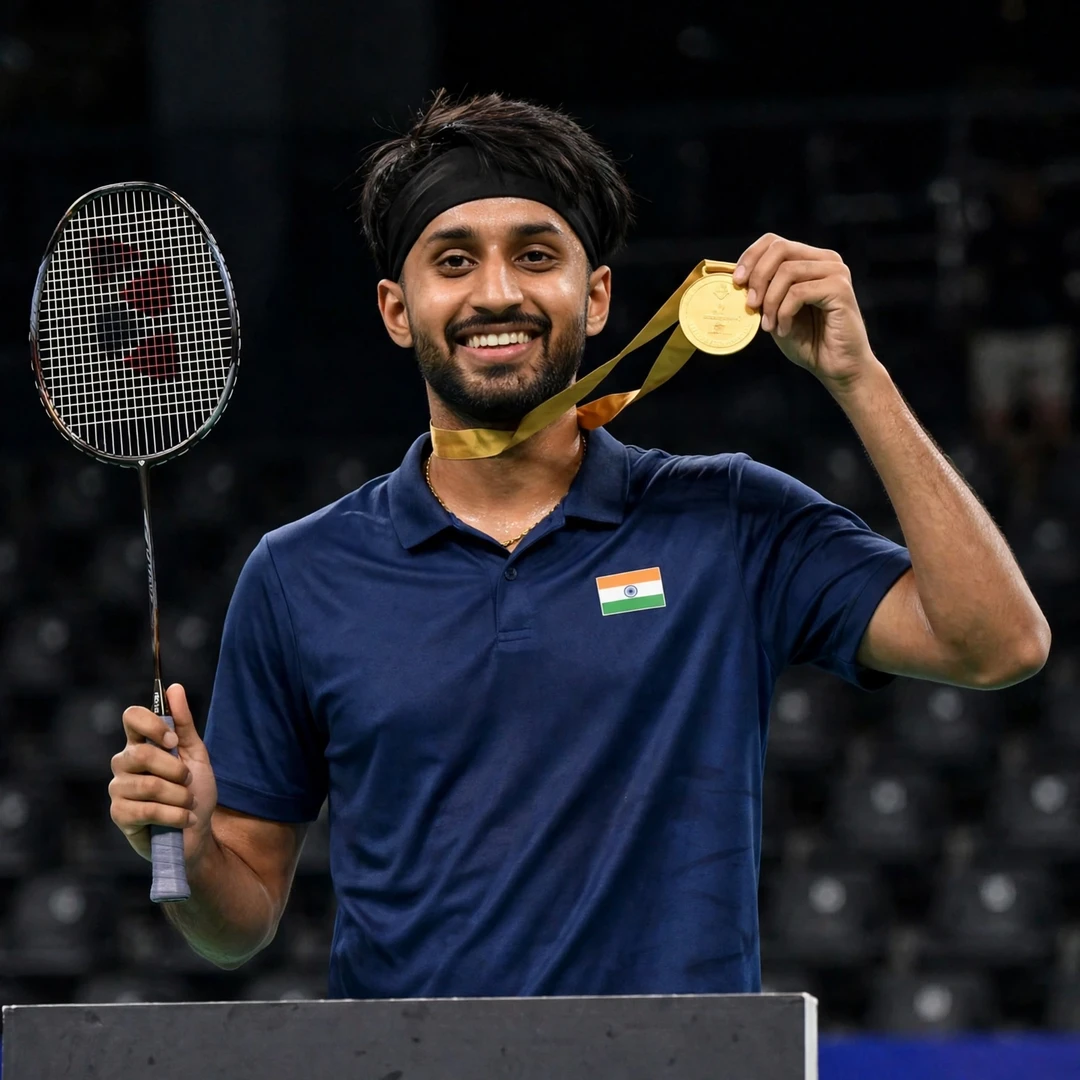
Career Milestone #2
The Telangana and Philippines Semi-Finals
The education included some hard weeks on bigger stages. As a junior he had already taken a first-round exit at the Syed Modi International; as a senior he lost a three-game Odisha Masters match to his compatriot Tushar Suveer, went out of the 2026 Denmark Challenge to Brazil’s former top-20 player Ygor Coelho, and fell in the 2026 Macau Open qualifying rounds to Myanmar’s Hein Htut. None of those weeks produced headlines, but each was data — this is the pace, this is the physicality, this is the gap — and Mishra’s career is a study in a player who kept collecting that data instead of letting it discourage him.
The breakthrough results, when they came, were semi-finals rather than titles — but at International Challenge level a semi-final is a serious week’s work. The first came at the Sydney International in 2024, where he reached the last four, and the level of his week-in, week-out results kept rising through 2025: quarter-finals at the Malaysia International Challenge, the Bendigo International and the Reunion Open, and a round-of-16 finish at the Al Ain Masters, a Super 100 event. Each of those weeks added the ranking points — and the self-belief — that a decade of near misses had been storing up.
In 2025 the semi-finals multiplied. He reached the last four of the Cameroon International in Yaoundé, then did it again at home at the Telangana India International Challenge, in a week when the title eventually went to his compatriot Ginpaul Sonna. His best World Tour week of the year came at the Syed Modi India International, a Super 300 in Lucknow: Mishra beat Lakshay Sharma 21-16, 15-21, 21-19 in the first round before losing in the round of 16 to Malaysia-based Jia Heng Jason Teh. Beating a player of Lakshay Sharma’s pedigree in a Super 300 main draw is the kind of result that tells a No. 100 player he belongs in bigger draws.
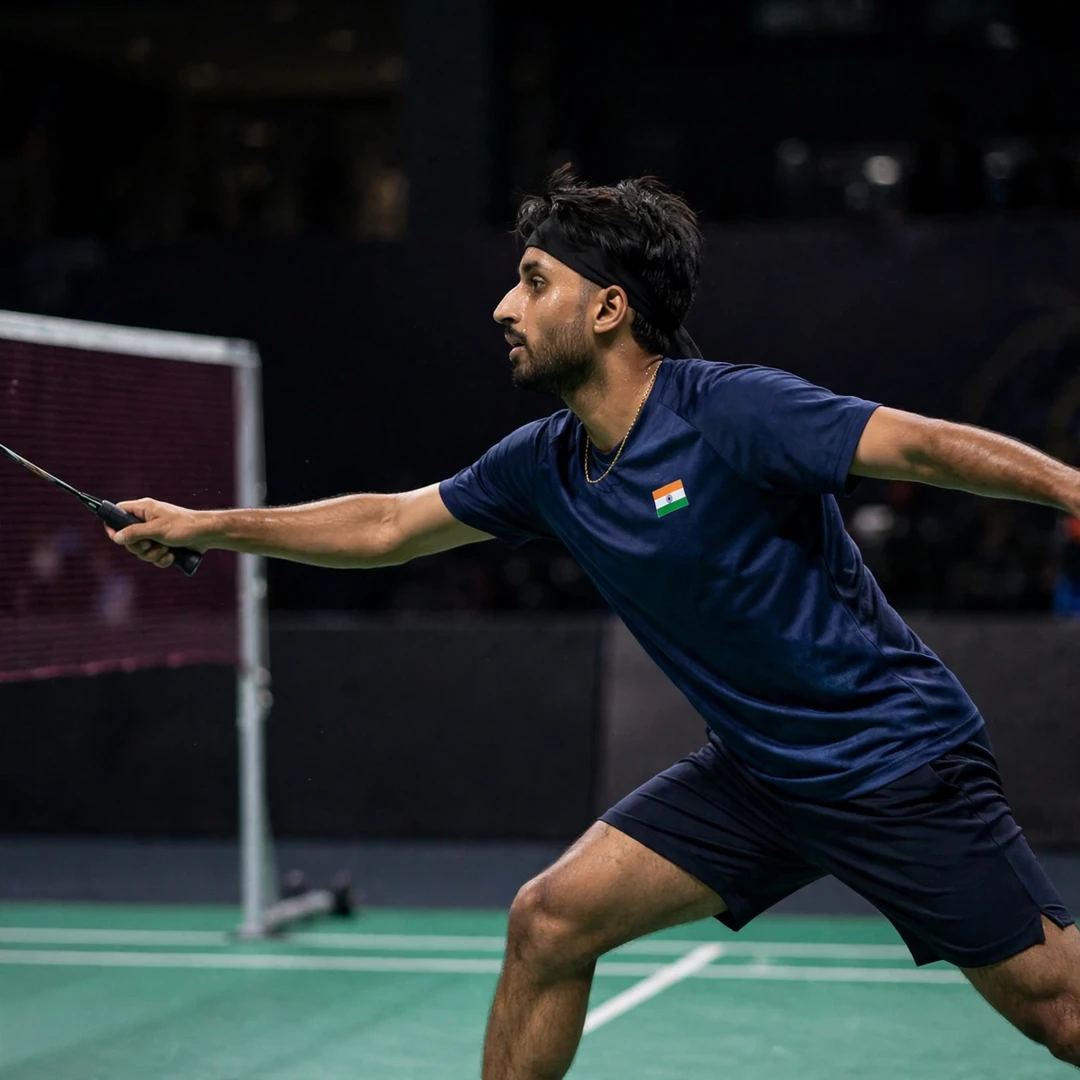
Career Milestone #3
Career-High World No. 88 in August 2026
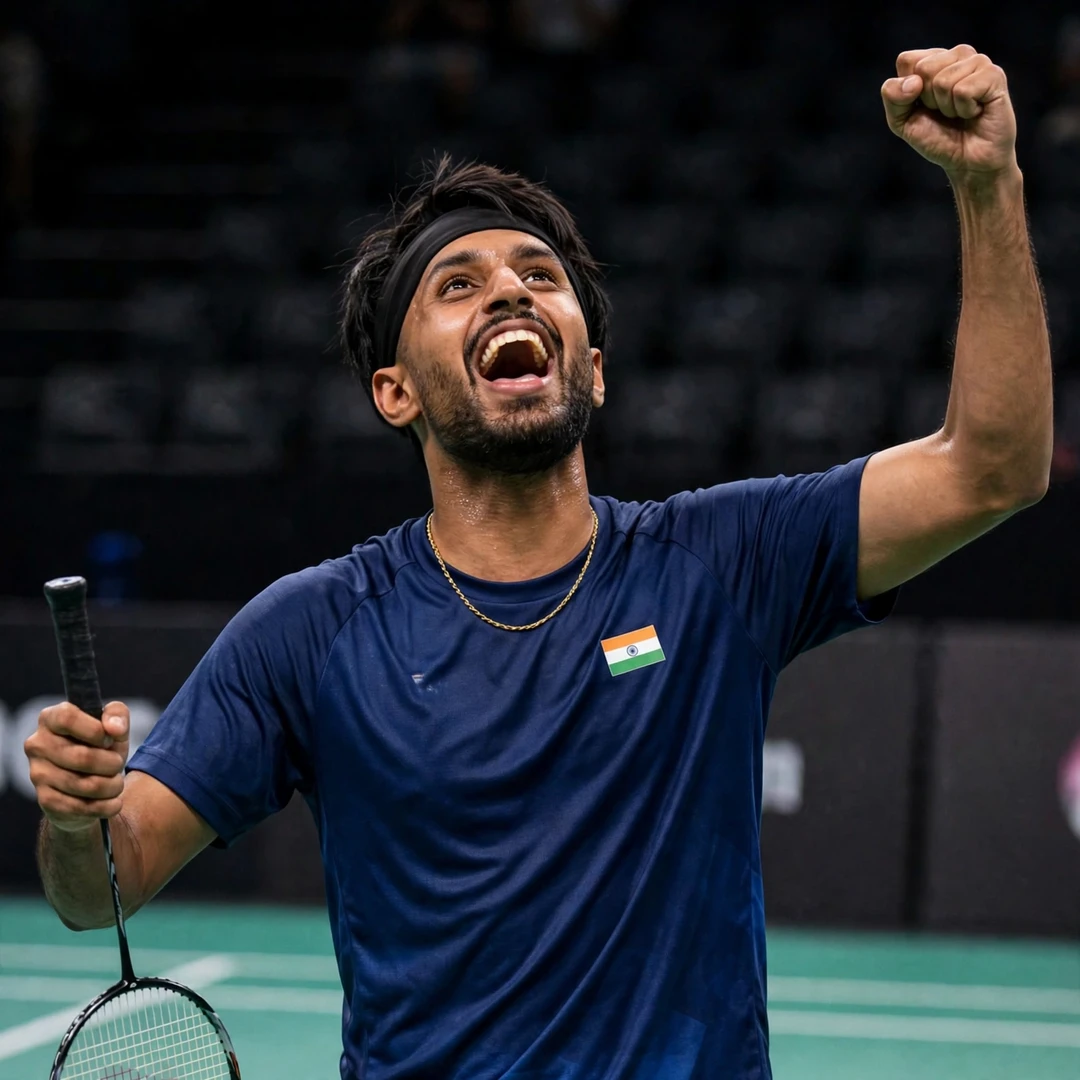
The fourth senior semi-final arrived in the summer of 2026, in Manila. At the Philippine International Challenge (28 July to 2 August 2026) Mishra was seeded fourth, and he played like it: in the quarter-finals he beat home favourite Clarence Villaflor 21-16, 21-14, silencing a crowd that had come to see the Filipino win. His run ended in the semi-finals against Ginpaul Sonna — the same compatriot who had taken the Telangana title the year before — by 18-21, 17-21. Sonna himself called the result the biggest upset of the draw, which tells you how strongly Mishra had been playing all week.
The weeks around that run became the best of his career. His ranking, which had stood at No. 108 at the start of October 2026 before settling at No. 112 in Week 43, touched world No. 88 on 11 August 2026 — his career high, reached at 26 years old, almost ten years after he first appeared in the rankings at No. 1,581. He backed the Manila week up at the Vietnam Open, a Super 100, beating Arya Bhivpathaki 21-8, 21-14 and Hoang Kha Tran before losing in the round of 16 to China’s Dong Tian Yao, and in Sydney he was the fourth seed whose early defeat by Australia’s Ken Richardson, 17-21, 19-21, was called the result of the day by Badminton Oceania.
Read his 2026 calendar and you read the International Challenge grind in full: Uganda and Singapore in the winter, Vietnam in March, Denmark in May, Reunion and Macau in June, Manila in July and August, Malaysia in September, Bendigo and Sydney in October, and a home India International Challenge in Bengaluru to finish. That is the life of a player ranked around No. 100 — long-haul flights to small halls, qualifying rounds and early-morning practice courts, all of it self-funded by ranking points earned a few hundred at a time. It is also, slowly, working: his 2026 season produced a career high and his fourth senior semi-final.
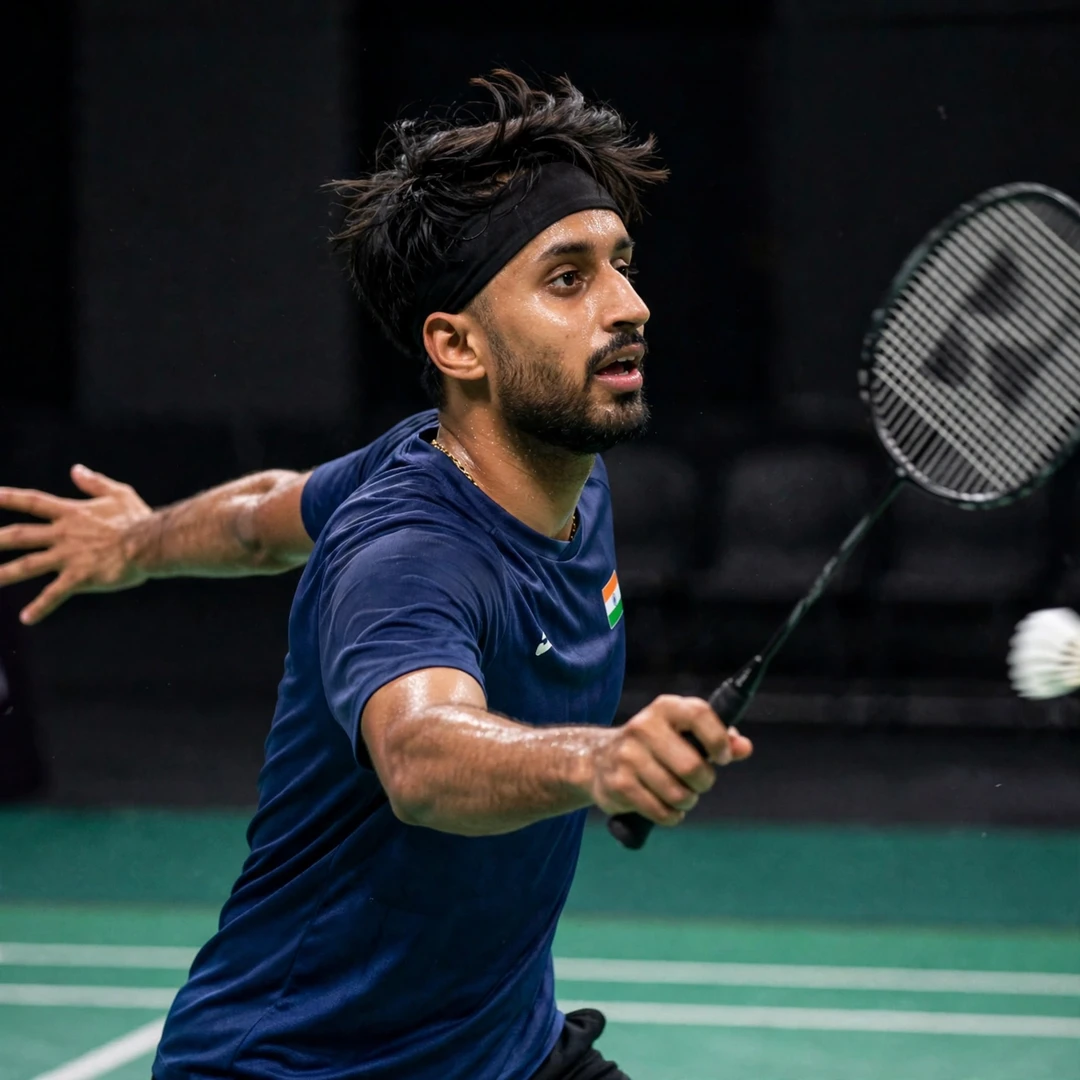
Career Milestone #4
Still Chasing the First Senior Title
Balancing that calendar is its own discipline. At International Challenge level the prize money rarely covers the flights, so a season like Mishra’s 2026 — ten countries across three continents — is planned around his Bengaluru training base in blocks: train, tour, return, rebuild. There is no entourage and no charter travel; there is a physio’s advice, a coach’s plan and a ranking spreadsheet. The professionals who survive this level are the ones who treat the season as a system, and Mishra’s slow, steady rise is what that system looks like when it works.
What is missing is the trophy. Four senior international semi-finals — Sydney 2024, Cameroon 2025, Telangana 2025 and Manila 2026 — have not yet become a first senior title, and at 26 the next targets are clear: convert a semi-final into a title, return to the top 100 and stay there, and turn Super 100 round-of-16 weeks like Vietnam and Al Ain into quarter-finals. The encouraging part is the direction of travel: his career high arrived a decade into his career, which means the best version of Alap Mishra may still be the next one.
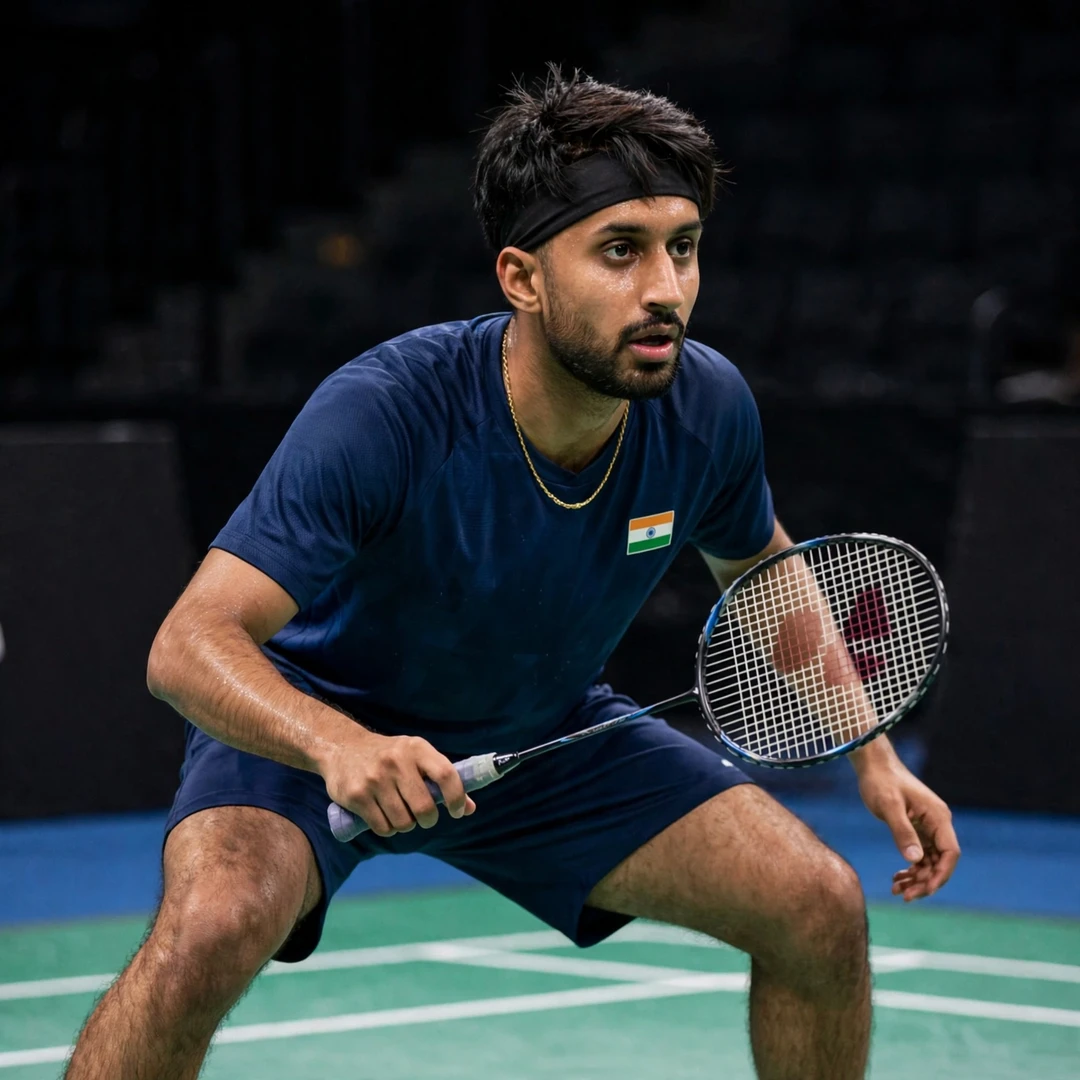
Playing Style
The All-Court Attacking Style: Natural Attack, Added Patience
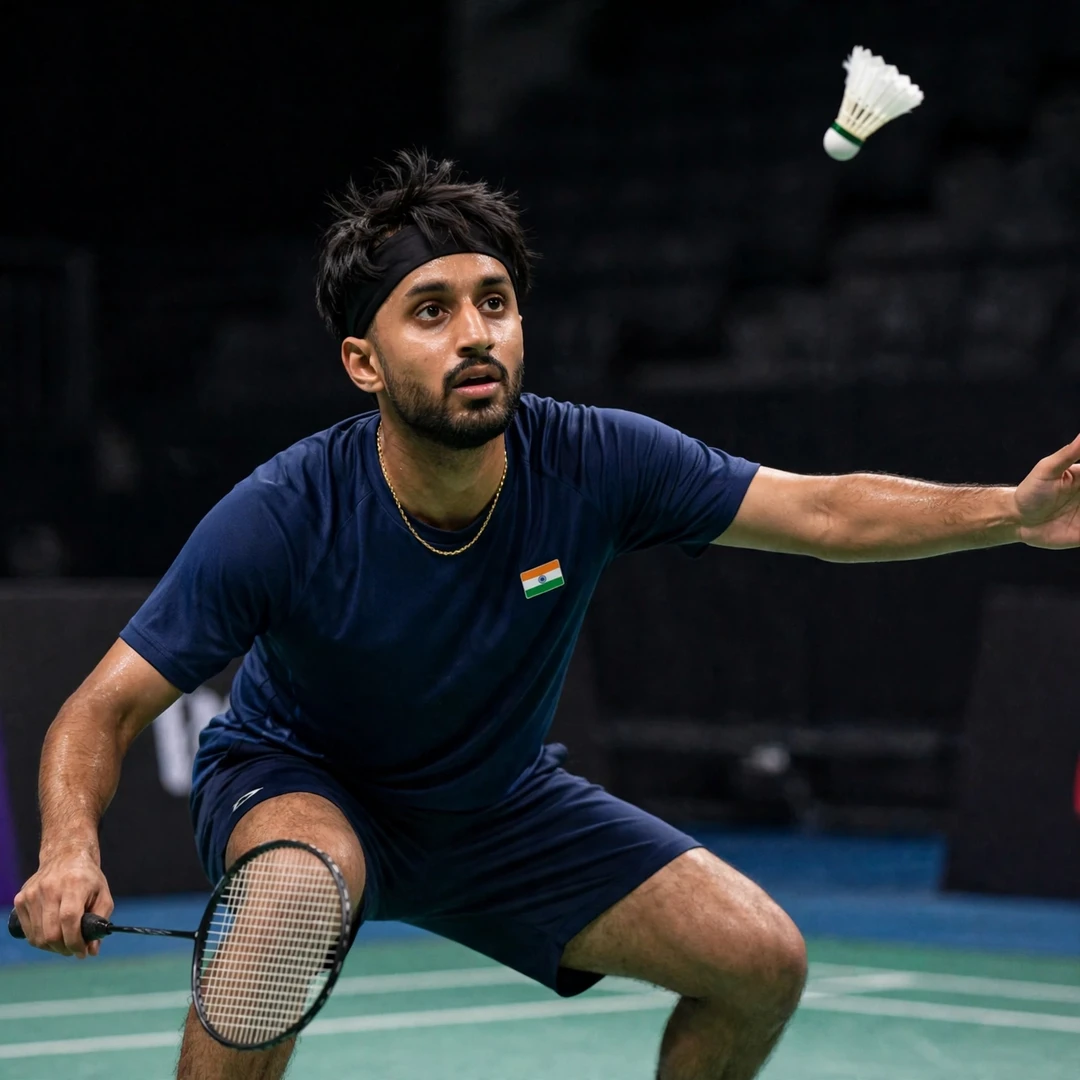
Mishra’s game starts from an attacking instinct. Reports of his junior matches describe a player to whom attack comes naturally — in that 63-minute Junior National semi-final he had been curbing his attacking instincts by playing too defensively, and only when he trusted his attack in the decider did he build the 16-8 lead that carried him to the final. The mature Mishra is that same attacker with a governor fitted: right-handed, he still looks to finish rallies with drives and smashes, but he now defends long exchanges first, works the opponent out of position, and attacks when the opening is earned rather than wished for.
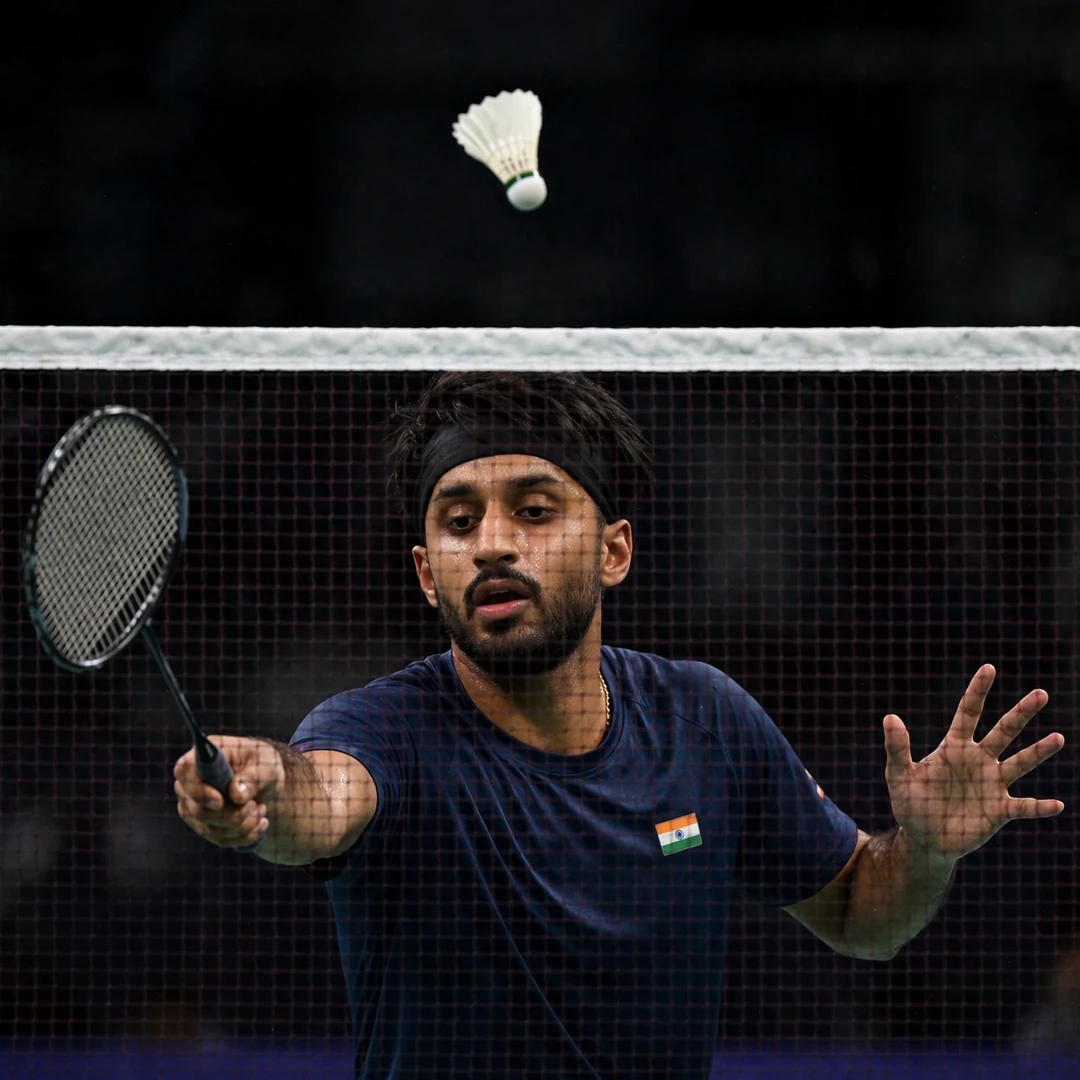
Technically, his game is built on solid, repeatable skills rather than one spectacular weapon. His rear-court forehand and cross-court drives keep pressure on from the back, his backhand corner work has become reliable enough to survive targeted attacks, and his net play — the tumbling shots and tight spinning replies that force lifts — sets up the attacks he loves. Watch his Manila quarter-final against Villaflor and the pattern shows: patient defence, body pressure, then steep, placed finishing shots rather than wild swings.
His superpower, though, is durability — of body and of belief. A decade between No. 100 and No. 1,581’s neighbourhood would have ended most careers; Mishra has instead kept adding small pieces: better defence in his twenties than his teens, smarter scheduling, and the rally tolerance that took Lakshay Sharma to three games and beat him at the Syed Modi. Coaches call this compounding, and it is why his career high arrived at 26 instead of 20 — every season added something the previous one lacked.
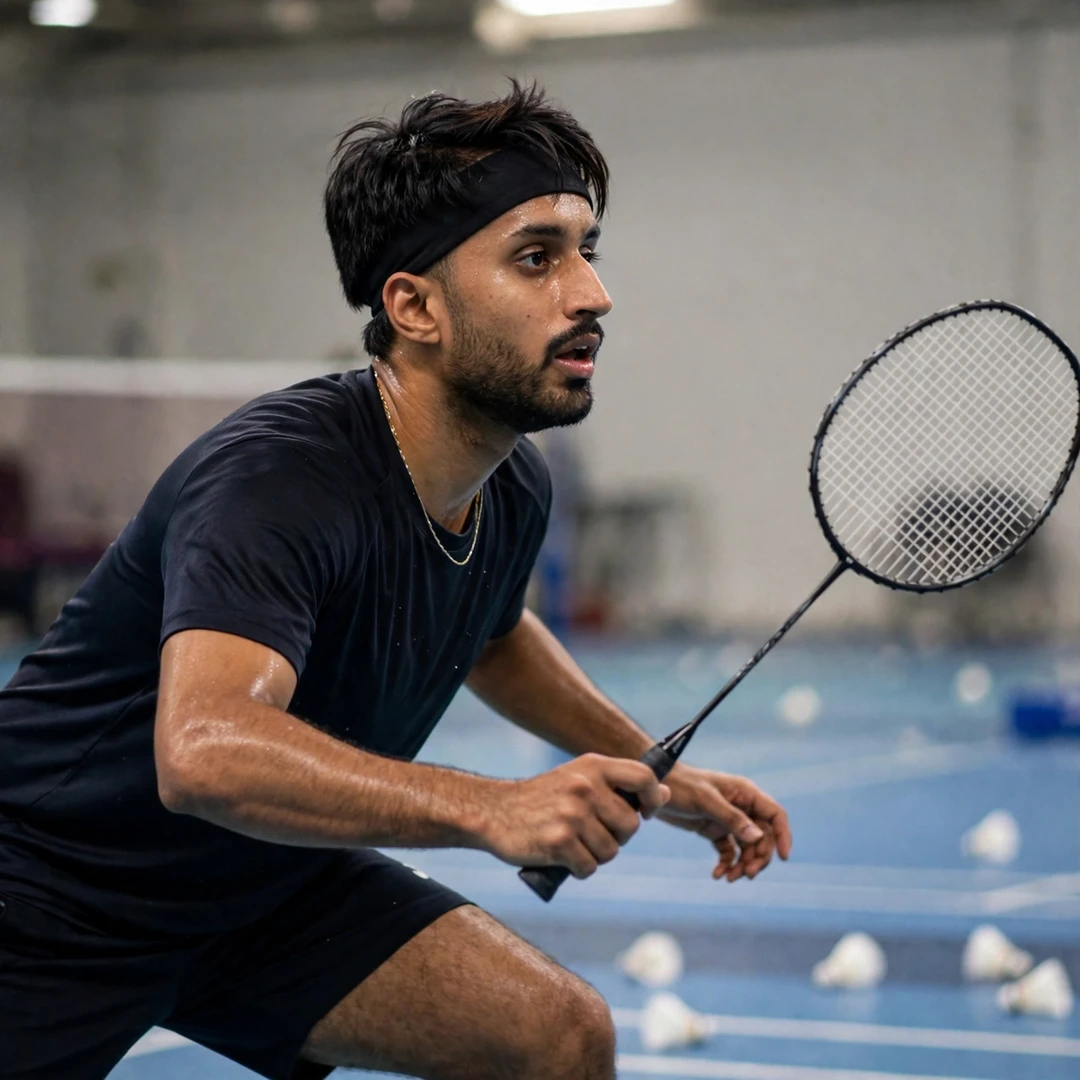
Mental Strength
Patience, Belief and the Long Game
Young players studying Mishra should notice what his story says about timing. He was a Junior National finalist at eighteen, then needed eight more years to reach his best ranking. Development is not a straight line and it is not a race against other people’s clocks: it is a race against your own previous level. The juniors who last are the ones who keep a training structure through the flat years — the same academies, the same drills, the same honest assessment of what is missing — until the results turn.
His background makes the persistence easier to understand. Choosing badminton over medicine, when both parents are doctors and a medical career was the family road, is not a decision a teenager makes lightly — and it is not one he could quietly abandon when the rankings flattened. The choice itself became a commitment device: having given up the safer path, Mishra has spent ten years making the braver one work, one tournament at a time.
Practical lessons from his journey include entering the tournaments you can reach rather than waiting to feel ready, building defensive reliability before chasing bigger smashes, treating every semi-final as evidence rather than failure, keeping a training base and trusting it for years, and measuring progress against your own last season instead of the prodigy on the next court. None of these lessons requires talent scouts or television cameras; they require patience, structure and time.
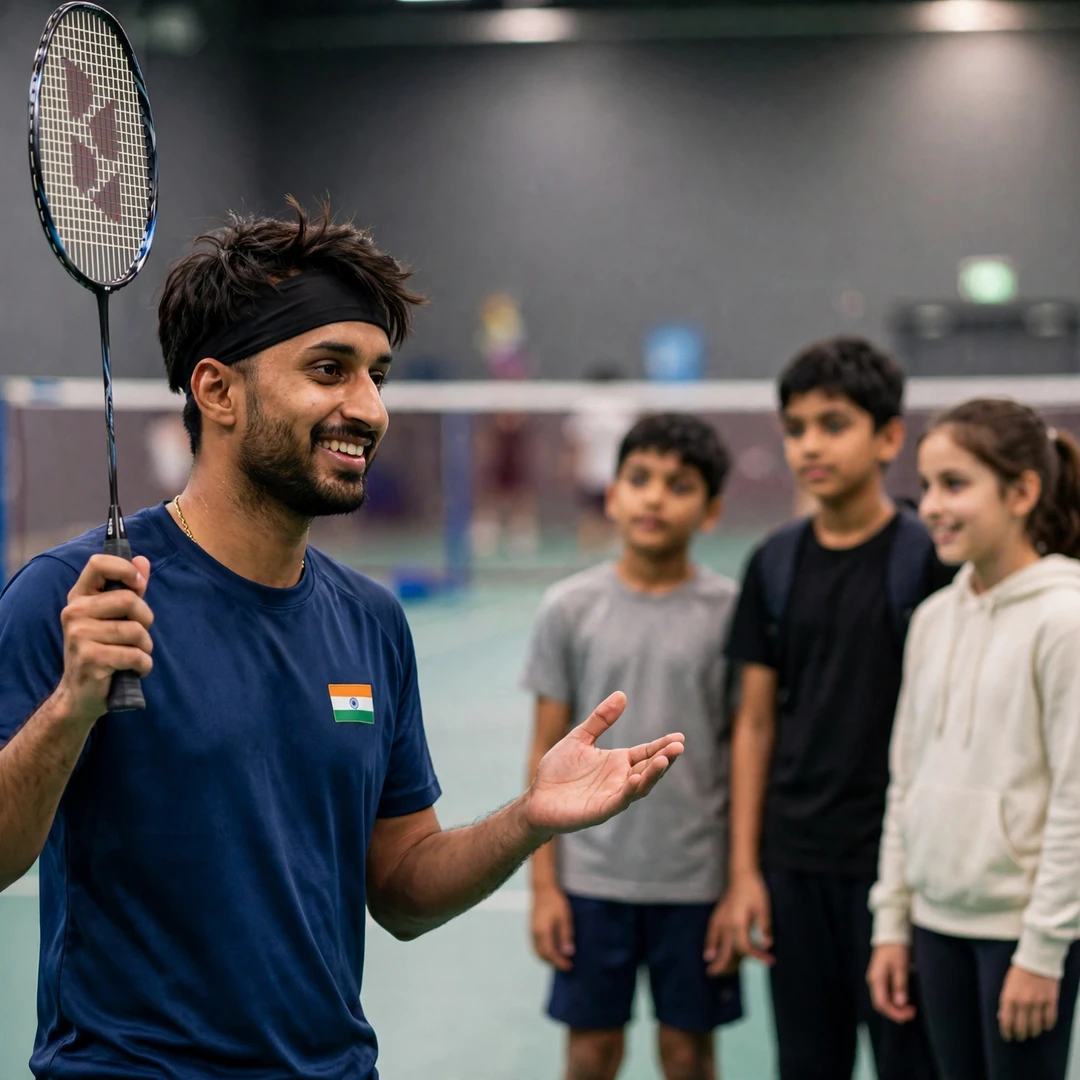
Learning Reference
ST Badminton Academy Connection
ST Badminton Academy has no official partnership or endorsement from Alap Mishra. He is not connected with our academy, and this profile is published purely as an educational case study for parents and junior players who want to understand how a player from Ujjain climbed from No. 1,581 to a career-high No. 88 across a decade of patient work.
Many of our students from Malaysia and visiting learners from Singapore study his matches to understand persistence: how a natural attacker learned patience, how a player ranked outside the top 100 for years structured his seasons, and how four senior semi-finals were built one International Challenge at a time. His Manila win over Clarence Villaflor and his three-game defeat of Lakshay Sharma at the Syed Modi are used in our discussions of players who develop on their own timetable.
We encourage our students to observe his rally construction, his defensive patience and his willingness to attack decisively once the rally is built — and to notice that his rise ran through a small hall in Ujjain and an academy in Bengaluru, through junior finals and a decade of small tournaments, not through a single televised breakthrough. Champions are not only discovered at twelve years old; sometimes they are built one season at a time, for ten seasons.
FAQs: Alap Mishra Indian Badminton Player
Here are answers to common questions about Alap Mishra’s career, achievements and what young players in Malaysia can learn from the Indian player’s decade-long climb into the world’s top 100.
Who is Alap Mishra and which country does he represent in badminton?
Alap Mishra is an Indian professional badminton player competing in men’s singles. Born on 28 May 2000 in Ujjain, Madhya Pradesh, he trained first at Shalakha Badminton Hall in Ujjain and then at the Prakash Padukone Badminton Academy in Bengaluru. He was a Junior National finalist in 2018, reached his career-high BWF world ranking of No. 88 in August 2026, and stands at No. 112 in the Week 43 rankings of 20 October 2026 with 17,180 points.
What are Alap Mishra’s biggest badminton achievements?
Mishra’s biggest achievements are his four senior international semi-finals — the Sydney International 2024, the Cameroon International 2025, the Telangana India International Challenge 2025 and the Philippine International Challenge 2026 — together with his career-high world ranking of No. 88. As a junior he reached the boys’ singles final of the 2018 Junior National Championships, won under-17 singles bronze at the 2016 Junior Nationals and under-19 doubles silver at Chennai in 2017. He is still chasing his first senior international title.
What is Alap Mishra’s playing style?
Mishra is a right-handed player whose game is built on natural attacking instincts that he has learned to control. Early in his career he attacked at every opening; the mature version defends patiently, constructs rallies with accurate clears, drives and tight net play, and then attacks steeply and decisively when the opening is real. His style rewards study because its foundations — footwork, defence and shot selection — are trainable skills.
How did Alap Mishra reach his career-high ranking of No. 88?
Mishra reached world No. 88 on 11 August 2026, during the best summer of his career, which included his semi-final run at the Philippine International Challenge in Manila. The ranking was the summit of a climb that began at No. 1,581 in December 2016 and passed through years around No. 100 to No. 140: year-end rankings of No. 136 in 2019, No. 120 in 2023, No. 105 in 2024 and No. 96 in 2025 show the gradient steepening season by season.
How can my child learn from Alap Mishra’s training approach?
Young players can study Mishra’s approach by copying the structure behind his rise: a stable academy base over many years, multi-shuttle and footwork work like the sessions at the Prakash Padukone Academy, defensive drills before highlight-reel smashes, and a full calendar of reachable tournaments to build match toughness. At ST Badminton Academy we use his Manila quarter-final and his Syed Modi win over Lakshay Sharma as video lessons in patience and attack timing, then train the same patterns in rally-building drills.
Did Alap Mishra win any junior titles?
Mishra’s junior honours were medals rather than singles titles: under-17 singles bronze at the Junior National Championships in Udupi in 2016, under-19 doubles silver with Sanjay Thakur at the Chennai All India Junior Ranking Tournament in 2017, and the boys’ singles final of the Junior National Championships in Lucknow in 2018, where he beat BM Rahul Bharadwaj in a 63-minute semi-final. That record — consistently on podiums without a junior singles crown — foreshadowed a senior career built the same way.
What are Alap Mishra’s best senior international results?
Mishra’s best senior results are his four International Challenge semi-finals — Sydney 2024, Cameroon 2025, Telangana 2025 and the Philippine International Challenge 2026, where he beat Clarence Villaflor 21-16, 21-14 in the quarter-finals — plus World Tour weeks that include the round of 16 at the Syed Modi India International (Super 300) in 2025, where he beat Lakshay Sharma, and the round of 16 at the Vietnam Open (Super 100) in 2026.
What playing style should young players learn from Alap Mishra?
Young players should study Mishra’s balance of patience and attack: the defensive discipline that keeps rallies alive, the net control that manufactures openings, and the confidence to commit fully once the attack is on. Just as important is the mindset — a player who kept improving for ten years, from No. 1,581 to No. 88, because he treated development as a long project rather than a short audition.
Does ST Badminton Academy have any connection with Alap Mishra?
No, Alap Mishra is not a student, coach or ambassador of ST Badminton Academy. He represents India and developed through Shalakha Badminton Hall in Ujjain and the Prakash Padukone Badminton Academy in Bengaluru. However, coaches at our academy in Kuala Lumpur regularly use his matches as teaching material, because his decade-long climb shows what structured coaching, patience and competitive volume can achieve.
Alap Mishra Career Highlights
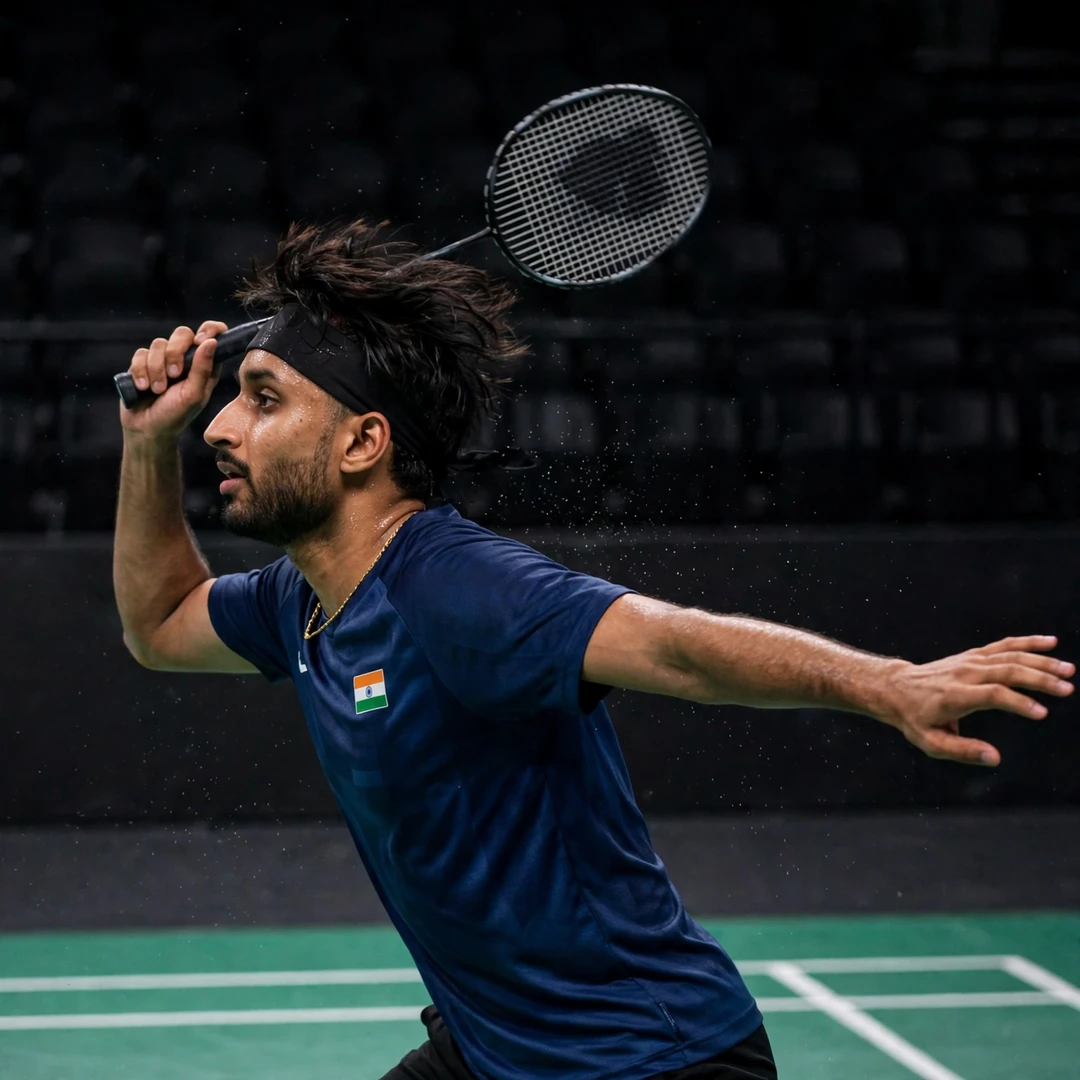
Career Statistics and Rankings
Alap Mishra, born 28 May 2000 in Ujjain, India, has built one of badminton's longest climbs: a first world ranking of No. 1,581 in December 2016, a Junior National final in 2018, four senior international semi-finals between 2024 and 2026, a career-high world ranking of No. 88 in August 2026 — and, at world No. 112 in October 2026, a first senior title still to chase.
| Development Area | Common Misconception | What Alap Mishra's Career Shows REALITY |
|---|---|---|
| Junior Foundation | Talent alone decides who becomes a champion. | Mishra started at Shalakha Badminton Hall in Ujjain under coach Prashant Sirsat, won under-17 bronze at the Junior Nationals and reached the Junior National singles final in 2018 — a structured junior base came first. |
| Playing Style Priority | Kids should copy the flashiest attacking shots. | Mishra built a complete game first; his attacking instincts became far more dangerous once reliable footwork, defence and patience were added underneath them. |
| Fitness Importance | Juniors can out-train everyone without rest. | Mishra spent years ranked between No. 100 and No. 140, then rebuilt his approach — his career-high No. 88 in August 2026 came from smarter shot selection, not more hours. |
| Mental Approach | Top players never get nervous or upset. | Mishra has lost four senior international semi-finals without yet winning a senior title, yet he keeps returning to the last four — mental skills are trained, not inherited. |
| Attacking Training | Smashing harder is always the answer. | His 2026 Philippine International Challenge wins, including 21-16, 21-14 over home player Clarence Villaflor, came from controlled attack placement, not raw power. |
| National Milestones | Only world titles matter. | Mishra's junior medals — under-17 bronze in 2016, under-19 doubles silver in 2017 and a Junior National final in 2018 — made his name in Indian junior badminton; milestones build a career step by step. |
| Career Timeline | Champions peak once and fade fast. | From a first world ranking of No. 1,581 in December 2016 to a career-high No. 88 a decade later, Mishra proves sustained development beats a short peak. |
Study Alap Mishra's Work Ethic and Professional Approach
This profile explains who Alap Mishra is, his major achievements, and what developing players can learn from his journey. Whether you are a parent in Kuala Lumpur, Cheras or anywhere in Malaysia wondering whether success in badminton has a deadline, Mishra's story carries the answer: development runs on the player's own clock — book a trial class with ST Badminton Academy on WhatsApp at +60 17-684 2136 and let your child begin a development journey built to last.