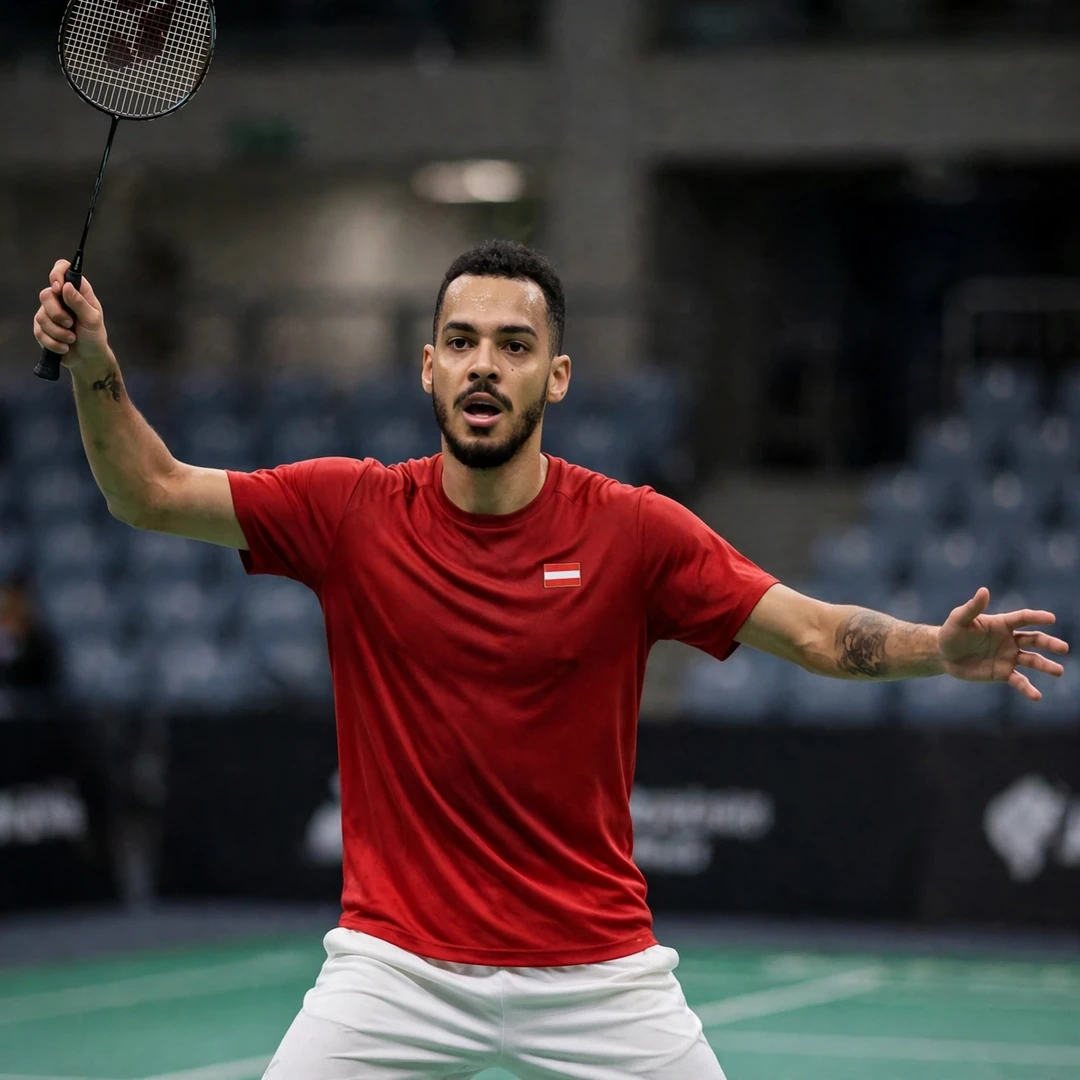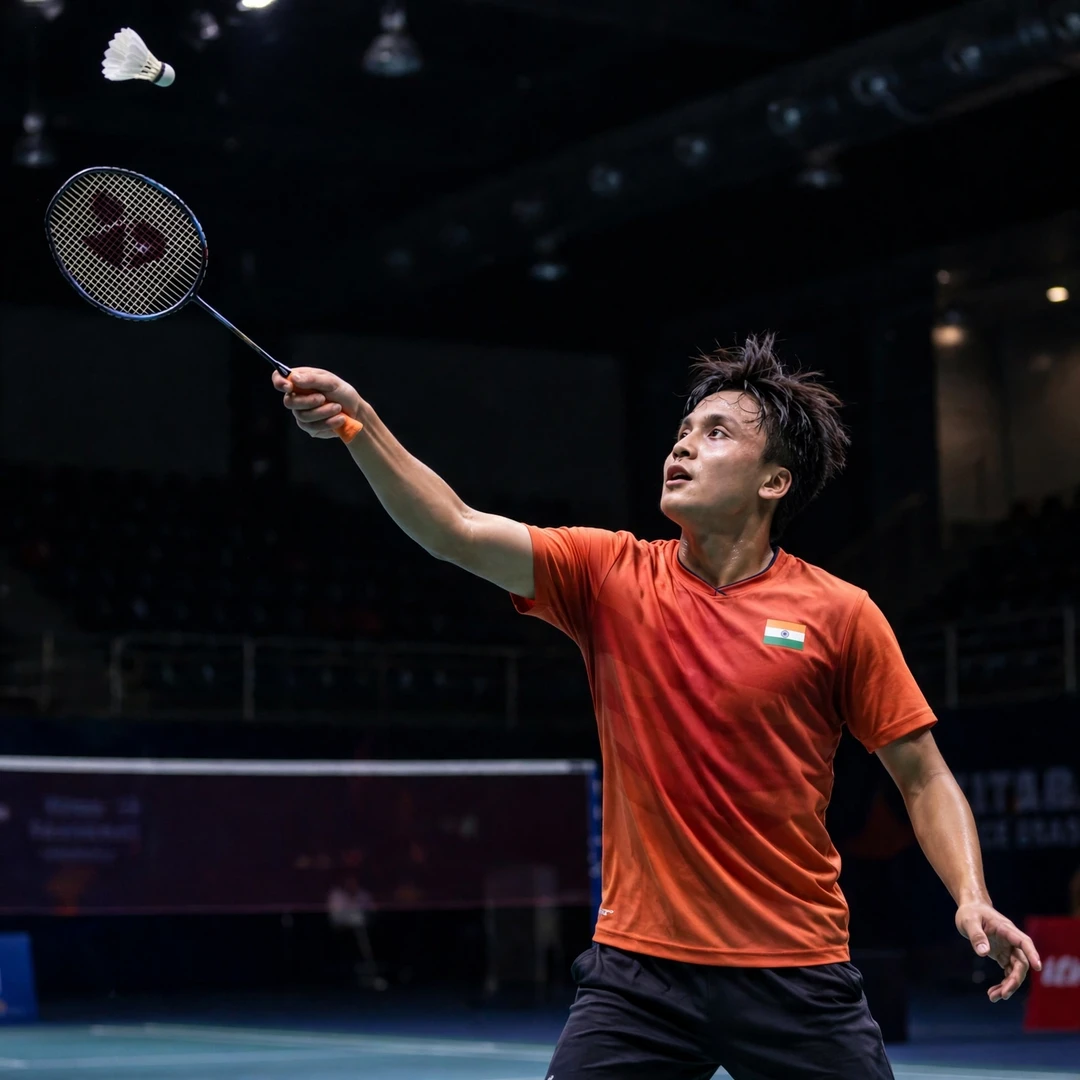
BWF World No. 113 · India · Men’s Singles
Meiraba Luwang Maisnam

India
Player Event: Men’s singles
Date of Birth: 30 December 2002, Imphal, Manipur, India · Height: 1.75 m · Plays: Right-handed
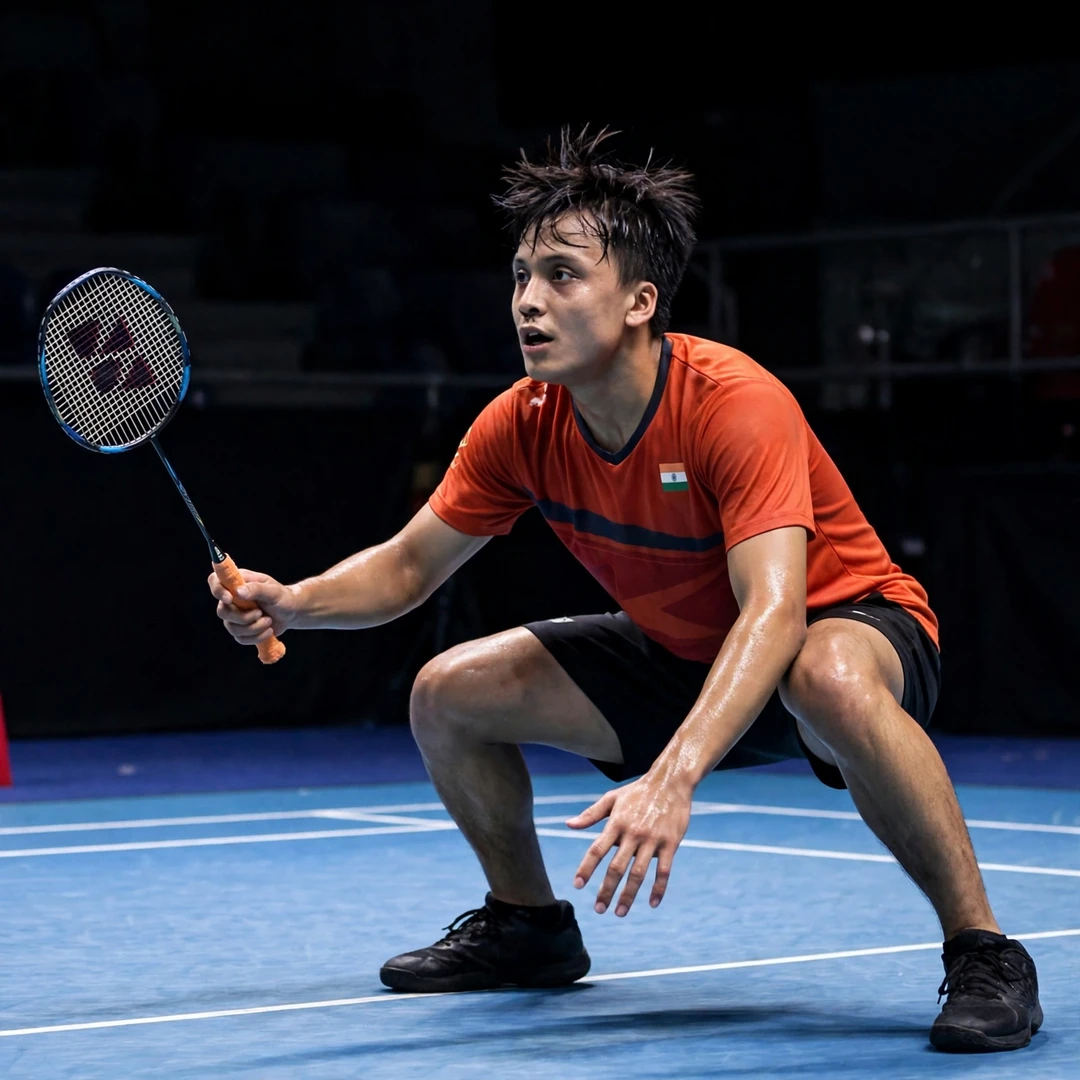
Playing Style: Right-handed defensive retriever — endless court coverage, deep accurate tosses, patient rallying and sudden counter-attacking speed
Understanding Meiraba Luwang Maisnam’s Journey to World No. 113
Meiraba Luwang Maisnam represents India in men’s singles badminton and is one of the most persistent stories in the sport: a coach’s son from Imphal, Manipur, who left home at eleven, became the world’s No. 2 junior, won six senior international titles and once beat a world top-ten player in Bangkok. In the BWF world rankings for Week 43, published on 20 October 2026, he stands at world No. 113 with 16,520 points across 14 tournaments — a ranking that tells only half of a career built on defence, patience and refusing to go away.
Early Life in Imphal and a Coach for a Father
Meiraba was born on 30 December 2002 in Imphal, the capital of Manipur in north-east India, and badminton was quite literally in the house: his father, Romesh Luwang, is a badminton coach. He picked up a racket around the age of seven just for fun, turned serious at about nine, and began winning almost every local tournament he entered. Coaches who watched him in those years remember a small, tireless retriever who treated every rally as a point that could still be saved.
Bengaluru at Eleven: The Prakash Padukone Academy
The local competition soon ran out, so at the age of eleven he left Manipur for Bengaluru to train at the Prakash Padukone Badminton Academy, the school founded by India’s first All England champion. The move paid off almost immediately: within ten months he had won the national sub-junior singles title in Cuttack. In 2014, aged thirteen, he travelled to the AROS Cup in Denmark and won both the singles and doubles golds — the first player from Manipur to win two medals at a Danish championship.
Junior World No. 2: A Harvest of Junior Titles
The junior honours kept coming through his teens. He won the Swiss Junior Open under-15 title in 2015, became under-17 national champion in Guwahati in 2017, added the Khelo India under-17 crown, and in 2018 reached the semi-finals of the Asian Junior Championships under-17 event in Myanmar, losing only to the eventual champion, Yong Jin of Korea, to take bronze. Four All India under-19 ranking titles in a single year underlined that this was no regional curiosity but one of India’s best junior prospects.
A Dream Senior Debut: Two Titles in 2021
His final junior season, 2019, turned into a sweep of the international junior circuit. He won the Russian Junior International (White Nights) in Gatchina, beating Varun Kapur 21–5, 21–9 in the final; the Korea Junior International under-19 title in Miryang, beating Lee Hak-joo 21–10, 21–13; and the Bangladesh Junior International in Dhaka, beating Malaysia’s Ong Ken Yon 21–14, 21–18 — the same Ong who had beaten him in the India Junior International final earlier that year, where Meiraba took the first game before losing 21–13, 19–21, 21–23.
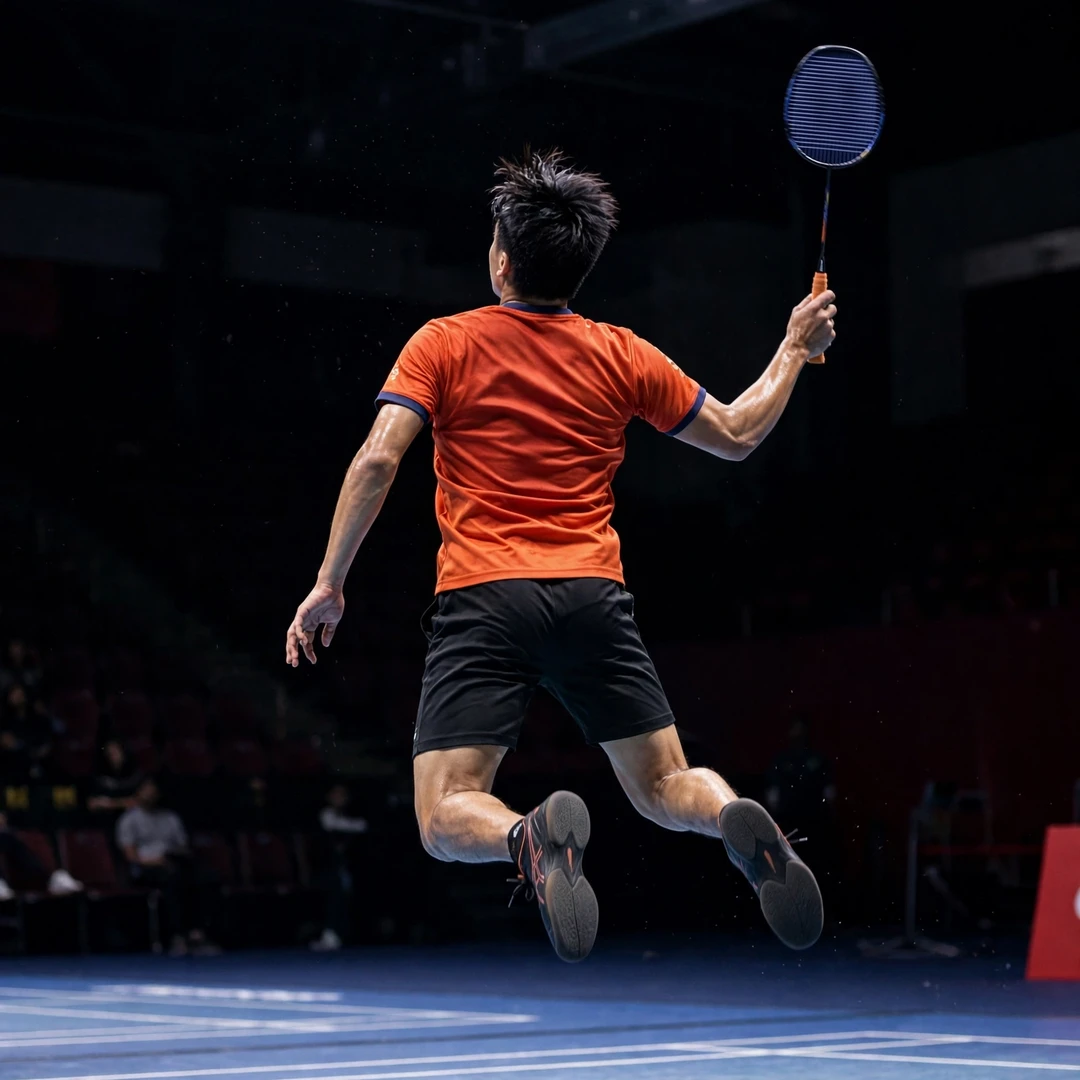
Career Milestone #1
Iran, India and a Career-High World No. 53
One more junior title followed at the Nepal Junior International in 2020, where he beat home favourite Prince Dahal 21–16, 21–23, 21–15 in the final, and by then the BWF junior world rankings had carried him all the way to No. 2 in the world. Four junior international titles, a junior world No. 2 ranking and an Asian junior bronze made him one of the most decorated Indian juniors of his generation — and set up the question every top junior must answer: could the game survive contact with the senior tour?
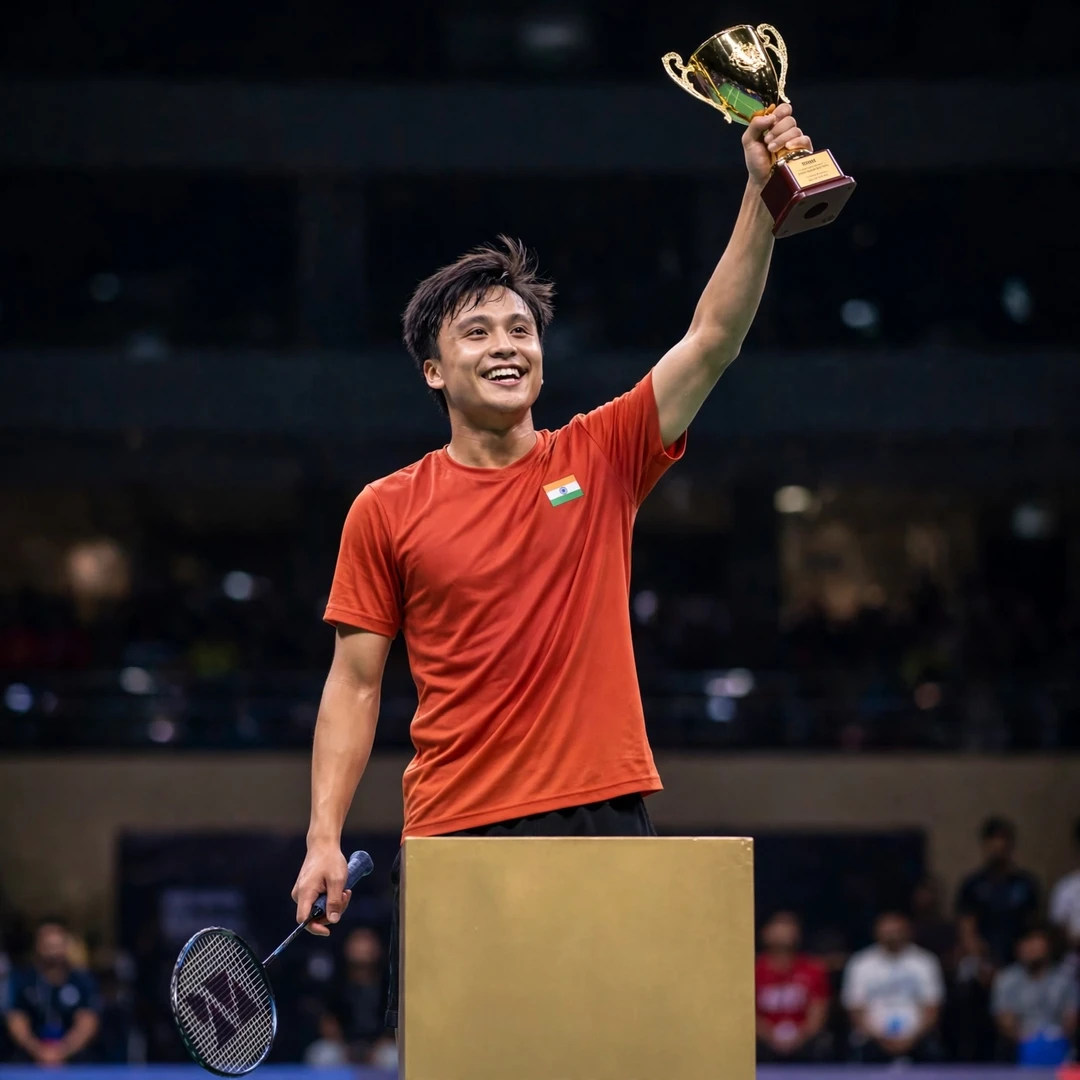
The answer came at the very first attempt. In the summer of 2021 Meiraba travelled to Jelgava for the Latvia International — his senior international debut — and won the whole tournament, beating France’s Alex Lanier 21–15, 12–21, 22–20 in a final that swung on the last few rallies. Winning a senior title on debut is rare at any level; doing it in a deciding game held to 22–20 announced a player whose junior retrieving game translated directly to senior pressure.
Career Milestone #2
The Hard Year: 2023’s Lesson in Persistence
Weeks later he proved Latvia was no fluke by winning the Bulgarian International as well, defeating Daniel Nikolov 21–19, 7–21, 21–14 in another three-game final. He had first entered the BWF world rankings at No. 550 on 31 August 2021; by the end of that debut season he had two senior titles and a game plan that senior opponents were already finding miserable to break down — rally, retrieve, toss deep, and wait for the one loose shot worth attacking.
The titles kept coming in 2022. At the Iran Fajr International in Shiraz he beat Ukraine’s Danylo Bosniuk 18–21, 21–13, 21–19, and at the India International in Bengaluru he beat his compatriot Mithun Manjunath 21–14, 21–16 for a fourth senior title. The ranking climbed with the silverware: he closed 2022 at world No. 58, inside the world’s top sixty barely sixteen months after his first senior ranking of No. 550.
The peak of that climb arrived on 24 January 2023, when Meiraba reached a career-high world No. 53 and held the position for four weeks. For a player from Manipur — a small state in India’s far north-east, far from the sport’s traditional powerhouses — a place inside the world’s top fifty-five, earned through Challenger and Series events across Europe and Asia, was a landmark achievement and proof that the defensive system built in Imphal and Bengaluru belonged at this level.
Career Milestone #3
Bangkok Breakthrough: Beating Prannoy at the Thailand Open
Then came the season that tests every developing player. In 2023 Meiraba played more than twenty tournaments and, by one scouting assessment, lost his very first match in eleven of them. The ranking slid from No. 53 to a year-end No. 95 as the tour’s stronger draws, quicker courts and heavier smashes exposed the limits of a purely retrieving game. There was no public complaint and no change of base — just the long, unglamorous work of adding attacking weight to the defence.
The rebuilding showed at home first: a runner-up finish at an India Senior Ranking tournament in 2023 was followed by a senior ranking title in 2024, restoring domestic momentum before the international breakthrough arrived. It is a sequence young players should study — when the world tour stops rewarding you, go back to the level you can control, win matches there, and carry that confidence back up the ladder rather than waiting for form to return on its own.
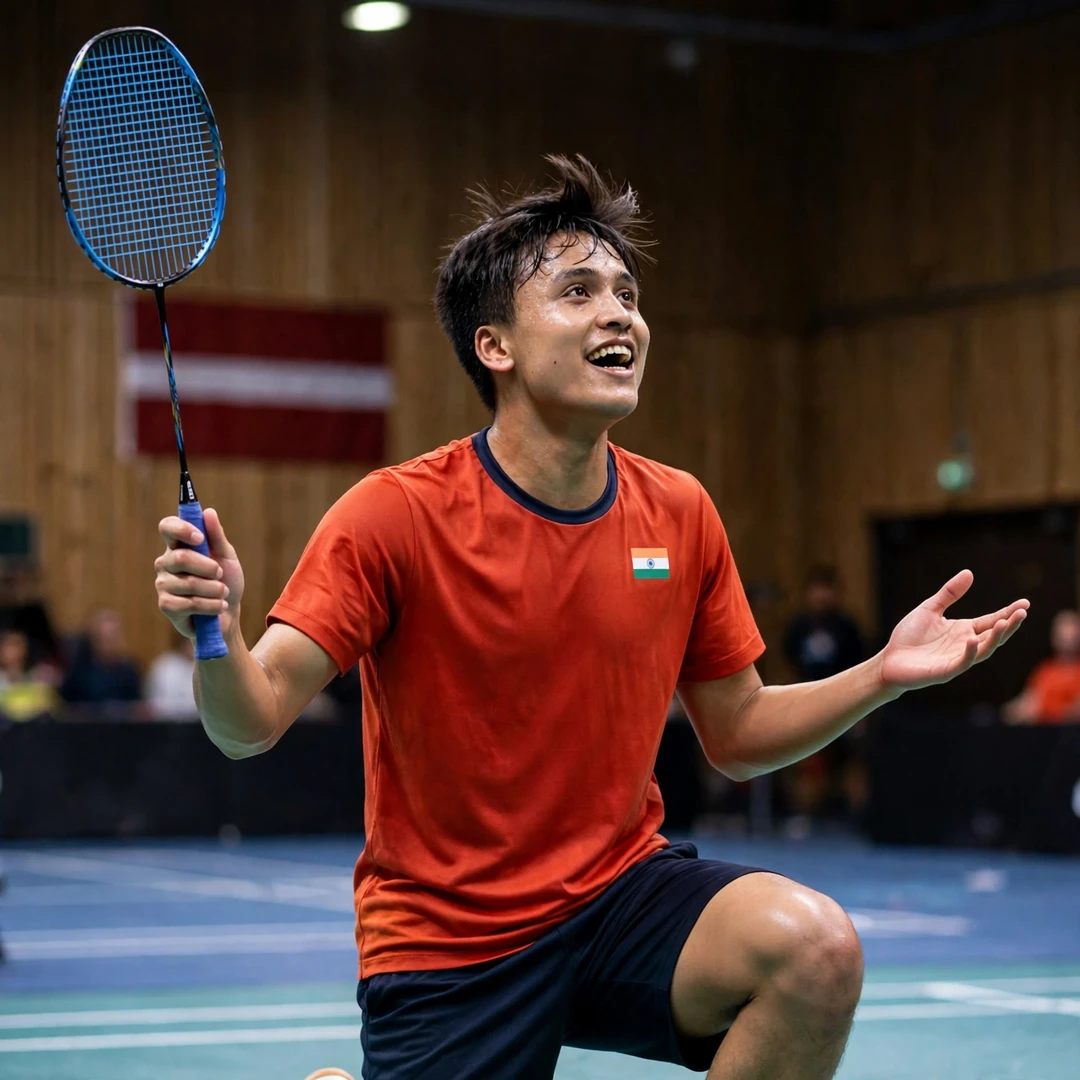
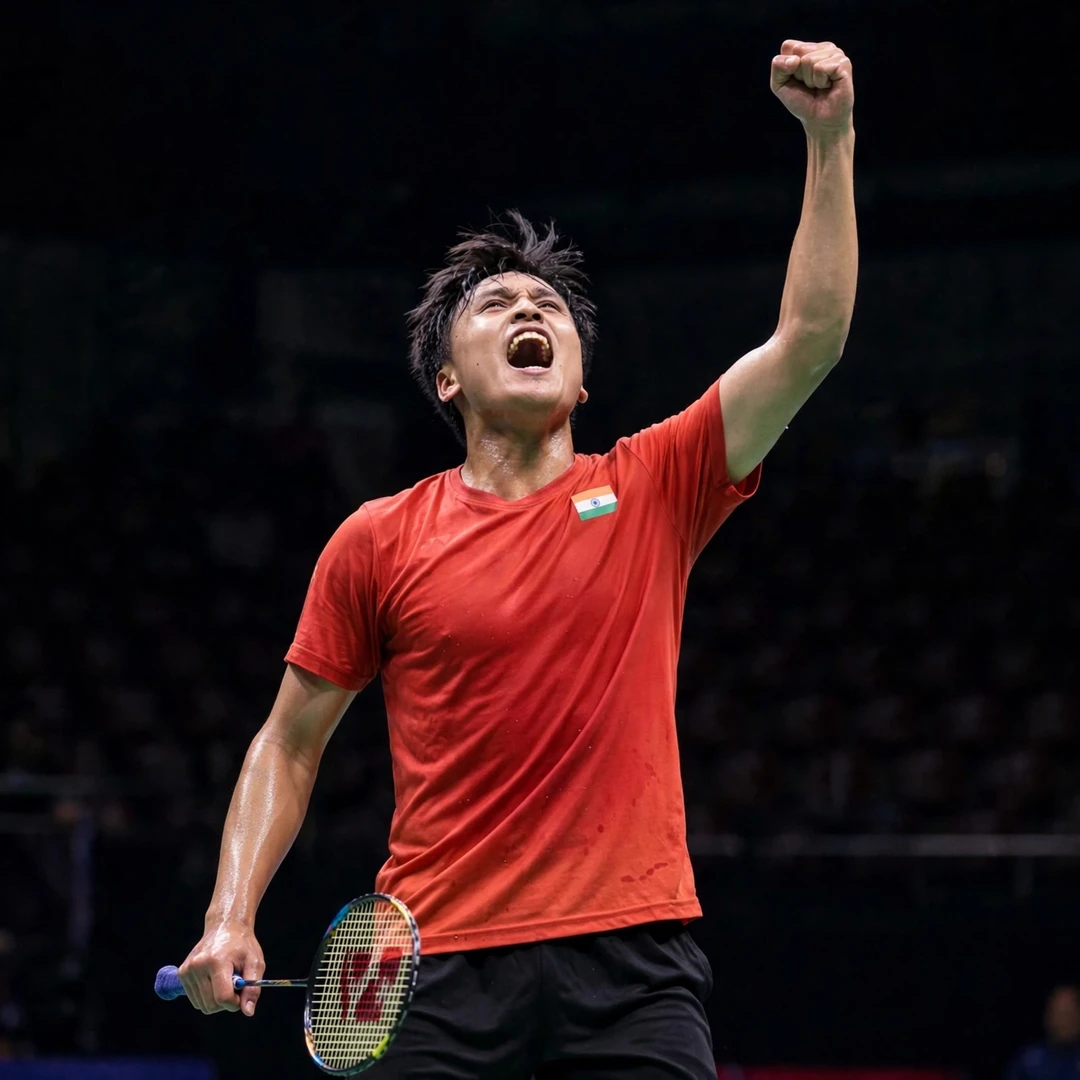
The breakthrough came in Bangkok in May 2024, at the Thailand Open, a Super 500 event. Drawn against H. S. Prannoy — India’s No. 1, the fifth seed and the world No. 9 — Meiraba produced the win of his career, 21–19, 21–18 in 55 minutes, retrieving everything and counter-attacking with a precision that his idol-generation senior could not shake off. It was his first victory over a top-twenty player. He then beat Denmark’s Mads Christophersen to reach the quarter-finals, his best result at Super 500 level.
Career Milestone #4
A Sixth Senior Title in Dhaka and the Road Back
The seasons since have been about consolidation. He won a fifth senior title at the Nepal International in 2024, beating B. M. Rahul Bharadwaj 21–17, 21–16, and reached the Syed Modi International quarter-finals the same year. In December 2025 he struck again at the Bangladesh International Challenge in Dhaka — the city of one of his junior titles — beating Numair Shaik 21–7, 21–12 for his sixth senior international title and his tenth international title across junior and senior badminton. A quarter-final at the Baoji China Masters in 2026, where he beat Huang Ping-Hsien and Ginpaul Sonna before losing to Riki Takei, keeps the trajectory pointing up at world No. 113.
Managing a full season at Challenger and World Tour level requires intelligent scheduling, honest assessment and a base that keeps developing between events. Meiraba’s calendar — heavy European and Asian Challenger swings, domestic senior ranking events in between — shows a player and a team who understand that ranking points are built in blocks, and that a defensive player’s body is his capital: the legs that win 55-minute matches must be protected as carefully as the ranking itself.
Playing Style
The Defensive Wall: Retrieval, Tosses and Counter-Attack
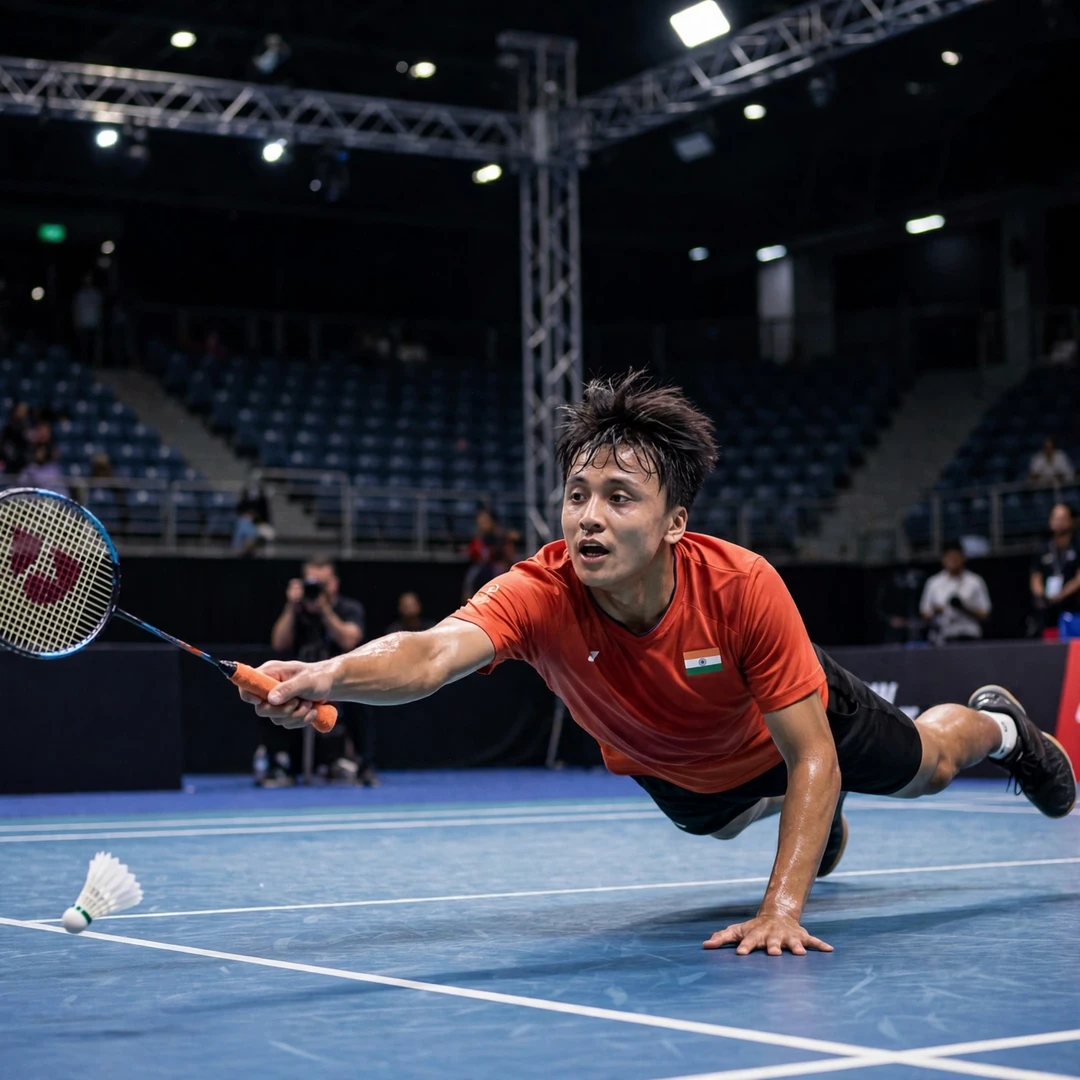
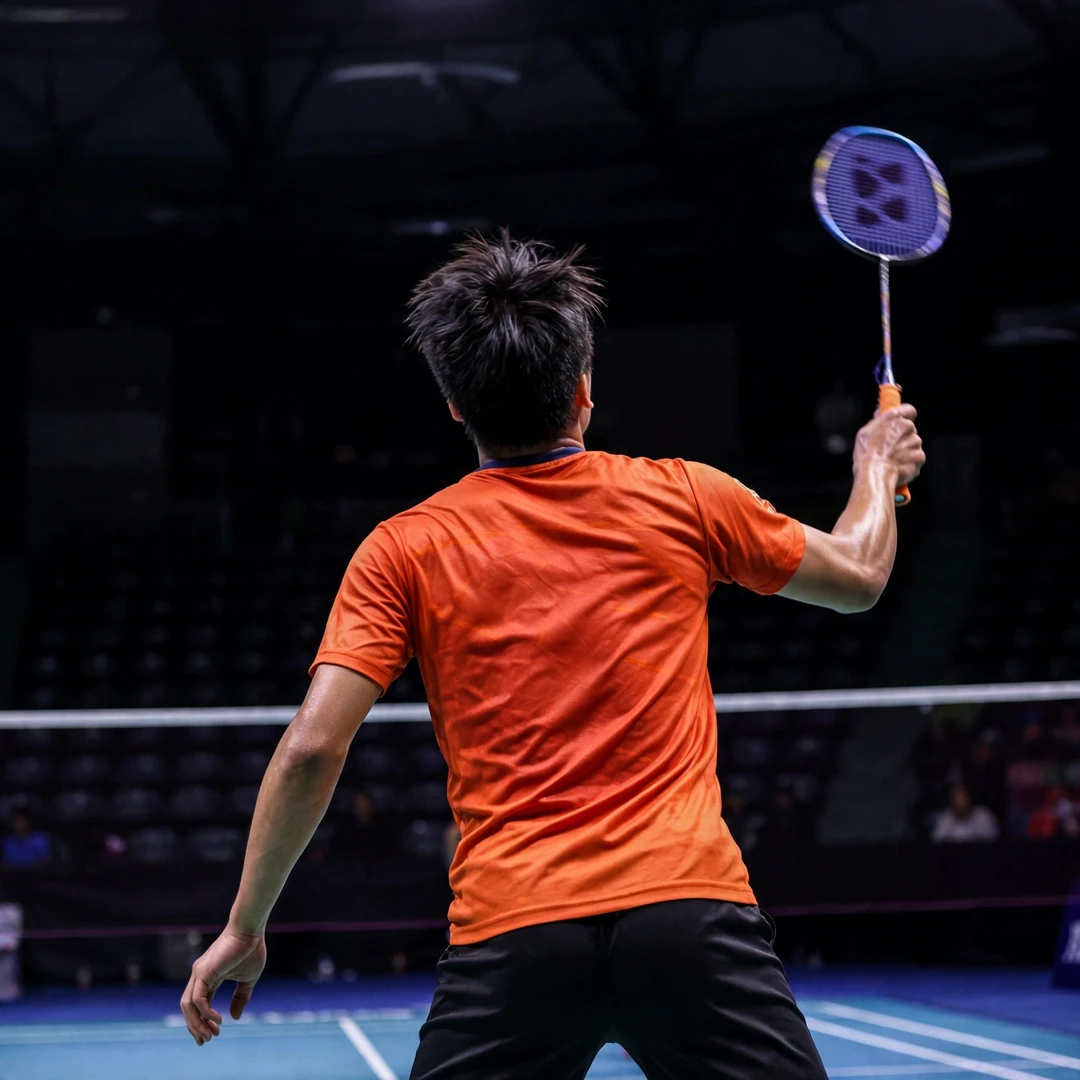
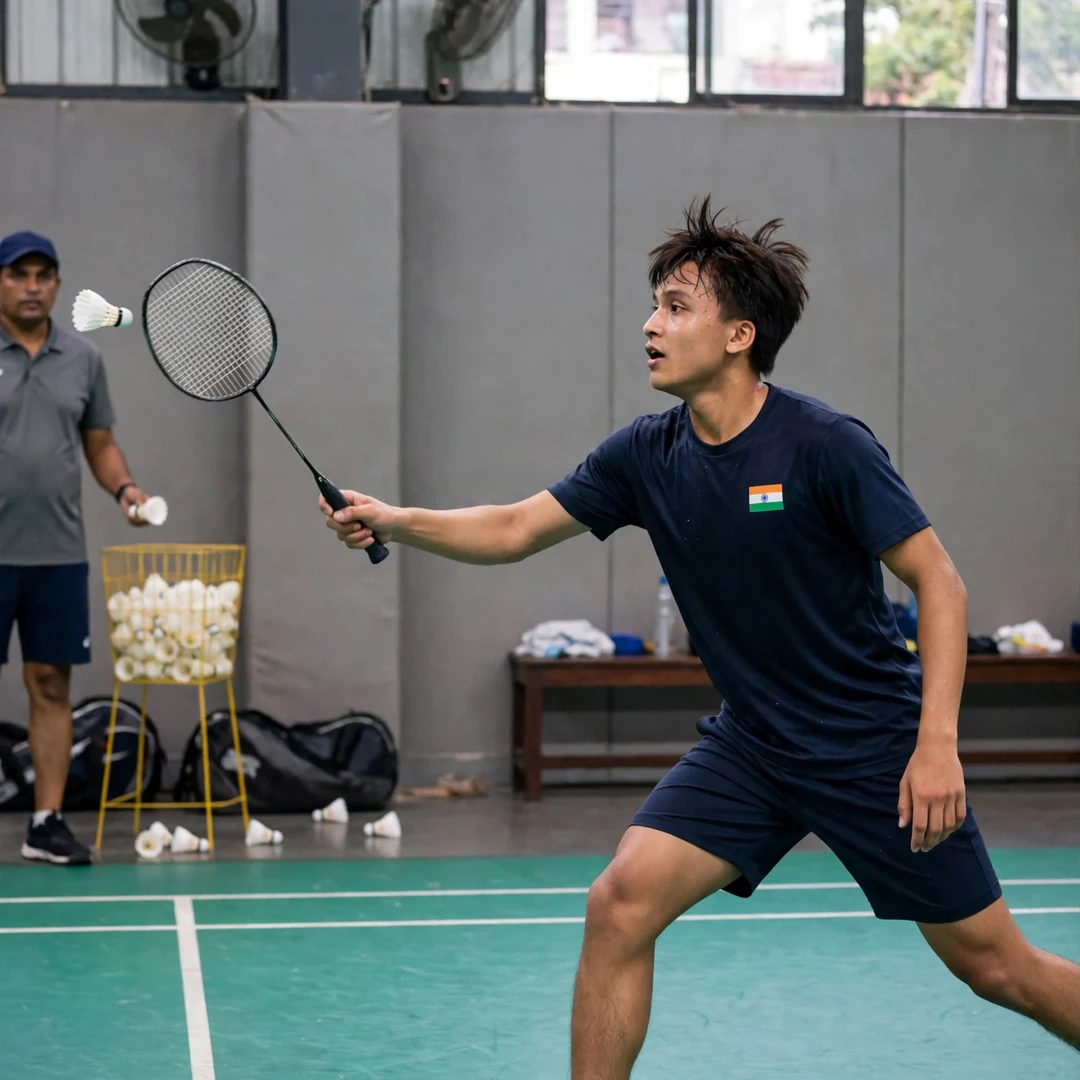
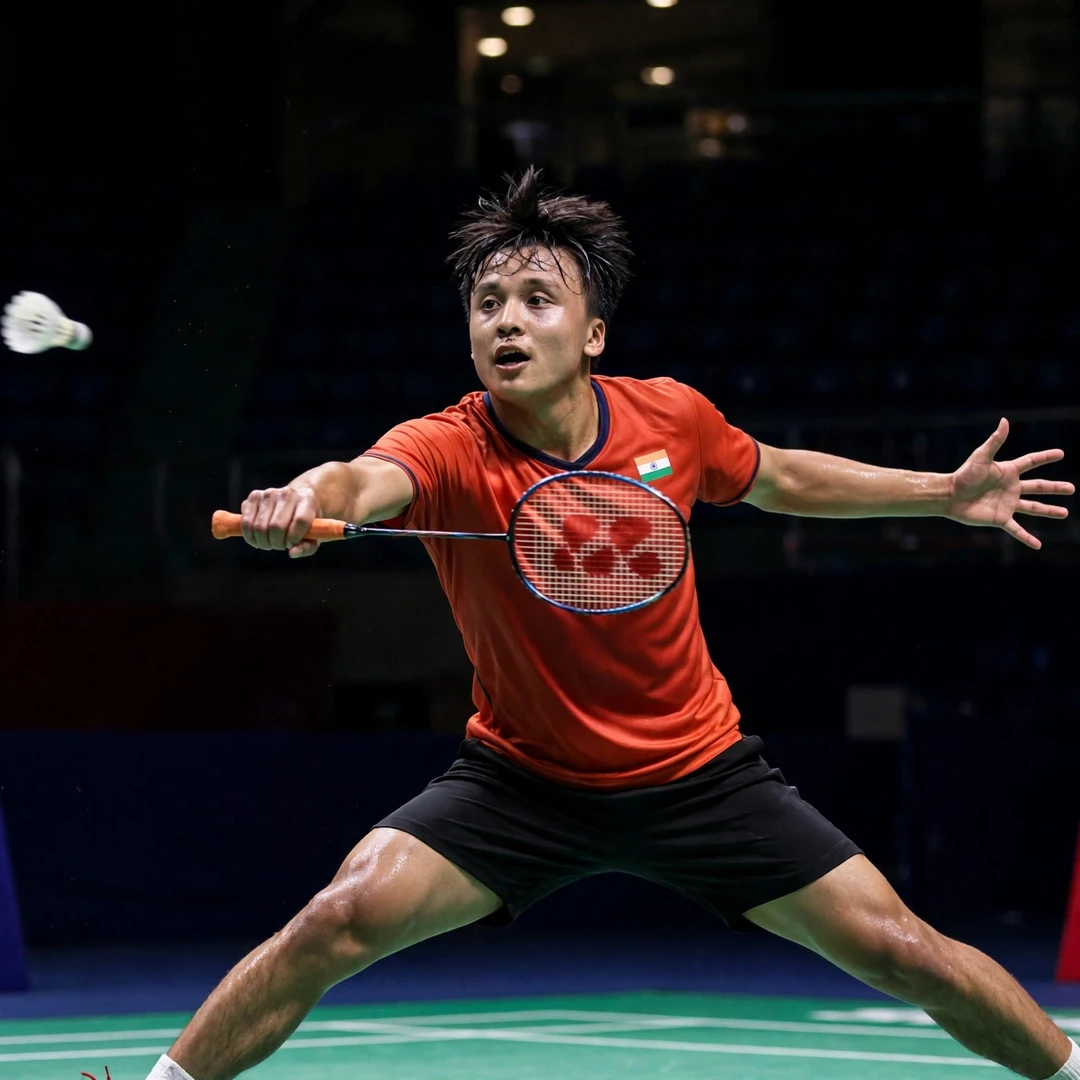
Meiraba plays a defensive, rallying style that commentators have likened to Kodai Naraoka’s: extraordinary retrieval, deep and accurate tosses from the back of the court, and the patience to extend rallies until the opponent’s attacking quality drops. His agility and court coverage are the foundation — he runs extensively, arrives early even in the deep corners, and turns defence into counter-attack with sudden changes of pace rather than one thunderous smash.
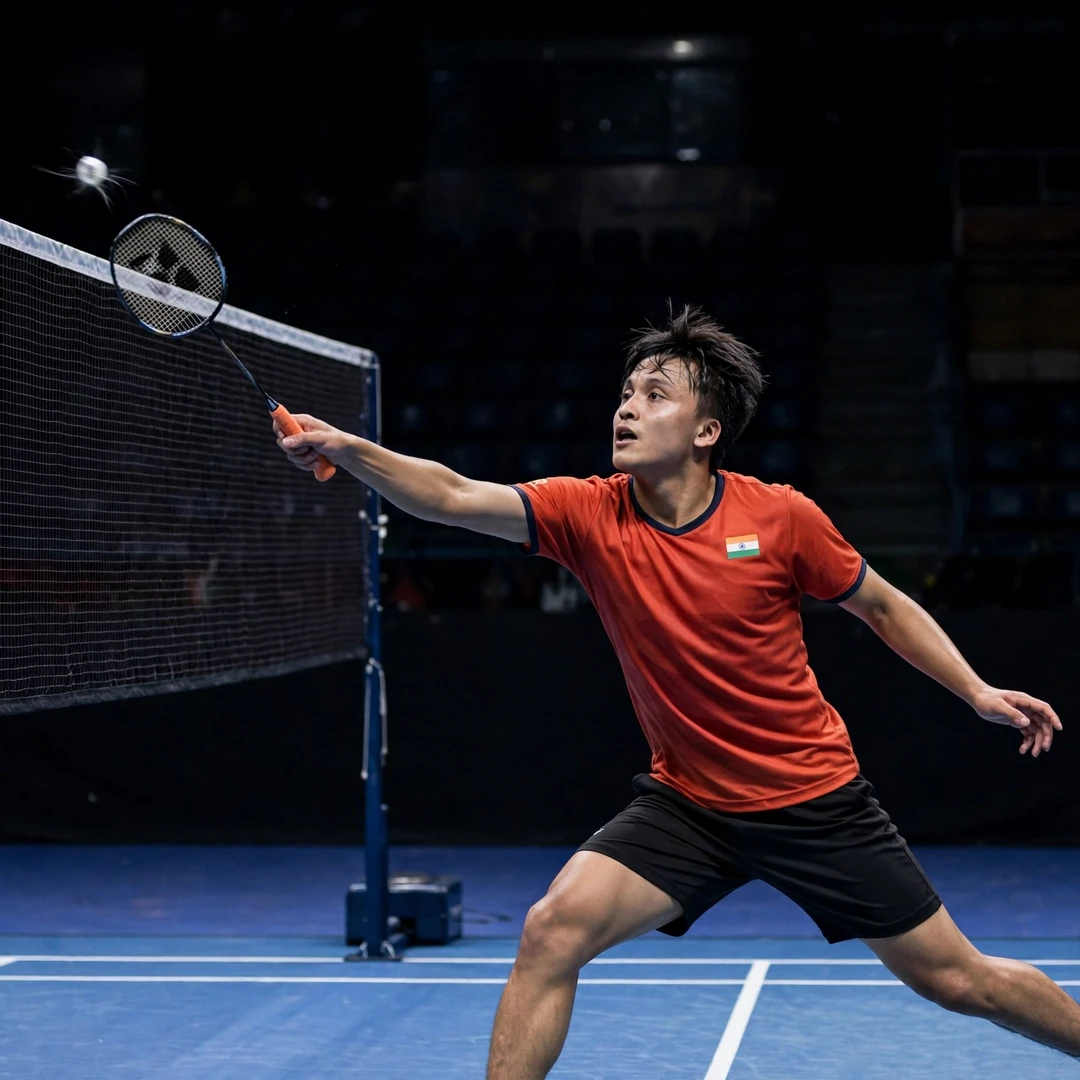
His defensive weapons sit on top of textbook basics: a low, balanced ready position, early racket preparation on both flanks, and length on his clears and tosses that pins opponents to the back line where their smashes lose sting. The attacking layer added since 2023 — sharper cross-court net shots, a flatter drive game and more willingness to take the shuttle early — exists to punish the loose lifts his defence provokes, not to change who he is as a player.
Young players studying his matches should watch the rallies he loses as closely as the ones he wins. Notice how rarely he is beaten for speed outright; how his recovery step brings him back to base before the next shot is struck; and how his toss — high, deep and accurate to the back tramlines — buys him the two seconds his defence needs. For developing players, Meiraba is a masterclass in making the opponent win the point three times before it counts.
Mental Strength
Discipline, Patience and the Long Way Back
Meiraba demonstrates a quiet, controlled temperament through his defence-first game. A player who loses eleven first-round matches in a season and answers with a domestic title, a top-ten victory and two more international titles is showing young players what composure actually looks like: not the absence of setbacks, but the refusal to let a ranking slide rewrite the training plan.
His ability to come back after tough losses and ranking drops — from No. 53 down to No. 95, then back to winning titles in Nepal and Bangladesh and a Super 500 quarter-final — demonstrates the emotional control that separates professionals from talented juniors. The difficult 2023 season, and the patient response to it, is the part of his story academy coaches quote most often.
Practical lessons from his journey include: building defence and footwork before attacking flair; treating domestic tournaments as a ladder back to form, not a step down; keeping a coach in the family or a mentor who knows your game from childhood; and remembering that a ranking is a trailing indicator — the work in the training hall this month is the ranking you will hold next season.

Learning Reference
ST Badminton Academy Connection
ST Badminton Academy has no official partnership or endorsement from Meiraba Luwang Maisnam. He is not connected to our academy in any way, and this profile is an independent editorial feature about his public sporting career, written to help our students and readers understand what elite junior-to-senior development looks like.
Many of our students in Malaysia and visiting learners from Singapore study Meiraba’s matches to understand defensive structure, because his game is built on skills any junior can train: footwork patterns, toss accuracy, rally patience and counter-attacking timing. His story also speaks directly to players far from a sport’s traditional centres — Manipur to Bengaluru is a journey many of our own students, in their own way, recognise.
We encourage our students to observe his rally construction, his discipline in defence and his calm acceptance of long matches. Parents often tell us his story reassures them: a boy who started for fun at seven, left home at eleven for the right academy, became junior world No. 2 — and when the senior tour knocked him down the rankings, simply kept working until it rewarded him again.
FAQs: Meiraba Luwang Maisnam Indian Badminton Player
Here are answers to common questions about Meiraba Luwang Maisnam’s career, achievements and what young players in Malaysia and Singapore can learn from the Indian defensive specialist’s journey from Imphal to the BWF World Tour.
Who is Meiraba Luwang Maisnam and which country does he represent in badminton?
Meiraba Luwang Maisnam is an Indian professional badminton player competing in men’s singles. Born on 30 December 2002 in Imphal, Manipur, he trains at the Prakash Padukone Badminton Academy in Bengaluru, plays right-handed, and in the Week 43 rankings of 20 October 2026 stands at world No. 113 with 16,520 points. He is a former BWF junior world No. 2.
What are Meiraba Luwang Maisnam’s biggest badminton achievements?
His major achievements include six senior international singles titles — Latvia and Bulgaria in 2021, Iran and India in 2022, Nepal in 2024 and Bangladesh in 2025 — a career-high world ranking of No. 53 in January 2023, four junior international titles, an Asian Junior under-17 bronze medal, and a Thailand Open quarter-final in 2024 built on a straight-games win over world No. 9 H. S. Prannoy.
What is Meiraba Luwang Maisnam’s playing style?
Meiraba plays a defensive, rallying game: extraordinary retrieval and court coverage, deep accurate tosses from the rear court, and patience over long rallies, with counter-attacking speed added in recent seasons. His style has been likened to Kodai Naraoka’s — he makes opponents hit one more shot, and then one more, until the rally breaks their way or his counter-attack finishes it.
How did Meiraba Luwang Maisnam perform at the Thailand Open 2024?
At the Thailand Open 2024, a Super 500 event in Bangkok, Meiraba beat India’s No. 1 and fifth seed H. S. Prannoy — then world No. 9 — by 21–19, 21–18 in 55 minutes in the opening round, his first win over a top-twenty player. He followed it by beating Mads Christophersen to reach the quarter-finals, the best World Tour result of his career.
How can my child learn from Meiraba Luwang Maisnam’s training approach?
Young players can study Meiraba’s approach by copying the order of his development: defence, footwork and toss accuracy first, attacking shots second. His years at the Prakash Padukone Academy also show the value of a structured academy environment, and his response to the 2023 season — domestic titles first, international breakthrough second — is a practical template for any junior whose results have stalled.
Did Meiraba Luwang Maisnam win any junior titles?
Yes. Meiraba won four junior international singles titles: the Russian Junior International and Korea Junior International and Bangladesh Junior International in 2019, and the Nepal Junior International in 2020. He was also runner-up at the India Junior International in 2019, won an Asian Junior under-17 bronze medal in 2018, and rose to No. 2 in the BWF junior world rankings.
What are Meiraba Luwang Maisnam’s best World Tour results?
His best World Tour results are the Thailand Open quarter-final in 2024 (Super 500), the Syed Modi International quarter-final in 2024, third-round finishes at the Guwahati Masters in 2023 and 2025, and a quarter-final at the Baoji China Masters in 2026 (Super 100). His six senior titles have all come at International Challenge and International Series level.
What playing style should young players learn from Meiraba Luwang Maisnam?
Young players should study his complete defensive game rather than isolated shots: the low ready position, the recovery step back to base, the high deep toss that resets a rally, and the patience to defend five smashes and attack the sixth shot. Meiraba’s career is the clearest recent proof that defence, trained properly, is an attacking strategy played over fifty shots instead of one.
Does ST Badminton Academy have any connection with Meiraba Luwang Maisnam?
No, Meiraba Luwang Maisnam is not a student, coach or ambassador of ST Badminton Academy, and this profile is an independent editorial feature, not an endorsement. We feature his story because his defence, patience and persistence are exactly the qualities we try to build in our own juniors in Kuala Lumpur and Singapore.
Meiraba Luwang Maisnam Career Highlights
Career Statistics and Rankings
Meiraba Luwang Maisnam, born 30 December 2002 in Imphal, Manipur, has been one of Indian badminton's most persistent men's singles stories: a coach's son who left home at eleven, became junior world No. 2, won six senior international titles, beat a world top-ten player in Bangkok and, in the Week 43 rankings of 20 October 2026, stands at world No. 113 with 16,520 points — still climbing.
| Development Area | Common Misconception | What Meiraba Luwang Maisnam's Career Shows REALITY |
|---|---|---|
| Junior Foundation | Talent alone decides who becomes a champion. | Meiraba started at age 7 in Imphal because his father is a badminton coach, then left home at 11 for the Prakash Padukone Academy and won a national sub-junior title within ten months — a structured junior base came first. |
| Playing Style Priority | Kids should copy the flashiest attacking shots. | Meiraba built a defensive game first; his counter-attacks are the finishing touch on endless retrieval, deep accurate tosses and lightning court coverage. |
| Fitness Importance | Juniors can out-train everyone without rest. | Meiraba played more than twenty tournaments in 2023 and lost his first match in eleven of them, then rebuilt through domestic competition — his 2024 Thailand Open quarter-final came from persistence and smarter resets, not more hours. |
| Mental Approach | Top players never get nervous or upset. | Meiraba stays quiet and controlled on court even as his ranking slid from No. 53 to No. 95, and he kept working until the results turned — mental skills are trained, not inherited. |
| Attacking Training | Smashing harder is always the answer. | His 2024 Thailand Open win over world No. 9 H. S. Prannoy (21-19, 21-18) came from rally patience and precise counter-attacking placement, not raw power. |
| National Milestones | Only world titles matter. | Meiraba's junior titles across Russia, Korea, Bangladesh and Nepal and his Asian junior bronze made him a hero in Manipur — regional milestones build a career step by step. |
| Career Timeline | Champions peak once and fade fast. | From junior world No. 2 in 2020 to a career-high world No. 53 in 2023 and a sixth senior title in 2025, Meiraba proves sustained development beats a short peak. |
Study Meiraba Luwang Maisnam's Work Ethic and Professional Approach
This profile explains who Meiraba Luwang Maisnam is, his major achievements, and what young players can learn from his defensive mastery and persistence. For families in Malaysia and Singapore who want structured junior coaching inspired by the habits of players like Meiraba, ST Badminton Academy offers badminton classes for children in Kuala Lumpur and Singapore, built on footwork, defence, rally patience and match temperament.