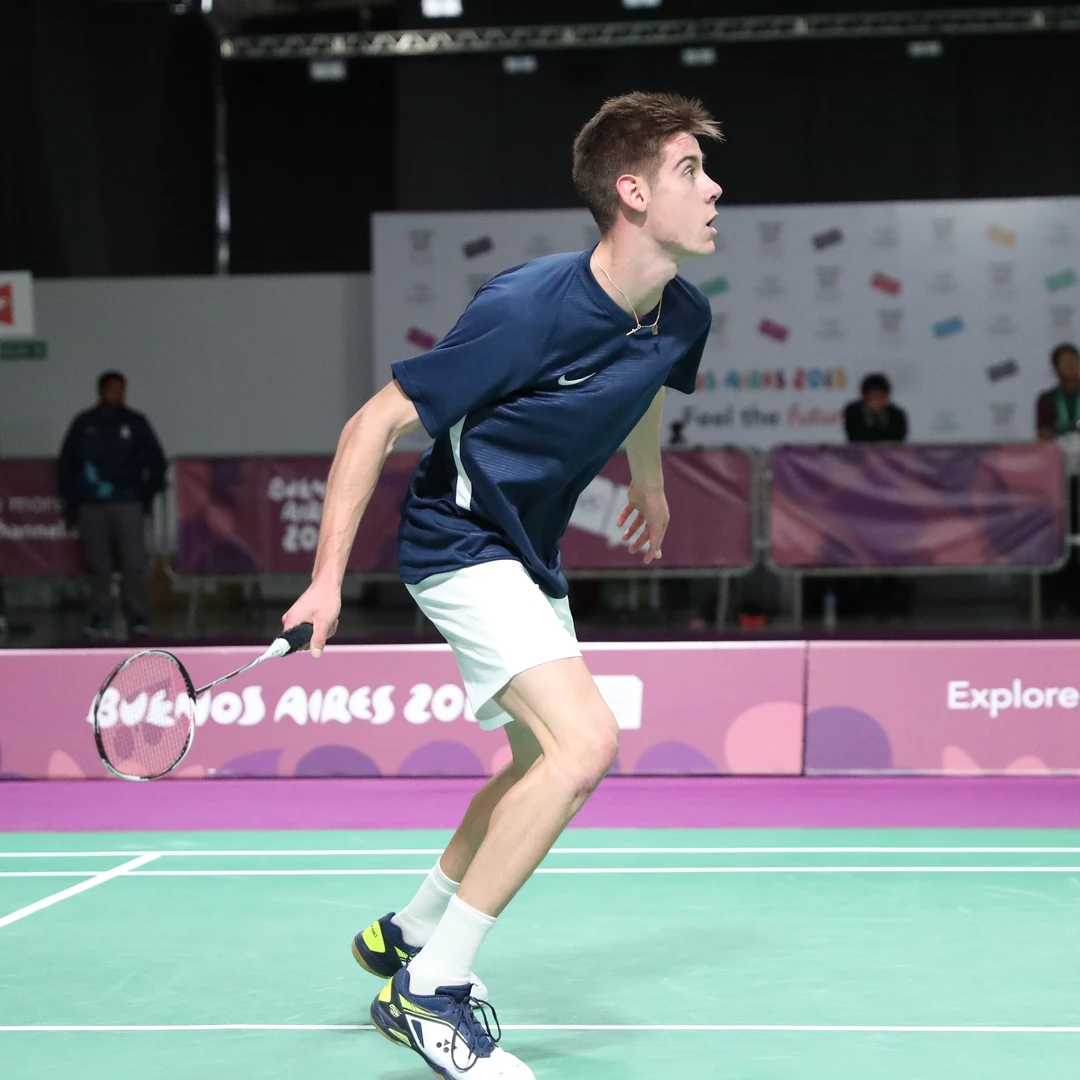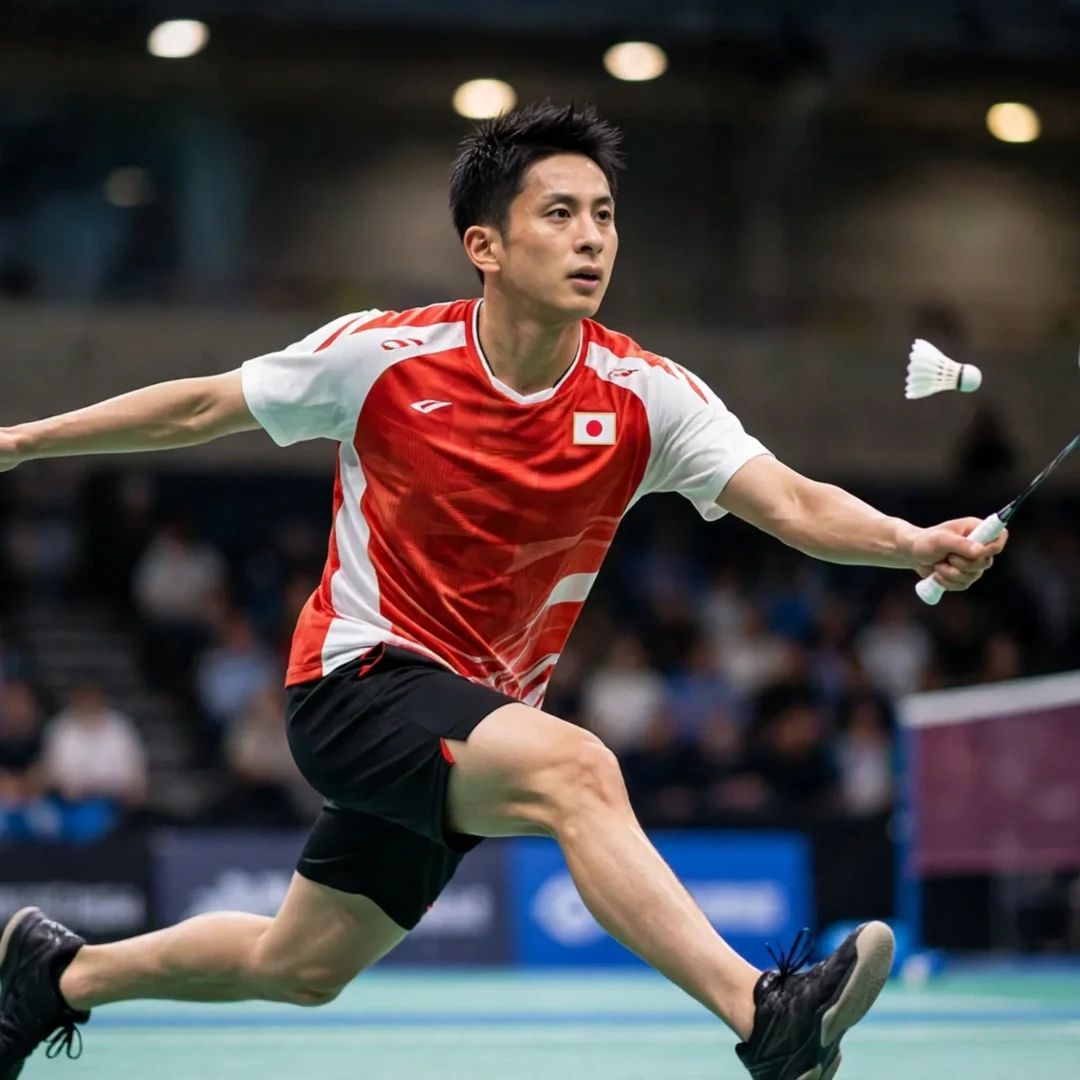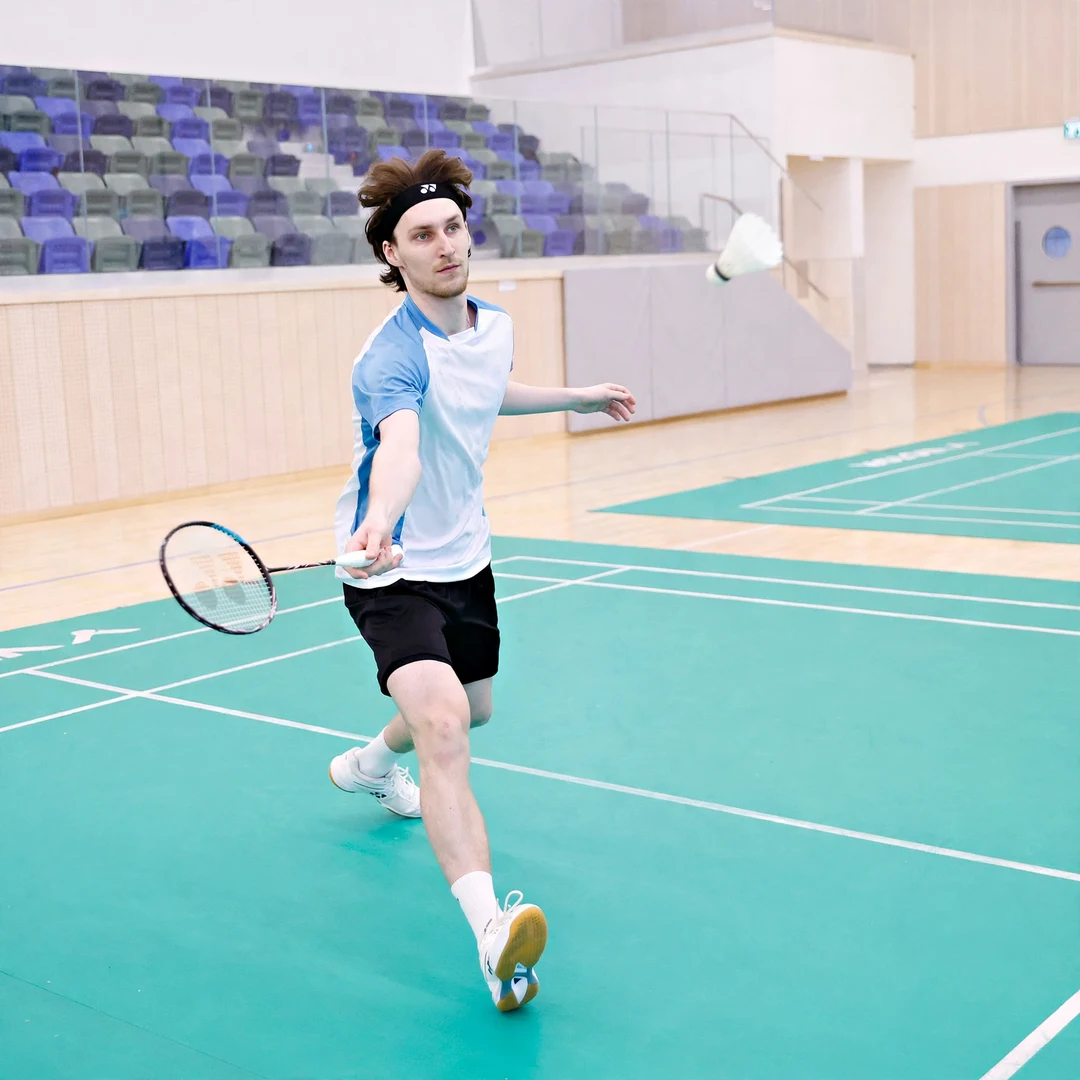
Israeli Men’s Singles Badminton Star
Daniil Dubovenko

Israel
Player Event: Men’s singles
Born on 20 October 2005 in Russia
Right-handed all-court player · Height and reach, fast feet and fearless counter-attacking
Understanding Daniil Dubovenko (Israeli Badminton Star)
Daniil Dubovenko is Israel’s leading men’s singles player and one of the fastest-rising young players in European badminton. Born in Russia on 20 October 2005 and raised around his family’s badminton club in Khimki, outside Moscow, he represented Russia as a junior — winning European under-17 team gold in 2021 — before switching to Israel in 2023. The titles have followed step by step: the Croatian International in 2023, the Portugal International in 2025, Israeli national championships in 2025 and 2026, and in May 2026 his first International Challenge crown at the Denmark Challenge. In 2026 he also beat former All England champion Lee Zii Jia at the Thailand Open and third seed Kidambi Srikanth at the Korea Masters, won a match at the World Championships in New Delhi and reached the Dutch Open final. In the BWF Week 43 rankings of 20 October 2026 he stands at a career-high world No. 48 with 32,523 points.
Early Life in Khimki and a Junior Career in Russian Colours
Dubovenko’s badminton childhood was unusually complete. He was born in Russia on 20 October 2005, and the family club in Khimki — a suburb north-west of Moscow — meant he was around a badminton hall from the age of two, racket culture absorbed before formal coaching ever began. Plenty of professionals start young; very few literally grow up inside the hall. At 1.82 metres he has the height and reach modern men’s singles rewards, and the Khimki grounding gave him the other half of the package: thousands of childhood hours of footwork patterns, feeding games and rallies against older players.
Around a Badminton Hall from the Age of Two
The junior results for Russia built steadily. At the 2018 European Under-15 Championships in Kazan he took a bronze medal in the men’s doubles, and a year later at the 2019 European Under-17 Championships in Gniezno, Poland, he added two more bronzes — one with the Russian team and one in the doubles. By 2022 his junior world ranking had climbed to 39 in both singles and doubles, the profile of a player who was learning to win in every format rather than specialising too early.
European U17 Team Gold and Doubles Silver in Slovenia
The junior peak came at the 2021 European Under-17 Championships in Podčetrtek, Slovenia, where Dubovenko won team gold with Russia and silver in the men’s doubles — the best championship haul of his junior career. The same year he reached the singles final and won the doubles title at the Turkey Junior Open, and won the doubles at the Junior White Nights with a singles semi-final alongside it. For a 15- and 16-year-old, it was a season that announced a serious senior prospect.
The 2023 Switch to Israel and a First National Title
In 2023 came the decision that defines his career: Dubovenko switched his sporting allegiance from Russia to Israel in order to progress professionally. Small-nation badminton offers a different bargain — fewer resources and less depth around you, but a clear identity as the country’s standard-bearer and a calendar you shape yourself. He settled quickly: at the 2025 Israeli national championships he won the men’s singles title and added a mixed doubles silver medal alongside Ksenia Polikarpova.
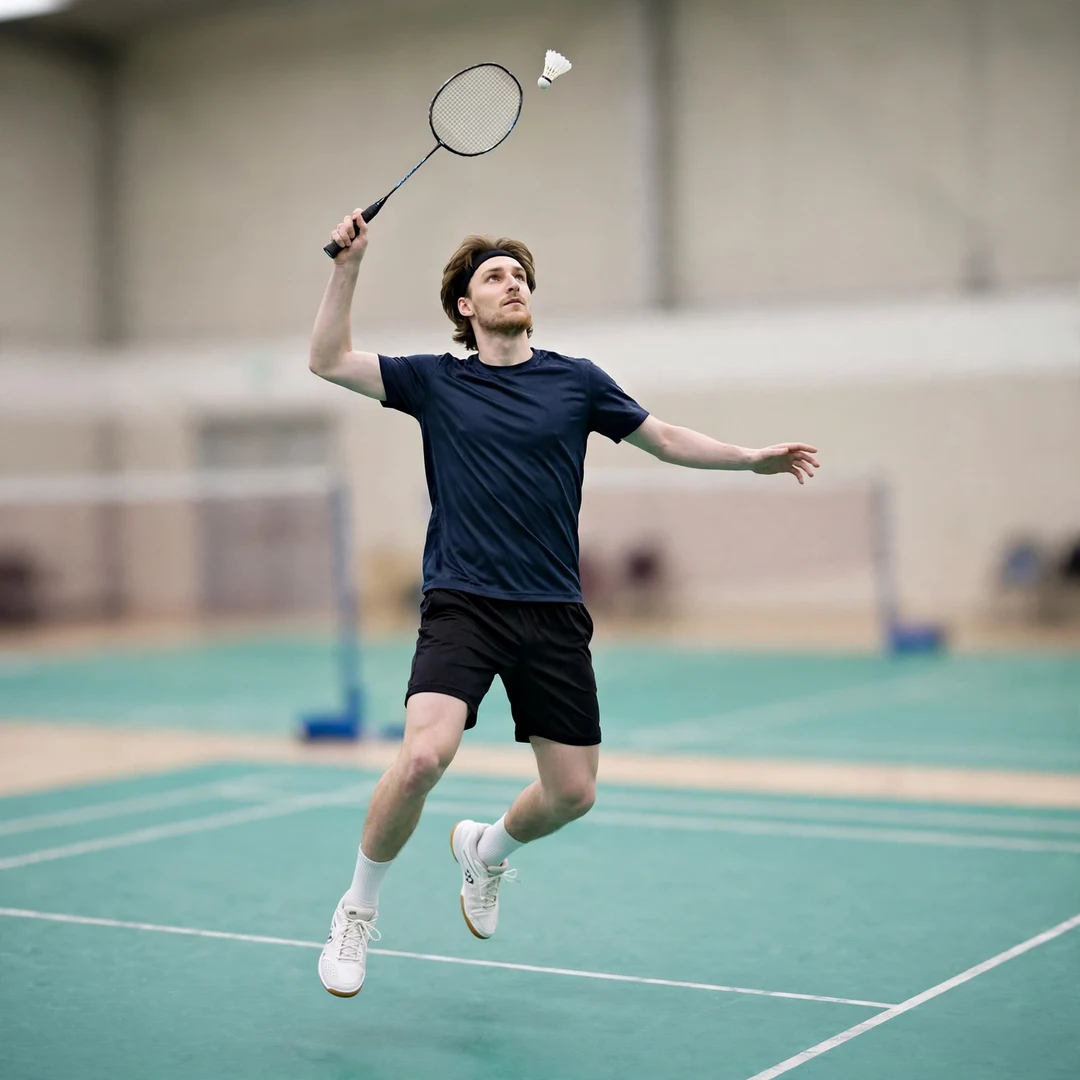
Career Milestone #1
First Senior Titles in Croatia and Portugal, and a Season of Semi-finals
His first senior international title had in fact arrived before the switch had fully settled in: the Croatian International in 2023, won as a teenager. The second followed at the 60th Portugal International Championships in March 2025. Two International Series titles two years apart do not make headlines on the World Tour, but they are the correct first rungs of the ladder — proof that a young player can close out finals, handle being a favourite, and convert ranking points into silverware.
What 2025 really showed was consistency. Dubovenko reached the semi-finals of the Luxembourg Open, the Italian Open, the Lagos International Classics and the Dutch Open, then another semi-final at the Astana International Challenge in December, a quarter-final at the Czech Open — and a final at the Irish Open, where he finished runner-up. Week after week of last-four finishes is unglamorous and essential: it is how a ranking climbs from the eighties, where he stood in 2024, into the sixties and starts opening World Tour doors.
Career Milestone #2
Denmark Challenge Champion: The Biggest Title of His Career
The breakthrough headline arrived on 13 May 2026 at the Thailand Open, a Super 500 event at Bangkok’s Nimibutr Stadium. Drawn against Lee Zii Jia — former All England champion, former world No. 2, and fresh from an unbeaten Thomas Cup campaign and two qualifying wins — Dubovenko, then ranked world No. 60, refused to follow the script. Lee reached game point at 20–18 in the opener; Dubovenko saved it, took four straight points to steal the game 22–20, and then ran away with the second 21–10 to win in 38 minutes. Malaysian reports called it one of the biggest upsets of the round.
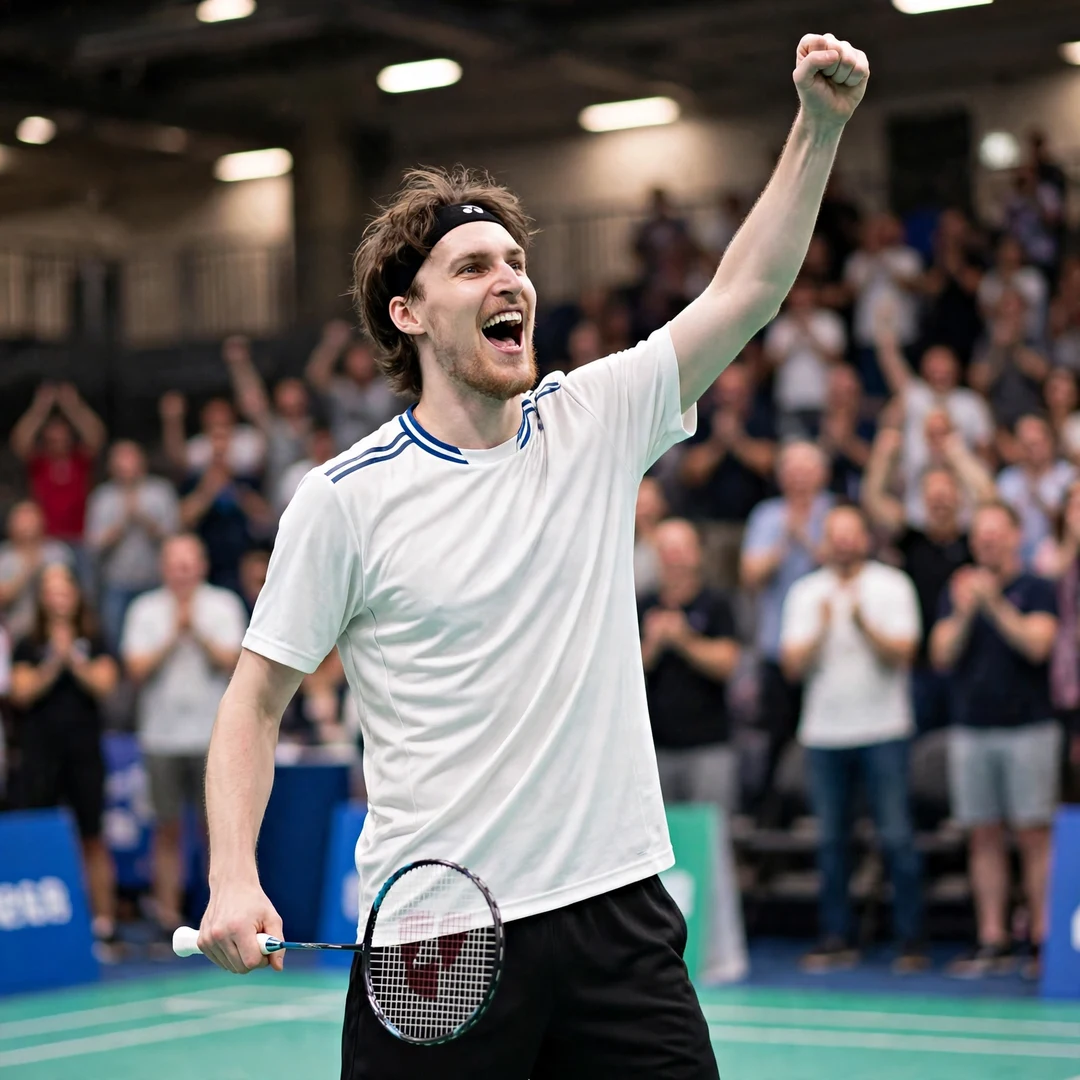
May 2026 kept getting better. First he defended his Israeli national title at the national championships, then he travelled to Brøndbyhallen for the STATE Denmark Challenge. He beat China’s Yu Huang 21–17, 21–19 and Finland’s Joakim Oldorff 21–8, 21–16, and in the final he defeated home favourite William Bøgebjerg 21–14, 21–19 in front of a Danish crowd to win his first International Challenge title. “It’s the first time ever I won an International Challenge,” he said afterwards. “Before this tournament I was pretty confident and I’m coming here for the win, so job done.” He backed it up with a quarter-final at the Valence Alpes International in France.
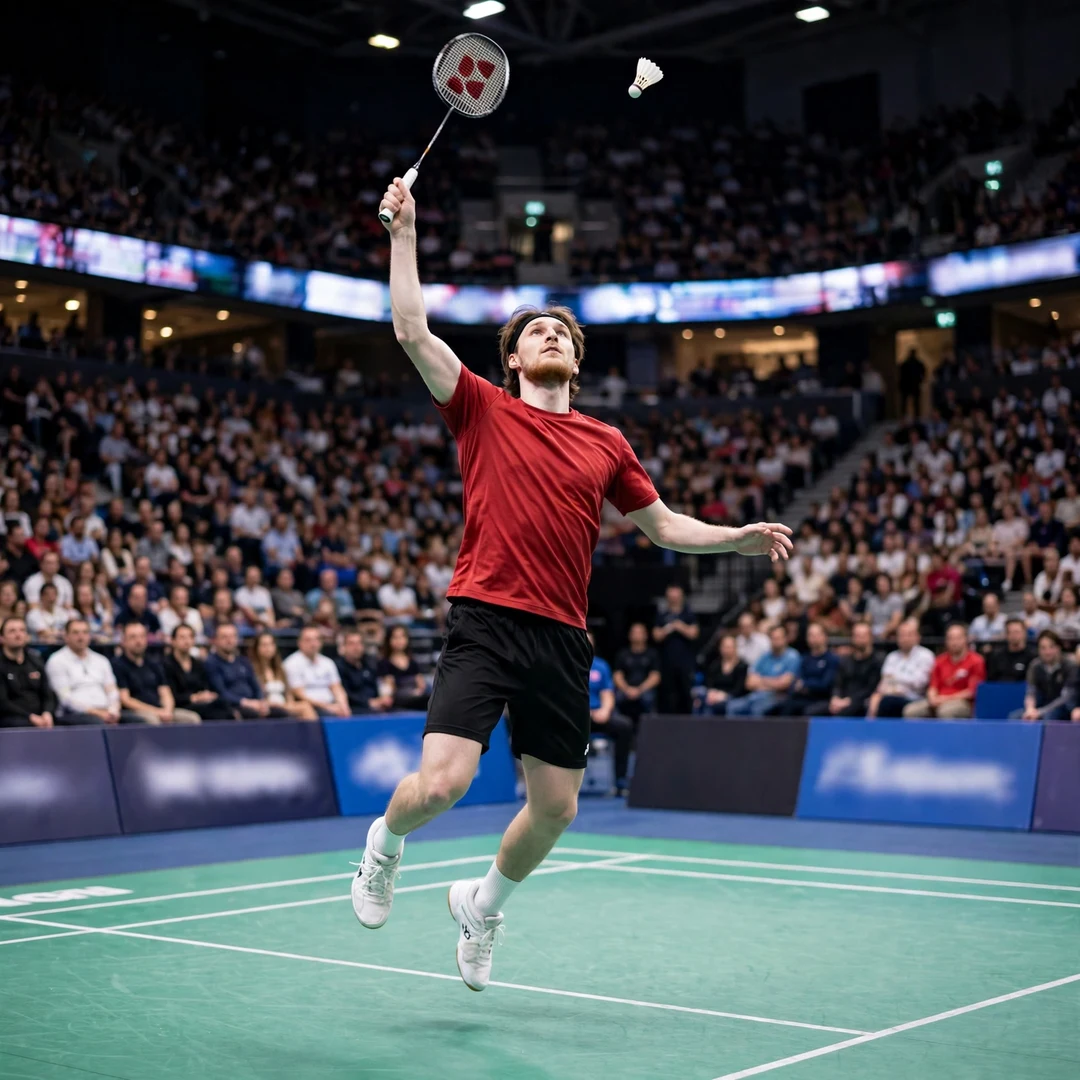
In August he collected another giant scalp. At the Korea Masters, a Super 300 in Asan, Dubovenko beat third seed Kidambi Srikanth — the former world No. 1 — 22–20, 14–21, 21–12 in 50 minutes to reach the round of 16. It was his first win over Srikanth after defeats in their 2024 and 2025 meetings, and it fitted a pattern: earlier in 2026 he had already reached the round of 16 at the Thailand Masters Super 300. The World Tour was no longer a place he visited; it was a place he won matches.
Career Milestone #3
Giant-Killing Wins over Lee Zii Jia and Kidambi Srikanth
Later that month came the sport’s biggest stage. At the 2026 World Championships in New Delhi, Dubovenko beat Egypt’s Adham Hatem Elgamal 21–10, 21–8 in the round of 64 — a first World Championships match win — and then pushed world No. 2 Kunlavut Vitidsarn hard before falling 17–21, 19–21 in the round of 32. Losing in straight games to one of the world’s best is no disgrace at 20; taking 17 and 19 points off him, in a championship arena, is evidence of how small the gap has become.
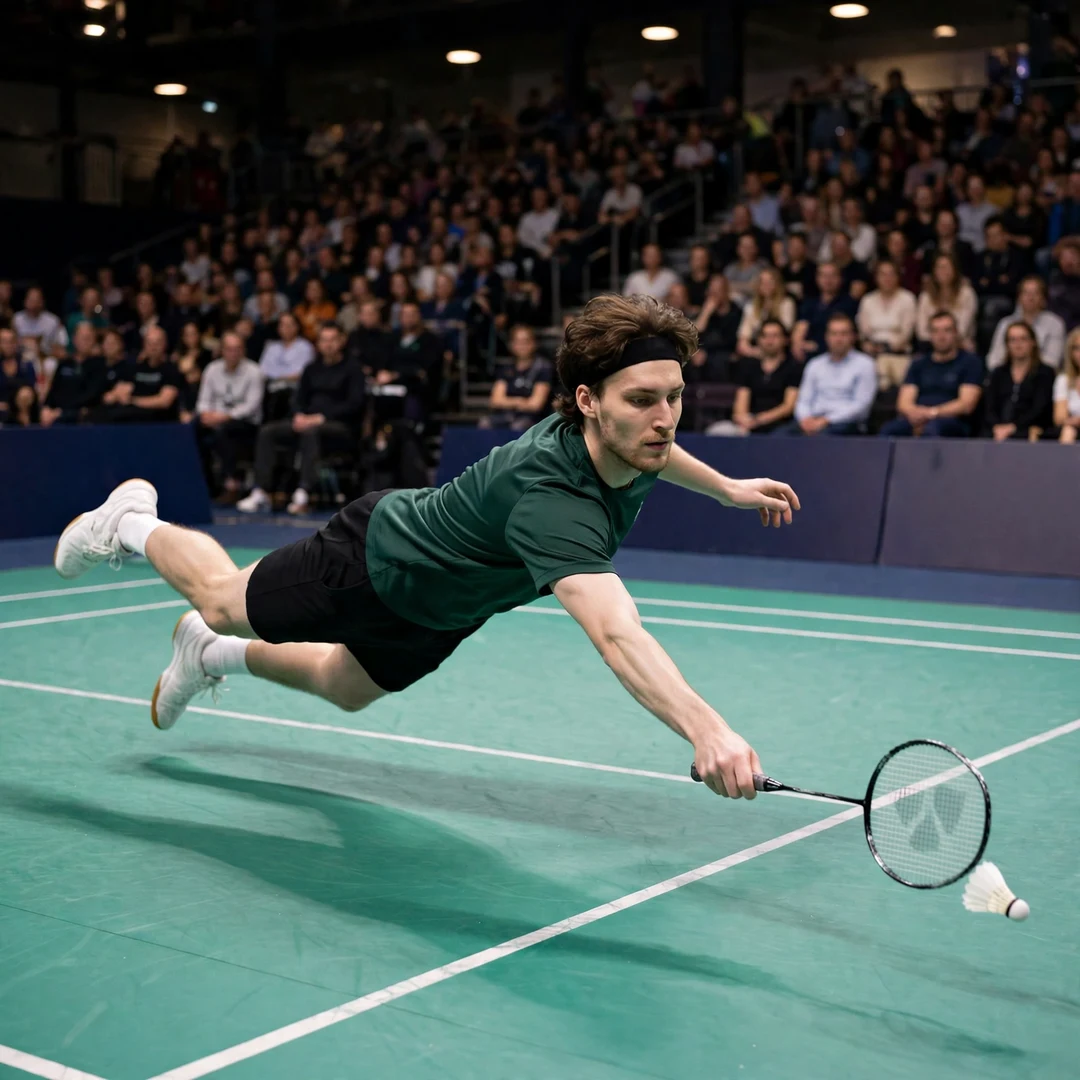
The autumn brought him to the edge of another title. At the YONEX Dutch Open in ‘s-Hertogenbosch (30 September – 4 October 2026), arriving as fourth seed and world No. 51, he swept past Malta’s Matthew Abela 21–2, 21–6, beat Ade Resky Dwicahyo and England’s Harry Huang 21–11, 21–15, and demolished Finland’s Kalle Koljonen 21–7, 21–14 in the semi-final. In the final he took the second game off top seed Su Li Yang of Chinese Taipei before falling 17–21, 21–16, 17–21. Two weeks later he won two more matches at the Czech Open — and when the Week 43 rankings landed on 20 October 2026, his 21st birthday, they read: world No. 48, 32,523 points, a new career high.
One rivalry now measures his progress better than any ranking table. William Bøgebjerg, the Dane he beat to win the Denmark Challenge in May, has answered twice since — at the Belgian International in September, where he beat Dubovenko 21–10, 21–15, and again at the Czech Open in October. Three meetings in five months, each man learning the other’s game in public: this is how European badminton actually works, the same opponents circling each other from Brøndby to Leuven to Prague, and it is the rivalry Dubovenko will want to settle next season.
Career Milestone #4
Dutch Open Finalist and World No. 48
He also carries the team shirt. Dubovenko plays singles for Israel in team competition — Israel won its group at the European Team Championships qualification event in Estonia in December 2025 — and he has even appeared on the men’s doubles ranking list with partners Mark Aronchik and Danylo Dubynskyi, because in a small badminton nation the number one singles player is also the spare doubles player, the training partner and the flag-bearer. That all-hands reality is part of his development, not a distraction from it.
Strip the story back and its shape is what young players should study. A childhood inside a family club; European junior medals; a brave change of country at 17; senior titles in the correct order — Series, then Challenge; World Tour wins over Lee Zii Jia and Kidambi Srikanth; a win at the World Championships; a final in the Netherlands; and a career-high ranking of No. 48 at 21. Nothing arrived early and nothing arrived by accident. That is the real curriculum of his career: patience, compounded.
Playing Style
The Counter-Attacking All-Court Style
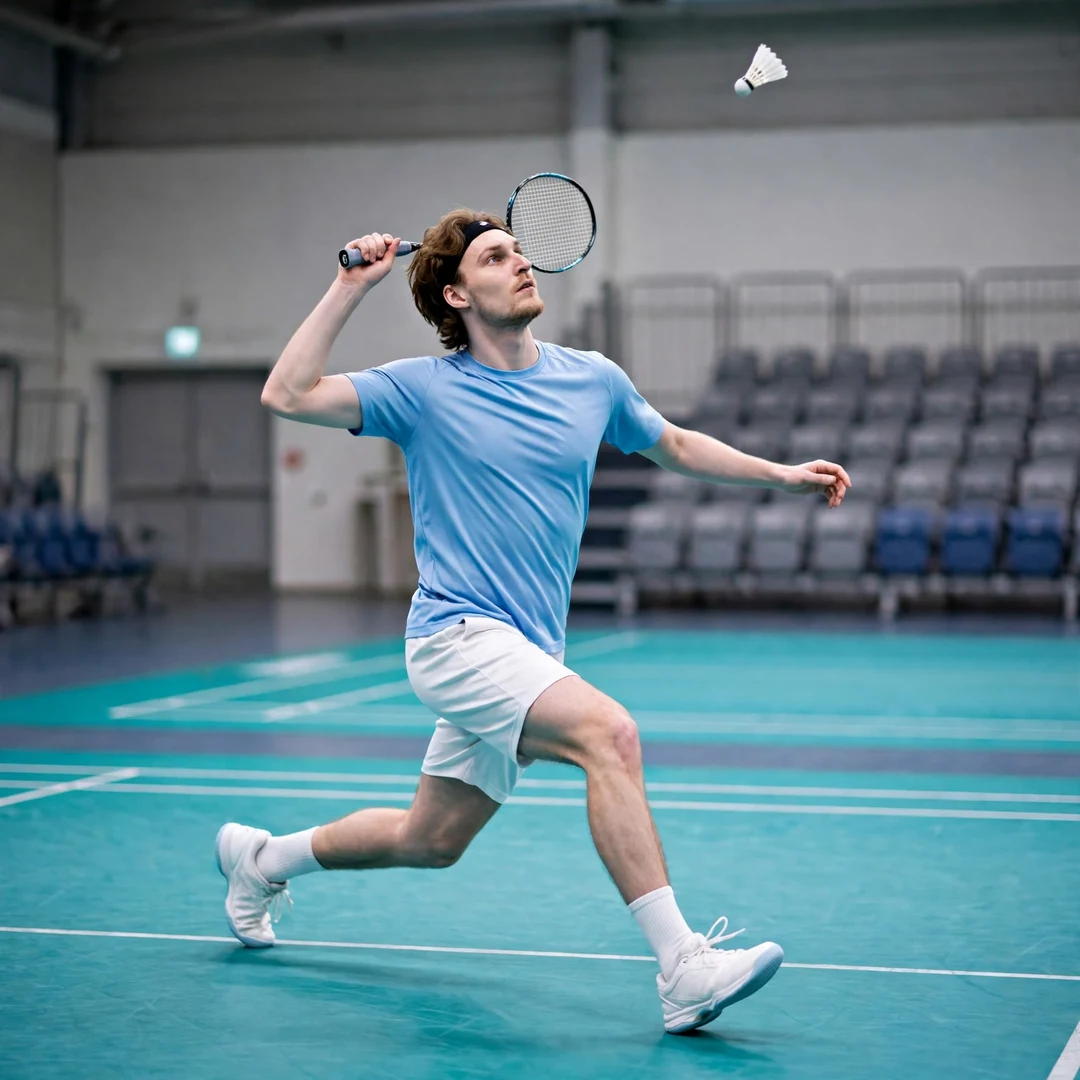
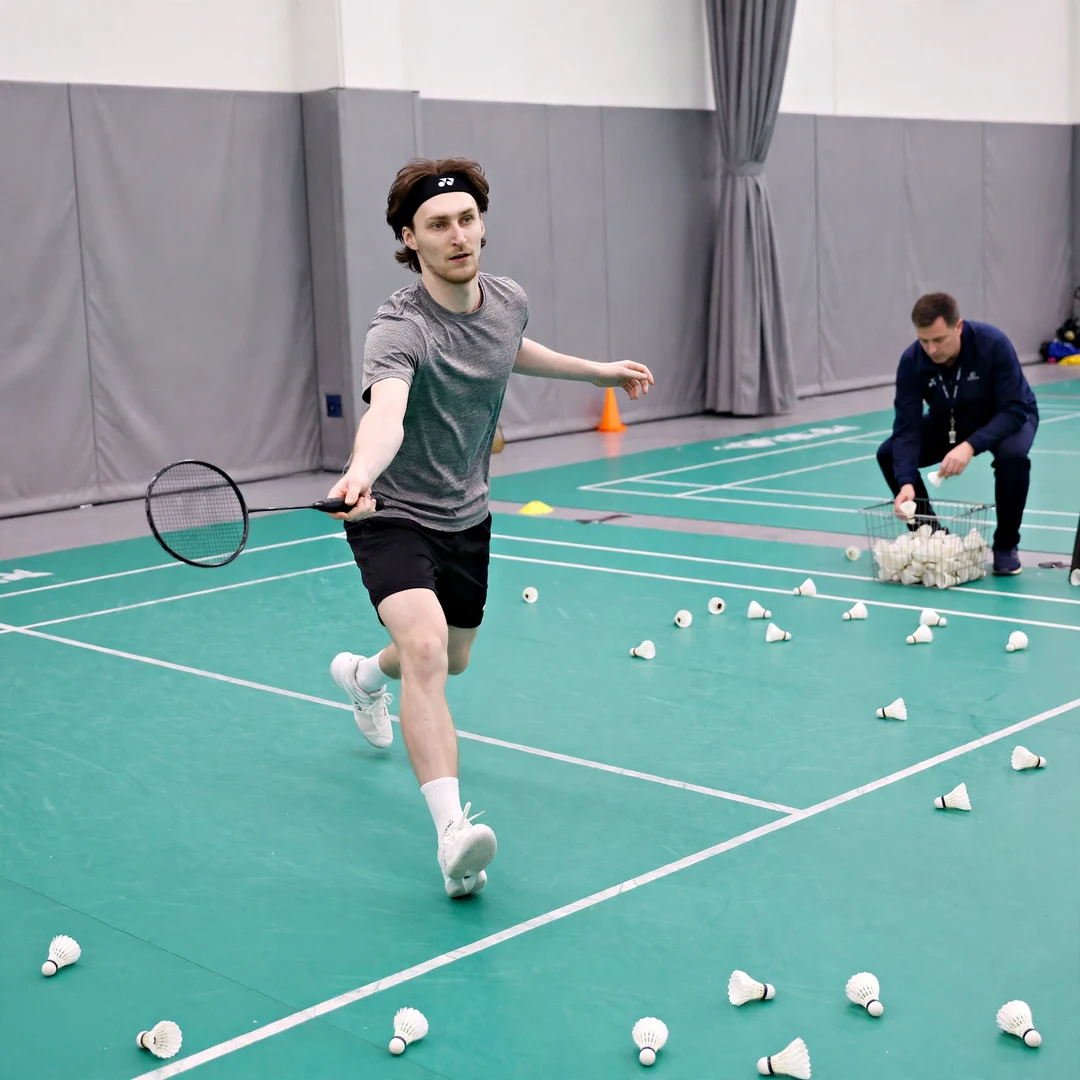
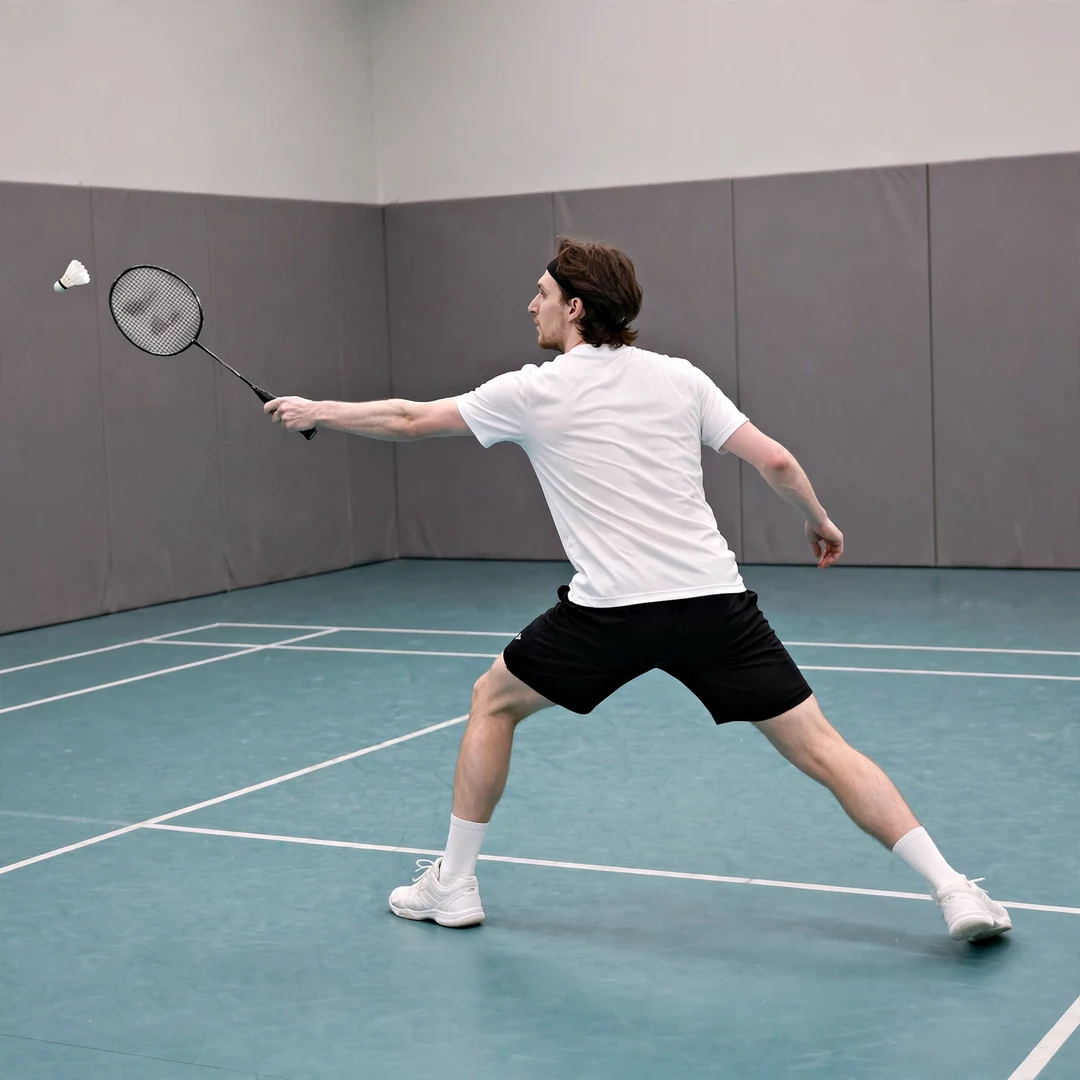
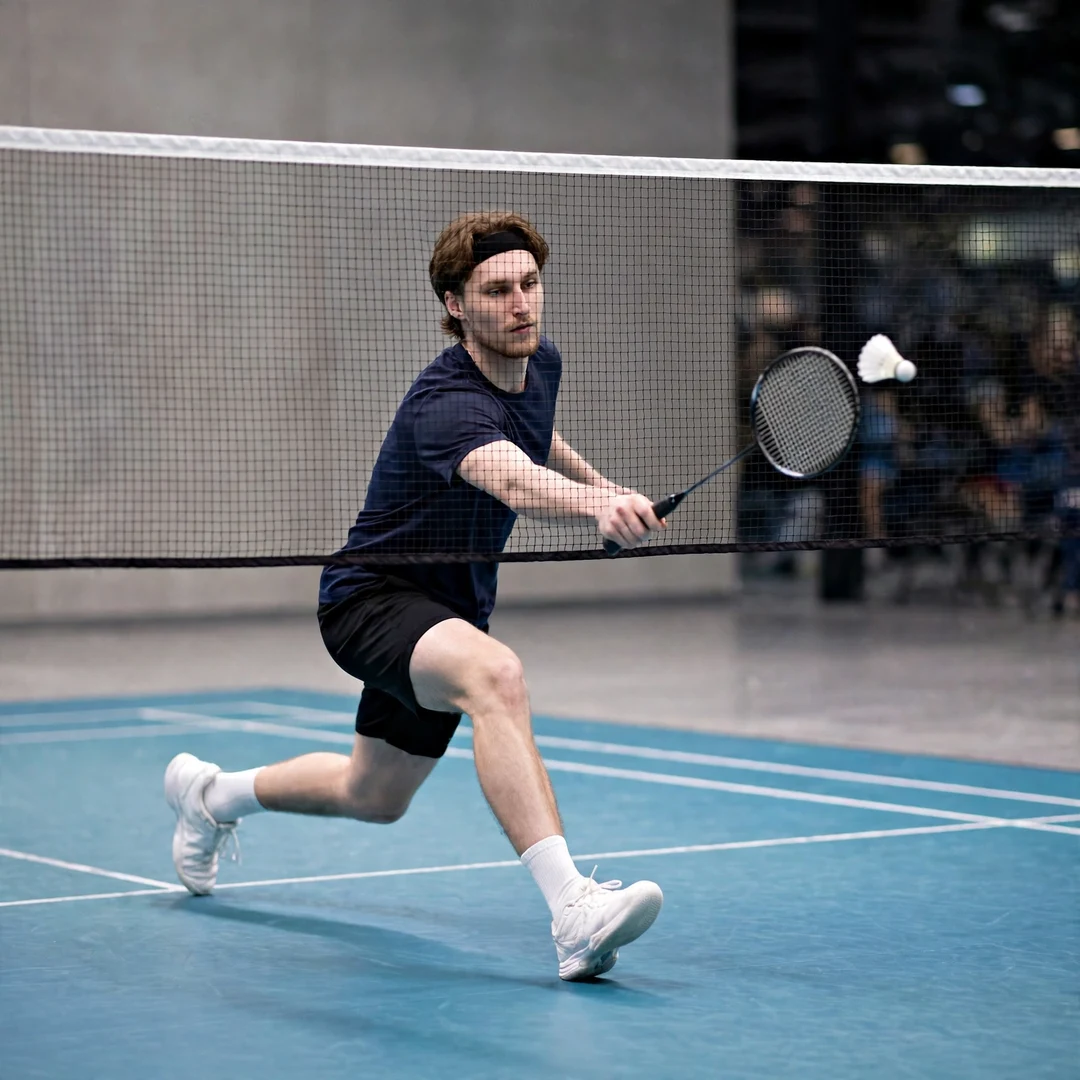
On court, Dubovenko is an all-court counter-attacker rather than a pure power player. The racket stays ready in his right hand, his defence is organised and stubborn, and his 1.82 m frame gives him reach at the net and a steep angle when he does jump. The pattern of his best wins is always the same: absorb pressure, extend the rally, and then strike on the counter — the smash is well-timed and well-placed rather than enormous. Opponents who rush him, as Lee Zii Jia discovered when the second game ran away 21–10, usually regret it.
The clearest evidence is his composure at the sharp end of games. Saving game points at 18–20 down against Lee Zii Jia and winning four straight points is not luck; neither is closing a Denmark Challenge final 21–14, 21–19 against a home favourite in his own hall, or winning a deciding game 21–12 against Kidambi Srikanth after losing the second. Dubovenko’s three-game record is built on a repeatable skill: when the score tightens, his rally discipline tightens with it, and he trusts his defence one shot longer than the man across the net.
His next development frontier is conversion at World Tour level. The round of 16 has become his floor at Super 300 and Super 500 events — Thailand Masters, Korea Masters, the Thailand Open breakthrough — and the task now is to turn those weeks into quarter-finals and semi-finals. Against Kunlavut Vitidsarn in New Delhi he was close in both games without quite taking one. Sharper mid-court speed, a slightly heavier smash on tired legs and one more percentage point of consistency is the whole puzzle — a physical and tactical gap, not a talent gap.
Mental Strength
Composure, Courage and the Long Climb
The first lesson of Dubovenko’s career is that foundations are built in childhood and cannot be faked later. He was around a badminton hall from the age of two and collected European junior medals at under-15, under-17 and junior level before he won anything as a senior. Young players who want his completeness should copy the order: footwork, defence and rally tolerance first; the highlight shots are only the visible tip of a decade of basics.
The second lesson is about courage and planning. Switching countries at 17 to chase a professional career only works if it is paired with a plan — and his route through the calendar is a model of it: International Series titles in Croatia and Portugal, a season of semi-finals in 2025, an International Challenge title in Denmark, then World Tour scalps in Asia. A player from a small badminton nation cannot enter everything; Dubovenko’s career shows how to choose the right level, peak for the right weeks and let the ranking follow the results.
The third lesson is that composure is a skill, not a personality trait. Saving game points against a former world No. 2, winning deciding games against Srikanth, closing a final in a hostile hall — none of it is temperament he was simply born with. It is trained behaviour: a service routine that does not change at 18–20 down, a decision to play the extra shot, a refusal to donate cheap errors. Juniors can drill it the same way — score-pressure games in training, pre-point routines, and reviews of how rallies were lost, not just how they were won.
Learning Reference
ST Badminton Academy Connection
Daniil Dubovenko is an Israeli national team player and does not coach for, teach at or endorse ST Badminton Academy, and there is no official connection between him and the academy. Students may occasionally see his name in academy discussions of the professional game because his rise — and especially his win over Lee Zii Jia — is such a clear case study in patient development — but he has no coaching role, sponsorship or teaching relationship with the academy, and nothing on this page should be read as his endorsement.
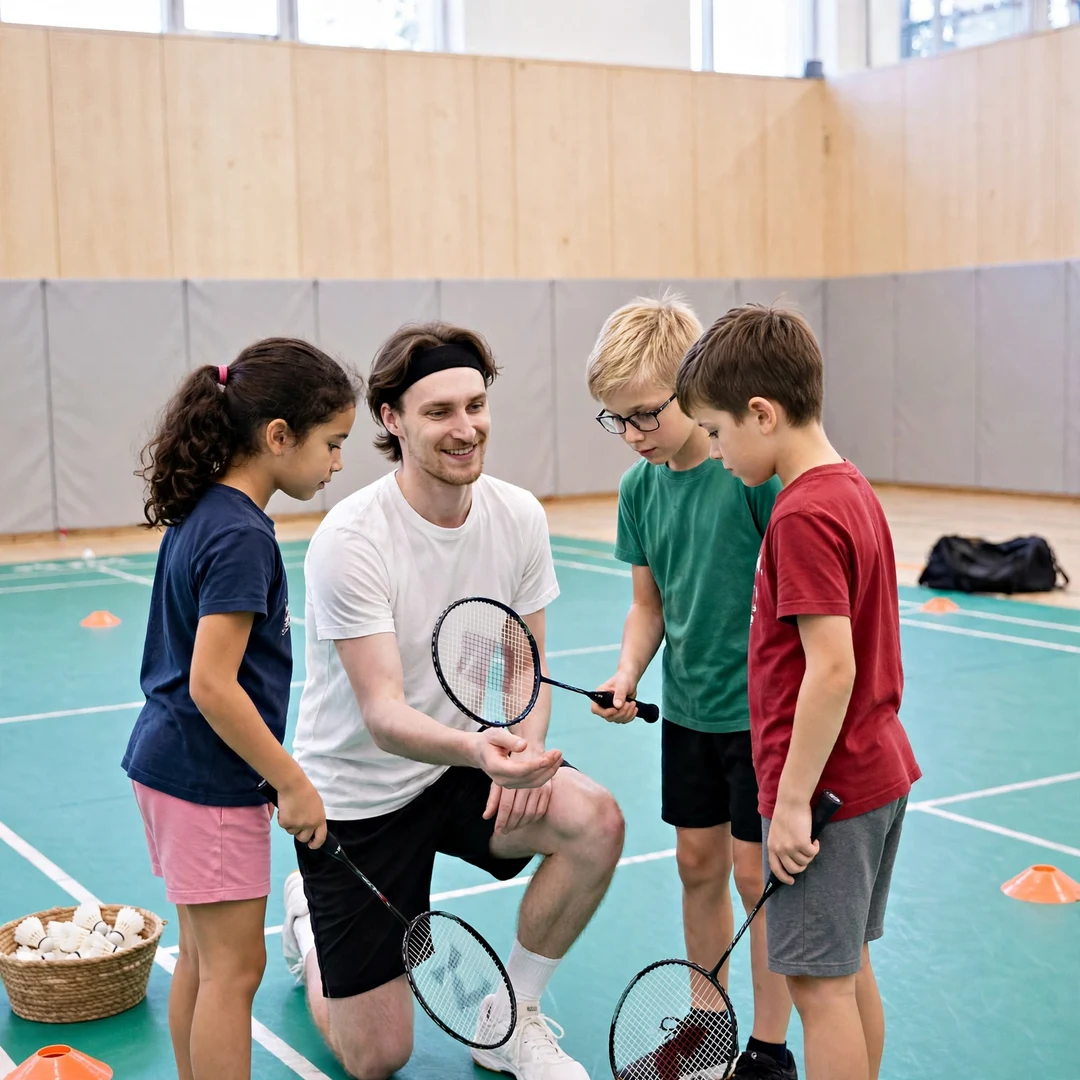
Coaches can use Dubovenko’s 2026 matches as a teaching library for composure and counter-attacking. Freeze the end of the first game against Lee Zii Jia in Bangkok and count the unforced errors he refused to make at 18–20 down; show juniors his defensive position and his recovery step after a smash; then rebuild the same patterns in training — defence-to-counter drills, six-corner footwork at match speed, and game plans for saving game points written before the match, not improvised inside it.
For parents, Dubovenko’s timeline is a healthy reality check. He won European junior medals as a teenager, his first senior title at 17, and reached the world’s top 50 only at 20 — after a change of country, hundreds of small-hall matches across Europe and a full season of semi-finals that nobody televised. Progress measured in seasons, not weekends; a ranking that climbs from the eighties to No. 48 over two years — that is what real development usually looks like, and it is worth trusting.
FAQs: Daniil Dubovenko Israeli Badminton Player
Here are the questions badminton fans in Israel, Malaysia, Singapore and beyond ask most about Daniil Dubovenko — his background, his titles, his wins over Lee Zii Jia and Kidambi Srikanth, and what young players can learn from his patient, counter-attacking style.
Who is Daniil Dubovenko and which country does he represent in badminton?
Daniil Dubovenko is Israel’s leading men’s singles badminton player. Born on 20 October 2005 in Russia, he grew up around his family’s club in Khimki, represented Russia as a junior and switched to Israel in 2023. He is right-handed, stands 1.82 metres tall and currently sits at a career-high world No. 48.
What are Daniil Dubovenko’s biggest badminton achievements?
His biggest achievements are the Denmark Challenge title in 2026 — his first International Challenge crown — senior titles at the Croatian International (2023) and Portugal International (2025), runner-up finishes at the Dutch Open 2026 and Irish Open 2025, Israeli national titles in 2025 and 2026, European under-17 team gold and doubles silver for Russia in 2021, wins over Lee Zii Jia and Kidambi Srikanth in 2026, and a match win at the 2026 World Championships.
What is Daniil Dubovenko’s playing style?
Dubovenko plays an all-court counter-attacking game built on organised defence, fast footwork and his 1.82 m reach. He does not try to blast opponents off the court; he absorbs pressure, extends rallies and strikes on the counter with well-timed, well-placed smashes — the style that beat Lee Zii Jia in Bangkok and Kidambi Srikanth in Asan in 2026.
How did Daniil Dubovenko beat Lee Zii Jia at the Thailand Open?
At the Thailand Open 2026, a Super 500 in Bangkok, Dubovenko — then world No. 60 — beat Lee Zii Jia 22–20, 21–10 in 38 minutes in the first round. Lee led 20–18 in the first game, but Dubovenko saved the game points with four straight points, then dominated the second game. Lee had arrived unbeaten from the Thomas Cup and through two qualifying matches, which made it one of the biggest upsets of the round.
How can my child learn from Daniil Dubovenko’s development path?
Children can learn from the order of his career: a childhood of basics in a family club, European junior medals, a brave switch of countries, senior titles at Series then Challenge level, and only then World Tour wins. On court they can copy his composure — at 18–20 down against Lee Zii Jia he simply played four calm, disciplined points with the racket in his right hand — and his habit of making opponents win every point twice.
Did Daniil Dubovenko win titles and medals as a junior player?
Yes. Playing for Russia, Dubovenko won team gold and men’s doubles silver at the 2021 European Under-17 Championships in Podčetrtek, team and doubles bronze at the 2019 Under-17 Championships in Gniezno and doubles bronze at the 2018 Under-15 Championships in Kazan. He also won the Turkey Junior Open doubles title and reached its singles final in 2021, and reached a junior world ranking of 39 in both singles and doubles.
What is Daniil Dubovenko’s best result at the World Championships?
His best World Championships result came at his breakthrough appearance in New Delhi in 2026: he beat Egypt’s Adham Hatem Elgamal 21–10, 21–8 in the round of 64, then lost 17–21, 19–21 to world No. 2 Kunlavut Vitidsarn in the round of 32 — two close games against one of the finest players in the world.
What playing style should young players copy from Daniil Dubovenko?
Young players should copy his counter-attacking patience: organise your defence first, use your reach and footwork to extend rallies, and treat the smash as the finisher of a rally you have already built — not as the whole plan. His career also shows the value of composure under scoreboard pressure: a fixed pre-point routine and the discipline to play one more good shot at 18–20 down.
Does ST Badminton Academy have any connection with Daniil Dubovenko?
No. Daniil Dubovenko is an Israeli national team player with no official connection to ST Badminton Academy. He does not work with the academy as a coach or ambassador, and the academy follows his career only as followers of professional badminton and as a case study in patient, step-by-step player development.
Daniil Dubovenko Career Highlights
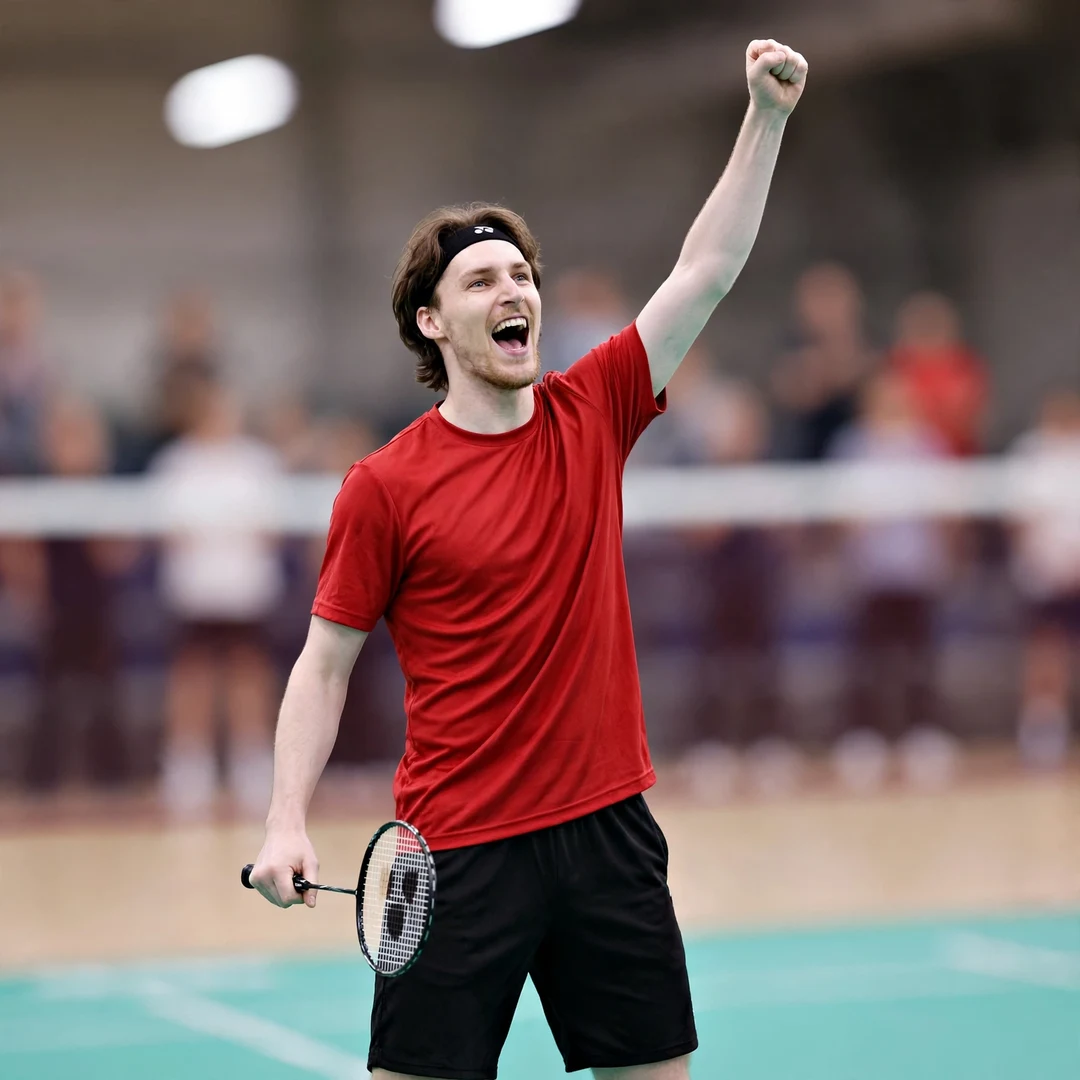
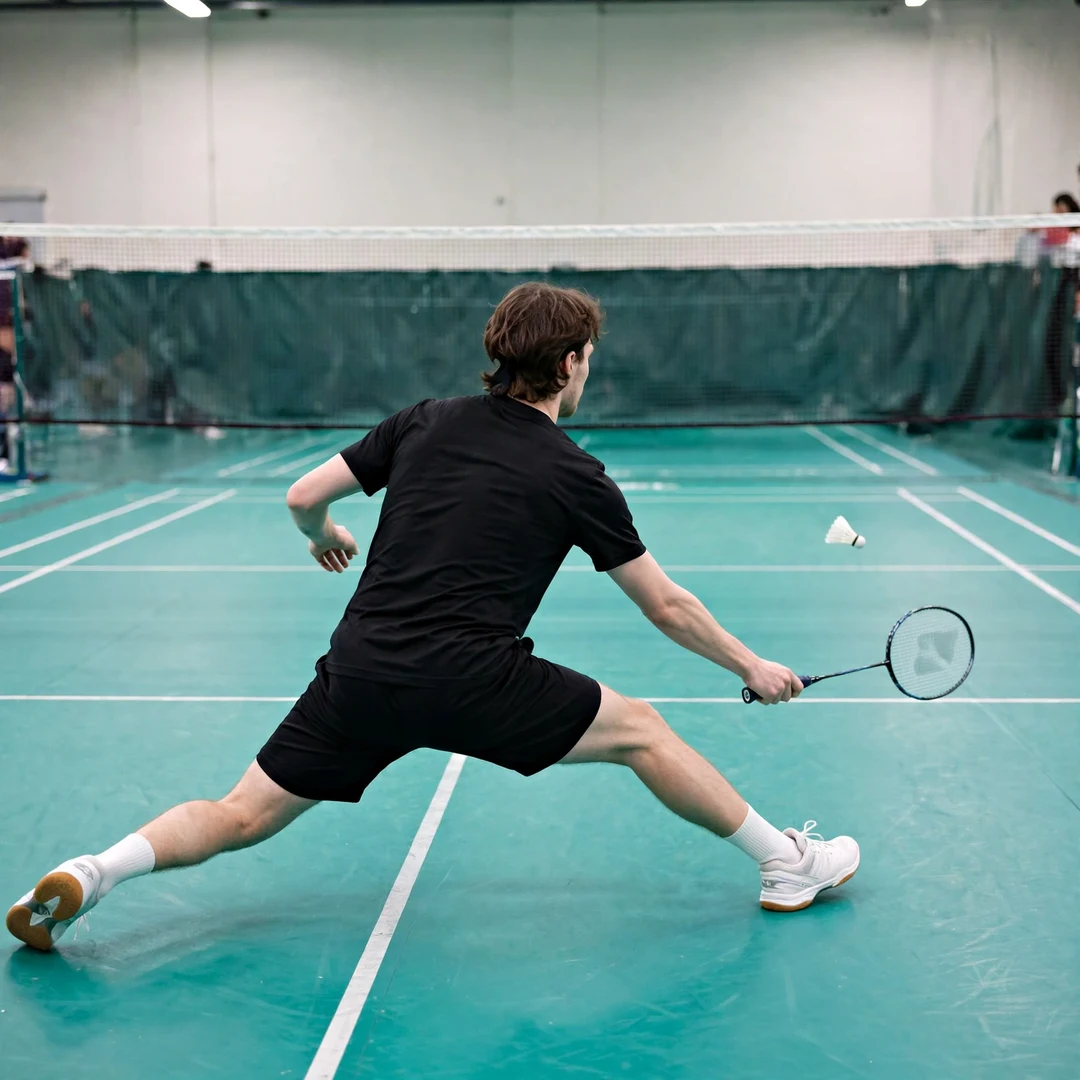
Career Statistics and Rankings
The next chapter is already being written. Dubovenko turned 21 on 20 October 2026 — the day the rankings confirmed him at a career-high world No. 48. The targets now are World Tour quarter-finals, another International Challenge title, settling his season rivalry with William Bøgebjerg, and a push toward the world's top 32 as the road toward the Los Angeles 2028 Olympic Games takes shape.
| Development Area | Common Misconception | What Daniil Dubovenko's Career Shows REALITY |
|---|---|---|
| Junior Foundation | Talent alone decides who becomes a champion. | Dubovenko was around a badminton hall from the age of two at his family club in Khimki and collected European junior medals for Russia — team gold and doubles silver at the 2021 European U17 Championships — a structured junior base came first. |
| Playing Style Priority | Kids should copy the flashiest attacking shots. | Dubovenko built a complete all-court game first; his counter-attacks and steep smashes are the finishing touch on fast footwork, stubborn defence and a 1.82 m reach. |
| Fitness Importance | Juniors can out-train everyone without rest. | Dubovenko climbed in planned steps — junior medals, senior titles in Croatia and Portugal, an International Challenge crown in Denmark, then World Tour wins over Lee Zii Jia and Kidambi Srikanth. |
| Mental Approach | Top players never get nervous or upset. | At 18–20 down against Lee Zii Jia at the Thailand Open, Dubovenko stayed calm, saved the game points with four straight points and won the match — mental skills are trained, not inherited. |
| Attacking Training | Smashing harder is always the answer. | His Denmark Challenge final win over home favourite William Bøgebjerg (21–14, 21–19) and his Dutch Open final run in October 2026 came from controlled rallying and brave counter-attacking, not raw power. |
| National Milestones | Only world titles matter. | Dubovenko's switch from Russia to Israel in 2023 and his back-to-back Israeli national titles in 2025 and 2026 show a career being built step by step in a small badminton nation. |
| Career Timeline | Champions peak once and fade fast. | From European junior medallist to world No. 48 with a match win at the 2026 World Championships in New Delhi, Dubovenko proves sustained development beats a short peak. |
Study Daniil Dubovenko's Composure and Professional Approach
Whether you are an Israeli supporter, a Malaysian fan still wondering who beat Lee Zii Jia in Bangkok, or a junior learning how a small-nation player reaches the top 50, Daniil Dubovenko's matches reward close study. Watch how calm he stays at 18–20 down — then bring that composure, and his professional approach to building a career one step at a time, into your own training week.