Best Badminton Class in KL: Understanding Waiting Time and the Next Turn
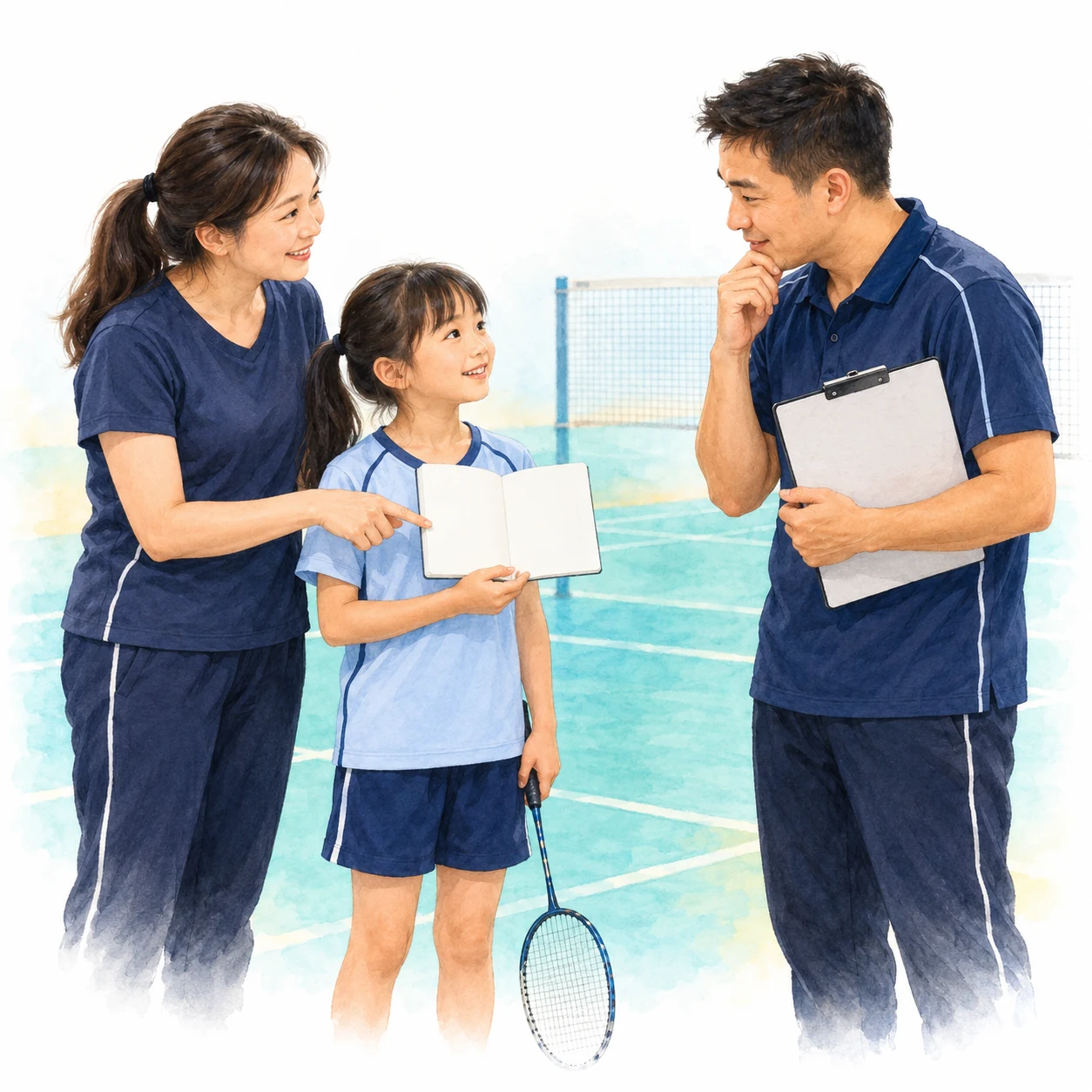
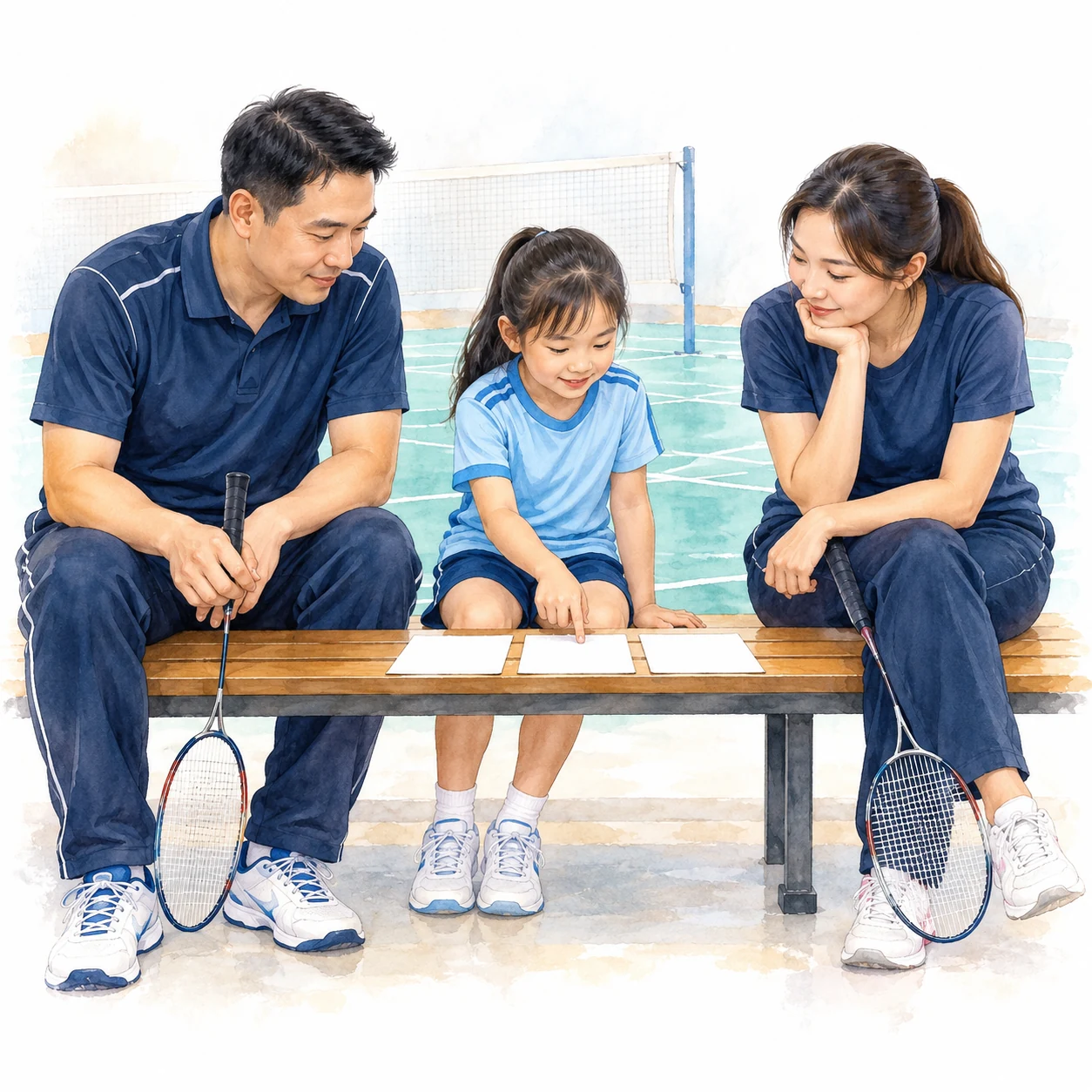
Waiting time in a badminton class is easier to assess when you know what the learner is expected to do before the next turn. Ask whether the pause supports observation, preparation or necessary organisation, and how it connects to the activity. Standing near a court does not automatically mean learning, but every moment off the court is not automatically wasted. Families searching for the best badminton class in KL may focus on how often a child hits the shuttle. That number is useful context without explaining the whole lesson. This guide helps parents discuss meaningful turns in a badminton class for kids at ST Badminton Academy in Kuala Lumpur. Confirm the actual class arrangement rather than assume a fixed group size or guaranteed court time. Images are AI-generated educational illustrations of generic people.
Understand the lesson purpose
What is the child meant to learn in this activity?
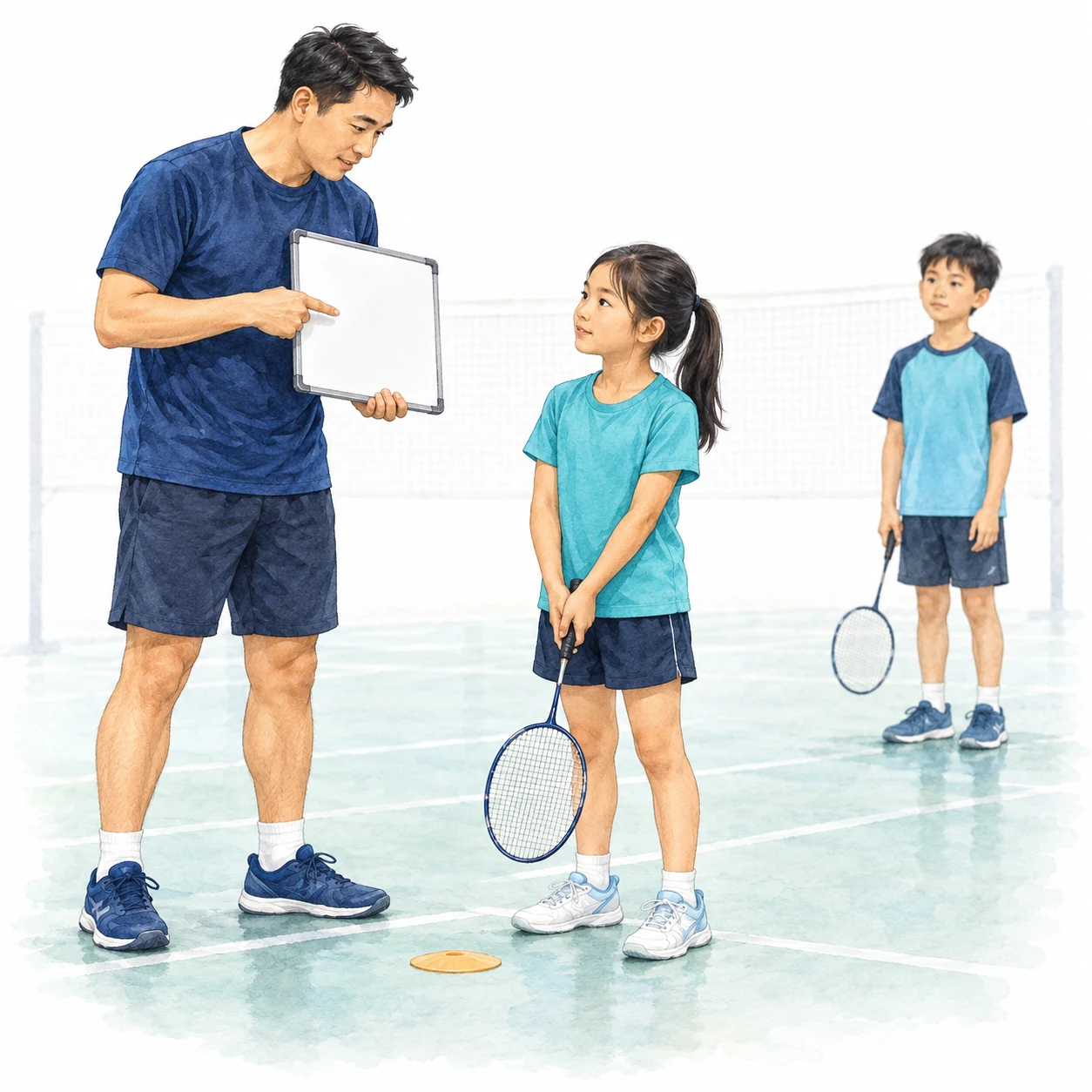
Start with the goal before measuring how many turns a child receives. An activity may introduce a simple cue, help the learner recognise a choice or provide a suitable observation for the coach. These are possible teaching purposes, not claims about a particular programme. Ask what the turn is meant to help the child understand. A large number of attempts can still leave the purpose unclear, while an explanation before a turn may make the activity more usable. The family needs a connection between instruction and participation.
Describe what you observed without assuming that every pause has the same cause. The coach might be organising turns, explaining a detail or dealing with a practical interruption. Ask which applies to the relevant activity. A broad statement such as ‘my child waited a lot’ can begin the discussion, but a specific example is easier to answer. Explain where the child was, what task was being taught and what happened next. The provider can clarify the arrangement and its intended learning role.
Distinguish observation from idle waiting
Does watching another attempt have a clear question?
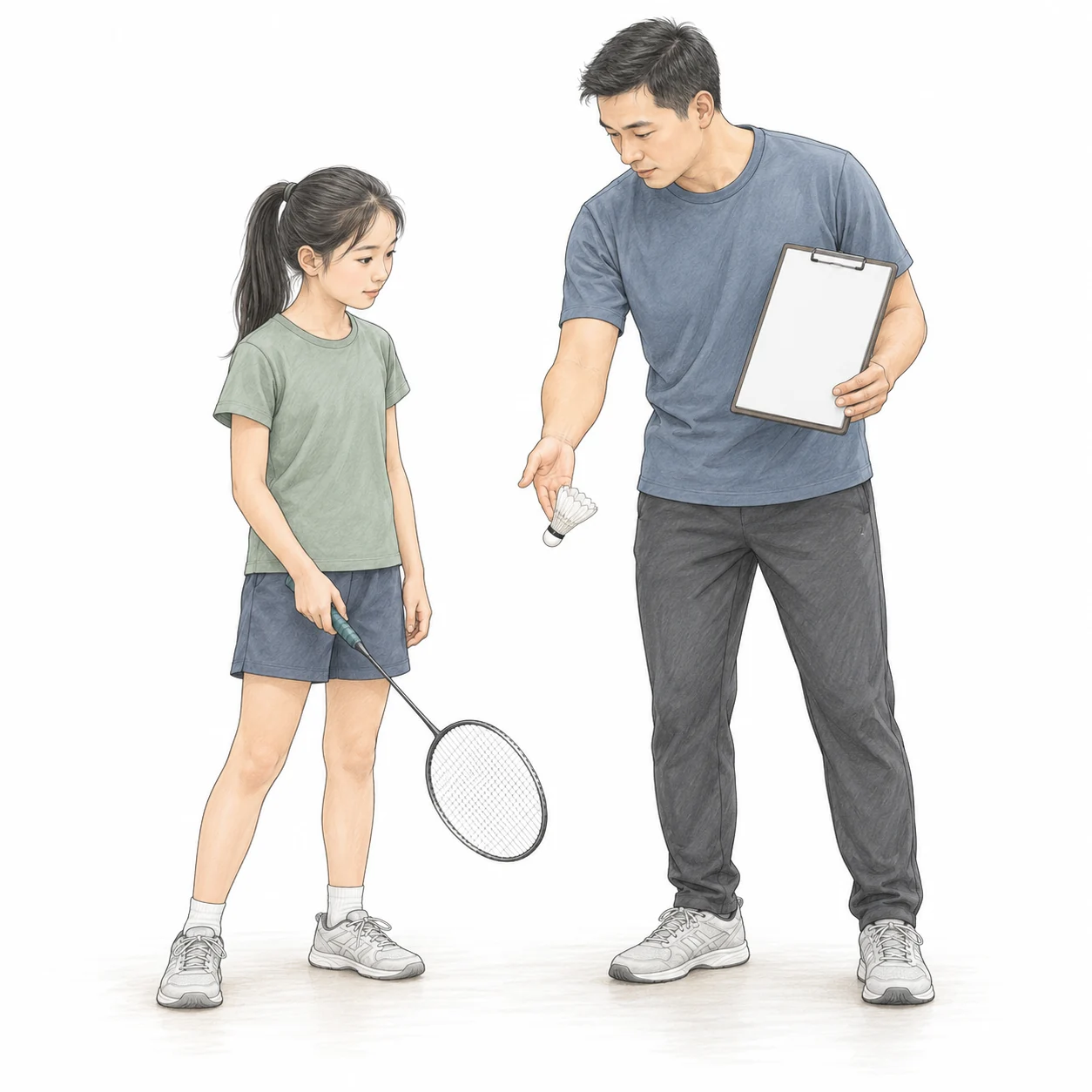
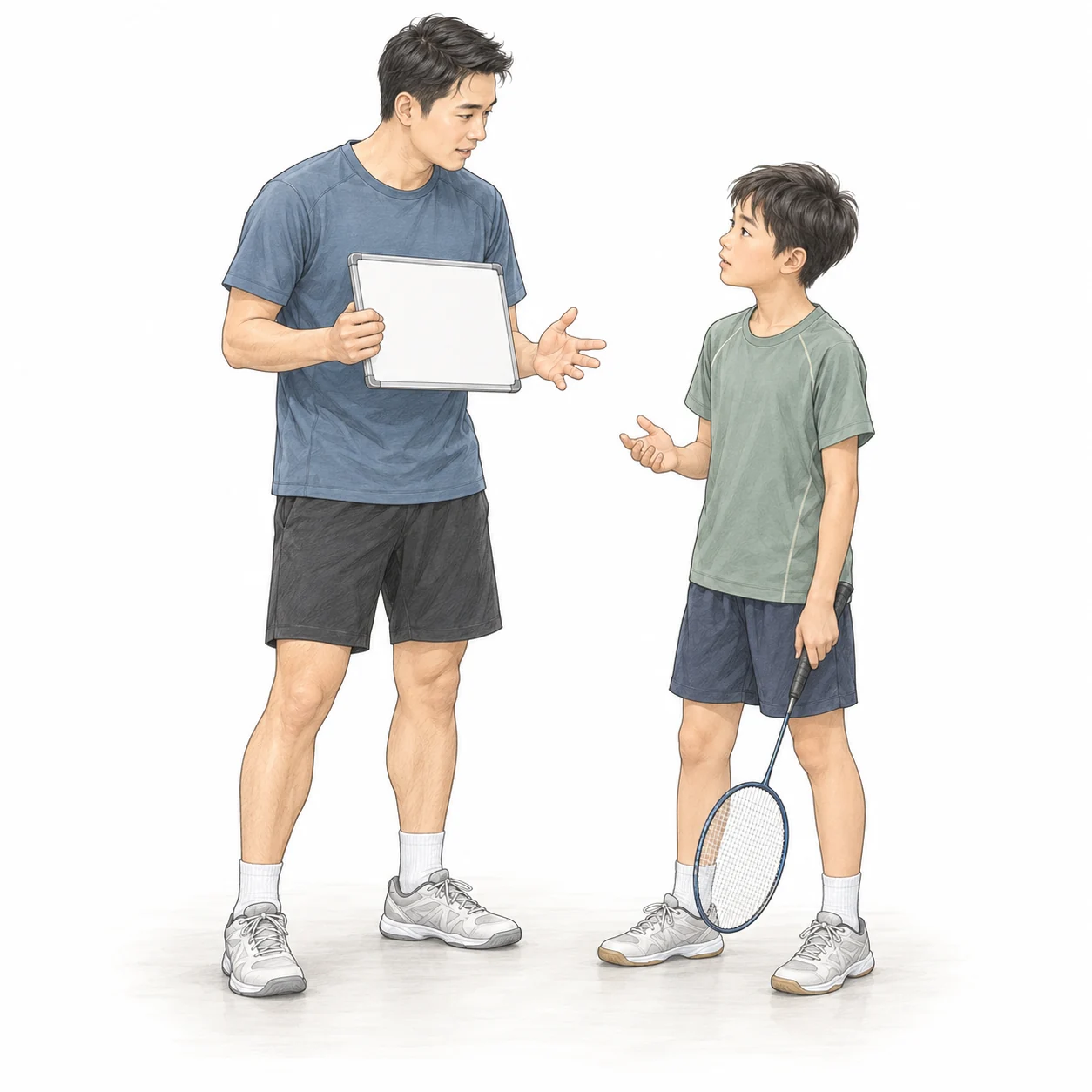
Observation can serve a purpose when the learner knows what to notice. Ask whether the child has a simple relevant question, such as recognising the agreed starting cue or the target of the activity. Do not turn these examples into technical instructions for every drill. The coach chooses an observation that fits the actual task. Watching without an explanation may leave the child unsure why the other attempt matters. The useful distinction is between purposeful attention and merely being present beside a playing area.
An observation task should not ask children to judge or ridicule another learner’s mistakes. It can focus on the activity and cue rather than a public ranking of performance. The teacher can explain how the observation connects to the waiting child’s next turn. Parents should not add their own running commentary about classmates from the sidelines. The child needs a coherent learning question, not several adults identifying faults. Confirm what the programme actually asks learners to do while observing rather than assume a method from this guide.
Prepare the next turn
What should the learner know before stepping into the activity?
A useful pause can leave the child ready to begin an understandable task. Ask how the next participant knows the cue, starting place and purpose appropriate to that activity. The coach is responsible for explaining the actual arrangement. Parents should not use a gap in play to introduce a separate technical instruction. Preparation should serve the next turn rather than make the learner switch between competing voices. A clear starting action can help the child use the opportunity when it arrives.
Check whether the learner can ask about an unclear instruction through the programme’s agreed route. A child who has waited may still be unsure what to try, especially if the explanation happened while another activity was underway. The next turn should not become an examination of whether the learner guessed correctly. Ask how a suitable clarification or demonstration can be provided. The goal is meaningful participation, with guidance proportionate to the task and the coach’s supervision responsibilities.

Ask about organisation
How do turns remain understandable and fair to discuss?
Enquire about how turns are organised in the actual class. A family may want to know where a learner waits, how the next turn is signalled and what happens if a task needs extra explanation. Do not infer a universal ratio or court-time promise from a programme title. The relevant answer should explain the arrangement the provider currently offers. Practical clarity helps the child participate without guessing when to move or assuming every pause means they have been forgotten.
Fair discussion does not require parents to monitor and publish a scoreboard of every child’s turn. Different tasks or support needs may affect what a spectator sees. If there is a concern, describe your own child’s experience and ask the responsible coach to explain the pattern. The provider can address an actual organisational issue without exposing another learner’s private information. A specific example offers a better starting point than assuming that identical-looking time automatically means identical learning for everyone.
Recognise a pause that needs explanation
What if waiting does not connect to anything?
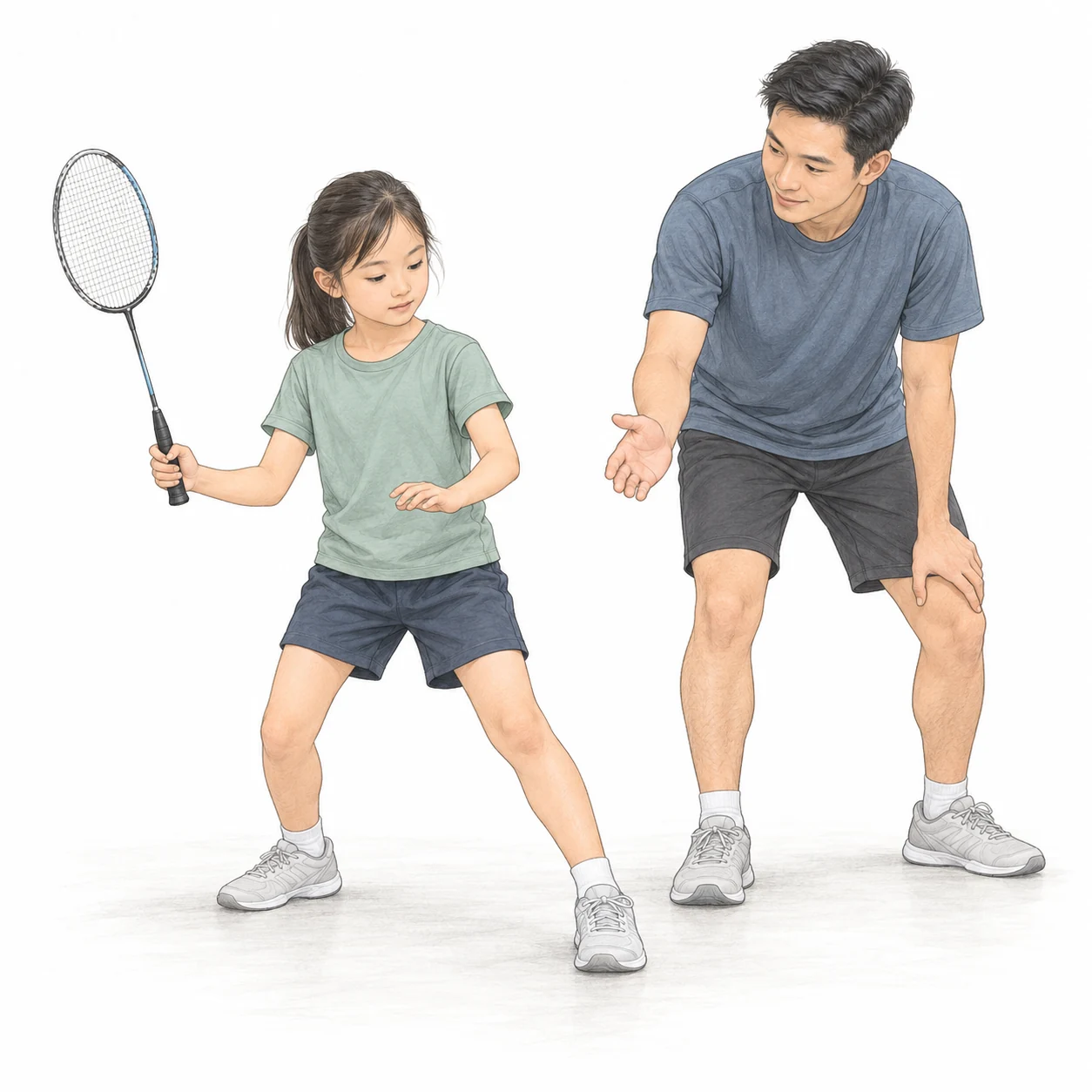
If the child is repeatedly left unsure what to do and what comes next, ask about that specific situation. It is reasonable to want an explanation of how the pause relates to the learning activity. Avoid supplying a reason on the provider’s behalf before hearing the actual answer. Purposeful observation should have a recognisable question; necessary organisation should have a clear arrangement. A pause that serves neither deserves discussion rather than automatic praise simply because it happens in a training environment.
Look at what follows the pause as well as its length. Does the learner receive an understandable next task? Can the child participate with suitable assistance? Is feedback connected to the attempt? These observations help identify whether the lesson thread remains clear. A busy-looking court can still lack explanation, and a quieter moment can still support a specific learning purpose. The question is not whether every second appears active to an adult, but whether the arrangement makes meaningful participation possible for the actual learner.
Confirm how a longer concern can be raised. The middle of an active activity may not be the appropriate time for an extended conversation about organisation. Ask for a suitable discussion with a factual example. This preserves the coach’s supervision role while giving the family space to understand the issue. Do not use a child to argue about class conditions with staff or compare other families publicly. The adults should handle programme questions, while the learner receives clear instructions about the task and next turn.
Review meaningful opportunities
What should parents consider after observing the arrangement?
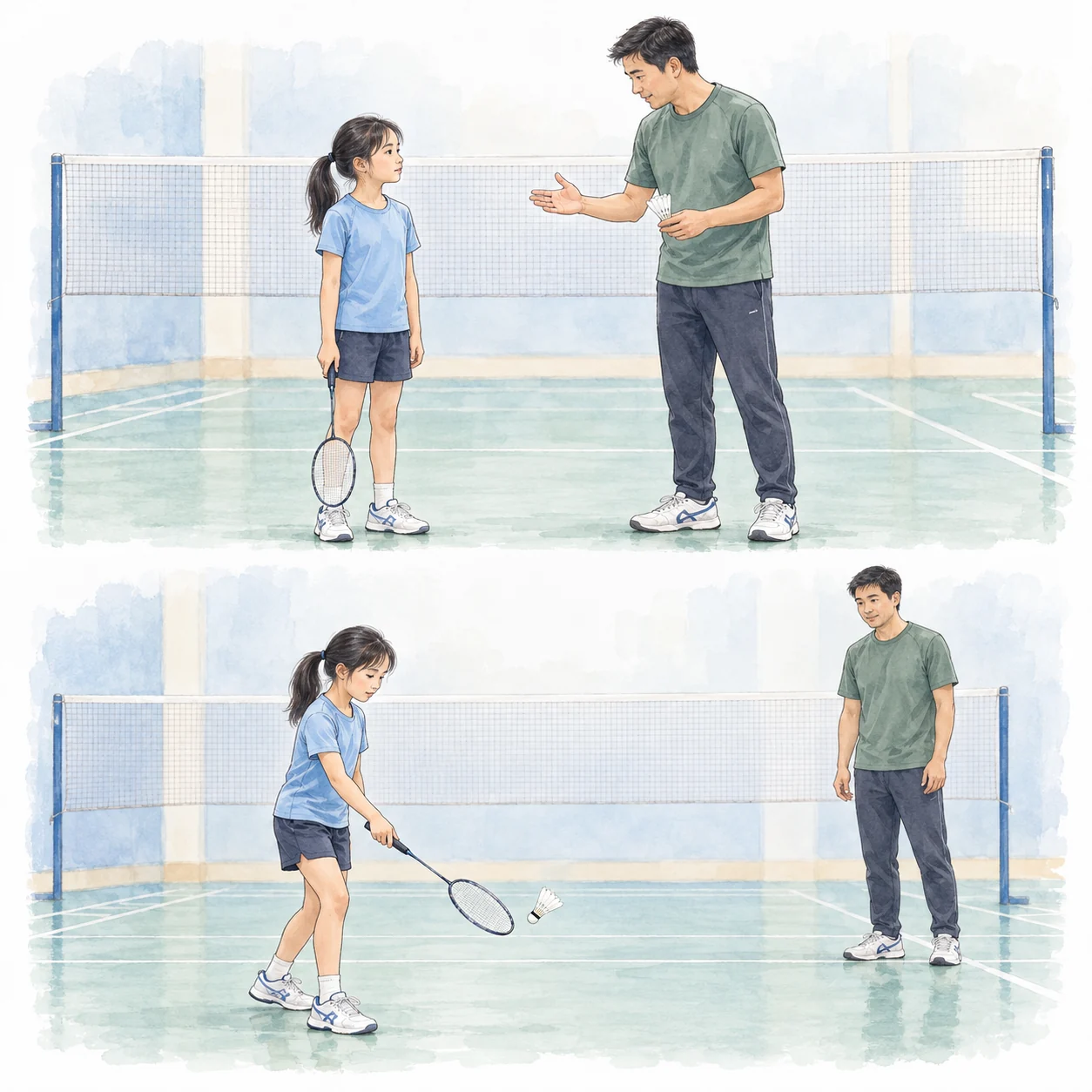
Consider the explanation, preparation, attempt and feedback together. A turn has learning value when the child understands its purpose and receives relevant information for the next step. Counting shuttles may describe activity volume without settling understanding. Ask the coach what observation is useful for this learner. If the waiting arrangement is changed, clarify what the change is intended to help and what can be reviewed afterwards. Avoid inventing a universal number of turns that proves a class is good.
Listen to the child’s specific experience too. The learner may describe not knowing when the next turn began, being unsure what to observe or having a question about the cue. These are concrete points that can guide discussion. Do not ask the child to decide whether the whole academy is worthwhile from one pause. Combine the learning explanation with practical facts about the programme the family can attend. A useful review identifies an actual next question rather than a broad label about laziness, discipline or class quality.
Choose with a clear lesson thread
How can this help you compare badminton classes in KL?
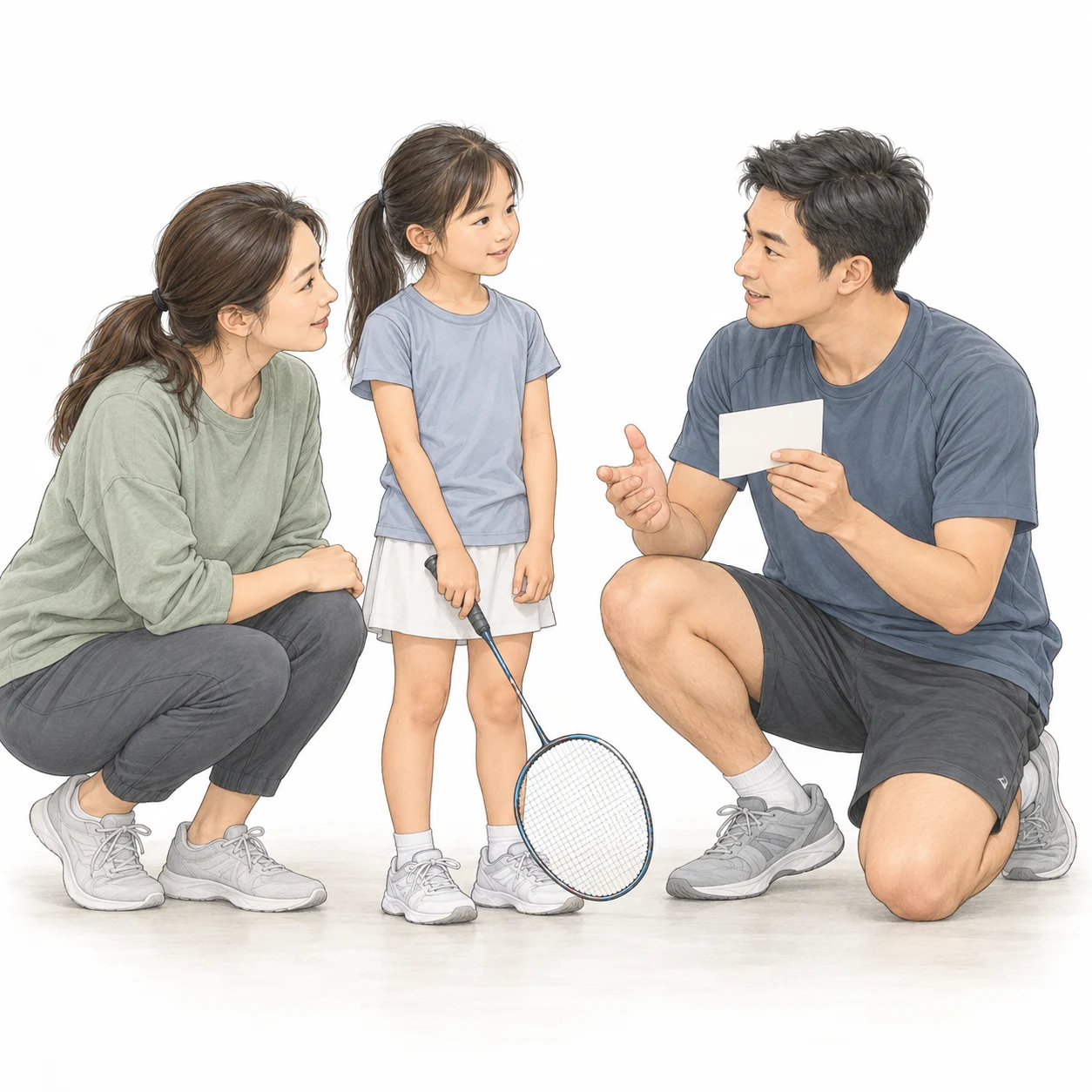
When considering badminton training, ask how time between turns connects to the activity. Look for an understandable observation question, clear preparation and a meaningful next attempt. Ask about the current class arrangement instead of relying on an advertisement’s group label or an impressive video. Playing credentials can provide background for a coach, but the teaching organisation still needs explanation. A former national player may organise beginners thoughtfully; the title alone does not establish what a child learns while waiting.
Families enquiring with ST Badminton Academy can explain the learner’s experience and ask how the relevant programme organises turns and clarification. If you have a concern, bring one factual example rather than a ranking of classmates’ court time. Ask about actual Kuala Lumpur class arrangements and the information useful for discussing suitability. The application begins an enquiry and does not itself confirm a group size, court-time allocation or place. A clear lesson thread gives the family a practical basis for considering the programme.
Waiting and meaningful turns in badminton class
The purpose of a pause matters alongside the opportunity to participate. These answers help families ask about the actual arrangement without inventing a universal timing or group-size standard.
Is every moment off the court wasted?
Not automatically. A pause may support observation, preparation or necessary organisation. Ask what the learner is expected to notice or do and how it connects to the next turn. Merely standing nearby is not proof of learning either. The actual explanation and the activity that follows provide useful context.
Does more shuttle hitting always mean a better class?
The number of attempts gives context but does not establish understanding by itself. Ask about the purpose, cue and feedback connected to those attempts. A meaningful turn should help the learner practise an understandable task. Counting hits alone can miss whether the child knows what the activity is intended to teach.
What makes observation purposeful?
The learner has a simple question relevant to the activity and knows how it connects to their own next turn. The coach chooses an appropriate detail to notice. Observation should not become a public ranking of another child’s mistakes. Ask what the actual programme teaches learners to attend to while waiting.
What should a child know before the next turn?
The purpose and an appropriate starting cue for the actual task. The provider should explain the relevant arrangement, including how turns are signalled. A child should have a suitable route to ask for clarification. Parents should avoid adding another technical instruction during a pause that competes with the coach’s direction.
Should I demand identical turn lengths for every learner?
Ask how the actual class is organised before making assumptions. Different tasks and support needs can affect what a spectator sees. If concerned, describe your child’s experience and ask about the pattern. This guide does not set a universal court-time ratio or require access to classmates’ private learning information.
What if my child repeatedly does not know what to do while waiting?
Bring the specific situation to the responsible coach at an appropriate time. Ask how the pause relates to the task and how the next turn is made clear. Do not assume an educational purpose without explanation. A recurring lack of direction deserves a practical discussion about the actual arrangement.
Should parents instruct children from the sidelines during pauses?
Use the provider’s agreed communication arrangement. Adding a separate cue can make the learner switch between competing directions before the next attempt. A useful parent contribution is a specific question at a suitable time. The coach remains responsible for the task, organisation and supervision of the actual activity.
How can we review a changed turn arrangement?
Ask what the change is intended to help, then consider preparation, attempt and feedback together. Include the child’s specific question and the support provided. Do not invent a universal turn count that proves quality. The review should reveal whether the learner’s participation became clearer and which question remains.
What can I ask STBA about waiting time?
Describe the learner’s experience and ask how the relevant Kuala Lumpur programme organises turns, observation and clarification. Bring a factual example if useful. Confirm actual conditions directly. An application opens an enquiry; it does not establish a group size, court-time guarantee, available place or learning outcome.
Teaching illustrations: observing, preparing and taking a clear turn
Four questions about the next turn
Ask what the activity is meant to teach and what the learner should notice or prepare while waiting. Confirm how the actual programme signals turns and allows clarification. Then consider whether the next attempt and feedback connect to that purpose. Use a specific example for any concern, rather than a public count of classmates’ time. The learning thread matters alongside practical organisation and a real opportunity to participate.
| Situation | Adds confusion | Supports participation Compare the next turn |
|---|---|---|
| Pause | Assume it is useful or wasted without context | Ask its purpose in the actual activity |
| Observation | Watch without a relevant question | Notice a cue connected to the next task |
| Preparation | Add competing technical directions | Clarify the agreed starting action |
| Organisation | Infer guaranteed timing from a class label | Confirm how the actual programme signals turns |
| Concern | Publish a ranking of classmates’ time | Describe the learner’s specific experience |
| Review | Judge teaching only by total shuttle hits | Connect explanation, attempt and feedback |
Ask about meaningful participation in a badminton class in KL
Tell ST Badminton Academy about your child’s experience and the question you have about turns, observation or clarification. Ask how the current Kuala Lumpur programme connects preparation to a useful next attempt. If a specific situation concerns you, describe it factually. The application begins a discussion of suitability; actual conditions and availability need confirmation. A clear explanation can help the family assess learning opportunities without relying only on a shuttle count.