My Child Wants to Join Badminton Only with a Friend: From Familiarity to Independent Learning
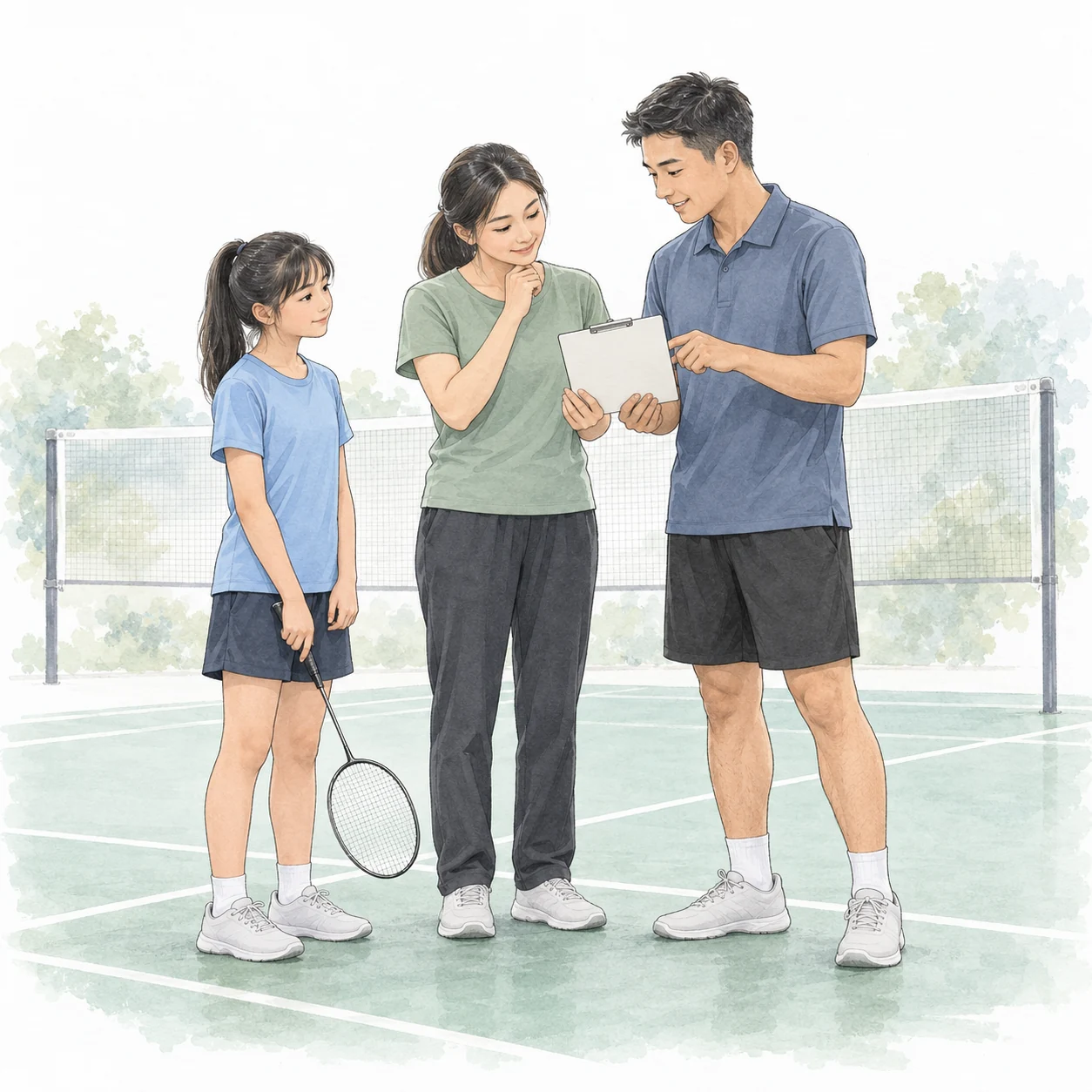
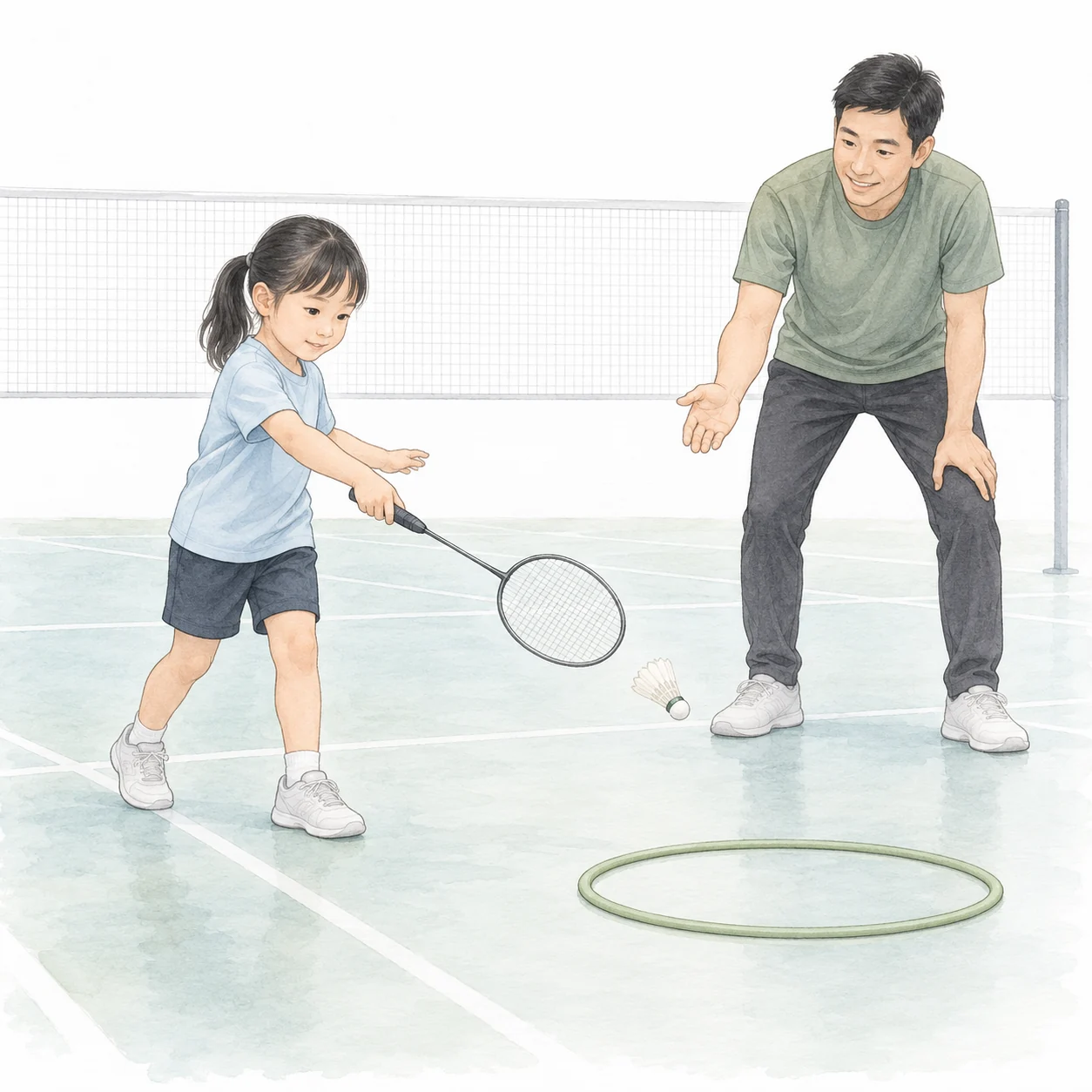
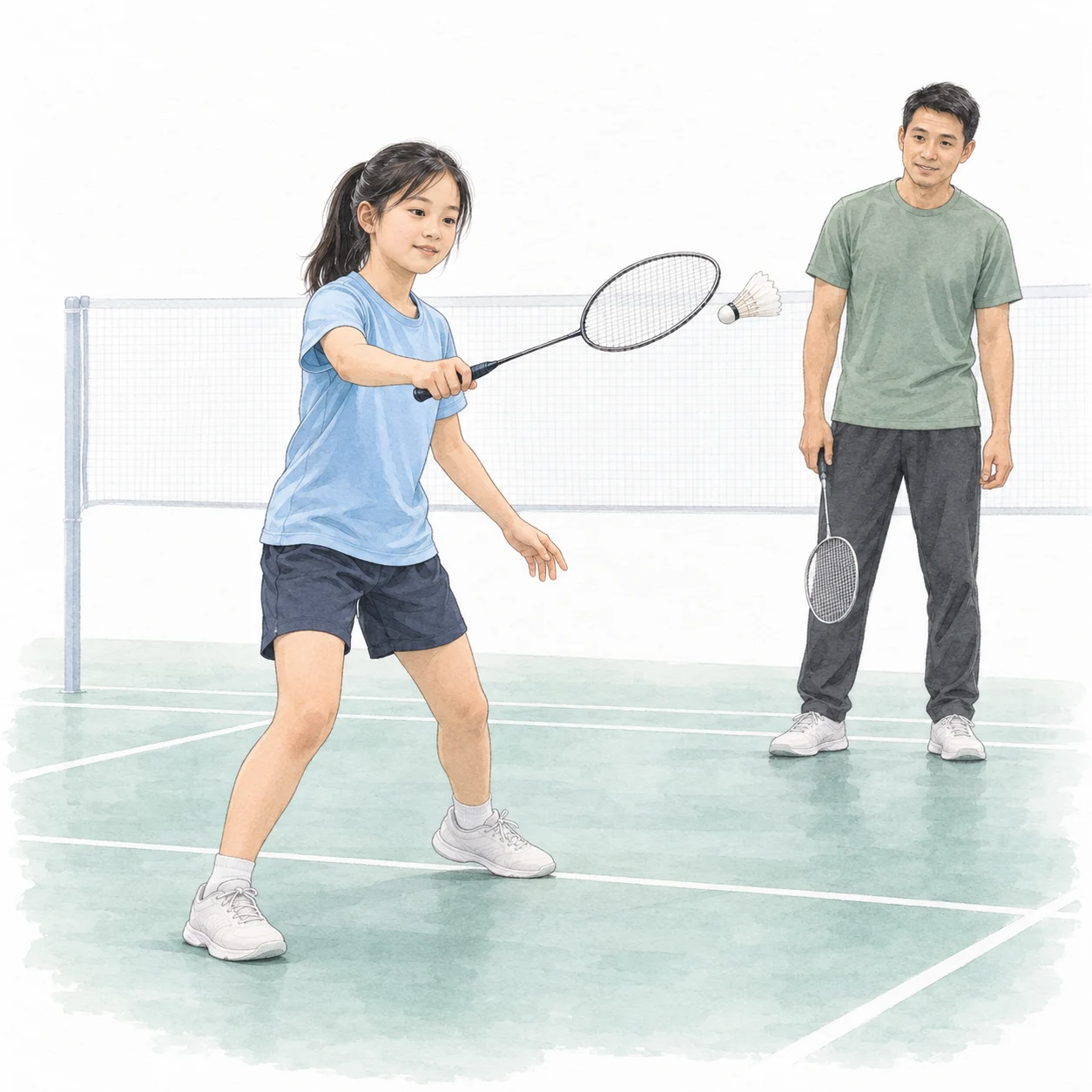
“I will join if my friend joins” can be a useful starting point for a conversation about badminton class for kids. A familiar face may make a new court feel less unfamiliar, but it does not tell us whether the lesson fits either child. The task, pace, coaching attention and each child’s willingness to learn still matter. This guide helps parents in KL and Setapak discuss those details without promising a shared place or treating friendship as a problem. The educational images are AI-generated illustrations of generic people; they do not depict Eric Chuar or real academy students.
01 · Understand the starting point
Ask what the friend makes easier
Before you ask a badminton academy to place two children together, find out what your child means by wanting a friend there. They may be worried about entering a new hall, unsure whom to stand beside, or simply interested because the friend enjoys badminton. Ask a concrete question: “What would feel difficult if your friend could not come?” Listen without replacing the answer with your own explanation. A child who needs help arriving is describing a different difficulty from a child who only wants to play together throughout the lesson. Neither answer should automatically become a label about confidence or commitment.
You can acknowledge the helpful part of friendship while making the learning purpose clear. Explain that a badminton coach may demonstrate a task, change partners and ask each learner to try independently. The friend can be part of the experience, but the class is not a private play session arranged around that friendship. Let your child tell you which part sounds manageable and which part needs more explanation. This conversation can reveal questions to ask the coach before submitting an application. It should not become a test that the child must pass to prove they deserve a class.
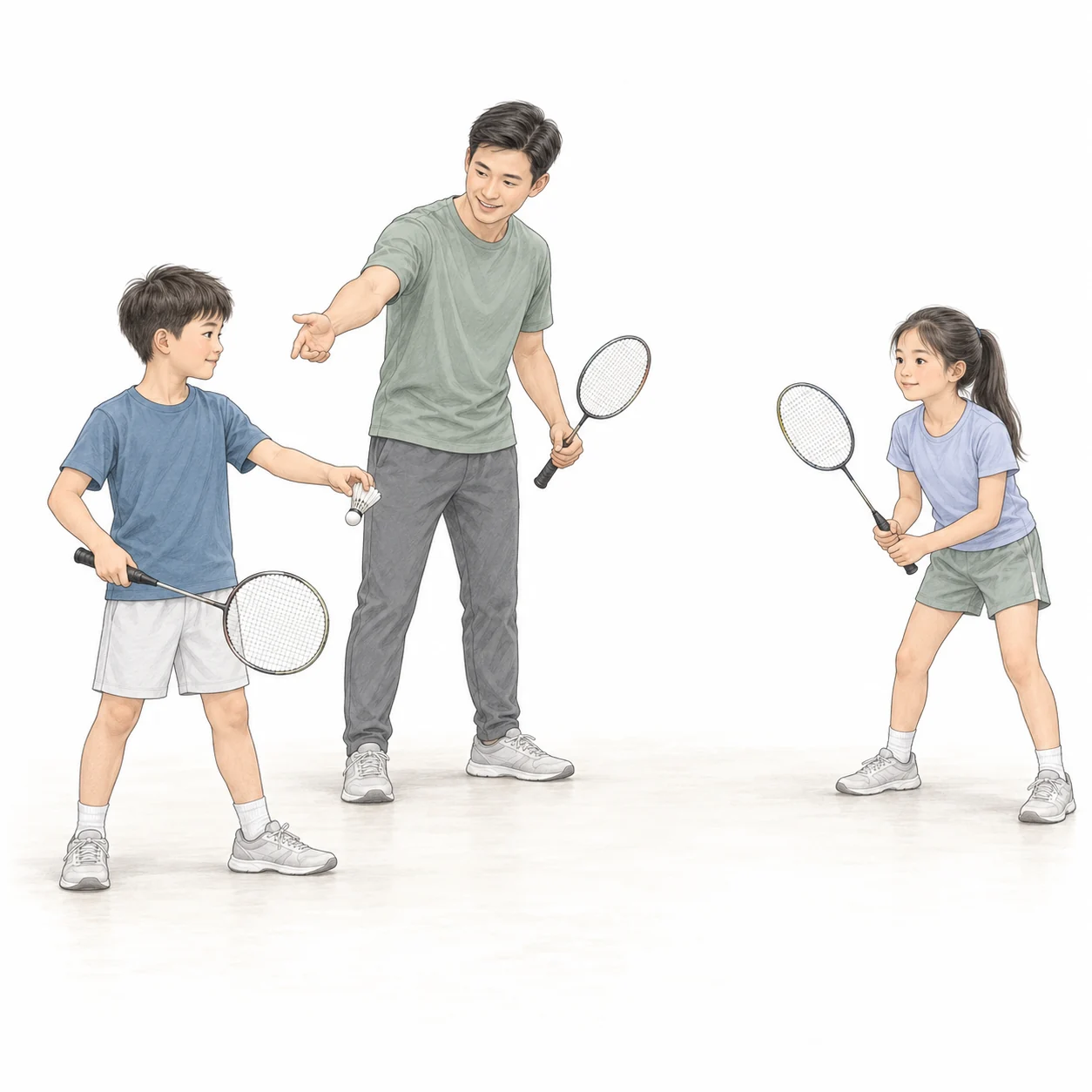
02 · Compare the learning fit
Similar age does not settle class placement
Two friends can be the same age and still need different badminton training. One may have practised basic racket control, while the other is learning how to hold a racket comfortably. They may also respond differently to a demonstration, need different amounts of repetition or have different aims. Ask how the academy considers current skill, attention, task demands and coaching pace when discussing placement. Age can be relevant, but it cannot replace observing how a child actually responds to the lesson. Avoid comparing the children as the strong one and the weak one; describe what each currently needs to learn.
A suitable shared lesson is one in which both children can attempt a meaningful task and receive useful feedback. Being beside a friend is less helpful if one child waits through work they already understand while the other struggles to follow. Ask whether the proposed class can support those differences and how the coach would respond if the initial placement needs review. The answer may involve different groups or a discussion at a later stage. Respect that possibility. A request to learn together is useful information for placement, but it is not a guarantee of a joint class, a particular coach or an available place.
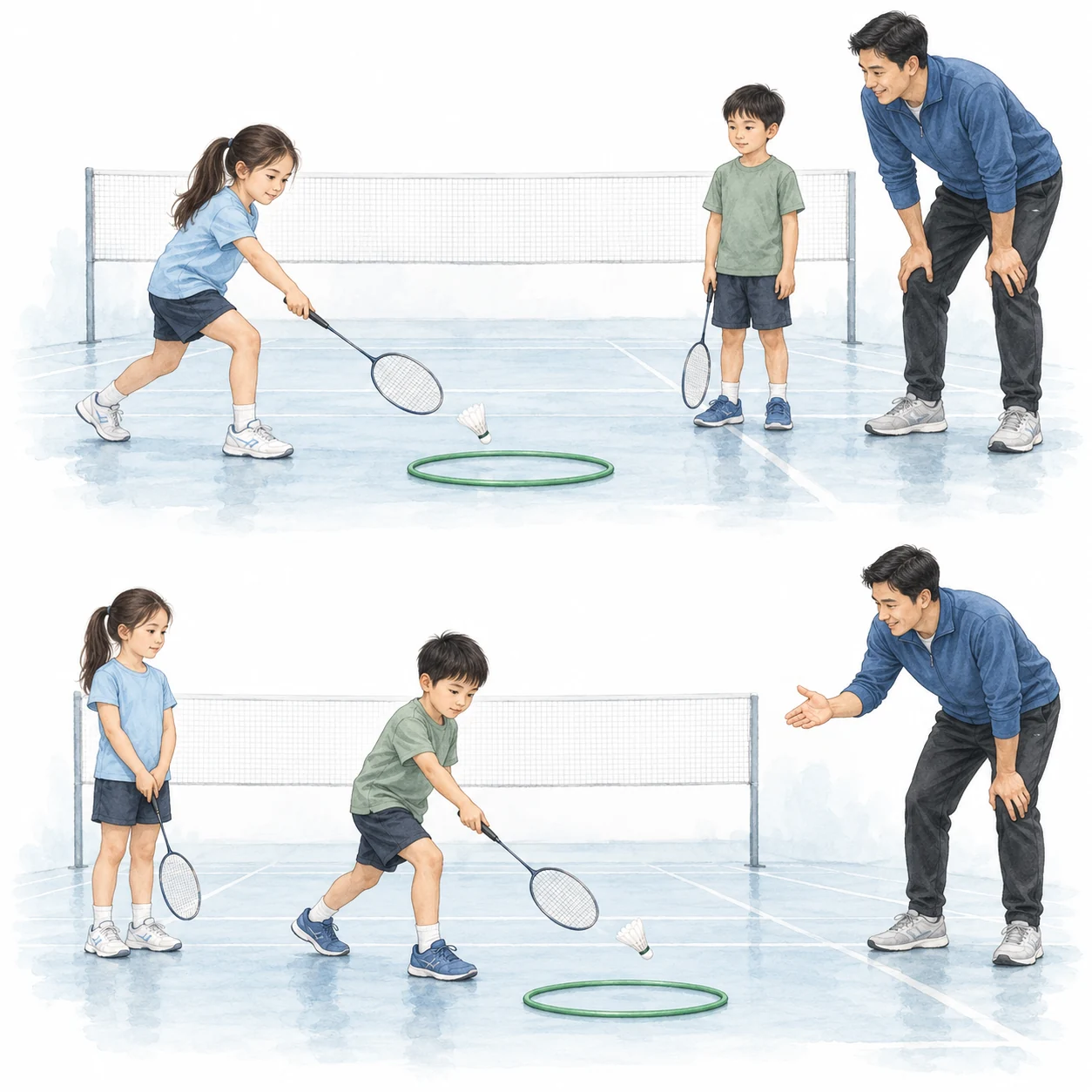
03 · Keep both learners involved
Notice when friendship helps and when it takes over
Watch whether the children listen to the same demonstration, attempt their own turns and allow the coach to give each of them feedback. A friendship can support participation when both children encourage an attempt and then return attention to the task. It can make learning harder when one answers for the other, constantly gives instructions or decides who gets to practise. Describe the behaviour rather than blaming the friendship. For example, “They talked during the explanation, so neither could describe the next step” is more useful than “They always distract each other.” The first description gives the coach something specific to address.
Parents should also distinguish enjoyment from an appropriate learning fit. Laughing with a friend is not itself a reason to separate them, and a quiet session does not prove that learning happened. Look for whether the child can explain a simple purpose, attempt the task and respond to a clear coaching cue. If those parts are missing, discuss the observed situation with the coach instead of demanding that the children always stay together or always be separated. The question is how the lesson can serve both learners. It is not which child should be held responsible for the other’s progress.
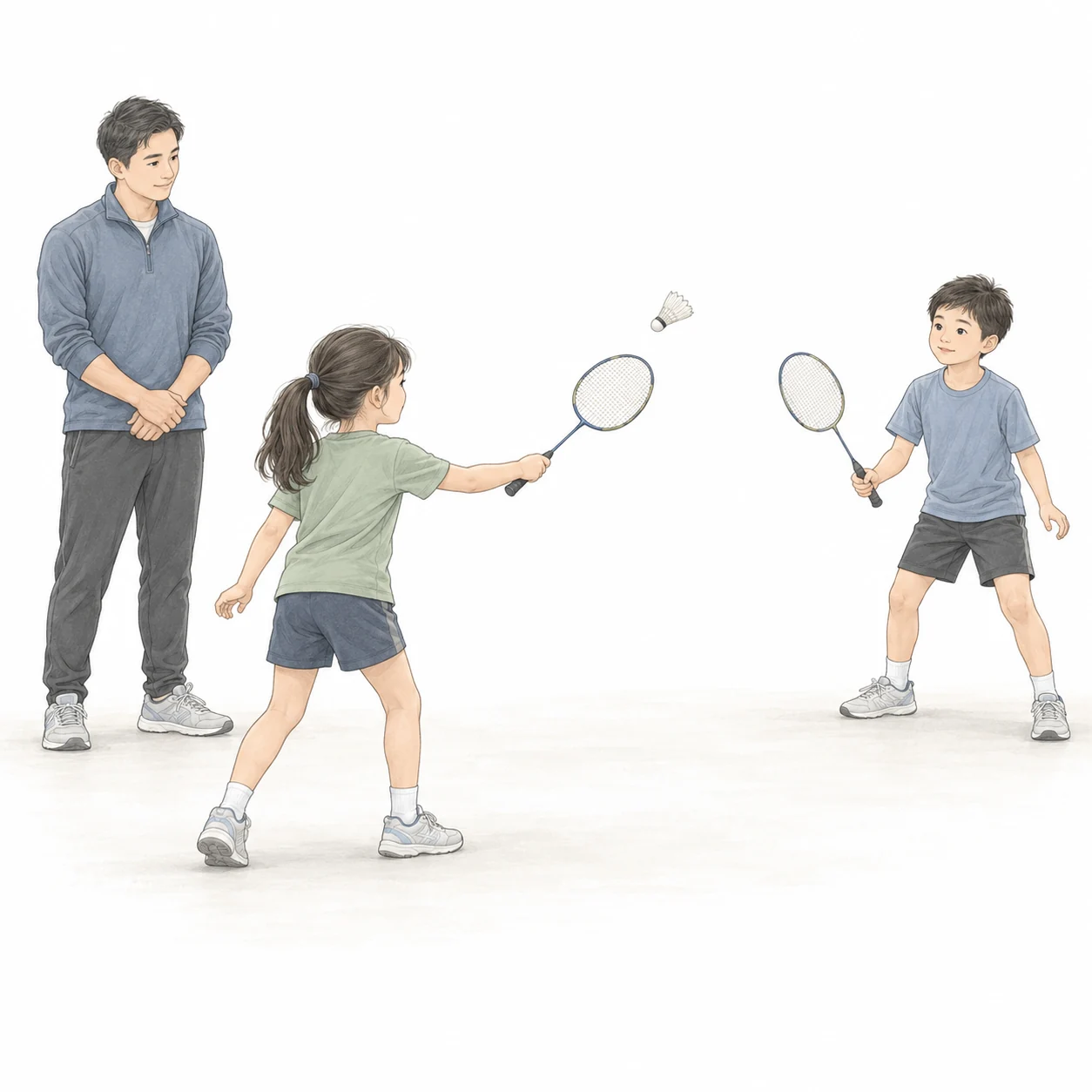
04 · Build learning independence
Introduce different partners without a surprise ultimatum
Partner changes are part of many learning situations, but the way they are explained matters. A child may cope better when the coach tells the group what the next task is, where to move and why working with another learner helps that task. Ask about the academy’s approach rather than inventing a rule for its classes. At home, you can explain that a badminton coach may organise turns and partners to suit the activity. Do not promise that your child will always remain beside their friend, and do not threaten a sudden separation as a punishment for feeling unsure.
Independence can be observed in small actions: listening without the friend translating every instruction, preparing for a turn, trying a task with another partner and asking the coach when something is unclear. These observations are more useful than demanding that the child immediately enjoy every change. If your child is hesitant, describe the particular moment and ask what support would help them attempt it. Support might involve a clearer explanation or a more suitable task; it does not necessarily mean a permanent exemption from working with others. The aim is to help the child take part in learning that belongs to them.

05 · Discuss a friend’s absence
Make the attendance conversation honest
Before a class begins, discuss the possibility that the friend might be absent, change groups or stop attending. This is a normal uncertainty in any arrangement involving another family. Ask your child what they think they could do in that situation, and explain who they can approach for help at the court. Avoid promising that the friend will never miss a session. Also avoid telling the child that they must be perfectly comfortable without the friend from the first day. A useful conversation acknowledges uncertainty and identifies the next practical action, such as speaking to the coach about the task or where to join the group.
If the friend is absent and your child refuses to participate, keep the discussion specific and calm. Ask what is difficult today: entering the hall, being paired with someone else, following the instruction or feeling disappointed. Check the situation with the coach and consider whether the activity and placement still fit. Do not make the other family responsible for your child’s attendance, and do not publicly shame the child for being reluctant. Equally, do not assume that arranging a shared class has solved the original difficulty. An honest review can help everyone understand what support is useful and whether the child is ready for the proposed arrangement.
Attendance plans must also reflect your family’s actual transport and school commitments. Two children being friends does not mean their parents can maintain the same schedule. Confirm the academy’s current arrangements directly and use accurate information when deciding whether to apply. Do not turn an unconfirmed timetable into a promise to your child or an obligation for the other parent. When discussing options, keep the learning question and the practical arrangement connected: can this child take part in the proposed training, and can the family realistically support the arrangement? Neither question is answered by the friendship alone.
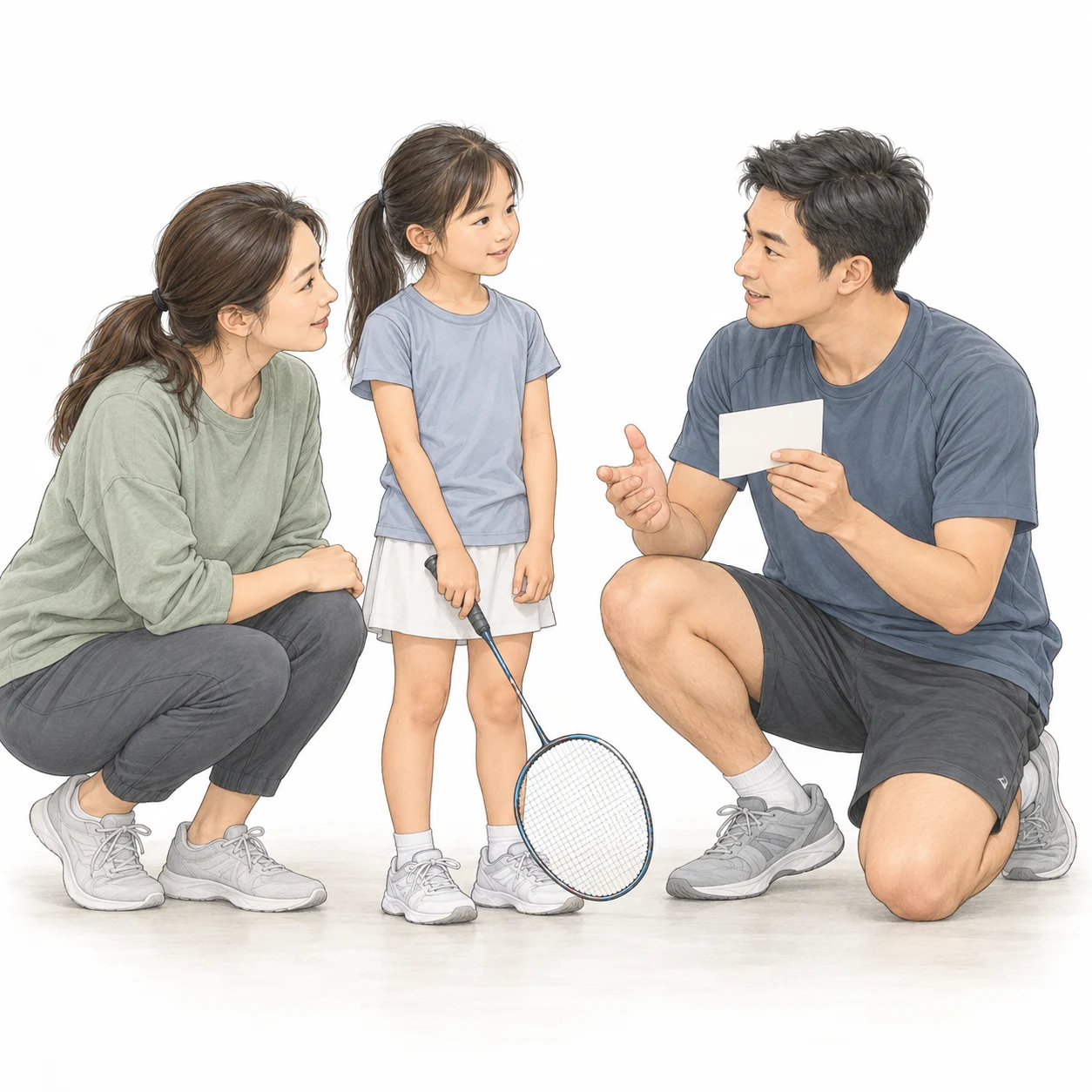
06 · Communicate with the coach
Give separate information about each child
When asking about badminton class for kids in KL or Setapak, explain that the children know each other, then describe each learner separately. Mention relevant experience, the current learning goal and any observed difficulty with a new group. Ask what the coach needs to assess placement and whether shared placement can be considered subject to suitability and availability. Do not ask the coach to guarantee identical tasks simply because the children are friends. Their needs may change as training continues, and useful coaching may involve different cues or different tasks even when they are in the same group.
Keep progress conversations individual too. Instead of asking who is improving faster, ask what your child is learning, what the coach has observed and what a sensible next step would be. A friend’s visible success can be encouraging, but it is not a reliable timetable for another child’s progress. Sporting experience, including national-level experience, can contribute valuable knowledge to coaching; parents should still observe how the coach explains, adapts and gives feedback to these particular learners. Useful placement discussions focus on the teaching process and the child’s response, not a title, a comparison between friends or an unsupported promise of results.
07 · Review the child’s own reason
Let friendship open the door to personal interest
After the child has had a relevant learning experience, ask questions that do not depend on the friend: “What did you understand today?” “Which task would you like to try again?” “What did you ask the coach?” Listen for the child’s own description rather than requiring a positive answer. They may enjoy one activity and find another confusing. That information can guide a conversation about the next lesson. A friend can remain important while the child develops a reason to learn badminton that is personal. This change is not something parents should claim happened merely because the children attended together.
Review whether the arrangement still supports both children. If one needs a different pace or group, explain that a learning decision does not cancel their friendship. They can remain friends while receiving coaching that better fits their current needs. Avoid presenting separation as failure or promising that they will inevitably rejoin later. For ST Badminton Academy, start with an application and a placement discussion using the children’s actual information. A thoughtful decision considers learning fit, the child’s willingness and current availability. It leaves room for honest review instead of making the entire badminton journey depend on another child’s attendance.
Questions parents ask about joining badminton with a friend
These answers are prompts for a placement discussion, not confirmation of the academy’s current timetable or available places. Explain the two children’s needs separately and ask the coach about the proposed arrangement. Friendship can make the first conversation easier, but the child’s participation and learning should remain the centre of the decision.
Should I apply only if both friends can join the same class?
You can state a preference for shared placement, but first ask whether the proposed class is suitable for each child. Current availability, learning needs and the coach’s assessment may affect the answer. Decide what matters most to your family before making a promise to either child. An application allows the academy to discuss those details; it does not reserve a joint place or guarantee an identical timetable.
Does wanting a friend mean my child is not ready for badminton?
That statement alone does not establish readiness. Ask what the friend makes easier and observe how the child responds to a clear explanation and an appropriate task. Some children are mainly unsure about arrival; others want a play arrangement rather than a lesson. The coach can discuss the learning demands with you. Avoid turning one sentence into a judgement about the child’s character or future progress.
Will two children of the same age automatically learn together?
Age alone does not establish a suitable class. Prior experience, current task demands, learning pace and the ability to take part in the proposed group also matter. Share accurate information about each child and ask how the academy considers placement. If different groups are proposed, ask for the teaching reason. Do not assume that one child has failed because the friends need different support.
What if they spend the whole lesson talking?
Describe when the conversation interrupts the activity: during an explanation, while waiting for a turn or while a partner needs attention. Ask the coach how the task and expectations can be made clearer. Parents shouting repeated instructions from the side can add confusion. The aim is to help both children return to learning, rather than blame one child or demand a permanent arrangement without observing the lesson.
Should my child have to practise with other children?
Ask how the coach organises partner work for the proposed class. Different partners may serve a learning purpose, and each child needs opportunities to attempt their own task. Explain that changes may happen without promising exactly how or when. If your child finds a particular change difficult, discuss that moment and suitable support. Avoid using partner changes as a threat or promising an exemption the academy has not agreed to.
What should we do when the friend is absent?
Acknowledge the disappointment and ask what specifically makes participation difficult that day. Check the task and group arrangement with the coach, then discuss a manageable next action. Do not pressure the other family to attend to solve the problem. Review the child’s own reasons for learning over time. A friend’s absence is useful information about support needs, not automatic proof that the child should stop.
Can the friend teach my child during the class?
A friend can encourage an attempt or share an appropriate experience, but should not become responsible for explaining every instruction or correcting every movement. The badminton coach needs to observe and guide each learner. If one child answers for the other, ask how both can have their own turns. Keep friendship supportive without turning one child into an unpaid assistant or measuring progress by dependence on their help.
How should I compare the two children’s progress?
Use separate observations rather than a ranking. Ask what each child understands, can attempt and needs to work on next. Children may respond differently to the same task, even when they begin at a similar time. A visible difference does not establish who has greater long-term potential. Useful feedback comes from the teaching goal and each child’s response, not a promise that friends must progress together.
How do I enquire about a suitable class in Setapak or KL?
Use the academy’s application route and describe each child’s experience, goals and practical constraints accurately. Mention the friendship and ask whether shared placement can be considered. Confirm suitability and current availability with the academy before making plans. The application is the beginning of that discussion, rather than instant booking, a guarantee of a place or confirmation that the friends will always train together.
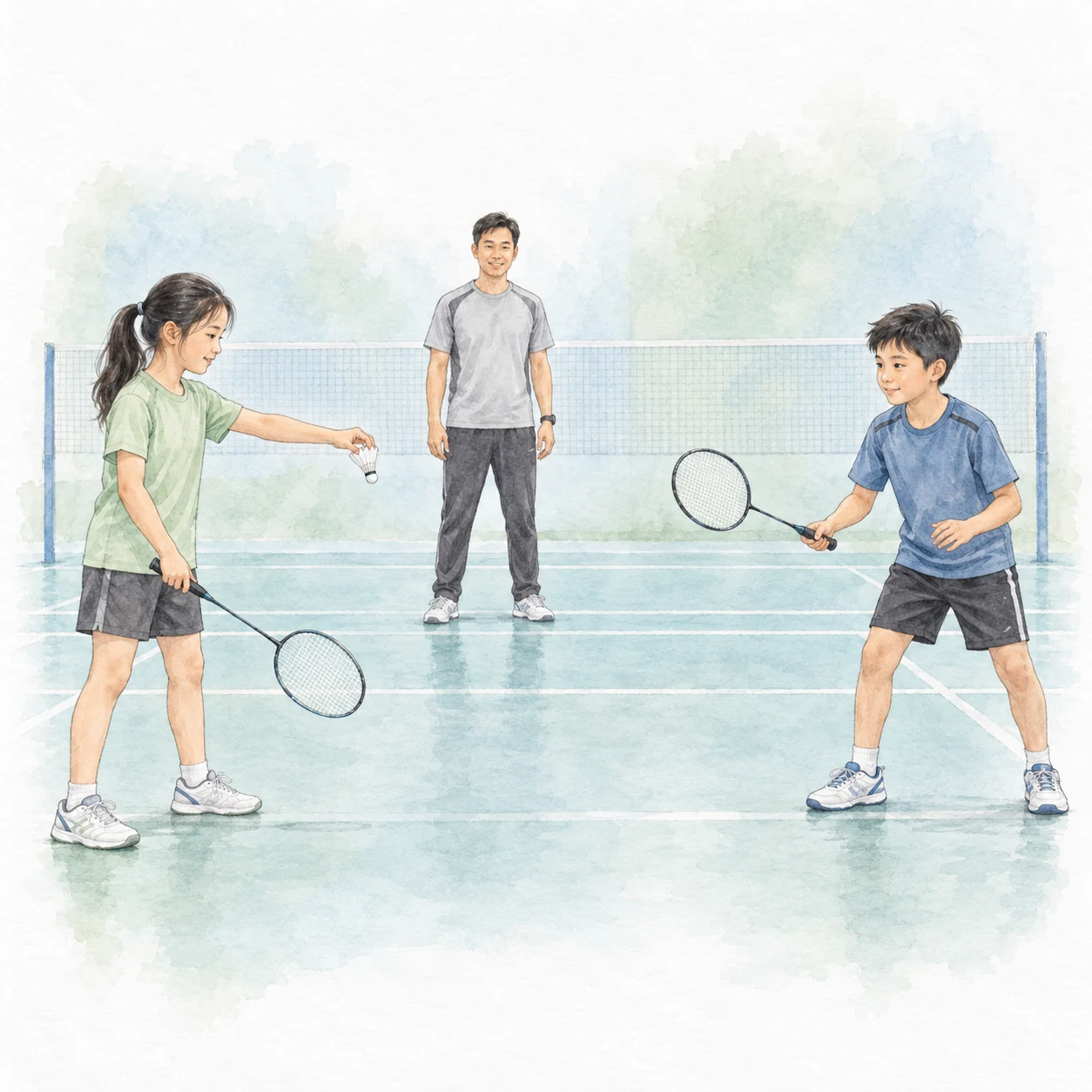
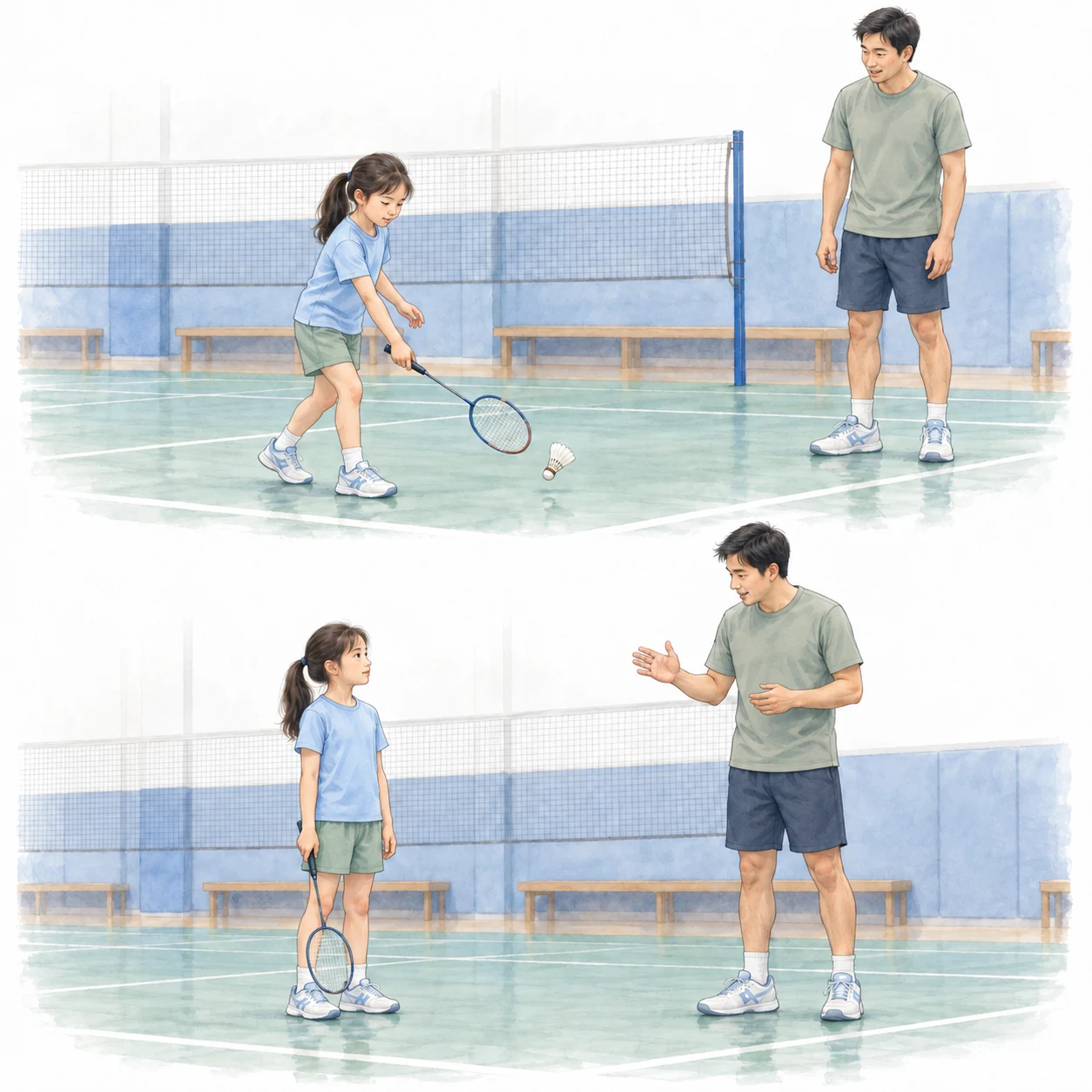
Teaching scenes: friends learning and taking their own turns
Understand, discuss, participate and review
Start with an honest conversation, then share separate information about both children. Ask the academy about the proposed learning fit and current availability. After participation, review what your child can explain and attempt independently. These steps guide a discussion rather than promise a fixed assessment, a shared place or a particular outcome.
| Discussion point | Less useful approach | More useful approach Compare learning needs, not friends |
|---|---|---|
| Starting reason | Label the child as uncommitted because they want a friend. | Ask what the familiar person makes easier. |
| Placement | Assume children of the same age need the same class. | Discuss each child’s skill, task demands and pace. |
| Participation | Let one friend answer every question for the other. | Give both children their own turns and feedback. |
| Partner changes | Promise the children will always stay together. | Ask the coach how partners support the activity. |
| Friend absent | Make the other family responsible for attendance. | Discuss the child’s difficulty and a practical next action. |
| Progress | Rank the friends or promise equal improvement. | Review each learner’s understanding and next task. |
Begin with an application and an honest placement discussion
Looking for badminton class for kids in KL or Setapak? Tell ST Badminton Academy about your child's experience, learning goal and wish to start with a friend. Include each child's information separately and ask about suitable placement and current availability. Submit an application to begin that discussion; do not treat it as instant booking or confirmation of a shared class. A familiar friend can help open the door, while thoughtful coaching helps your child develop their own reason to keep learning.