Azerbaijan Men’s Singles Badminton Star
Ade Resky Dwicahyo
Azerbaijan
Player Event: Men’s singles
Born: 13 May 1998, Kendari, Southeast Sulawesi, Indonesia · Height: 1.74 m (5 ft 9 in) · Right-handed
Playing Style: Right-handed all-court player with fast flat drives, a steep attack and relentless rallying defence
Known For: Leaving Indonesia to build a career with Azerbaijan, two Olympic Games, nine international singles titles and a famous 2025 World Championships upset of world No. 19 Koki Watanabe
Journey: Indonesian junior · Naturalised Azerbaijani in 2018 · Five titles in his first season · Tokyo 2020 and Paris 2024 Olympian · Career-high world No. 56
Understanding Ade Resky Dwicahyo (Azerbaijan Badminton Star)
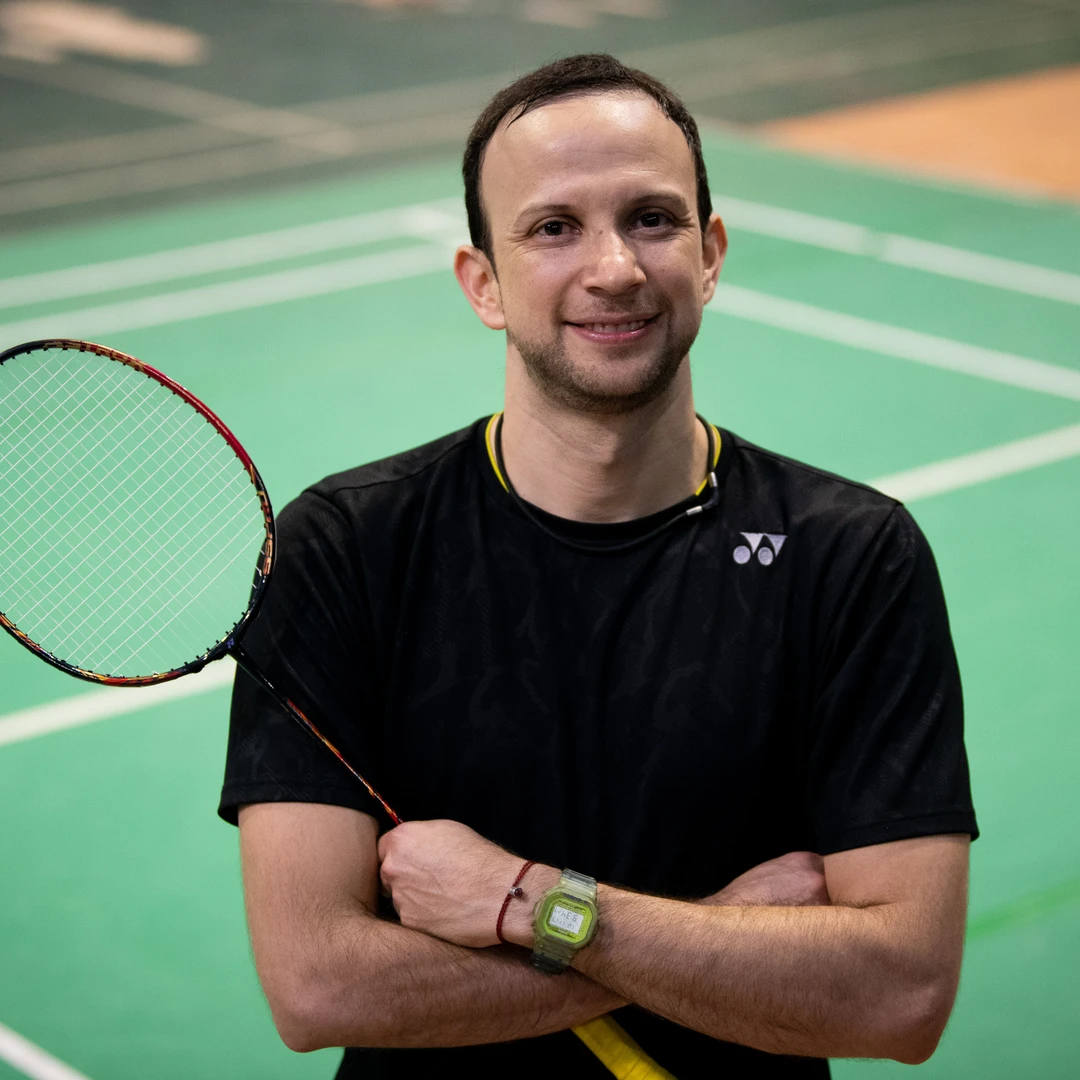
Ade Resky Dwicahyo is an Azerbaijani men’s singles badminton player who stands at world No. 100 in the BWF rankings (Week 43, 20 October 2026) with 19,937 points. His story is one of the boldest career gambles in modern badminton: born and raised in Kendari, Indonesia — the deepest badminton nation on earth — he gave up his Indonesian colours in 2018 and rebuilt his career from scratch with Azerbaijan, a country building its badminton programme almost from zero. The gamble worked: nine international singles titles, two Olympic Games and a career-high of world No. 56 later, he is the face of Azerbaijani badminton.
Early Life in Kendari and the Indonesian Junior Years
Ade Resky Dwicahyo was born on 13 May 1998 in Kendari, the capital of Southeast Sulawesi, Indonesia. Badminton is woven into everyday life in Indonesia, and like thousands of talented boys he grew up inside its club culture, dreaming of the national team. At 1.74 m (5 ft 9 in) and right-handed, he developed the fast, all-court game Indonesian coaching is famous for: quick feet, flat drives, sharp net play and a steep, wristy attack. What he could not know as a teenager was how crowded the road ahead of him would be.
The Indonesian Junior Circuit
Dwicahyo represented Indonesia as a junior, reaching the second round of the Asian Junior Championships and the third round of the World Junior Championships in 2016. They were respectable results — but in Indonesia, respectable is rarely enough. Dozens of boys his age were chasing the same handful of national-team places, and a player outside the elite junior group could spend years waiting for chances that never came. He had the game to be a professional; what he lacked was a pathway. That problem would lead to the biggest decision of his life.
The Bold Move to Azerbaijan
In 2018, Dwicahyo made the move that defines his career: he became a naturalised Azerbaijani citizen and switched his sporting allegiance to Azerbaijan. He has explained the reason plainly — the change gave him the chance to be represented at the World Championships and the Olympic Games, stages an Indonesian squad place could never guarantee him. It was a brave swap: trading the world’s strongest badminton system for a tiny programme where he would be the pioneer, the leader and, for long stretches, almost the entire team.
Five Titles in a Golden First Season
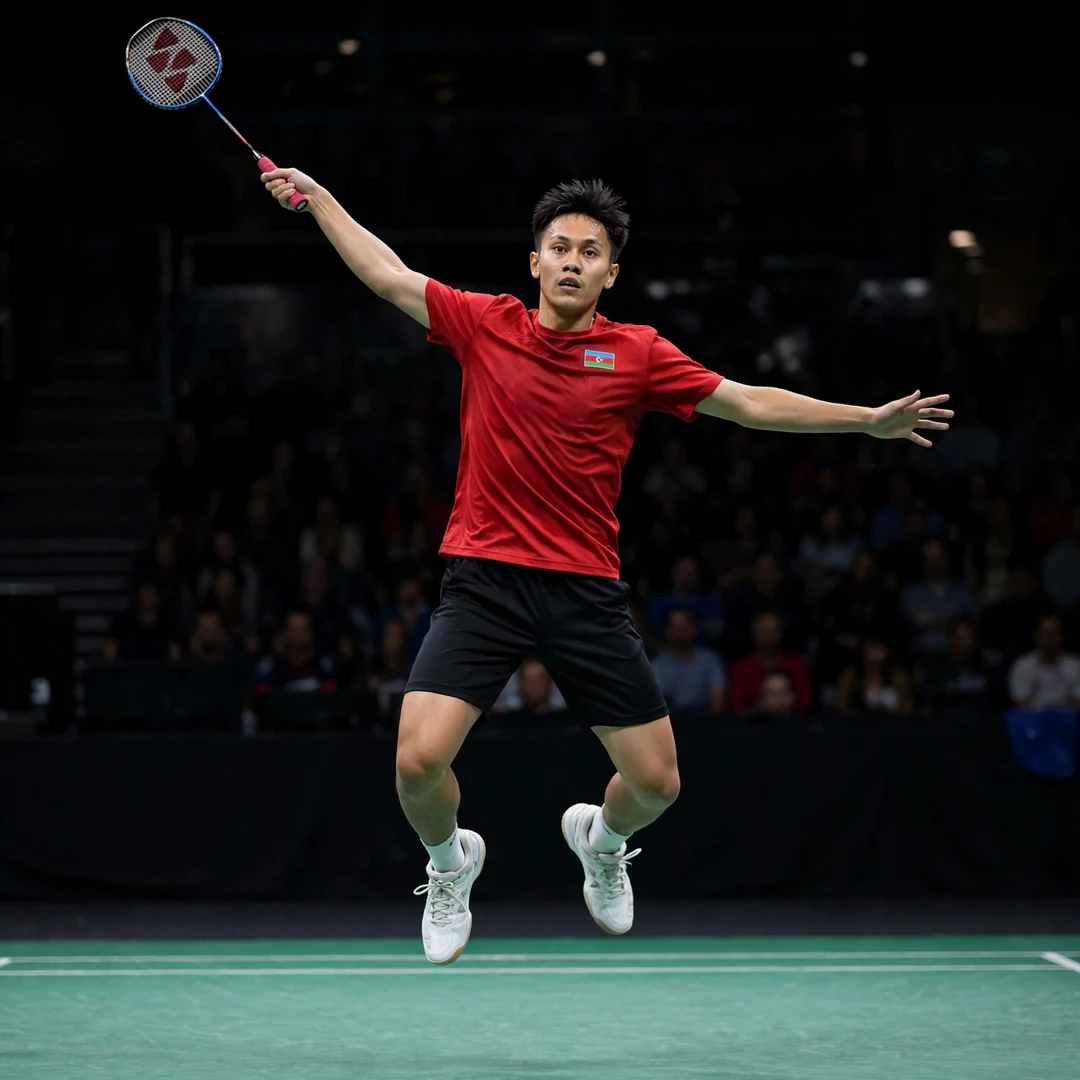
The new colours brought an extraordinary first season. In 2018 alone, Dwicahyo won five international singles titles — the Belarus International, the Egypt International, the Bahrain International, the Botswana International and the Zambia International — after opening the year with a runner-up finish at the Kharkiv International in Ukraine. Playing doubles as well, he added six men’s doubles titles with fellow Indonesian-born partner Azmy Qowimuramadhoni. It was the first haul of the nine singles titles he would go on to win for Azerbaijan — and proof the gamble was paying off.
Career Milestone #1
Senior Breakthrough: Titles Across Three Continents
Success bred success. In 2019 he won the Egypt International again, beating Czech player Milan Ludík in the final, and added the Cameroon International title with a three-game win over Austria’s Luka Wraber, alongside further finals in Benin, Ghana, Kharkiv and Algeria. A Malta International title followed in 2022 and an Algeria International title in 2023, plus a runner-up finish at the Luxembourg Open. Week after week, on the sport’s toughest proving ground — the International Challenge and Series circuit — Dwicahyo kept collecting trophies.
His game also kept testing itself against higher company. He reached the second round of the Swiss Open in 2022 and the Hylo Open in 2024, played the German Open and the Orléans Masters, and pushed deep into Super 100 draws such as the Guwahati Masters. For a one-man programme, the workload was enormous: singles and doubles, qualifiers and main draws, from Cairo to Lusaka to Algiers. Through it all he kept Azerbaijan permanently visible on the world circuit — a ranking presence the country had never had before him.
Career Milestone #2
Two Olympic Games for Azerbaijan
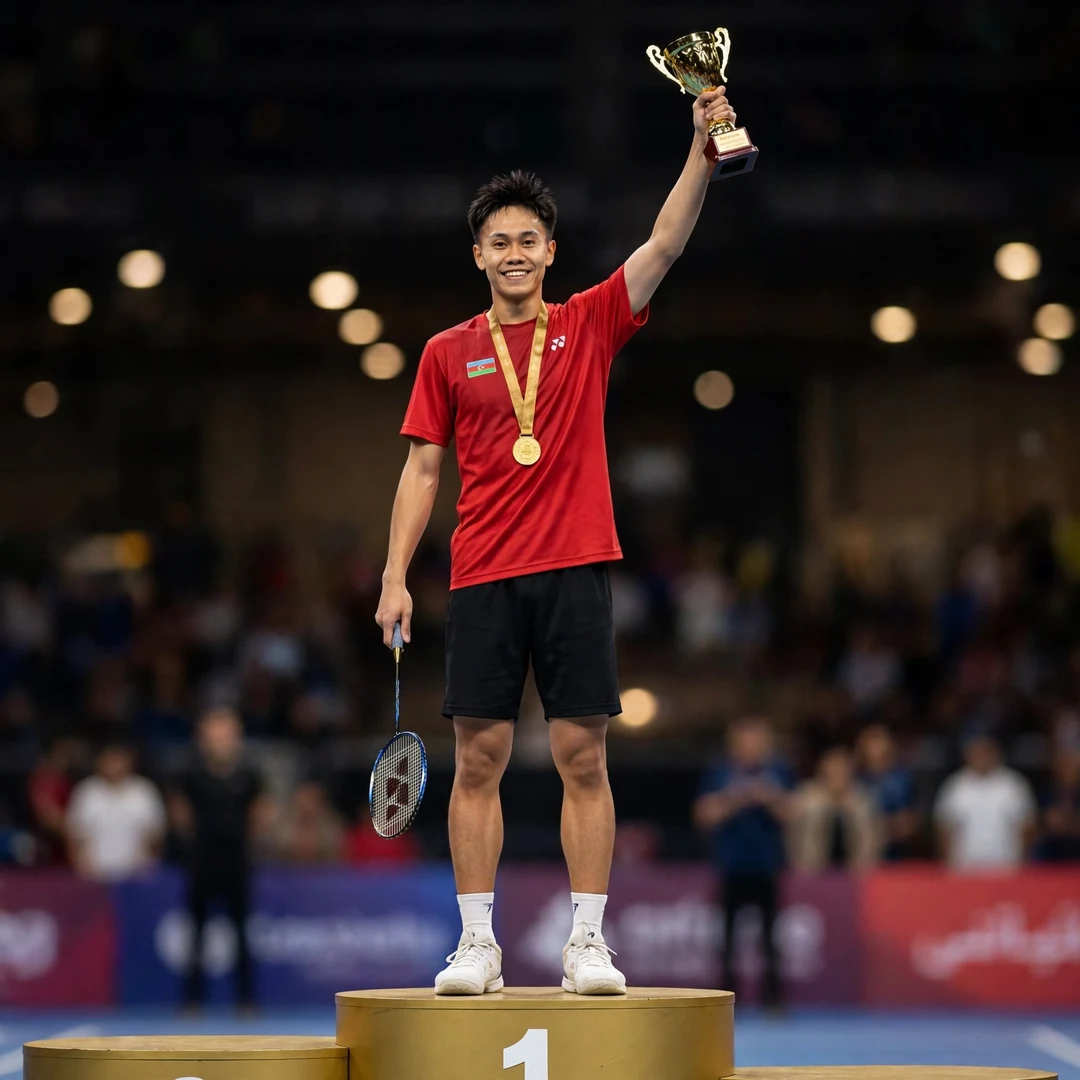
The dream behind the 2018 switch became real at the Tokyo 2020 Olympic Games, where Dwicahyo carried Azerbaijan into Olympic badminton for the first time. Three years later he did it again at Paris 2024, becoming a two-time Olympian — an achievement that places him in a small group of players who have flown a developing badminton nation’s flag at consecutive Games. At both tournaments he bowed out in the group stage, but the results were almost beside the point: Azerbaijan was on the Olympic badminton map because of him.
Coaches use his Olympic story to explain what representation really costs and gives. A group-stage exit at the Olympics still means winning the qualification race — years of ranking points gathered in small halls across Africa, Europe and Asia, each tournament a step toward the Games. Dwicahyo’s federation has since built a 2025–2028 strategy around reaching the world’s top 100 across categories, and the standard it points to is his: show up everywhere, collect points relentlessly, and never wait for an invitation.
Longevity may be his most underrated achievement. Dwicahyo’s year-end world rankings have stayed between No. 63 and the top 100 for season after season — a decade of professional badminton at international level. He has played five World Championships, reached the quarter-finals of the European Championships in 2024, and in 2026 he was still reaching the last 32 of the World Championships in New Delhi. In a sport that discards most players by their mid-twenties, the 28-year-old keeps renewing himself.
Career Milestone #3
World Championships: The Paris Night He Beat a Top-20 Star
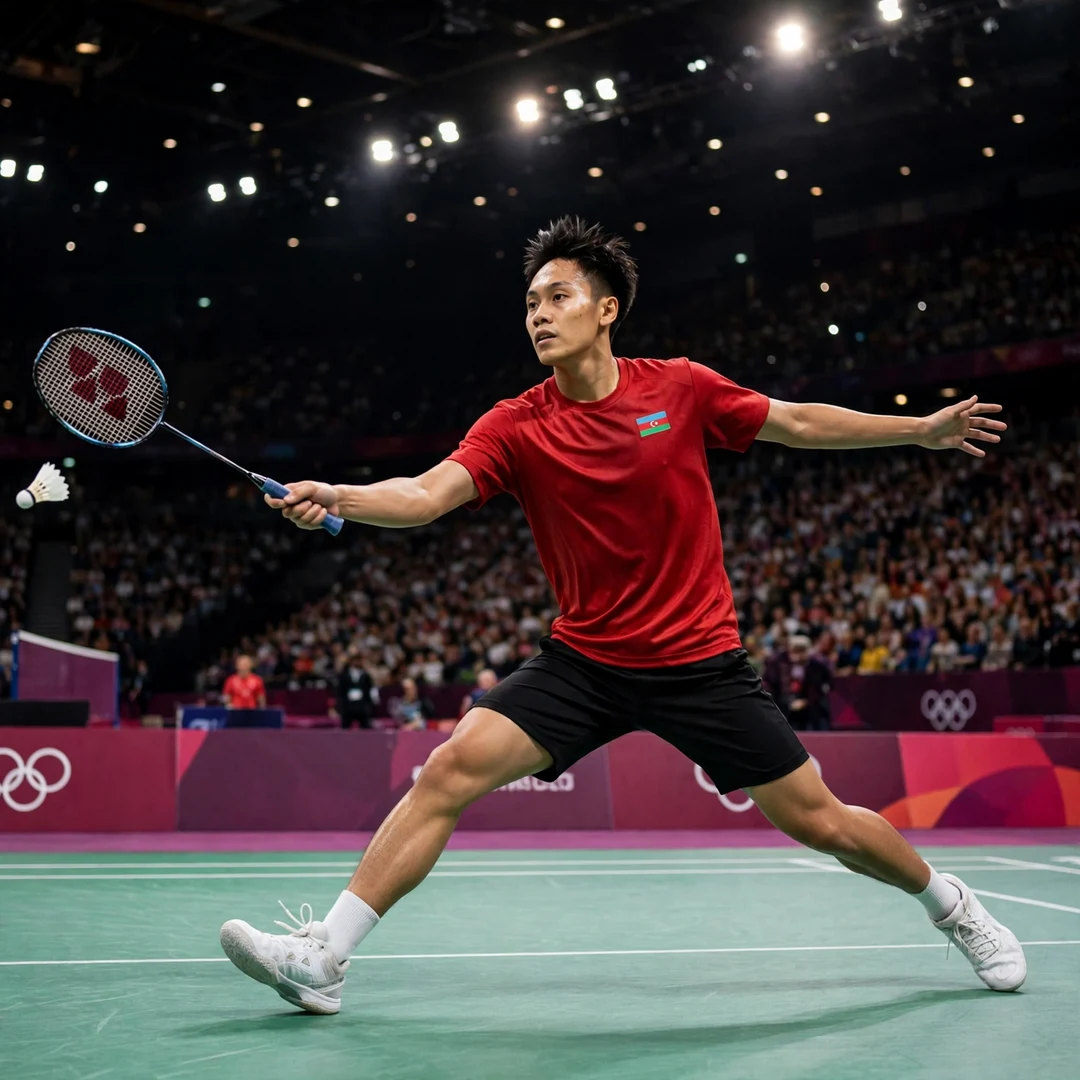
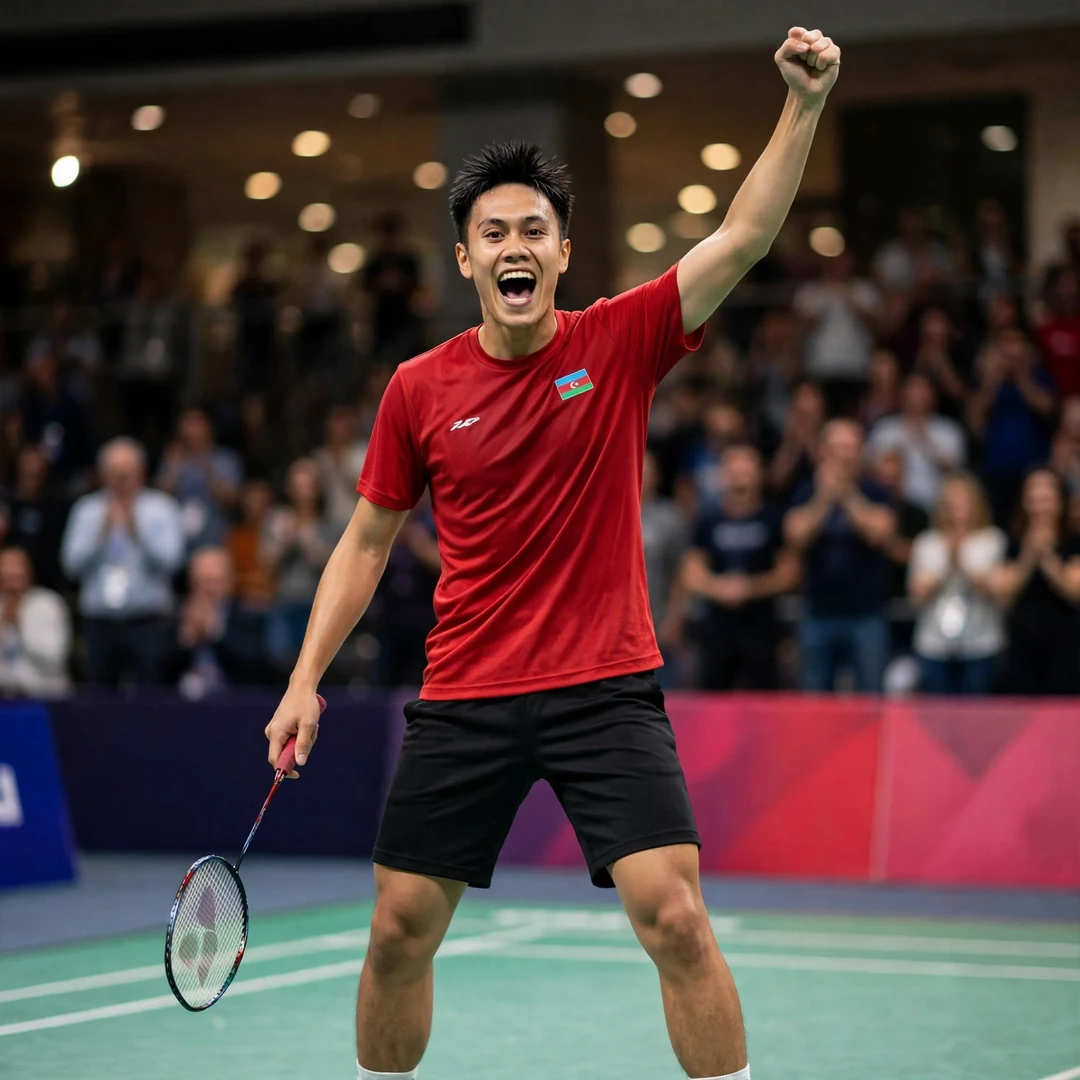
His finest hour came at the Paris 2025 World Championships. Drawn against Japan’s Koki Watanabe, the world No. 19, in the round of 64, Dwicahyo — ranked No. 91 in the world that week — produced one of the tournament’s two great early upsets, winning 21-19, 21-18. Chinese news agency Xinhua described a player who grew in confidence as the match went on and controlled it throughout; Azerbaijan’s own federation called it a historic day, with their man the country’s lone player in the round of 32.
‘I played with nothing to lose,’ Dwicahyo said afterwards. He admitted he had lacked confidence before the match: a talk with his coach, a good warm-up, and the nerves settled — then he went out and beat a top-20 star in straight games. Behind the win sat serious preparation, including a month-long training camp in Malaysia. His run ended in the next round against Indonesia’s Jonatan Christie, his former training partner from his Indonesian days — a full-circle moment for the player who left, against the star who stayed.
The seasons since have kept him in the fight. He reached the final of the Bonn International in 2025, losing a three-game title match to Canada’s Joshua Nguyen, and in October 2026 he reached the semi-finals of the Türkiye International Challenge in Istanbul, beating Denmark’s Mads Christophersen in a deciding-game quarter-final that ended 22-20 in the third before losing to William Bøgebjerg. There were wins too at the Dutch Open, the Belgian International and the Czech Open that autumn — and a low point in February 2026, when injury forced him to withdraw from his home Azerbaijan International in Baku.
Career Milestone #4
Career-High World No. 56
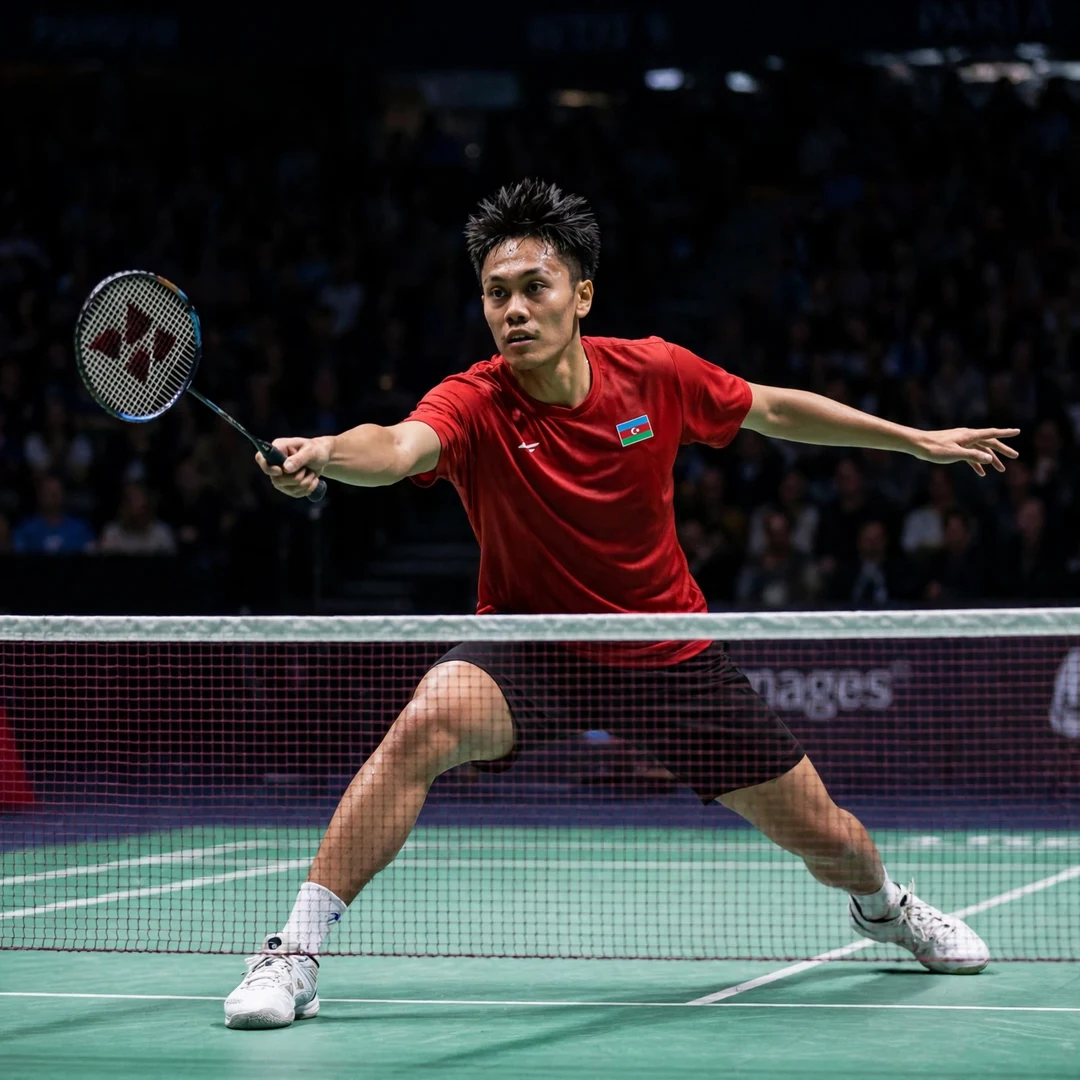
Dwicahyo reached his career-high singles ranking of world No. 56 on 27 August 2024 — the summit, so far, of the Azerbaijani project he leads. In doubles he peaked at world No. 63 in February 2019 alongside Azmy Qowimuramadhoni. In the Week 43 rankings of 20 October 2026 he stands at No. 100 with 19,937 points, as his oldest results rotate out of the 52-week window — the familiar arithmetic of the circuit, and the reason his autumn schedule stays so full: every week is a chance to climb again.
A career this long teaches hard lessons about the body. Dwicahyo has been on the international tour since 2014, much of it playing singles and doubles in the same week, crossing continents for the smaller events where ranking points live. The injury that stopped him in Baku in 2026 was a reminder every veteran learns: durability is a skill. Managing entries, travel and recovery — choosing which weeks to peak for — is as much a part of his professional craft now as any shot he owns.
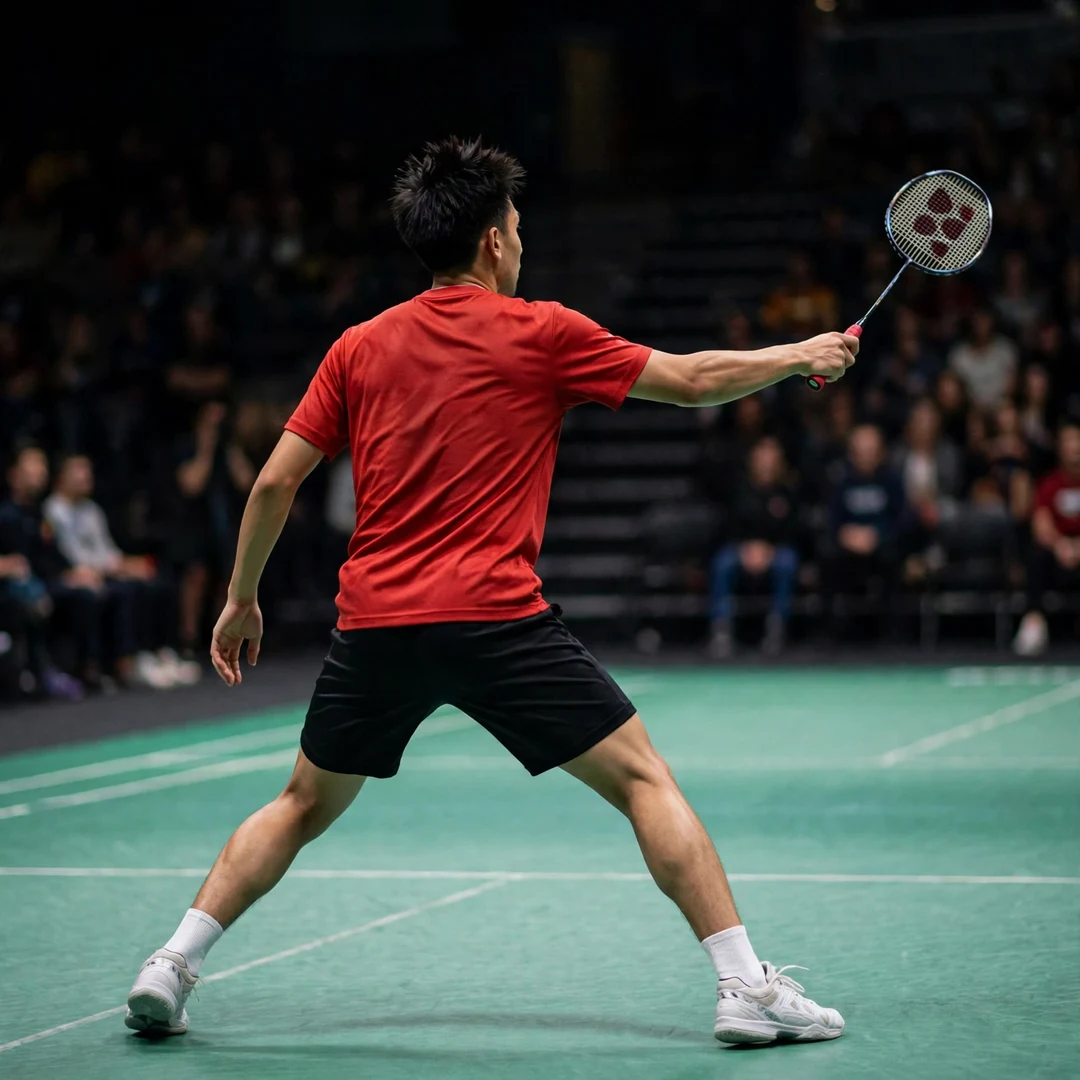
Playing Style
The Relentless All-Court Style
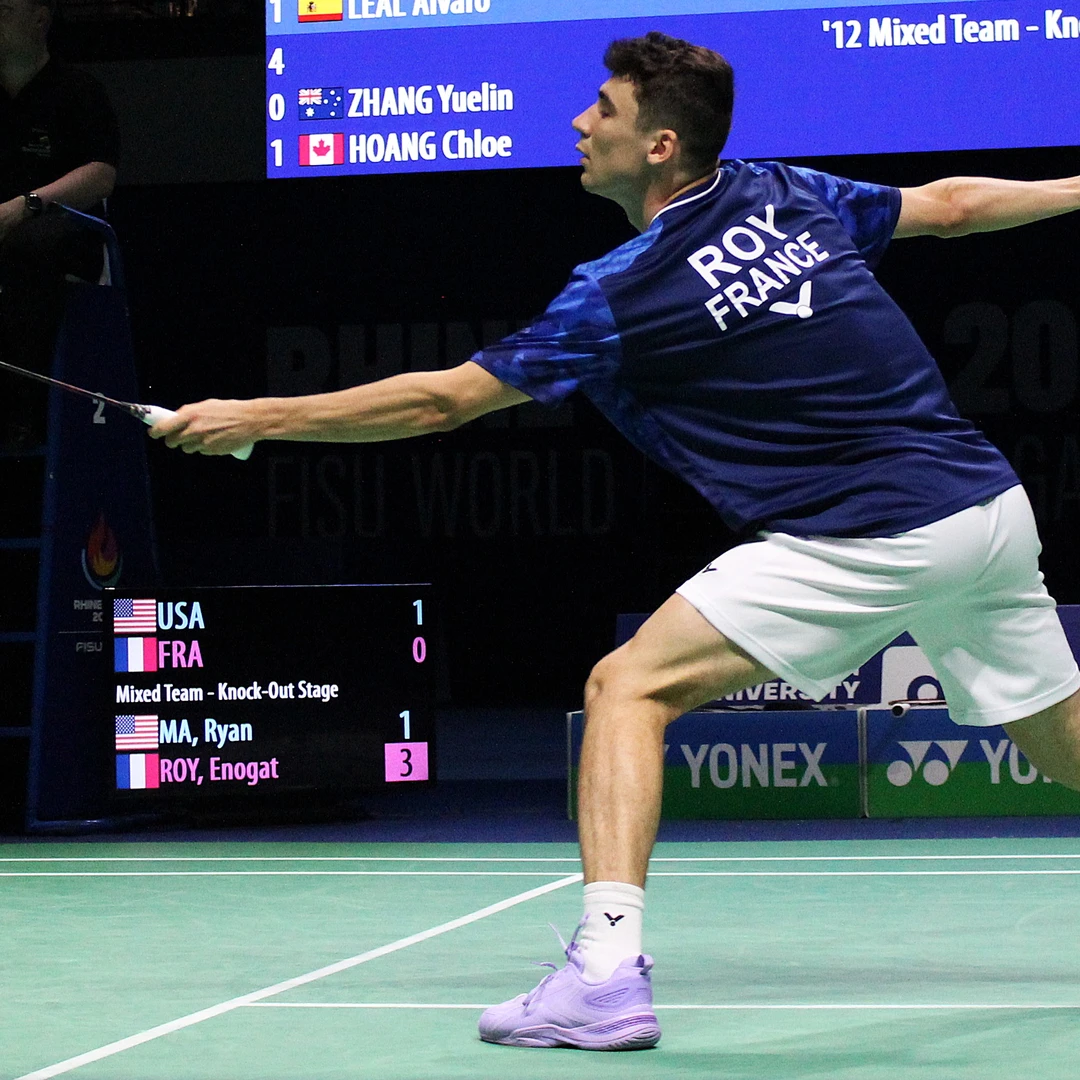
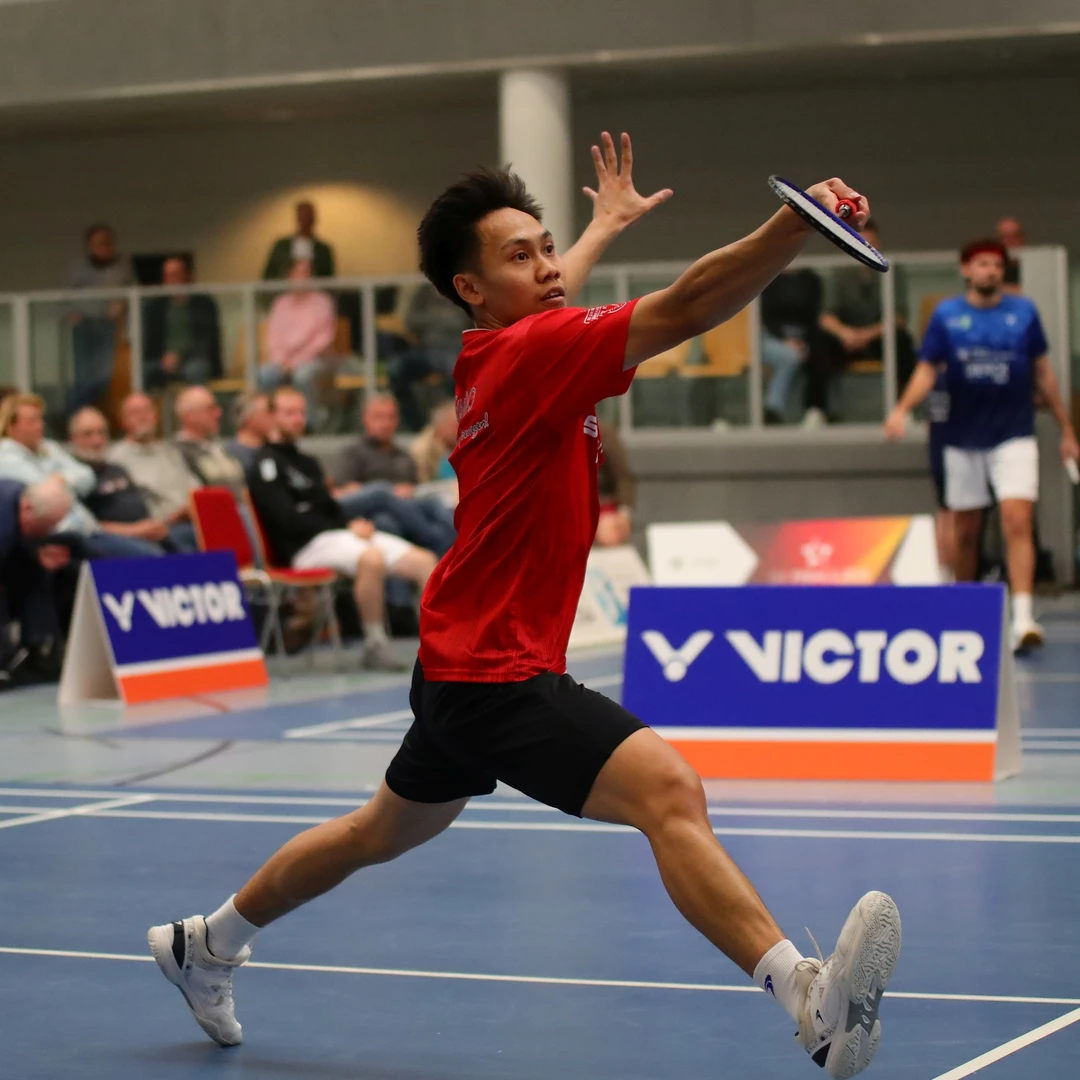
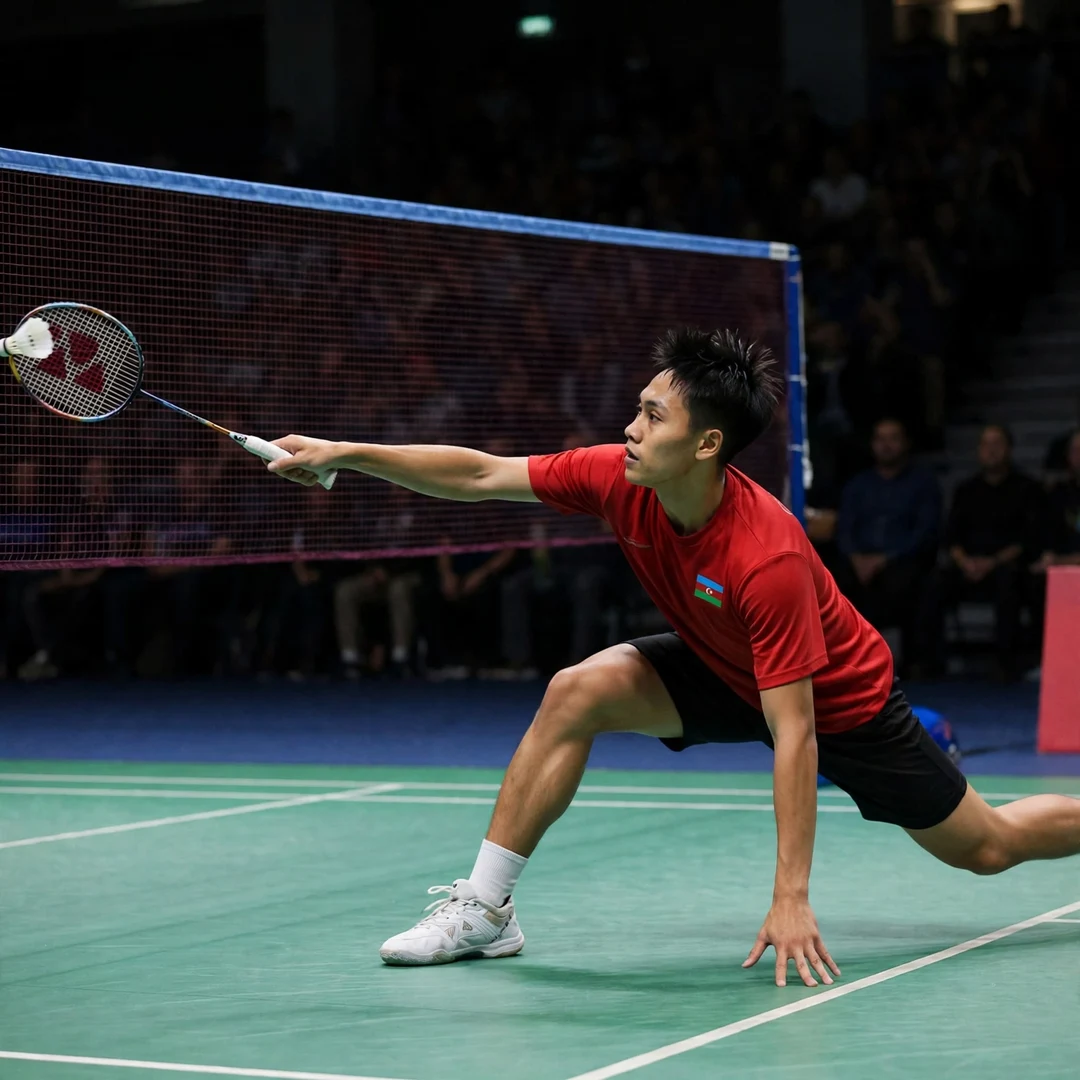
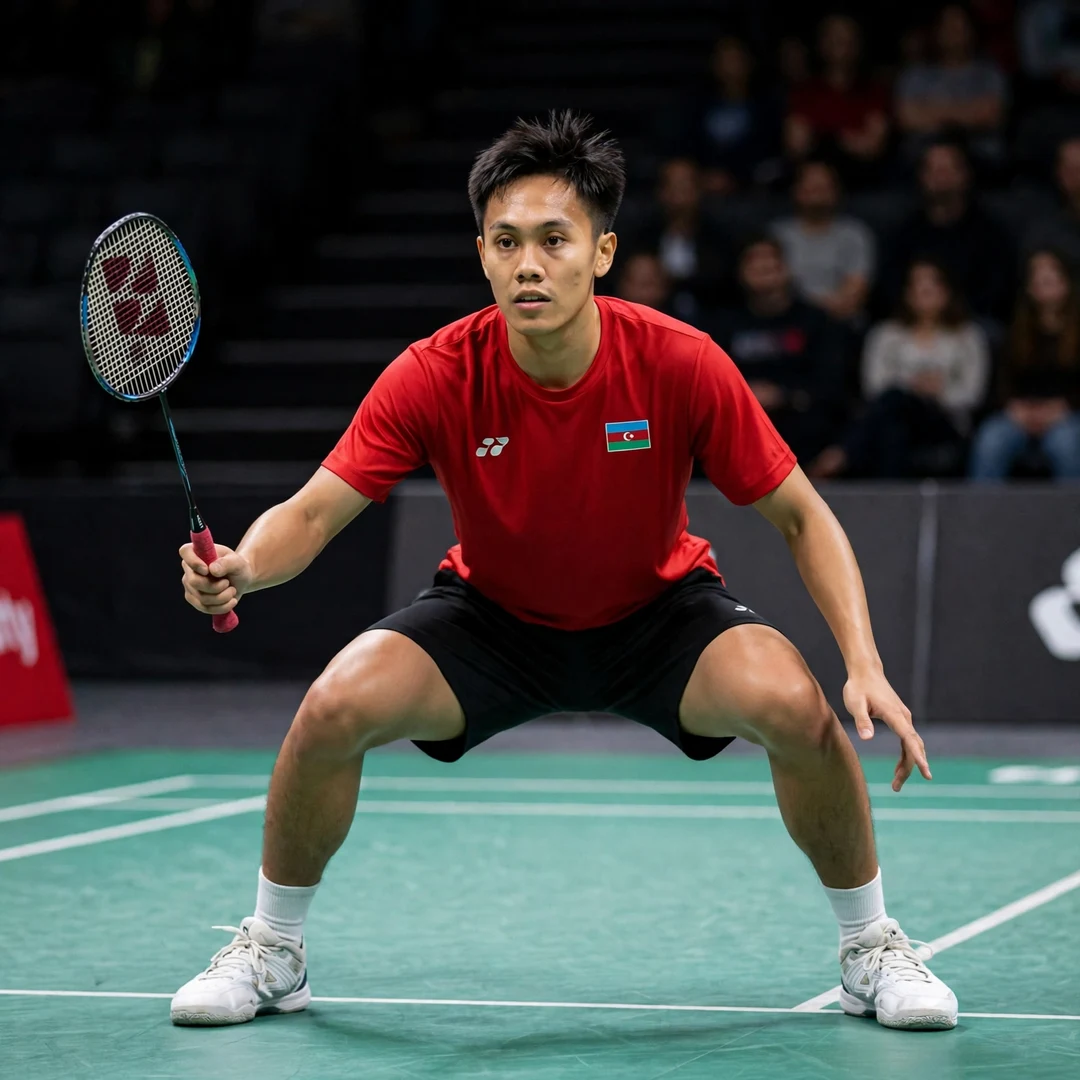
Dwicahyo plays the game the Indonesian way: a complete, right-handed all-court style built on speed. His flat drives rush opponents, his defence turns pressure into counter-attack, and his attack — steep smashes and deceptive holds at the net — is set up by footwork rather than raw size. At 1.74 m he is not the tallest man on tour, so he wins points the smart way: moving the shuttle early, taking it in front of his body, and refusing to give tall attackers the loose lifts they feed on.
His weapons sit on deep fundamentals. Years of Indonesian junior coaching gave him clean technique that survives tired legs and long third games; years of carrying a nation’s hopes alone gave him rally patience. Watch his Paris win over Watanabe and the pattern is clear: long, controlled rallies, sudden changes of pace, and an error count that stays low when the score tightens. It is a style built from skills any committed junior can train — which is exactly why coaches love using him as a teaching example.
Young players studying his matches should watch three things. First, how he takes the shuttle early at the net, turning defence into attack in one step. Second, how his clears and lifts stay deep and safe even when he is stretched — he almost never donates a mid-court gift. Third, his body language after losing a rally: no drama, a breath, and straight back to work. Consistency like that is not talent; it is a habit built over thousands of training hours, and it is available to any student willing to build it.
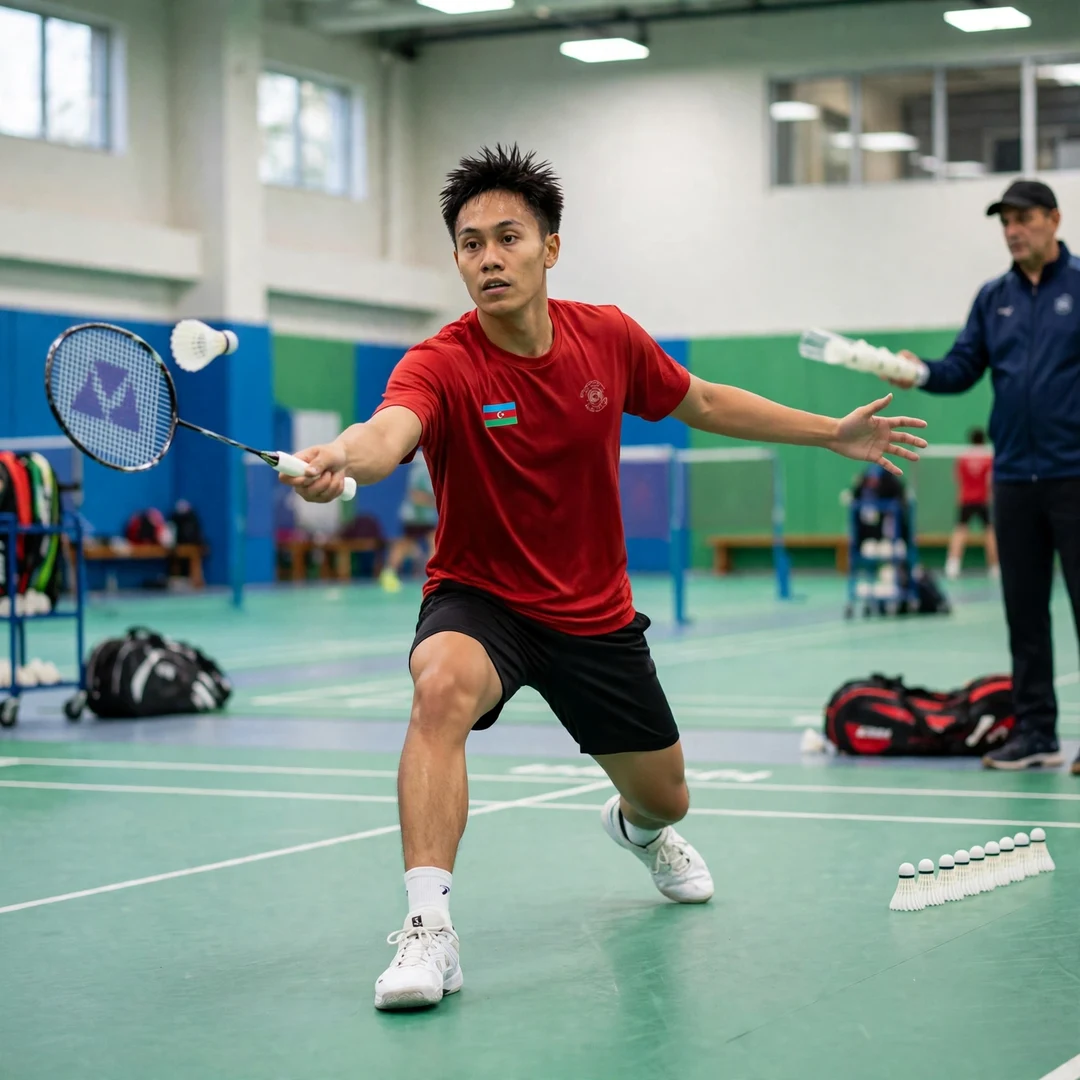
Mental Strength
Belief, Patience and the Flag-Bearer’s Mindset
Above all, Dwicahyo demonstrates what belief looks like when it costs something. Leaving Indonesia meant leaving family, language and the best training environment in world badminton, for a country where he would have to be his own inspiration. Many players talk about backing themselves; he actually did it, as a young hopeful with no guarantees. When young athletes say the door is closed to them, his career is the counter-argument: sometimes you do not wait for a door — you move to where you can build one.
His setbacks were answered the same way. In his first Azerbaijani season he lost the Kharkiv final — then won five titles in the months that followed. Before Paris 2025 he doubted himself — then talked it through with his coach and beat a top-20 player. Injury stopped him at home in Baku in 2026 — and by October he was in an Istanbul semi-final. The pattern is the lesson: a defeat, an honest conversation, an adjustment, and back to work. Resilience, in his career, is not a slogan; it is a routine.
Practical lessons from his journey include taking the opportunity that actually exists instead of the one you wish existed, mastering fundamentals before chasing fame, treating every small tournament like a final — his titles came in Minsk, Cairo, Manama, Gaborone, Lusaka and Algiers, not in famous arenas — and staying patient across a career measured in decades, not seasons. None of these lessons requires a famous academy or a big budget; they require honesty, courage and a training plan.
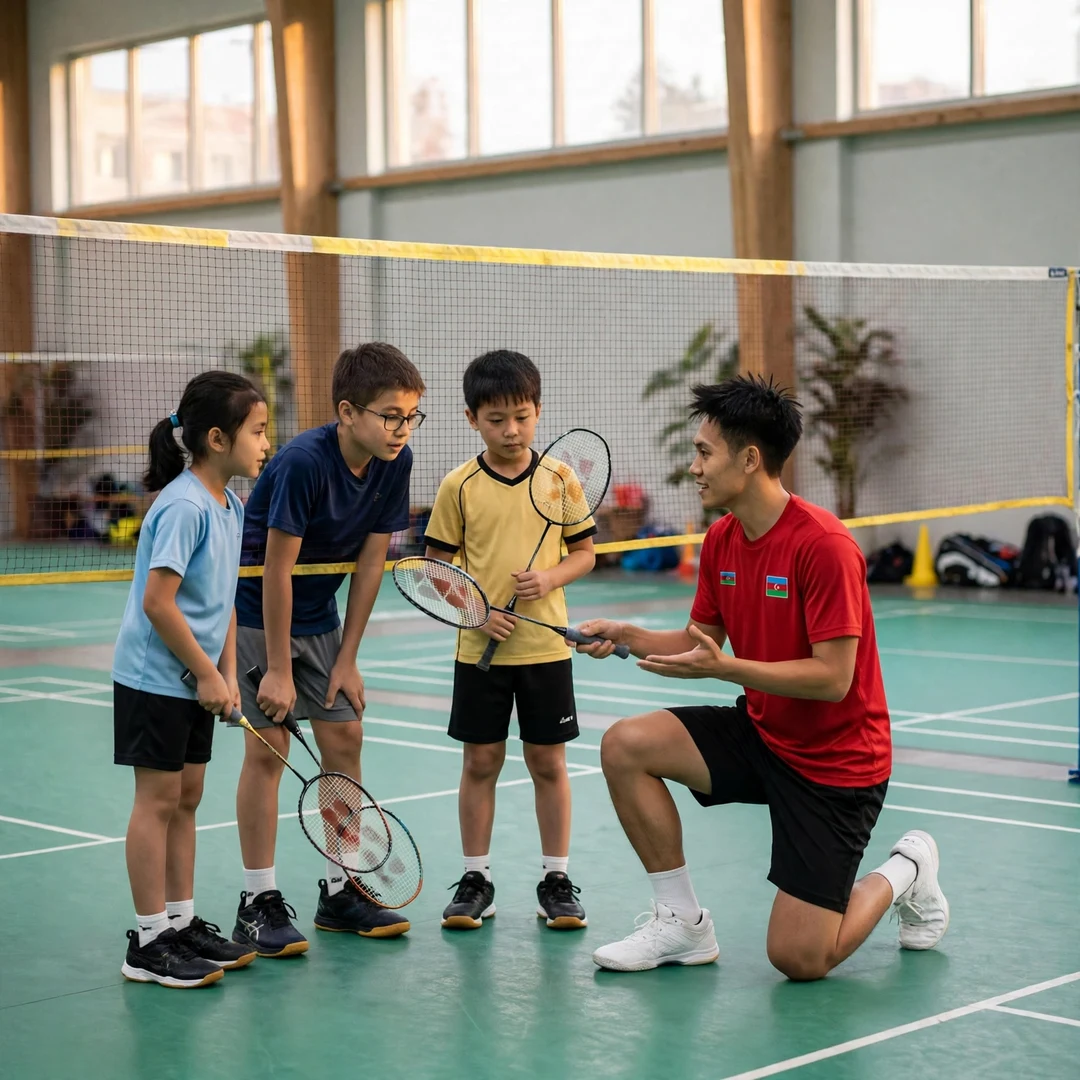
Learning Reference
ST Badminton Academy Connection
ST Badminton Academy has no official partnership or endorsement from Ade Resky Dwicahyo. He is not connected with our academy, and this profile is published purely as an educational case study for parents and junior players who want to understand how a player can rebuild a career in a new country and reach two Olympic Games.
Many of our students from Malaysia and visiting learners from Singapore study his matches to understand the power of persistence: how a player outside Indonesia’s elite group still reached world No. 56, how a month of focused preparation in Malaysia set up the biggest win of his life, and how a one-man team keeps a small nation’s flag in the world top 100 year after year. His Paris 2025 upset is required viewing in our discussions about self-belief.
We encourage our students to observe his rally construction, his early net play and his calm resets after lost points — and to notice where his titles were won: in the sport’s smaller halls, far from television cameras, one hard week at a time. Champions are not only made in the famous academies of Jakarta or Kuala Lumpur; sometimes they are made by a boy from Kendari who was brave enough to start again in Baku.
FAQs: Ade Resky Dwicahyo Azerbaijan Badminton Player
Here are answers to common questions about Ade Resky Dwicahyo’s career, achievements and what young players in Malaysia can learn from the Azerbaijani No. 1’s remarkable journey.
Who is Ade Resky Dwicahyo and which country does he represent in badminton?
Ade Resky Dwicahyo is an Azerbaijani professional badminton player competing in men’s singles. Born on 13 May 1998 in Kendari, Southeast Sulawesi, Indonesia, he represented Indonesia as a junior before becoming a naturalised Azerbaijani citizen in 2018. He is a two-time Olympian, a nine-time international singles champion and the long-time leader of Azerbaijan’s badminton programme.
What are Ade Resky Dwicahyo’s biggest badminton achievements?
Dwicahyo’s major achievements are his two Olympic Games appearances for Azerbaijan at Tokyo 2020 and Paris 2024, nine international singles titles — including five in his first season of 2018 — six international doubles titles with Azmy Qowimuramadhoni, a career-high world ranking of No. 56 in August 2024, a European Championships quarter-final in 2024, and his famous 2025 World Championships upset of world No. 19 Koki Watanabe.
What is Ade Resky Dwicahyo’s playing style?
Dwicahyo plays a right-handed all-court game in the Indonesian mould: fast flat drives, early net play, stubborn defence and a steep, deceptive attack. He does not rely on size or raw power; he controls rallies with placement and speed, keeps his error count low under pressure, and attacks when the opening is earned. It is a complete, trainable style rather than a highlight-reel one.
How has Ade Resky Dwicahyo performed at the Olympics?
Dwicahyo has played at two Olympic Games — Tokyo 2020 and Paris 2024 — carrying Azerbaijan into Olympic badminton for the first time in Tokyo. He bowed out in the group stage at both Games, but reaching consecutive Olympics required years of collecting ranking points across the world circuit, and he remains Azerbaijan’s most successful Olympic badminton player.
How can my child learn from Ade Resky Dwicahyo’s training approach?
Young players can study Dwicahyo’s approach by copying the habits behind his career: build complete fundamentals before chasing spectacular shots, take every competitive opportunity available instead of waiting for perfect ones, and prepare specifically for big matches the way he did before Paris 2025. At ST Badminton Academy we use his Watanabe upset as a video lesson in patience and self-belief, then train the same patterns in rally-building and net-play drills.
Did Ade Resky Dwicahyo win any junior titles?
No — Dwicahyo won no major junior titles. He represented Indonesia at the 2016 Asian and World Junior Championships without reaching the medal rounds, and every one of his fifteen international titles came as a senior, after his 2018 switch to Azerbaijan. His career is proof that a quiet junior record does not close the door to Olympic badminton.
What are Ade Resky Dwicahyo’s best World Championships results?
Dwicahyo has played five World Championships (2021, 2022, 2023, 2025 and 2026). His best results are four runs to the round of 32, highlighted by Paris 2025, where he beat Japan’s world No. 19 Koki Watanabe 21-19, 21-18 in the round of 64 — one of the tournament’s biggest upsets — before losing to his former training partner Jonatan Christie. He reached the last 32 again at the 2026 championships in New Delhi.
What playing style should young players learn from Ade Resky Dwicahyo?
Young players should study Dwicahyo’s complete game rather than one spectacular shot: the early net play that seizes control of rallies, the deep and safe defence that refuses to leak points, the flat drives that rush bigger opponents, and above all the mindset that treats preparation and patience as weapons. His game is built from trainable skills, which is why coaches love teaching from it.
Does ST Badminton Academy have any connection with Ade Resky Dwicahyo?
No, Ade Resky Dwicahyo is not a student, coach or ambassador of ST Badminton Academy. He represents Azerbaijan and is based within the Azerbaijani national programme. However, coaches at our academy in Kuala Lumpur regularly use his matches as teaching material, because his journey from Indonesian junior to two-time Olympian shows what courage, structured coaching and competitive persistence can achieve.
Ade Resky Dwicahyo Career Highlights
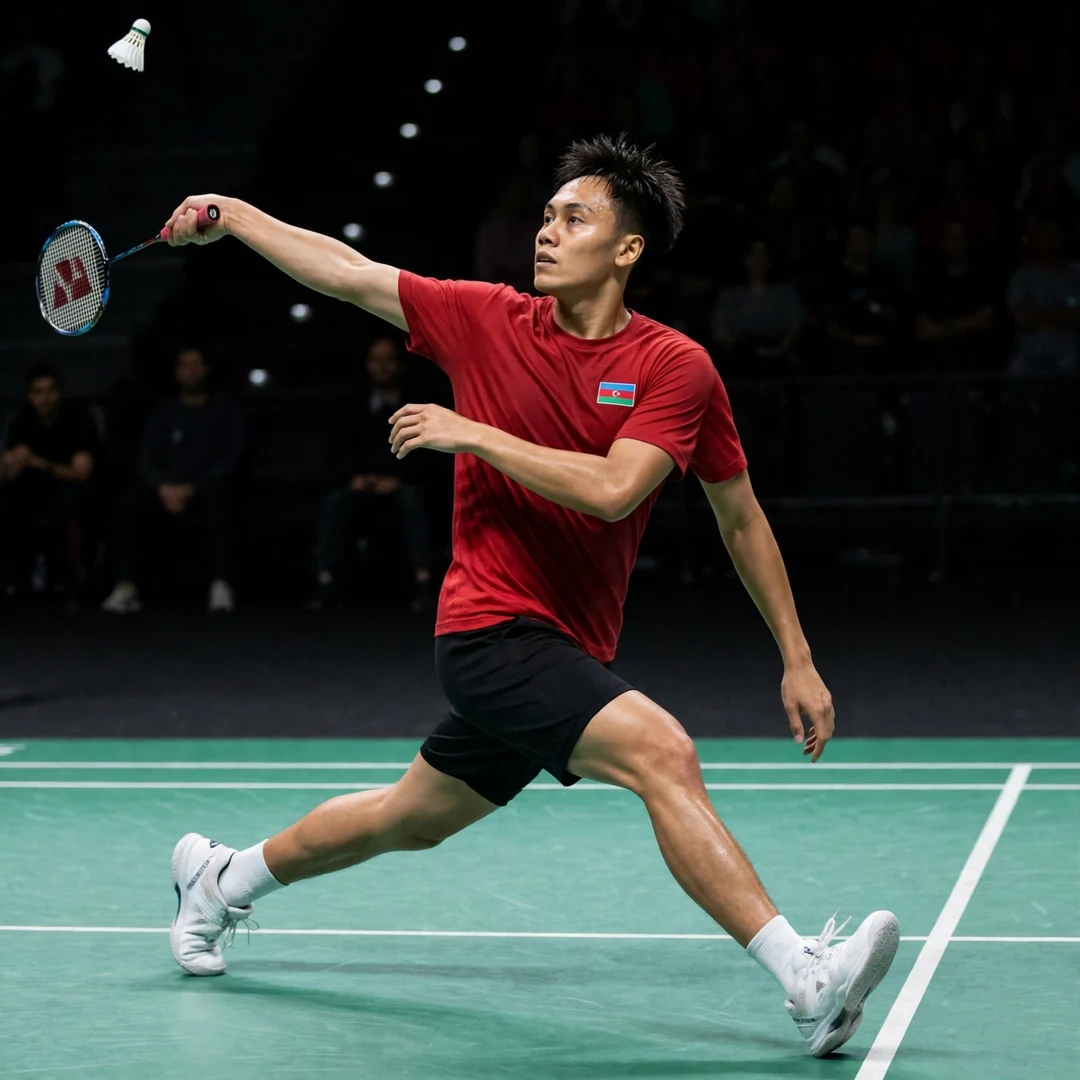
Career Statistics and Rankings
Ade Resky Dwicahyo, born 13 May 1998 in Kendari, Indonesia, has written one of badminton's most unusual success stories: an Indonesian junior who changed countries at 20, won five titles in his first season for Azerbaijan, carried his new nation to two Olympic Games, climbed to world No. 56, and at 28 is still beating top-20 players on the World Championships stage.
| Development Area | Common Misconception | What Ade Resky Dwicahyo's Career Shows REALITY |
|---|---|---|
| Junior Foundation | Talent alone decides who becomes a champion. | Dwicahyo came through Indonesia's junior system without a major junior title — his first titles only arrived as a senior, after he rebuilt his career with Azerbaijan. |
| Playing Style Priority | Kids should copy the flashiest attacking shots. | Dwicahyo built a complete all-court game first; his steep smashes are the finishing touch on fast flat drives, solid defence and clean Indonesian-schooled footwork. |
| Fitness Importance | Juniors can out-train everyone without rest. | Dwicahyo has played the world circuit since 2014 and still had to withdraw injured from his home Azerbaijan International in 2026 — managing the body, not just training hours, keeps a career alive. |
| Mental Approach | Top players never get nervous or upset. | Dwicahyo admitted he lacked confidence before facing world No. 19 Koki Watanabe in Paris — he talked with his coach, warmed up well, and won; mental skills are trained, not inherited. |
| Attacking Training | Smashing harder is always the answer. | His 21-19, 21-18 win over Watanabe at the 2025 World Championships came from controlled all-court placement and patience, not raw power. |
| National Milestones | Only world titles matter. | Dwicahyo's two Olympic appearances for Azerbaijan and his nine international singles titles made him the face of Azerbaijani badminton — milestones build a career step by step. |
| Career Timeline | Champions peak once and fade fast. | From Indonesian junior in 2016 to career-high world No. 56 and two Olympic Games a decade later, Dwicahyo proves sustained development beats a short peak. |
Study Ade Resky Dwicahyo's Work Ethic and Professional Approach
This profile explains who Ade Resky Dwicahyo is, his major achievements, and what developing players can learn from his journey. Whether you are a parent in Kuala Lumpur, Cheras or anywhere in Malaysia wondering whether your child is in the right place to succeed, Dwicahyo's story carries the answer: with the right coaching, courage and enough honest work, the pathway can be built — book a trial class with ST Badminton Academy on WhatsApp at +60 17-684 2136 and let your child begin a development journey built to last.