Best Badminton Class in KL: Handling a Score Disagreement Calmly
When children disagree about a badminton score, pause the discussion and separate what is known from what is uncertain. Ask the responsible coach how the activity’s actual scoring arrangement applies, then help the learners return to a clear next action. A louder argument does not establish the correct score. Families searching for the best badminton class in KL may want their child to learn how to handle small disagreements as well as practise shots. This guide discusses a calm classroom response for badminton class for kids enquiries at ST Badminton Academy in Kuala Lumpur. It does not prescribe a current competition scoring system; the coach or organiser should confirm the format being used. Images are AI-generated educational illustrations showing generic people, not photographs of Eric Chuar or actual students.

Pause the argument
What should happen before children keep disputing the score?
Help the learners stop talking over each other and use the activity’s agreed route for asking the coach. The response needs to fit the actual supervision arrangement. This does not mean a parent should step onto a playing area or take over every small disagreement. A child can learn a simple way to signal that the score is unclear. The immediate purpose is to make the question understandable, so the responsible adult can consider it and explain the next step.
Keep the language about the situation rather than the child’s character. ‘We disagree about the score after that rally’ identifies a problem. Calling someone dishonest before the sequence has been understood adds an accusation without settling the question. A disagreement can involve memory, an unclear announcement or different assumptions about the task. Listen to what each learner believes happened. The adults can guide respectful communication while avoiding a permanent label based on one uncertain point.

Describe the known sequence
Which information can help the coach understand the question?
Ask what score was last clearly agreed and what the learners remember happening afterwards. State uncertainty openly rather than fill the gap with a confident guess. A hypothetical example might concern whether both children heard the same score before a rally. That is a communication question, not proof that one learner intended to gain an advantage. The responsible coach can decide what information is relevant to the actual activity. Keep the explanation brief enough to serve that purpose.
Children do not need to present a formal case against each other. A useful account names the moment in question and the part they know. Avoid recruiting friends to support one side or asking spectators to shout competing versions across the court. More voices can make a simple question harder to understand. The learner should be able to explain their own recollection without being pressured to claim certainty. A clear account supports a fair discussion while leaving the decision with the person responsible for the activity.

Confirm the actual format
Which scoring arrangement applies to this activity?
Ask the coach or organiser about the format actually being used. A teaching activity may have an arrangement chosen for its purpose, and an organised event may have specific current conditions. Do not assume a remembered competition system answers every class question. This article avoids giving a points total or service rule that could be irrelevant or outdated. The learner needs an explanation connected to the activity in front of them and the next action they should take.
If the children understood the arrangement differently, clarify it before continuing. Ask what information should be announced or checked at the suitable moment. The explanation should help the learners recognise the current task, not only settle this argument. Parents can support a clear question without replacing the responsible coach’s judgement with an online rule remembered from another setting. Current event conditions and classroom instructions should be confirmed with the appropriate organiser, rather than inferred from the word ‘badminton’ alone.

Keep discussion respectful
How can a child disagree without accusing a classmate?
Give the learner a simple factual opening: ‘I remember a different score. Can we check the last score we both agreed?’ Adapt the wording to the child rather than require a fixed script. It invites clarification without insisting the other person is lying. The child can state their recollection and acknowledge what they do not remember. A calm question is more useful than winning a shouting contest, and it allows the responsible coach to explain an appropriate next step.
Respect also includes listening when the other learner describes their memory. Listening does not require pretending to agree, but it helps identify where the accounts differ. Avoid teaching children that politeness means never raising uncertainty. Equally, disagreement does not give permission to insult others or delay every activity indefinitely. The coach can guide both the communication and a return to participation. Parents should reinforce the actual agreed route rather than encourage a public argument over who deserves to win.

Return to a clear next action
How does the coach connect the resolution to learning?
After explaining the relevant decision or arrangement, make the next action clear. The learner should understand how the activity resumes, using the format confirmed by the responsible adult. This guide does not prescribe a universal solution when the sequence cannot be reconstructed. Ask what the current programme does in that situation. The important teaching connection is between the question, the explanation and a workable return to the task, rather than leaving the children to negotiate an improvised rule under pressure.
Check that both learners understand what is happening next through a suitable explanation. A child may accept the adult’s decision while still not understanding the arrangement. That uncertainty can be addressed without reopening every recollection as a debate. Ask which part needs clarification and keep it connected to the activity. The aim is not a promise that disagreements will never occur. It is a recognisable process children can use when they do, with responsibility for the programme remaining with the coach.
Do not make a score issue erase the rest of the lesson. The next task may still involve a cue or learning question the coach was teaching before the disagreement. Once the practical resolution is clear, reconnect to that purpose. Parents can ask about a persistent communication difficulty later if needed. A small dispute should not automatically become proof of poor ability, poor character or an unsuitable academy. The actual handling and what happens afterwards offer more relevant information than the argument alone.
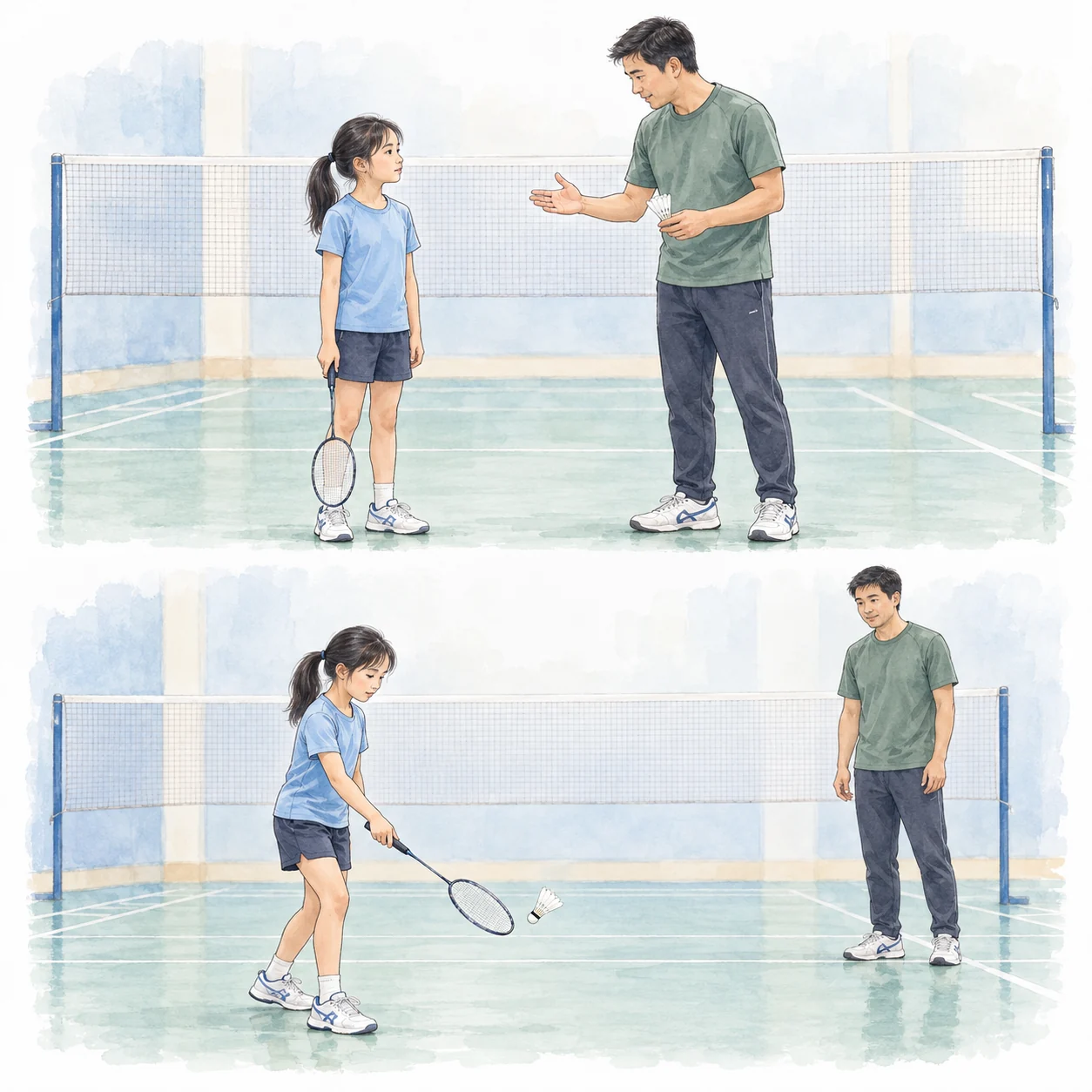
Review a recurring difficulty
What if score disagreements happen repeatedly?
Bring a specific pattern to the responsible coach at an appropriate time. Are learners unsure how to announce the score, remembering different starting information or using an arrangement they have not understood? Those possibilities need observation rather than an immediate character judgement. Describe actual examples and ask what teaching or organisational response may help. The provider can clarify the activity without sharing other children’s private records. Repeated disputes deserve attention, but the response should still be tied to the actual question.
Keep the child’s account available without making them responsible for investigating classmates. Ask what was unclear and how they tried to request help. The adults can discuss a suitable communication process and practical supervision arrangement. Do not publish clips or a public ranking of children’s honesty to settle the issue. A useful follow-up asks whether the agreed process became clearer in later appropriate opportunities. It should support participation rather than create a new competition about who wins every discussion.

Assess the teaching response
What does this reveal when choosing badminton training in KL?
When comparing classes, ask how the programme teaches children to raise uncertainty and how the actual activity format is explained. Notice whether a disagreement receives a clear response and whether the learners can return to a meaningful task. Credentials and playing achievements can provide context for the coach, but they do not settle how this interaction is handled. A former national player may guide it carefully; another teacher may also communicate clearly. The relevant evidence is the actual explanation and response to the learners.
An ST Badminton Academy enquiry can include the child’s experience and a specific question about communicating during scored activities. Ask how the current Kuala Lumpur programme handles clarification and parent concerns. Confirm the actual activity or event format with the responsible coach or organiser. The application starts a conversation of suitability; it does not guarantee a particular competition system, class place or learning result. A clear communication route helps families consider the class as a place to learn both the task and a respectful way to ask about uncertainty.
Score disagreements in a badminton class
Keep the known sequence, actual format and next action clear. The responsible coach or organiser should confirm the applicable arrangement; this guide does not state current competition rules.
What should a child do when the score is disputed?
Use the agreed route to ask the responsible coach and describe the uncertain moment calmly. State the last score clearly remembered and acknowledge any gap. Avoid accusations or a shouting contest. The adult can consider the actual activity and explain an appropriate way to continue.
Does a different recollection prove dishonesty?
No such conclusion follows automatically. The learners may have heard different information, misunderstood the arrangement or remembered the sequence differently. Identify the actual uncertainty before labelling a child. Respectful communication helps the coach understand the question and guide the next action without a public judgement of character.
Which scoring system should we use in class?
Ask the responsible coach about the format for the actual activity. An organised event’s current conditions should be confirmed with its organiser. Do not assume a remembered competition system settles every teaching task. This article deliberately gives no universal points total or service instruction for all situations.
What information helps explain the disagreement?
The last clearly agreed score, the moment in question and what each learner actually remembers. Keep uncertainty visible instead of guessing confidently. A brief factual account is more useful than collecting a crowd of competing opinions. The responsible adult decides what information is relevant to the particular activity.
How can a child disagree respectfully?
State the different recollection and ask to check the point that is unclear. Listen to the other learner without pretending agreement. A question should describe the situation rather than insult the person. Use wording suited to the child and the programme’s actual route for clarification.
What if the sequence cannot be reconstructed?
Ask how the current programme handles that situation. This guide does not prescribe a universal resolution. The responsible coach should explain the relevant decision or arrangement and the next action. The learners need a clear return to the task rather than an improvised rule negotiated while they are upset.
Does accepting a decision prove the child understood the format?
Not necessarily. The learner may accept the outcome while still being unsure how the activity works. A suitable explanation can clarify the remaining point without restarting every argument. Ask what should be checked or announced next, connected to the actual arrangement chosen by the coach.
What should parents do about repeated disputes?
Describe specific examples at a suitable time and ask which communication or organisational point needs attention. Avoid a fixed judgement of character or a public ranking of children. The follow-up should ask whether the agreed process becomes clearer in later appropriate activities, while the coach retains responsibility for the programme.
How can I enquire with STBA about scored activities?
Share the learner’s experience and the particular communication question. Ask about current Kuala Lumpur class arrangements and how clarification is handled. Confirm the actual format with the responsible coach or organiser. An application begins an enquiry; it does not establish competition rules, guarantee a place or promise a result.
Teaching illustrations: a calm question and a clear return to play
Four steps for discussing a score uncertainty
Pause the argument using the activity’s agreed communication route. Describe the last known information and the point that remains uncertain. Ask the responsible coach how the actual format applies, then clarify the next action. Keep recollections separate from accusations and leave room for a learner to ask about the arrangement. A useful resolution supports a return to the teaching task without making children responsible for adult decisions or public judgements.
| Situation | Adds conflict | Supports clarity Compare the response |
|---|---|---|
| First response | Talk over each other until someone gives up | Pause and use the agreed route for help |
| Recollection | Treat a difference as proof of dishonesty | Describe the known sequence and uncertainty |
| Applicable format | Assume remembered rules settle every task | Confirm the actual activity with the responsible person |
| Learner’s question | Insult a classmate or recruit spectators | State the uncertain point respectfully |
| Next action | Leave children to invent a resolution under pressure | Explain how the relevant task continues |
| Recurring concern | Publish a ranking of children’s honesty | Discuss factual examples and the agreed process |
Discuss a suitable badminton class in KL for your child
Tell ST Badminton Academy about your child’s experience and a specific question about asking for clarification during scored activities. Enquire how the current Kuala Lumpur programme explains its tasks and handles a longer parent concern. Confirm the actual format with the responsible coach or organiser. The application opens a discussion of suitability; arrangements and availability require confirmation. A clear process can help the learner return to practice after a disagreement.