Chinese Taipei Men’s Singles Badminton Star
Wang Yu-Kai

Chinese Taipei
Player Event: Men’s singles
From Chinese Taipei · Born: 6 October 2004 · Right-handed
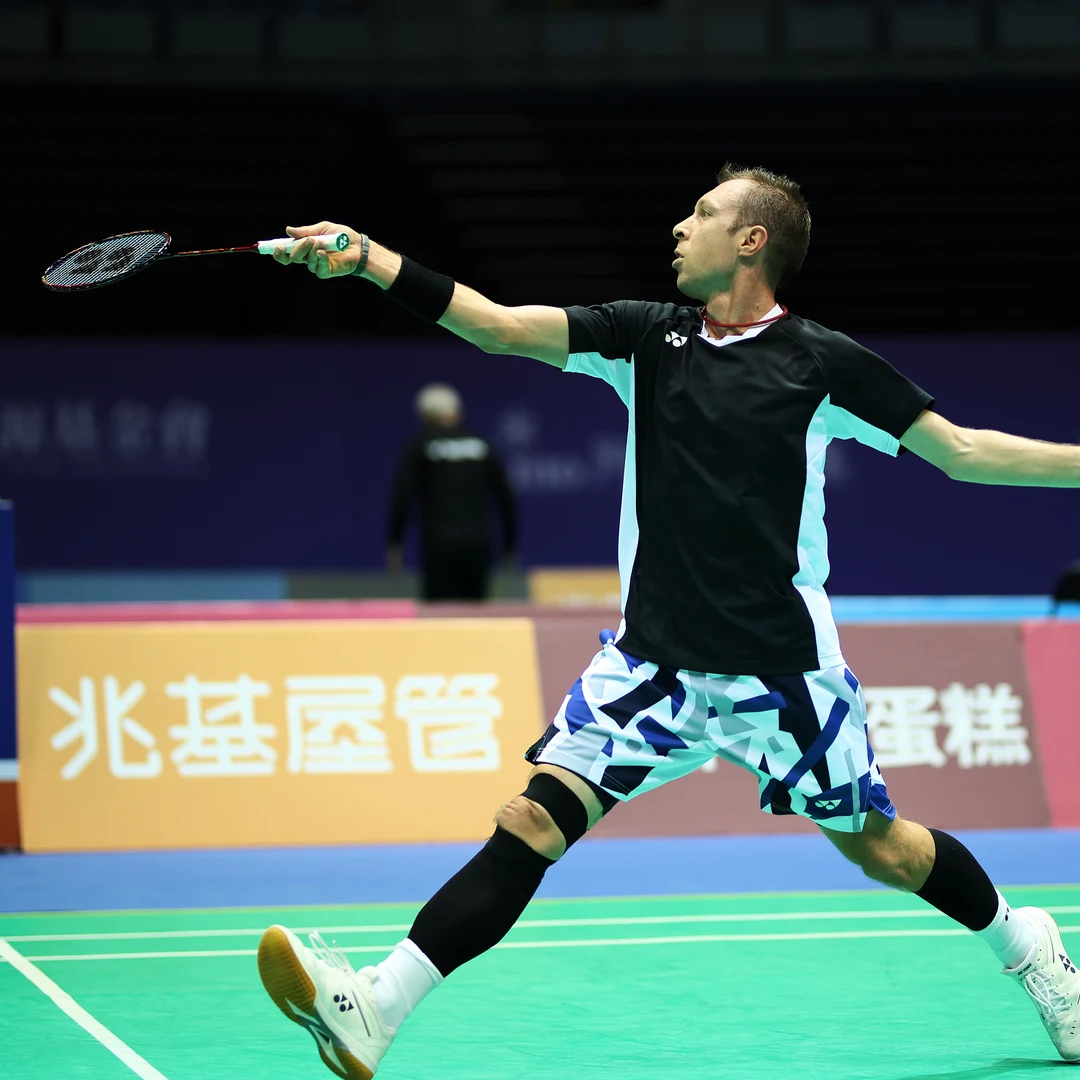
Playing Style: Right-handed rallying all-rounder who wins with tight net shots, deep clears and the patience to absorb pressure
Known For: Winning the Sydney International 2025, reaching three Super 300 quarter-finals in 2026 and breaking into the world’s top 50 at 21 years old
Journey: Rende Junior High, Tainan · Asia-Pacific University of Taipei team · Sydney International champion · Career-high world No. 50
Understanding Wang Yu-Kai (Chinese Taipei Badminton Star)
Wang Yu-Kai is a Chinese Taipei men’s singles badminton player who stands at world No. 68 in the BWF rankings (Week 43, 20 October 2026) with 26,580 points. At 21, he is one of the quiet achievers of the 2026 season: a Sydney International champion, a three-time finalist on the international circuit, a quarter-finalist at three different Super 300 World Tour events in a single year, and — for one week in September 2026 — a member of the world’s top 50, reaching a career-high of No. 50. He has no junior titles and no famous surname to trade on. Everything on this page was earned the slow way, one small tournament at a time.
Early Life and the Taiwan School Circuit
Wang Yu-Kai was born on 6 October 2004 and came through Taiwan’s schools badminton system, the grassroots pathway that feeds the island’s famous senior team. As a student at Rende Junior High School in Tainan, he was already reaching the closing rounds of national junior events — footage from January 2019 shows the 14-year-old Wang contesting the junior-high boys’ singles semi-finals at the Shude Cup, one of Taiwan’s big school-age tournaments. There was no international junior career and no teenage hype; his was an ordinary, local beginning, which is exactly what makes the rest of the story useful for young players.
University Badminton with the Asia-Pacific Taipei Team
His development base is the Asia-Pacific badminton team attached to the University of Taipei — the squad he represents in Taiwan’s domestic events as a university player. Domestic competition in Chinese Taipei is ferociously deep: at the first national ranking tournament of 2026, Wang finished fourth in the men’s singles A-grade, in a draw won by Chi Yu Jen and filled with World Tour regulars. Training and competing inside that environment — against senior internationals every week — is the engine behind his rise.
First Senior Steps: A First Final in Vietnam
Wang’s first senior international steps came in Vietnam in the autumn of 2024. At the FELET Vietnam International Series he reached the semi-finals, and at the Li-Ning Vietnam International Series a few weeks later he went one better, reaching his first senior final and finishing runner-up at the age of 20. Two tournaments, two trips to the final weekend: the results were worth modest ranking points, but they proved his school-and-university game travelled — he could win matches on the senior circuit, away from home, against adults.
The 2025 Grind and a Semi-Final in Auckland
Through 2025 Wang served the apprenticeship every professional knows: the early rounds of Asia’s Super 100 and International Challenge events. Singapore, Hanoi, Ruichang, Baoji, the Vietnam Open, the Kaohsiung Masters — again and again he landed in the round of 32, collecting points, experience and scouting reports while his ranking climbed from the 130s towards the top 100. Nothing about those months was glamorous, and that was the point: week after week of first-round and second-round matches is where a young professional learns travel, recovery, unfamiliar halls and unfamiliar opponents.
Career Milestone #1
Sydney 2025: A First International Title
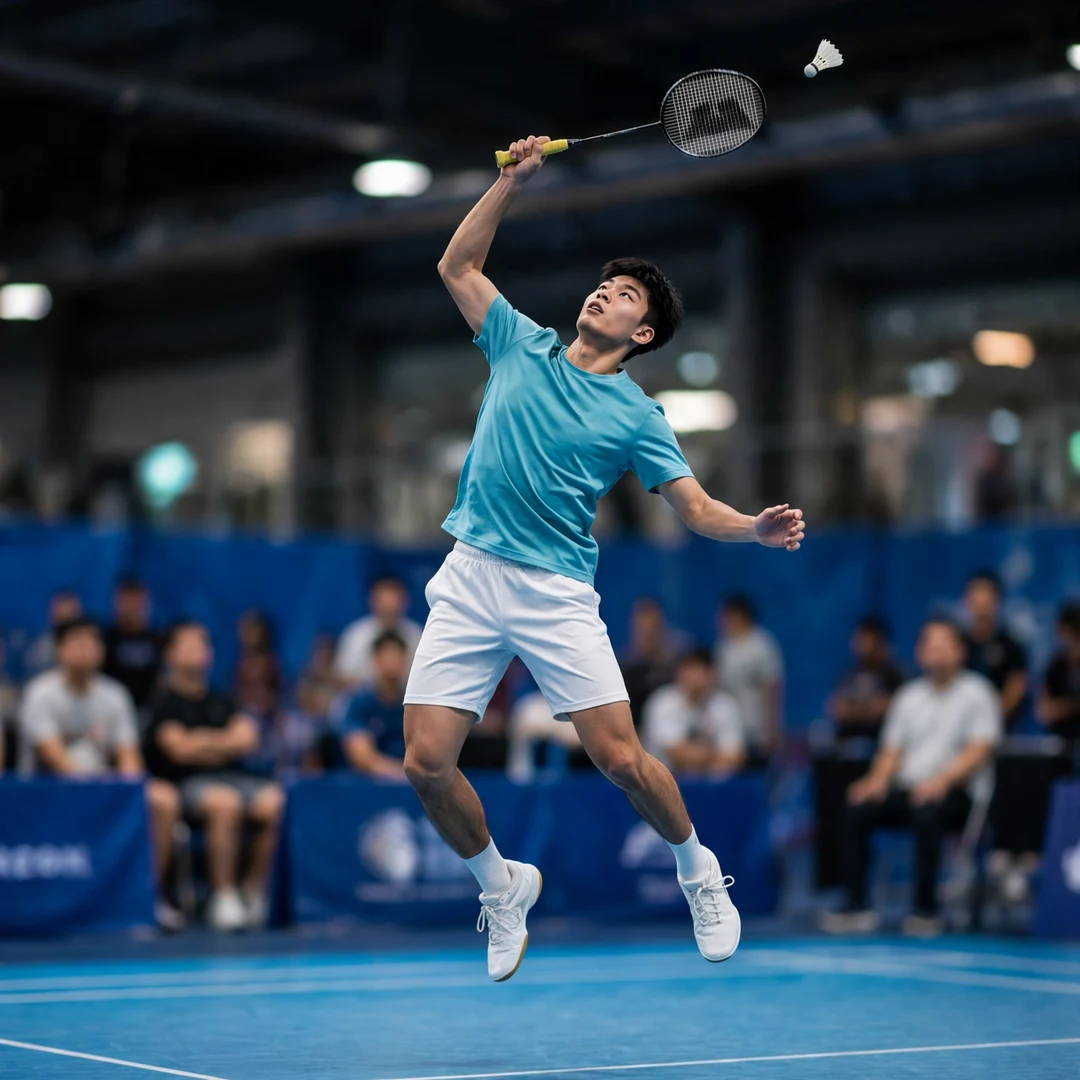
Then, in October 2025, the Oceania swing changed everything. Wang flew to New Zealand for the North Harbour International in Auckland and reached the semi-finals — his best result of the year to that point — before losing a three-game battle to compatriot Ting Yen-Chen 18-21, 21-9, 15-21. A semi-final in Auckland, a ranking on the rise, and one very fresh scouting report on the player standing between him and a first title. A week later in Sydney, he would meet the same player again.
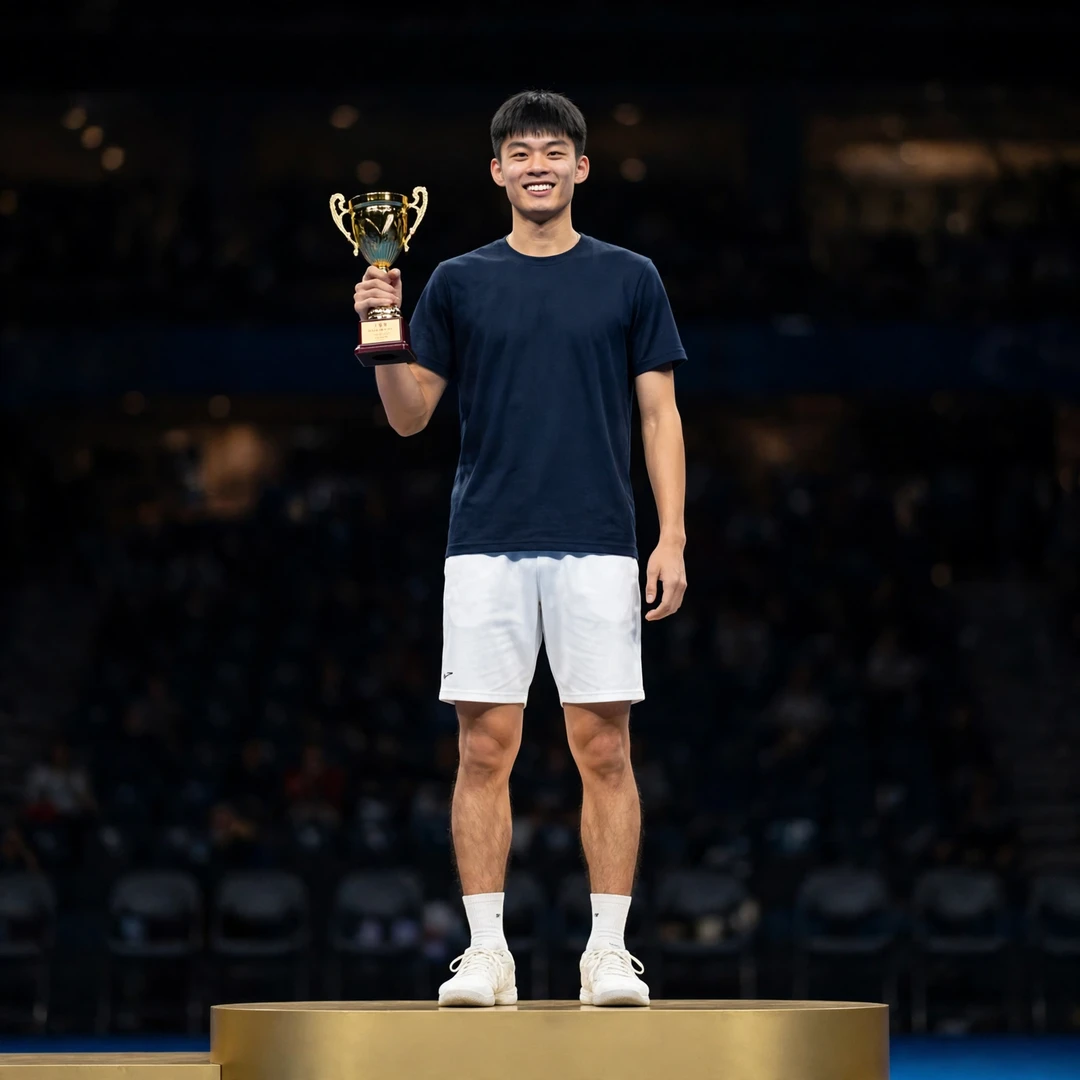
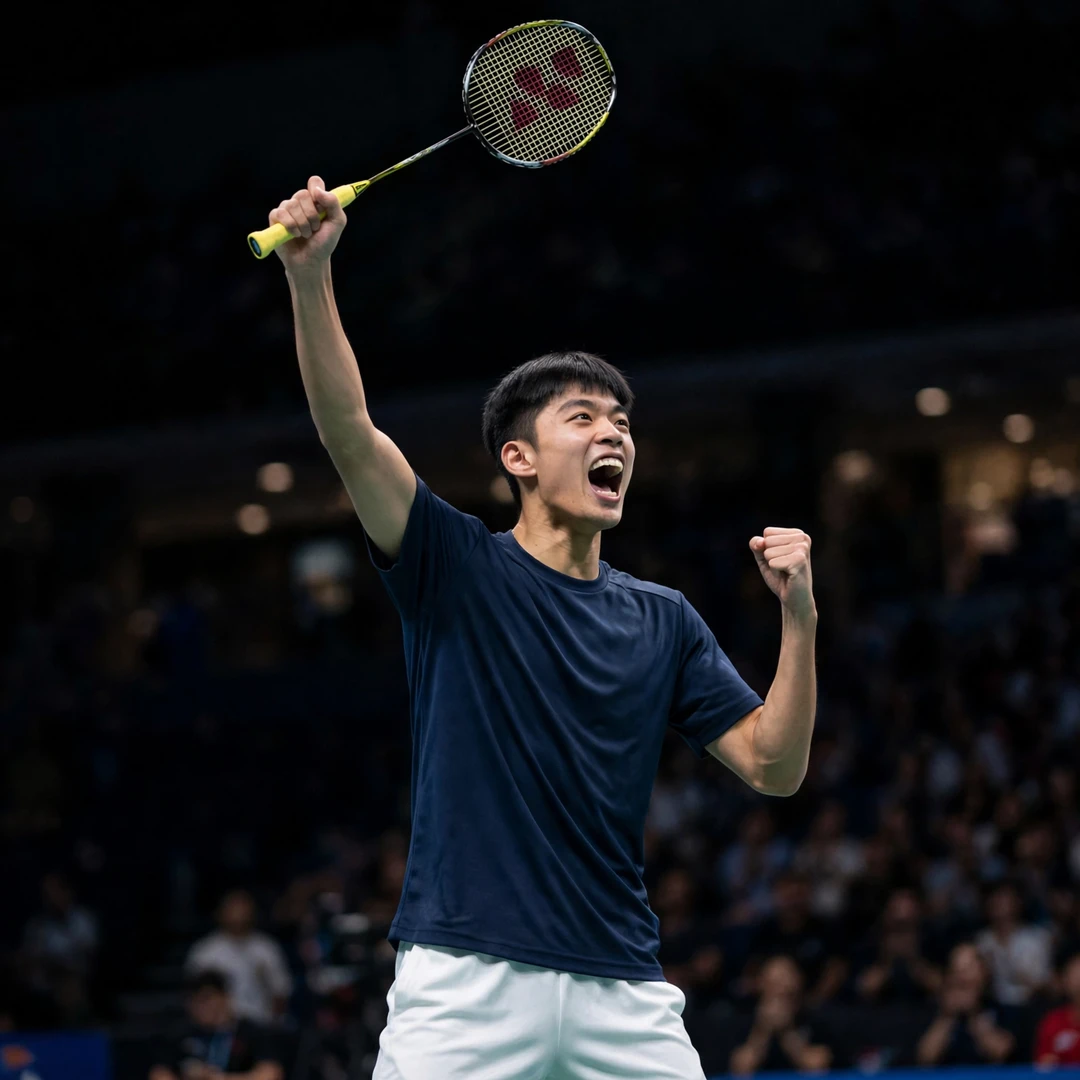
At the ROKETTO Sydney International 2025, Wang produced the best week of his young career. He beat Ting Yen-Chen 15-7, 15-11 in the quarter-finals — revenge for Auckland, inside a week — then edged Indonesia’s Christian Adinata 15-13, 16-14 in a tense, tactical semi-final. In the final he faced second seed Liao Jhuo-Fu, whose attacking flair had lit up the tournament, and won 15-10, 15-10 in straight games to claim his first international title. Badminton Oceania’s report praised exactly the qualities coaches look for: tight net shots, deep clears, consistency, and the ability to absorb pressure while his opponent attacked. Sydney used the short 15-point game format, and nobody in the draw handled it more calmly.
Career Milestone #2
Twice a Runner-Up: Bendigo and Yogyakarta
One week later at the YONEX Bendigo International, Wang very nearly did it again. His earlier-round match against Japan’s Koya Iwano became an instant classic of the lower circuits — a 17-21, 21-17, 21-19 win that had the crowd on its feet and his opponent on his knees at the end. He beat Koshiro Moriguchi 21-15, 23-21 in the semi-finals, Badminton Oceania noting his calm under pressure and tactical precision, before losing the final to Japan’s Toma Noda 19-21, 7-21. A title and a runner-up finish in consecutive weeks had announced him to everyone who follows the developmental circuit.
November 2025 brought a third final — and a role reversal. At the Indonesia International Challenge II in Yogyakarta, Wang beat Indonesia’s Bismo Raya Oktora 21-19, 21-14 in the semi-finals, then lost the title match to Liao Jhuo-Fu 9-21, 17-21 — the same Liao he had beaten to win Sydney, six weeks earlier. The two young Chinese Taipei players had split their two finals; a week earlier, Wang had also reached the quarter-finals of the Indonesia International Challenge I. For academy students, that Sydney–Yogyakarta swap is a perfect lesson: the same opponent can be beatable one month and unbeatable the next, and the only answer is better preparation.
In 2026 Wang stepped up to the BWF World Tour full-time. He opened with a round-of-32 finish at the Thailand Masters Super 300, and he was seeded eighth at both China Masters Super 100 events in Baoji and Ruichang — a measure of how far his ranking had carried him. By the middle of the year he was a top-70 player with a top-50 points tally growing behind him, and the summer would bring the three results that define his season.
Career Milestone #3
Three Super 300 Quarter-Finals in One Season
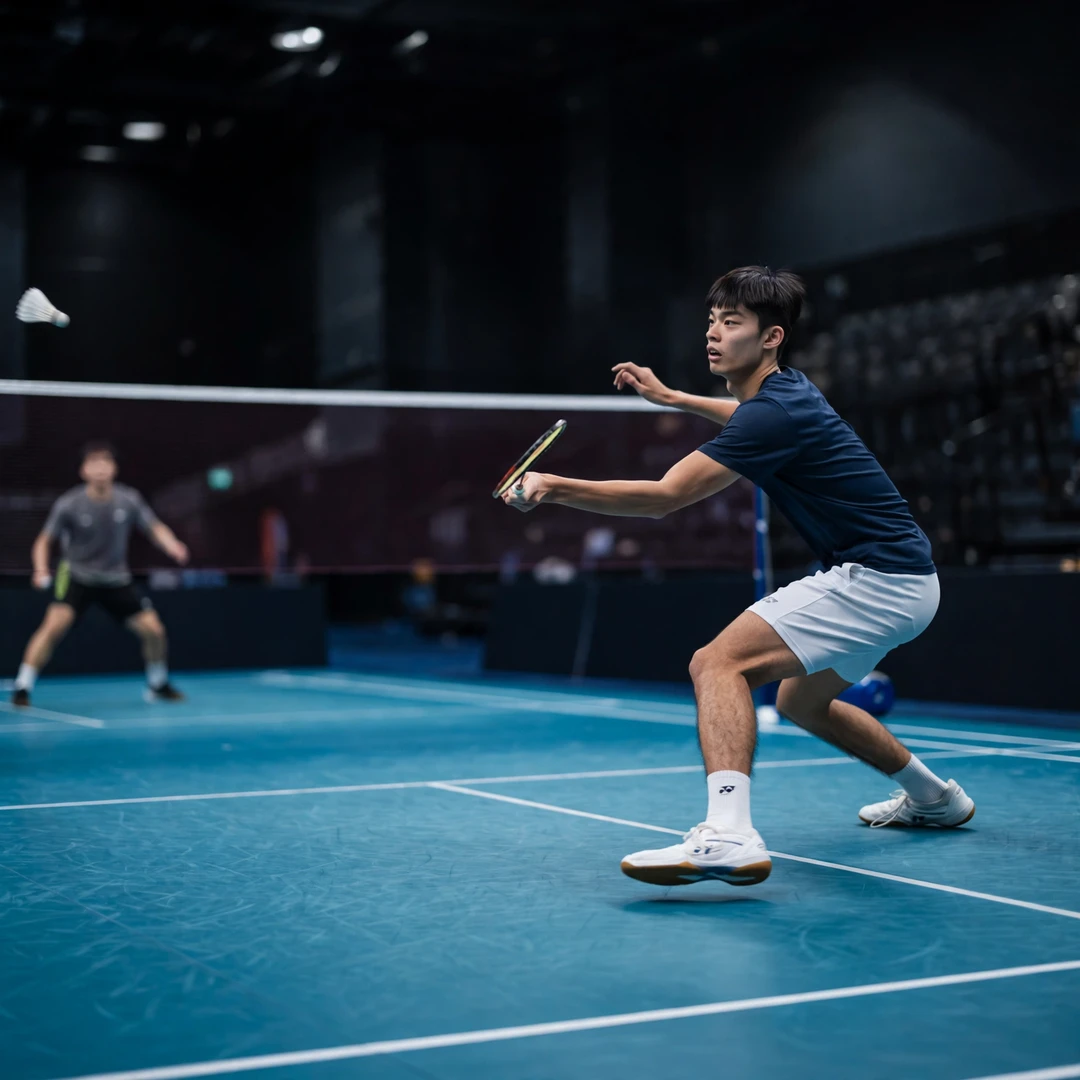
The first came at the Macau Open Super 300 in June 2026. Wang opened with a comeback that said everything about his temperament: down 6-21 to Korea’s Yoo Tae Bin, he rebuilt the match rally by rally and won 6-21, 21-17, 22-20, saving the deciding game in setting. He then beat seventh seed Prahdiska Bagas Shujiwo of Indonesia 21-12, 21-17 — his first win over a seeded World Tour player that year — before falling to Thailand’s Kantaphon Wangcharoen 17-21, 10-21 in the quarter-finals. A first Super 300 quarter-final, earned the hard way.
The North American leg brought two more. At the US Open in Fullerton he pushed top seed and compatriot Chou Tien Chen all the way in a 19-21, 18-21 round-of-32 defeat — a scoreline that told the senior man exactly how close the next generation is. At the Canada Open in Markham, Wang beat France’s Enogat Roy 21-12, 21-13, outlasted England’s Harry Huang in three games, and reached the quarter-finals, where top seed and home favourite Victor Lai stopped him 14-21, 17-21. Two Super 300 quarter-finals in three weeks, on two continents.
Best of all was the home event. At the Chinese Taipei Open in late July 2026, in front of a Taipei crowd, Wang first beat Kantaphon Wangcharoen in straight games — revenge for Macau — then defeated sixth seed and compatriot Lee Chia Hao 21-17, 21-19, one of the biggest wins of his career. His run ended in the quarter-finals against Chou Tien Chen, but the message of his summer was unmistakable: the university player from Tainan belonged in the second week of Super 300 events, anywhere in the world.
Career Milestone #4
Career-High Top 50 and the Road Ahead
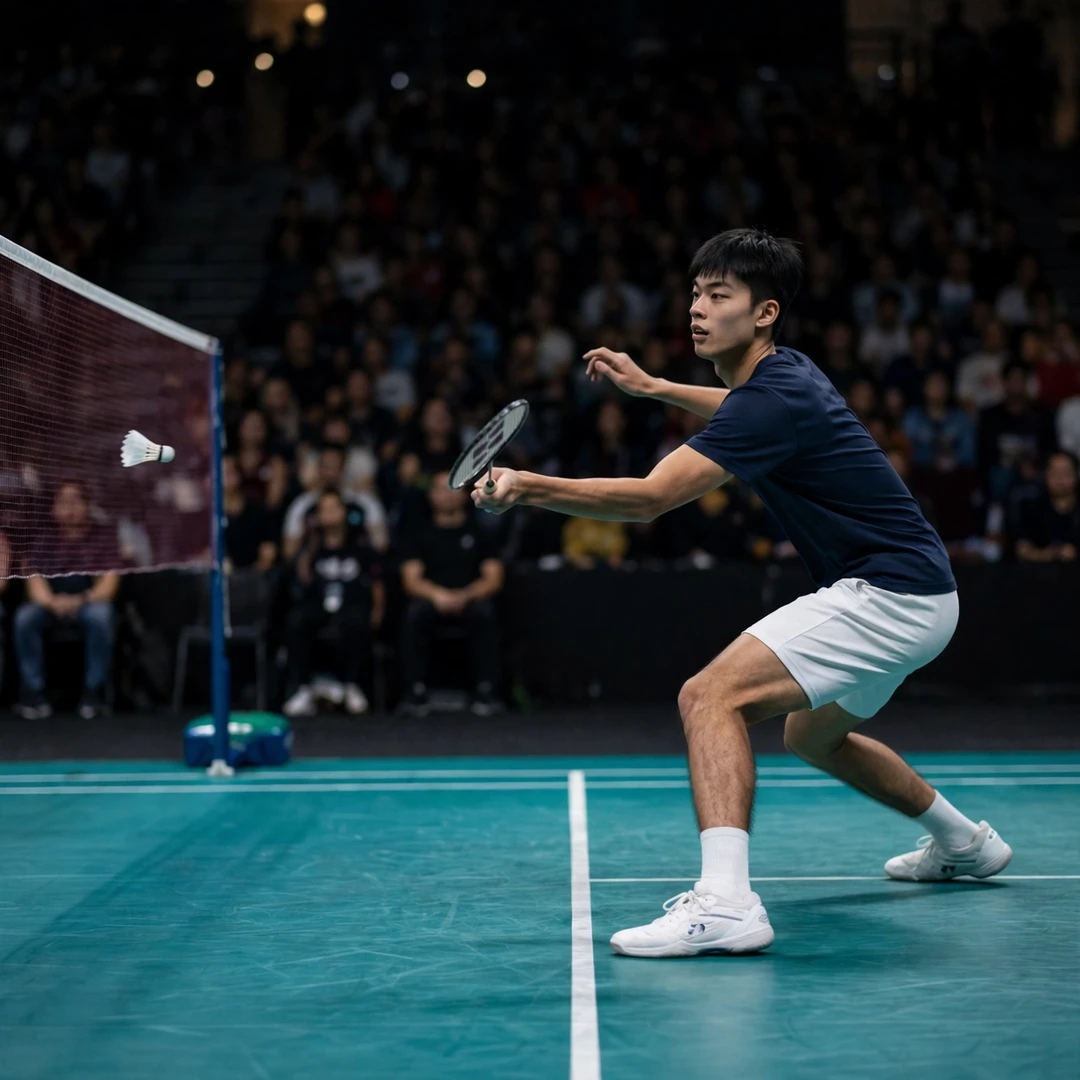
The results carried him to a career-high world ranking of No. 50 on 29 September 2026, with 32,070 points — inside the world’s top 50 at 21 years old, less than two years after his first senior final. The Week 43 rankings place him at No. 68 with 26,580 points, as the big Oceania points from October 2025 rotate out of the 52-week counting window; his October began with a round-of-32 exit at the Malaysia Super 100 against Korea’s Cho Geon-yeop. Rankings breathe in and out for every developing player. The direction of travel — school courts, first final at 20, champion at 21, top 50 weeks later — is what matters.
Wang’s schedule is itself a lesson in what a breakthrough season costs. In twelve months he has played ranking events in Vietnam, Singapore, China, New Zealand, Australia, Indonesia, Thailand, Macau, the United States, Canada and Malaysia — usually as one of the youngest players in the draw. And at home, the Chinese Taipei depth chart is its own mountain: Chou Tien Chen, Lin Chun-Yi, Lee Chia Hao, Wang Tzu Wei, Wang Po-Wei and Chi Yu Jen all queue ahead of him for national-team places. His task for 2027 is clear: turn quarter-finals into semi-finals, defend the points his Oceania run created, and keep climbing the toughest domestic ladder in world badminton.
Playing Style
The Composed Rallying Style: Net Control and Deep Clears
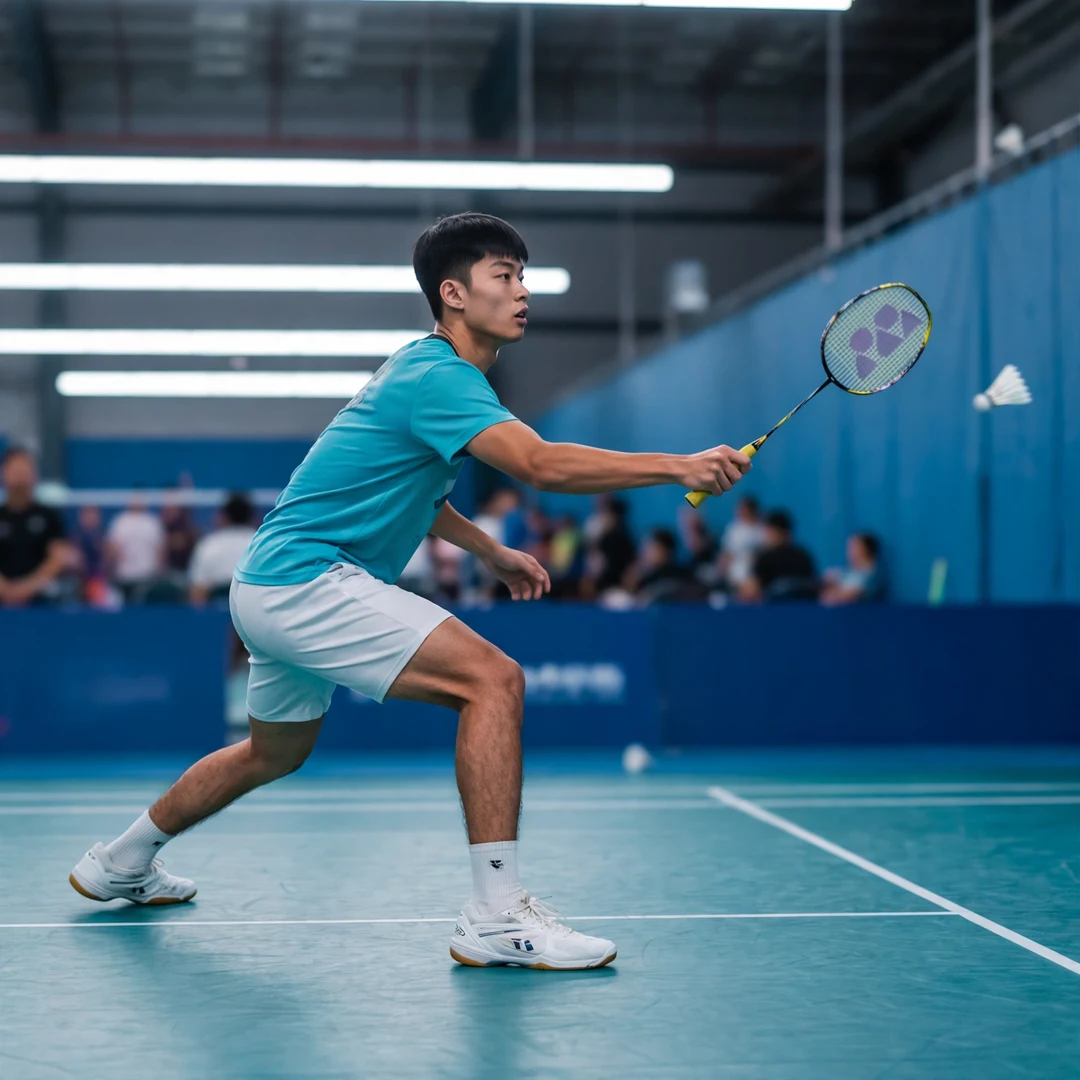
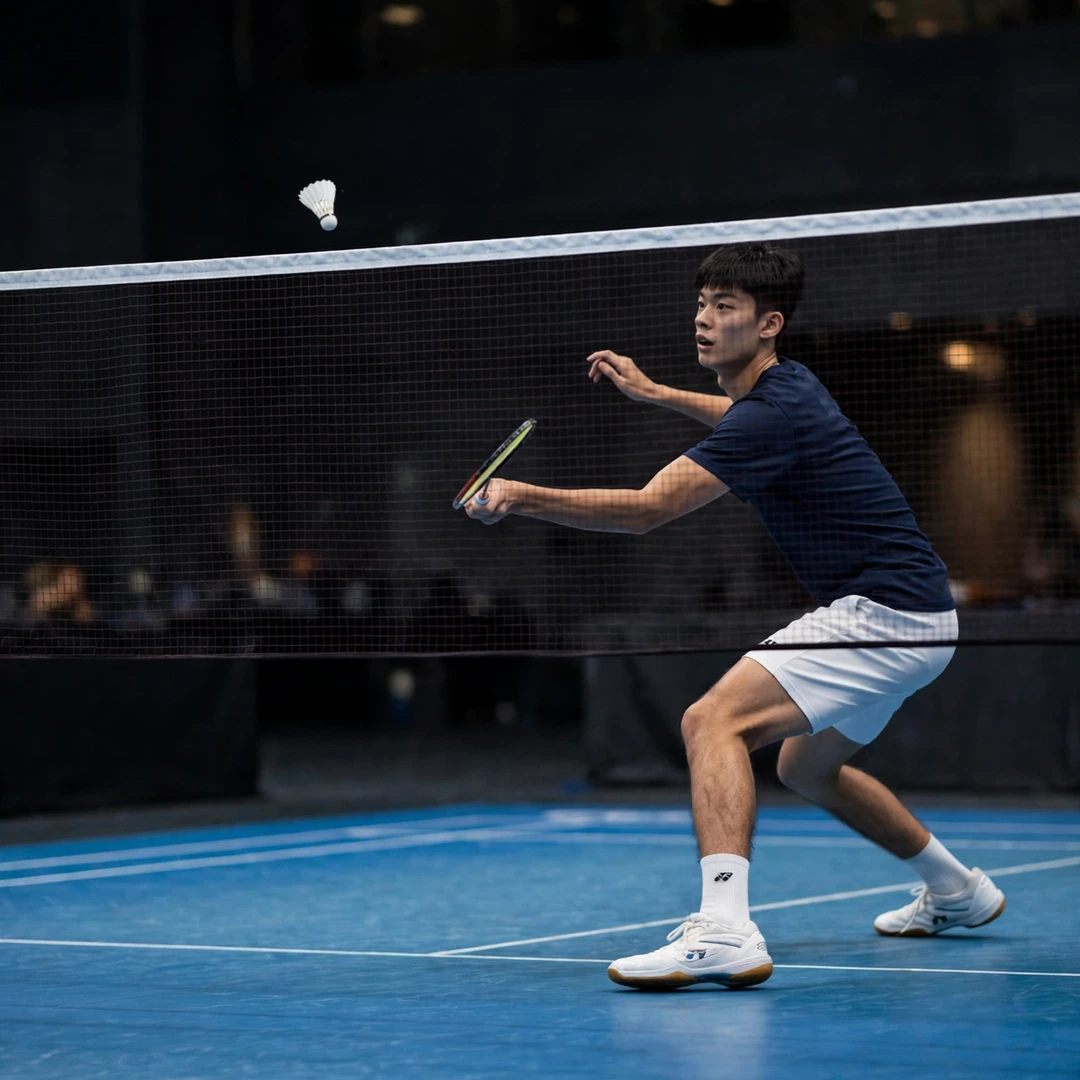
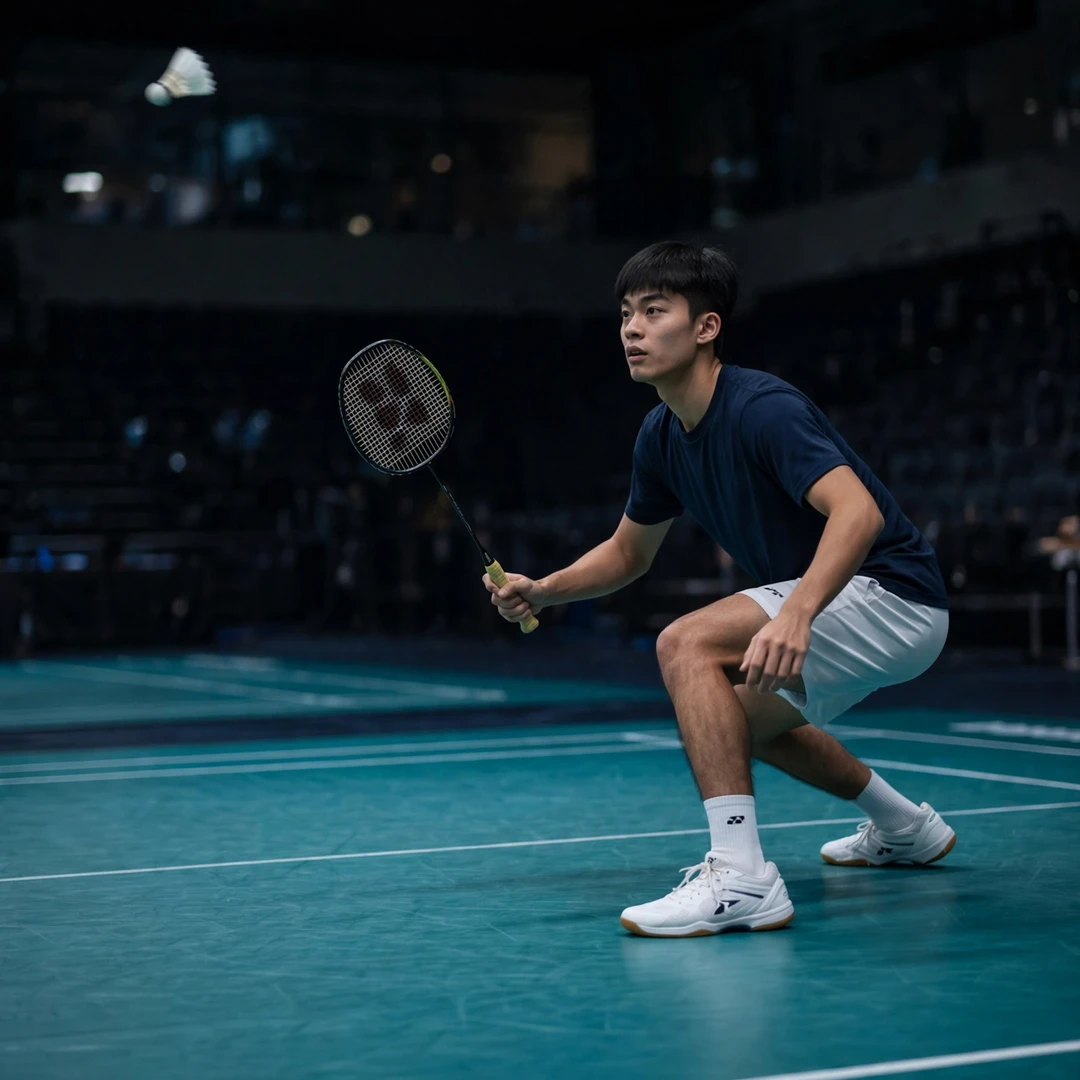
Wang plays a composed, right-handed rallying game built on control rather than spectacle — and Badminton Oceania’s reporters used the same words for him at tournament after tournament: composure, consistency, calm under pressure. His weapons are a tight, spinning net game that pins opponents to the front of the court, deep clears that reset rallies on his terms, and a defence patient enough to absorb an attacking player’s best shots until the error comes. Against Liao Jhuo-Fu in Sydney — a flatter, faster, more attacking player — that formula won a title.
What makes the style special is how it behaves when the score tightens. In Bendigo he closed a 23-21 second game against Moriguchi; in Macau he lost a game 6-21 and still won the match; in Sydney he took back-to-back semi-final and final games by identical, controlled margins. Coaches call this emotional regulation: the rally after a bad run of points looks exactly like the rally after a good one. It is trained, not inherited — in practice matches where juniors are taught to play the next rally instead of replaying the last one.
Young players studying Wang should notice how few of his points depend on rare physical gifts. He is not the tallest, the fastest or the hardest-hitting player on the World Tour; he wins with shot quality, placement and nerve. His clears reach the back tramlines, his net shots tumble close to the tape, and when an opening finally appears his attack is accurate before it is powerful. Those are trainable skills — footwork patterns, racket-face control and patience — which is why his matches make such good teaching material.
Mental Strength
Patience, Composure and the Big-Match Temperament
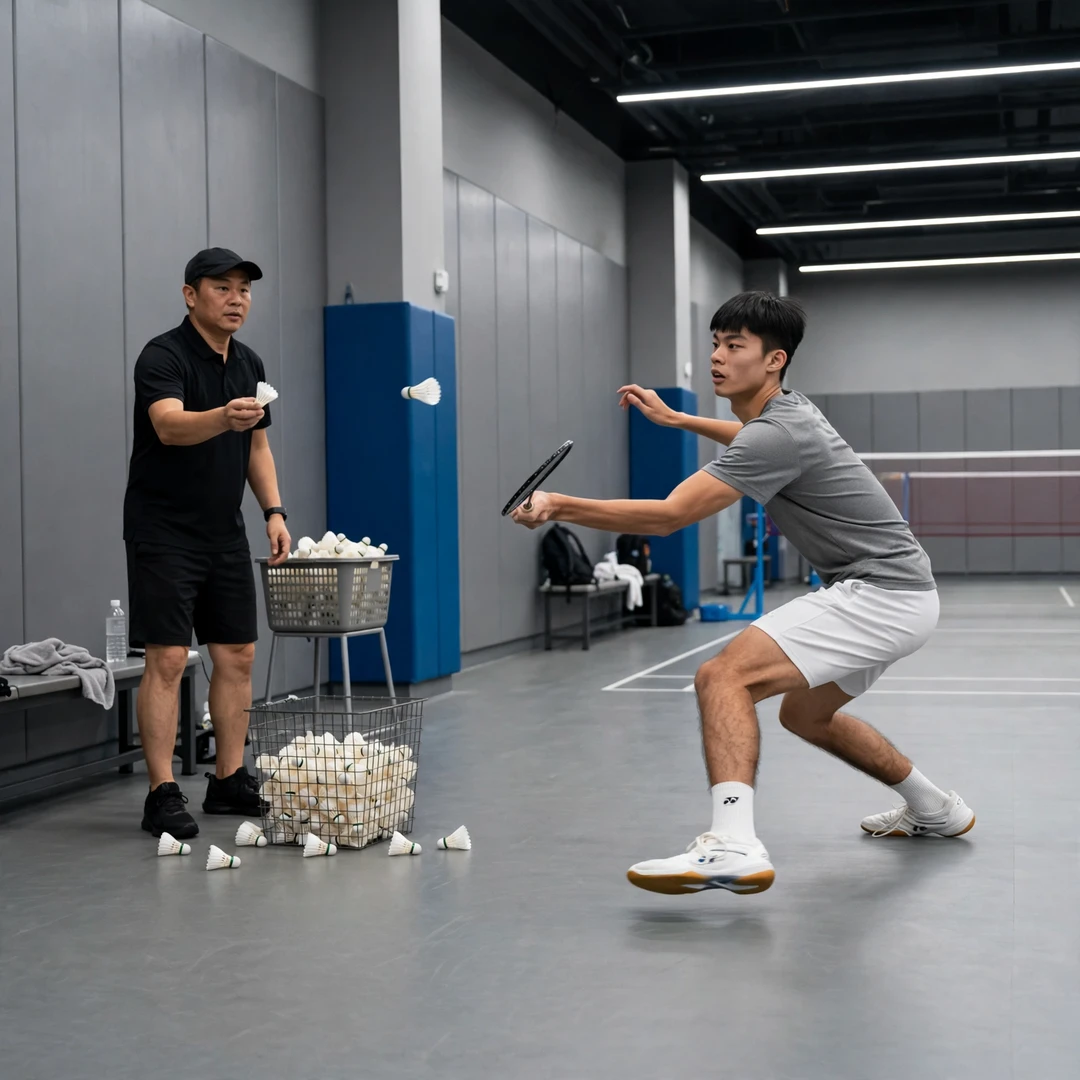
Wang demonstrates what belief looks like without pedigree. No junior international titles, no famous badminton family, no sponsor’s spotlight at 16 — just a schooling in Tainan, a university team in Taipei, and a willingness to fly to the smallest events on the calendar, in Auckland, Sydney and Bendigo, and treat every one of them like a World Tour final. Fourteen months after his first senior final, that attitude had carried him into the world’s top 50.
His response to defeats is already a trademark. Beaten by Ting Yen-Chen in the Auckland semi-final, he beat him 15-7, 15-11 in Sydney seven days later. Beaten by Liao Jhuo-Fu in the Yogyakarta final, he had already banked the lesson from their Sydney meeting. Beaten by Kantaphon Wangcharoen in the Macau quarter-finals, he beat him in straight games in Taipei weeks later. For a young player, the pattern is the point: study the loss, keep the receipt, and let the rematch test what you learned.
Practical lessons from his journey include entering the tournaments you can reach instead of waiting to feel ready; building a game that does not leak errors before chasing spectacular winners; mastering the net first, because net control decides who attacks; and preparing for revenge matches the way he does — with scouting notes, not emotion. None of these lessons requires fame, money or a famous academy. They require patience, honesty and a training plan that survives a lost final.
Learning Reference
ST Badminton Academy Connection
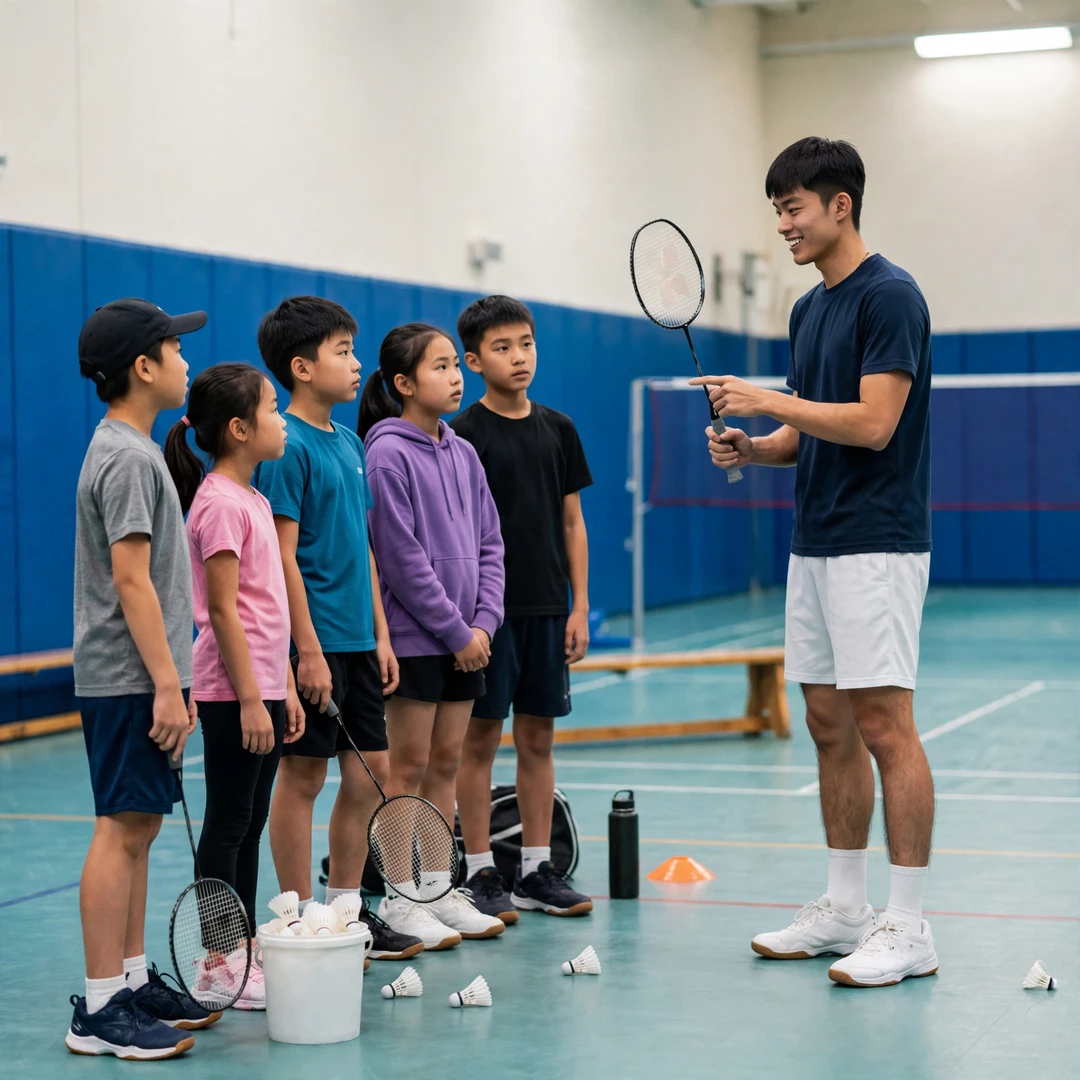
ST Badminton Academy has no official partnership or endorsement from Wang Yu-Kai. He is not connected with our academy, and this profile is published purely as an educational case study for parents and junior players who want to understand how a school-circuit player from Taiwan climbed into the world’s top 50 by the age of 21.
Many of our students from Malaysia and visiting learners from Singapore study his matches to understand the power of composure: how he rebuilt a match after a 6-21 game in Macau, how his net control kept an attacking finalist quiet in Sydney, and how three Super 300 quarter-finals in one season grow out of unglamorous quarter-finals in Auckland and Yogyakarta the year before. His 2025 Oceania swing is required viewing in our discussions of tournament temperament.
We encourage our students to observe his rally construction, his tight net play and his calm resets after lost games — and to notice that his rise began in school halls and small arena courts, not under television lights. Champions are not only discovered at twelve years old; sometimes they are built point by point on the far side of the world, in front of two hundred people, one composed rally at a time.
FAQs: Wang Yu-Kai Chinese Taipei Badminton Player
Here are answers to common questions about Wang Yu-Kai’s career, achievements and what young players in Malaysia can learn from the Chinese Taipei player’s rise.
Who is Wang Yu-Kai and which country does he represent in badminton?
Wang Yu-Kai is a Chinese Taipei professional badminton player competing in men’s singles. Born on 6 October 2004, he developed through Rende Junior High School in Tainan and the Asia-Pacific team of the University of Taipei, and he now plays the BWF World Tour as a right-handed rallying player. He stands at world No. 68 in the Week 43 rankings of 20 October 2026, and in September 2026 he reached his career-high ranking of world No. 50.
What are Wang Yu-Kai’s biggest badminton achievements?
Wang’s major achievements are his first international title at the Sydney International 2025, where he beat Liao Jhuo-Fu 15-10, 15-10 in the final; two further international finals — the Bendigo International 2025 and the Indonesia International Challenge II 2025; a runner-up finish at the Li-Ning Vietnam International Series in 2024; three Super 300 quarter-finals in 2026 at the Macau Open, the Canada Open and the Chinese Taipei Open; and his career-high world ranking of No. 50 in September 2026.
What is Wang Yu-Kai’s playing style?
Wang plays a patient, right-handed rallying game built on net control, deep clears and stubborn defence. He wins by constructing points: spinning net shots that pin opponents at the front, clears that push them to the back tramlines, and long, error-free rallies that force attacking players to hit one more shot than they want to. Reporters covering his Oceania breakthrough described the same qualities again and again — composure, consistency and calm under pressure.
How did Wang Yu-Kai perform in the 2026 season?
Wang’s 2026 season was his World Tour breakthrough. He reached the quarter-finals of three Super 300 events — the Macau Open, where he beat seventh seed Prahdiska Bagas Shujiwo; the Canada Open; and the Chinese Taipei Open at home, where he beat sixth seed Lee Chia Hao — and he pushed top seed Chou Tien Chen to 19-21, 18-21 at the US Open. In September 2026 those results carried him to a career-high world ranking of No. 50.
How can my child learn from Wang Yu-Kai’s training approach?
Young players can study Wang’s approach by copying the habits behind his rise: drill the net game until spinning net shots are automatic, practise rally tolerance before highlight-reel smashes, and keep notes on every defeat so the rematch becomes a test of what you learned. At ST Badminton Academy we use his Macau Open comeback against Yoo Tae Bin — from 6-21 down to a 22-20 deciding-game win — as a video lesson in emotional resets, then train the same patterns in multi-shuttle and rally-building drills.
Did Wang Yu-Kai win any junior titles?
No — Wang won no junior international titles, and that is part of what makes his story instructive. He came through Taiwan’s school circuit with Rende Junior High in Tainan and reached national junior-event semi-finals as a schoolboy, but his honours are all senior: his first final came at 20, at the Li-Ning Vietnam International Series in 2024, and his first title at 21, in Sydney. His career is proof that a quiet junior record does not close the door to the world’s top 50.
What are Wang Yu-Kai’s best World Tour results?
Wang’s best World Tour results are his three Super 300 quarter-finals in 2026 — the Macau Open, the Canada Open and the Chinese Taipei Open. He has also reached the round of 32 at the Thailand Masters Super 300 and at the US Open Super 300, where he lost narrowly to top seed Chou Tien Chen, and he was seeded eighth at both China Masters Super 100 events in 2026. His next step is converting those quarter-finals into semi-finals and a first World Tour final.
What playing style should young players learn from Wang Yu-Kai?
Young players should study Wang’s complete game rather than one spectacular shot: the net control that decides who gets to attack, the deep clears that buy recovery time, the defence that refuses to leak errors, and above all the composure that keeps the rally after a mistake looking exactly like the rally after a winner. His game is built from trainable skills, which is why coaches love teaching from it.
Does ST Badminton Academy have any connection with Wang Yu-Kai?
No, Wang Yu-Kai is not a student, coach or ambassador of ST Badminton Academy. He represents Chinese Taipei and developed through the University of Taipei’s Asia-Pacific team. However, coaches at our academy in Kuala Lumpur regularly use his matches as teaching material, because his climb from the school circuit to the world’s top 50 shows what structured coaching, composure and competitive volume can achieve.
Wang Yu-Kai Career Highlights
Career Statistics and Rankings
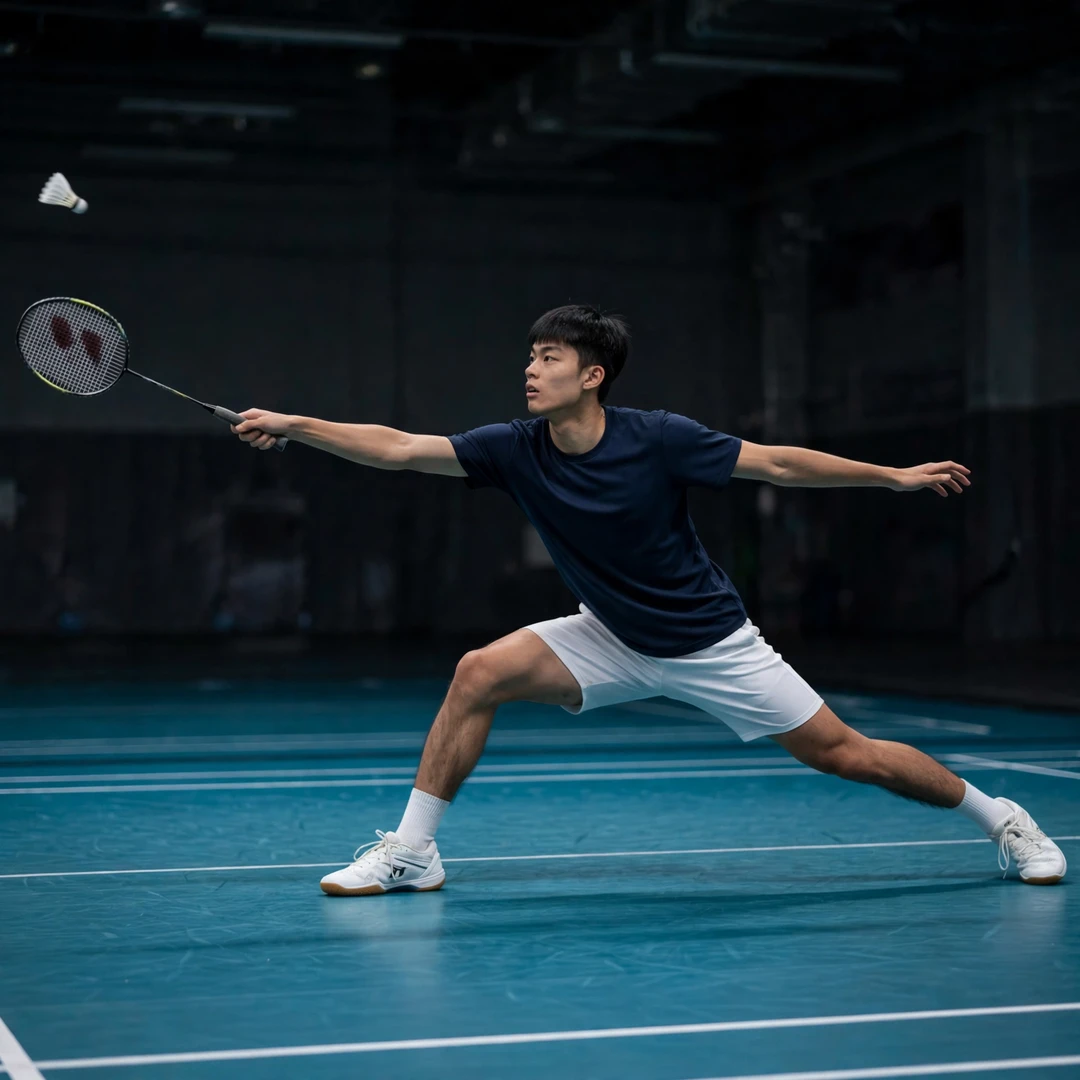
Wang Yu-Kai, born 6 October 2004 in Taiwan, has built one of the steadiest rises of the 2026 season: a first senior final at 20 in Vietnam, a first title at 21 in Sydney, finals in Bendigo and Yogyakarta, three Super 300 quarter-finals in a single summer, and a career-high world ranking of No. 50 — all without a single junior title behind him.
| Development Area | Common Misconception | What Wang Yu-Kai's Career Shows REALITY |
|---|---|---|
| Junior Foundation | Talent alone decides who becomes a champion. | Wang started on school courts in Tainan and university courts in Taipei, with no junior international titles at all — a structured base and steady results came first. |
| Playing Style Priority | Kids should copy the flashiest attacking shots. | Wang built a complete rallying game first; his attacking shots are the finishing touch on tight net play, deep clears and defence that refuses to leak errors. |
| Fitness Importance | Juniors can out-train everyone without rest. | Wang's 2025-26 calendar crossed three continents, from Auckland and Sydney to Fullerton and Markham — managing travel and recovery is what lets a young player survive that schedule. |
| Mental Approach | Top players never get nervous or upset. | Wang lost his North Harbour semi-final to Ting Yen-Chen, then beat the same player 15-7, 15-11 in Sydney one week later — defeats are scouting reports, not verdicts. |
| Attacking Training | Smashing harder is always the answer. | His Sydney International title, won 15-10, 15-10 over Liao Jhuo-Fu, came from net control and deep clears that kept a more attacking opponent off balance, not raw power. |
| National Milestones | Only world titles matter. | Wang's Sydney title, his finals in Bendigo and Yogyakarta and his three Super 300 quarter-finals in 2026 show how milestones build a career step by step. |
| Career Timeline | Champions peak once and fade fast. | From outside the world's top 130 in early 2025 to world No. 50 in September 2026, Wang proves sustained development on the lower circuits can carry a player into the top 50. |
Study Wang Yu-Kai's Work Ethic and Professional Approach
This profile explains who Wang Yu-Kai is, his major achievements, and what developing players can learn from his journey. Whether you are a parent in Kuala Lumpur, Cheras or anywhere in Malaysia wondering what a late, quiet start can become, Wang's story carries the answer: with the right coaching, composure and enough tournaments, a school-court player can reach the world's top 50 — book a trial class with ST Badminton Academy on WhatsApp at +60 17-684 2136 and let your child begin a development journey built to last.