American Men’s Singles Badminton Star
Mark Shelley Alcala

United States
Player Event: Men’s singles
Born 19 June 1999 · From Kawit, Cavite, Philippines · Right-handed · 172 cm tall
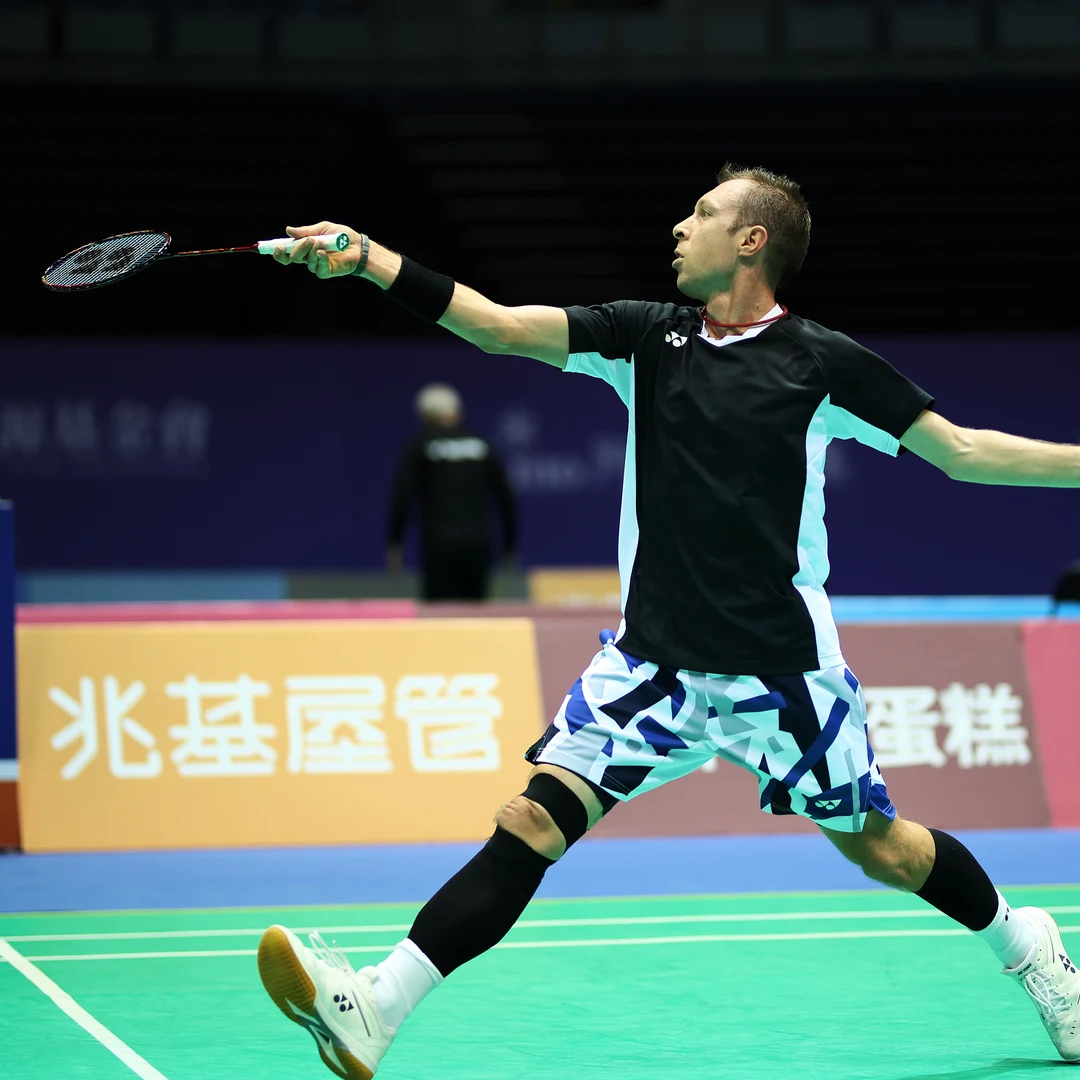
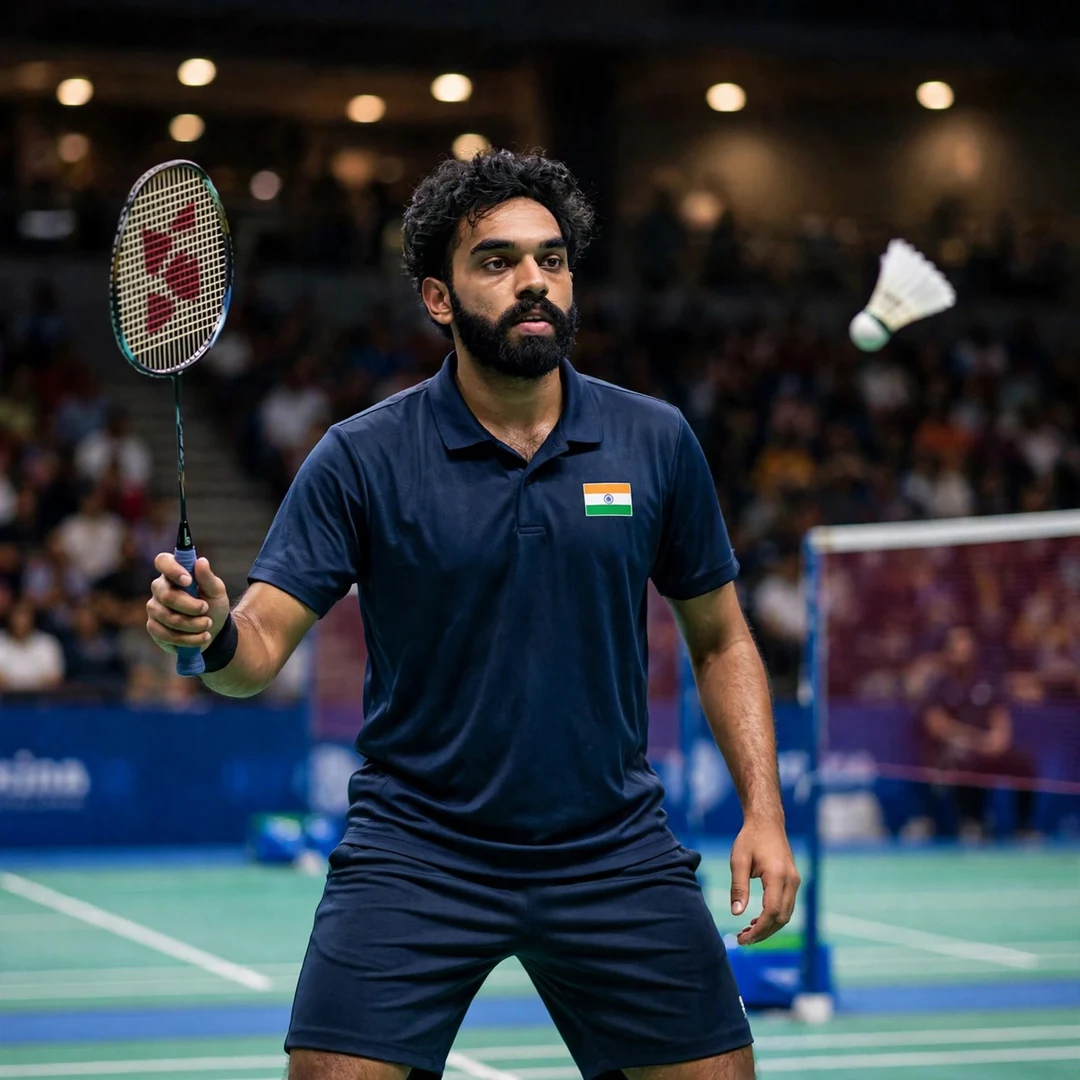
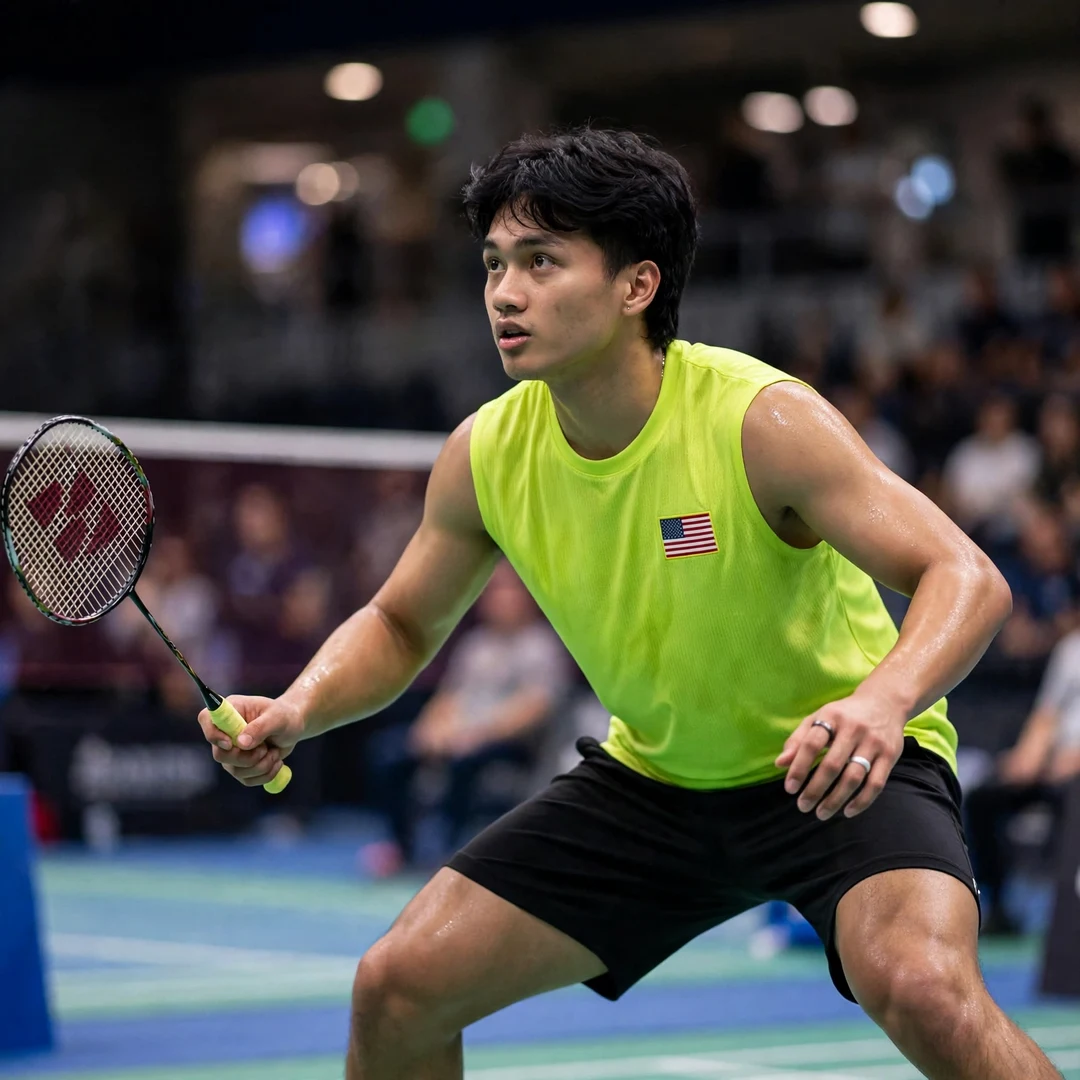
Playing Style: Right-handed attacking player — a famously heavy smash, fast all-court movement and a complete game built since childhood by his father-coach
Understanding Mark Shelley Alcala (American Badminton Star)
Mark Shelley Alcala is a Filipino-American men’s singles badminton player who carries one of the sport’s great family stories. A child prodigy in the Philippines who won his country’s national Open title at 13, he emigrated to the United States with his family in 2016 and spent years in the ranking wilderness before a late-career bloom: a first senior international title in Mexico in 2025, a World Championships debut in 2026 where he beat the great Kevin Cordon, and a career-high world No. 73 in the BWF rankings of 20 October 2026 (Week 43) with 24,832 points.
Early Life in Kawit, Cavite and Junior Career
Mark Shelley Alcala was born on 19 June 1999 in Kawit, Cavite, in the Philippines, the second of four children of Malvin and Shirley Alcala. Badminton was the family business before he was born: his father Malvin had been one of the Philippines’ best singles players, and his sister Malvinne — named, like him, to echo a parent’s name — became the Philippines’ No. 1 women’s singles player. Mark started the sport in first grade, coached by his father, and the family home revolved around training.
A Father’s Dream and a Family System
The engine of the story is Malvin Alcala. In the early 1990s he was on course to represent the Philippines at the World Championships and the Olympics when injuries — a back problem above all — ended his playing career. He resolved that his children would live the dream he could not: he coached Mark and Malvinne from childhood, and today he works as a technical director at a badminton academy in the United States. Every milestone in Mark’s career is also a chapter of his father’s.
National Open Champion at Thirteen
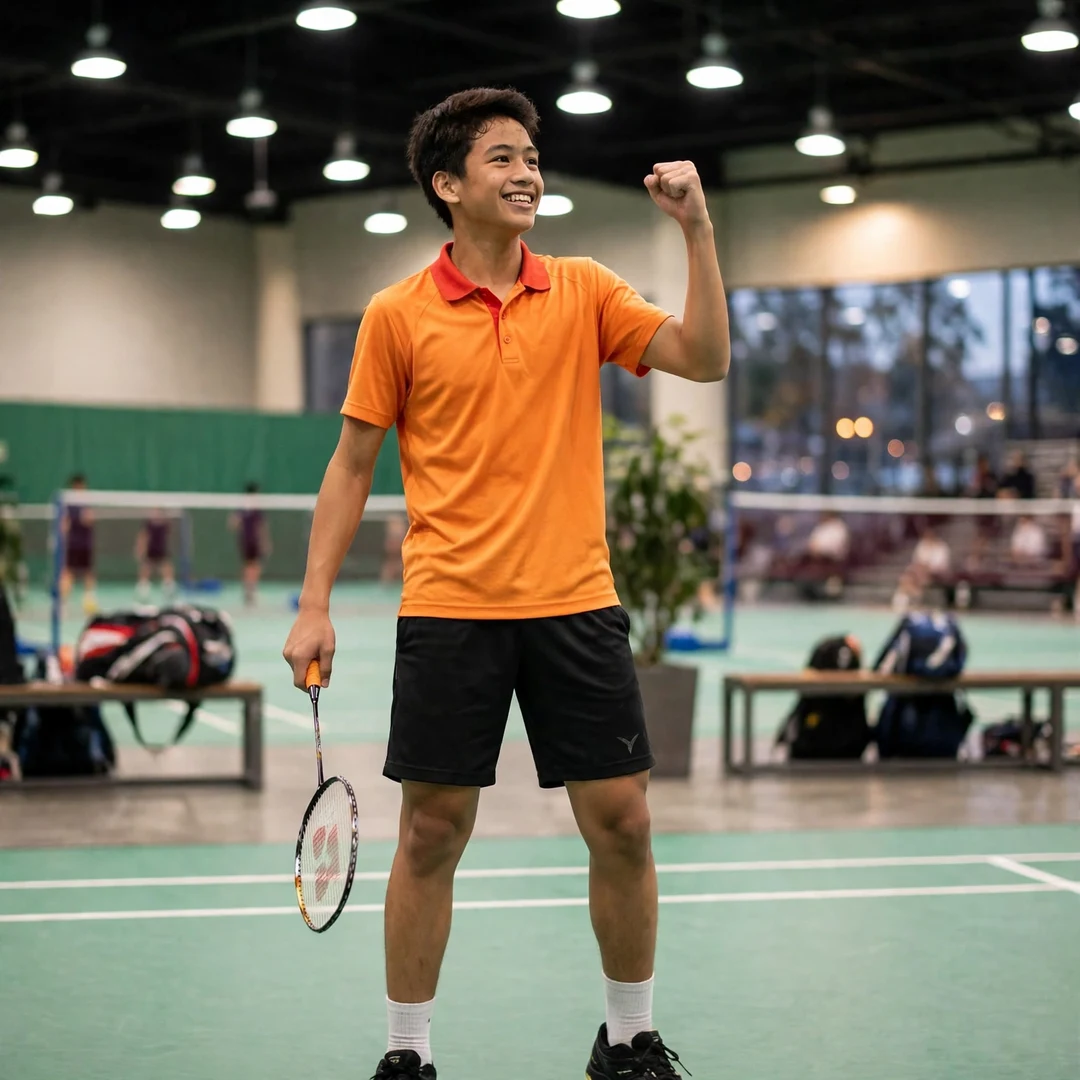
The talent announced itself early. At 11, the young Alcala was already beating 17- and 19-year-old players at regional events around Cavite. At 13 he won the Philippines national championships in the Open category — the senior national title — defeating grown men as a schoolboy, and he went on to collect multiple national titles at adult and junior level. Still a young teenager, he was a member of the Philippines adult national team and was selected in the country’s squad for the 2013 Sudirman Cup, the world mixed team championships.
Junior Titles Across Three Continents
His junior trophy cabinet stretched across three continents. In 2009 he won the first Li-Ning Singapore Youth International crown, beating Indonesia’s Ali Auliansyah 21-19, 21-16 in the 11-under final, and he topped his division in Singapore again in 2011. He won the Australia Junior International and the Swiss Junior International, and in 2013, at 15, he took three gold medals at the Junior International Championships in Manhattan Beach, California — the under-17 and under-19 singles and the under-15 doubles with Joaquin Pangilinan. The Philippine Sportswriters Association honoured him with its Tony Siddayao Award for outstanding young athletes.
Career Milestone #1
A New Life and a New Flag in America
In 2016 the family made the decision that reshaped his career: they emigrated to the United States, chasing the education and opportunity a sporting life there could offer, and Alcala began playing for his new country soon afterwards. The adaptation was fast at national level — by March 2018 he was ranked No. 1 in men’s singles in the United States, and No. 2 in both men’s doubles and mixed doubles — and in December 2017 he reached the semi-finals of the K&D Graphics International Challenge in California in singles and doubles.
Internationally, though, the road was long and quiet. Ranking snapshots from those years show him at No. 338 in 2018 and outside the top 400 in 2019, when his best result was a semi-final at the Silicon Valley International Series. For a former child prodigy, these were the wilderness years: results were sparse, the ranking barely moved, and the breakthrough his junior record had promised seemed to be slipping away. He kept playing.
Career Milestone #2
First Senior Title and the Long Climb
The summer of 2025 showed both sides of the grind. At the US Open in Council Bluffs he came through one qualifying match 21-6, 21-12 against Saket Thavanani, then lost the final qualifying round to Yen-Chen Ting 21-17, 19-21, 22-24 — two points from the main draw of a World Tour event. Weeks later, in Mexico, the near-misses finally turned into a title.
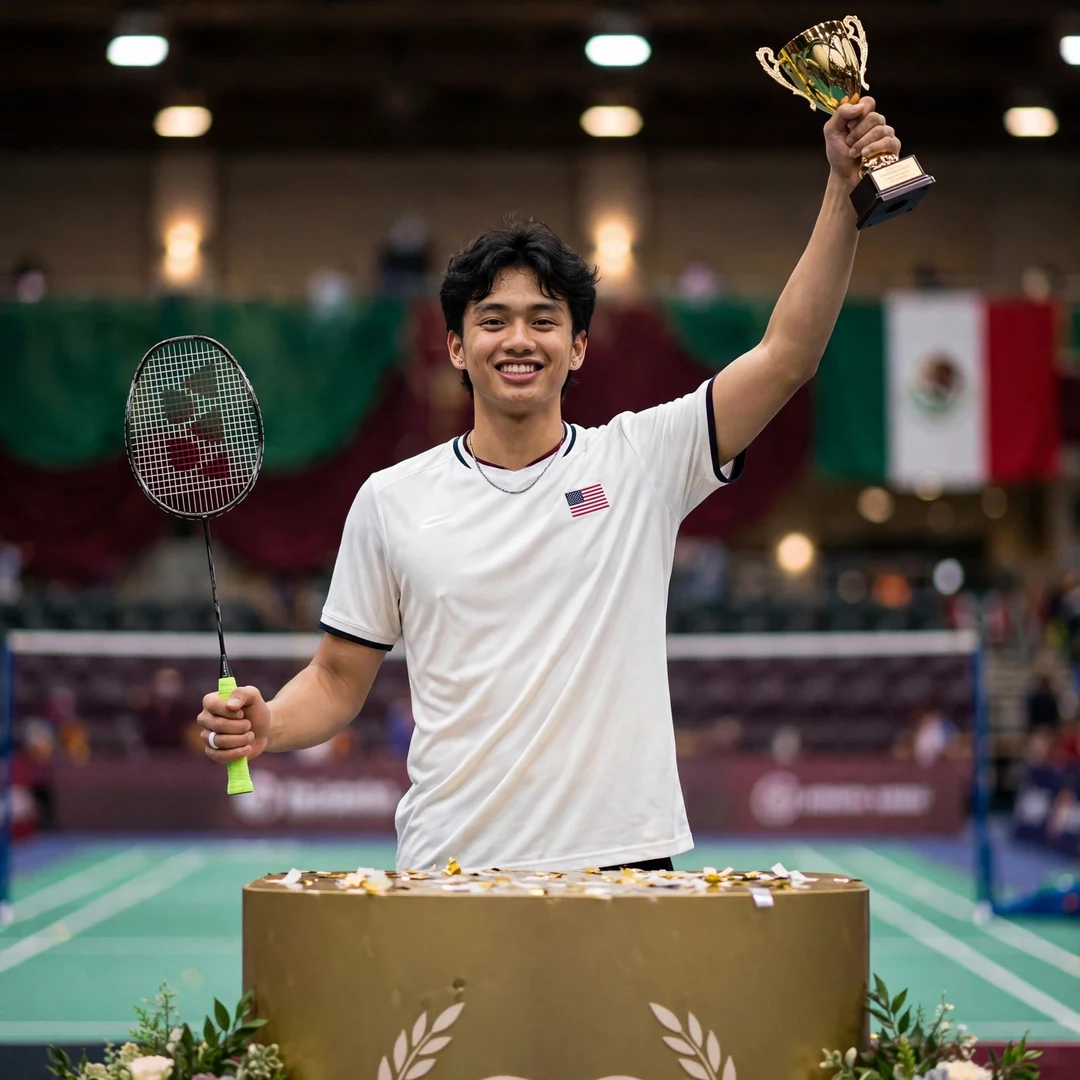
In late August 2025, at the Mexico Future Series, Alcala won his first senior international title, beating Guatemala’s Yeison Del Cid 21-8, 21-18 in the final. A week later at the Guatemala Future Series he reached another final, losing 18-21, 14-21 to the Pan American legend Kevin Cordon — a veteran he would meet again, on a far bigger stage, a year later. The two finals transformed his ranking and his belief: at 26, his senior career was finally moving.
He closed 2025 at home, finishing third in men’s singles at the US Adult National Championships in Livermore, California, behind champion Joshua Yang and runner-up Garret Tan. The result earned him selection for the United States team at the 2026 Pan Am Male and Female Cup, the continental team championships — a former Philippine international now trusted to carry American colours in team competition.
Career Milestone #3
World Championships Debut: Beating a Legend for His Father
By 2026 Alcala had become a main-draw regular on the World Tour. At his home US Open in Fullerton he beat Huang Ping-Hsien 21-14, 21-18 to reach the round of 16, where he lost to Japan’s Yudai Okimoto. At the Canada Open he took Japan’s Riku Hatano to three games in the round of 32, and at the Korea Masters he did the same against Hong Kong’s Jason Gunawan. None of it was headline news — but he was now testing himself against top-50 players every month, and learning fast.
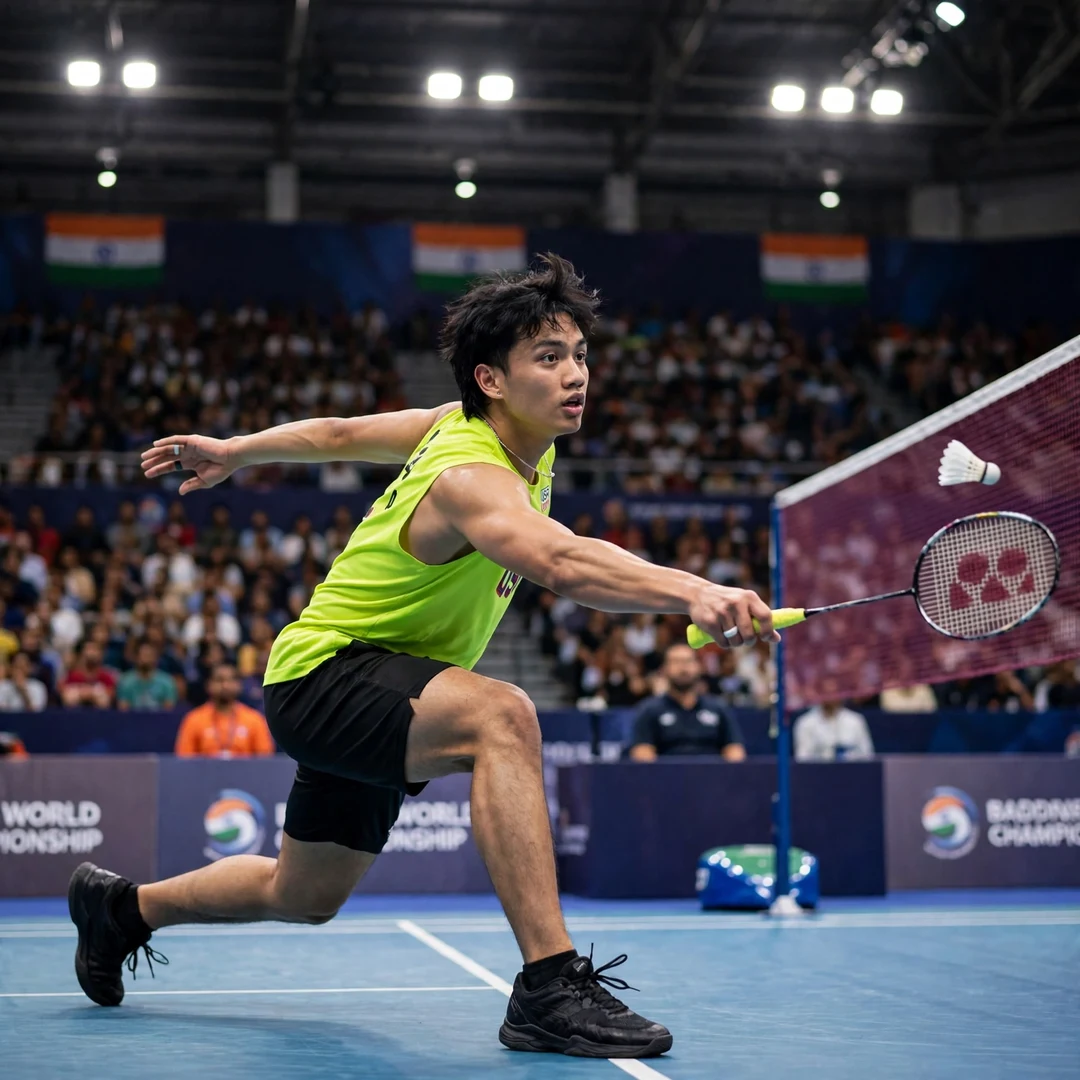
Then came the week the whole career had been building towards. In August 2026, Alcala made his World Championships debut in New Delhi — the event his father had dreamed of playing and never reached because of injury. At 27, nearly a decade after first playing for the United States, he walked onto court for a first-round match against Kevin Cordon of Guatemala: four-time Olympian, Tokyo 2020 semi-finalist, and the man who had beaten Alcala in the Guatemala final eleven months earlier.
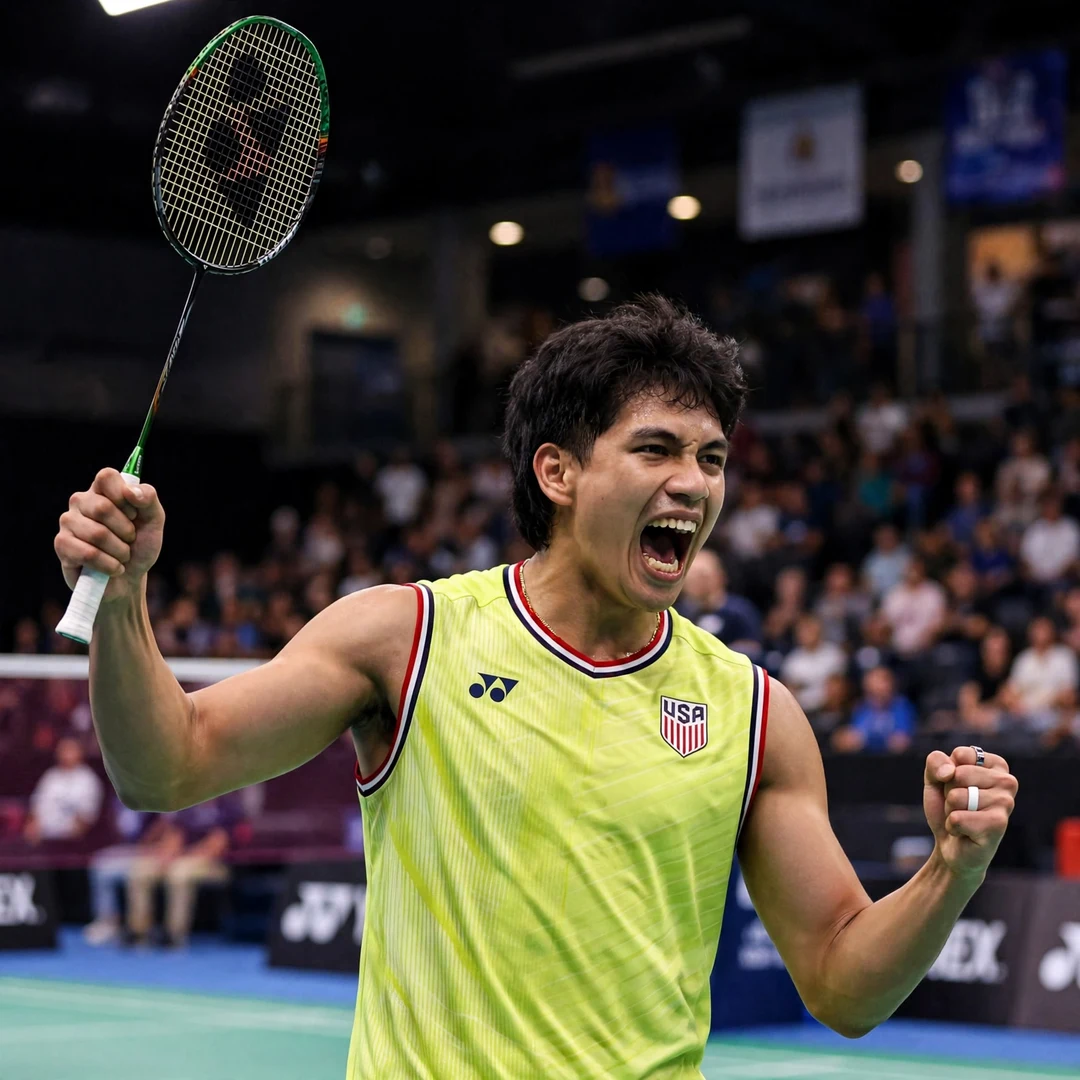
What happened next was written like a script. Alcala played the match of his life, winning 21-17, 21-13 in 40 minutes. ‘Cordon is a legend,’ he told BWF afterwards. ‘I have deep respect for him — his smashes were so hard.’ Then he explained what the win really meant: ‘This means a lot, as my dad never played the World Championships. He was supposed to play in the Worlds and the Olympics but he got injured. He was one of the top players in the Philippines. I am just repaying him, I guess.’ The BWF headline said it all: ‘I’ve Got You, Dad.’
Career Milestone #4
Career-High No. 73 at Twenty-Seven
The run ended in the round of 32 against Canada’s seventh seed Victor Lai, and the weeks that followed were the usual tour reality — a three-game loss to Ginpaul Sonna at the Indonesia Masters in Pontianak, and a retirement at 18-19 in the deciding game against Huang Ping-Hsien at the Vietnam Open. But nothing could dilute New Delhi: a debut win over a legend, achieved for the person who had given him the game.
The ranking charts the whole arc. From No. 338 in 2018 and the 400s in 2019, Alcala’s long climb accelerated through 2025 and 2026 — ranking snapshots show him passing 84, 81, 79 and 77 as the results gathered — until the Week 43 rankings of 20 October 2026 placed him at a career-high No. 73 with 24,832 points. At 27, in a sport where many players peak late, his best years may still be in front of him.
Playing Style
The Power-First Attacking Style
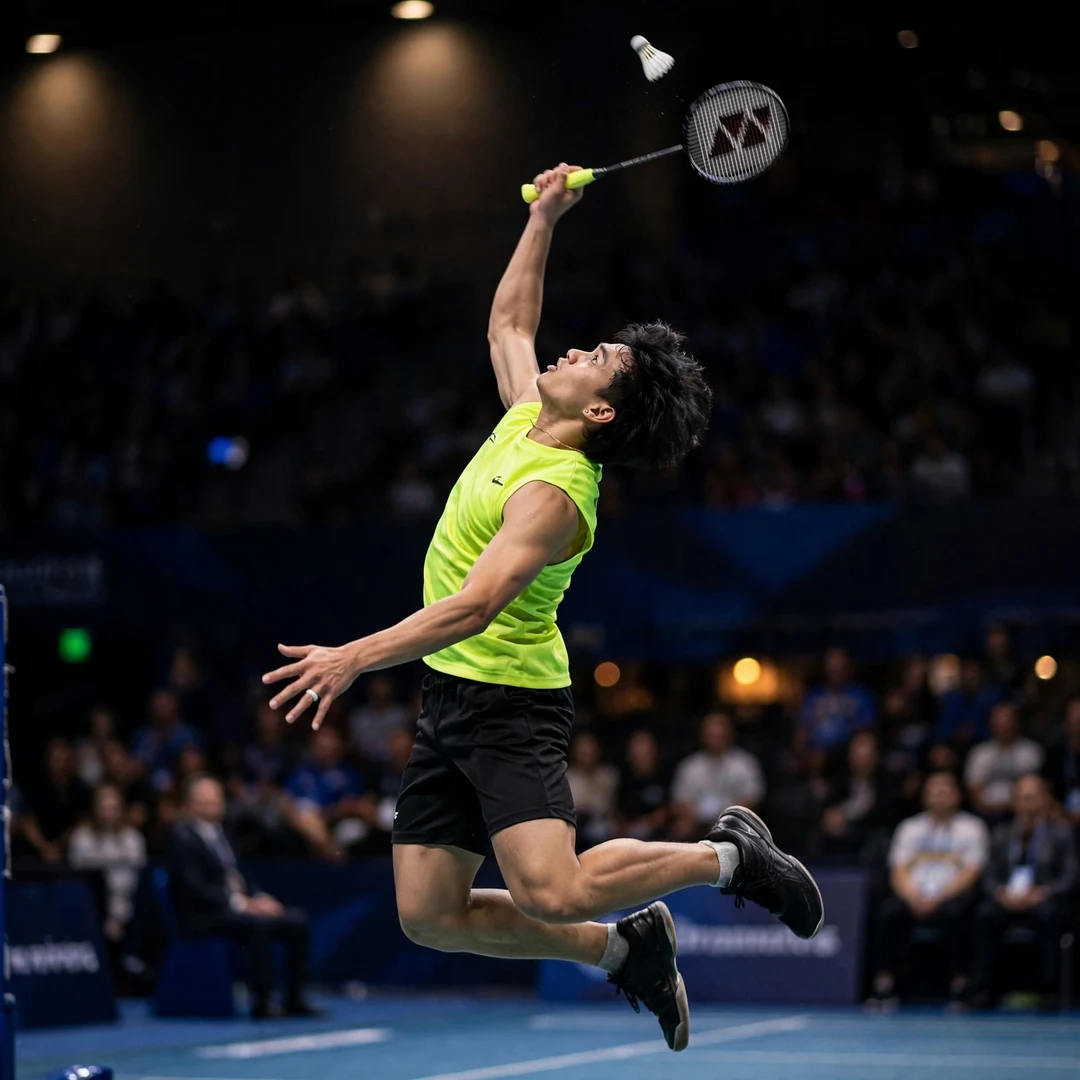
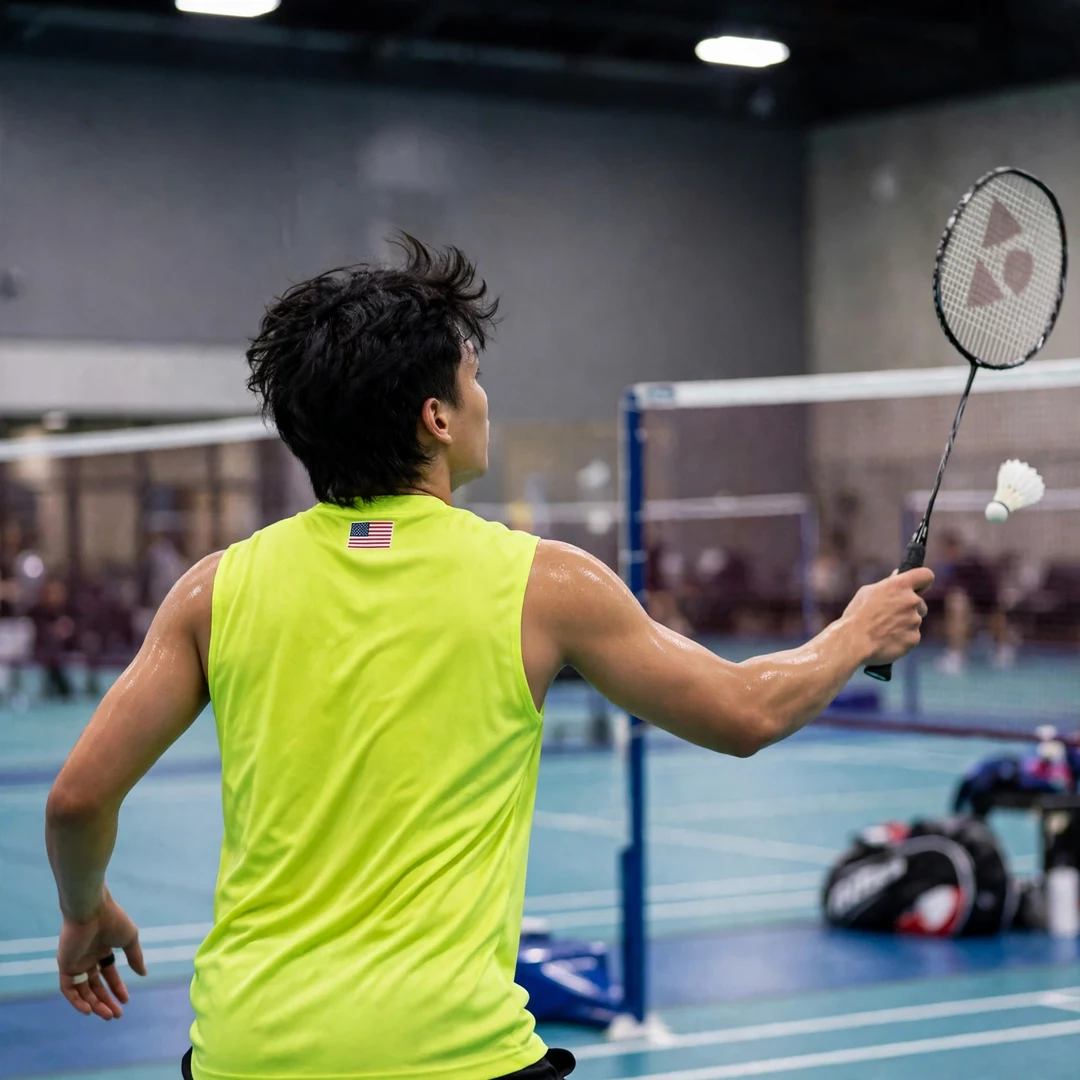
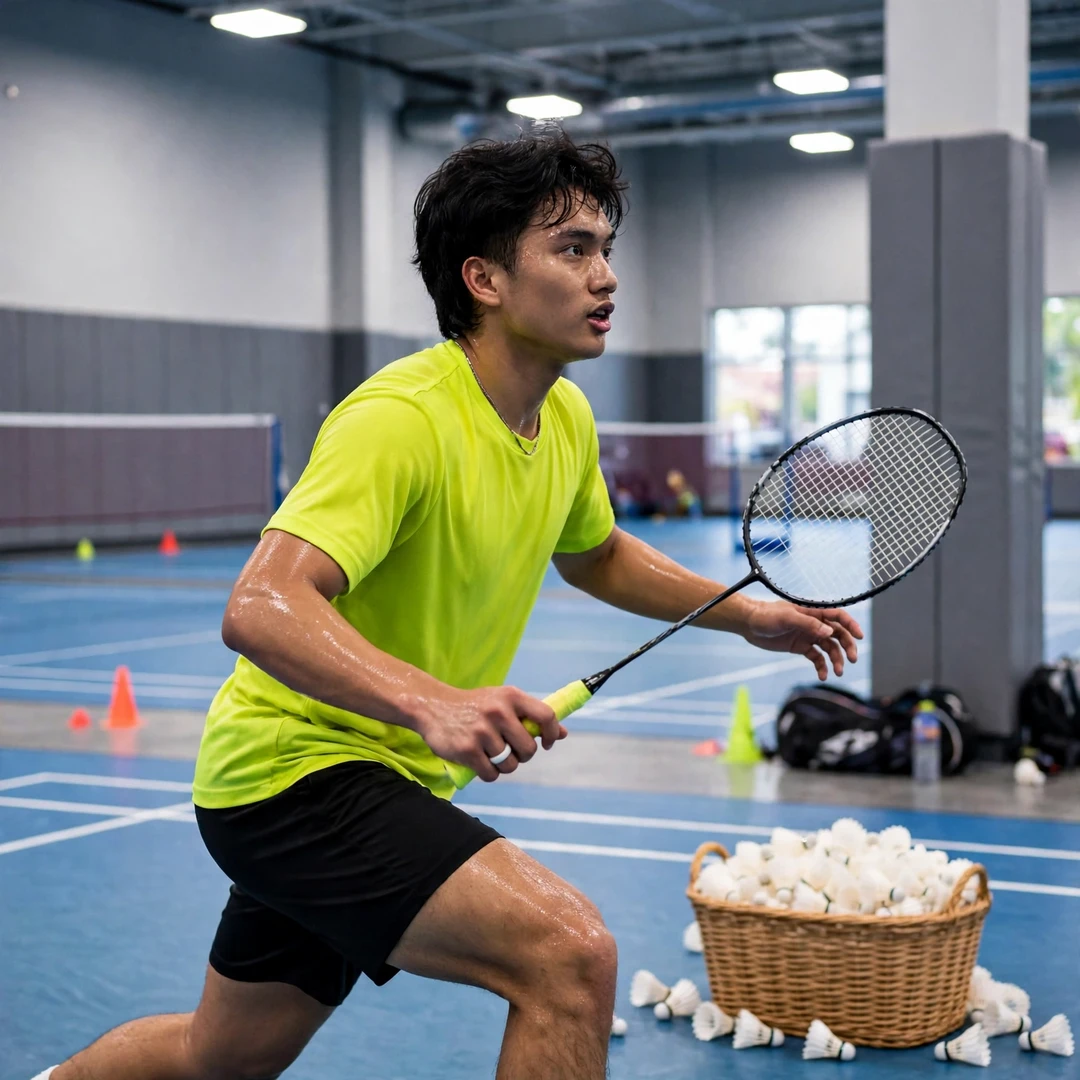
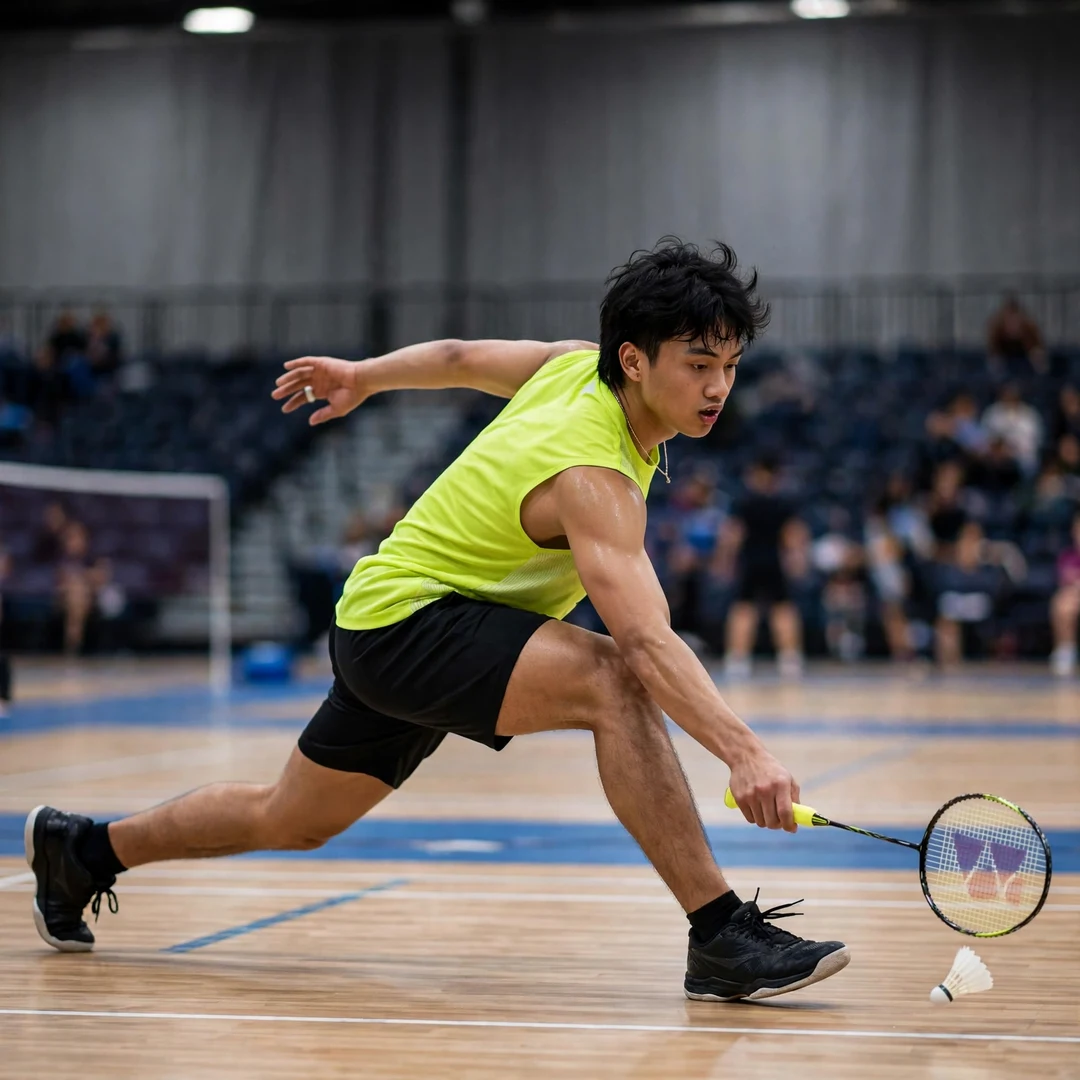
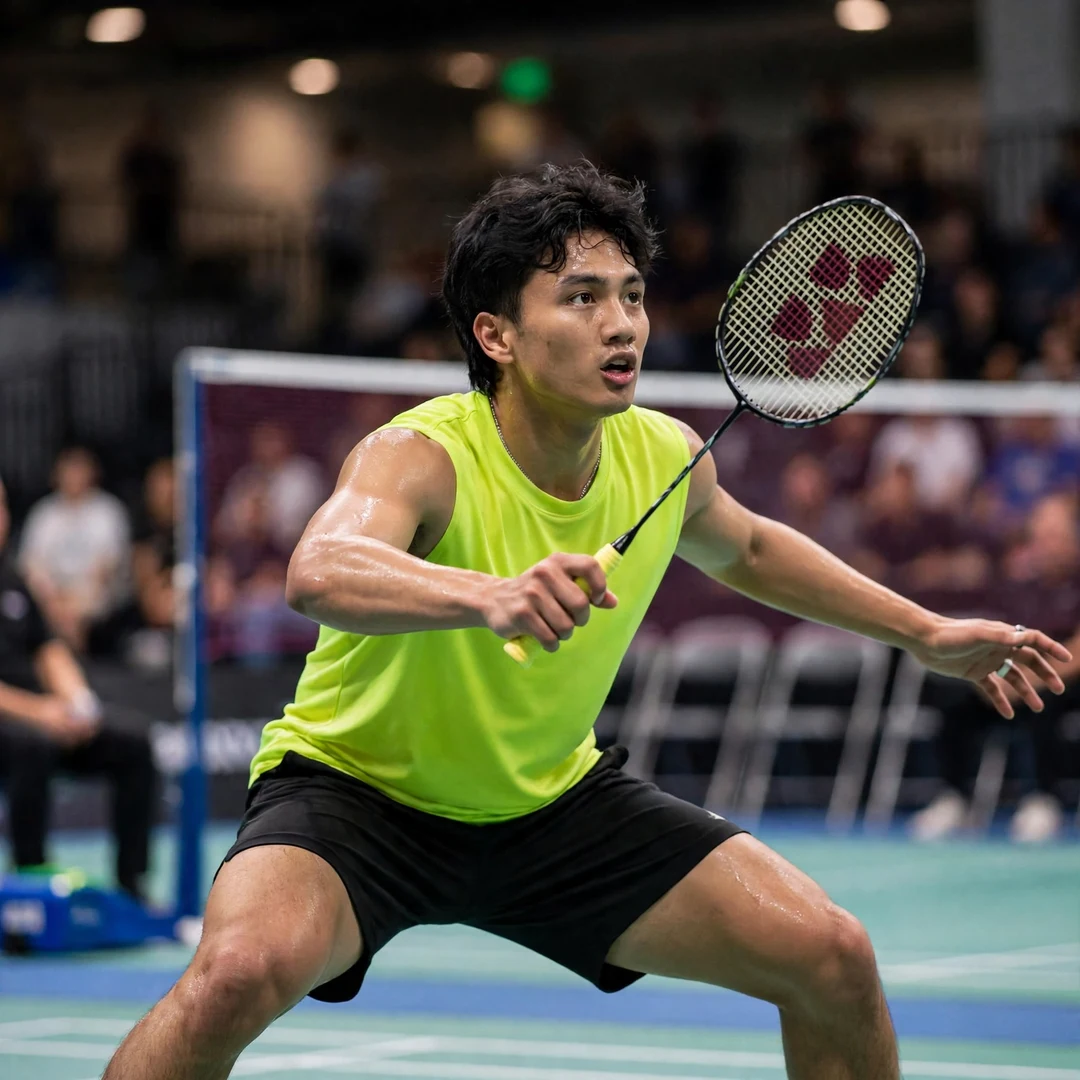
Watch Alcala play and the family coaching shows: this is a complete player, not a one-shot wonder. The headline weapon is the smash — Kevin Cordon, a man who has faced the best attackers of three generations, singled out how hard Alcala hits the shuttle — but the power sits on top of fast, economical footwork and the kind of reliable defence that only survives at this level when it is built from childhood.
His second strength is an education across all three disciplines. Alcala grew up playing singles, doubles and mixed doubles seriously — remember, in 2018 he was simultaneously the United States’ No. 1 singles player and No. 2 in both doubles disciplines — and it shows in his net play, his flat exchanges and his reading of opponents. Singles specialists who only ever played singles rarely develop that all-court softness of touch.
Three things to watch when Alcala plays. First, his smash preparation: the racket is up early and the swing is compact, so the power arrives before opponents are set. Second, his first three shots: a doubles-bred instinct to seize the front court and rush the return. Third, his composure: against Cordon, on the biggest court of his life, there was no rush and no panic at the closing points — the calm of a player who has been competing for twenty years.
Mental Strength
Family, Patience and a Twenty-Year Dream
The first lesson is that a dream can organise a whole family’s life — but only when it is paired with daily work. The Alcalas named their children after the dream, coached them at home, and eventually crossed an ocean for it. What looks like destiny from the outside was, up close, two decades of sessions planned by a father who refused to let an injury have the last word.
The second lesson is patience on a scale junior players rarely imagine. Alcala won a senior national title at 13 — and then waited until he was 26 for his first senior international title, and 27 for his World Championships debut, spending years ranked outside the top 300 in between. Early success guarantees nothing; it is the players who keep working through the plateau years who are still standing when their moment comes.
For parents, his story is unusually honest about what elite development asks of a family. A parent was his coach. His sister’s career modelled the standard. The family emigrated for better opportunity. Nobody has to copy those choices — but the pattern underneath them is universal: clear structure at home, honest feedback, and support that survives the lean years, not just the podium years.
Learning Reference
ST Badminton Academy Connection
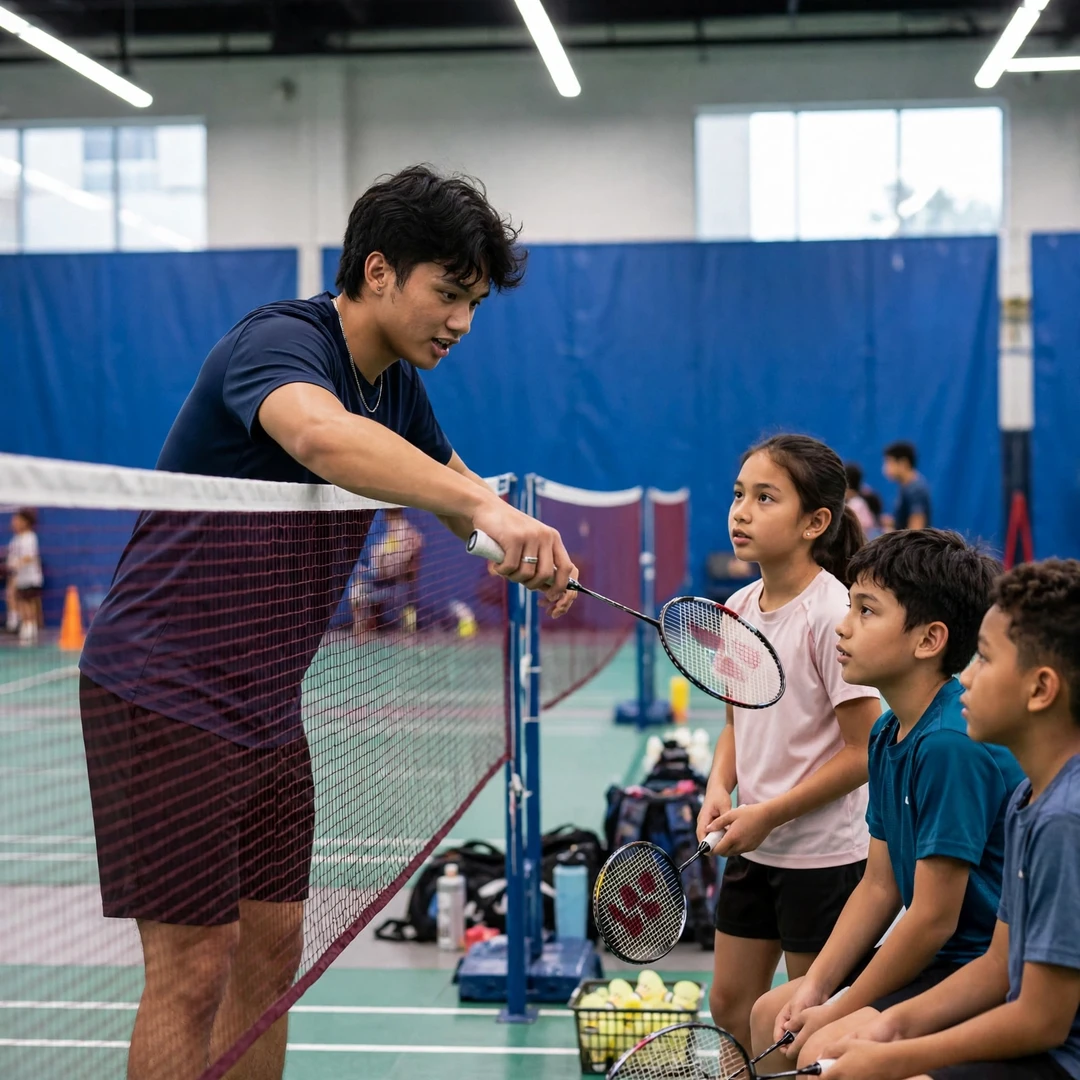
ST Badminton Academy has no partnership or endorsement arrangement with Mark Shelley Alcala or USA Badminton, and he has never trained at our academy. We feature his profile because our students in Kuala Lumpur and Singapore follow the BWF World Tour closely, and because the lessons in his career — fundamentals built early, and patience through a decade-long plateau — are exactly the lessons our coaches teach.
Our students study Alcala because so much of his game is copyable. The smash power comes from preparation and timing, which can be taught. The net skills come from playing every discipline as a junior, which our programme encourages. And his composure at the World Championships came from twenty years of competition experience — a reminder to young players that temperament is a skill accumulated match by match, not a gift.
An honest expectation to finish with: Alcala’s career runs on two timelines. He was a national Open champion at 13 — a one-in-a-million junior timeline. He was also a World Championships debutant at 27 after ten quiet years — a timeline almost any committed player can relate to. A child who starts structured training young gets the same foundations he had; what happens next depends on the plateau years, and those are negotiated with coaching, family support and patience, not promises.
FAQs: Mark Shelley Alcala American Badminton Player
Parents and young players ask our coaches about Mark Shelley Alcala’s background, his Philippine titles, his move to America and his World Championships debut. Here are the answers, based on his BWF profile and published match reporting.
Who is Mark Shelley Alcala and which country does he represent in badminton?
Mark Shelley Alcala is a 27-year-old Filipino-American men’s singles badminton player, born on 19 June 1999 in Kawit, Cavite, Philippines. He emigrated to the United States in 2016, represents the USA in BWF competition, and reached a career-high world No. 73 in October 2026 with 24,832 points.
What are Mark Shelley Alcala’s biggest badminton achievements?
His biggest achievements are winning the Philippine national Open singles title at 13, making his World Championships debut in 2026 and beating four-time Olympian Kevin Cordon in the first round, winning his first senior international title at the Mexico Future Series in 2025, and being ranked No. 1 in men’s singles in the United States in 2018.
What is Mark Shelley Alcala’s playing style?
Alcala is a right-handed attacking player. His game is built on a famously heavy smash — praised by Kevin Cordon himself — fast all-court footwork, and net skills and flat exchanges sharpened by years of playing doubles and mixed doubles at elite level. He is composed under pressure, as his World Championships debut showed.
How has Mark Shelley Alcala performed in team events for two countries?
Alcala has represented two countries in team badminton. As a young teenager he was a member of the Philippines adult national team and was selected in the Philippines squad for the 2013 Sudirman Cup. For the United States, he was selected for the 2026 Pan Am Male and Female Cup team after finishing third at the 2025 US Adult National Championships.
How can my child learn from Mark Shelley Alcala’s training approach?
By copying his structure. Alcala’s fundamentals were built early, by his father, with daily home-based coaching and competition across singles, doubles and mixed. At ST Badminton Academy we build the same sequence: sound technique and footwork first, experience in every format of the game, and the patience to keep developing through the years when progress looks slow.
Did Mark Shelley Alcala win any junior titles?
Yes, many. Alcala won the Li-Ning Singapore Youth International in 2009 and again in 2011, the Australia Junior International and the Swiss Junior International, and three gold medals at the 2013 Junior International Championships in California. He also won multiple Philippine national titles, including the senior Open title at 13.
What are Mark Shelley Alcala’s best World Championships and World Tour results?
Alcala has played one World Championships: New Delhi 2026, his debut at 27, where he beat Kevin Cordon 21-17, 21-13 before losing to seventh seed Victor Lai in the round of 32. On the World Tour, his best result is the round of 16 at the 2026 US Open, alongside main-draw appearances at the Canada Open and the Korea Masters.
What playing style should young players learn from Mark Shelley Alcala?
Learn his preparation before his power. Young players should copy Alcala’s early racket preparation and compact swing, his willingness to play every discipline as a junior, and his composure in big moments. The smash is the visible end of a chain of fundamentals — footwork, timing and twenty years of match experience — and the chain is what training builds.
Does ST Badminton Academy have any connection with Mark Shelley Alcala?
No. Mark Shelley Alcala has never trained at ST Badminton Academy, and there is no partnership or endorsement between him and the academy. We profile leading BWF players as study material for our students, and we are always clear about that distinction.
Mark Shelley Alcala Career Highlights
Career Statistics and Rankings
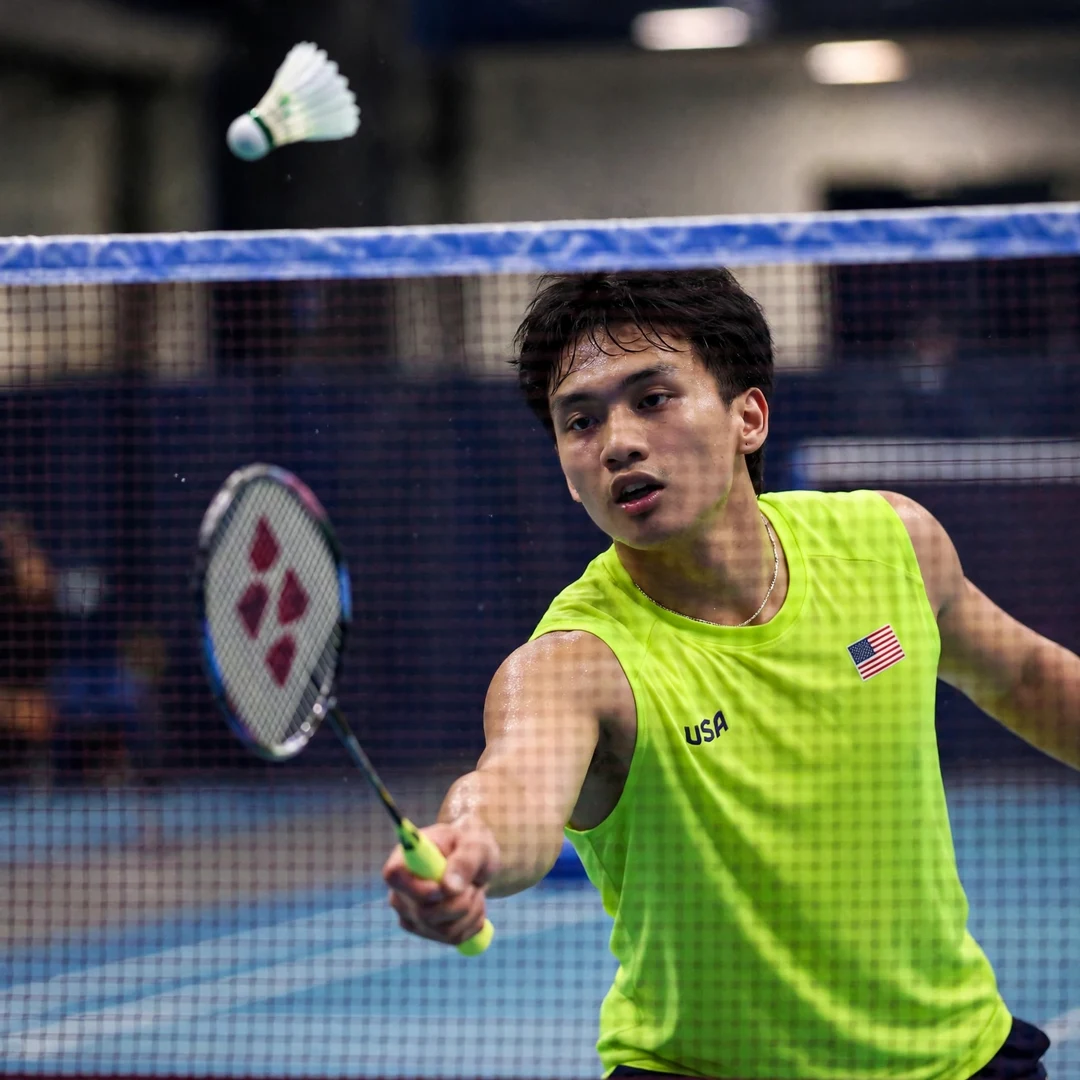
Mark Shelley Alcala's profile is the story of a family's twenty-year promise kept: a prodigy in Cavite, a champion at 13, an emigrant at 17, a ranking outsider for a decade — and then, at 27, a World Championships victory over a legend, dedicated to the injured father who started it all. Ranked a career-high No. 73, he is proof that in badminton, late bloomers with strong foundations can still write the best chapters last.
| Development Area | Common Misconception | What Mark Shelley Alcala's Career Shows REALITY |
|---|---|---|
| Junior Foundation | Talent alone decides who becomes a champion. | Alcala started in first grade in Cavite, coached by his father Malvin, and won the Philippine national Open title at 13 — a structured family base came first. |
| Playing Style Priority | Kids should copy the flashiest attacking shots. | Alcala built a complete game first; his famous heavy smash is the finishing touch on fast footwork, defence and a net game sharpened by years of doubles. |
| Fitness Importance | Juniors can out-train everyone without rest. | Alcala spent years ranked outside the top 300 after moving to the United States — his 2025-26 breakthrough came from patience and steady scheduling, not more hours. |
| Mental Approach | Top players never get nervous or upset. | Alcala carried his injured father's unfinished dream for two decades, yet stayed composed enough to beat a legend on his World Championships debut — mental skills are trained, not inherited. |
| Attacking Training | Smashing harder is always the answer. | His 2026 World Championships win over Kevin Cordon (21-17, 21-13) and his 2025 Mexico title came from controlled attack placement, not raw power. |
| National Milestones | Only world titles matter. | Alcala's Mexico Future Series title in 2025 and his place in the USA's Pan Am Cup team made him a standard-bearer on two continents — continental milestones build a career step by step. |
| Career Timeline | Champions peak once and fade fast. | From Philippine Open champion at 13 to a career-high world No. 73 at 27, Alcala proves sustained development beats a short peak. |
Study Mark Shelley Alcala's Work Ethic and Professional Approach
Inspired by Mark Shelley Alcala's story? WhatsApp ST Badminton Academy at +60 17-684 2136 to book a trial class in Kuala Lumpur or Singapore — and ask us how our junior programme builds the fundamentals, versatility and patience behind stories like his.