Japanese Men’s Singles Badminton Star
Riki Takei

Japan
Player Event: Men’s singles
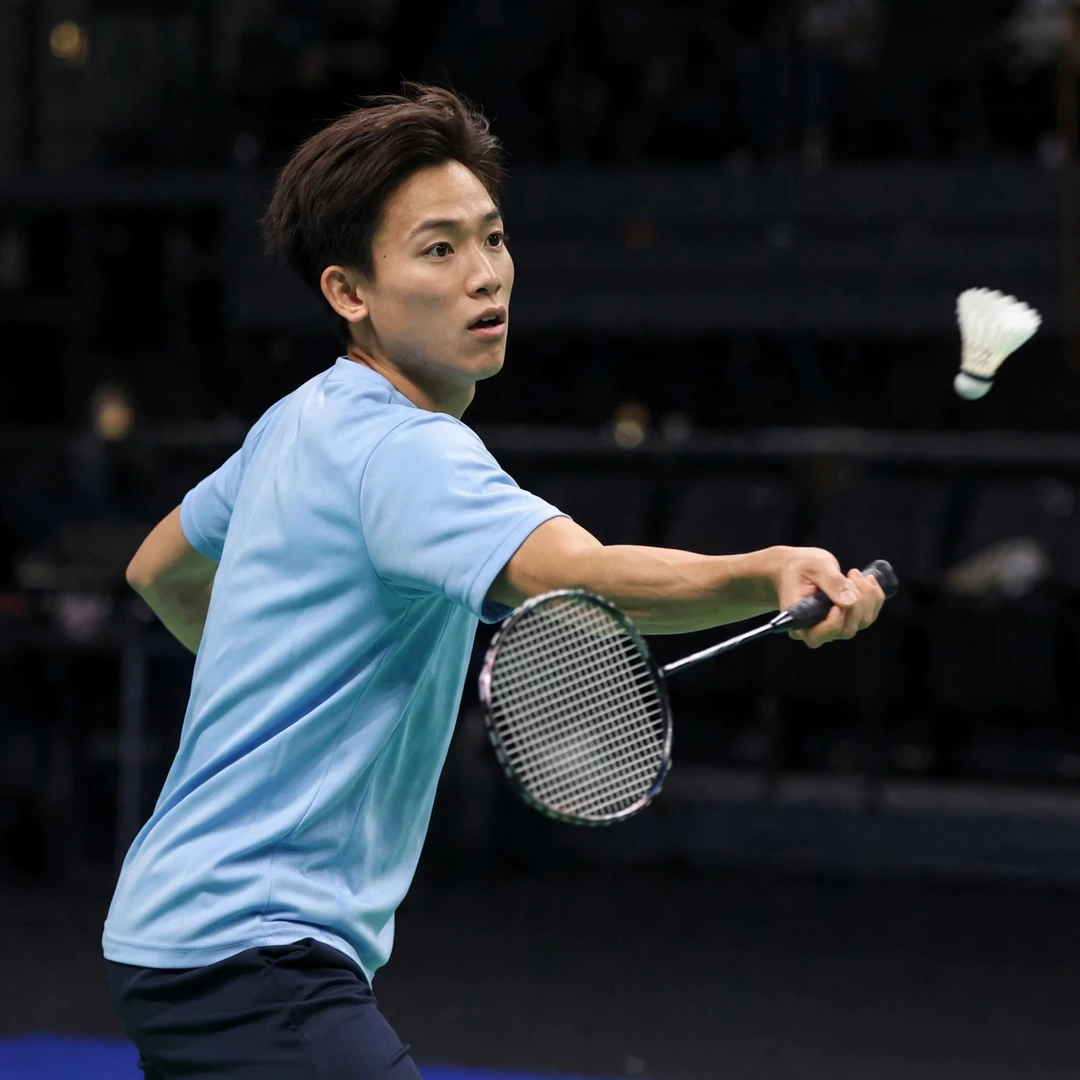
Riki Takei is a professional badminton player who represents Japan in men’s singles on the BWF World Tour. He is a right-handed player from Tokyo who stands 1.64 m tall, trains with the NTT East badminton team and plays internationally for the Japanese national team. Takei is coached at his club by former world champion Kento Momota and at national level by Kazumasa Sakai. In a sport dominated by taller power players, he has built his ranking on exceptional court coverage, rally discipline and late-match fitness, reaching a career-high world No. 57 in July 2026.
Riki Takei was born on 21 July 2003 in Tokyo, Japan, and started playing badminton at the age of five with the Ome Junior club in his home city. His talent showed early: as a fourth-grader he won a national elementary school championship, a result that earned him selection for Japan’s U-13 National Development squad. He later attended Inawashiro Junior High School and the Futaba Mirai Gakuen High School in Fukushima, a school famous in Japan for producing elite badminton players. That pathway — local club, national development squad, then a powerhouse badminton school — gave Takei thousands of hours of structured practice before he turned professional.
Understanding Riki Takei (Japanese Badminton Rising Star)
Takei made his international debut in 2015 at the Singapore Youth International Series, and his junior breakthrough came two years later. In 2017 he won the boys’ singles title at the Asian Junior Championships in the U-15 age group, and the same year he added the boys’ doubles gold at the Singapore Youth International alongside Shohei Noguchi. In 2018 he took silver in boys’ singles at the Jakarta Open Junior International, and in 2019 he helped Japan win the mixed team bronze medal at the World Junior Championships in Kazan, Russia. At home he collected titles at the All Japan Junior High School Championships, the National High School Championships and the All Japan Junior Championships, completing a clean sweep of Japan’s major junior crowns. Just as importantly, those junior years taught him to win in different ways: the U-15 title in Asia came through speed and attacking intent, while the long domestic season in Japan rewarded the patience and defensive resilience that still define his senior game today.
Early Life in Tokyo and Junior Career
After graduating from high school, Takei joined the NTT East Badminton Team on 1 April 2022, and within eighteen months he had his first senior international title. At the 2023 Thailand International he defeated South Korea’s Heo Kwang-hee in a three-game final, 17-21, 22-20, 21-17, and later that season he finished runner-up at the Bahrain International, losing another three-game final to compatriot Minoru Koga. His next leap came at the 2024 All Japan Championships, the national title every Japanese player wants most. Takei beat Kenta Nishimoto and Riku Hatano on his way through the draw, reached the final after Koki Watanabe withdrew from their semi-final injured, and finished runner-up to Yushi Tanaka. For a 21-year-old who had never previously threatened the latter rounds of the national championships, beating established internationals such as Nishimoto announced him to Japanese badminton. He credited the run to six months of training under Kento Momota, the two-time world champion on the NTT East coaching staff, whose attention to rally construction and defensive positioning reshaped Takei’s game.
From Ome Junior Club to a Badminton Powerhouse School
Takei’s 2025 season turned promise into a pattern. He won the Réunion Open without dropping a single game, beating Rahul Bharadwaj 21-7, 21-5 in the final, then won the Saipan International by defeating Yudai Okimoto in the final. In July 2025 he also won the Lin Dan Cup, an invitational event in Xi’an, China, and reached the semi-finals of the Super 100 Kaohsiung Masters, ending the year ranked world No. 69. In 2026 the results jumped a level. In May he reached his first BWF World Tour final at the Super 100 Baoji China Masters, thrashing top seed Minoru Koga 21-6, 21-12 in the semi-finals before losing the final to China’s Sun Chao. In July came his first Super 300 final at the Canada Open: he beat Koga again, then outlasted Olympic bronze medallist Lee Zii Jia 21-13, 18-21, 21-18 in a 70-minute semi-final, fighting back from 14-17 down in the deciding game, before losing the all-Japanese final to Yudai Okimoto. The depth of the 2026 season matters as much as the two finals: Takei also won his Korea Masters opener against Finland’s Joakim Oldorff in straight games and reached the second round of the US Open, collecting ranking points at event after event rather than relying on one hot week. Those runs lifted him to a career-high world No. 57 on 7 July 2026; he is now No. 80 with 23,170 points, still chasing his first World Tour title.
Asian Junior U-15 Champion
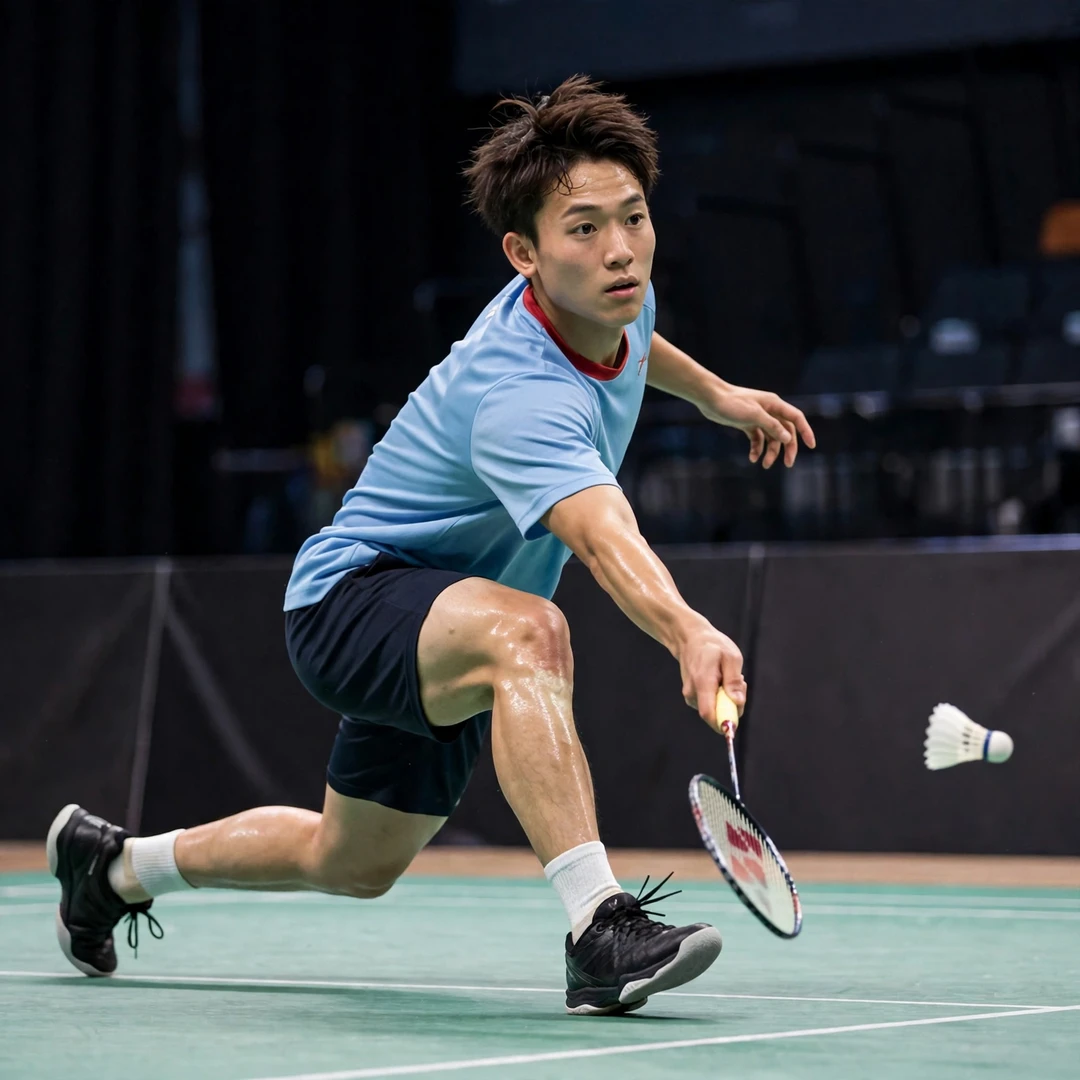
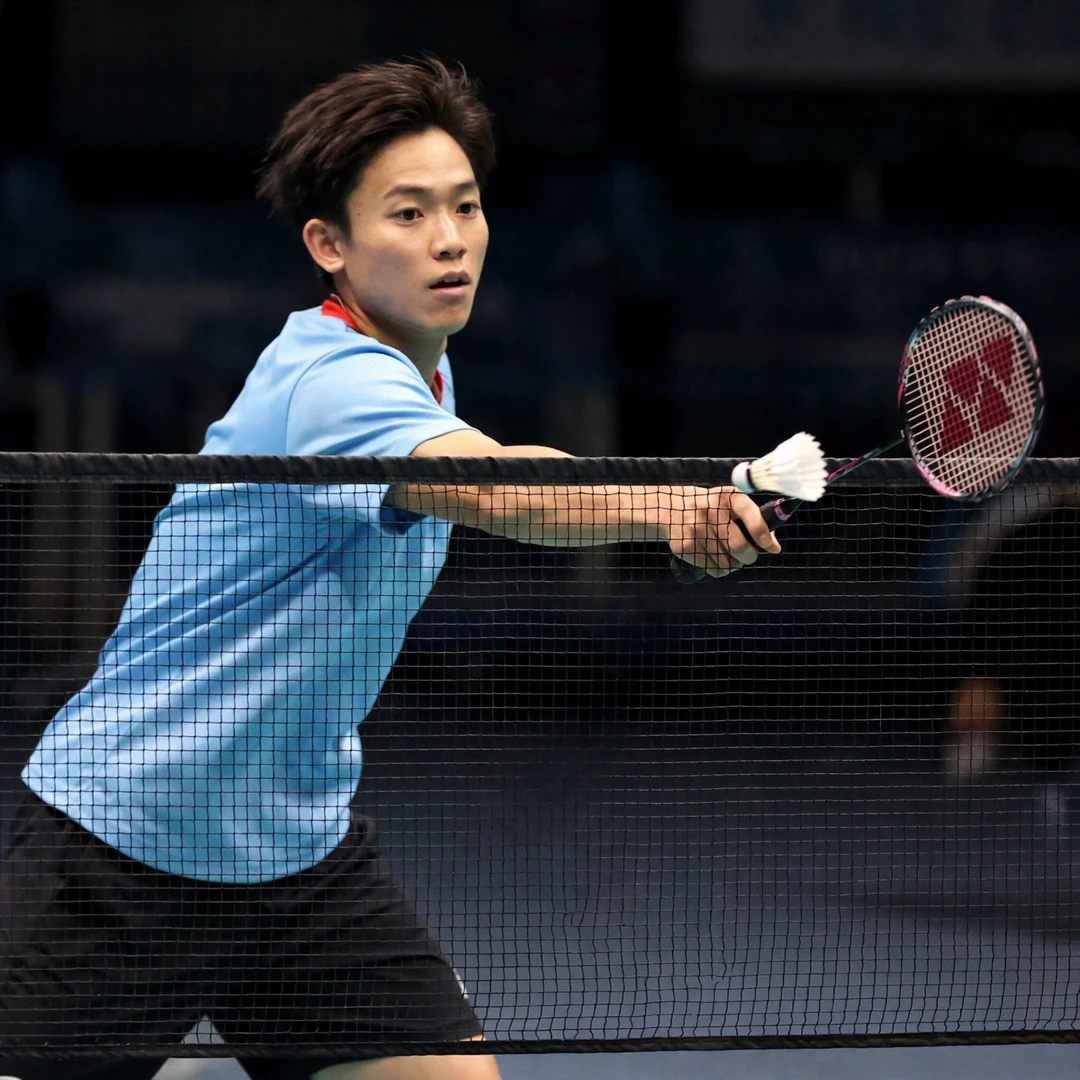
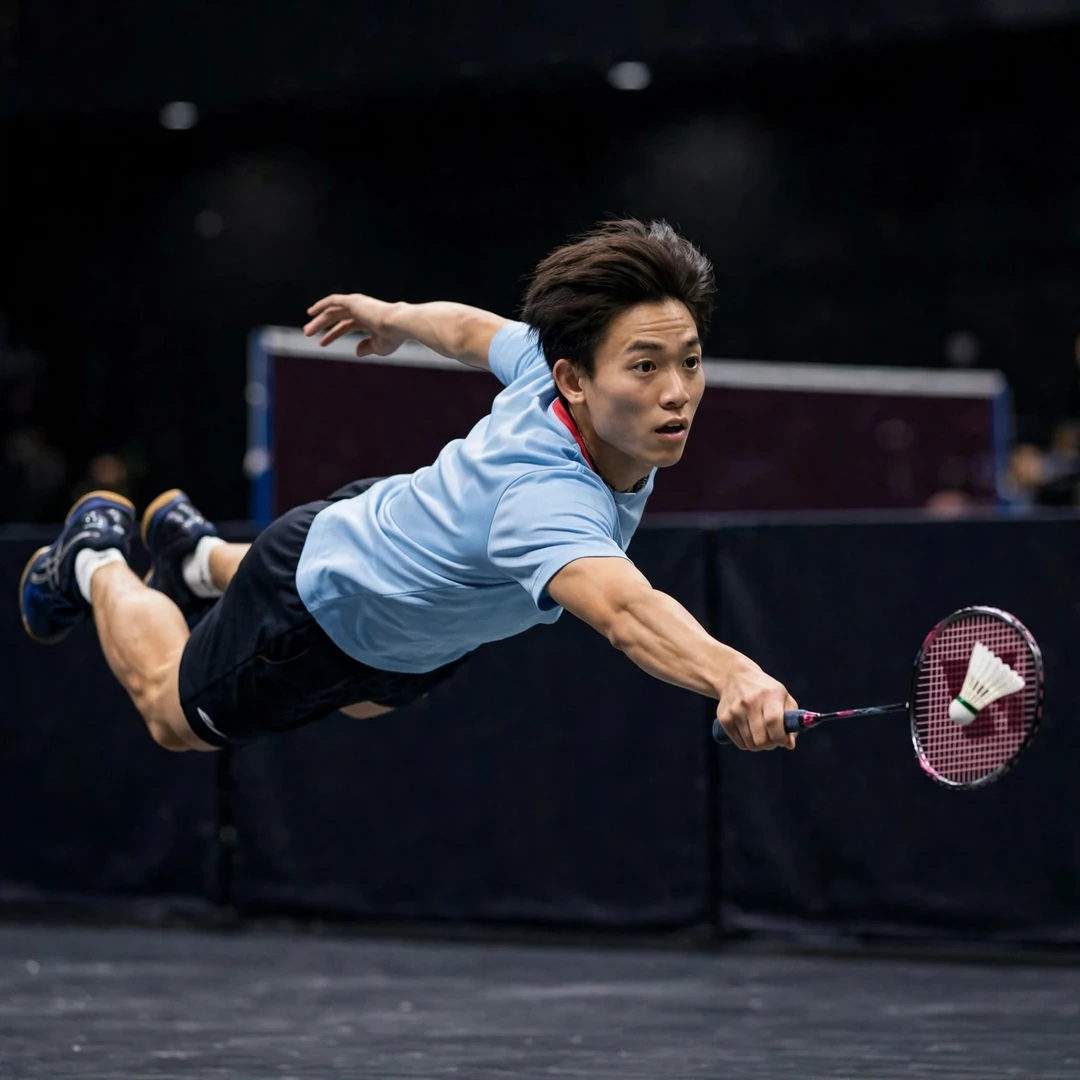
At 1.64 m, Takei is one of the shortest players in the men’s singles top 100, so his game is engineered around speed rather than reach. A low centre of gravity and explosive first steps let him reach the corners earlier than taller opponents, and his rally patience is exceptional: he is happy to play twenty or thirty shots, moving opponents from corner to corner until a short lift invites his counter-attack. His fitness is a genuine weapon — the Canada Open semi-final against Lee Zii Jia turned when Takei, trailing 14-17 in the deciding game, simply outlasted a far more experienced opponent. Coached by Kento Momota, a master of control and deception, Takei keeps his clears and drops precise, varies the pace cleverly and defends in a compact crouch that taller players struggle to kill the shuttle against. Coaches who scout him give young players a simple warning: do not mistake his size for weakness. His smash is fast rather than heavy, hit early and placed into the tramlines and at the body, and his net game — spinning net shots played from below tape height — forces the lifts his counter-attack feeds on. The result is a style that travels well against almost any opponent, because it depends on his own speed and discipline rather than on errors from across the net.
World Junior Team Bronze in Kazan
Takei’s rise is also a story of stability. He has one club, NTT East, one club coach in Kento Momota and one national coach in Kazumasa Sakai, and that settled environment shows in his steady year-by-year climb: a year-end ranking of 279 in 2024 became 69 in 2025 and a top-60 peak in 2026. Badminton is the family business — his older brother Yuta Takei is a professional doubles player — and Riki’s own life has changed quickly alongside his career: he married in June 2024, and his first child, a daughter, was born that December. Balancing a young family with the World Tour takes organisation and discipline, and those around Japanese badminton describe exactly the professional habits that his results now reflect. His career record of more than 120 senior international wins against roughly 40 defeats, built mostly outside the biggest events, shows a player who prepares properly for every tournament on the calendar, not only the famous ones.
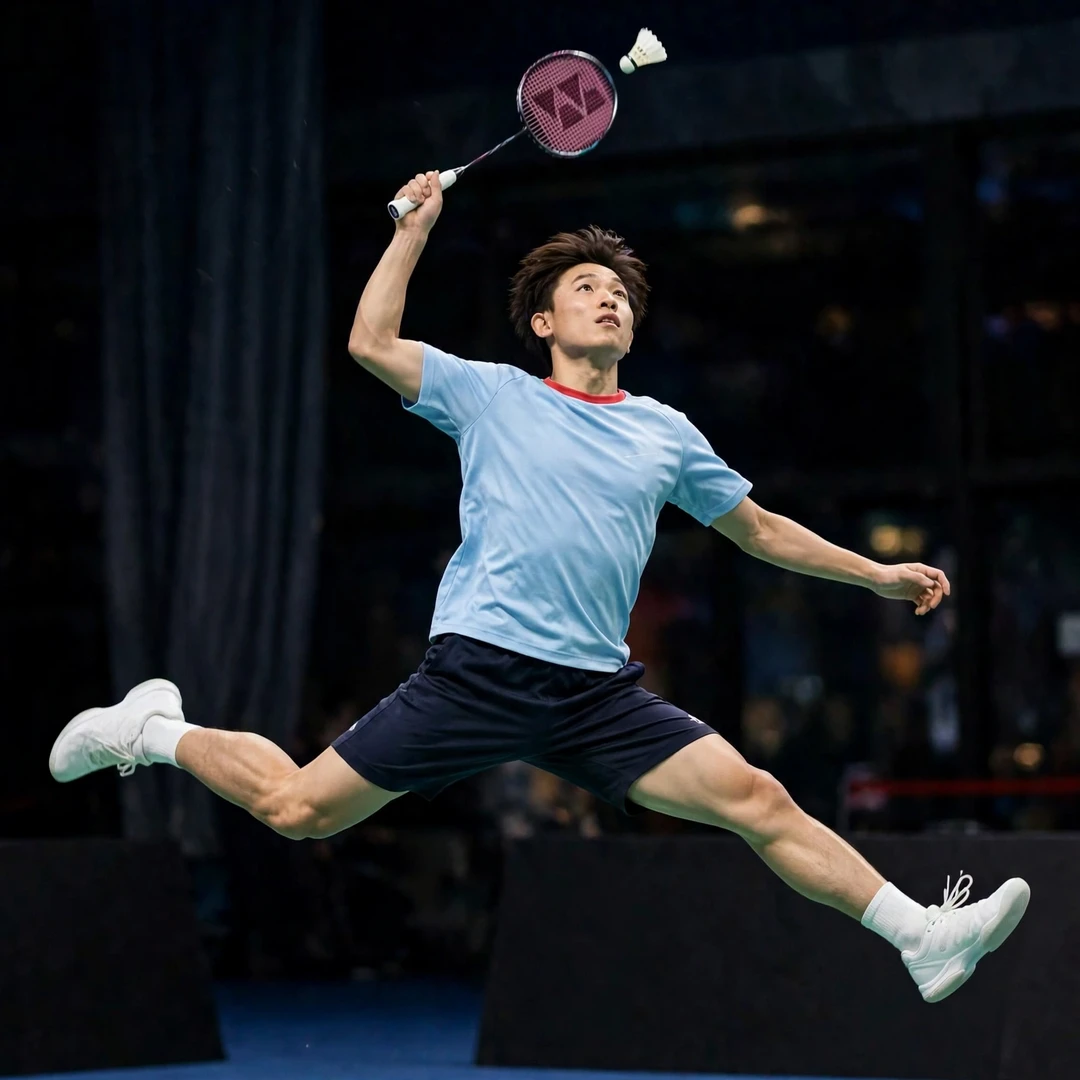
Career Milestone #1
Senior Tour Breakthrough Titles
Coaches at ST Badminton Academy study Riki Takei’s journey because it answers the question every smaller junior asks: can I compete against taller players? Takei’s career shows that speed, stamina and shot quality can beat reach — as long as they are trained deliberately for years. These are the lessons his climb offers our students.
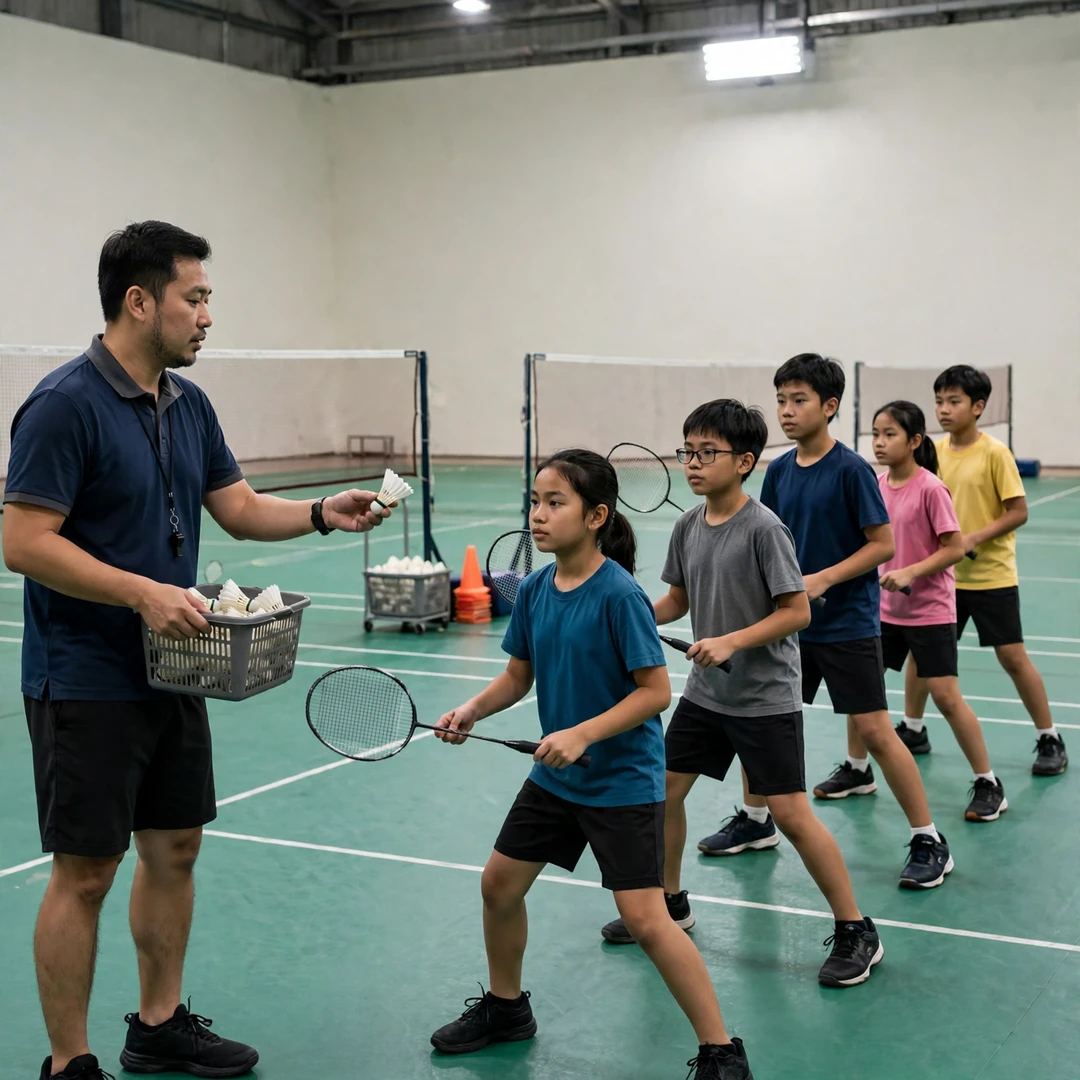
The first lesson is the value of one stable coaching home. Takei developed inside a single system — Ome Junior, a top badminton school, then NTT East under Kento Momota — so every coach built on the same technical foundations. Young players who change clubs and coaches every season rarely build that depth. At ST Badminton Academy we keep each child’s coaching team consistent for exactly the same reason.
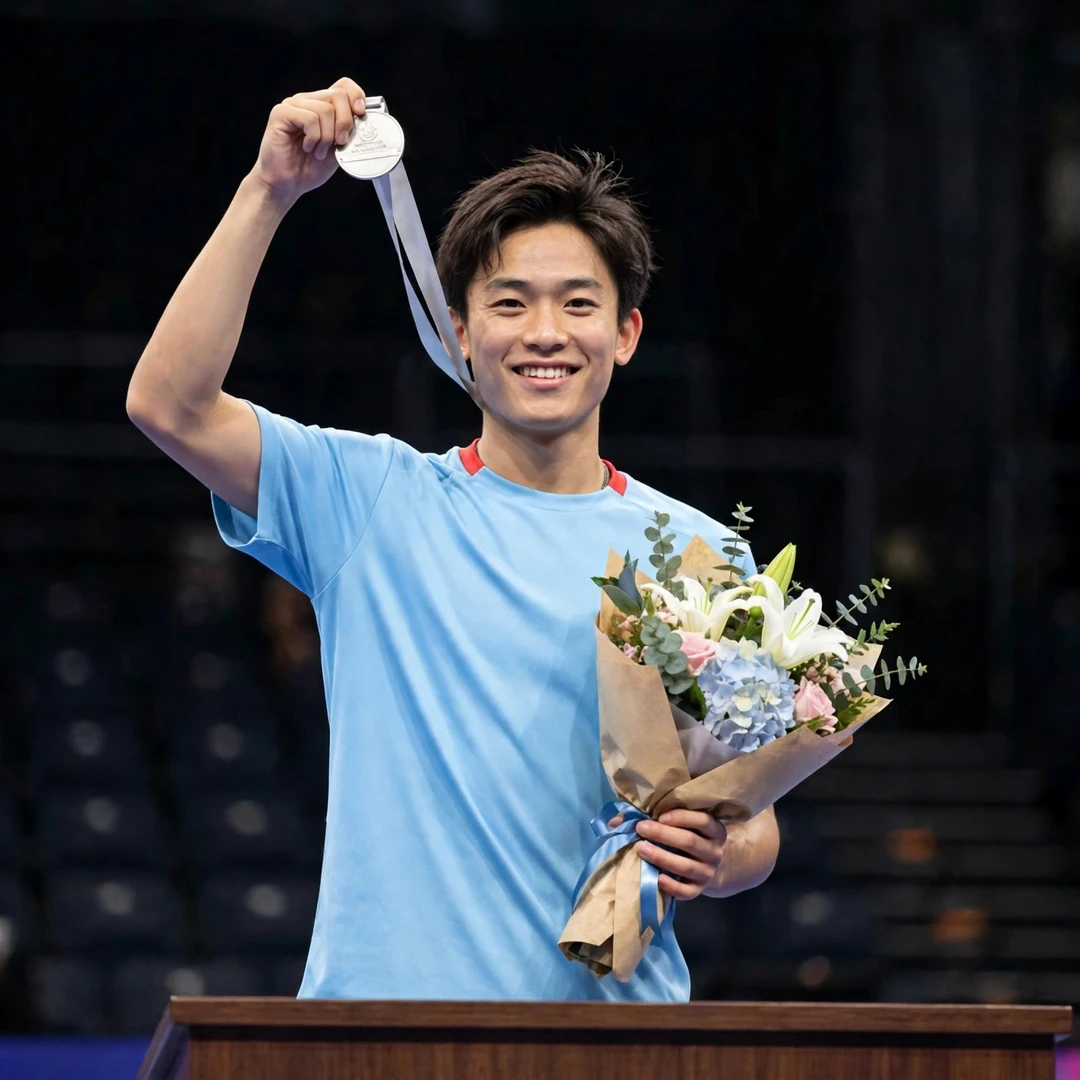
Career Milestone #2
First Senior Title in Thailand
The second lesson is to turn a physical disadvantage into a system. At 1.64 m, Takei could not copy the power game of taller rivals, so he built the fastest feet and the most patient rally game he could. Children should identify what their own body does best — speed, stamina, touch or power — and train that quality into a genuine weapon, instead of imitating a champion with a completely different build.
The third lesson is to collect titles at every level. Before his World Tour finals, Takei won the Thailand International, the Réunion Open and the Saipan International, learning how to close out finals against beatable fields. Winning smaller events teaches the routines of finals day — the warm-up, the nerves, the patience at 19-19 — that no training session can reproduce. We encourage our juniors to enter the right level of competition and learn to win there first.
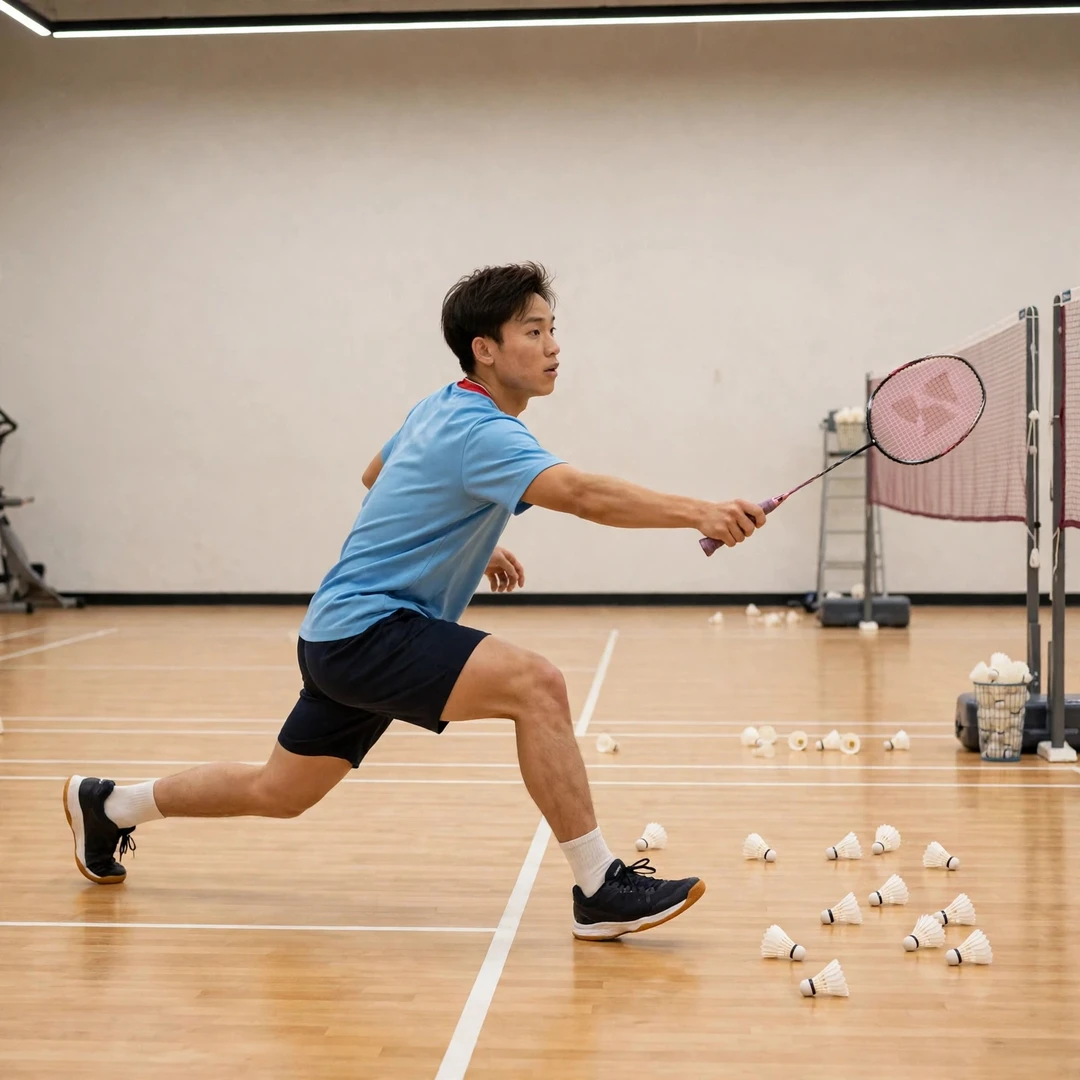
The fourth lesson is that fitness wins deciding games. Against Lee Zii Jia at the Canada Open, Takei was 14-17 down in the third game against an Olympic medallist — and won, because after 70 minutes his legs were still fresh. Endurance is trainable at any age through footwork drills, multi-shuttle feeding and long rally games, and it pays off exactly when opponents begin to fade.
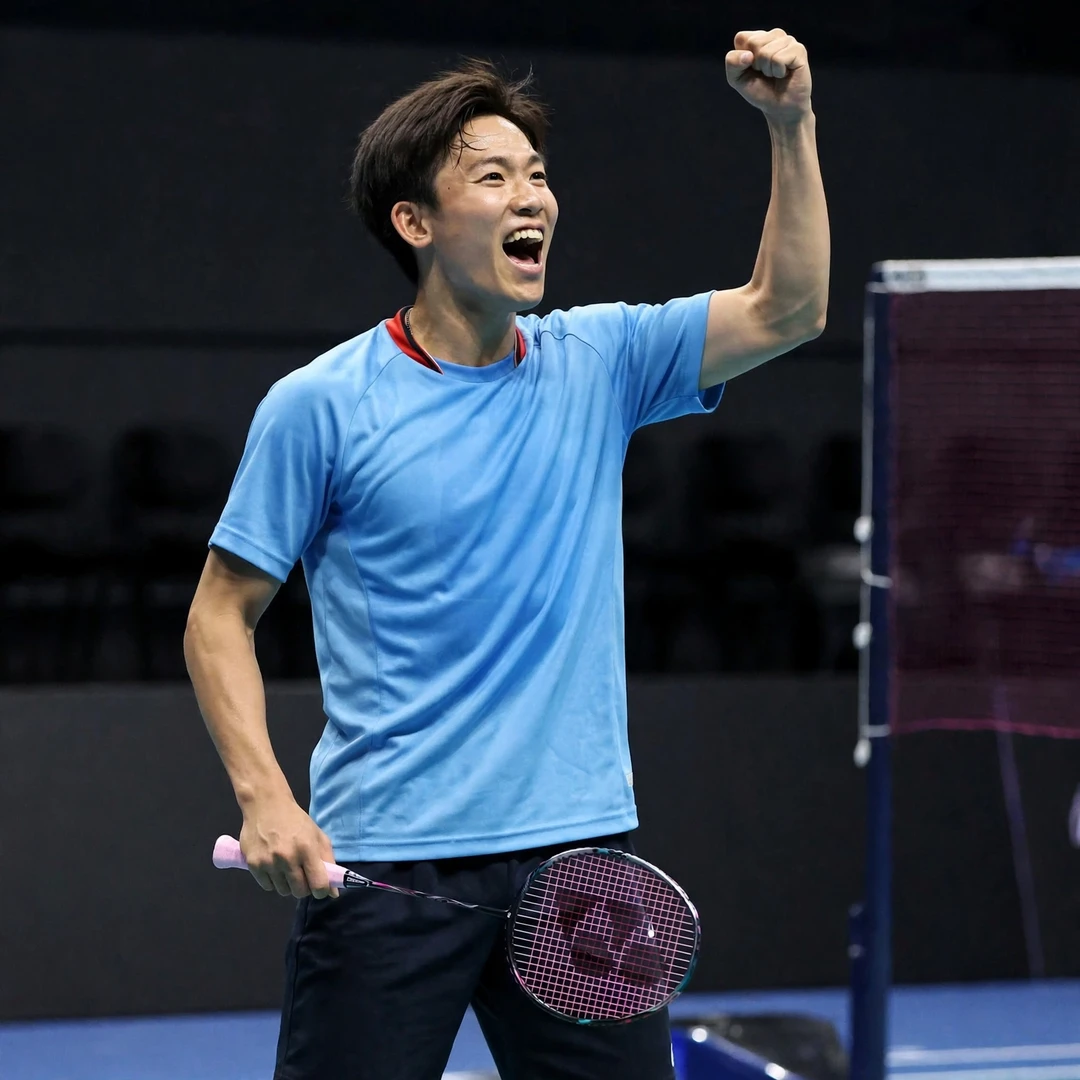
Career Milestone #3
Two World Tour Finals in One Season
The fifth lesson is to learn from the best up close. Takei’s transformation followed six months of daily training under Kento Momota, a former world No. 1 whose control and deception he could study at arm’s length. Young players should watch elite players deliberately — how they hold the racket, disguise their shots and organise their points — and copy one detail at a time in their own training.
The sixth lesson is patience with the ranking ladder. Takei ended 2024 ranked 279th in the world; eighteen months later he was a two-time World Tour finalist with a career-high of No. 57. Progress in badminton is rarely straight or fast, and the players who keep improving their basics through the quiet seasons are the ones who eventually break through. Trust the process, and measure progress yearly rather than weekly.
The seventh lesson is that a full life can fuel a career rather than distract from it. Takei married in 2024 and became a father the same year, and his best badminton has come since. Clear routines, supportive people and strong reasons to stay organised help athletes train consistently for a decade. Students with balanced lives — school, family and sport — usually outlast those who burn out early.
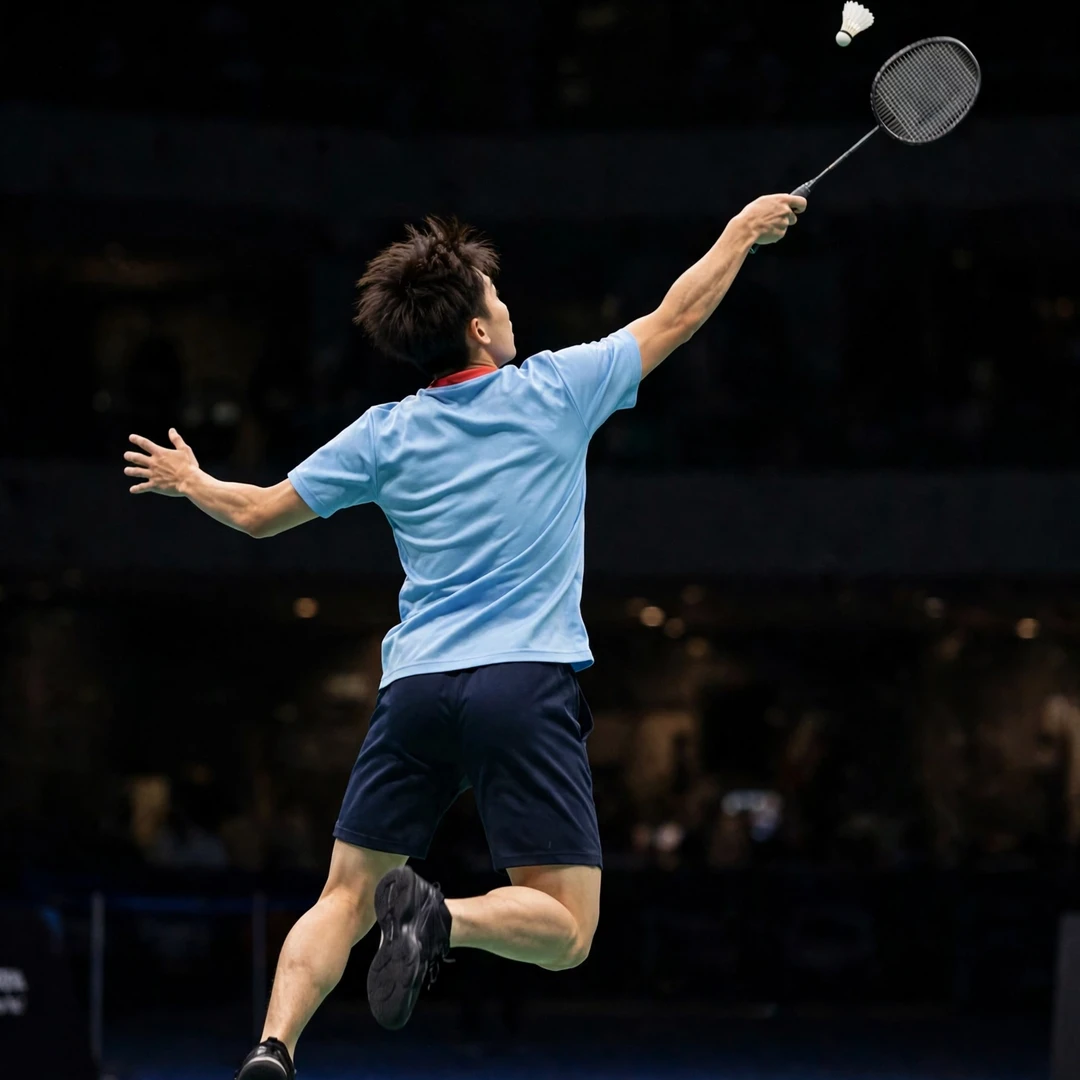
Career Milestone #4
Career-High World No. 57
ST Badminton Academy has no official connection with Riki Takei, NTT East or the Badminton Association of Japan. We feature his story because our students in Malaysia and Singapore include many smaller, speed-based players who need proof that their style can reach the world stage. Takei’s giant-killing wins over Lee Zii Jia and Minoru Koga show exactly where fast feet, patience and fitness can take a junior who trains them properly.
Riki Takei’s story is still being written. At 23, Japan’s pocket-sized speedster has already been an Asian junior champion, a World Junior team medallist, a three-time international title winner and a two-time World Tour finalist — all within three seasons of leaving school badminton. The obvious next targets are a first World Tour title and a permanent place inside the world’s top 50. Whatever comes next, his career already proves the academy lesson we teach every week: the fastest feet in the hall can beat the longest reach.
Playing Style
The Speed and Rally Style
At ST Badminton Academy, our children’s classes follow the same long-term development ideas that shaped Riki Takei: a stable coaching team, footwork and complete technique before raw power, and competition experience at the right level.
World-class professional badminton in the modern era demands more than talent. Riki Takei shows students why speed, stamina and disciplined daily routines matter just as much as a big smash.
Want your child to learn badminton the professional way? Join ST Badminton Academy in Malaysia or Singapore and train with a clear development pathway.
Mental Strength
Discipline, Family and the Momota Influence
Train like a future champion — start early, build the complete game, prepare professionally and keep improving for years, like Riki Takei.
Berminat untuk kelas percubaan? Hubungi kami melalui WhatsApp untuk maklumat lanjut tentang ST Badminton Academy.
Takei started at age 5 at the Ome Junior club in Tokyo, won a national elementary school title as a fourth-grader and came through Japan’s U-13 development squad — a structured junior base came first.
Learning Reference
ST Badminton Academy Connection
Takei built a complete game first; his counter-attacks are the finishing touch on the fastest footwork, defence and net play in his ranking bracket.
Takei’s 70-minute Canada Open semi-final win over Lee Zii Jia, fighting back from 14-17 down in the decider, came from superior late-match fitness, not more power.
Takei lost his first World Tour final in Baoji in May 2026 yet improved again within two months to reach the Canada Open final — mental skills are trained, not inherited.
FAQs: Riki Takei Japanese Badminton Player
His 21-6, 21-12 demolition of top seed Minoru Koga at the Baoji China Masters and his Saipan International 2025 final win over Yudai Okimoto came from speed and controlled placement, not raw power.
Who is Riki Takei and which country does he represent in badminton?
Takei’s Asian Junior U-15 title in 2017 and his runner-up finish at the 2024 All Japan Championships made him a name in Japan — continental and national milestones build a career.
What are Riki Takei’s biggest badminton achievements?
From Asian junior champion in 2017 to world No. 57 and two World Tour finals in 2026, Takei proves sustained development beats a short peak.
What is Riki Takei’s playing style?
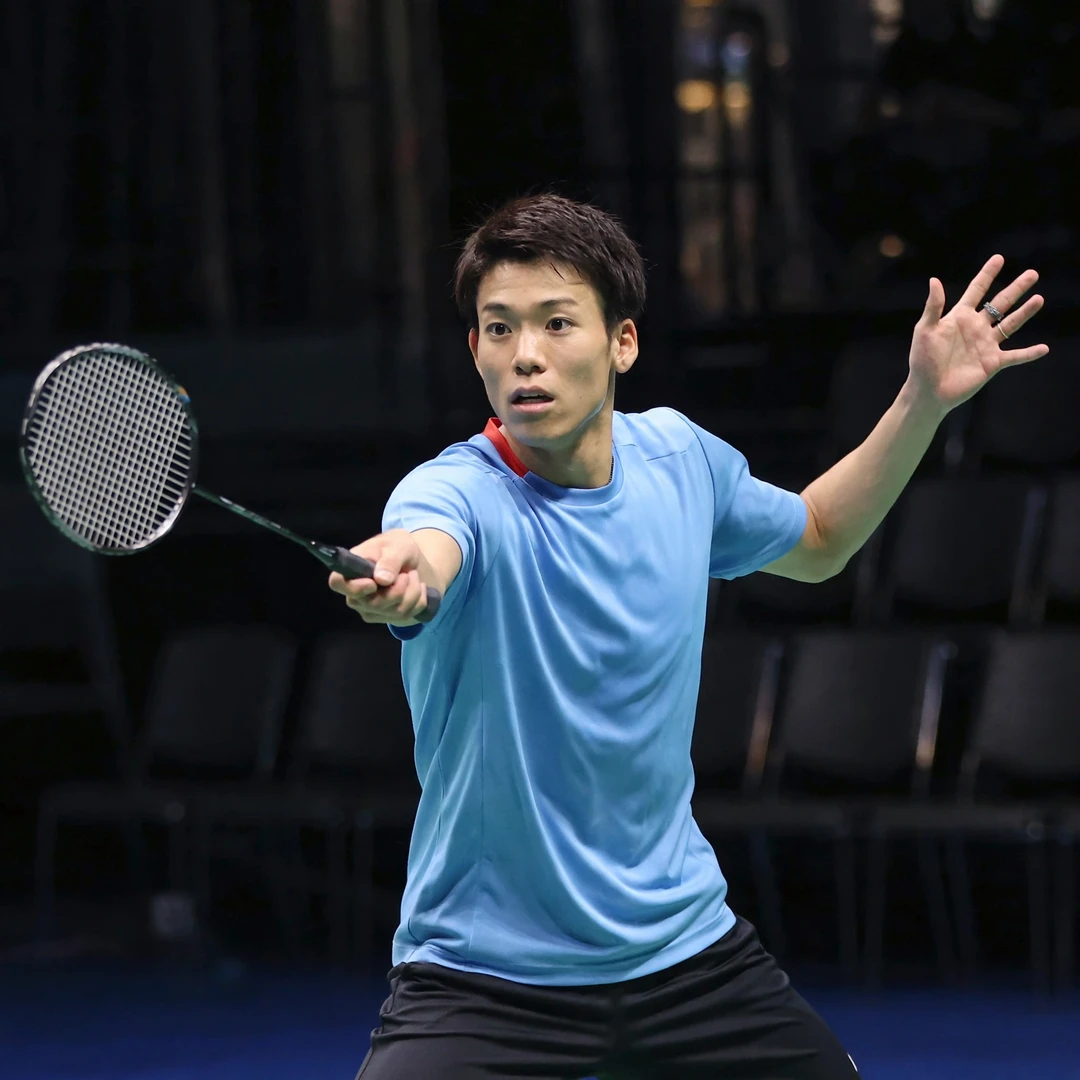
Riki Takei is a Japanese professional badminton player who competes in men’s singles. Born in Tokyo on 21 July 2003, he plays for the NTT East team, represents the Japanese national team and reached a career-high world ranking of No. 57 in July 2026.
How has Riki Takei performed on the BWF World Tour?
His biggest achievements are his two BWF World Tour finals in 2026 — the Super 100 Baoji China Masters and the Super 300 Canada Open — plus three International Challenge and Series titles, the 2017 Asian Junior U-15 singles title, a World Junior Championships team bronze medal and the runner-up finish at the 2024 All Japan Championships.
How can my child learn from Riki Takei’s training approach?
Takei plays a right-handed speed and rally game. At 1.64 m he relies on fast footwork, complete court coverage, patient rally construction and counter-attacking, with the stamina to outlast opponents in long deciding games.
Did Riki Takei win any junior titles?
Takei reached his first World Tour final at the Baoji China Masters in May 2026, losing to Sun Chao, then reached a second final at the Canada Open in July 2026, beating Lee Zii Jia in the semi-finals before losing to Yudai Okimoto. He also reached the semi-finals of the Kaohsiung Masters in 2025.
What are Riki Takei’s best international results?
Young players can copy Takei’s footwork speed, rally patience and late-match fitness, his habit of winning titles at each level before stepping up, and his patience through several seasons of steady progress.
What playing style should young players learn from Riki Takei?
As a junior, Takei won the Asian Junior U-15 boys’ singles title in 2017, helped Japan take mixed team bronze at the 2019 World Junior Championships, and won Japan’s major school and junior national titles.
Does ST Badminton Academy have any connection with Riki Takei?
His best international results are his titles at the 2023 Thailand International, the 2025 Réunion Open and the 2025 Saipan International, his runner-up finishes at the 2023 Bahrain International and the 2024 All Japan Championships, and the invitational Lin Dan Cup title in 2025.
Riki Takei Career Highlights
Career Statistics and Rankings
Young players should copy Takei's anticipation and movement: explode to the shuttle early, recover to base quickly, stay patient in long rallies and keep training fitness so the third game becomes your strength.
| Development Area | Common Misconception | What Riki Takei's Career Shows REALITY |
|---|---|---|
| Junior Foundation | Talent alone decides who becomes a champion. | Takei started at age 5 at the Ome Junior club in Tokyo, won a national elementary school title as a fourth-grader and came through Japan's U-13 development squad — a structured junior base came first. |
| Playing Style Priority | Kids should copy the flashiest attacking shots. | Takei built a complete game first; his counter-attacks are the finishing touch on the fastest footwork, defence and net play in his ranking bracket. |
| Fitness Importance | Juniors can out-train everyone without rest. | Takei's 70-minute Canada Open semi-final win over Lee Zii Jia, fighting back from 14-17 down in the decider, came from superior late-match fitness, not more power. |
| Mental Approach | Top players never get nervous or upset. | Takei lost his first World Tour final in Baoji in May 2026 yet improved again within two months to reach the Canada Open final — mental skills are trained, not inherited. |
| Attacking Training | Smashing harder is always the answer. | His 21-6, 21-12 demolition of top seed Minoru Koga at the Baoji China Masters and his Saipan International 2025 final win over Yudai Okimoto came from speed and controlled placement, not raw power. |
| National Milestones | Only world titles matter. | Takei's Asian Junior U-15 title in 2017 and his runner-up finish at the 2024 All Japan Championships made him a name in Japan — continental and national milestones build a career. |
| Career Timeline | Champions peak once and fade fast. | From Asian junior champion in 2017 to world No. 57 and two World Tour finals in 2026, Takei proves sustained development beats a short peak. |
Study Riki Takei's Work Ethic and Professional Approach
No — ST Badminton Academy has no official connection with Riki Takei, NTT East or the Badminton Association of Japan. His story is used only as an educational example for our students.