Malaysian Men's Singles Badminton Star
Cheam June Wei

Malaysia
Player Event: Men’s singles
Born on 23 January 1997 in Seberang Jaya, Penang, Malaysia
Right-handed rally specialist · 2014 Youth Olympic gold medallist · five-time Lin Dan Cup champion
Understanding Cheam June Wei (Malaysian Badminton Star)
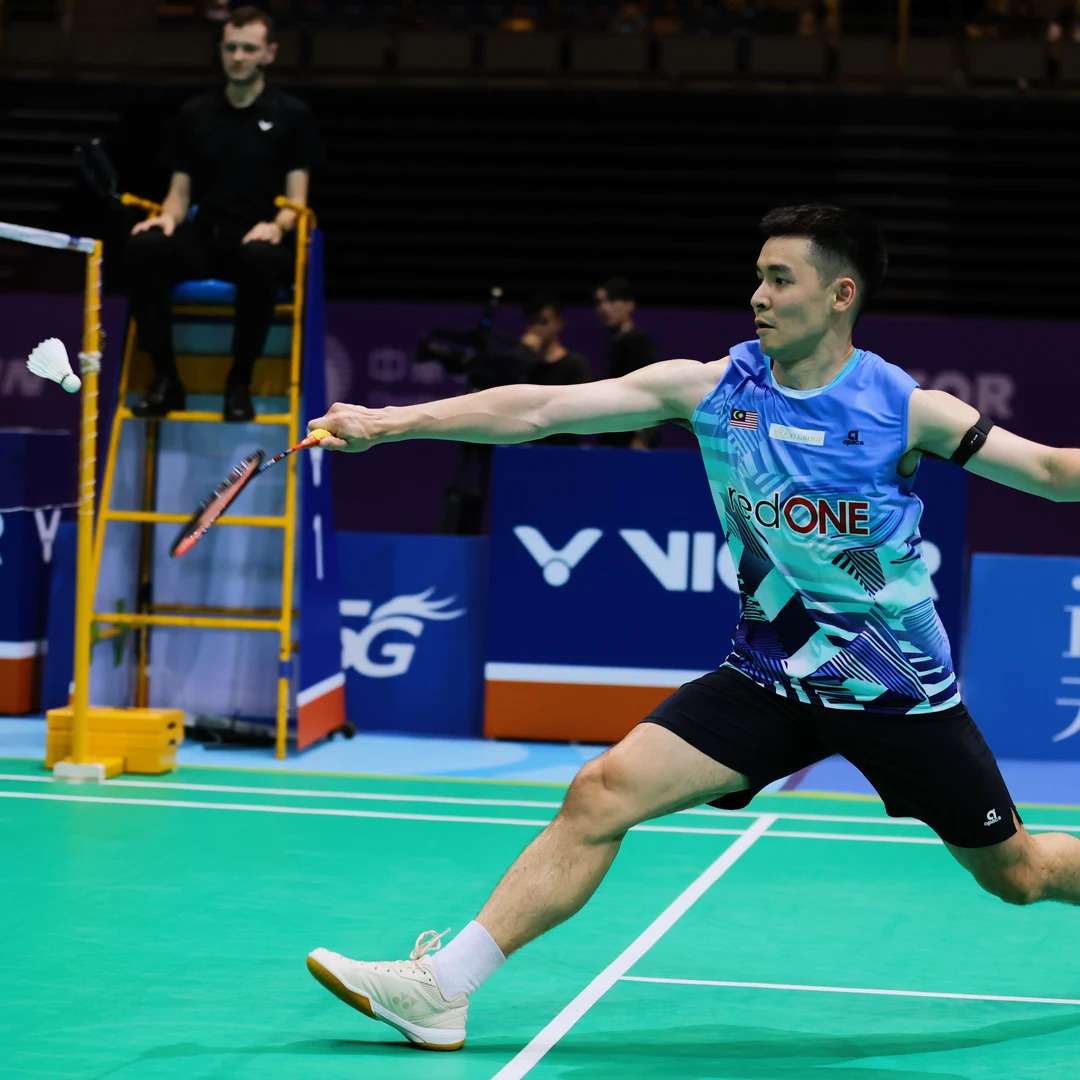
Cheam June Wei is a Malaysian men's singles badminton player whose international career has already lasted more than a decade, and has taken three distinct shapes. He was the teenage prodigy who won mixed doubles gold at the 2014 Youth Olympic Games in Nanjing; then a national-team player who climbed to a career-high of world No. 41; and since resigning from the Badminton Association of Malaysia in November 2021, a self-funded independent who travels the tour on his own terms. Along the way he has reached three BWF World Tour finals, won two international singles titles, collected team medals with Malaysia, and become the defining player of the Lin Dan Cup invitational series, which he has won five times. In the BWF world rankings for Week 43 of 2026, published on 20 October 2026, he stands at No. 58 with 29,380 points: still competing, at twenty-nine, in one of the deepest men's singles fields in the sport.
Penang Roots: Coached by the Man Who First Coached Lee Chong Wei
Cheam was born in Seberang Jaya, on the mainland side of Penang, and started badminton at the age of eight. His first serious coaching came from a name every Malaysian badminton fan knows: Teh Peng Huat, the Penang coach who first trained Lee Chong Wei, coached the young Cheam for more than a year before Lim Theam Teow took over his development. The grounding was technical and patient. Interviewed at seventeen, Cheam was strikingly honest about his own game: he admitted that he lacked power, that his attacking was not good enough, and that what he envied most in Lee Chong Wei was the living legend's burst of speed and jumping smash. The career that followed was built on exactly that self-knowledge: if power was not going to be the weapon, then fitness, footwork, retrieval and rally craft would have to be.
Bukit Jalil Sports School and the National Team Call
From Penang's courts he moved into the national pathway at the Bukit Jalil Sports School, Malaysian sport's famous production line, and in 2014 he was promoted into the national team while still a junior. The promotion was earned: a 2014 fact file on the young squad listed him at world junior No. 6, one of the highest-ranked Malaysian juniors of his generation. Bukit Jalil gave him what club badminton cannot: daily sparring against the country's best, sports science, and a tournament calendar planned by coaches rather than parents. By the time most players his age were choosing between study and sport, Cheam's choice had effectively been made for him by results.
Junior Titles and an Asia Junior Team Bronze
The junior record justified the fast-tracking. At the 2012 Asia Junior Championships in Gimcheon, South Korea, he was part of the Malaysian squad that took bronze in the mixed team event. The same year he won the under-19 title at the Singapore International Junior Series and the under-16 title at the Thailand age-group championships, a title he won again in 2013. In March 2014 he reached the German Junior final, losing to Fabian Roth, and in September 2014 he was runner-up at the Malaysia International Junior Championships. His last big junior statement came in February 2015, when he won the Dutch Junior title in Haarlem: a Malaysian champion at one of Europe's strongest junior events, and a clear signal that the senior tour was next.
Youth Olympic Champion in Nanjing 2014
The defining moment of his teenage years came in August 2014 at the Nanjing Youth Olympic Games. In the mixed doubles, played between mixed-nationality pairs, the seventeen-year-old Cheam partnered Hong Kong's Ng Tsz Yau. The pair clicked immediately, and in the final they beat Japan's Kanta Tsuneyama and Chinese Taipei's Lee Chia-hsin 21-14, 23-21 to take the gold medal. Youth Olympic gold is not a senior title, and Cheam has never pretended otherwise; but standing on top of a global multi-sport podium at seventeen, in a final decided by two points in the second game, taught him the two lessons his whole career keeps repeating: stay patient in the long rallies, and stay brave at the tight moments.
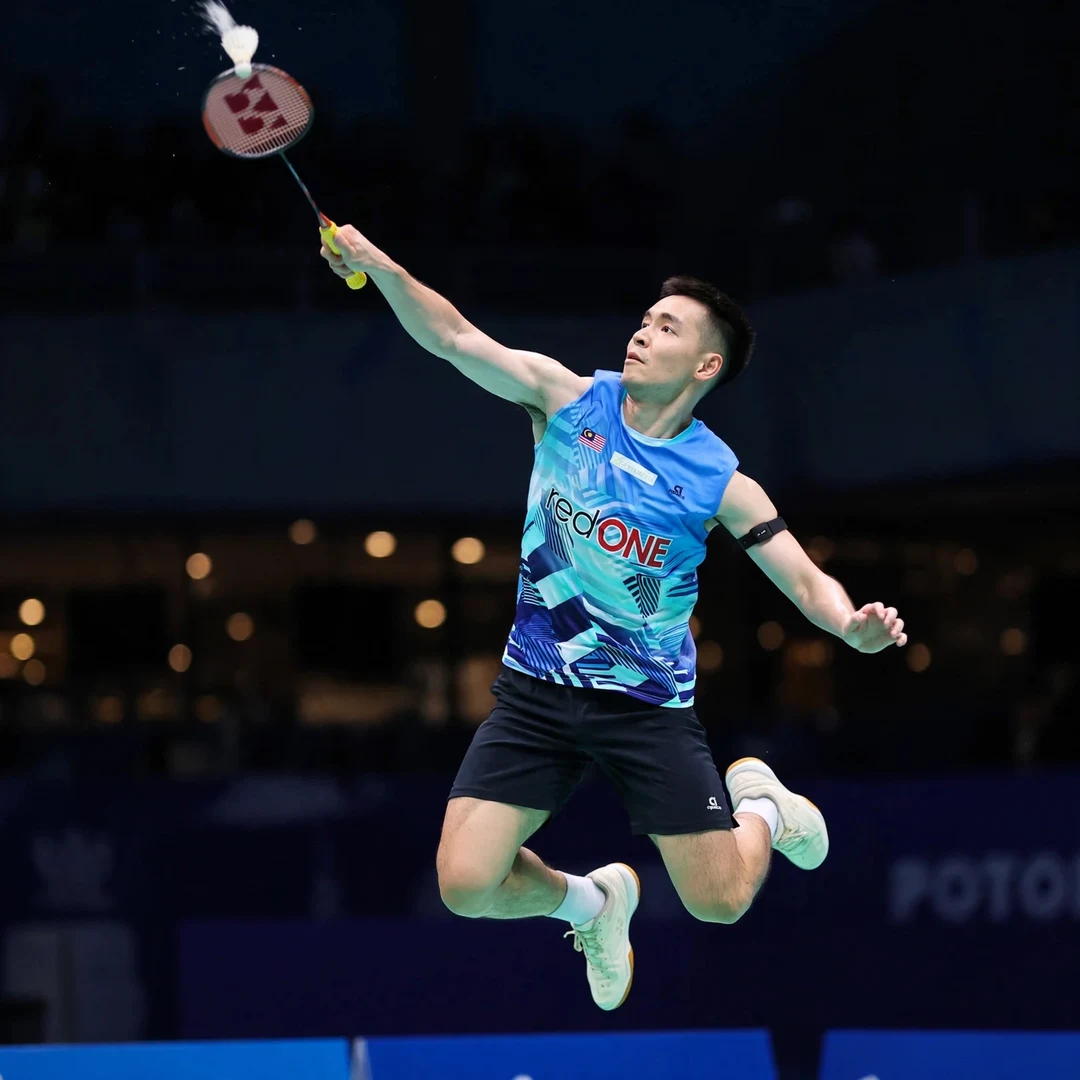
Career Milestone #1
Senior Breakthrough: First Title and First World Tour Final
The senior breakthrough took longer, as it usually does. His first senior final came on home soil in July 2017 at the Malaysia International, where he lost 19-21, 14-21 to Singapore's Loh Kean Yew, a rival from his own junior generation. Seven months later, in February 2018, he reached the Austrian Open final in Vienna and lost 21-23, 14-21 to India's Parupalli Kashyap, a former top-ten player. Two finals, two defeats, both against quality opponents, both close enough to sting. The pattern of his early senior years was set: Cheam was good enough to reach the last day of tournaments; the remaining question was whether he could win one.
April 2018 answered it, in the space of eight days. At the Finnish Open he reached another final and lost the cruellest match of his young career, beaten 21-12, 17-21, 20-22 by compatriot Leong Jun Hao after holding the first game comfortably. One week later, at the Dutch International in Wateringen, he finally converted: a 13-21, 21-13, 21-10 win over Poland's Adrian Dziółko gave him his first senior international title. The habit of finishing the job formed, and in October 2018 he stepped up a level again, reaching his first BWF World Tour final at the Dutch Open, a Super 100 event, before losing 19-21, 13-21 to India's Sourabh Verma.
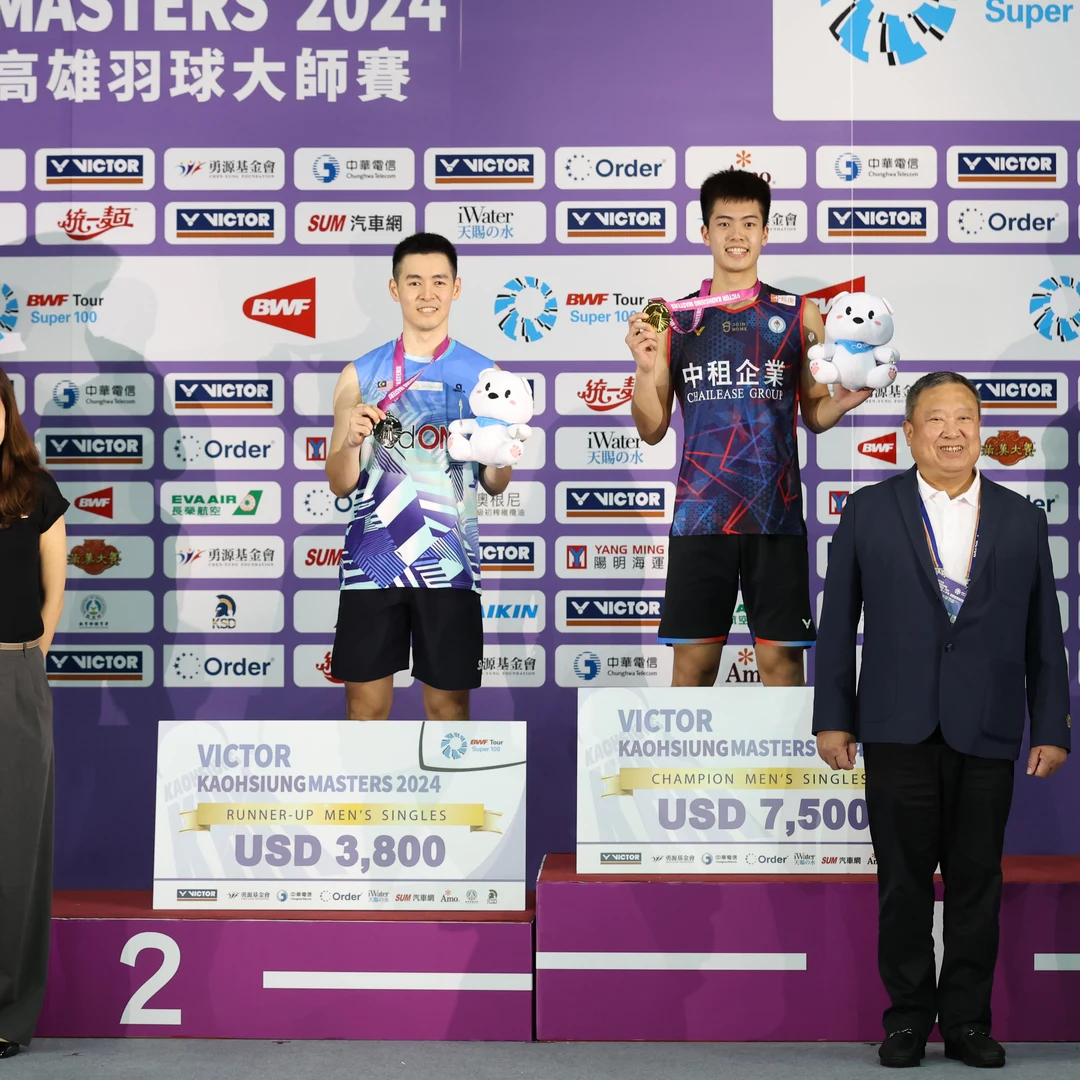
Career Milestone #2
Malaysia International Champion and Asia Team Silver
The titles and near-misses kept alternating through 2019. In June he lost the Malaysia International Series final in another all-Malaysian decider, beaten 13-21, 20-22 by Soong Joo Ven. In December he closed the year as a champion instead, winning the Malaysia International Challenge in a three-game final against China's Ren Pengbo, 21-16, 19-21, 21-18: his second international singles title, and another final won the hard way after dropping the middle game. These International Challenge and Series events are the tour's engine room, where world rankings are built point by point; Cheam was becoming one of its most reliable performers.
Team badminton brought its own rewards. In February 2020, at the Asia Team Championships in Manila, Malaysia reached the final and took silver, with Cheam in the squad. He was also selected as the second men's singles player for Malaysia's 2020 Thomas Cup campaign, the world team championship eventually played in Denmark in 2021. For a player raised in the Malaysian system, wearing the national shirt at the Thomas Cup is a childhood ambition in itself; Cheam had now done the full journey from Penang hall to national colours, and he was still only in his early twenties.
Then, in November 2021, he made the boldest decision of his career: he resigned from the national team after six years, leaving the security of the BAM system to become an independent professional. Independence in Malaysian badminton means paying for your own travel, entries, strings, physio and coaching, and living off prize money and sponsors you find yourself. His first World Championships followed a month later in Huelva, Spain, where he lost in the first round to Japan's Kenta Nishimoto. The independent years would test everything the system years had built.
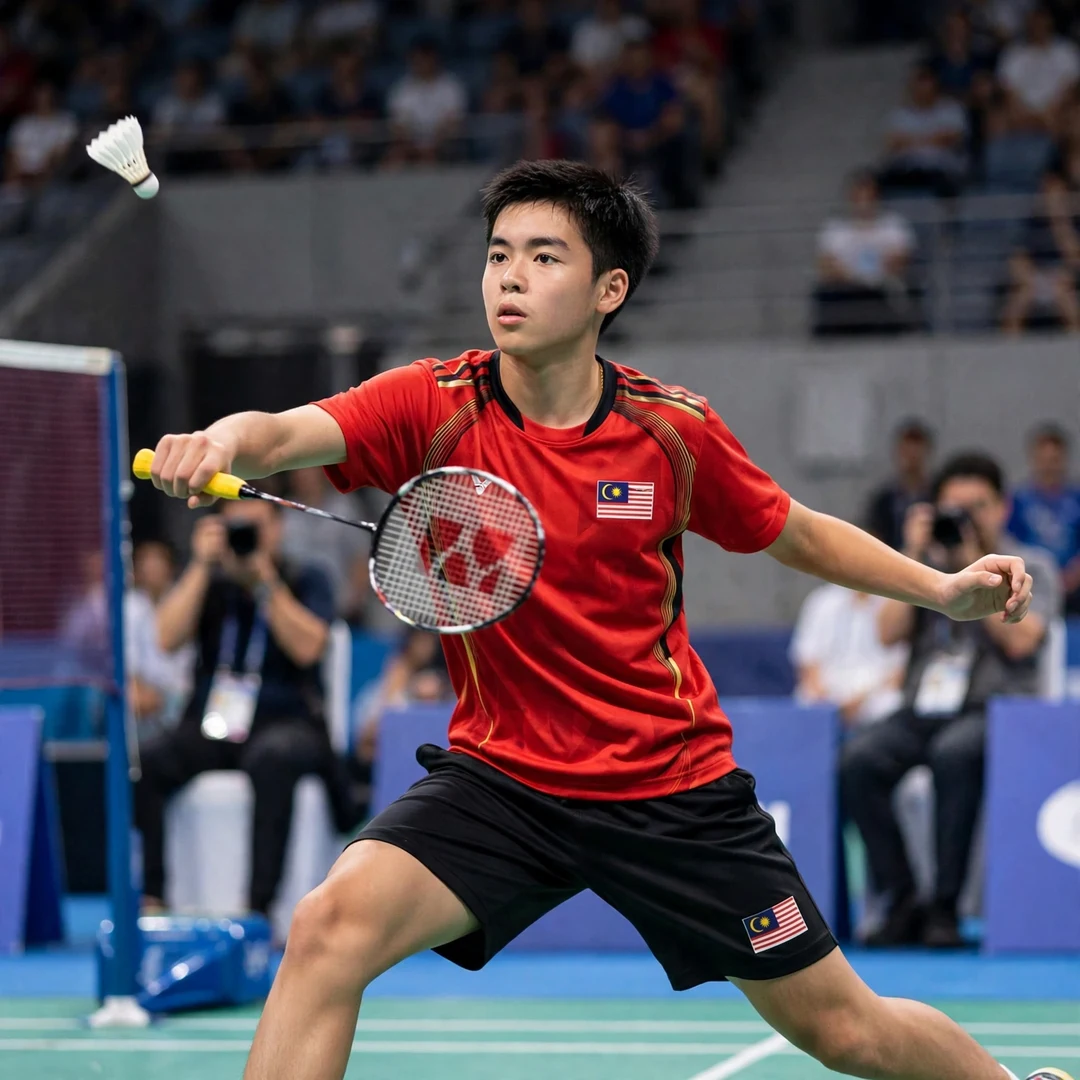
Career Milestone #3
Leaving BAM: the Independent Gamble
The test produced its signature match in October 2022. At the Indonesia Masters in Malang, a Super 100 event, Cheam reached his second World Tour final, and for twenty minutes he was untouchable: he took the first game 21-9 against compatriot Leong Jun Hao, the same rival who had beaten him in the 2018 Finnish Open final. Hao recovered, levelled the match, and edged the decider; the final score read 21-9, 20-22, 19-21 against Cheam. Losing a World Tour final after winning the first game 21-9 is about as painful as the sport gets. His response was not to retreat but to keep entering, keep travelling and keep reaching the weekends that matter.
The ranking rewarded the persistence. On 21 March 2023, Cheam reached world No. 41, the highest ranking of his career. Context matters: the number was built without a federation salary behind it, on selective entries, careful budgeting and the durability to play long seasons on the International Challenge and Super 100 circuits. A career-high in your mid-twenties, two years after leaving the national team, is proof of concept for the independent model: the structure had changed, but the standard had not dropped.
The year 2024 mixed team duty, another final, and a new revenue stream nobody predicted. In May he contributed to Malaysia's bronze medal at the Thomas Cup in Chengdu, his second medal at a major team championship. In June he reached his third BWF World Tour final at the Kaohsiung Masters in Taiwan, losing 15-21, 12-21 to home favourite Lee Chia-hao; local reports praised how tall he stood in defeat. By then he was playing much of the tour in the modern independent way: coached by former Malaysian international Ong Ewe Hock, but often travelling and playing tournaments without a coach in his corner, managing matches entirely on his own reading of the game.
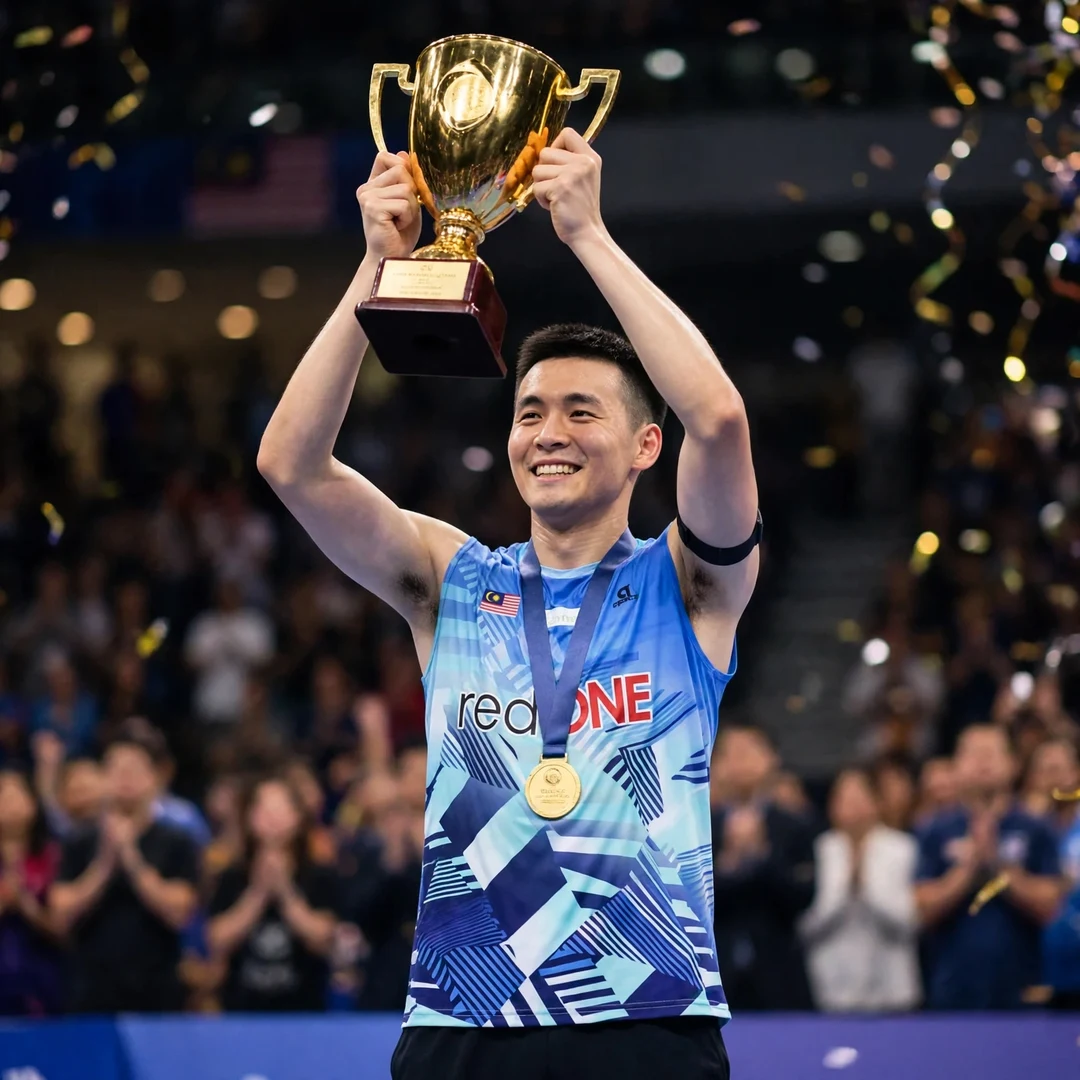
Career Milestone #4
Career-High No. 41 and the King of the Lin Dan Cup
The new chapter was the Lin Dan Cup, the big-money invitational series in China named for the double Olympic champion, played in a sprint format of games to fifteen points. In June 2024, weeks after the Kaohsiung final, Cheam won the Shenzhen edition, beating Ren Chengming 21-17, 21-16 in the final and collecting a winner's cheque of 200,000 yuan, around RM131,000: serious money for an independent player. In September 2024 he won again in Macau, beating Zhou Zeqi 14-21, 21-6, 21-16 for a prize reported at around RM182,000. In August 2025 he took a third title in Jincheng, beating Wu Kai'an in the final to become the first player ever to win the event three times.
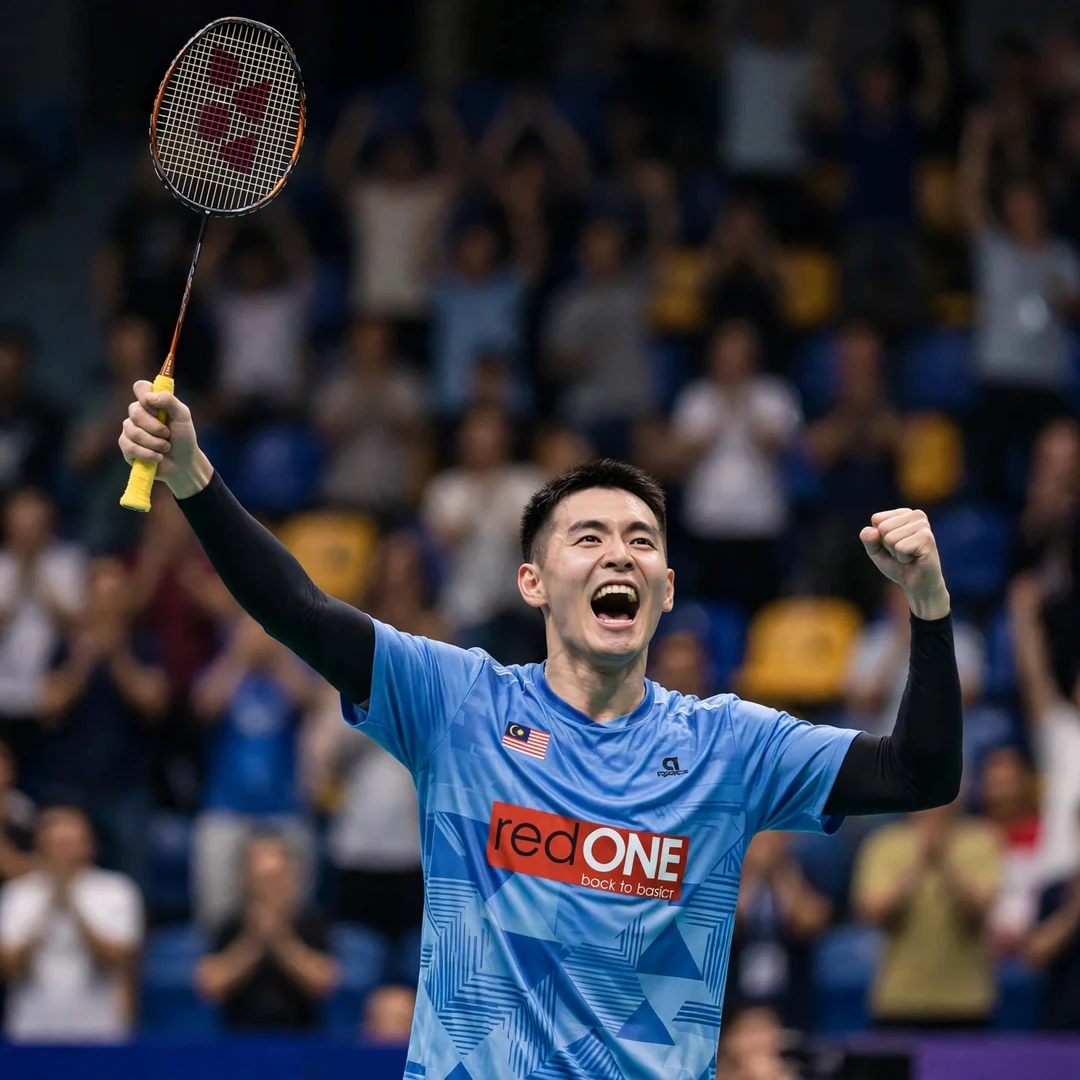
In 2026 the Lin Dan Cup story became a legend of its own. In July, in Chenzhou, Cheam beat former world No. 11 Zhao Junpeng 15-13, 9-15, 15-13 in the final, trailing 8-13 in the deciding game before scoring seven straight points to steal it. In August he won in Jincheng again, his fifth title, after Ren Pengbo retired injured in the final; Malaysian newspapers dubbed him the 'King of Lin Dan Cup', noting he was only the second player, after Zhao Junpeng, to win the event five times. His regular tour season ran in parallel: finals at the Azerbaijan International, where a hip injury forced him to retire in the final against Dominik Kwinta, and at the Phuket International Challenge, where he lost a three-game final to Rei Miyashita; a Korea Masters semi-final, lost to Zhu Xuan Chen; and at October's Malaysia Super 100, a win over Rounak Chouhan before a loss to Dong Tian Yao. Week 43 of 2026 finds him at world No. 58 with 29,380 points.
Playing Style
The Rally-and-Retrieval Style
Strip the story back and three phases explain Cheam June Wei. First, a system product: Penang coaching from Lee Chong Wei's first coach, Bukit Jalil, the national team, Youth Olympic gold. Second, a national-team professional: international titles, a World Tour final, team silver, and the slow climb toward the top forty. Third, an independent: his own money, his own calendar, a career-high ranking, another World Tour final, a Thomas Cup medal, and an unlikely second career as the king of a Chinese invitational series. Each phase demanded a different skill: learning, then performing, then surviving. Most players manage one phase. He has managed all three.
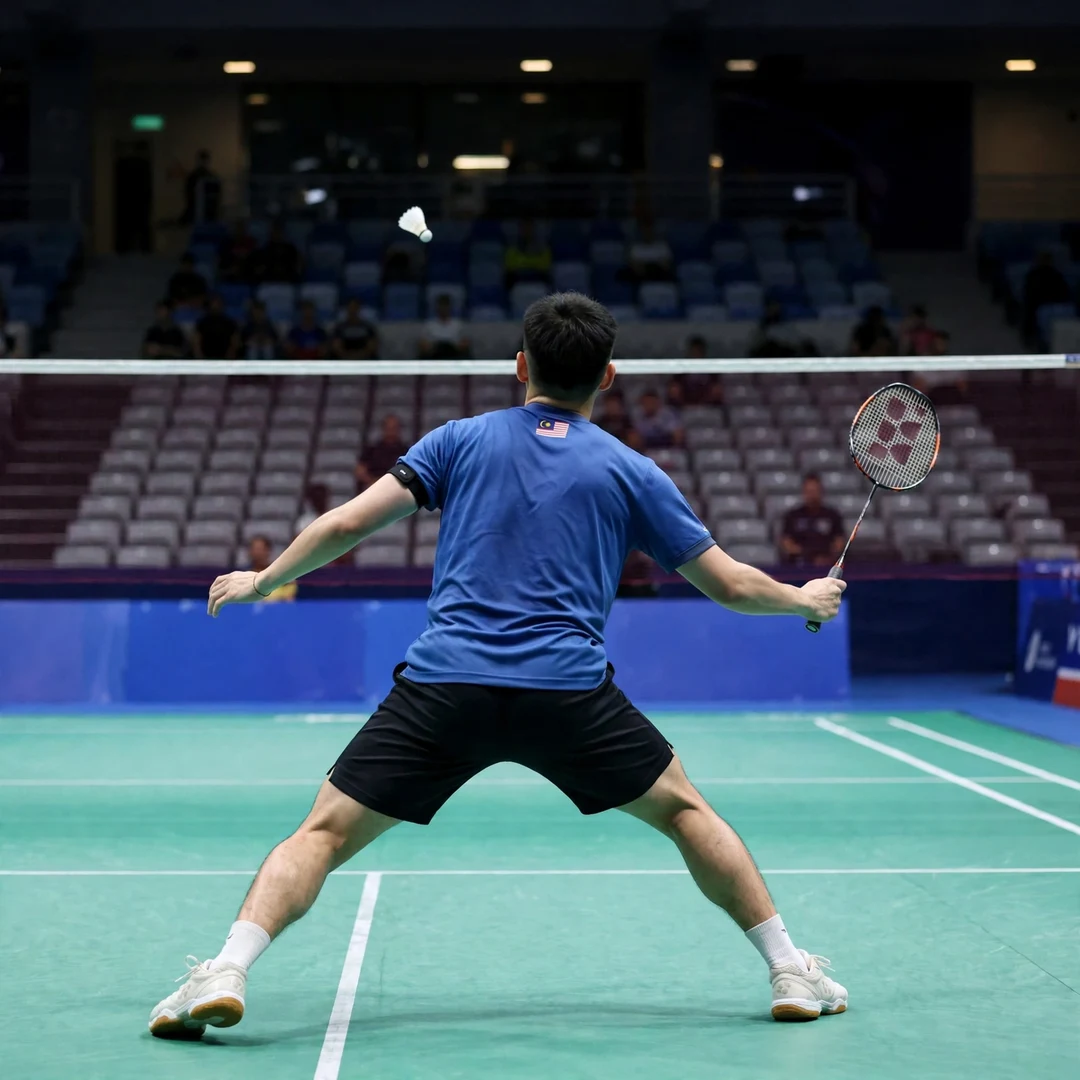
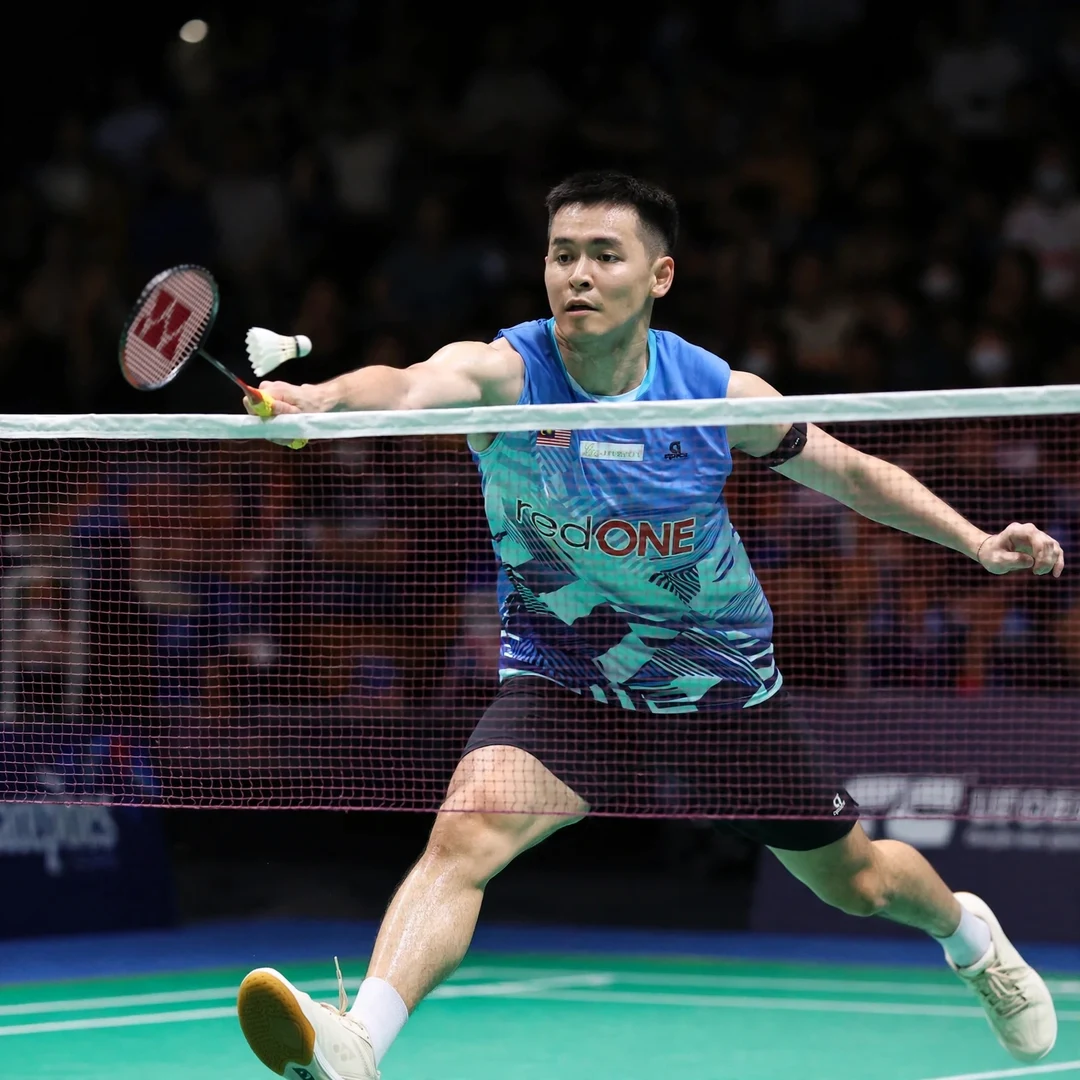
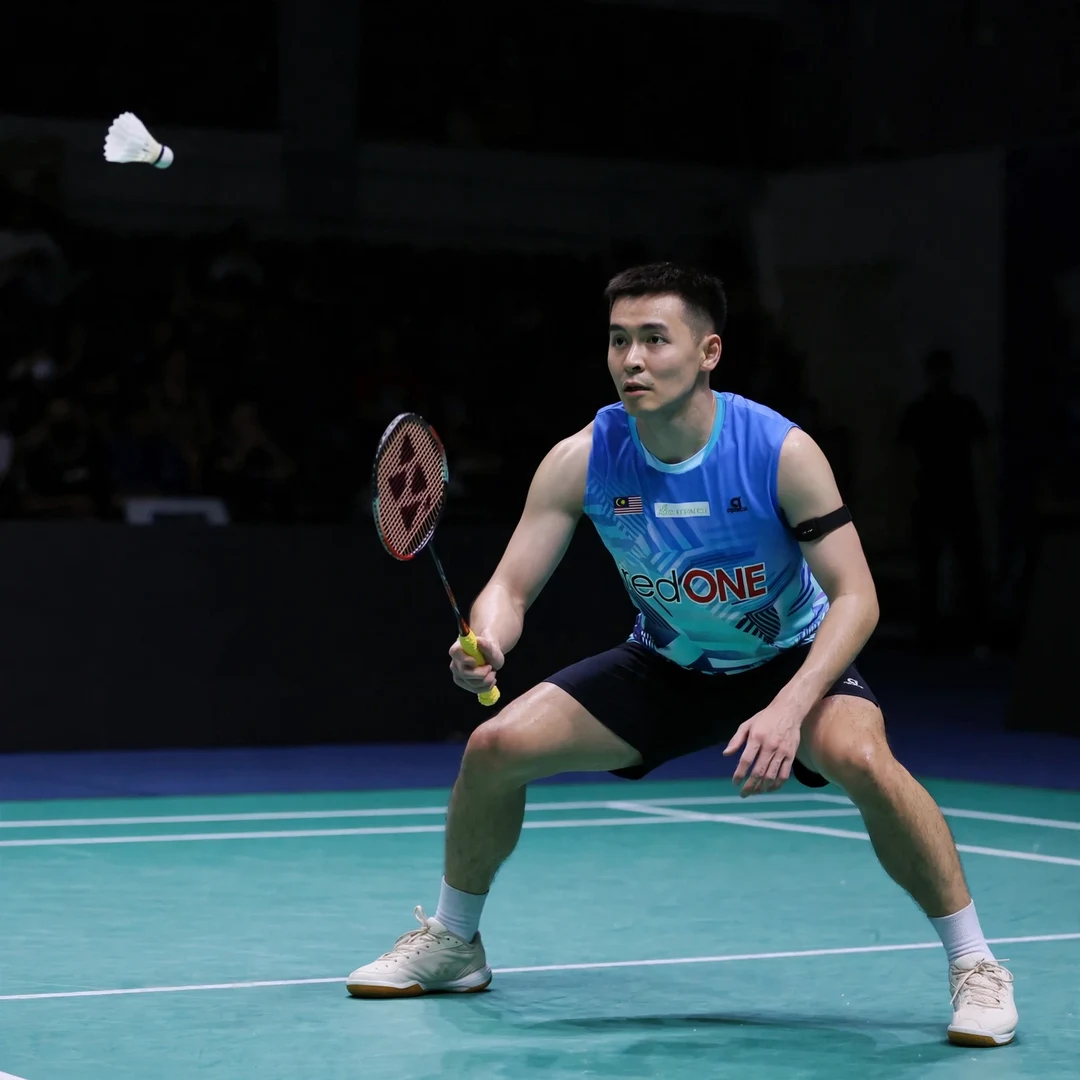
On court, Cheam is a rally constructor rather than a power player, and he has known it since he was seventeen. At 1.74 metres he does not own the biggest smash in the draw, so his game is built on the things that do not depend on size: fitness that holds into the third game, retrieval that turns defence into pressure, tidy footwork in the forecourt, and the patience to play one more shot than the opponent wants to play. His counter-attacking is sharpest when rallies lengthen and opponents start forcing winners they have not earned. The fifteen-point sprint format of the Lin Dan Cup, which rewards nerve and rally control over pure power, might have been designed for him: five titles there say so.
What separates Cheam from the top twenty is not effort or durability; it is conversion. Three times he has reached a BWF World Tour final, and three times he has finished second, including the 2022 Malang final he led by a game and 21-9. At twenty-nine, the frontier is clear and narrow: turn one of those Sundays into a first World Tour title, and defend a ranking inside the world's top sixty against a new generation arriving every season. Independence sharpens the equation, because every tournament week must be chosen, budgeted and peaked for. The encouraging part is that his career keeps producing new chapters long after most players' stories have settled.
Mental Strength
Patience, Fitness and a Twelve-Year Career
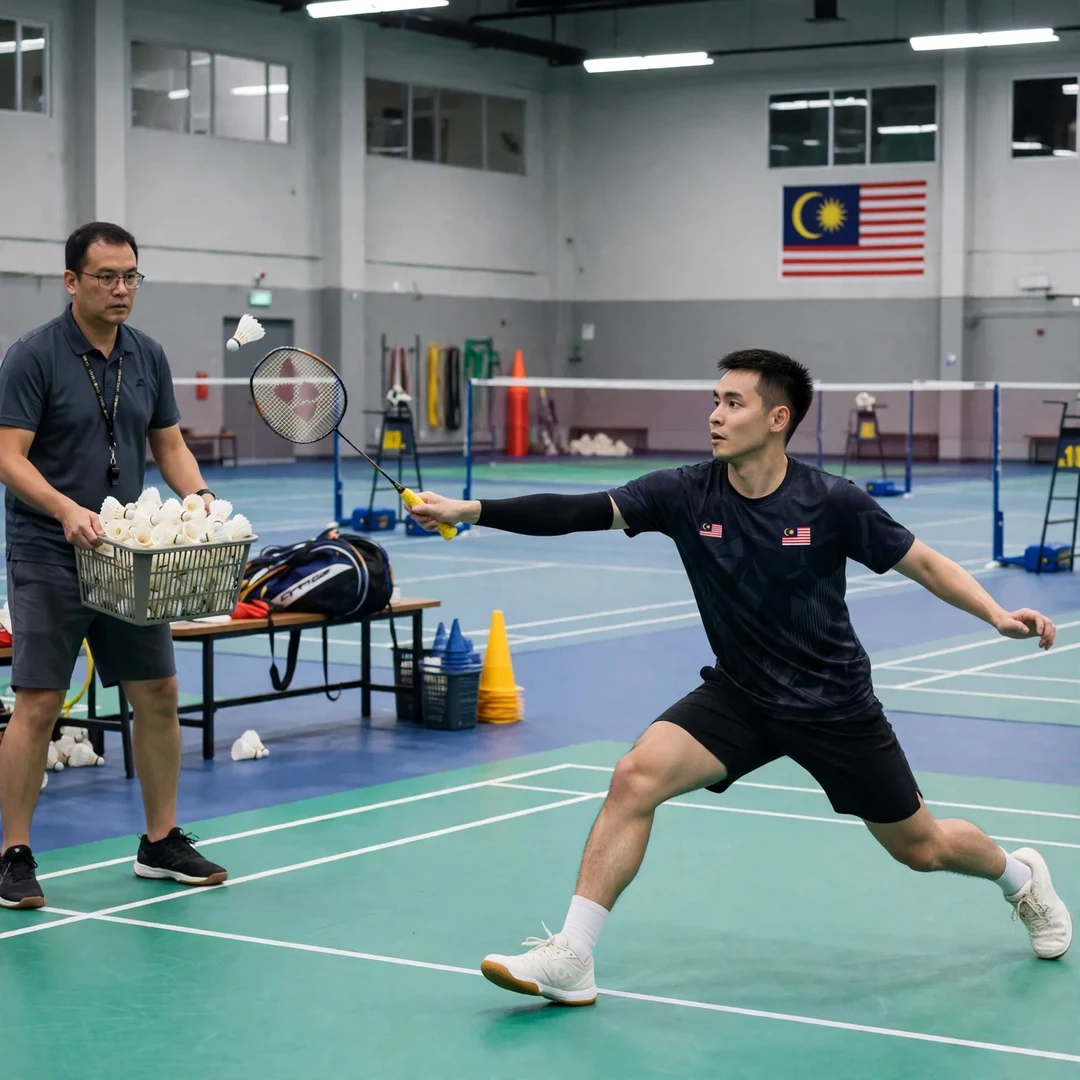
Cheam's first lesson for young players is that the base is built early and built inside a structure. A Penang hall at eight, Lee Chong Wei's first coach at nine or ten, Bukit Jalil as a teenager, the national team at seventeen: every stage had a coach, a plan and stronger sparring partners waiting. Talent opened the first door; organisation opened all the others.
His second lesson is that lost finals are rehearsals, not verdicts. He lost finals in 2017 and twice in 2018 before winning the Dutch International; he lost the 2022 Indonesia Masters final after leading 21-9 in the first game, and was back in another World Tour final two years later. A young player who treats a lost final as the end of the story has misunderstood the sport: at every level, the players who keep reaching finals are the ones who eventually win them.
His third lesson is that leaving the structure is not the end of the career. Cheam resigned from the national team at twenty-four, reached his career-high ranking at twenty-six, won a Thomas Cup medal at twenty-seven and was still winning titles at twenty-nine. Development does not stop when the academy years end; for a player willing to organise his own life, it can enter its most productive phase. A badminton career is a long project, and it can be managed like one.
Learning Reference
ST Badminton Academy Connection
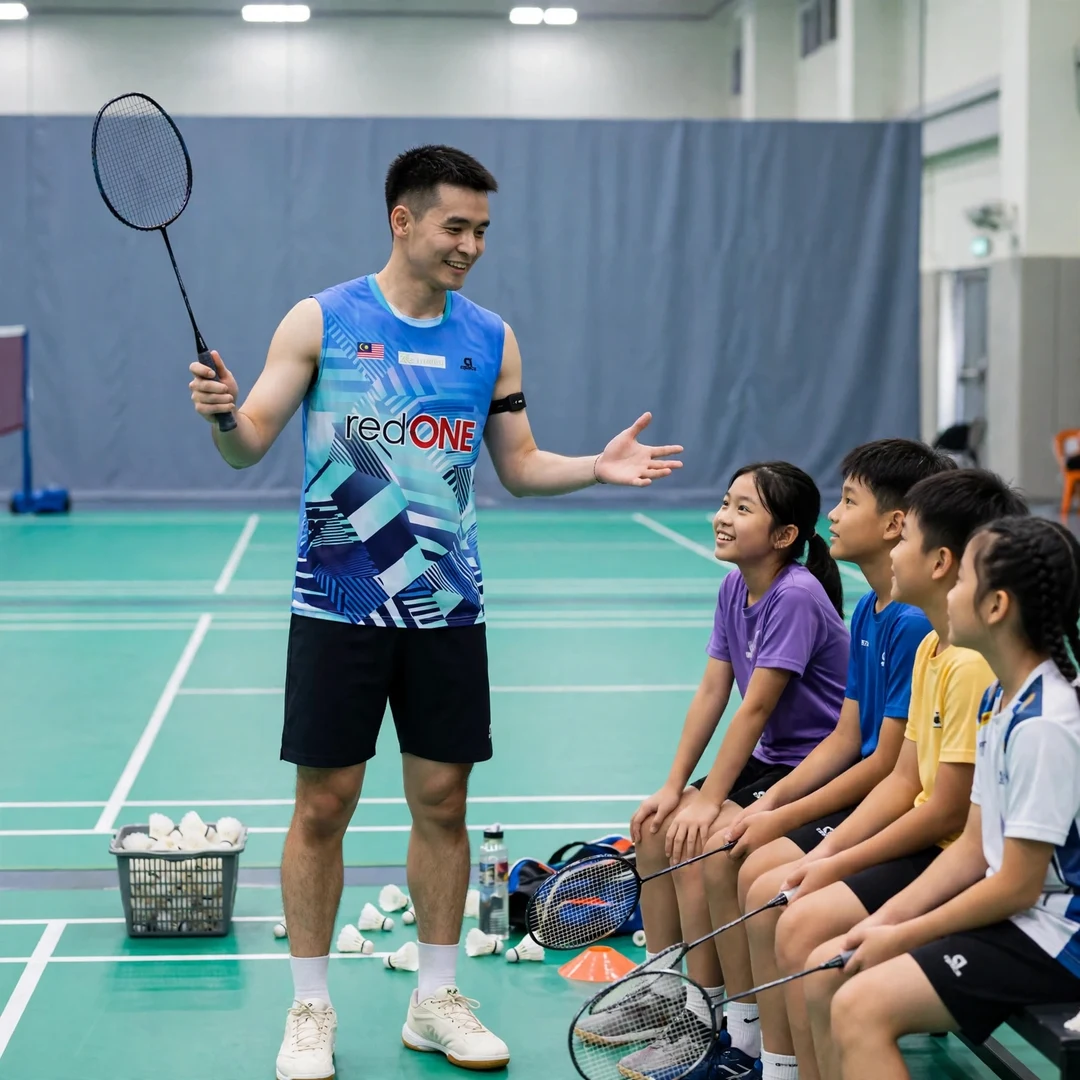
Cheam June Wei is a Malaysian independent professional. He is not a coach, ambassador or student of ST Badminton Academy, and nothing on this page suggests otherwise. The academy teaches in the same country that produced him, and studies players like him because his career, from Penang junior to Youth Olympic champion to independent professional, is a clear, honest example of how Malaysian badminton development actually works.
For coaches, Cheam's matches are a library of rally construction: how a player without elite power wins points through patience, court position and error pressure. Show students the deciding game of the 2026 Chenzhou final, where he trailed Zhao Junpeng 8-13 and won seven straight points, and you have a complete lesson in composure: no panic, no hero shots, just one controlled rally at a time until the scoreboard turns.
For parents, his timeline is the useful truth about this sport. Started at eight. Youth Olympic gold at seventeen. Six years in the national team. Independent at twenty-four. Career-high ranking at twenty-six. Still inside the world's top sixty at twenty-nine, earning from the game in more than one country. Junior success came early for Cheam, but the career was still built across two decades of organised work, and it is still being built.
FAQs: Cheam June Wei Malaysian Badminton Player
Parents and young players usually ask the same things about a player like Cheam June Wei: where he came from, what he has actually won, how he plays, and what his path teaches a child starting today. Here are the straight answers.
Who is Cheam June Wei and which country does he represent in badminton?
Cheam June Wei is a Malaysian men's singles badminton player, born on 23 January 1997 in Seberang Jaya, Penang. He is right-handed, stands 1.74 metres tall, and in the BWF world rankings for Week 43 of 2026 (20 October 2026) he is world No. 58 with 29,380 points. A former national-team player, he has competed as an independent professional since November 2021, with a career-high ranking of world No. 41.
What are Cheam June Wei's biggest badminton achievements?
His biggest achievements are mixed doubles gold at the 2014 Nanjing Youth Olympic Games with Ng Tsz Yau; five Lin Dan Cup titles between 2024 and 2026; bronze with Malaysia at the 2024 Thomas Cup; silver at the 2020 Asia Team Championships; bronze in the mixed team event at the 2012 Asia Junior Championships; three BWF World Tour finals (the 2018 Dutch Open, the 2022 Indonesia Masters and the 2024 Kaohsiung Masters); two international singles titles; and a career-high world ranking of No. 41, reached in March 2023.
What is Cheam June Wei's playing style?
His playing style is patient, physical and rally-based. Right-handed, he builds points through long exchanges, strong retrieval and counter-attacking rather than raw smash power, a weakness he identified in his own game as a teenager. His footwork and fitness let him extend rallies until opponents make mistakes, and his composure in tight finishes is proven by results such as his seven straight points from 8-13 down to win the 2026 Chenzhou final against Zhao Junpeng.
What did Cheam June Wei win at the 2014 Youth Olympic Games?
At the 2014 Youth Olympic Games in Nanjing, the seventeen-year-old Cheam won the mixed doubles gold medal partnering Hong Kong's Ng Tsz Yau, in the mixed-nationality pairs format used at that event. In the final they beat Japan's Kanta Tsuneyama and Chinese Taipei's Lee Chia-hsin 21-14, 23-21. It remains the signature achievement of his junior career. Cheam has not competed at a senior Olympic Games.
How can my child learn from Cheam June Wei's development path?
A child can learn from how deliberately his career was assembled: proper coaching from the start in Penang, including a year with Teh Peng Huat, the coach who first trained Lee Chong Wei; then the Bukit Jalil Sports School and the national team; then the discipline to keep developing as an independent after 2021. The transferable habits are patience in rallies, honesty about your own weaknesses, and treating every stage of the pathway as preparation for the next one.
Did Cheam June Wei win any junior titles?
Yes. Cheam's junior honours include the Dutch Junior title in 2015, the under-19 title at the 2012 Singapore International Junior Series, Thailand age-group under-16 titles in 2012 and 2013, a German Junior final in 2014, a Malaysia International Junior Championships final in 2014, and a mixed team bronze medal with Malaysia at the 2012 Asia Junior Championships, all before his Youth Olympic gold in Nanjing.
What is Cheam June Wei's best result on the BWF World Tour?
On the BWF World Tour, Cheam's best results are three runner-up finishes at Super 100 level: the Dutch Open in 2018, the Indonesia Masters in 2022, where he lost to Leong Jun Hao after winning the first game 21-9, and the Kaohsiung Masters in 2024, where he lost to Lee Chia-hao. He is still chasing his first World Tour title. Below World Tour level he has won two international singles titles, the 2018 Dutch International and the 2019 Malaysia International, and since 2024 he has added five Lin Dan Cup invitational titles in China.
What playing style should young players learn from Cheam June Wei?
Young players should study his rally patience and his honesty about strengths and weaknesses. Cheam decided as a teenager that he would not out-smash the biggest hitters, so he built a game on fitness, retrieval, footwork and decision-making instead, and it has carried him into the world's top sixty for years. Copy the discipline of playing one more good shot, and the courage to keep your nerve at 13-13 in a deciding game, before copying anybody's smash.
Does ST Badminton Academy have any connection with Cheam June Wei?
No. Cheam June Wei has no connection with ST Badminton Academy. He is a Malaysian independent professional who developed through the Penang and Bukit Jalil pathway and the Malaysian national team. This profile exists so that parents and young players in Malaysia and Singapore can study a real Malaysian career closely: how it was built, what it won, and what it teaches.
Cheam June Wei Career Highlights
Career Statistics and Rankings
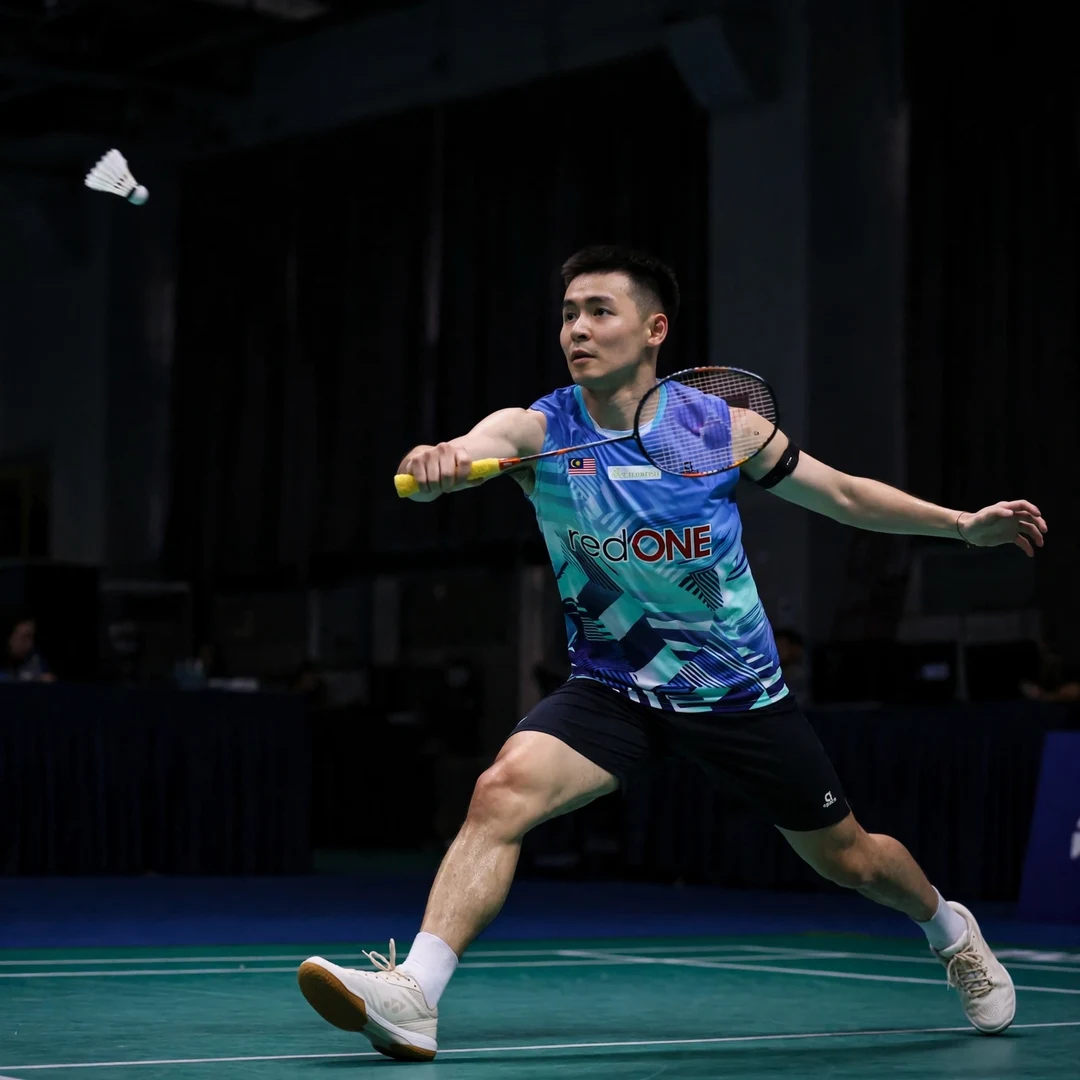
The next chapter writes itself as a challenge. A first BWF World Tour title remains the obvious missing line, and at twenty-nine, with a ranking to defend and a Lin Dan Cup reputation to protect, Cheam's calendar will keep balancing the tour against the invitational events where he is now the man to beat. What is not in doubt is the professional standard: twelve years after his Youth Olympic gold, he is still entering, still competing and still finding ways to win.
| Development Area | Common Misconception | What Cheam June Wei's Career Shows REALITY |
|---|---|---|
| Junior Foundation | Talent alone decides who becomes a champion. | Cheam started at age eight in Penang and was coached by Teh Peng Huat, the man who first coached Lee Chong Wei, before the Bukit Jalil Sports School and the national team: a structured base came first, long before any senior result. |
| Playing Style Priority | Kids should copy the flashiest attacking shots. | Cheam built a complete rallying game first. Short of Lee Chong Wei's raw power by his own teenage admission, he made footwork, defence and retrieval the foundation: the spectacular winners come last. |
| Fitness Importance | Juniors can out-train everyone without rest. | Cheam retired from the 2026 Azerbaijan International final with a hip injury, then managed his own calendar back to the Phuket final and a Korea Masters semi-final that season: for an independent, scheduling is body management, not just ambition. |
| Mental Approach | Top players never get nervous or upset. | Cheam has lost three BWF World Tour finals and six international finals, yet he keeps reaching them, and from 8-13 down in the 2026 Chenzhou decider he scored seven straight points to win: mental skills are trained, not inherited. |
| Attacking Training | Smashing harder is always the answer. | His five Lin Dan Cup titles, including the 2026 Chenzhou final won 15-13, 9-15, 15-13 over Zhao Junpeng, came from rally control and placement, not raw power. |
| National Milestones | Only world titles matter. | Cheam's Youth Olympic gold in 2014, Asia Team Championships silver in 2020 and Thomas Cup bronze in 2024 arrived across a full decade: continental and team milestones build a career step by step. |
| Career Timeline | Champions peak once and fade fast. | From Youth Olympic champion in 2014 to a career-high No. 41 in 2023 and a fifth Lin Dan Cup title in 2026 at twenty-nine, Cheam proves sustained development beats a short peak. |
Study Cheam June Wei's Work Ethic and Professional Approach
Whether you are a parent in Penang, Kuala Lumpur or Singapore wondering what a real badminton pathway looks like, or a young player learning to win rallies the patient way, Cheam June Wei's career is worth studying closely. ST Badminton Academy builds the same foundations he did: correct technique first, physical preparation, rally craft, and the patience to develop over years, not months. Book a trial class and start your child's version of that journey.