Best Holiday Camp in KL: How to Read a Learning Plan Before Applying
A useful badminton holiday camp learning plan explains a connection between the goal, the activity and the feedback that follows. Ask what the learner should understand and how the coach will check the next step. A long list of drills or a busy timetable does not explain that connection by itself. Families searching for the best holiday camp in KL may see attractive activity names, group photographs and promises of progress. Reading the teaching purpose helps turn those advertisements into practical questions. This guide supports enquiries about ST Badminton Academy in Kuala Lumpur without presenting a current event schedule or a guaranteed camp outcome. Images are AI-generated educational illustrations with generic people, not photographs of Eric Chuar or actual students.

Read the learning goal
What does the plan say the child will learn to understand?
Look for a goal specific enough to discuss with the provider. ‘Improve badminton’ is a broad intention, while an explanation of the learner’s starting question can make the purpose clearer. Ask which activity the goal belongs to and what the child should recognise or attempt. A camp plan does not need to disclose every internal coaching detail to answer that question. It should provide enough meaning for a family to consider whether the advertised learning direction relates to its child’s actual experience.
Keep a proposed goal separate from a guaranteed result. A provider can explain what teaching will focus on without promising every learner will achieve the same outcome within the school break. Ask how starting experience is considered and what information is needed before joining. A beginner and a child with regular classes may bring different questions to the same general topic. The family’s enquiry should connect the stated purpose to the actual learner rather than interpret one promotional phrase as a complete individual assessment.

Connect the activity
How does the listed exercise serve that purpose?
Ask what an activity is intended to help reveal or practise. A drill name, a game or a demonstration can describe what will happen without explaining why it belongs in the plan. The responsible coach should be able to connect the activity to the learning goal in ordinary language. This does not require parents to approve every technical detail. It gives the family a practical way to understand whether the event is being described through teaching purposes or only through a collection of attractive activities.
Consider whether the learner would receive a manageable starting task and cue. An advanced-looking demonstration may be entertaining while leaving a beginner unsure what to do. Ask how the activity is introduced and what support is available under the actual arrangement. A suitable explanation can connect the child’s starting point to the task without making the plan look identical for every learner. The aim is meaningful practice, rather than an assumption that more complex movement always creates more useful learning.

Look for feedback
What happens after the learner makes an attempt?
A plan becomes easier to assess when it explains how feedback connects to the task. Ask what the coach will observe and how the learner hears a relevant next action. The answer should concern the activity’s actual purpose, not simply praise or a success count. A missed result can lead to a clearer question, while a successful attempt may still need interpretation in context. The family should understand how information from practice can guide the next teaching decision.
Do not ask a brochure to diagnose your child in advance. Instead, ask how a suitable starting observation and explanation are handled. The provider may need factual experience information before discussing the learner’s needs. A useful enquiry can reveal whether feedback is part of the described learning process without promising a particular report format or individual service that has not been confirmed. Keep the question proportionate: how does the activity help the coach decide what this learner should understand or try next?

Consider the available opportunities
How does the plan fit the actual camp arrangement?
Confirm the event’s current dates, timing and venue, then discuss how the stated learning purpose fits that arrangement. A short holiday activity and an ongoing weekly programme offer different opportunities. This guide does not prescribe a fixed duration or suggest that more days automatically mean better teaching. Ask what can reasonably be introduced, practised and reviewed under the actual plan. The relevant answer should be tied to the opportunities offered rather than a universal promise of rapid transformation.
Look beyond the number of activity headings. A timetable with many topics may require clarification about how they connect and what the learner is expected to retain. Conversely, a focused plan may give a familiar task more attention without looking as varied. Ask how the provider chooses the scope. The family should not have to guess whether the event is an introduction, a continuation of a specific learning question or another kind of arrangement. Confirm the actual description before deciding whether it matches your expectations.

Ask about different starting points
How is the learning plan made suitable for your child?
Give the provider an accurate account of the learner’s previous practice. Mention informal play, earlier classes or an activity the child finds unclear without claiming that every foundation is complete. Ask how that information affects the starting discussion. The plan’s general topic does not establish an identical task for all participants. The actual provider needs to explain how it considers experience within the arrangement it offers. Do not infer a grouping guarantee or ratio from a photograph.
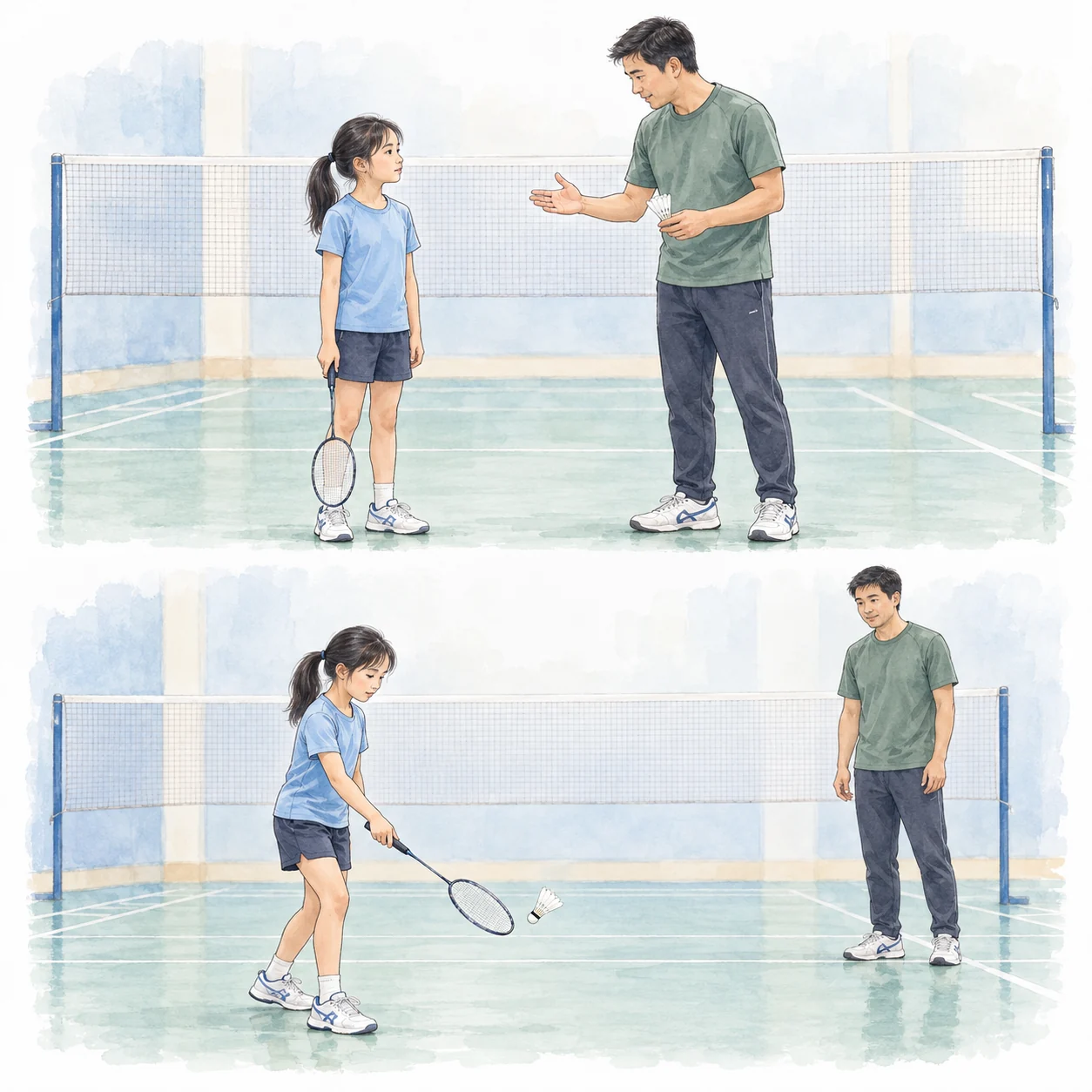
Ask what happens when the child does not understand an instruction. A useful learning plan can explain a route for clarification and how a suitable demonstration or simpler cue may be used. These are teaching questions, not a demand for unrestricted parent access during every activity. Confirm how a longer concern is communicated. The family needs enough information to judge suitability while respecting the coach’s supervision responsibilities and the actual programme’s practical conditions.
A plan should also leave room for responsible observation. The coach may need to choose a different starting activity after seeing what the learner understands. Ask how that adjustment stays connected to the stated goal. Flexibility is useful when its reason is clear; it should not become an explanation for unrelated activities after every question. The family can respect teaching judgement and still ask how the current task, attempt and feedback belong to the advertised learning direction.
Read the end-of-camp intention
What useful information could the learner take forward?
Ask what the provider means by a learning recap or review if one is mentioned. A useful discussion can name the task practised, what has become clearer and a question that still needs help. It does not have to claim permanent mastery after a short event. A certificate, photograph or cheerful comment may mark participation without describing the learning thread. Confirm what is actually offered and how a relevant next step can be understood by the learner and family.
Consider how the camp’s learning question might connect to future badminton training, if the child continues. One clarified cue or a factual activity description can provide context for a regular coach. This is different from treating the camp as a guaranteed replacement for ongoing practice. Ask what information would help that later conversation and avoid assuming another programme must adopt every camp instruction unchanged. A useful plan can explain what was taught while leaving room for the next responsible teacher’s observation.

Compare explanations fairly
How does reading the plan help choose the best holiday camp in KL?
Compare the goal, activity, feedback and practical arrangement together. Attractive images and playing credentials can provide background, but they do not answer how this child will understand the task. A former national player may offer thoughtful beginner teaching; the title alone is not a complete learning plan. Ask specific questions and consider the actual answers. A provider that explains its purpose gives the family more relevant information than a promise that every child will improve quickly, regardless of experience.
An ST Badminton Academy enquiry can state the child’s starting experience and which part of a proposed camp plan you want clarified. Ask about current Kuala Lumpur event details, the learning direction and how feedback is discussed. The application opens a conversation; suitability, availability and participation conditions require confirmation. Read the plan for its teaching connection rather than its length alone. The family can then choose using a clearer account of what the actual arrangement is intended to help the learner understand.
Reading a badminton holiday camp learning plan
Ask how the goal, activity and feedback connect. The actual provider should confirm what the current event offers and which learning arrangement is suitable for the child.
What makes a badminton camp plan useful to read?
A clear connection between the learning goal, activity and feedback. Ask what the learner should understand and how an attempt informs the next task. A long exercise list alone may not explain that purpose. The family needs enough meaning to relate the plan to the child’s actual experience.
Does a stated learning goal guarantee the outcome?
Not automatically. A goal describes a teaching intention; learners may have different starting points and opportunities. Ask how experience is considered and what can reasonably be introduced or reviewed under the actual arrangement. Avoid interpreting a promotional phrase as a promise that every child achieves the same result during the break.
Should I judge the plan by how advanced the drills look?
Ask how the activity serves the goal and how a beginner is introduced to it. Complex-looking movement does not establish relevant learning by itself. A manageable cue and suitable support matter. The provider should explain the actual starting task rather than rely only on a skilled demonstration or attractive drill name.
What feedback question should I ask?
Ask what the coach observes after an attempt and how the learner receives a relevant next action. Keep that question connected to the task. Praise or a success count alone may not explain the teaching decision. The plan should clarify its approach without diagnosing your child before an appropriate starting observation.
Does a longer camp automatically offer better learning?
Duration gives context but does not settle quality. Confirm the actual dates, timing and learning scope. Ask what can be introduced, practised and reviewed within those opportunities. A focused plan may be useful without many headings, while a longer timetable still needs a clear connection between activities.
How should different experience levels be discussed?
Give a factual account of the child’s previous practice and ask how it informs the starting arrangement. Do not infer a grouping guarantee from a photograph or general topic. The provider should explain its actual approach to task suitability, clarification and support within the current programme.
Can the coach adapt the plan after observing a learner?
Responsible observation may lead to a different starting activity or cue. Ask how that adjustment remains connected to the stated goal. The family can respect teaching judgement while requesting an understandable reason. Flexibility should help the actual learning question rather than become a label for unrelated activities.
What should I look for when comparing the best holiday camp in KL?
Consider the goal, activity, feedback and confirmed practical arrangement together. Credentials and photographs offer context without explaining suitability on their own. Ask specific questions about your child’s starting point and read the actual responses. Avoid promises that every learner makes rapid progress regardless of experience.
How can I ask STBA about a proposed learning plan?
Share the learner’s experience and the part you want clarified. Ask about current Kuala Lumpur event details and how the goal connects to practice and feedback. An application begins a discussion. Availability, suitability and participation conditions require confirmation; the enquiry does not guarantee a place or result.
Educational illustrations: goals, activities and connected feedback
Four parts of a meaningful camp learning plan
Identify the learning intention, ask how the activity serves it and look for feedback that guides a next task. Confirm how that scope fits the actual event opportunities and your child’s starting experience. Keep proposed goals separate from guaranteed outcomes. A useful enquiry asks for an understandable connection rather than a longer drill list, a predetermined diagnosis or an assumption about grouping based on promotional pictures.
| Situation | Leaves questions unclear | Explains the purpose Compare the plan |
|---|---|---|
| Goal | Use a broad promise as an individual guarantee | Name the learning intention and actual starting question |
| Activity | List drill names without a teaching reason | Connect the task to what the learner should understand |
| Feedback | Offer only praise or a success count | Explain how an attempt guides the next action |
| Scope | Assume more days automatically mean better learning | Discuss the purpose within actual opportunities |
| Experience | Infer identical tasks from a group photograph | Ask how the child’s starting information is considered |
| Recap | Treat participation images as permanent mastery | Identify the task, clearer understanding and next question |
Ask about a badminton holiday camp plan in KL
Tell ST Badminton Academy about your child’s experience and the part of a camp learning plan you want explained. Ask how the goal, activity and feedback connect within the current Kuala Lumpur event arrangement. Confirm practical details and availability directly. The application starts an enquiry about suitability. Choose using a clear teaching purpose and actual conditions rather than a promise that more drills or a longer timetable automatically produce a result.