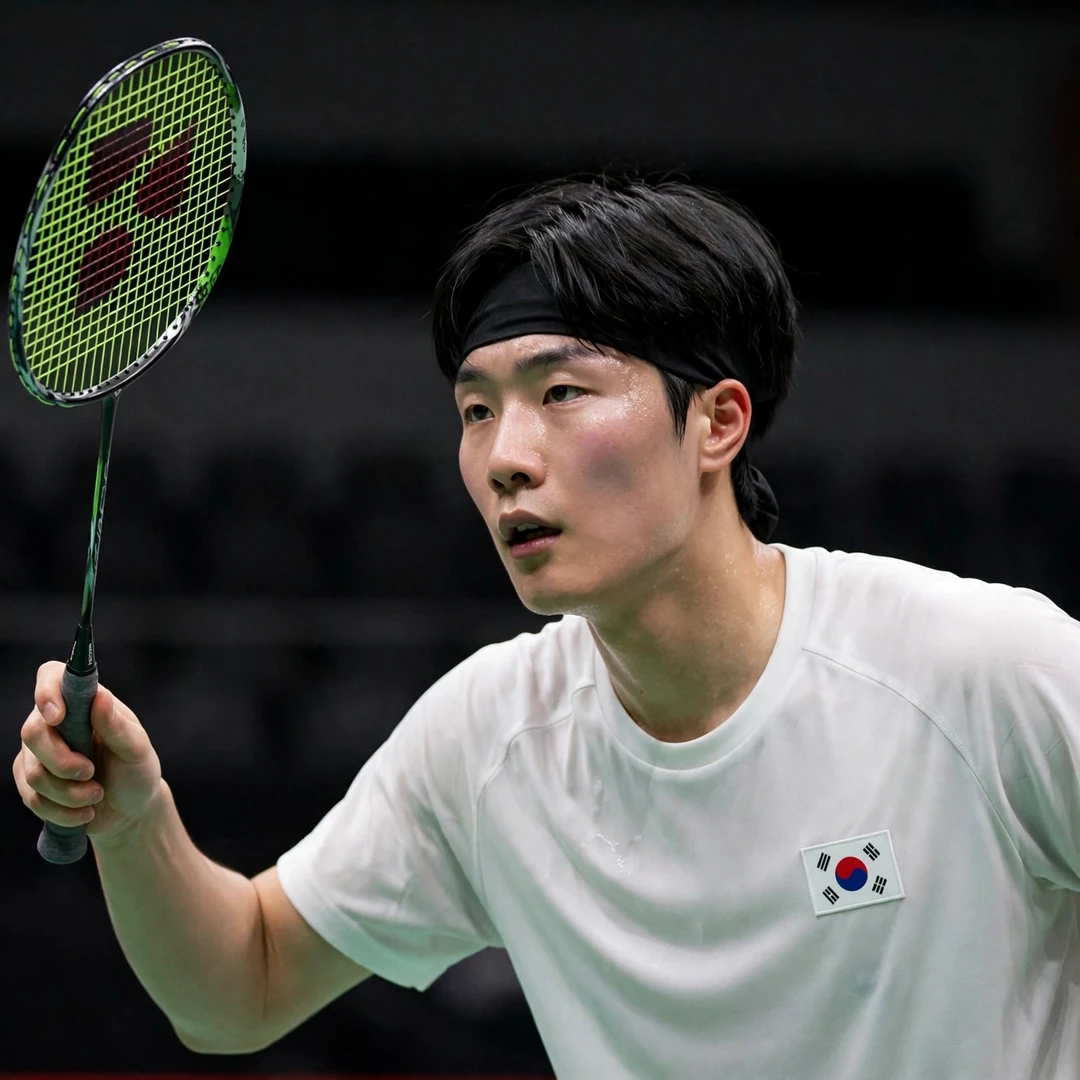
South Korean Men’s Singles Badminton Star
Park Sang Yong

South Korea
Player Event: Men’s singles
Born 30 September 2001 · From South Korea · Right-handed
Playing Style: Right-handed precision rally player built on accuracy, patience and deciding-game endurance
Understanding Park Sang Yong (South Korean Badminton Star)
Park Sang Yong is a professional badminton player from South Korea and one of the quietest success stories on the BWF circuit. In the Week 43 world rankings published on 20 October 2026 he stands at a career-high world No. 65 with 27,404 points — a remarkable position for a player who was ranked No. 1,166 in the world less than three years earlier. He is a two-time winner on the BWF International Challenge and Series circuit, a Thomas Cup debutant for South Korea, and an Asian Games team bronze medallist, and his rise has been built on precision, patience and relentless week-to-week competing.
Early Life and a Ranking That Started at No. 1,166
Park Sang Yong was born on 30 September 2001 in South Korea. Very little about his childhood has been published — he is not a player who arrived with a famous junior reputation or a television profile — and his name first appears in the international record in the qualifying rounds of the 2023 Korea Masters, where the entry list of his home Super 300 event placed him at No. 1,166 in the world with a handful of ranking points. For most players, a four-digit ranking is where the story ends. For Park, it was simply the first page: he treated the lowest level of the circuit as his classroom and started climbing.
Climbing Through the Korean System
South Korea’s men’s singles system is one of the deepest in world badminton, and breaking into it is a career in itself. Ahead of Park stood established internationals such as Jeon Hyeok Jin, a former world No. 18, and the younger Yoo Tae Bin, and behind him a new group of juniors arrived every season. Park’s route was the unglamorous one: national-system training, qualifying draws, and the International Series and Challenge events where prize money is small, halls are quiet, and every match is a fight against someone just as hungry. It is the level of badminton nobody broadcasts — and it is where his entire game was built.
The Patient Years: From No. 501 to the Top 100
The patient years show clearly in his ranking history. In February 2025, Park was selected in South Korea’s squad for the Badminton Asia Mixed Team Championships in Qingdao while ranked No. 501 in the world — trusted by his coaches for team duty long before his ranking made headlines. From there the climb gathered pace: around No. 117 by early 2026, No. 91 in June, No. 78 at the start of October and No. 65 in the Week 43 rankings. There was no single miracle week. There were dozens of ordinary weeks, in ordinary halls, each moving the number a little further in the right direction.
Learning the International Circuit the Hard Way
His first full senior seasons taught him how the circuit really works. In 2025 he reached the semi-finals of the Northern Marianas International in Saipan and the quarter-finals of the Northern Marianas Open a few weeks later, then finished the European autumn with quarter-finals at both the Irish Open — where he beat Germany’s Matthias Kicklitz in straight games — and the Scottish Open. At the Korea Masters in Iksan, a Super 300 event, he reached the round of 16. None of it made news at home. All of it taught him how to travel, how to back up matches day after day, and how to win the unglamorous early rounds that decide a ranking.
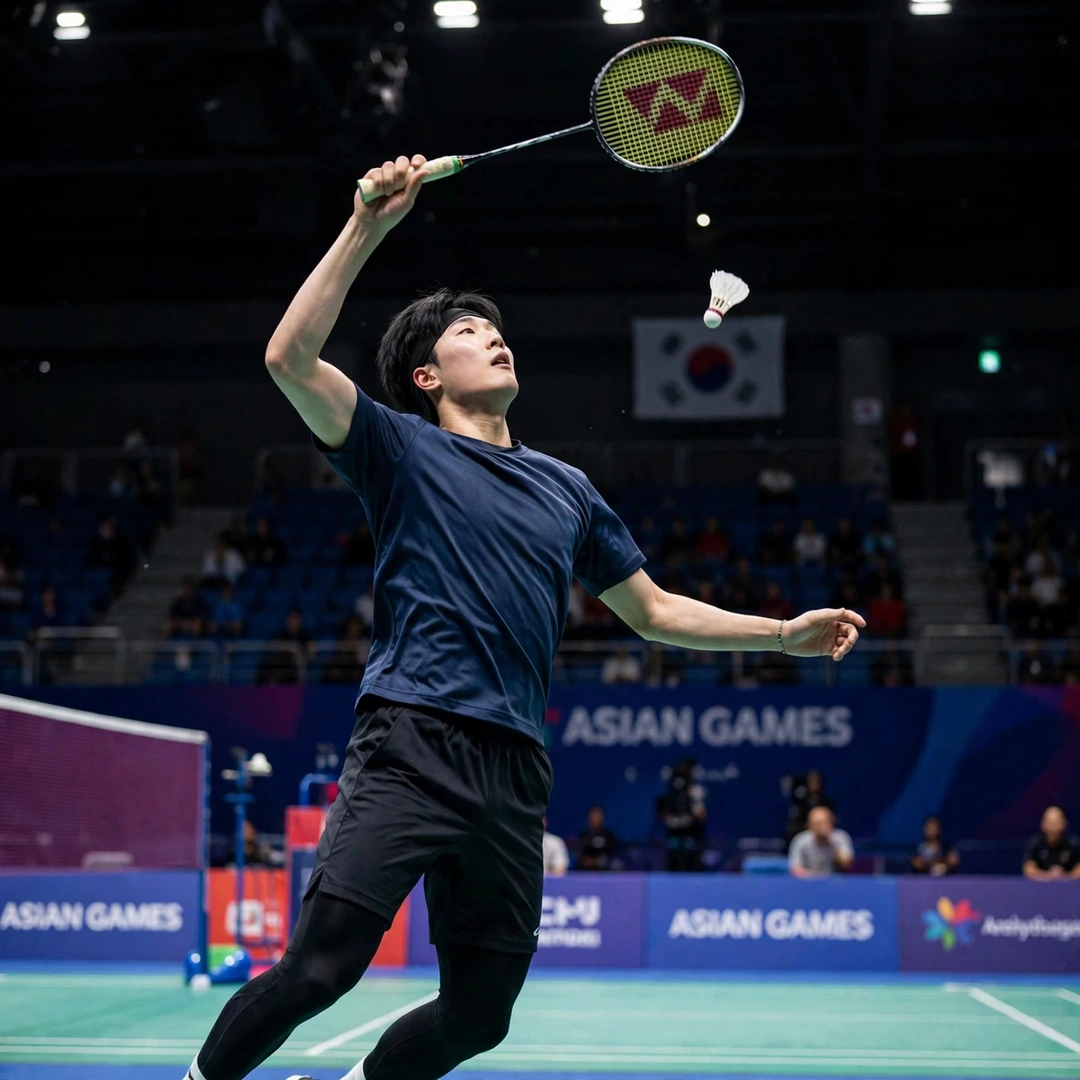
Career Milestone #1
Malaysia 2025: A First International Title
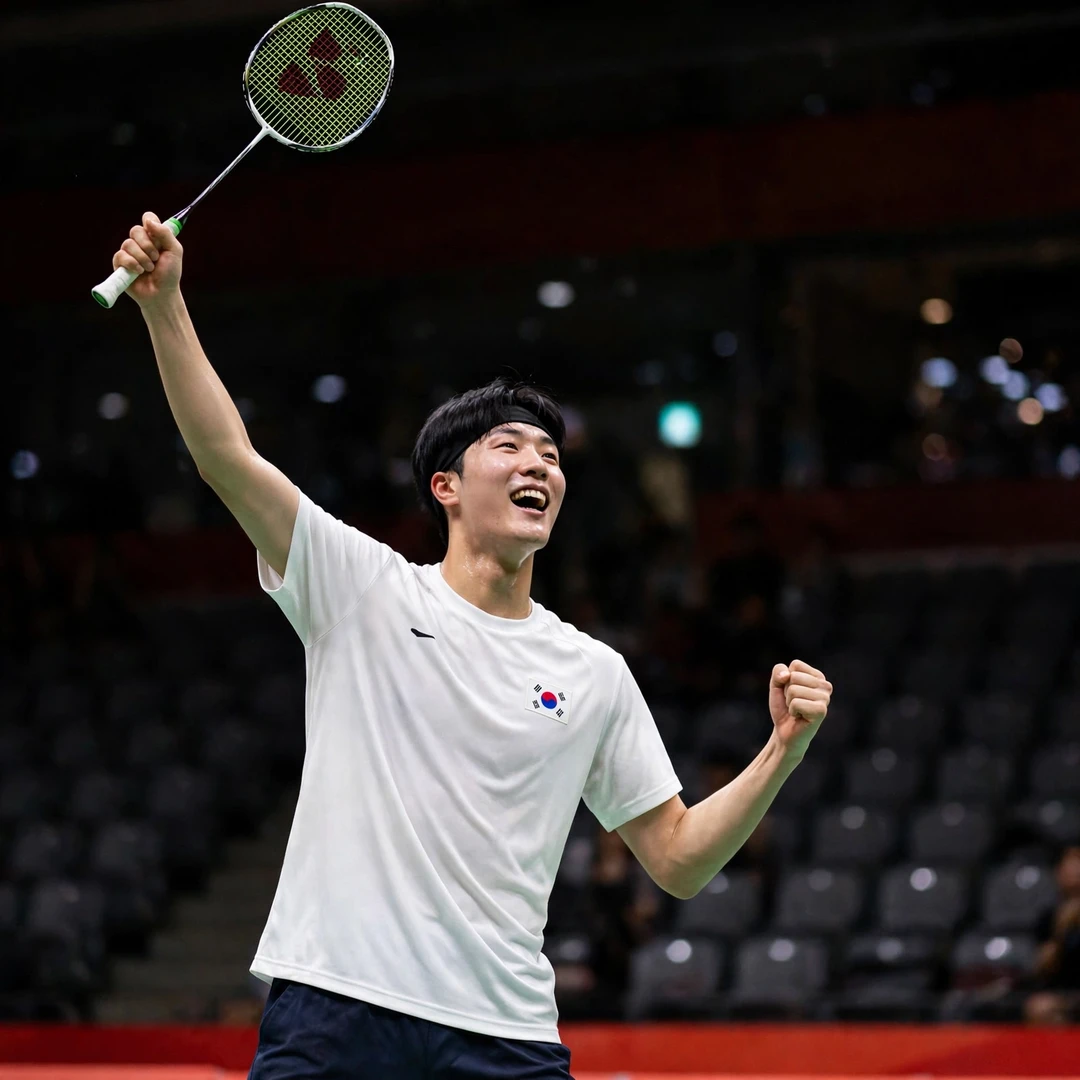
The breakthrough arrived in September 2025 at the PETRONAS Malaysia International Series in Iskandar Puteri, Johor. Park fought through the week to reach his first senior international final, where Indonesia’s Christian Adinata — a former SEA Games champion with a big home-region following — pushed him to the limit. Park took the first game 25-23, lost the second 20-22, and then held his nerve to close the decider 21-12. A first international title, won in three games against a dangerous opponent, changed everything that followed: he now knew, rather than believed, that he could finish a tournament on Sunday.
His second title came in July 2026 at the YONEX Northern Marianas Open in Saipan, and it carried a story of its own. Park had played the Saipan events four years in a row, reaching a semi-final and a quarter-final there in 2025, and the island had become his most familiar stop on the circuit. This time he went all the way, beating Japan’s Koo Takahashi in a three-game final. Badminton Oceania’s report credited his ‘precision’ as the decisive quality — the word that follows his game everywhere — and the win made him a two-time international champion, with both titles sealed in deciding games.
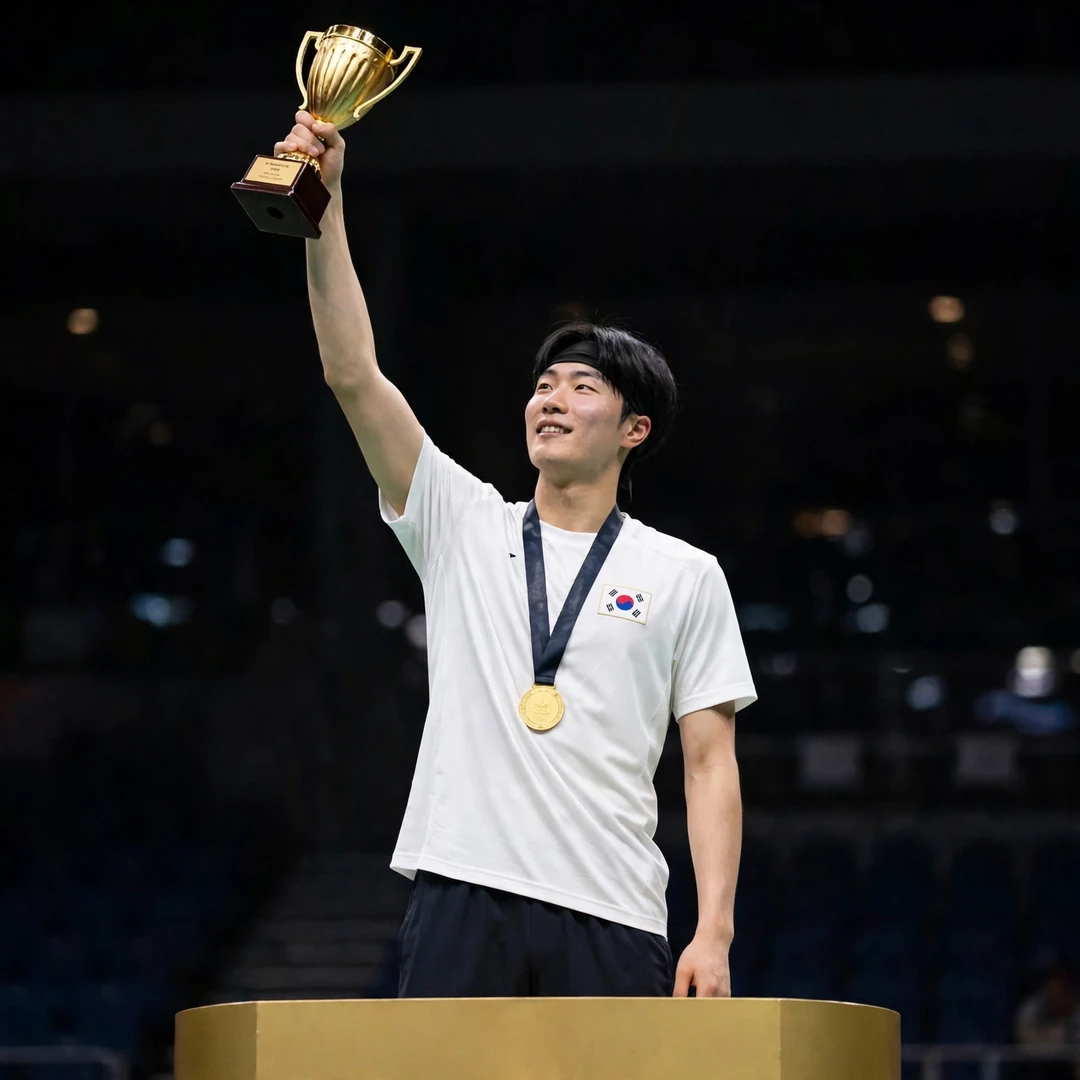
Career Milestone #2
Saipan 2026: The Second Title
Team badminton has run alongside his singles climb. In February 2026, Park was part of the South Korea squad that won bronze in the men’s team event at the Badminton Asia Team Championships in Qingdao, where Japan took gold and China silver. Selection for Korea — a nation that has produced Olympic and world champions — is never given lightly, and Park’s reliability across the Challenge and Series circuit made him a trusted squad member: the player coaches send in knowing exactly what they will get, whether the tie needs a win or simply a fighter who will not fold.
In April 2026 came the biggest team stage of all: the Thomas Cup Finals in Horsens, Denmark. Park made his Thomas Cup debut in the group tie against the hosts, playing third singles against Ditlev Jaeger Holm. He pushed the Dane deep into extra points in the first game before falling 24-26, 12-21, as Denmark won the tie 4-1. South Korea’s run ended in the quarter-finals against China, but Park had stood on the sport’s biggest team court, in front of a home Danish crowd, and measured exactly how far his game still had to travel. Those are the defeats that educate a player fastest.
Five months later, Park wore the Korea shirt again at the Asian Games in Aichi-Nagoya. Named in the men’s team squad alongside Jeon Hyeok Jin and Yoo Tae Bin, he played second singles in the round-of-16 tie against Hong Kong, losing 18-21, 17-21 to Jason Gunawan — but South Korea won the tie 3-1, advanced, and finished the tournament with the team bronze medal. An individual defeat inside a team medal is one of team sport’s strangest lessons: Park’s match was lost, his team kept winning, and he came home with an Asian Games medal that most players never get near in a whole career.
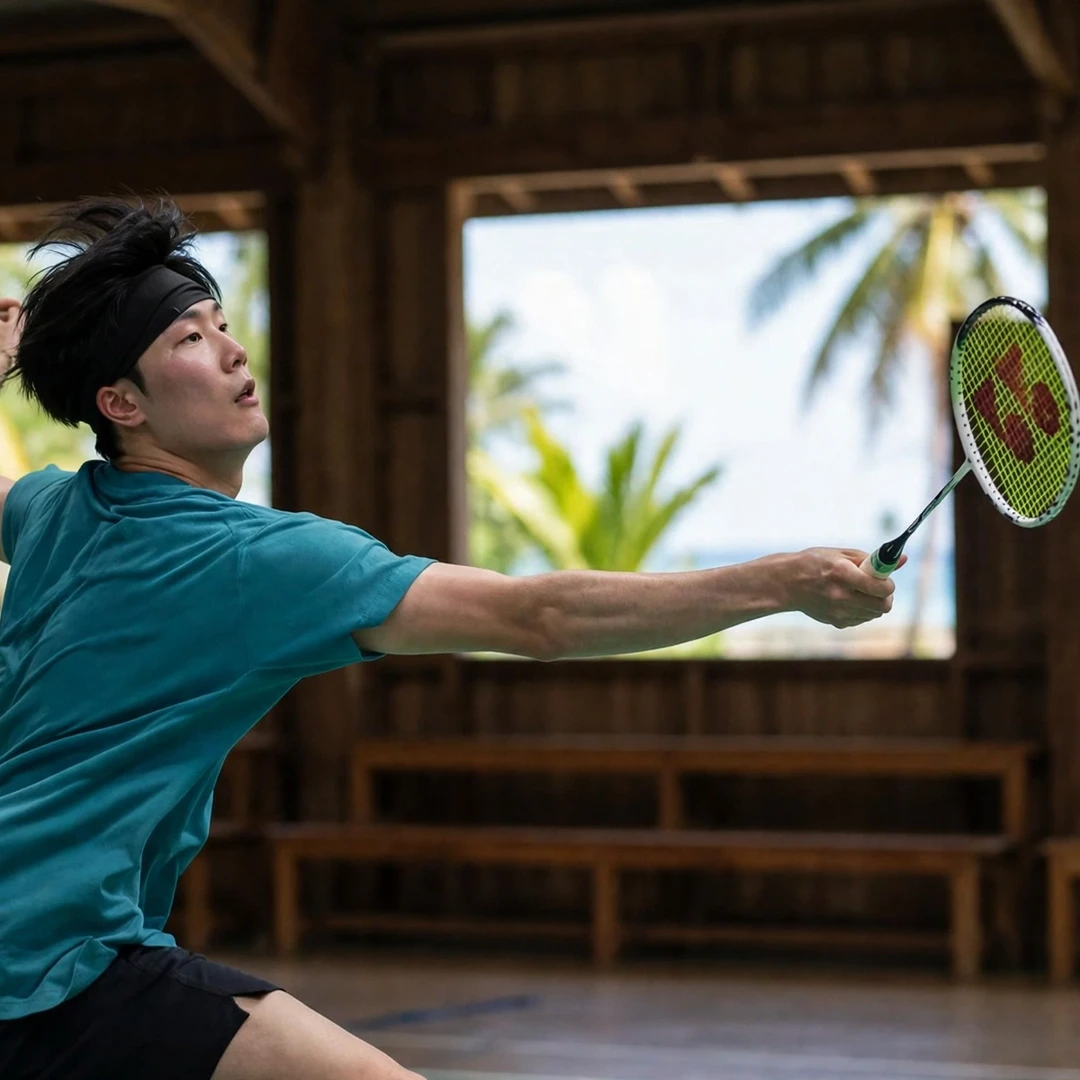
Career Milestone #3
Thomas Cup Debut and an Asian Games Bronze
His best Super 100 result came at the Ruichang China Masters in March 2026. Park beat China’s Wang Zijun in the quarter-finals to reach the last four — the deepest he had gone at that level — but the semi-final against Indonesia’s Prahdiska Bagas Shujiwo ended in a walkover, his run stopped without a shuttle being hit. It was a cruel way to end his best week of the season, and the response said everything about him: within months he had won in Saipan and produced his best Super 300 week of all on home soil in Asan.
That week came at the Korea Masters in August 2026. Park entered his home Super 300 through the qualifying rounds, beating Kim Byung Jae 21-8, 21-12, and then produced the best main-draw run of his career: Kiran George of India beaten 21-15, 21-9, Wang Po-Wei of Chinese Taipei beaten 21-19, 21-18, and a place in the quarter-finals. There, team-mate Yoo Tae Bin — the same rival from the national system — stopped him 21-16, 21-8. A Super 300 quarter-final from qualifying, built by beating two higher-profile opponents, announced that Park’s Challenge-circuit game could trouble World Tour fields too.
The Asan week also clarified the Korean pecking order he is chasing. Ahead of him in the Week 43 rankings stand Yoo Tae Bin at No. 36 — the team-mate who ended his Korea Masters run — and Jeon Hyeok Jin at No. 53, the veteran of the national squad. Park, at No. 65, is now one of South Korea’s top three men’s singles players, close enough to see the two men in front of him in every training hall and every draw. For a player who started at No. 1,166, standing as Korea’s number three is both a landmark and a target list.
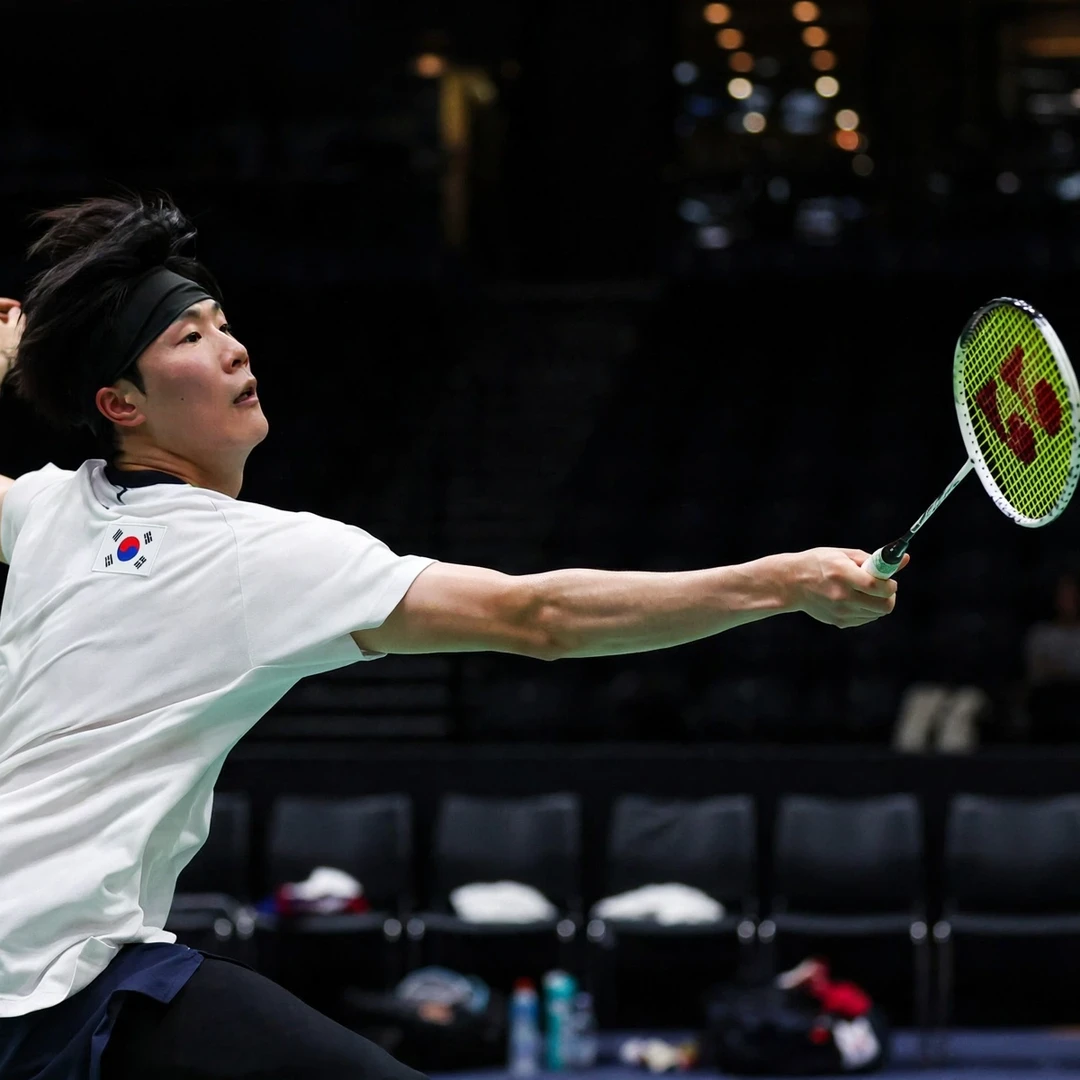
Career Milestone #4
Career-High No. 65 and the World Tour Frontier
His most recent form line came at the ALLIANZ Malaysia Super 100 in Johor Bahru in October 2026, returning to the Malaysian courts where his first title had been won a year earlier. He beat fellow Korean Cho Hyeon Woo 21-19, 13-21, 21-14 in the round of 32 — another three-game win in a career full of them — before his run ended in the round of 16 against Wang Tzu Wei of Chinese Taipei, a player he had beaten before and whose head-to-head with Park had stood level at 1-1. Quarter-finals and last-16 finishes at Super 100 and Super 300 level now frame his next target clearly.
The rankings complete the picture. No. 65 in the Week 43 list of 20 October 2026, with 27,404 points, is the highest ranking of Park Sang Yong’s life — earned not by one famous upset but by two international titles, a Super 300 quarter-final, a Super 100 semi-final and team medals with South Korea, all inside thirteen months. The next steps are equally clear: turn Super 300 quarter-finals into semi-finals, defend the points his big 2026 weeks created, and push towards the top 50 that brings direct entry into the draws he currently has to qualify for. On the evidence of the last three years, nobody should bet against his patience.
Playing Style
The Precision Rallying Style: Patience, Accuracy and Nerves
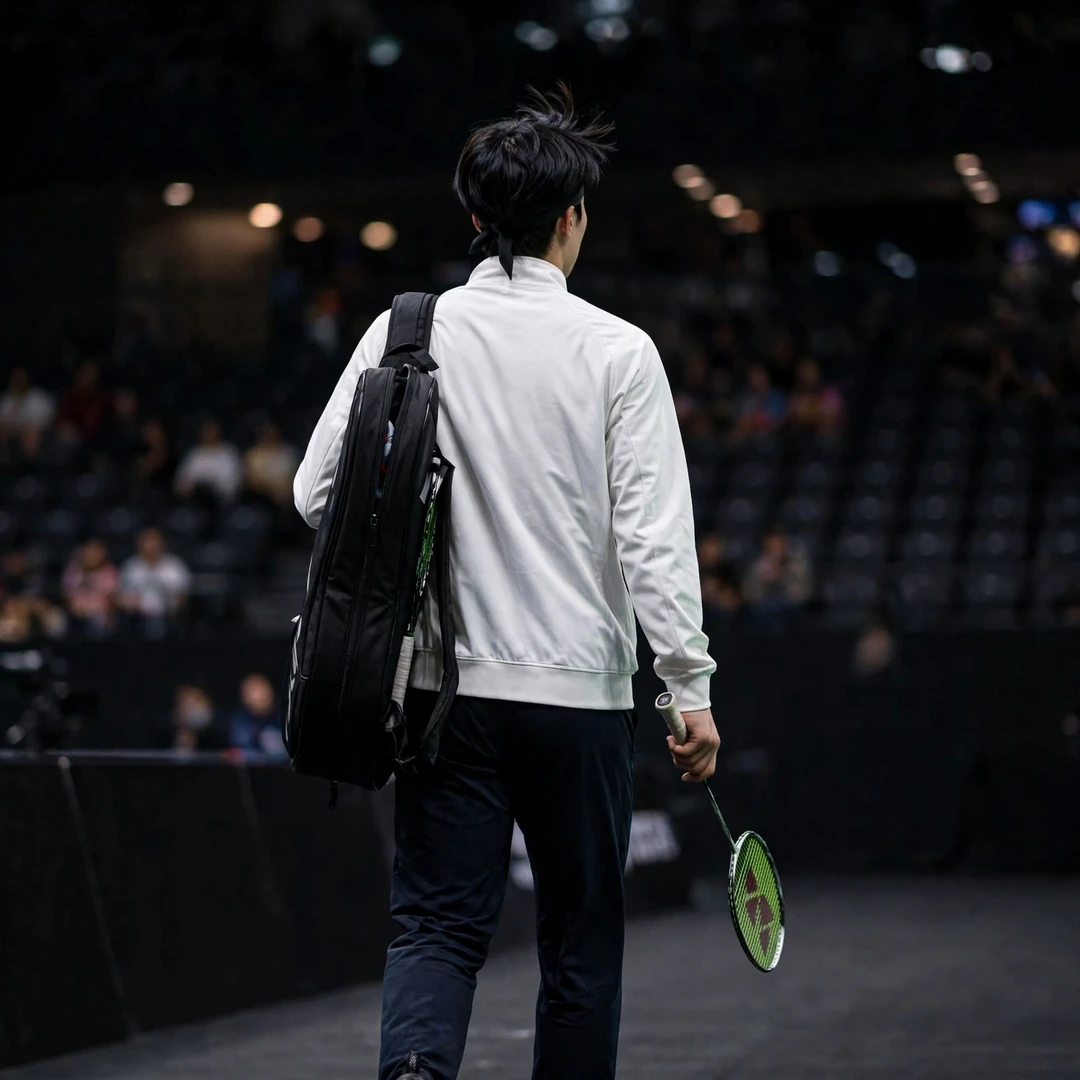
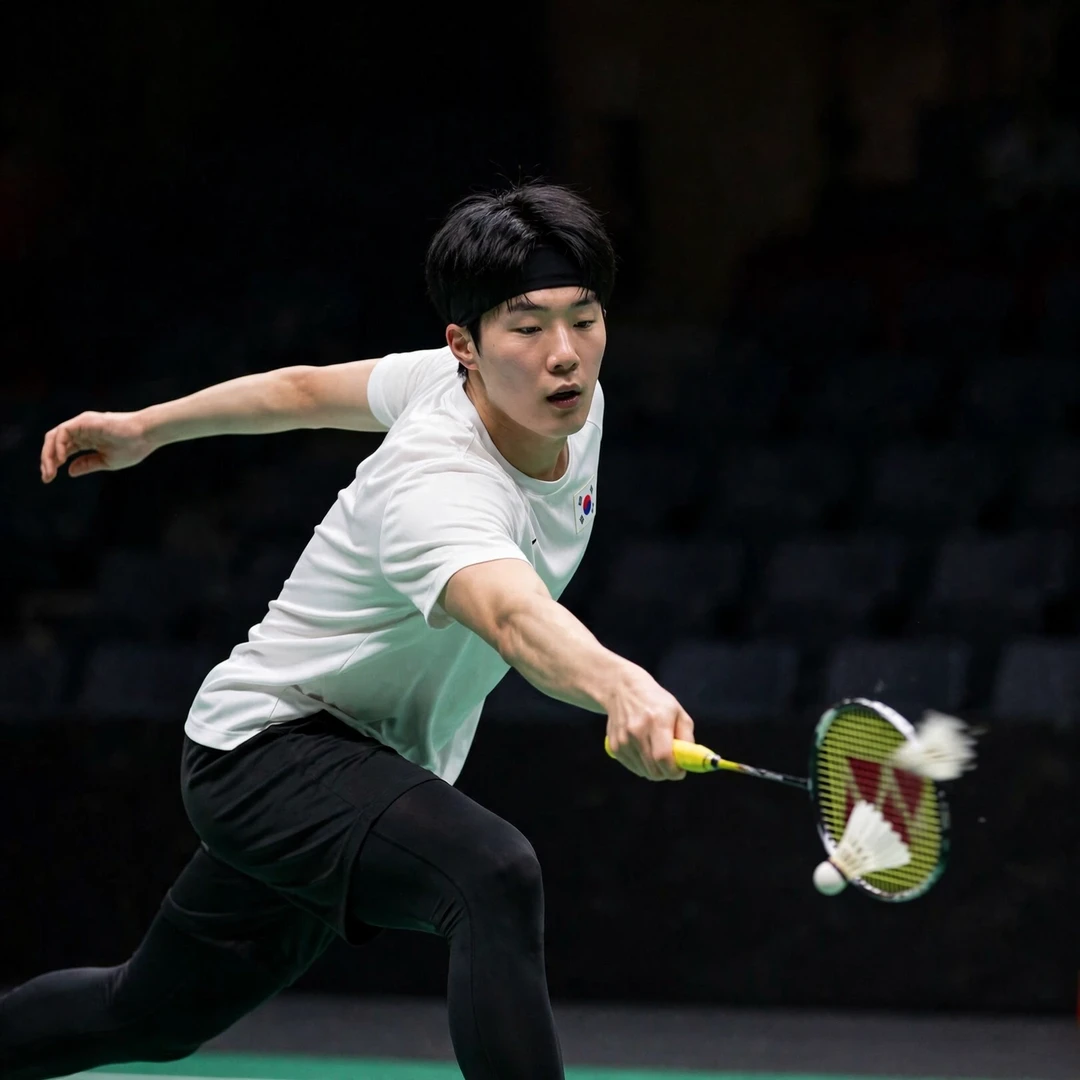
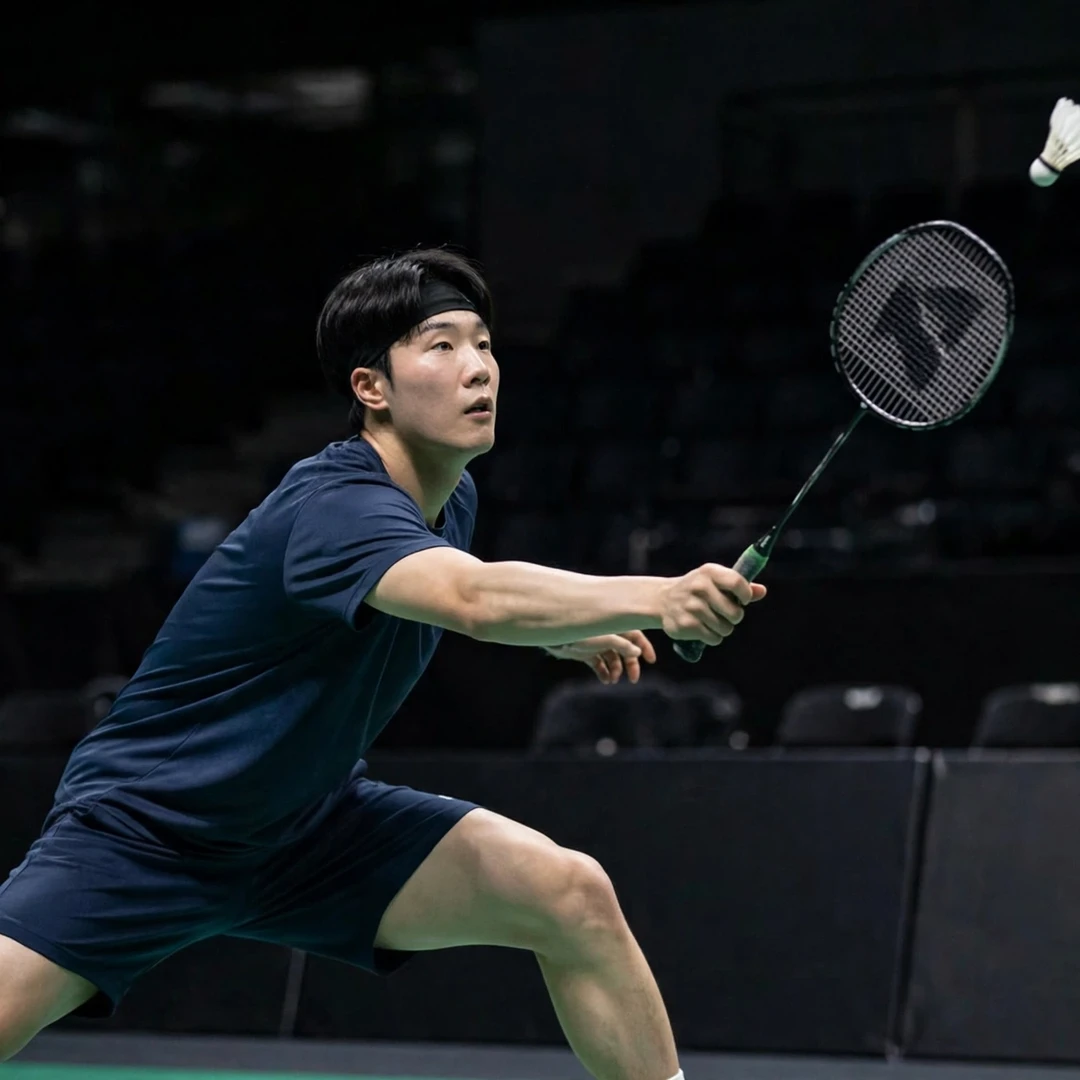
Park Sang Yong’s playing style is precision rallying. He is a right-handed all-court player who builds points patiently: accurate length to the back corners, a reliable net game, and defence that returns one more shuttle than opponents expect. Badminton Oceania’s finals report from Saipan used one word for his title win — ‘precision’ — and it is the quality coaches notice first. He does not try to blast opponents off the court. He moves the shuttle, varies the height and pace, protects his own errors, and waits for the rally to tilt his way, which it usually does somewhere after the thirtieth shot.
His signature strength is the deciding game. Both of his international titles were won in three games — the Malaysia final sealed 21-12 in the decider after a 25-23 opener, the Saipan final taken in three as well — and his 2026 wins over Cho Hyeon Woo and Wang Po-Wei also went the distance. Even his Thomas Cup loss to Ditlev Jaeger Holm opened with a 24-26 game. When matches stretch, Park’s accuracy does not decay and his shot selection stays calm; opponents who start matches hitting winners against him often end them hitting errors. That is a trained quality, built from hundreds of long matches on the lower circuits.
Young players should watch three things in Park’s game. First, his length: his clears and lifts land within a hand’s width of the back line again and again, which is what buys him time in every rally. Second, his patience at the net: he is happy to play the spinning net shot or the safe lift rather than forcing a low-percentage winner. Third, his error count: in long matches he gives away very little, and opponents must earn almost every point. None of these three things requires rare talent. They require coaching, repetition and the willingness to win rallies the slow way — exactly what an academy environment is for.
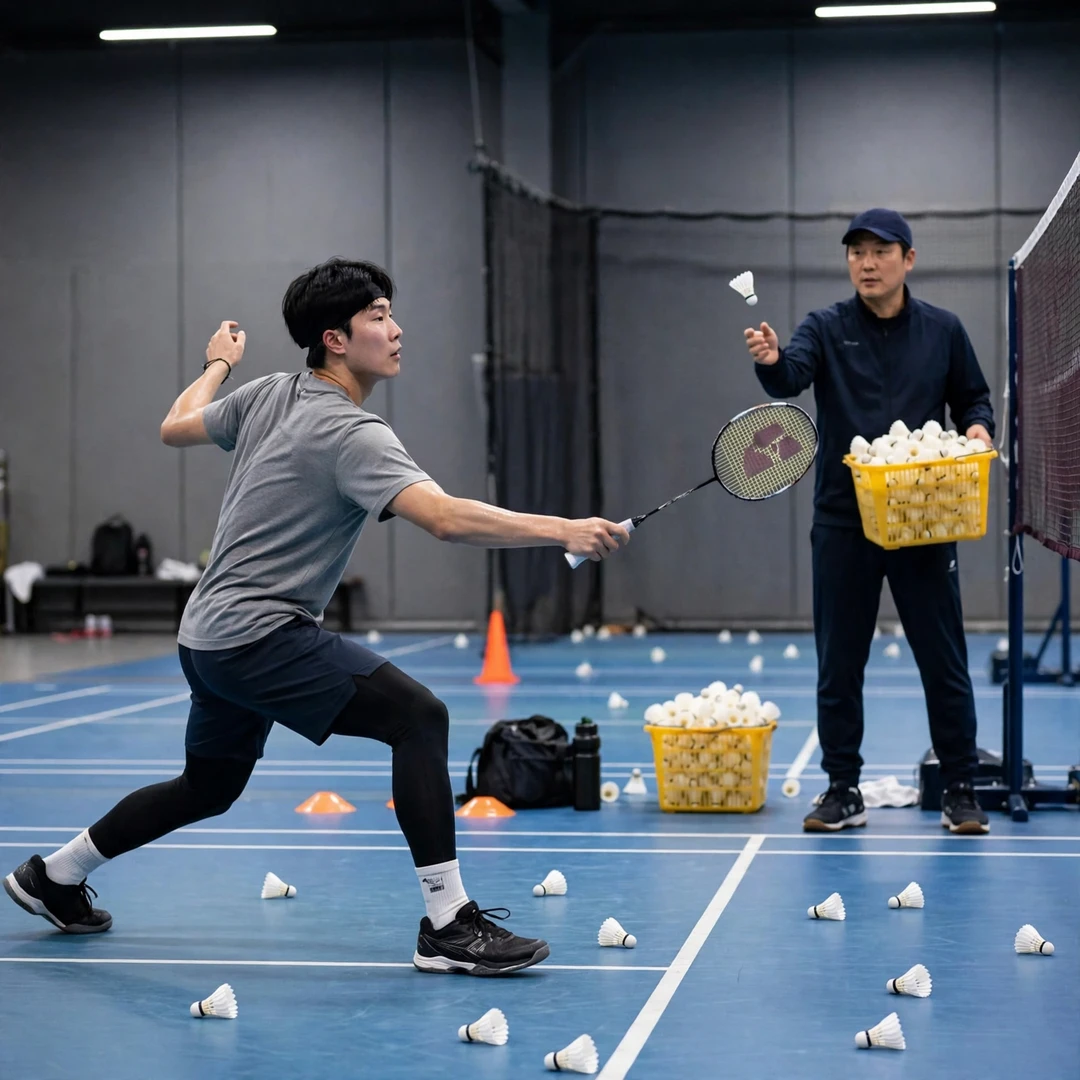
Mental Strength
Composure, Patience and Self-Belief
The first life lesson from Park Sang Yong’s career is that a ranking is a direction, not a verdict. He was No. 1,166 in the world in late 2023 and No. 501 at the start of 2025, numbers most young players would read as a judgement on their future. He read them as a starting grid. By October 2026 he stood at a career-high No. 65, with two international titles and two team bronze medals. Belief, in his career, is not a slogan. It is entering another small hall in another country, playing another qualifying match, and trusting that the graph moves if the work does not stop.
The second lesson is how to answer the defeats that feel unfair. A walkover ended his best Super 100 week in Ruichang. His Thomas Cup debut ended in defeat in front of a Danish crowd. His Asian Games singles match was lost even as his team won a medal. Each time, the response was identical: no excuses in public, no change of direction, just the next tournament entered and the next week of work. Young players often meet one cruel result and question everything. Park’s career shows the professional alternative — absorb it, learn the specific lesson, and let the schedule carry you forward.
Parents can take practical lessons too. Park’s development was not rushed by anyone: no junior fame was manufactured, no shortcuts were taken around the qualifying draws, and his coaches kept selecting him for team squads because his habits — preparation, reliability, composure — were professional long before his ranking was. He also played everywhere: Malaysia, Saipan, China, Denmark, Japan and home events in Korea, because ranking points and match craft are earned across a whole calendar, not in one showcase event. The habits of a professional are built in how a player handles ordinary weeks — and Park Sang Yong has made ordinary weeks his superpower.
Learning Reference
ST Badminton Academy Connection
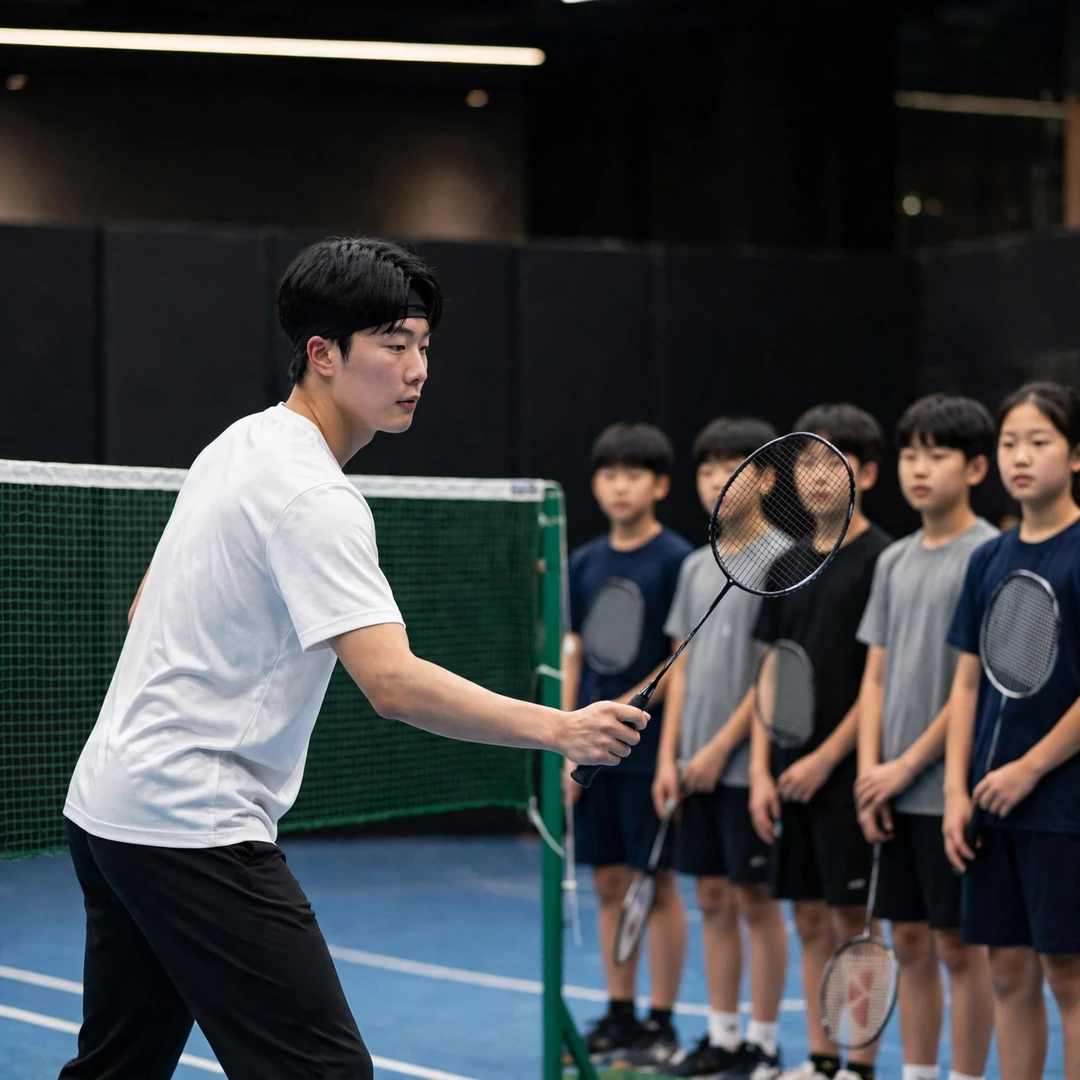
ST Badminton Academy has no partnership, sponsorship or endorsement relationship with Park Sang Yong or the Badminton Korea Association. This profile is an educational case study for our students and parents, built from public tournament records. We study his career because the habits behind it — precision, patience, error discipline and deciding-game composure — are the same habits we coach in Kuala Lumpur and Singapore, whatever level a child plays at.
Why do our students study Park Sang Yong? Because his game is copyable. A child cannot copy the smash of a once-in-a-generation power player, but any child can copy Park’s length, his net patience, his defensive discipline and his calm in deciding games. He also proves that the long road works: from No. 1,166 to the world’s top 65 without a junior title or a famous name, which tells young players everywhere that a slow start is not a life sentence. What matters is the quality and consistency of the work, repeated for years.
If your child dreams of playing professionally, Park Sang Yong’s career offers honest encouragement: the road can be long, and that is normal. Three years separated his first qualifying matches from his career-high ranking, and the years in between were not wasted — they were the making of him. Start with sound coaching, build the basics until they hold under pressure, compete regularly at the right level, and let development take the time it takes. The players who last are rarely the ones who peak first — and Park is still climbing.
FAQs: Park Sang Yong South Korean Badminton Player
In this FAQ section, we answer the questions parents and young players ask most often about Park Sang Yong: his background, his titles, his playing style, his team career for South Korea, and how Malaysian juniors can learn from his journey.
Who is Park Sang Yong and which country does he represent in badminton?
Park Sang Yong is a South Korean professional badminton player. He was born on 30 September 2001, represents South Korea in international competition, and plays right-handed. In the Week 43 BWF world rankings of 20 October 2026 he stands at a career-high world No. 65 with 27,404 points.
What are Park Sang Yong’s biggest badminton achievements?
Park Sang Yong’s biggest achievements are his two senior international singles titles — the Malaysia International Series in 2025, where he beat Christian Adinata in a three-game final, and the Northern Marianas Open in Saipan in 2026, where he beat Koo Takahashi. With South Korea he won team bronze medals at the 2026 Asian Games and the 2026 Badminton Asia Team Championships, and he made his Thomas Cup debut in 2026.
What is Park Sang Yong’s playing style?
Park Sang Yong is a right-handed precision rally player. His game is built on accurate length, patient net play, stubborn defence and very few unforced errors: he constructs long rallies, varies the pace, and attacks when the opening has been earned. His greatest strength is his deciding-game record — both of his international titles, and many of his best wins, were sealed in third games.
How has Park Sang Yong performed for South Korea in team events?
Park Sang Yong has become a trusted South Korea team player. He was named in the squad for the 2025 Badminton Asia Mixed Team Championships while still ranked No. 501, won men’s team bronze at the 2026 Badminton Asia Team Championships in Qingdao, made his Thomas Cup debut against Denmark in Horsens in 2026, and won team bronze at the 2026 Asian Games, where he played second singles in the win over Hong Kong.
How can my child learn from Park Sang Yong’s training approach?
Children can copy Park Sang Yong’s approach in three ways. Build accuracy first, because his whole game stands on clears and lifts that land on the back line under pressure. Practise patience at the net instead of forcing winners. And study how he manages errors and deciding games: he plays one more safe, accurate rally instead of donating points. A good academy coach will turn these habits into weekly drills, just as the Korean national system did for him.
Did Park Sang Yong win any junior titles?
No — and that is exactly what makes his career instructive. Park Sang Yong has no major junior title in the public record: his documented story begins in senior qualifying draws, ranked No. 1,166 in the world in 2023. His rise to No. 65 was built entirely as a senior, through the International Series and Challenge circuit, which makes him one of the clearest examples in modern badminton that a player without junior fame can still build a top-level career.
What are Park Sang Yong’s best World Tour results?
On the World Tour, Park Sang Yong’s best result is the quarter-final of the 2026 Korea Masters, a Super 300 event, which he reached from the qualifying rounds by beating Kiran George and Wang Po-Wei. He also reached the semi-finals of the 2026 Ruichang China Masters at Super 100 level, the round of 16 of the 2025 Korea Masters, and the round of 16 of the 2026 Malaysia Super 100.
What playing style should young players learn from Park Sang Yong?
Young players should learn Park Sang Yong’s precision rallying style, because it is built from trainable parts: accurate length, patient net play, balanced defensive footwork and calm shot selection in deciding games. It is a style that rewards discipline over highlights — perfect for juniors who are still growing into their power and need a game that wins matches now and scales later.
Does ST Badminton Academy have any connection with Park Sang Yong?
No — ST Badminton Academy has no official connection, partnership or endorsement relationship with Park Sang Yong or the Badminton Korea Association. This profile is purely an educational case study for our students. If you would like your child to train the habits his career demonstrates — precision, patience and composure — you are welcome to book a trial class with our coaching team.
Park Sang Yong Career Highlights
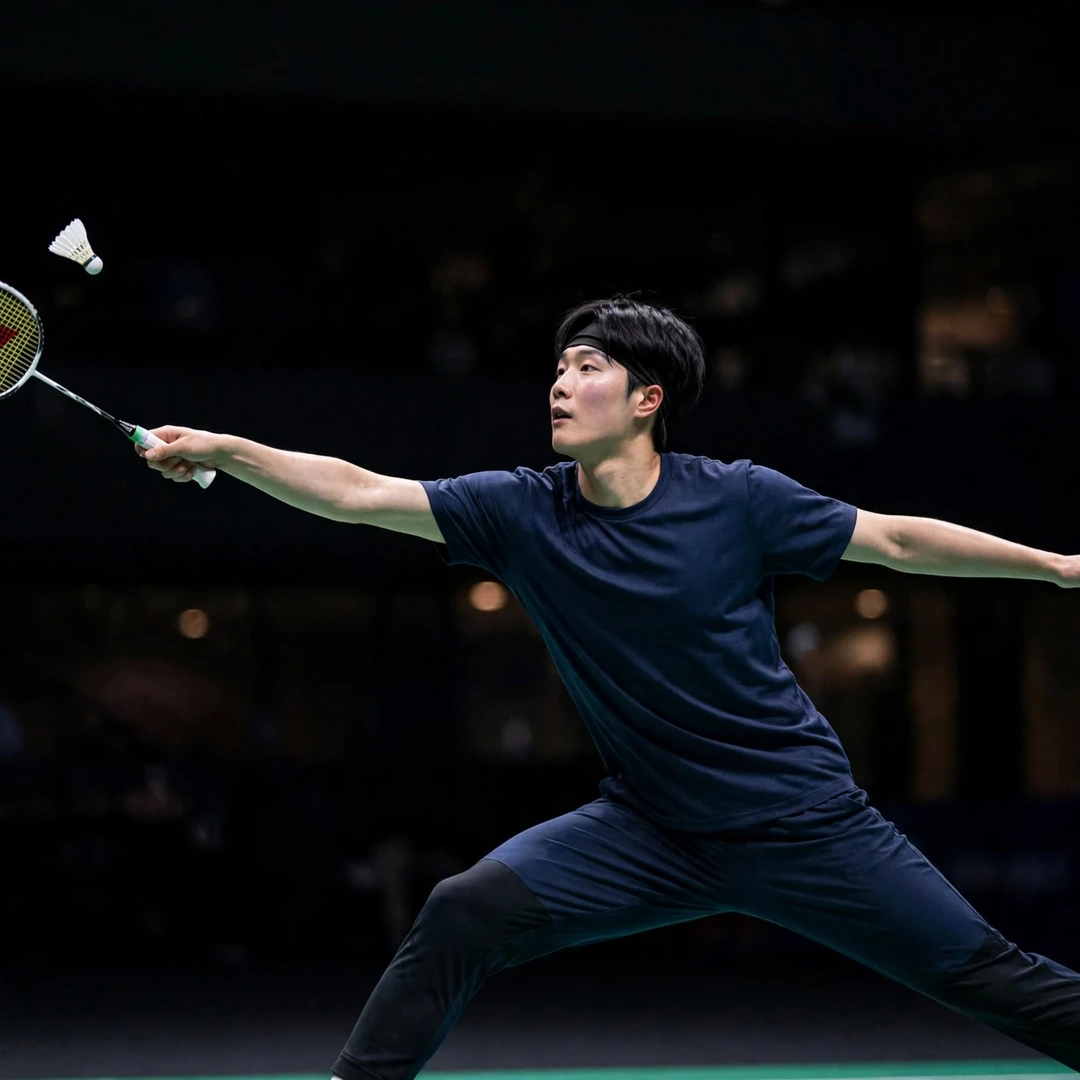
Career Statistics and Rankings
Park Sang Yong, born 30 September 2001 in South Korea, has built his career the patient way: from world No. 1,166 in 2023 to a career-high No. 65 in October 2026, with two senior international titles in Malaysia and Saipan, a Super 300 quarter-final at the Korea Masters, Thomas Cup and Asian Games appearances for South Korea, and team bronze medals at the Asian Games and the Badminton Asia Team Championships. Standing at No. 65 in the Week 43 rankings with 27,404 points, he remains one of the most instructive players in world badminton for any young player learning that patience is a skill.
| Development Area | Common Misconception | What Park Sang Yong's Career Shows REALITY |
|---|---|---|
| Junior Foundation | Talent alone decides who becomes a champion. | Park's career started far from the spotlight: in late 2023 he stood at No. 1,166 in the world rankings — a structured base in the Korean national system came first. |
| Playing Style Priority | Kids should copy the flashiest attacking shots. | Park built a complete rally game first; his two international titles are the finishing touch on reliable footwork, defence and net play. |
| Fitness Importance | Juniors can out-train everyone without rest. | Park played week after week across Asia, Europe and the Pacific in 2025 and 2026 — his climb from No. 501 to No. 65 came from smarter scheduling, not more hours. |
| Mental Approach | Top players never get nervous or upset. | Park saw a Super 100 semi-final end in a walkover in Ruichang, then returned to win in Saipan and reach a Super 300 quarter-final — mental skills are trained, not inherited. |
| Attacking Training | Smashing harder is always the answer. | His 2025 Malaysia International Series final win over Christian Adinata (25-23, 20-22, 21-12) and his 2026 Northern Marianas Open title came from controlled rally placement, not raw power. |
| National Milestones | Only world titles matter. | Park's Asian Games team bronze and Badminton Asia Team Championships bronze with South Korea in 2026 made him a trusted team player — continental milestones build a career step by step. |
| Career Timeline | Champions peak once and fade fast. | From world No. 1,166 in 2023 to a career-high No. 65 in October 2026, Park proves sustained development beats a short peak. |
Study Park Sang Yong's Work Ethic and Professional Approach
Would your child like to train like a professional? Book a badminton trial class at ST Badminton Academy in Kuala Lumpur or Singapore on WhatsApp +60 17-684 2136. Our coaches build the same foundations Park Sang Yong's career is built on — accuracy, footwork, rally patience and match composure — for children from beginner level to competitive squads.