Indian Men’s Singles Badminton Star
Ginpaul Sonna

India
Player Event: Men’s singles
Date of Birth: 21 March 2006, Delhi, India
Playing Style: Right-handed all-court attacker with a steep jump smash and precise back-court control
Known For: Two International Challenge titles in Hyderabad and Manila, a Pontianak International Challenge final and a career-high world No. 81
Base: Delhi, India — developed through school badminton in Noida and the Indian national circuit
Understanding Ginpaul Sonna (Indian Badminton Player)
Ginpaul Sonna is an Indian men’s singles badminton player from Delhi who has climbed into the world’s top 100 during a breakthrough 2026 season. He represents India on the BWF circuit and reached a career-high world No. 81 in the Week 43 rankings of 20 October 2026, holding 23,150 ranking points. In the space of twelve months he won his first two senior international titles — the Telangana India International Challenge in Hyderabad in November 2025 and the Philippine International Challenge in Manila in August 2026 — and reached a third International Challenge final in Pontianak. His story is a model of the modern circuit grind: hundreds of ranking places earned week by week at International Challenge and Super 100 events across Asia.
Delhi Roots and Junior Career
Ginpaul Sonna was born on 21 March 2006 in Delhi, India’s capital. He grew up in the Delhi–Noida region and attended the Global Indian International School (GIIS) in Noida, where badminton quickly became the centre of his school life. GIIS Noida supported him through its Global Sports Scholarship, and the school’s courts gave him the daily training base that most young Indian players have to travel across the city to find. Coaches who watched him in those years remember a schoolboy who treated every inter-school match like a ranking event, an intensity that later became his trademark on the senior circuit.
Delhi School Badminton
His junior results showed a player rising steadily through every level. At the Delhi State Ranking Prize Money Badminton Championship he finished fourth in the under-17 singles and then won the under-19 singles title, beating older players from across the capital. On the national junior circuit he reached the semi-finals of the All India Junior Ranking Tournament in Chandigarh, collecting a second runners-up finish against the country’s best juniors, and placed fourth in the under-17 singles at the All India Ranking event in Panchkula. Each season added a layer: state titles first, then national junior podiums, then the confidence to enter senior events while still a teenager.
Delhi State Junior Titles
Those junior honours mattered because of what they taught him. Indian junior badminton is famously deep, and Sonna learned to win long three-game matches against opponents who knew his game well. The school celebrated his results in assemblies and newsletters, but the real prize was experience: by the time he stepped onto the senior international circuit in late 2024, he had already played hundreds of competitive matches and understood how to close out tight deciding games — the skill that would win him his first two senior titles.
All India Junior Semi-Finalist
Sonna’s first senior international season, in 2025, was built on the International Challenge and International Series circuit. He reached the quarter-finals of the Iran Fajr International Challenge and the Sri Lanka International Series early in the year, then ground through early rounds in Thailand, Malaysia and China. The results were unspectacular but essential: a round-of-32 finish at the Malaysia Super 100 and main-draw experience at the Baoji China Masters gave him matches against top-100 opposition, and every week added ranking points to the No. 971 where his senior ranking had begun in November 2024.
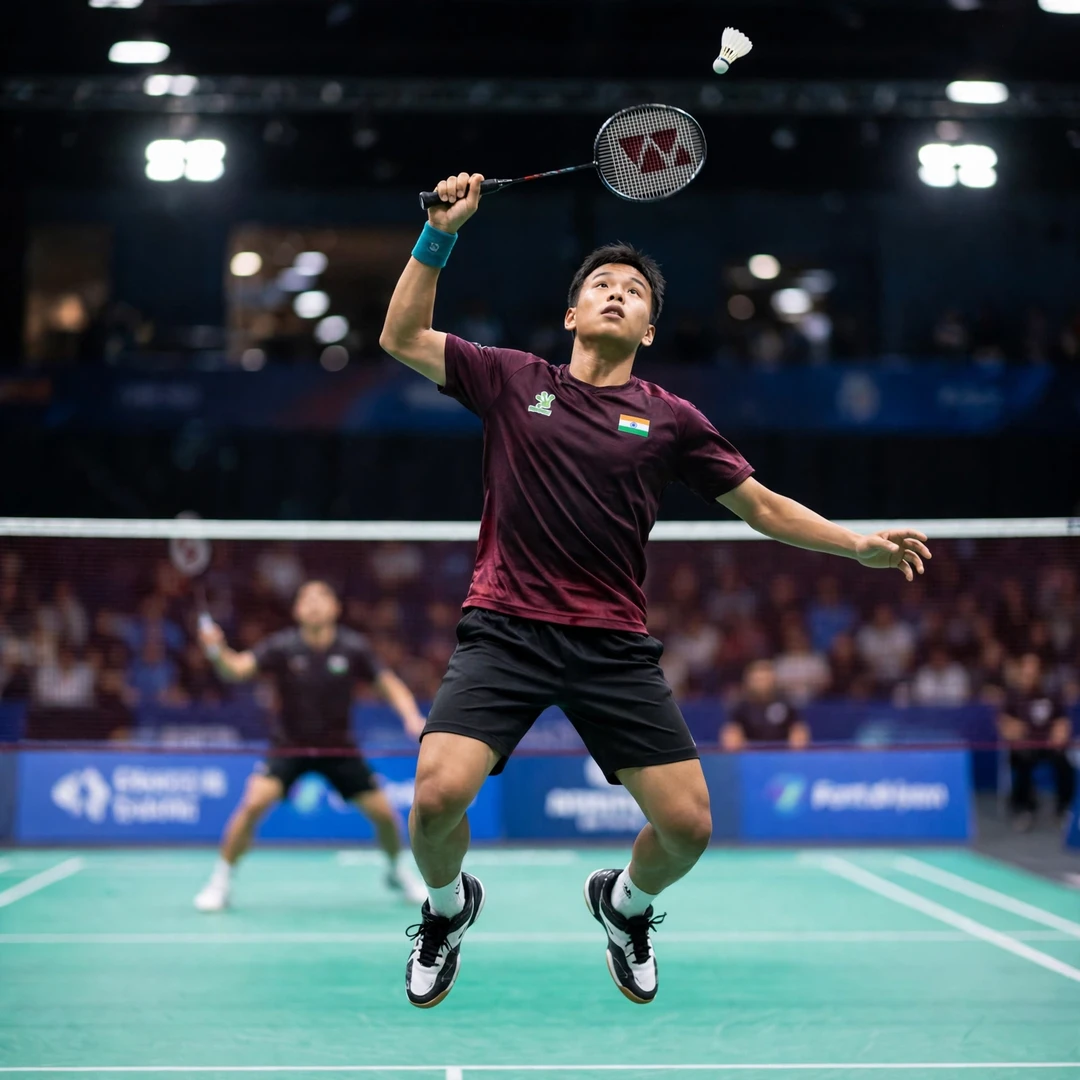
Career Milestone #1
Senior Tour Breakthrough — the Telangana Title
The breakthrough arrived at home in November 2025. At the Telangana India International Challenge in Hyderabad, Sonna produced the most complete performance of his young career, defeating third seed and world No. 110 Mithun Manjunath 21-9, 21-11 in an all-Indian final on 9 November 2025. Reports from Hyderabad praised the steepness of his smashes, his precise back-court control and a tactical clarity that belied his 19 years. It was his maiden senior international title, worth 4,000 ranking points, and it announced him as one of the form players of India’s next generation. Weeks later he backed it up with a round-of-16 finish at the Guwahati Masters Super 100, beating Ansh Vishal Gupta before falling to Japan’s Yudai Okimoto.
A first title changes how a young player is seen — by opponents, by selectors and by himself. Sonna’s 2026 calendar reflected his new standing: regular places in Super 100 main draws, seeded positions at International Challenge events and invitations deeper into the Asian circuit. At the Baoji China Masters in May 2026 he beat Chinese Taipei’s Su Wei-Cheng in three games before losing his round-of-16 match to Meiraba Luwang Maisnam. None of these weeks produced a trophy, but they hardened his game against the faster pace of the World Tour level, and they set up the biggest month of his career in the late summer of 2026.
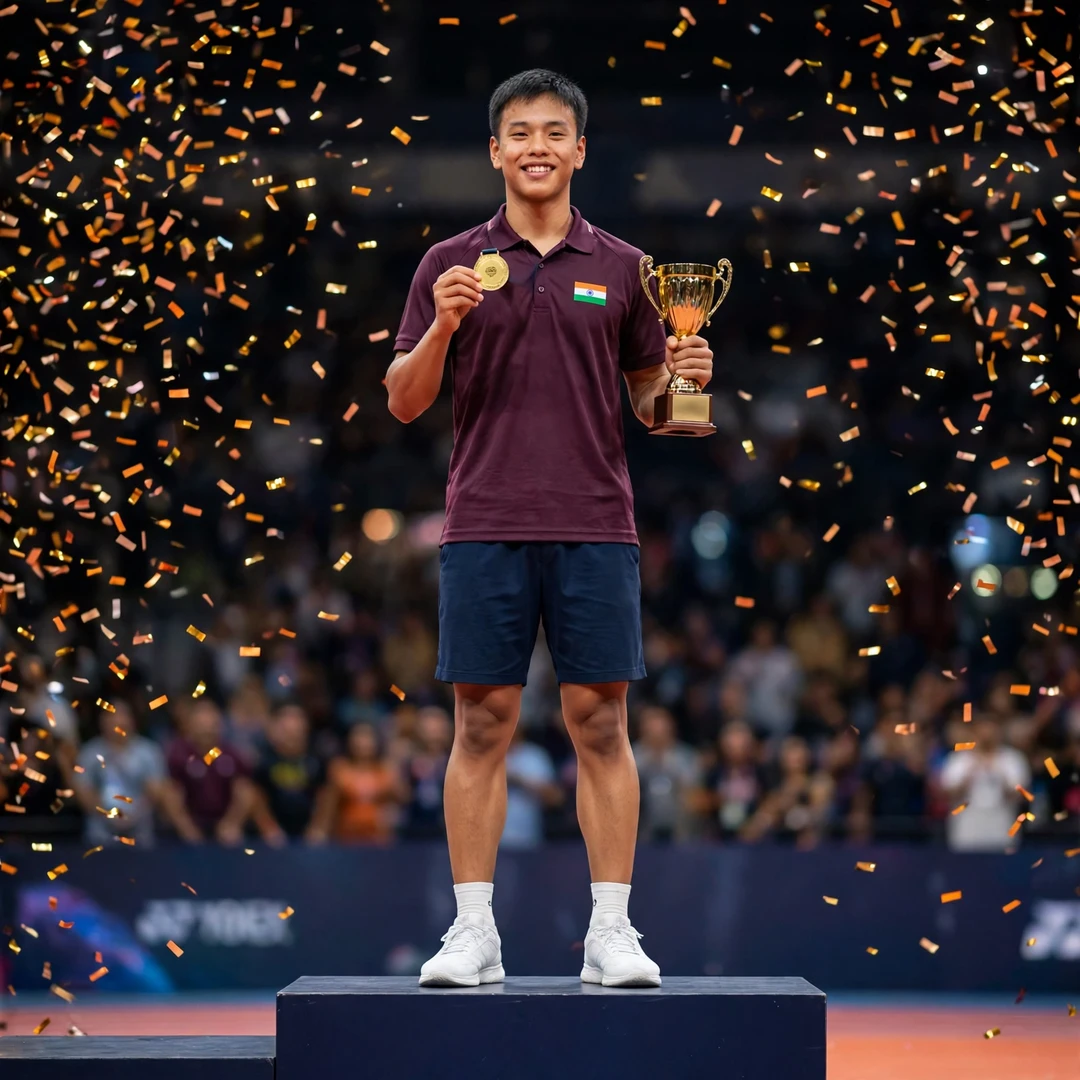
Career Milestone #2
Manila Glory: Philippine International Challenge Champion
In late July 2026, Sonna travelled to Mandaluyong City in Metro Manila for the first-ever Philippine International Challenge, a new BWF event that drew 220 players from 28 countries to Gameville Central Park. Seeded 16th, he was not the favourite in a draw headed by higher-ranked Asian regulars, but he played the week with the patience he had learned on the Indian circuit, taking his matches one by one and growing stronger as the rounds progressed. By the time he reached the final on Sunday 2 August, he stood one win away from his first international title outside India.
The final, against fellow Indian Aryamann Tandon, was the match of the tournament. Sonna edged a marathon first game 25-23, dropped the second 13-21, then surged ahead early in the decider and never relinquished control, closing it out 21-16 after 55 minutes. “For quite a long time, I was looking for a good performance, and this is more than expected,” he said afterwards. “I didn’t expect to win this tournament, but it was an exciting process, a really fun one. So, I feel really good winning this competition.” The champion’s prize of US$1,600 mattered less than the proof: he could now win titles away from home, in front of foreign crowds, against a compatriot who knew his game intimately.
The Manila crown was his second International Challenge title and the biggest result of his career to that point. It also completed a rare arc for a 20-year-old: a first title at home in Hyderabad, a second title abroad in Manila, both won through deciding third games that tested his composure as much as his shots. “It feels really great to win an international tournament again; it was a valuable experience for me,” Sonna said. “I just hope to play well and win more tournaments, keep improving, and hope to play better.” Within three weeks he was proving those words were more than ceremony, against the strongest field he had ever beaten in a single week.
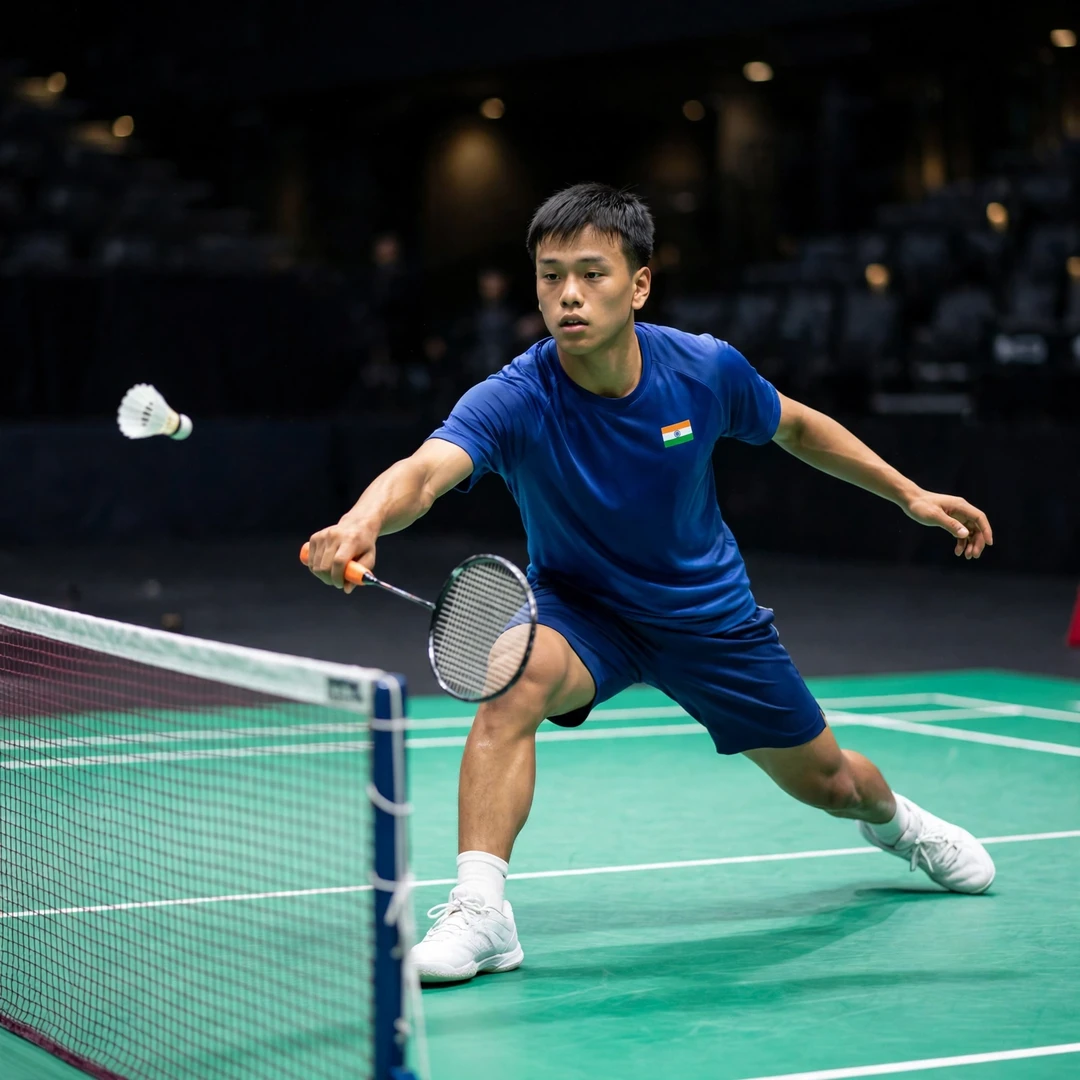
Career Milestone #3
Pontianak Run and Super 100 Progress
At the Pontianak International Challenge in late August 2026, Sonna beat one higher-ranked opponent after another. He came from a game down to defeat Chinese Taipei’s Huang Yu 16-21, 21-5, 22-20, dominated third seed Bismo Raya Oktora 21-10, 21-13, and then produced the biggest win of his career: a 21-19, 21-10 semi-final victory over Indonesia’s Chico Aura Dwi Wardoyo, a former world No. 15 and a Super 300 and Super 500 champion, in front of Wardoyo’s home crowd. Only in the final did the run end, against Indonesia’s Richie Duta Richardo. A runner-up finish, a career-best win and three victories over seeded home players made Pontianak the week his ceiling visibly rose.
He stayed in Pontianak for the Indonesia Masters Super 100 the following week and immediately showed the final had taken nothing out of him. In the round of 64 he edged the United States’ Mark Shelley Alcala 21-23, 21-11, 22-20, fighting through another deciding game that went to setting. His tournament ended in the next round against China’s Cheng Kai in three close games, but the message of the fortnight was clear: Sonna was no longer a visitor at Super 100 level. He belonged in these draws, and his ranking — which broke into the top 100 for the first time that September — was beginning to say the same.
His international rise has been matched at home, where India’s senior circuit is a proving ground in its own right. In September 2026 he reached the final of the All India Senior Ranking Tournament in Lucknow, beating Ansh Negi in the semi-finals, and he has also made a quarter-final run at the Yonex-Sunrise Senior Nationals. For young players at ST Badminton Academy, his path carries a useful lesson: the domestic circuit is not a detour from international badminton but the foundation of it. Sonna won his state titles, his junior medals and his senior ranking matches in India first, and the habits built there travelled with him to Hyderabad, Manila and Pontianak.
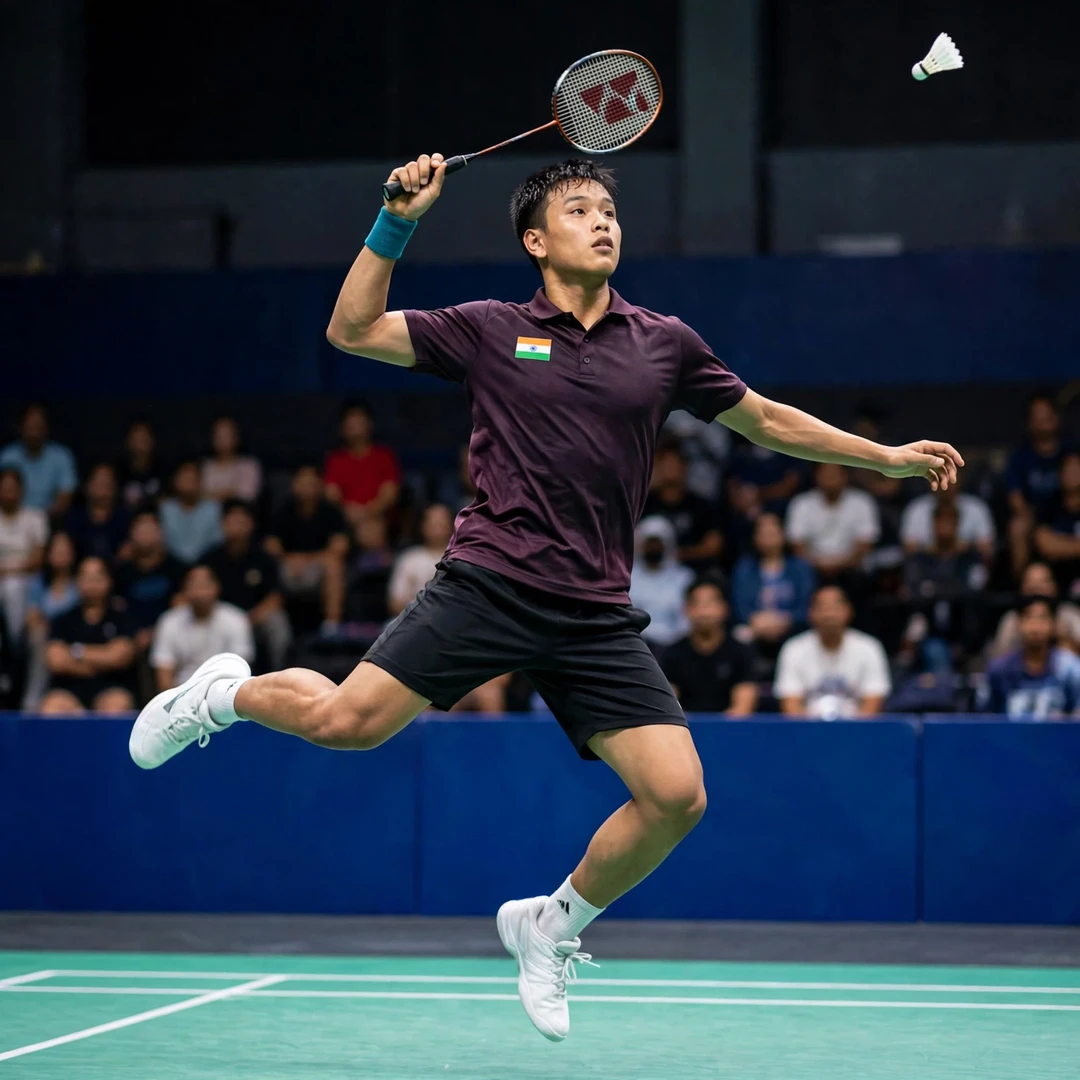
Career Milestone #4
Career-High World No. 81 in the BWF Rankings
The numbers tell the story of a climb with no shortcuts. Sonna’s first senior world ranking, in November 2024, was No. 971. The Telangana title and a full season of Challenge-level consistency carried him into the top 130 during early 2026, and the Manila and Pontianak results of August 2026 pushed him through the top-100 barrier: No. 97 on 1 September, then No. 92, No. 91 and No. 90 in the following weeks. On 13 October he stood at No. 86, and in the Week 43 rankings of 20 October 2026 he reached No. 81 — a career-high that, for a player still climbing every single week, reads less like a peak than a waypoint.
The next steps are the hardest in men’s singles. Above the International Challenge level sit the Super 100 events where Sonna is now a regular, and beyond them the Super 300 and Super 500 main draws guarded by the world’s top 50. Breaking into that group will demand deep World Tour runs and wins over top-30 players, but his trajectory — 890 ranking places gained in under two years, titles in India and the Philippines and a game built on repeatable skills rather than one hot week — suggests a player whose ranking is still catching up with his level. For now, every week of the 2026 season has ended with the same sentence in the rankings list: a new career-high.
Playing Style
The Steep-Smash All-Court Attacker
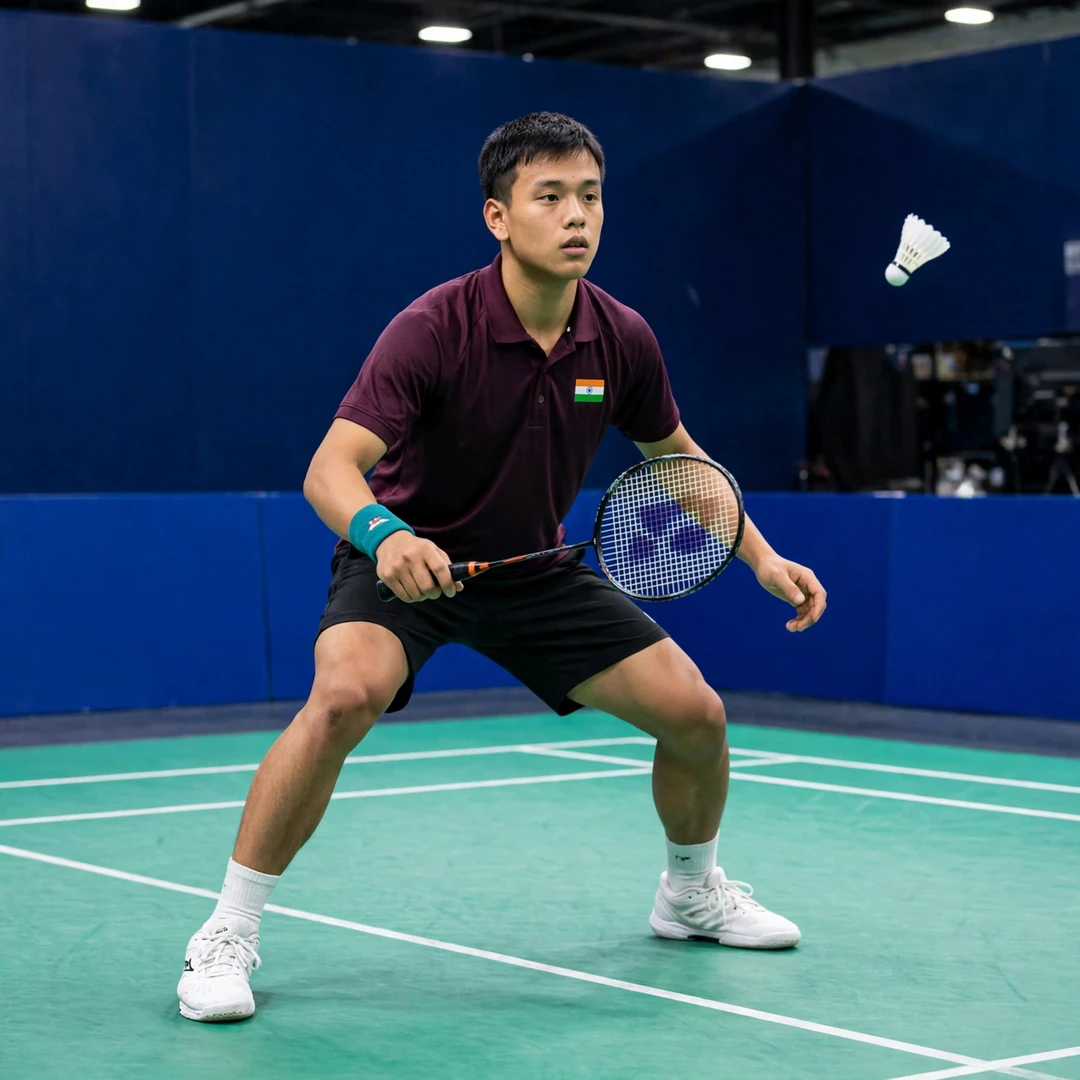
Sonna plays an all-court attacking game built around two signature strengths: a steep jump smash and precise back-court control. The Hyderabad reports on his Telangana title win captured the combination well — steep smashes to finish rallies, and back-court control exact enough to build them. He is right-handed, hits his overhead shots with a full scissor-kick rotation and takes the shuttle early at the net, where his tight spinning net shots force the lifts his smash feeds on. Against Chico Aura Dwi Wardoyo in Pontianak, that structure held against a former top-15 player: patient construction first, then steep, decisive finishing.
What separates him from most young attackers is his deciding-game record. In Manila he lost the second game of the final and responded by taking immediate control of the third; in Pontianak he lost the first game to Huang Yu and won the decider 22-20; against Mark Shelley Alcala he survived 22-20 in the third as well. Coaches call this front-running under pressure: clear tactics, unhurried service routines and the discipline to keep attacking the corners when the score tightens. His defence, built on a low stance and a strong backhand block, buys him the extra shot that frustrates bigger hitters, and his rally patience turns their impatience into errors.
Young players studying Sonna should watch how he earns his smashes rather than how hard he hits them. His clears and drops pin opponents to the back tramlines, his net shots are played close enough to the tape to deny counter-attack, and only then does the jump smash arrive — steep, early and usually cross-court. He also varies his pace intelligently, slowing rallies with high clears after fast exchanges so that his attack always has a platform. It is a repeatable, teachable structure, which is why his matches are such useful study material for juniors who are building their own attacking games.
Mental Strength
Discipline, Composure and the Long Climb
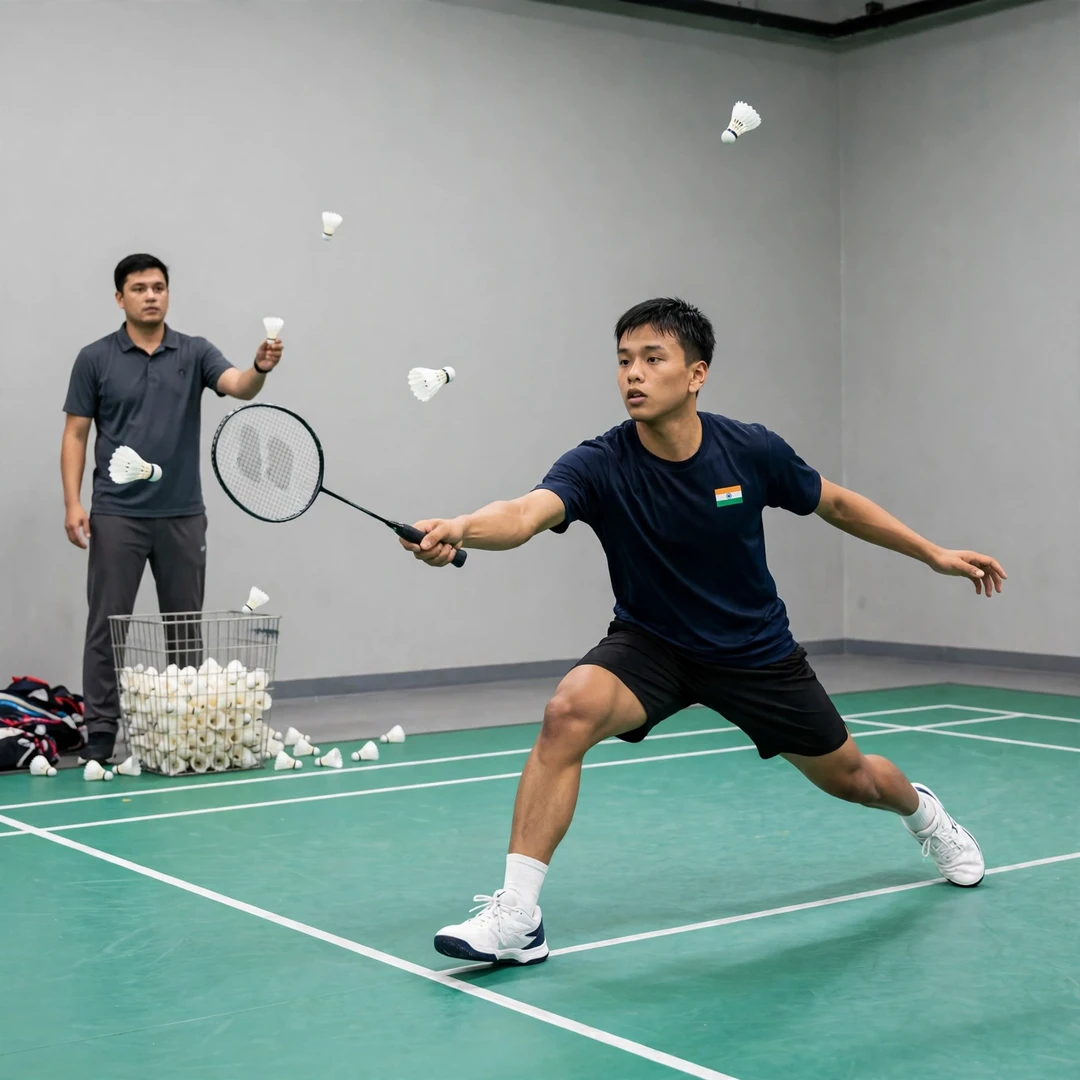
Behind the results sits an unglamorous training reality: volume. Sonna’s rise was built by playing almost every week of the Asian Challenge circuit — Iran, Sri Lanka, Thailand, Malaysia, China, the Philippines and Indonesia across two seasons — and by treating each event as both a competition and a training block. That schedule demands disciplined physical preparation: strength work to protect the knees and shoulders through constant jump smashes, footwork rehearsed until six-corner movement is automatic, and recovery routines that let a young body peak again seven days later in another country.
His mental training is written across his results. A player who wins deciding games 25-23, 22-20 and 21-16 in finals and semi-finals is rehearsing composure, not hoping for it: controlled breathing between rallies, a fixed pre-serve routine and a simple next-point plan are habits visible in every close match he plays. His own words after Manila — that he had been looking for a good performance for a long time without letting the wait become doubt — describe the patience built around him since his school days at GIIS Noida. Setbacks such as the Pontianak final defeat are absorbed the same way: noted, analysed and converted into the next week’s work.
Practical lessons from his journey include: build a complete game before specialising in one spectacular shot; use domestic and junior circuits as serious preparation, not warm-ups; play enough tournaments to make pressure familiar; keep a simple, repeatable routine for deciding games; and judge progress over seasons, not weeks — Sonna needed almost two years to travel from No. 971 to No. 81, and most of that distance was covered in unglamorous early rounds far from any final. For parents and juniors, his career so far is proof that steady, well-coached development compounds: small weekly gains, honestly earned, become a top-100 ranking.
Learning Reference
ST Badminton Academy — Train Where Champions Study the Game
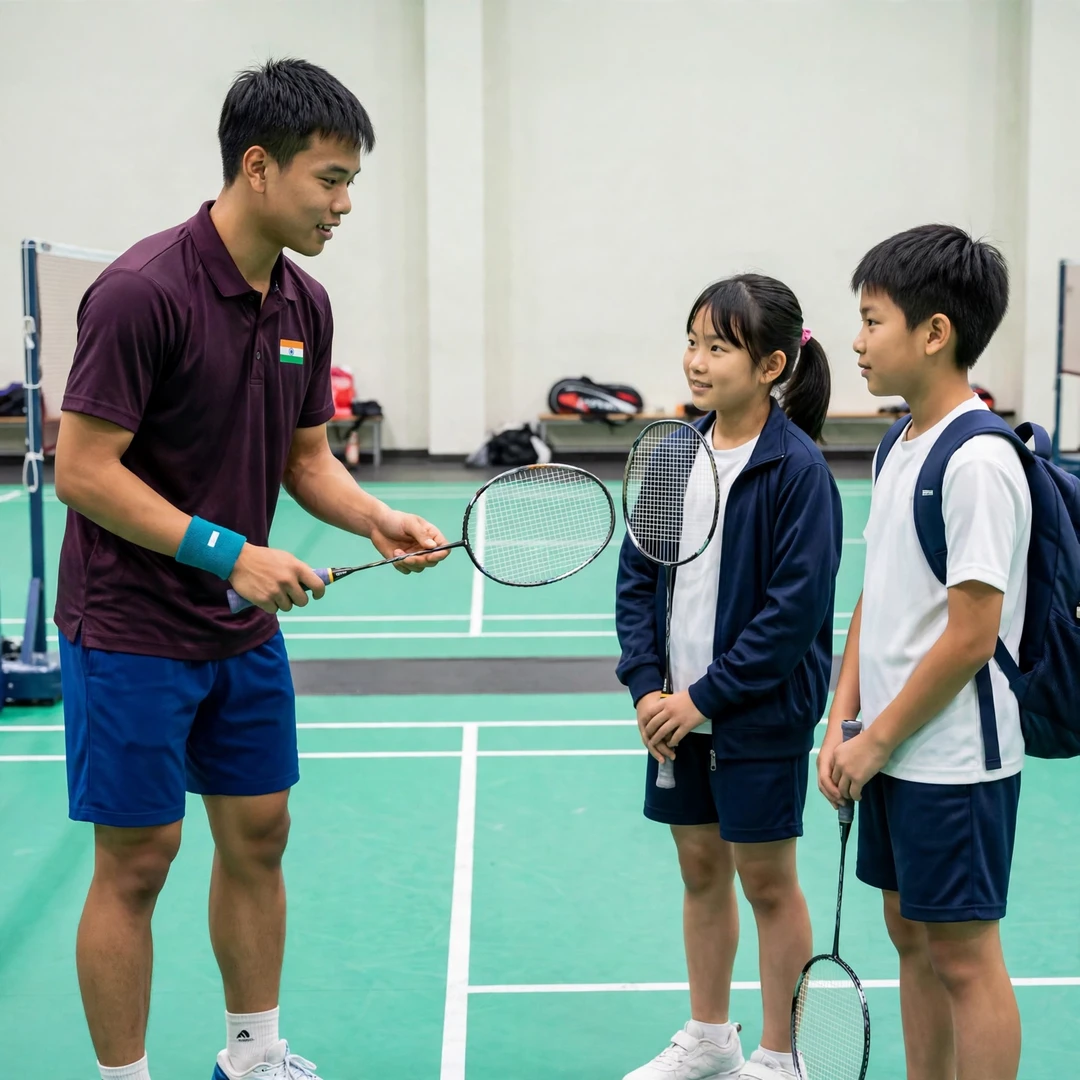
ST Badminton Academy has no official partnership or endorsement from Ginpaul Sonna. He is not connected with our academy, and this profile is published for education and inspiration. We feature his career because his route from Delhi school badminton to the world top 100 — through state titles, junior medals and the Asian Challenge circuit — shows our students exactly how a professional career is assembled, step by step, without shortcuts.
Many of our students from Malaysia and visiting learners from Singapore study his matches to understand how a modern attacking player constructs points. His Manila final is an ideal starting point: three games against a familiar opponent, a lost second game and a decider won by structure rather than emotion. Because Sonna is only 20 and still climbing, his game also shows juniors something the very top stars cannot — a top-100 level being built in real time, with techniques they can copy at their own training sessions this week.
We encourage our students to observe his rally construction, his steep cross-court smash preparation and his calm deciding-game routines. Notice how rarely he plays a spectacular shot from a bad position, and how his back-court control sets up every attack. At ST Badminton Academy in Kuala Lumpur and Singapore, our coaches break down matches like his into drills — six-corner footwork, late backhand defence, net-shot quality and third-game simulation — so that the lessons of his career become habits our juniors can use in their own tournaments.
FAQs: Ginpaul Sonna Indian Badminton Player
Here are answers to common questions about Ginpaul Sonna’s career, achievements and what young players can learn from his playing style, training methods and professional journey.
Who is Ginpaul Sonna and which country does he represent?
Ginpaul Sonna is an Indian professional badminton player competing in men’s singles. Born on 21 March 2006 in Delhi, India, he is a right-handed all-court attacker who reached a career-high world No. 81 in October 2026. He won the Telangana India International Challenge in 2025 and the Philippine International Challenge in 2026, and he represents India on the BWF international circuit.
What are Ginpaul Sonna’s biggest badminton achievements?
Sonna’s biggest achievements are his two International Challenge titles — Telangana (Hyderabad) in November 2025, where he beat Mithun Manjunath 21-9, 21-11 in the final, and the inaugural Philippine International Challenge in Manila in August 2026, where he beat Aryamann Tandon in three games. He also reached the Pontianak International Challenge final in 2026, beating former world No. 15 Chico Aura Dwi Wardoyo in the semi-finals, and he reached his career-high ranking of world No. 81 in the same season.
What is Ginpaul Sonna’s playing style?
Sonna plays a right-handed all-court attacking game built on a steep jump smash and precise back-court control. He constructs rallies patiently with clears, drops and tight net shots, then finishes with steep cross-court smashes. His defence and backhand block are reliable, and his strongest quality is composure: he has won a series of deciding third games in finals and semi-finals, including 25-23 and 22-20 finishes.
Has Ginpaul Sonna played at the Olympic Games?
Not yet. Sonna has not played at the Olympic Games or the BWF World Championships; his career so far has been built on the International Challenge and Super 100 circuits, where he won two titles in 2025 and 2026. At 20 years old and climbing from No. 971 to No. 81 in under two years, his immediate targets are regular Super 300 and Super 500 main-draw places — the level from which Olympic qualification campaigns are launched.
How can my child learn from Ginpaul Sonna’s training and matches?
Young players can study Sonna’s approach by watching how he builds rallies before attacking: back-court control first, net quality second, the steep smash last. His deciding-game routines are equally instructive — a fixed service rhythm, controlled breathing and a simple next-point plan. At ST Badminton Academy, coaches turn these observations into footwork, net-play and pressure-simulation drills that juniors can practise at their own level.
Did Ginpaul Sonna win any junior titles?
Yes. As a schoolboy at GIIS Noida, Sonna won the under-19 singles title at the Delhi State Ranking Prize Money Badminton Championship, after finishing fourth in the under-17 event. He also reached the semi-finals of the All India Junior Ranking Tournament in Chandigarh and placed fourth in the under-17 singles at the All India Ranking event in Panchkula — a junior record that prepared him for his senior breakthrough in 2025.
What are Ginpaul Sonna’s best results on the BWF circuit?
Sonna’s best international results are his two International Challenge titles (Telangana 2025 and the Philippine International Challenge 2026) and his runner-up finish at the Pontianak International Challenge 2026. His signature wins include a straight-games semi-final victory over former world No. 15 Chico Aura Dwi Wardoyo, a 21-9, 21-11 final win over Mithun Manjunath, and three-game victories over Aryamann Tandon and Mark Shelley Alcala.
What playing style should young players learn from Ginpaul Sonna?
Young players should study Sonna’s complete all-court game rather than just his smash: the back-court control that pins opponents deep, the tight net play that forces lifts, the reliable backhand defence and, above all, the patience to construct points. His career shows that a repeatable structure, trained daily and tested weekly on the circuit, beats one spectacular shot — and that deciding games are won by routines practised long before the final begins.
Does ST Badminton Academy have any connection with Ginpaul Sonna?
No, Ginpaul Sonna is not a student, coach or ambassador of ST Badminton Academy. He represents India and trains within the Indian badminton system. This profile is an educational resource created by ST Badminton Academy to help young players and parents understand his career, playing style and development pathway.
Ginpaul Sonna Career Highlights
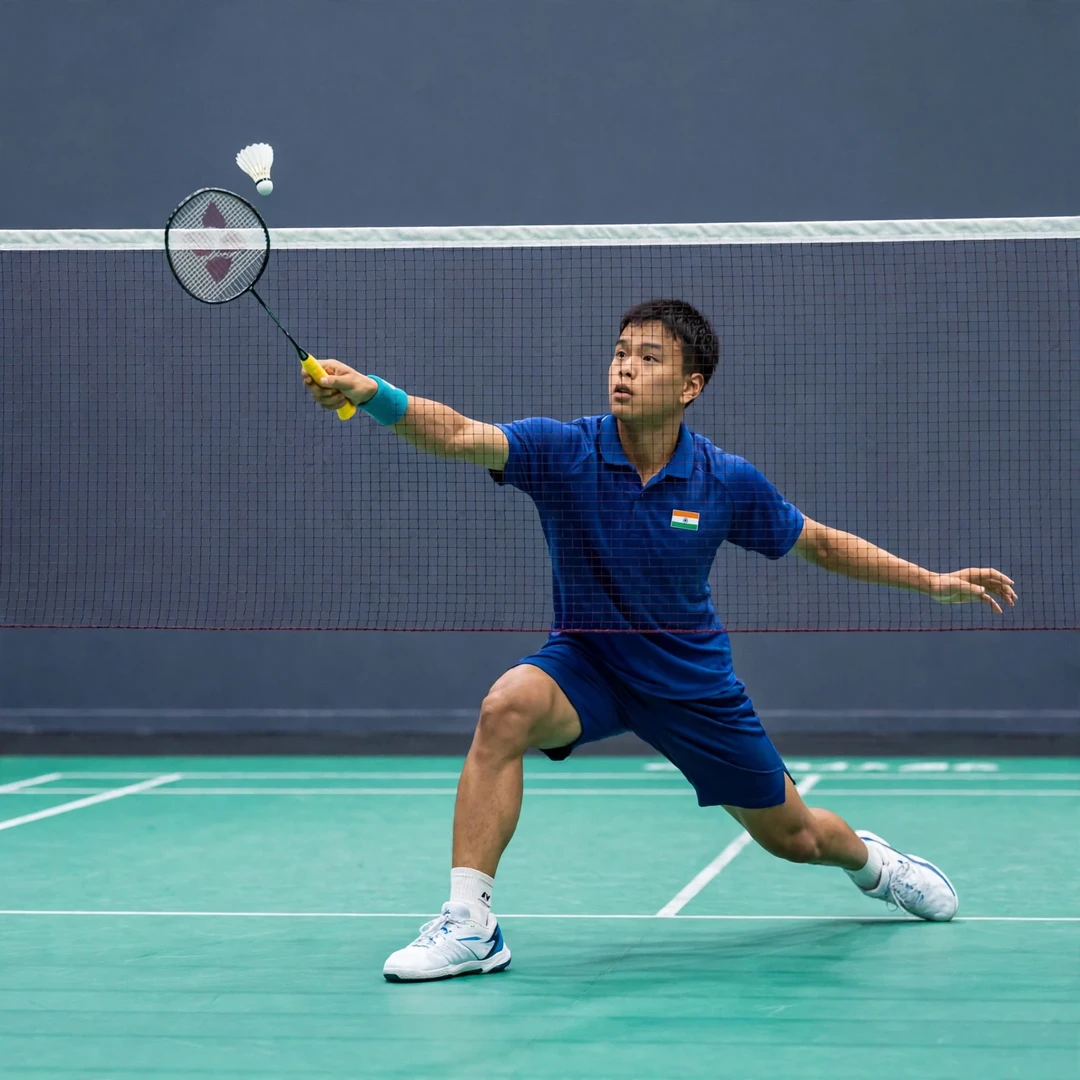
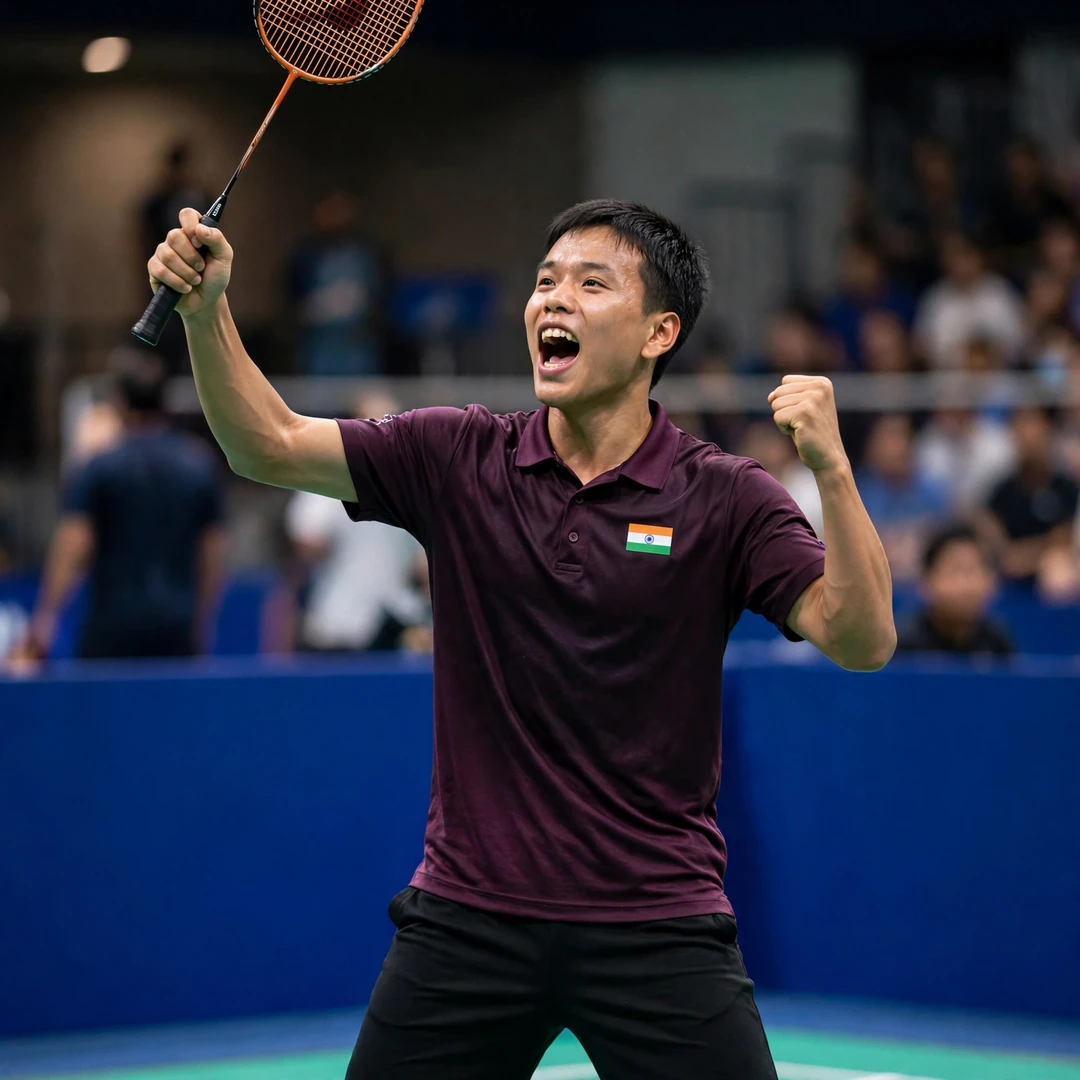
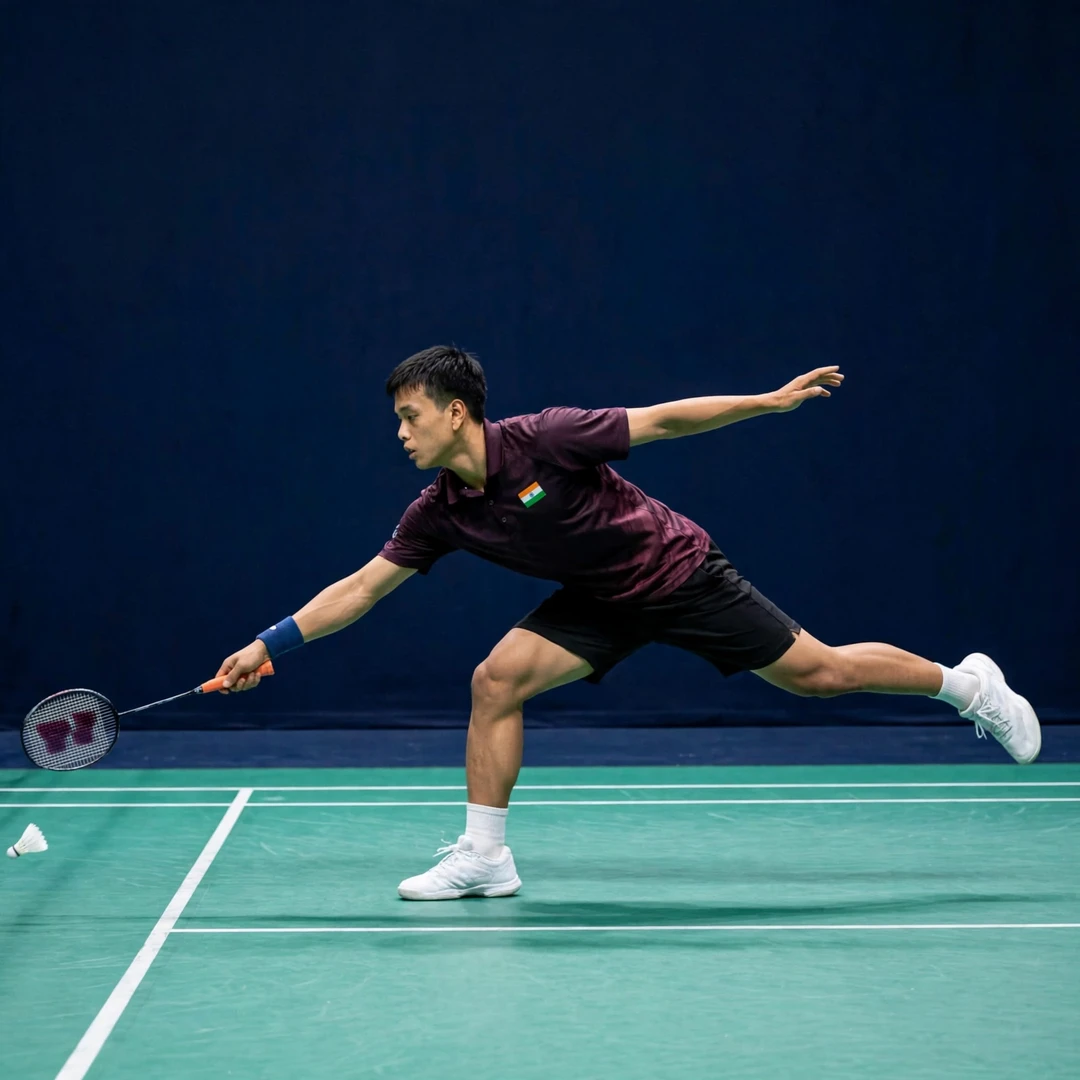
Career Statistics and Ranking Profile
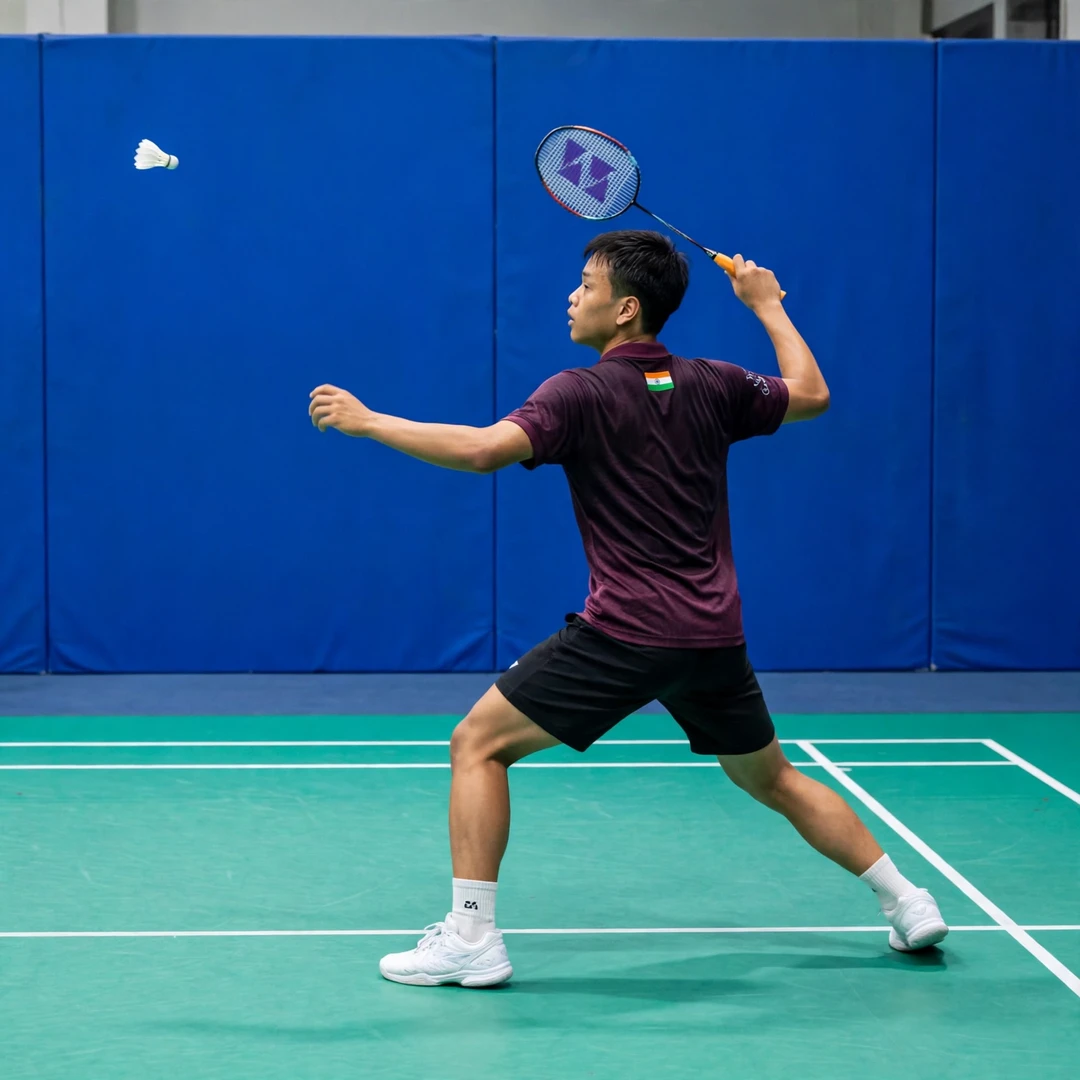
Ginpaul Sonna, born 21 March 2006 in Delhi, India, has become one of men's singles badminton's fastest-rising young players: from a first senior ranking of No. 971 in November 2024 to a career-high world No. 81 in October 2026, with International Challenge titles in Hyderabad and Manila and a final in Pontianak along the way. His game — a steep jump smash built on precise back-court control, tight net play and exceptional deciding-game composure — offers developing players a complete and copyable model of modern attacking badminton.
| Development Area | Common Misconception | What Ginpaul Sonna's Career Shows REALITY |
|---|---|---|
| Junior Foundation | Talent alone decides who becomes a champion. | Sonna starred in Delhi school badminton at GIIS Noida, won the Delhi State under-19 title and reached an All India junior semi-final — a structured junior base came first. |
| Playing Style Priority | Kids should copy the flashiest attacking shots. | Sonna built a complete game first; his steep smashes are the finishing touch on precise back-court control, reliable footwork and composed defence. |
| Fitness Importance | Juniors can out-train everyone without rest. | Sonna climbed from world No. 971 in November 2024 to the top 100 in under two years by playing a full, carefully managed circuit of International Challenge and Super 100 events — smart scheduling, not shortcuts. |
| Mental Approach | Top players never get nervous or upset. | Sonna lost the second game of the Manila final and the first game against Huang Yu in Pontianak, yet won both matches — deciding-game composure is trained through repeated pressure matches, not inherited. |
| Attacking Training | Smashing harder is always the answer. | His title wins in Hyderabad (21-9, 21-11 over Mithun Manjunath) and Manila came from controlled attacking placement and steep angles, not raw power. |
| National Milestones | Only world titles matter. | Sonna's two International Challenge titles and a Pontianak final made him one of India's form players of 2026 — each circuit level builds a career step by step. |
| Career Timeline | Champions peak once and fade fast. | From a first senior ranking of No. 971 in November 2024 to a career-high No. 81 in October 2026, Sonna proves steady development across two full seasons beats a short peak. |
Study Ginpaul Sonna's Work Ethic and Professional Mindset
This profile explains who Ginpaul Sonna is, how he rose from Delhi school badminton through the junior and senior Indian circuits to the world top 100, and what developing players can learn from his playing style, training discipline and professional mindset. At ST Badminton Academy, we use the careers of players like Sonna to teach our students how champions are actually built: patiently, completely and one honest week of work at a time.