Best Holiday Camp in KL: Sending an Enquiry That Gets Useful Answers
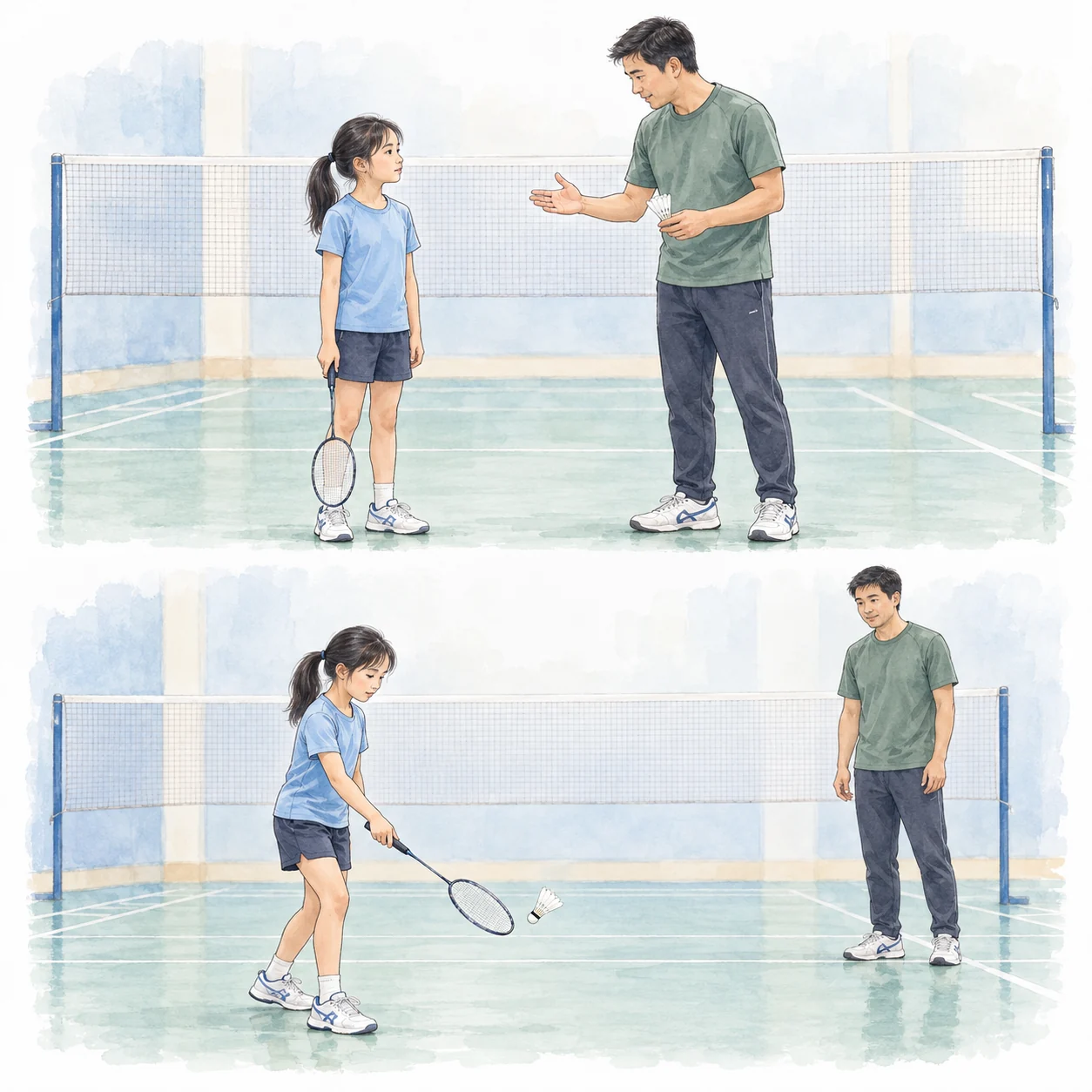
A useful badminton holiday camp enquiry gives the provider enough context to answer a real question. Describe the child’s experience, the learning need and relevant practical constraints, then ask about current arrangements. Keep a requested condition separate from a confirmed offer. Families searching for the best holiday camp in KL may begin with ‘Do you have camp?’ and receive information that still leaves suitability unclear. A focused message can make the next conversation more useful without sending unnecessary personal details or diagnosing the learner first. This guide supports enquiries to ST Badminton Academy in Kuala Lumpur. Images are AI-generated educational illustrations with generic people, not photographs of Eric Chuar or actual students.

Describe the learner factually
What starting information helps the provider answer?
State what the child has actually tried: informal family play, earlier classes or no previous coached activity. Mention a familiar task if relevant and a question that remains unclear. A broad level label can provide context without describing every need. Avoid claiming all foundations are complete or that the learner has no useful familiarity. The provider can explain what information is needed for the actual programme and how a suitable starting arrangement is discussed.
Use only the personal information relevant to that conversation and the provider’s actual application requirements. An initial learning question does not always need a full family history or a public video of the child. Ask which details are required if the process is unclear. The adults should manage the enquiry and practical commitments. The learner’s own question can be included without making the child responsible for negotiating conditions or judging whether the academy should accept the family.

Name the learning question
What do you want the camp discussion to clarify?
Choose one purpose that can be discussed with the provider. The family may want to understand a beginner’s starting activity, a suitable route for clarification or how a camp topic connects to regular practice. These are examples of questions, not guarantees about a programme. ‘Please make my child advanced quickly’ offers less useful starting information because it assumes a result before the actual learning arrangement is known. Ask what the event is intended to teach and how it might relate to the learner’s experience.
Keep the question concrete without prescribing the technical answer. You can explain that the child remembers a cue but is unsure when it applies, rather than demand a particular stroke correction. The coach may need an appropriate observation before assessing the learning need. A focused enquiry lets the provider explain the starting process. The family does not have to diagnose every movement beforehand, and the message should not present a spectator’s guess as a fact the teacher must accept.

State the practical constraint
Which part of the family plan affects the enquiry?
Share relevant availability or the practical detail that needs confirmation. The family may need the actual dates, venue, finishing time or attendance conditions before making a plan. Keep preferred dates separate from an event that the provider has confirmed. This article does not supply current school holiday dates or a camp timetable. A clear question helps the academy answer using the programme it currently offers rather than a schedule the parent has assumed.
If a particular service or arrangement matters, ask whether it is actually available and under what conditions. Do not treat a request for grouping, equipment or a handover option as an agreement. The provider’s response should establish what can be offered. A message can remain short while preserving the important constraint. The family needs a real answer on which to base the decision, not a reassuring interpretation that fills every unanswered point with an assumption.

Ask current questions together
Which facts should the answer establish?
Ask about the relevant event’s current dates, timing, exact venue, availability and application process. Add the specific learning or practical question that matters to your family. These points should refer to the actual programme being considered. A general academy description or an older post may provide background without answering today’s enquiry. Confirm which information is current and what still needs to be discussed before attendance is arranged.
Do not ask every possible question in the first message if many are unrelated to the learner. A focused enquiry can make the main issue easier to identify. The provider can explain the next information needed through its actual process. A parent might first ask whether the starting arrangement fits the child’s experience and whether the relevant dates are offered. Further preparation questions can follow once the actual event is identified. The goal is clarity, rather than a large message that obscures the decision the family needs to make.

Use a simple enquiry structure
What can a useful message look like?
A hypothetical message could say: ‘My child has played casually with family and has not attended a regular coached class. We would like to understand how a beginner’s first task is explained and how the child asks for help. Please tell us the current camp dates, venue and relevant application conditions in Kuala Lumpur. We need to confirm the finishing time before arranging collection.’ This is an example of structure, not a real family’s account or a statement that a particular event is available.
The example gives experience, a learning question and a practical constraint. It does not claim the child needs a diagnosis or demand an immediate result. Adapt the content to your actual situation and the provider’s application requirements. If the child already attends classes, describe that experience and the point you hope to clarify. Do not copy a hypothetical background as though it were true. Accurate information makes the enquiry more useful than impressive wording that misrepresents the learner.
Send the enquiry through the provider’s actual channel. A public comment may be useful for a general question but is not automatically the appropriate place for private learning details or a recording. Ask how specific information should be shared if unsure. This guide does not announce a records or messaging policy. Its practical aim is a clear conversation about the real learner and event, with unnecessary personal information kept out of a broad public discussion.
Read the response carefully
How can the family distinguish an answer from an unresolved point?
Separate confirmed facts, proposed possibilities and questions that still need clarification. The provider may identify a relevant event while needing more information before discussing suitability. A general positive response does not necessarily confirm a place or every requested condition. Ask which next step is required and what confirmation will be provided. The family can then explain an accurate plan to the child and other adults involved, instead of treating the first reply as a complete agreement.
Keep the original learning question visible when considering the response. Did the answer explain the starting task, communication arrangement or actual practical condition you asked about? If one point remains unclear, ask a focused follow-up rather than send the whole message again with more assumptions. A useful conversation can develop in stages. The family should understand the real offer and remaining questions before making plans, without expecting the academy to promise a particular outcome from an enquiry alone.

Choose using the actual explanation
How does a better enquiry help find the best holiday camp in KL?
A relevant enquiry gives the family information to compare. Consider how the provider connects the learner’s background to the event’s purpose and actual conditions. Photographs, playing history and credentials may offer context, but they do not answer every suitability question. A former national player may explain clearly, while the actual response still matters. The useful evidence is an understandable account of what is offered and how the learner’s question can be considered.
ST Badminton Academy enquiries can begin with accurate experience, one learning question and the practical detail that needs confirmation. Ask about the current Kuala Lumpur arrangement and use the actual answer to decide the next step. An application is the beginning of that discussion, not a reserved place or a guarantee of results. A clear message can help the provider understand the family and avoid several rounds of preventable ambiguity. The aim is a suitable, understandable learning arrangement based on real information.
Useful badminton holiday camp enquiries in KL
A focused message helps the provider answer the actual learning and practical question. Keep information accurate and distinguish requested conditions from a confirmed offer.
What should a first camp enquiry include?
The learner’s actual experience, one learning question and relevant practical constraints. Ask for current event details and the next application step. Keep the message focused rather than send a diagnosis or a full private history. The provider can explain what information its actual process needs to discuss suitability.
Is ‘Do you have camp?’ enough to assess suitability?
It can begin a general conversation, but may leave the learner’s needs and practical question unclear. Add a factual account of experience and the point you want explained. Ask which current arrangement is relevant. The response can then address more than the existence of an event.
Should I diagnose my child’s technique before enquiring?
No diagnosis is required to describe a learning question. Explain the activity and the point that is unclear without prescribing the answer. The responsible coach may need a suitable observation. A factual enquiry lets the provider explain how the starting need can be considered in the actual programme.
How should preferred dates be stated?
Give the relevant availability while asking which current events are offered. Preferred dates do not establish a programme or place. Confirm the actual timing, venue and conditions before planning. This guide does not provide current school holiday dates or an event timetable.
Does requesting a condition mean the provider has agreed?
No. Ask whether the grouping, equipment or practical arrangement is available and under what current conditions. Keep the request separate from a confirmed offer. The provider’s response should establish what is actually possible before the family promises attendance or plans around the condition.
Can I copy the sample enquiry exactly?
Use its structure, but replace the experience and question with truthful information about your learner. The example is hypothetical and does not describe a real family or available event. Adapt it to the provider’s actual application requirements. Accurate content matters more than impressive wording or a copied background.
Should a public comment include a private learning recording?
Do not assume a public channel is appropriate for specific private details or files. Ask the provider how relevant information should be shared. A general question can remain general while a focused enquiry follows the actual process. This guide does not announce the academy’s messaging or records policy.
What should I do if the reply leaves one point unclear?
Identify the unresolved detail and ask a focused follow-up. Separate confirmed facts from proposed possibilities and ask what confirmation comes next. A positive reply does not automatically reserve a place or accept every condition. Keep the original learning question visible while the practical arrangement becomes clearer.
How can I enquire with STBA about the best camp fit?
State actual experience, one learning question and the relevant practical constraint. Ask about current Kuala Lumpur camp details and application steps. Use the provider’s response to assess suitability. The application opens a conversation; availability, conditions and a place need confirmation, and no enquiry guarantees a result.
Educational illustrations: a focused enquiry and clear provider response
Four parts of a focused camp enquiry
Describe the learner’s actual experience, name the question you want clarified and state the practical constraint that matters. Ask about the current event and the next application step. Read the response by separating confirmed facts, possible arrangements and remaining questions. Keep the message truthful and proportionate, using the provider’s actual channel. A clear enquiry helps the family understand the real offer before treating a request as an agreement.
| Situation | Leaves the answer unclear | Supports a useful response Compare the enquiry |
|---|---|---|
| Experience | Use an invented or exaggerated background | Describe what the learner has actually tried |
| Learning question | Demand an outcome before the arrangement is known | Name the specific point to clarify |
| Availability | Treat preferred dates as a confirmed event | Ask which current arrangement is offered |
| Requested condition | Assume sending it establishes agreement | Confirm whether it is available and under what conditions |
| Channel | Share specific private details in any public thread | Use the provider’s actual relevant process |
| Reply | Treat general positivity as a complete reservation | Separate confirmed facts and remaining questions |
Send a focused badminton holiday camp enquiry in KL
Tell ST Badminton Academy what your child has tried, the learning question you want answered and the practical detail that affects the family’s plan. Ask about current Kuala Lumpur camp arrangements and the next application step. Use the actual response to clarify what is offered and what remains unconfirmed. The application begins a conversation; availability and suitability need confirmation. A focused enquiry can make the next discussion more useful.