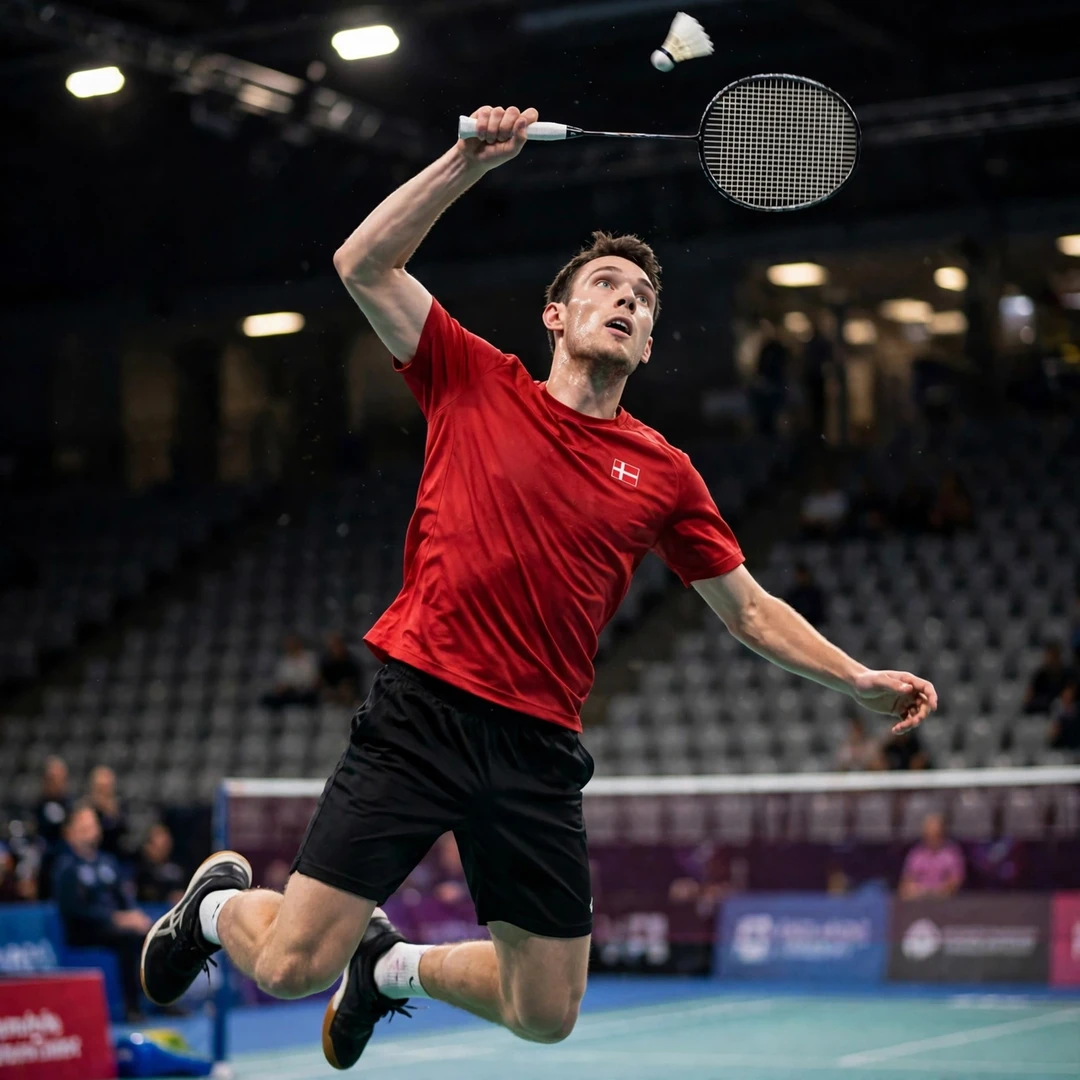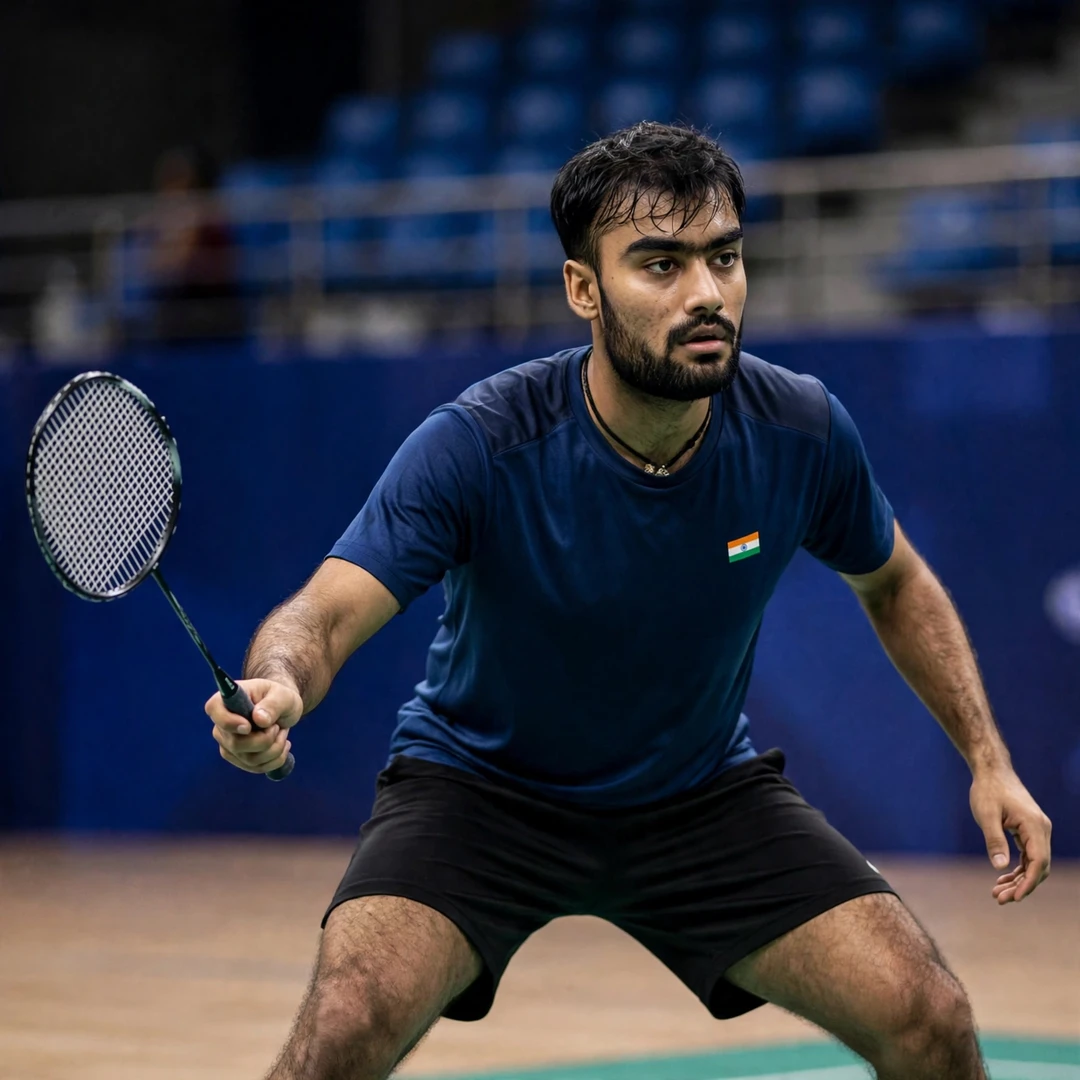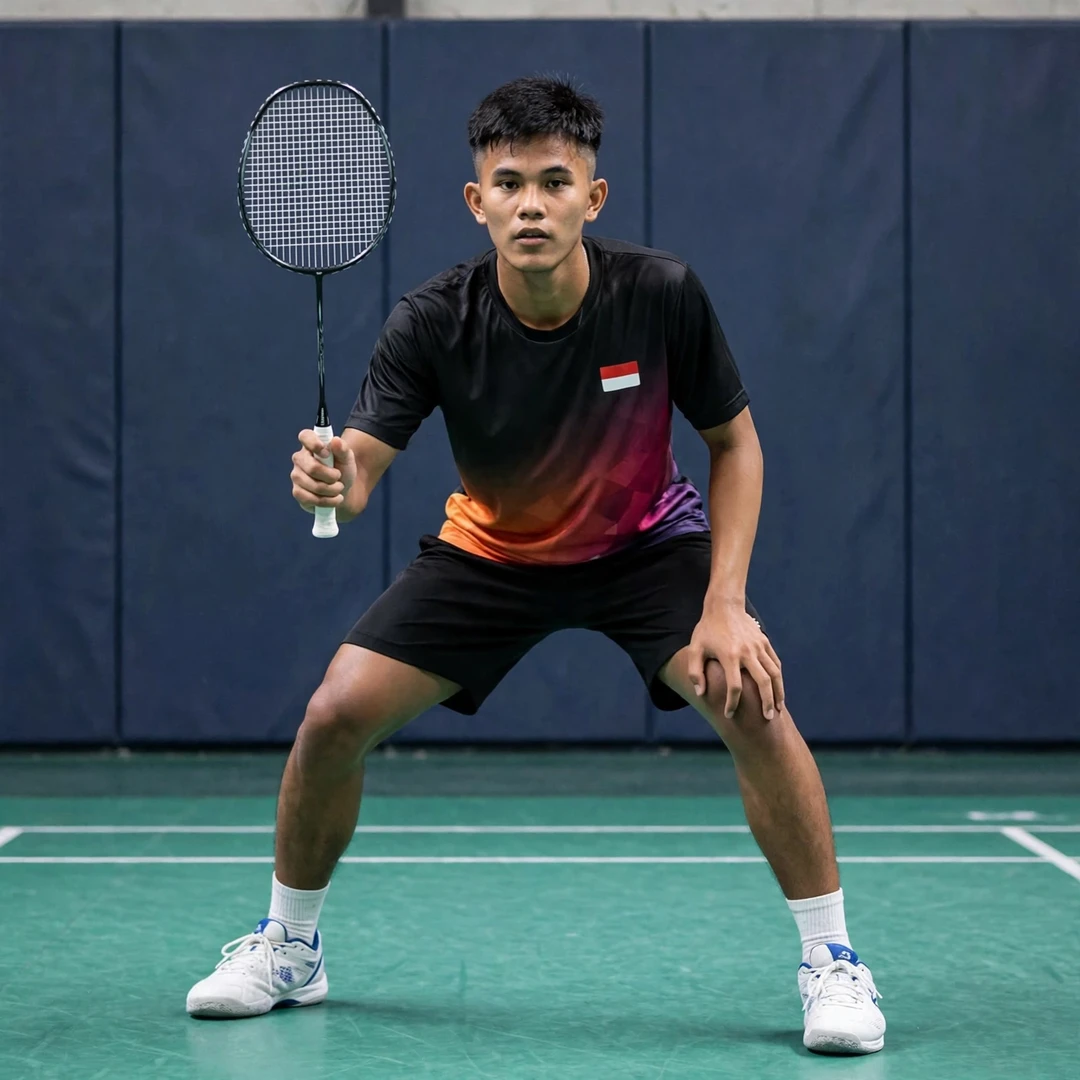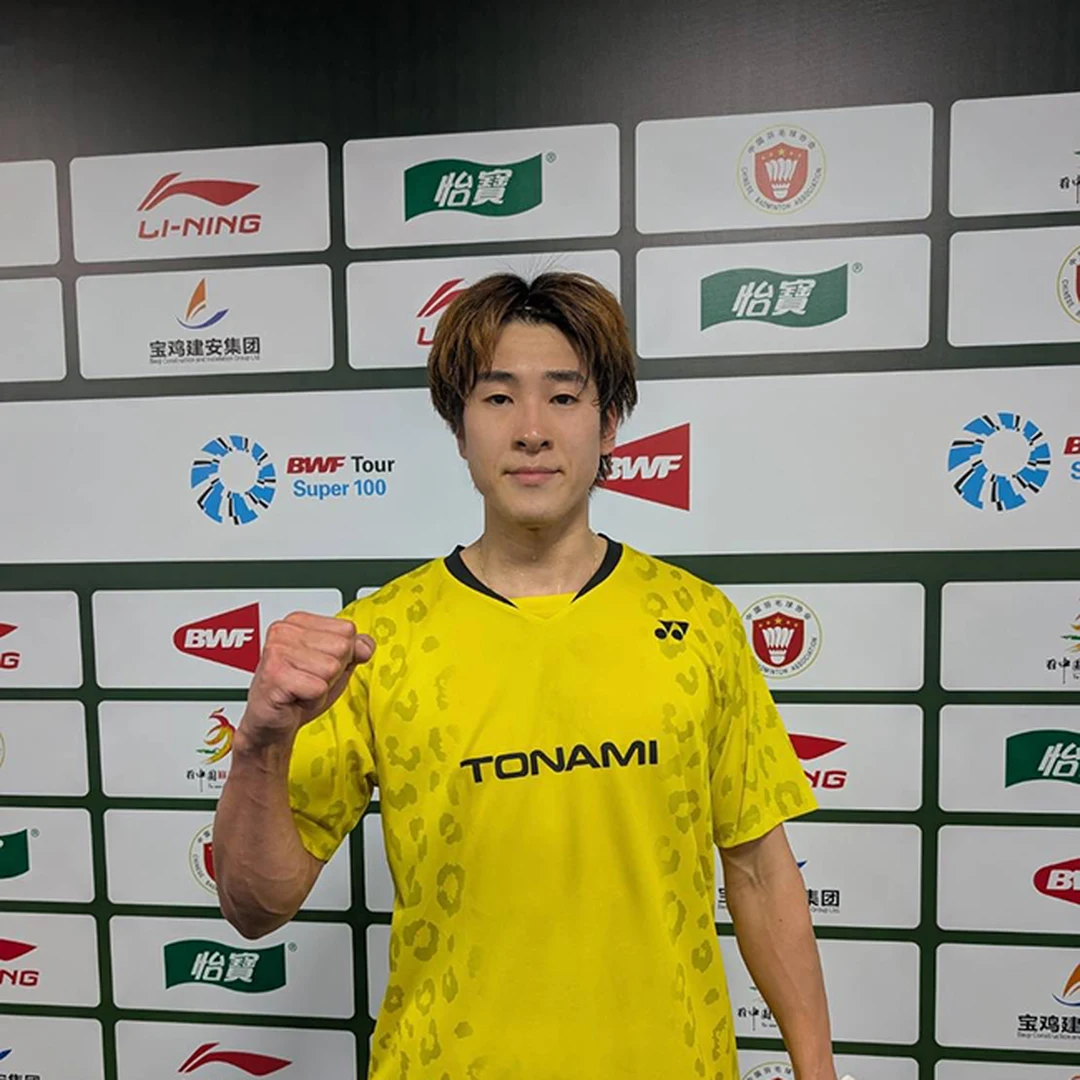
Japanese Men’s Singles Badminton Star
Riku Hatano

Japan
Player Event: Men’s singles
From Hokkaido, Japan · Height: 1.80 m (5 ft 11 in) · Right-handed
Playing Style: Right-handed all-court player who uses a 1.80 m frame for reach, steep angles and early interception
Known For: Winning the 2018 All Japan junior title, taking a game off world No. 1 Viktor Axelsen, reaching world No. 39 – and fighting back from No. 148 to win the Singapore International 2026
Journey: Memuro, Hokkaido beginner · Saitama Sakae High School · Tonami Transportation · Japan national team 2021-2024 · Singapore International champion 2026
Understanding Riku Hatano (Japanese Badminton Star)
Riku Hatano is a Japanese men’s singles badminton player who stands at world No. 101 in the BWF rankings (Week 43, 20 October 2026) with 19,790 points – one single place outside the top 100. That number tells only half his story. In July 2025 he was the world No. 39; by March 2026 he had slid to No. 148; and in August 2026 he won the Singapore International, his first title in four years, to drag himself back to the edge of the top 100. A Thomas Cup bronze medallist and former Japanese national team player, the Tonami Transportation shuttler from Hokkaido is in the middle of one of the grittiest comebacks on the men’s circuit.
Hokkaido Roots and a National Junior Title
Riku Hatano was born on 19 June 2001 in Hokkaido, Japan’s northern island, and began playing badminton at the age of seven in the small town of Memuro. Hokkaido is not one of Japan’s traditional badminton heartlands, and a tall, keen youngster in Memuro had to travel for strong sparring – but the basics he built there carried him first to Obihiro Daiichi Junior High School and then across the country to Saitama Sakae High School, one of Japan’s most famous badminton schools.
Joining Tonami and the First Senior Title
At Saitama Sakae the titles arrived. In 2018 Hatano won the boys’ singles at the All Japan Junior Badminton Championships – the JOC Junior Olympic Cup – and finished runner-up at the National High School Invitational Tournament in both 2018 and 2019. Internationally, he helped Japan take the mixed team silver medal at the 2018 Asian Junior Championships in Jakarta, reached the fourth round of the World Junior Championships in singles, and was a boys’ doubles runner-up at the Banthongyord Junior International in Thailand alongside Takuma Kawamoto.
Thomas Cup Bronze and the Tanaka Rivalry
Hatano began playing senior tournaments in late 2019, while still at high school, and on 1 April 2020 he joined the Tonami Transportation badminton team – the corporate powerhouse whose colours he still wears today. In 2021 he was selected for Japan’s national B team, and he remained a national team member through 2024, training inside the national system while playing his club badminton for Tonami, where he is coached by Hengky Irawan.
World Tour Debut and the Olympic Sparring Year
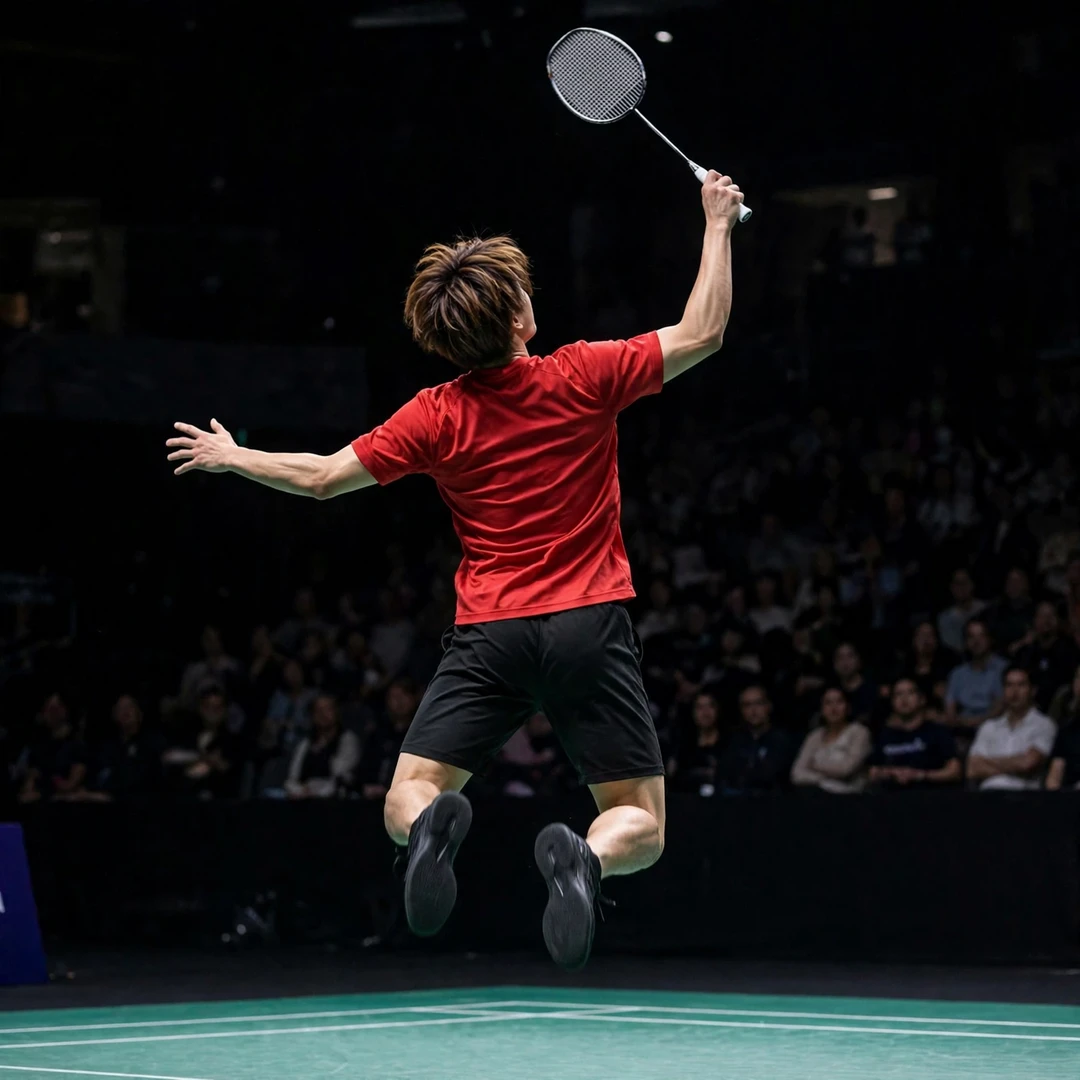
His climb up the world rankings was steep at first: first ranked No. 1,036 in April 2019, he broke into the top 75 during 2022. The breakthrough result came in March 2022 at the Slovak Open, where Hatano beat Chinese Taipei’s Chi Yu-jen 21-17, 21-15 in the final to win the first senior international title of his career – the trophy that announced him as a senior player, not just a prospect.
Career Milestone #1
The Axelsen Test and a Career-High No. 39
Two months later came the biggest team honour of his career. Hatano was part of the Japanese squad at the 2022 Thomas Cup in Bangkok, where Japan’s men took the bronze medal. Sharing a squad with the generation of Kento Momota and Japan’s leading doubles pairs taught the 20-year-old what the top of the team game demands – and gave him a medal most players never touch.
His second title followed in July 2022 at the Reunion Open in Saint-Denis, where he beat compatriot Yushi Tanaka 21-16, 21-17 in an all-Japanese final. The same friendly rivalry framed his autumn: at the North Harbour International in New Zealand, Tanaka turned the tables, beating Hatano 21-13, 21-18 in the final. Two young Japanese singles men, trading titles on opposite sides of the world – the pattern of Hatano’s early senior years.

Career Milestone #2
The Long Slide: From No. 39 to No. 148
In 2023 Hatano made his BWF World Tour debut at the Thailand Masters and settled into the grind of the world circuit: a semi-final at the Northern Marianas Open, a second round at the Korea Masters, a quarter-final at the Indonesia Masters II. His ranking climbed to a best of No. 60 during the year – solid progress, but the World Tour’s later rounds, where the ranking points multiply, still sat just out of reach.
The year 2024 showed both sides of his life. Hatano was chosen as a sparring partner for Japan’s team at the Paris Olympics – close enough to the Games to train with the Olympians, but not selected to play in them. On court he reached two International Challenge finals, losing the Malaysia International to Minoru Koga in three games, 19-21, 21-15, 11-21, and the Indonesia International to Koo Takahashi, and he made Super 100 semi-finals at the Indonesia Masters and the Malaysia Super 100, plus quarter-finals at the Macau Open and the Korea Masters. His ranking touched No. 47 during the year.
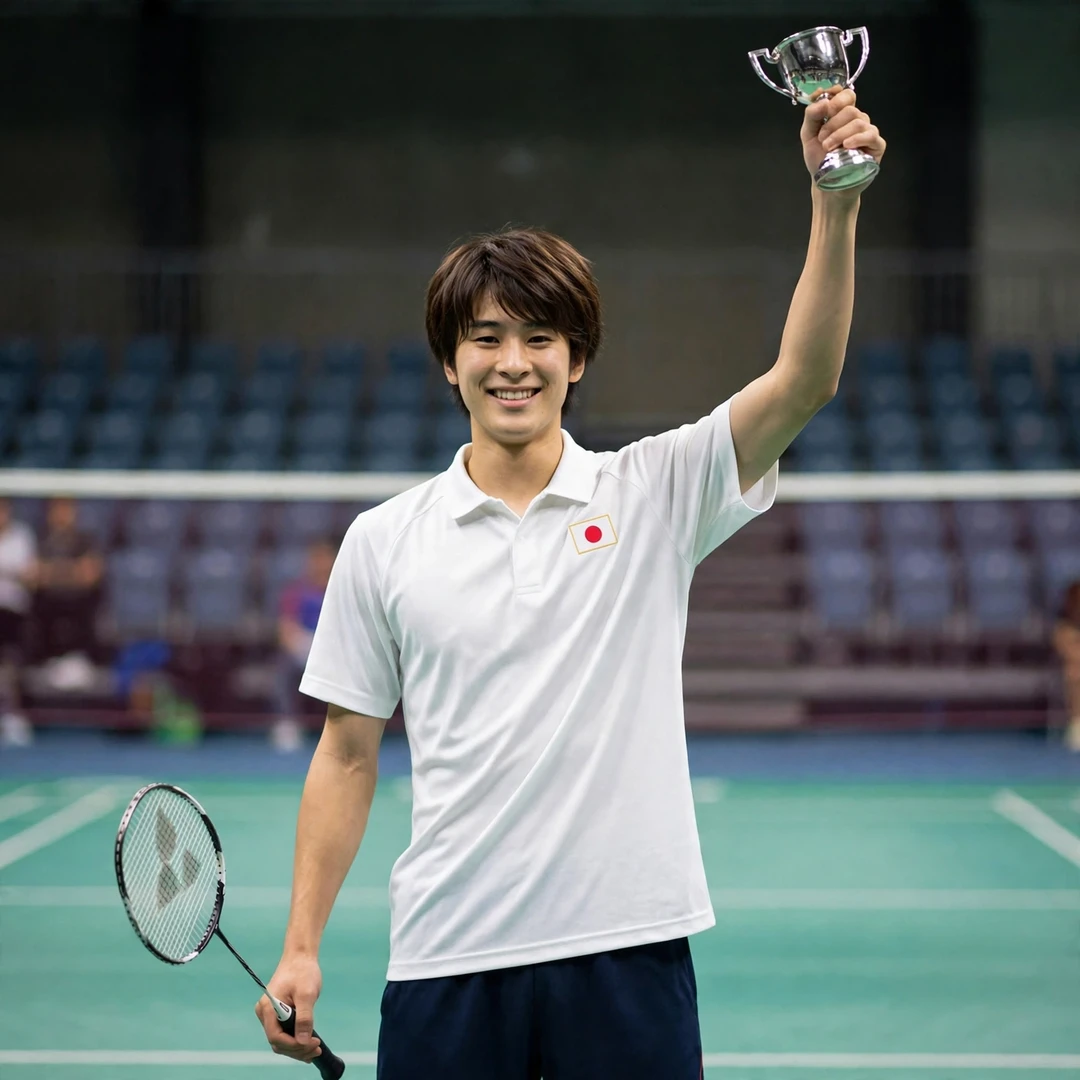
February 2025 brought the match that showed the world his ceiling. Drawn against world No. 1 Viktor Axelsen in the first round of the German Open – Axelsen’s first match since winning the India Open – Hatano stormed back from 15-18 down to steal the first game 22-20. The great Dane recovered to win 20-22, 21-16, 21-9, but for a set and a half the world No. 1 had been second-best against a player ranked outside the top 40.
Career Milestone #3
Singapore 2026: A First Title in Four Years
The form held into the summer. Hatano reached the second round of the Swiss Open and the quarter-finals of the Canada Open, where he lost to compatriot Kodai Naraoka, and on 8 July 2025 the BWF rankings placed him at No. 39 in the world, the highest of his career. His career record on the BWF circuit stands at 143 wins against 71 losses – a win rate of two in three that reflects years of deep runs on the Challenge circuit.
Then the wheel turned. Hatano’s national team chapter had closed at the end of 2024, and through late 2025 the results dried up: his ranking fell from No. 68 in October to No. 107 within weeks as his best points expired, and by 24 March 2026 he stood at No. 148 in the world – 109 places below his peak of eight months earlier. For a 24-year-old company-team player, that is the zone where careers quietly end.
Instead, August 2026 produced the week that may redefine his career. At the Singapore International, Hatano powered through the draw and beat South Korea’s top seed Park Sang-yong in the final, 21-16, 14-21, 21-8 – a champion’s third game, won by thirteen points. It was his third international title and his first since Reunion in 2022, and it lifted him nineteen places in a single week, from No. 103 to No. 84.

Career Milestone #4
One Place Away: The Push Back Into the Top 100
The Singapore title was no isolated spike. In May 2026 he had reached the semi-finals of the Baoji China Masters, a Super 100 event in China – beating India’s Tushar Suveer in the quarter-finals before losing to China’s Sun Chao – and in July he reached the Canada Open quarter-finals for the second straight year, coming through qualifying and beating Mark Shelley Alcala and Aria Dinata before losing to compatriot Yudai Okimoto.
In the Week 43 rankings of 20 October 2026, Hatano stands at world No. 101 with 19,790 points – close enough to see the top 100, far enough to know that one good week decides it. At 25, with a 1.80 m frame, a Thomas Cup medal, a game taken off the world’s best player and a fresh title on his racket, his story is not about whether he can play at this level. It is about how long he can stay there this time.
Playing Style
The Tall All-Courter: Reach, Angles and Fight
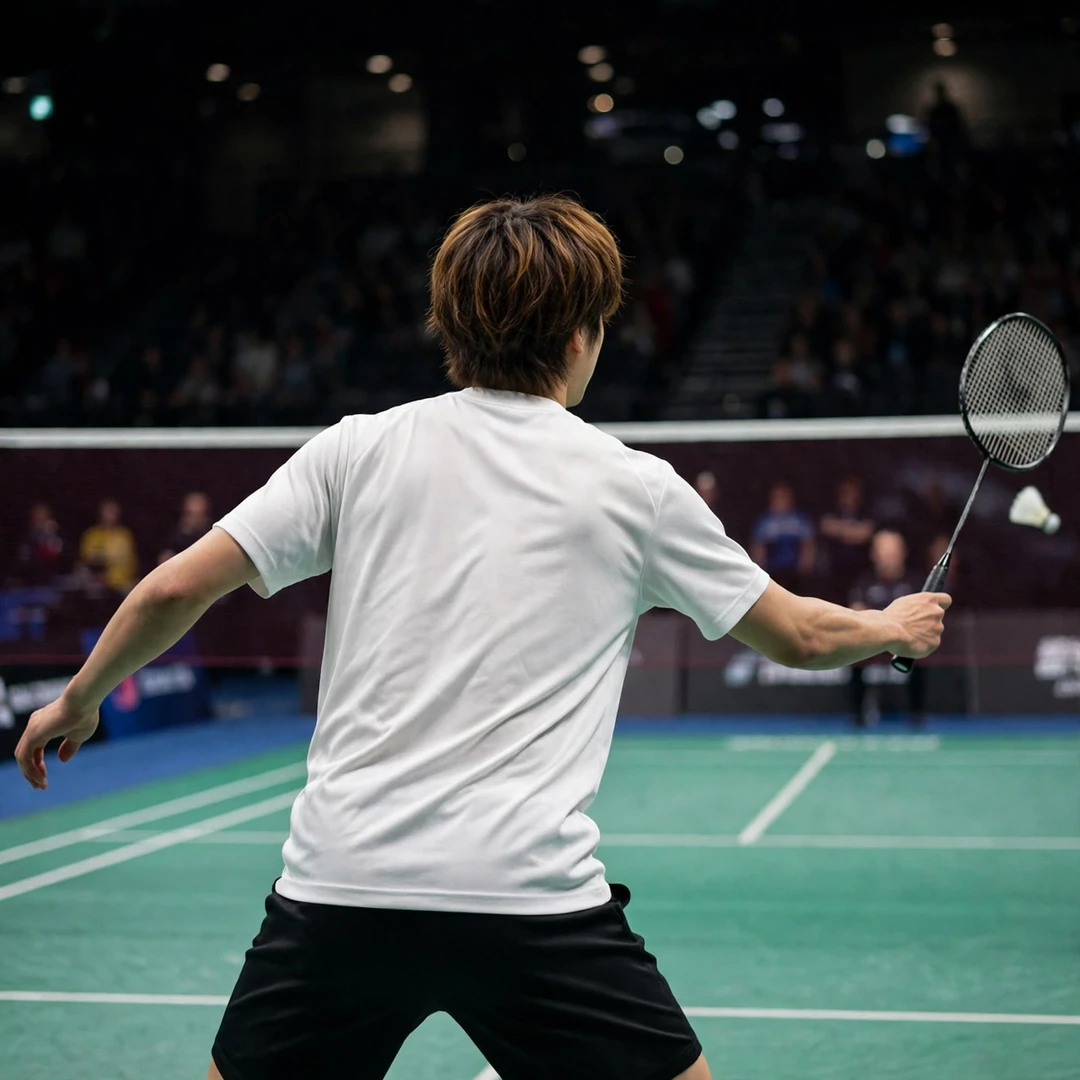
Hatano’s game starts with his frame. At 1.80 m (5 ft 11 in) he is tall for a Japanese singles player, and he uses the reach the way tall players should: taking the shuttle early and high, cutting off drives at the net, and hitting downward angles from the back court that shorter opponents must scramble to reach. His steep cross-court smashes and half-smashes grow directly out of that height advantage.
What opponents notice most, though, is his refusal to fold. The evidence sits in his biggest matches: from 15-18 down he took a game off Viktor Axelsen; in the Singapore final, after losing the second game, he ran away with the decider 21-8; and his 143 career wins include dozens of three-game fights on the Challenge circuit, where there are no big crowds and no shortcuts. Coaches call it competitiveness – in Hatano’s case it is a trained habit, built from years of must-win matches at every level of the sport.
Young players can copy the foundations of his game without his height: early racket preparation, taking the shuttle at the highest comfortable point, a backhand that stays reliable under pressure in the rear corner, and a defence that resets to neutral instead of lifting hopefully. His career also teaches shot selection – he plays percentage badminton in the long rallies and saves his steepest attacks for the moments his footwork has earned.

Mental Strength
Peaks Mean Little Without Persistence
Hatano’s career is a lesson in how ranking points really work. A career-high of No. 39 is not a permanent address: points expire after 52 weeks, and when his results dipped he fell 109 places in eight months without his game disappearing. Young players and parents should read rankings as a trailing measure of the last year’s results – which also means a bad season can be repaired by exactly the mechanism that caused the fall: one strong season of results.
He also shows the value of staying ready for the unglamorous roles. In 2024 he accepted selection as a sparring partner for Japan’s Olympic team – preparing other players for the biggest tournament of their lives while his own Olympic dream waited. A year later he was world No. 39; two years later he was a title winner again. The players who survive long careers are the ones who treat every role, every small tournament and every training week as part of the same road.
Practical lessons from his journey include building your game on repeatable skills rather than one weapon, travelling to the tournaments your ranking can actually enter and winning there first – all three of his titles came at International Challenge level, alongside his World Tour quarter-finals – and treating a ranking slide as information about scheduling and form, not as a verdict on your talent.

Learning Reference
ST Badminton Academy Connection
ST Badminton Academy has no official partnership or endorsement from Riku Hatano. He is not connected with our academy, and this profile is published purely as an educational case study for parents and junior players who want to understand how a professional fights back from a ranking collapse.
Many of our students study his matches to understand how a tall player should move: the lunge patterns that make 1.80 m an advantage instead of a burden, the early interception at the net, and the composure to close a deciding game 21-8 in a final. His German Open match against Viktor Axelsen is a favourite in our video sessions – proof that ranking gaps shrink when a player commits fully to a game plan.
We encourage our students to observe his rally discipline, his willingness to play the small tournaments that rebuild a ranking, and the patience of a player who won his first title in 2022, waited four years, and won his third in 2026. Progress in badminton is rarely a straight line; Hatano’s career shows how to keep walking it.
FAQs: Riku Hatano Japanese Badminton Player
Here are answers to common questions about Riku Hatano’s career, achievements and what young players can learn from the Japanese shuttler’s comeback journey.
Who is Riku Hatano and which country does he represent in badminton?
Riku Hatano is a Japanese professional badminton player competing in men’s singles. Born on 19 June 2001 in Hokkaido, he plays for the Tonami Transportation corporate team, was a member of Japan’s national team from 2021 to 2024, won a Thomas Cup bronze medal in 2022, reached a career-high of world No. 39 in July 2025, and won the Singapore International in August 2026.
What are Riku Hatano’s biggest badminton achievements?
Hatano’s biggest achievements are three International Challenge and Series singles titles – the Slovak Open 2022, the Reunion Open 2022 and the Singapore International 2026 – a bronze medal with Japan at the 2022 Thomas Cup, a mixed team silver medal at the 2018 Asian Junior Championships, the 2018 All Japan junior singles title, and a career-high world ranking of No. 39.
What is Riku Hatano’s playing style?
Hatano is a right-handed all-court player whose 1.80 m frame gives him reach, early interception and steep attacking angles. He builds rallies patiently, defends into neutral positions, and is known for his fighting spirit in deciding games – as shown by his 21-8 third-game win in the Singapore International final and the game he took off world No. 1 Viktor Axelsen at the German Open.
Did Riku Hatano play at the Olympic Games?
Hatano has not played at an Olympic Games. He came closest in 2024, when he was selected as a sparring partner for Japan’s Paris Olympics team – training with the Olympians without being chosen for the squad itself. His national team years ran from 2021 to 2024, and his current comeback is built around World Tour and International Challenge events.
How can my child learn from Riku Hatano’s training approach?
Young players can learn from Hatano by copying the habits behind his comeback: keep training through unglamorous roles, enter the tournaments your level can win, rebuild a ranking result by result, and study how he uses height and reach with footwork rather than relying on power alone. At ST Badminton Academy we use his Axelsen match and his Singapore final as video lessons in game plans and deciding-game composure.
Did Riku Hatano win any junior titles?
Yes. Hatano won the boys’ singles title at the 2018 All Japan Junior Badminton Championships – the JOC Junior Olympic Cup – while at Saitama Sakae High School, and he was runner-up at the National High School Invitational Tournament in both 2018 and 2019. Internationally, he took a mixed team silver medal at the 2018 Asian Junior Championships and a junior doubles runner-up finish in Thailand.
What are Riku Hatano’s best World Tour results?
Hatano’s best World Tour results are quarter-finals at the Canada Open in 2025 and 2026, a semi-final at the Baoji China Masters Super 100 in 2026, Super 100 semi-finals at the Indonesia Masters and the Malaysia Super 100 in 2024, and quarter-finals at the Macau Open and the Korea Masters in 2024. His most famous World Tour match remains the 2025 German Open first round, where he took the first game off world No. 1 Viktor Axelsen 22-20 before losing in three games.
What playing style should young players learn from Riku Hatano?
Young players should study how Hatano turns height into a system: early racket preparation, interception at the net, steep cross-court attacks, and a defence that refuses to donate cheap lifts. Just as important is the mindset – percentage badminton in the long rallies, bravery in the deciding games, and the patience to rebuild a career one tournament at a time.
Does ST Badminton Academy have any connection with Riku Hatano?
No, Riku Hatano is not a student, coach or ambassador of ST Badminton Academy. He is a Japanese professional who plays for Tonami Transportation in Japan. However, coaches at our academy regularly use his matches as teaching material, because his fightback from world No. 148 to an international title shows what structured training, smart scheduling and self-belief can achieve.
Riku Hatano Career Highlights



Career Statistics and Rankings
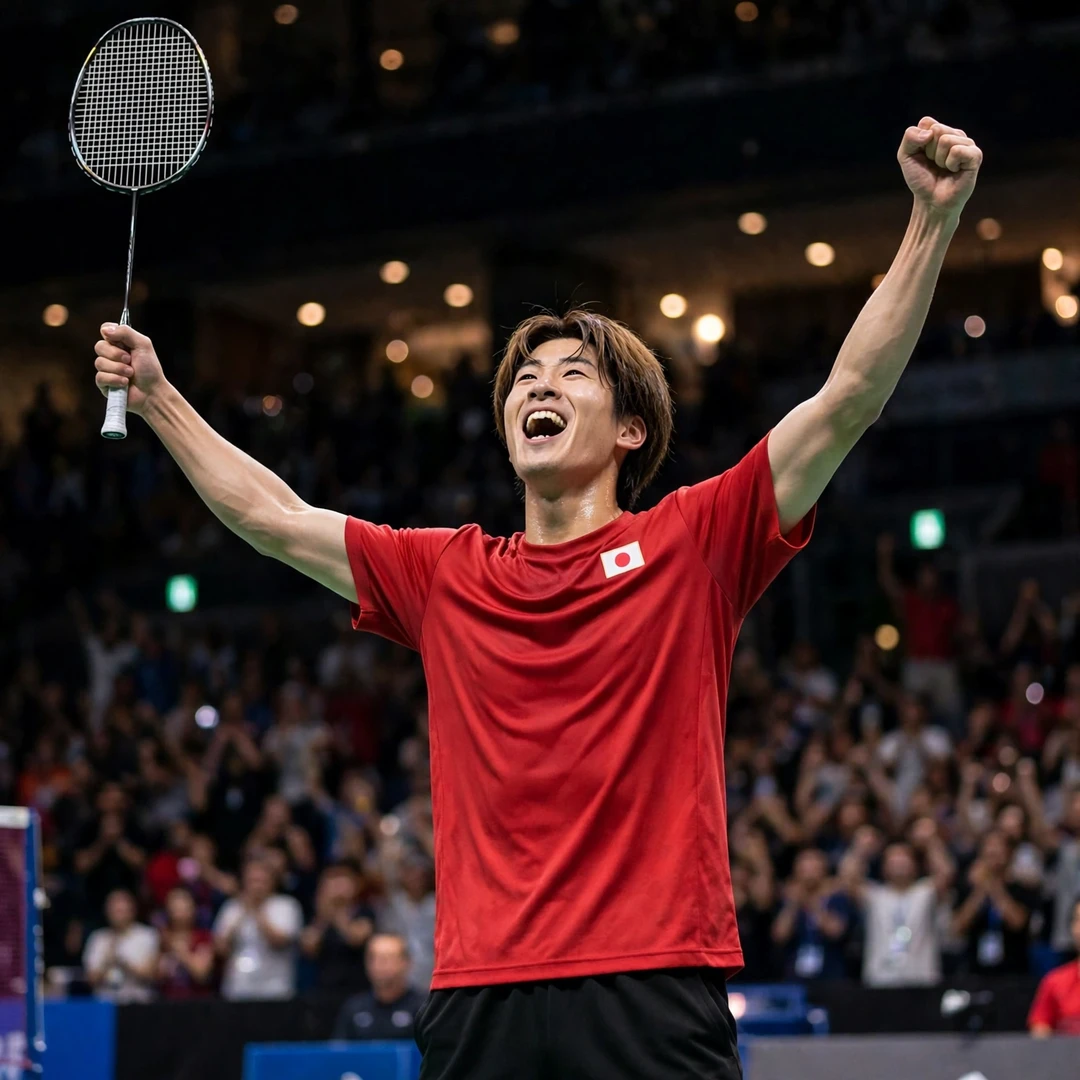
Riku Hatano, born 19 June 2001 in Hokkaido, Japan, has already lived three careers in one: national junior champion and Thomas Cup medallist, top-40 World Tour professional, and a player who fell to No. 148 and refused to disappear - returning to win the Singapore International 2026 and stand one place outside the top 100.
| Development Area | Common Misconception | What Riku Hatano's Career Shows REALITY |
|---|---|---|
| Junior Foundation | Talent alone decides who becomes a champion. | Hatano was no teenage prodigy from a famous academy city - he came from Memuro, a small town in Hokkaido, and ground his way through Obihiro Daiichi and Saitama Sakae to a national junior title in 2018. |
| Playing Style Priority | Kids should copy the flashiest attacking shots. | Hatano built a complete all-court game first; his steep smashes are the finishing touch on reach, footwork, defence and net play. |
| Fitness Importance | Juniors can out-train everyone without rest. | Hatano's ranking fell from No. 39 to No. 148 when his results dipped - he rebuilt it with smarter scheduling and International Challenge wins, not more hours. |
| Mental Approach | Top players never get nervous or upset. | Hatano took a game off world No. 1 Viktor Axelsen and won a final's deciding game 21-8 - mental skills are trained, not inherited. |
| Attacking Training | Smashing harder is always the answer. | His Singapore International 2026 title, won 21-16, 14-21, 21-8 over top seed Park Sang-yong, came from composure and placement in the decider, not raw power. |
| National Milestones | Only world titles matter. | Hatano's Thomas Cup bronze with Japan in 2022 and his Asian junior team silver in 2018 show how team milestones build a career step by step. |
| Career Timeline | Champions peak once and fade fast. | From All Japan junior champion in 2018 to a third international title in 2026, eight years later, Hatano proves sustained development beats a short peak. |
Study Riku Hatano's Work Ethic and Professional Approach
This profile explains who Riku Hatano is, his major achievements, and what developing players can learn from his journey. Whether you are a parent in Kuala Lumpur, Cheras or anywhere in Malaysia wondering how a young player survives setbacks - a lost selection, a ranking slide, a long wait for a title - Hatano's story carries the answer: keep turning up, keep building, and let the results come back - book a trial class with ST Badminton Academy on WhatsApp at +60 17-684 2136 and let your child begin a development journey built to last.