Malaysian Men’s Singles Badminton Star
Ming Hong Lim

Malaysia
Player Event: Men’s singles
Date of Birth: 23 March 2002, Malaysia
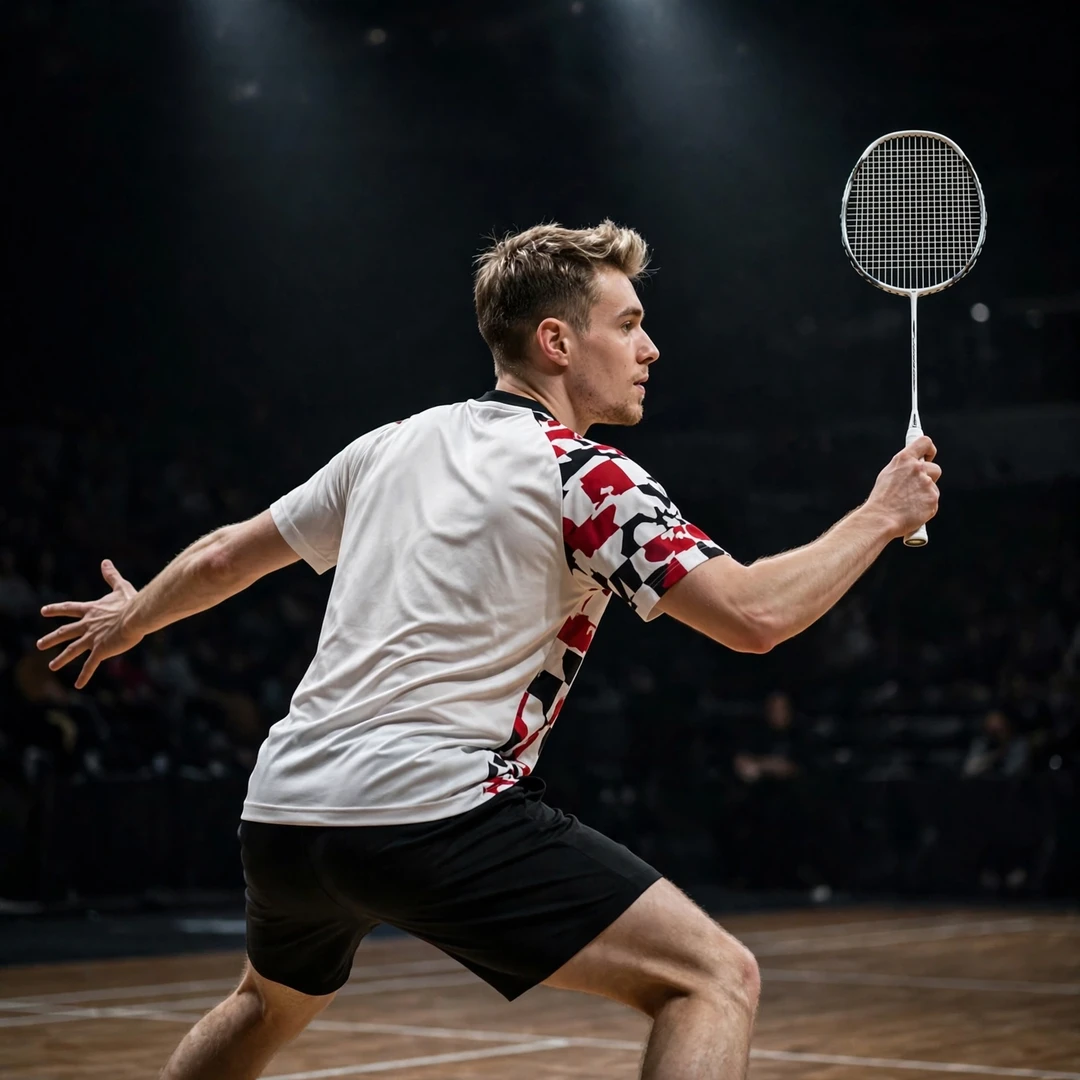
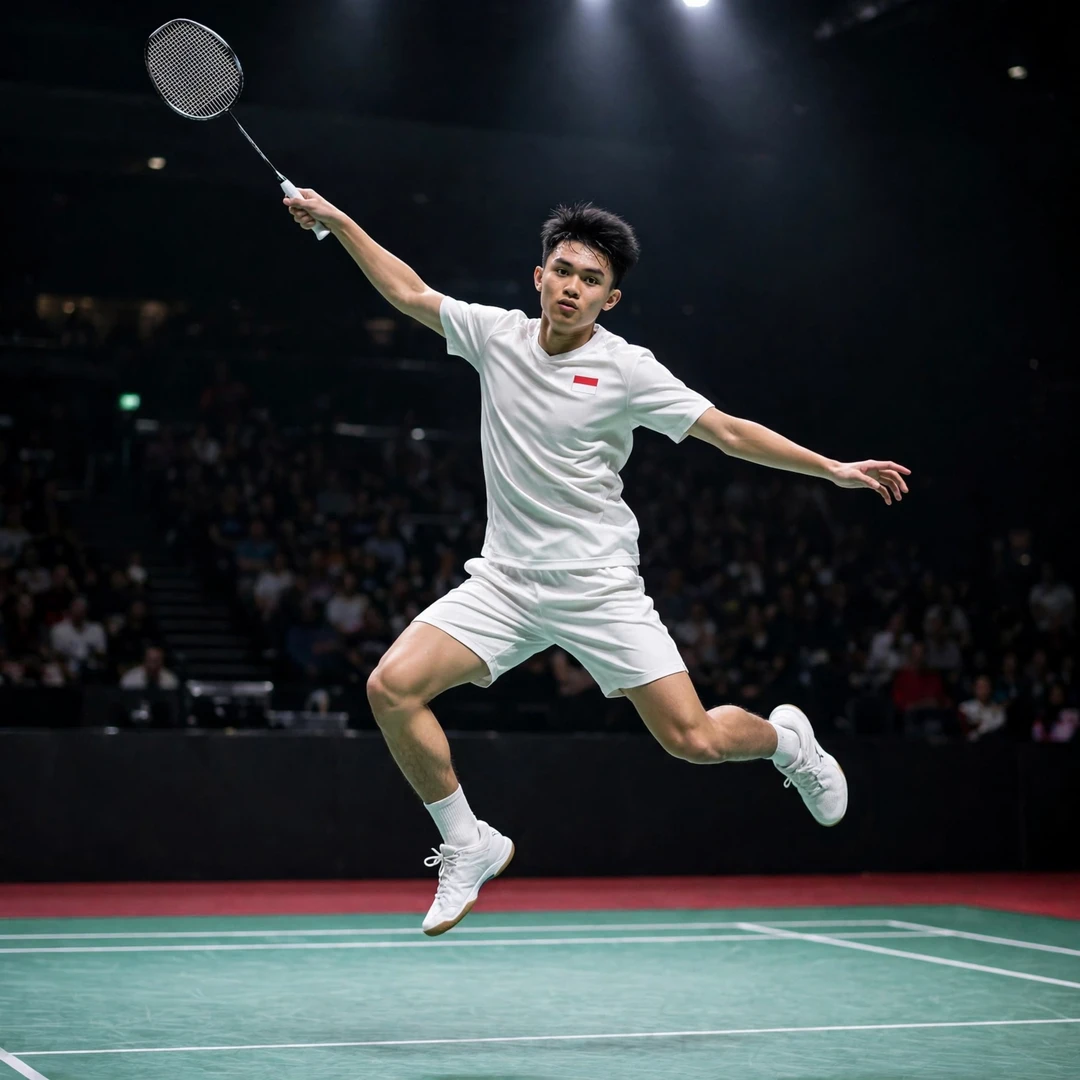
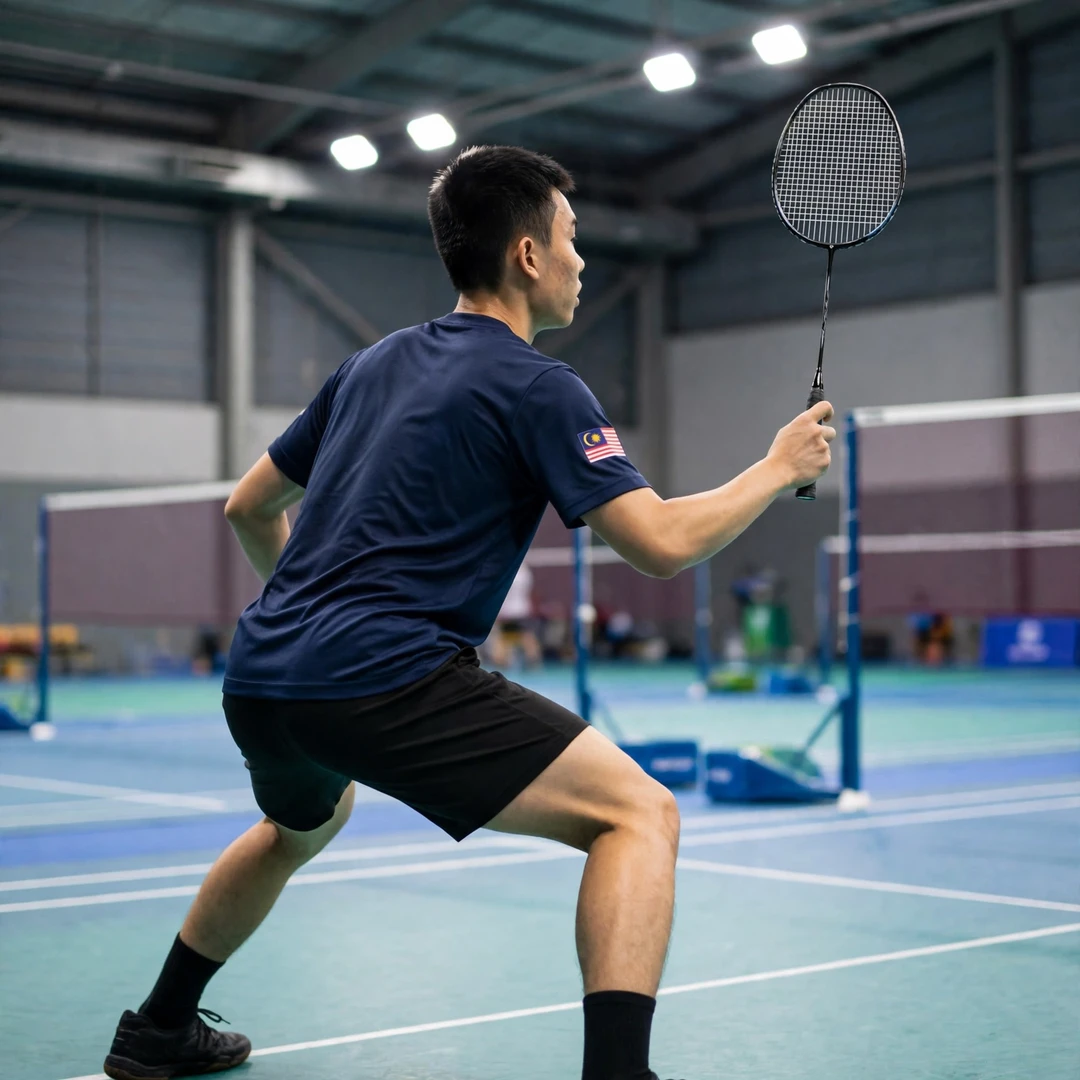
Playing Style: Right-handed all-court rally player who wins with consistency, court coverage and three-game endurance
Known For: Winning the 2025 Future Series Nouvelle-Aquitaine title in France, one week after finishing runner-up at the 2025 Italian Open
Career Journey: Malaysian junior circuit · first senior BWF results in 2024 · European circuit breakthrough in the summer of 2025 · Malaysia Super 100 quarter-final at home · career-high world No. 104 in March 2026 · world No. 137
Understanding Ming Hong Lim (Malaysian Badminton Player)
Ming Hong Lim is a Malaysian men’s singles badminton player who built his ranking the slow, honest way — through Future Series and International Series draws across Europe and Asia rather than junior medals or wildcard headlines. A right-handed rally player born on 23 March 2002, he stands at world No. 137 with 14,410 points in the BWF world rankings of 20 October 2026 (Week 43), having reached a career-high of world No. 104 in March 2026. His breakthrough came in the summer of 2025, when he reached the Italian Open final and then won the Future Series Nouvelle-Aquitaine title in France in consecutive weeks. For badminton fans and parents researching elite player development, his career is a study in how far persistence travels: no junior world title, no famous academy shortcut — just a player who kept entering tournaments until the results arrived.
Early Life in Malaysia and Junior Career
Ming Hong Lim was born on 23 March 2002 in Malaysia, a country where badminton is close to a national language and where the road to the professional game runs through school, state and national junior competition. He came through that Malaysian pathway as a singles player, and his name already appears in the BWF ranking records as a teenager — he held a world ranking in doubles as early as 2017 and 2018, the footprint of a junior playing international age-group badminton while still at school. That early start matters to his story: by the time his senior results began, he had already spent years learning how tournaments, draws and ranking points work.
Malaysian Junior Circuit
Malaysia’s junior system is famously deep, and its depth is exactly the problem for a player of Lim’s generation. Ahead of him in the national queue stood established names and a conveyor belt of decorated juniors, so there was no fast lane waiting for him. His route instead ran through the national circuit and then outward, onto the international calendar, where a Malaysian independent player earns his ranking one week at a time. It is a route that offers no protection — miss a month and the points stop — but it also answers to nobody except the results themselves.
First International Steps
His first senior international results arrived in the autumn of 2024, at the FELET Vietnam International Series, where he went out in the round of 64 — a modest line in a results table, but the starting point of his senior record. From there the schedule became a full-time occupation: by February 2025 he was reaching the round of 16 at the Singapore International Challenge, and through the spring he repeated that result in Portugal and Poland and went one better with a quarter-final at the Phuket International Series in Thailand. None of it made headlines; all of it made ranking points.
Learning the European Circuit
The spring of 2025 taught him the European circuit, the classroom where his breakthrough was prepared. In Denmark he reached the round of 16 of the Denmark Challenge, losing to home player Mads Christophersen; in Slovenia he went out early; in Austria he reached the quarter-finals. Week after week of small halls, different drift, cheap flights and early alarms is the unglamorous reality of the Future Series and International Series level — and it is where a rally player with real fitness learns to win matches on tired legs, far from home, against opponents who live exactly the same life.
Career Milestone #1
Senior Tour Breakthrough in Europe
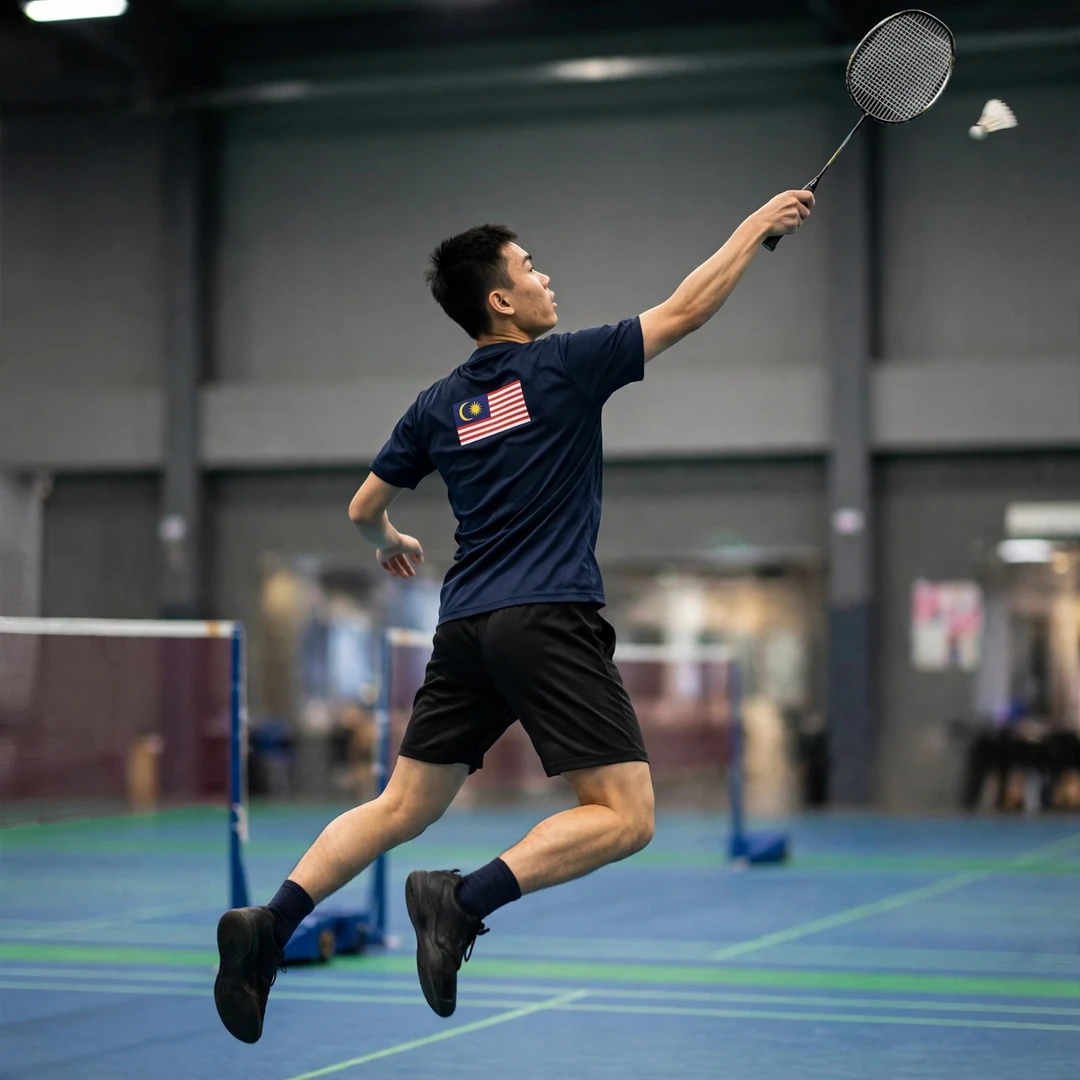
The breakthrough arrived in Bolzano in the last week of June 2025. At the Italian Open, an International Series event, Ming Hong Lim beat France’s Marius Reboul L Alexandre 21-13, 21-13 and then defeated Israel’s Daniil Dubovenko in the semi-finals to reach his first senior international final. There he met Denmark’s Ditlev Jaeger Holm, who took the title 21-13, 21-19. A runner-up finish was the best result of his career — and in the same week he also reached the mixed doubles semi-finals alongside Stella Pan, a sign of how much court time his all-court game was absorbing.
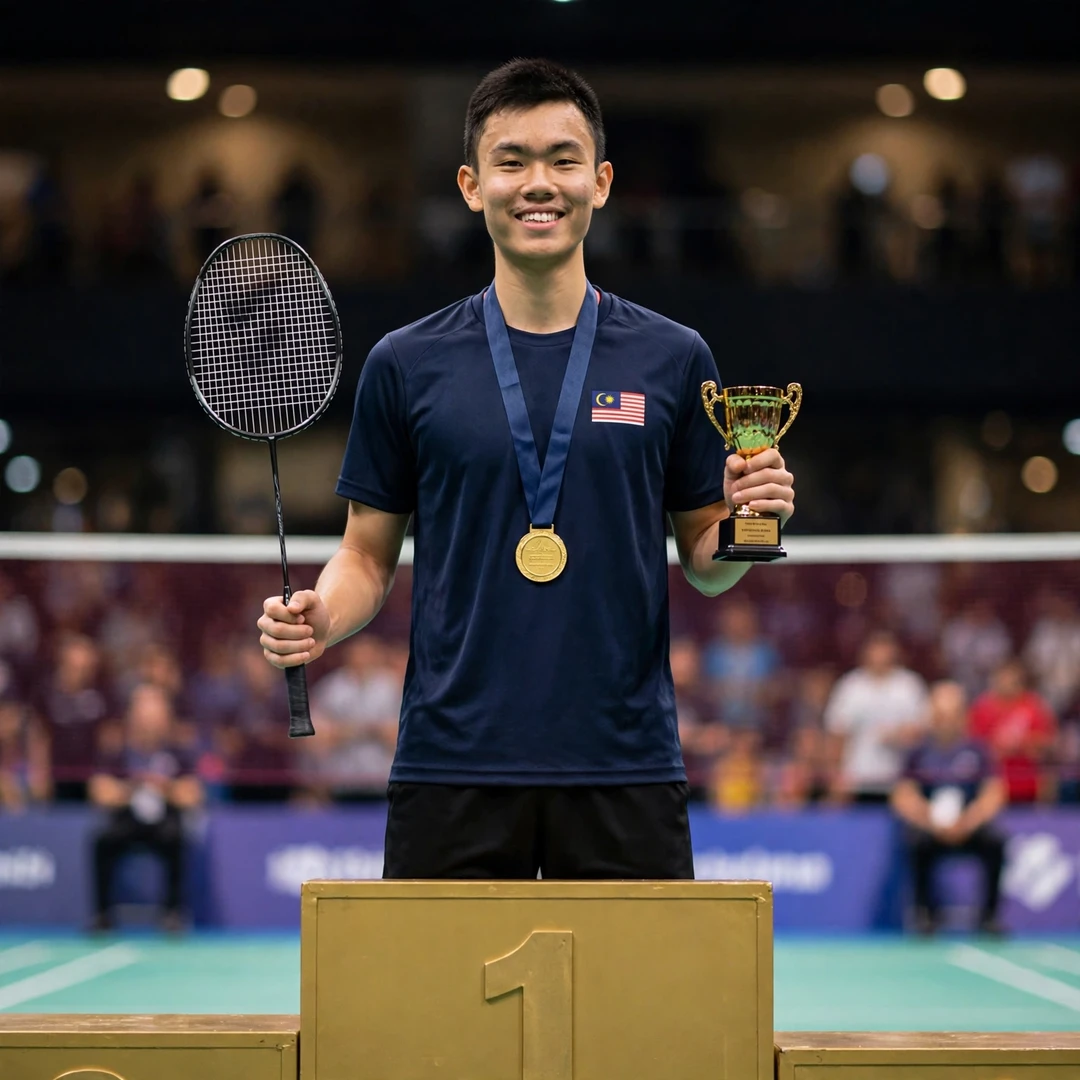
One week later he went one better. At the Future Series Nouvelle-Aquitaine in Pessac, France, Ming Hong Lim won five matches in four days: straight-game wins over India’s Sanjeevi Padmanabhan Vasudevan and France’s Arthur Wakhevitsch, a 21-12, 21-15 quarter-final over Amaury Lievre, a three-game semi-final over Denmark’s Jakob Houe, 21-12, 14-21, 21-19, and then the final against Chinese Taipei’s Huang Yu. He took the first game 22-20, lost the second 10-21, and still closed the third 21-16 to lift his first senior international title. The same weekend he and Stella Pan also reached the mixed doubles final, completing a fortnight in which he played in three finals across two countries.
Career Milestone #2
Career-High World No. 104
Titles open the door; points decide whether a player stays in the room. Through the autumn of 2025 Ming Hong Lim kept collecting: the biggest single haul came at home, where he reached the quarter-finals of the Malaysia Super 100 — worth 3,030 ranking points — alongside round-of-32 finishes at the Vietnam Open and the Kaohsiung Masters, round-of-16 results in Thailand and Indonesia, and a long December trip to the Astana International Challenge in Kazakhstan. His counting tournaments spread across two continents, which is what a ranking built to last actually looks like.
The climb peaked on 3 March 2026, when Ming Hong Lim reached a career-high world No. 104 with 17,880 points, a position he held again two weeks later. No. 104 is not a number that makes television montages, but for a player who had started from the round of 64 in Vietnam eighteen months earlier, it marked the top of a ladder climbed entirely through the sport’s lower tiers — Future Series, International Series, International Challenge and Super 100 events, taken in order, with no rung skipped.
The lesson inside that rise is how the points were assembled. There was no single miracle week: a title in Pessac and a final in Bolzano were the peaks, but the mountain underneath was made of quarter-finals in Phuket, Austria and Singapore, round-of-16 finishes in Portugal, Poland, Denmark and Thailand, and a home Super 100 quarter-final. Under the 52-week ranking system, the players who keep entering, keep winning two or three matches a week and protect their points are the ones who arrive near the top 100 — exactly the road Ming Hong Lim travelled.
Career Milestone #3
Home Stage at the Malaysia Super 100
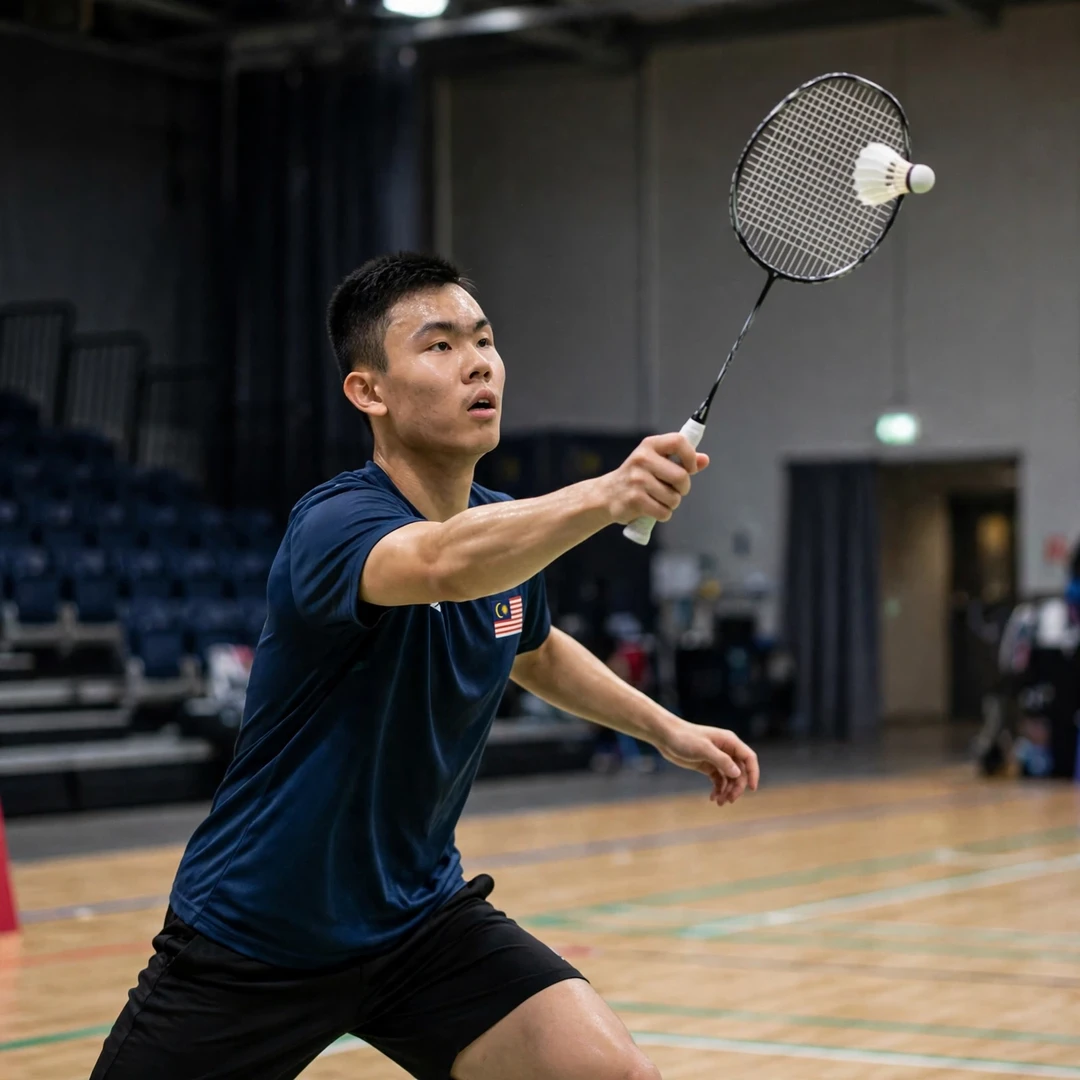
His finest home week came at the Malaysia Super 100 in October 2025, where a quarter-final run on home soil delivered the largest points haul of his career. Home events carry a particular weight for Malaysian players: family in the stands, national media on the sidelines, and a crowd that expects Malaysian winners. Reaching the last eight in that environment — at a Super 100, the highest tier he had contested — confirmed that his European results were not an accident of weak draws abroad.
The home story continued through 2026. In August he reached the quarter-finals of the Malaysia International Challenge and the semi-finals of its mixed doubles with Stella Pan; at the Malaysia Masters he won a qualifying match at Super 500 level; and at the Malaysia Super 100 in October 2026 he pushed Indonesia’s Richie Duta Richardo through two tight games, 19-21, 18-21, in the round of 32. Home courts have become a reliable source of his best weeks — and of the ranking points he most needs to defend.
Rankings, though, only move one honest direction at a time, and the Week 43 table of 20 October 2026 shows the sharpest illustration of his career: he fell from world No. 110 to No. 137 in a single week, not because he lost a match, but because his 2025 Malaysia Super 100 quarter-final points — 3,030 of them — rolled out of the 52-week counting window. The same expiry mechanism had already cost him his Italian and French points in the summer. At this level, a ranking is a treadmill: stand still for a month and the number walks backwards.

Career Milestone #4
World No. 137 and the Points Race
What he has done is keep entering, and his 2026 season is the schedule of a player rebuilding his total the only way available. He reached the quarter-finals of the Singapore International Challenge in February, won two matches at the Korea Masters — a Super 300 — beating Choi Ji Hoon before a three-game loss to England’s Harry Huang, and reached the round of 16 at the Vietnam Open with back-to-back three-game wins over Indonesia’s Henrikho Wibowo Kho and Chinese Taipei’s Wang Po-Wei. Quarter-finals at the Nakhon Sawan International Series and the Malaysia International Challenge, a qualifying win over Fabio Caponio at the Macau Open, and a round-of-16 finish at the Kudus Indonesia Masters took his counting tournaments to fifteen — a workload few players ranked near him attempt.
The Week 43 rankings of 20 October 2026 place Ming Hong Lim at world No. 137 with 14,410 points. The arithmetic of his next climb is clear: replace the expired home quarter-final points with new second weeks at Super 100 level, keep converting International Challenge draws into quarter-finals and beyond, and the top 110 — and then the top 100 he has already brushed once — comes back into view. At 24, with a senior title, two further senior finals and a career-high of No. 104 already on his record, his career is an argument that the lower tiers of the tour reward the players who refuse to leave them early.
Playing Style
The Patient Rallying Style
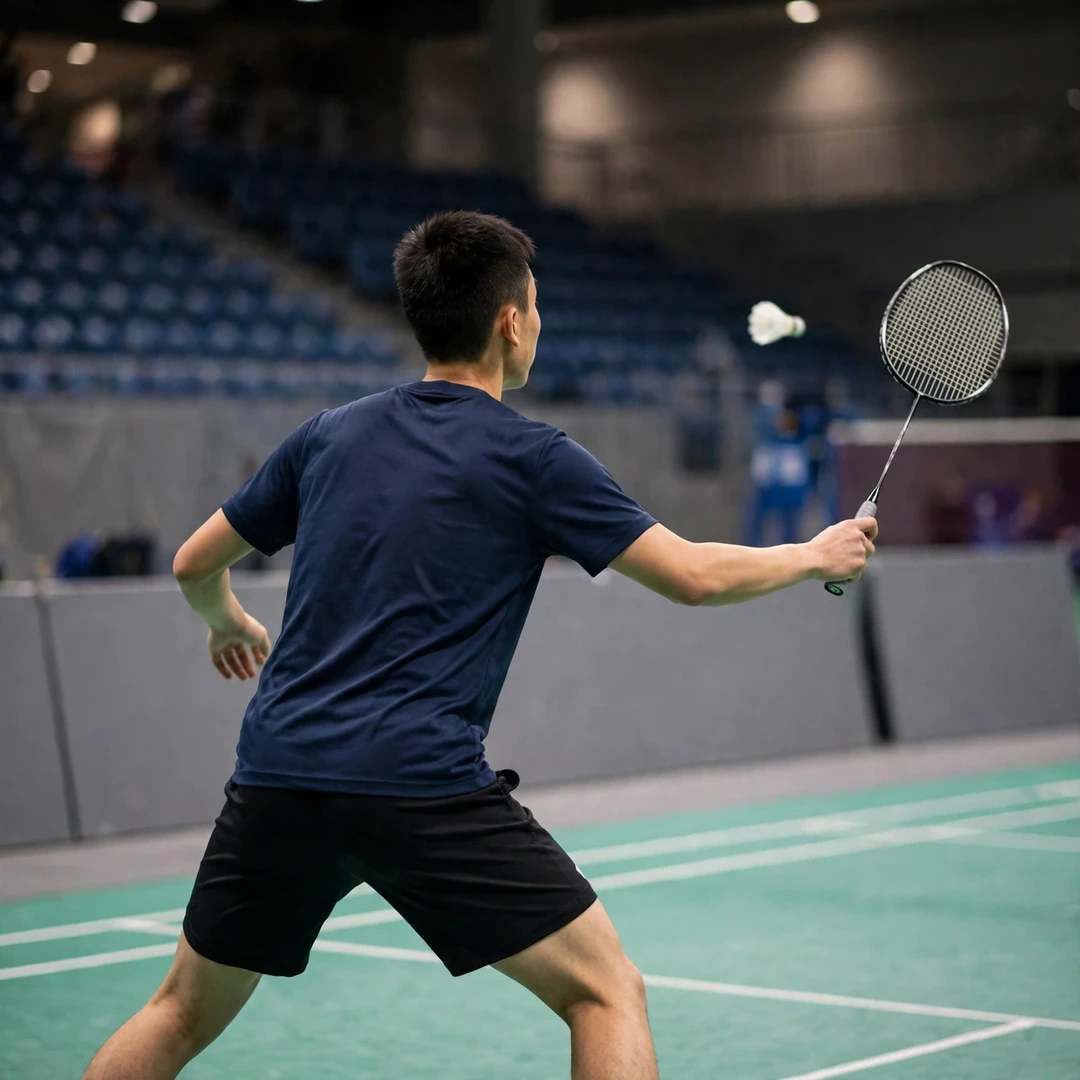
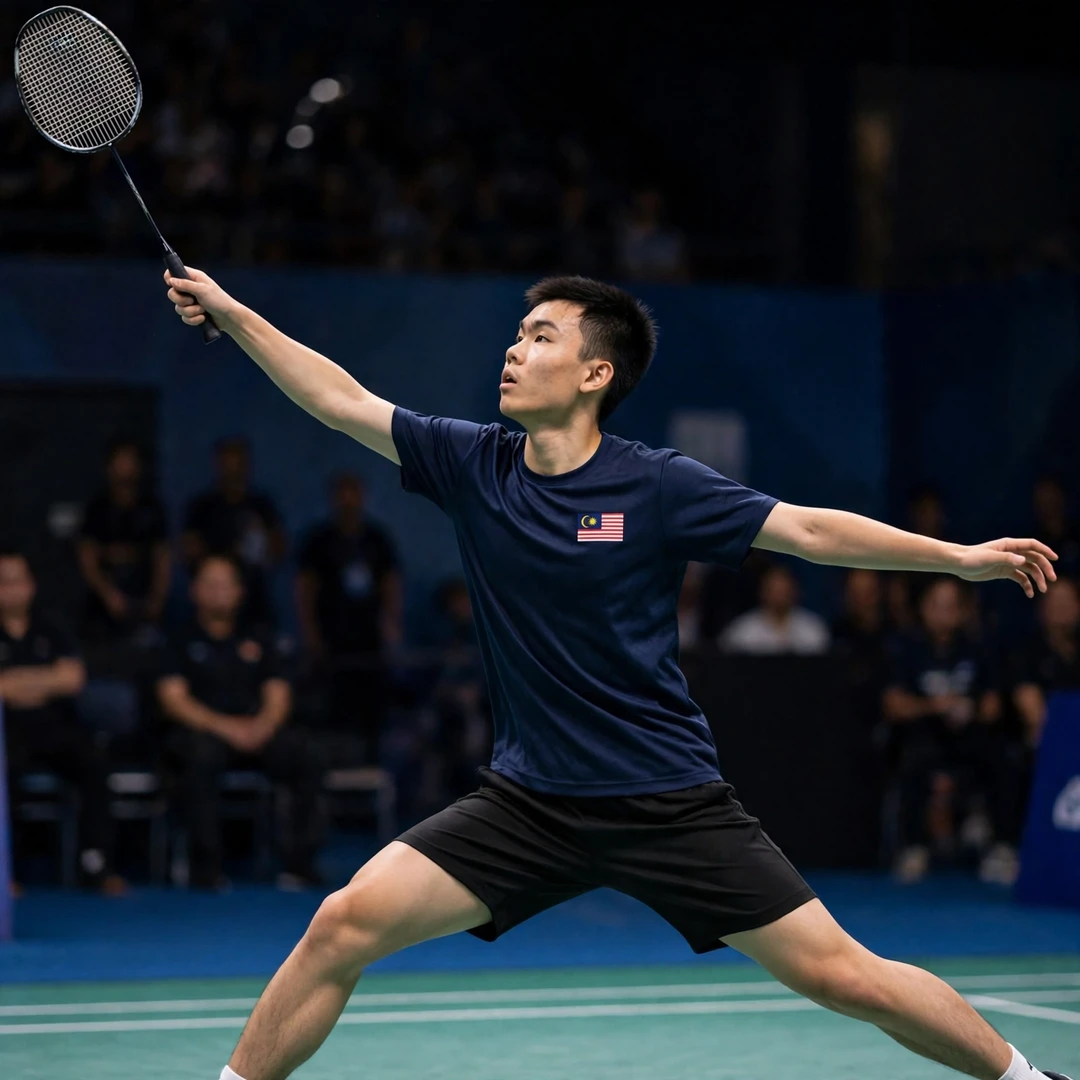
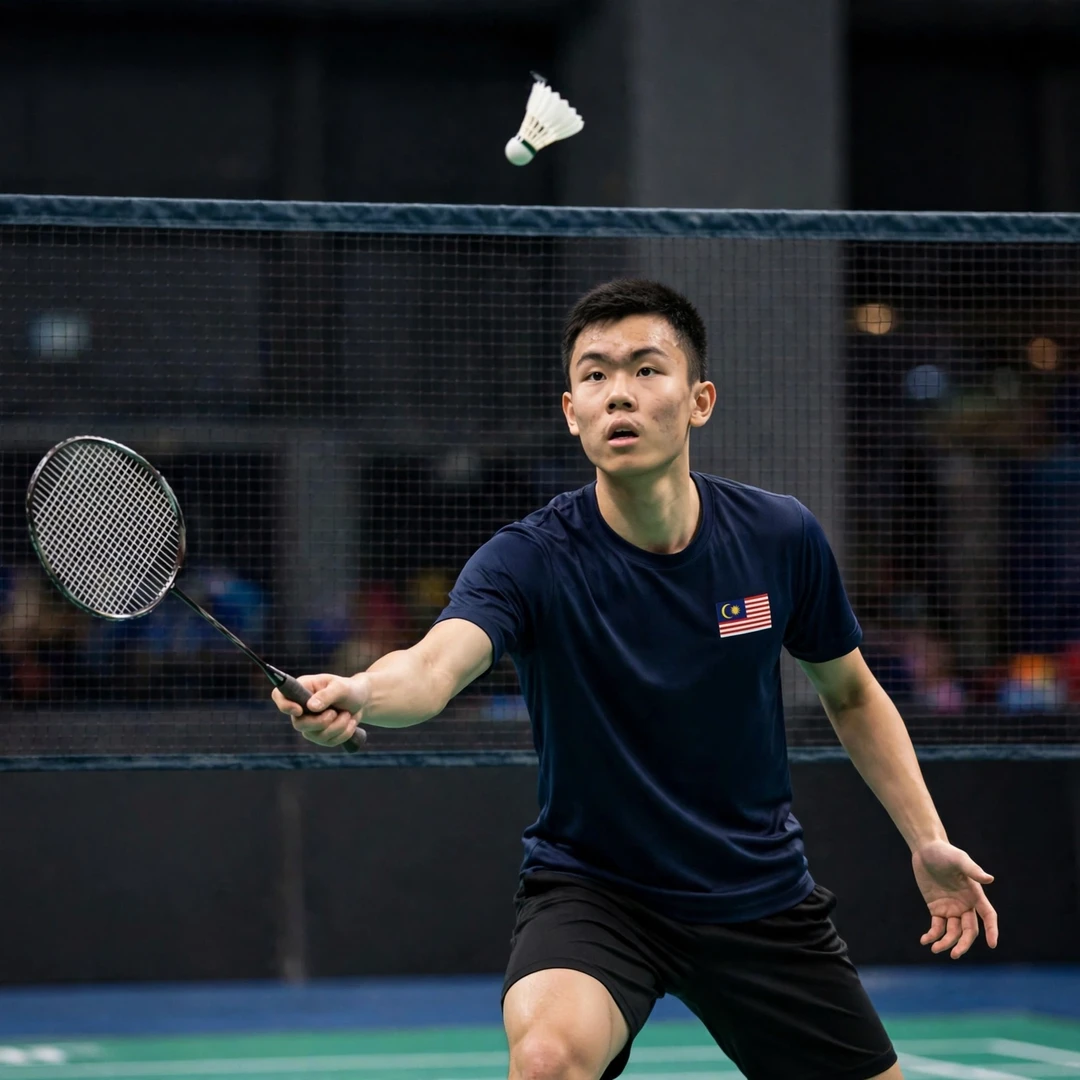
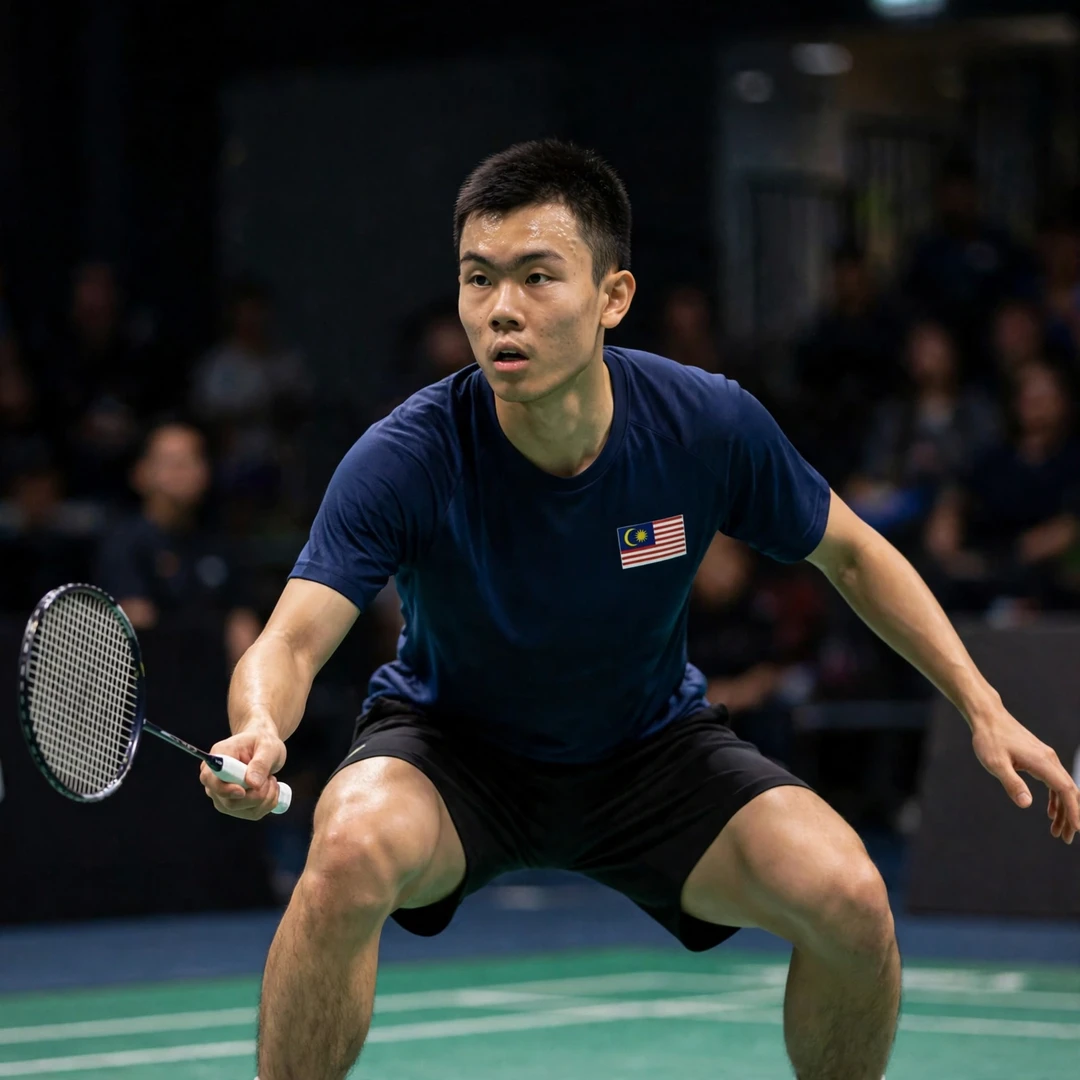
Ming Hong Lim is a right-handed all-court player whose game is built on rally tolerance. Where many players at his ranking survive on one big shot, his results point the other way: his signature wins are three-game wins. The Nouvelle-Aquitaine semi-final and final both went the distance, his two Vietnam Open victories in 2026 both went the distance, and his matches routinely stretch long because his defence and court coverage keep rallies alive until the opponent’s patience — or legs — give out first. He is, in the classic Malaysian mould, a player who makes the other man play one more shot.
Around that base sits a complete, unspectacular toolkit: a reliable lift and clear game from the rear court, flat drives through the mid-court, patient net play, and a smash used as a finishing tool rather than a first resort. His mixed doubles success with Stella Pan — a final in Pessac, a semi-final in Bolzano and another semi-final at the 2026 Malaysia International Challenge — shows in his singles net game: front-court craft is a doubles skill that transfers directly to singles, and his net control is one of the quiet strengths opponents at his level consistently mention through results rather than words.
Young players studying Ming Hong Lim’s matches can observe how a rally player actually wins points at this level: length and placement first, defence that returns smashes with interest, and attack released only when the rally has tilted. His Nouvelle-Aquitaine final is the ideal study match — a first game stolen 22-20, a second game surrendered 10-21, and a third game rebuilt point by point to 21-16. Nothing about it is flashy, and that is precisely the lesson: at senior international level, consistency is a weapon, not a compromise.
Mental Strength
Fitness, Patience and Three-Game Nerves
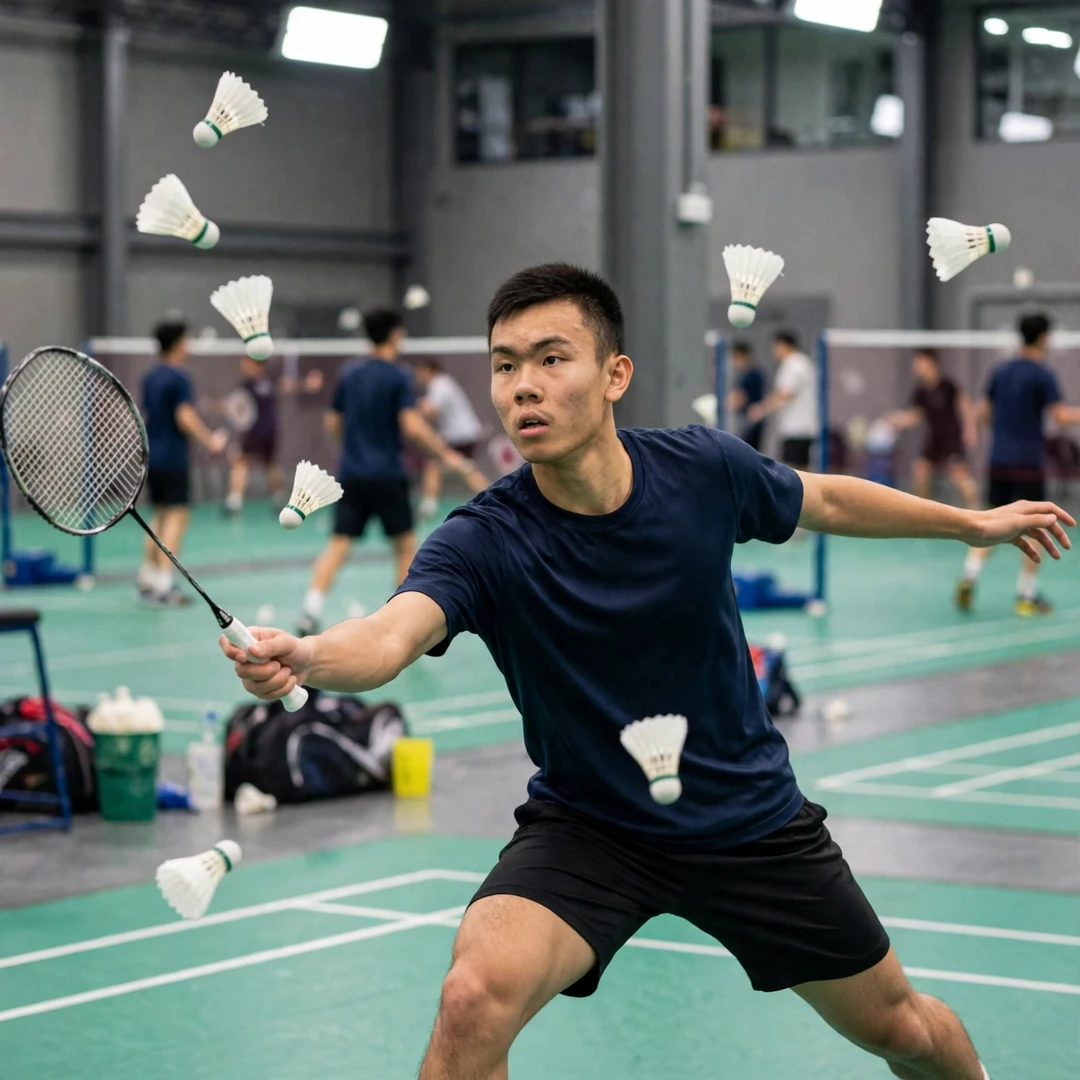
His mental toughness shows most clearly in third games. In Pessac he lost the second game of the semi-final and the final — 14-21 and 10-21 — and won both deciders anyway. In Vietnam in 2026 he won consecutive three-game matches on consecutive days. Players who can reset after a heavy game loss, rather than carrying it into the decider, own a skill that cannot be drilled directly; it is built from exactly the kind of full-time tournament schedule he has kept since 2024, where next week’s draw never leaves time to mourn this week’s match.
His career also teaches the honest economics of the professional game’s lower tiers. There is no junior medal protecting his ranking and no federation headline guaranteeing his entries; his No. 104 peak and his No. 137 present were both produced by the same mechanism — a calendar of fifteen counting tournaments, most of them in small halls in Europe and Asia, entered week after week. Young players who understand that a ranking is a portfolio, defended and rebuilt continuously, understand the professional game better than those waiting for one televised breakthrough.
Practical lessons from his journey include building a game that travels — rally skills and fitness work in every hall in the world — treating mixed doubles as net-play training rather than a side event, planning the calendar around points expiry so big results are defended before they lapse, and peaking for home events, where his Malaysia Super 100 quarter-final remains the model. His path — Malaysian junior circuit, a first senior result in Vietnam, a title in France — shows developing players that there is more than one road into the world’s top 150.
Learning Reference
ST Badminton Academy Connection
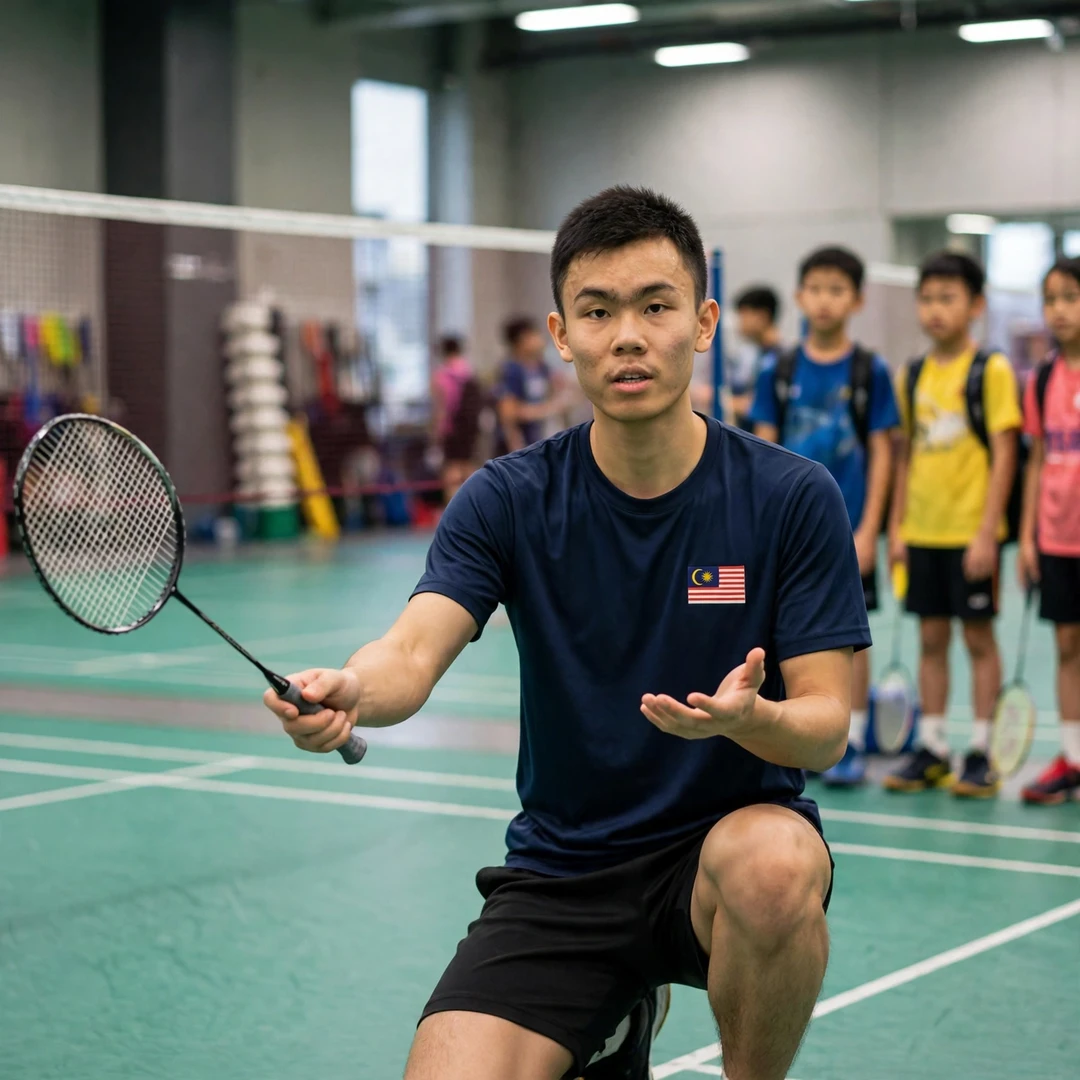
ST Badminton Academy has no official partnership or endorsement from Ming Hong Lim. He is not a student, coach or ambassador of our academy. This profile is published for educational purposes, so that young players in Malaysia and Singapore can study how a Malaysian professional built his career — and what his European breakthrough, home quarter-finals and points-race persistence teach developing juniors.
Many of our students in Malaysia and visiting learners from Singapore study his matches to understand rally-based singles at Future Series, International Challenge and Super 100 level — how patience constructs a point, how a lost game is quarantined before a decider, and how a player with no junior medals still reaches the world’s top 110. His Pessac title run is one of the academy’s favourite case studies in what tournament endurance actually looks like.
We encourage our students to observe his defensive coverage, his third-game composure and his refusal to let the calendar — or an expiring points total — decide his ambitions for him, and to notice that his story was assembled from a Malaysian junior base, a first result in Vietnam and a golden week in France, not from a single televised miracle. The famous weeks only counted because the ordinary weeks surrounded them.
FAQs: Ming Hong Lim Malaysian Badminton Player
Here are answers to common questions about Ming Hong Lim’s career, achievements and what young badminton players can learn from his journey from the Malaysian junior circuit to a senior title in France and the world’s top 110.
Who is Ming Hong Lim and which country does he represent in badminton?
Ming Hong Lim is a Malaysian professional badminton player competing in men’s singles. Born on 23 March 2002, he is a right-handed rally player who won the Future Series Nouvelle-Aquitaine title in France in 2025 and reached the Italian Open final the same summer. In the BWF world rankings of 20 October 2026 he stands at world No. 137 with 14,410 points, with a career-high of No. 104 reached in March 2026.
What are Ming Hong Lim’s biggest badminton achievements?
Ming Hong Lim’s major achievements include the 2025 Future Series Nouvelle-Aquitaine men’s singles title in Pessac, the runner-up finish at the 2025 Italian Open in Bolzano, mixed doubles finals and semi-finals in Europe alongside Stella Pan, a quarter-final at his home Malaysia Super 100 in 2025, and a career-high world ranking of No. 104 in March 2026.
What is Ming Hong Lim’s playing style?
Ming Hong Lim plays a right-handed all-court rallying game built on consistency, defence and court coverage. He extends rallies until opponents crack, uses mixed doubles-honed net skills at the front of the court, and finishes points with placement rather than constant power. His record of three-game victories — including both the semi-final and final of his Pessac title run — is the clearest evidence of his style.
How did Ming Hong Lim win his first senior international title?
Ming Hong Lim won his first senior international title at the Future Series Nouvelle-Aquitaine in Pessac, France, in July 2025. He beat Sanjeevi Padmanabhan Vasudevan, Arthur Wakhevitsch and Amaury Lievre, survived a three-game semi-final against Jakob Houe, and defeated Chinese Taipei’s Huang Yu 22-20, 10-21, 21-16 in the final — one week after reaching the Italian Open final in Bolzano.
How can my child learn from Ming Hong Lim’s training approach?
Young players can study Ming Hong Lim’s approach by watching how he constructs rallies patiently, how he responds to losing a game heavily by resetting for the decider, and how a full tournament calendar — not one result — builds a ranking. At ST Badminton Academy we teach the same foundations — footwork patterns, rally discipline and defensive technique — through progressive drills matched to each child’s level, the same order in which his own game was built on the Malaysian circuit.
Did Ming Hong Lim win any junior titles?
No — Ming Hong Lim did not win junior world or Asian titles, and that is part of what makes his career instructive. His name appears in BWF ranking records as a teenager in 2017 and 2018, but his breakthrough came entirely at senior level, at 23, through the Future Series and International Series circuit. He is proof that a player who misses the junior medals can still build a top-110 world ranking as a senior.
What are Ming Hong Lim’s best World Tour results?
Ming Hong Lim’s best World Tour-level results are a quarter-final at the Malaysia Super 100 in 2025 — a Super 100 event on home soil and the biggest points haul of his career — and two match wins at the Korea Masters 2026, a Super 300, where he beat Choi Ji Hoon before losing in three games to Harry Huang. He has also won qualifying matches at the Malaysia Masters, a Super 500, and at the Macau Open.
What playing style should young players learn from Ming Hong Lim?
Young players should study Ming Hong Lim’s complete rallying game rather than hunting for one signature shot: the defensive coverage that keeps him in points, the patience that waits for the right attacking moment, and the composure to win third games after losing a set heavily. It is the combination that carried him from the Malaysian junior circuit to a senior title in France — trainable skills, repeated calmly, week after week.
Does ST Badminton Academy have any connection with Ming Hong Lim?
No, Ming Hong Lim is not a student, coach or ambassador of ST Badminton Academy. He represents Malaysia and built his career through the Malaysian junior circuit and the international Future Series and Challenge calendar. This profile is an educational resource for our students and readers who want to understand how a Malaysian professional reached the world’s top 110.
Ming Hong Lim Career Highlights

Career Statistics and Rankings
Ming Hong Lim, born 23 March 2002 in Malaysia, is a right-handed Malaysian men's singles player who won the 2025 Future Series Nouvelle-Aquitaine title and finished runner-up at the 2025 Italian Open. A Malaysia Super 100 quarter-finalist at home and a mixed doubles finalist with Stella Pan, he reached a career-high world No. 104 in March 2026 and stands at world No. 137 with 14,410 points in October 2026, playing a patient rallying game built on consistency, coverage and three-game endurance.
| Development Area | Common Misconception | What Ming Hong Lim's Career Shows REALITY |
|---|---|---|
| Junior Foundation | Talent alone decides who becomes a champion. | Ming Hong Lim's name appears in the BWF ranking records as a teenager in 2017 and 2018, years before his senior breakthrough — a structured junior base came first. |
| Playing Style Priority | Kids should copy the flashiest attacking shots. | Ming Hong Lim built a complete game first; his winners are the finishing touch on reliable footwork, defence and net play at the end of long rallies. |
| Fitness Importance | Juniors can out-train everyone without rest. | Ming Hong Lim's career-high of world No. 104 was assembled from around fifteen counting tournaments across Europe and Asia — it came from relentless scheduling, not fewer hours. |
| Mental Approach | Top players never get nervous or upset. | Ming Hong Lim lost the second game of his first senior title final 10-21, then won the decider anyway — mental skills are trained, not inherited. |
| Attacking Training | Smashing harder is always the answer. | His Nouvelle-Aquitaine title win over Huang Yu (22-20, 10-21, 21-16) and his Italian Open final a week earlier came from rally control and placement, not raw power. |
| National Milestones | Only world titles matter. | Ming Hong Lim's first senior title in France and his Italian Open final made the summer of 2025 his breakthrough — continental milestones build a career step by step. |
| Career Timeline | Champions peak once and fade fast. | From a first senior result in Vietnam in 2024 to a title, a career-high world No. 104 and world No. 137 in 2026, Ming Hong Lim proves sustained development beats a short peak. |
Study Ming Hong Lim's Work Ethic and Professional Approach
This profile explains who Ming Hong Lim is, his major achievements, and what developing players can learn from his career. If you are inspired by his persistence and rallying style, ST Badminton Academy in Setapak, Kuala Lumpur welcomes junior players who want structured coaching and a clear development pathway. Contact us on WhatsApp at +60 17-684 2136 or visit our academy to book a trial session and begin your own badminton journey.