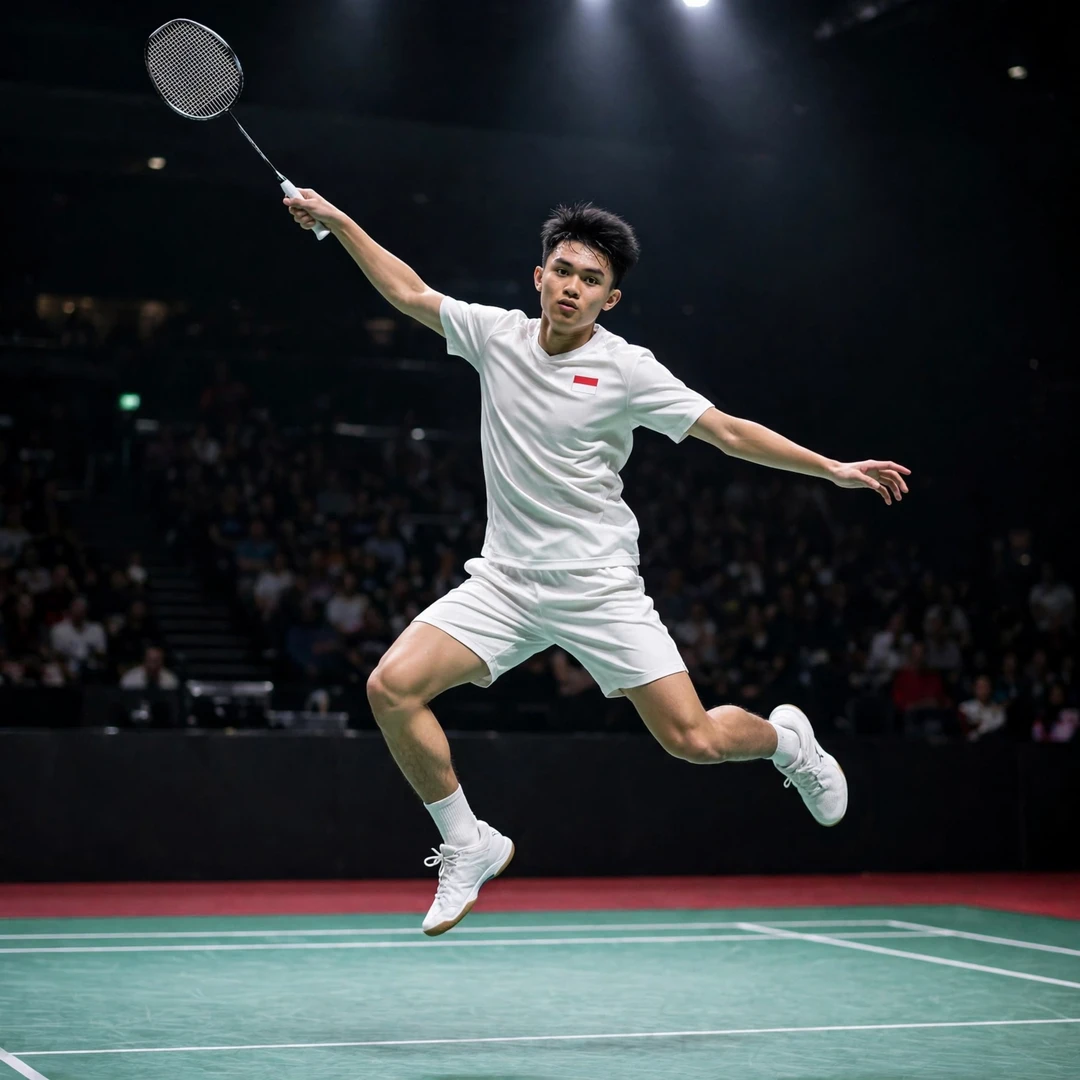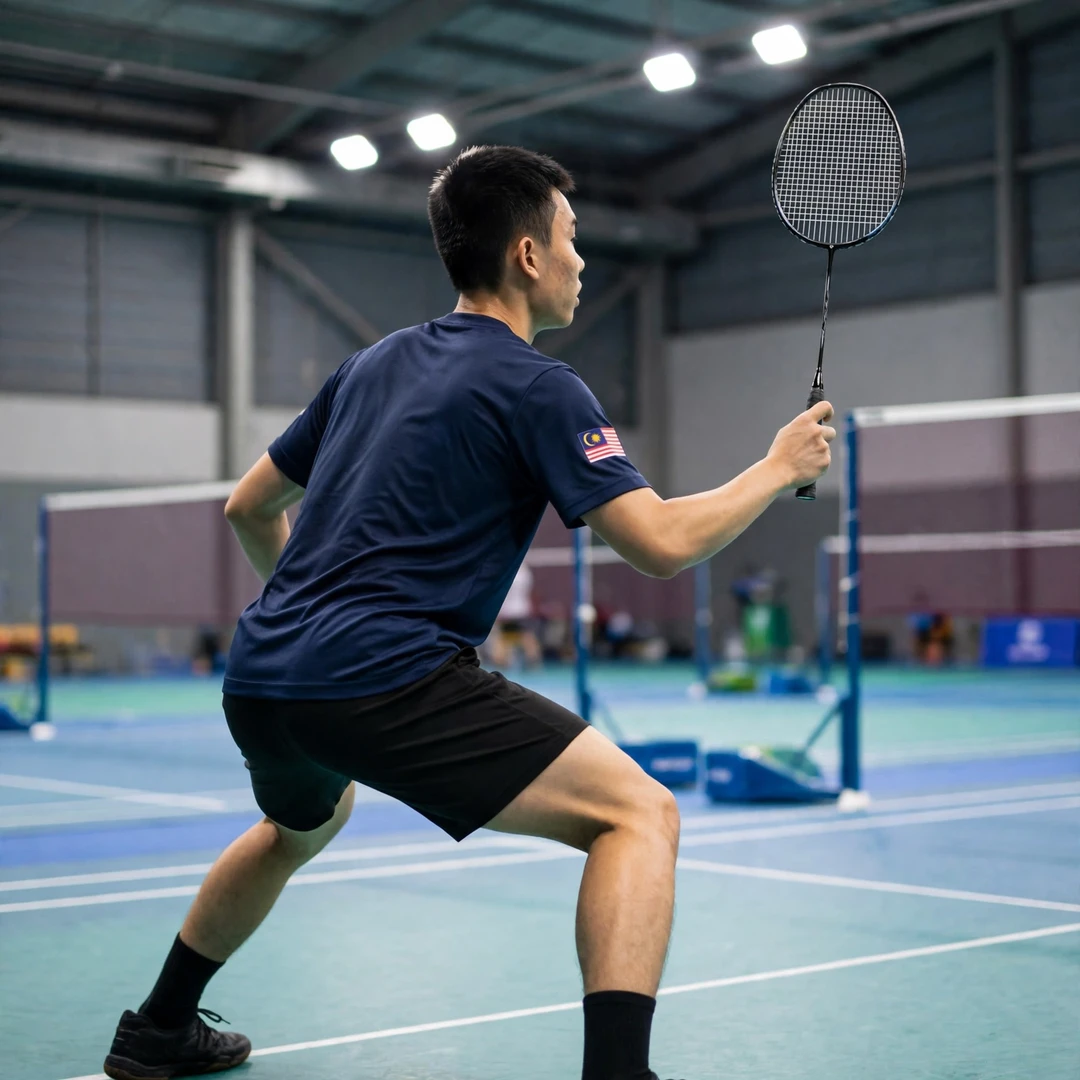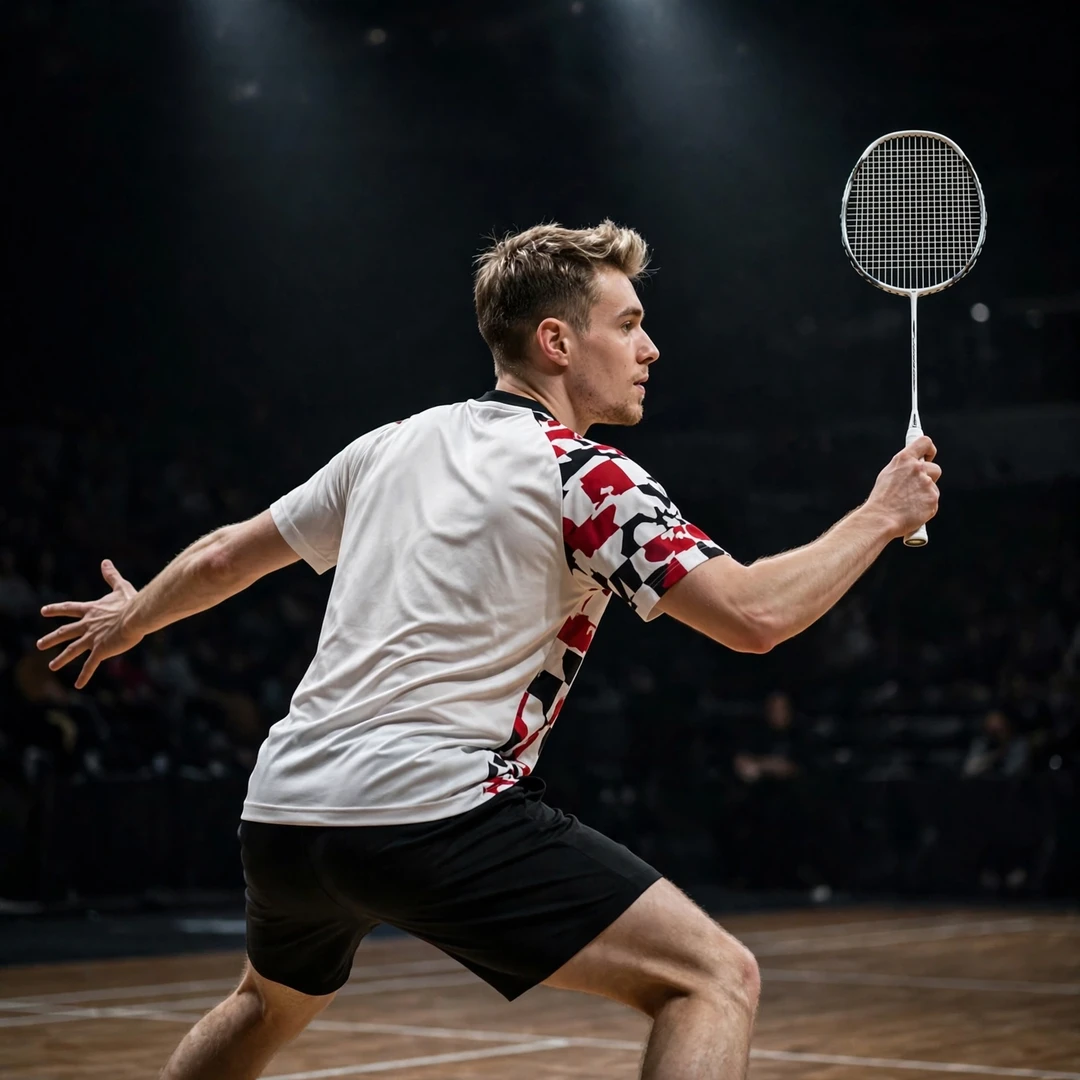
Swiss Men’s Singles Badminton Star
Julien Scheiwiller

Switzerland
Player Event: Men’s singles
From Niederbüren, Canton St. Gallen, Switzerland · Born: 24 September 1999 · Right-handed · Switzerland national team player
Playing Style: Patient all-court rally game built on solid defence, precise placement and the stamina to win long three-game matches on the international circuit.
Known For: Winning the Jamaica International 2026 for his first senior international title, taking the first game off Yushi Tanaka on his Swiss Open main-draw debut in Basel, and a ten-year climb from world No. 1,764 to a career-high world No. 119.
Teams: Switzerland national team · BC Adliswil (Swiss National League A) · formerly BC Uzwil
Understanding Julien Scheiwiller (Swiss Badminton Star)
Julien Scheiwiller is a Swiss professional badminton player and the highest-ranked men’s singles player in Switzerland. In the BWF Week 43 world rankings published on 20 October 2026 he stands at world No. 119 with 16,028 points collected across 18 tournaments — and that number is also his career high, reached in the very week this profile was written. Born on 24 September 1999 and raised in Niederbüren, a village in the canton of St. Gallen, the right-hander is a two-time Swiss national champion, a national team regular who plays first singles for his country, and, since August 2026, an international title winner after his triumph at the Jamaica International in Kingston. His rise was never fast and never glamorous: his first world ranking, in October 2016, was No. 1,764. This profile traces the ten-year climb that followed — the club courts of eastern Switzerland, the schoolboy trips to watch the Swiss Open, the wildcard debut in Basel where he took a game off a World Tour regular, and the patient, error-free rally game that carried a small-federation player into the world’s top 120.
Early Life in Niederbüren and Junior Career
Julien Scheiwiller grew up in Niederbüren, a village of a few thousand people in the canton of St. Gallen in eastern Switzerland — about as far from the traditional centres of world badminton as it is possible to be. Switzerland has no big badminton machine: no giant state academy, no production line of world-class juniors. What it has is a strong club culture, and Scheiwiller’s first badminton homes were the clubs of his home region, among them BC Uzwil, one of the established clubs of Swiss league badminton. The moment that lit the fuse came on family trips to Basel: as a schoolboy, he travelled to the Swiss Open on school-free afternoons to sit in the St. Jakobshalle and watch the world’s best players — the tournament he would one day play in himself.
Village Courts and First Clubs
His junior years were solid rather than spectacular, and that honesty matters in his story. There was no junior world title, no viral breakthrough — instead, step by step, the teenager from Niederbüren worked his way into the Swiss junior ranks and then into the senior national squad. His first appearance in the BWF world rankings came in October 2016, a few weeks after his seventeenth birthday, at No. 1,764 — a number that means roughly seventeen hundred players stood between him and the top of the sport. By the end of 2017 he had climbed to No. 1,163. The direction was set, even if the speed was not yet there.
First Ranked at No. 1,764 at Seventeen
The steady climb continued through his late teens. In October 2018 he broke into the world’s top 500 at No. 484, learning the senior circuit the hard way: qualifying draws, early rounds against seasoned professionals, and long weekends in small halls across Europe. He also played doubles in those years, and his first senior international podium finishes came with Nicolas A. Müller — the pair reached the men’s doubles final of the Cyprus International in 2019 and the semi-finals of the Bulgarian International the same year. In 2020 he wore Swiss colours at the European Men’s Team Championships. Singles, though, was always the main road, and every season the ranking moved the right way: a year-end No. 562 in 2019, No. 407 in 2021, and then the post-pandemic acceleration.
Steady Progress Through the Junior Years
The breakthrough band arrived in 2022. That autumn Scheiwiller pushed through the top 300 in September and the top 200 in November, peaking at No. 187 — the point at which a player stops being a qualifier at smaller events and starts entering main draws directly. He closed 2023 at No. 167 and, in June 2024, broke into the world’s top 150 for the first time at No. 149. None of it came from one miracle week. It came from the arithmetic of the Challenge and Series circuit: turning up, week after week, in Austria and Poland, Denmark and France, and leaving with a few more points than he arrived with.
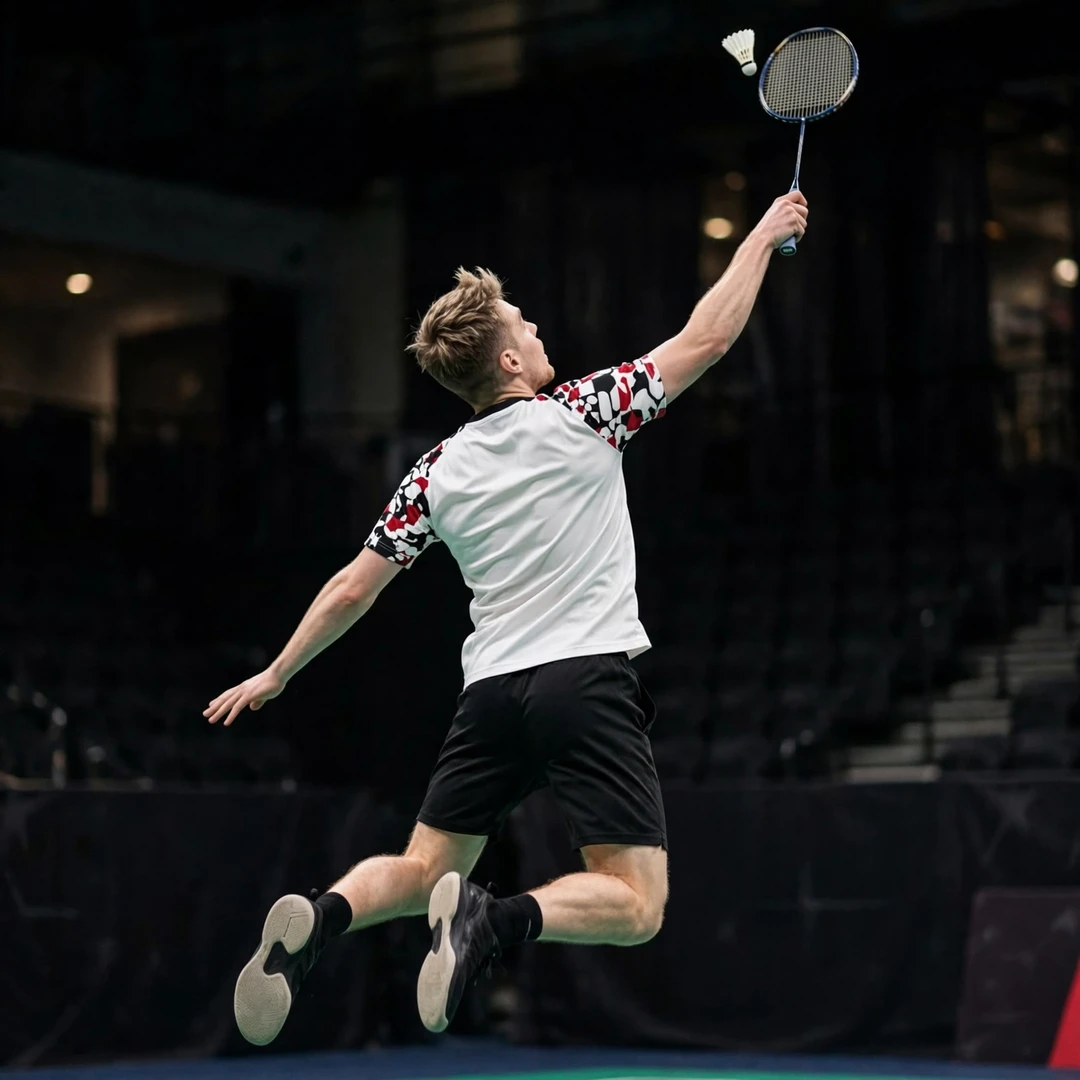
Career Milestone #1
The Long Apprenticeship on the International Circuit
Then, in March 2026, came the week the schoolboy from Niederbüren had dreamed about. Awarded a wildcard into the main draw of the Swiss Open — the Super 300 event in Basel he had watched from the stands as a child — Scheiwiller stepped onto Court 2 at the St. Jakobshalle on 11 March 2026 to face Japan’s Yushi Tanaka, a World Tour regular. What happened next told the whole story of his progress: the Swiss wildcard won the first game 22-20. Tanaka’s class told in the end, 10-21 and 11-21, but a home crowd had watched one of its own trade games with the world’s tour — and Scheiwiller had proof, in front of everyone, that his game belonged at that level. He plays with the support of Yonex Switzerland and the Swiss Army sports programme, the structures that let a Swiss player chase the world tour at all.
A month later he carried that form to the European Championships in Huelva, Spain. At the Palacio de Deportes Carolina Marín he won his opening-round match and then pushed Poland’s Dominik Kwinta — a rising player on his own climb — through a full three-game battle in the round of 32, losing 17-21, 21-16, 18-21. Three weeks before Huelva, at the Polish Open in Łódź, he had beaten Sweden’s Gustav Bjorkler in straight games, 21-14, 21-14, before falling in the round of 16 to Denmark’s David Kim Kristensen. These are the margins of life just outside the top 100: nearly every week ends against a player ranked nearby, and the difference between a good month and a great one is a handful of rallies.
Career Milestone #2
The Swiss Open Dream: A Game Off Yushi Tanaka
The spring of 2026 also showed the grind behind the highlights. At the German Open he lost a three-game qualifying battle with Italy’s Fabio Caponio. In May, at the Austrian Open in Graz, he went out to Chinese Taipei’s Chiang Tzu Chieh in straight games. Days later at the Denmark Challenge in Brøndby he produced one of his best fighting wins, coming from a game down to beat Srikanth Sundara Srinivasan 15-21, 21-19, 21-15 — then watched a walkover against Alexander Brogaard end his run, before a straight-games loss to India’s S. Sankar Muthusamy Subramanian. In June, at the Valence Alpes International in France, he took Lenny Hubert to three games before losing 9-21, 21-17, 9-21. This is the circuit as it really is: no crowds, no cameras — and the ranking points that eventually add up to a career.
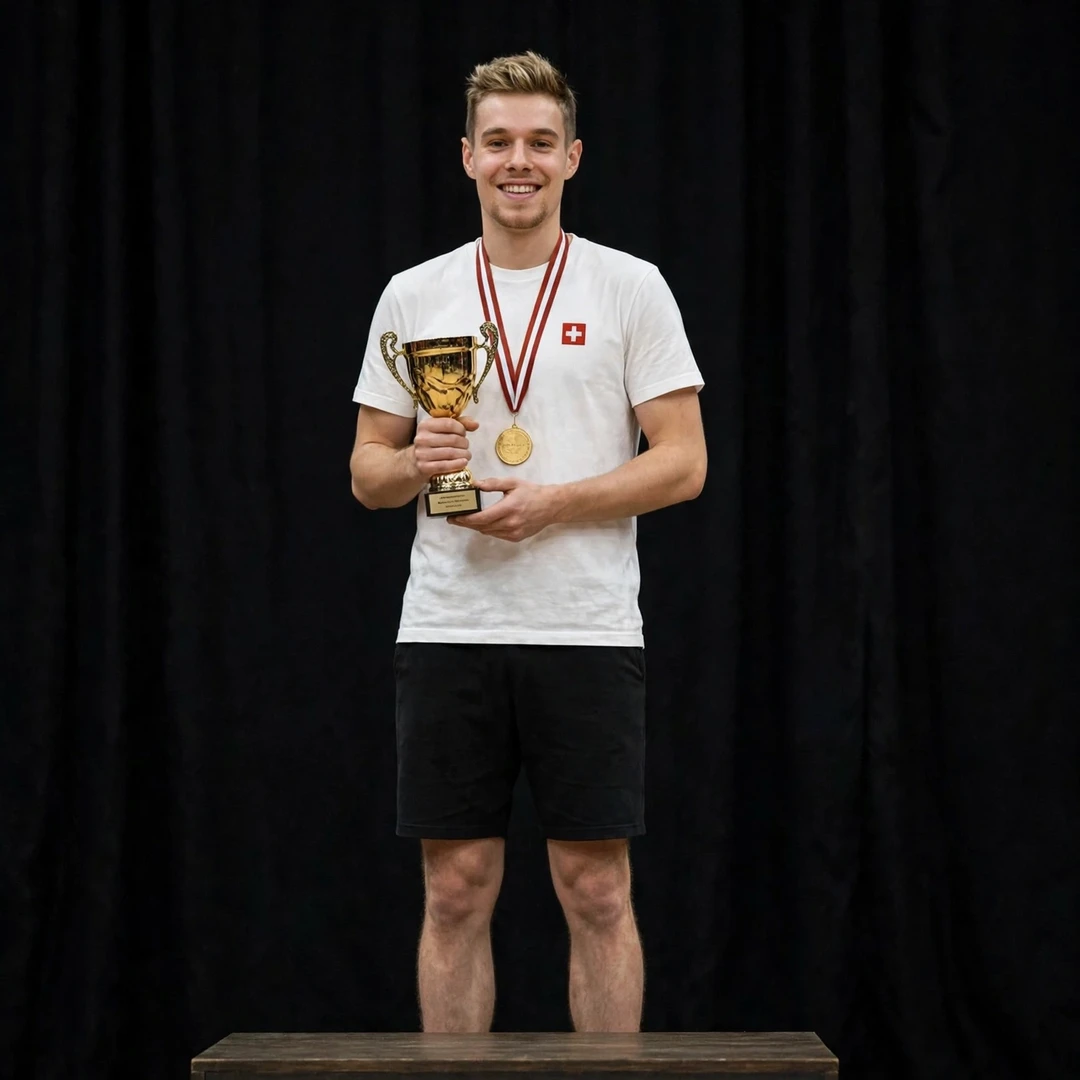
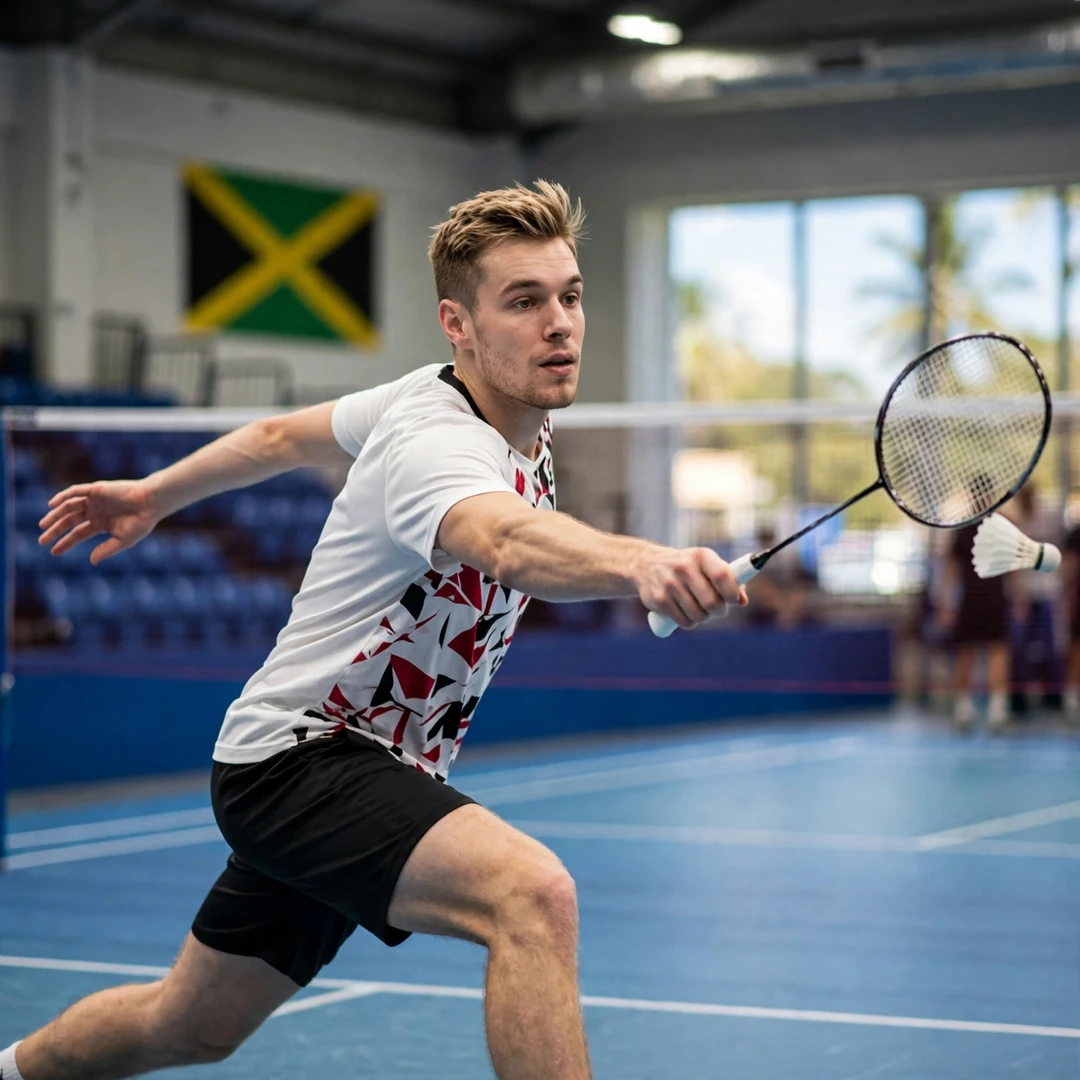
In August 2026, eight years after his first senior steps, the persistence was rewarded with a trophy. At the inaugural Jamaica International in Kingston — played from 5 to 9 August at the Alfred Sangster Auditorium of the University of Technology — Scheiwiller won five matches without dropping the title run, beating the United States’ Joshua Yang in the final to claim his first senior international title. Srinivas Subash of the United States and Canada’s Yanqing Wang took the bronze medals. For a player who had spent a decade collecting quarter-finals and ranking points, the Jamaica title was the breakthrough that changes how a career is described: Julien Scheiwiller was no longer only a national champion and a ranking climber — he was an international tournament winner.
What the Jamaica week changed is easy to measure and hard to overstate. Measured: five wins in a single week, a first international trophy, and ranking points that formed part of the autumn haul which carried him to his career high. Harder to measure: a decade of evidence that the near-misses were not his ceiling. Players ranked outside the top 100 rarely get a week where everything closes — the draw opens kindly, the body holds, the tight games go their way. Scheiwiller had waited ten years for his, through Cyprus and Graz, Brøndby and Łódź. When it finally came, in a hall in Kingston most of the badminton world could not find on a map, he took it with both hands — and the result changed the first line of every introduction he will get for the rest of his career: international title winner.
Career Milestone #3
Jamaica 2026: The First International Title
His value to Switzerland is clearest in team colours. In December 2025, at the European Men’s Team Championships qualification in Dublin, Scheiwiller played first singles for Switzerland — the most exposed slot in the team, against the other nation’s best player, every time. He lost a tough opener to the Netherlands’ Noah Haase, 15-21, 5-21, as Switzerland went down 1-4, then faced Ireland’s European-class Nhat Nguyen in a 3-2 team win, losing 8-21, 17-21 but keeping the tie alive around him. Alongside Tobias Künzi — himself No. 122 in the world — Scheiwiller gives Switzerland something it has rarely had: two men’s singles players inside the world’s top 125 at the same time.
The Jamaica title started an autumn of constant motion. His late-2026 schedule reads like a tour of the whole badminton map: the Lagos International Classics in Nigeria, the Cameroon International, the Guatemala International Challenge, the Arise International Challenge in Brookshire in the United States, a quarter-final at the Santo Domingo Open in the Dominican Republic, and the Peru International Challenge straight after the Week 43 rankings. That is how 16,028 points and a career high happen at this level — not from one televised week, but from entries on four continents in a single season, each one adding a few hundred points to the total.
At home, his standing is long established. Scheiwiller is a two-time Swiss national champion and a fixture of Swiss Badminton’s national squad, the standard-bearer for men’s singles in a country where the sport fights for attention against football, skiing and ice hockey. In club badminton he has played for BC Adliswil in the National League A — Swiss league champions with him in the team, celebrated in the local press — after his earlier years with BC Uzwil. When young Swiss players look for proof that a career can be built from a village club in St. Gallen, his name is now the first answer.
Career Milestone #4
Career-High World No. 119 — at Twenty-Seven
Read his ranking history as a graph and one thing stands out: there are no spikes. From No. 1,764 in October 2016, the line moves almost calmly downward — top 1,000, top 500, top 300, top 200, top 150, and finally, on 20 October 2026, No. 119, the best ranking of his life at the age of twenty-seven. The 16,028 points behind that number are spread across 18 counting tournaments, the widest possible base — the profile of a player whose level is genuinely established rather than borrowed from one hot week. Coaches call this the hardest kind of ranking to build and the hardest kind to take away.
What comes next is written plainly in the numbers. The world’s top 100 is fewer than twenty places away — the smallest gap of his career. A first appearance at the BWF World Championships, the one major stage still missing from his record, becomes realistic at this ranking band. And every March, the Swiss Open in Basel offers the stage where his story began as a spectator. At twenty-seven, in his physical prime, with a first international title finally on his record, Scheiwiller’s decade of patience has bought him something valuable: a genuine shot at the next level.
Playing Style
The Patient All-Court Game
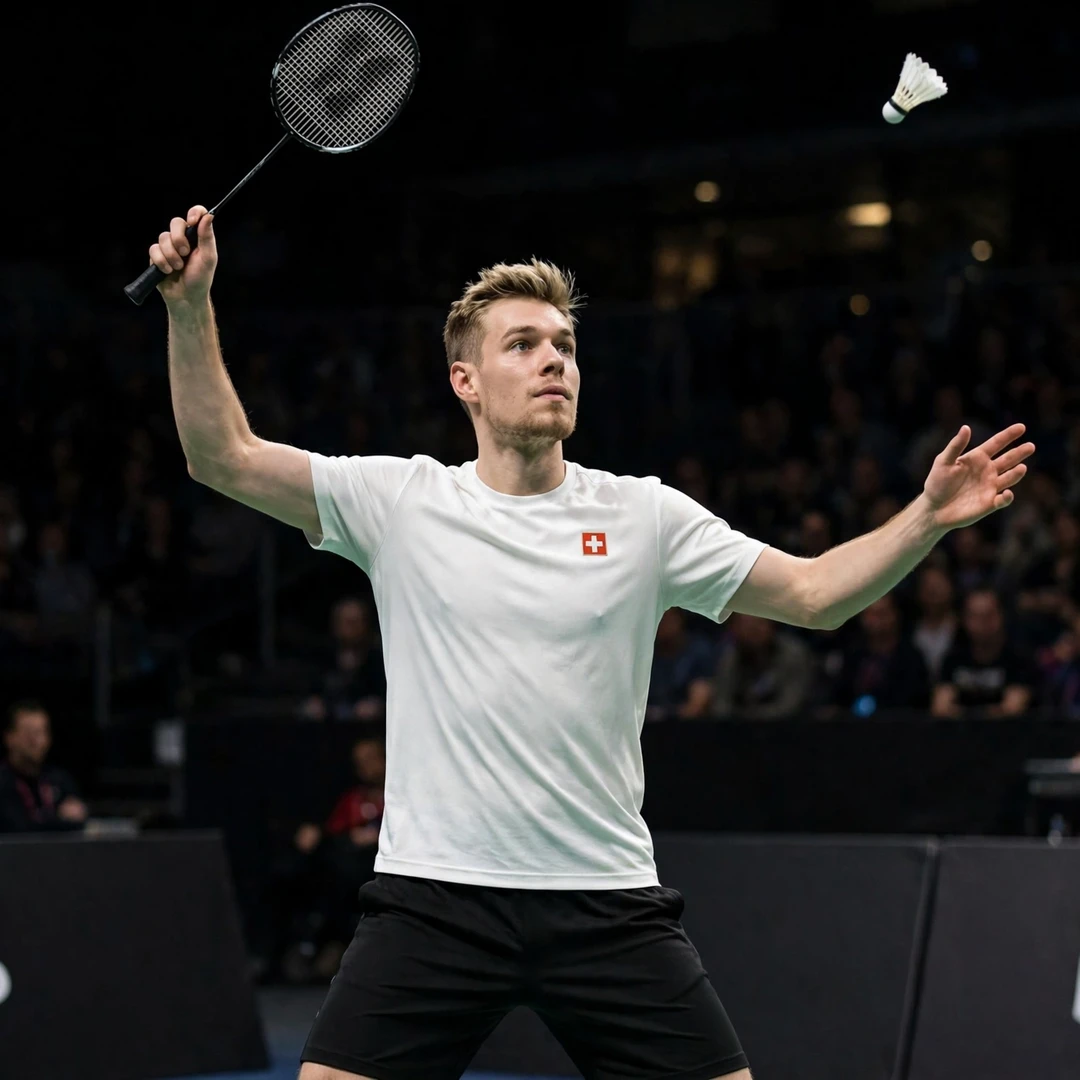
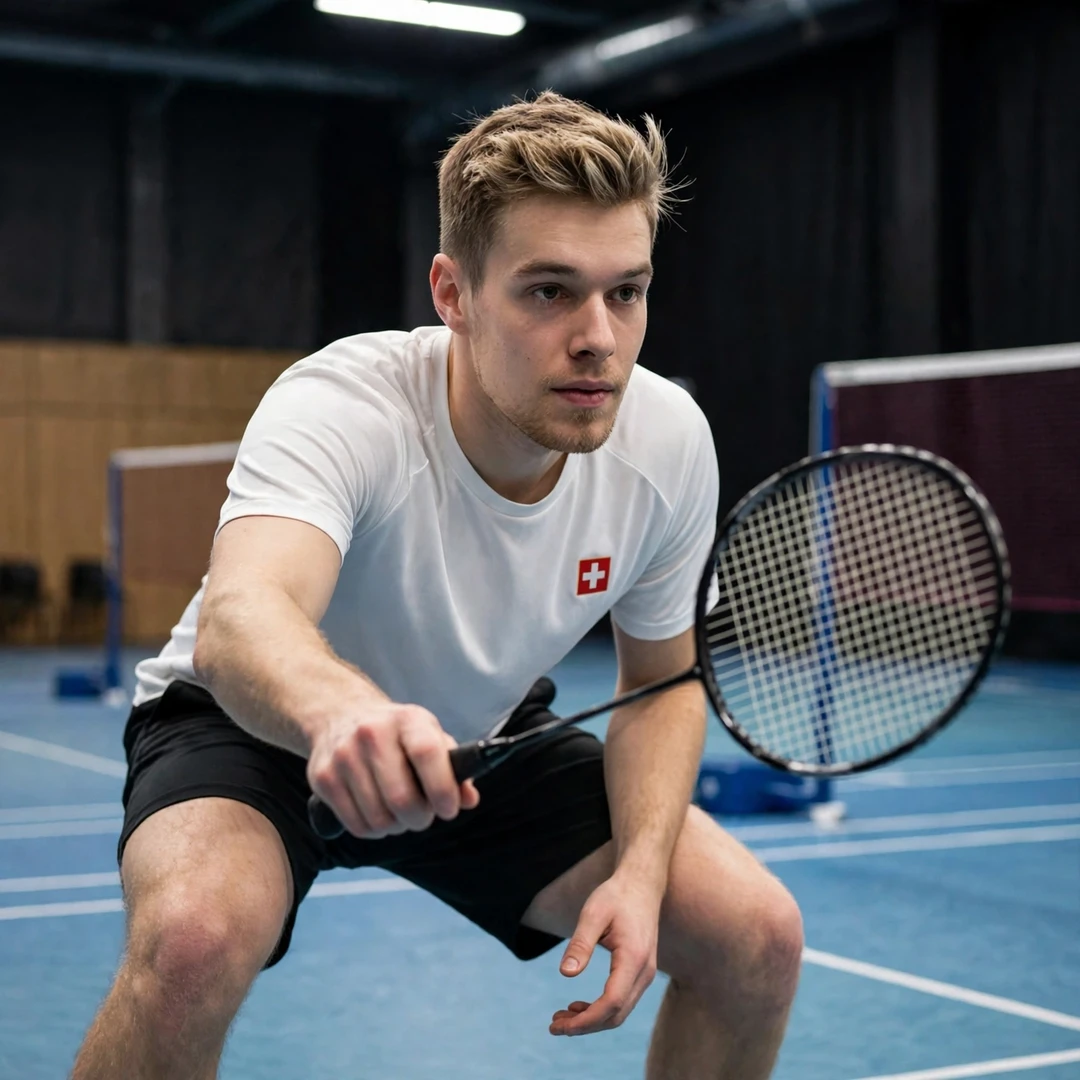
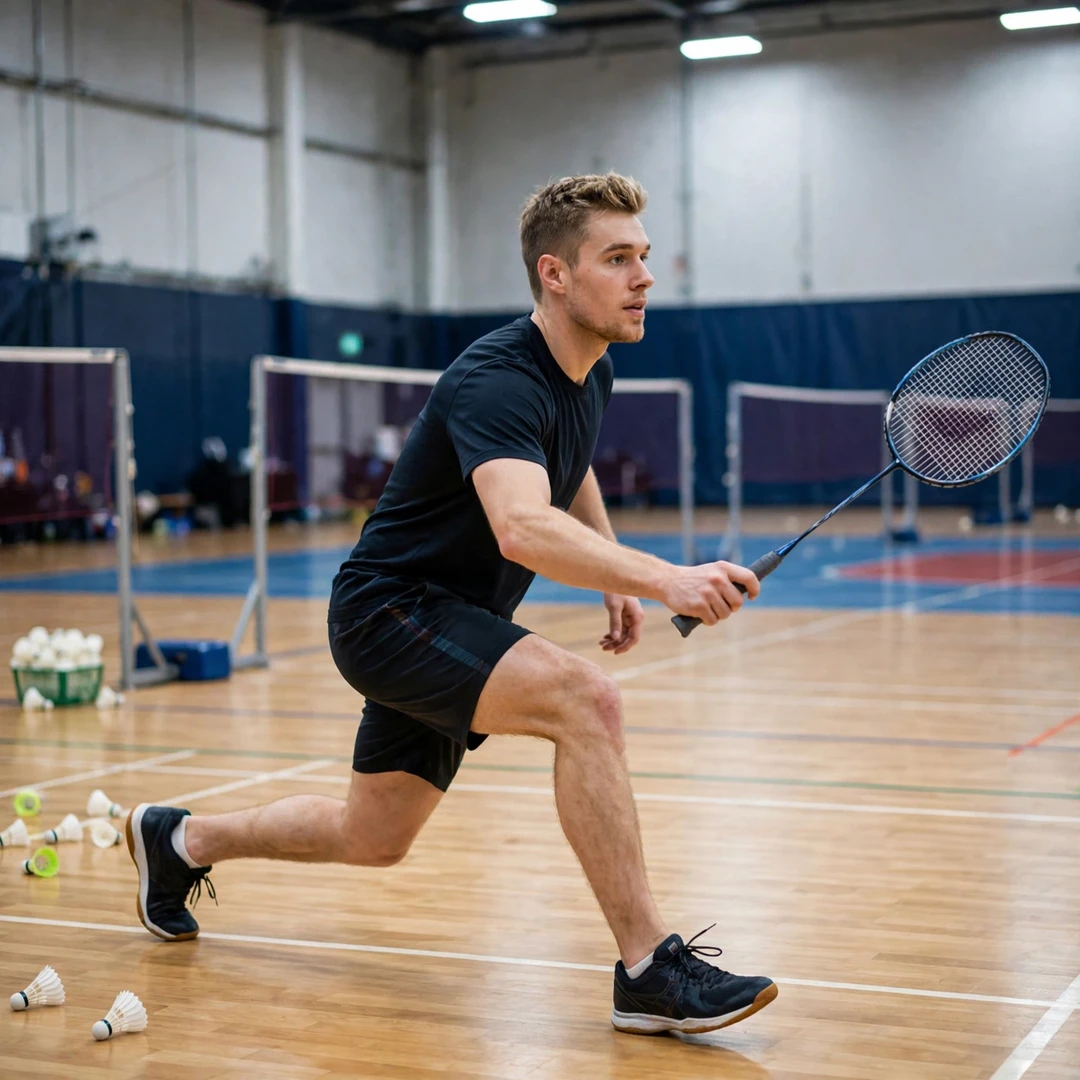
Scheiwiller’s game is built for the long match. A right-hander with no obvious weakness to attack, he plays the classic European all-court game: deep, accurate clears to the back tramlines, patient construction from mid-court, and sudden changes of pace rather than constant power. His results show the pattern — three-game matches are his natural habitat, from the 18-21 decider against Kwinta in Huelva to the comeback win over Srinivasan in Brøndby, where he lost the first game and controlled the next two. Opponents know that beating him quickly is rare; beating him at all usually takes more than an hour.
His signature is not a single spectacular shot but a quality young players underrate: error control under fatigue. The first game against Tanaka in Basel — 22-20, won against a World Tour regular in the closest possible finish — came from refusing to donate points at the moments when underdogs usually tighten up. His net game is tidy, his defence organised, and his shot selection conservative in the best sense: he plays the percentage shot until the opening is real, not imagined. On a circuit full of players who can beat anyone on their best day and lose to anyone on their worst, Scheiwiller’s value is that his bad days still look like his normal game.
For young players, his style carries a clear lesson: consistency is a weapon. Scheiwiller did not reach the world’s top 120 by finding a shot nobody else has — he got there by missing less than the players around him for ten consecutive years. His footwork is economical, his clears land within a racket’s length of the back line deep into third games, and his rally tolerance lets him wait for the rally to come to him. Study how rarely he is caught out of position, and how many of his wins are built in the last five points of long matches, when tired opponents start aiming for lines that are not there.
Mental Strength
Patience, Resilience and the Ten-Year Climb
Comebacks and close finishes run through his whole 2026 season. In Brøndby he was a game down to Srinivasan and won. In Huelva he lost the first game to Kwinta, levelled the match, and came within three points of winning the decider. In Basel he saved his best badminton for the tightest moment of the first game against Tanaka. Even his disappointments fit the pattern of a fighter: the Denmark Challenge run that ended with an opponent’s walkover, weeks of one-match margins — and then, in Kingston, five straight wins and a title. Players who stay in matches this long give themselves chances; eventually, the chances turn into trophies.
The deeper test of his resilience is the timescale itself. Ten years between a first ranking and a career high is almost unheard of in modern badminton, where most players peak or disappear within five. Scheiwiller did it without a big federation behind him: Switzerland’s system offers national-squad training, army sports support and a sponsor in Yonex Switzerland, but the flights to Lagos, Kingston and Santo Domingo, the qualifying draws and the small halls — that grind is carried by the player. His 2026 season alone took in tournaments on four continents. Nobody sustains that for a decade on talent; it is sustained on routine, stubbornness and a genuine love of the work.
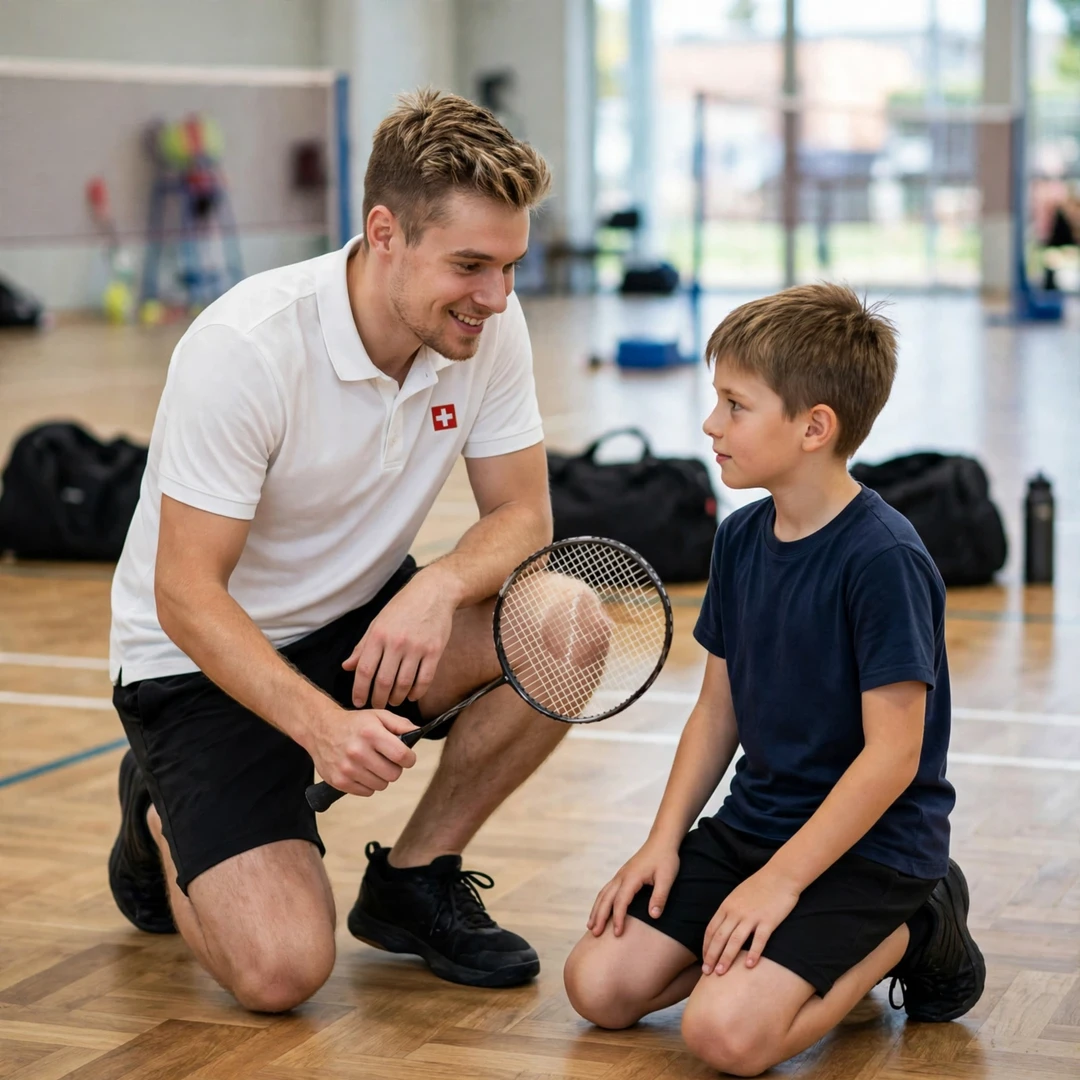
Practical lessons from his journey include building a complete, low-error game before chasing spectacular shots; taking the long road when the journey demands it — his own path ran from a village club in St. Gallen through a first ranking of No. 1,764; treating every draw, from a Swiss Open wildcard to a Kingston International Series, as the same opportunity; finishing matches — his signature wins, from the Denmark Challenge comeback to the Jamaica title run, were closed late; and measuring a career in years rather than ranking weeks, because his best ranking arrived in his tenth year on the list.
Learning Reference
ST Badminton Academy Connection
ST Badminton Academy is not affiliated with Julien Scheiwiller and does not represent him or the Swiss national team. This profile is published purely as an educational case study for parents and junior players who want to understand how a player from a small badminton country — with no big academy system behind him — climbed from world No. 1,764 to a career-high No. 119, won his first international title in Jamaica, and took a game off a World Tour regular in the hall where he once sat as a schoolboy spectator.
Many of our students study his matches to understand how patience beats reputation: the 2026 Swiss Open first game against Yushi Tanaka for error-free badminton under maximum pressure; the European Championships battle with Dominik Kwinta for three-game shot selection; the Denmark Challenge comeback against Srikanth Sundara Srinivasan for resetting after a lost first game; and the Jamaica International final against Joshua Yang for the composure needed to close out a first title.
We encourage our students to observe his calm when a match starts badly, his refusal to treat any tournament — a Super 300 in Basel or an International Series in Kingston — as beneath or beyond his best effort, and the way a boy from Niederbüren answered a decade of near-misses with the same response: more work. Sometimes a career is built one qualifying round, one long rally, one ranking point at a time.
FAQs: Julien Scheiwiller Swiss Badminton Player
Here are answers to common questions about Julien Scheiwiller’s career, achievements and what young players in Malaysia can learn from the Swiss right-hander’s ten-year climb from No. 1,764 to the world’s top 120.
Who is Julien Scheiwiller and which country does he represent in badminton?
Julien Scheiwiller is a Swiss professional badminton player competing in men’s singles. Born on 24 September 1999 and from Niederbüren in the canton of St. Gallen, he is a right-hander who plays first singles for the Swiss national team. He stands at world No. 119 in the BWF Week 43 rankings of 20 October 2026 with 16,028 points — and No. 119 is also his career-high ranking, reached that same week.
What are Julien Scheiwiller’s biggest badminton achievements?
His biggest achievements are winning the Jamaica International in Kingston in August 2026 — his first senior international title, beating Joshua Yang of the United States in the final; two Swiss national singles titles; a main-draw debut at the 2026 Swiss Open in Basel, where he took the first game 22-20 off Japan’s Yushi Tanaka; a round-of-32 place at the 2026 European Championships after a three-game battle with Dominik Kwinta; a quarter-final at the 2026 Santo Domingo Open; and, early in his career, the men’s doubles final at the Cyprus International 2019 and the semi-finals at the Bulgarian International 2019 with Nicolas A. Müller.
What is Julien Scheiwiller’s playing style?
Scheiwiller plays a patient, all-court rally game. The right-hander builds points with deep clears, organised defence and precise placement rather than raw power, keeps his error count low deep into third games, and specialises in long matches — his 2026 season alone included three-game battles with Yushi Tanaka, Dominik Kwinta and Lenny Hubert, and a come-from-behind win over Srikanth Sundara Srinivasan in Denmark after losing the first game.
How has Julien Scheiwiller performed in team events for Switzerland?
Team events are where Scheiwiller carries his country’s flag most visibly. He plays first singles for Switzerland — the slot against the opposing nation’s best player — including at the European Men’s Team Championships qualification in Dublin in December 2025, where Switzerland beat Ireland 3-2 and lost 1-4 to the Netherlands, with Scheiwiller facing Noah Haase and Nhat Nguyen. He also represented Switzerland at the 2020 European Men’s Team Championships, and with Tobias Künzi at world No. 122, Switzerland currently has two men’s singles players inside the world’s top 125.
How can my child learn from Julien Scheiwiller’s training approach?
Young players can study Scheiwiller’s approach by copying its foundations: build a low-error, complete game before chasing spectacular shots, practise rally patience and deep-court accuracy until they hold up in third games, treat qualifying draws and small tournaments as opportunities rather than insults, and think in years — his career high arrived a full decade after his first ranking. At ST Badminton Academy we use his Swiss Open match against Tanaka and his Denmark comeback as video lessons in error control and resetting after a lost first game.
Did Julien Scheiwiller win any junior titles?
Scheiwiller’s junior years were quiet by the standards of this series — he won no major junior titles, and that is part of his story. First ranked in October 2016 at No. 1,764 as a seventeen-year-old, he developed steadily through the Swiss club and national systems, and his first senior international podiums actually came in men’s doubles: the Cyprus International final and the Bulgarian International semi-finals in 2019, partnering Nicolas A. Müller. His rise is proof that a player who is not a teenage star can still build an international career.
What are Julien Scheiwiller’s best World Championships results?
Scheiwiller has not yet played at a BWF World Championships — at world No. 119, a debut at the sport’s biggest individual event is one of the open targets of his career. His best continental result is the round of 32 at the 2026 European Championships in Huelva, where he won his opening match and took Poland’s Dominik Kwinta to a deciding game before losing 18-21. As his ranking climbs toward the top 100, World Championships qualification moves from a dream into the realistic goals column.
What playing style should young players learn from Julien Scheiwiller?
Young players should study how Scheiwiller wins with patience and precision rather than power: the deep, accurate clears that pin opponents to the back line, the low error count that survives into third games, and the habit of finishing matches strongly — his Denmark Challenge win in 2026 was built after losing the first game, and his Jamaica title run closed out five matches in five days. Just as important is the mindset: a player from a small badminton country who out-worked the distance between his village club and the world tour.
Does ST Badminton Academy have any connection with Julien Scheiwiller?
No, Julien Scheiwiller is not a student, coach or ambassador of ST Badminton Academy. He represents Switzerland and is based within the Swiss Badminton national squad system. However, coaches at our academy in Kuala Lumpur regularly use his matches as teaching material, because his journey — village club to national champion, schoolboy spectator to Swiss Open main draw, world No. 1,764 to a career-high No. 119 with an international title — shows what patience and a complete game can achieve.
Julien Scheiwiller Career Highlights
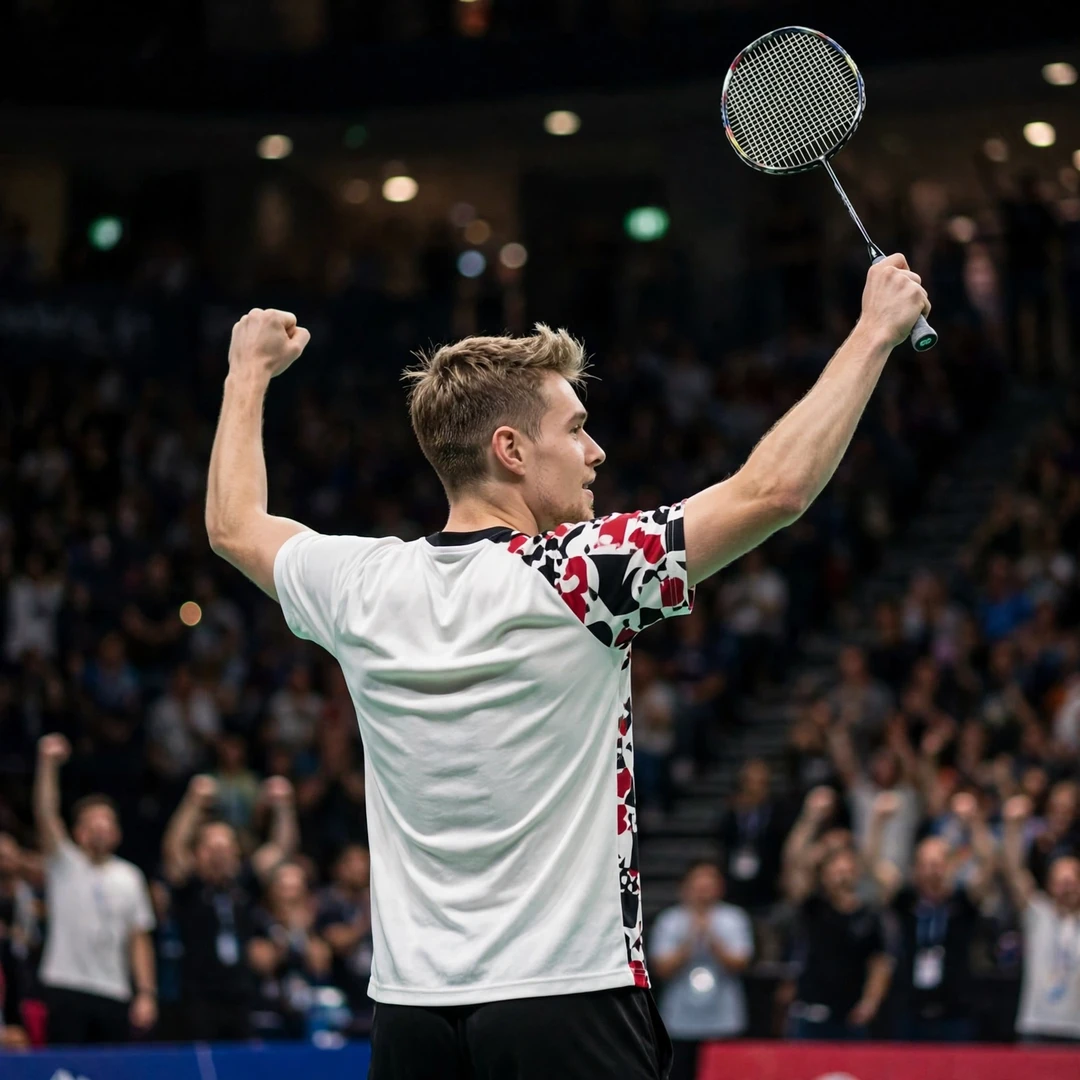
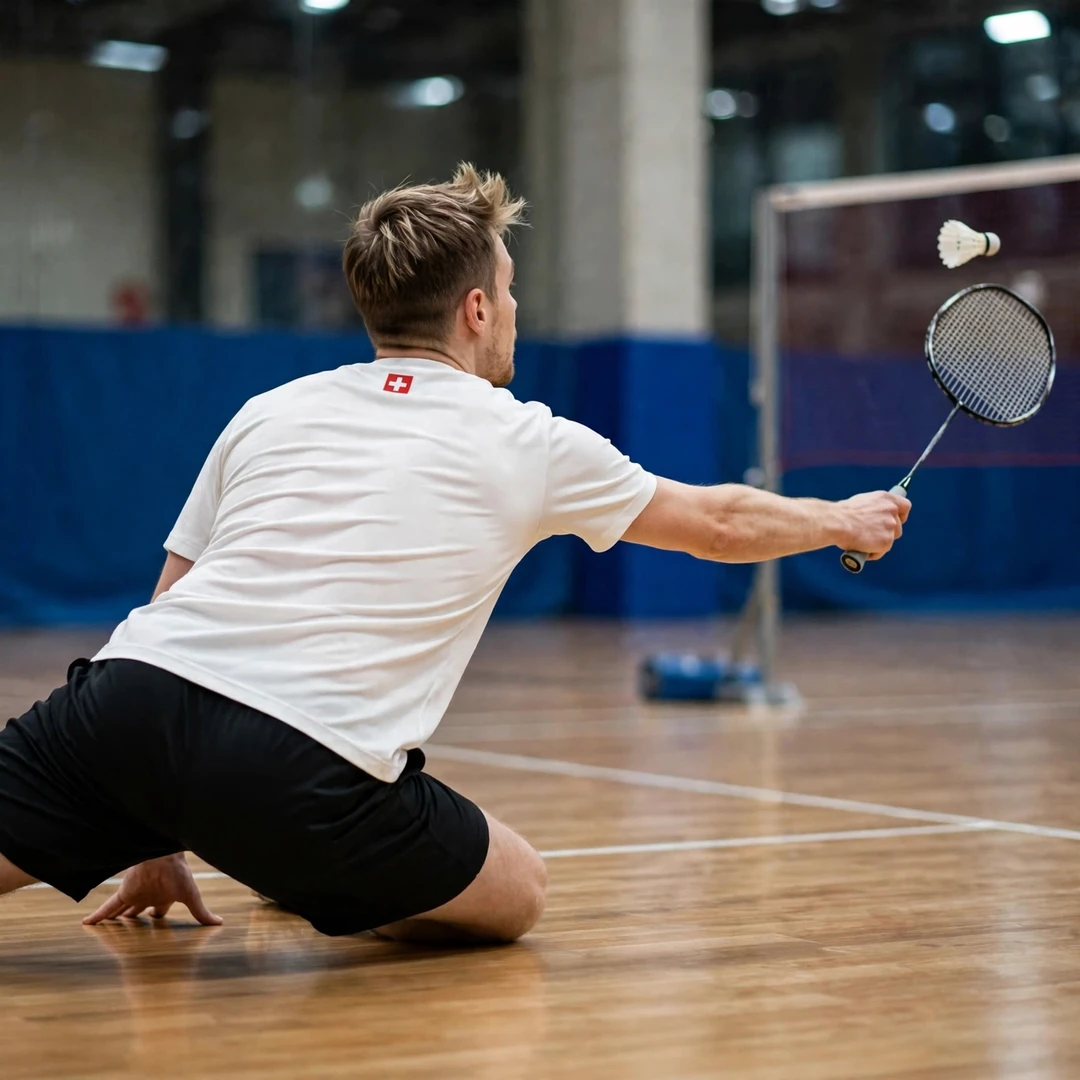
Career Statistics and Rankings
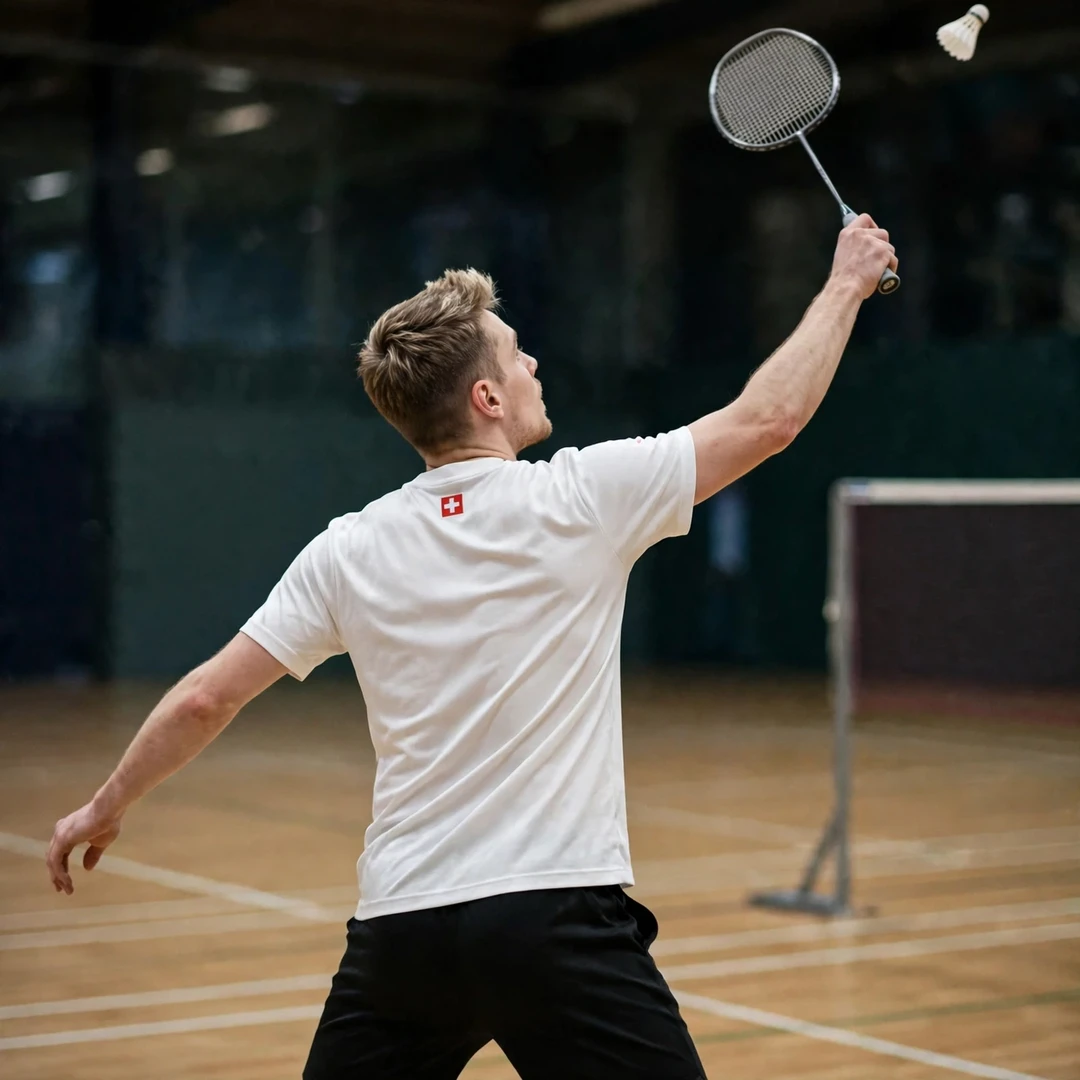
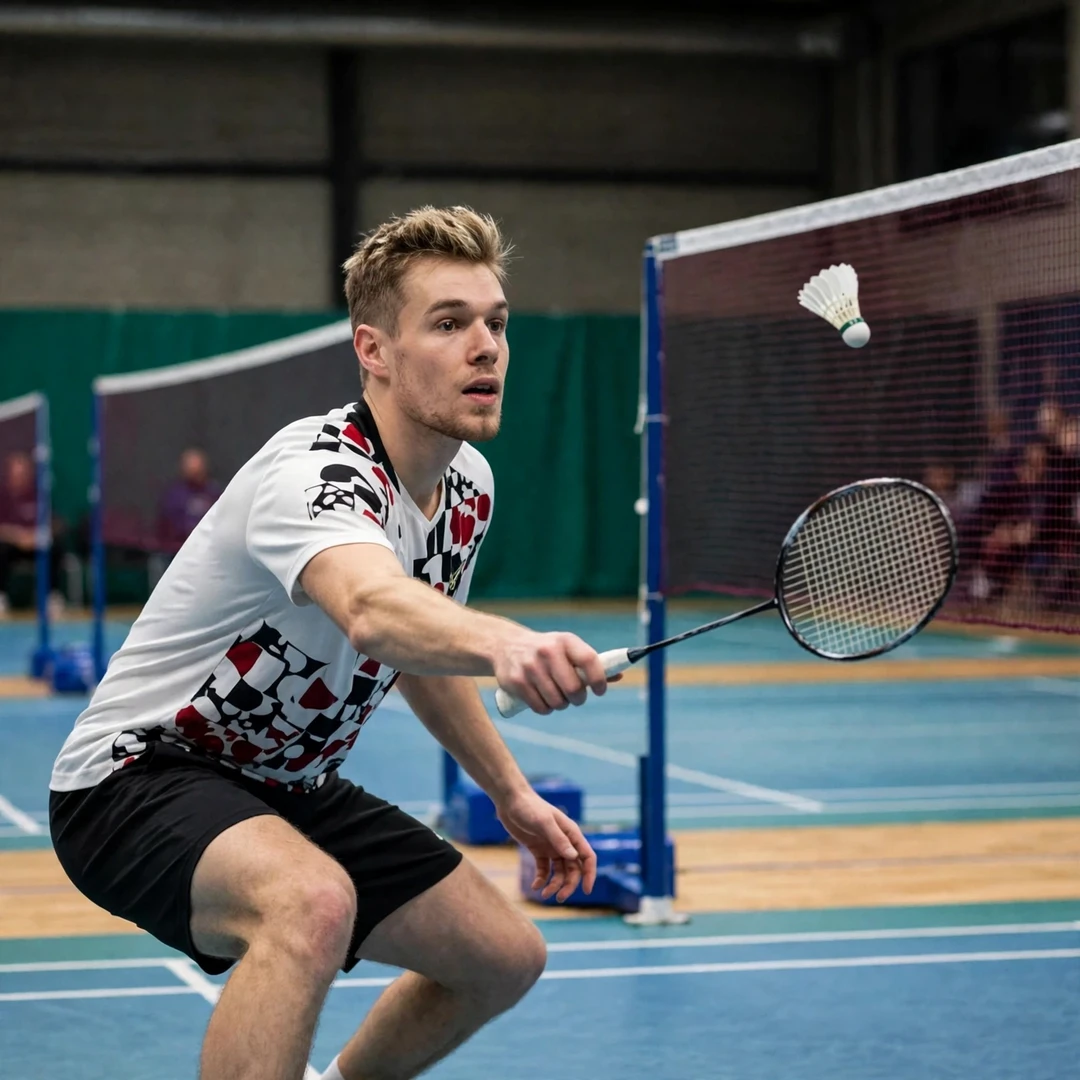
Julien Scheiwiller's rise is a lesson in how far patience can travel: a boy from Niederbüren who watched the Swiss Open from the stands, entered the world rankings at No. 1,764, spent ten years climbing through the small halls of the circuit, and arrived at twenty-seven with a first international title, a career-high ranking and the top 100 finally in sight. The next checkpoint is written in his own history — he has never once gone backwards for long.
| Development Area | Common Misconception | What Julien Scheiwiller's Career Shows REALITY |
|---|---|---|
| Junior Foundation | Talent alone decides who becomes a champion. | Scheiwiller started on the club courts of Niederbüren in eastern Switzerland and first appeared in the world rankings at No. 1,764 — a structured junior base came first, wherever you build it. |
| Playing Style Priority | Kids should copy the flashiest attacking shots. | Scheiwiller built a complete, patient game first — his results rest on reliable footwork, solid defence, precise placement and a low error count, not one spectacular shot. |
| Fitness Importance | Juniors can out-train everyone without rest. | Scheiwiller climbed for ten years without a shortcut — from No. 1,764 in 2016 to a career-high No. 119 in 2026, built on relentless scheduling across the Challenge and Series circuit, not more hours. |
| Mental Approach | Top players never get nervous or upset. | Scheiwiller is famously composed on court — the schoolboy who once watched the Swiss Open from the stands now takes games off World Tour players there — mental skills are trained, not inherited. |
| Attacking Training | Smashing harder is always the answer. | His 22-20 first game against Yushi Tanaka at the 2026 Swiss Open and his Jamaica International title came from controlled placement and patience, not raw power. |
| National Milestones | Only world titles matter. | Scheiwiller's two Swiss national titles and his first international title in Jamaica made him the standard-bearer of Swiss badminton — national and international milestones build a career step by step. |
| Career Timeline | Champions peak once and fade fast. | From a first ranking of No. 1,764 in 2016 to world No. 119 a decade later, Scheiwiller proves sustained development beats a short peak. |
Study Julien Scheiwiller's Work Ethic and Professional Approach
This profile explains who Julien Scheiwiller is, his major achievements, and what developing players can learn from his journey. Whether you are a parent in Kuala Lumpur, Cheras or anywhere in Malaysia wondering how far patience and discipline can take a child in this sport, Scheiwiller's story carries the answer: from a village in St. Gallen to the world's top 120 — book a trial class with ST Badminton Academy on WhatsApp at +60 17-684 2136 and let your child begin building fundamentals that will hold up anywhere.