Chinese Taipei Men’s Singles Badminton Star
Ting Yen-Chen

Chinese Taipei
Player Event: Men’s singles
From Taiwan · Born: 6 May 2004 · Right-handed · National Taiwan University student-athlete · Land Bank badminton team player
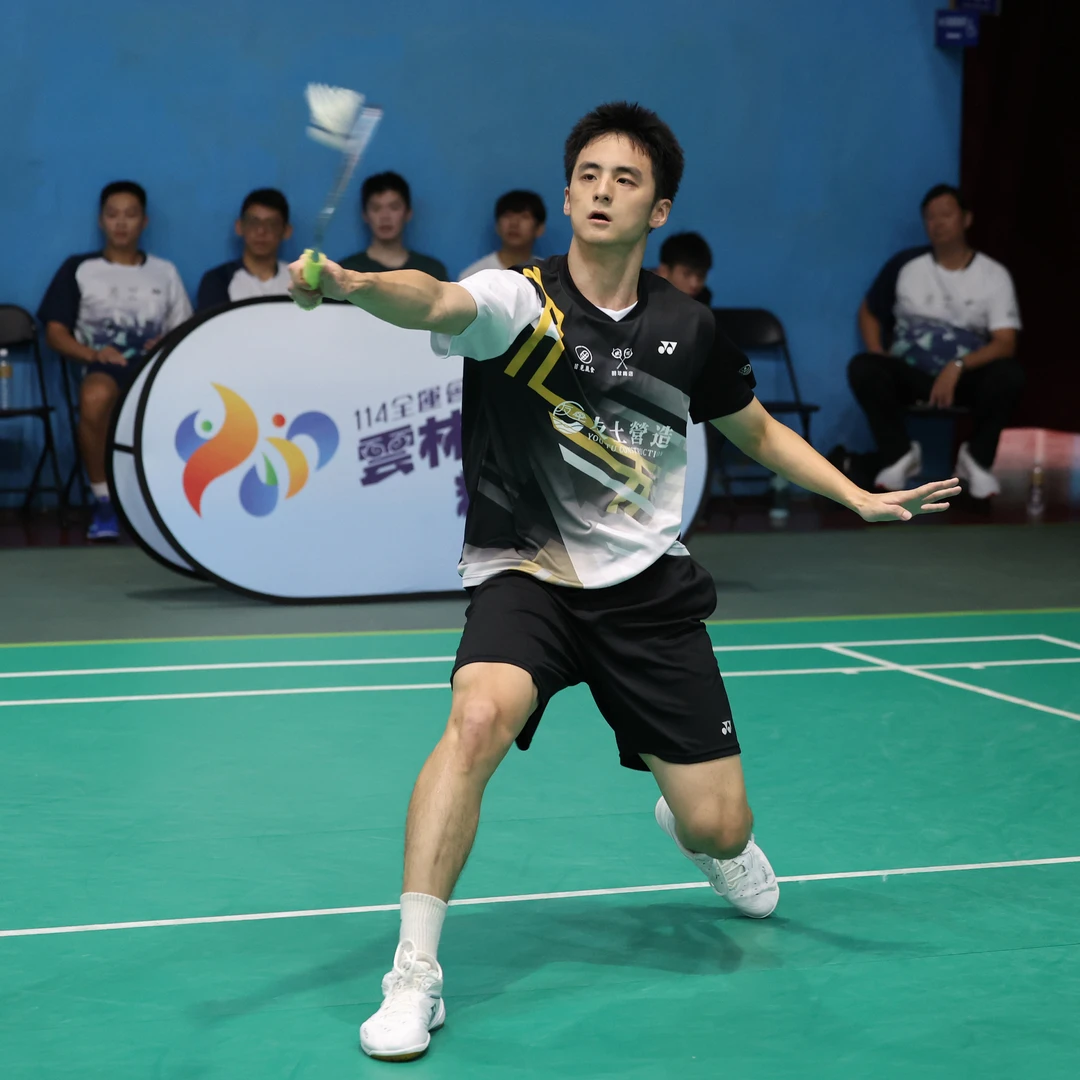
Playing Style: All-court game built on tactical precision, consistency and composure — he won World University Games gold without dropping a single game in six matches.
Known For: Winning the men’s singles gold medal at the 2025 Rhine-Ruhr World University Games, beating France’s Enogat Roy 15-8, 15-5 in the final; a first senior international title at the 2023 Sydney International; and two International Challenge finals in 2025, both decided by two points in the third game.
Teams: Chinese Taipei national team · Land Bank badminton team · National Taiwan University
Understanding Ting Yen-Chen (Chinese Taipei Badminton Star)
Ting Yen-Chen is a Chinese Taipei professional badminton player — and one of the most unusual players in this ranking series, because he is also a full-time university student. In the BWF Week 43 world rankings published on 20 October 2026 he stands at world No. 120 with 15,920 points collected across just 14 tournaments, having climbed 26 places in a single week from No. 146. His career-high ranking is world No. 68, reached in April 2026. Born on 6 May 2004, the right-hander studies Business Administration at National Taiwan University, trains with the Land Bank badminton team, and in July 2025 produced the result of his life: men’s singles gold at the Rhine-Ruhr World University Games in Germany, won with six straight victories and not one game dropped. This profile traces how a schoolboy from New Taipei became only the second Taiwanese man ever to win that title — and why coaches call him a late bloomer whose best years may still be ahead.
Early Life in New Taipei and Junior Career
Ting Yen-Chen’s badminton education began on school courts in New Taipei, where he attended Neng Ren Home Economics and Commercial High School — a school with a serious badminton programme and a Land Bank team connection that would shape his whole career. Taiwan’s schools system is one of the most competitive junior environments in world badminton: thousands of children train daily, and only a handful ever reach the national elite group. Ting was not the most decorated child in that system. What he had, from early on, were the two qualities his later coaches keep naming: an all-round game with no obvious hole in it, and the patience to keep working while flashier juniors collected the early medals.
School Courts and a National Breakthrough at Seventeen
His first national breakthrough came at seventeen. In 2021 he reached the men’s singles final of the National High School Cup, finishing runner-up — already a marker in Taiwan’s schools badminton. Then, in September 2021, as a third-year student at Neng Ren, he won the men’s singles Group B title at the second National Ranking Tournament of the year. In Taiwan’s system that title is a promotion certificate: the winner moves up into Group A, the elite division where the country’s best senior and junior players compete for national selection. At seventeen, Ting Yen-Chen had played his way into the top group of Taiwanese badminton.
World Junior Team Silver in Santander
The junior result that changed his life arrived in October 2022, in Santander, Spain. Ting was part of the Chinese Taipei squad that reached the final of the mixed team event at the BWF World Junior Championships, taking the silver medal against the strongest junior teams on the planet. For a school player from New Taipei, a world junior team medal is rare air — and it carried a practical reward as well. The medal earned him admission to National Taiwan University, Taiwan’s most prestigious university, where he enrolled in the Department of Business Administration. From that point his career had a second track running alongside the badminton: a degree at NTU.
Student by Day, International Player by Weekend
That double life defines him. Ting studies at NTU, trains in his spare hours with the Land Bank badminton team — one of Taiwan’s great corporate teams — and is coached by Lin Yu-hsien, who also works with the university programme. Lin has described him publicly as a late bloomer: a player whose all-round skills and dedication were always there, but whose standout results arrived later than the teenage stars of his generation, and whose biggest remaining challenge was keeping his composure in the decisive moments of big matches. Because lectures and exams come first, Ting plays fewer international tournaments than the full-time professionals around him in the rankings — which makes every result in this profile count double.
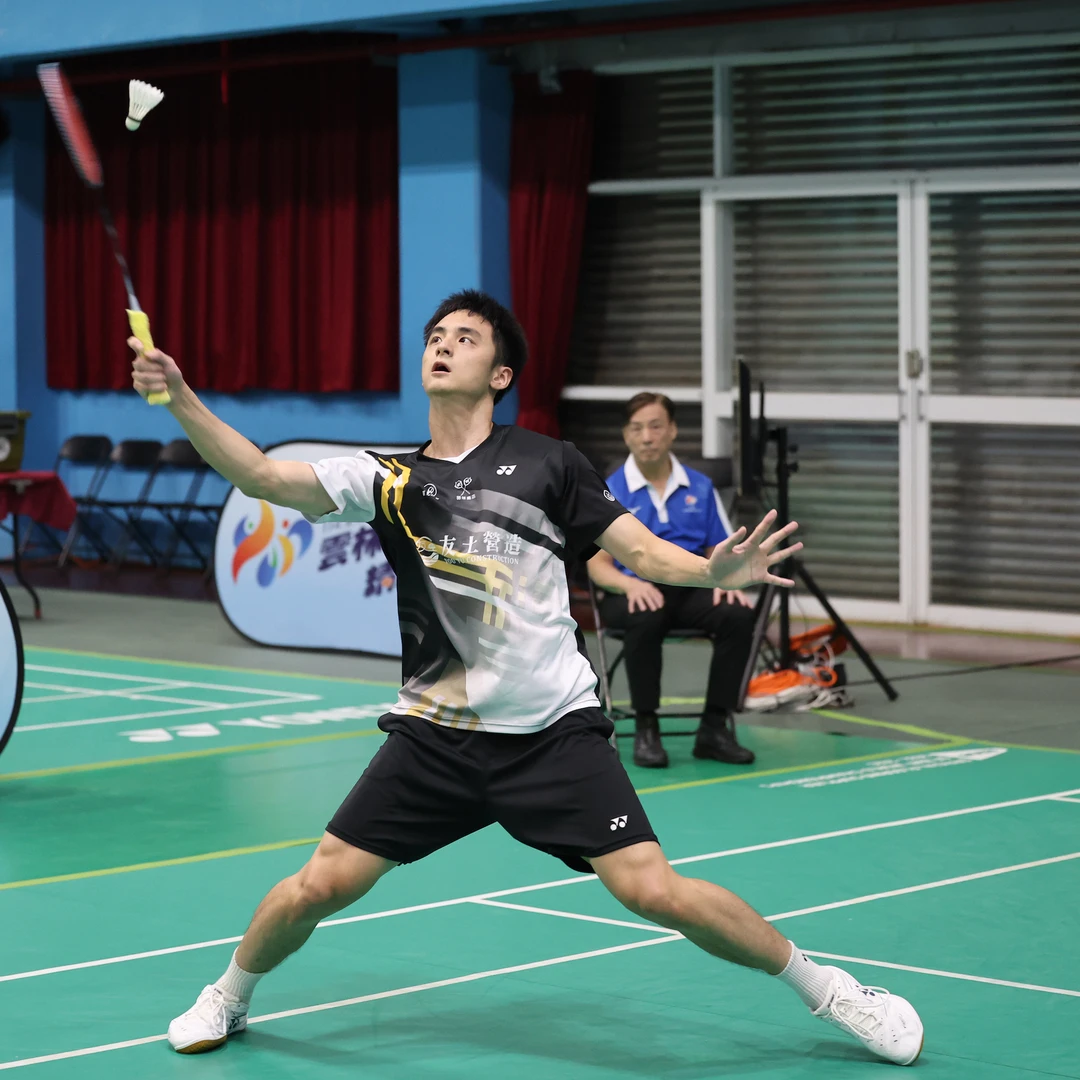
Career Milestone #1
First Senior Title in Sydney and the Circuit Grind
His first senior international title came in October 2023, in Australia. Still only nineteen, Ting won the Sydney International, an International Series event on the Badminton Oceania circuit — the first time he stood on the top step of an international podium. For a part-time player fitting tournaments around a university timetable, the Sydney week was proof of concept: the game that had won school titles and a world junior team medal could also win senior international events. It remains, alongside the Universiade gold, one of the two titles that anchor his record.
The 2023 season also showed his all-round schooling. At the Bendigo International in Australia he reached the mixed doubles semi-finals, at the Hungarian International he reached the men’s singles semi-finals, and at the Norwegian International he reached another mixed doubles semi-final. Doubles was never going to be his main road — singles was always the priority — but those results explain the completeness coaches see in his singles game today: a player who has competed in every discipline reads rallies earlier and defends the whole court better. By the end of 2023 he was a senior international champion who still had lectures to attend on Monday morning.
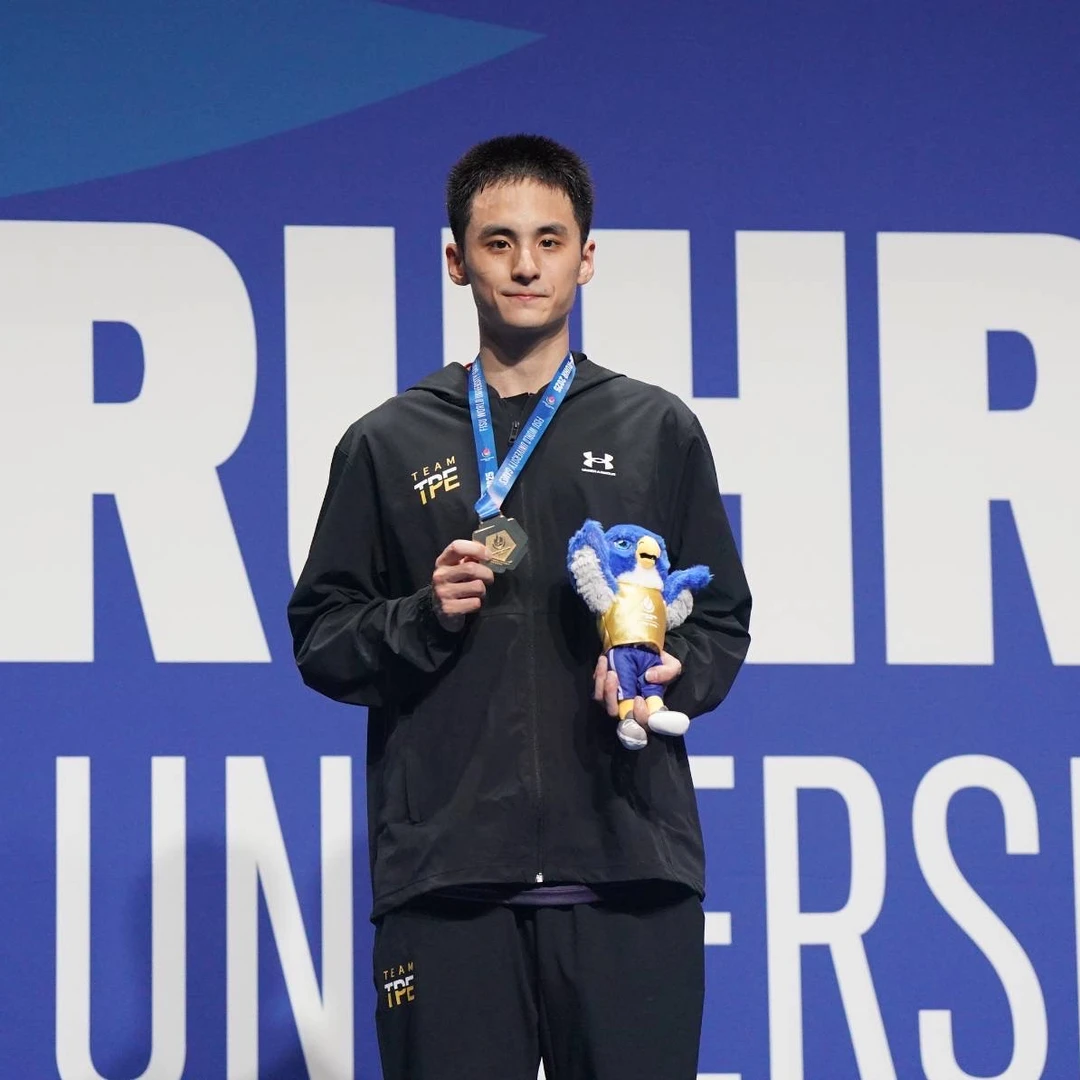
Career Milestone #2
Two Points from the Denmark Challenge Title
Through 2024 and into 2025 the level kept rising. In October 2024 he reached the quarter-finals of the Malaysia Super 100 in Kuala Lumpur — a World Tour event, and a sign he could hold his own in tour-level draws. The 2025 season began with a European and Asian circuit grind: the Estonian International, a semi-final at the Swedish Open, a semi-final at the Slovenia Open, and ranking-point runs in Sri Lanka, Vietnam and China. None of these weeks made headlines. All of them moved the ranking the right way and hardened the game — the unglamorous arithmetic by which a student with a limited schedule builds a professional career.
In May 2025 he came within two points of the biggest title of his career to that date. At the Denmark Challenge in Copenhagen — an International Challenge event — Ting beat Denmark’s Jakob Houe 21-13, 22-20 in the semi-finals and the home favourite Mads Christophersen 21-12, 21-13, to reach the final. There he met France’s Arnaud Merkle, and the match went to the very edge: Ting took the second game to level, then lost the decider 20-22, going down 15-21, 21-13, 20-22. A first International Challenge title had been two rallies away. The result stung — and it set up everything that happened two months later in Germany.
In July 2025 came the week that defines his career so far. At the Rhine-Ruhr World University Games in Germany, Ting produced a flawless tournament: six matches, six wins, and not a single game dropped. He swept his semi-final 15-7, 15-6, then faced France’s Enogat Roy — then world No. 80 — in the gold medal match. Ting surged into a 10-1 run in the first game and never let the Frenchman back in, winning 15-8, 15-5 to take the gold medal. He became only the second Taiwanese player in history to win the Universiade men’s singles title, following Wang Tzu-Wei’s victory in 2017 — and he did it as a 21-year-old undergraduate who had arrived, by his own admission, without a medal target at all.

Career Milestone #3
World University Games Gold in Rhine-Ruhr
‘I didn’t enter the tournament with a medal as my goal,’ Ting said afterwards. ‘I simply focused on each match, enjoyed the game, and played with courage.’ His coach’s verdict was just as telling: Lin Yu-hsien praised his all-around skills and dedication, and noted that the Germany performance showed exactly what Ting can do when he stays focused — the composure question answered on the biggest student stage in sport. Ting also collected a silver medal in the mixed team event in Rhine-Ruhr. His stated ambitions, given in the same week, point far beyond university sport: break into the world’s top 50, and ultimately compete on the Olympic stage.
The golden year nearly had a second title. In October 2025, at the North Harbour International in Auckland, New Zealand, Ting was the number two seed and reached the final — where he met the top seed, his compatriot Wang Po-Wei. Ting took the first game 22-20; Wang levelled; and the decider went to 19-21, Ting losing 22-20, 18-21, 19-21. Twice in five months he had lost an International Challenge final by two points in the third game. He backed the week up immediately with a quarter-final at the Sydney International, the event he had won two years earlier — the schedule of a player collecting finals the way his career keeps promising a title is coming.
At home, his standing kept growing too. In October 2025 he represented Yunlin County at Taiwan’s National Games and helped the county take the bronze medal in the men’s team event — a reminder that in Taiwan’s system, even an international gold medallist still turns out for his county team. Domestically he plays his ranking tournaments under the Land Bank–National Taiwan University banner, seeded among the country’s elite Group A players, in draws that include senior internationals like Wang Tzu-Wei and Su Li-Yang. The schoolboy who won promotion from Group B in 2021 is now part of the group everyone else is trying to break into.
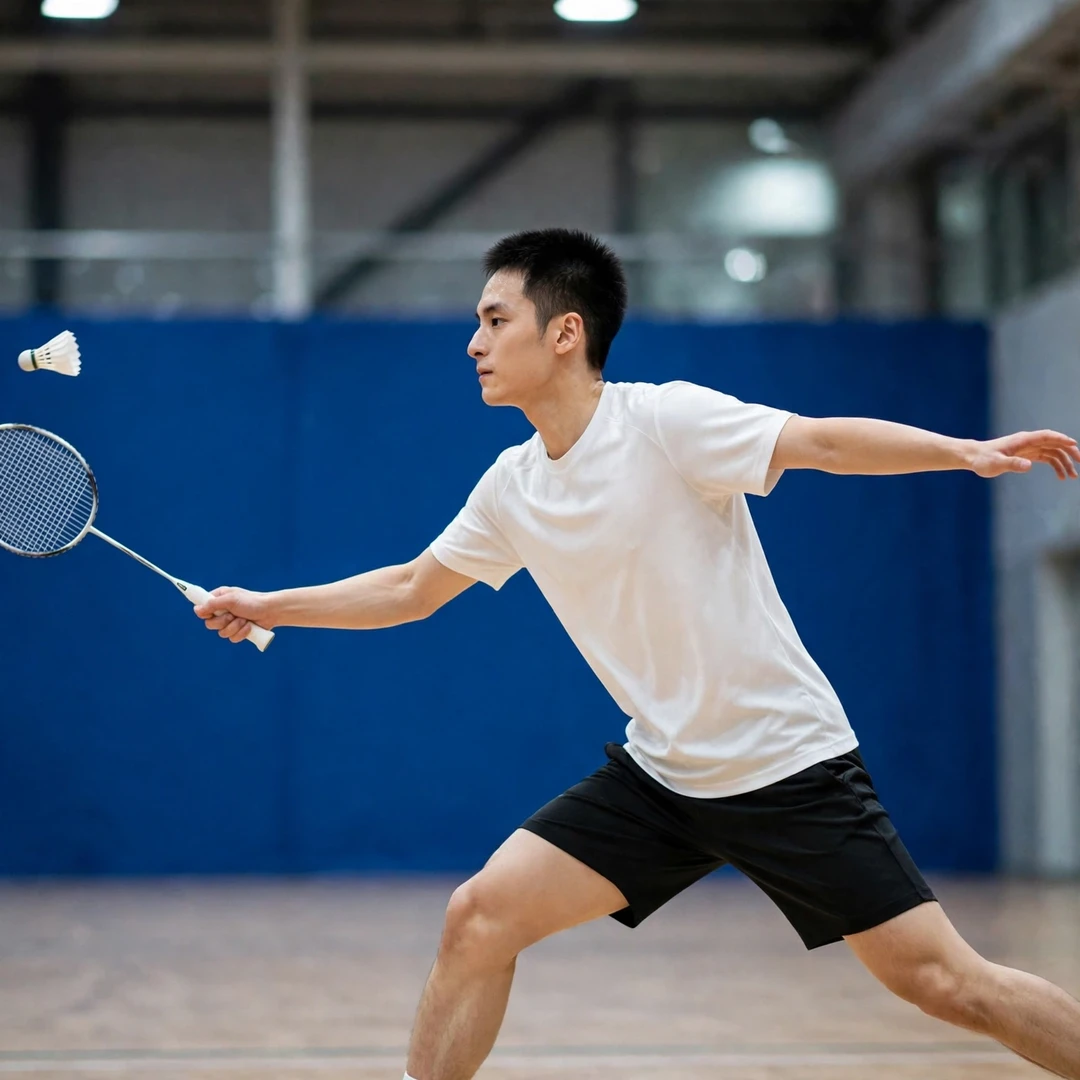
Career Milestone #4
Career-High World No. 68 on a Student’s Schedule
His ranking peaked in April 2026 at world No. 68 — a remarkable number for a player still fitting badminton around a degree. The 2026 season has kept him on the World Tour’s edge: a round-of-16 win over Lu Chia Hung at the Australian Open, a round-of-16 place at the US Open after beating El Salvador’s Uriel Canjura, a qualifying win over Japan’s Koo Takahashi at the Canada Open, and a Vietnam Open appearance in September. When he returned to Auckland in September 2026 to defend his North Harbour final, the draw was cruel: Japan’s Rei Miyashita, the eventual champion, beat him 21-16, 8-21, 19-21 in the early rounds — another decider, another two points.
Which brings the record to the Week 43 list of 20 October 2026: world No. 120, 15,920 points, up 26 places in a week — and built from only 14 counting tournaments, where most players around him count the full spread of a full-time schedule. That is the honest way to read Ting Yen-Chen’s ranking. It does not measure a full-time professional’s output; it measures what a National Taiwan University business student has managed to build in the gaps between semesters. With a career high of No. 68 already on his record, the question for the next two seasons is not whether he belongs near the top 100 — he has already been well inside it — but how far the double life can take him.
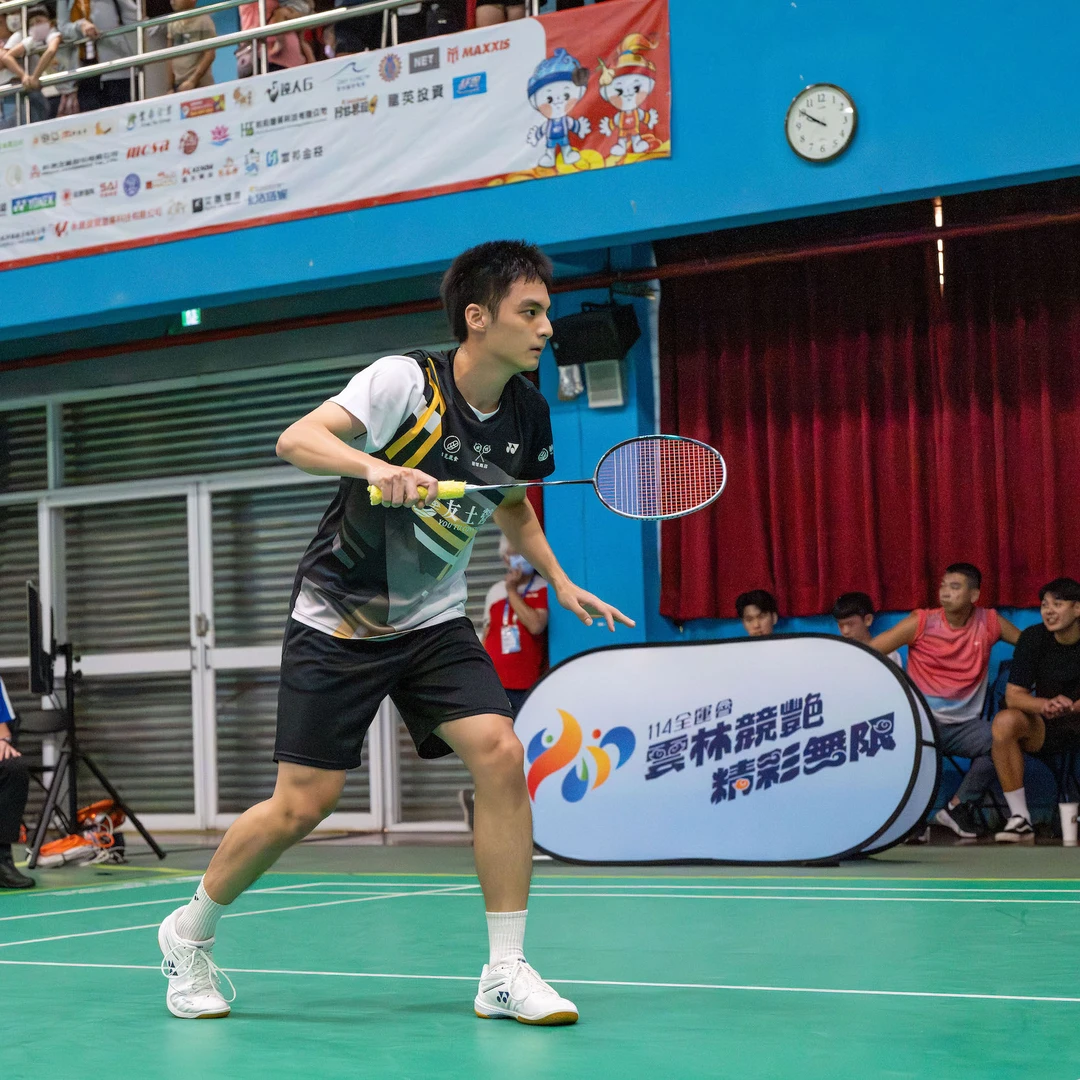
Playing Style
The Precise All-Court Game
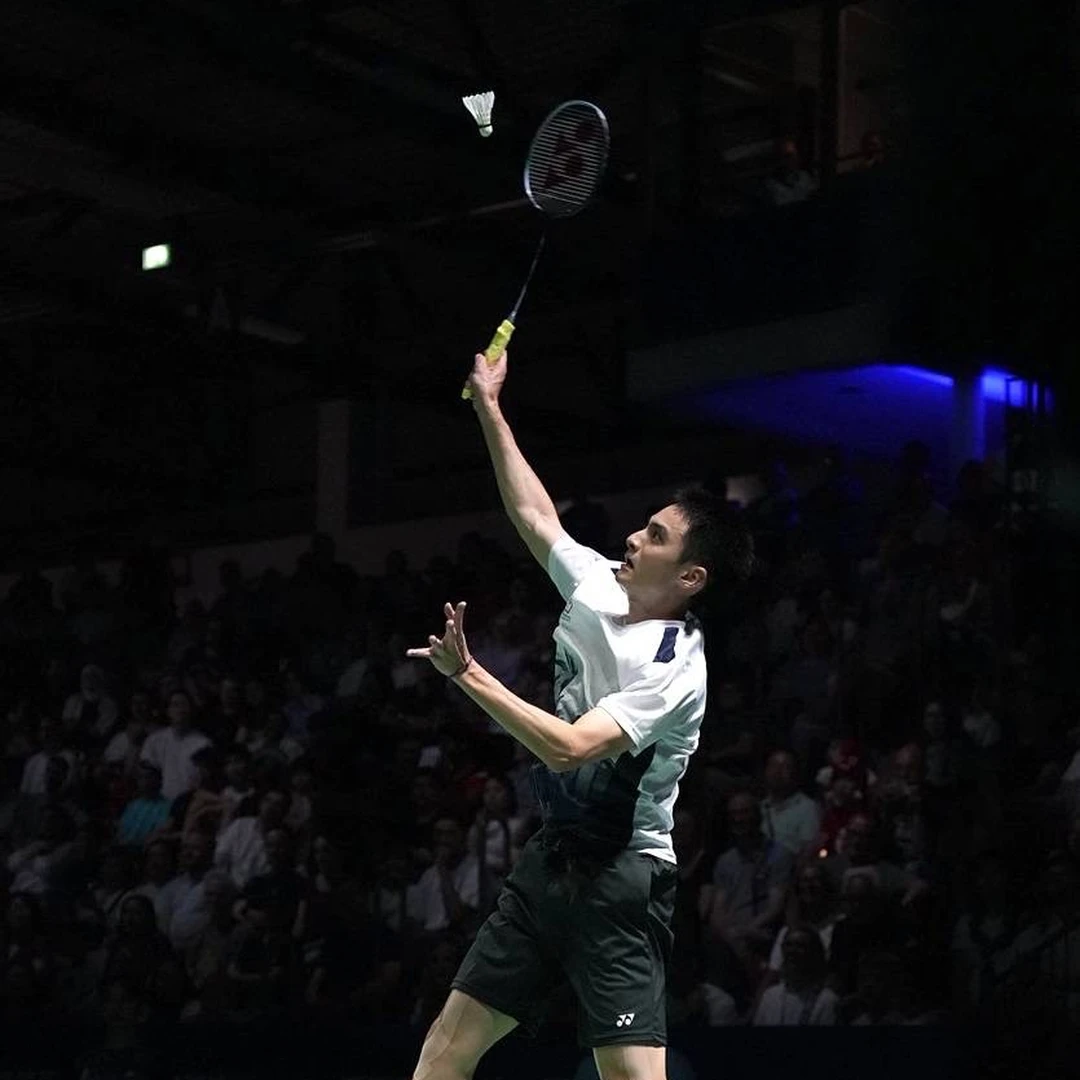
Ting’s game starts with completeness. His coach calls his skills all-around, and the results agree: this is a player with no single spectacular weapon and no exploitable weakness, who wins by tactical precision — placing the shuttle where the rally tilts his way, then keeping the error count near zero while the pressure builds. The Universiade run is the purest evidence: six opponents, including a world top-80 player in the final, and not one of them took a game off him. You do not do that with power alone. You do it by reading the game a shot earlier than the other player and refusing to donate points.
His second signature is composure arriving on schedule. For years, his coach identified match temperament as the one thing holding the talent back — the late bloomer’s final lesson. Germany showed the lesson learned: in the gold medal match he opened with a 10-1 scoring run, and when Enogat Roy briefly led early in the second game, Ting answered with a series of sharp attacks and closed it out 15-5. The attack, when he chooses it, is genuinely sharp — this is not a purely defensive player. It is a player who waits, measures, and then strikes in the moments his opponent least wants to be struck at.
For young players, his style carries a lesson that matters more than any single shot: build the complete game first. Ting did not reach a career high of world No. 68 on one famous smash — he got there with footwork that holds up in the third game, a defence that covers every corner, net play learned partly in his junior doubles years, and shot selection calm enough to win six straight matches without dropping a game. Spectacular shots win rallies. Complete games win tournaments — and, in his case, a World University Games gold medal.
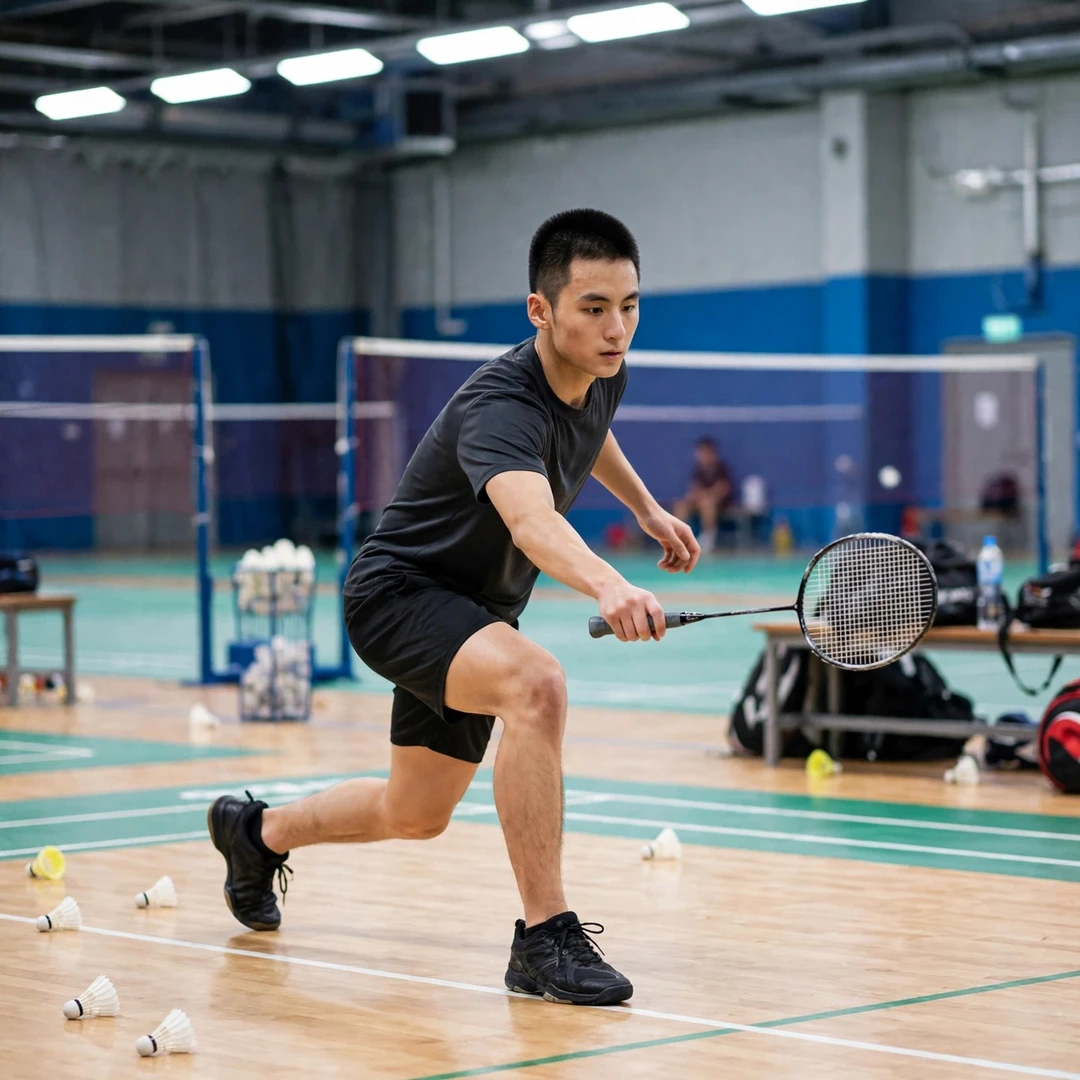
Mental Strength
Composure, Consistency and the Late Bloomer
The nearly-man finals of 2025 deserve an honest reading. In Copenhagen he lost a final 20-22 in the decider; in Auckland he lost one 19-21 in the decider. Two points, twice, separated Ting Yen-Chen from two International Challenge titles. Players and coaches who study those matches will not call them failures — reaching back-to-back finals at that level, on a student’s schedule, is itself the achievement — but they do mark the final step in his development: turning the last two rallies of the biggest matches. His Universiade gold, won between those two finals, suggests the step is already being taken.
His resilience story is written in a timetable. A week in Ting Yen-Chen’s life can hold morning lectures at National Taiwan University, afternoon training with the Land Bank team, coursework in the evening — and, a few times a year, a flight to Copenhagen, Auckland or Sydney to play the world’s circuit. Most players in this ranking list have one job. He has two, and he has reached world No. 68 doing both. When young players say they cannot combine school and serious sport, his career is the standing answer: it is harder, it is slower — his own coach calls him a late bloomer — and it can still end with a gold medal around your neck.
Practical lessons from his journey include building an all-round game before chasing a signature shot, as his school and doubles years built his; treating composure as a trainable skill — his coach named it as the challenge, and he answered it with a flawless six-match title run; using education as a foundation rather than an excuse, exactly as his NTU degree and Land Bank training run side by side; finishing matches — his Universiade final was closed with a 10-1 start and a 15-5 second game; and remembering that late bloomers bloom — his first international title came at nineteen, his career high at twenty-one, and his trajectory is still rising.
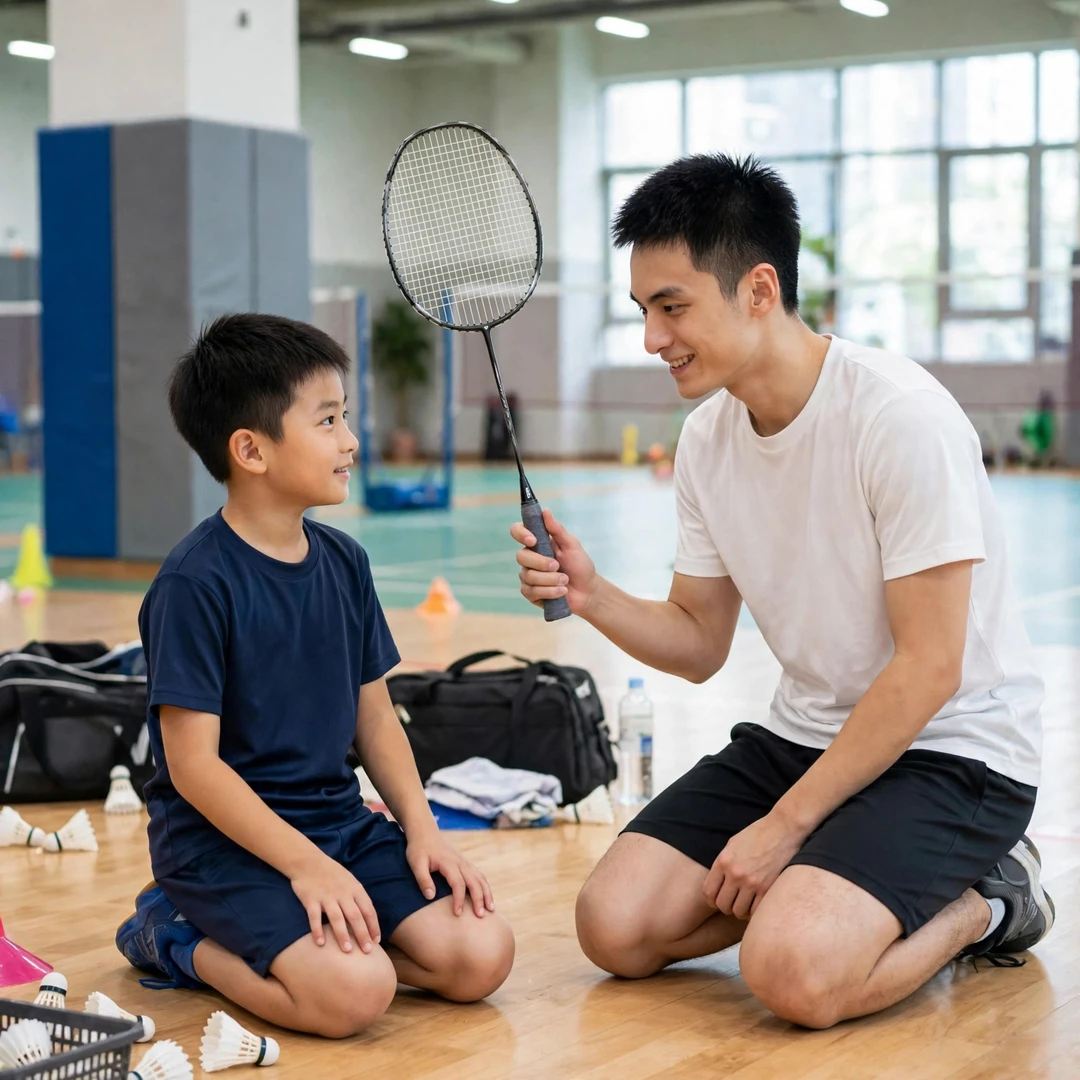
Learning Reference
ST Badminton Academy Connection
ST Badminton Academy is not affiliated with Ting Yen-Chen and does not represent him, National Taiwan University or the Land Bank team. This profile is published purely as an educational case study for parents and junior players who want to understand how a Taiwanese student-athlete balanced a degree at his country’s top university with an international badminton career — and still climbed to world No. 68 and a World University Games gold medal.
Many of our students study his matches to understand how precision beats reputation: the 2025 World University Games final against Enogat Roy for composure and the 10-1 start that broke the match open; the Denmark Challenge final against Arnaud Merkle for how fine the margins are at 20-20 in a deciding game; the North Harbour final against Wang Po-Wei for three-game shot selection; and his six-match Universiade run as a whole for what consistency looks like when it never dips for a single game.
We encourage our students to observe how he prepares — a student who plans training around lectures, a late bloomer who trusted the long process, and a player who answered two lost finals by winning a gold medal in between them. Sometimes a career is not built by choosing between school and sport. Sometimes it is built by refusing to give up either — one semester, one tournament, one rally at a time.
FAQs: Ting Yen-Chen Chinese Taipei Badminton Player
Here are answers to common questions about Ting Yen-Chen’s career, achievements and what young players in Malaysia can learn from the Chinese Taipei right-hander who won World University Games gold while studying for a business degree.
Who is Ting Yen-Chen and which country does he represent in badminton?
Ting Yen-Chen is a Chinese Taipei professional badminton player competing in men’s singles. Born on 6 May 2004, he is a right-hander who studies Business Administration at National Taiwan University and trains with the Land Bank badminton team. He stands at world No. 120 in the BWF Week 43 rankings of 20 October 2026 with 15,920 points, and his career-high ranking is world No. 68, reached in April 2026.
What are Ting Yen-Chen’s biggest badminton achievements?
His biggest achievements are winning the men’s singles gold medal at the 2025 Rhine-Ruhr World University Games — beating France’s Enogat Roy 15-8, 15-5 in the final without dropping a game in six matches; the Sydney International title in 2023, his first senior international title; runner-up finishes at the Denmark Challenge and the North Harbour International in 2025, both lost by two points in deciding games; a silver medal with Chinese Taipei’s mixed team at both the 2022 World Junior Championships and the 2025 World University Games; and a men’s team bronze medal at Taiwan’s 2025 National Games.
What is Ting Yen-Chen’s playing style?
Ting plays a precise, all-court game. The right-hander builds rallies with tactical placement and a very low error count, defends every corner, and attacks sharply when the opening is real — his World University Games final turned on a 10-1 scoring run and a burst of attacking shots in the second game. His coach Lin Yu-hsien praises his all-around skills, and his 2025 Universiade run — six matches without dropping a game — is the model of his consistency.
How has Ting Yen-Chen performed in team events for Chinese Taipei?
Team events are a strength of his record. As a junior he won the mixed team silver medal with Chinese Taipei at the 2022 World Junior Championships in Santander — the result that earned his place at National Taiwan University. At the 2025 World University Games he added a second mixed team silver alongside his singles gold, and at Taiwan’s 2025 National Games he helped Yunlin County win the men’s team bronze medal.
How can my child learn from Ting Yen-Chen’s training approach?
Young players can study Ting’s approach in two parts. On court: build a complete, low-error game, practise composure for the deciding points, and treat consistency as a weapon. Off court: copy his structure — he fits Land Bank team training around a Business Administration degree at National Taiwan University, proof that serious study and serious sport can run together. At ST Badminton Academy we use his Universiade final as a video lesson in starting a big match with courage and control.
Did Ting Yen-Chen win any junior titles?
Yes — as a junior he was part of the Chinese Taipei squad that won the mixed team silver medal at the 2022 World Junior Championships in Santander, Spain. At home, he won the National High School Cup singles runner-up place in 2021 and, the same year, won the Group B singles title at the national ranking tournament, which promoted him into Taiwan’s elite Group A at seventeen.
What are Ting Yen-Chen’s best World Championships results?
Ting has not yet played at a BWF World Championships — as a part-time student player, his biggest stages so far have been the World University Games, where he won gold in 2025, and World Tour events such as the Australian Open and US Open. With a career-high ranking of world No. 68 already achieved, a World Championships debut is one of the open targets of his career as his ranking climbs back toward the top 100.
What playing style should young players learn from Ting Yen-Chen?
Young players should study how Ting wins with completeness and calm rather than one big weapon: the tactical precision that pins opponents into errors, the error-free consistency that carried six straight wins in Germany, and the habit of attacking decisively only when the rally is his. Just as important is the mindset — a self-described late bloomer who balanced a top university degree with the world tour and still reached world No. 68.
Does ST Badminton Academy have any connection with Ting Yen-Chen?
No, Ting Yen-Chen is not a student, coach or ambassador of ST Badminton Academy. He represents Chinese Taipei, studies at National Taiwan University in Taipei and trains with the Land Bank team. However, coaches at our academy in Kuala Lumpur regularly use his matches as teaching material, because his journey — school courts in New Taipei to a World University Games gold medal and world No. 68, all while earning a degree — shows what discipline in two arenas at once can achieve.
Ting Yen-Chen Career Highlights
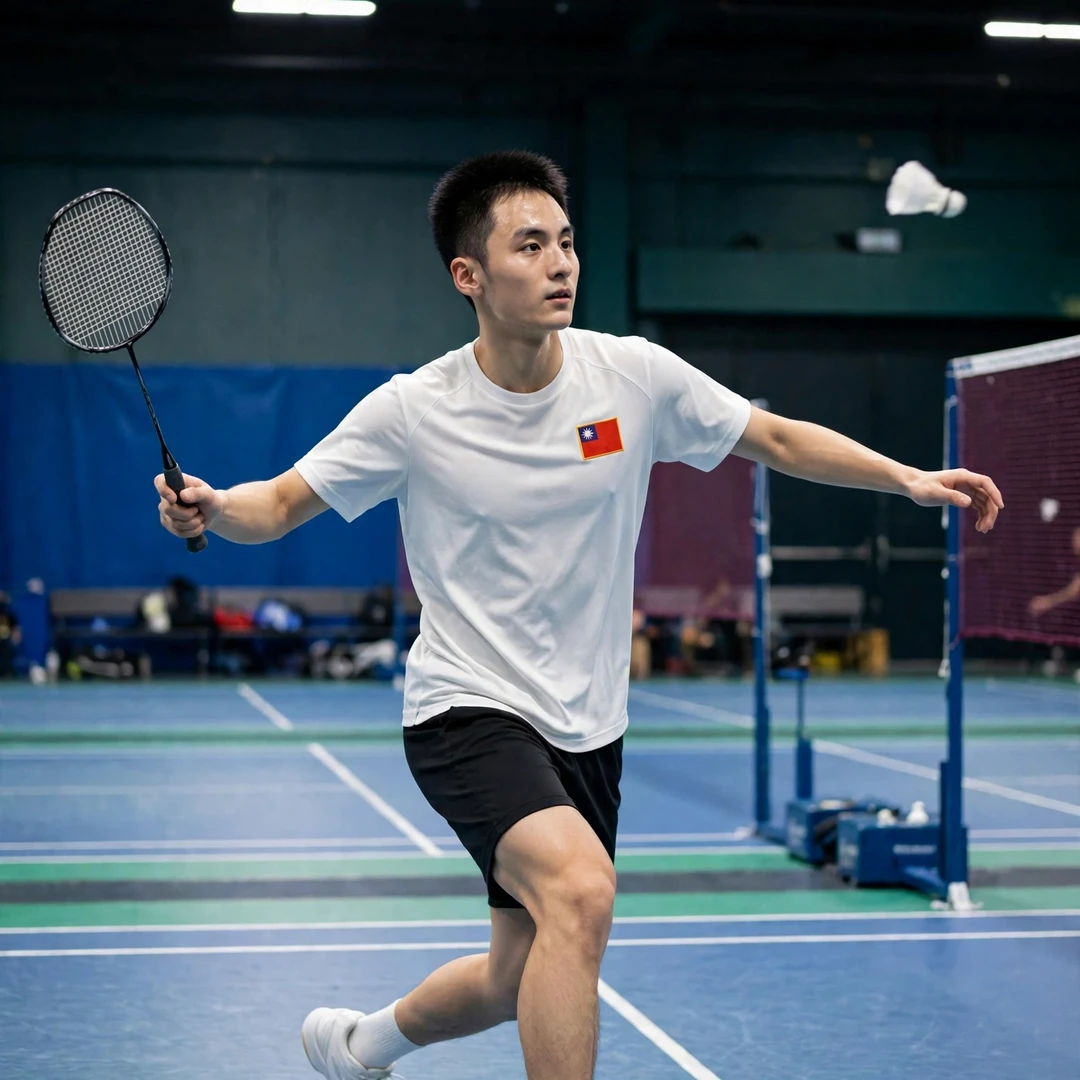
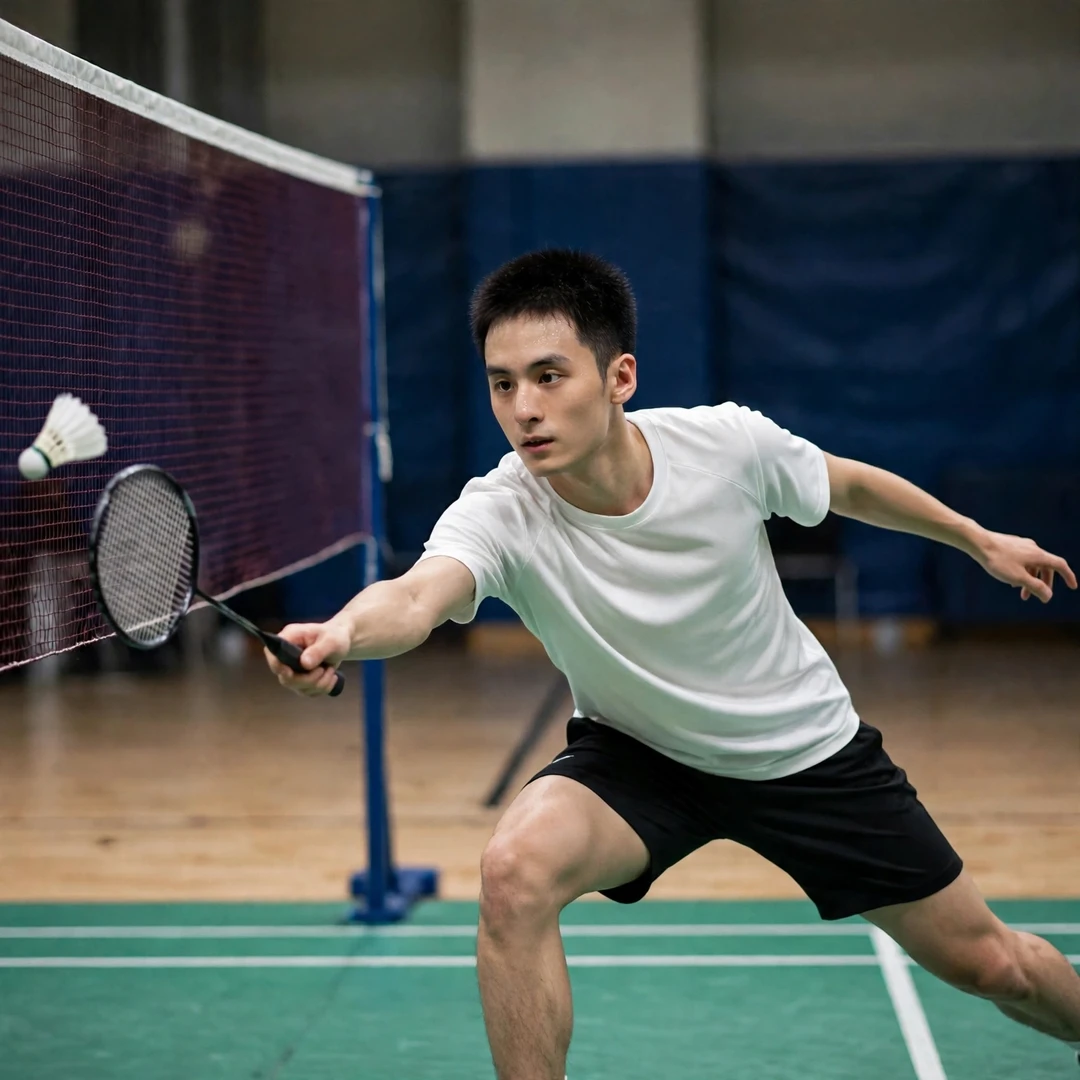

Career Statistics and Rankings
Ting Yen-Chen's rise is a lesson in how far the double life can go: a schoolboy from New Taipei who earned promotion to Taiwan's elite group at seventeen, won a world junior team silver, took a business degree at his country's best university — and in the middle of it all produced a flawless World University Games gold medal run and a career-high world ranking of No. 68. The next checkpoint is written in his own stated ambitions: the world's top 50, and one day the Olympic stage.
| Development Area | Common Misconception | What Ting Yen-Chen's Career Shows REALITY |
|---|---|---|
| Junior Foundation | Talent alone decides who becomes a champion. | Ting started on school courts in New Taipei and won promotion into Taiwan's elite Group A at seventeen — a structured junior base came first, wherever you build it. |
| Playing Style Priority | Kids should copy the flashiest attacking shots. | Ting built a complete game first — his results rest on tactical precision, reliable footwork, full-court defence and a very low error count, not one spectacular shot. |
| Fitness Importance | Juniors can out-train everyone without rest. | Ting balances a full-time degree at National Taiwan University with the world tour — his career-high world No. 68 came from smarter scheduling around lectures, not more hours. |
| Mental Approach | Top players never get nervous or upset. | Ting's coach identified composure as his challenge, and he answered it with a six-match World University Games title run without dropping a game — mental skills are trained, not inherited. |
| Attacking Training | Smashing harder is always the answer. | His 15-8, 15-5 World University Games final win over Enogat Roy and his 2023 Sydney International title came from controlled placement and precisely timed attacks, not raw power. |
| National Milestones | Only world titles matter. | Ting's World Junior team silver in 2022 and his World University Games gold in 2025 made him a standard-bearer for student athletes in Taiwan — milestones build a career step by step. |
| Career Timeline | Champions peak once and fade fast. | From Group B champion at seventeen to world No. 68 and a World University Games gold medal while earning a degree, Ting proves sustained development beats a short peak. |
Study Ting Yen-Chen's Composure and Professional Approach
This profile explains who Ting Yen-Chen is, his major achievements, and what developing players can learn from his journey. Whether you are a parent in Kuala Lumpur, Cheras or anywhere in Malaysia wondering whether a child can chase both education and elite sport, Ting's story carries the answer: from school courts in New Taipei to a World University Games gold medal — book a trial class with ST Badminton Academy on WhatsApp at +60 17-684 2136 and let your child begin building fundamentals that will hold up anywhere.