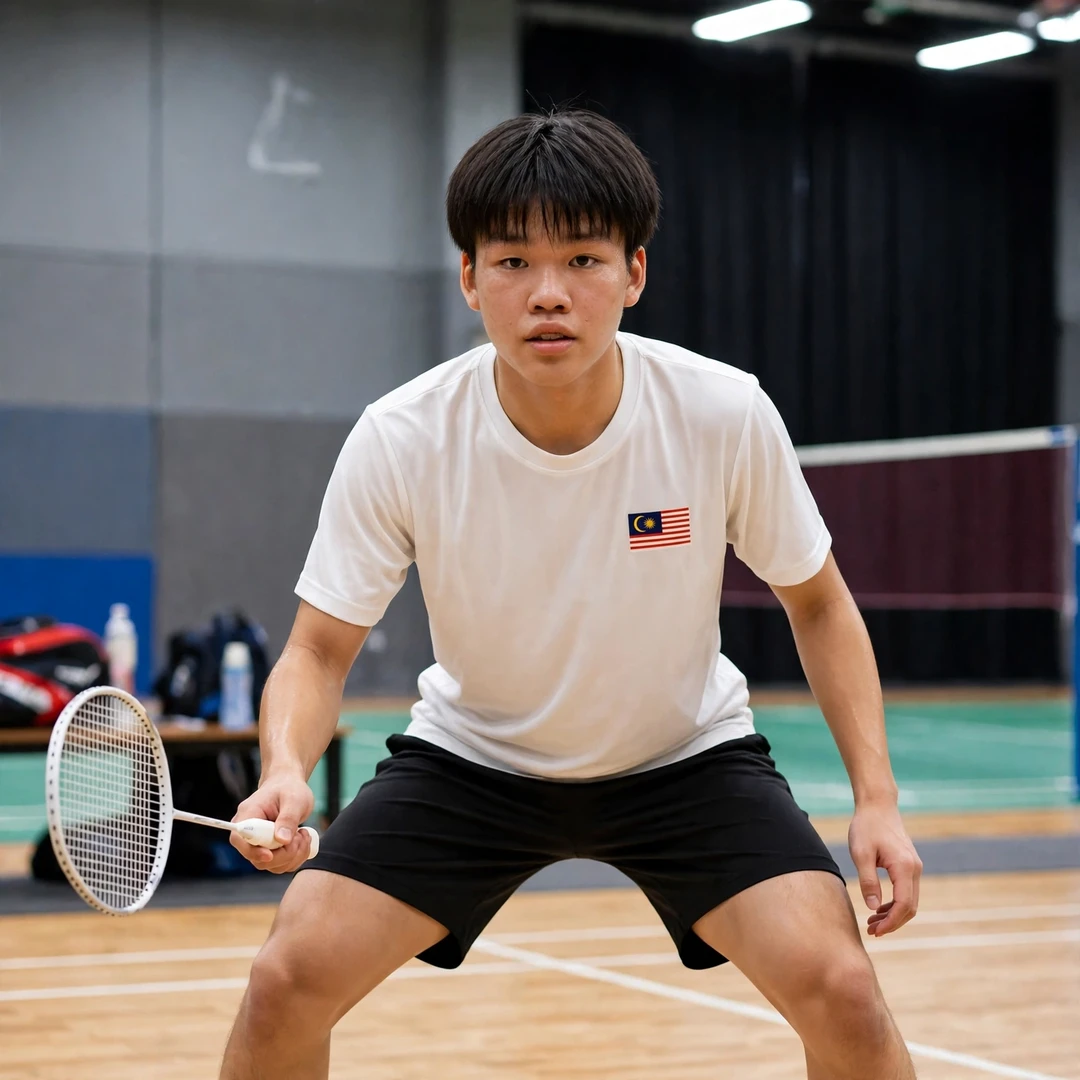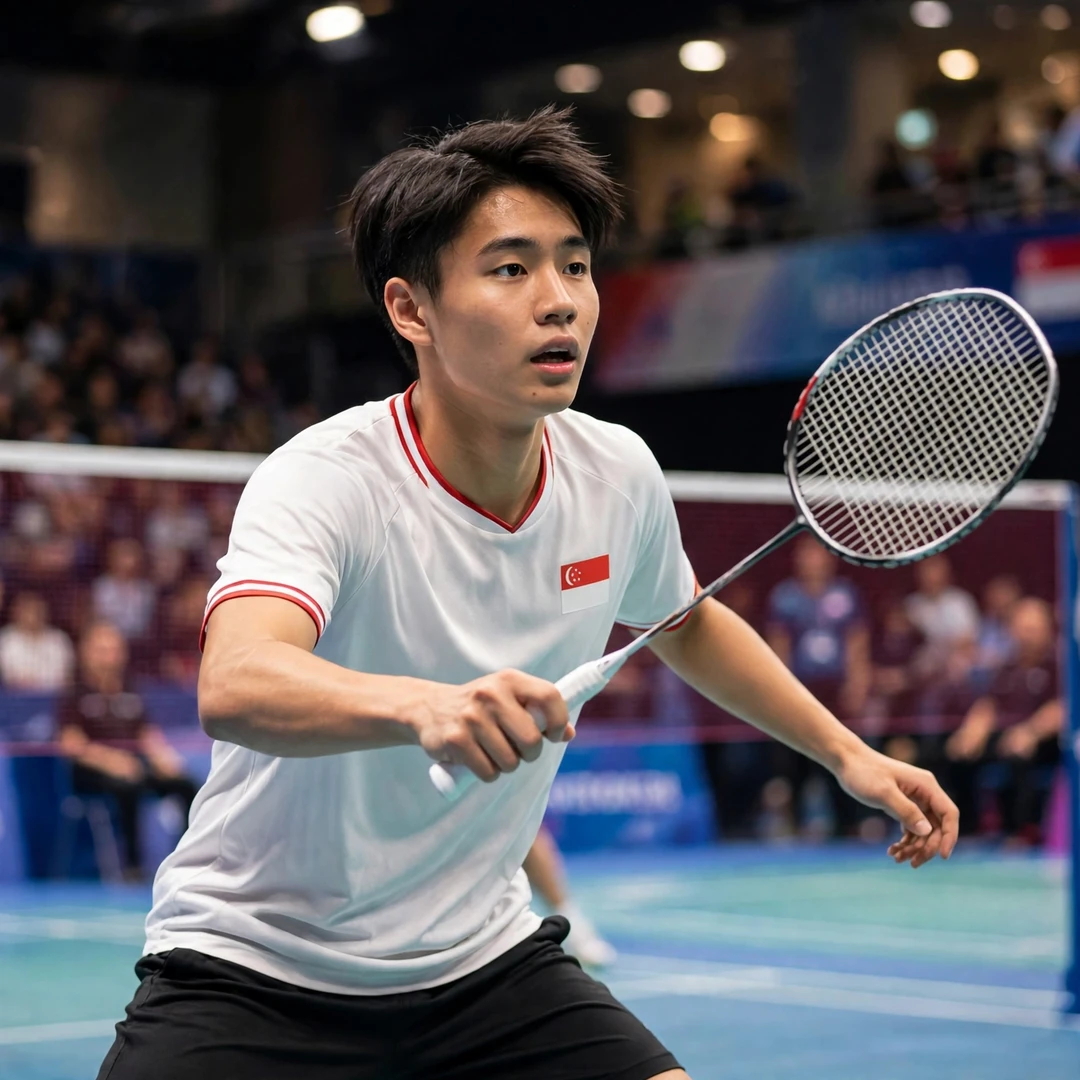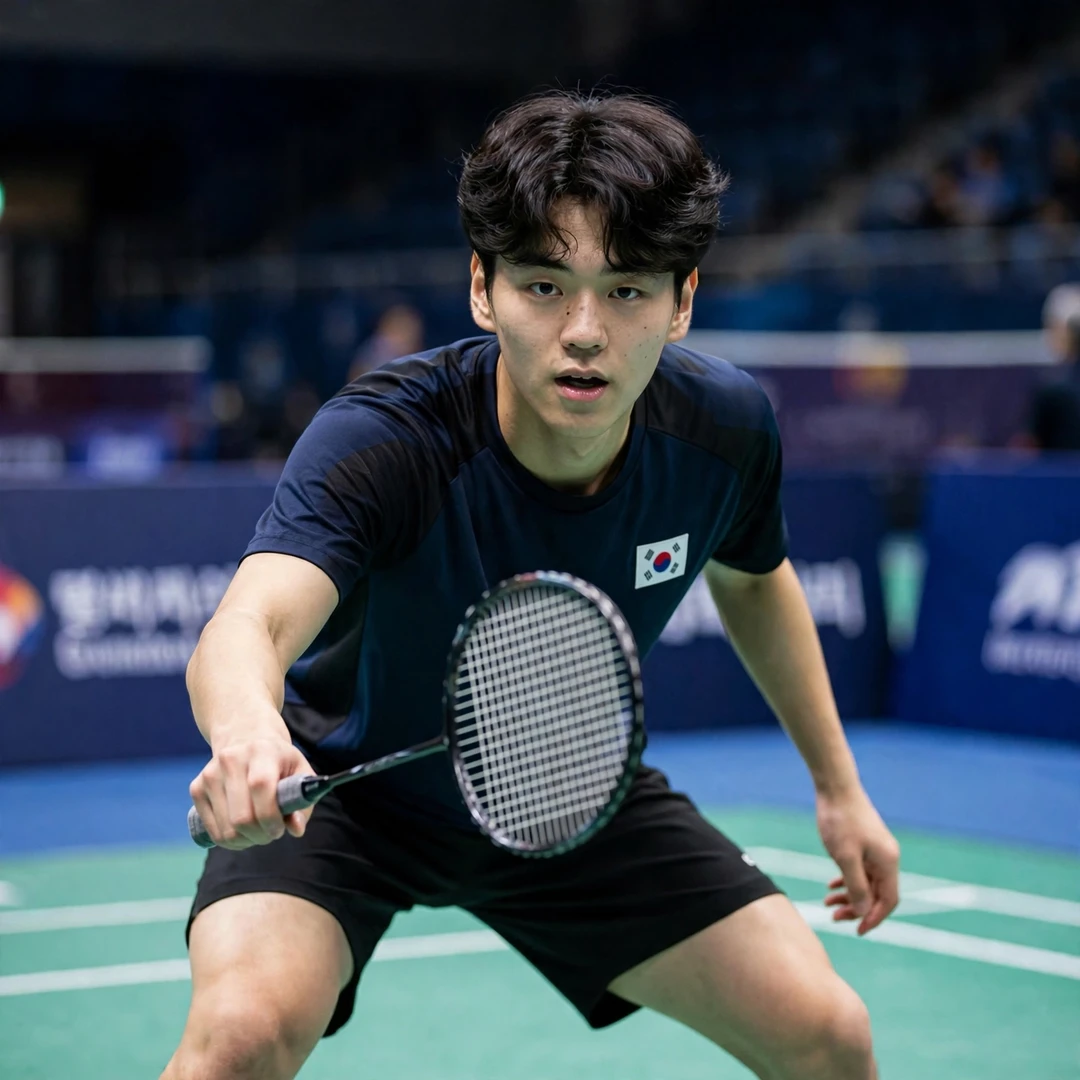
South Korean Men’s Singles Badminton Star
Kim Byung Jae

South Korea
Player Event: Men’s singles
Date of Birth: 4 April 2004, South Korea
Playing Style: Right-handed rally builder who constructs points patiently, defends deep into third games and counter-attacks when opponents over-commit
Known For: Back-to-back Vietnam International Series titles in November 2024, a World Junior Championships singles bronze and mixed team gold at Santander 2022, and a career-high world ranking of No. 86
Journey: Asia Under-15 finalist in 2018 · World Junior bronze and Suhandinata Cup gold in 2022 · two Vietnam titles in 2024 · career-high world No. 86 in 2025 · World Championships debut in Paris 2025 · Malaysia Super 100 quarter-final in 2026
Understanding Kim Byung Jae (South Korean Badminton Star)
Kim Byung Jae is a South Korean men’s singles badminton player who stands at world No. 130 in the BWF rankings (Week 43, 20 October 2026) with 14,990 points. Born on 4 April 2004, the right-hander has been marked out since he was fourteen, when he reached the final of the Asian Under-15 Championships — and his junior career peaked at the 2022 World Junior Championships in Santander, where he won a team gold medal and an individual bronze. His senior breakthrough came in November 2024 with back-to-back International Series titles in Vietnam, and in October 2025 he reached a career-high world No. 86. A quarter-final at the Malaysia Super 100 in October 2026 lifted him from No. 154 back to No. 130 in a single week.
Early Life and the Korean Junior Years
South Korea is one of the hardest countries in the world in which to grow up as a badminton player. The national system that produced Olympic and world champions runs deep: school teams, junior national championships and a national squad structure that spots talent early and tests it constantly. A Korean junior who wants a senior career has to survive selection battles at every age group, against dozens of equally drilled contemporaries. Kim Byung Jae came through exactly that system — and the first proof that he belonged in it arrived before he turned fifteen, on the continental stage.
The Korean Junior Pipeline
His emergence came at the Badminton Asia Under-17 and Under-15 Junior Championships in Mandalay, Myanmar, in October 2018. In the Under-15 boys’ singles he fought through to the semi-finals, where he beat India’s S. Sankar Muthusamy Subramanian 21-15, 21-19 — the same Indian who would finish as the World Junior silver medallist four years later. In the final he met Kuo Kuan Lin of Chinese Taipei and lost a tight match, 21-19, 21-18, taking the silver medal. It was the start of one of junior badminton’s defining rivalries: Kuo would be waiting for him at every major junior checkpoint for the next four years.
Asian Junior Silver at Fourteen
The medals kept coming at home as well. At the Miryang Korea Junior Open International Challenge in 2018, he finished runner-up in the Under-15 singles and won the Under-15 boys’ doubles — a reminder that Korean juniors are trained as complete players, not singles specialists. In 2019 he stepped up to the Under-19 World Junior Championships in Kazan, reaching the round of 64 in singles, reached another junior final in mixed doubles at the Korea Junior Open, and kept stacking the age-group experience that the Korean system demands before it trusts a player with senior tournaments.
World Junior Medals in Santander
His generation then lost two full seasons of junior world badminton: the World Junior Championships were cancelled in both 2020 and 2021 during the COVID-19 pandemic, so the class of players born in 2004 had exactly one shot at a World Junior individual title — their final year, 2022. There were no second chances and no gradual apprenticeship on the world junior stage. Whatever Kim Byung Jae was going to prove as a junior, he would have to prove in Santander, in a single fortnight, against rivals who had been waiting just as long.
Career Milestone #1
Senior Tour Breakthrough in Vietnam
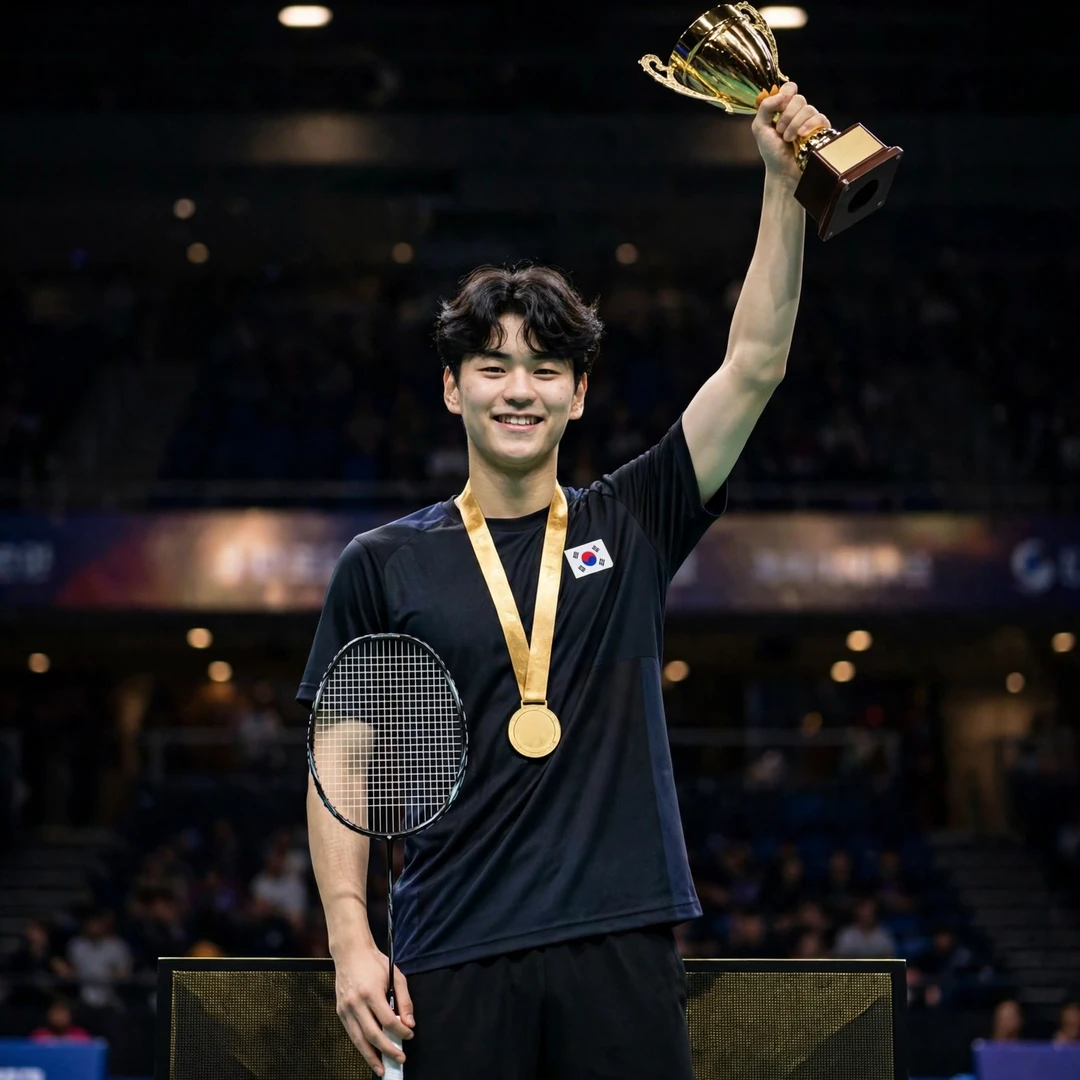
Everything in his junior career pointed to Santander, Spain, in October 2022 — and at the World Junior Championships he delivered twice in two weeks. In the mixed team championship, the Suhandinata Cup, South Korea powered to the final, and Kim was the team’s first singles player. In the semi-final against Japan he opened the tie by beating Sora Ogaki 21-10, 21-10, setting up a 3-0 win; BWF’s own report credited him with giving Korea the lead. In the final against Chinese Taipei he again played the opening singles, and although Kuo Kuan Lin edged their match, Korea won the tie 3-1 and lifted the Suhandinata Cup — world junior team champions, with Kim Byung Jae in the starting line-up of the final.
A week later, in the individual championships, he went further than any Korean boy in the singles draw. Five match wins carried him to the semi-finals, where — inevitably — Kuo Kuan Lin stood across the net. Kim won the first game 21-16 and pushed the eventual champion to a decider before falling 21-16, 10-21, 18-21. He left Santander with a World Junior bronze medal to go with his team gold: beaten only by the champion, in three games, in both the team final’s opening match and the individual semi-final. For a Korean junior, that is a career launchpad.
Career Milestone #2
Back-to-Back Titles in Two Weeks
The step into senior badminton is where most decorated juniors stall, and Kim’s first full senior season, 2024, was spent the way the circuit demands: on the International Challenge and Series circuit across Asia, collecting quarter-finals. He reached the last eight at the Indonesia International Challenge and at the Saipan International in the Pacific, and the last eight of qualifying at his home Korea Masters. Those results are not headlines, but they are the apprenticeship — unfamiliar halls, long travel, and opponents who have been professionals for a decade. By November 2024, the apprenticeship produced its first titles.
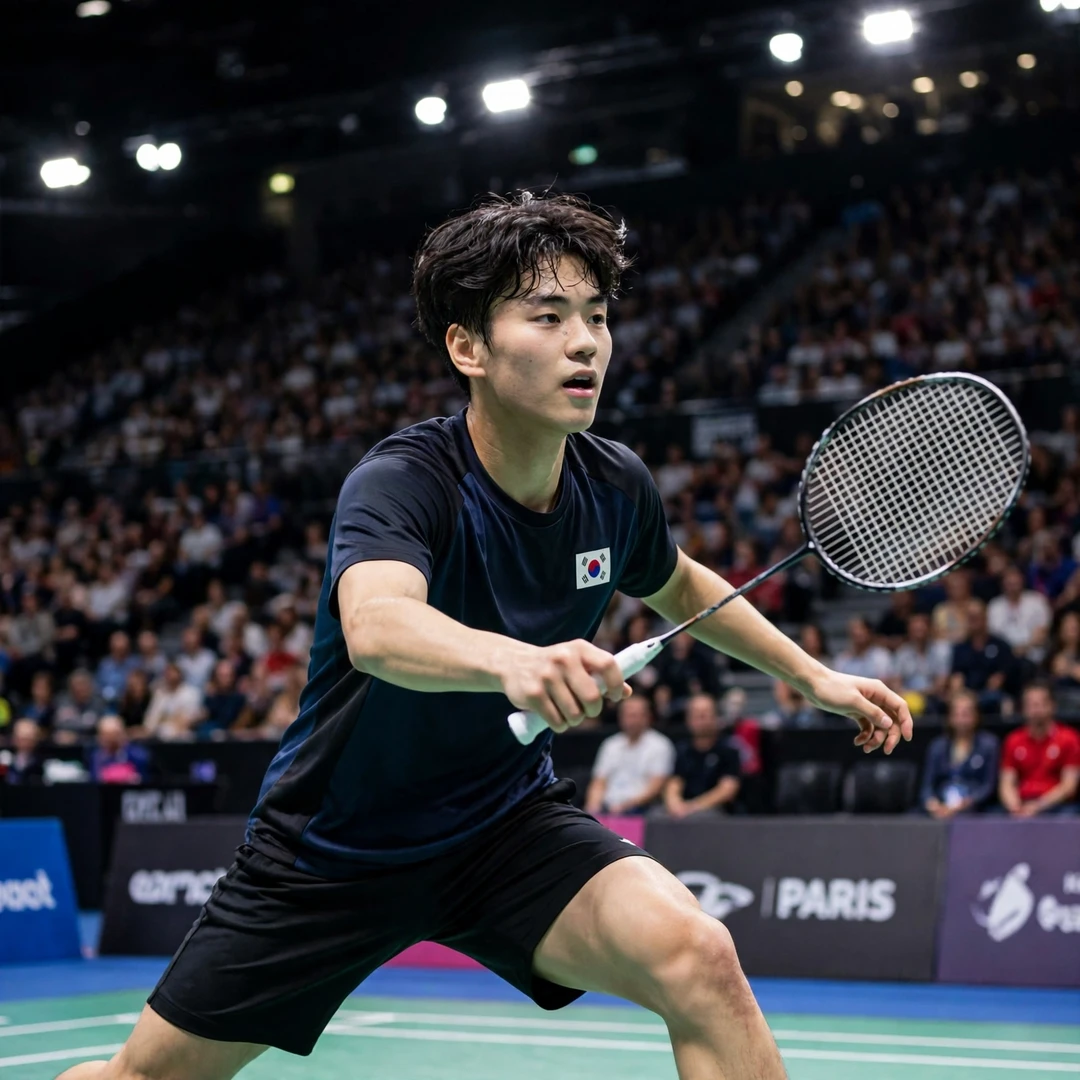
At the LI-NING Vietnam International Series in November 2024, Kim won six matches without losing one to take his first senior singles title. A first title changes a player: the ranking points matter, but the proof matters more — proof that his rally-building game could survive a full week of senior opponents and close out a final. Most players need months to win a second title. Kim Byung Jae needed seven days.
One week later, at the FELET Vietnam International Series — a second, separate event in the same country — he did it again: six more wins, no defeats, a second senior title. Back-to-back titles in consecutive weeks, twelve straight match wins, is one of the hardest patterns in lower-tier badminton, because the second week is played against opponents who have just spent seven days studying your game, on legs that have already played a full tournament. His double also announced his method: on the Asian circuit, consistency across weeks beats one brilliant day.
Career Milestone #3
A World Championships Debut in Paris
The 2025 season tested that consistency at higher levels. In Sri Lanka in March he reached the semi-finals of the International Series, and his semi-final against home favourite Buwaneka Goonathilleka became a classic of the circuit: Kim took the first game 21-13, then lost the second 18-21 and a deciding game that went to 20-22 — two points from a third final in five months. He added a semi-final at the Northern Marianas International in June, and kept collecting the round-of-16 finishes — the Sri Lanka International Challenge, the Kaohsiung Masters, the Indonesia Masters II in Medan — that keep a ranking climbing while a player learns the higher tier.
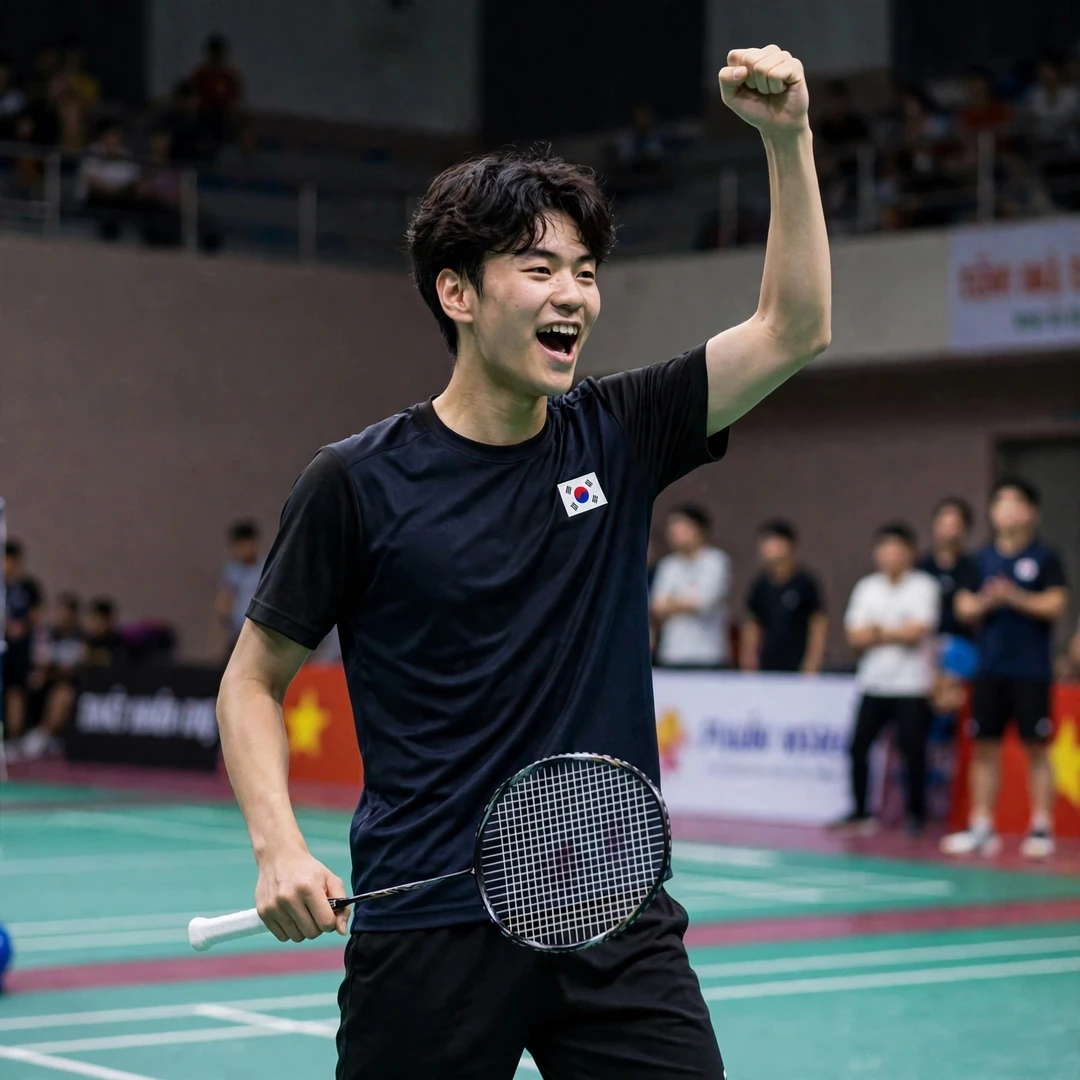
In August 2025 he reached the biggest stage of his career so far: the BWF World Championships in Paris. At his first senior World Championships he won his opening match to reach the round of 32 — the point where the draw is populated almost entirely by the world’s top 30, and where a 21-year-old from the second tier measures exactly what the summit costs. Weeks later he was in the main draw of the Macau Open, a Super 300 World Tour event, reaching the round of 32 there as well. For a player whose home is the International Series circuit, a World Championships win and Super 300 main-draw appearances in one season mark the crossing from prospect to professional.
The ranking recognised the season in October 2025, when Kim reached his career-high of world No. 86 on 14 October 2025. Breaking the top 90 matters out of proportion to the number: it improves a player’s entry position at every event, turns qualifying draws into main draws, and changes how federations plan a season. For South Korea — a country where the national singles places are guarded by established internationals — a 21-year-old inside the world’s top 90 is a player the system has to take seriously.
Career Milestone #4
Career-High World No. 86
The 2026 season has been about defending that ground on the tour’s hardest beat: the Pacific and Asian circuit. He reached the quarter-finals of both the Saipan International and the Northern Marianas Open, the round of 16 at the Singapore International Challenge, and the last eight of qualifying at the Korea Masters at home — where the qualifying draw itself is stacked with Korean professionals. It is unglamorous, essential work: the players who hold a top-150 ranking for years are the ones willing to fly to Saipan in July and grind out quarter-finals far from any television camera.
His best week of 2026 came in October at the Allianz Malaysia Super 100 in Iskandar Puteri — a World Tour event on Malaysian soil. He opened by beating Thailand’s Patcharakit Apiratchataset in straight games, then defeated Kantaphon Wangcharoen of Thailand, a former world top-20 player, to reach the quarter-finals. There he faced Indonesia’s Richie Duta Richardo, ranked inside the world’s top 65, and pushed him through a tight first game before going down 19-21, 12-21. A Super 100 quarter-final, built on beating a former top-20 international, is the strongest World Tour result of his career.

Playing Style
The Patient Rally Builder
The ranking maths that followed tells the real story of life at No. 130. In the rankings of 13 October 2026, Kim had slipped to No. 154 as older results expired from his 52-week total — through no failure of his own, the treadmill had simply run faster than his autumn schedule. One week later, with the Malaysia Super 100 quarter-final points added, he jumped 24 places to No. 130 with 14,990 points. Rankings at this level are not a ladder; they are a conveyor belt, and his October is the perfect illustration: a player can lose 60 places standing still, or gain 24 in a single good week.
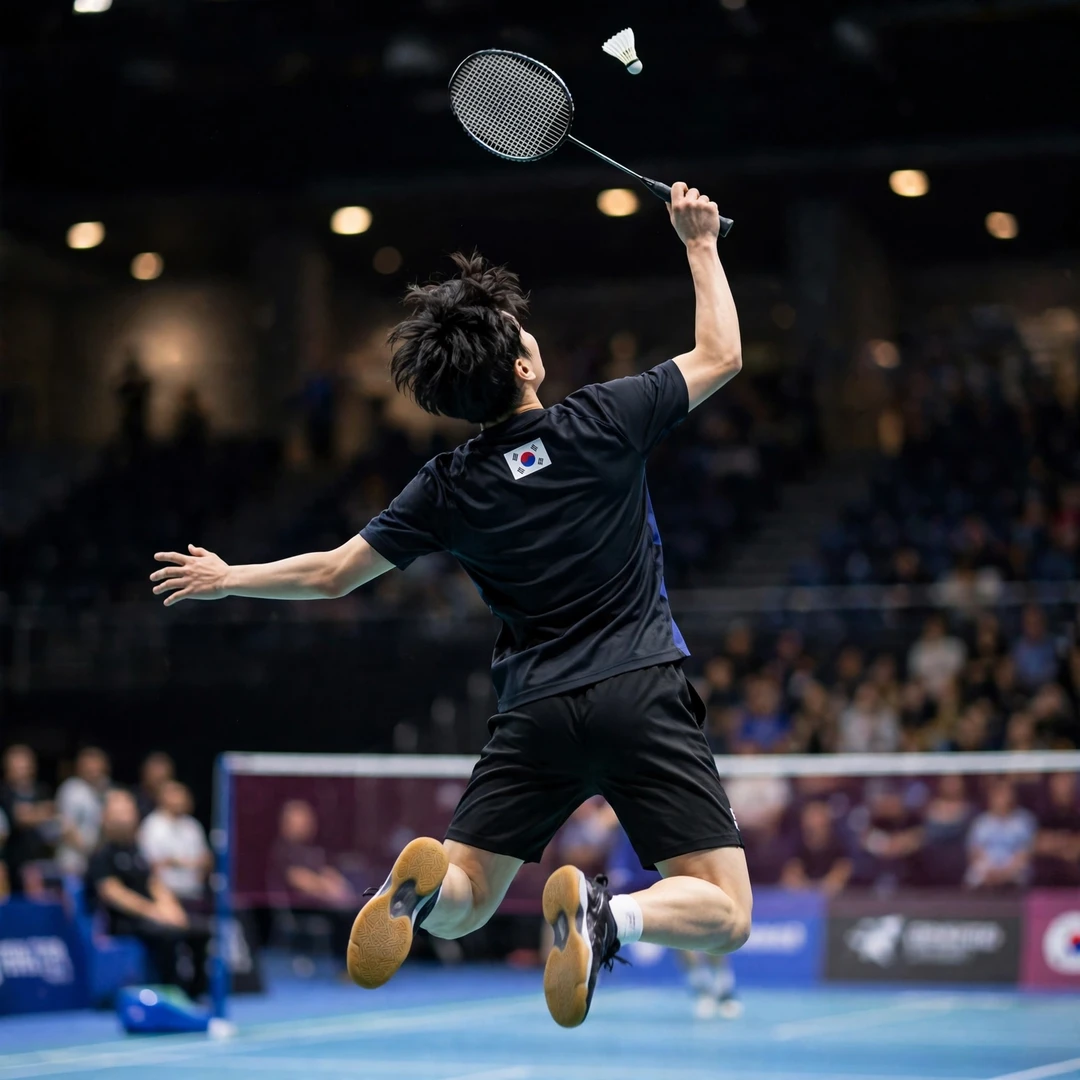
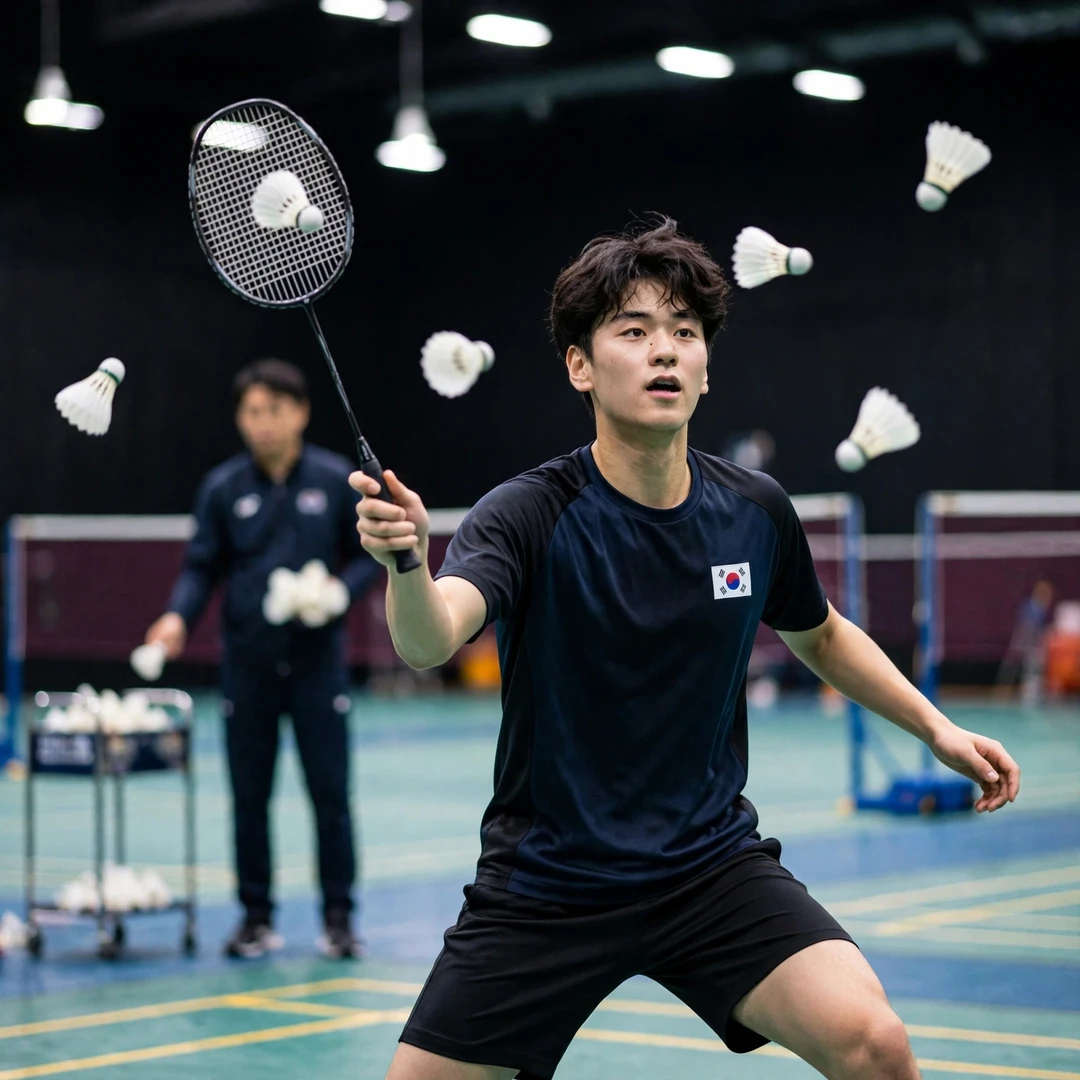
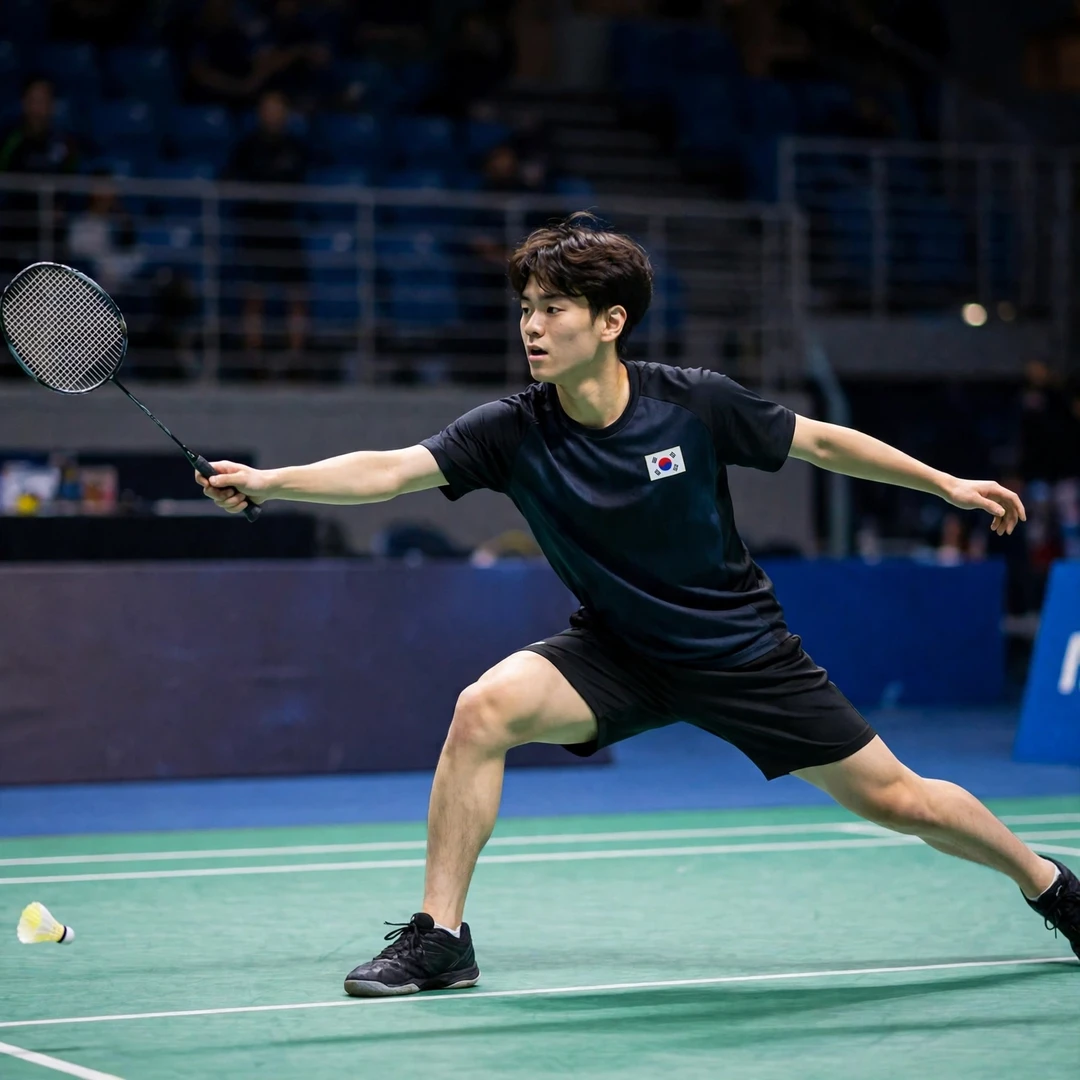
On court, Kim Byung Jae is best understood as a rally builder. His game is not built on a single knockout weapon; it is built on construction — long, patient exchanges, a defence that keeps returning one more shuttle, and counter-attacks launched when an opponent over-commits. The evidence is written through his results: a World Junior semi-final that went to a deciding game against the champion, a Sri Lanka semi-final lost 20-22 in the third, and twelve straight wins across two weeks in Vietnam, a pattern that only a player with deep rally tolerance and third-game fitness can produce.
Coaches call this type of player a grinder, and it is a compliment in the modern game. Rule changes and slower halls have lengthened rallies at every level; the player who owns the thirtieth shot of a rally owns matches. Kim’s junior medals were won the same way — against Kuo Kuan Lin he never found a shortcut in three meetings, but he took a game off the champion and kept every contest honest deep into the third. Young players should note what is absent from his story: there is no miracle shot to copy. There is a structure to copy — footwork that arrives early, a defence that resets the rally, and patience that outlasts frustration.
Mental Strength
Patience, Stamina and Third-Game Nerve
His career also teaches the lesson of the respected rival. Kuo Kuan Lin beat him in the Asian Under-15 final, in the World Junior team final’s opening singles and in the World Junior individual semi-final — three of the biggest junior matches of Kim’s life. A weaker competitor would have been defined by those defeats. Instead they calibrated him: he knew exactly the level of the world’s best junior, measured himself against it at fourteen and again at eighteen, and carried that measurement into senior badminton. Every young player has a Kuo Kuan Lin somewhere; the lesson is to treat that rival as a ruler, not a ceiling.
There is a qualifying lesson too. Much of Kim’s professional life is spent in qualifying draws and first rounds in smaller halls — Korea Masters qualifying, circuit events in Saipan and Sri Lanka — where matches are won without crowds, cameras or ceremony. Players who need an occasion to perform disappear at this level. His back-to-back Vietnam titles were won in exactly those conditions, on consecutive weeks, which is why coaches trust his type: a game built on rally construction and fitness travels to every hall on earth, in every time zone, on tired legs.
Practical lessons from his journey include building a game that travels — defence, rally tolerance and fitness work in every hall; treating back-to-back tournament weeks as a skill in themselves, with recovery planned as carefully as tactics; using a great rival’s level as a measuring stick rather than a discouragement; protecting ranking points across the 52-week cycle instead of chasing single results; and remembering that a World Championships debut is earned by a season of circuit quarter-finals, not by one famous week.
Learning Reference
ST Badminton Academy Connection
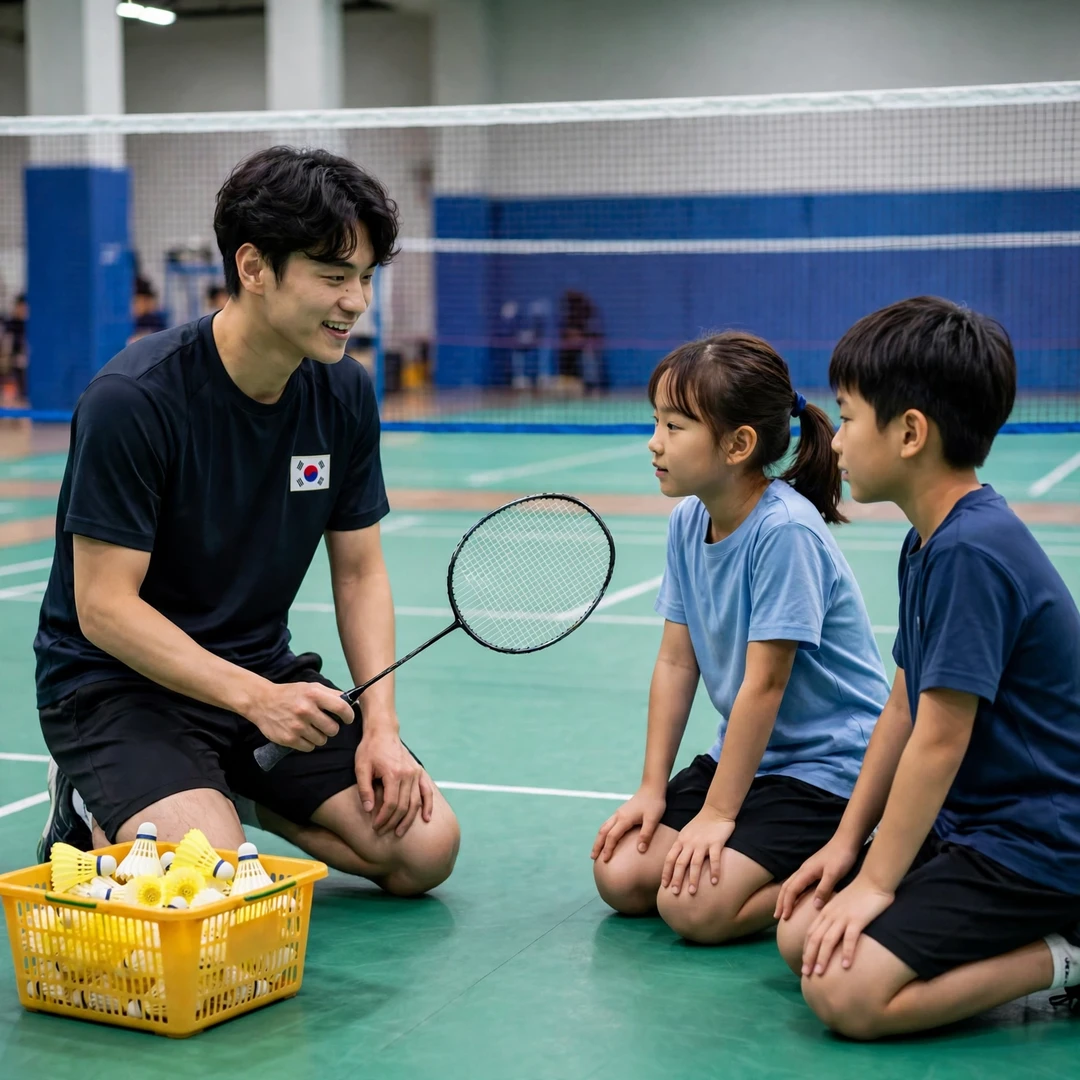
ST Badminton Academy has no official partnership or endorsement from Kim Byung Jae. He is not connected with our academy, and this profile is published purely as an educational case study for parents and junior players who want to understand how a South Korean junior medallist converts age-group success into a professional career.
Many of our students in Malaysia study his matches to understand the rally-builder’s game: how a player wins twelve straight matches in two weeks without a single spectacular weapon, how to take a game off the world’s best junior and stay in the contest to 18-all in the third, and how the 52-week points treadmill shapes a professional’s calendar. His Vietnam double and his Santander semi-final are both used in our discussions of patience and rally construction.
We encourage our students to observe his defensive structure, his composure after losing deciding games by two points, and his willingness to grind through the Pacific and Asian circuit week after week — and to notice that his career-high of world No. 86 was built from semi-finals, quarter-finals and back-to-back weeks of consistency, not from a single televised miracle.
FAQs: Kim Byung Jae South Korean Badminton Player
Here are answers to common questions about Kim Byung Jae’s career, achievements and what young players can learn from the South Korean rally builder and his climb into the world’s top 90.
Who is Kim Byung Jae and which country does he represent in badminton?
Kim Byung Jae is a South Korean professional badminton player competing in men’s singles. Born on 4 April 2004, he won a silver medal at the Asian Under-15 Championships in 2018, team gold and singles bronze at the 2022 World Junior Championships, and two senior International Series titles in Vietnam in 2024. He reached a career-high world ranking of No. 86 in October 2025 and stands at world No. 130 in October 2026.
What are Kim Byung Jae’s biggest badminton achievements?
His biggest achievements are the back-to-back Vietnam International Series titles in November 2024 — twelve straight match wins across two weeks — a World Junior Championships mixed team gold medal and individual singles bronze at Santander 2022, an Asian Under-15 silver medal in 2018, a World Championships round-of-32 finish on debut in Paris in 2025, and a quarter-final at the Malaysia Super 100 in 2026.
What is Kim Byung Jae’s playing style?
Kim plays a patient, right-handed rally-building game. He constructs long exchanges, defends until opponents over-commit, and counter-attacks into the space they leave. His signature results — a three-game World Junior semi-final against the eventual champion, a deciding game lost 20-22 in a Sri Lanka semi-final, and back-to-back titles won on consistency — show a player whose real weapons are rally tolerance, third-game fitness and nerve.
How did Kim Byung Jae perform at the World Championships?
At the senior World Championships, Kim made his debut in Paris in 2025 and won his opening match to reach the round of 32. As a junior, his World Championships were even more successful: at Santander 2022 he won the mixed team gold medal with South Korea — playing the opening singles of both the semi-final and the final — and took the individual boys’ singles bronze medal, losing his semi-final to eventual champion Kuo Kuan Lin in three games.
How can my child learn from Kim Byung Jae’s training approach?
Young players can study Kim’s approach by training rally tolerance as a skill in itself — defending one more shot, rebuilding exchanges instead of forcing winners — and by preparing for back-to-back tournament weeks with planned recovery. At ST Badminton Academy we use his Vietnam double and his World Junior semi-final as video lessons in patience and third-game composure, then train the same patterns in defensive and rally-construction drills.
Did Kim Byung Jae win any junior titles?
Yes — his junior honours are among the best of his generation in Korea. He won the World Junior mixed team title (the Suhandinata Cup) with South Korea at Santander 2022 and the individual boys’ singles bronze medal at the same championships. Earlier he took silver in the Under-15 singles at the Asian Junior Championships in Mandalay in 2018, and won the Under-15 boys’ doubles at the Miryang Korea Junior Open the same year.
What are Kim Byung Jae’s best World Tour results?
His best World Tour results are the quarter-final at the Malaysia Super 100 in October 2026, where he beat former top-20 player Kantaphon Wangcharoen, and a round-of-32 finish at the Macau Open Super 300 in 2025. On the circuit below the World Tour, his highlights are the back-to-back Vietnam International Series titles of 2024 and semi-finals at the Sri Lanka International Series and the Northern Marianas International in 2025.
What playing style should young players learn from Kim Byung Jae?
Young players should study Kim’s complete game rather than one spectacular shot: the defensive structure that absorbs stronger attackers, the patience to rebuild rallies, and the back-to-back-weeks fitness that won twelve straight matches in Vietnam. His game is built from trainable skills — early footwork, rally tolerance and deciding-game nerve — which is exactly why coaches love teaching from it.
Does ST Badminton Academy have any connection with Kim Byung Jae?
No, Kim Byung Jae is not a student, coach or ambassador of ST Badminton Academy. He represents South Korea and developed through the Korean national junior system. However, coaches at our academy in Kuala Lumpur regularly use his matches as teaching material, because his career shows young players exactly what the road from Asian junior finals to the world’s top 90 really looks like.
Kim Byung Jae Career Highlights
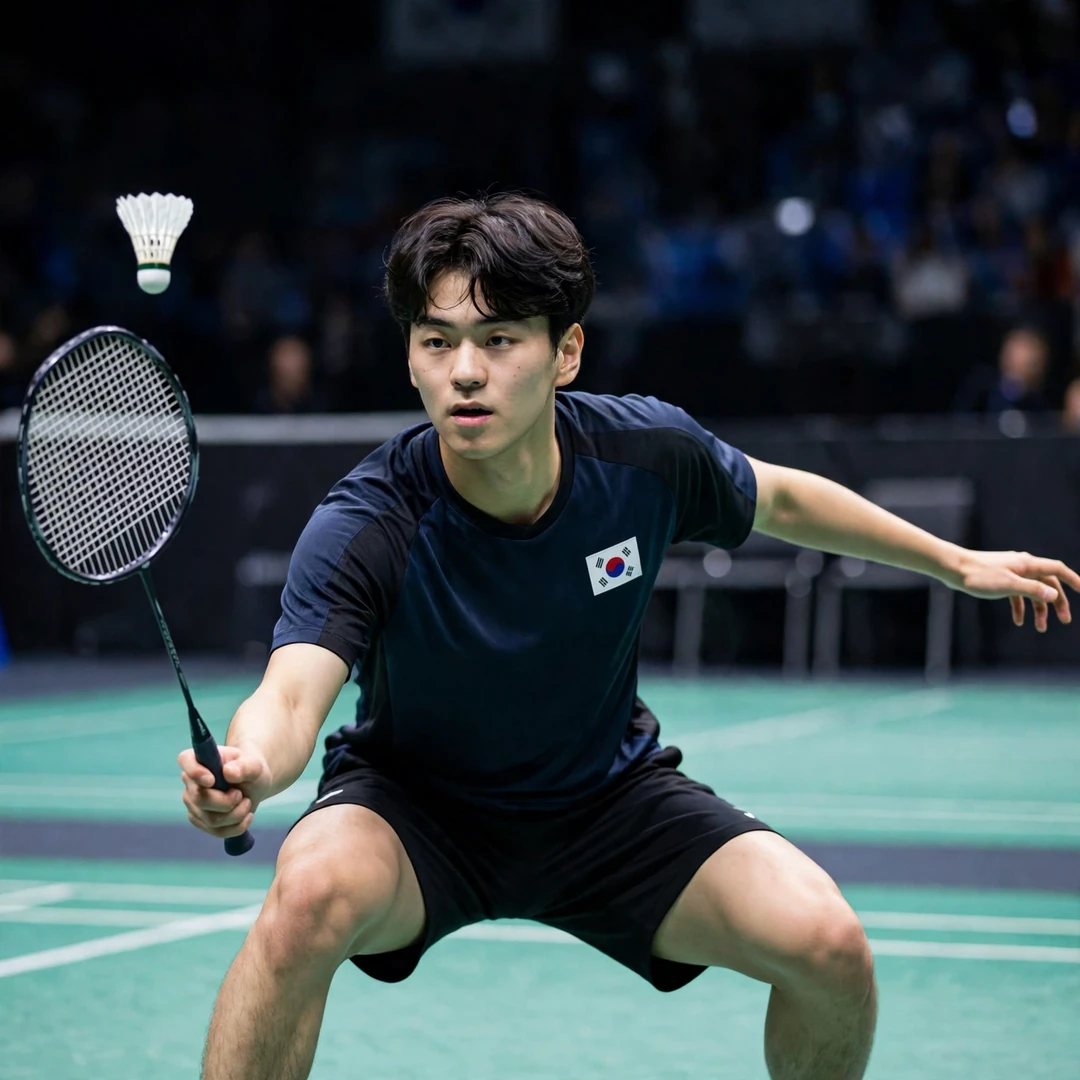
Career Statistics and Rankings
Kim Byung Jae, born 4 April 2004 in South Korea, has been building toward the top of the game since he was fourteen: an Asian Under-15 final in 2018, World Junior team gold and individual bronze in 2022, back-to-back senior titles in Vietnam in 2024, a World Championships debut and a career-high world No. 86 in 2025, and a Super 100 quarter-final in 2026 — a career assembled from patience, rally by rally and week by week.
| Development Area | Common Misconception | What Kim Byung Jae's Career Shows REALITY |
|---|---|---|
| Junior Foundation | Talent alone decides who becomes a champion. | Kim started in South Korea's junior system and was an Asian Under-15 finalist at fourteen — a structured junior base came first. |
| Playing Style Priority | Kids should copy the flashiest attacking shots. | Kim built a complete game first; his famous third-game fightbacks are the finishing touch on patient rallying, reliable defence and net play. |
| Fitness Importance | Juniors can out-train everyone without rest. | Kim's ranking slid to No. 154 in mid-October 2026 as 52-week-old points expired, then one Super 100 quarter-final lifted him back to No. 130 — the ranking treadmill is managed with smarter scheduling, not more hours. |
| Mental Approach | Top players never get nervous or upset. | Kim is a composed competitor who took the eventual World Junior champion to a deciding game and lost a senior semi-final 20-22 in the third, yet he keeps his nerve in deciding games — mental skills are trained, not inherited. |
| Attacking Training | Smashing harder is always the answer. | His back-to-back Vietnam International Series titles in November 2024 — twelve straight match wins across two weeks — came from rally control and defensive patience, not raw power. |
| National Milestones | Only world titles matter. | Kim's World Junior team gold and individual bronze in 2022 made him one of Korea's most decorated juniors of his year — junior world milestones build a career step by step. |
| Career Timeline | Champions peak once and fade fast. | From an Asian Under-15 final in 2018 to world No. 86 in 2025 and a World Championships debut in Paris, Kim proves sustained development beats a short peak. |
Study Kim Byung Jae's Work Ethic and Professional Approach
This profile explains who Kim Byung Jae is, his major achievements, and what developing players can learn from his journey. Whether you are a parent in Kuala Lumpur, Cheras or anywhere in Malaysia wondering what the road from junior medals to the professional circuit really looks like, Kim's story carries the answer: build a game that travels, win the long rallies, and never stop climbing — book a trial class with ST Badminton Academy on WhatsApp at +60 17-684 2136 and let your child begin a development journey built to last.