Polish Men’s Singles Badminton Star
Dominik Kwinta

Poland
Player Event: Men’s singles
Date of Birth: 27 July 2004 · Home Town: Niepołomice, Poland · Right-handed
Playing Style: Right-handed all-court player who wins with rally patience, tight net play and relentless retrieving
Known For: Winning the Azerbaijan International and the Malta International in 2026, three Polish national singles titles and a European junior bronze medal
Base: MKS Spartakus Niepołomice, Poland
Understanding Dominik Kwinta (Polish Badminton Star)
Dominik Kwinta is a Polish men’s singles badminton player who stands at world No. 98 in the BWF rankings (Week 43, 20 October 2026) with 20,250 ranking points. The 22-year-old from the small town of Niepołomice, near Kraków, has put together a breakthrough 2026 season: two international titles, a first Polish title defence, a World Championships debut and a career-high world ranking of No. 93. Five years after he first appeared in the world rankings at No. 2,020, his climb into the top 100 is one of European badminton’s quietest success stories.
Early Life in Niepołomice and Junior Career
Dominik Kwinta was born on 27 July 2004 and grew up in Niepołomice, a town of fewer than 30,000 people south-east of Kraków in southern Poland. He did not need a famous academy to start: his badminton education came at the local club, MKS Spartakus Niepołomice, whose hall has produced his entire career so far. The BWF ranking database first carried his name in September 2021, when the 17-year-old entered the senior world rankings at No. 2,020 — the very bottom of the list, and the start of everything that follows on this page.
The Spartakus Niepołomice Club Base
The Spartakus Niepołomice pathway shows what a well-run local club can do. Kwinta trained at home, played Polish junior and senior events, and rounded out his game in doubles and mixed doubles — he partnered Szymon Ślepecki in men’s doubles and Dominika Bartłomiejczuk and Zuzanna Jankowska in mixed on the junior and early senior circuits. Coaches value that all-round schooling: a singles player who has returned smashes in doubles and covered the net in mixed brings touch and reactions that pure singles training rarely builds so young.
European Junior Success
His junior career peaked at the 2022 European Junior Championships in Belgrade. Still only 18, Kwinta fought through the singles draw to the semi-finals, where Denmark’s Jakob Houe ended his run — a bronze medal at Europe’s biggest junior event, and proof that the boy from Niepołomice belonged at continental level. Polish junior titles at home underlined the same message, and his club proudly reported the medal as one of the biggest results in its history.
European Junior Bronze Medallist
The bronze earned him a place in Poland’s squad for the 2023 European Games — on home soil in Kraków and Tarnów, a short drive from Niepołomice. There the teenager shared a court with Denmark’s Olympic champion Viktor Axelsen and Italy’s Giovanni Toti, an education no training hall can copy. The senior transition was still steep: the qualification rankings for the 2023 World Championships listed him at No. 310, and his best ranking that year was No. 187. The talent was proven; the consistency would take longer.
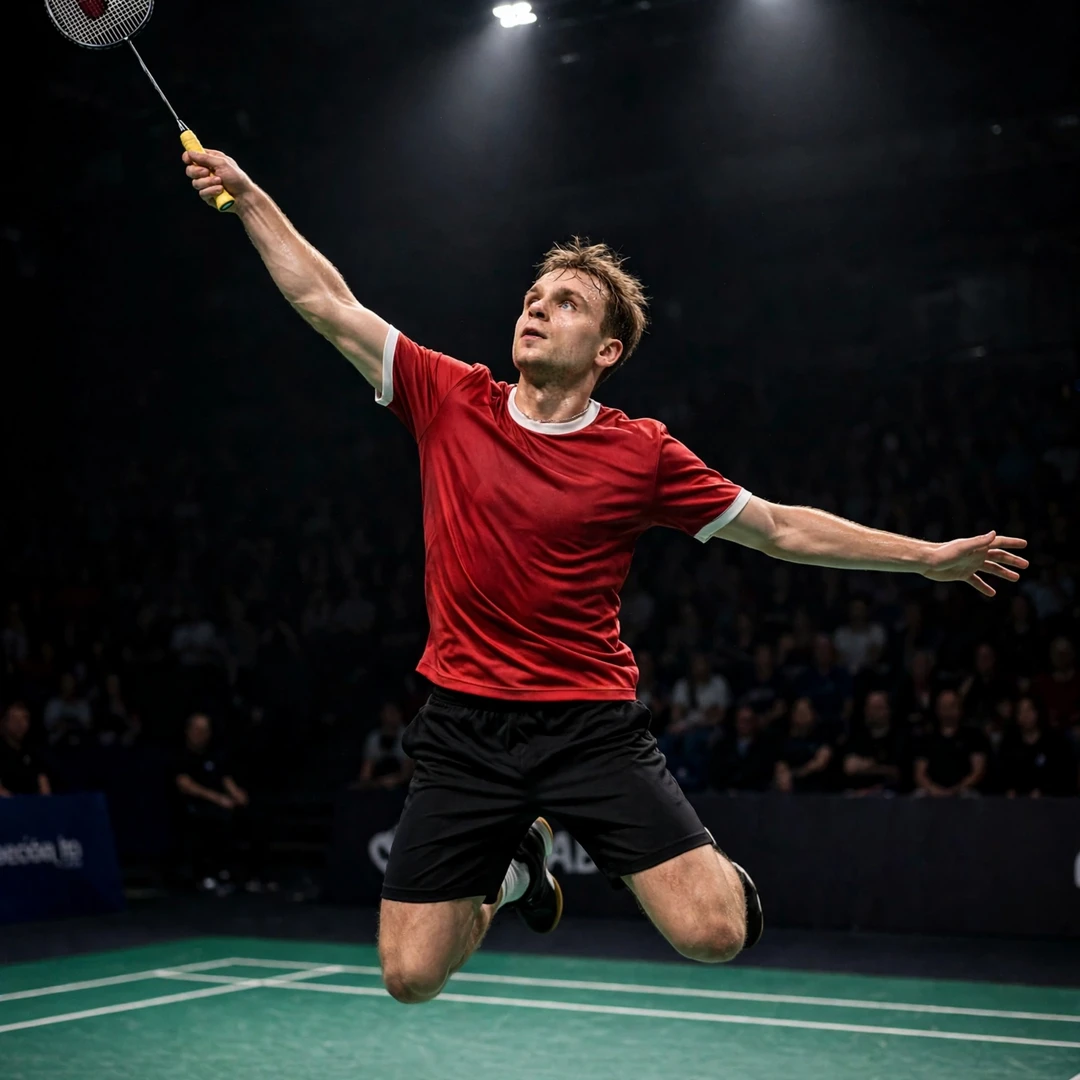
Career Milestone #1
Senior Breakthrough and a First National Crown
At home, the breakthrough came first. In June 2023, at Józefosław, Kwinta won the Polish national singles title, beating Krzysztof Jakowczuk to the gold medal. He took bronze at the 2024 championships, then reclaimed the crown in June 2025 in Bieruń, beating Mateusz Golas in the final. Winning your national title at 18 is rare in any country; backing it up with a second title two years later marks a player out as the standard everyone else in Poland has to chase.
The international circuit demanded more patience. Through 2025 Kwinta ground through the European and world circuits week after week: a quarter-final at the Polish Open in front of home fans, a runner-up finish at the Malta International, a round-of-16 run at the Lagos International Classics in Nigeria, and Super 100 weeks in Malaysia, Al Ain and Indonesia. None of it made headlines. All of it banked ranking points and experience, and by the end of 2025 his year-best ranking had improved to No. 140 — close enough to smell the top 100.
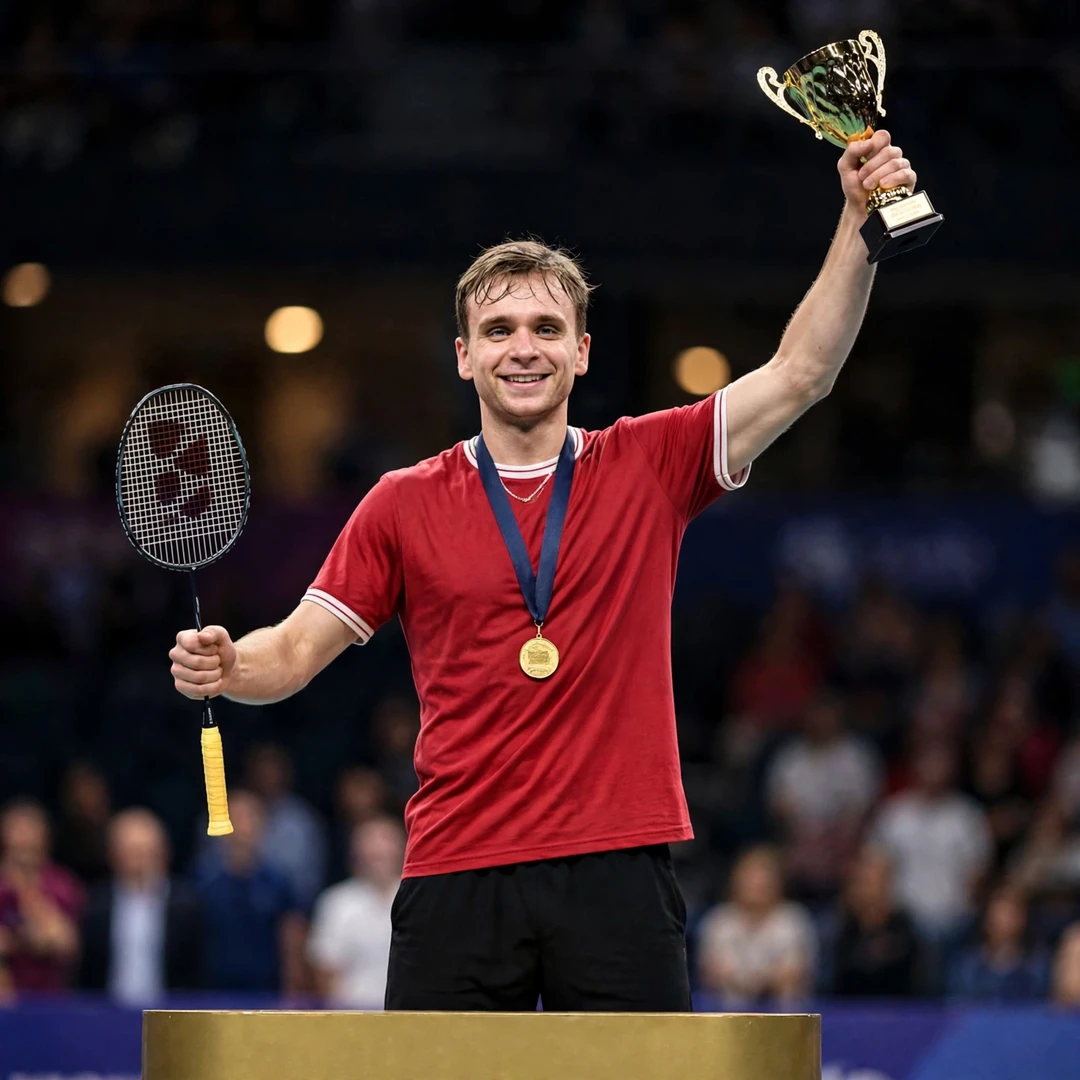
Career Milestone #2
Baku Breakthrough: The Azerbaijan International Title
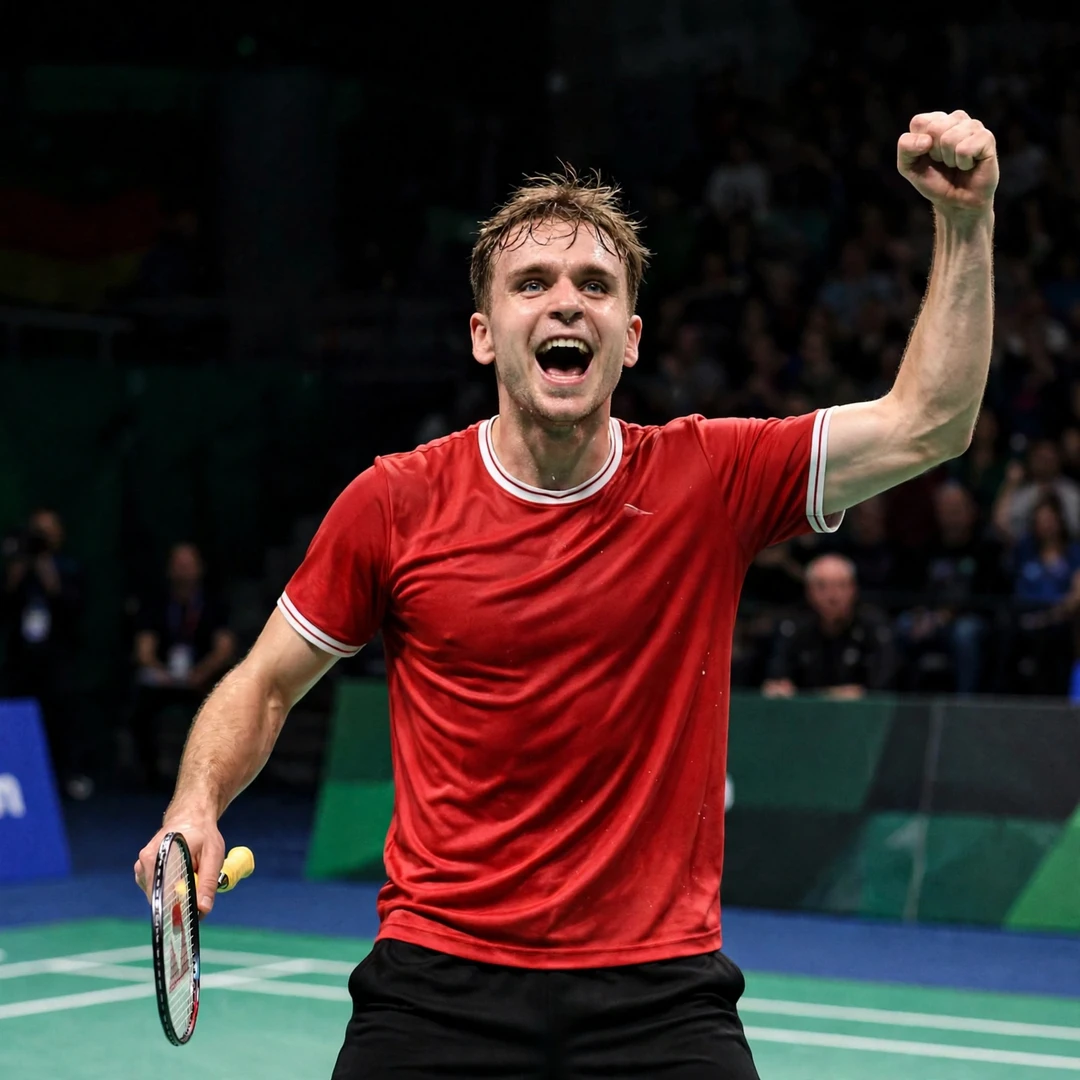
The dam broke in Baku. At the Azerbaijan International in February 2026 — an International Challenge event, the highest tier of the continental circuit — Kwinta won five matches in six days. He came through a three-game battle with England’s Harry Huang in the round of 16, beat Italy’s Fabio Caponio 21-18, 21-17, and in the final overwhelmed Malaysia’s Cheam June Wei 21-8 before the Malaysian retired injured at 8-1 down in the second game. A first International Challenge title, 4,000 ranking points, and the biggest trophy of his career.
Titles change how a player walks into the next hall. The Baku crown lifted Kwinta to world No. 114 in the rankings of 10 February 2026 — a jump of dozens of places in a single week — and it changed his draws: instead of qualifying rounds and early meetings with top seeds, he began arriving at tournaments as a player others had to plan for. His own spring schedule shows the new reality, with main-draw places at events from Estonia to Sweden earned on ranking, not invitations.
He also kept serving the team cause. In December 2025 Poland travelled to Germany for the 2026 European Men’s Team Championships qualification and won the group, with Kwinta in the singles line-up — one of the 1,326-point team results on his ranking record. For a player raised in a club system, team weeks are not a distraction from the singles climb; they are part of its fuel, sharpening him against Europe’s best in a shirt that means more than any sponsor’s.
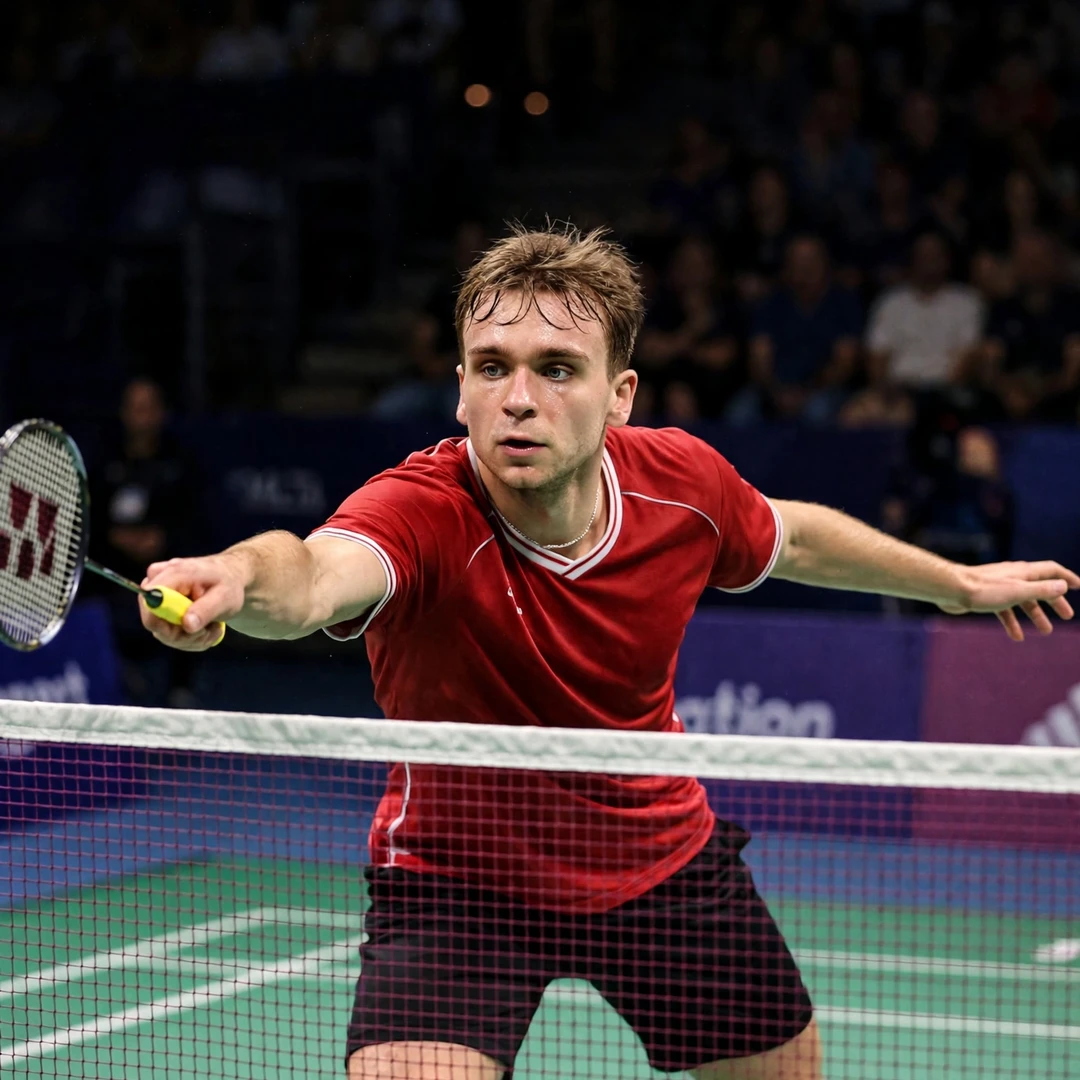
Career Milestone #3
Malta Gold and a First Top-100 Ranking
Two months after Baku came the encore. At the Malta International in Cospicua in April 2026, Kwinta reached an all-Polish final against his compatriot Mikołaj Szymanowski — the same event where he had finished runner-up a year earlier — and this time he took the title, winning in three games. Bronze medallists Ygor Coelho of Brazil and Nicolas A. Müller of Switzerland completed a strong podium. A second international title in ten weeks turned a hot streak into a pattern.
The ranking followed. On 21 April 2026, days after the Malta final, the BWF list carried Dominik Kwinta at world No. 100 — the first top-100 ranking of his career, five years after entering at No. 2,020. The climb did not stop: by June he had reached No. 94, and the ranking history records a career-high of world No. 93, held across the summer of 2026. In July he added a third Polish national title, defending his crown by beating Maksymilian Danielak 19-21, 21-10, 21-18 in the final — a champion’s comeback from a game down.
Continental championship weeks showed the next level he is chasing. At the 2026 European Championships in April, Kwinta beat the Netherlands’ Noah Haase 21-12, 21-13 and then outlasted Switzerland’s Julien Scheiwiller 21-17, 16-21, 21-18 to reach the round of 16, where France’s Toma Junior Popov — one of Europe’s very best — beat him 21-18, 21-15. Two wins banked, a clear picture of the gap to close, and ranking points that keep a player in main draws.
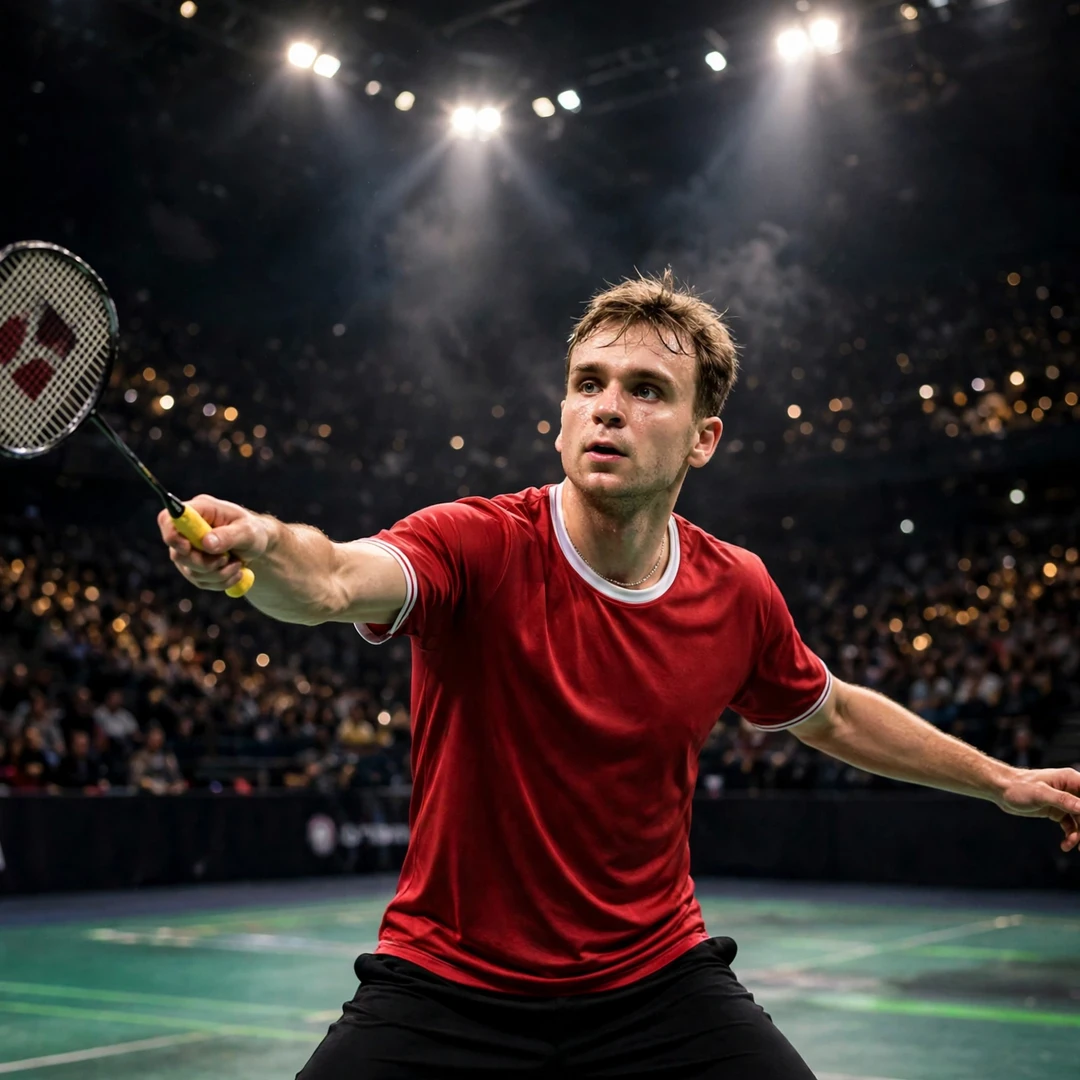
Career Milestone #4
Big Stages: European and World Championships
In August 2026 came the biggest stage of all: a World Championships debut in New Delhi. The draw handed him a brutal opener — Toma Junior Popov again, in the round of 64 — and Kwinta pushed the French star hard before falling 19-21, 13-21. A 21-year-old from Niepołomice taking 19 points off a top-15 player in a World Championships first round is not a defeat to hide; it is a marker of how close the next breakthrough is.
His team record adds another layer. At the 2024 European Men’s Team Championships in Łódź, in front of Polish fans, Kwinta beat Czechia’s Jan Louda in three games to help Poland defeat Czechia 3-2 in the group stage. Singles players are judged alone, but coaches trust competitors who produce their level when a whole team’s result rides on their match — and from the European Games at 18 to team championships at home, Kwinta has repeatedly been that player for Poland.
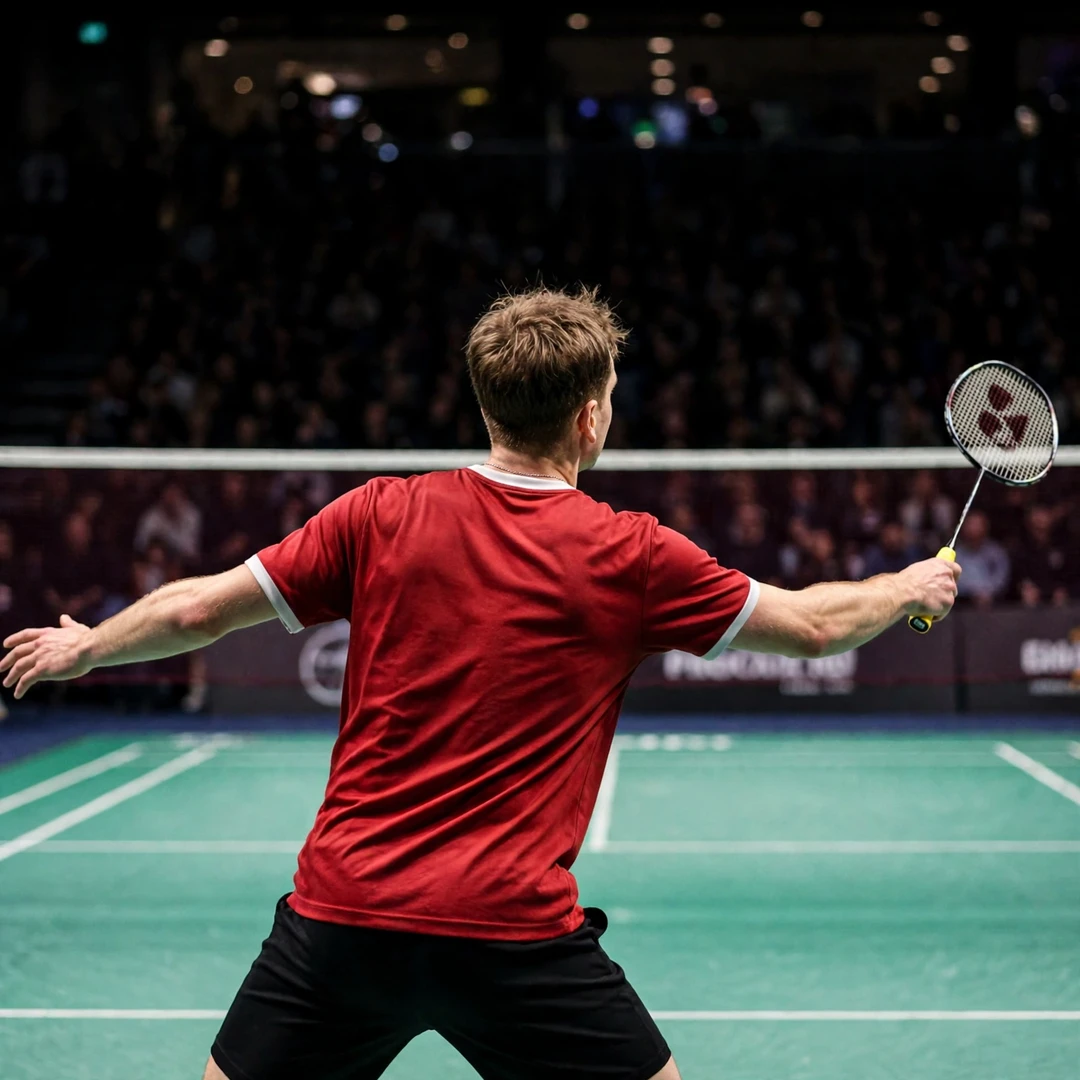
Playing Style
The Patient All-Court Game
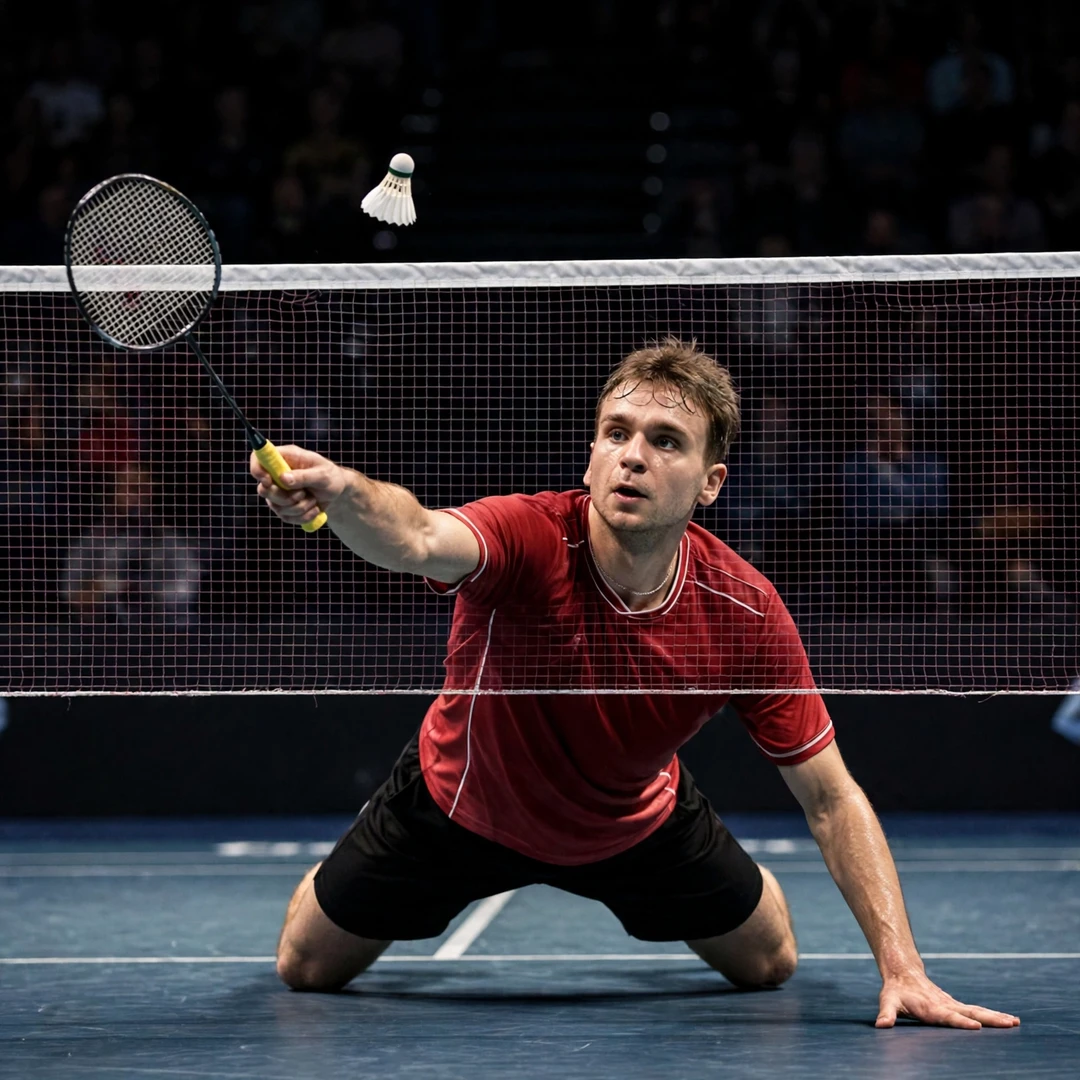
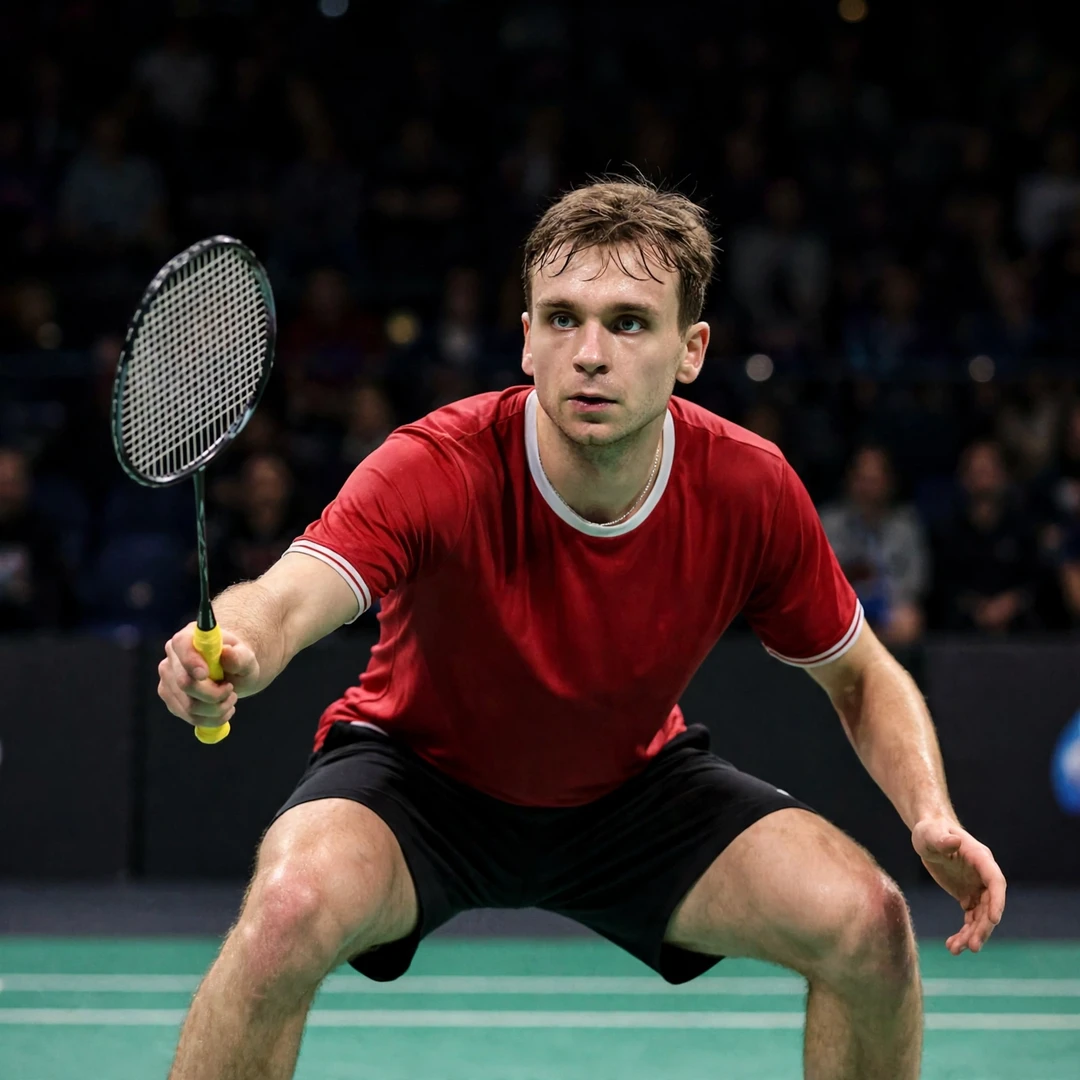
Kwinta plays a patient, right-handed all-court game, and it is tailor-made for an academy case study because so little of it depends on rare physical gifts. He builds rallies from a solid base: high, deep clears to pin opponents back, tight spinning net shots to force lifts, and defence that keeps retrieving one more shuttle than the rally seems to allow. At 176 cm he is not the tallest man on the circuit, so his points are constructed, not blasted — which is exactly why junior players can learn from them.
When the rally opens up, his counter-attacking drives and cross-court angles turn defence into attack in one shot. His three-game record tells the story of his engine: at the 2026 Valence Alpes International he beat Finland’s former top-40 player Joakim Oldorff in a decider and then outlasted France’s Thomas Fourcade 21-13, 19-21, 21-19. A week rarely passes in his season without a match going the distance — and he wins more of those deciders than he loses.
Young players studying Kwinta should watch how few free points he gives away. His clears land on the back line, his net shots tumble close to the tape, and his defence stretches rallies until the opponent is the one who cracks. When his smash finally comes, it is usually the last shot of a rally he has been building for ten strokes. It is a style built from footwork, shot quality and decision-making — skills any junior can start training today.
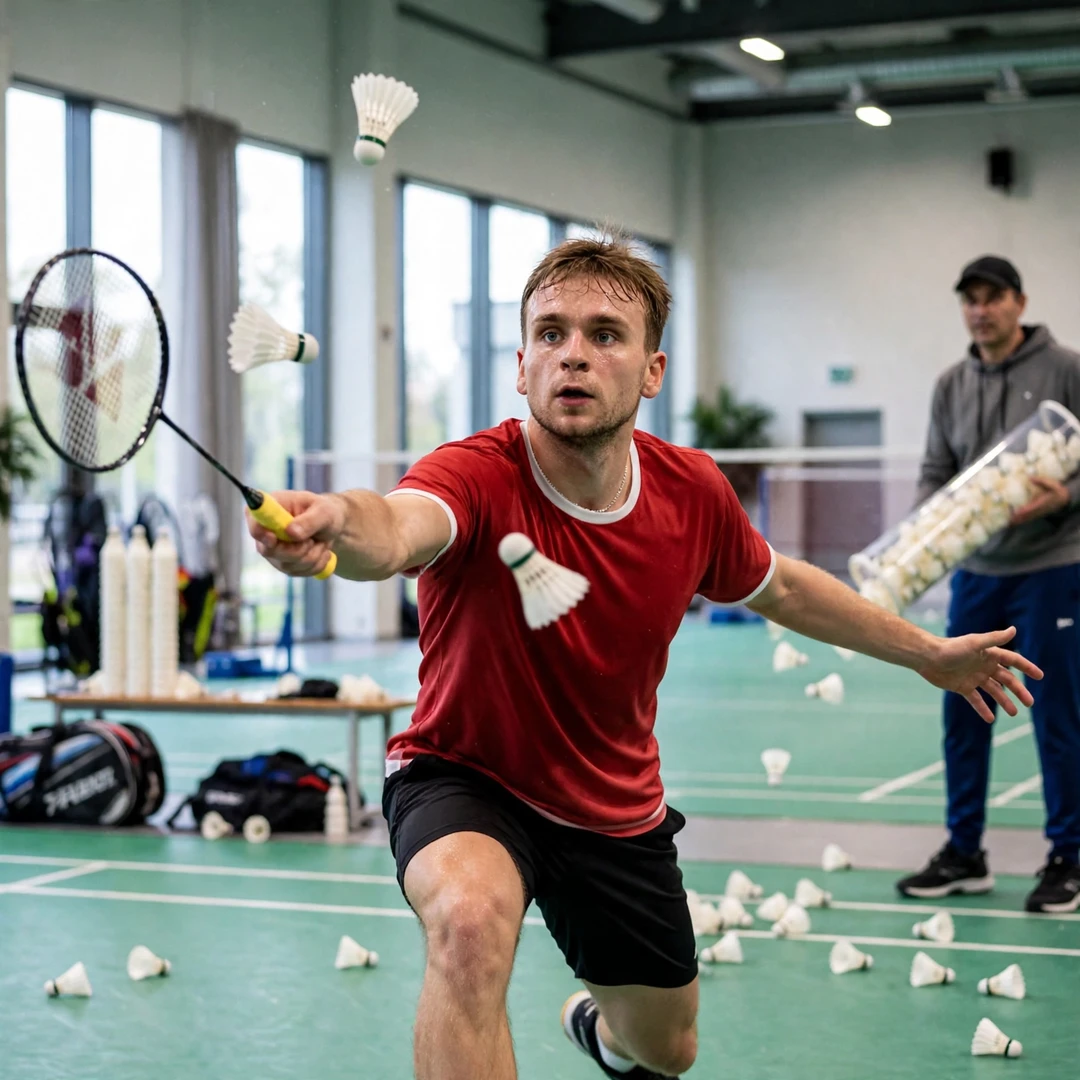
Mental Strength
Discipline, Volume and the Five-Year Climb
The ranking line tells the discipline story better than any speech: No. 2,020 in September 2021; inside the top 500 a year later; top 200 by October 2023; top 150 in September 2025; top 100 in April 2026; a career-high of No. 93 in the summer of 2026. There were no wildcards into Super events and no single miracle week — just more than twenty tournaments a year, on three continents, each one adding a few hundred points and a few more lessons.
The autumn of 2026 showed the other side of the grind, and he wore it the same way. At the Czech Open in Prague he won the first game against Denmark’s William Bøgebjerg, then lost a thriller 21-18, 23-25, 11-21. In Belgium he beat Nicolas A. Müller in straight games before losing to Spanish veteran Pablo Abián in three. At the Türkiye International Challenge he fell 16-21, 20-22 to India’s Cholan Kayan. Narrow defeats to good players, absorbed and answered the following week — that rhythm, not any single result, is what a five-year climb is made of.
Practical lessons from his journey include starting where you are — his world-class education began in a small-town club hall — playing every event your budget allows while you are young, rounding your game with doubles and mixed, treating national titles as milestones rather than finish lines, and measuring progress in years, not weeks. None of these lessons requires fame, money or a famous surname; they require a club that believes in you, a coach with a plan, and the patience to keep showing up.
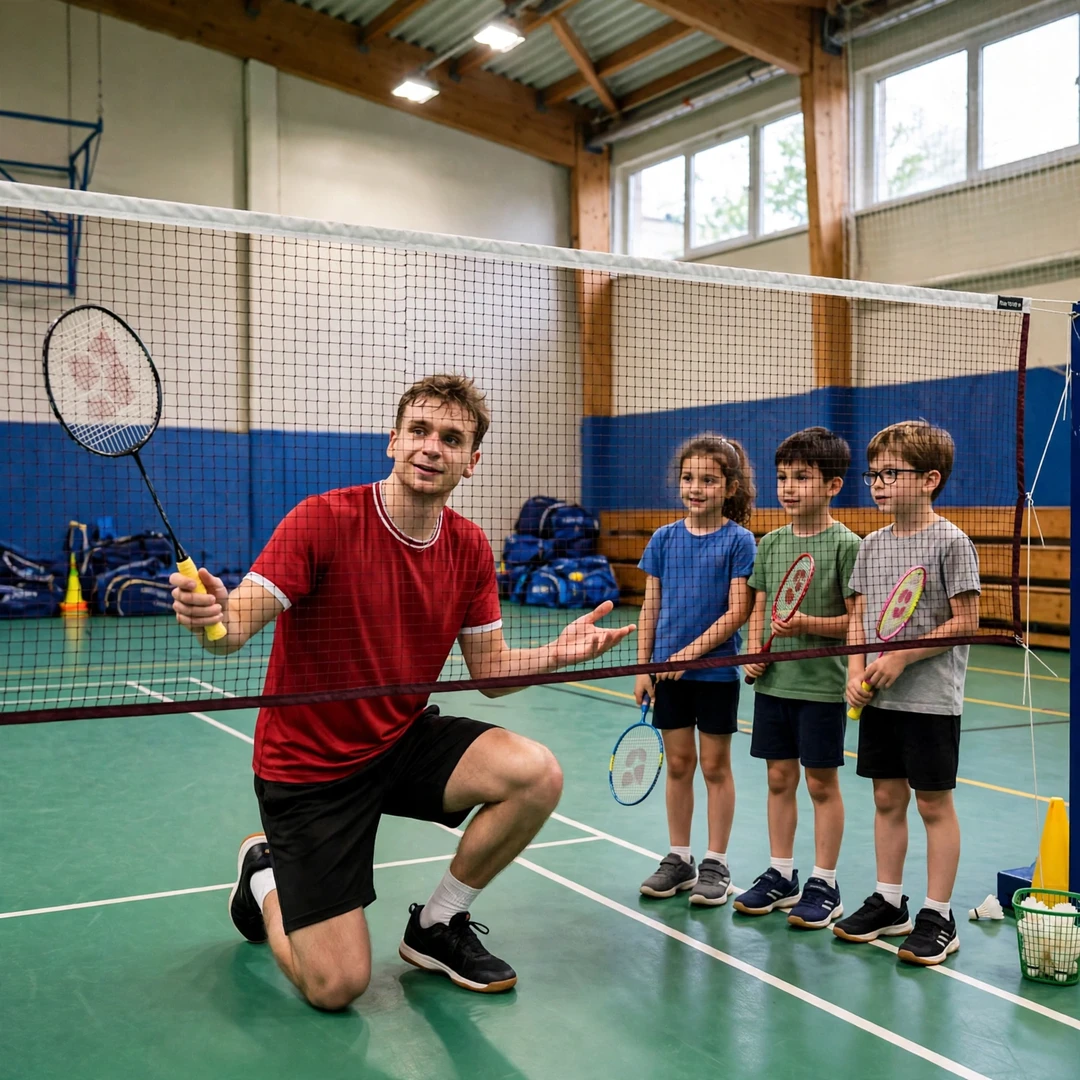
Learning Reference
ST Badminton Academy Connection
ST Badminton Academy has no official partnership or endorsement from Dominik Kwinta. He is not connected with our academy, and this profile is published purely as an educational case study for parents and junior players who want to understand how a player from a small Polish town climbed from No. 2,020 in the world to the top 100.
Many of our students from Malaysia and visiting learners from Singapore study his matches to understand the power of steady accumulation: how a European junior bronze became two International titles in a single spring, how a ranking built in 200-point pieces eventually reaches the top 100, and how a player keeps his level across a twenty-tournament season.
We encourage our students to observe his rally construction, his defensive patience and his deciding-game calm — and to notice that his biggest titles came in Baku and Malta, far from home, in the middle of an ordinary working season. Champions are not only made in famous capitals; sometimes they are built in Niepołomice, one tournament at a time.
FAQs: Dominik Kwinta Polish Badminton Player
Here are answers to common questions about Dominik Kwinta’s career, achievements and what young players in Malaysia can learn from the Polish champion’s journey.
Who is Dominik Kwinta and which country does he represent in badminton?
Dominik Kwinta is a Polish professional badminton player competing in men’s singles. Born on 27 July 2004, he comes from Niepołomice near Kraków and plays for MKS Spartakus Niepołomice. A right-handed all-court player, he stands at world No. 98 in the Week 43 BWF rankings of October 2026 with 20,250 points, and reached a career-high of world No. 93 in 2026.
What are Dominik Kwinta’s biggest badminton achievements?
Kwinta’s major achievements are the Azerbaijan International title in Baku and the Malta International title, both won in 2026, three Polish national singles titles (2023, 2025 and 2026), a bronze medal at the 2022 European Junior Championships, and a runner-up finish at the Malta International in 2025. His career-high world ranking is No. 93, and in 2026 he also made his World Championships debut and reached the European Championships round of 16.
What is Dominik Kwinta’s playing style?
Kwinta plays a patient, right-handed all-court game: deep clears and tight net play to construct the rally, stubborn defence that retrieves one shuttle more than expected, and sharp counter-attacking drives when the opening appears. His standout quality is deciding-game strength — he has won three-game matches against Joakim Oldorff, Thomas Fourcade, Harry Huang and Jan Louda — built on fitness, rally tolerance and calm shot selection under pressure.
Has Dominik Kwinta played at the European Games?
Yes. Kwinta represented Poland at the 2023 European Games, held in Kraków and Tarnów in his home region of southern Poland. Only 18 at the time, he shared a court with Denmark’s Olympic champion Viktor Axelsen and Italy’s Giovanni Toti — a priceless early education at senior multi-sport level, and a sign of how highly the Polish federation rated his junior bronze-medal season.
How can my child learn from Dominik Kwinta’s training approach?
Young players can study Kwinta’s approach by copying the habits behind his rise: build a complete game at your local club before chasing power, play as many tournaments as you can while young, and treat a ranking as a long project — his took five years from No. 2,020 to the top 100. At ST Badminton Academy we use his Baku and Malta title runs as video lessons in rally patience and deciding-game management, then train the same patterns in multi-shuttle and rally-building drills.
Did Dominik Kwinta win any junior titles?
Yes — Kwinta’s junior highlight was a bronze medal in men’s singles at the 2022 European Junior Championships in Belgrade, where he reached the semi-finals before losing to Denmark’s Jakob Houe. He also won Polish junior honours at home and rounded out his junior game in doubles and mixed doubles, experiences he credits for the touch and defensive skills in his senior game today.
What are Dominik Kwinta’s best World Championships and European Championships results?
Kwinta made his World Championships debut in New Delhi in 2026, losing a hard-fought round-of-64 match to France’s Toma Junior Popov 19-21, 13-21. At the 2026 European Championships he reached the round of 16, beating Noah Haase of the Netherlands and Julien Scheiwiller of Switzerland before Popov beat him again, 21-18, 21-15. Meeting the same top-15 player at both majors in one season shows exactly the level he is now measured against.
What playing style should young players learn from Dominik Kwinta?
Young players should study Kwinta’s complete game rather than one spectacular shot: the rally construction that wears opponents down, the defence that refuses to leak errors, the tight net play that forces lifts, and above all the patience to keep building points for twenty shots when that is what the rally demands. His game is built from trainable skills, which is why coaches love teaching from it.
Does ST Badminton Academy have any connection with Dominik Kwinta?
No, Dominik Kwinta is not a student, coach or ambassador of ST Badminton Academy. He represents Poland and developed through MKS Spartakus Niepołomice and the Polish national system. However, coaches at our academy in Kuala Lumpur regularly use his matches as teaching material, because his rise from a small-town club to the world top 100 shows what structured coaching, tournament volume and patience can achieve.
Dominik Kwinta Career Highlights
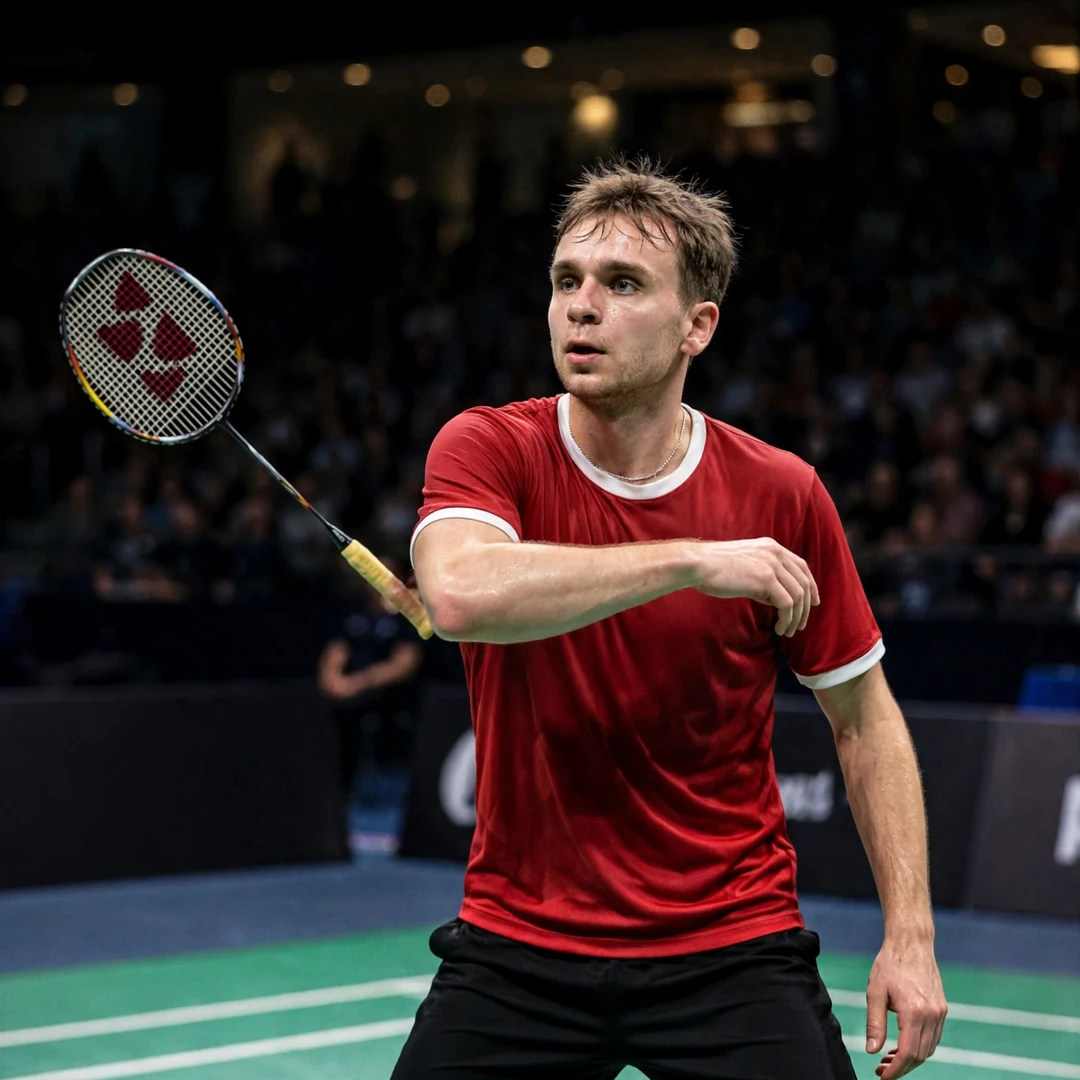
Career Statistics and Rankings
Dominik Kwinta, born 27 July 2004, has climbed from a first world ranking of No. 2,020 in 2021 to a career-high of No. 93 in 2026 — winning two international titles, three Polish national championships and a European junior bronze medal on the way. In the Week 43 rankings of 20 October 2026 he stands at world No. 98 with 20,250 points, with the Azerbaijan International and Malta International titles as the biggest results of his career so far.
| Development Area | Common Misconception | What Dominik Kwinta's Career Shows REALITY |
|---|---|---|
| Junior Foundation | Talent alone decides who becomes a champion. | Kwinta started at his local club, MKS Spartakus Niepołomice, won a European junior bronze medal in 2022 and Polish junior honours — a structured junior base came first. |
| Playing Style Priority | Kids should copy the flashiest attacking shots. | Kwinta built a complete game first; his counter-attacking drives are the finishing touch on reliable footwork, defence and net play learned in Niepołomice. |
| Fitness Importance | Juniors can out-train everyone without rest. | Kwinta plays more than twenty tournaments a year across three continents — his top-100 breakthrough came from smart scheduling and constant competition, not more hours. |
| Mental Approach | Top players never get nervous or upset. | Kwinta lost the first game of his 2026 Polish national final 19-21, then won 21-10, 21-18 to defend his title — mental skills are trained, not inherited. |
| Attacking Training | Smashing harder is always the answer. | His 2026 Azerbaijan International title in Baku and his Malta International crown came from controlled rally construction and placement, not raw power. |
| National Milestones | Only world titles matter. | Kwinta's three Polish national titles (2023, 2025, 2026) and his 2023 European Games appearance made him Poland's leading singles player — national milestones build a career step by step. |
| Career Timeline | Champions peak once and fade fast. | From a first world ranking of No. 2,020 in 2021 to a career-high of world No. 93 five years later, Kwinta proves sustained development beats a short peak. |
Study Dominik Kwinta's Work Ethic and Professional Approach
This profile explains who Dominik Kwinta is, his major achievements, and what developing players can learn from his journey. Whether you are a parent in Kuala Lumpur, Cheras or anywhere in Malaysia wondering how a child from a small town can reach the professional game, Kwinta's story carries the answer: with the right coaching, enough tournaments and five years of patience, the long climb works — book a trial class with ST Badminton Academy on WhatsApp at +60 17-684 2136 and let your child begin a development journey built to last.