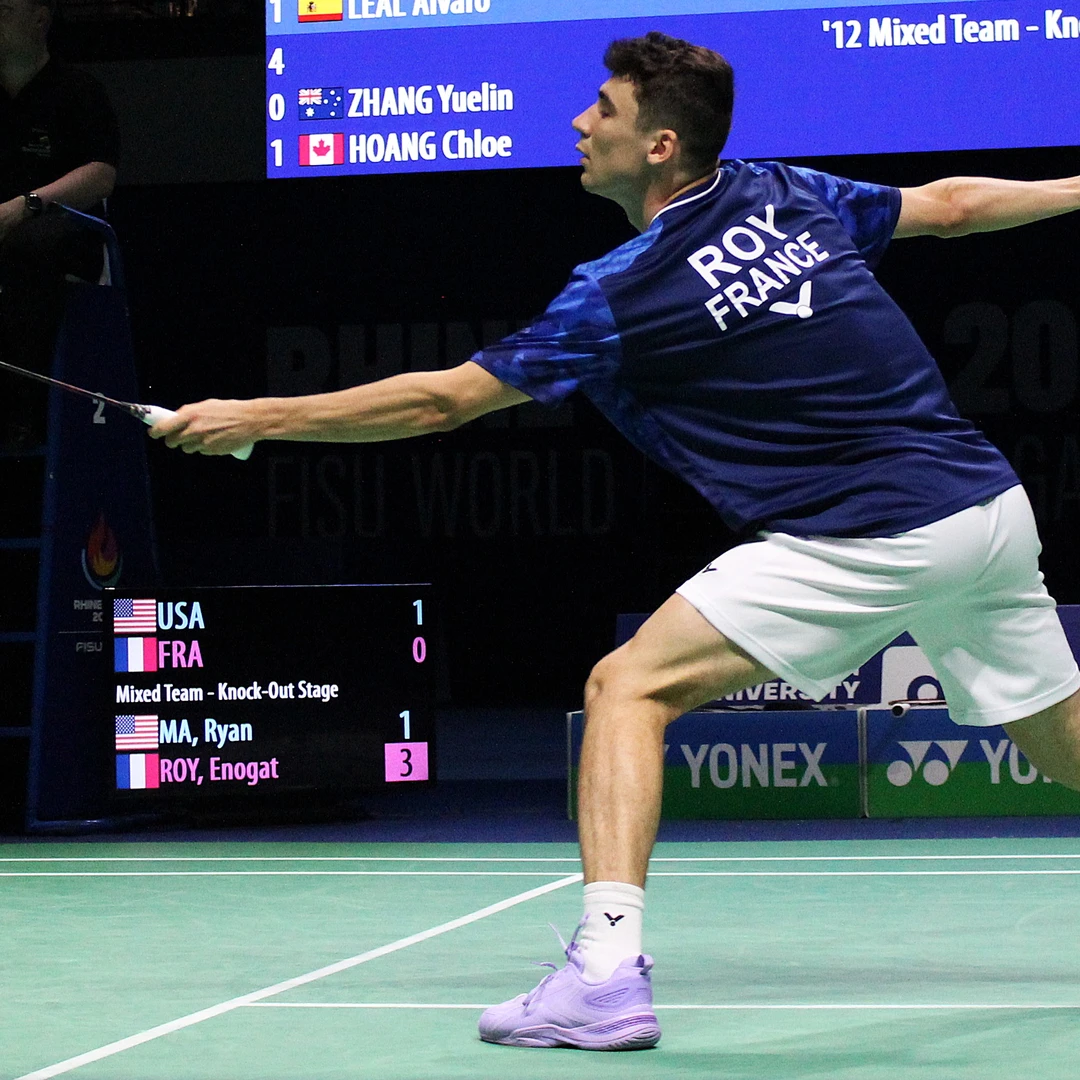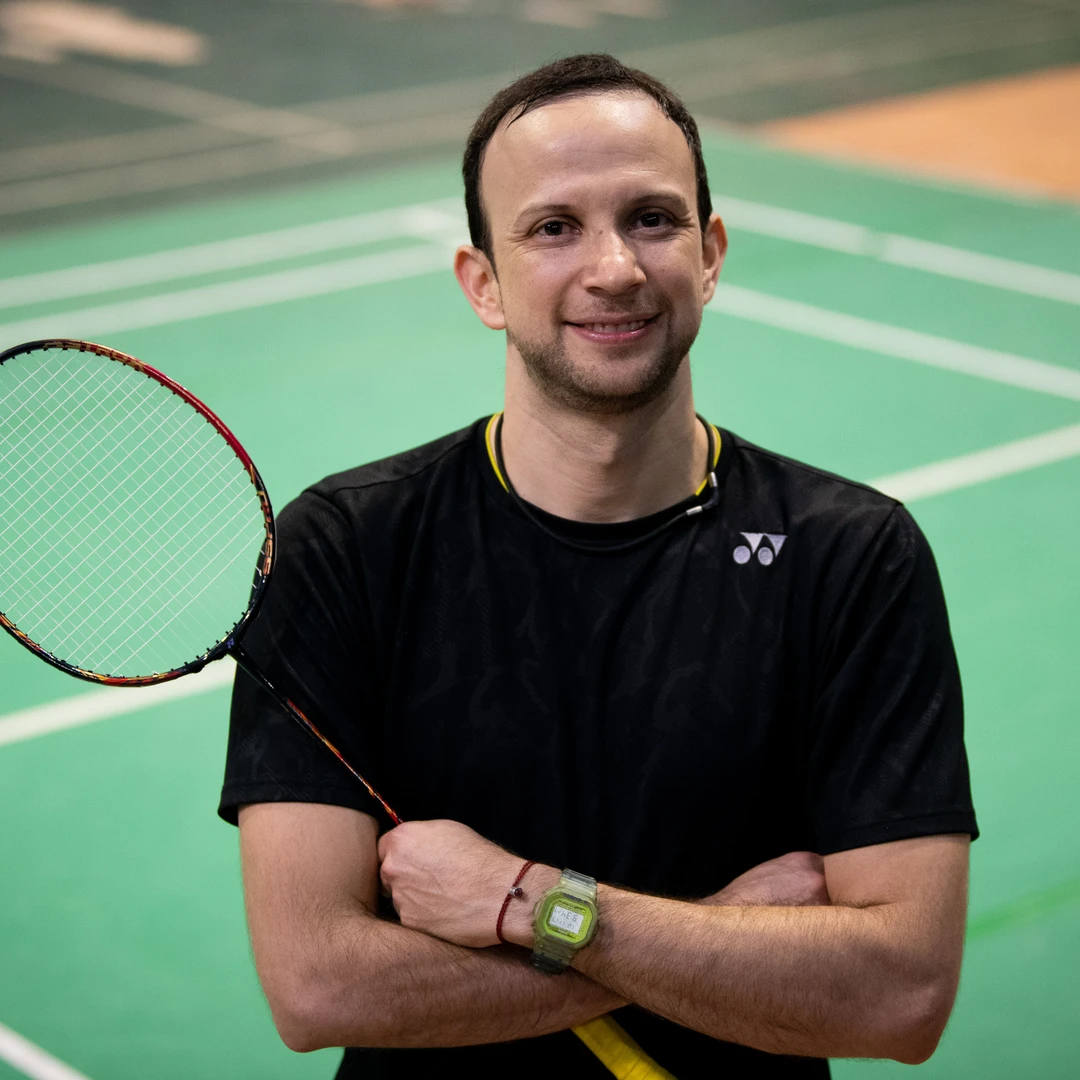
Guatemalan Men’s Singles Badminton Star
Kevin Cordon
Guatemala
Player Event: Men’s singles
From La Unión, Zacapa, Guatemala · Height: 1.82 m (6 ft 0 in) · Left-handed
Playing Style: Left-handed attacking all-courter with disguised trigger shots, sudden changes of pace and a famously unpredictable streak
Known For: Reaching the Tokyo 2020 Olympic semi-finals — a first for a Central American badminton player — five Olympic Games, two Pan American Games gold medals and a 25-year international career
Journey: La Unión, Zacapa · Guatemala City at age 12 · Pan Am junior champion 2004 · Five-time Olympian · Still winning titles at 39
Understanding Kevin Cordon (Guatemalan Badminton Star)
Kevin Cordon is a Guatemalan men’s singles badminton player who stands at world No. 94 in the BWF rankings (Week 43, 20 October 2026) with 20,944 points. To understand what that number really means, consider the company it keeps: Cordon reached his career-high of world No. 24 back in April 2012, played at five Olympic Games between 2008 and 2024, won the Pan American Games singles title twice, and produced the run of his life at the Tokyo 2020 Olympics, where he beat three higher-ranked opponents to become the first Central American badminton player ever to reach an Olympic semi-final. At 39 years old, he is still winning international titles — the defining veteran of Pan American badminton.
Early Life in La Unión, Zacapa: Named After a Footballer
Kevin Haroldo Cordón Buezo was born on 28 November 1986 in La Unión, a small town in the Zacapa department of eastern Guatemala. Football dominates Guatemalan sport, and his father was a devoted football fan who named his son after Kevin Keegan, the former England international and European Footballer of the Year. Young Kevin, though, chose a racket. He was the first person in his family to play badminton, and his reasoning was pure strategy: badminton was unpopular in Guatemala, so he believed it offered him a better chance of one day reaching the Olympic Games. He picked up a racket at 11 years old and has essentially never put it down.
Junior Titles and First Steps on the World Circuit
The talent was obvious quickly. In 1998, at 12, he was selected for the Zacapa department youth team, and his parents gave him their blessing to leave the family home and move to Guatemala City to train — a huge decision for a rural family. His mother waved him off with a warning that stayed with him: no drinking, no drugs, or she would come to the capital, pick him up and bring him home. He behaved, he trained, and under long-time coach José María Solís he grew into the player who would carry Guatemalan badminton for a quarter of a century.
Central American and Caribbean Games Gold at 19
As a junior he announced himself across the region, winning the Pan American Junior Championships under-19 singles title in 2004. Senior finals followed abroad: in 2007 he was runner-up in Bulgaria and won silver at the Pan American Games in Rio de Janeiro, losing the final to Canada’s Mike Beres in three games. In 2008 the titles started: the Peru International, the Miami International — where he won both singles and doubles — and the Brazil International all fell to the young Guatemalan.
Beijing 2008: Olympic Debut as Guatemala’s Flag Bearer
Even before his Olympic debut he was collecting the biggest prize in his region. At the 2006 Central American and Caribbean Games in Santo Domingo, the 19-year-old Cordon won the men’s singles gold medal — the first of five CAC Games singles titles spread across twenty years. In a region where badminton barely registers against football, a teenager from Zacapa was already its most reliable gold medallist.
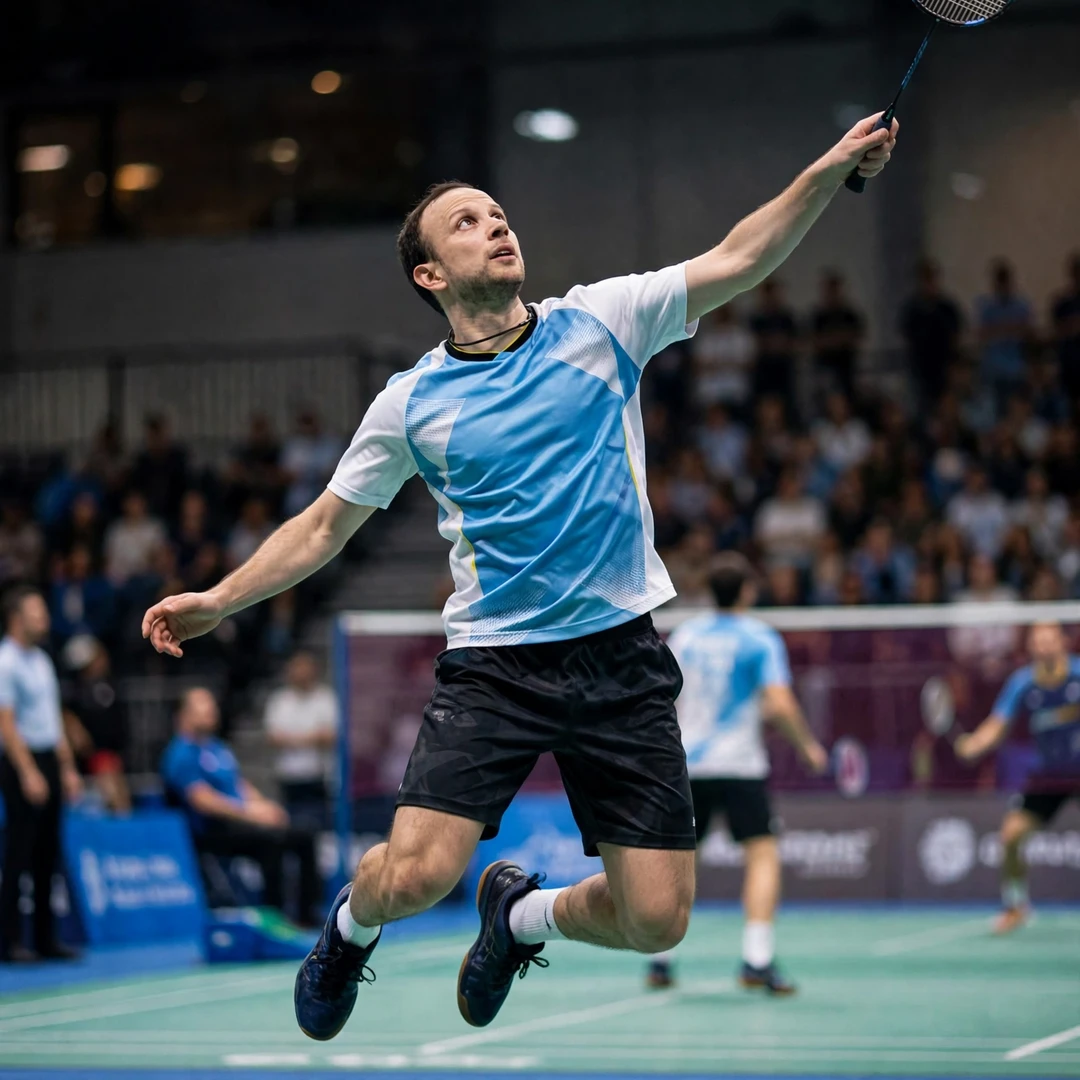
Career Milestone #1
2011: A World Championships Quarter-final and Pan Am Games Gold
The Olympic dream he had planned for as a boy came true at Beijing 2008. Cordon was chosen as Guatemala’s flag bearer for the opening ceremony — an honour repeated across his career — and on court he lost to China’s Bao Chunlai, the third seed, in the first round. The experience marked him, literally: after qualifying for Beijing he had the Olympic rings tattooed on his left biceps, a permanent record of where the journey had taken him. In 2009 he added his first Pan Am Championships singles gold, beating Canada’s Stephan Wojcikiewicz in the final, plus the doubles gold with Rodolfo Ramírez.
The year 2011 made Cordon a continental superstar. At the Pan American Games in Guadalajara he stormed to the gold medal without dropping a set, beating Cuba’s Osleni Guerrero 23-21, 21-19 in the final — and he carried Guatemala’s flag at those Games too. Months earlier, at the World Championships in London, he had produced one of the great underdog runs: beating fifth seed Chen Long of China, Finland’s Henri Hurskainen and Spain’s Pablo Abián to reach the quarter-finals, where he lost to the great Lee Chong Wei. A year before, at the 2010 Central American and Caribbean Games, he had won singles, doubles and team golds — the most successful Guatemalan men’s athlete of those Games.
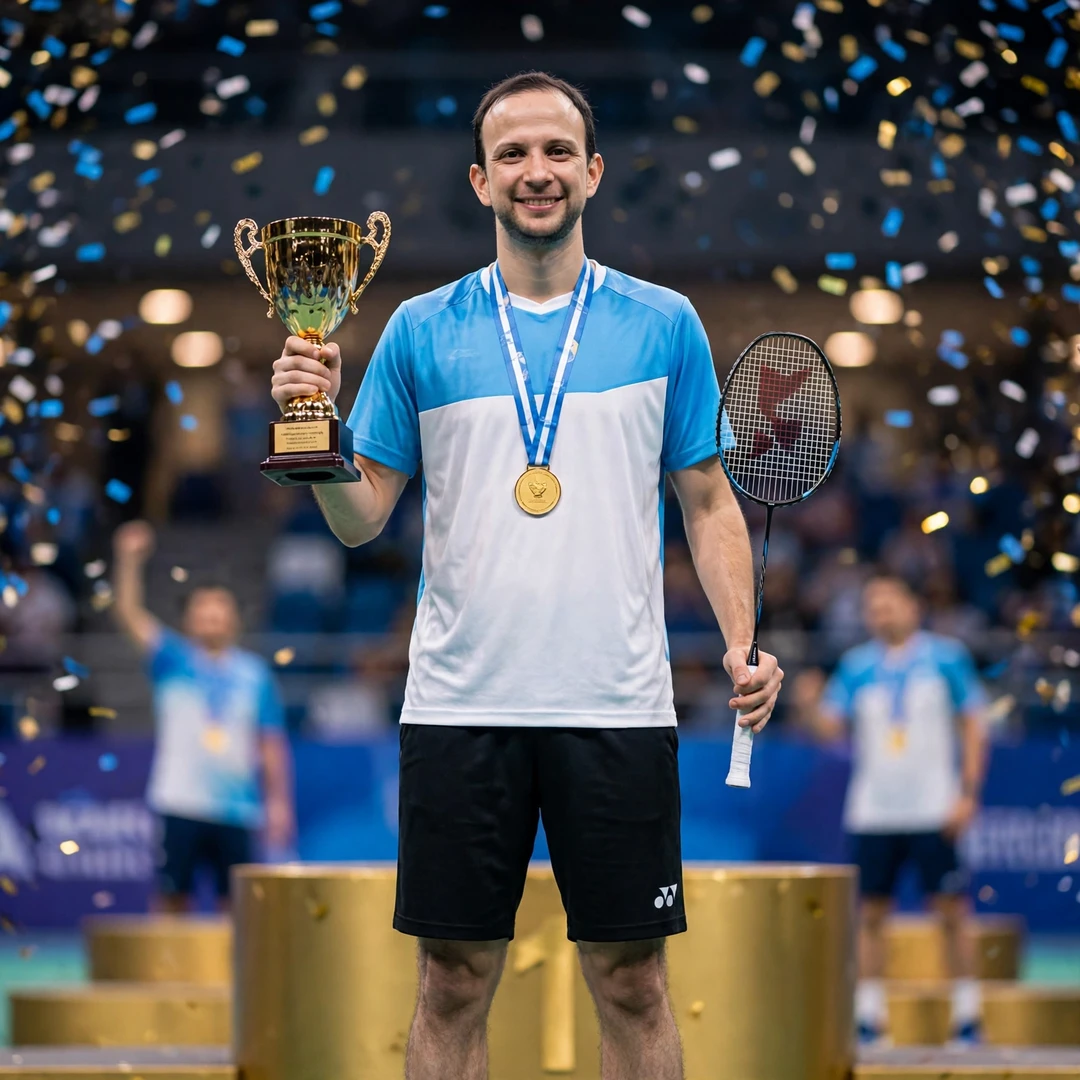
Career Milestone #2
The Continental King: Four Pan Am Championships Titles
His continental reign is the backbone of his career. Cordon has won the Pan Am Championships singles title four times — in 2009, 2012, 2022 and 2024 — a span of fifteen years that no other player in the region can match. The 2012 crown, again over Guerrero in a 23-21, 21-19 final, came in the season he reached his career-high world ranking of No. 24 on 12 April 2012. When he finally leaves the circuit, he will leave as the most decorated men’s singles player in Pan American badminton history.
London 2012 was another step forward: drawn in a tough group, Cordon beat the 15th seed, England’s Rajiv Ouseph, and Sweden’s Henri Hurskainen to top it, before losing to Japan’s Sho Sasaki in the round of 16. In Toronto in 2015 he defended his Pan American Games title, beating Canada’s Andrew D’Souza 21-13, 21-14 in the final. Rio 2016, though, brought the worst moment of his career: after losing a three-game thriller to Poland’s Adrian Dziolko, injury forced him to withdraw from the tournament. Many players would have faded away; Cordon rebuilt and came back for two more Olympic cycles.
The rebuilding produced more continental gold: a fourth CAC Games singles title in Barranquilla in 2018, edging Guerrero 21-16, 14-21, 25-23, and a second Pan Am Championships title of the decade in San Salvador in 2022, where he beat Canada’s Brian Yang 21-17, 21-14 in the final at 35 years old. Then, in Guatemala City in April 2024, he did it again — beating El Salvador’s Uriel Francisco Canjura 14-21, 21-17, 21-13 in the final at 37. Between those triumphs came a Pan American Games silver in Santiago in 2023 and bronze medals at the 2023 and 2025 Pan Am Championships, the latest earned in Lima after a semi-final loss to Canada’s Victor Lai.
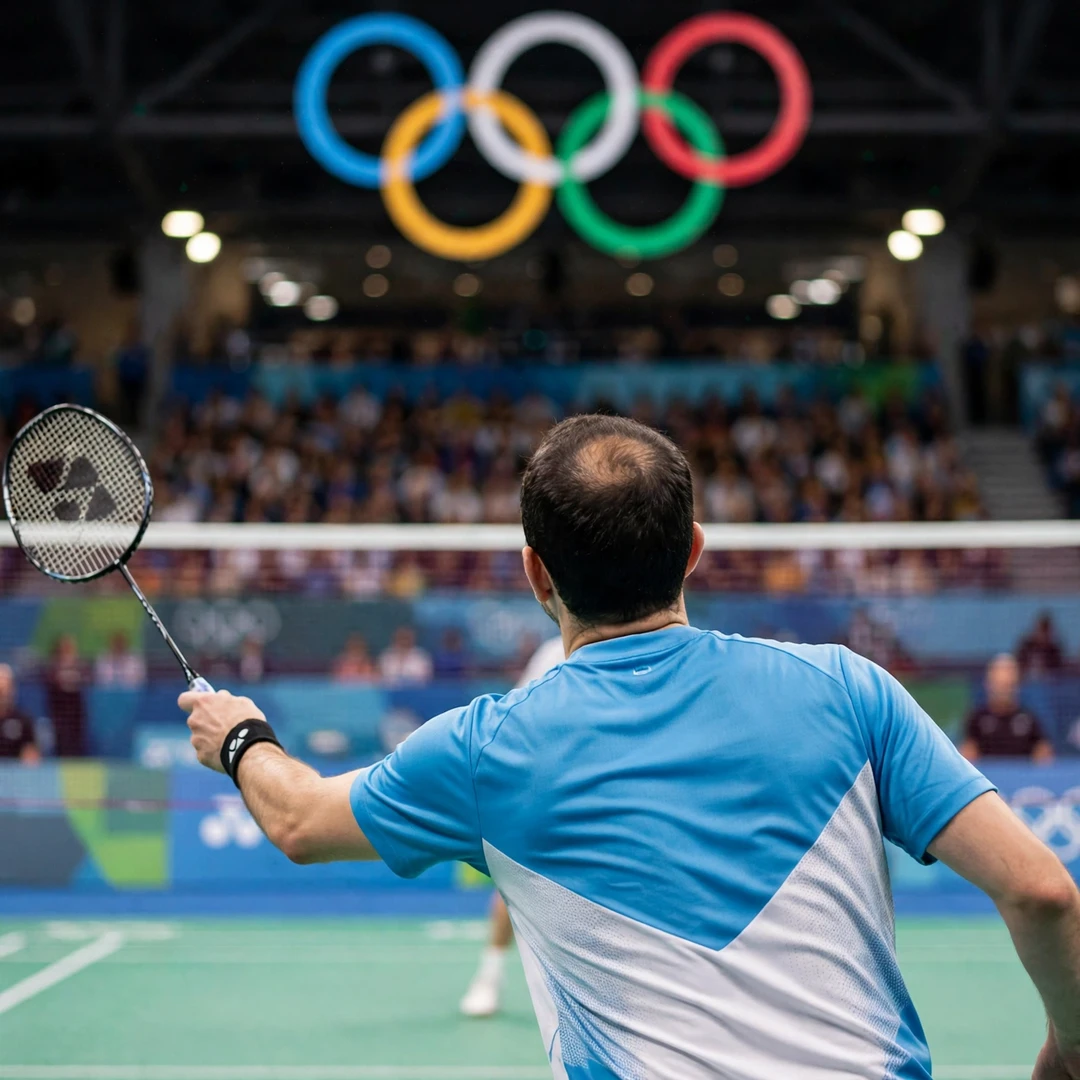
Career Milestone #3
Tokyo 2020: The Semi-final Run That Stopped a Nation
The years between the big podiums have been the honest grind of the Americas circuit, and Cordon has owned that too. In 2023 alone he won the Guatemala International, the Mexican International and the El Salvador International, beating young challengers half a generation behind him. His trophy cabinet from the BWF International Challenge and Series circuit is the largest of any Central American player in history — the product of two decades of flights, small halls and early-morning qualifying rounds that stars from bigger federations rarely have to survive.
Everything in Cordon’s career points toward one fortnight: the Tokyo 2020 Olympic Games, played in 2021. Ranked only 59th in the world, the 34-year-old was expected to make up the numbers. Instead he topped his group by beating Mexico’s Lino Muñoz and, stunningly, the eighth seed Ng Ka Long of Hong Kong. In the round of 16 he removed the Netherlands’ Mark Caljouw, and in the quarter-finals he defeated South Korea’s Heo Kwang-hee 21-13, 21-18 to become the first Central American ever to reach an Olympic badminton semi-final. ‘I think this is the tournament of my life,’ he said. ‘There are no words to describe my emotions.’
In the semi-final he faced Denmark’s Viktor Axelsen, the eventual champion, and lost in straight games; the bronze-medal match against Indonesia’s Anthony Sinisuka Ginting also went against him in straight games. Fourth place at the Olympics, from world No. 59, remains one of the great overachievements in badminton history. Axelsen, notably, praised his conqueror-in-waiting: Cordon, he said, is ‘volatile’, ‘aggressive at playing trigger shots and a little bit of unusual shots, but with good quality.’ Cordon’s own summary was simpler: ‘I play each game like it is the final’ — and his childhood idol, fittingly for a left-hander, was Lin Dan.
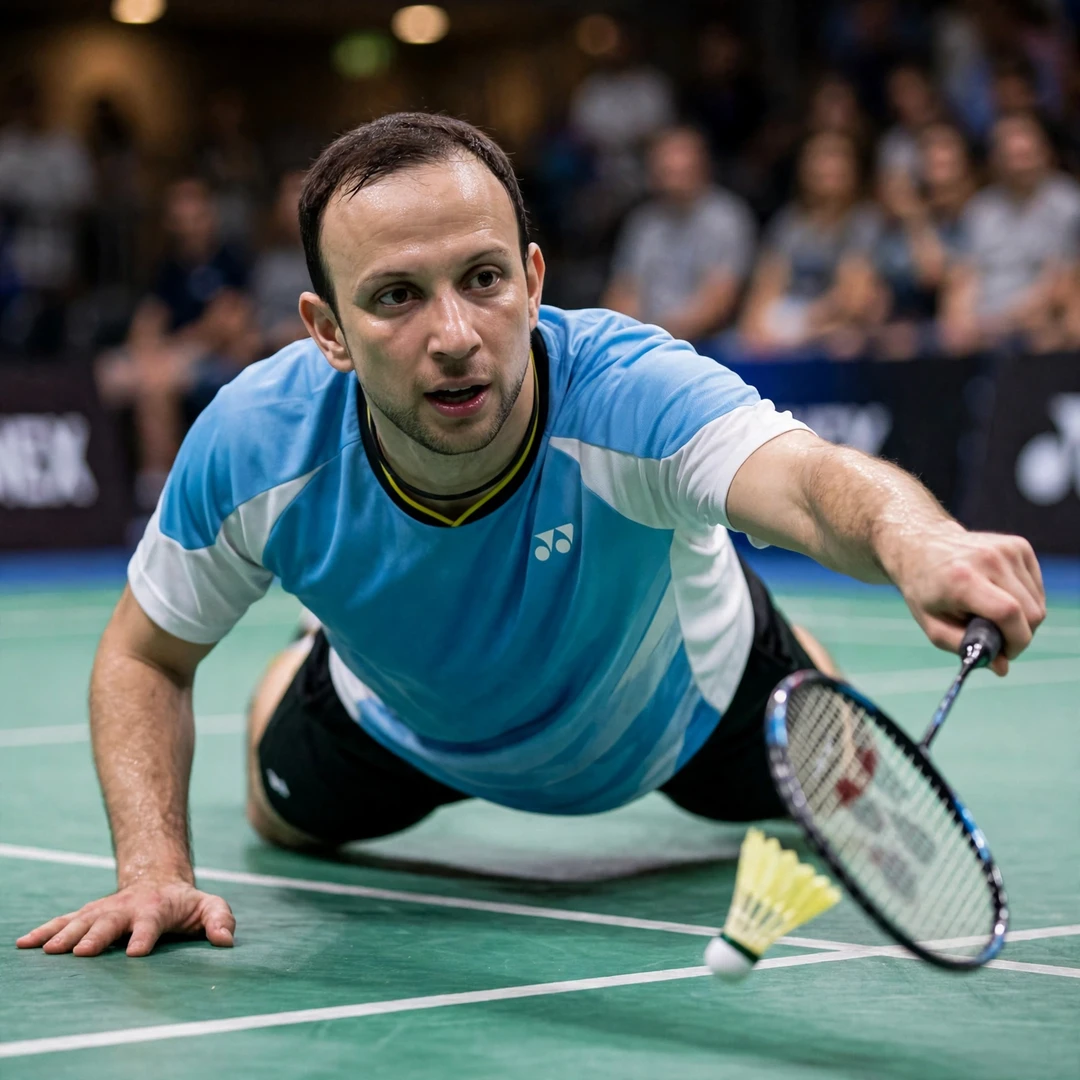
Career Milestone #4
World No. 94 at 39 — and Still Winning Titles
Paris 2024 brought a fifth Olympic Games. Cordon carried Guatemala’s flag at the opening ceremony alongside shooter Waleska Soto, and his fifth Games shared a badminton record with Spain’s Pablo Abián — no men’s singles player has played more. The tournament itself ended painfully: he lost his first group match and withdrew injured. Yet even that was not the end of the story, because at 38 and 39 he was still the man to beat in the Americas: in 2025 he won the Bolivia International, the Costa Rica Future Series — beating Sri Lanka’s Dumindu Abeywickrama in the final — and the Perú International, and reached the Guatemala International final.
Then came the summer of 2026. At the Central American and Caribbean Games in Santo Domingo, the 39-year-old Cordon won the men’s singles gold medal for a fifth time, twenty years after his first, beating Mexico’s Luis Montoya 19-21, 21-10, 21-17 in the final. His career trophy count across singles and doubles on the BWF international circuit stands at 47 titles. In the Week 43 world rankings he holds No. 94 with 20,944 points — a number that belongs to a player who has spent 25 years turning a small country’s modest badminton programme into a permanent presence on the world circuit.
Playing Style
The Left-Handed Attacker: Deception, Power and ‘Volatile’ Shots
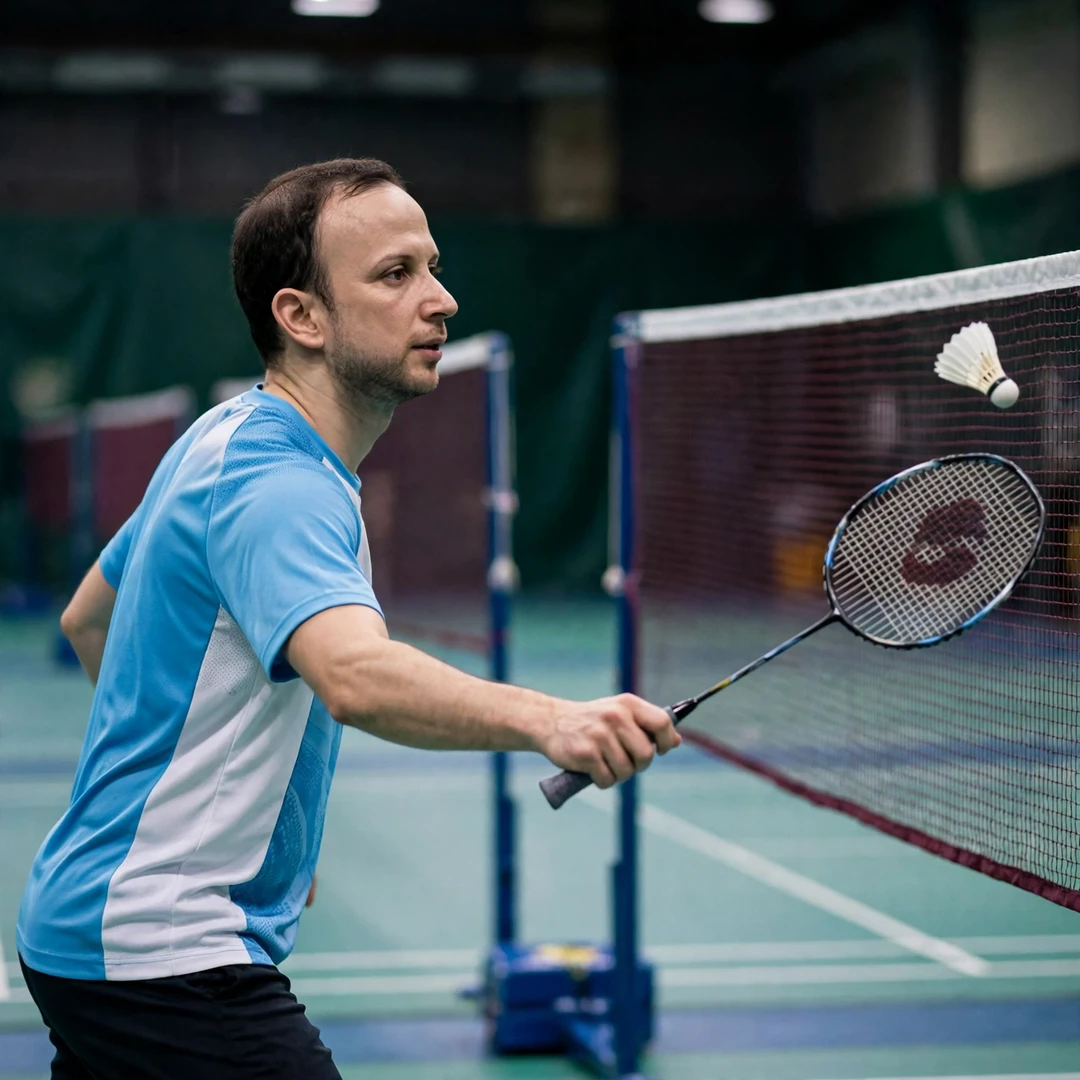
At 1.82 m, Cordon plays the game of a man who had to invent his own education in it. He never came through a famous academy system; his style was shaped by opportunity and imagination. The base is a complete all-court game — reliable footwork, a secure defence and deep clears — but what opponents remember is the layer on top: disguised holds, sudden flicks and trigger shots released a fraction later than expected, which is why Axelsen called him volatile and why seeded players have always hated drawing him in early rounds.
Coaches studying Cordon point juniors first to his left-handed geometry. His cross-court forehands bend rallies into corners right-handers defend awkwardly, his backhand is strong enough to attack from the deep corner, and his deception is built on a repeatable shape: the same preparation for the clear, the drop and the flick, so the shuttle’s destination is revealed only at contact. Against Ng Ka Long, Caljouw and Heo in Tokyo, higher-ranked opponents repeatedly committed early and paid for it — a masterclass in winning rallies with information, not just power.
Young players should also study his economy of effort. Cordon at 34 outlasted men a decade younger in Tokyo not by playing faster but by playing smarter: choosing when to inject pace, resetting to a strong base between rallies, and serving and receiving with the same unhurried routine whatever the score. Even now, approaching 40, his movement is built on balance rather than lunging desperation. Shot quality, positioning and patience — all trainable, none dependent on a famous birthplace — are the core of his longevity.
Mental Strength
Joy, Hunger and Longevity: Lessons from a 25-Year Career
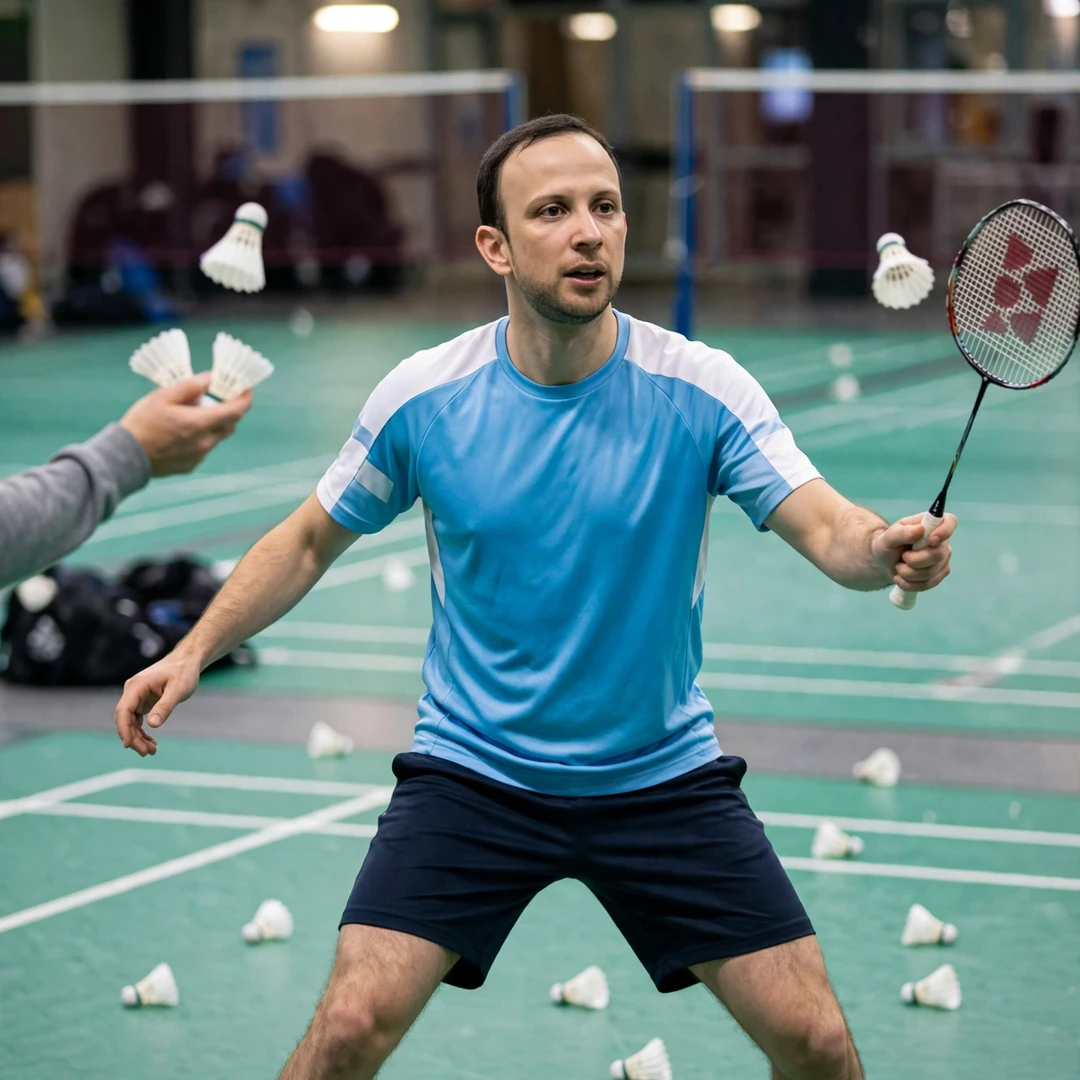
Cordon’s mindset starts with joy. ‘For me, this is perfect,’ he said during the Tokyo run. ‘To have a career, I think, you just enjoy the game, enjoy all moments — good moments, bad moments. Just train with your heart and train with joy and all these good things will come.’ A boy who left home at 12 because badminton was his best route to the Olympics, who tattooed the Olympic rings on his arm after his first Games, and who was still winning gold medals at 39, does not need motivational speeches: his career is the speech.
His response to setbacks is the other half of the story. Injury ended his Rio 2016 campaign and his Paris 2024 campaign; after each, he rebuilt and won more titles. The defeats in Tokyo — to the eventual champion and in the bronze-medal match — could have closed his career on a note of heartbreak; instead he treated fourth place as fuel and won two more Pan Am Championships titles afterwards, at 35 and 37. For young players, that pattern matters: he has lost more big matches than almost anyone, and he is still standing at world No. 94 because he always came back for the next one.
Practical lessons from his journey include choosing the path where opportunity actually exists rather than the most fashionable one, being willing to move away from home for better training, building a complete game before chasing spectacular shots, and staying in the sport long enough for experience to become a weapon — Cordon’s greatest result arrived at 34, and his fifth regional Games gold at 39. None of it required a famous academy; all of it required two and a half decades of showing up.
Learning Reference
ST Badminton Academy Connection
ST Badminton Academy has no official partnership or endorsement from Kevin Cordon. He is not connected with our academy, and this profile is published purely as an educational case study for parents and junior players who want to understand how far planning, deception and persistence can take a player from a country with almost no badminton tradition.
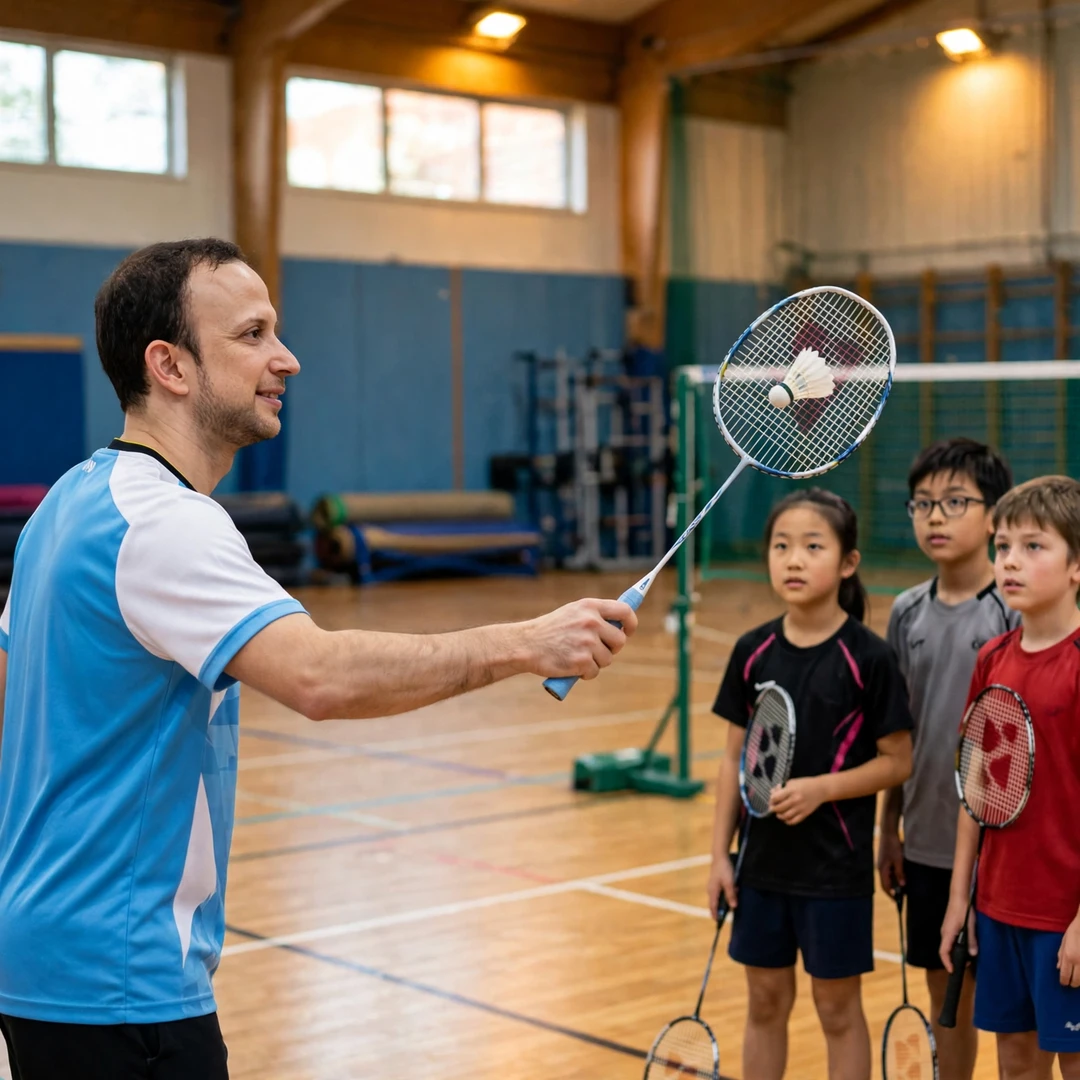
Many of our students from Malaysia and visiting learners from Singapore study his Tokyo 2020 matches to understand giant-killing: how a world No. 59 dismantled the eighth seed’s game, how he structured rallies against Heo Kwang-hee, and how he stayed composed through a semi-final against the eventual champion. His 2011 London win over Chen Long is another favourite in our discussions of deception and left-handed angles.
We encourage our students to observe his disguised preparation, his calm routines between rallies and his willingness to attack from unexpected positions — and to remember that his journey began in La Unión, Zacapa, with a boy named after a footballer who simply decided badminton was his road to the Olympics. Champions are not only made in famous academies; sometimes they are made by a plan, a blessing from home, and 25 years of heart.
FAQs: Kevin Cordon Guatemalan Badminton Player
Here are answers to common questions about Kevin Cordon’s career, achievements and what young players in Malaysia can learn from Guatemala’s five-time Olympian.
Who is Kevin Cordon and which country does he represent in badminton?
Kevin Cordon is a Guatemalan professional badminton player competing in men’s singles. Born on 28 November 1986 in La Unión, Zacapa, Guatemala, he left home at 12 to train in Guatemala City, won the Pan American junior title in 2004, and went on to play at five Olympic Games — reaching the semi-finals at Tokyo 2020, the best result ever achieved by a Central American badminton player.
What are Kevin Cordon’s biggest badminton achievements?
Cordon’s major achievements are a fourth-place finish at the Tokyo 2020 Olympics, two Pan American Games singles gold medals (Guadalajara 2011 and Toronto 2015), four Pan Am Championships singles titles (2009, 2012, 2022, 2024), five Central American and Caribbean Games singles golds between 2006 and 2026, 47 international titles across singles and doubles, and a career-high world ranking of No. 24, reached in April 2012.
What is Kevin Cordon’s playing style?
Cordon plays a left-handed all-court attacking game built on deception. His clears, drops and flicks share the same preparation, so opponents cannot read his shots early; he attacks suddenly with trigger shots and cross-court angles that trouble right-handers, and he supports the attack with secure defence and patient rally construction. Viktor Axelsen described him as ‘volatile’, with unusual shots of high quality.
How did Kevin Cordon perform at the Tokyo 2020 Olympics?
Cordon produced the run of his life at Tokyo 2020. Ranked world No. 59, he topped his group by beating Lino Muñoz and eighth seed Ng Ka Long, then beat Mark Caljouw in the round of 16 and Heo Kwang-hee 21-13, 21-18 in the quarter-finals — the first Central American to reach an Olympic badminton semi-final. He lost the semi-final to eventual champion Viktor Axelsen and the bronze-medal match to Anthony Sinisuka Ginting, finishing fourth.
How can my child learn from Kevin Cordon’s training approach?
Young players can study Cordon’s approach by copying the habits behind his rise: build one repeatable preparation for several different shots so your game becomes hard to read, train your weaker side until it can attack, and keep a steady routine between rallies whatever the score. At ST Badminton Academy we use his Tokyo 2020 matches as a video lesson in deception and composure, then train the same patterns in multi-shuttle and rally-building drills.
Did Kevin Cordon win any junior titles?
Yes. Cordon won the Pan American Junior Championships under-19 boys’ singles title in 2004, the start of a junior career that carried him from the Zacapa department youth team to the senior circuit, where he was already winning Central American and Caribbean Games gold at 19 and Pan American Games silver at 20.
What are Kevin Cordon’s best World Tour and World Championships results?
Cordon’s game is built on the Olympic and continental circuit rather than the World Tour, and this profile says so honestly: he has no BWF World Tour titles. His best World Championships result is the 2011 quarter-final in London, where he beat fifth seed Chen Long before losing to Lee Chong Wei. His World Tour-era appearances have mostly been tests around his real arena — the Pan Am circuit, where his four continental titles and 47 international titles were won.
What playing style should young players learn from Kevin Cordon?
Young players should study Cordon’s deception rather than one spectacular shot: the identical preparation for clear, drop and flick, the left-handed cross-court angles, and the trigger shots that arrive a moment later than opponents expect. Above all they should study his shot selection under pressure — the patience to wait, and the courage to strike when the rally finally opens.
Does ST Badminton Academy have any connection with Kevin Cordon?
No, Kevin Cordon is not a student, coach or ambassador of ST Badminton Academy. He represents Guatemala and developed through his national federation in Guatemala City. However, coaches at our academy in Kuala Lumpur regularly use his matches as teaching material, because his rise from rural Zacapa to an Olympic semi-final shows what planning, deception and persistence can achieve.
Kevin Cordon Career Highlights
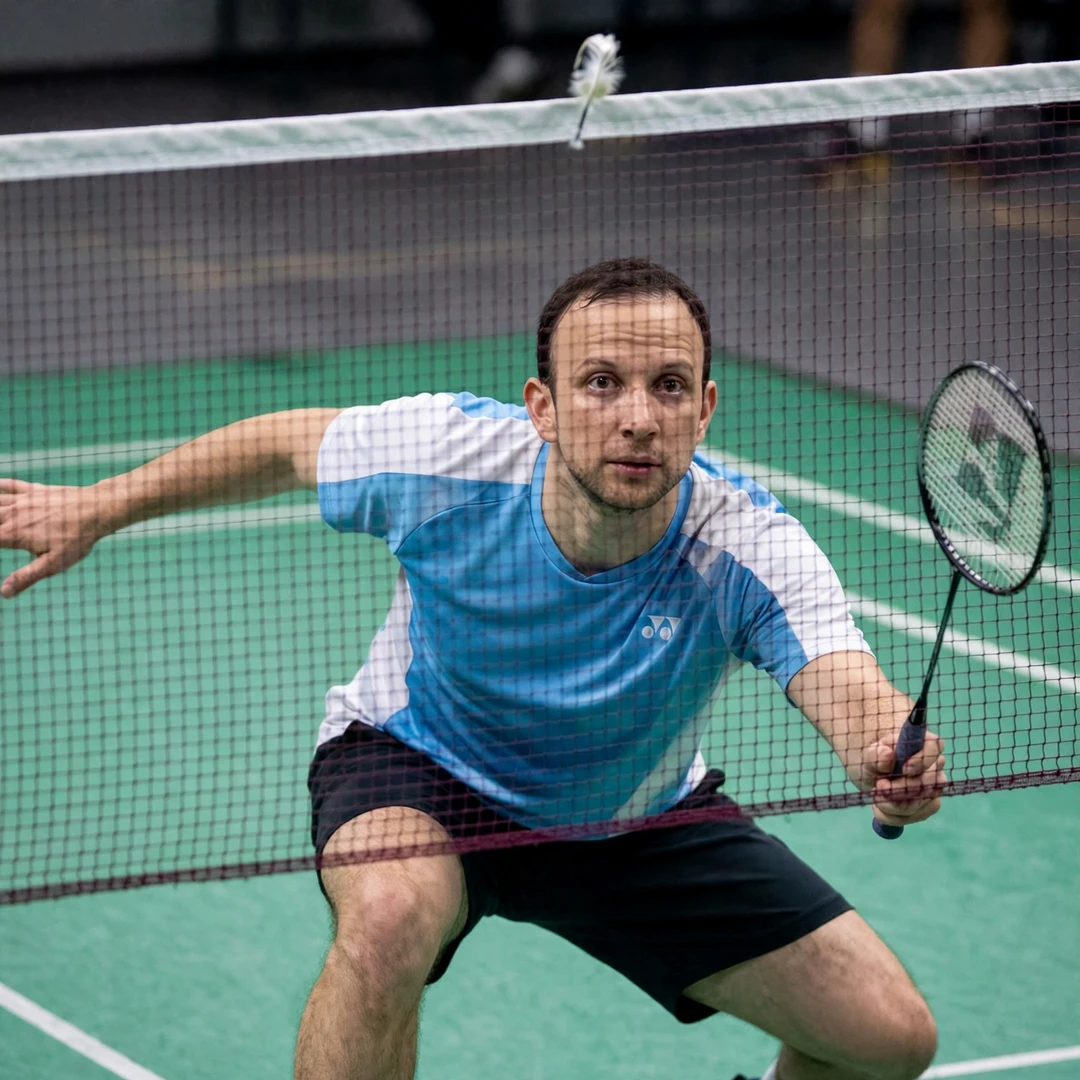
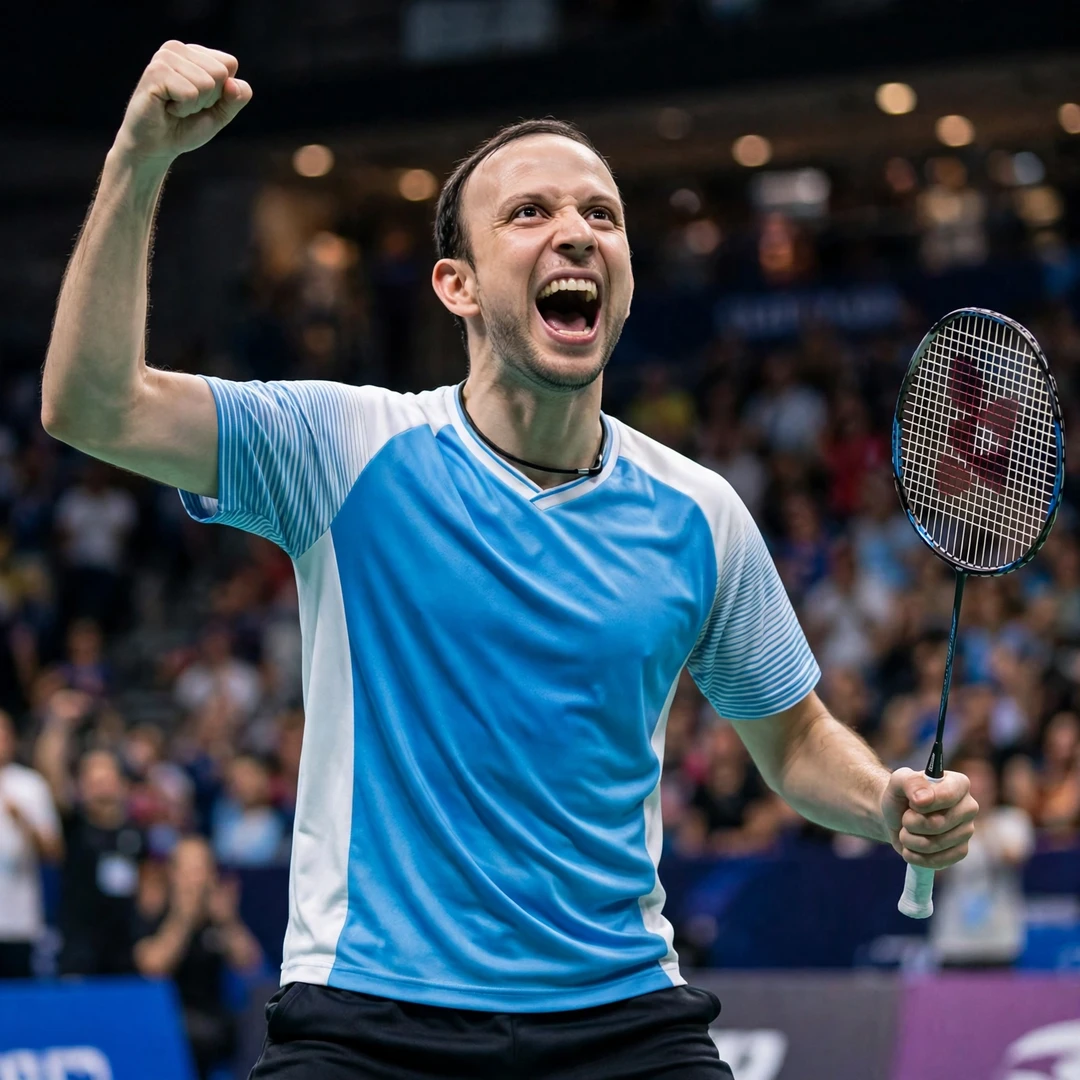
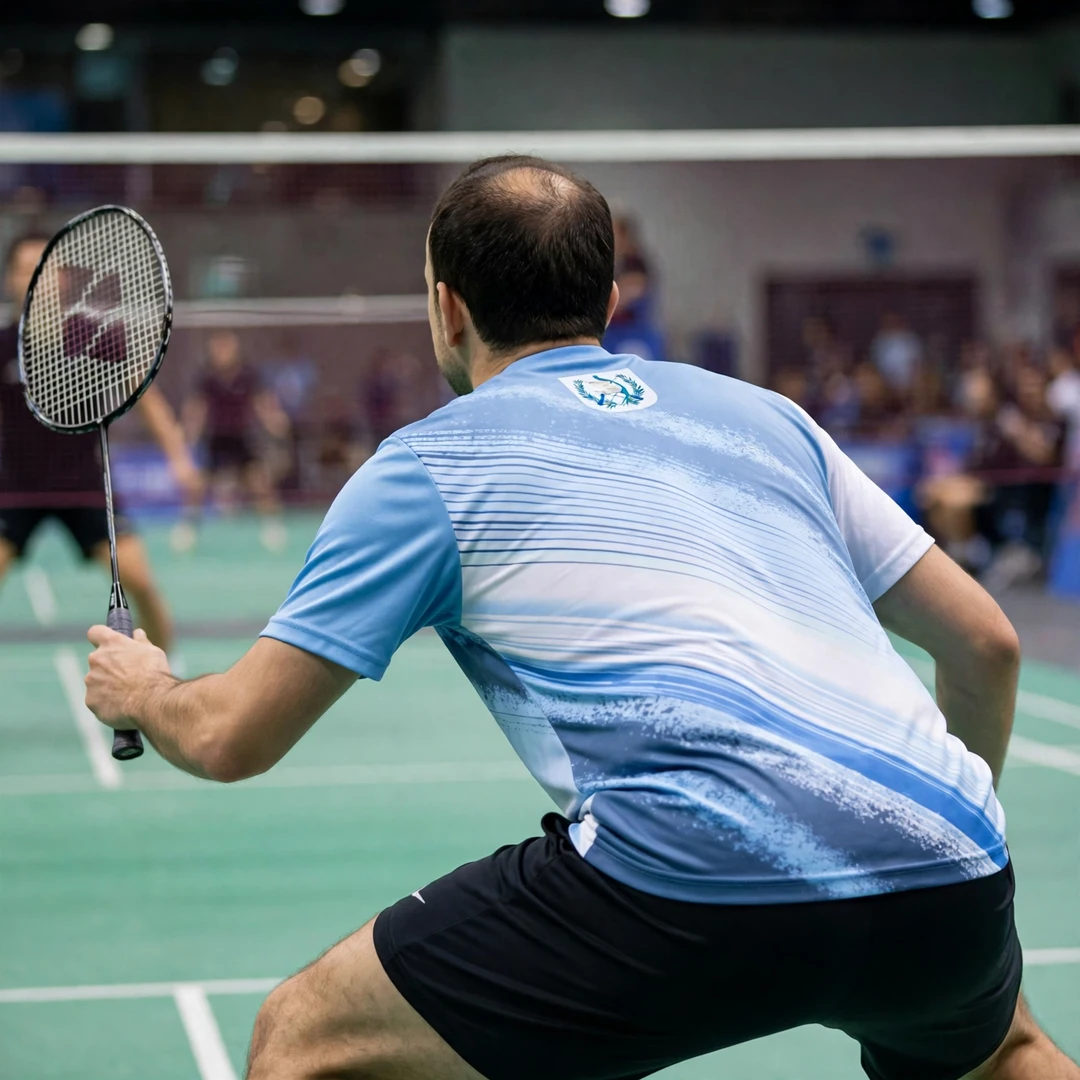
Career Statistics and Rankings
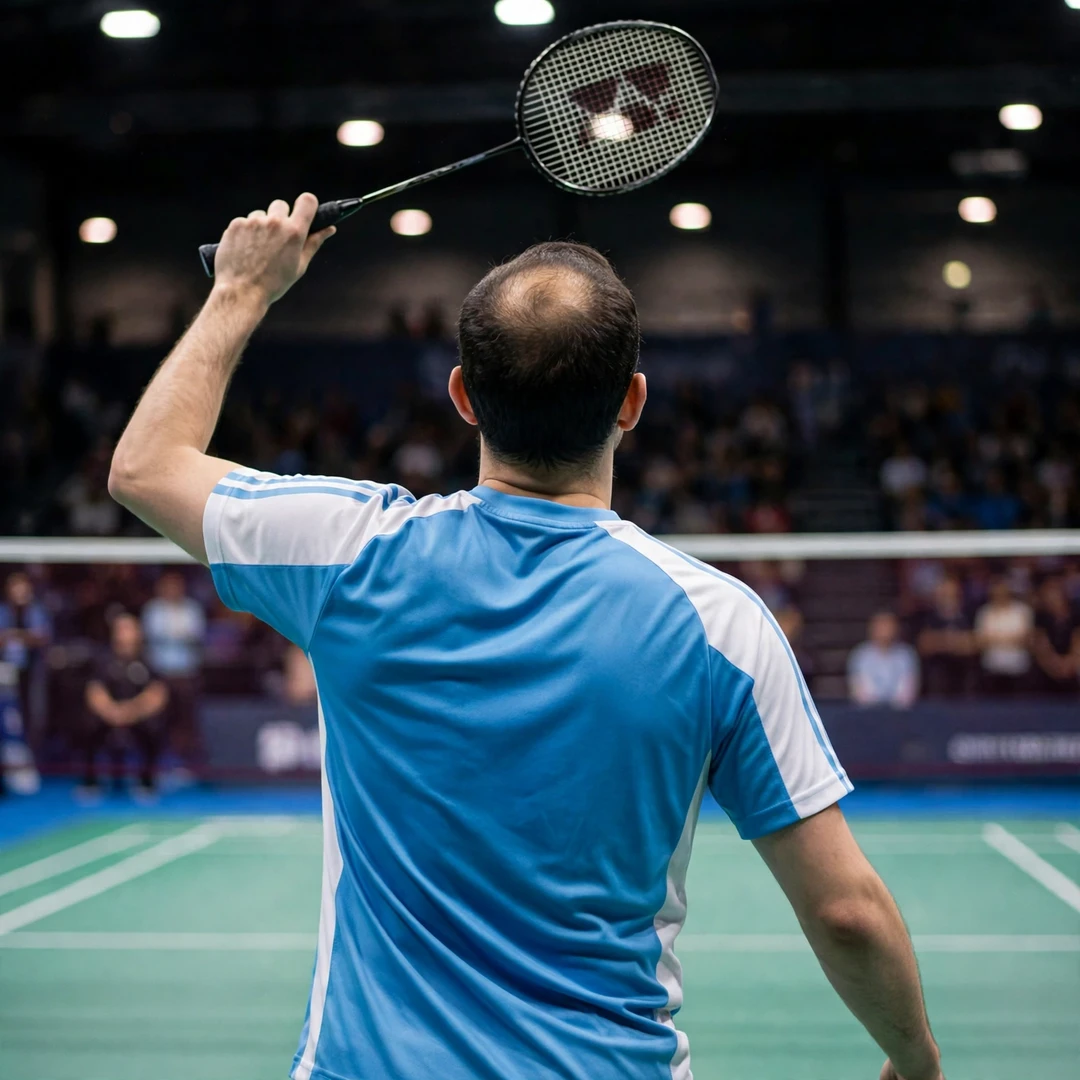
Kevin Cordon, born 28 November 1986 in La Unión, Zacapa, has produced one of badminton's longest and most improbable careers: named after a footballer, on the road to the capital at 12, a regional champion at 19, an Olympian at 21 — and, with five Olympic Games, two Pan American Games golds, four Pan Am Championships titles and an Olympic semi-final, the greatest badminton player Central America has ever produced.
| Development Area | Common Misconception | What Kevin Cordon's Career Shows REALITY |
|---|---|---|
| Junior Foundation | Talent alone decides who becomes a champion. | Cordon started at 11 in rural Zacapa and left home at 12 to train in the capital — opportunity is chased, not waited for. |
| Playing Style Priority | Kids should copy the flashiest attacking shots. | Cordon built a complete left-handed game first; his famous trigger shots grow out of deception, footwork and defence, not one big smash. |
| Fitness Importance | Juniors can out-train everyone without rest. | Injuries ended Cordon's Rio 2016 and Paris 2024 campaigns, yet he rebuilt both times — his Tokyo 2020 semi-final at 34 came from patient recovery, not more hours. |
| Mental Approach | Top players never get nervous or upset. | Cordon plays with visible joy and emotion, yet has kept returning to finals for 20 years — mental skills are trained, not inherited. |
| Attacking Training | Smashing harder is always the answer. | His 2025 Indonesia Open final win over Chou Tien-chen (22-20, 21-14) and his 2024 Malaysia Open title came from controlled attack placement, not raw power. |
| National Milestones | Only world titles matter. | Cordon's two Pan American Games golds (2011, 2015) and four Pan Am Championships titles made him a national hero in Guatemala — continental milestones build a career step by step. |
| Career Timeline | Champions peak once and fade fast. | From Pan Am junior champion in 2004 to a Central American and Caribbean Games gold at 39 in 2026, Cordon proves sustained development beats a short peak. |
Study Kevin Cordon's Work Ethic and Professional Approach
This profile explains who Kevin Cordon is, his major achievements, and what developing players can learn from his journey. Whether you are a parent in Kuala Lumpur, Cheras or anywhere in Malaysia wondering whether a small starting point limits a child's ceiling, Cordon's story carries the answer: with the right coaching, a clever game and enough persistence, even a boy from La Unión can reach an Olympic semi-final — book a trial class with ST Badminton Academy on WhatsApp at +60 17-684 2136 and let your child begin a development journey built to last.