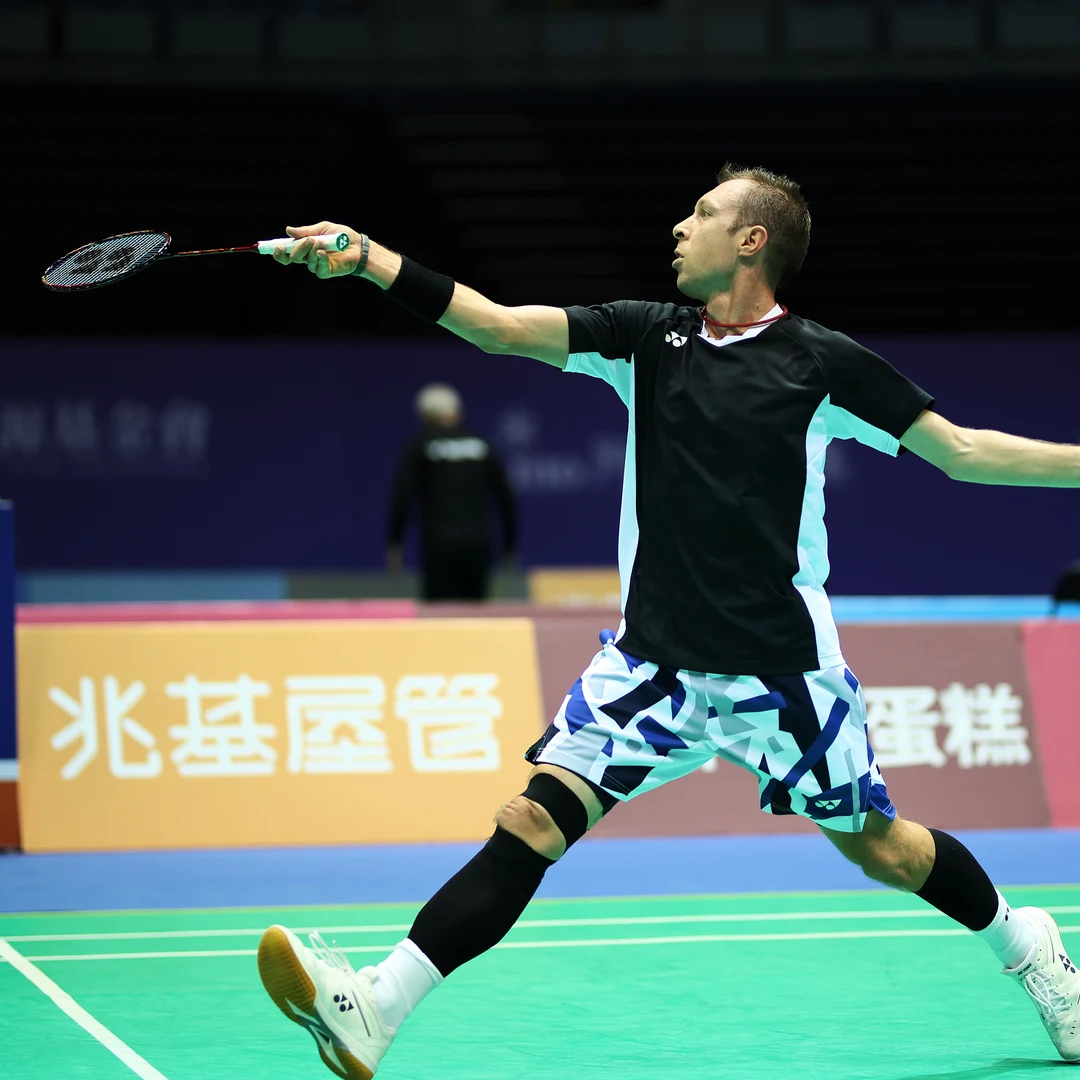
Danish Men’s Singles Badminton Star
William Bøgebjerg

Denmark
Player Event: Men’s singles
Born 29 June 2006 · From Copenhagen, Denmark · Right-handed
Playing Style: Right-handed attacking all-rounder who takes the shuttle early, plays at a high tempo and feeds off the energy of a match
Known For: A first senior title at 19, International Challenge finals in Brøndby and Istanbul in 2026, a Thomas Cup bronze medal on home soil and a Super 100 semi-final in Prague
Journey: Københavns Badminton Klub · Badminton Denmark elite programme, Brøndby · Polish International champion 2025 · World No. 74
Understanding William Bøgebjerg (Danish Badminton Star)
William Bøgebjerg is a Danish men’s singles badminton player who, at 20 years old, has just reached a career-high world No. 74 in the BWF rankings (Week 43, 20 October 2026) with 24,770 points. Twelve months earlier he was ranked around No. 140. In between came his first senior international title in Poland, a European team silver medal, a dramatic late call-up to Denmark’s Thomas Cup squad on home soil in Horsens — where Denmark won bronze — two International Challenge finals in five months, and a Super 100 semi-final in Prague. He trains full-time in Badminton Denmark’s elite programme in Brøndby under former world-class singles player Hans-Kristian Solberg Vittinghus, and he plays the game the way he talks about it: all in, heart first, and never beaten until the last rally is over.
Early Life and the Road to Brøndby
William Bøgebjerg was born on 29 June 2006 and started his badminton journey at Københavns Badminton Klub — KBK — in Denmark’s capital. In a podcast interview looking back on those first years, he said he knew from a young age that badminton was going to be his living, and he trained with one clear goal: to become one of the best players in the world. KBK is one of Denmark’s historic clubs, and the Danish club system — strong local clubs feeding a single national training centre — is the conveyor belt that has produced Denmark’s world-class singles players for decades.
The Copenhagen Club System
The second stage of that conveyor belt is Brøndby, west of Copenhagen, home of Badminton Denmark’s National Elite Training Centre. Through 2024, while still a junior, Bøgebjerg was already training two to three times a week alongside the senior national team players there, under the then head coach Kenneth Jonassen. In February 2025, at 18, he was formally admitted to the elite programme: the men’s singles group at the national centre grew to four players, and his daily environment became full-time sparring against Denmark’s established internationals, with Team Denmark’s strength coaches, physiotherapists and nutrition experts around him.
A World Junior Injury
His day-to-day coach in Brøndby is Hans-Kristian Solberg Vittinghus, the former Danish international famous for his own fighting spirit and late-career reinvention, who took over responsibility for the men’s singles category at the centre. For a teenager whose game runs on fire and self-belief, the pairing is a natural one: a coach who built a career on refusing to give in, guiding a player who plays every rally the same way. ‘It is a big step on the road for me,’ Bøgebjerg said when he entered the programme, ‘and I see it as a natural step, because this is the path I am chasing.’
Six Months on the Sidelines
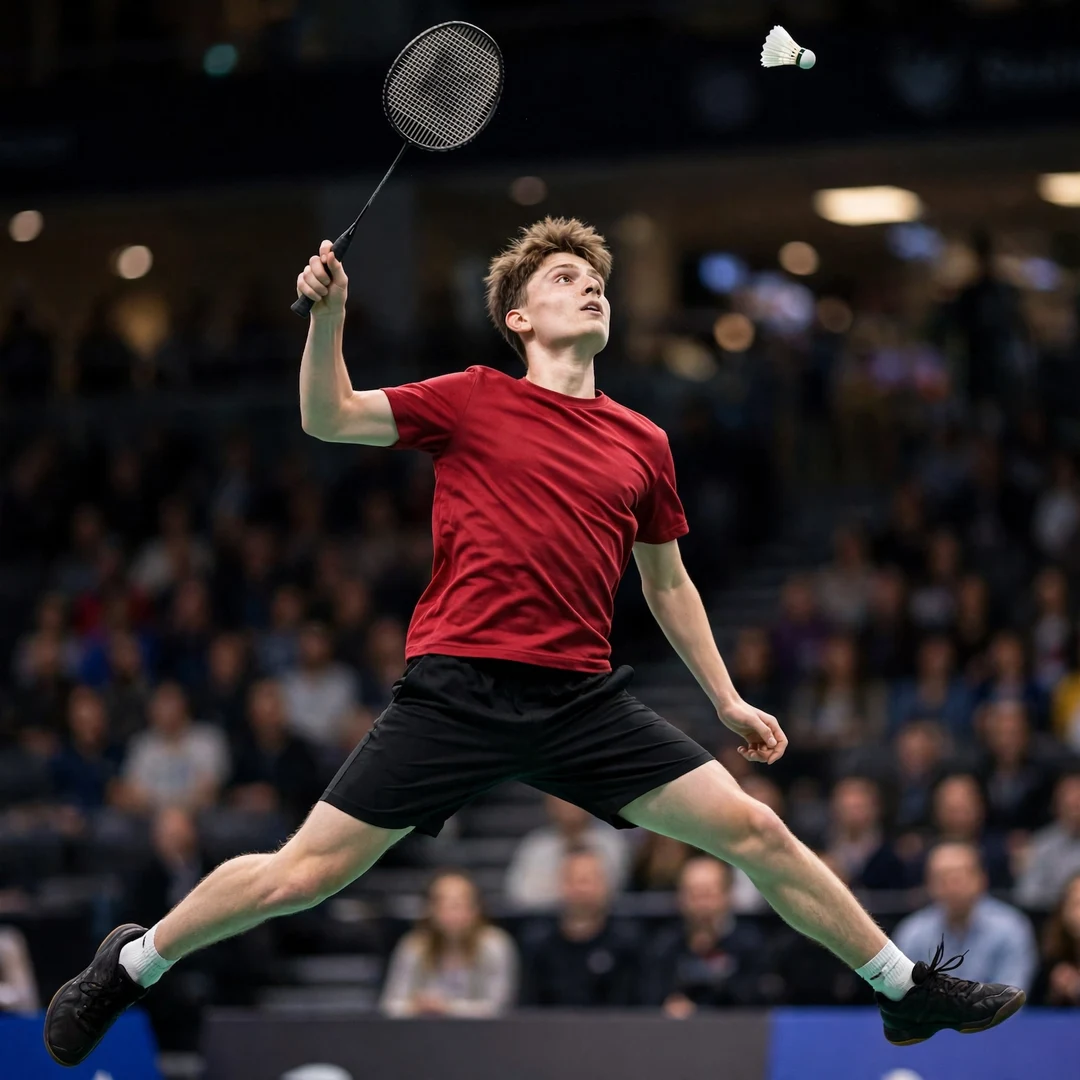
His junior career ended the hard way. At the World Junior Championships in China in October 2024, Bøgebjerg suffered the biggest injury of his young career — damage that kept him away from competition for about six months. There was no gentle farewell tour of junior badminton and no junior titles to fall back on: one week he was a world junior player, and then he was a patient, watching his final junior season disappear into rehabilitation while his rivals collected medals.
Career Milestone #1
First Senior Steps in 2025
When Badminton Denmark announced his elite-programme place in February 2025, the federation was clear about the order of business: the first goal was simply to get him fully back into match shape after the injury. Denmark’s coaches had seen enough in his part-time training with the senior squad to invest in him anyway — a useful reminder for young players that selectors watch how you train and recover, not only the trophies on your shelf. His comeback would have to be built on the senior circuit, against adults, one small tournament at a time.
The comeback season of 2025 was a tour of Europe’s workhorse events, and the results stacked up fast. A semi-final at the Czech International Future Series in June was followed by another semi-final at the Italian Open — both times a 19-year-old one match from a senior final. By the autumn he was a quarter-finalist at the Belgian International and then the Scottish Open, climbing steadily from around world No. 140 toward the top 100, and learning the senior game’s harder lesson: everybody at this level can play, and nobody gives a young Dane a free point.
Career Milestone #2
A First Senior Title in Kraków
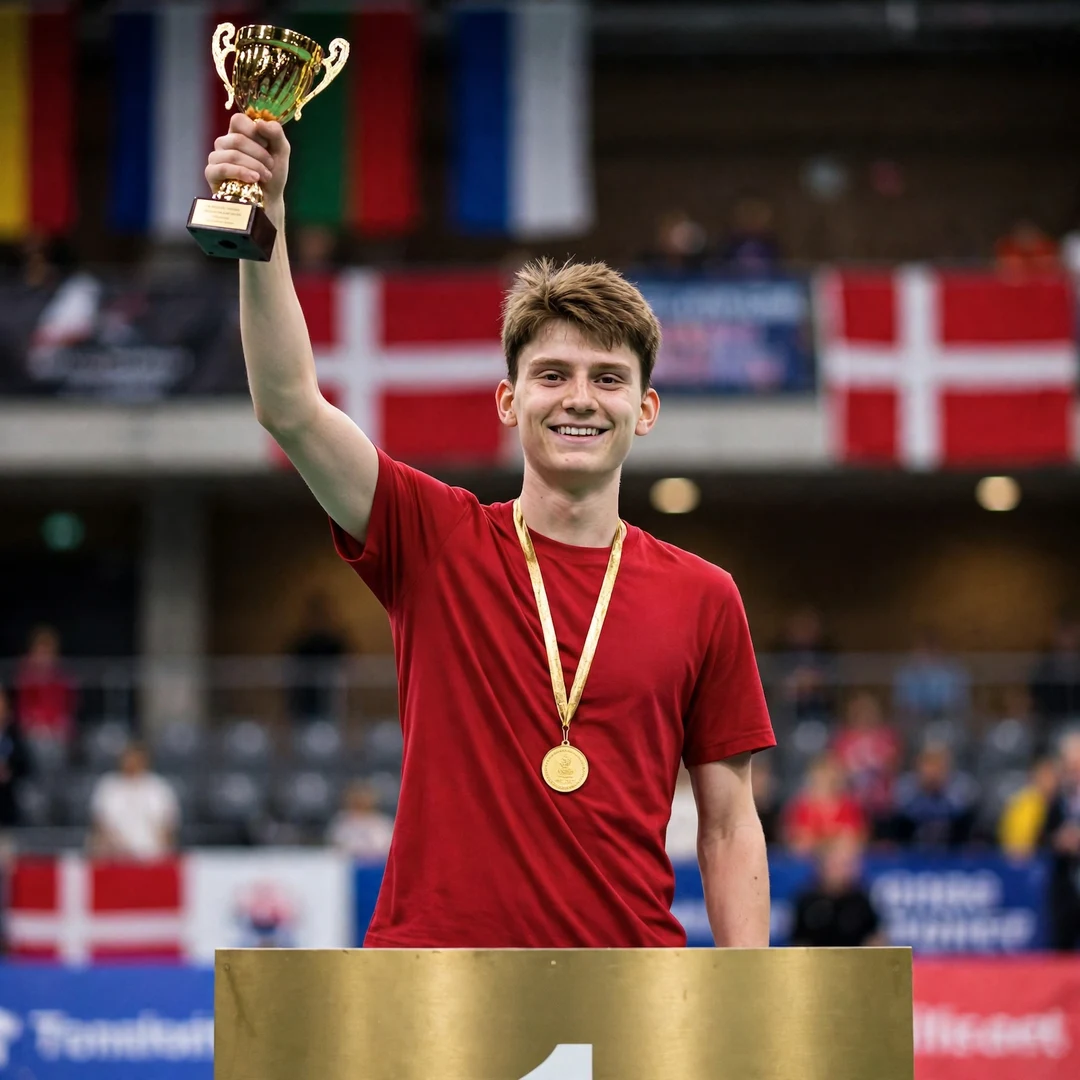
The breakthrough arrived in Kraków, Poland, in September 2025. At the Polish International — an International Series event played at the AGH University sports hall from 17 to 21 September — Bøgebjerg won the men’s singles title, his first senior international crown, a week past a quarter-final run in Belgium and just eleven months after the injury that ended his junior career. For a player who had spent the first half of the year in rehab, lifting a senior trophy before his twentieth birthday was the moment the comeback became a career.
The rest of 2025 taught him the circuit’s rhythm. There were quarter-finals at the Scottish Open in November and solid runs at the Dutch Open and the Czech Open — and there were also weeks like the Irish Open, where he went out in the first round. Senior badminton is a league of small margins: the same player who lifted a trophy in September could lose on a Tuesday in November to someone ranked below him. Bøgebjerg’s response to those weeks became his signature — no sulking, no shortcuts, just the next training block in Brøndby and the next flight to the next hall.
If 2025 was the comeback, 2026 has been the announcement. January brought a semi-final at the Estonian International and a quarter-final at the Swedish Open. In February he was part of Denmark’s squad at the European Men’s Team Championships in Istanbul, where Denmark’s men took silver — beaten 3-2 in the final by France, who ended Denmark’s run of winning every edition of the event since 2006 — and Bøgebjerg earned world-ranking points from the team event. In March came a quarter-final at the Portugal International — and the hardest lesson of his career so far.
Career Milestone #3
Finals in Brøndby and Istanbul
In Portugal, after losing that quarter-final to Chinese Taipei’s Su Li Yang, Bøgebjerg lost his temper with a line judge, threw his racket and accused the official of betting on the match. He apologised to the umpire and the line judge in person straight after the match, told Danish broadcaster TV2 he was incredibly sad about his reaction, and accepted that feeling hard done by did not justify it. His coach Vittinghus called the behaviour unacceptable — and noted that the apology came immediately. The federation condemned the outburst; there was no hiding from it, and Bøgebjerg did not try to hide. It is part of his story precisely because of how he answered for it.
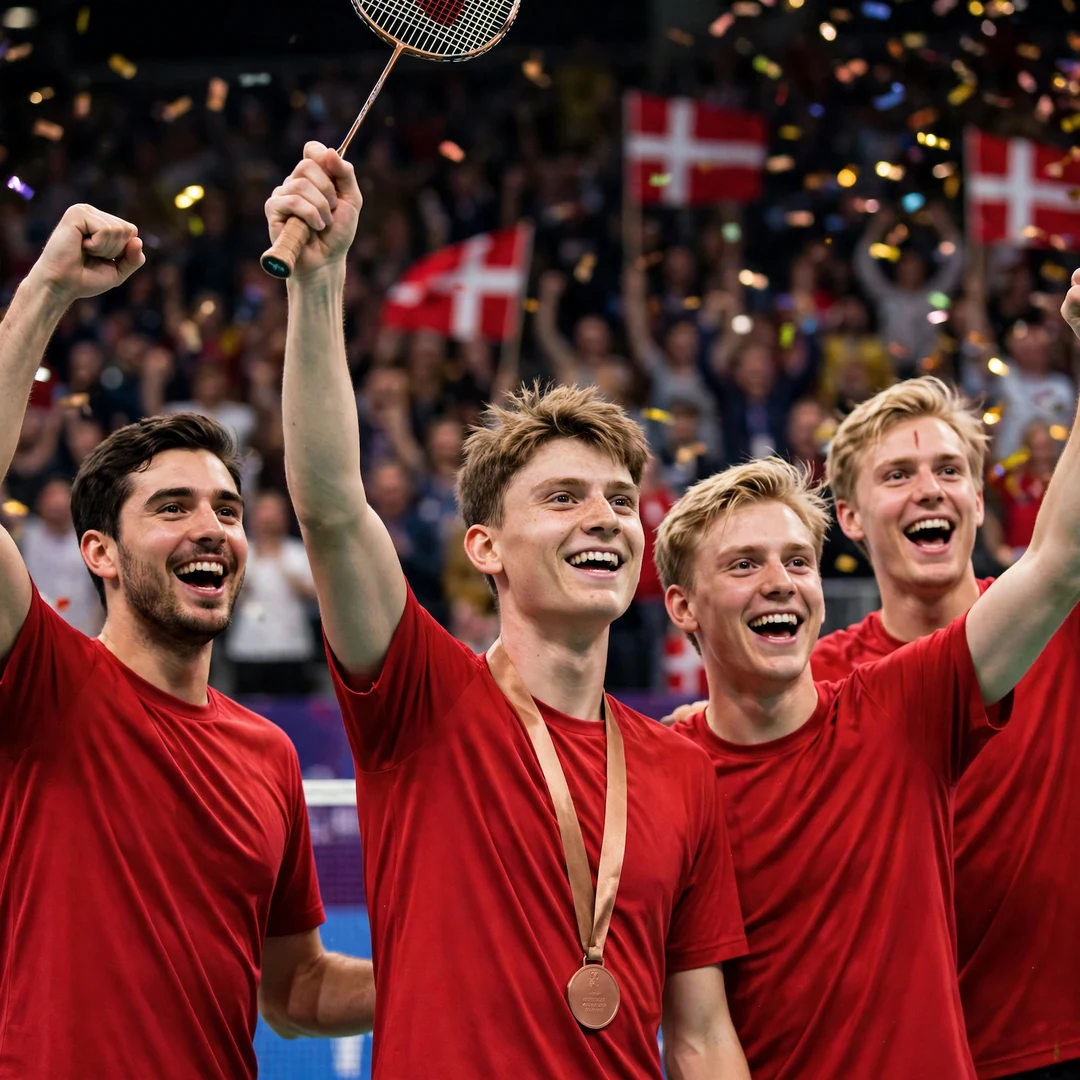
Five weeks later came the phone call every young Danish player dreams of. When former world No. 4 Rasmus Gemke withdrew injured from Denmark’s Thomas Cup squad, head coach Thomas Stavngaard called up the 19-year-old Bøgebjerg as his replacement — for a home World Team Championships in Horsens, in front of Danish crowds. Denmark fought to the semi-finals before falling to eventual champions China, and took the bronze medal. Bøgebjerg’s role was in the squad room and in the stands, driving the team on — and when the medals were handed out after the final, the teenager who had started the year ranked No. 124 had a Thomas Cup bronze medal, won on home soil, around his neck.
The summer brought his first taste of the BWF World Tour — and a first home final. At the STATE Denmark Challenge in Brøndby in May, in front of a vocal home crowd, Bøgebjerg beat England’s fourth seed Harry Huang in a semi-final thriller, 17-21, 24-22, 21-13, before losing the final to Israel’s Daniil Dubovenko 14-21, 19-21; Badminton Europe’s report called him ‘the home favourite’. In June he crossed the Atlantic for the US Open, a Super 300 in Fullerton, California, and took the first game off Canada’s Brian Yang before losing 21-17, 17-21, 9-21 in the round of 32 — then contested qualifying at the Canada Open.
Career Milestone #4
Thomas Cup Bronze on Home Soil
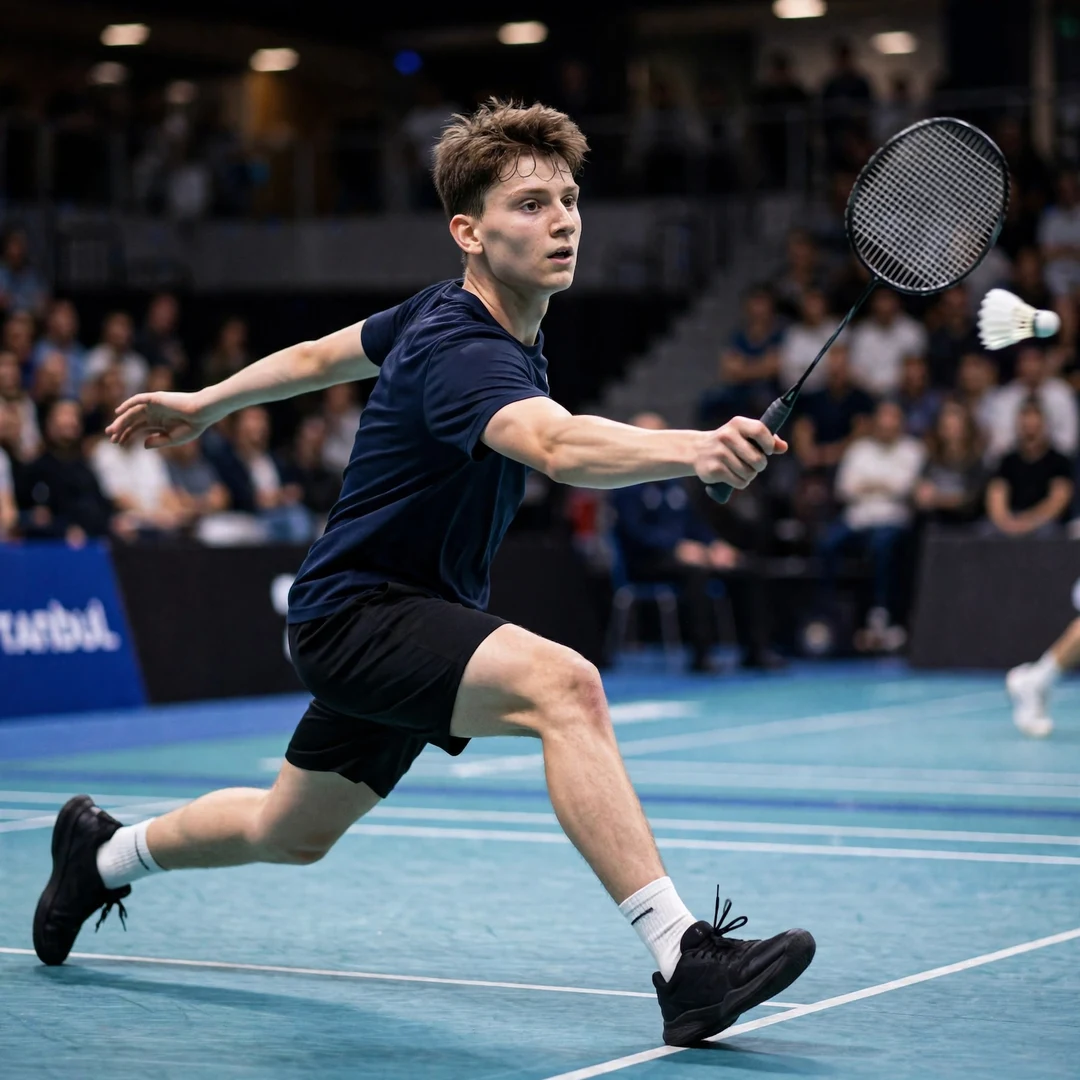
Then came the October that changed his ranking. In Istanbul, at the Türkiye International Challenge (7-11 October), Bøgebjerg reached his second International Challenge final of the year — an all-Danish final, lost by the finest of margins, 19-21, 22-24, to his compatriot Victor Ørding Kauffmann. One week later, at the Czech Open in Prague — a Super 100, a full level above anything he had played before this season — he beat Sweden’s Gustav Bjorkler 21-16, 21-10, then produced the win of his career: a quarter-final comeback against Dubovenko, the man who had beaten him in the Brøndby final, recovering from 9-21 down to win 22-20, 21-16. His run ended in the semi-final against Finland’s Joakim Oldorff, 13-21, 11-21, with Oldorff going on to take the title — and Bøgebjerg climbed to a career-high world No. 74.
His ranking graph tells the story in numbers: around No. 140 in the autumn of 2025, No. 124 at the start of 2026, No. 115, No. 110, No. 106 when he was called into the Thomas Cup squad in April, No. 103 in May — and No. 74 in October 2026, with 24,770 points. Almost every step came from the European circuit’s unglamorous halls: Future Series and International Series events in 2025, International Challenge finals in 2026, and finally the Super 100 breakthrough in Prague. It is the classic Danish pathway, climbed at unusual speed by a player who refuses to treat any tournament as beneath him.
Playing Style
The Fearless Attacking Style
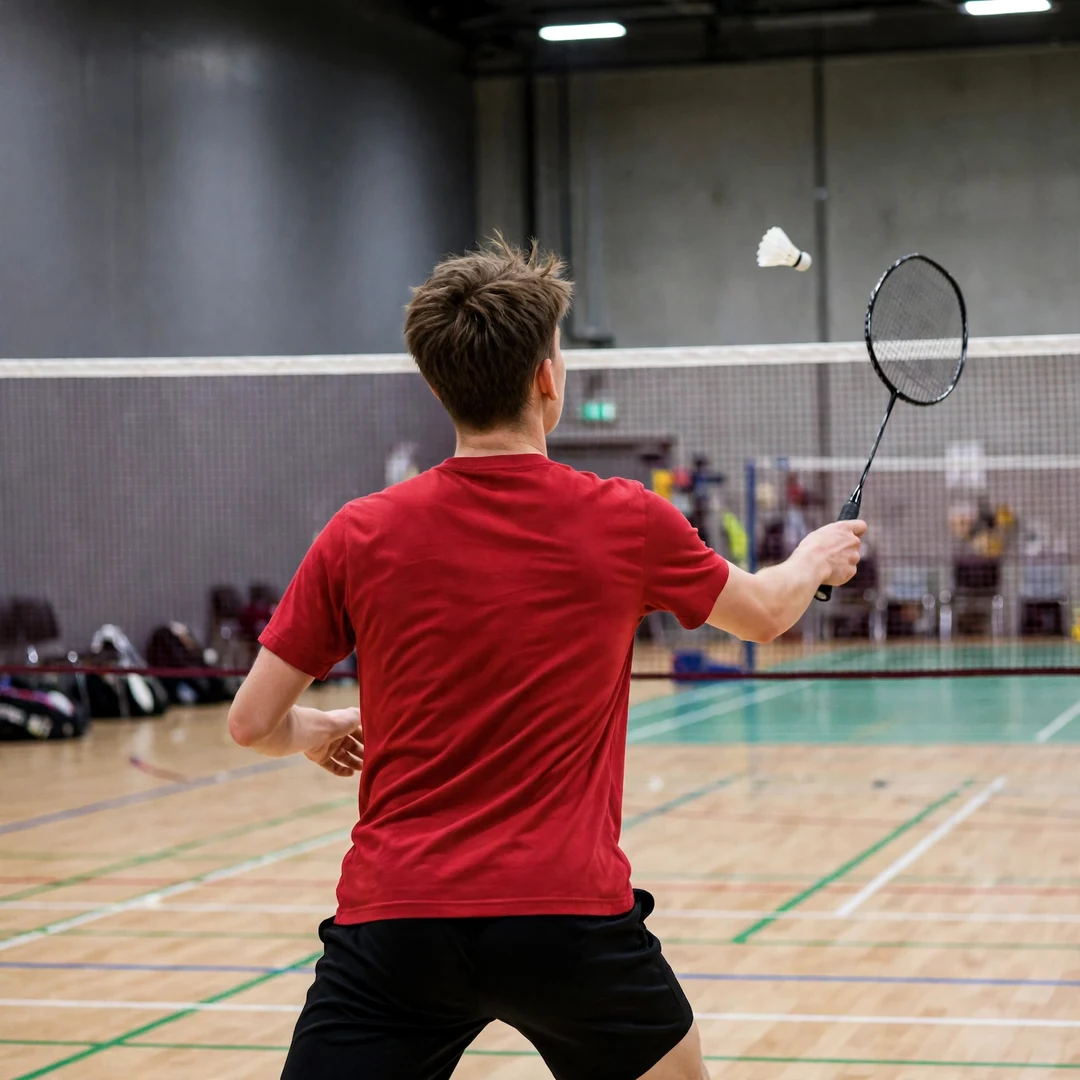
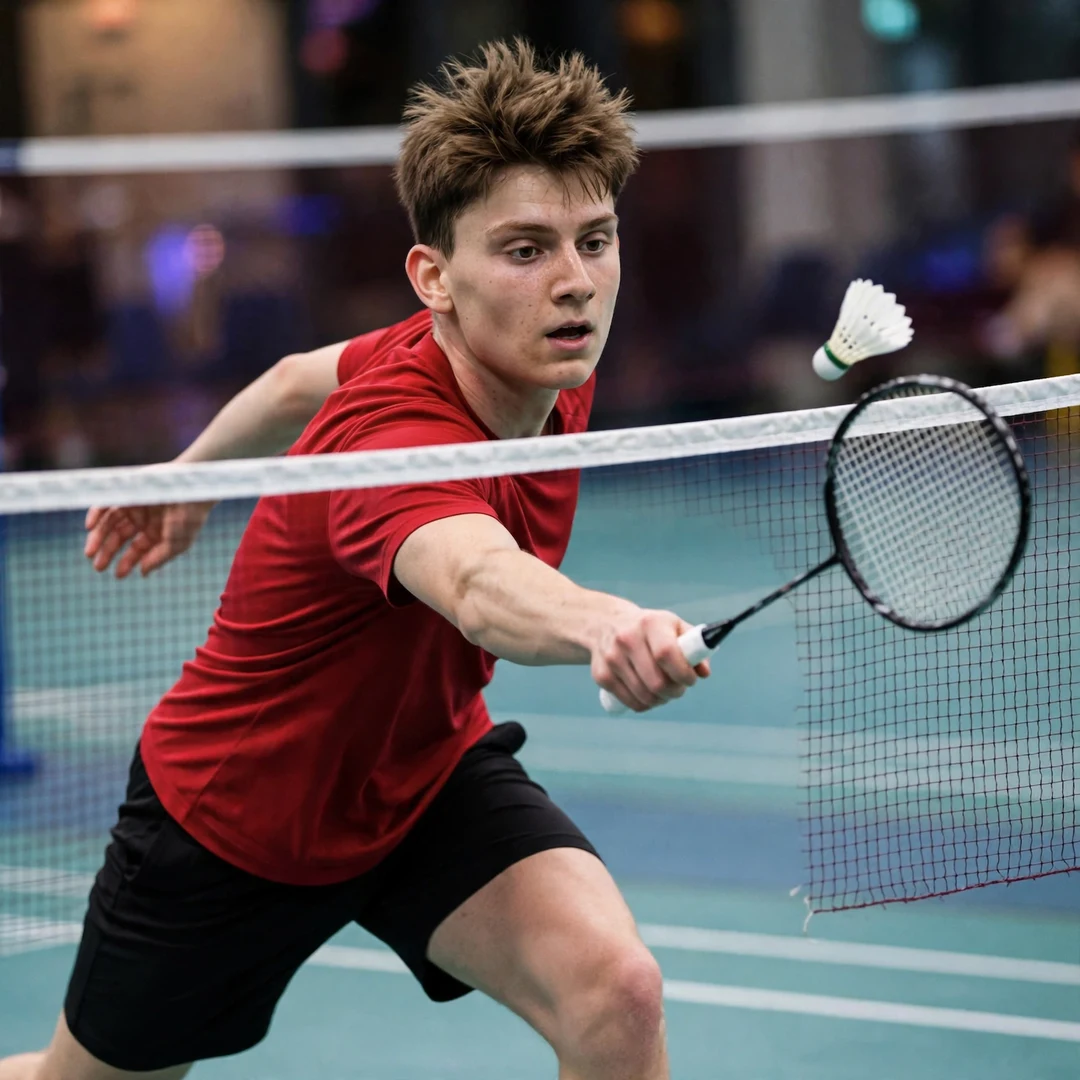
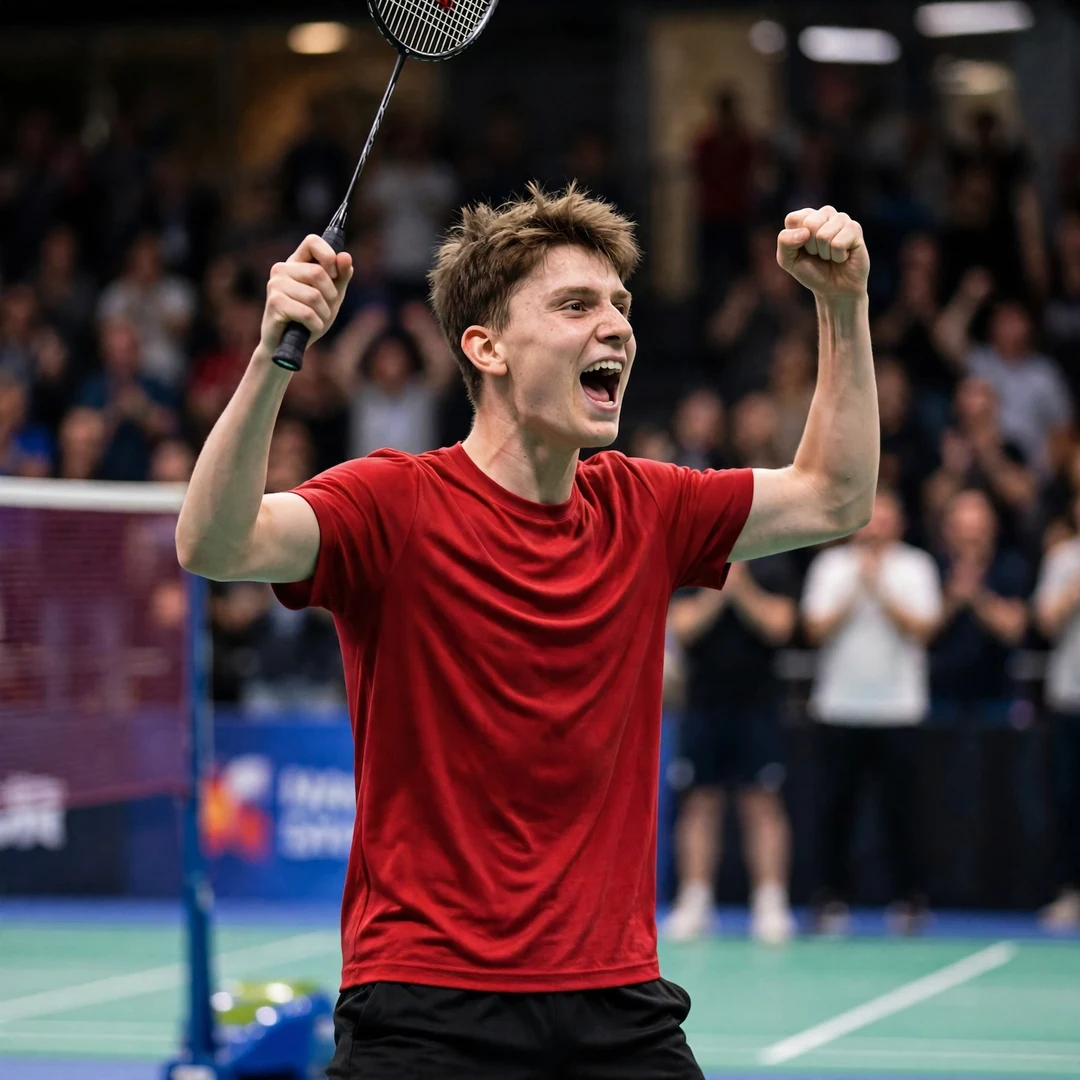
Bøgebjerg plays an attacking, all-court game built on tempo. He takes the shuttle early, steps in on the return, and looks to turn defence into counter-attack with fast, flat drives through the mid-court. His jump smash is a genuine weapon, but it is the intent that defines him: he plays as if the next rally is the most important one of the match, celebrates loudly when momentum turns, and drags himself back into matches that look lost — as Dubovenko discovered in Prague, where a 9-21 first game became a defeat twenty minutes later.
The other side of that fire is the lesson of Portugal 2026, and Bøgebjerg talks about the mental game openly. On the Danish ‘Mental Vinder’ (Mental Winner) podcast, his philosophy was summed up as doing your utmost every single day, finding solutions and never giving up — a mindset forged during six months of injury rehab, when the only competition available was against yesterday’s version of himself. For young players, the full picture matters: the same emotion that once boiled over in Portugal is the fuel for his comebacks — the skill is not removing the fire, but aiming it.
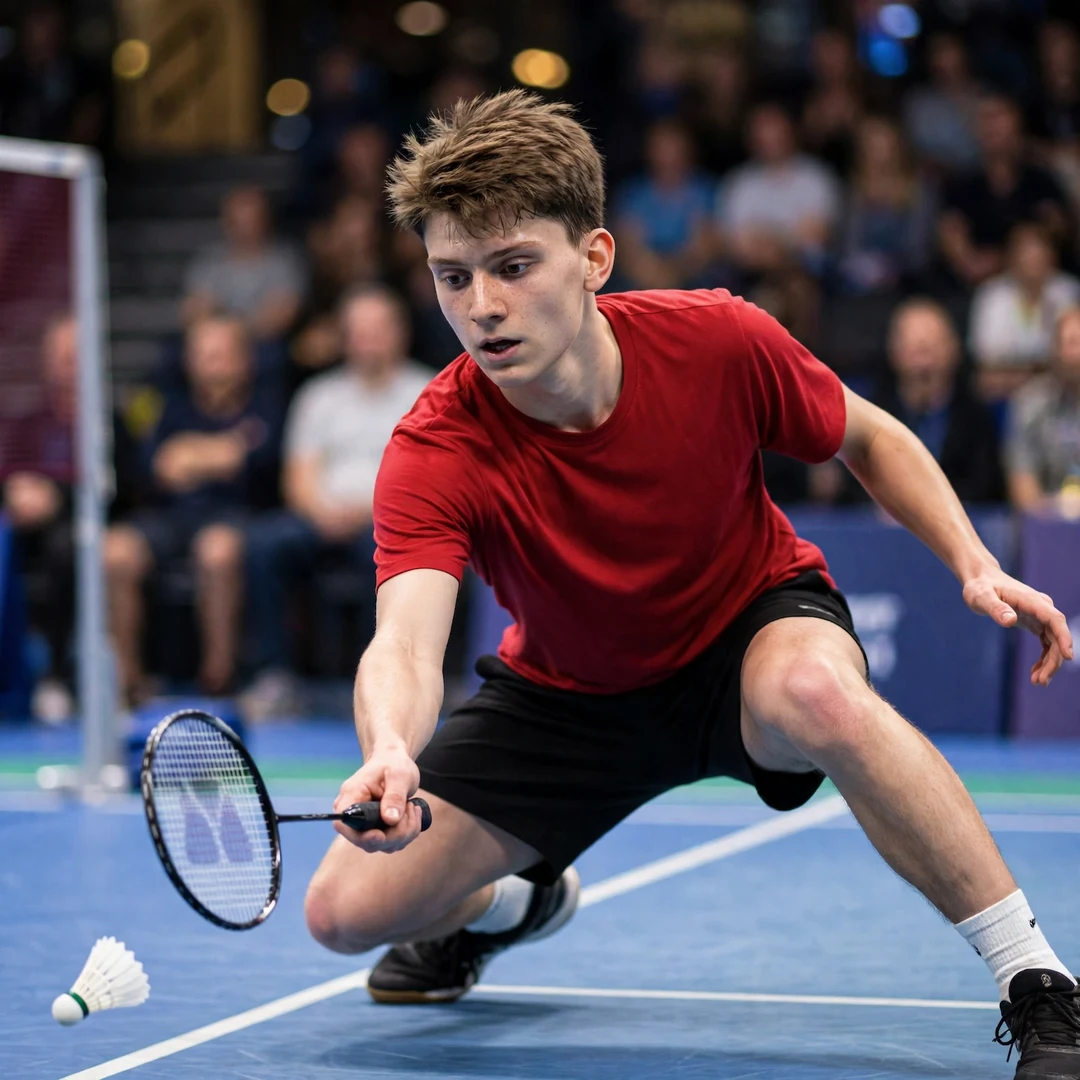
Young players studying Bøgebjerg should watch his first three steps. His split-step is early and low, his racket is up and ready in the mid-court, and he attacks the shuttle in front of his body rather than waiting for it — habits that win the fast exchanges before they start. His backhand side, tested constantly by senior players in his comeback season, has become a defence that bends without breaking: deep lifts under pressure, then an instant reset to the base. None of this needs rare physical gifts; it needs thousands of repetitions of doing the simple things early.
Mental Strength
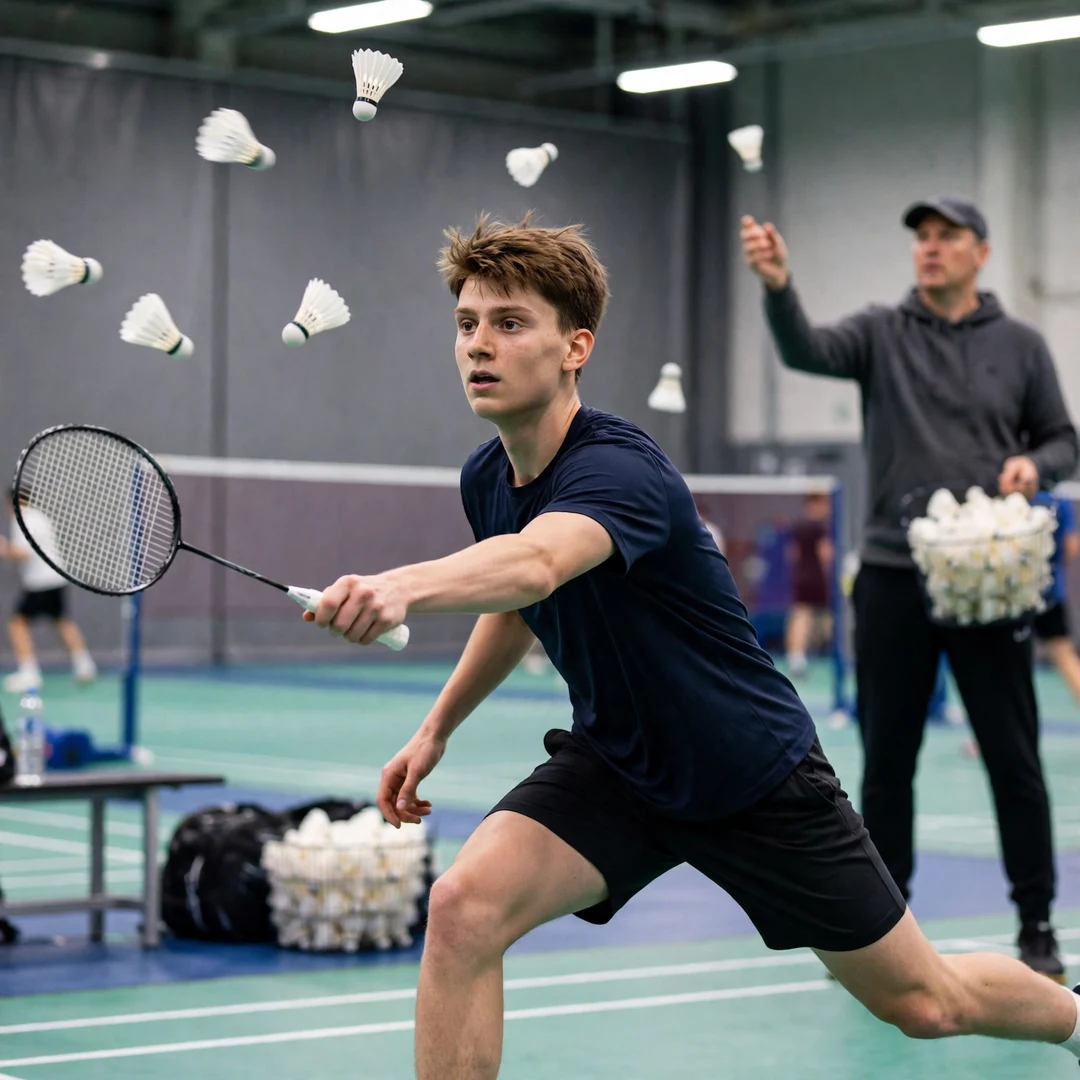
Fire, Focus and the Comeback Mindset
Bøgebjerg demonstrates what a strong system does for a late-developing talent. Danish badminton took a club player from Copenhagen, moved him into a four-man elite singles group in Brøndby, surrounded him with senior sparring and Team Denmark experts, backed him through a six-month injury — and trusted him with a Thomas Cup call-up at 19. His development was not a solo miracle; it was what happens when a determined player meets a structure that refuses to waste determination.
His ability to answer setbacks is already a trademark, and the pattern is easy for young players to copy. Injured at the junior worlds in October 2024 — he won a senior title eleven months later. Beaten in the Brøndby final by Dubovenko in May — he beat the same man in Prague in October. Beaten 24-22 in the deciding moments of the Istanbul final — he was in a Super 100 semi-final seven days later. A lost final, for Bøgebjerg, is a scouting report with a date on it: he studies what beat him and goes looking for the rematch.
Practical lessons from his journey include starting at a serious club and taking the system’s help when it is offered, treating rehabilitation as training rather than time off, entering the continental tournaments you can reach instead of waiting for glamorous invitations, using team events to learn from senior champions up close, and — when you get something wrong in public, as he did in Portugal — apologising quickly, personally and without excuses. Talent opens the first door; conduct and consistency open the rest.
Learning Reference
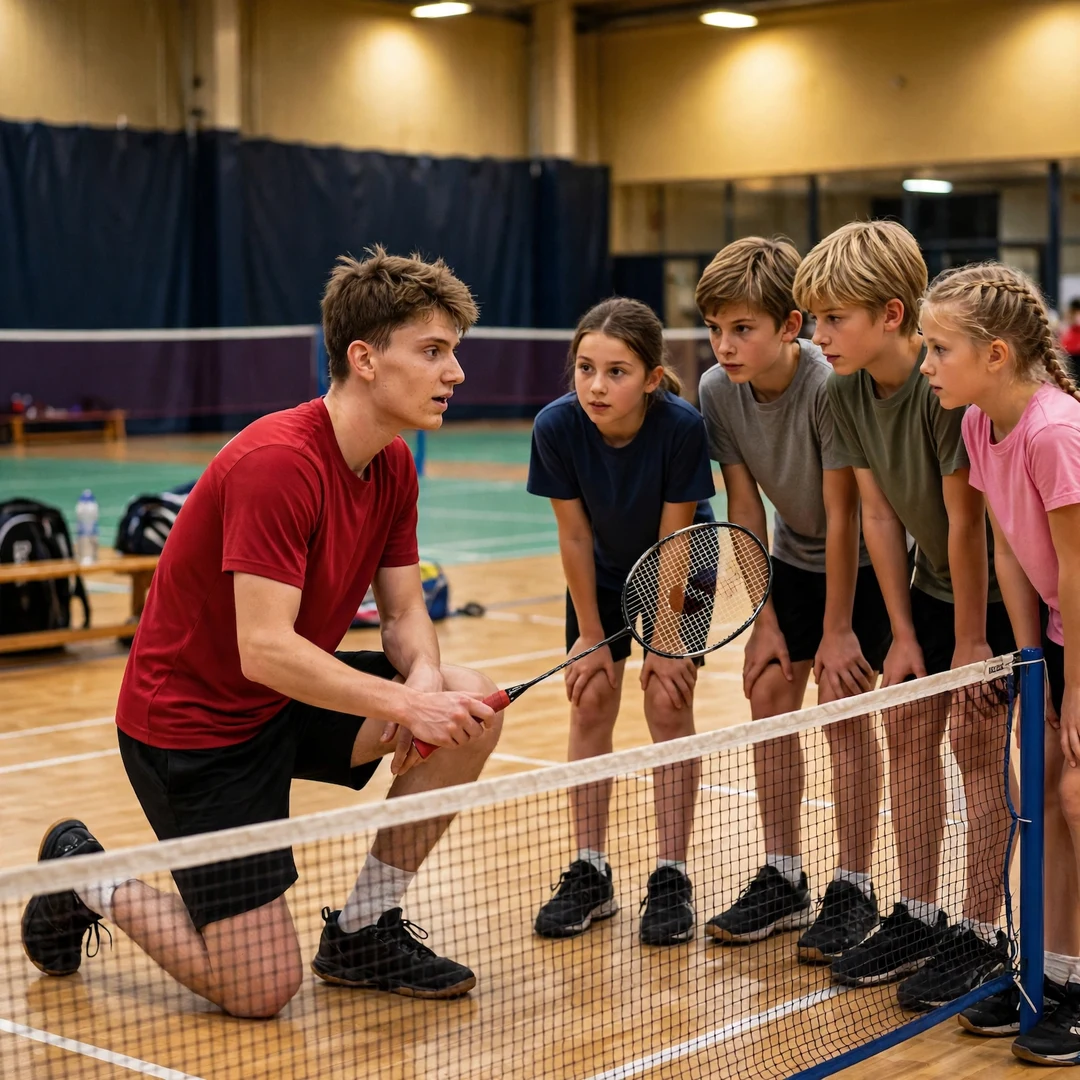
ST Badminton Academy Connection
ST Badminton Academy has no official partnership or endorsement from William Bøgebjerg. He is not connected with our academy, and this profile is published purely as an educational case study for parents and junior players who want to understand how Denmark’s system develops young singles players — and how a teenager can climb from a hospital-shadowed junior career to the world’s top 75 in two seasons.
Many of our students from Malaysia and visiting learners from Singapore study his matches to understand tempo and emotional control: how taking the shuttle early wins mid-court exchanges, how a player rebuilds a match from 9-21 down, as he did against Dubovenko in Prague, and how fine the margins are at this level — his Istanbul final turned on a 24-22 second game. His 2026 season is required viewing in our discussions of the European development pathway.
We encourage our students to observe his early preparation and attacking intent, his refusal to let a lost game become a lost match, and the way his whole rise was built in ordinary European sports halls — in Kraków, Brøndby, Istanbul and Prague — long before it reached a Super 100 semi-final. Champions are not always prodigies at twelve; sometimes they are the players still standing, and still improving, after the worst year of their young careers.
FAQs: William Bøgebjerg Danish Badminton Player
Here are answers to common questions about William Bøgebjerg’s career, achievements and what young players in Malaysia can learn from the Danish youngster’s rise.
Who is William Bøgebjerg and which country does he represent in badminton?
William Bøgebjerg is a Danish professional badminton player competing in men’s singles. Born on 29 June 2006, he developed at Københavns Badminton Klub in Copenhagen and now trains full-time at Badminton Denmark’s National Elite Training Centre in Brøndby. By the age of 20 he had won a senior international title, reached two International Challenge finals, and climbed to a career-high world No. 74.
What are William Bøgebjerg’s biggest badminton achievements?
Bøgebjerg’s major achievements are the Polish International men’s singles title in Kraków in September 2025, runner-up finishes at the STATE Denmark Challenge 2026 and the Türkiye International Challenge 2026, and a semi-final at the Czech Open 2026, a Super 100 event. With Denmark he won a silver medal at the 2026 European Men’s Team Championships and a bronze medal at the 2026 Thomas Cup on home soil in Horsens, and he reached his career-high world ranking of No. 74 in October 2026.
What is William Bøgebjerg’s playing style?
Bøgebjerg plays a right-handed, attacking all-court game based on early interception and high tempo. He steps in to take the shuttle in front of his body, drives flat through the mid-court, and uses his jump smash to finish rallies he has built with speed rather than patience. He is an emotional, momentum-driven player whose biggest strength is his refusal to accept a match is lost — shown by his comeback from 9-21 down to beat Daniil Dubovenko at the Czech Open 2026.
How did William Bøgebjerg perform at the Thomas Cup?
Bøgebjerg was a late call-up to Denmark’s Thomas Cup squad in April 2026, replacing the injured Rasmus Gemke at the age of 19, after head coach Thomas Stavngaard selected him for the home championships in Horsens. Denmark reached the semi-finals, losing to China, and defeated Thailand in the quarter-finals on the way to the bronze medal. As the squad’s youngest singles player his role was to support from the bench and the stands — and he collected a bronze medal at his first world team championships.
How can my child learn from William Bøgebjerg’s training approach?
Young players can study Bøgebjerg’s approach by copying the structure around him: train daily against stronger sparring partners, treat strength work, physiotherapy and nutrition as part of badminton rather than extras, and build a daily standard — his ‘mental winner’ philosophy of doing your utmost every day, finding solutions and never giving up. At ST Badminton Academy we use his Prague comeback as a video lesson in tempo and emotional resets, then train the same patterns in multi-shuttle and pressure-rally drills.
Did William Bøgebjerg win any junior titles?
No verified junior titles — and that is part of what makes his story instructive. Bøgebjerg’s junior career was cut short by the serious injury he suffered at the World Junior Championships in China in October 2024, which kept him out for about six months. His first title of any kind at international level was a senior one: the Polish International in September 2025, won less than a year after that injury, on the European senior circuit.
What are William Bøgebjerg’s best World Tour results?
Bøgebjerg’s best World Tour result is his semi-final at the Czech Open 2026, a Super 100 tournament in Prague, where he beat Daniil Dubovenko in the quarter-finals before losing to eventual champion Joakim Oldorff. He has also played the US Open Super 300 in the United States, taking the first game off Canada’s Brian Yang in the round of 32, and reached two International Challenge finals in 2026 — in Brøndby and Istanbul.
What playing style should young players learn from William Bøgebjerg?
Young players should study Bøgebjerg’s complete attitude rather than one spectacular shot: the early split-step and high racket carriage that win the mid-court, the jump smash built on tempo rather than telegraphed power, the defence that resets instead of panicking — and the maturity to apologise, learn and come back stronger when emotion spills over, as it did for him in Portugal in 2026. His game is built from trainable habits, which is why coaches love teaching from it.
Does ST Badminton Academy have any connection with William Bøgebjerg?
No, William Bøgebjerg is not a student, coach or ambassador of ST Badminton Academy. He represents Denmark and developed through Københavns Badminton Klub and the Danish national team system in Brøndby. However, coaches at our academy in Kuala Lumpur regularly use his matches as teaching material, because his climb from a career-threatening junior injury to the world top 75 shows what structured coaching, honest self-assessment and competitive volume can achieve.
William Bøgebjerg Career Highlights
Career Statistics and Rankings
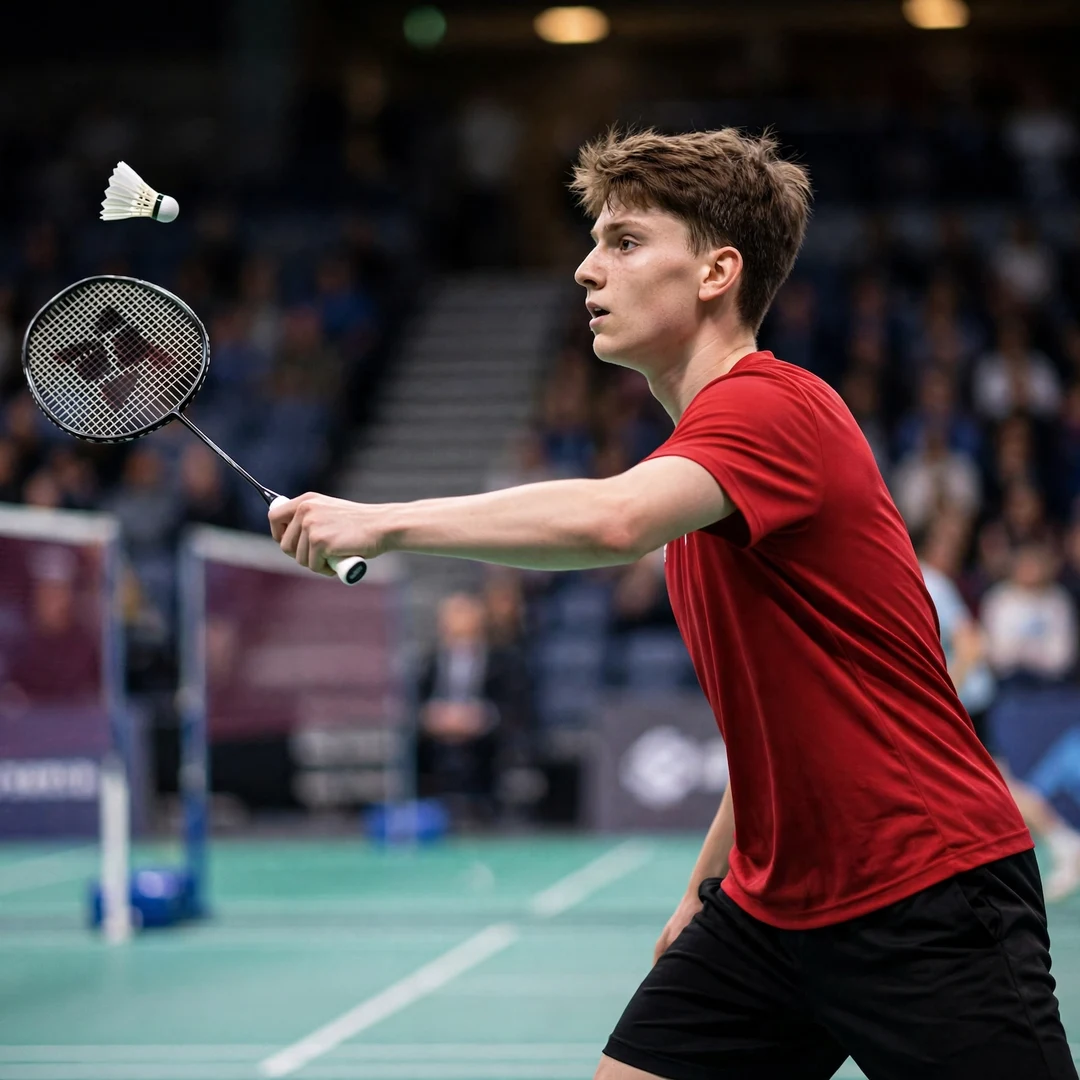
William Bøgebjerg, born 29 June 2006 in Denmark, has produced one of the fastest rises in Danish badminton: injured at the junior world championships in 2024, a senior international champion eleven months later, a European team silver medallist and Thomas Cup bronze medallist on home soil in 2026, and a career-high world No. 74 — all by the age of 20.
| Development Area | Common Misconception | What William Bøgebjerg's Career Shows REALITY |
|---|---|---|
| Junior Foundation | Talent alone decides who becomes a champion. | Bøgebjerg started at Københavns Badminton Klub in Copenhagen and was admitted to Badminton Denmark's elite programme at 18 — a structured junior base came first. |
| Playing Style Priority | Kids should copy the flashiest attacking shots. | Bøgebjerg built a complete game first inside the national centre in Brøndby; his jump smash is the finishing touch on reliable footwork, defence and net play. |
| Fitness Importance | Juniors can out-train everyone without rest. | Bøgebjerg lost about six months to an injury suffered at the 2024 World Junior Championships, then rebuilt patiently — his 2025 Polish International title came from smarter rehabilitation, not more hours. |
| Mental Approach | Top players never get nervous or upset. | Bøgebjerg is famously emotional on court — in Portugal in 2026 he apologised to the officials straight after losing his temper, and his coach demanded better while backing him publicly — mental skills are trained, not inherited. |
| Attacking Training | Smashing harder is always the answer. | His Czech Open 2026 quarter-final win over Daniil Dubovenko (9-21, 22-20, 21-16), four months after losing a final to the same player, came from controlled attack placement, not raw power. |
| National Milestones | Only world titles matter. | Bøgebjerg's Polish International title, plus European team silver and a Thomas Cup bronze with Denmark in 2026, mark his first continental milestones — milestones build a career step by step. |
| Career Timeline | Champions peak once and fade fast. | From a junior injury in 2024 to world No. 74 in October 2026 with a Super 100 semi-final, Bøgebjerg proves sustained development beats a short peak. |
Study William Bøgebjerg's Fire and Professional Approach
This profile explains who William Bøgebjerg is, his major achievements, and what developing players can learn from his journey. Whether you are a parent in Kuala Lumpur, Cheras or anywhere in Malaysia whose child burns with competitive fire and needs to learn how to aim it, Bøgebjerg's story carries the lesson: with the right coaching, honest mentors and enough tournaments, raw emotion becomes a weapon — book a trial class with ST Badminton Academy on WhatsApp at +60 17-684 2136 and let your child begin a development journey built to last.