How Can Parents Tell Whether a Badminton Lesson Is Teaching Their Child?
You have paid for badminton lessons for two or three years. Your child attends, comes home tired and still makes the same mistakes when playing. You do not know the technical terms, so it is difficult to tell whether the lessons are helping. You can ask useful questions without becoming a badminton coach.
Discuss your child’s training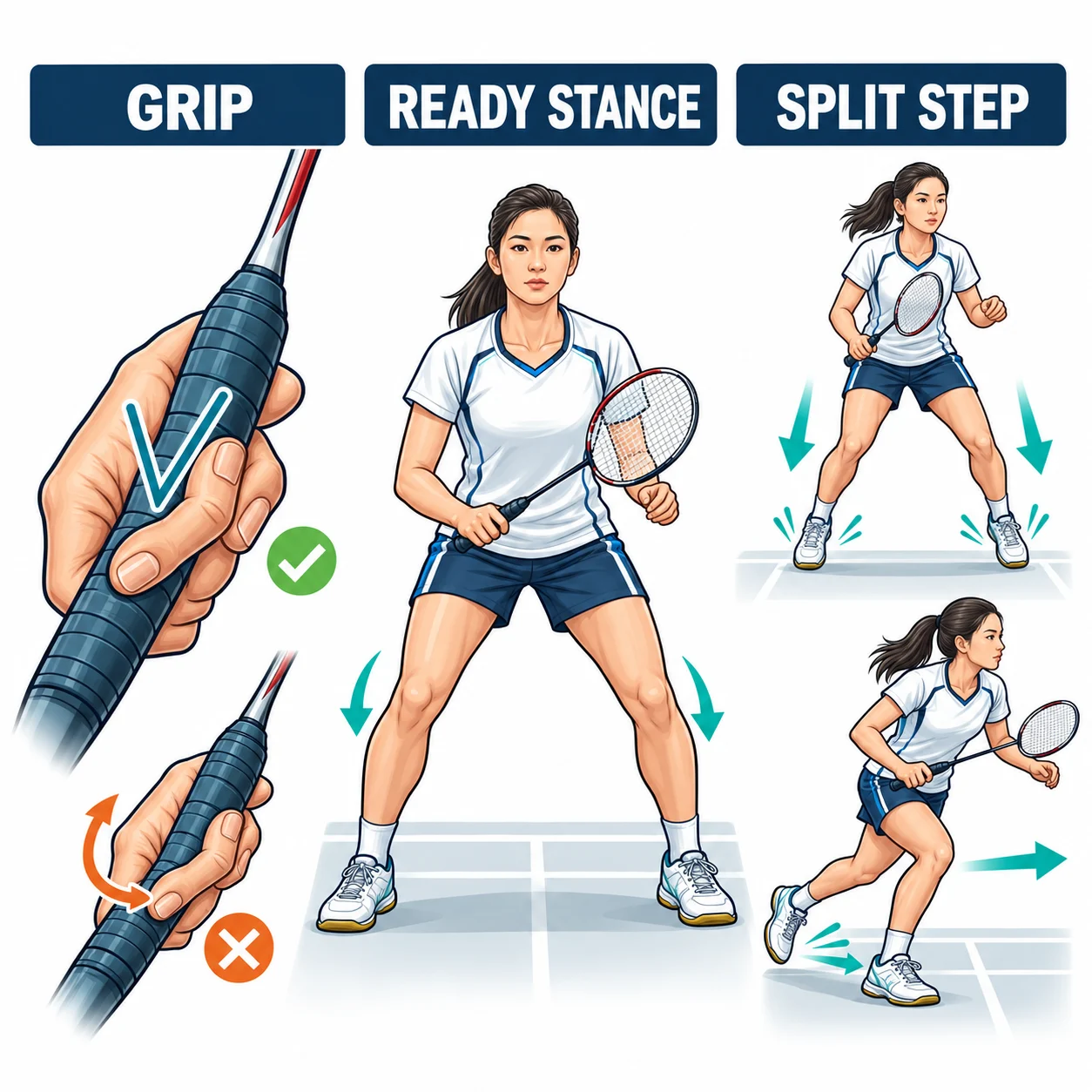
A busy lesson does not tell you what was learned
A coach may feed hundreds of shuttles while the children take turns hitting. That tells you that practice happened. It does not tell you which movement your child was trying to change, whether the coach noticed the mistake or whether the next attempt was different.
Equally, a short, slower activity is not automatically poor training. A child might be learning to change grip or return to a ready position. The useful question is not simply how much they hit. Ask what they were practising and how the coach checked it.
Watch one child, one task and the next attempt
If observation is allowed, follow a small part of your own child’s practice rather than trying to judge the whole court. Notice what the coach asks them to do, what happens when they struggle and whether they get another chance after the feedback.
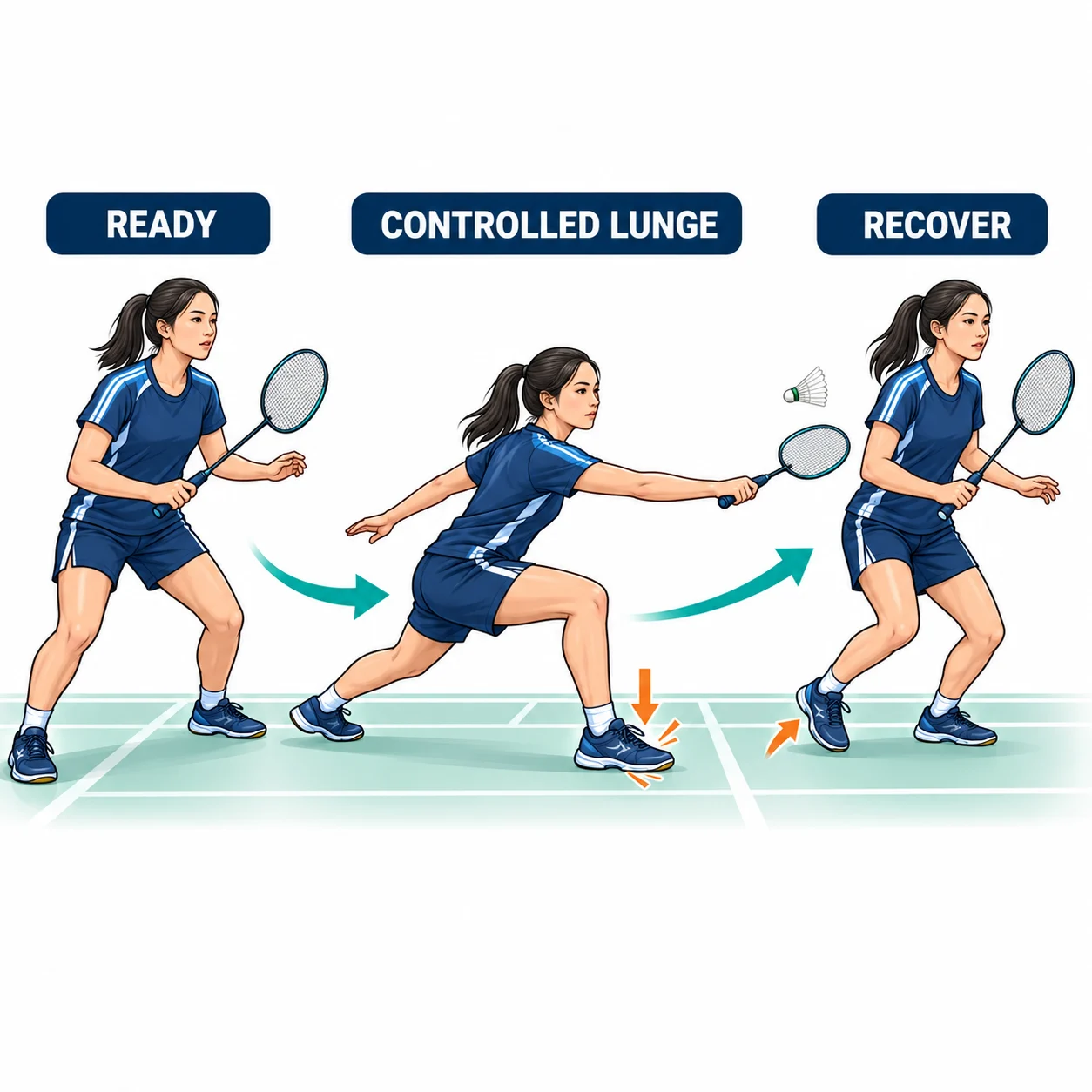
For example, your child repeatedly reaches the shuttle late. A useful conversation might separate the first step from recovery after the previous shot. You do not need to decide which is wrong from the seats. Ask the coach to show you the problem and the practice task that addresses it.
One visit can be misleading. Your child may be tired, the lesson may be reviewing a skill, or the coach may be checking a different task that day. Agree on a review point with the coach rather than secretly scoring every lesson.
A simple checklist for your next conversation
| What you notice | A useful question |
|---|---|
| Many shuttles hit, the same error repeats | What correction is my child trying, and do they get another attempt? |
| The exercise looks easy | Which foundation does it teach, and what would make it harder? |
| They succeed in feeding but struggle in a rally | How are you checking the skill when the next shot is less predictable? |
| You receive only a level label | Can you show the current priority and how it will be reviewed? |
Ask for an explanation you can understand
Try: “What is the main thing my child is working on now? Can you show me one example of what they do at the moment and what you want instead?” A demonstration is often more helpful than a label such as beginner or intermediate.
Then ask how the skill will be checked beyond a predictable feed. If the aim is returning to a ready position, the coach might look at what happens during a short rally. That is a more useful reference than counting attendance or comparing your child with the strongest player in the group.
Give your child a voice in the review
After training, ask a small question: “What did the coach ask you to try today?” Your child may explain it in their own words or show you. If they cannot answer, do not turn the journey home into another test. Bring the question to the coach calmly.
A child who enjoys class may still need clearer feedback. A child who is quiet may understand more than they say. Combine their experience with the coach’s explanation and your observations; none of those alone gives the complete picture.
What to do if the explanation stays vague
Describe one repeated situation instead of saying the training has no effect. For example: “In games, they hit and stand still, then rush for the next shuttle. Has this been assessed?” Ask for a manageable priority and a time to discuss what changed.
If you still cannot establish what is being taught, request a practical foundation assessment. Before changing class size or coach, compare the actual attention, suitable practice and workable schedule. A private format can help with an individual task, but the name of the format is not proof of effective teaching.
Questions parents ask
Does sweating mean the lesson was good?
It shows effort or physical activity, not necessarily a change in skill. Look for an understandable task, relevant feedback and a chance to use it.
Should I film the lesson?
Ask the coach and follow the venue’s rules first. Do not record other children without permission. If a clip is useful, agree on the task it should show.
Should my child improve every week?
Do not make a weekly promise the measure of good teaching. Review the same agreed task over a suitable period, including how it works in a rally.
What if I know nothing about badminton?
Ask the coach to demonstrate one current issue and one practice priority. You can follow that explanation without judging the technique yourself.
A practical next step
Bring your child’s training history, one repeated match situation and their available times. Discuss a suitable starting point with STBA before committing to a new arrangement.
Compare badminton training options and children’s private badminton training. Confirm the suitable group, venue, times and fees directly before enrolling.
For the wider picture, read the slow-progress review, the guide to changing established habits, or return to badminton learning problems.