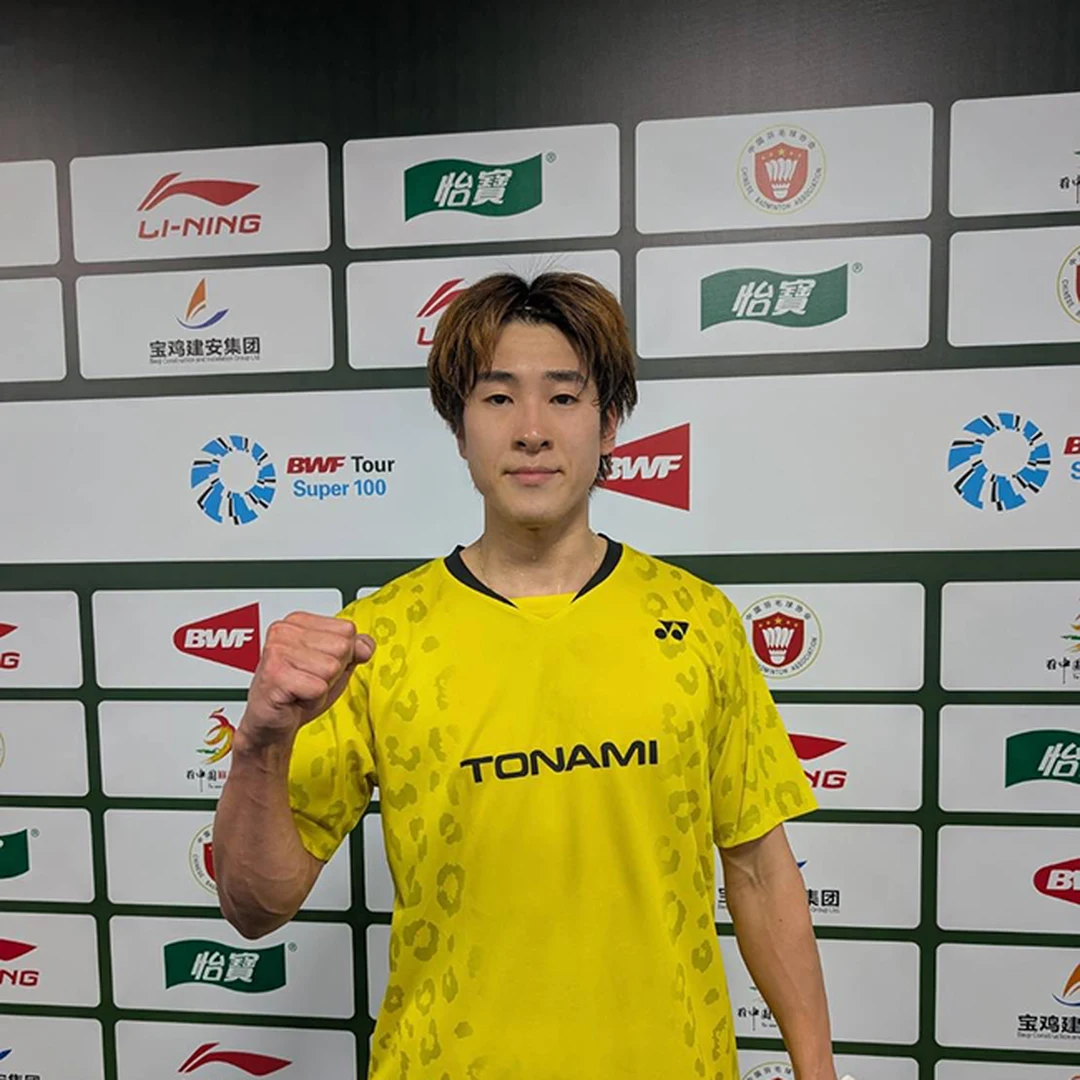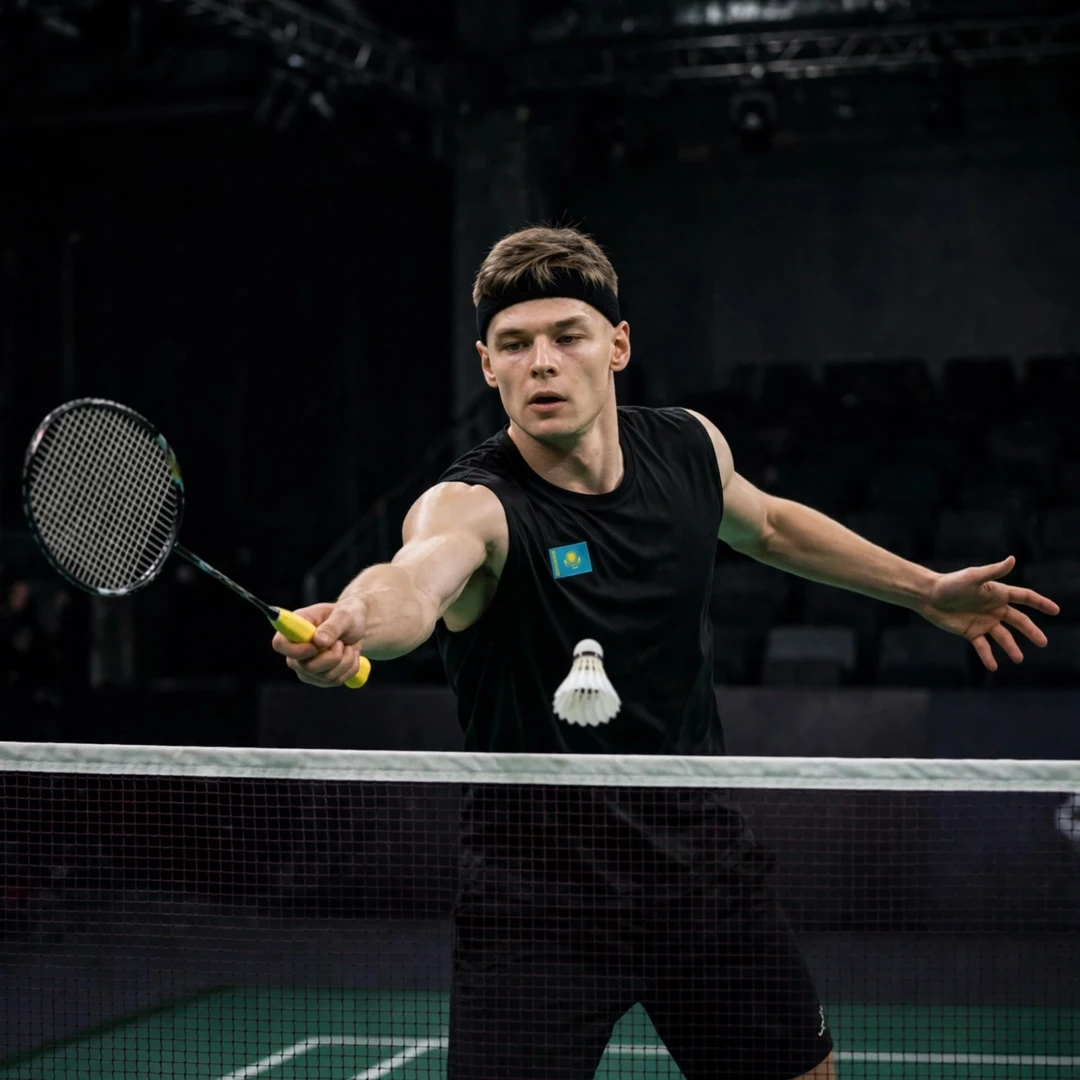
Kazakh Men’s Singles Badminton Star
Dmitriy Panarin
Kazakhstan
Player Event: Men’s singles
Date of Birth: 8 January 2000, Kostanay, Kazakhstan · Height: 1.78 m (5 ft 10 in) · Right-handed
Playing Style: Right-handed all-court all-rounder who plays all three events — solid defence, sharp doubles-bred net reflexes and a patient rallying base in singles
Known For: Becoming the first badminton player from Kazakhstan to compete at the Olympic Games (Paris 2024), seven senior international singles titles and 15 international titles across singles, doubles and mixed doubles
Journey: Kostanay junior champion in every event · 2018 Youth Olympian · First senior title at 18 · Career-high world No. 67 · Paris 2024 Olympian · Still winning titles in 2025 and 2026
Understanding Dmitriy Panarin (Kazakhstan Badminton Pioneer)
Dmitriy Panarin is a Kazakhstani men’s singles badminton player who stands at world No. 105 in the BWF rankings (Week 43, 20 October 2026) with 18,900 points — but his place in badminton history is already secure. At Paris 2024 he became the first player from Kazakhstan ever to compete in Olympic badminton, the crowning moment of a career built far from the sport’s traditional strongholds. A winner in all three events — seven international singles titles, three in men’s doubles and five in mixed doubles, 15 in total — Panarin has carried Kazakh badminton almost single-handedly for a decade, from junior titles in 2016 to senior tournament wins in 2025 and a World Championships appearance in 2026.
Early Life in Kostanay and Junior Career
Dmitriy Andreyevich Panarin was born on 8 January 2000 in Kostanay, a city in northern Kazakhstan close to the Russian border. Badminton is a young sport in Kazakhstan, with none of the famous club systems of Denmark, Indonesia or Malaysia, so a talented boy from Kostanay had to build his own pathway: local halls, national junior events, and then the long road onto the international junior circuit. By his mid-teens, that road was already producing results no Kazakh junior had managed before.
A Junior Champion in All Three Events
What made Panarin unusual was that he did not specialise. While most future singles stars drop doubles early, he kept winning in all three events — singles, men’s doubles and mixed doubles — building the complete skill set that still defines his game today. Between 2016 and 2017 he collected nine BWF junior international titles and four runner-up finishes, a record that made him the clear leader of Kazakhstan’s new badminton generation.
Youth Olympian at Buenos Aires 2018
His junior singles titles came in a rush: the Kazakhstan Junior International in 2016, where he beat Moldova’s Cristian Savin in three games, then a golden 2017 — the Israel Junior International, beating Nikita Fedotovskikh 21-10, 21-12, the Mongolia Junior International, sweeping Temur Turakhonov 21-10, 21-3, and a second Kazakhstan junior crown, beating Amir Khamidulin 21-7, 21-9. Alongside them he won three junior men’s doubles titles with Ikramzhan Yuldashev and two junior mixed doubles titles, learning to win in every format the sport offers.
First Senior Title at Eighteen
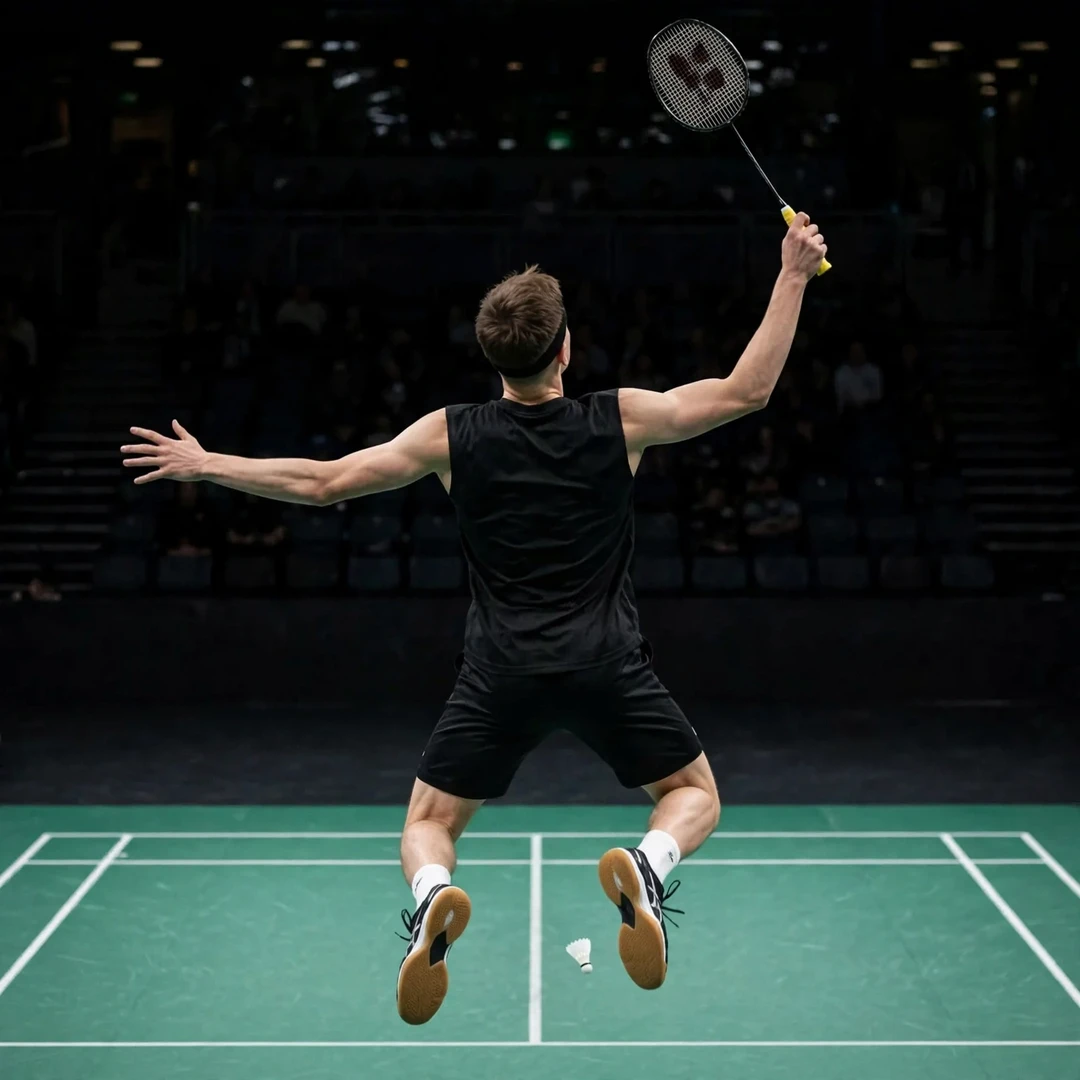
In October 2018, the 18-year-old Panarin represented Kazakhstan at the Summer Youth Olympic Games in Buenos Aires, competing in the mixed team event. The Youth Olympics put him in the same arena as the best teenage players on the planet — the generation he would chase for the next decade — and confirmed that a player from Kostanay could belong at world level. It was the first of the two Olympic journeys of his career.
Career Milestone #1
Senior Titles Across Singles and Doubles
The same year brought his first senior title. At the Kazakhstan International in 2018, Panarin beat his compatriot and regular doubles partner Artur Niyazov in a three-game final, 13-21, 21-14, 21-19, to win the men’s singles — and the pair then teamed up to take the men’s doubles title as well. Earlier that season he had already won the Uganda International men’s doubles title with Niyazov. At 18, he was a senior champion in two events.
Panarin’s second singles title arrived at the Cyprus International in 2021, where he beat India’s Tarun Reddy Katam 22-20, 9-21, 21-11 in the final. The 2021 season also brought a Benin International singles final, a Lithuanian International mixed doubles final with Kamila Smagulova, and a Botswana International mixed doubles title with her. In 2022 he added the Zambia International singles title, beating Nigeria’s Anuoluwapo Juwon Opeyori 21-9, 21-10, a second Botswana men’s doubles title with Niyazov, and a run to the Botswana singles final.
Career Milestone #2
Career-High No. 67 and the Road to Paris
In 2023 the titles kept a steady rhythm: the Kazakhstan Future Series singles crown, beating Vietnam’s Lê Đức Phát 21-15, 22-20, the Tajikistan International mixed doubles title with Smagulova, and the Kazakhstan International mixed doubles title, won in a three-game final. That autumn he also carried Kazakhstan’s colours at the 19th Asian Games in Hangzhou, testing his game against the continent’s established elite — another first in the education of a pioneer.
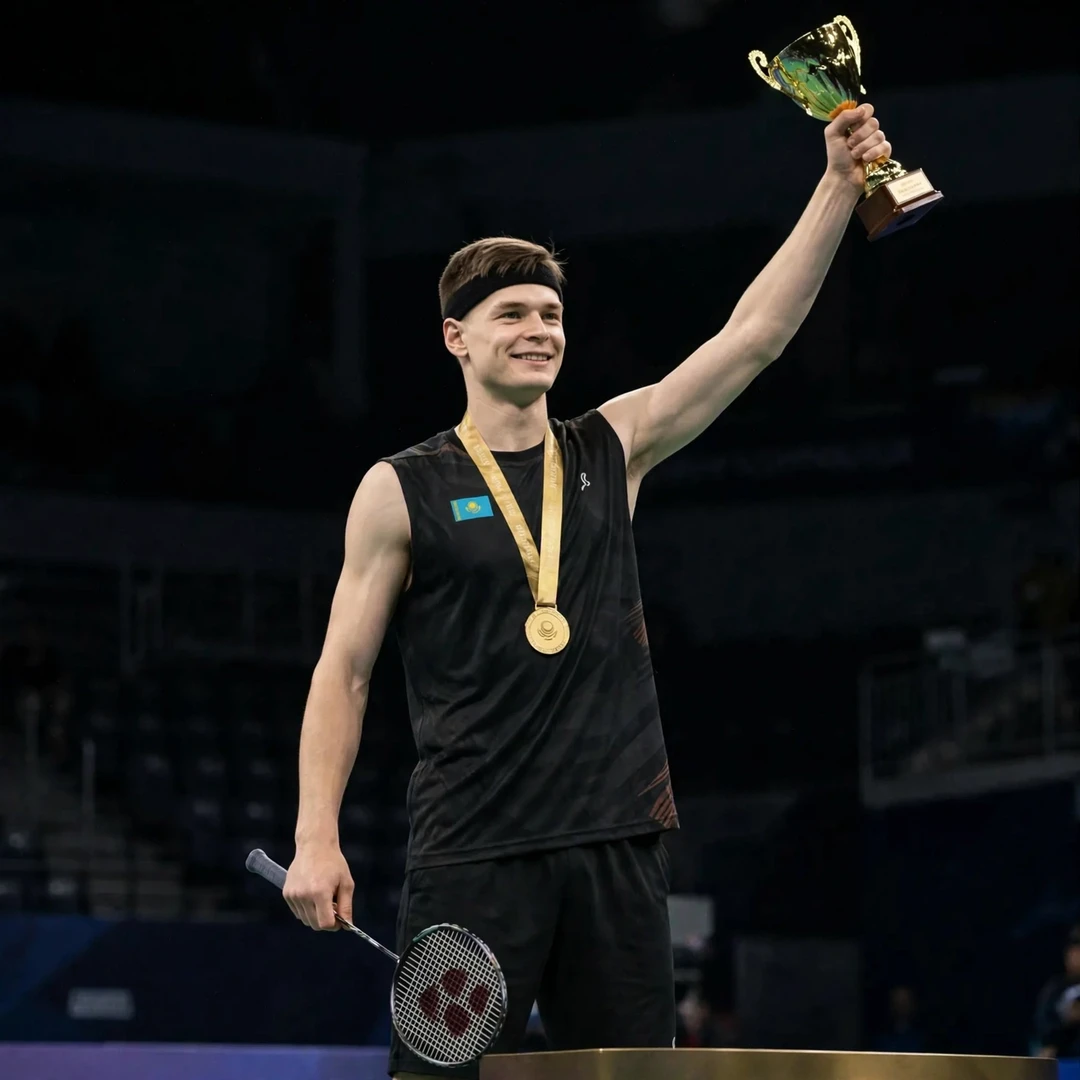
The Olympic qualifying year pushed Panarin to his peak. On 27 February 2024 he reached his career-high world ranking of No. 67 in men’s singles. During the qualification window he also collected another Zambia International singles title, beating Indonesia’s Dicky Dwi Pangestu 21-11, 21-17, and kept gathering the results across Africa, Europe and Asia that would take him to Paris.
When the BWF finalised the Paris 2024 Olympic qualifiers in May 2024, Panarin’s name was on the list — and history was made. Kazakhstan had never had a badminton player at the Olympic Games. Olympic qualification in singles is a numbers game: the Race to Paris counted a player’s best results across a full year, and for a player outside the World Tour’s main draws, every International Challenge and Series event mattered. Panarin’s calendar — Cyprus, Benin, Zambia, Botswana, Tajikistan — reads like an atlas, and it was exactly that willingness to travel anywhere for ranking points that carried a 24-year-old from Kostanay from the continental circuit to an Olympic court.

Career Milestone #3
Paris 2024: Kazakhstan’s First Olympic Shuttler
At the Paris Games, Panarin was drawn in Group D at the Porte de La Chapelle Arena with Japan’s seeded star Kenta Nishimoto and Canada’s Brian Yang. On 28 July 2024 he lost his opening match to Nishimoto 5-21, 11-21, and a day later he pushed Yang far harder before going down 18-21, 10-21. The group stage ended his tournament — but no Kazakh player had ever stood on an Olympic badminton court before him.
The results were not the story; the presence was. Every Olympic debut by a new nation widens the sport’s map, and back home Panarin’s Paris appearance was celebrated as a breakthrough for Kazakh badminton — proof to every junior in Kostanay, Almaty and Astana that the Olympic stage is reachable from Kazakhstan too. He finished 2024 with another title, winning the Bahrain International mixed doubles with Aisha Zhumabek in November.
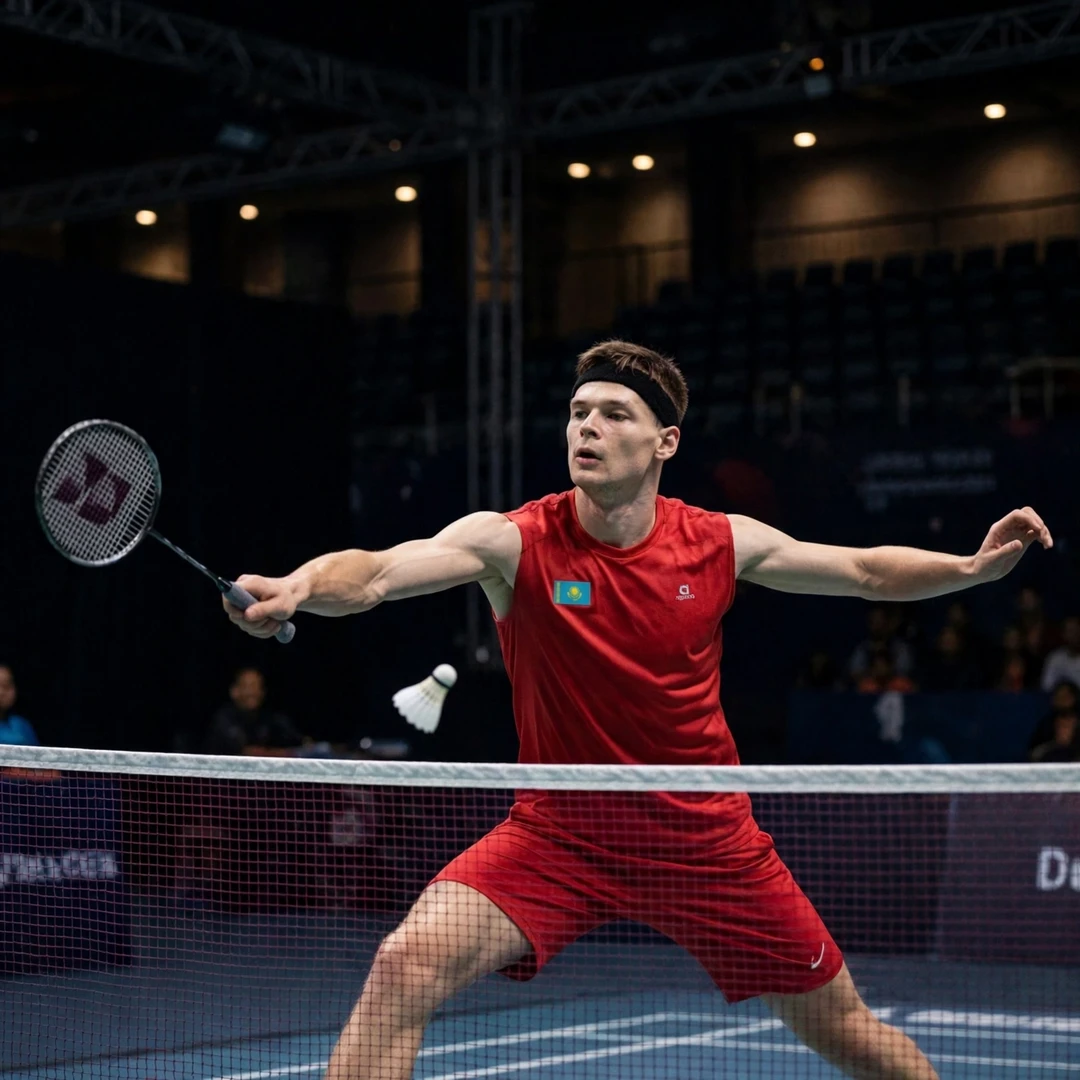
There was no post-Olympic fade. In 2025 Panarin won two more titles at the Iran International Khazar (Caspian) Cup — the singles, beating home player Ali Hayati, and the mixed doubles with Nargiza Rakhmetullayeva — and reached the Cameroon International singles final. Then, in December 2025, he closed the year in style at the Bangladesh International in Dhaka, beating Malaysia’s Mohamad Rushdan in a three-game final, 21-17, 14-21, 21-10, after a straight-games semi-final win over Kong Wei Xiang.
Career Milestone #4
Still Winning Titles in 2025 and 2026
The 2026 season brought another career landmark: a place in the draw at the BWF World Championships in New Delhi, where his run ended in the round of 64 against China’s Li Shi Feng. He also took bronze at the Lagos International Classics in Nigeria — beating players from India, Nigeria and the United Arab Emirates before a three-game semi-final loss to India’s Gnana Dattu Talasila — and in October he reached the later rounds of the Türkiye International Challenge, beating Switzerland’s Tobias Kuenzi before losing to Sri Lanka’s Viren Nettasinghe.
A decade into his senior career, Panarin’s ranking moves with the 52-week cycle: in Week 43 of October 2026 he stands at No. 105 with 18,900 points as older results rotate out of the window. For a one-man national programme that movement is normal — what matters is that at 26 he is still entering, still winning matches on three continents, and still the player every young Kazakh measures themselves against.
Playing Style
The All-Court All-Rounder Style
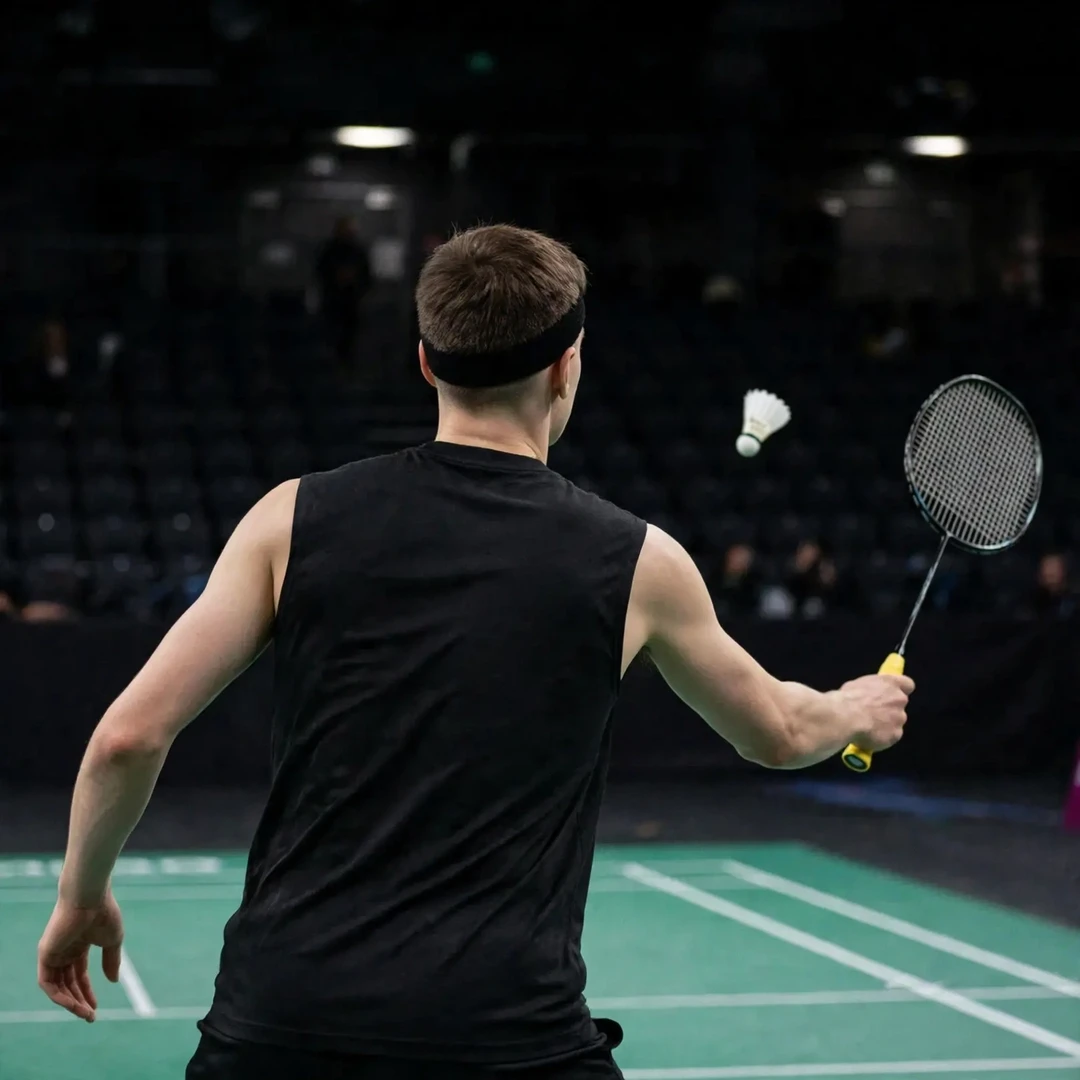
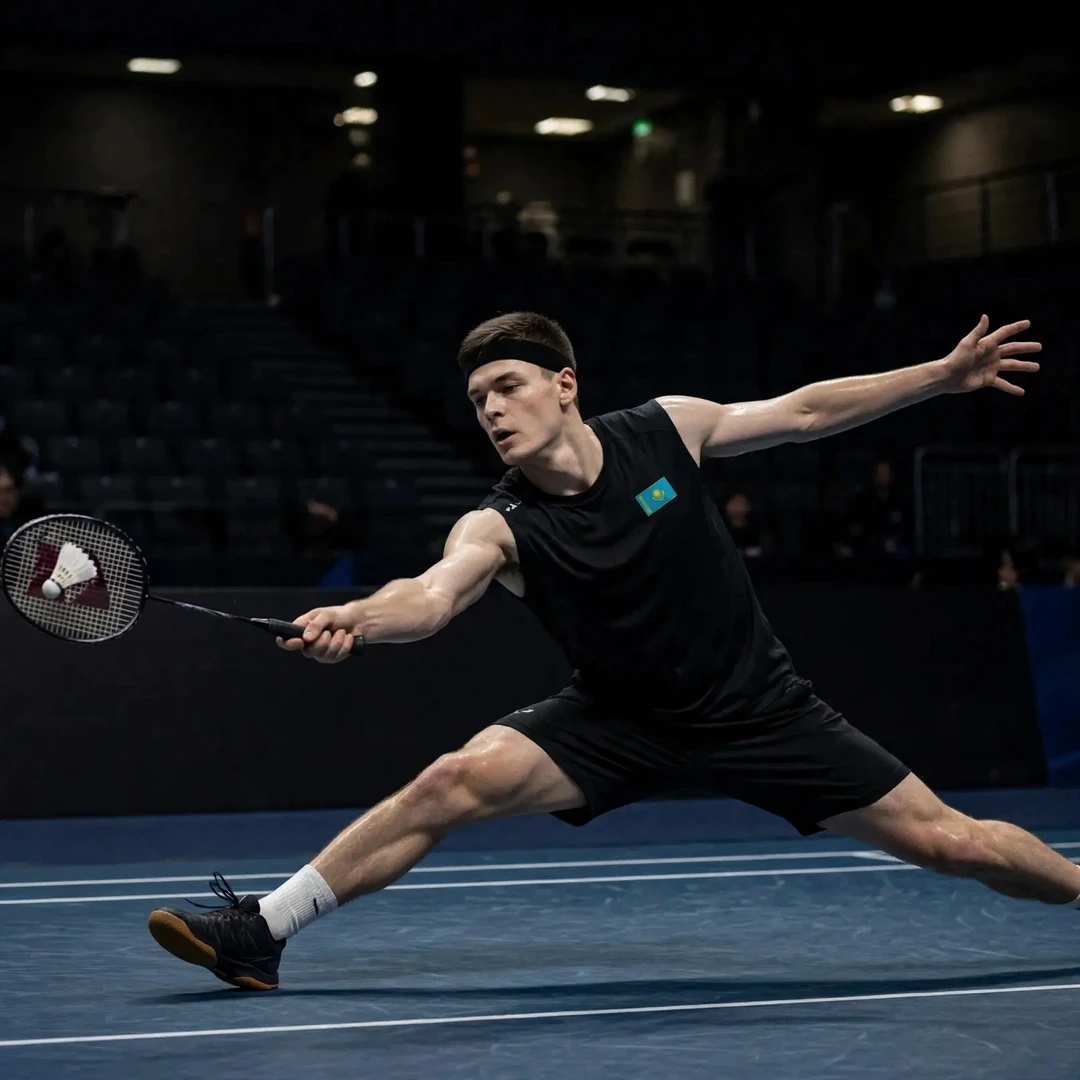
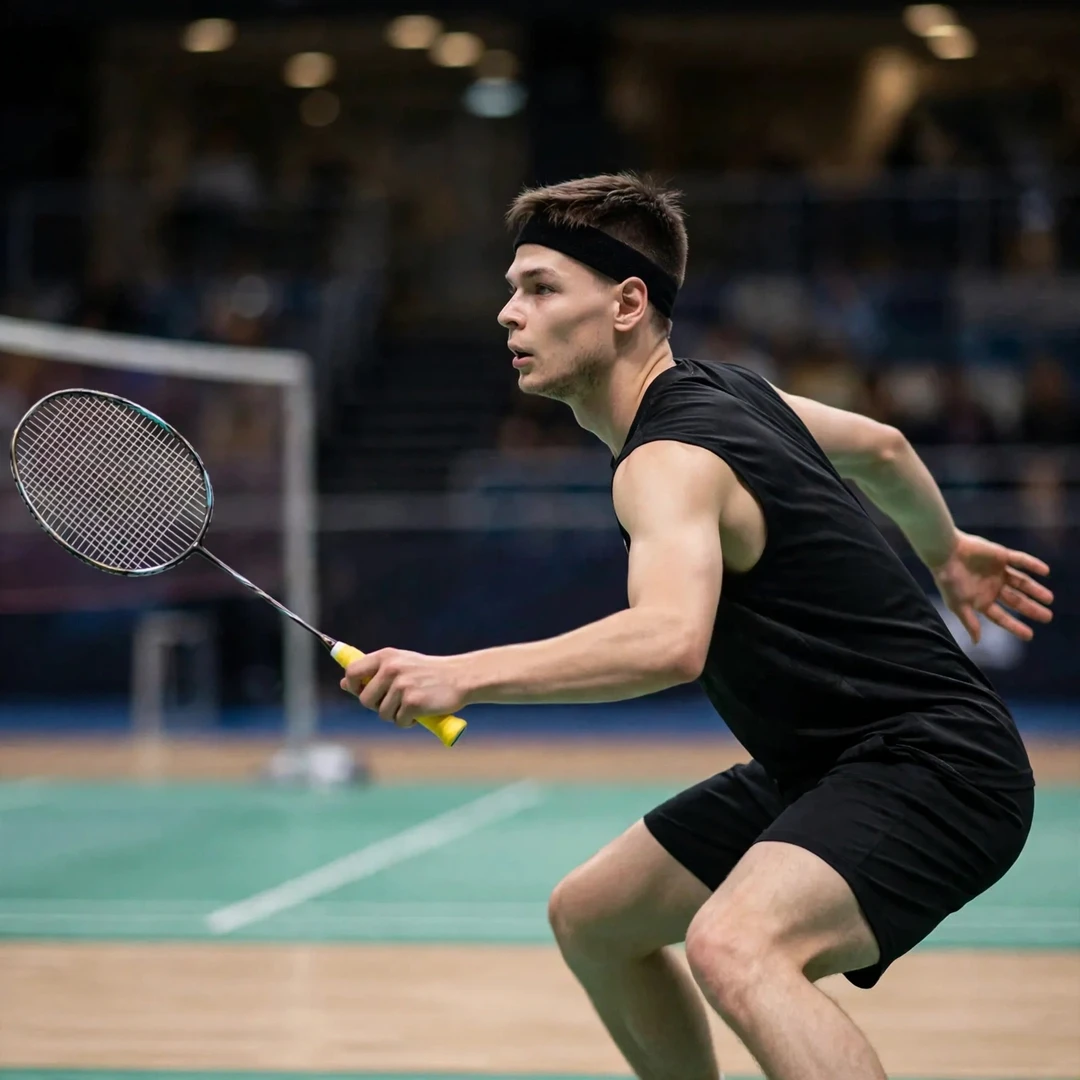
Panarin plays an all-court game shaped by an unusual education: he is a singles player who never stopped playing doubles. The doubles years gave him flat, fast drives, quick front-court reflexes and the habit of taking the shuttle early at the net; the singles years on the sport’s toughest circuit added patience, defensive resilience and the footwork to retrieve from a full-stretch lunge without losing the rally.
At 1.78 m and right-handed, he is not the biggest hitter in any draw — and his career is proof that he does not need to be. Panarin wins by constructing points: accurate clears to the back corners, tight spinning net shots learned in mixed doubles, and counter-attacks launched the moment an opponent’s smash loses its sting. His seven singles titles were all won on the International Challenge and Series circuit, where long weeks and back-to-back matches reward the most complete player, not just the most powerful.
Young players studying Panarin should watch how rarely his game has holes. Because he won junior titles in singles, men’s doubles and mixed doubles, every area of the court was trained: net kills and drives from mixed doubles, rotation and defence from men’s doubles, patience and rally tolerance from singles. Coaches call this a complete base — and it is exactly the base that lets a player keep winning senior matches for ten years.

Mental Strength
Persistence and the Pioneer Mindset
Panarin demonstrates what it means to carry a sport in your country. There is no conveyor belt behind him and no senior superstar ahead of him; when he travels to Lagos, Lusaka or Dhaka, Kazakh badminton travels with him. That responsibility can overwhelm a young player — instead, it seems to have organised him: season after season, he plans his own route through the calendar and keeps showing up.
His response to setbacks is written into the record. He lost both group matches at the Paris Olympics and answered with titles in Bahrain, Iran and Bangladesh. His ranking has swung between No. 67 and outside the top 100 as results rotate — and each time, the response has been the same: enter the next tournament, on the next continent, and start again. For young players, that is the real lesson of his career: a ranking is a snapshot, not a verdict.
Practical lessons from his journey include mastering every event before specialising, treating small tournaments as seriously as big ones — his Olympic place was earned largely at International Challenge and Series level — building a game with no weak corner for opponents to target, and measuring progress in years rather than weeks. None of these requires a famous academy or a big federation; they require completeness, patience and the discipline to keep travelling.
Learning Reference
ST Badminton Academy Connection
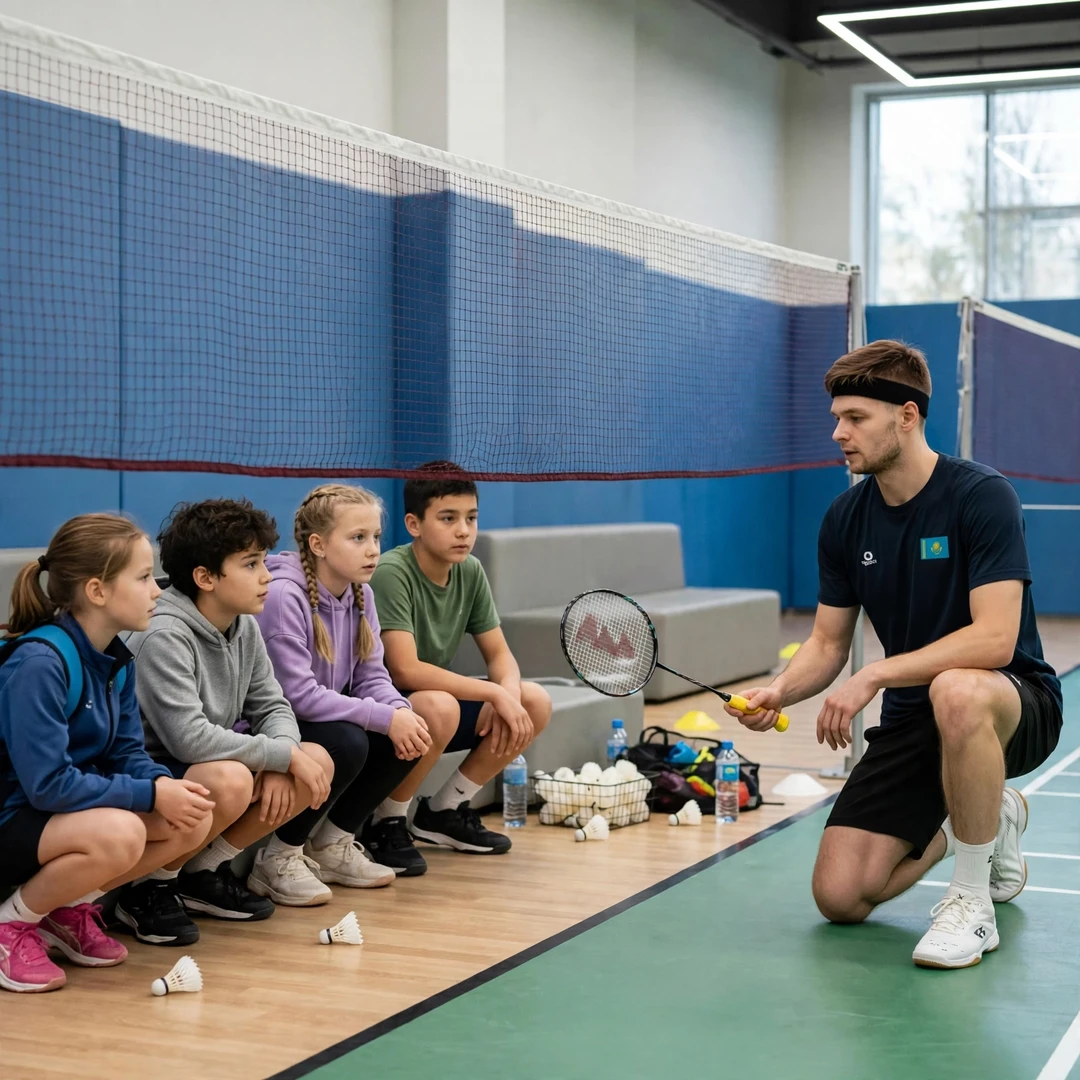
ST Badminton Academy has no official partnership or endorsement from Dmitriy Panarin. He is not connected with our academy, and this profile is published purely as an educational case study for parents and junior players who want to understand how a player from a small badminton nation can reach the Olympic Games.
Many of our students from Malaysia and visiting learners from Singapore study his matches to understand the value of a complete game: how doubles sharpens a singles player’s net play, how a decade of small-tournament wins adds up to an Olympic qualification, and how a player whose titles came on the continental circuit still made history for his country. His career is required viewing in our discussions of all-round development.
We encourage our students to observe his front-court reflexes, his defensive lunge and his calm problem-solving in long matches — and to notice that his biggest moments were built in small halls in Lusaka, Gaborone and Dhaka, not only under television lights. Champions are not only made in famous systems; sometimes they are built one tournament at a time, in Kostanay.
FAQs: Dmitriy Panarin Kazakhstan Badminton Player
Here are answers to common questions about Dmitriy Panarin’s career, achievements and what young players in Malaysia can learn from Kazakhstan’s Olympic pioneer.
Who is Dmitriy Panarin and which country does he represent in badminton?
Dmitriy Panarin is a Kazakhstani professional badminton player competing mainly in men’s singles. Born on 8 January 2000 in Kostanay, Kazakhstan, he is a right-handed all-rounder who has won 15 international titles across singles, men’s doubles and mixed doubles — and in 2024 he became the first badminton player from Kazakhstan to compete at the Olympic Games.
What are Dmitriy Panarin’s biggest badminton achievements?
Panarin’s biggest achievements are qualifying for the Paris 2024 Olympic Games — the first Kazakhstani badminton player ever to do so — reaching a career-high world ranking of No. 67 in February 2024, and winning 15 BWF International Challenge, Series and Future Series titles, including seven in men’s singles. He also competed at the 2018 Summer Youth Olympic Games and the 2023 Asian Games in Hangzhou.
What is Dmitriy Panarin’s playing style?
Panarin plays a right-handed all-court game. Because he developed in all three events, his singles is built on doubles skills — fast flat drives, early net interceptions and sharp reflexes — combined with patient rallying, a full-stretch defensive lunge and counter-attacking accuracy. He constructs points rather than relying on one big smash.
How has Dmitriy Panarin performed at the Olympics?
Panarin made history at Paris 2024 as Kazakhstan’s first-ever Olympic badminton player. Drawn in Group D, he lost 5-21, 11-21 to Japan’s Kenta Nishimoto on 28 July 2024 and 18-21, 10-21 to Canada’s Brian Yang the next day, exiting in the group stage — but achieving the breakthrough his whole career had been building towards.
How can my child learn from Dmitriy Panarin’s training approach?
Young players can study Panarin’s approach by training every event before specialising: play doubles and mixed doubles to sharpen net reflexes, build a singles game with no weak area, and enter every tournament available rather than waiting for big stages. At ST Badminton Academy we use his career as a lesson in complete development, then train the same patterns with multi-shuttle, net and defensive drills.
Did Dmitriy Panarin win any junior titles?
Yes — Panarin won nine BWF junior international titles between 2016 and 2017. His junior singles titles were the Kazakhstan Junior International in 2016 and 2017, the Israel Junior International in 2017 and the Mongolia Junior International in 2017, alongside three junior men’s doubles titles with Ikramzhan Yuldashev and two junior mixed doubles titles — a clean sweep of all three events.
How many international titles has Dmitriy Panarin won?
Panarin has won 15 international titles across all events: seven in men’s singles — the Kazakhstan International (2018), Cyprus International (2021), Zambia International (2022 and 2024), Kazakhstan Future Series (2023), Iran Khazar Cup (2025) and Bangladesh International (2025) — three in men’s doubles with Artur Niyazov, and five in mixed doubles, most recently with Nargiza Rakhmetullayeva at the 2025 Iran Khazar Cup.
What playing style should young players learn from Dmitriy Panarin?
Young players should study Panarin’s complete game rather than one spectacular shot: the doubles-bred net play, the patient rally construction, the full-stretch defence and the mindset that treats every small tournament as a step towards a big one. His game is built entirely from trainable skills, which is why coaches love teaching from it.
Does ST Badminton Academy have any connection with Dmitriy Panarin?
No, Dmitriy Panarin is not a student, coach or ambassador of ST Badminton Academy. He represents Kazakhstan and developed through his country’s national system. However, coaches at our academy in Kuala Lumpur regularly use his matches as teaching material, because his journey from Kostanay to the Paris Olympics shows what complete skills, patience and competitive volume can achieve.
Dmitriy Panarin Career Highlights


Career Statistics and Rankings
Dmitriy Panarin, born 8 January 2000 in Kostanay, Kazakhstan, has carried his country's badminton further than anyone before him: nine junior international titles, 15 senior international titles across all three events, a career-high world ranking of No. 67, a World Championships appearance in 2026 — and, above all, his place in history as the first Kazakhstani badminton player at the Olympic Games, at Paris 2024.
| Development Area | Common Misconception | What Dmitriy Panarin's Career Shows REALITY |
|---|---|---|
| Junior Foundation | Talent alone decides who becomes a champion. | Panarin started in Kostanay, northern Kazakhstan, far from badminton's famous academies, and reached the Olympic Games through junior and senior results — a structured base can be built anywhere. |
| Playing Style Priority | Kids should copy the flashiest attacking shots. | Panarin built a complete all-court game first; his attacking shots are the finishing touch on doubles-honed net play, defence and rally patience. |
| Fitness Importance | Juniors can out-train everyone without rest. | Panarin has travelled to tournaments across Africa, Europe and Asia for a decade — his longevity at the top of the continental circuit comes from smart scheduling and honest body management, not more hours. |
| Mental Approach | Top players never get nervous or upset. | Panarin lost both of his group matches at the Paris Olympics, yet returned to win international titles within months — mental skills are trained, not inherited. |
| Attacking Training | Smashing harder is always the answer. | His 2025 Bangladesh International final win over Malaysia's Mohamad Rushdan (21-17, 14-21, 21-10) came from controlled rally placement, not raw power. |
| National Milestones | Only world titles matter. | Panarin's seven singles titles, three men's doubles titles and five mixed doubles titles made him Kazakhstan's badminton pioneer — milestones across every event build a career step by step. |
| Career Timeline | Champions peak once and fade fast. | From junior champion in 2016 to Olympic history-maker in 2024 and still a title winner in 2025, Panarin proves sustained development beats a short peak. |
Study Dmitriy Panarin's Work Ethic and Professional Approach
This profile explains who Dmitriy Panarin is, his major achievements, and what developing players can learn from his journey. Whether you are a parent in Kuala Lumpur, Cheras or anywhere in Malaysia wondering how far complete skills and patient development can take your child, Panarin's story carries the answer: from Kostanay to the Olympic Games — book a trial class with ST Badminton Academy on WhatsApp at +60 17-684 2136 and let your child begin a development journey built to last.