Chinese Taipei Men’s Singles Badminton Star
Huang Ping-Hsien

Chinese Taipei
Player Event: Men’s singles
Date of Birth: 13 December 1999 · Plays: Right-handed · Represents: Chinese Taipei
Playing Style: Right-handed all-court rally player who builds points patiently, defends stubbornly and thrives in long three-game matches
Known For: Two International Challenge titles in 2024, four semi-finals in 2025, and a career-high world ranking of No. 48 reached at home in Kaohsiung
Journey: First ranked No. 1,260 in 2018 · National Games bronze medallist for Pingtung · Vietnam and Sydney International champion 2024 · Kaohsiung Masters semi-finalist 2025
Understanding Huang Ping-Hsien (Chinese Taipei Badminton Player)
Huang Ping-Hsien is a Chinese Taipei men’s singles badminton player who competes at world No. 103 in the BWF rankings (Week 43, 20 October 2026) with 19,370 points. His ranking alone does not tell his story: this is a player who first appeared in the world rankings at No. 1,260 in November 2018, spent years building through Taiwan’s domestic system and the sport’s smallest international events, then broke through with two International Challenge titles in 2024 and four semi-final runs in 2025 — a surge that carried him to a career-high world No. 48 in front of his home crowd in Kaohsiung. For young players, his career is proof that the road to the top 50 does not have to start with junior medals.
Early Life and the Patient Climb
Huang Ping-Hsien was born on 13 December 1999 and developed his badminton inside Taiwan’s famously deep singles system, one of the strongest training cultures in world badminton. Chinese Taipei produces elite singles players generation after generation — from Chou Tien Chen to a long line of top-50 professionals — and breaking through domestically is a challenge in itself. Huang’s progress was patient rather than spectacular: no teenage headlines, no junior titles on the world circuit, just steady development against strong training partners and domestic rivals.
Taiwan’s Deep Singles System
At home, Huang plays his domestic badminton for the Apex corporate team and has tested himself in Taiwan’s national ranking tournaments, where the island’s best professionals fight for places and pride. At the second National Ranking Tournament of 2023 he reached the men’s singles final, finishing runner-up to Wang Po-Wei — a result that showed he belonged in the top group of Taiwanese singles players. Those domestic battles, largely invisible to international fans, are the foundation his later international breakthrough was built on.
First Ranked at No. 1,260
Huang’s name first appeared in the BWF world rankings on 15 November 2018, at No. 1,260 — about as deep in the rankings as a player can start. Through the following seasons he competed in lower-tier international events across Asia, collecting experience and ranking points in small steps while the COVID-disrupted years slowed the circuit for everyone. There was no shortcut and no sudden leap: his ranking history reads like a staircase, each season a few more steps climbed through International Series and International Challenge events.
A National Games Medal for Pingtung
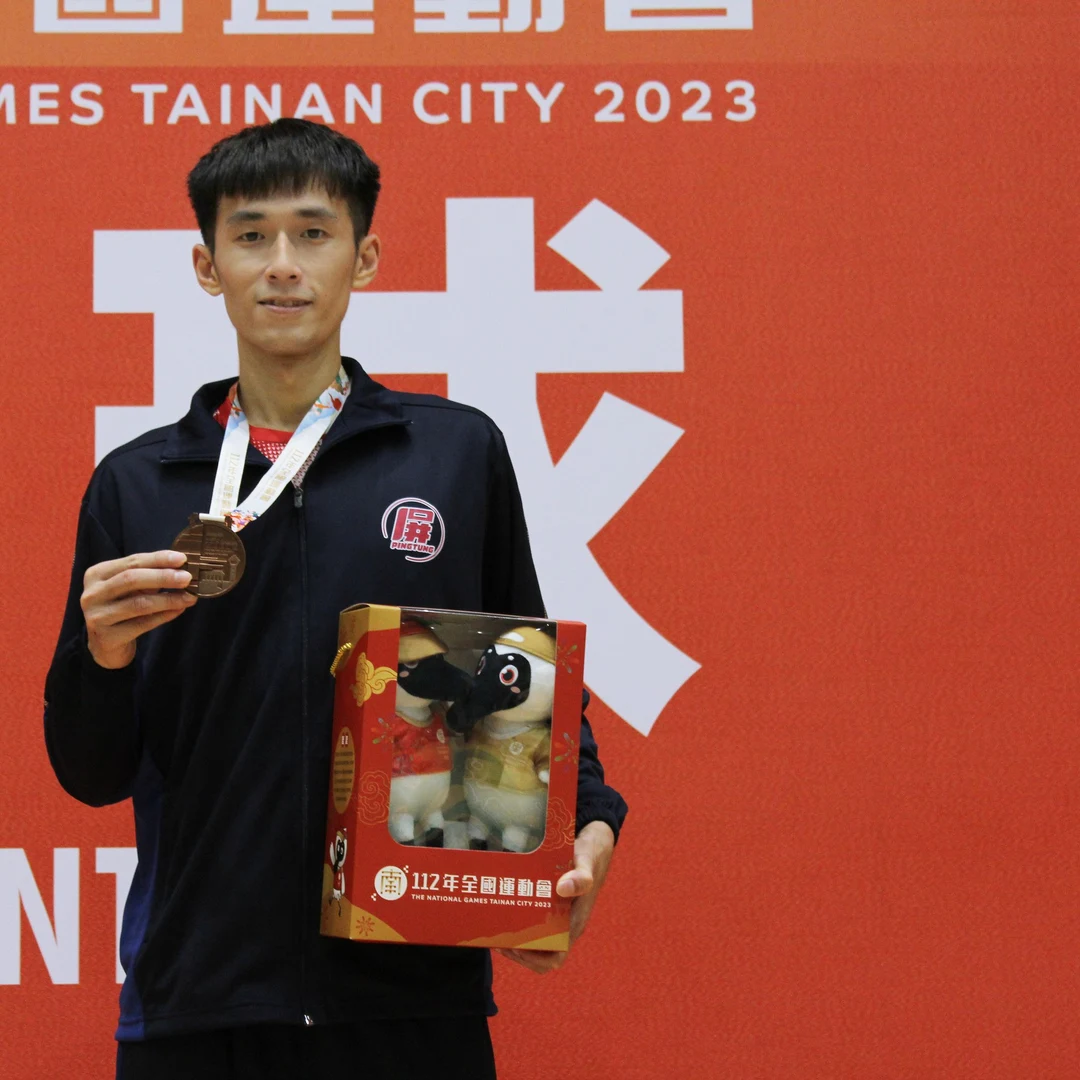
In October 2023, Huang delivered a result that mattered at home: representing Pingtung County at the National Games of Taiwan in Tainan, he won the men’s singles bronze medal. The National Games is Taiwan’s biggest multi-sport stage, where players compete for their cities and counties rather than sponsors, and a medal there carries real weight. The photograph of Huang on this page shows him on that podium, medal in hand — a 23-year-old on the rise, one season away from his international breakthrough.
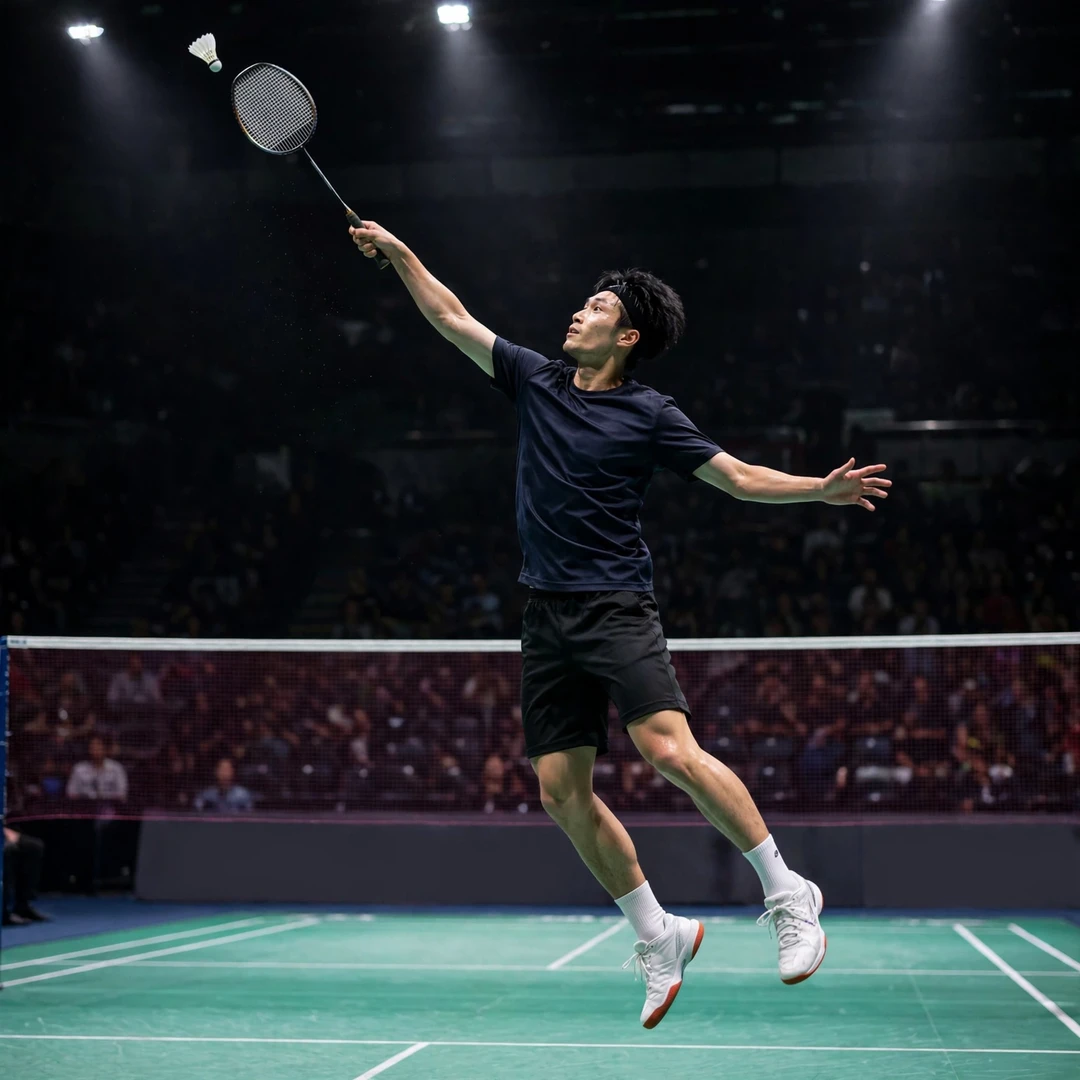
Career Milestone #1
Breakthrough 2024: Two International Titles
The breakthrough arrived in March 2024 at the Vietnam International Challenge in Hanoi. Huang fought through the draw to win the title, beating Korea’s Cho Geonyeop in the final to claim his first international crown. For a player who had spent years in the rankings’ lower hundreds, a first title changes everything: self-belief, funding conversations, and the confidence to enter bigger events expecting to win matches rather than hoping to.
Seven months later he proved it was no fluke. At the Sydney International in October 2024, in Lidcombe, New South Wales, Huang — ranked No. 107 in the world that week — won his second title of the year, defeating Japan’s Shogo Ogawa 21-14, 20-22, 21-14 in a final that showed his trademark stamina: he dropped the second game in setting, then closed the decider with room to spare. The title lifted him to No. 82, and a quarter-final at the Korea Masters the following month confirmed he could trouble World Tour fields too.
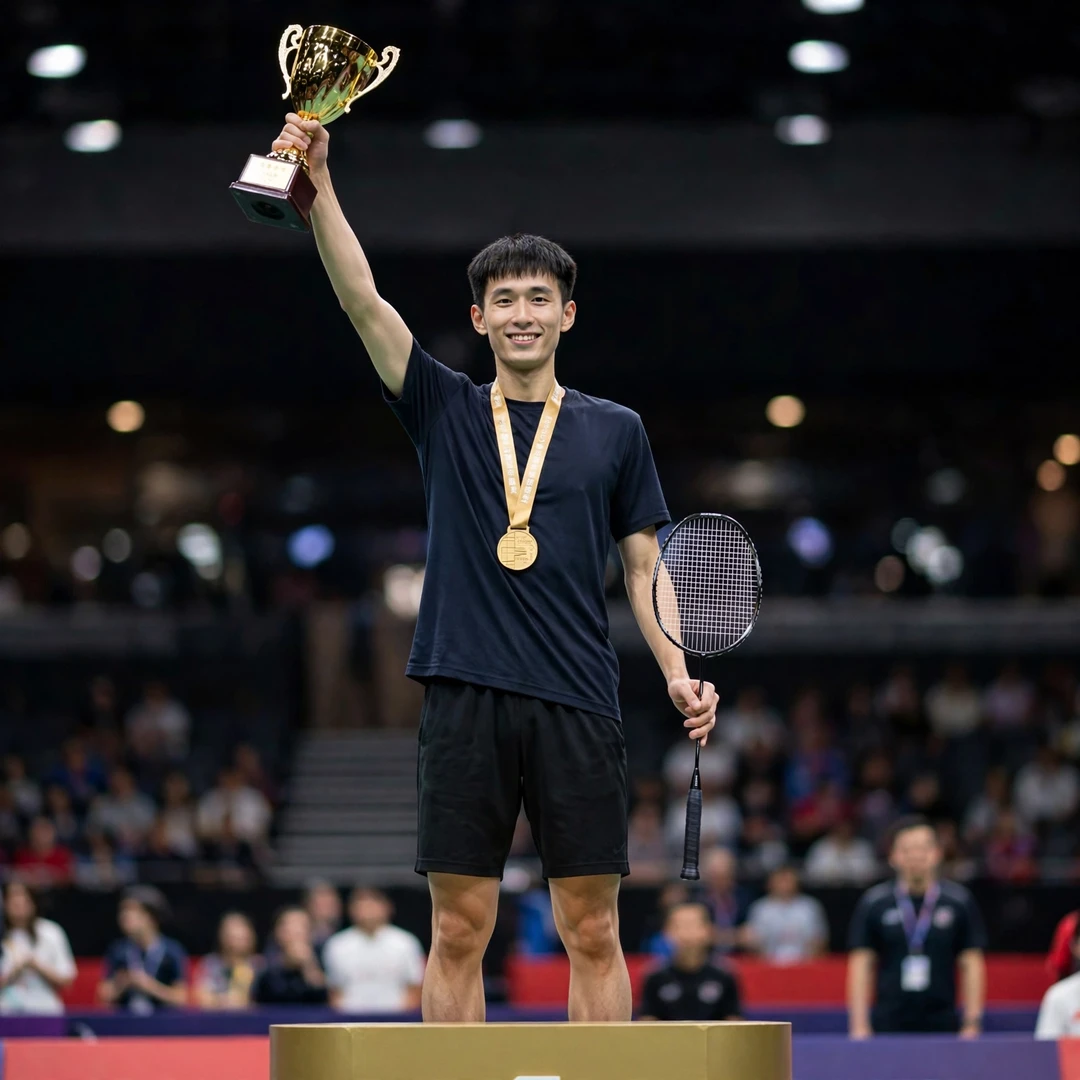
Career Milestone #2
The 2025 Surge: Four Semi-Finals
If 2024 was the breakthrough, 2025 was the surge. In February 2025 Huang reached the semi-finals of the Singapore International Challenge, and a month later he was a semi-finalist again at the Vietnam International Challenge in Hanoi — where he won the first game of his semi-final against Thailand’s Puritat Arree 21-10 before falling 21-10, 17-21, 18-21 in a match that showed both his level and the fine margins at this tier. Twice in two months, he had stood one win from an international final.
His best World Tour result of the season came in September 2025 at the Vietnam Open, a Super 100 event in Ho Chi Minh City. Huang beat compatriot Huang Yu-Kai in the round of 32 and Korea’s Lee Yun Gyu in a three-game quarter-final before his run ended against France’s Arnaud Merkle, the eventual finalist, 12-21, 11-21. A Super 100 semi-final is a different level of badminton from the continental circuit — faster, heavier, more physical — and Huang had now been there and competed.
Add the Kaohsiung Masters semi-final described below, and Huang’s 2025 season contained four semi-final runs across two competition tiers — International Challenge and Super 100 — plus round-of-32 appearances at Super 300 and Super 500 events. Consistency at the semi-final level, tournament after tournament, is what moves a ranking: by the end of September 2025, the player who had started at No. 1,260 stood inside the world’s top 50.
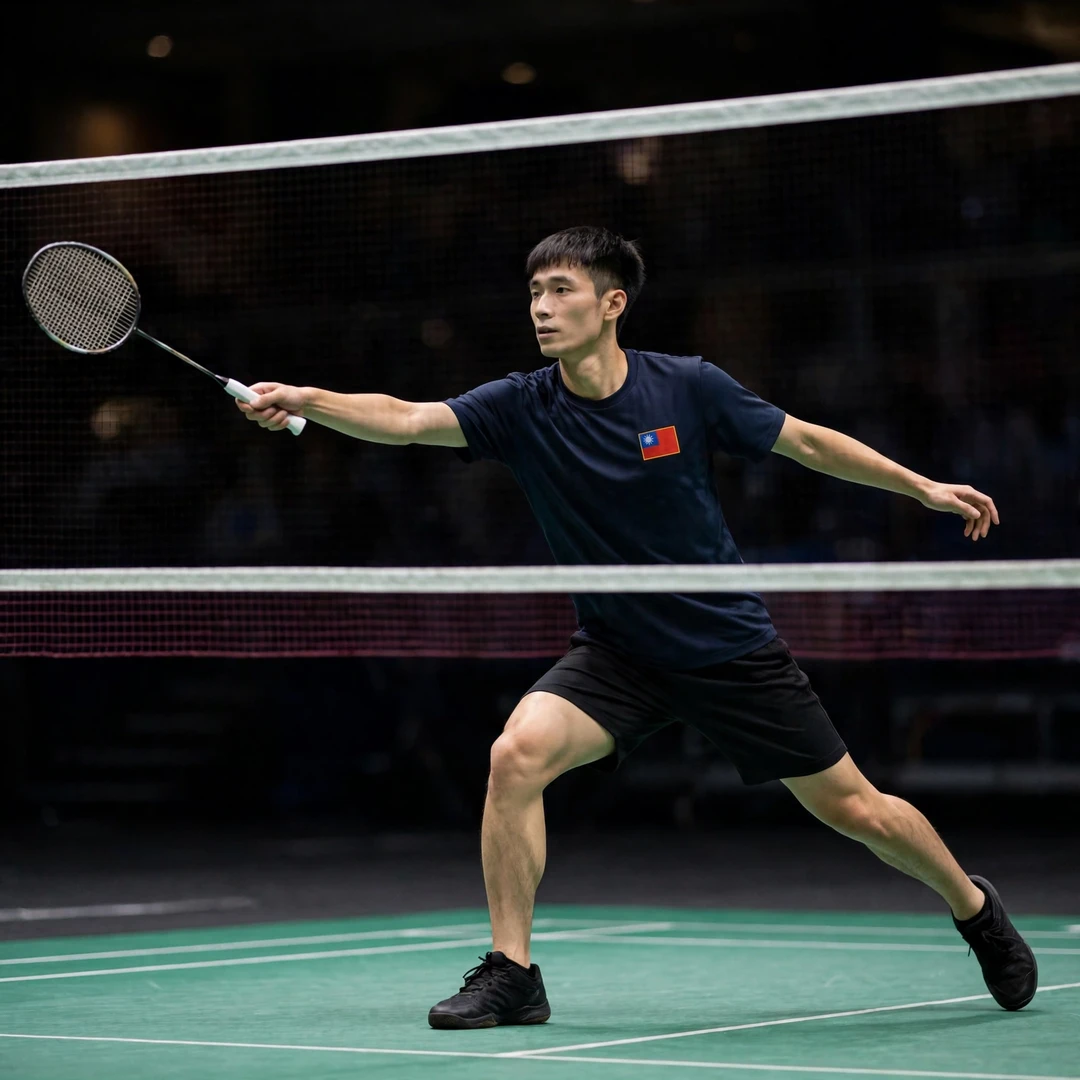
Career Milestone #3
Kaohsiung 2025: A Career High at Home
The peak came at home. At the Kaohsiung Masters 2025, a Super 100 event at the Kaohsiung Arena, third-seeded Huang gave the home crowd a week to remember: a straight-games win over Korea’s Kim Hae Deun, 21-19, 21-8, then three-game victories over compatriots Lu Chia Hung and Liao Jhuo-Fu, the quarter-final against Liao finishing 21-11, 17-21, 21-16. Three wins, three different kinds of matches — a controlled opener, then two all-Taiwanese battles that went the distance.
His run ended in the semi-finals against sixth seed Wang Po-Wei, who won 13-21, 21-10, 21-15 on his way to the title — but even in defeat Huang had taken the first game off the eventual champion. The reward arrived in the rankings published on 30 September 2025: world No. 48, the highest ranking of Huang’s career. A home semi-final, in front of family and home supporters, had carried a player from the domestic circuit into the world’s top 50.
Results like Kaohsiung matter beyond the points. Every young player in the arena that week could see a Taiwanese professional they might realistically become: not a teenage prodigy, but a 25-year-old who had climbed from No. 1,260 through domestic tournaments, small international events and years of patience. Huang’s career-high week is the strongest argument on this page for the long road — development measured in seasons, not months.
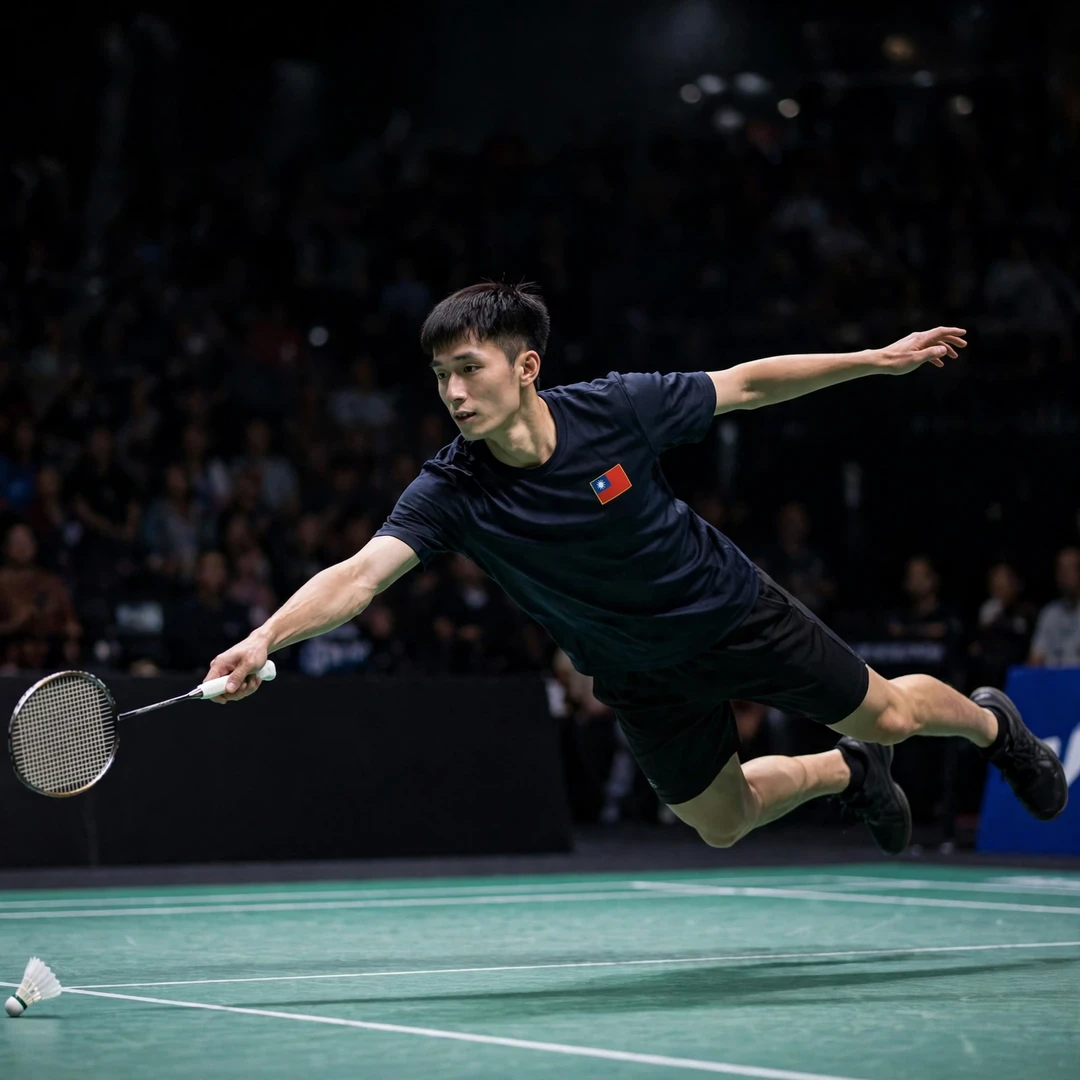
Career Milestone #4
Testing the Top Tier on the World Tour
Huang has also taken his game to the World Tour’s higher tiers, and the scorecards show a player closing the gap. At the Canada Open 2025, a Super 500, he reached the round of 16 and took a game off top Taiwanese star Chou Tien Chen before losing 11-21, 21-17, 6-21. At the US Open 2025 he pushed Canada’s Brian Yang to a decider in the round of 32, losing 9-21, 26-24, 15-21 after saving the second game in setting. These are defeats — but they are defeats in which top players had to work, and adapt, to beat him.
His 2025 calendar also included the Taipei Open (Super 300), the Malaysia Masters and Kumamoto Masters (Super 500) and the Korea Masters, where he reached the round of 32 — the weekly reality of a player ranked between 50 and 110, qualifying for big events and fighting for every main-draw win. In the Week 43 rankings of October 2026 he stands at No. 103 with 19,370 points as older results rotate out of the 52-week window — a reminder that at this level, a ranking must be defended every single week.
Playing Style
The Patient Rallying Style
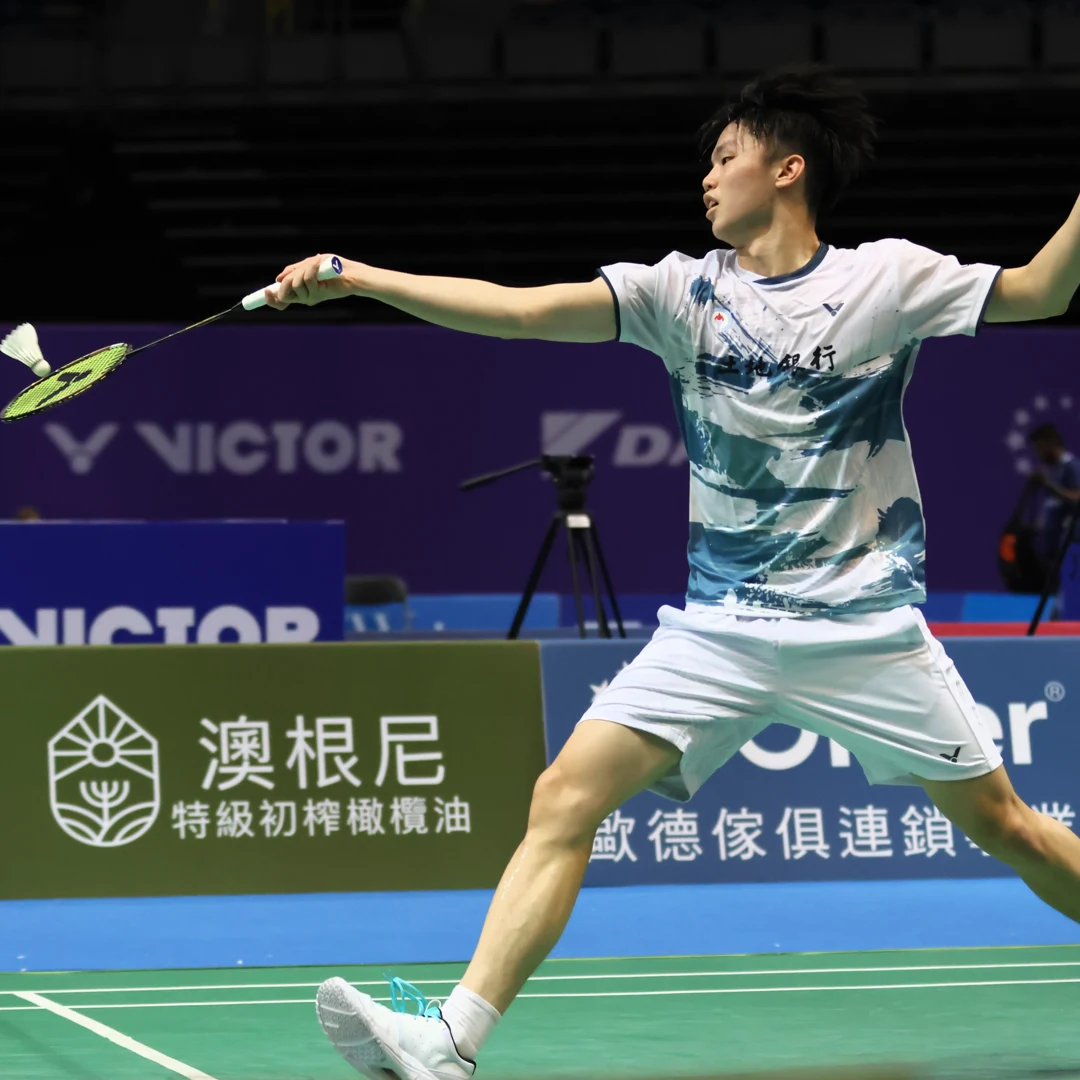
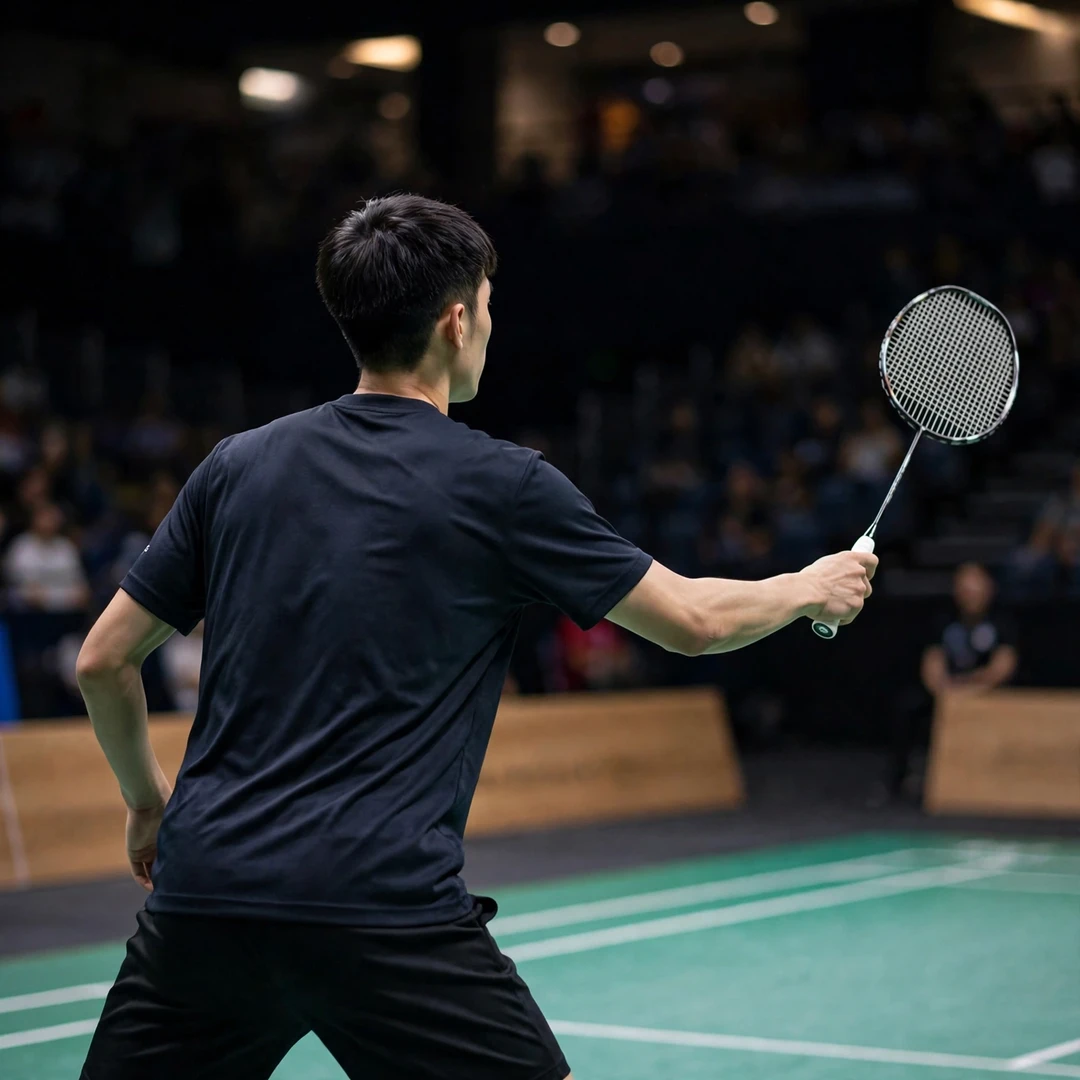
Huang plays a patient, right-handed rallying game built on construction rather than explosion. At this level of badminton, his results tell the style story: he wins long matches. The Sydney final went three games; the Vietnam Open quarter-final went three games; two of his three Kaohsiung wins went three games. A player who keeps winning deciders is a player whose clears stay deep in the third game, whose defence does not panic, and whose legs are still working when the opponent’s are not.
His weapons are accuracy and stamina rather than a single spectacular shot. He extends rallies with high, deep clears, keeps his net shots tight to force lifts, and defends in a low, balanced crouch that turns attacks into neutral rallies. When opponents rush against that patience, the errors come — and Huang is happy to collect them. Coaches call this a percentage game: nothing flashy, everything repeatable, every rally started with the intention of still being in it twenty shots later.
Young players studying Huang should watch what he does between the highlights: the recovery steps back to base after every shot, the way he varies pace with holds and flicks at the net, and how rarely he attempts a winner from a bad position. His game is a masterclass in shot selection — attacking only when the shuttle, the balance and the court position are all in his favour. That discipline is trainable at any age, and it is exactly what separates durable professionals from talented juniors.
Mental Strength
Patience, Persistence and the Long Game
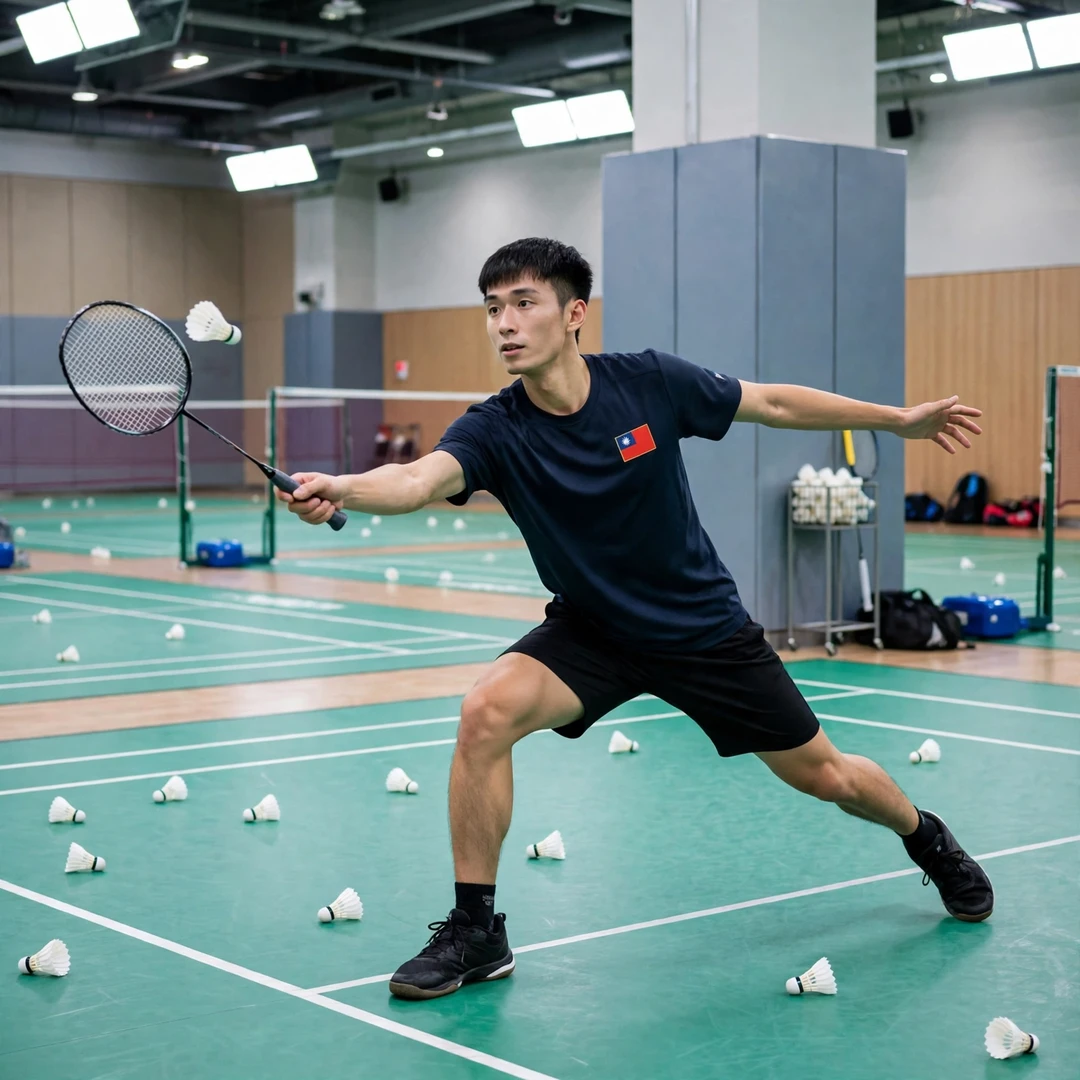
Huang’s career demonstrates a particular kind of belief: the belief of the late developer. He had no junior titles and no ranking worth mentioning as a teenager; at 19 he was No. 1,260 in the world. Everything he has achieved — two international titles, a National Games medal, a top-50 ranking — was built in his twenties, through Taiwan’s domestic system and the smallest tournaments on the international calendar. For every young player who fears they have started too late, his file is the counter-argument.
His response to near-misses is already a pattern. In 2025 he lost a Vietnam semi-final after winning the first game 21-10; he lost a US Open match after taking the second game 26-24; he lost the Kaohsiung semi-final after winning the first game against the eventual champion. Lesser players collect such defeats as evidence against themselves. Huang keeps collecting them as information — and keeps arriving at the next semi-final. The gap between him and the players beating him is measured in a handful of rallies, and he plays like a man who knows it.
Practical lessons from his journey include building a game that does not leak errors before chasing spectacular winners, treating domestic tournaments as seriously as international ones, using small events in Hanoi, Singapore and Sydney as stepping stones rather than waiting for big invitations, and training the third game as a skill in itself — fitness, patience and shot discipline when tired. None of these lessons requires fame or money; they require honesty about where your game is, and a plan to move it.
Learning Reference
ST Badminton Academy Connection
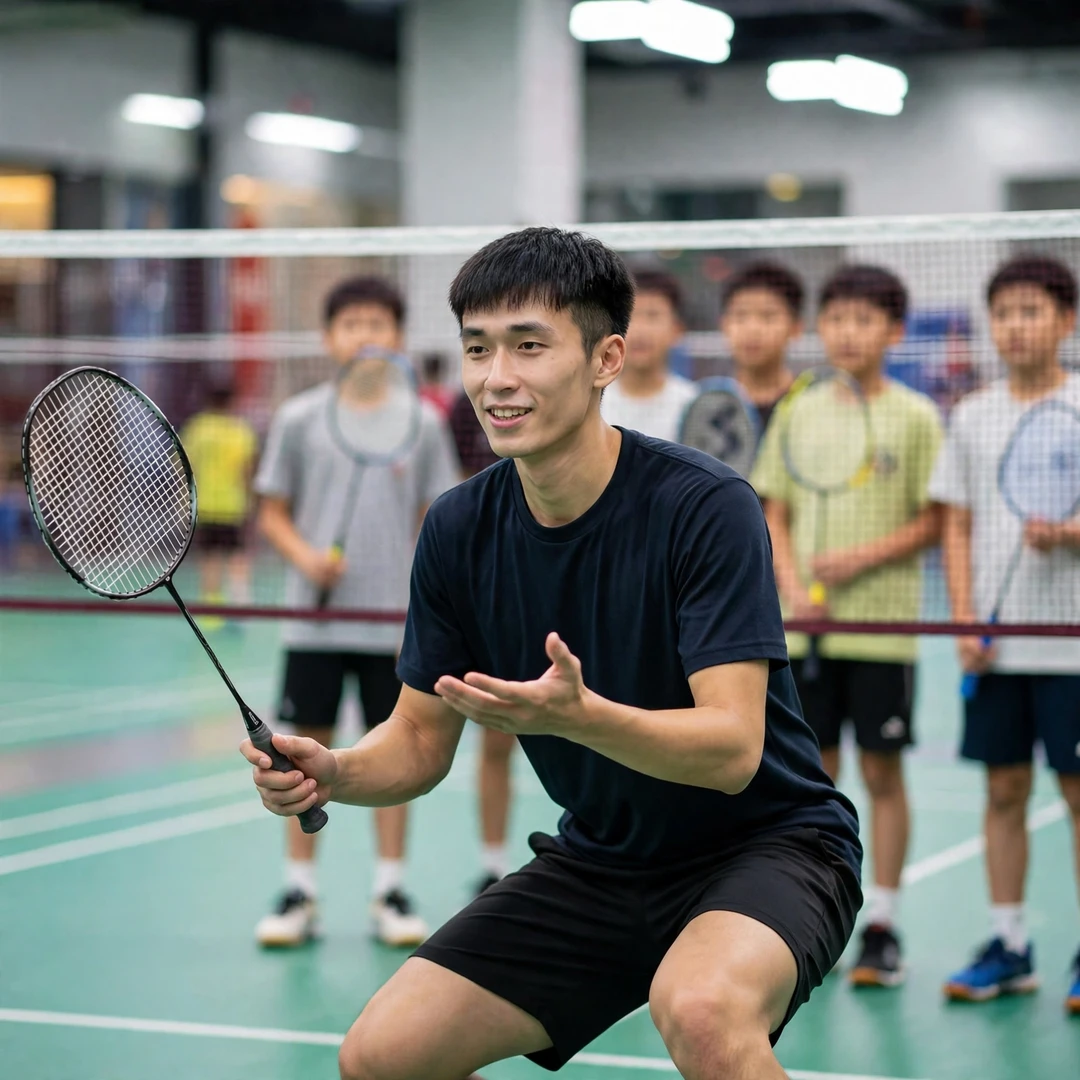
ST Badminton Academy has no official partnership or endorsement from Huang Ping-Hsien. He is not connected with our academy, and this profile is published purely as an educational case study for parents and junior players who want to understand how a player can climb from No. 1,260 to the world’s top 50 through patience, domestic competition and years of steady work.
Many of our students from Malaysia and visiting learners from Singapore study his matches to understand the value of the long road: how a player with no junior reputation won two international titles in one season, how four semi-final runs in a year are built one tournament at a time, and how a home crowd in Kaohsiung watched a domestic-system product reach a career-high No. 48. His 2024 and 2025 seasons are required viewing in our discussions of late developers.
We encourage our students to observe his rally construction, his third-game stamina and his calm shot selection under pressure — and to notice that his rise began in ranking tournaments in Taiwan and small halls in Hanoi and Singapore, not under television lights. Champions are not only discovered at twelve; sometimes they are built at twenty-five, one semi-final at a time.
FAQs: Huang Ping-Hsien Chinese Taipei Badminton Player
Here are answers to common questions about Huang Ping-Hsien’s career, achievements and what young players in Malaysia can learn from the Chinese Taipei player’s patient climb.
Who is Huang Ping-Hsien and which country does he represent in badminton?
Huang Ping-Hsien is a Chinese Taipei professional badminton player competing in men’s singles. Born on 13 December 1999, he developed through Taiwan’s domestic system — including the Apex corporate team and national ranking tournaments — won the men’s singles bronze medal at the 2023 National Games of Taiwan, broke through with two International Challenge titles in 2024, and reached a career-high world ranking of No. 48 in September 2025.
What are Huang Ping-Hsien’s biggest badminton achievements?
Huang’s major achievements are his two International Challenge titles in 2024 — the Vietnam International Challenge in Hanoi and the Sydney International in Australia — four semi-final runs in 2025 (Singapore International Challenge, Vietnam International Challenge, Vietnam Open and Kaohsiung Masters), the 2023 National Games men’s singles bronze medal for Pingtung County, and a career-high world ranking of No. 48 reached on 30 September 2025.
What is Huang Ping-Hsien’s playing style?
Huang plays a patient, right-handed rallying game based on deep clears, tight net play, stubborn low defence and excellent third-game stamina. He builds rallies rather than rushing them, attacks only from good positions, and wins a striking share of his matches in deciding games — a percentage style built on shot selection and fitness rather than raw power.
How did Huang Ping-Hsien perform at the Kaohsiung Masters 2025?
At the Kaohsiung Masters 2025, a Super 100 event in his home country, third-seeded Huang reached the semi-finals, beating Kim Hae Deun, Lu Chia Hung and Liao Jhuo-Fu before losing to eventual champion Wang Po-Wei 21-13, 10-21, 15-21 after winning the first game. The run lifted him to his career-high world ranking of No. 48 in the rankings of 30 September 2025.
How can my child learn from Huang Ping-Hsien’s training approach?
Young players can study Huang’s approach by copying the habits behind his climb: build defence and rally tolerance before highlight-reel smashes, take domestic tournaments as seriously as international ones, treat every small event as a stepping stone, and train specifically for third games — fitness, patience and clean technique when tired. At ST Badminton Academy we use his Sydney final and Kaohsiung run as video lessons in rally construction and late-match composure.
Did Huang Ping-Hsien win any junior titles?
No junior international titles are recorded for Huang Ping-Hsien — and that is part of what makes his story valuable. He first appeared in the world rankings in November 2018 at No. 1,260 and built his career on the senior circuit and in Taiwan’s domestic system, where his honours include the 2023 National Games bronze medal and a runner-up finish at the 2023 national ranking tournament. His first titles were senior titles, won at 24.
What are Huang Ping-Hsien’s best World Tour results?
Huang’s best World Tour results are his semi-finals at the Vietnam Open 2025 and the Kaohsiung Masters 2025, both Super 100 events, and a round-of-16 finish at the Canada Open 2025 (Super 500), where he took a game off Chou Tien Chen. He has also reached the round of 32 at Super 300 and Super 500 events including the Taipei Open, Malaysia Masters, Kumamoto Masters and Korea Masters.
What playing style should young players learn from Huang Ping-Hsien?
Young players should study Huang’s complete game rather than one spectacular shot: the deep, accurate clears that pin opponents back, the tight net play that earns attacking chances, the low defensive crouch that refuses to leak points, and the third-game discipline that keeps all of it working when both players are tired. His game is built from trainable skills, which is why coaches love teaching from it.
Does ST Badminton Academy have any connection with Huang Ping-Hsien?
No, Huang Ping-Hsien is not a student, coach or ambassador of ST Badminton Academy. He represents Chinese Taipei and developed through Taiwan’s domestic badminton system. However, coaches at our academy in Kuala Lumpur regularly use his matches as teaching material, because his climb from No. 1,260 to the top 50 shows what structured coaching, patience and steady competition can achieve.
Huang Ping-Hsien Career Highlights
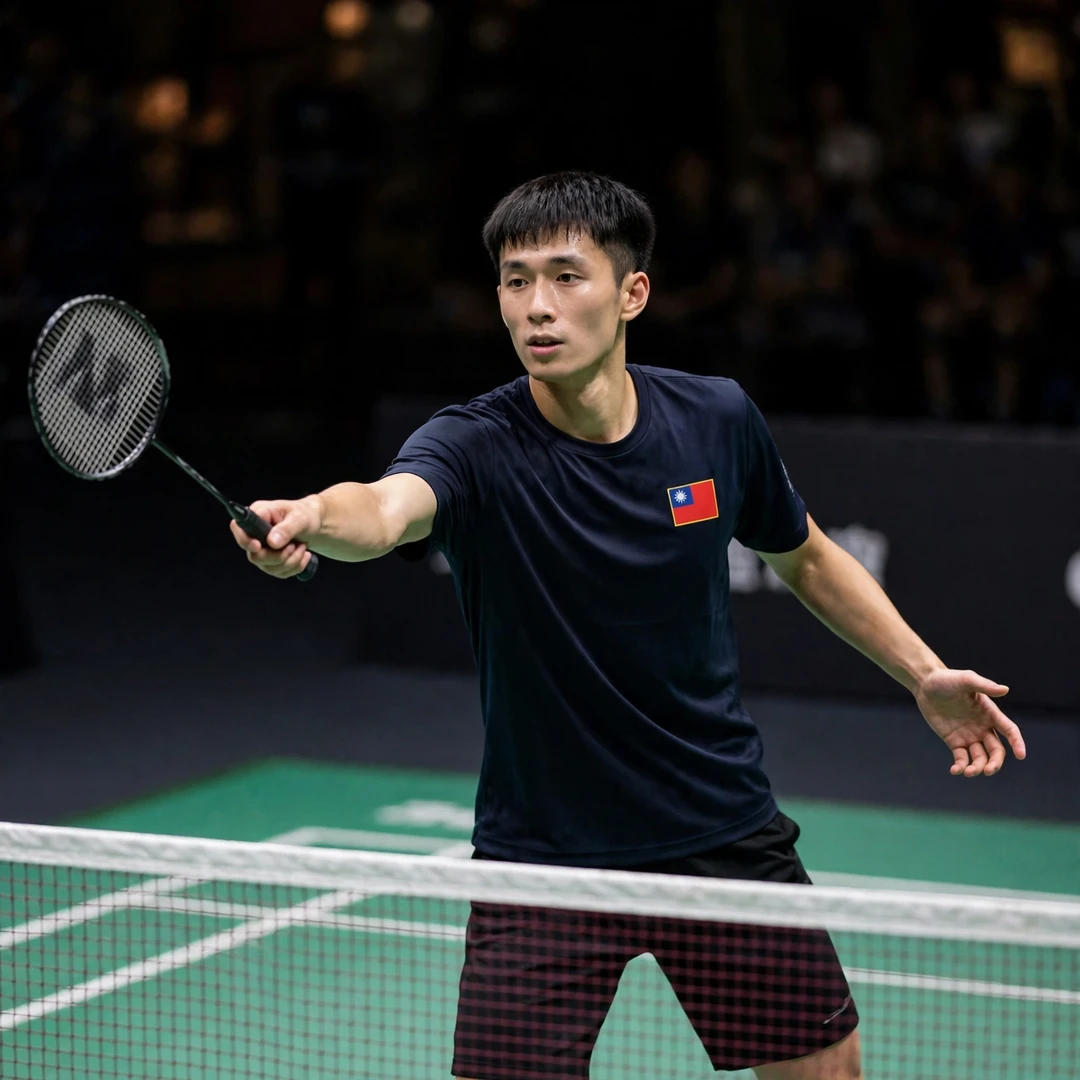
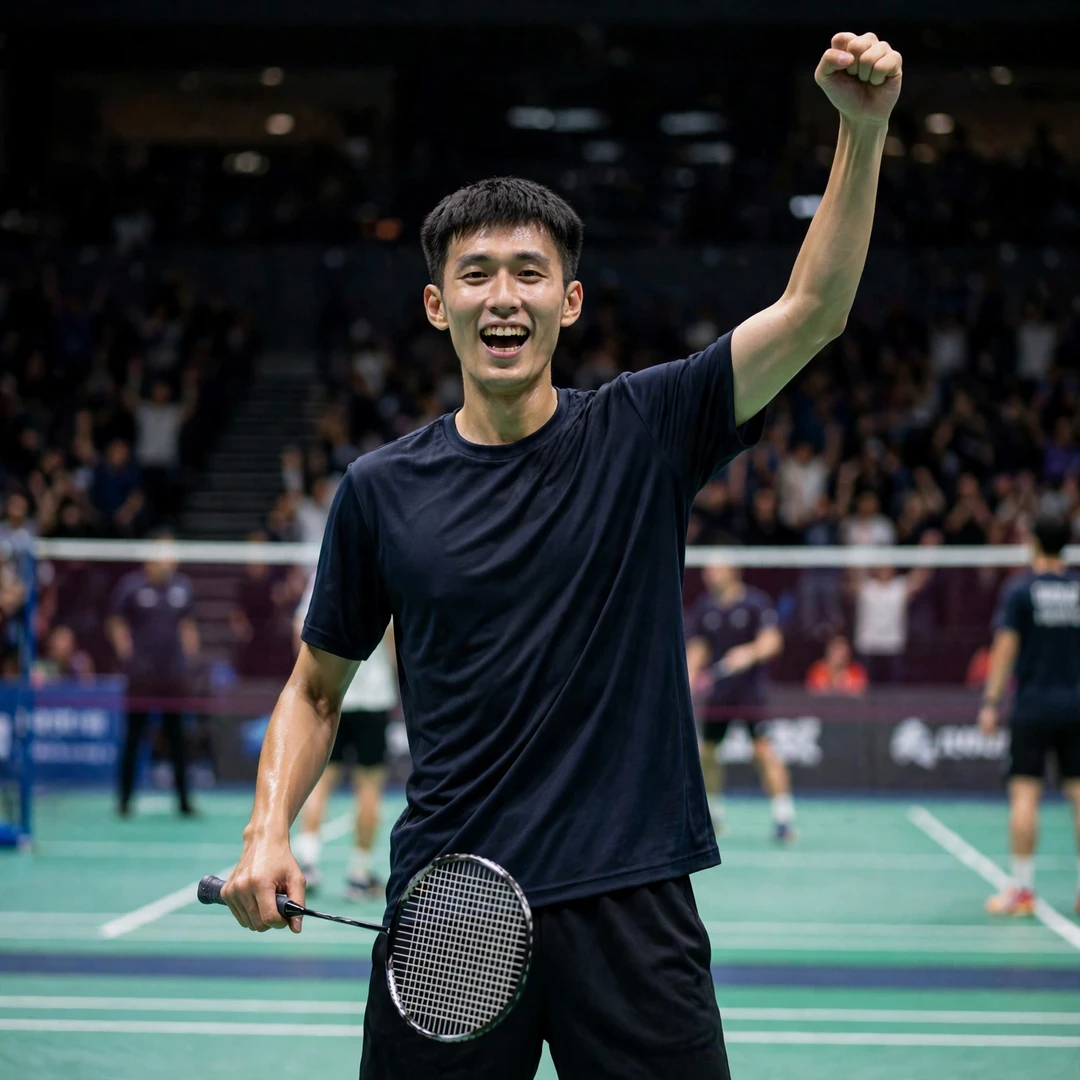
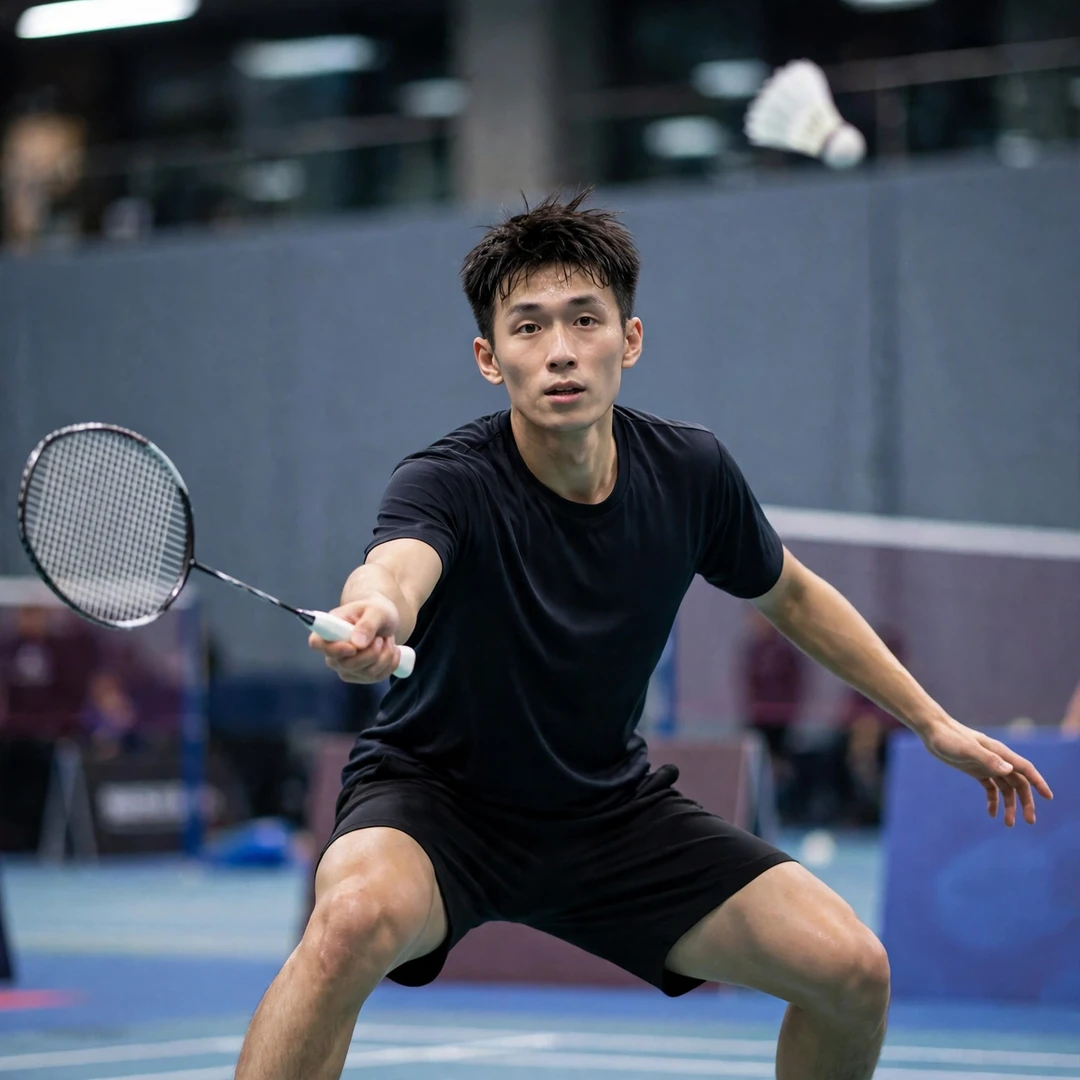
Career Statistics and Rankings
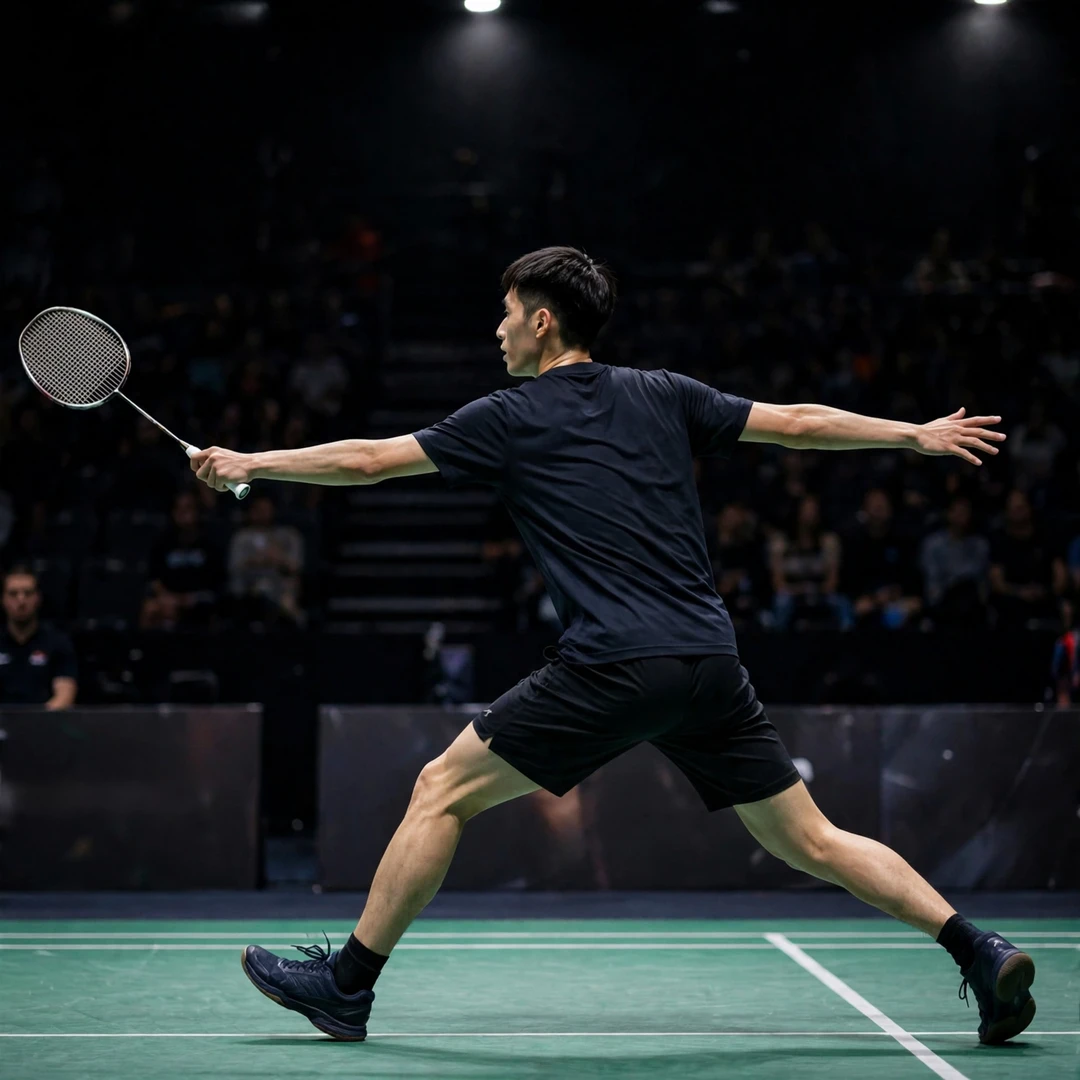
Huang Ping-Hsien, born 13 December 1999, has produced one of the steadiest climbs in modern badminton: first ranked No. 1,260 in 2018, a National Games bronze medallist in 2023, a two-time International Challenge champion in 2024, a four-time semi-finalist in 2025, and a career-high world No. 48 in front of his home crowd in Kaohsiung — all built without a single junior title.
| Development Area | Common Misconception | What Huang Ping-Hsien's Career Shows REALITY |
|---|---|---|
| Junior Foundation | Talent alone decides who becomes a champion. | Huang had no junior titles and first appeared in the world rankings at No. 1,260 in 2018 — he built his base inside Taiwan's domestic system and its national ranking tournaments before results opened international doors. |
| Playing Style Priority | Kids should copy the flashiest attacking shots. | Huang built a complete rallying game first; his winners are the finishing touch on deep clears, tight net play, reliable footwork and a defence that refuses to leak points. |
| Fitness Importance | Juniors can out-train everyone without rest. | Huang wins deciding games for a living — his Sydney title, his Vietnam Open quarter-final and two of his Kaohsiung wins all went three games — because his fitness and shot quality are managed to last the full match, not just the first game. |
| Mental Approach | Top players never get nervous or upset. | Huang lost a 2025 Vietnam semi-final after winning the first game 21-10, and a Kaohsiung semi-final after winning the first game against the eventual champion — yet he keeps arriving at the next semi-final; mental skills are trained, not inherited. |
| Attacking Training | Smashing harder is always the answer. | His game taken off Chou Tien Chen at the Canada Open 2025 (21-17 in the second game) and his two 2024 International Challenge titles came from rally construction and placement, not raw power. |
| National Milestones | Only world titles matter. | Huang's National Games bronze medal for Pingtung in 2023 and his two International Challenge titles in 2024 built his name at home step by step before the world noticed him. |
| Career Timeline | Champions peak once and fade fast. | From No. 1,260 in November 2018 to a career-high world No. 48 in September 2025, Huang proves sustained development across seven seasons beats a short junior peak. |
Study Huang Ping-Hsien's Work Ethic and Professional Approach
This profile explains who Huang Ping-Hsien is, his major achievements, and what developing players can learn from his journey. Whether you are a parent in Kuala Lumpur, Cheras or anywhere in Malaysia wondering whether it is too late for your child to start seriously, Huang's story carries the answer: with the right coaching, patience and enough tournaments, a late start can still reach the top 50 — book a trial class with ST Badminton Academy on WhatsApp at +60 17-684 2136 and let your child begin a development journey built to last.