Choose The Best Shuttlecock For Your Badminton Game (Shuttle Guide)
Every rally starts with the shuttle, and the shuttle decides more than players think: how deep a clear carries, how tight a net shot spins, whether a smash arrives fast or floats. Two tubes that look identical on the shelf can fly completely differently on court.
This guide explains how to choose the best shuttlecock for your badminton game: feather versus nylon, the speed numbers printed on the tube, why the cork base matters, how to make shuttles last, and how to match a shuttle to your level and your hall, the same advice we give students at ST Badminton Academy in Setapak, Kuala Lumpur.
Shuttle Check #1
Feather or Nylon: Which Shuttle Family Fits You?
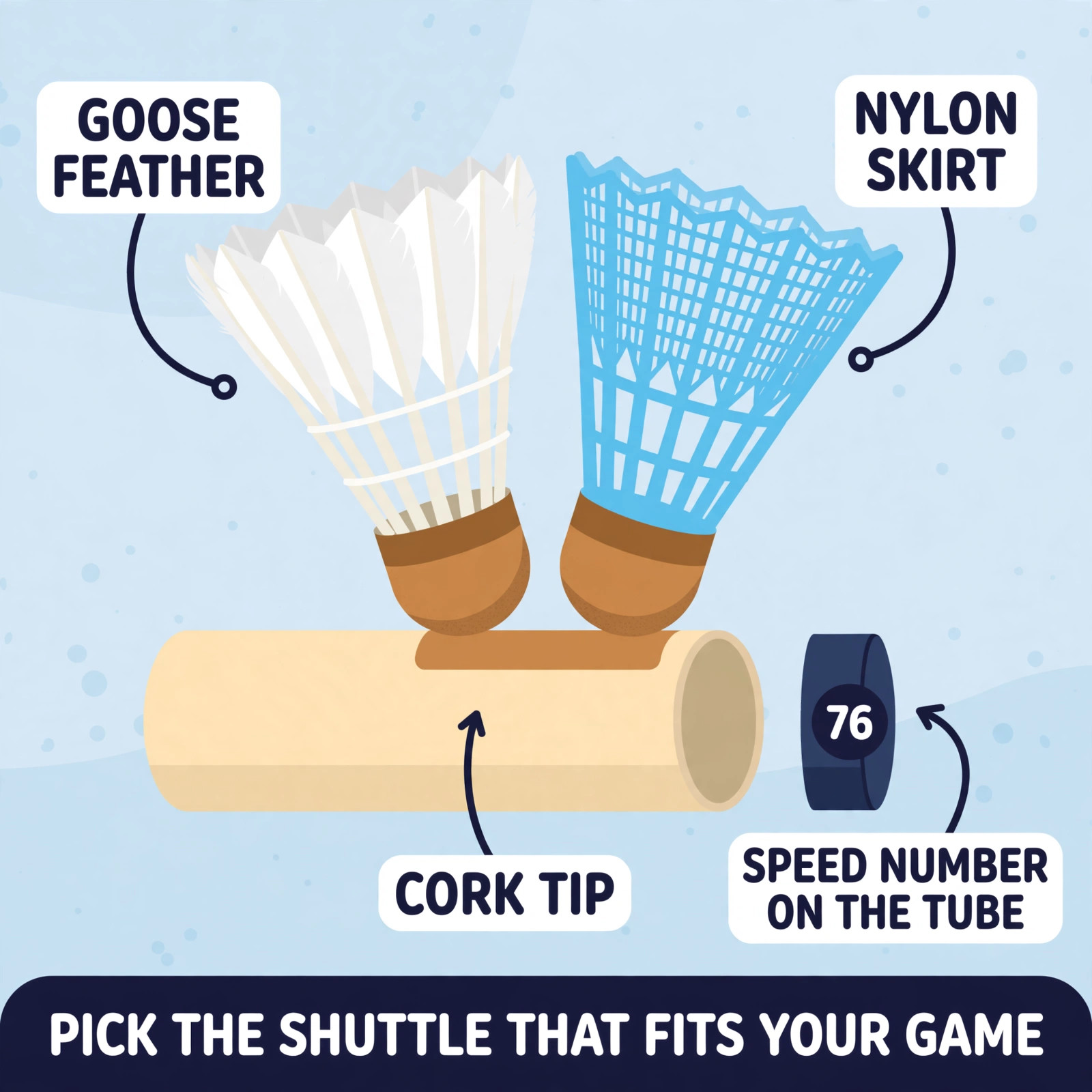
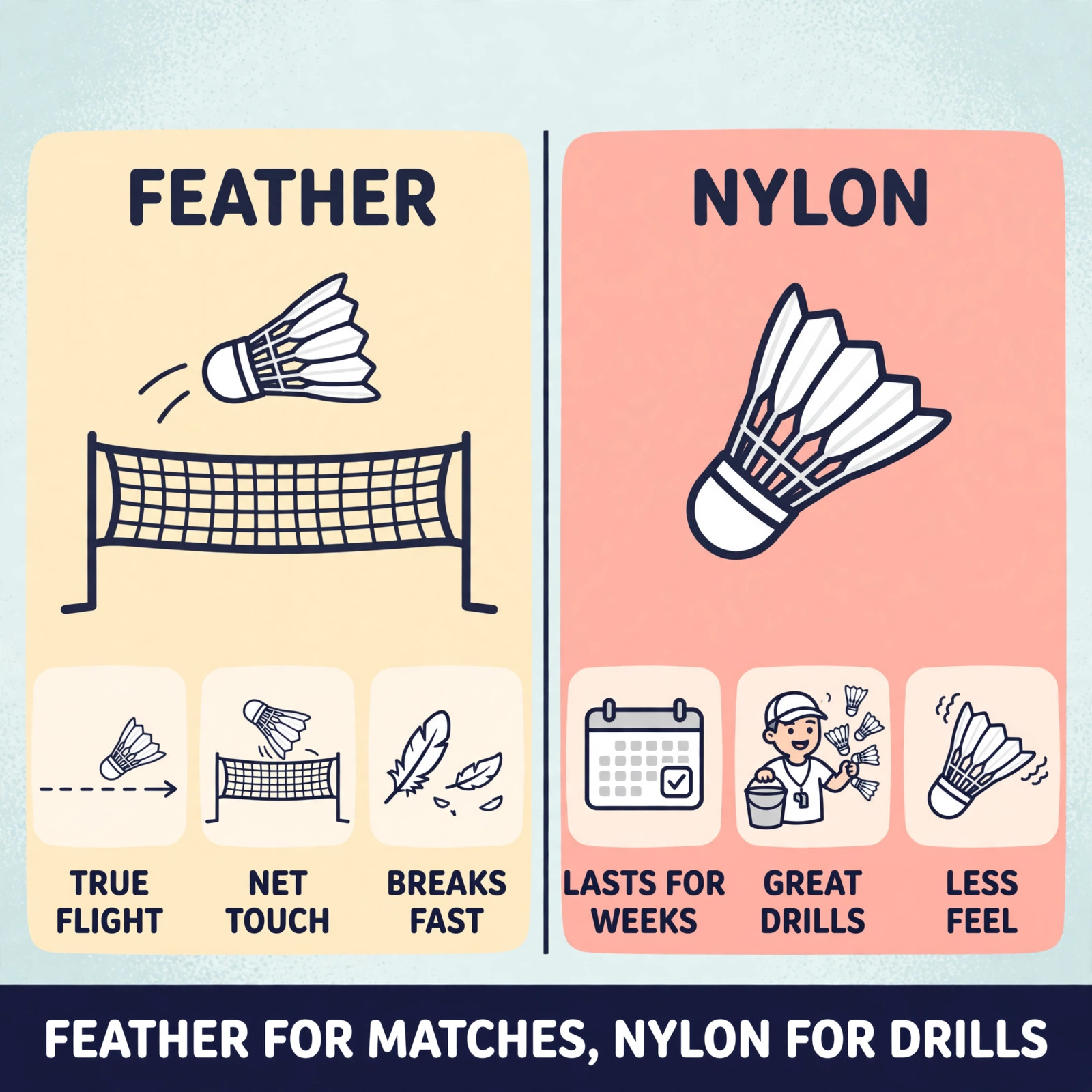
The first choice is the family. Feather shuttlecocks use real goose feathers set into a cork tip. Nothing else flies quite like them: the flight is stable, the shuttle turns over cleanly after a smash, and touch shots at the net behave the way players expect. That is why tournaments at every serious level are played with feather shuttles.
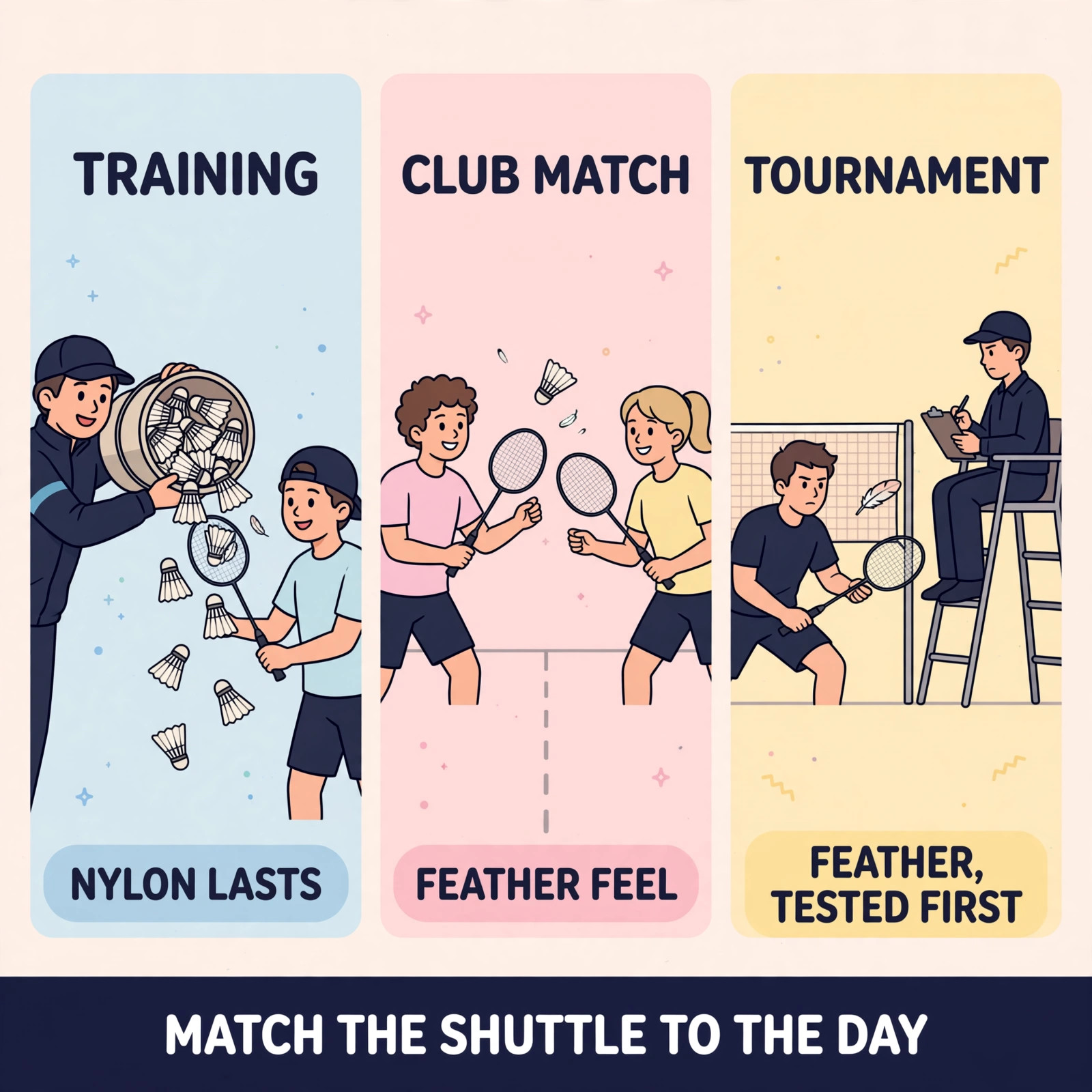
Nylon shuttlecocks use a plastic skirt instead of feathers, and they are not fake badminton, they are the sensible choice for most training. A nylon shuttle survives weeks of drills that would shred feathers in a session, and modern nylon designs fly close enough to feather for feeding, footwork work and social games. At our academy the rule is simple: nylon for drills and multi-shuttle feeding, feather for matches and match practice.
Shuttle Check #2
What Do Shuttle Speed Numbers Really Mean?
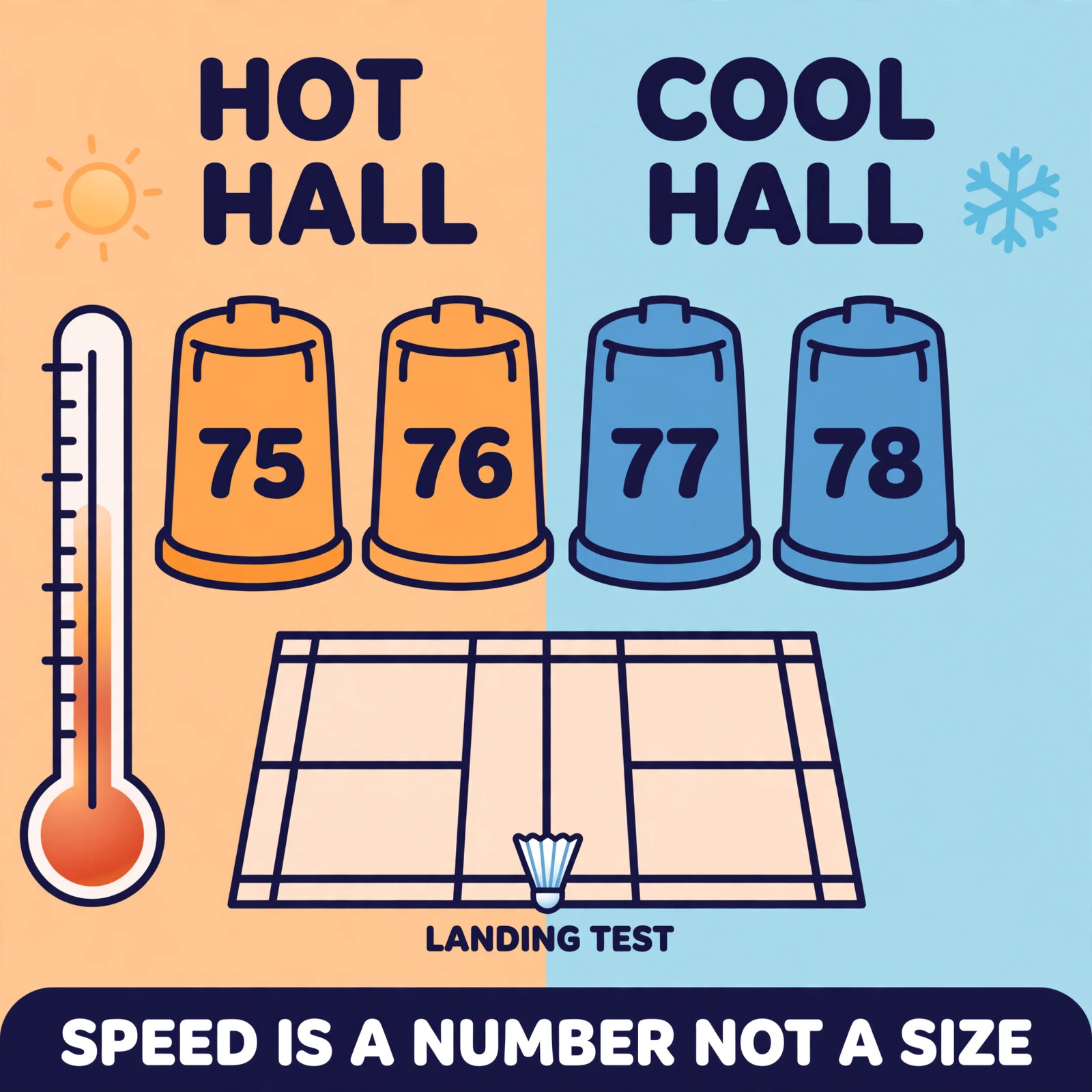
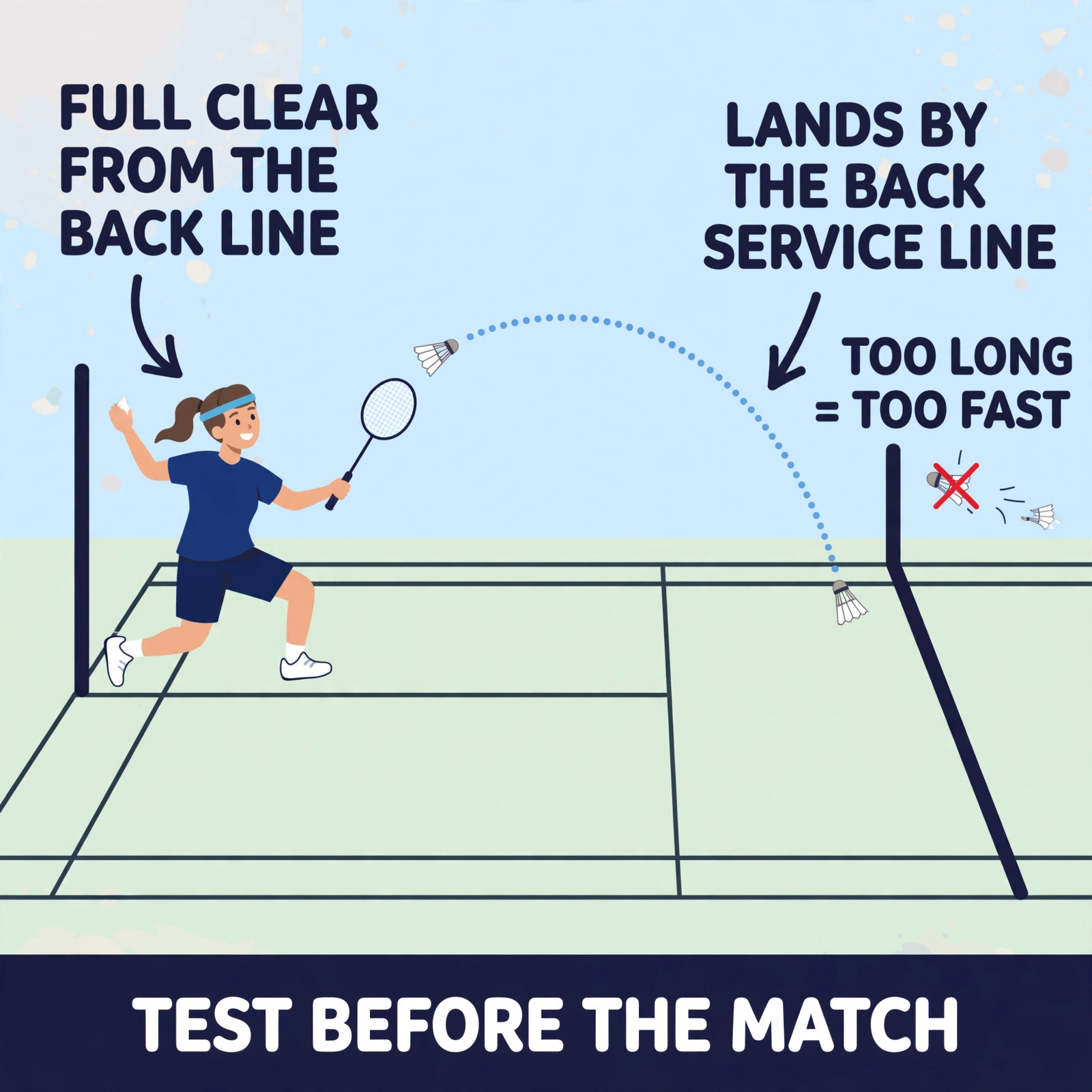
The number on the tube cap, 75, 76, 77 or 78, is the shuttle’s speed grade, and it has nothing to do with size. A higher number flies faster and longer; a lower number flies slower and shorter. A shuttle that is too fast sails past the back line on every clear, and one that is too slow dies before it reaches the back tramline, so the grade has to suit the hall you play in.
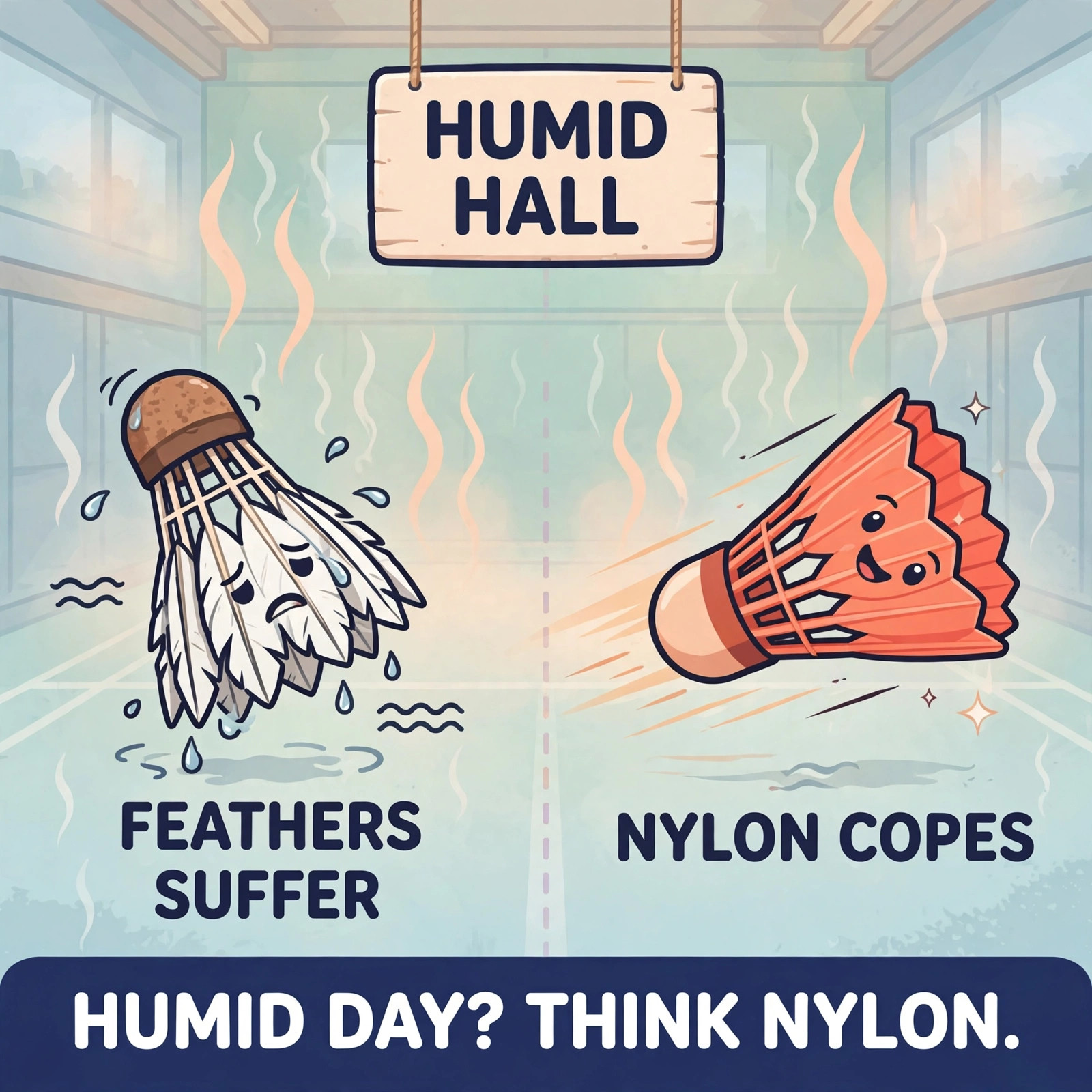
Temperature drives the choice. Heat makes a shuttle fly faster, so in a warm Malaysian hall a slower grade, 75 or 76, usually lands correctly, while a cold hall or air-conditioning set low calls for a faster grade like 77 or 78. Altitude does the same job as heat: the higher you play, the slower the grade you need. This is why the same tube can feel perfect in one hall and wrong in another.
Test before you judge. The standard check is a full underarm clear from the back boundary line, hit with a normal full swing: a correct-speed shuttle lands inside the doubles back service area, close to the back line but not beyond it. Coaches do this test whenever they open a new tube in a new hall, it takes ten seconds and saves a whole session of fighting the shuttle.
Shuttle Check #3
Why the Cork Base Decides Flight Quality?
Under the feathers sits the cork, and the cork quietly decides how honest the flight is. A good base is real cork, firm, light and even, covered with a thin layer of white leather. Cheap bases use pressed cork dust or foam blends; they feel spongy, crack early, and make the shuttle wobble even when the feathers are fine. When you pick up a shuttle, a gentle squeeze tells you a lot: the tip should feel solid, not soft.
Look at how the shuttle is built. Sixteen feathers, evenly spaced, all set at the same angle, none bent or split before the tube is even opened. The glue line where feathers meet cork should be clean, and the string binding the feather stems should be tight. On nylon shuttles, check the skirt instead: one even moulding, no cracks at the rim, and a cork or cork-look tip that is properly centred.
Consistency inside the tube matters as much as quality. In a good tube, all twelve shuttles fly the same way. In a poor tube, three fly true and the rest wander, and players blame their own timing. This is the real difference between tournament-grade and cheap recreational tubes: not the label, but how tightly weight and speed are controlled from shuttle to shuttle.

Shuttle Check #4
How Do You Make Shuttles Last Longer?
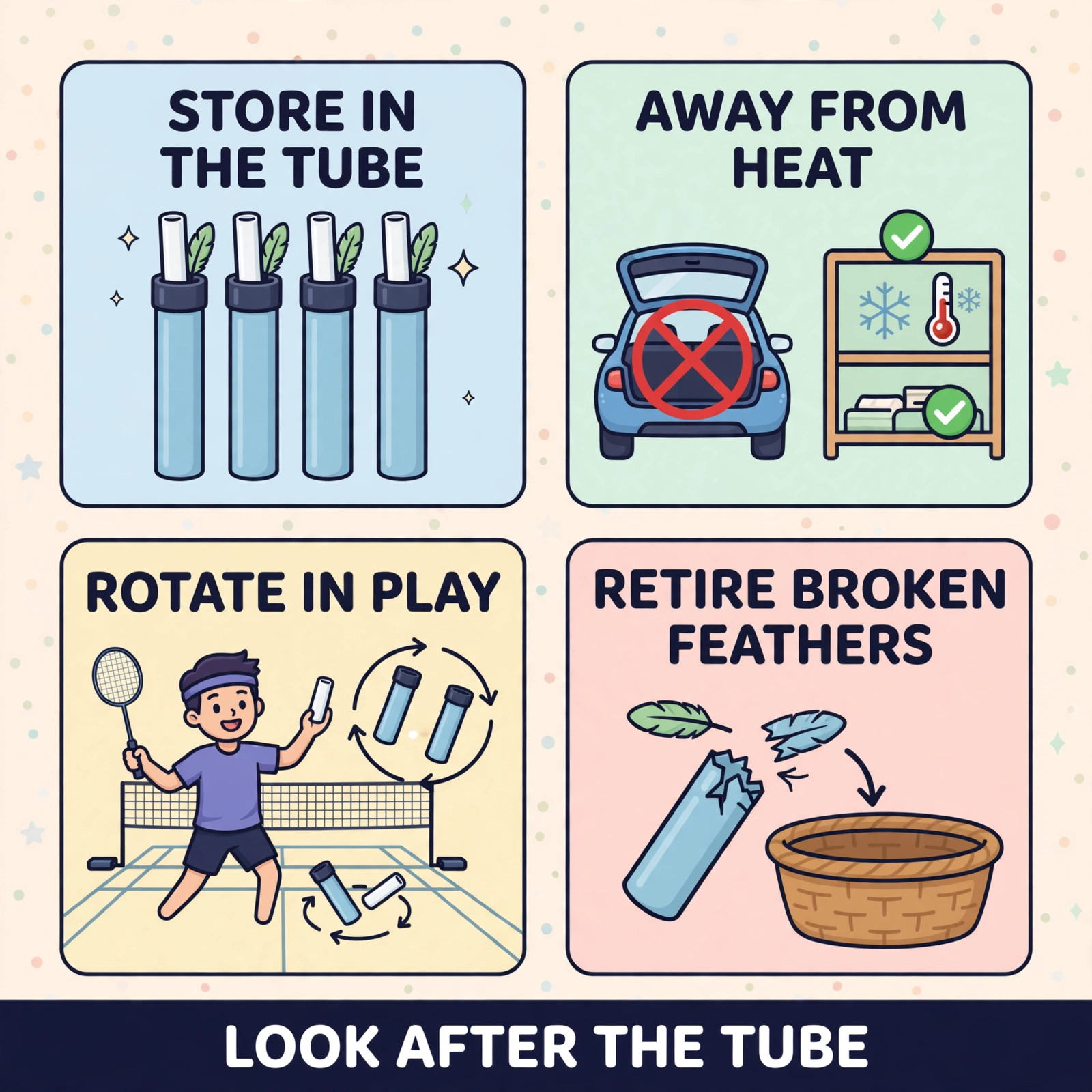
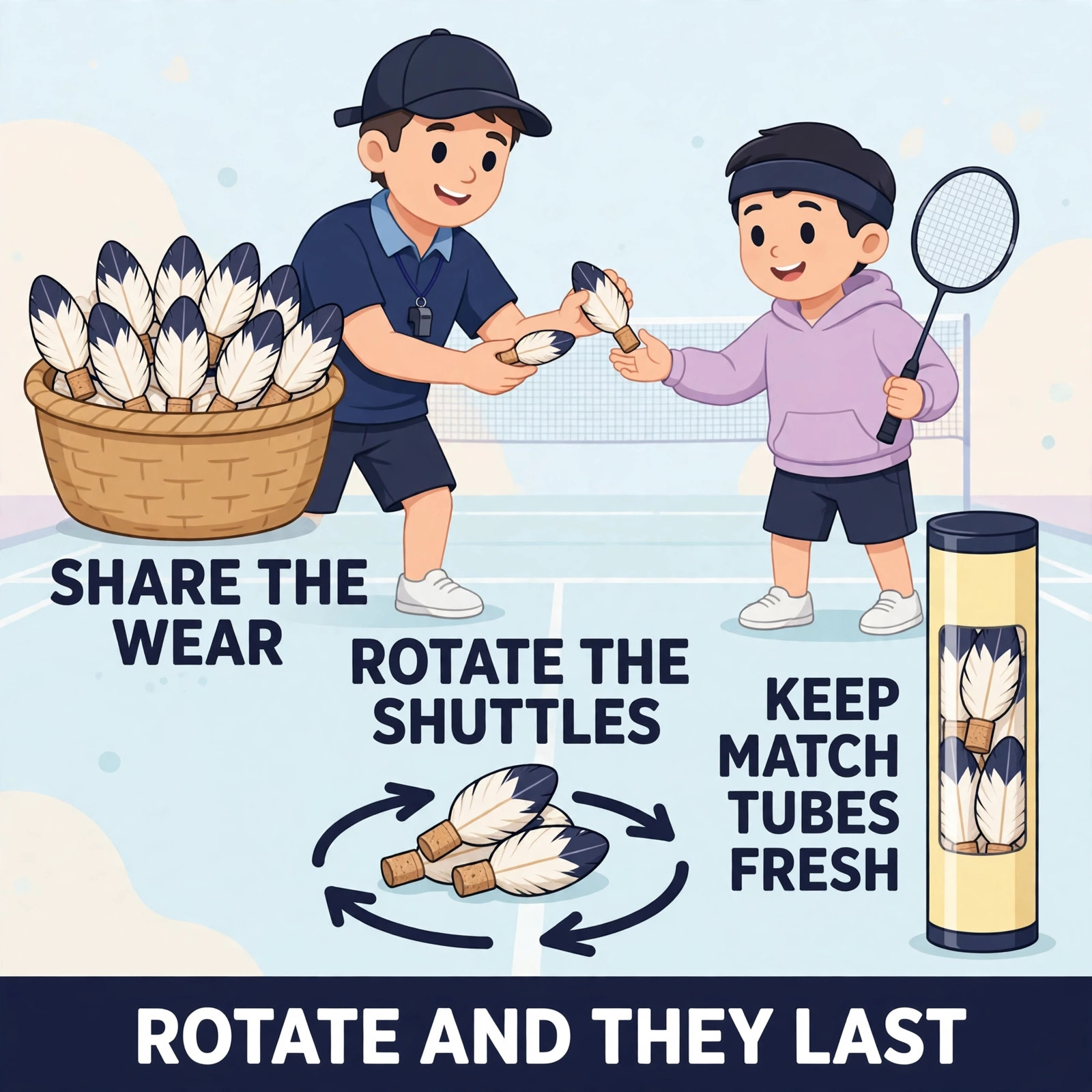
Feather shuttles are fragile by nature, one mishit smash can snap a feather, so treat them like the precision gear they are. Rotate shuttles during a game instead of hammering one until it dies, and keep the best tube for matches rather than warm-up hitting. Some players lightly steam feathers over a kettle to keep them supple; if you do it, a few seconds is enough, and never soak them.
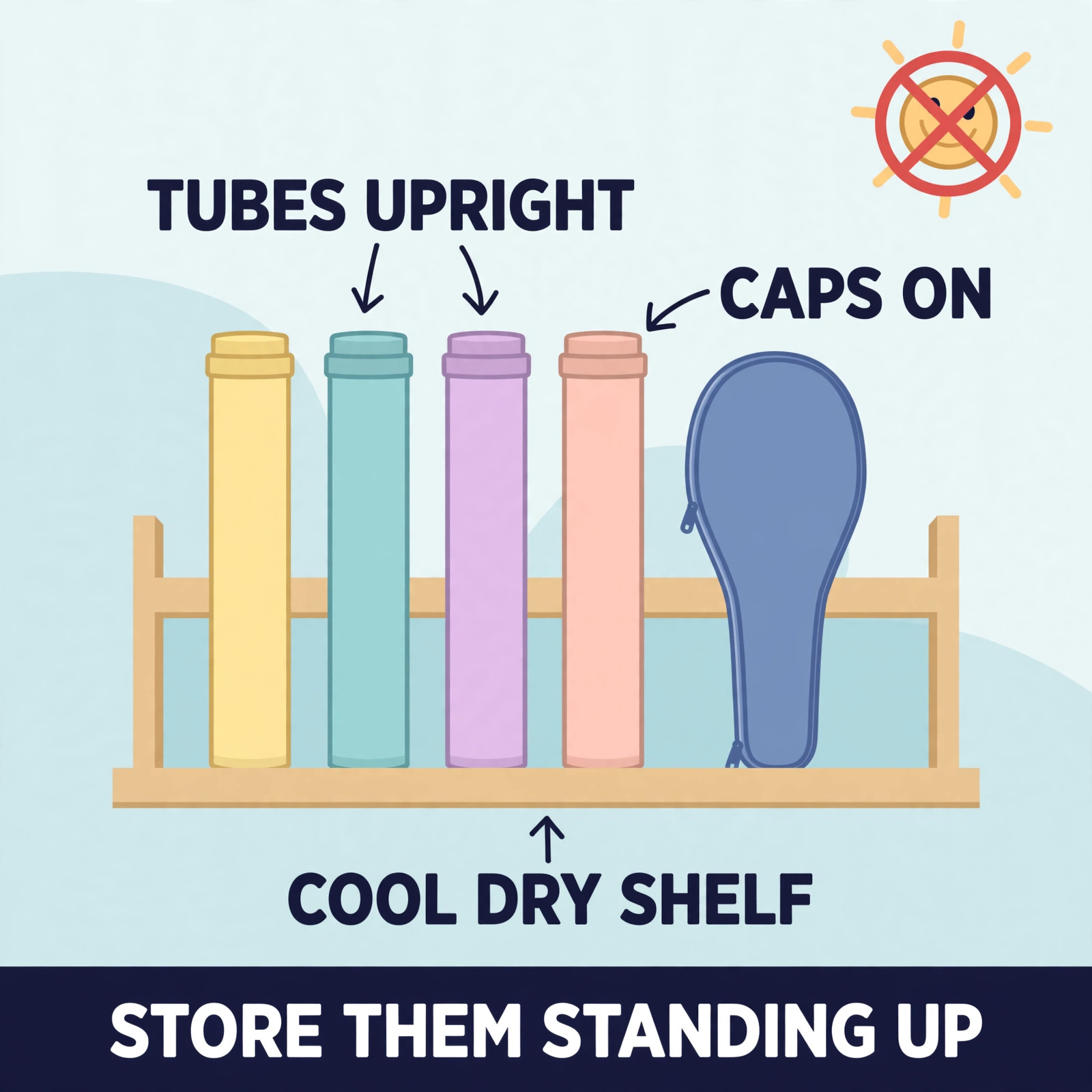
Storage decides the rest of a shuttle’s life. Keep tubes standing upright, caps on, in a cool dry place, never in a hot car boot, where Malaysian heat warps feathers and dries out cork in days. A shuttle stored badly can be ruined before it is ever hit. Nylon shuttles forgive more, but the same upright tube storage keeps skirts from being crushed out of shape.
Know when a shuttle is finished. A feather shuttle with two or more broken or badly bent feathers will wobble and dive, retire it to the warm-up basket rather than fighting it in a game. A nylon shuttle whose skirt is cracked or whose flight has gone lopsided has also done its work. Playing on with a dead shuttle teaches bad timing; swapping it early is cheaper than relearning a stroke.
Test Before You Buy
How Do You Match a Shuttle to Your Level and Hall?
Match the shuttle to the day. For drills, feeding and long practice sessions, a good nylon shuttle is the smart buy, it keeps its flight for weeks and lets you spend your money on court time instead of tubes. For club nights where rallies matter more, a mid-grade feather tube gives real match feel without the top tournament price.
For tournaments and serious match practice, use feather, and use the grade the hall demands, not the grade you bought last month in a different hall. Serious players test the supplied shuttles during warm-up and adjust their length accordingly. If every clear is sailing long, the shuttle is too fast for that hall, and good players say so early instead of spraying shots all match.
Beginners and young juniors are the exception that proves the rule: they learn timing better on nylon, which flies a little slower and forgives mishits while strokes are still forming. As their swings become grooved and their games become real matches, feather shuttles stop being a luxury and become the standard their timing expects. Our coaches make that switch with students deliberately, not by accident.
Myth vs Reality
Myths About Shuttle Choices
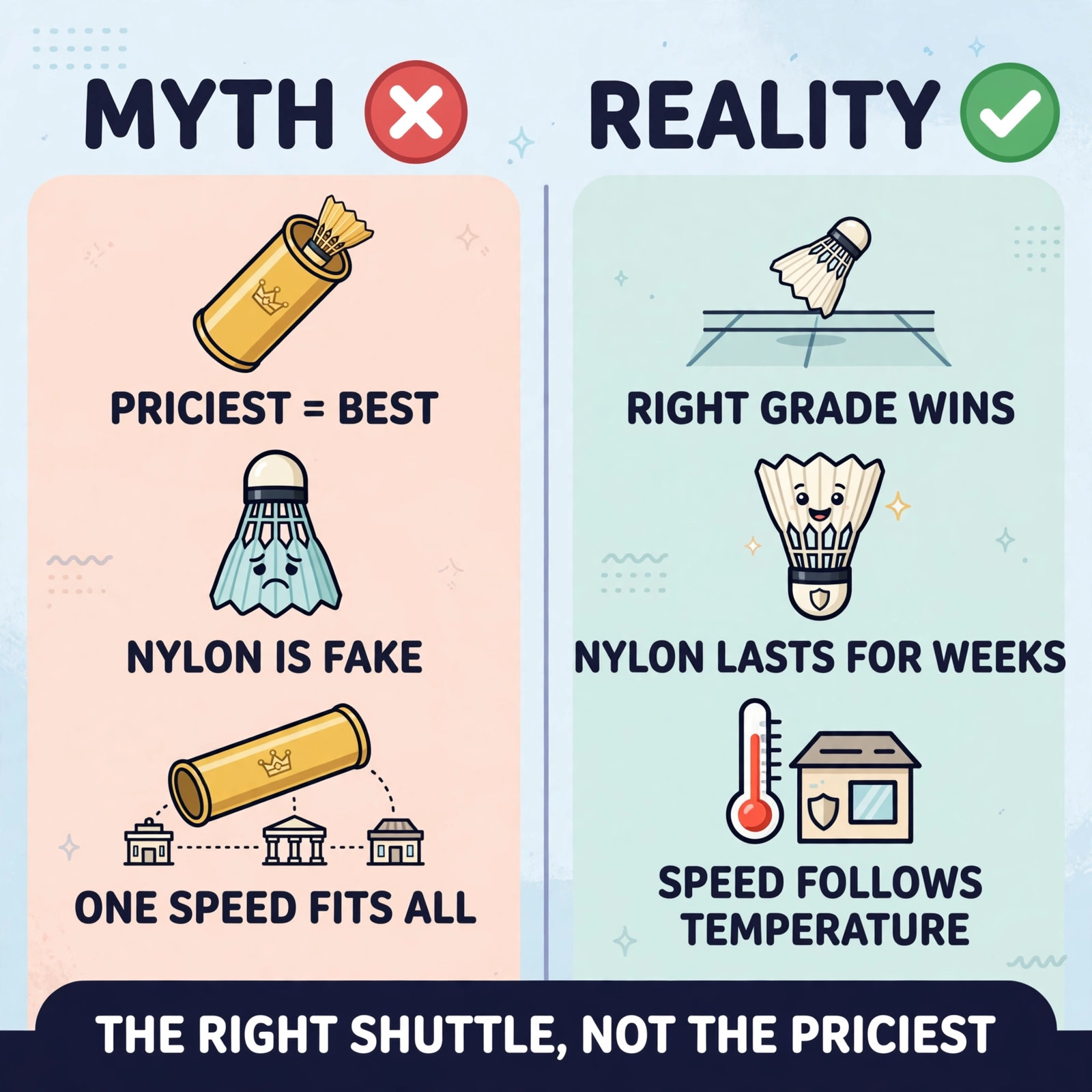
Myth: “The most expensive tube is always the best shuttle.” Reality: the best shuttle is the one whose speed suits your hall and whose flight your level can use. A top tournament tube in the wrong speed grade plays worse than a mid-grade tube in the right one, the landing test decides, not the price tag.
Myth: “Nylon shuttles are not real badminton.” Reality: nylon is the training standard worldwide because it survives the drilling that builds players. Myth: “Plastic shuttles wear out faster than feathers.” Reality: it is the other way round, a nylon shuttle outlasts feather shuttles many times over; feathers break, skirts endure.
Myth: “One speed grade works everywhere.” Reality: speed follows temperature and altitude, so the right grade changes from hall to hall. Myth: “Shuttle colour changes how well you play.” Reality: white is the standard and yellow nylon helps visibility in some halls, colour is about seeing the shuttle, never about quality.
Why Choose Us
Honest Shuttle Advice for Every Player
At ST Badminton Academy KL, gear advice is part of coaching, not a sales pitch. In our small group classes of max 4 students, coaches choose the shuttle for the session on purpose: nylon for feeding volume, feather when the work turns to match play, and the speed grade checked against the hall that day. Students learn to read a tube the way they learn to read a rally.
Mr Eric Chuar has over 15 years of coaching experience in Singapore and Malaysia, and he has strong views on shuttles: most club players in Malaysia overspend on tournament tubes for social games and underspend on the nylon their drills actually need. His advice is boring and correct, buy for the session you are playing, store the tube properly, and test the speed before the first rally.
Our academy is based in Setapak, Kuala Lumpur, convenient for players from Wangsa Maju, Melati Utama, Danau Kota and Gombak. If you are unsure which shuttle suits your game, or your child’s training, bring your current tube to a session and ask. We would rather you spend once, correctly, than keep guessing at the sports shop shelf.
FAQs: Choosing the Best Shuttlecock in Malaysia (KL)
These are the questions players and parents ask us most about choosing shuttlecocks in Malaysia. If your question is not here, message us, tell us where you play and what level your games are, and we will give you a straight answer about which shuttle and which speed grade to buy.
What shuttlecock should I choose if I play in Setapak or Gombak?
Start where you play most. If you train and play social games in Setapak or Gombak, a good nylon shuttle covers most of your week, and one feather tube in the right speed grade covers match nights. Tell us your hall and your level and we will point you to the grade that lands correctly there.
Feather or nylon, which shuttlecock suits your game in KL?
Feather flies truer: it turns over cleanly, holds its line in smashes and gives softer touch at the net, which is why tournaments use it. Nylon flies close, lasts far longer and costs your session less in replacements. Most players in KL train on nylon and keep feather for matches, that mix suits almost everyone.
How fast a shuttle speed grade should a player pick at any level?
Pick by the hall, not by habit. In a hot hall choose a slower grade like 75 or 76; in a cold or strongly air-conditioned hall, 77 or 78 lands better. Whatever your level, confirm it with the landing test: a full clear from the back line should drop near the back service line.
Can a junior start with nylon shuttles when he or she is 13 or 14?
Yes, juniors usually learn better on nylon at thirteen or fourteen: it flies a touch slower, survives school-hall mishits and keeps its flight for weeks of practice. Move them to feather when their strokes are grooved and matches start to matter, so their timing transfers cleanly to tournament shuttles later.
How do you test a shuttlecock before a match you enter?
Check the grade first, then do the landing test during warm-up: hit a full underarm clear from the back boundary and watch where it drops. Too fast and it sails long; too slow and it dies early. Agree with your opponent early, before the match, if the supplied shuttle feels wrong.
Do you help players choose shuttlecocks in classes near Wangsa Maju?
Yes, gear advice sits inside our coaching at the Setapak academy, a short drive from Wangsa Maju, Melati Utama and Danau Kota. Coaches pick nylon or feather for each drill block and teach students how speed grades work, so players stop wasting money on tubes that fight their own hall.
Does your academy teach shuttlecock care and storage in Malaysia?
Yes, shuttlecock choice is taught in ST Badminton Academy classes in Malaysia: which family for which session, how to read speed grades, how to store tubes upright away from heat, and when a shuttle is finished. Parents see it quickly in the training bill, the right tubes last, and sessions stop burning through shuttles.
Where is ST Badminton Academy KL located for equipment and training?
ST Badminton Academy KL is based in Setapak, Kuala Lumpur, where our classes run in small groups of max 4 students. The academy is convenient for players from Wangsa Maju, Melati Utama, Danau Kota and Gombak. Message us before your first session and we will confirm the venue details and what to bring.
What makes Mr Eric Chuar a suitable coach for gear advice and badminton?
Mr Eric Chuar has over 15 years of coaching experience in Singapore and Malaysia, and shuttles are one of his favourite topics: he tests speed grades himself when he opens a tube in a new hall. Students learn gear judgement from a coach who still does the landing test after decades around courts.
Badminton Shuttlecocks in Action
What It Takes to Pick the Right Shuttle
A player meets our shuttle standard when five habits hold: the speed grade is tested in each new hall, nylon is used for drills and feather kept for matches, tubes are stored upright away from heat, dead shuttles are retired early, and nobody blames their timing before checking the shuttle. Our shuttle standards below are the checkpoints our coaches use when opening a new tube.
| Factor | Random Buying | Choosing With a Plan SMART |
|---|---|---|
| Frequency | 1 or 2 times a week. Mostly for fun and sweat. | Speed grade matched to the hall: slower in hot halls, faster in cool, air-conditioned ones. |
| Drills Focus | Basic static feeding. Minimal footwork pressure. | Feather kept for matches, nylon used for drills and feeding, rotated to share the wear. |
| Physical Conditioning | Rarely included. Just playing games on court. | Core, agility, and speed training included in every session to prevent injury and build stamina. |
| Tactical Awareness | "Just hit it over." No real game plan. | Video analysis, point construction, and learning to read the opponent's game. |
| Coach Ratio | Large groups (8-10 kids). Coach barely watches you. | Max 4 students. Mr Eric Chuar personally corrects every stroke and movement detail. |
| Goal Setting | Fun and exercise. | Tubes stored upright with caps on, away from car-boot heat, and tested before matches. |
| Long Term Result | Good recreational player. | A player whose shuttle flies true and lands honestly from the first rally to the last. |
Badminton Shuttlecock Guide in Kuala Lumpur
This page covered choosing the best shuttlecock: feather versus nylon, speed grades and temperature, cork and construction quality, storage and care, and matching the shuttle to your level. ST Badminton Academy KL teaches gear judgement inside small group classes of max 4 students in Setapak. If you are in Wangsa Maju, Gombak, Cheras or nearby, contact us today.





