South Korean Men’s Singles Badminton Star
Yoo Tae Bin

South Korea
Player Event: Men’s singles
Born 15 December 2003
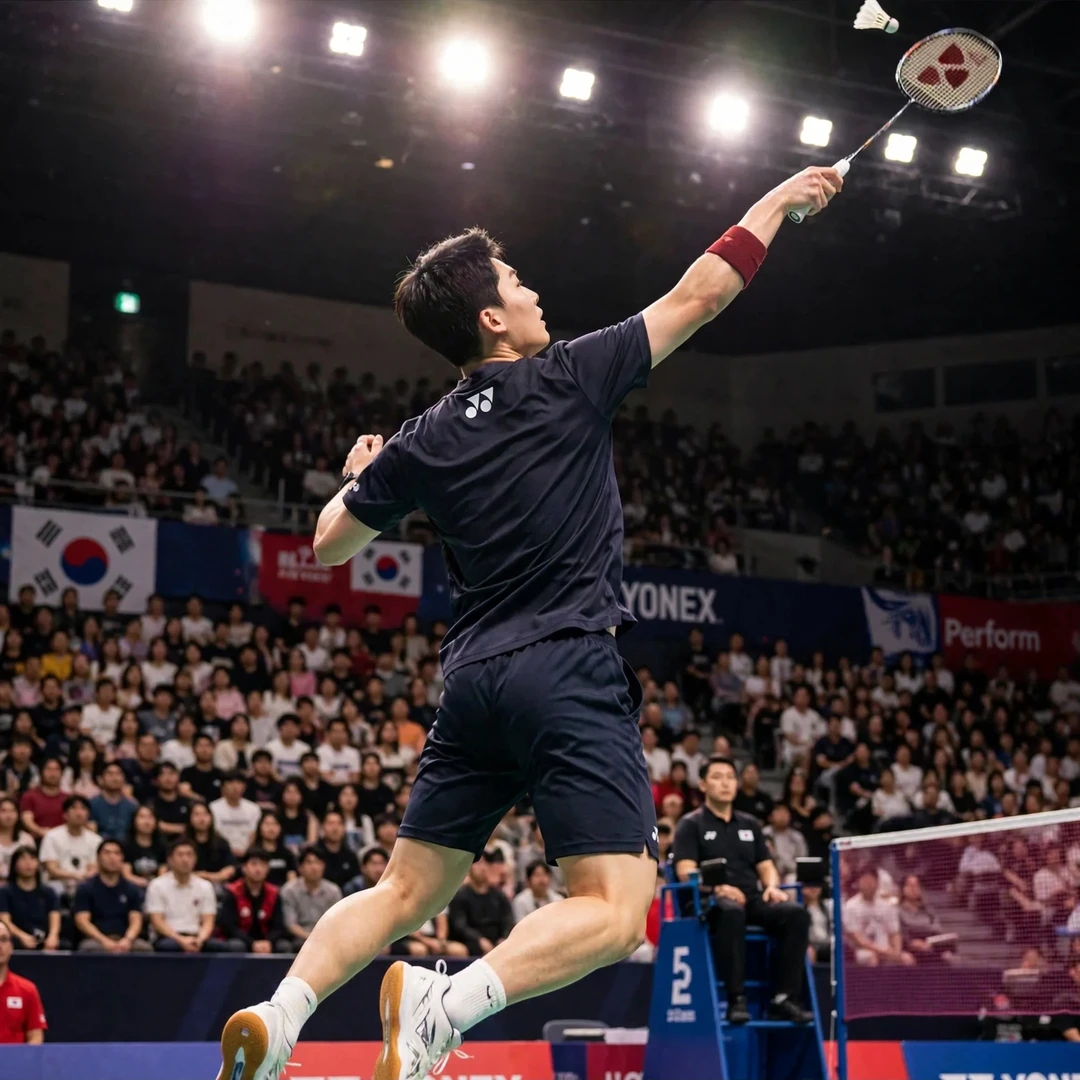
Playing Style: Right-handed attacking player, known for his explosive jump smashes from a 1.86 m frame, wide-court placement and sudden changes of pace
Understanding Yoo Tae Bin (South Korean Badminton Star)
Yoo Tae Bin is a South Korean men’s singles badminton player from Seoul, and the new hope of a discipline his country has struggled in for a generation. He holds the racket in his right hand, stands 1.86 metres tall, plays for the Gimcheon City Hall team, and in 2025 he won three BWF International titles before reaching back-to-back Super 300 finals on the BWF World Tour in 2026 and taking a bronze medal at the 2026 Asian Games. In the Week 43 BWF world rankings of 20 October 2026 he stands at No. 36 with 37,649 points, weeks after reaching a career-high No. 35.
Early Life in Seoul and the Gimcheon City Hall Pathway
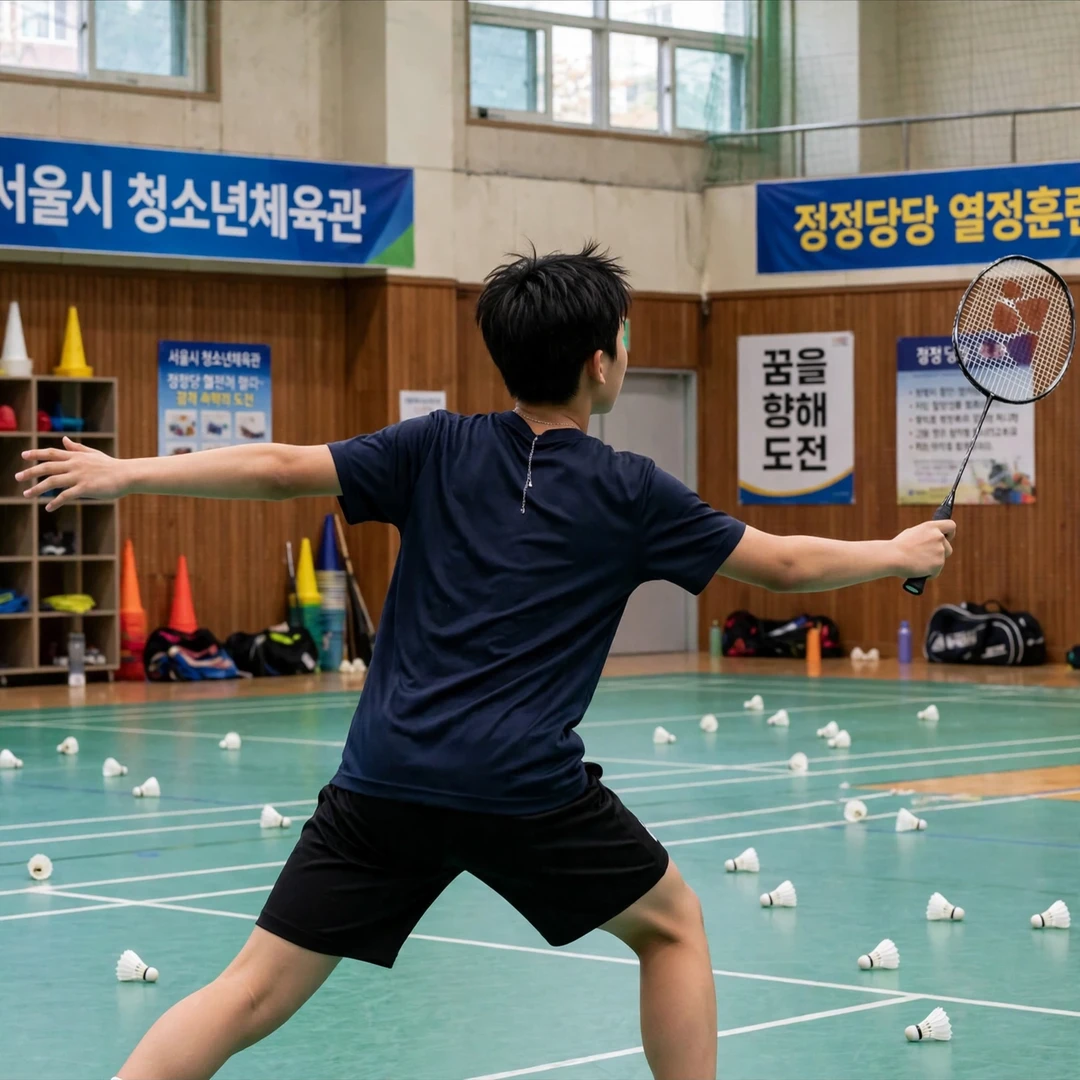
Yoo Tae Bin was born on 15 December 2003 in Seoul, South Korea. He started badminton as a schoolboy and made the decision that shaped his career early: he chose singles. His reason, given in a later interview, was disarmingly honest – singles “looked cooler” than doubles. He also joked that in doubles “you have to split the prize money.” Behind the joke was a tall, athletic junior who was already learning to cover the whole court alone.
Seoul Beginnings
South Korea’s system moves its best juniors into city and corporate teams, and in 2022 Yoo joined Gimcheon City Hall, the municipal team he still represents under a contract running through 2028. His talent had already been noticed at the very top: national team head coach Park Joo-bong, one of the most respected eyes in world badminton, personally picked him out while Yoo was still in middle school. Being chosen by Park Joo-bong is a promise, not a guarantee – Yoo still had to win his way up the hard way.
Luxembourg Open Champion
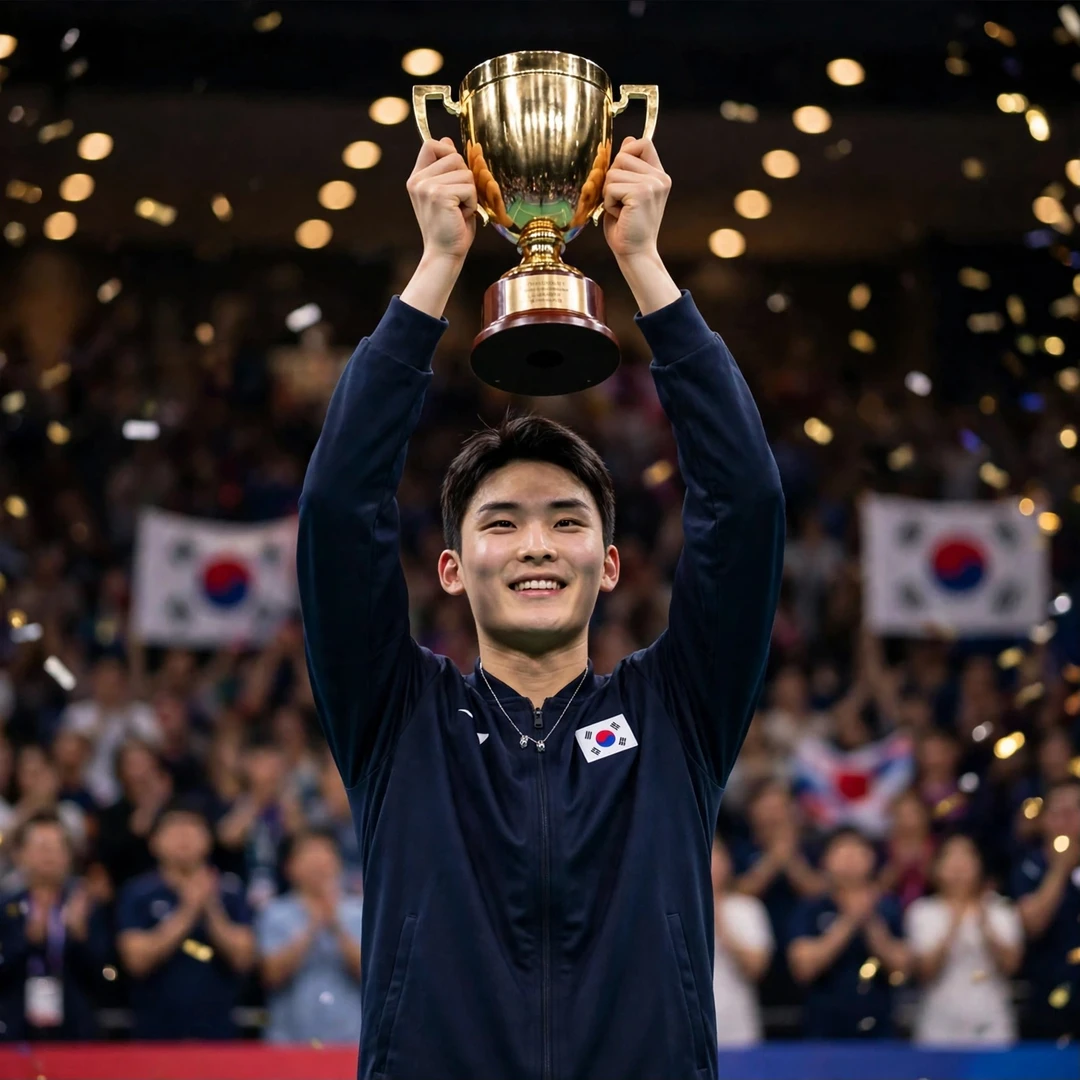
The breakthrough came in 2025, on the BWF International circuit – the small-hall tour where ranking points are earned one long week at a time. Yoo reached four finals in Europe alone: he finished runner-up at the Portugal International, losing a three-game final to Daniil Dubovenko, then won the Malta International, beating Dominik Kwinta 21-11, 21-11, and the Luxembourg Open, beating Liao Jhuo-Fu 21-19, 21-6, before another runner-up finish at the Slovenia Open against Eogene Ewe.
Asian Games Bronze Medallist
He completed the season in the Pacific, winning the Northern Marianas International with a three-game victory over Cho Geon-yeop, 21-11, 17-21, 21-13. Three titles and two runner-up finishes in a single season lifted him into the world’s top 50 and, more importantly, into the main draws of BWF World Tour events. There was no wildcard and no shortcut: the ranking was built match by match, in front of small crowds, far from television cameras.
Career Milestone #1
2025 Breakthrough: Three International Titles in One Season
Yoo quickly became a player Korea could rely on in team events. At the Asia Team Championships in Qingdao in 2026, he was part of the Korean squad that took the men’s team bronze medal. Team badminton asks for a particular kind of player – one who prepares for any tie, against any opponent, and delivers the same intensity whether the hall is full or empty. Coaches saw that quality in Yoo early.
Young players watching Yoo learn an important lesson: the glamorous finals come last, not first. Before the Taipei Open final and the Asian Games podium, there was a full season of International events in Malta, Luxembourg, Slovenia and Saipan. He treated every one of those weeks like a final. The base came first – and because the base was real, the breakthrough, when it arrived, held.
Career Milestone #2
Back-to-Back Super 300 Finals in 2026
The first World Tour final came at the 2026 Taipei Open, a Super 300 event. Yoo beat Chinese Taipei’s Lin Chun-Yi in straight games in the semi-final, in front of Lin’s home crowd, to reach his first final at that level. There he met Japan’s Yudai Okimoto and lost 19-21, 12-21 – Okimoto becoming the first Japanese men’s singles champion in the tournament’s history. A defeat, but a landmark: a 22-year-old from the International circuit was now standing in World Tour finals.
Weeks later he did it again, at home. At the Korea Masters in Asan, another Super 300 event, Yoo defeated Jeon Hyeok-jin and Park Sang-yong, then took revenge on Yudai Okimoto in the semi-final in straight games. In the final he pushed China’s Zhu Xuan Chen all the way before losing 16-21, 21-23. Back-to-back Super 300 finals made Korean media reach for a nickname: ‘the Son Heung-min of badminton’ – a huge compliment in a country searching for its next men’s singles star.
The 2026 season also taught him the other side of elite badminton. At the World Championships in New Delhi he went out in the round of 64 to Indonesia’s Alwi Farhan in straight games. One week you are in a final, the next you are on a plane home after one match. Yoo’s response to every setback in 2026 was the same: keep the routine, keep entering, and let the level come.
Career Milestone #3
Asian Games Bronze: The Giant-Killing Run in Aichi-Nagoya
Across 2025 and 2026, Yoo reached seven senior international finals, winning three and finishing runner-up four times – including World Tour finals in Taipei and Asan. For young players, that record carries the perfect lesson: you cannot win the finals you do not reach, and reaching them on three different levels of the tour in two seasons is a skill built on fitness, preparation and belief.
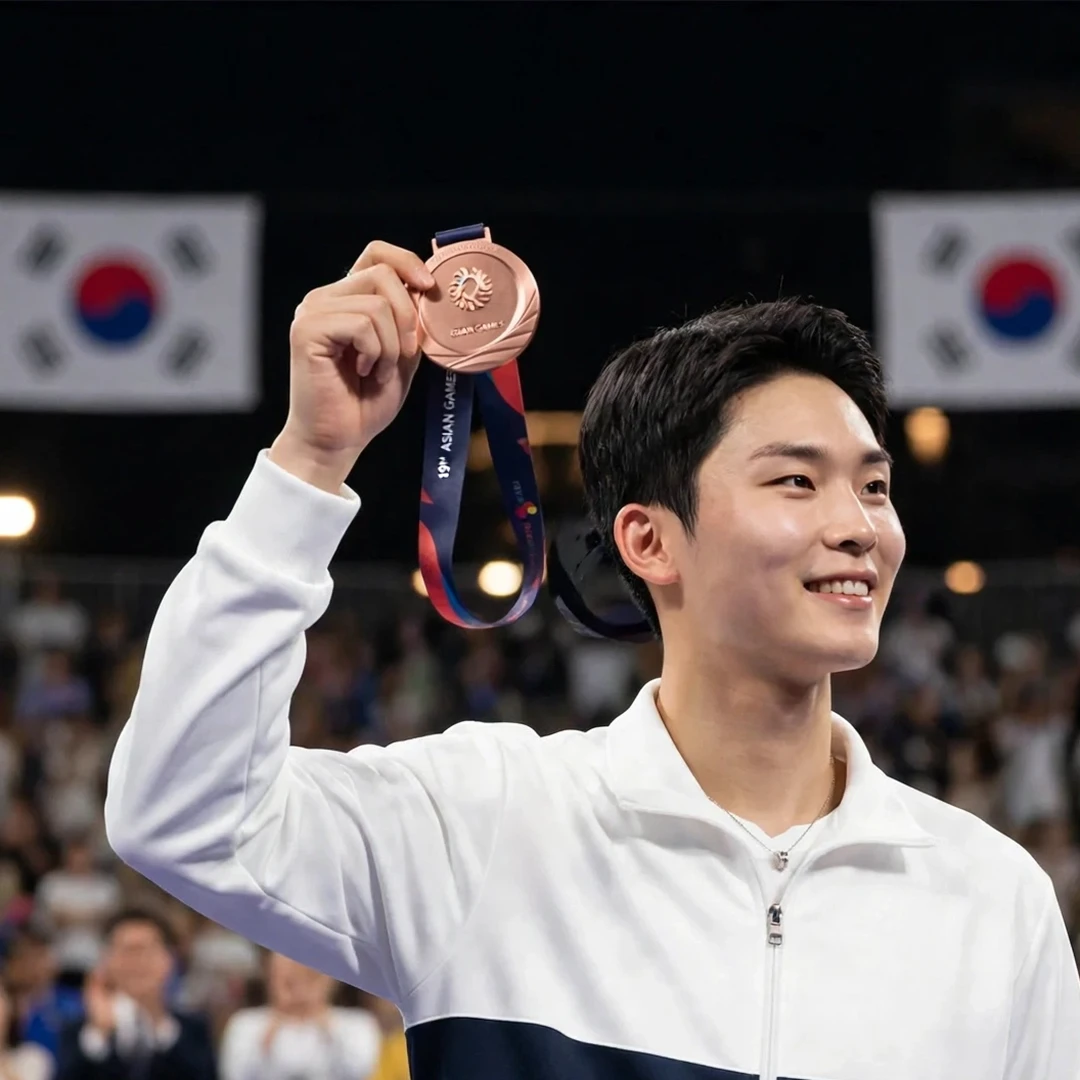
Then came the week that changed everything. At the 2026 Asian Games in Aichi-Nagoya, Yoo arrived ranked around world No. 46 – and produced the run of his life. He opened by beating Lin Chun-Yi in straight games, then stunned China’s Shi Yu Qi, one of the tournament favourites, 21-17, 25-23 in the round of 16. In the quarter-finals he fell 12-21 behind against Japan’s Kodai Naraoka – and stormed back, 21-5, 21-11, to guarantee himself a medal.
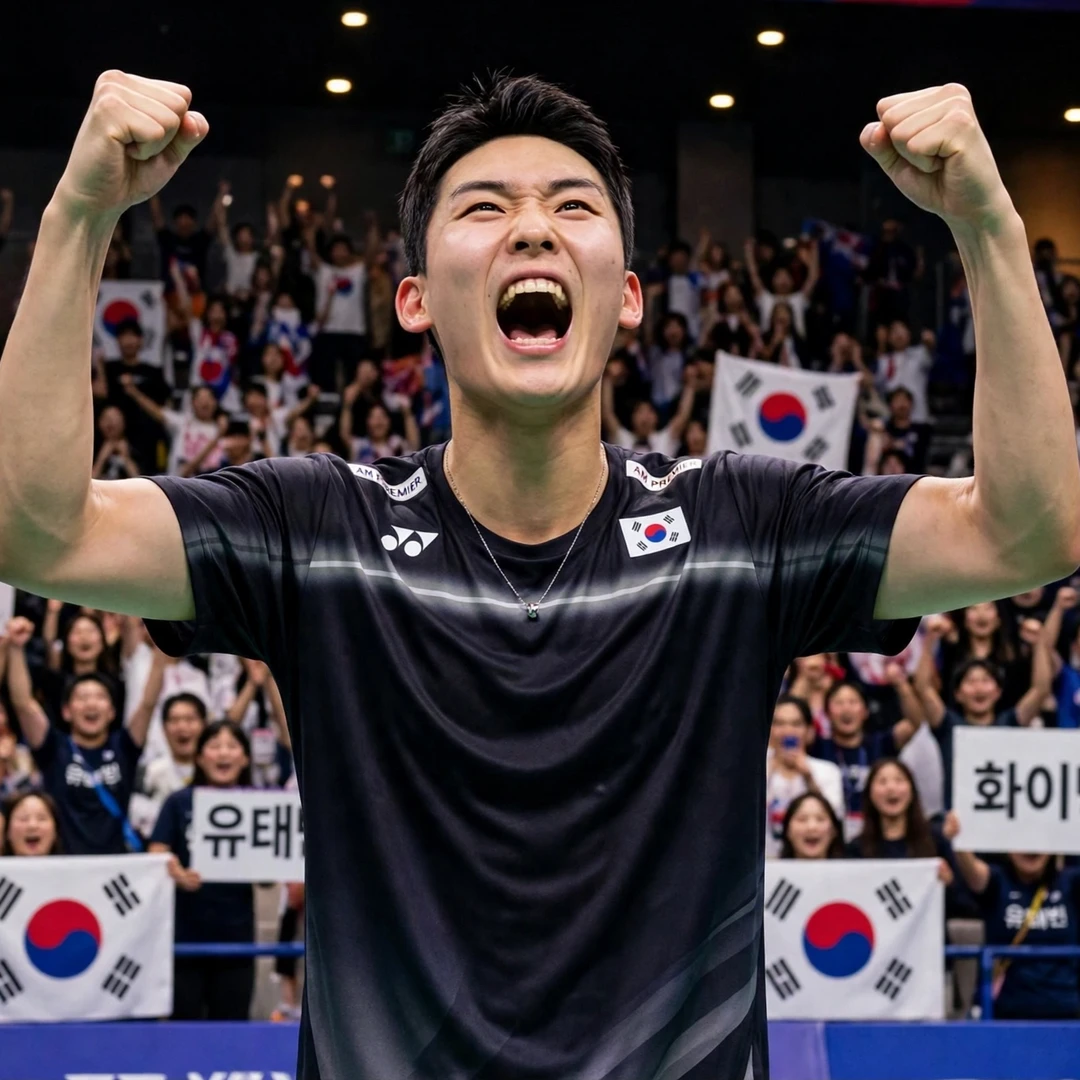
The semi-final against Singapore’s Loh Kean Yew was another classic: Yoo took the second game 21-19 to level the match before Loh closed it out 19-21, 21-19, 12-21 at the Ichinomiya City Municipal Gymnasium. The bronze medal was his – and it was a piece of history. No Korean man had won an Asian Games singles medal for 16 years, since Park Sung-hwan in 2010, and Korea has still never won the men’s singles gold. Yoo’s bronze ended the drought.
Career Milestone #4
World No. 36 and Korea’s New Men’s Singles Hope
His own words explain how he did it. ‘Honestly, I didn’t expect to win a medal at the Asian Games,’ he said. ‘I tried to enjoy it, and I think that’s what led to this positive outcome.’ He added that he played ‘without any pressure’ – and that when he faced higher-ranked players, he never felt they were ‘an insurmountable wall.’ After losing a final earlier in the season, his verdict was just as simple: ‘I’ll win next time.’
By October 2026 the numbers had caught up with the performances: a career-high world No. 35 on 6 October, and No. 36 with 37,649 points in the Week 43 rankings of 20 October 2026. At 22, with a city-team contract through 2028 and a national-team place secured, Yoo has the one thing young players need most – time, and a system that now believes in him.
Playing Style
The Explosive Attacking Style
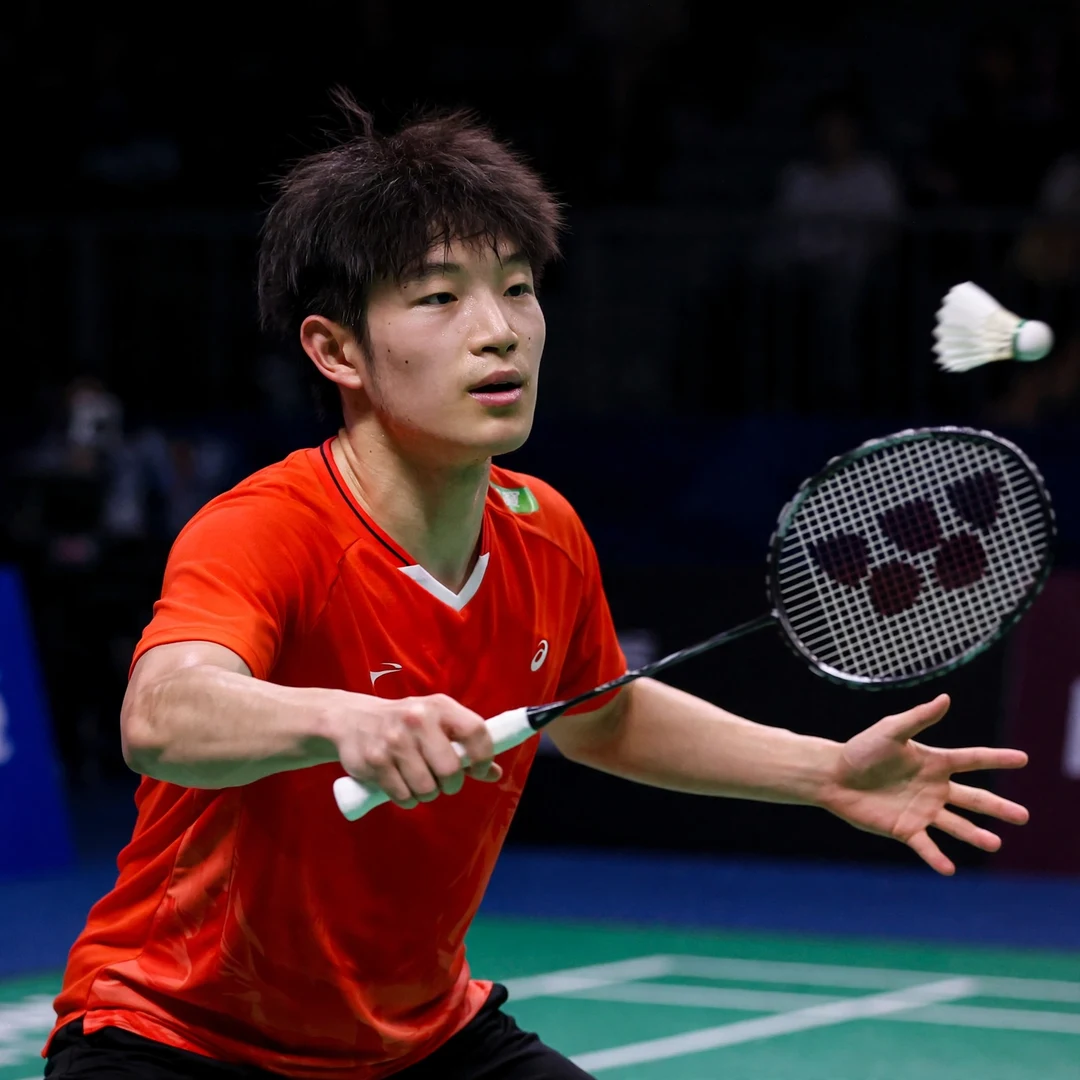
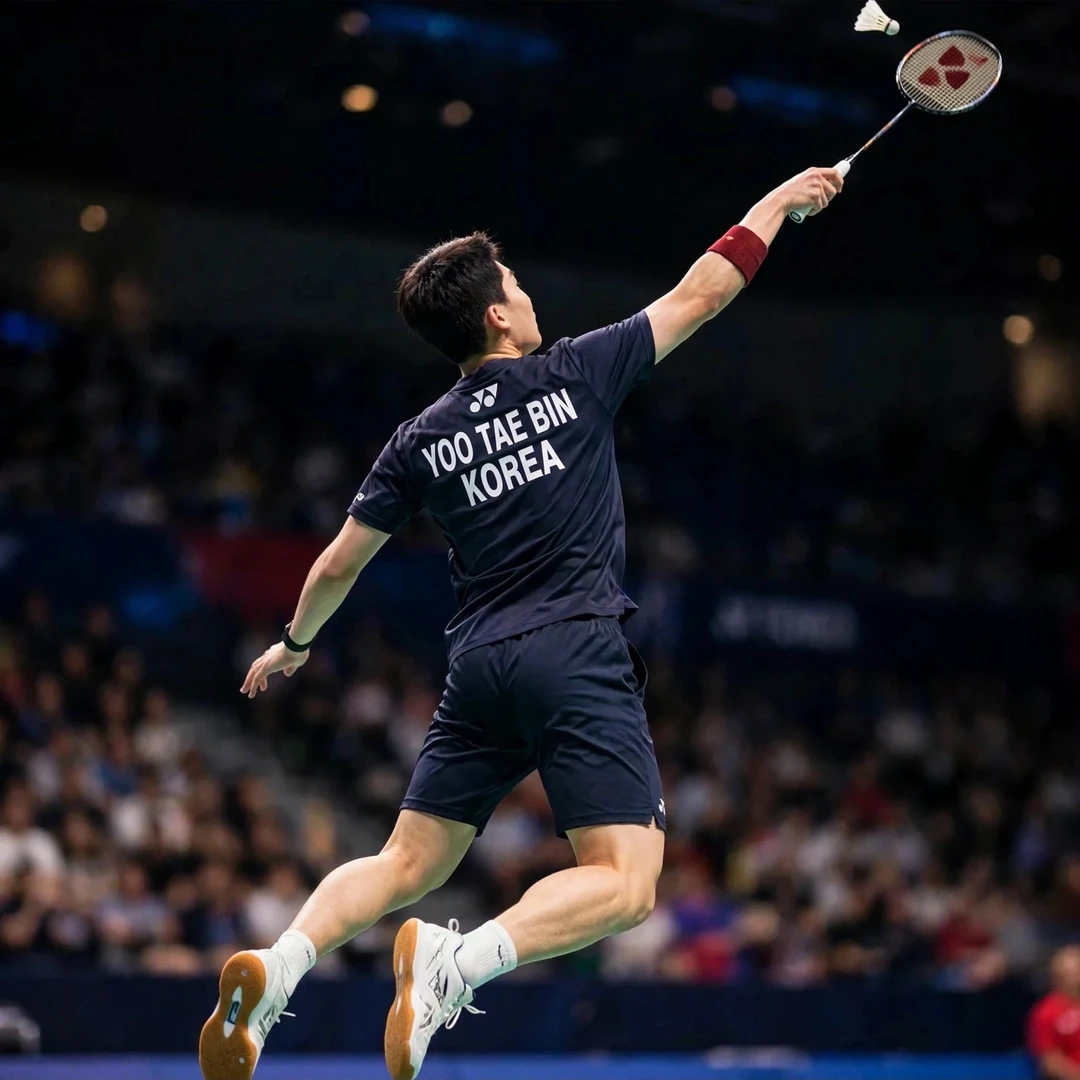
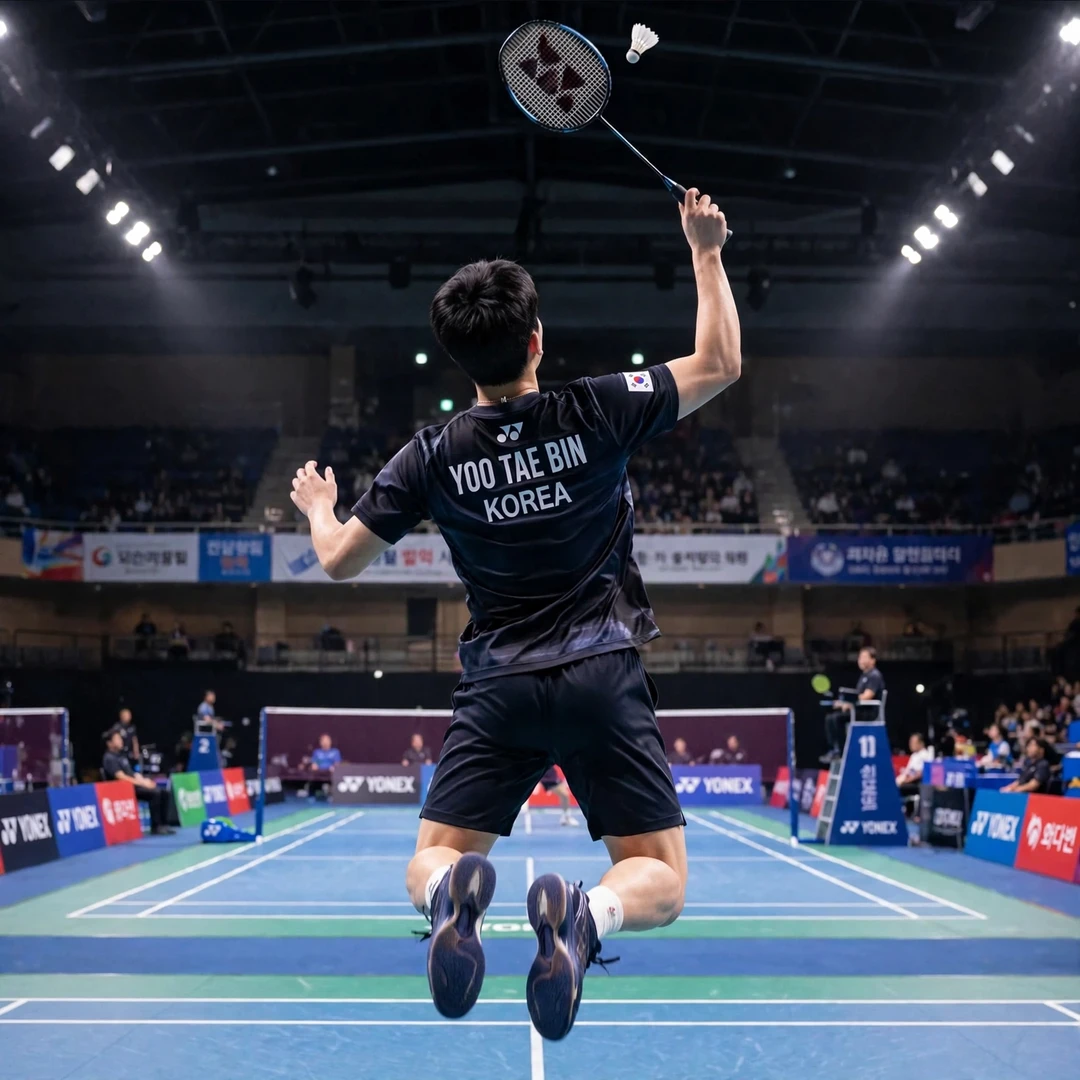
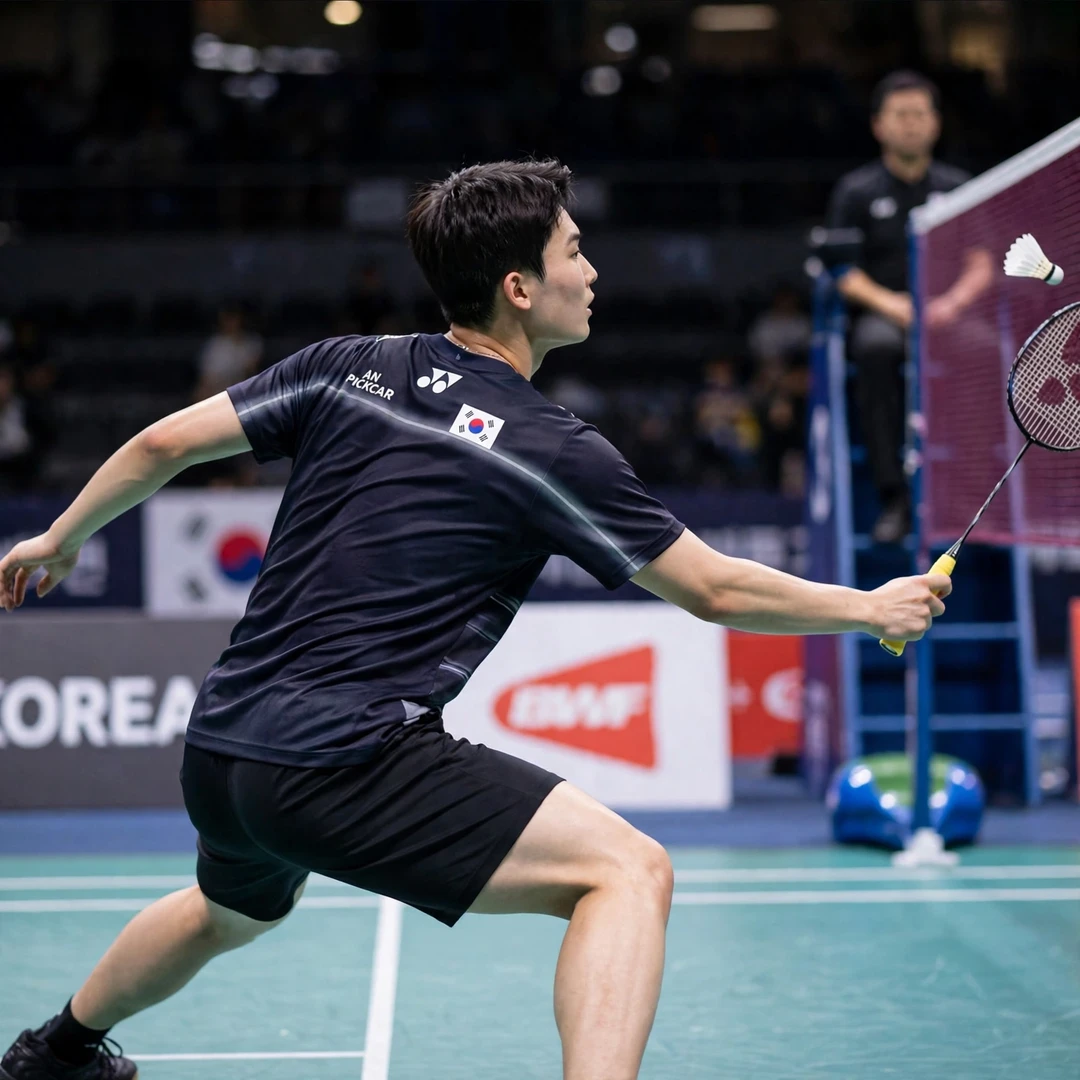
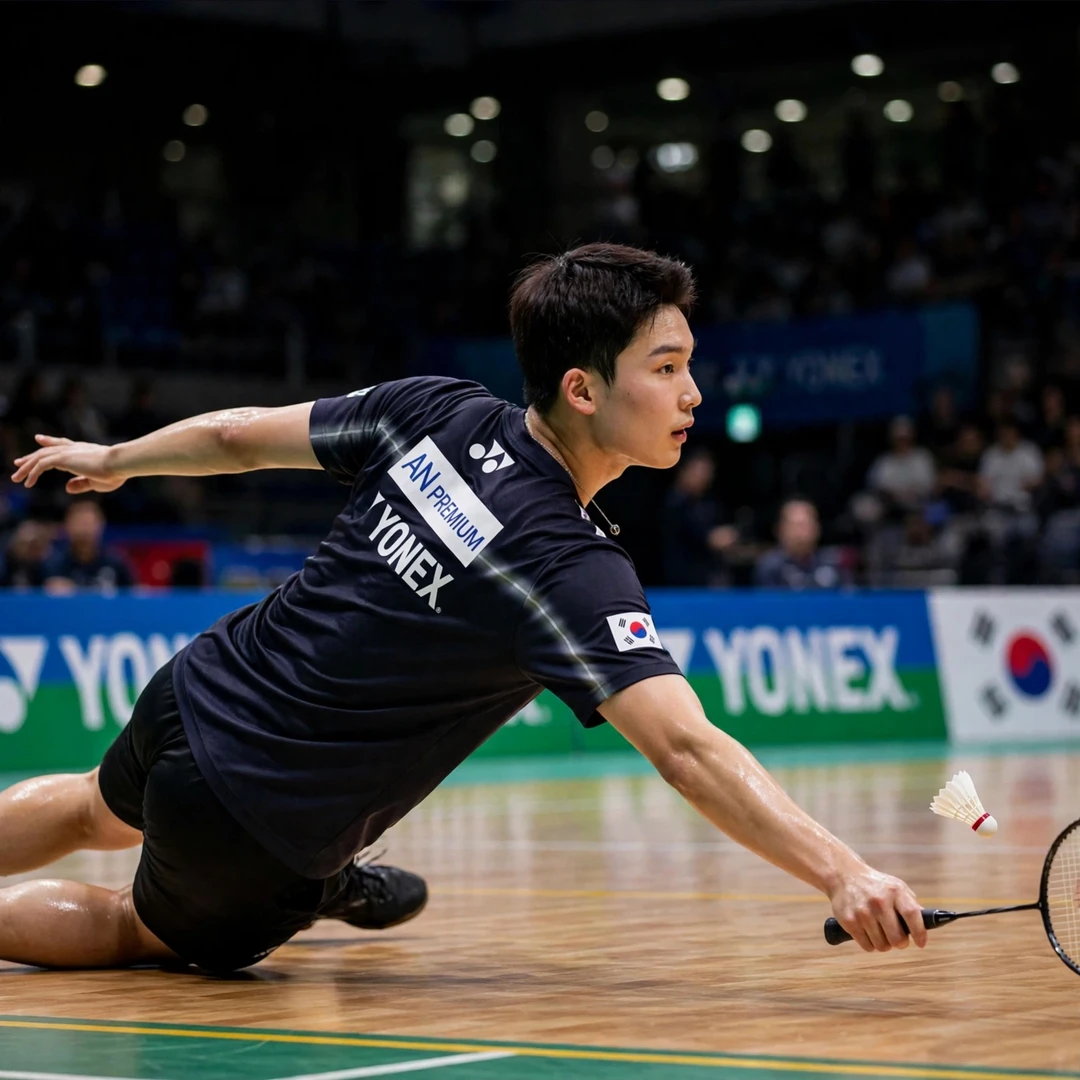
Yoo’s style is the modern attacking game at full stretch. A right-hander with a 1.86 m frame, he takes the shuttle at the highest possible point and drives it down steep angles that shorter players cannot produce. His jump smash is the headline shot, but it lands because of what comes before it: deep, patient rallying that stretches opponents to all four corners first.
Coaches describe his real weapon as placement mixed with deception. He varies the landing points of his clears and drops so opponents can never settle, then changes the pace suddenly – a slow, spinning net shot followed by an explosive lift-and-smash sequence. He plays the net aggressively for a tall man, and he is happy to wear an opponent’s stamina and patience down before he attacks. His Asian Games wins over Shi Yu Qi and Kodai Naraoka were masterclasses in exactly that pattern.
Young players who study Yoo learn that power is a finishing tool, not a foundation. His smashes look spectacular because his placement created the opening. Build the rally craft – the corners, the pace changes, the net confidence – and the big shots will start to land for you too, the same way his did.
Mental Strength
No Insurmountable Walls: The Fearlessness Lesson
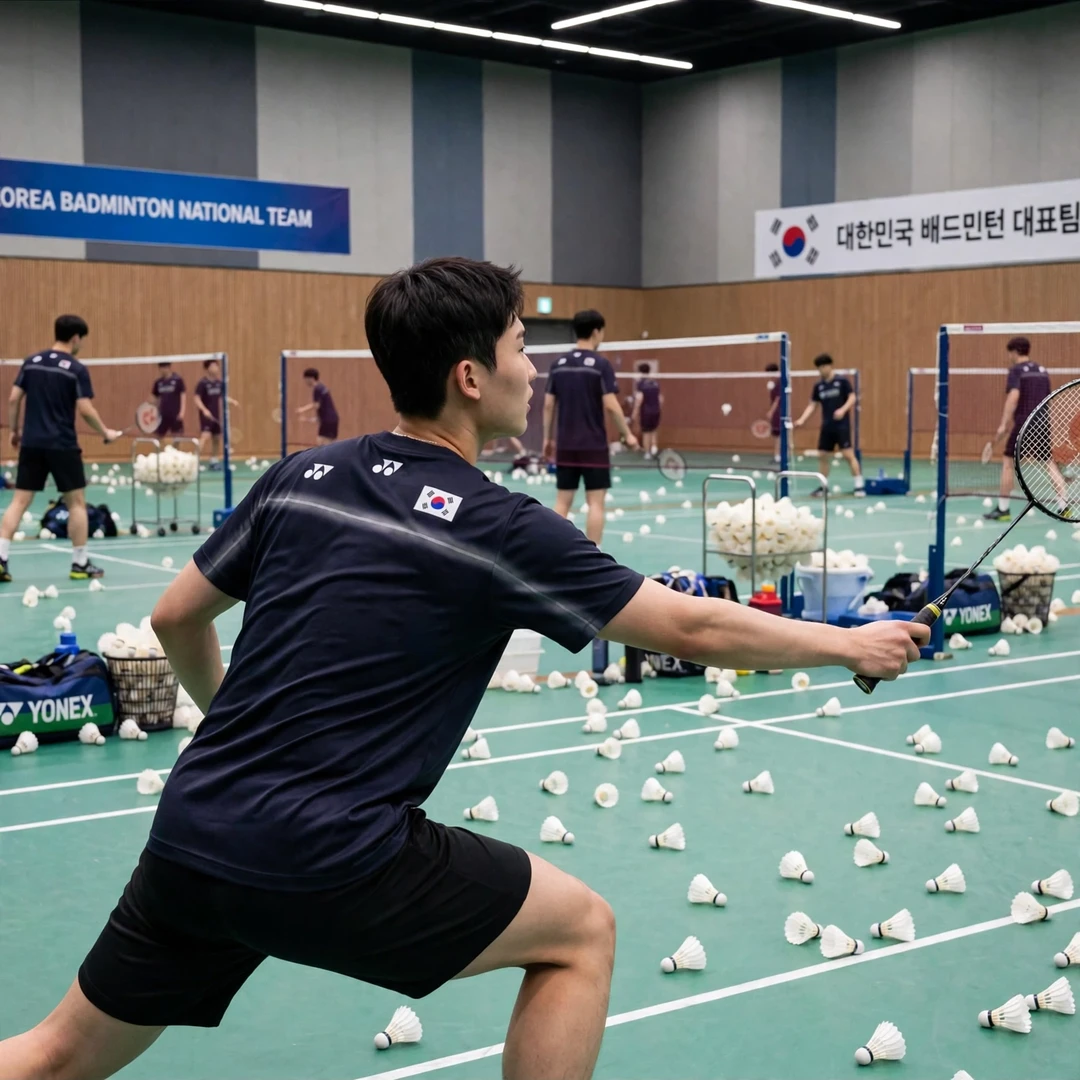
Yoo’s career already carries its hardest lesson: the last step is the steepest. Twice in 2026 he stood one match from a World Tour title, and twice he walked away with the runner-up trophy – 19-21, 12-21 in Taipei, and 16-21, 21-23 at home in Asan, a final decided by two points in the second game. Many players let two lost finals define a season. Yoo treated them as tuition.
His answer came within weeks. The same player who had lost those finals arrived at the Asian Games, beat Shi Yu Qi and Kodai Naraoka, and stood on the podium with a bronze medal – Korea’s first in the event for 16 years. “I’ll win next time” stopped being a quote and became a method: lose, learn, return, and play the next big match without fear of the name across the net.
For our students, the practical lessons from Yoo are clear: earn your ranking on every court you are given, build placement before power, treat lost finals as information rather than verdicts, and never walk onto court believing the player across the net is a wall you cannot climb.
Learning Reference
ST Badminton Academy Connection
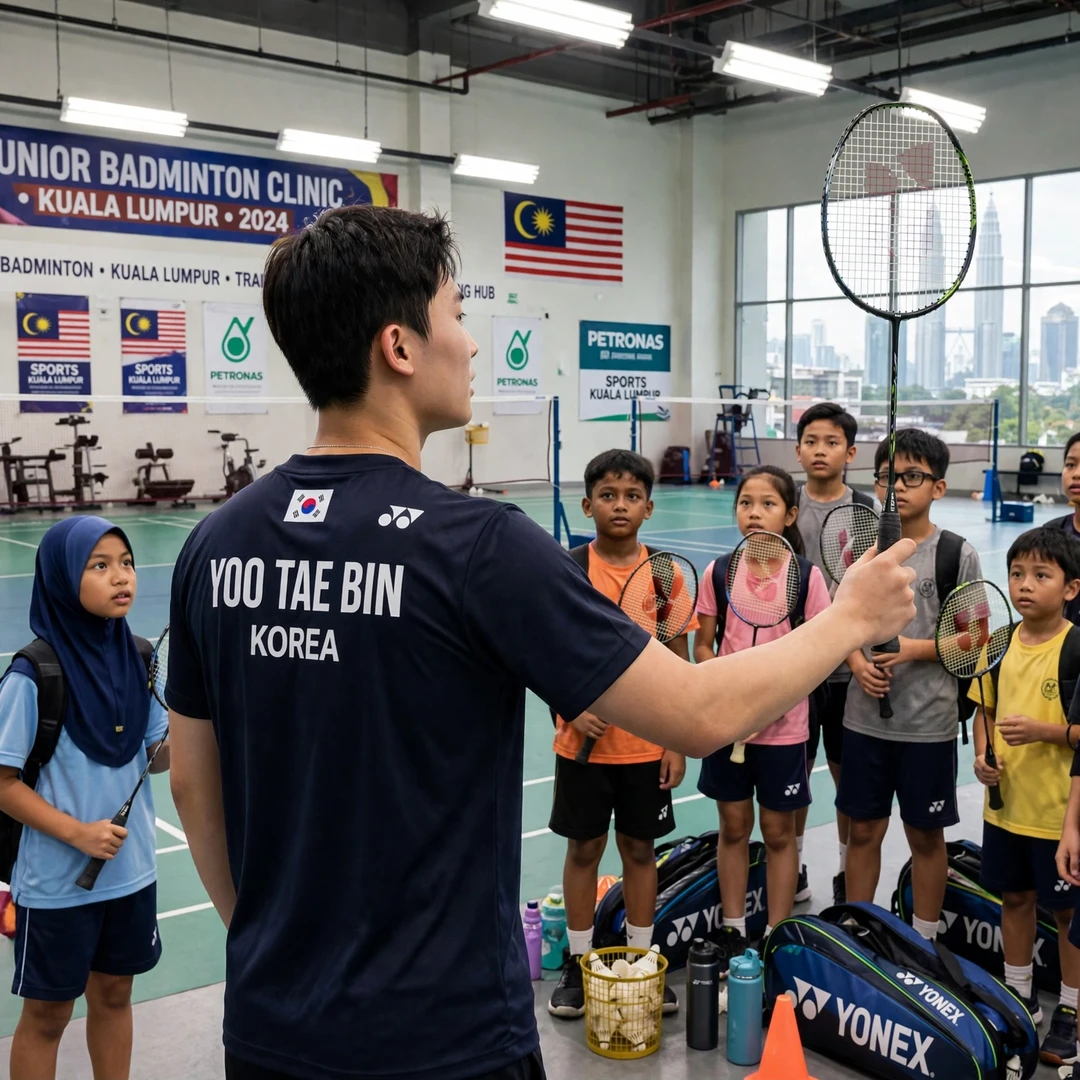
ST Badminton Academy has no official partnership or endorsement arrangement with Yoo Tae Bin, Gimcheon City Hall or the Badminton Korea Association. This page is an educational profile created so Malaysian juniors and parents can learn from his career, his playing style and his breakthrough season.
Our students study Yoo’s Asian Games matches to learn giant-killing: how his pace changes unsettled Shi Yu Qi, how he reset after losing the first game 12-21 against Kodai Naraoka, and how a player ranked around No. 46 prepared to beat the stars. His pathway – city team, International circuit, World Tour finals – also shows families the honest route a player takes when there is no shortcut.
We encourage our players to watch Yoo the way we encourage them to train: bravely and patiently. Copy his preparation, his placement and his refusal to be overawed, and your own game will grow the same way his did – one well-built rally, one honest tournament, at a time.
FAQs: Yoo Tae Bin South Korea Badminton Player
Here are the questions Malaysian parents and junior players ask most often about Yoo Tae Bin, answered with the key facts from his career.
Who is Yoo Tae Bin and which country does he represent in badminton?
Yoo Tae Bin is a South Korean men’s singles badminton player. He was born in Seoul on 15 December 2003, represents South Korea in BWF World Tour events and team competitions, plays for Gimcheon City Hall, and won the men’s singles bronze medal at the 2026 Asian Games.
What are Yoo Tae Bin’s biggest badminton achievements?
His biggest achievements are the 2026 Asian Games men’s singles bronze medal – South Korea’s first in the event for 16 years – back-to-back BWF World Tour Super 300 finals at the 2026 Taipei Open and the 2026 Korea Masters, three BWF International titles in 2025, an Asia Team Championships bronze medal in 2026, and a career-high world ranking of No. 35.
What is Yoo Tae Bin’s playing style?
Yoo plays a right-handed attacking style built on his 1.86 m height. He takes the shuttle early and high, hits steep jump smashes, varies his placement to all four corners, changes pace suddenly, and plays the net aggressively. His trademark is wearing opponents down with placement and patience, then accelerating to finish the rally.
How did Yoo Tae Bin perform at the 2026 Asian Games?
Yoo won the bronze medal at the 2026 Asian Games in Aichi-Nagoya. Ranked around world No. 46 going in, he beat Lin Chun-Yi, then China’s Shi Yu Qi 21-17, 25-23, then Japan’s Kodai Naraoka in three games, before losing a three-game semi-final to Singapore’s Loh Kean Yew. His bronze was South Korea’s first men’s singles medal at the Games in 16 years.
How can my child learn from Yoo Tae Bin’s training approach?
Children can learn from Yoo’s pathway: school badminton in Seoul, a city-team contract with Gimcheon City Hall at 18, a full season winning on the International circuit, and World Tour finals at 22. At ST Badminton Academy we use the same structure – rally-building, placement and footwork first – so juniors build the complete base before adding attacking weapons.
Did Yoo Tae Bin win any junior titles?
Yoo’s rise did not come through junior world titles. He was spotted as a schoolboy by national head coach Park Joo-bong, joined Gimcheon City Hall in 2022, and won his place on the World Tour the senior way – three BWF International titles and two more finals in 2025, then back-to-back World Tour finals and an Asian Games medal in 2026.
How many BWF World Tour titles has Yoo Tae Bin won?
Yoo has not won a BWF World Tour title yet. He has reached two World Tour finals – the Taipei Open and the Korea Masters, both Super 300 events in 2026 – losing to Yudai Okimoto and Zhu Xuan Chen. His titles so far are his three BWF International titles from 2025: the Malta International, the Luxembourg Open and the Northern Marianas International.
What playing style should young players learn from Yoo Tae Bin?
Young players should learn Yoo’s complete attacking game: the high contact point and steep smash, but also the placement, pace changes and net confidence that create the openings. Above all, copy his fearlessness – he beat Shi Yu Qi at the Asian Games by playing his own game, without pressure, against a far higher-ranked opponent.
Does ST Badminton Academy have any connection with Yoo Tae Bin?
No. ST Badminton Academy has no official connection, partnership or endorsement with Yoo Tae Bin. This profile is published for education only, so our students and parents in Malaysia can study his career achievements, playing style and journey.
Yoo Tae Bin Career Highlights
Career Statistics and Rankings
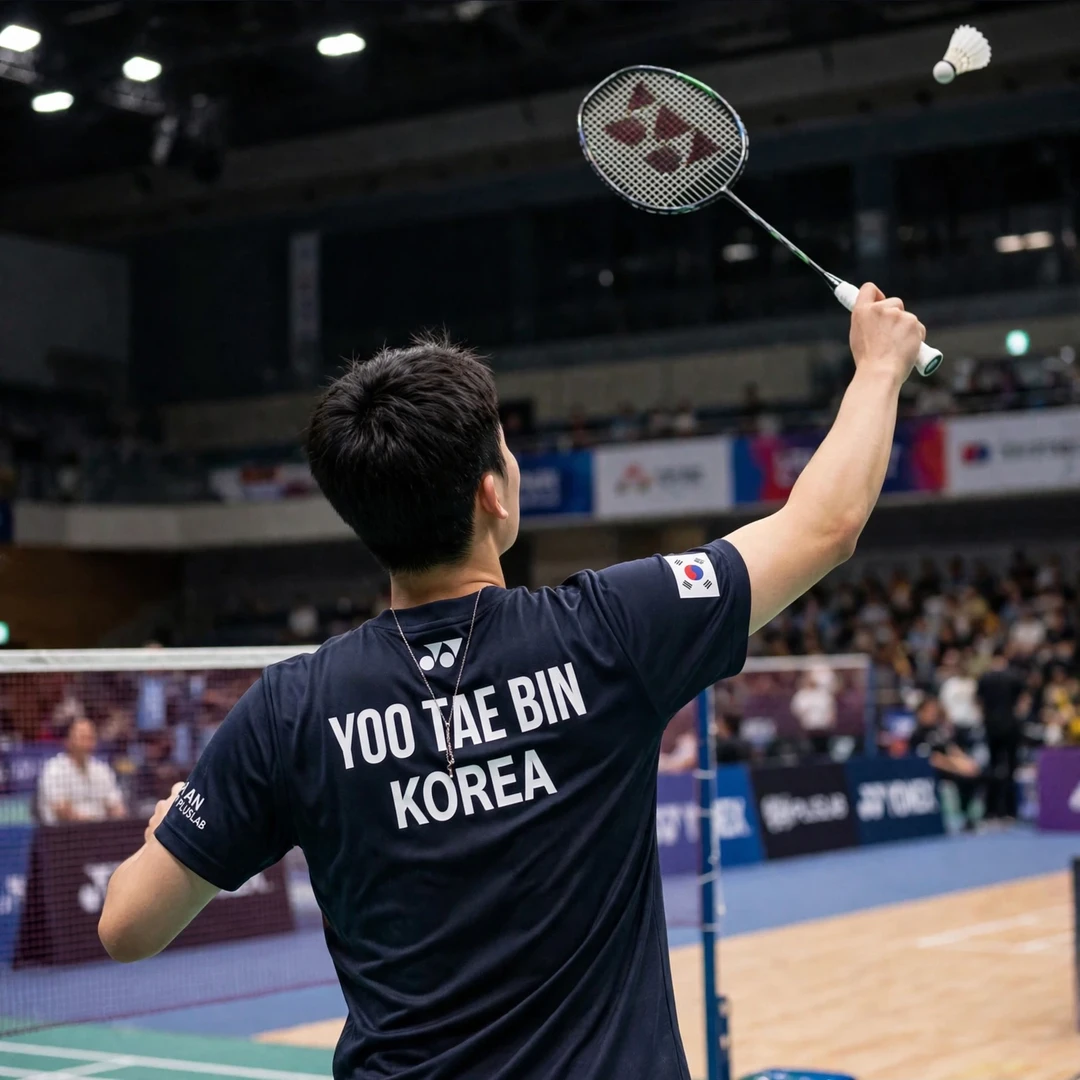
Yoo Tae Bin's career is a masterclass in earning the breakthrough the long way. From a Seoul schoolboy who chose singles because it looked cooler, through a city team and a season of small-hall titles, to back-to-back World Tour finals and an Asian Games bronze that ended a 16-year Korean drought - every step was built on placement, patience and nerve.
| Development Area | Common Misconception | What Yoo Tae Bin's Career Shows REALITY |
|---|---|---|
| Junior Foundation | Talent alone decides who becomes a champion. | Yoo started in Seoul and climbed the full Korean system - school badminton, the Gimcheon City Hall city team at 18, and a full season winning on the BWF International circuit before he ever reached a World Tour final. The structured base came first; there were no shortcuts. |
| Playing Style Priority | Kids should copy the flashiest attacking shots. | Yoo built a complete attacking game first; his winning smashes are the finishing touch on elite placement, pace changes and net play, not the whole game. |
| Fitness Importance | Juniors can out-train everyone without rest. | Yoo lost two Super 300 finals in one 2026 season - the Taipei Open and the Korea Masters. He treated both as steps, not verdicts: weeks later he beat the world No. 1 seed at the Asian Games and came home with a bronze medal. |
| Mental Approach | Top players never get nervous or upset. | Yoo's commitment to the team is total: an Asia Team Championships bronze with Korea in Qingdao in 2026, and Korea's first Asian Games men's singles medal in 16 years. Squads win medals because of dependable players like him. Team success matters. |
| Attacking Training | Smashing harder is always the answer. | His signature results came from rally craft and nerve, not raw power: beating Shi Yu Qi in straight games, 21-17, 25-23, and fighting back from 12-21 down to beat Kodai Naraoka at the Asian Games. |
| National Milestones | Only world titles matter. | Yoo arrived at the 2026 Asian Games ranked around world No. 46 and left with a bronze medal; weeks later he reached a career-high No. 35. Big stages reward the players who prepare before the ranking says they belong. |
| Career Timeline | Champions peak once and fade fast. | From a Seoul schoolboy who chose singles because it 'looked cooler' to World Tour finals and an Asian Games podium - and he is still only 22. The climb is long, and he is climbing it in the open, one tournament at a time. |
Study Yoo Tae Bin's Work Ethic and Professional Approach
For Malaysian juniors, his message is simple and powerful: the player across the net is never an insurmountable wall. Build your base, take the long route through every tournament you can enter, lose your finals and come back - and one day, like Yoo Tae Bin in Aichi-Nagoya, the big win will be yours.